
Compound Monograph
Mesembrenol
Mesembrenol is one of the four mesembrine-type alkaloids that define the standardised kanna extract Zembrin. Its own pharmacology is thin — a single clean ex-vivo finding on AMPA-receptor-mediated transmission in rat hippocampus — and most of what is claimed for it actually belongs to mesembrine or mesembrenone.

Sources · 4
Where Does It Come From?
Mesembrenol is a naturally occurring mesembrine-type alkaloid (3a-aryl-cis-octahydroindole; the c6-alcohol congener of mesembrenone), found in Kanna, Ice plants and 2 other sources. It is well tolerated orally (low toxicity).
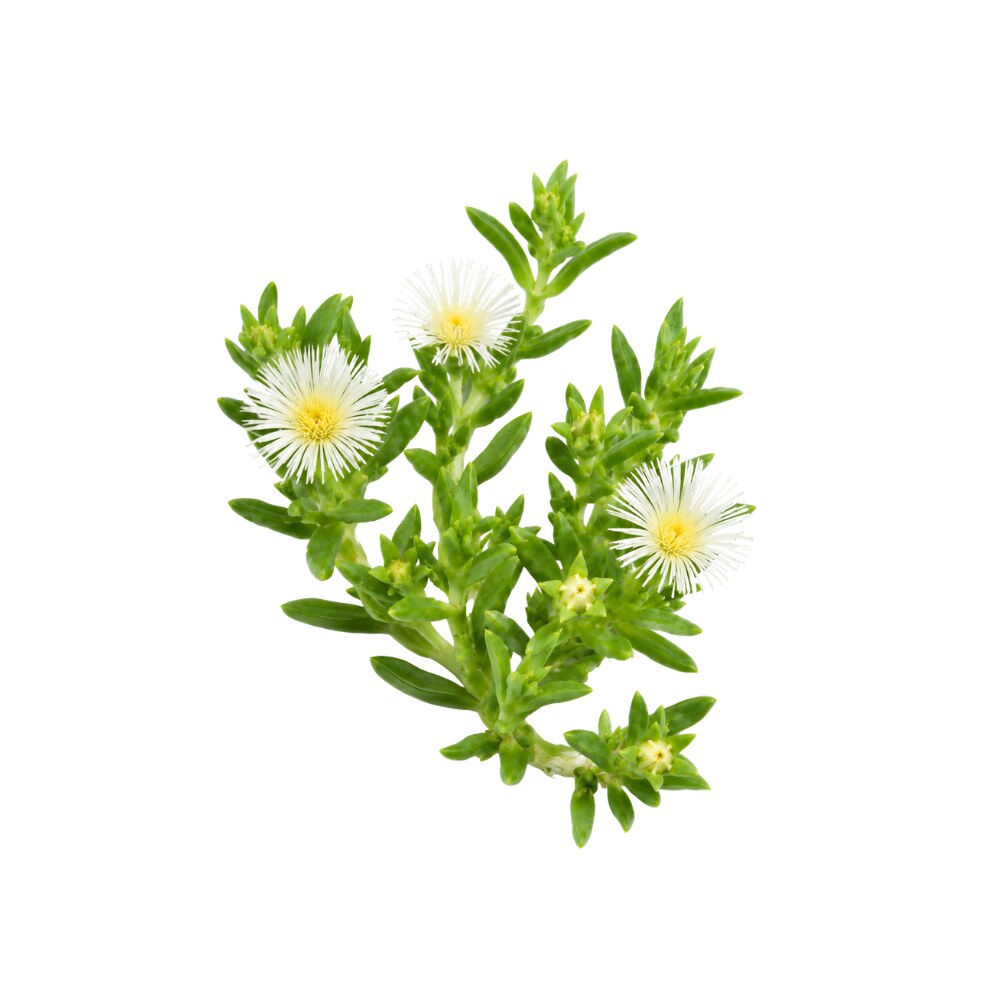 Principal source Kanna Mesembryanthemum tortuosum Herb monograph →
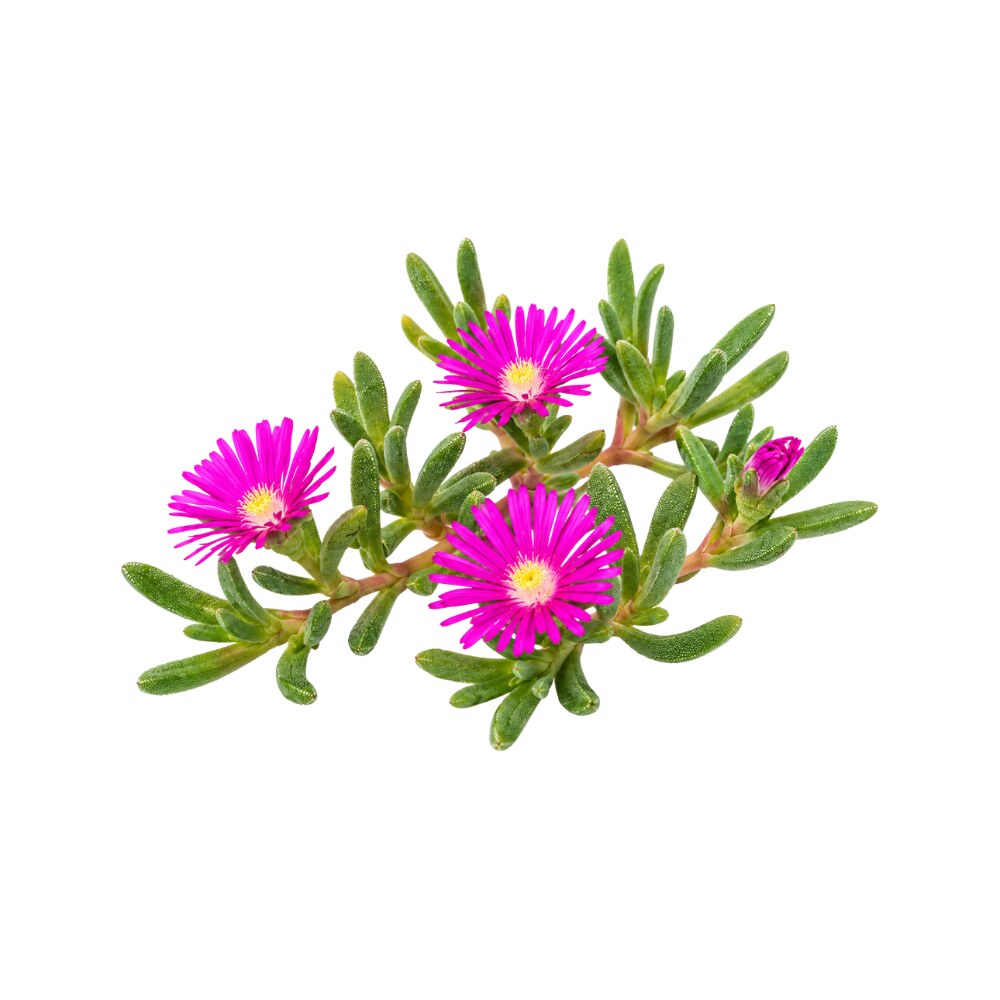 Source Ice Plant Delosperma spp. Herb monograph →
Concentration
Content by Source
Reported concentrations across the plants that contain mesembrenol — the bar marks the typical level, the line shows the reported range.
Literature figures for varying plant parts and preparations. Read them as a comparative guide, not exact assays.
Mesembrenol at a Glance
Mesembrenol is one of the four mesembrine-type alkaloids used to define and standardise kanna (Sceletium tortuosum) preparations, alongside mesembrine, mesembrenone and mesembranol. Structurally it is the C6-alcohol of mesembrenone — same 3a-aryl-cis-octahydroindole skeleton, but the ketone at position 6 reduced to a hydroxyl 1,
It matters commercially more than it matters pharmacologically. The specification for the standardised extract Zembrin® is written partly around it — total alkaloids 0.35–0.45%, of which mesembrenone plus mesembrenol must be ≥60% and mesembrine <20% 5Reference 5AnimalA toxicological safety assessment of a standardized extract of Sceletium tortuosum (Zembrin®) in ratsView study → — and in one analysed batch mesembrenol was 32% of the total alkaloids, the second-largest single component 4Reference 4AnimalAn acute dose-ranging evaluation of the antidepressant properties of Sceletium tortuosum (Zembrin®) versus escitalopram in the Flinders Sensitive Line ratView study →. Wild kanna even runs a mesembrenol-dominant chemotype in which this alkaloid accounts for 65–96% of everything present 6Reference 6The chemotypic variation of Sceletium tortuosum alkaloids and commercial product formulationsView study →.
Its individual pharmacology, by contrast, is genuinely thin, and that is stated rather than borrowing. There is exactly one clean isolate-level finding: in rat hippocampal slices, mesembrenol and mesembranol — the two congeners carrying a C6 hydroxyl rather than a carbonyl — attenuated AMPA-receptor-mediated transmission, which mesembrine and mesembrenone did not 1Reference 1AnimalEffect of Zembrin® and four of its alkaloid constituents on electric excitability of the rat hippocampusView study →. Everything else is either negative, in-silico, or belongs to a sibling molecule. Mesembrenol is not the serotonin-transporter blocker (that is mesembrine) and not the PDE4 inhibitor (that is mesembrenone).
Naming: Mesembrenol, Δ7-Mesembrenol and the Congeners
The mesembrine alkaloids are a set of near-identical molecules that differ only in the oxidation state at C6 and the position of a ring double bond, and the naming is a reliable source of error. Analytical papers that resolve them by mass and fragmentation give the family as 10Reference 10Medicinal use of Sceletium: characterization of phytochemical components of Sceletium plant species using HPLC with UV and electrospray ionization–tandem mass spectroscopyView study →:
| Alkaloid | Formula | Nominal mass | C6 group |
|---|---|---|---|
| Mesembrenone | C₁₇H₂₁NO₃ | 287 | ketone, unsaturated |
| Δ7-Mesembrenone | C₁₇H₂₁NO₃ | 287 | ketone, double-bond isomer |
| Mesembrine | C₁₇H₂₃NO₃ | 289 | ketone, saturated |
| Mesembrenol | C₁₇H₂₃NO₃ | 289 | hydroxyl, unsaturated |
| Mesembranol | C₁₇H₂₅NO₃ | 291 | hydroxyl, saturated |
| Epimesembranol | C₁₇H₂₅NO₃ | 291 | hydroxyl, C6 epimer |
Three distinctions are worth holding onto:
- Mesembrenol vs. Δ7-mesembrenol. The literature’s settled name is simply mesembrenol; “Δ7-mesembrenol” circulates as a variant and is listed here so searches land, but the Δ7 prefix properly belongs to Δ7-mesembrenone, a different compound — a double-bond positional isomer of mesembrenone, and one of the alkaloids that increases during traditional fermentation 11Reference 11Investigations of the phytochemical content of Sceletium tortuosum following the preparation of “Kougoed” by fermentation of plant materialView study →. Seeing “Δ7” in a kanna certificate of analysis usually means the mesembrenone isomer, not this molecule.
- Mesembrenol vs. mesembranol. Mesembranol is the fully reduced congener (no ring double bond). The two behave alike in the one assay where both were tested 1Reference 1AnimalEffect of Zembrin® and four of its alkaloid constituents on electric excitability of the rat hippocampusView study →, which is why they are frequently reported as a pair, but they are separate compounds with separate masses.
- Mesembrenol vs. its carboxylic-acid derivative. Mesembrenol-3-carboxylic acid is a distinct minor kanna alkaloid with essentially no pharmacology of its own, and should not be counted toward mesembrenol content. The same applies to mesembrenone-3-carboxylic acid.
A fourth trap sits outside Sceletium: the ornamental daffodil Narcissus cv. Hawera produces 6-epi-mesembrenol, a C6 epimer, not mesembrenol itself 16,
Its Role in Extract Standardisation
Mesembrenol’s clearest claim on attention is regulatory rather than pharmacological. Kanna is chemically unruly — wild S. tortuosum varies from 0.11% to 1.99% total alkaloids by dry weight and sorts into distinct chemotypes, one of which is essentially devoid of mesembrine-type alkaloids while another is dominated by mesembrenol at 65–96% of the alkaloid fraction 6Reference 6The chemotypic variation of Sceletium tortuosum alkaloids and commercial product formulationsView study →. Regional surveys find the same spread: Northern Cape material averaged 4,938–9,377 mg/kg total alkaloids, Western Cape material 16–4,143 mg/kg 12Reference 12Zhao J, Khan IA, Combrinck S, Sandasi M, Chen W, Viljoen AM (2018). ¹H-NMR and UPLC-MS metabolomics: functional tools for exploring chemotypic variation in Sceletium tortuosum from two provinces in South Africa. Phytochemistry. https://pubmed.ncbi.nlm.nih.gov/29783186/View study →. Traditional fermentation into kougoed shifts the profile further, converting mesembrine toward Δ7-mesembrenone over about ten days under sunlight and aqueous conditions 11Reference 11Investigations of the phytochemical content of Sceletium tortuosum following the preparation of “Kougoed” by fermentation of plant materialView study →.
Zembrin® — the extract behind almost every human kanna trial — answers that variability with a specification that names mesembrenol explicitly: a hydroethanolic extract of a “mak” (mild) variety, standardised to 0.35–0.45% total alkaloids, with mesembrenone + mesembrenol ≥60% and mesembrine <20% 5Reference 5AnimalA toxicological safety assessment of a standardized extract of Sceletium tortuosum (Zembrin®) in ratsView study →. Independent chromatographic profiling of a Zembrin batch put the four alkaloids at mesembrenone 47.9%, mesembrenol 32%, mesembrine 13.2% and mesembranol 6.8% of total alkaloids 4Reference 4AnimalAn acute dose-ranging evaluation of the antidepressant properties of Sceletium tortuosum (Zembrin®) versus escitalopram in the Flinders Sensitive Line ratView study →, and UPLC-MS profiling likewise lists mesembrenol among Zembrin’s major compounds 14Reference 14Neuroprotective and neurorestorative properties of Mesembryanthemum tortuosum in a Parkinson’s disease zebrafish larvae modelView study →.
The practical consequence: the standardised extract is deliberately low in the best-characterised alkaloid (mesembrine) and high in mesembrenone and mesembrenol. That is a formulation choice, and it means published Zembrin results cannot be read as mesembrine pharmacology — but neither can they be read as mesembrenol pharmacology, since the extract was never deconstructed in a human. Reference standards for these alkaloids are not commercially routine, which has historically made even the analytics hard 10,
What It's Used For
Mesembrenol has been tested as an isolate more often than most minor plant alkaloids — it appears by name in receptor panels, zebrafish behaviour, hippocampal electrophysiology and permeation work. It has mostly come back quiet. The exception is a single, specific and rather interesting electrophysiological result.
Support is an experimental score — weighted by study type (human > animal > in vitro) and volume. A beta, not a validated metric. All three rows are low by design: every one rests on preclinical isolate work, and two of the three include a null result. Nothing here reaches human evidence.
The marquee result, and the only place mesembrenol behaves differently from its siblings. Working in the rat hippocampal slice, Dimpfel and colleagues tested the whole Zembrin® extract ex vivo (after a week of oral dosing at 5 and 10 mg/kg) and the four purified alkaloids directly in vitro. Everything attenuated the population-spike amplitude under single-shock and theta-burst stimulation — but when glutamate-receptor agonists were used to dissect the mechanism, only mesembranol and mesembrenol, the two alkaloids bearing a hydroxyl at C6 instead of a carbonyl, acted by attenuating AMPA-receptor-mediated transmission, and this matched what the whole extract did 1Reference 1AnimalEffect of Zembrin® and four of its alkaloid constituents on electric excitability of the rat hippocampusView study →.
The authors framed it as a new structure-activity relationship for the class and, because AMPA attenuation underpins an approved adjunctive anti-epileptic mechanism, proposed mesembrenol and mesembranol as chemical leads for epilepsy drug development 1Reference 1AnimalEffect of Zembrin® and four of its alkaloid constituents on electric excitability of the rat hippocampusView study →.
This is isolate data.
Gap: one study, one laboratory, one preparation, and a slice rather than an animal — no seizure model has been run with mesembrenol, no dose-response in vivo, and no confirmation that brain concentrations from any kanna preparation approach the bath concentrations used. The anti-epileptic framing is a hypothesis the authors raised, not a demonstrated effect.
Two zebrafish studies tested pure mesembrenol and reached different answers, and the difference is instructive. Maphanga and colleagues exposed 5-days-post-fertilisation larvae to the four pure alkaloids under a light-dark challenge: all four reduced anxiety-related behaviour and increased time in the central arena, but mesembrenone and mesembranol produced the greater effect — mesembrenol was among the weaker performers, and its serotonin-transporter affinity was supported only by in-silico docking, not by an assay 2Reference 2Mesembryanthemum tortuosum L. alkaloids modify anxiety-like behaviour in a zebrafish modelView study →.
Gericke and colleagues then did the harder experiment: they identified the anxiolytic-like concentration of the whole Zembrin® extract, calculated how much of each alkaloid that dose actually contained, and dosed larvae with those equivalent amounts individually. Only mesembrine reproduced the extract’s anxiolytic-like effect; mesembrenol did not, and no single alkaloid reproduced the antidepressant-like effect at all 8Reference 8Sceletium tortuosum-derived mesembrine significantly contributes to the anxiolytic effect of Zembrin®, but its anti-depressant effect may require synergy of multiple plant constituentsView study →.
Both are isolate studies in a non-mammalian model.
Gap: the more rigorous of the two designs is the one that came back null for mesembrenol. No rodent anxiety or depression model has ever been run on this alkaloid alone, and there is no human isolate data of any kind — see mesembrine for where the anxiolytic signal in this class actually sits.
The weakest row, and worth stating mainly to close off a common inference. Mesembrenol was one of the three purified alkaloids screened on the receptor, enzyme and drug-target panel that established kanna’s dual 5-HT-reuptake / PDE4 profile — and the paper’s conclusion attributes the activity to mesembrine and mesembrenone, with mesembrenol named among neither 3Reference 3Pharmacological actions of the South African medicinal and functional food plant Sceletium tortuosum and its principal alkaloidsView study →.
That is a tested-and-quiet result, not an untested one. Since then, mesembrenol has appeared in molecular docking and molecular-dynamics work predicting stable complexes with MAO-B and the dopamine transporter, alongside the other three alkaloids, in a Parkinson’s-model study whose actual in-vivo arm used the whole Zembrin® extract 15Reference 15AnimalZembrin® mitigates reserpine-induced motor dysfunction and oxidative stress in Parkinson’s disease: in vivo and in silico analysesView study →.
A separate mouse study of two wild chemotypes rich in the “minor” alkaloids found robust increases in noradrenaline and decreases in GABA across brain regions, and speculated that the mesembrine alcohols — mesembrenol and mesembranol — and sceletium A4 may be the drivers 13Reference 13AnimalDifferential impact of extracts from distinct Sceletium tortuosum chemotypes on central neurotransmitter concentrations in C57BL/6 miceView study →; that is a chemotype-extract inference, not an isolate result.
Gap: docking is a prediction, not a measurement; no binding assay, functional assay or brain-microdialysis study has been run on mesembrenol against MAO-B, DAT, SERT or any GABAergic target. The chemotype study’s attribution to the alcohols is a hypothesis generated by correlating alkaloid profiles, with the alkaloids never separated.
Mechanisms
| Target / pathway | Effect | Relevant to |
|---|---|---|
| AMPA-type glutamate receptors (rat hippocampal slice) | attenuation of AMPA-mediated synaptic transmission and population-spike amplitude — shared with mesembranol, absent in mesembrine/mesembrenone 1Reference 1AnimalEffect of Zembrin® and four of its alkaloid constituents on electric excitability of the rat hippocampusView study → | neuronal excitability; the anti-epileptic lead hypothesis |
| C6 hydroxyl vs. C6 carbonyl (structure-activity) | the hydroxyl is what confers the AMPA effect — a class-level SAR rule proposed for the mesembrine alkaloids 1Reference 1AnimalEffect of Zembrin® and four of its alkaloid constituents on electric excitability of the rat hippocampusView study → | why mesembrenol is not interchangeable with mesembrenone |
| Serotonin transporter (SERT) | tested, not implicated — panel activity assigned to mesembrine (Kᵢ 1.4 nM) 3Reference 3Pharmacological actions of the South African medicinal and functional food plant Sceletium tortuosum and its principal alkaloidsView study →; mesembrenol’s SERT interaction is in-silico only 2Reference 2Mesembryanthemum tortuosum L. alkaloids modify anxiety-like behaviour in a zebrafish modelView study → | the serotonergic claim this molecule does not carry |
| Phosphodiesterase-4 (PDE4) | not this alkaloid — the potent PDE4 activity in the class belongs to mesembrenone 3, | the cognition/cAMP rationalecorrectly attributed elsewhere |
| MAO-B, dopamine transporter | favourable binding predicted by docking and molecular dynamics; no wet-lab confirmation 15Reference 15AnimalZembrin® mitigates reserpine-induced motor dysfunction and oxidative stress in Parkinson’s disease: in vivo and in silico analysesView study → | speculative neurodegeneration interest |
| Noradrenaline / GABA tone (mouse brain regions) | chemotype extracts rich in the mesembrine alcohols raised noradrenaline and lowered GABA; attribution to mesembrenol is inferential 13Reference 13AnimalDifferential impact of extracts from distinct Sceletium tortuosum chemotypes on central neurotransmitter concentrations in C57BL/6 miceView study → | mood/arousal — extract-levelnot isolate |
The load-bearing point is the C6 substitution rule: within one narrow chemical family, the alcohols (mesembrenol, mesembranol) and the ketones (mesembrine, mesembrenone) do different things 1Reference 1AnimalEffect of Zembrin® and four of its alkaloid constituents on electric excitability of the rat hippocampusView study →. That is the reason not to read a sibling’s data across, and it is also mesembrenol’s only original contribution to the pharmacology of this class.
Pharmacokinetics
There is no pharmacokinetic profile for mesembrenol. No absorption, distribution, metabolism, half-life or bioavailability figure has been published for the isolated alkaloid in any species, and no plasma concentration has ever been measured after a kanna dose.
The single relevant datum is a permeability study: across excised porcine tissue, the intestinal permeability of pure mesembrenol was lower than that of the highly permeable control caffeine but much higher than the poorly permeable control atenolol, and it permeated buccal and sublingual tissue less well than intestinal tissue 7Reference 7In vitroIn vitro permeation of mesembrine alkaloids from Sceletium tortuosum across porcine buccal, sublingual, and intestinal mucosaView study →. Within the set, mesembrine permeated best (above caffeine) and mesembranol was comparable to caffeine, placing mesembrenol and mesembrenone at the lower end of the four 7Reference 7In vitroIn vitro permeation of mesembrine alkaloids from Sceletium tortuosum across porcine buccal, sublingual, and intestinal mucosaView study →. The authors noted that oral-cavity transport may still contribute meaningfully when plant material is chewed and held in the mouth — the traditional kougoed practice — depending on pre-systemic metabolism, which for this molecule is entirely uncharacterised.
That gap is not cosmetic. Every finding above is an in-vitro or slice concentration; without a plasma or brain figure there is no way to know whether a mesembrenol-dominant kanna chemotype delivers enough of it to matter.
Clinical Trials
No clinical trial has ever administered mesembrenol. Every human study in this space used the standardised whole extract: a three-month randomised placebo-controlled safety and tolerability trial of Zembrin® at 8 mg and 25 mg daily 19Reference 19RCTA randomized, double-blind, parallel-group, placebo-controlled trial of extract Sceletium tortuosum (Zembrin) in healthy adultsView study →, a proof-of-concept cognition crossover at 25 mg/day 20Reference 20RCTProof-of-concept randomized controlled study of cognition effects of the proprietary extract Sceletium tortuosum (Zembrin) targeting phosphodiesterase-4 in cognitively healthy subjects: implications for Alzheimer’s dementiaView study →, an acute anxiety challenge, and an amygdala fMRI study. Mesembrenol’s presence in those trials is as roughly a third of a ~0.4% alkaloid fraction 4,
| Completed | Planned | Terminated | Preclinical |
|---|---|---|---|
| 0(isolate); extract-level trials only 19, | 0 | 0 | Hippocampal slice 1Reference 1AnimalEffect of Zembrin® and four of its alkaloid constituents on electric excitability of the rat hippocampusView study →, zebrafish behaviour 2, |
Last checked: July 2026.
Isolate vs. Plant Studies
This molecule sits in an unusual position: the isolate has been tested repeatedly and mostly came back null, while the whole extract carries all the human evidence. Purified mesembrenol has gone through a receptor/enzyme panel 3Reference 3Pharmacological actions of the South African medicinal and functional food plant Sceletium tortuosum and its principal alkaloidsView study →, two zebrafish behavioural designs 2,
Meanwhile every human outcome — safety over three months 19Reference 19RCTA randomized, double-blind, parallel-group, placebo-controlled trial of extract Sceletium tortuosum (Zembrin) in healthy adultsView study →, cognitive set-flexibility 20Reference 20RCTProof-of-concept randomized controlled study of cognition effects of the proprietary extract Sceletium tortuosum (Zembrin) targeting phosphodiesterase-4 in cognitively healthy subjects: implications for Alzheimer’s dementiaView study →, amygdala reactivity, acute anxiety — belongs to Zembrin®, a preparation in which mesembrenol is one of at least four active-candidate alkaloids plus a broader matrix 4,
The one place mesembrenol’s abundance might genuinely matter is chemotype selection. A mesembrenol-dominant wild chemotype 6Reference 6The chemotypic variation of Sceletium tortuosum alkaloids and commercial product formulationsView study → is a materially different medicine from a mesembrine-dominant one, and mouse work on minor-alkaloid-rich chemotypes produced a neurochemical signature (noradrenaline up, GABA down) distinct from a commercial extract 13Reference 13AnimalDifferential impact of extracts from distinct Sceletium tortuosum chemotypes on central neurotransmitter concentrations in C57BL/6 miceView study →. That is a testable hypothesis about this alkaloid; it has not been tested.
Prevalence in Nature
Mesembrenol is, for practical purposes, a kanna alkaloid. It occurs in Sceletium tortuosum (now often placed as Mesembryanthemum tortuosum), where the aerial parts are the material used, and was identified there alongside mesembrine and mesembrenone in fermented plant material by Smith and colleagues in 1998 18Reference 18The distribution of mesembrine alkaloids in selected taxa of the Mesembryanthemaceae and their modification in the Sceletium derived ‘Kougoed’View study →.
Within the species the concentration is governed by chemotype more than anything else. A survey of 151 wild specimens from 31 localities in south-western South Africa resolved five chemotypes: one devoid of mesembrine-type alkaloids, one dominated by mesembrine (51–93% of alkaloids), one by mesembrenone (51–73%), one intermediate — and one, chemotype B, dominated by mesembrenol at 65–96% of the total alkaloid fraction 6Reference 6The chemotypic variation of Sceletium tortuosum alkaloids and commercial product formulationsView study →. Total alkaloid content across that wild material ranged from 0.11% to 1.99% of dry weight 6Reference 6The chemotypic variation of Sceletium tortuosum alkaloids and commercial product formulationsView study →. A later two-province metabolomics study found Northern Cape plants averaging 4,938–9,377 mg/kg total alkaloids against 16–4,143 mg/kg for Western Cape material 12Reference 12Zhao J, Khan IA, Combrinck S, Sandasi M, Chen W, Viljoen AM (2018). ¹H-NMR and UPLC-MS metabolomics: functional tools for exploring chemotypic variation in Sceletium tortuosum from two provinces in South Africa. Phytochemistry. https://pubmed.ncbi.nlm.nih.gov/29783186/View study →. Post-harvest processing shifts things again: controlled fermentation converts mesembrine toward Δ7-mesembrenone 11Reference 11Investigations of the phytochemical content of Sceletium tortuosum following the preparation of “Kougoed” by fermentation of plant materialView study →.
Outside Sceletium, the picture thins fast. Mesembrine-type alkaloids have been reported from other Mesembryanthemaceae including Delosperma (ice plant), but only at trace or below-detection levels, with no reliable quantification published 18Reference 18The distribution of mesembrine alkaloids in selected taxa of the Mesembryanthemaceae and their modification in the Sceletium derived ‘Kougoed’View study → — a Delosperma preparation cannot be assumed to carry meaningful mesembrenol. Further afield, the ornamental daffodil Narcissus cv. Hawera biosynthesises Sceletium-type alkaloids and is an emerging source of the 6-epi- epimer: 6-epi-mesembrenol made up 16.2% of a lycorine-depleted alkaloid fraction 17Reference 17GC-MS analysis of Amaryllidaceae and Sceletium-type alkaloids in bioactive fractions from Narcissus cvView study →, with dormant bulbs the richest organ and leaves of flowering plants the highest-yielding foliage 16Reference 16Dynamics of alkaloid accumulation in Narcissus cvView study →. That is an epimer of mesembrenol, not the same molecule.
Discovery & Synthesis
The mesembrine alkaloids were opened up structurally in the early 1960s: Popelak and co-workers established (−)-mesembrine as an N-methyl-3a-(3′,4′-dimethoxyphenyl)-6-oxo-cis-octahydroindole, the scaffold every member of the family shares 9,
No total synthesis of mesembrenol is prominently documented. Synthetic effort in this family has concentrated overwhelmingly on mesembrine, which has attracted dozens of routes as a benchmark for constructing the quaternary 3a-aryloctahydroindole centre; mesembrenol is most naturally reached by reduction of the mesembrenone carbonyl, but a defining published route was not identified. Supply today is extraction, not synthesis — the material used in research is purified from Sceletium plant material, and the persistent complaint in the analytical literature is that reference standards are not routinely commercially available, which is why several groups isolated and characterised their own markers before they could run quality control at all 10,
Patents: not yet researched.
Toxicity & Safety
Mesembrenol carries a low flag, but the flag is inherited rather than earned: it reflects the safety record of the plant and the standardised extract that contain it, because no toxicology study has ever been run on the isolated alkaloid. There is no acute LD₅₀, no repeat-dose study, no genotoxicity package and no human exposure data for mesembrenol alone.
What does exist is extract-level and reassuring. A standardised Sceletium extract showed no mortality or treatment-related adverse effects in Wistar rats, with a 14-day NOAEL of 5,000 mg/kg bw/day and a 90-day NOAEL of 600 mg/kg bw/day — both the highest doses tested 5Reference 5AnimalA toxicological safety assessment of a standardized extract of Sceletium tortuosum (Zembrin®) in ratsView study →. In humans, 8 mg and 25 mg of Zembrin® daily for three months produced no differences from placebo in vital signs, ECG, haematology, biochemistry or physical examination; headache was the commonest adverse event and occurred more often on placebo 19Reference 19RCTA randomized, double-blind, parallel-group, placebo-controlled trial of extract Sceletium tortuosum (Zembrin) in healthy adultsView study →. Mesembrenol was roughly a third of the alkaloid fraction of those doses 4,
The interaction concern for this class is pharmacodynamic, not metabolic: kanna preparations inhibit serotonin reuptake, so combining them with SSRIs, SNRIs, MAOIs or triptans risks additive serotonergic load, and the vasodilatory PDE4 activity argues against stacking with erectile-dysfunction or antihypertensive drugs. Both of those mechanisms trace to mesembrine and mesembrenone rather than to mesembrenol 3Reference 3Pharmacological actions of the South African medicinal and functional food plant Sceletium tortuosum and its principal alkaloidsView study →, so the caution follows the preparation, not this molecule. No cytochrome-P450 or transporter interaction has been demonstrated for mesembrenol or for the extract. No reproductive or developmental toxicity study has been performed on the isolated alkaloid; decisions about intake in pregnancy or lactation belong on the kanna monograph, where a preparation is actually chosen.
- No adverse signal at extract level. Three months of standardised Sceletium extract at 8–25 mg/day was indistinguishable from placebo on vitals, ECG and bloods 19Reference 19RCTA randomized, double-blind, parallel-group, placebo-controlled trial of extract Sceletium tortuosum (Zembrin) in healthy adultsView study →; rat NOAEL 600 mg/kg/day over 90 days 5Reference 5AnimalA toxicological safety assessment of a standardized extract of Sceletium tortuosum (Zembrin®) in ratsView study →.
- Serotonergic stacking is the real caution. Kanna preparations inhibit serotonin reuptake — avoid combining with SSRIs, SNRIs, MAOIs or triptans. The mechanism is mesembrine’s, but the exposure is the extract’s.
- The isolate is untested. No toxicology, genotoxicity, repeat-dose or reproductive study exists for mesembrenol on its own; the low flag is inherited from the plant, not measured for the molecule.
- Chemotype variability is a safety variable too. Wild kanna ranges from 0.11% to 1.99% total alkaloids and from zero to 96% mesembrenol 6Reference 6The chemotypic variation of Sceletium tortuosum alkaloids and commercial product formulationsView study → — unstandardised material is not a known quantity.
Dosage
There is no dose of mesembrenol. It has never been administered to a human being as an isolated compound, and no isolate dosing range exists in any species.
For orientation, the figures below are whole-preparation research doses in which mesembrenol is one component among several — they are not mesembrenol doses, and they are not a personal recommendation.
| Setting | Preparation | Dose used |
|---|---|---|
| Human safety and tolerability, 3 months 19Reference 19RCTA randomized, double-blind, parallel-group, placebo-controlled trial of extract Sceletium tortuosum (Zembrin) in healthy adultsView study → | Zembrin® standardised extract | 8 mg or 25 mg once daily |
| Human cognition crossover, 3 weeks 20Reference 20RCTProof-of-concept randomized controlled study of cognition effects of the proprietary extract Sceletium tortuosum (Zembrin) targeting phosphodiesterase-4 in cognitively healthy subjects: implications for Alzheimer’s dementiaView study → | Zembrin® standardised extract | 25 mg/day |
| Rat hippocampal excitability, ex vivo 1Reference 1AnimalEffect of Zembrin® and four of its alkaloid constituents on electric excitability of the rat hippocampusView study → | Zembrin® standardised extract | 5 and 10 mg/kg/day orally for one week |
| Rat and human safety 5Reference 5AnimalA toxicological safety assessment of a standardized extract of Sceletium tortuosum (Zembrin®) in ratsView study → | Zembrin® standardised extract | NOAEL 600 mg/kg/day (rat, 90 days) |
| Isolate, all species | Pure mesembrenol | none established |
Working from the specification — 0.35–0.45% total alkaloids, of which mesembrenol was 32% in one profiled batch 4,
References
- Dimpfel W, Franklin R, Gericke N, Schombert L (2018). Effect of Zembrin® and four of its alkaloid constituents on electric excitability of the rat hippocampus. Journal of Ethnopharmacology. https://pubmed.ncbi.nlm.nih.gov/29758341/
- Maphanga VB, Skalicka-Wozniak K, Budzynska B, Skiba A, Chen W, Agoni C, Enslin GM, Viljoen AM (2022). Mesembryanthemum tortuosum L. alkaloids modify anxiety-like behaviour in a zebrafish model. Journal of Ethnopharmacology. https://pubmed.ncbi.nlm.nih.gov/35134486/
- Harvey AL, Young LC, Viljoen AM, Gericke NP (2011). Pharmacological actions of the South African medicinal and functional food plant Sceletium tortuosum and its principal alkaloids. Journal of Ethnopharmacology. https://pubmed.ncbi.nlm.nih.gov/21798331/
- Gericke J, Lekhooa M, Steyn SF, Viljoen AM, Harvey BH (2022). An acute dose-ranging evaluation of the antidepressant properties of Sceletium tortuosum (Zembrin®) versus escitalopram in the Flinders Sensitive Line rat. Journal of Ethnopharmacology. https://pubmed.ncbi.nlm.nih.gov/34454055/
- Murbach TS, Hirka G, Szakonyiné IP, Gericke N, Endres JR (2014). A toxicological safety assessment of a standardized extract of Sceletium tortuosum (Zembrin®) in rats. Food and Chemical Toxicology. https://pubmed.ncbi.nlm.nih.gov/25301237/
- Shikanga EA, Viljoen AM, Combrinck S, Marston A, Gericke N (2012). The chemotypic variation of Sceletium tortuosum alkaloids and commercial product formulations. Biochemical Systematics and Ecology. https://doi.org/10.1016/j.bse.2012.06.025
- Shikanga EA, Hamman JH, Chen W, Combrinck S, Gericke N, Viljoen AM (2012). In vitro permeation of mesembrine alkaloids from Sceletium tortuosum across porcine buccal, sublingual, and intestinal mucosa. Planta Medica. https://pubmed.ncbi.nlm.nih.gov/22105579/
- Gericke J, Harvey BH, Pretorius L, Ollewagen T, Benecke RM, Smith C (2024). Sceletium tortuosum-derived mesembrine significantly contributes to the anxiolytic effect of Zembrin®, but its anti-depressant effect may require synergy of multiple plant constituents. Journal of Ethnopharmacology. https://pubmed.ncbi.nlm.nih.gov/37660956/
- Krstenansky JL (2017). Mesembrine alkaloids: review of their occurrence, chemistry, and pharmacology. Journal of Ethnopharmacology. https://pubmed.ncbi.nlm.nih.gov/27939420/
- Patnala S, Kanfer I (2015). Medicinal use of Sceletium: characterization of phytochemical components of Sceletium plant species using HPLC with UV and electrospray ionization–tandem mass spectroscopy. Journal of Pharmacy & Pharmaceutical Sciences. https://pubmed.ncbi.nlm.nih.gov/26626243/
- Patnala S, Kanfer I (2009). Investigations of the phytochemical content of Sceletium tortuosum following the preparation of “Kougoed” by fermentation of plant material. Journal of Ethnopharmacology. https://pubmed.ncbi.nlm.nih.gov/18996176/
- Zhao J, Khan IA, Combrinck S, Sandasi M, Chen W, Viljoen AM (2018). ¹H-NMR and UPLC-MS metabolomics: functional tools for exploring chemotypic variation in Sceletium tortuosum from two provinces in South Africa. Phytochemistry. https://pubmed.ncbi.nlm.nih.gov/29783186/
- Kaschula CH, Engelbrecht AM, Makunga NP, Muller M, de Villiers A, Dube KM, Brand S, Stroebel JA, van Otterlo WA, Wolmarans W (2025). Differential impact of extracts from distinct Sceletium tortuosum chemotypes on central neurotransmitter concentrations in C57BL/6 mice. Journal of Ethnopharmacology. https://pubmed.ncbi.nlm.nih.gov/40374049/
- Lepule K, Sandasi M, Chen W, Viljoen A (2025). Neuroprotective and neurorestorative properties of Mesembryanthemum tortuosum in a Parkinson’s disease zebrafish larvae model. Journal of Ethnopharmacology. https://pubmed.ncbi.nlm.nih.gov/40691887/
- Lepule K, Sandasi M, Salifu E, Viljoen A (2026). Zembrin® mitigates reserpine-induced motor dysfunction and oxidative stress in Parkinson’s disease: in vivo and in silico analyses. Molecules. https://pubmed.ncbi.nlm.nih.gov/42451736/
- Sidjimova B, Denev R, Nikolova M, Bastida J, Berkov S (2024). Dynamics of alkaloid accumulation in Narcissus cv. Hawera: a source of Sceletium-type alkaloids. Zeitschrift für Naturforschung C. https://pubmed.ncbi.nlm.nih.gov/38516999/
- Berkov S, Pechlivanova D, Denev R, Nikolova M, Georgieva L, Sidjimova B, Bakalov D, Tafradjiiska R, Stoynev A, Momekov G, Bastida J (2021). GC-MS analysis of Amaryllidaceae and Sceletium-type alkaloids in bioactive fractions from Narcissus cv. Hawera. Rapid Communications in Mass Spectrometry. https://pubmed.ncbi.nlm.nih.gov/33928691/
- Smith MT, Field CR, Crouch NR, Hirst M (1998). The distribution of mesembrine alkaloids in selected taxa of the Mesembryanthemaceae and their modification in the Sceletium derived ‘Kougoed’. Pharmaceutical Biology. https://doi.org/10.1076/phbi.36.3.173.6350
- Nell H, Siebert M, Chellan P, Gericke N (2013). A randomized, double-blind, parallel-group, placebo-controlled trial of extract Sceletium tortuosum (Zembrin) in healthy adults. Journal of Alternative and Complementary Medicine. https://pubmed.ncbi.nlm.nih.gov/23441963/
- Chiu S, Gericke N, Farina-Woodbury M, Badmaev V, Raheb H, Terpstra K, et al. (2014). Proof-of-concept randomized controlled study of cognition effects of the proprietary extract Sceletium tortuosum (Zembrin) targeting phosphodiesterase-4 in cognitively healthy subjects: implications for Alzheimer’s dementia. Evidence-Based Complementary and Alternative Medicine. https://pubmed.ncbi.nlm.nih.gov/25389443/
- Patnala S, Kanfer I (2008). A capillary zone electrophoresis method for the assay and quality control of mesembrine in Sceletium tablets. Journal of Pharmaceutical and Biomedical Analysis. https://pubmed.ncbi.nlm.nih.gov/18280080/



