
Compound Monograph
Mesembrine
Mesembrine is the marquee alkaloid of kanna (Sceletium tortuosum) — an extremely potent serotonin-transporter blocker in vitro (Ki ~1.4 nM) whose human evidence belongs to standardised whole extracts, not to the isolated molecule.

Sources · 4
Where Does It Come From?
Mesembrine is a naturally occurring mesembrine-type alkaloid (cis-3a-aryl-octahydroindole), found in Kanna and 3 other sources. It is flagged as moderately toxic.
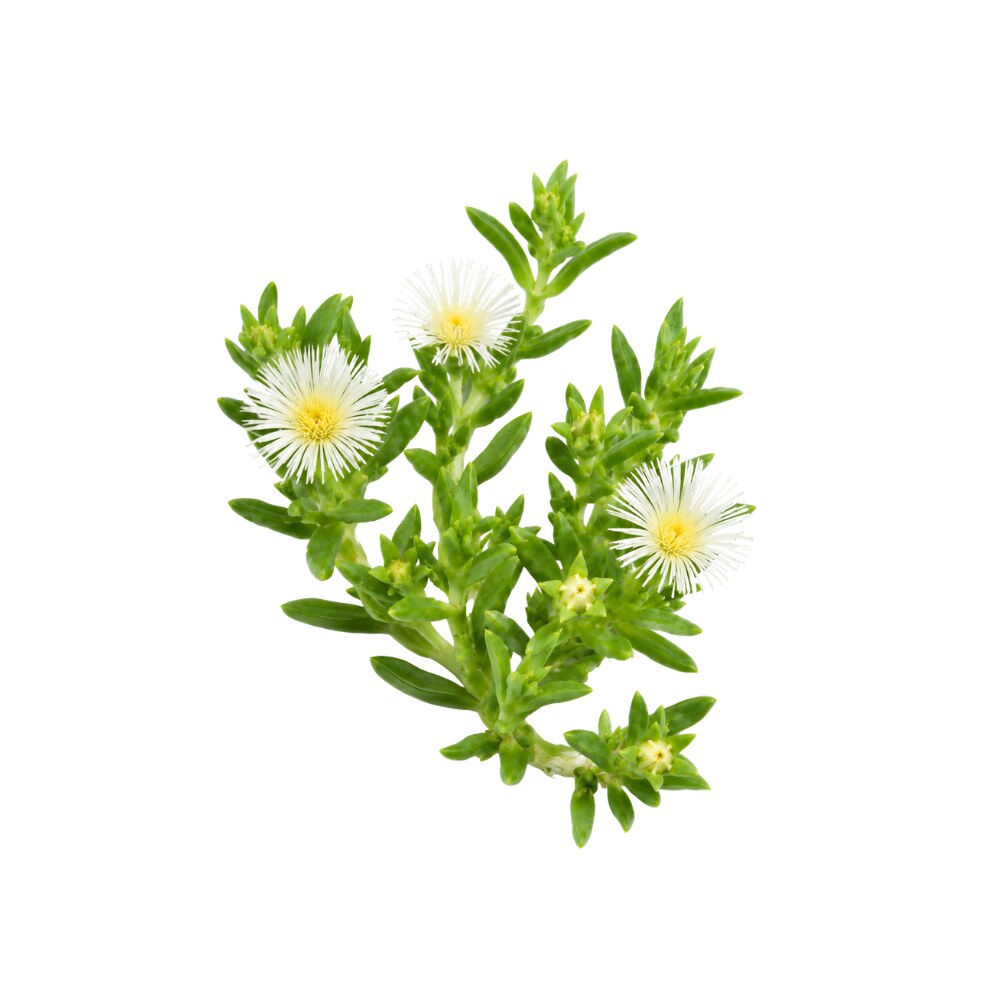 Principal source Kanna Mesembryanthemum tortuosum Herb monograph →
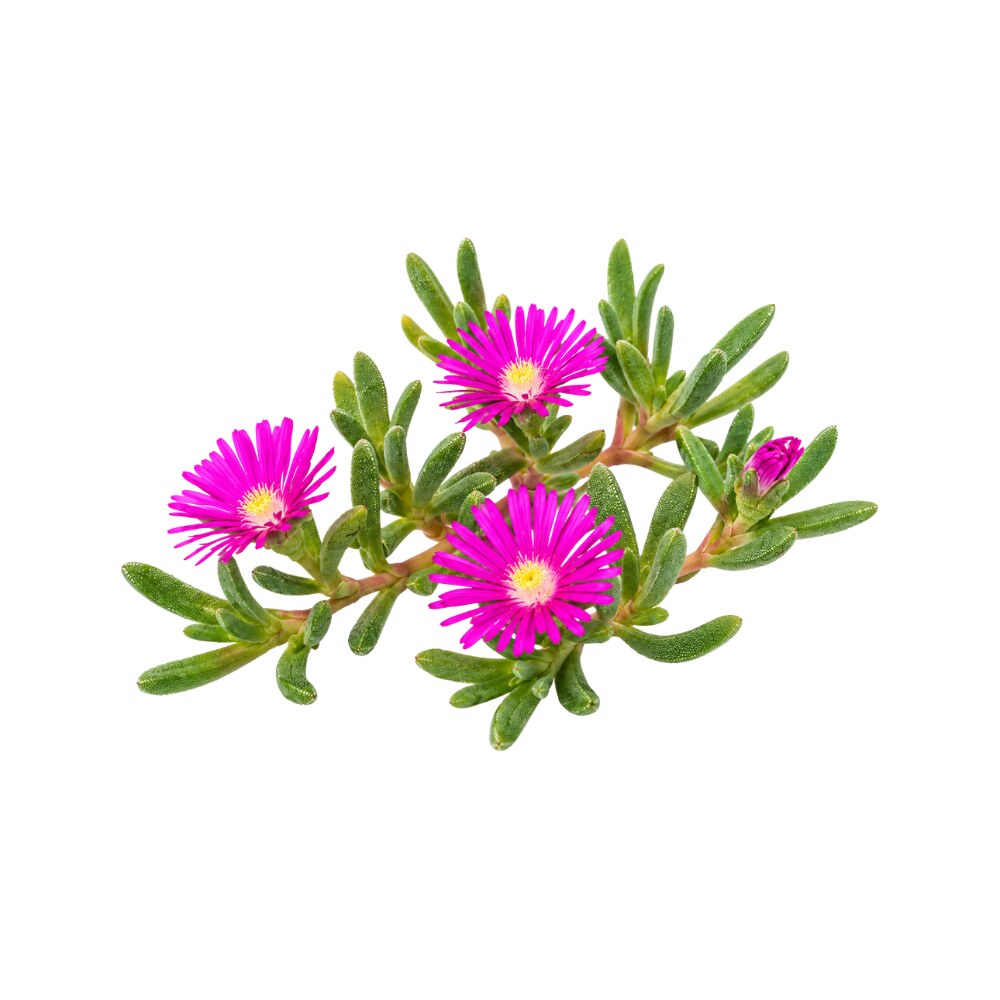 Source Ice Plant Delosperma spp. Herb monograph →
Concentration
Content by Source
Reported concentrations across the plants that contain mesembrine — the bar marks the typical level, the line shows the reported range.
Literature figures for varying plant parts and preparations. Read them as a comparative guide, not exact assays.
Mesembrine at a Glance
Mesembrine is the signature alkaloid of kanna (Sceletium tortuosum), the southern-African succulent chewed and fermented by Khoisan peoples as kougoed. It is the compound that made the plant scientifically interesting: on a receptor and enzyme panel it is the most potent serotonin-transporter (SERT) blocker of the kanna alkaloids, with a Ki of about 1.4 nM — a figure in the range of prescription SSRIs 1Reference 1In vitroPharmacological actions of the South African medicinal and functional food plant Sceletium tortuosum and its principal alkaloidsView study →.
That potency is also the trap. Almost everything a reader will encounter about kanna’s effects in people — the amygdala fMRI study, the cognition trial, the anxiety and tolerability studies — was generated with a standardised whole extract, chiefly Zembrin®, and that extract is deliberately formulated low in mesembrine (under 20% of its total alkaloids) and high in mesembrenone and mesembrenol 10Reference 10AnimalA toxicological safety assessment of a standardized extract of Sceletium tortuosum (Zembrin®) in ratsView study →. Traditional fermentation pushes the same way, converting most of the plant’s mesembrine into Δ7-mesembrenone 11Reference 11Investigations of the phytochemical content of Sceletium tortuosum following the preparation of “kougoed” by fermentation of plant materialView study →. So the molecule with the strongest in-vitro mechanism is the one the human evidence contains least of.
There is no human study of isolated mesembrine, no human pharmacokinetics, and no established dose. What exists is a clean mechanism, a set of animal and cell studies in which the isolate does carry part — but only part — of the extract’s activity, and a mechanism-based reason to keep it away from serotonergic drugs.
The Kanna Alkaloid Cluster: SERT vs. PDE4
Kanna’s pharmacology is usually written as though “the alkaloids” act as one thing. They do not. The two best-characterised members of the class have a clear division of labour, established on the same 2011 target panel 1Reference 1In vitroPharmacological actions of the South African medicinal and functional food plant Sceletium tortuosum and its principal alkaloidsView study →:
| Alkaloid | Principal target | Reported potency |
|---|---|---|
| Mesembrine | Serotonin transporter (SERT) | Most active alkaloid at SERT, Ki ≈ 1.4 nM; no comparable PDE4 activity 1Reference 1In vitroPharmacological actions of the South African medicinal and functional food plant Sceletium tortuosum and its principal alkaloidsView study → |
| Mesembrenone | SERT and phosphodiesterase-4 (PDE4) | Active at both, IC50 values <1 µM; carries the class’s meaningful PDE4 inhibition 1, |
| Mesembrenol | Not resolved | Tested on the panel without a defining activity; alters hippocampal electrical excitability ex vivo 1, |
| Mesembranol | Not resolved | Alters hippocampal electrical excitability ex vivo 17Reference 17AnimalEffect of Zembrin® and four of its alkaloid constituents on electric excitability of the rat hippocampusView study → |
The practical consequence runs through the whole page. Claims routed through serotonin — mood, anxiety, appetite and thirst suppression — track mesembrine. Claims routed through PDE4 → cAMP → CREB — cognition, executive function, and the vasodilatory/erectile effects attributed to kanna — track mesembrenone, not this molecule 2,
A further complication: work on a high-mesembrine extract (Trimesemine™) concluded that the serotonin-reuptake inhibition ascribed to Sceletium is secondary to monoamine release — the extract down-regulated SERT much as citalopram did but also up-regulated the vesicular monoamine transporter VMAT-2, with only mild inhibition of acetylcholinesterase and MAO-A 5Reference 5In vitroHigh-mesembrine Sceletium extract (Trimesemine™) is a monoamine releasing agent, rather than only a selective serotonin reuptake inhibitorView study →. If that is right, “SSRI-like” is an incomplete label even for the mesembrine-rich preparations.
The two minor carboxylic-acid congeners reported from the plant — mesembrenone-3-carboxylic acid and mesembrenol-3-carboxylic acid — and the structurally distinct tortuosamine have no individual pharmacology established.
Traditional Use & the Fermentation Paradox
Kanna’s use by the San and Khoikhoi peoples of South Africa is documented across roughly three centuries of fragmentary and often contradictory records, reassembled in a 1996 review 12Reference 12ReviewPsychoactive constituents of the genus Sceletium N.E.Br. and other Mesembryanthemaceae: a reviewView study →. The aerial parts were crushed and fermented into kougoed (“something to chew”), then chewed, taken as snuff, smoked as the residue after chewing, or made into tinctures for sedation and analgesia. The plant carried symbolic associations with the eland — the San’s principal trance animal — and early observers reported potentiation when used alongside smoked cannabis. Notably, the same review found no evidence that kougoed or the Sceletium alkaloids are hallucinogenic, and described mesembrine itself as only weakly narcotic and not the dominant constituent of the plants 12Reference 12ReviewPsychoactive constituents of the genus Sceletium N.E.Br. and other Mesembryanthemaceae: a reviewView study →.
The fermentation step is where the traditional practice collides with the modern “mesembrine is the active” story. Under controlled conditions, ten days of fermentation of S. tortuosum aerial parts drove mesembrine content down from 1.33% to 0.05% while Δ7-mesembrenone rose from below the limit of quantitation to 0.11% 11Reference 11Investigations of the phytochemical content of Sceletium tortuosum following the preparation of “kougoed” by fermentation of plant materialView study →. The same transformation happened to pure mesembrine hydrochloride in water exposed to sunlight, and did not happen in methanol or in the dark — so this is a genuine photochemical/aqueous conversion, not a microbial artefact 11Reference 11Investigations of the phytochemical content of Sceletium tortuosum following the preparation of “kougoed” by fermentation of plant materialView study →. A parallel survey across the Mesembryanthemaceae recorded the same modification of the alkaloid profile in Sceletium-derived kougoed 13Reference 13The distribution of mesembrine alkaloids in selected taxa of the Mesembryanthemaceae and their modification in the Sceletium-derived “kougoed”View study →.
Fermentation also reduces the plant’s oxalate load, which is the more plausible original reason for the practice 12,
What It's Used For
The evidence has an unusual shape: a very strong isolate mechanism, a small amount of isolate animal data, and human data that belong entirely to whole extracts containing little mesembrine. Read every row below for which of those three it is.
Support is an experimental score — weighted by study type (human > animal > in vitro) and volume. A beta, not a validated metric. Every score here is capped by the same problem: the human data belong to a low-mesembrine extract, so an application can be well evidenced for kanna and thinly evidenced for this molecule. The “Rests on” column names which is which.
The strongest case for the isolate, and the reason this molecule is the cluster’s marquee. In a zebrafish dose–response designed to deconvolute Zembrin®, treatment solutions of each of the four major alkaloids were prepared at exactly the concentrations present in low, optimal and high doses of the extract; only mesembrine, at the concentrations found in the optimal and high extract doses, produced a significant anxiolytic-like effect 3Reference 3Sceletium tortuosum-derived mesembrine significantly contributes to the anxiolytic effect of Zembrin®, but its anti-depressant effect may require synergy of multiple plant constituentsView study →.
A separate zebrafish-larva light–dark study found all four alkaloids reduced anxiety-related behaviour, though there mesembrenone and mesembranol out-performed mesembrine — so the isolate’s primacy is not unanimous across models 24Reference 24Mesembryanthemum tortuosum L. alkaloids modify anxiety-like behaviour in a zebrafish modelView study →.
The human anxiety findings are extract, not isolate: a single 25 mg dose of Zembrin® lowered subjective anxiety and altered heart-rate reactivity during a simulated public-speaking stressor (though a parallel multitasking study in the same paper showed no treatment effect) 8Reference 8RCTSceletium tortuosum (Zembrin®) ameliorates experimentally induced anxiety in healthy volunteersView study →, and a placebo-controlled fMRI study found attenuated amygdala reactivity to fearful faces and reduced amygdala–hypothalamus coupling 6Reference 6RCTAcute effects of Sceletium tortuosum (Zembrin), a dual 5-HT reuptake and PDE4 inhibitor, in the human amygdala and its connection to the hypothalamusView study →.
Gap: no human study has ever administered isolated mesembrine, and the extract that produced the human signal contains <20% mesembrine 10Reference 10AnimalA toxicological safety assessment of a standardized extract of Sceletium tortuosum (Zembrin®) in ratsView study → — so the animal isolate result and the human extract result cannot simply be stacked.
The mechanism is textbook and the outcome data are not. Mesembrine is the most potent SERT blocker of the class (Ki ≈ 1.4 nM), which is a direct pharmacological rationale for the plant’s traditional use as a mood-lifter 1,
In a rat unpredictable-chronic-mild-stress model, isolated mesembrine (alongside Zembrin®) reversed a selected subset of the behavioural changes induced by stress 4Reference 4AnimalNeuro-inflammatory and behavioral changes are selectively reversed by Sceletium tortuosum (Zembrin®) and mesembrine in male rats subjected to unpredictable chronic mild stressView study →.
But the most informative experiment is negative: in the zebrafish deconvolution study, only the intact extract at its highest concentration reversed reserpine-induced depression-like behaviour, and no single alkaloid — mesembrine included — reproduced it 3Reference 3Sceletium tortuosum-derived mesembrine significantly contributes to the anxiolytic effect of Zembrin®, but its anti-depressant effect may require synergy of multiple plant constituentsView study →.
The authors read that as synergy between alkaloids, or a contribution from constituents not tested. Work on a high-mesembrine extract further suggests the antidepressant-relevant action may be monoamine release via VMAT-2 up-regulation rather than reuptake inhibition alone 5Reference 5In vitroHigh-mesembrine Sceletium extract (Trimesemine™) is a monoamine releasing agent, rather than only a selective serotonin reuptake inhibitorView study →.
Earlier rodent behavioural work on Sceletium is directionally consistent but used whole-plant material rather than the isolate 18Reference 18AnimalEffects of Sceletium tortuosum in ratsView study →.
Gap: no human antidepressant trial of kanna in a clinical population exists at all, let alone of the isolate 19Reference 19ReviewSceletium tortuosum: a review on its phytochemistry, pharmacokinetics, biological and clinical activitiesView study →; the isolate’s own best evidence in this application is a failure to reproduce the extract effect 3Reference 3Sceletium tortuosum-derived mesembrine significantly contributes to the anxiolytic effect of Zembrin®, but its anti-depressant effect may require synergy of multiple plant constituentsView study →.
The newest and thinnest strand, and one of the few where the isolate was tested directly in a mammal. In male rats subjected to unpredictable chronic mild stress, both Zembrin® and isolated mesembrine selectively reversed a subset of neuro-inflammatory and behavioural changes — selectively being the operative word, since the reversal was partial and endpoint-dependent 4Reference 4AnimalNeuro-inflammatory and behavioral changes are selectively reversed by Sceletium tortuosum (Zembrin®) and mesembrine in male rats subjected to unpredictable chronic mild stressView study →.
Related cell work with a mesembrine-rich extract found modulation of glucocorticoid, mineralocorticoid and androgen production in adrenal H295 cells, which would be a second, endocrine route by which the alkaloids could touch a stress axis 25Reference 25In vitroModulation of glucocorticoid, mineralocorticoid and androgen production in H295 cells by Trimesemine™, a mesembrine-rich Sceletium extractView study →.
Gap: one rodent study, one laboratory, one stress model, partial effects; the steroidogenic finding is an extract result in an immortalised cell line 25Reference 25In vitroModulation of glucocorticoid, mineralocorticoid and androgen production in H295 cells by Trimesemine™, a mesembrine-rich Sceletium extractView study →, with no isolate confirmation and no human correlate.
Listed for completeness, and mostly not this molecule’s. The cognition claim rests on a single proof-of-concept randomised crossover trial: 25 mg/day of Zembrin® for three weeks in cognitively healthy adults improved cognitive set-flexibility and executive function versus placebo, with the authors attributing the effect to PDE4 inhibition raising cAMP/CREB signalling 7Reference 7RCTProof-of-concept randomized controlled study of cognition effects of the proprietary extract Sceletium tortuosum (Zembrin) targeting phosphodiesterase-4 in cognitively healthy subjectsView study →.
On the target panel, PDE4 inhibition at sub-micromolar potency belongs to mesembrenone; mesembrine’s activity is at SERT 1,
Ex vivo, Zembrin® and all four of its alkaloids — mesembrine included — alter electrical excitability in the rat hippocampus, which is a mechanistic observation rather than a cognitive outcome 17Reference 17AnimalEffect of Zembrin® and four of its alkaloid constituents on electric excitability of the rat hippocampusView study →.
Gap: the human cognitive signal is one small extract trial run by an author group including the extract’s developers 7Reference 7RCTProof-of-concept randomized controlled study of cognition effects of the proprietary extract Sceletium tortuosum (Zembrin) targeting phosphodiesterase-4 in cognitively healthy subjectsView study →, and its stated mechanism points at a different alkaloid; there is no evidence that mesembrine drives cognitive endpoints.
Mechanisms
| Target / pathway | Effect | Relevant to |
|---|---|---|
| Serotonin transporter (SERT) | Potent blockade — most active alkaloid on the kanna panel, Ki ≈ 1.4 nM 1Reference 1In vitroPharmacological actions of the South African medicinal and functional food plant Sceletium tortuosum and its principal alkaloidsView study → | anxietymood — the defining mechanism |
| Vesicular monoamine transporter 2 (VMAT-2) | Up-regulated by a high-mesembrine extract; SERT expression down-regulated as with citalopram → net monoamine release, argued to be primary over reuptake inhibition 5Reference 5In vitroHigh-mesembrine Sceletium extract (Trimesemine™) is a monoamine releasing agent, rather than only a selective serotonin reuptake inhibitorView study → | moodstimulation-like effects (extract-level finding) |
| Phosphodiesterase-4 (PDE4) | Not a mesembrine mechanism — the class’s PDE4 inhibition sits with mesembrenone (IC50 <1 µM) 1, | cognitionvasodilation (attributed elsewhere in the cluster) |
| Acetylcholinesterase; MAO-A | Only mild inhibition by a mesembrine-rich extract — not a leading mechanism 5Reference 5In vitroHigh-mesembrine Sceletium extract (Trimesemine™) is a monoamine releasing agent, rather than only a selective serotonin reuptake inhibitorView study → | secondary/contested |
| Hippocampal field-potential excitability | Zembrin® and each of its four alkaloids alter electrical excitability in rat hippocampal slices ex vivo 17Reference 17AnimalEffect of Zembrin® and four of its alkaloid constituents on electric excitability of the rat hippocampusView study → | mechanistic only; no behavioural endpoint |
| Adrenal steroidogenesis (H295 cells) | Mesembrine-rich extract modulates glucocorticoid, mineralocorticoid and androgen output 25Reference 25In vitroModulation of glucocorticoid, mineralocorticoid and androgen production in H295 cells by Trimesemine™, a mesembrine-rich Sceletium extractView study → | stress-axis hypothesis (extractin vitro) |
| Cytotoxicity screen | No cytotoxic effects on mammalian cells at tested concentrations 1Reference 1In vitroPharmacological actions of the South African medicinal and functional food plant Sceletium tortuosum and its principal alkaloidsView study → | safety (reassuringnarrow) |
The load-bearing point is negative as much as positive: mesembrine’s mechanism is serotonergic, so every PDE4-routed claim about kanna — cognition, blood flow, erectile effects — is being borrowed from a sibling alkaloid when it is attached to this molecule.
Pharmacokinetics
This is where the in-vitro potency runs into trouble. Across porcine tissue, mesembrine was the most permeable of the four major alkaloids — more permeable across intestinal tissue than caffeine, the study’s high-permeability control, both as the pure compound and within crude extracts; buccal and sublingual permeation were lower than intestinal but still substantial enough that the authors argued transmucosal absorption may contribute meaningfully when the plant is chewed and held in the mouth, which is exactly what the traditional practice does 16Reference 16In vitroIn vitro permeation of mesembrine alkaloids from Sceletium tortuosum across porcine buccal, sublingual, and intestinal mucosaView study →. That is a good result on paper.
In vivo, it does not hold up. The only published pharmacokinetic study developed a validated UHPLC-QToF-MS assay (lower limit of quantification 10 ng/mL) and applied it in mice: intravenous plasma kinetics for mesembrine and mesembrenone were characterised, but oral bioavailability was poor and plasma levels after oral dosing fell below the detection limit 15Reference 15AnimalQuantification of mesembrine and mesembrenone in mouse plasma using UHPLC-QToF-MS: application to a pharmacokinetic studyView study →. There is no human pharmacokinetic data for mesembrine at all — no Cmax, no half-life, no bioavailability figure, no metabolite map 15,
Hold those two findings together: high intrinsic membrane permeability, negligible measured oral exposure. The likeliest explanation is extensive first-pass metabolism, and it is unresolved — which is a serious caveat on any attempt to read a nanomolar Ki into an oral effect.
Clinical Trials
No clinical trial has ever administered isolated mesembrine. Every human trial in this space used a standardised Sceletium tortuosum extract: an acute fMRI study of amygdala reactivity 6Reference 6RCTAcute effects of Sceletium tortuosum (Zembrin), a dual 5-HT reuptake and PDE4 inhibitor, in the human amygdala and its connection to the hypothalamusView study →, a proof-of-concept cognition crossover RCT (registered as NCT01805518) 7Reference 7RCTProof-of-concept randomized controlled study of cognition effects of the proprietary extract Sceletium tortuosum (Zembrin) targeting phosphodiesterase-4 in cognitively healthy subjectsView study →, two laboratory-stress anxiety studies 8Reference 8RCTSceletium tortuosum (Zembrin®) ameliorates experimentally induced anxiety in healthy volunteersView study →, and a 3-month randomised double-blind safety and tolerability trial at 8 and 25 mg/day 9Reference 9RCTA randomized, double-blind, parallel-group, placebo-controlled trial of extract Sceletium tortuosum (Zembrin) in healthy adultsView study →. A 2021 review concluded the plant has not yet been studied in a clinical population — only in healthy volunteers 19Reference 19ReviewSceletium tortuosum: a review on its phytochemistry, pharmacokinetics, biological and clinical activitiesView study →.
| Completed | Planned | Terminated | Preclinical |
|---|---|---|---|
| 0(isolated mesembrine); ~5 (standardised extract, healthy volunteers) | — | — | Zebrafish, rat and cell studies of the isolate 3, |
Last checked: July 2026.
Isolate vs. Plant Studies
This is the central problem of the page, and it does not resolve cleanly in either direction.
What is isolate evidence. The SERT Ki of 1.4 nM is a purified-alkaloid figure 1Reference 1In vitroPharmacological actions of the South African medicinal and functional food plant Sceletium tortuosum and its principal alkaloidsView study →. The zebrafish anxiolytic result is a purified-alkaloid figure, and a carefully constructed one — each alkaloid was dosed at the exact concentration it occupies inside a known dose of the extract 3Reference 3Sceletium tortuosum-derived mesembrine significantly contributes to the anxiolytic effect of Zembrin®, but its anti-depressant effect may require synergy of multiple plant constituentsView study →. The rat chronic-mild-stress reversal used isolated mesembrine 4Reference 4AnimalNeuro-inflammatory and behavioral changes are selectively reversed by Sceletium tortuosum (Zembrin®) and mesembrine in male rats subjected to unpredictable chronic mild stressView study →. The porcine permeation and mouse pharmacokinetic studies used the pure compound 15,
What is extract evidence. Everything human. And the extract is the awkward part: Zembrin® is standardised to 0.35–0.45% total alkaloids of which mesembrenone plus mesembrenol make up ≥60% and mesembrine less than 20% 10Reference 10AnimalA toxicological safety assessment of a standardized extract of Sceletium tortuosum (Zembrin®) in ratsView study →. It is manufactured from a traditionally recognised mak (“mild”) variety of the plant — the low-mesembrine chemotype was chosen deliberately. Kanna chemotypes differ enormously in which alkaloid dominates, and commercial products differ with them 14Reference 14The chemotypic variation of Sceletium tortuosum alkaloids and commercial product formulationsView study →. So the human trials of “kanna” are trials of a preparation that is, by design, not a mesembrine preparation.
Why that matters both ways. It undercuts the popular framing that mesembrine is “the active” — the human effects were obtained largely without it, and the traditional fermentation that defines kougoed removes most of it 11Reference 11Investigations of the phytochemical content of Sceletium tortuosum following the preparation of “kougoed” by fermentation of plant materialView study →. It equally undercuts dismissing mesembrine, because the one experiment that separated the alkaloids found the extract’s anxiolytic effect was mesembrine’s while its antidepressant-like effect was not attributable to any single alkaloid 3Reference 3Sceletium tortuosum-derived mesembrine significantly contributes to the anxiolytic effect of Zembrin®, but its anti-depressant effect may require synergy of multiple plant constituentsView study →. The most defensible reading is that kanna is a mixture whose effects are not reducible to one molecule, and that mesembrine is its most potent serotonergic component rather than its sole active.
The high-mesembrine commercial extract Trimesemine™ is the exception that proves the shape of the field: it exists, it has been studied in cells and reported as a monoamine releaser 5Reference 5In vitroHigh-mesembrine Sceletium extract (Trimesemine™) is a monoamine releasing agent, rather than only a selective serotonin reuptake inhibitorView study → and a modulator of adrenal steroid output 25Reference 25In vitroModulation of glucocorticoid, mineralocorticoid and androgen production in H295 cells by Trimesemine™, a mesembrine-rich Sceletium extractView study → — and it has no human trial.
Finally, note the funding and authorship pattern: several of the key papers — the target panel 1Reference 1In vitroPharmacological actions of the South African medicinal and functional food plant Sceletium tortuosum and its principal alkaloidsView study →, the amygdala fMRI study 6Reference 6RCTAcute effects of Sceletium tortuosum (Zembrin), a dual 5-HT reuptake and PDE4 inhibitor, in the human amygdala and its connection to the hypothalamusView study →, the cognition RCT 7Reference 7RCTProof-of-concept randomized controlled study of cognition effects of the proprietary extract Sceletium tortuosum (Zembrin) targeting phosphodiesterase-4 in cognitively healthy subjectsView study →, the tolerability trial 9Reference 9RCTA randomized, double-blind, parallel-group, placebo-controlled trial of extract Sceletium tortuosum (Zembrin) in healthy adultsView study →, the toxicology package 10Reference 10AnimalA toxicological safety assessment of a standardized extract of Sceletium tortuosum (Zembrin®) in ratsView study → and the hippocampal ex-vivo study 17Reference 17AnimalEffect of Zembrin® and four of its alkaloid constituents on electric excitability of the rat hippocampusView study → — include authors affiliated with HG&H Pharmaceuticals, Zembrin®‘s manufacturer, or were conducted as safety/efficacy substantiation for the commercial ingredient. That does not make the results wrong; the studies are peer-reviewed and the negative findings (Reay’s null multitasking arm 8Reference 8RCTSceletium tortuosum (Zembrin®) ameliorates experimentally induced anxiety in healthy volunteersView study →, the failed antidepressant deconvolution 3Reference 3Sceletium tortuosum-derived mesembrine significantly contributes to the anxiolytic effect of Zembrin®, but its anti-depressant effect may require synergy of multiple plant constituentsView study →) were published. It does mean the evidence base for this molecule’s plant is small, concentrated, and commercially interested.
Prevalence in Nature
Mesembrine is essentially a Mesembryanthemaceae (Aizoaceae) molecule, and in practical terms a Sceletium one. S. tortuosum has yielded twenty-five alkaloids across four structural classes — the mesembrine, Sceletium A4, joubertiamine and tortuosamine types — with the mesembrine class predominant 19Reference 19ReviewSceletium tortuosum: a review on its phytochemistry, pharmacokinetics, biological and clinical activitiesView study →. Within that class the relative proportions swing wildly: the plant exists as distinct chemotypes dominated by different alkaloids, so one population may be mesembrine-rich and another mesembrenone- or mesembrenol-rich, and commercial product formulations vary accordingly 14Reference 14The chemotypic variation of Sceletium tortuosum alkaloids and commercial product formulationsView study →.
Quantitatively, kanna is the only source with usable figures. Total alkaloids in wild material run roughly 0.11–1.99% of dry weight, and unfermented aerial parts in one controlled study contained 1.33% mesembrine by dry weight, collapsing to 0.05% after ten days of fermentation 11,
Beyond Sceletium, the picture thins fast. A survey of selected Mesembryanthemaceae taxa found mesembrine-type alkaloids in some genera but at trace levels, frequently below the assay detection threshold, and no reliable concentration has been published for ice plant (Delosperma spp.) or its relatives 13Reference 13The distribution of mesembrine alkaloids in selected taxa of the Mesembryanthemaceae and their modification in the Sceletium-derived “kougoed”View study →. Any interest in those plants is a chemical hypothesis inherited from kanna, not a measured occurrence — and Delosperma has no traditional psychoactive record at all 12,
Biosynthetically, the alkaloid is built from a phenylalanine-derived aromatic ring via cinnamic-acid intermediates, with the octahydroindole nucleus assembled in the later stages of the pathway 23Reference 23Cinnamic acid intermediates as precursors to mesembrine and some observations on the late stages in the biosynthesis of the mesembrine alkaloidsView study →. Its ecological function in the plant is not established.
Discovery & Synthesis
Mesembrine was the first alkaloid isolated and named from the genus Sceletium, in the early twentieth century — and, as an early review dryly noted, it was named as the principal alkaloid despite not being the dominant constituent of most plants 12Reference 12ReviewPsychoactive constituents of the genus Sceletium N.E.Br. and other Mesembryanthemaceae: a reviewView study →. Its structure was worked out much later, by Bodendorf and Krieger in 1957, in a study of the alkaloids of what was then called Mesembryanthemum tortuosum 22Reference 22Bodendorf K, Krieger W (1957). Über die Alkaloide von Mesembryanthemum tortuosum L. Archiv der Pharmazie. https://doi.org/10.1002/ardp.19572901002View study →; Bodendorf continued into degradation and biogenesis work over the following years.
Chemically, mesembrine is a cis-fused 3a-aryl-octahydroindole — a bicyclic hydrindane-type amine bearing a 3,4-dimethoxyphenyl group at the ring-fusion carbon, an N-methyl group and a ketone. That quaternary benzylic stereocentre at C-3a, sitting at a ring fusion, is a genuinely awkward target, and it is why the molecule became a standing benchmark for synthetic methodology rather than merely a natural product to be made. The substructure is distinctive enough that reviewers have used “3a-phenyl-cis-octahydroindole” as a database search key for the class 2Reference 2ReviewMesembrine alkaloids: review of their occurrence, chemistry, and pharmacologyView study →.
The first total synthesis, of (±)-mesembrine, was reported by Shamma and Rodriguez in 1965 21Reference 21The total synthesis of (±)-mesembrineView study →, with a fuller account following in 1968. Dozens of syntheses have appeared since, and mesembrine remains a favourite proving ground for asymmetric catalysis — a 2021 route, for example, built both (−)-mesembrine and (+)-oxomaritidine from a common intermediate using palladium-catalysed asymmetric allylation to set the quaternary centre 26Reference 26Palladium-catalyzed asymmetric direct intermolecular allylation of α-aryl cyclic vinylogous esters: divergent synthesis of (+)-oxomaritidine and (−)-mesembrineView study →. Manufacture today is not really a question: there is no commercial market for isolated mesembrine as an ingredient. Commerce runs on standardised plant extracts, and those are made by hydroethanolic extraction of cultivated Sceletium 10Reference 10AnimalA toxicological safety assessment of a standardized extract of Sceletium tortuosum (Zembrin®) in ratsView study → — with the mesembrine content set by chemotype selection rather than by chemistry.
Patents: not yet researched.
Toxicity & Safety
Mesembrine carries a moderate flag, and the reason is absence rather than evidence of harm: it is a centrally active molecule with a nanomolar serotonergic target, no human safety data of its own, no characterised metabolism, and a mechanism-based interaction risk that is serious if it is real. The reassuring data — a 90-day rat NOAEL, a 3-month human tolerability trial — belong to a low-mesembrine extract, not to this compound.
- Serotonergic drug interactions. Potent SERT blockade plus apparent monoamine release means SSRIs, SNRIs, MAOIs, triptans, tramadol and other serotonergic agents are a mechanism-based serotonin-syndrome concern. No case report has been published for kanna or mesembrine — this is inference, not observation, but it is the strongest inference on the page.
- No isolated-compound human data. No human dose, no pharmacokinetics, no toxicology. The only dedicated mesembrine toxicity profile is a 2025 in silico prediction.
- In-silico signals worth noting, not trusting. Computational models predicted moderate acute toxicity (rat oral LD50 ~340–370 mg/kg, GHS Category 4), possible respiratory and renal effects and low-to-moderate hERG liability, while consistently predicting non-mutagenicity. Predictions, not measurements.
- Extract safety does not transfer. The rat 90-day NOAEL of 600 mg/kg/day and the 3-month human tolerability result are for Zembrin®, which is <20% mesembrine by alkaloid content.
- No cytotoxicity on screening. Neither the standardised extract nor the purified alkaloids showed cytotoxic effects on mammalian cells in the target-panel study.
- Not hallucinogenic. Three centuries of ethnographic record and modern review find no evidence of hallucinogenic activity for kanna or its alkaloids.
Full Safety & Interactions Detail
The serotonergic interaction — status of the claim. Mesembrine is a nanomolar SERT blocker 1Reference 1In vitroPharmacological actions of the South African medicinal and functional food plant Sceletium tortuosum and its principal alkaloidsView study →, and a mesembrine-rich extract additionally down-regulated SERT expression while up-regulating VMAT-2, a monoamine-releasing profile 5Reference 5In vitroHigh-mesembrine Sceletium extract (Trimesemine™) is a monoamine releasing agent, rather than only a selective serotonin reuptake inhibitorView study →. Both mechanisms raise synaptic serotonin. Combining that with an SSRI, SNRI, MAOI, triptan, tramadol, St John’s wort or any other serotonergic agent is therefore a pharmacodynamic serotonin-syndrome concern, and it is the reason kanna products routinely carry an SSRI/MAOI warning. Be clear about the evidential tier: this is mechanism-based reasoning, not a documented clinical event — no serotonin-syndrome case attributable to kanna or mesembrine has been published, and no interaction study has been run. The MAOI combination is the one to treat most conservatively, since MAO-A inhibition plus a reuptake blocker plus a releasing agent is the classic high-risk arrangement. No CYP-mediated interaction has been demonstrated in either direction, because the molecule’s metabolism is simply uncharacterised 15,
What toxicology exists. For the standardised extract: no mortality and no treatment-related adverse effects in 14-day and 90-day repeated-dose rat studies, with NOAELs of 5,000 and 600 mg/kg bw/day respectively — the highest doses tested 10Reference 10AnimalA toxicological safety assessment of a standardized extract of Sceletium tortuosum (Zembrin®) in ratsView study →; and in humans, 8 mg and 25 mg daily for three months in 37 healthy adults produced no differences from placebo in vital signs, ECG, haematology or biochemistry, with headache the commonest adverse event and more frequent on placebo 9Reference 9RCTA randomized, double-blind, parallel-group, placebo-controlled trial of extract Sceletium tortuosum (Zembrin) in healthy adultsView study →. Both studies were conducted on Zembrin® with manufacturer involvement, and neither tells you about isolated mesembrine at a comparable serotonergic exposure.
For the isolate itself, the record is a prediction. A 2025 study assembled the first integrative toxicity profile of mesembrine entirely by in-silico methods across eight platforms: predicted moderate acute toxicity (rat oral LD50 ~340–370 mg/kg, GHS Category 4), a high modelled probability of respiratory and renal effects, conflicting hepatotoxicity predictions, low-to-moderate hERG-inhibition (cardiotoxicity) probability, consistently non-mutagenic Ames predictions, and inconclusive dermal/ocular irritation results 20Reference 20First toxicity profile prediction for mesembrine — archetypal psychoactive Sceletium alkaloid: prediction of key toxicological endpoints using a multi-faceted in silico approachView study →. The authors’ own conclusion is the right one to carry: in-vitro and in-vivo work is essential before any of this can be used for risk assessment.
Plant-level cautions that are not this molecule’s. Kanna’s oxalate content (reduced by fermentation) 12,
Reproductive note (prose only). No reproductive or developmental toxicity dataset exists for isolated mesembrine; no such study has been conducted for the extract either. Pregnancy and lactation decisions belong to the herb or product page where intake is actually decided, not to this molecule page.
Dosage
There is no dose of isolated mesembrine. It has never been administered to a human in a published study, has no established pharmacokinetics, and is not sold as an isolated ingredient. Nothing below should be read as a recommendation, and none of it is a mesembrine dose.
| Setting | Preparation | Amount studied |
|---|---|---|
| Cognition RCT, 3 weeks 7Reference 7RCTProof-of-concept randomized controlled study of cognition effects of the proprietary extract Sceletium tortuosum (Zembrin) targeting phosphodiesterase-4 in cognitively healthy subjectsView study → | Zembrin® standardised extract | 25 mg/day |
| Acute anxiety / fMRI, single dose 6, | Zembrin® standardised extract | 25 mg |
| Safety & tolerability, 3 months 9Reference 9RCTA randomized, double-blind, parallel-group, placebo-controlled trial of extract Sceletium tortuosum (Zembrin) in healthy adultsView study → | Zembrin® standardised extract | 8 mg or 25 mg/day |
| Rat subchronic toxicology, 90 days 10Reference 10AnimalA toxicological safety assessment of a standardized extract of Sceletium tortuosum (Zembrin®) in ratsView study → | Zembrin® standardised extract | NOAEL 600 mg/kg bw/day |
To translate any of those into mesembrine you would have to multiply by the extract’s alkaloid load — 0.35–0.45% total alkaloids, of which mesembrine is under 20% 10Reference 10AnimalA toxicological safety assessment of a standardized extract of Sceletium tortuosum (Zembrin®) in ratsView study → — which puts the mesembrine content of a 25 mg dose at well under a fifth of a milligram. That figure is worth holding next to the in-vitro Ki: the human trials were run at mesembrine exposures orders of magnitude below what the isolate’s potency might suggest, and the alkaloid’s measured oral bioavailability in animals was below the limit of detection 15Reference 15AnimalQuantification of mesembrine and mesembrenone in mouse plasma using UHPLC-QToF-MS: application to a pharmacokinetic studyView study →. Traditional kanna dosing (chewed, snuffed, tinctured) is described on the kanna monograph and varies with chemotype and fermentation by more than an order of magnitude 11,
These are doses studied in research on a plant extract, and are not a personal recommendation.
References
- Harvey AL, Young LC, Viljoen AM, Gericke NP (2011). Pharmacological actions of the South African medicinal and functional food plant Sceletium tortuosum and its principal alkaloids. Journal of Ethnopharmacology. (In vitro target panel; mesembrine Ki 1.4 nM at the 5-HT transporter.) https://pubmed.ncbi.nlm.nih.gov/21798331/
- Krstenansky JL (2017). Mesembrine alkaloids: review of their occurrence, chemistry, and pharmacology. Journal of Ethnopharmacology. https://pubmed.ncbi.nlm.nih.gov/27939420/
- Gericke J, Harvey BH, Pretorius L, Ollewagen T, Benecke RM, Smith C (2024). Sceletium tortuosum-derived mesembrine significantly contributes to the anxiolytic effect of Zembrin®, but its anti-depressant effect may require synergy of multiple plant constituents. Journal of Ethnopharmacology. (Zebrafish dose–response comparing the extract against each isolated alkaloid.) https://pubmed.ncbi.nlm.nih.gov/37660956/
- Gericke J, Steyn SF, Viljoen FP, Harvey BH (2025). Neuro-inflammatory and behavioral changes are selectively reversed by Sceletium tortuosum (Zembrin®) and mesembrine in male rats subjected to unpredictable chronic mild stress. Cells. (Animal model; isolated mesembrine tested.) https://pubmed.ncbi.nlm.nih.gov/40643548/
- Coetzee DD, López V, Smith C (2016). High-mesembrine Sceletium extract (Trimesemine™) is a monoamine releasing agent, rather than only a selective serotonin reuptake inhibitor. Journal of Ethnopharmacology. (In vitro, human astrocytes and mouse hippocampal cells.) https://pubmed.ncbi.nlm.nih.gov/26615766/
- Terburg D, Syal S, Rosenberger LA, Heany S, Phillips N, Gericke N, Stein DJ, van Honk J (2013). Acute effects of Sceletium tortuosum (Zembrin), a dual 5-HT reuptake and PDE4 inhibitor, in the human amygdala and its connection to the hypothalamus. Neuropsychopharmacology. (Randomized double-blind fMRI study in healthy volunteers; includes an author affiliated with the extract’s developer.) https://pubmed.ncbi.nlm.nih.gov/23903032/
- Chiu S, Gericke N, Farina-Woodbury M, Badmaev V, Raheb H, Terpstra K, et al. (2014). Proof-of-concept randomized controlled study of cognition effects of the proprietary extract Sceletium tortuosum (Zembrin) targeting phosphodiesterase-4 in cognitively healthy subjects. Evidence-Based Complementary and Alternative Medicine. (Randomized placebo-controlled crossover trial; manufacturer-affiliated authors.) https://pubmed.ncbi.nlm.nih.gov/25389443/
- Reay J, Wetherell MA, Morton E, Lillis J, Badmaev V (2020). Sceletium tortuosum (Zembrin®) ameliorates experimentally induced anxiety in healthy volunteers. Human Psychopharmacology. (Two placebo-controlled double-blind human studies; one null, one positive.) https://pubmed.ncbi.nlm.nih.gov/32761980/
- Nell H, Siebert M, Chellan P, Gericke N (2013). A randomized, double-blind, parallel-group, placebo-controlled trial of extract Sceletium tortuosum (Zembrin) in healthy adults. Journal of Alternative and Complementary Medicine. (3-month safety and tolerability trial at 8 mg and 25 mg/day.) https://pubmed.ncbi.nlm.nih.gov/23441963/
- Murbach TS, Hirka G, Szakonyiné IP, Gericke N, Endres JR (2014). A toxicological safety assessment of a standardized extract of Sceletium tortuosum (Zembrin®) in rats. Food Chemistry and Toxicology. (Source of the extract specification — 0.35–0.45% total alkaloids, mesembrenone + mesembrenol ≥60%, mesembrine <20% — and the 14-day/90-day rodent NOAELs; manufacturer-affiliated author.) https://pubmed.ncbi.nlm.nih.gov/25301237/
- Patnala S, Kanfer I (2009). Investigations of the phytochemical content of Sceletium tortuosum following the preparation of “kougoed” by fermentation of plant material. Journal of Ethnopharmacology. (Mesembrine 1.33% → 0.05% over 10 days’ fermentation; the same conversion in pure mesembrine HCl in sunlit aqueous solution.) https://pubmed.ncbi.nlm.nih.gov/18996176/
- Smith MT, Crouch NR, Gericke N, Hirst M (1996). Psychoactive constituents of the genus Sceletium N.E.Br. and other Mesembryanthemaceae: a review. Journal of Ethnopharmacology. (Khoisan ethnobotany, kougoed preparation, oxalate reduction, and the observation that mesembrine is not the dominant constituent.) https://pubmed.ncbi.nlm.nih.gov/8691846/
- Smith MT, Field CR, Crouch NR, Hirst M (1998). The distribution of mesembrine alkaloids in selected taxa of the Mesembryanthemaceae and their modification in the Sceletium-derived “kougoed”. Pharmaceutical Biology. https://doi.org/10.1076/phbi.36.3.173.6350
- Shikanga EA, Viljoen AM, Combrinck S, Marston A, Gericke N (2012). The chemotypic variation of Sceletium tortuosum alkaloids and commercial product formulations. Biochemical Systematics and Ecology. https://doi.org/10.1016/j.bse.2012.06.025
- Manda VK, Avula B, Ashfaq MK, Abe N, Khan IA, Khan SI (2017). Quantification of mesembrine and mesembrenone in mouse plasma using UHPLC-QToF-MS: application to a pharmacokinetic study. Biomedical Chromatography. (The only in vivo pharmacokinetic study; oral plasma levels below the limit of detection in mice.) https://pubmed.ncbi.nlm.nih.gov/27526669/
- Shikanga EA, Hamman JH, Chen W, Combrinck S, Gericke N, Viljoen AM (2012). In vitro permeation of mesembrine alkaloids from Sceletium tortuosum across porcine buccal, sublingual, and intestinal mucosa. Planta Medica. https://pubmed.ncbi.nlm.nih.gov/22105579/
- Dimpfel W, Franklin R, Gericke N, Schombert L (2018). Effect of Zembrin® and four of its alkaloid constituents on electric excitability of the rat hippocampus. Journal of Ethnopharmacology. (Ex vivo rat hippocampal slices; manufacturer-affiliated authors.) https://pubmed.ncbi.nlm.nih.gov/29758341/
- Loria MJ, Ali Z, Abe N, Sufka KJ, Khan IA (2014). Effects of Sceletium tortuosum in rats. Journal of Ethnopharmacology. https://pubmed.ncbi.nlm.nih.gov/24930358/
- Olatunji TL, Siebert F, Adetunji AE, Harvey BH, Gericke J, Hamman JH, Van der Kooy F (2021). Sceletium tortuosum: a review on its phytochemistry, pharmacokinetics, biological and clinical activities. Journal of Ethnopharmacology. (Twenty-five alkaloids in four structural classes; notes the plant has not been studied in a clinical population.) https://pubmed.ncbi.nlm.nih.gov/34333104/
- Niżnik Ł, Jurowski K (2025). First toxicity profile prediction for mesembrine — archetypal psychoactive Sceletium alkaloid: prediction of key toxicological endpoints using a multi-faceted in silico approach. Chemico-Biological Interactions. (Computational prediction only; no experimental toxicology.) https://pubmed.ncbi.nlm.nih.gov/40651754/
- Shamma M, Rodriguez HR (1965). The total synthesis of (±)-mesembrine. Tetrahedron Letters. https://doi.org/10.1016/S0040-4039(01)89046-8
- Bodendorf K, Krieger W (1957). Über die Alkaloide von Mesembryanthemum tortuosum L. Archiv der Pharmazie. https://doi.org/10.1002/ardp.19572901002
- Jeffs PW, Karle JM, Martin NH (1978). Cinnamic acid intermediates as precursors to mesembrine and some observations on the late stages in the biosynthesis of the mesembrine alkaloids. Phytochemistry. https://doi.org/10.1016/S0031-9422(00)94215-8
- Maphanga VB, Skalicka-Wozniak K, Budzynska B, Skiba A, Chen W, Agoni C, Enslin GM, Viljoen AM (2022). Mesembryanthemum tortuosum L. alkaloids modify anxiety-like behaviour in a zebrafish model. Journal of Ethnopharmacology. (All four alkaloids anxiolytic in zebrafish larvae; mesembrenone and mesembranol out-performed mesembrine.) https://pubmed.ncbi.nlm.nih.gov/35134486/
- Swart AC, Smith C (2016). Modulation of glucocorticoid, mineralocorticoid and androgen production in H295 cells by Trimesemine™, a mesembrine-rich Sceletium extract. Journal of Ethnopharmacology. (In vitro adrenal cell line.) https://pubmed.ncbi.nlm.nih.gov/26608706/
- Wang W, Dai J, Yang Q, Deng YH, Peng F, Shao Z (2021). Palladium-catalyzed asymmetric direct intermolecular allylation of α-aryl cyclic vinylogous esters: divergent synthesis of (+)-oxomaritidine and (−)-mesembrine. Organic Letters. https://pubmed.ncbi.nlm.nih.gov/33501833/



