
Compound Monograph
Mesembrenone
Mesembrenone is a mesembrine-type alkaloid of kanna (Sceletium tortuosum) and the dual-mechanism member of its class — a serotonin-transporter inhibitor and, by a wide margin, the most potent PDE4 inhibitor among the plant's alkaloids. That PDE4 activity is the stated rationale for the cognition claims made for standardised kanna extracts, which are deliberately enriched in it.

Sources · 5
Where Does It Come From?
Mesembrenone is a naturally occurring mesembrine-type alkaloid (3a-aryl-cis-octahydroindole), found in Kanna, Ice plants and 3 other sources. It is flagged as moderately toxic.
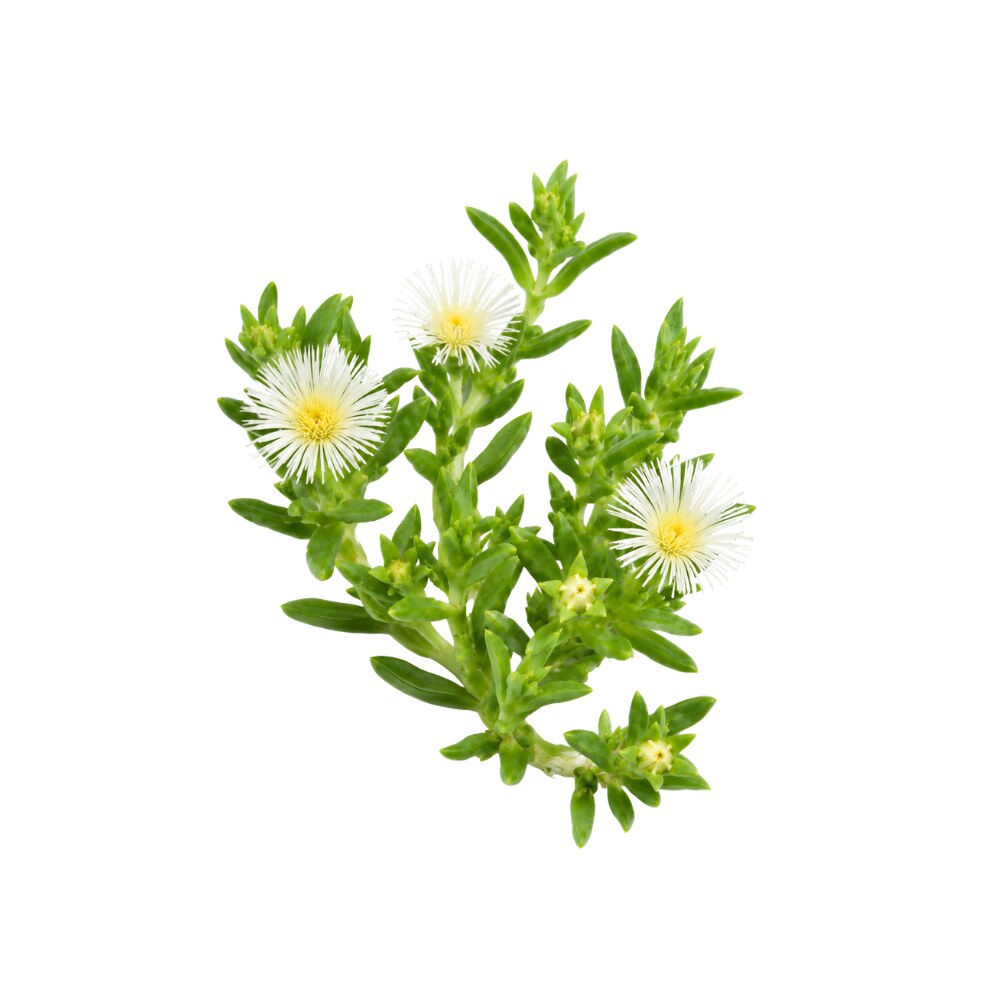 Principal source Kanna Mesembryanthemum tortuosum Herb monograph →
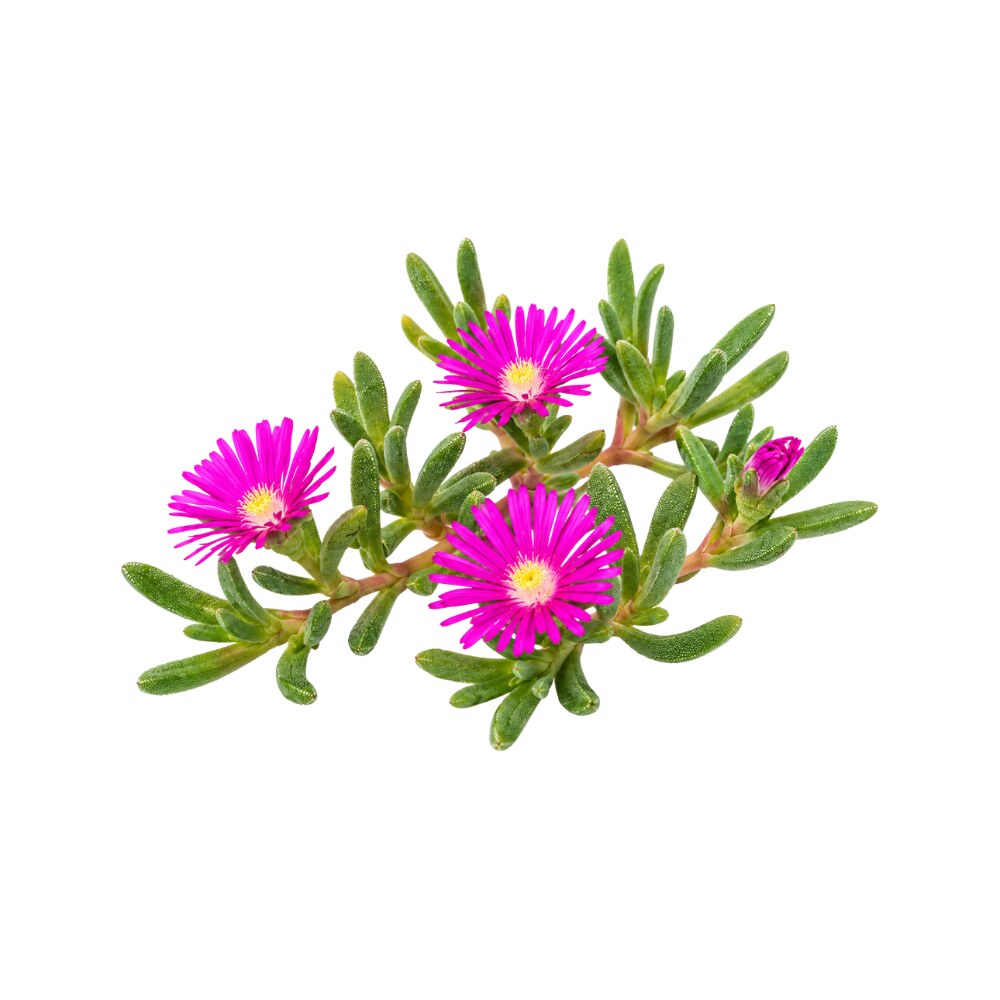 Source Ice Plant Delosperma spp. Herb monograph →
Concentration
Content by Source
Concentrations not reported. No percent-dry-weight or mg/g figures have been published for this compound in its source plants.
Mesembrenone at a Glance
Mesembrenone is one of the principal mesembrine-type alkaloids of kanna (Sceletium tortuosum, now often published as Mesembryanthemum tortuosum). Structurally it is a close relative of mesembrine — the same 3a-aryl-cis-octahydroindole skeleton, one degree of unsaturation apart — and the two are the pair that most of the plant’s pharmacology has been pinned on 3,
What makes mesembrenone the interesting member of the set is that it does two things rather than one. Like mesembrine it inhibits the serotonin transporter (SERT); unlike mesembrine it is a genuinely potent inhibitor of phosphodiesterase-4 (PDE4) — roughly seventeen times more potent than mesembrine and thirty-four times more potent than mesembrenol on PDE4B 1,
The honest limit is sharp and worth stating up front: almost every meaningful in-vivo and human finding belongs to the extract, not to this molecule. The isolate’s record is a receptor/enzyme panel, a zebrafish behavioural study, an ex-vivo hippocampal-slice experiment and a porcine permeability assay 1,
The Dual SERT / PDE4 Mechanism
This is the compound’s signature, and the reason it has a page of its own.
The measurements. In the study that defined the field, a standardised ethanolic Sceletium extract blocked 5-HT transporter binding with an IC₅₀ of 4.3 µg/mL and inhibited PDE4 with an IC₅₀ of 8.5 µg/mL — but not other phosphodiesterases 1Reference 1Pharmacological actions of the South African medicinal and functional food plant Sceletium tortuosum and its principal alkaloidsView study →. Three purified alkaloids were run on the same receptor/enzyme panel. Mesembrine was the most active at SERT (Kᵢ 1.4 nM) but is a weak PDE4 ligand; mesembrenone was active at both targets, with IC₅₀ values below 1 µM at each 1Reference 1Pharmacological actions of the South African medicinal and functional food plant Sceletium tortuosum and its principal alkaloidsView study →.
The PDE4 ranking. The proof-of-concept cognition trial reports the isoform-level numbers behind that summary: against PDE4B, mesembrenone’s IC₅₀ was 470 nM, mesembrine’s 7,800 nM and mesembrenol’s 10,000 nM — mesembrenone therefore ~17× more potent than mesembrine and ~34× more potent than mesembrenol 2Reference 2RCTProof-of-concept randomized controlled study of cognition effects of the proprietary extract Sceletium tortuosum (Zembrin) targeting phosphodiesterase-4 in cognitively healthy subjects: implications for Alzheimer’s dementiaView study →. Within the mesembrine alkaloids, PDE4 inhibition is essentially this molecule’s property. A dedicated review of the class reaches the same conclusion in plainer language: the alkaloids are serotonin-reuptake inhibitors, and mesembrenone additionally has “reasonably potent” PDE4 inhibitory activity 3Reference 3ReviewMesembrine alkaloids: review of their occurrence, chemistry, and pharmacologyView study →.
Why the pairing matters pharmacologically. PDE4 degrades cyclic AMP. Inhibiting it raises intracellular cAMP and, downstream, phosphorylated CREB — the transcription-factor arm of long-term potentiation and memory consolidation, and an independent drug target in cognitive and inflammatory disease 2Reference 2RCTProof-of-concept randomized controlled study of cognition effects of the proprietary extract Sceletium tortuosum (Zembrin) targeting phosphodiesterase-4 in cognitively healthy subjects: implications for Alzheimer’s dementiaView study →. SERT blockade raises synaptic serotonin, the mechanism shared with SSRIs. Combining the two in one molecule is the “dual 5-HT reuptake and PDE4 inhibitor” description applied to the whole extract in the human imaging literature 4Reference 4Clinical trialAcute effects of Sceletium tortuosum (Zembrin), a dual 5-HT reuptake and PDE4 inhibitor, in the human amygdala and its connection to the hypothalamusView study → — but that description is properly a class statement, and mesembrenone is the single alkaloid that carries both arms at once.
What it is not. The dual mechanism is measured in cell-free and binding assays. Two things are missing between those assays and a person: any measured plasma concentration of mesembrenone in a human, and any human trial of the isolate. Everything in the section below that involves an intact animal or an intact person used the plant or the extract.
Why Standardised Extracts Are Enriched in It
The commercially important fact about mesembrenone is compositional rather than pharmacological.
Wild kanna is chemotypically wild: total alkaloid content varies by roughly an order of magnitude between populations, and distinct chemotypes are dominated by different alkaloids — some mesembrine-rich, some mesembrenone- or mesembrenol-rich 13Reference 13The chemotypic variation of Sceletium tortuosum alkaloids and commercial product formulationsView study →. Traditional fermentation (“kougoed”) shifts the profile further, converting mesembrine into unsaturated relatives under aqueous, sunlit conditions 12Reference 12Investigations of the phytochemical content of Sceletium tortuosum following the preparation of “kougoed” by fermentation of plant materialView study →.
Zembrin®, the extract behind essentially all the human data, is standardised in the opposite direction from the raw plant’s most famous alkaloid. Its published specification is 0.35–0.45% total alkaloids, of which mesembrenone plus mesembrenol make up ≥60% and mesembrine less than 20% 8Reference 8AnimalA toxicological safety assessment of a standardized extract of Sceletium tortuosum (Zembrin®) in ratsView study →; the cognition trial describes the same material as standardised to ~0.4% total alkaloids across the four main alkaloids 2Reference 2RCTProof-of-concept randomized controlled study of cognition effects of the proprietary extract Sceletium tortuosum (Zembrin) targeting phosphodiesterase-4 in cognitively healthy subjects: implications for Alzheimer’s dementiaView study →. That is a deliberate, documented tilt toward mesembrenone and away from mesembrine — and the stated reason is the PDE4 arm 2Reference 2RCTProof-of-concept randomized controlled study of cognition effects of the proprietary extract Sceletium tortuosum (Zembrin) targeting phosphodiesterase-4 in cognitively healthy subjects: implications for Alzheimer’s dementiaView study →.
This is worth holding onto when reading the literature, because it means two “kanna extracts” can be pharmacologically different products. A high-mesembrine extract (marketed as Trimesemine™) behaves as a monoamine-releasing agent with SERT down-regulation and VMAT-2 up-regulation, and only mild AChE/MAO-A inhibition 21Reference 21High-mesembrine Sceletium extract (Trimesemine™) is a monoamine releasing agent, rather than only a selective serotonin reuptake inhibitorView study →. A mesembrenone-enriched extract is the one whose sales pitch is cognition and executive function. Neither claim is a property of “kanna” in the abstract.
Δ7-Mesembrenone — a Different Molecule
The literature contains both “mesembrenone” and “Δ7-mesembrenone”, and they are not interchangeable names for one compound — they are positional isomers differing in where the ring unsaturation sits. Reading them as synonyms is the commonest error on this molecule.
The distinction is load-bearing for three reasons:
- It is the fermentation product. Under controlled fermentation of S. tortuosum aerial parts, mesembrine fell from 1.33% to 0.05% while Δ7-mesembrenone rose from below the limit of quantitation to 0.11% over ten days; the same conversion occurred with pure mesembrine hydrochloride in water under sunlight, and not in the dark or in methanol 12Reference 12Investigations of the phytochemical content of Sceletium tortuosum following the preparation of “kougoed” by fermentation of plant materialView study →. Traditional kougoed is therefore comparatively Δ7-rich by process, not by chemotype.
- It dominates some extracts. In alkaloid profiling of M. tortuosum preparations, Δ7-mesembrenone was the major compound of a methanol extract and was elevated alongside mesembrine in an acid-base extract, whereas Zembrin® carried mesembrenol, mesembranol, mesembrenone and mesembrine as its majors 19Reference 19Neuroprotective and neurorestorative properties of Mesembryanthemum tortuosum in a Parkinson’s disease zebrafish larvae modelView study →. A quantitative kanna assay lists it as a separate line item.
- It has its own synthetic literature. The compound made by total synthesis in 2021 was (±)-Δ7-mesembrenone, not mesembrenone 17Reference 17Functionalized polyhydroquinolines from amino acids using a key one-pot cyclization cascade and application to the synthesis of (±)-Δ7-mesembrenoneView study →.
None of the PDE4 potency figures above were generated on Δ7-mesembrenone. Its pharmacology is much thinner than mesembrenone’s, and this site keeps it as a separate entry. The same applies to the minor acid-bearing relative mesembrenone-3-carboxylic acid, about which little beyond identification is established.
What It's Used For
Three applications are claimed for this molecule. For each, the isolate contributes a mechanism and the extract contributes the outcome — and the join between them is an assumption, not a result.
Support is an experimental score — weighted by study type (human > animal > in vitro) and volume. A beta, not a validated metric. Every score here is dragged down by the same thing: the human tier is extract-level. Read the per-row basis.
This is the application the molecule exists for commercially. Isolate: mesembrenone inhibits PDE4B with an IC₅₀ of 470 nM, against 7,800 nM for mesembrine and 10,000 nM for mesembrenol — the class’s PDE4 inhibitor by a wide margin 2Reference 2RCTProof-of-concept randomized controlled study of cognition effects of the proprietary extract Sceletium tortuosum (Zembrin) targeting phosphodiesterase-4 in cognitively healthy subjects: implications for Alzheimer’s dementiaView study → — and is active at PDE4 (and SERT) below 1 µM on a full receptor/enzyme panel, while the parent extract inhibits PDE4 selectively over other phosphodiesterase families 1Reference 1Pharmacological actions of the South African medicinal and functional food plant Sceletium tortuosum and its principal alkaloidsView study →.
The proposed downstream route is PDE4 → cAMP → phosphorylated CREB, the transcriptional arm of memory consolidation 2Reference 2RCTProof-of-concept randomized controlled study of cognition effects of the proprietary extract Sceletium tortuosum (Zembrin) targeting phosphodiesterase-4 in cognitively healthy subjects: implications for Alzheimer’s dementiaView study →.
Extract: the human result is a single proof-of-concept randomised, double-blind, placebo-controlled crossover trial in 21 cognitively healthy adults (mean age 54.6), where 25 mg/day of the standardised extract for three weeks improved cognitive set flexibility (P < 0.032) and executive function (P < 0.022) versus placebo, with the authors attributing the effect to the PDE4–cAMP–CREB cascade 2Reference 2RCTProof-of-concept randomized controlled study of cognition effects of the proprietary extract Sceletium tortuosum (Zembrin) targeting phosphodiesterase-4 in cognitively healthy subjects: implications for Alzheimer’s dementiaView study →.
Gap: the mechanism is the isolate’s and the outcome is the extract’s, and nothing bridges them — no trial has given a person mesembrenone. The trial is small, single-centre, in healthy volunteers, run on one company’s product, and co-authored by that company’s scientific director; a 2026 critical review flags exactly this pattern (small samples, clinically irrelevant populations, inconsistent outcomes) across the whole M. tortuosum clinical literature 2,
The application with the best isolate signal. In 5-days-post-fertilisation zebrafish larvae under a light–dark challenge, all four mesembrine alkaloids reduced anxiety-related behaviour, and mesembrenone and mesembranol produced a greater anxiolytic-like effect than mesembrine or mesembrenol; in-silico docking put all four in high-affinity contact with SERT 5Reference 5Mesembryanthemum tortuosum L. alkaloids modify anxiety-like behaviour in a zebrafish modelView study →.
Extract: in humans, a single 25 mg dose of the standardised extract attenuated amygdala reactivity to fearful faces and reduced amygdala–hypothalamus coupling in 16 healthy adults on fMRI — the study that framed the preparation as a dual 5-HT-reuptake/PDE4 inhibitor 4Reference 4Clinical trialAcute effects of Sceletium tortuosum (Zembrin), a dual 5-HT reuptake and PDE4 inhibitor, in the human amygdala and its connection to the hypothalamusView study →.
A two-study behavioural replication in 20 volunteers found no effect on a multitasking stressor but lower subjective anxiety and altered heart-rate response around a simulated public-speaking task 10Reference 10Clinical trialSceletium tortuosum (Zembrin®) ameliorates experimentally induced anxiety in healthy volunteersView study →.
A separate zebrafish dose-response attributed the extract’s anxiolytic-like effect specifically to mesembrine, not to mesembrenone 6Reference 6Sceletium tortuosum-derived mesembrine significantly contributes to the anxiolytic effect of Zembrin®, but its anti-depressant effect may require synergy of multiple plant constituentsView study →.
Gap: the isolate evidence is a single zebrafish paradigm; the human evidence is two small acute studies of the extract, one of them internally inconsistent; and the one experiment that tried to apportion the extract’s anxiolytic effect among alkaloids credited the other molecule 6,
The weakest of the three despite being the traditional use. Isolate: mesembrenone is a serotonin-reuptake inhibitor, active at SERT below 1 µM — but mesembrine, at Kᵢ 1.4 nM, is roughly three orders of magnitude more potent at that target, so within the plant the SERT story is mesembrine’s rather than mesembrenone’s 1,
Extract/plant: in a zebrafish dose-response designed to apportion the extract’s effects, the antidepressant-like effect required the intact extract and could not be reproduced by any single alkaloid, mesembrenone included 6Reference 6Sceletium tortuosum-derived mesembrine significantly contributes to the anxiolytic effect of Zembrin®, but its anti-depressant effect may require synergy of multiple plant constituentsView study →; in an eight-week unpredictable-chronic-mild-stress rat model, the extract (12.5 mg/kg) and isolated mesembrine — not mesembrenone — were the agents tested and the ones that moved anhedonia, PDE4B expression and monoamine markers 23Reference 23AnimalNeuro-inflammatory and behavioral changes are selectively reversed by Sceletium tortuosum (Zembrin®) and mesembrine in male rats subjected to unpredictable chronic mild stressView study →.
Extract-level work also complicates the simple reuptake picture: a high-mesembrine preparation behaves as a monoamine-releasing agent with VMAT-2 up-regulation rather than a pure SSRI 21Reference 21High-mesembrine Sceletium extract (Trimesemine™) is a monoamine releasing agent, rather than only a selective serotonin reuptake inhibitorView study →.
Gap: no study has tested isolated mesembrenone for antidepressant-like activity in a mammal, and the two studies that did apportion the extract’s antidepressant effect among alkaloids either failed to reproduce it with any single molecule or used mesembrine as the test alkaloid 6,
Mechanisms
| Target / pathway | Effect | Relevant to |
|---|---|---|
| Phosphodiesterase-4 (PDE4B) | inhibition, IC₅₀ 470 nM — ~17× mesembrine, ~34× mesembrenol; selective over other PDE families at extract level 1, | cognition & executive function — the compound’s signature |
| cAMP → protein kinase A → phospho-CREB | PDE4 blockade raises cAMP and CREB phosphorylation, the transcriptional arm of memory consolidation 2Reference 2RCTProof-of-concept randomized controlled study of cognition effects of the proprietary extract Sceletium tortuosum (Zembrin) targeting phosphodiesterase-4 in cognitively healthy subjects: implications for Alzheimer’s dementiaView study → | cognition (proposed downstream route) |
| Serotonin transporter (SERT) | reuptake inhibition, IC₅₀ < 1 µM — real, but ~1,000× weaker than mesembrine’s Kᵢ 1.4 nM 1, | moodanxiety; the serotonergic interaction caution |
| Hippocampal population spike (rat slice, ex vivo) | attenuated by all four alkaloids; mesembrenone’s C6 carbonyl places it outside the AMPA-attenuating subgroup (that effect belongs to the C6-hydroxyl pair, mesembranol and mesembrenol) 7Reference 7AnimalEffect of Zembrin® and four of its alkaloid constituents on electric excitability of the rat hippocampusView study → | electrophysiology; a structure–activity boundarynot an application |
| Monoamine oxidase B | favourable docking and simulated binding for all four alkaloids — in-silico only, no enzyme assay 23Reference 23AnimalNeuro-inflammatory and behavioral changes are selectively reversed by Sceletium tortuosum (Zembrin®) and mesembrine in male rats subjected to unpredictable chronic mild stressView study → | speculative; do not treat as a demonstrated mechanism |
| Noradrenaline ↑ / GABA ↓ (mouse brain, 35 days) | produced by whole chemotype extracts; alkaloid profiling attributes it to the mesembrine alcohols and Sceletium A4, not mesembrenone 20Reference 20AnimalDifferential impact of extracts from distinct Sceletium tortuosum chemotypes on central neurotransmitter concentrations in C57BL/6 miceView study → | a mechanism explicitly not assigned to this molecule |
The load-bearing row is the first one. Everything else here either belongs to a sibling alkaloid, to the extract, or to a docking screen.
Pharmacokinetics
There is no human pharmacokinetic data for mesembrenone — no oral bioavailability figure, no Cₘₐₓ, no half-life, no metabolite identification, and no measured plasma concentration in any of the human trials of the extract. This is the single largest hole on the page, and it matters more here than usual because the compound’s headline claim is an in-vitro potency figure.
What exists is one ex-vivo permeability experiment: across excised porcine tissue, mesembrenone’s intestinal permeability was lower than the highly permeable reference caffeine but much higher than the poorly permeable reference atenolol, placing it in a workable middle band; mesembrine permeated better than caffeine, mesembranol was caffeine-like, and permeability across sublingual and buccal mucosa was lower than intestinal for all four — though high enough that oral-cavity absorption may contribute meaningfully when the plant is chewed and held in the mouth, as it traditionally is 11Reference 11In vitroIn vitro permeation of mesembrine alkaloids from Sceletium tortuosum across porcine buccal, sublingual, and intestinal mucosaView study →. A review of the plant’s pharmacokinetics reaches the same overall verdict: absorption looks plausible, systemic exposure is uncharacterised 14Reference 14ReviewSceletium tortuosum: a review on its phytochemistry, pharmacokinetics, biological and clinical activitiesView study →.
The arithmetic is worth doing explicitly. A 25 mg dose of an extract standardised to 0.35–0.45% total alkaloids delivers roughly 90–110 µg of total alkaloid, of which mesembrenone and mesembrenol together are ≥60% 2,
Clinical Trials
No clinical trial has ever administered isolated mesembrenone. Every human study is of a standardised S. tortuosum extract: a 3-month safety and tolerability RCT at 8 mg and 25 mg daily in 37 healthy adults 9Reference 9RCTA randomized, double-blind, parallel-group, placebo-controlled trial of extract Sceletium tortuosum (Zembrin) in healthy adultsView study →; a 3-week crossover cognition RCT at 25 mg daily in 21 healthy adults 2Reference 2RCTProof-of-concept randomized controlled study of cognition effects of the proprietary extract Sceletium tortuosum (Zembrin) targeting phosphodiesterase-4 in cognitively healthy subjects: implications for Alzheimer’s dementiaView study →; a single-dose pharmaco-fMRI study in 16 healthy adults 4Reference 4Clinical trialAcute effects of Sceletium tortuosum (Zembrin), a dual 5-HT reuptake and PDE4 inhibitor, in the human amygdala and its connection to the hypothalamusView study →; and two single-dose acute-stress studies in 20 healthy volunteers 10Reference 10Clinical trialSceletium tortuosum (Zembrin®) ameliorates experimentally induced anxiety in healthy volunteersView study →. All are small, all are in healthy people, and none has been run in a clinical population 14,
| Completed | Planned | Terminated | Preclinical |
|---|---|---|---|
| None for the isolate (4–5 small extract RCTs) | — | — | Receptor/enzyme panel, zebrafish behaviour, rat hippocampal slice, porcine permeability |
Last checked: July 2026.
Isolate vs. Plant Studies
This page’s balance is the mirror image of the usual one, and it is worth being blunt about.
In vitro, the isolate is the evidence. The SERT and PDE4 numbers — Kᵢ 1.4 nM for mesembrine, sub-micromolar dual activity for mesembrenone, the 470 / 7,800 / 10,000 nM PDE4B ladder — were all generated on purified alkaloids, which is why an alkaloid-level statement can be made at all 1,
In vivo and in humans, the isolate barely appears. The only whole-animal work on isolated mesembrenone is the zebrafish light–dark study 5Reference 5Mesembryanthemum tortuosum L. alkaloids modify anxiety-like behaviour in a zebrafish modelView study →. Where investigators have deliberately tried to apportion an extract’s effect among its alkaloids, the alkaloid they carried through to the in-vivo arm was mesembrine, not mesembrenone — in the zebrafish dose-response 6Reference 6Sceletium tortuosum-derived mesembrine significantly contributes to the anxiolytic effect of Zembrin®, but its anti-depressant effect may require synergy of multiple plant constituentsView study → and again in the chronic-mild-stress rat model 23Reference 23AnimalNeuro-inflammatory and behavioral changes are selectively reversed by Sceletium tortuosum (Zembrin®) and mesembrine in male rats subjected to unpredictable chronic mild stressView study →. Two of those studies additionally report that a whole-extract effect was not reproducible by any single alkaloid 6Reference 6Sceletium tortuosum-derived mesembrine significantly contributes to the anxiolytic effect of Zembrin®, but its anti-depressant effect may require synergy of multiple plant constituentsView study →, and a mouse chemotype study attributed its neurochemical signature to the mesembrine alcohols and Sceletium A4 rather than to mesembrenone 20Reference 20AnimalDifferential impact of extracts from distinct Sceletium tortuosum chemotypes on central neurotransmitter concentrations in C57BL/6 miceView study →.
The transferability caveat therefore runs in an unusual direction. For most plant molecules the risk is reading a whole-extract clinical result onto an isolate. Here the risk is subtler: the extract is engineered around this molecule 8Reference 8AnimalA toxicological safety assessment of a standardized extract of Sceletium tortuosum (Zembrin®) in ratsView study →, so the marketing inference “extract works → mesembrenone works” feels tighter than it is. It is not tight. The composition tilt is documented; the causal contribution is not. Several of the studies cited above were part-funded by, supplied by, or co-authored with staff or advisers of the extract’s manufacturer — a declared tie in the trial 2Reference 2RCTProof-of-concept randomized controlled study of cognition effects of the proprietary extract Sceletium tortuosum (Zembrin) targeting phosphodiesterase-4 in cognitively healthy subjects: implications for Alzheimer’s dementiaView study →, the toxicology package 8Reference 8AnimalA toxicological safety assessment of a standardized extract of Sceletium tortuosum (Zembrin®) in ratsView study →, the chronic-stress model 23Reference 23AnimalNeuro-inflammatory and behavioral changes are selectively reversed by Sceletium tortuosum (Zembrin®) and mesembrine in male rats subjected to unpredictable chronic mild stressView study → and the Parkinson’s-model work 19,
Prevalence in Nature
Mesembrenone occurs in the Aizoaceae (Mesembryanthemaceae), the southern-African “vygie” or mesemb family, and most abundantly in kanna (Sceletium tortuosum), where the mesembrine class is the predominant of four structural alkaloid classes — mesembrine, Sceletium A4, joubertiamine and tortuosamine — among ~25 alkaloids reported from the species 14Reference 14ReviewSceletium tortuosum: a review on its phytochemistry, pharmacokinetics, biological and clinical activitiesView study →. It is also detected in the congener S. crassicaule, which is close enough chemically that discriminating the two commercially requires chromatography plus chemometrics 13Reference 13The chemotypic variation of Sceletium tortuosum alkaloids and commercial product formulationsView study →.
Concentration is chemotype-driven, not species-driven. Total alkaloid content of wild kanna spans roughly an order of magnitude between populations, and distinct chemotypes are dominated by different alkaloids, so no single “mesembrenone percentage” describes the plant 13Reference 13The chemotypic variation of Sceletium tortuosum alkaloids and commercial product formulationsView study →. Fermentation shifts the profile again, chiefly by converting mesembrine to Δ7-mesembrenone under aqueous, sunlit conditions 12Reference 12Investigations of the phytochemical content of Sceletium tortuosum following the preparation of “kougoed” by fermentation of plant materialView study →.
In the ornamental ice plants (Delosperma spp.) the same alkaloids have been reported only at trace levels, frequently below assay detection, with no reliable published concentration — the Sceletium potency figures must not be read across to that genus.
The most interesting non-mesemb occurrence is outside the family entirely. Sceletium-type alkaloids are biosynthesised by Narcissus cv. Hawera (Amaryllidaceae), an ornamental daffodil, where mesembrenone was the dominant alkaloid in the leaves of sprouting bulbs and in the flowers — making those tissues a candidate source for mesembrenone-enriched alkaloid fractions independent of Sceletium 16Reference 16Dynamics of alkaloid accumulation in Narcissus cvView study →.
Discovery & Synthesis
First isolation. Mesembrenone belongs to the group of alkaloids worked out from Sceletium in the mid-twentieth-century wave of mesembrine chemistry; mesembrine itself is the archetype whose isolation, structural elucidation and absolute configuration anchor the literature 22Reference 22ReviewMesembrine: the archetypal psycho-active Sceletium alkaloidView study →. A specific, verifiable first-isolation report for mesembrenone was not found in accessible sources and is left uncredited here rather than guessed. The modern chemistry of the class — occurrence, structure, analysis and pharmacology — is consolidated in a 2017 review 3Reference 3ReviewMesembrine alkaloids: review of their occurrence, chemistry, and pharmacologyView study →.
Total synthesis. The congested all-carbon quaternary stereocentre at the ring-fusion bridgehead has made this skeleton a long-standing target for synthetic methodology, which is how the natural isomer’s absolute configuration was assigned 22Reference 22ReviewMesembrine: the archetypal psycho-active Sceletium alkaloidView study →. The most recent published route in this immediate family is a one-pot cyclisation cascade from commercially available amino acids, generating two rings, three C–C bonds and the quaternary centre in one operation, and applied to (±)-Δ7-mesembrenone 17Reference 17Functionalized polyhydroquinolines from amino acids using a key one-pot cyclization cascade and application to the synthesis of (±)-Δ7-mesembrenoneView study → — the isomer, not mesembrenone itself.
Manufacture today. There is no commercial synthetic supply. Mesembrenone reaches people as a constituent of plant extracts, and the industrially relevant process is not synthesis but standardisation — selecting and extracting material to hit a specified alkaloid ratio, in Zembrin®‘s case ≥60% mesembrenone + mesembrenol against <20% mesembrine 8Reference 8AnimalA toxicological safety assessment of a standardized extract of Sceletium tortuosum (Zembrin®) in ratsView study →. Analytical isolates for research are supplied at milligram scale from plant material.
Patents: not yet researched.
Toxicity & Safety
Mesembrenone carries a moderate flag. Not because harm has been demonstrated — the extract that concentrates it has a clean 3-month human tolerability record and a rat NOAEL at the highest dose tested — but because the isolate has no toxicology of its own and both of its mechanisms belong to drug classes with real, well-characterised liabilities: serotonergic agents, and PDE4 inhibitors.
- The extract is well tolerated at studied doses. 8 mg and 25 mg daily for three months in 37 healthy adults produced no signal in vitals, ECG, haematology or biochemistry, with headache the commonest adverse event — more frequent in the placebo group 9Reference 9RCTA randomized, double-blind, parallel-group, placebo-controlled trial of extract Sceletium tortuosum (Zembrin) in healthy adultsView study →.
- No cytotoxicity, and a high animal NOAEL. The purified alkaloids showed no cytotoxic effect on mammalian cells 1Reference 1Pharmacological actions of the South African medicinal and functional food plant Sceletium tortuosum and its principal alkaloidsView study →; the standardised extract’s rat NOAELs were 5,000 mg/kg/day (14-day) and 600 mg/kg/day (90-day), both the highest doses tested 8Reference 8AnimalA toxicological safety assessment of a standardized extract of Sceletium tortuosum (Zembrin®) in ratsView study →.
- Serotonergic drug interaction. SERT inhibition is a pharmacodynamic (not CYP-mediated) mechanism; additive load with SSRIs, SNRIs, MAOIs, triptans or other serotonergic agents is the standing theoretical concern for this class 1,
3Reference 1Pharmacological actions of the South African medicinal and functional food plant Sceletium tortuosum and its principal alkaloidsView study →Reference 3ReviewMesembrine alkaloids: review of their occurrence, chemistry, and pharmacologyView study → . - PDE4-class GI and neuropsychiatric liability at higher exposure. In large randomised trials of licensed PDE4 inhibitors, nausea, vomiting, dyspepsia and especially diarrhoea are the dose-limiting effects (diarrhoea OR 3.20; NNTH 15), alongside raised psychiatric adverse events (OR 2.13 for roflumilast 500 µg), insomnia, depressed mood and weight loss 18Reference 18Systematic reviewPhosphodiesterase-4 inhibitors for chronic obstructive pulmonary diseaseView study →. This is the mechanistic reason a strong PDE4 inhibitor has an emesis ceiling.
- The isolate is uncharacterised. No isolate genotoxicity, repeat-dose, reproductive or developmental package exists, and no human has knowingly taken mesembrenone alone. Safety inferences here are borrowed from the extract and from the two drug classes.
- Extract ≠ molecule for dose. Kanna preparations vary enormously in alkaloid profile by chemotype and by fermentation 12,
13Reference 12Investigations of the phytochemical content of Sceletium tortuosum following the preparation of “kougoed” by fermentation of plant materialView study →Reference 13The chemotypic variation of Sceletium tortuosum alkaloids and commercial product formulationsView study → ; a tolerability record for one standardised extract does not transfer to raw plant material or to a differently-standardised product.
Full Safety & Interactions Detail
Human tolerability (extract). The dedicated safety trial randomised 37 healthy adults to 8 mg/day, 25 mg/day or placebo for three months, with no efficacy endpoints. There were no apparent between-group differences in vital signs, 12-lead ECG, weight or physical examination, and no significant haematology or biochemistry changes. The commonest adverse events were headache, then abdominal pain and upper-respiratory infection — all more common on placebo than on treatment 9Reference 9RCTA randomized, double-blind, parallel-group, placebo-controlled trial of extract Sceletium tortuosum (Zembrin) in healthy adultsView study →. The cognition trial reported transient gastrointestinal discomfort in 9.5% of the treatment arm, resolving spontaneously 2Reference 2RCTProof-of-concept randomized controlled study of cognition effects of the proprietary extract Sceletium tortuosum (Zembrin) targeting phosphodiesterase-4 in cognitively healthy subjects: implications for Alzheimer’s dementiaView study →.
Animal toxicology (extract). In Wistar rats there was no mortality and no treatment-related adverse effect in either a 14-day or a 90-day repeated-oral-dose study; the NOAELs of 5,000 mg/kg bw/day (14-day) and 600 mg/kg bw/day (90-day) were the highest doses tested rather than thresholds where effects began 8Reference 8AnimalA toxicological safety assessment of a standardized extract of Sceletium tortuosum (Zembrin®) in ratsView study →. The study package was produced by a contract-toxicology group with the manufacturer as a co-author.
Serotonergic interaction. This is the practically important caution and it is pharmacodynamic, not metabolic — no CYP-mediated interaction has been demonstrated for mesembrenone. Because the molecule inhibits SERT, stacking it with SSRIs, SNRIs, MAOIs, triptans, tramadol or other serotonergic agents raises the theoretical risk of additive serotonergic effects 1,
PDE4-class effects. The emetic and neuropsychiatric ceiling of PDE4 inhibition is not speculation — it is the reason the licensed drugs in this class dose where they do. A Cochrane review of 42 randomised trials (>24,000 participants) of oral PDE4 inhibitors found more adverse events on treatment (OR 1.30), a marked excess of diarrhoea (OR 3.20; seven extra cases per 100 treated), a range of other GI effects including nausea, vomiting and dyspepsia, an excess of psychiatric adverse events with roflumilast 500 µg (OR 2.13) including insomnia and depressed mood, weight loss, and near-double withdrawal rates (14% vs 8%) 18Reference 18Systematic reviewPhosphodiesterase-4 inhibitors for chronic obstructive pulmonary diseaseView study →. Those exposures are far above anything achieved by a 25 mg botanical extract — which is precisely why this is framed as a mechanistic ceiling rather than an observed effect of kanna. It also predicts the direction of any dose-escalation problem: nausea first.
Cardiovascular / vasodilatory. PDE inhibition raising cAMP is the same broad principle behind vasodilator drugs, and kanna products are conventionally cautioned against combining with erectile-dysfunction and blood-pressure medication. That caution is a whole-herb inference; no mesembrenone-specific haemodynamic study exists.
Reproductive note (prose only). No reproductive or developmental toxicity dataset exists for isolated mesembrenone, and none of the human extract trials enrolled pregnant or lactating participants. Pregnancy and lactation decisions belong to the kanna herb page and to the product page, where intake is actually decided, not to a molecule page.
Dosage
No dose of isolated mesembrenone has been studied in a human, and none is proposed here. The figures below are the doses of a standardised whole extract used in published research, listed so the numbers circulating in the supplement market can be located against their sources.
| Study | Preparation | Dose studied |
|---|---|---|
| Safety & tolerability, 3 months 9Reference 9RCTA randomized, double-blind, parallel-group, placebo-controlled trial of extract Sceletium tortuosum (Zembrin) in healthy adultsView study → | Zembrin® standardised extract | 8 mg or 25 mg once daily |
| Cognition RCT, 3 weeks crossover 2Reference 2RCTProof-of-concept randomized controlled study of cognition effects of the proprietary extract Sceletium tortuosum (Zembrin) targeting phosphodiesterase-4 in cognitively healthy subjects: implications for Alzheimer’s dementiaView study → | Zembrin® standardised extract | 25 mg once daily |
| Pharmaco-fMRI, single dose 4Reference 4Clinical trialAcute effects of Sceletium tortuosum (Zembrin), a dual 5-HT reuptake and PDE4 inhibitor, in the human amygdala and its connection to the hypothalamusView study → | Zembrin® standardised extract | 25 mg once |
| Acute stress/anxiety, single dose 10Reference 10Clinical trialSceletium tortuosum (Zembrin®) ameliorates experimentally induced anxiety in healthy volunteersView study → | Zembrin® standardised extract | 25 mg once |
| Rat subchronic NOAEL, 90 days 8Reference 8AnimalA toxicological safety assessment of a standardized extract of Sceletium tortuosum (Zembrin®) in ratsView study → | Zembrin® standardised extract | 600 mg/kg bw/day (highest tested) |
What that means for this molecule. At the standardised 0.35–0.45% total-alkaloid specification, a 25 mg dose carries roughly 90–110 µg of total alkaloids, of which mesembrenone plus mesembrenol are ≥60% 2,
These are doses studied in research on a different substance (a whole extract) and are not a personal recommendation.
References
- Harvey AL, Young LC, Viljoen AM, Gericke NP (2011). Pharmacological actions of the South African medicinal and functional food plant Sceletium tortuosum and its principal alkaloids. Journal of Ethnopharmacology. https://pubmed.ncbi.nlm.nih.gov/21798331/
- Chiu S, Gericke N, Farina-Woodbury M, et al. (2014). Proof-of-concept randomized controlled study of cognition effects of the proprietary extract Sceletium tortuosum (Zembrin) targeting phosphodiesterase-4 in cognitively healthy subjects: implications for Alzheimer’s dementia. Clinical trial. Evidence-Based Complementary and Alternative Medicine. https://pubmed.ncbi.nlm.nih.gov/25389443/
- Krstenansky JL (2017). Mesembrine alkaloids: review of their occurrence, chemistry, and pharmacology. Journal of Ethnopharmacology. https://pubmed.ncbi.nlm.nih.gov/27939420/
- Terburg D, Syal S, Rosenberger LA, et al. (2013). Acute effects of Sceletium tortuosum (Zembrin), a dual 5-HT reuptake and PDE4 inhibitor, in the human amygdala and its connection to the hypothalamus. Clinical trial. Neuropsychopharmacology. https://pubmed.ncbi.nlm.nih.gov/23903032/
- Maphanga VB, Skalicka-Wozniak K, Budzynska B, et al. (2022). Mesembryanthemum tortuosum L. alkaloids modify anxiety-like behaviour in a zebrafish model. Journal of Ethnopharmacology. https://pubmed.ncbi.nlm.nih.gov/35134486/
- Gericke J, Harvey BH, Pretorius L, et al. (2024). Sceletium tortuosum-derived mesembrine significantly contributes to the anxiolytic effect of Zembrin®, but its anti-depressant effect may require synergy of multiple plant constituents. Journal of Ethnopharmacology. https://pubmed.ncbi.nlm.nih.gov/37660956/
- Dimpfel W, Franklin R, Gericke N, Schombert L (2018). Effect of Zembrin® and four of its alkaloid constituents on electric excitability of the rat hippocampus. Journal of Ethnopharmacology. https://pubmed.ncbi.nlm.nih.gov/29758341/
- Murbach TS, Hirka G, Szakonyiné IP, Gericke N, Endres JR (2014). A toxicological safety assessment of a standardized extract of Sceletium tortuosum (Zembrin®) in rats. Food and Chemical Toxicology. https://pubmed.ncbi.nlm.nih.gov/25301237/
- Nell H, Siebert M, Chellan P, Gericke N (2013). A randomized, double-blind, parallel-group, placebo-controlled trial of extract Sceletium tortuosum (Zembrin) in healthy adults. Clinical trial. Journal of Alternative and Complementary Medicine. https://pubmed.ncbi.nlm.nih.gov/23441963/
- Reay J, Wetherell MA, Morton E, Lillis J, Badmaev V (2020). Sceletium tortuosum (Zembrin®) ameliorates experimentally induced anxiety in healthy volunteers. Clinical trial. Human Psychopharmacology. https://pubmed.ncbi.nlm.nih.gov/32761980/
- Shikanga EA, Hamman JH, Chen W, Combrinck S, Gericke N, Viljoen AM (2012). In vitro permeation of mesembrine alkaloids from Sceletium tortuosum across porcine buccal, sublingual, and intestinal mucosa. Planta Medica. https://pubmed.ncbi.nlm.nih.gov/22105579/
- Patnala S, Kanfer I (2009). Investigations of the phytochemical content of Sceletium tortuosum following the preparation of “kougoed” by fermentation of plant material. Journal of Ethnopharmacology. https://pubmed.ncbi.nlm.nih.gov/18996176/
- Shikanga EA, Viljoen AM, Combrinck S, Marston A, Gericke N (2012). The chemotypic variation of Sceletium tortuosum alkaloids and commercial product formulations. Biochemical Systematics and Ecology, 44, 364–373. https://doi.org/10.1016/j.bse.2012.06.025
- Olatunji TL, Siebert F, Adetunji AE, et al. (2021). Sceletium tortuosum: a review on its phytochemistry, pharmacokinetics, biological and clinical activities. Journal of Ethnopharmacology. https://pubmed.ncbi.nlm.nih.gov/34333104/
- de Jong M, van Niekerk S, Hamman J, van der Kooy F (2026). Mesembryanthemum tortuosum and Zembrin: mixed evidence from in vivo animal and clinical studies on their antidepressant and anxiolytic effects. Review. Planta Medica. https://pubmed.ncbi.nlm.nih.gov/41771298/
- Sidjimova B, Denev R, Nikolova M, Bastida J, Berkov S (2024). Dynamics of alkaloid accumulation in Narcissus cv. Hawera: a source of Sceletium-type alkaloids. Zeitschrift für Naturforschung C. https://pubmed.ncbi.nlm.nih.gov/38516999/
- Gallagher-Duval S, Lapointe V, Bélanger G (2021). Functionalized polyhydroquinolines from amino acids using a key one-pot cyclization cascade and application to the synthesis of (±)-Δ7-mesembrenone. Organic Letters. https://pubmed.ncbi.nlm.nih.gov/34694806/
- Janjua S, Fortescue R, Poole P (2020). Phosphodiesterase-4 inhibitors for chronic obstructive pulmonary disease. Systematic review. Cochrane Database of Systematic Reviews. https://pubmed.ncbi.nlm.nih.gov/32356609/
- Lepule K, Sandasi M, Chen W, Viljoen A (2025). Neuroprotective and neurorestorative properties of Mesembryanthemum tortuosum in a Parkinson’s disease zebrafish larvae model. Journal of Ethnopharmacology. https://pubmed.ncbi.nlm.nih.gov/40691887/
- Kaschula CH, Engelbrecht AM, Makunga NP, et al. (2025). Differential impact of extracts from distinct Sceletium tortuosum chemotypes on central neurotransmitter concentrations in C57BL/6 mice. Journal of Ethnopharmacology. https://pubmed.ncbi.nlm.nih.gov/40374049/
- Coetzee DD, López V, Smith C (2016). High-mesembrine Sceletium extract (Trimesemine™) is a monoamine releasing agent, rather than only a selective serotonin reuptake inhibitor. Journal of Ethnopharmacology. https://pubmed.ncbi.nlm.nih.gov/26615766/
- Makolo F, Viljoen A, Veale CGL (2019). Mesembrine: the archetypal psycho-active Sceletium alkaloid. Review. Phytochemistry. https://pubmed.ncbi.nlm.nih.gov/31299396/
- Gericke J, Steyn SF, Viljoen FP, Harvey BH (2025). Neuro-inflammatory and behavioral changes are selectively reversed by Sceletium tortuosum (Zembrin®) and mesembrine in male rats subjected to unpredictable chronic mild stress. Cells. https://pubmed.ncbi.nlm.nih.gov/40643548/
For half-lives, timing and stacking across the nootropics on this site, see the Nootropic Dosage Guide.



