
Compound Monograph
Neral
Neral is the cis (Z) isomer of citral — the milder-smelling half of the geranial + neral pair that makes up the lemon aroma of lemongrass and lemon balm. Generally the weaker antimicrobial and anticancer isomer, but, unusually, the stronger anti-inflammatory one; a GRAS flavour volatile and recognised skin sensitizer.

Sources · 7
Where Does It Come From?
Neral is a naturally occurring monoterpene aldehyde (acyclic; cis/z isomer of citral), found in Lemongrass, Lemon balm, Lemon myrtle and 4 other sources. It is well tolerated orally (low toxicity).
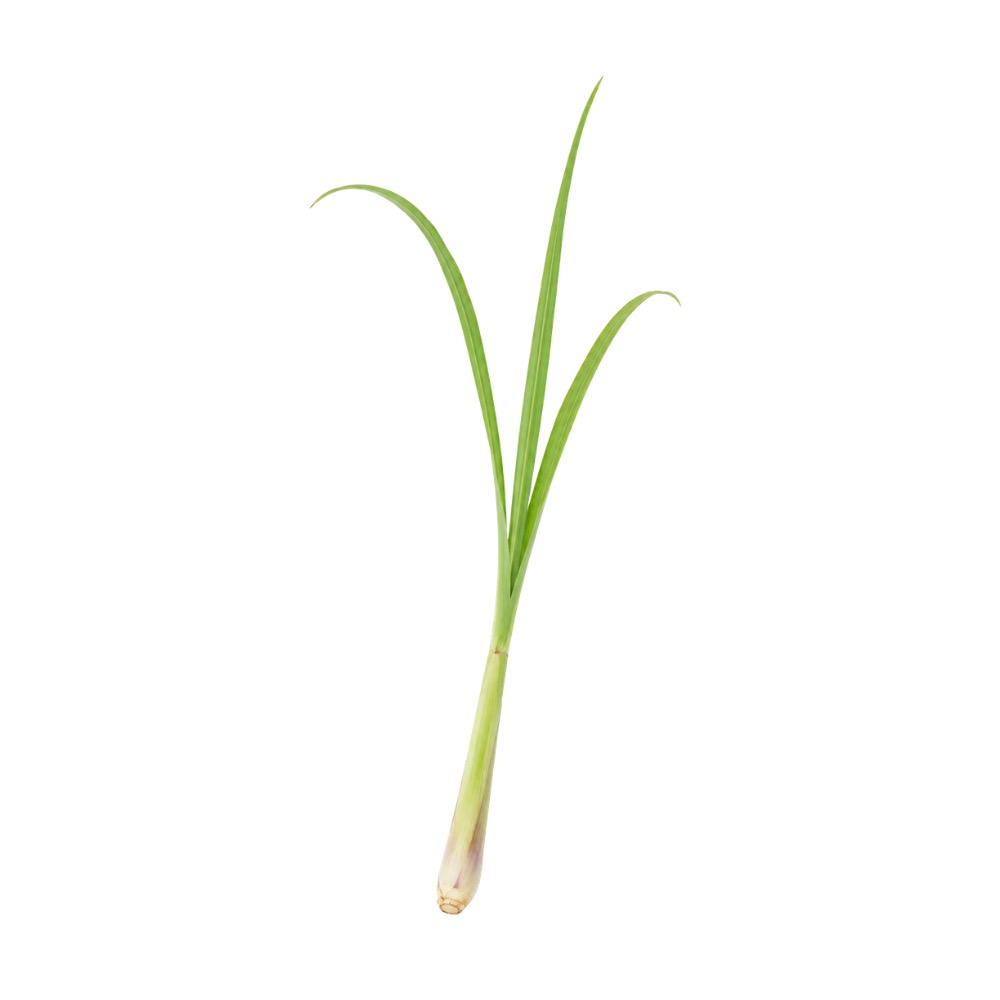 Principal source Lemongrass Cymbopogon citratus Herb monograph →
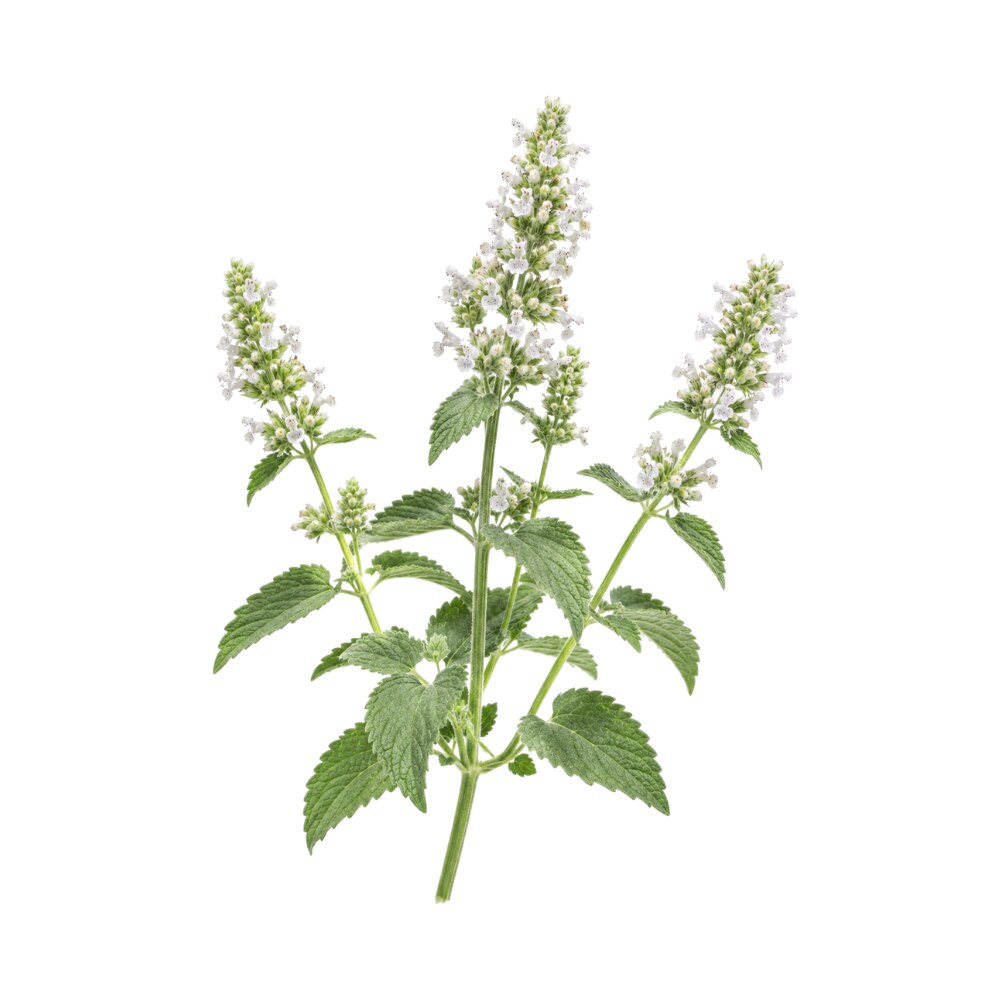 Source Catnip Nepeta cataria Herb monograph →
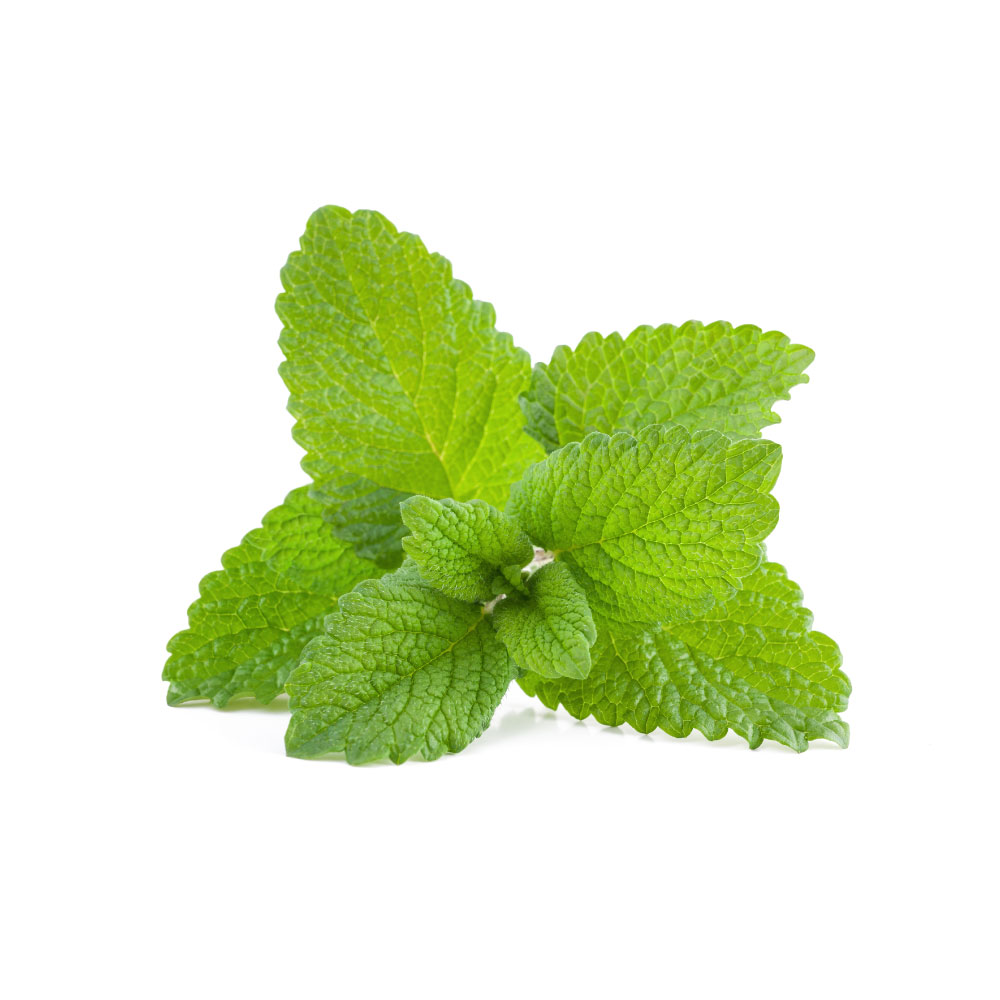 Source Melissa Melissa officinalis Herb monograph →
Concentration
Content by Source
Reported concentrations across the plants that contain neral — the bar marks the typical level, the line shows the reported range.
Literature figures for varying plant parts and preparations. Read them as a comparative guide, not exact assays.
Neral at a Glance
Neral is a volatile monoterpene aldehyde and one of the two geometric isomers that together make up citral. It is the cis (Z) form — often called citral B or (Z)-citral — and it is paired in nature with its trans (E) sibling, geranial (citral A). The two almost always occur together, in a roughly 1:1 to 2:3 ratio, and the mixture is what carries the sharp lemon scent of lemongrass, lemon balm, lemon myrtle and citrus peel oils.
The single most important framing point here is that most published “citral” data are for the mixture, not for neral alone. Where researchers have separated the isomers, a consistent pattern emerges: neral tends to be the milder-smelling and generally less antimicrobial and less cytotoxic of the two, while geranial does the heavier antifungal, antibacterial and anticancer lifting 4,
Neral has low acute oral toxicity and is used at trace levels as a food flavour, but — like all reactive monoterpene aldehydes — concentrated citral is a recognised skin sensitizer and irritant, and neral is a distinct contact-allergy hapten in its own right 10Reference 10Contact allergy to citral and its constituents geranial and neral, coupled with reactions to the prehapten and prohapten geraniolView study →.
Neral vs. Geranial (the Two Citrals)
This is the section the molecule exists for. Neral and geranial are geometric isomers — same atoms, same aldehyde group, differing only in the geometry of the C2–C3 double bond. Together they are citral; neither occurs alone in nature, and commercial “citral” is their mixture. The distinction matters because the isomers are not equivalent where anyone has bothered to test them separately:
- Odour. Neral (cis) is the softer, sweeter, less intense lemon note; geranial (trans) is sharper and more powerfully citrus. This is why neral is described as the “milder” citral.
- Antimicrobial / antifungal. Geranial is the more potent isomer. Against the ringworm dermatophyte Trichophyton rubrum, geranial’s minimum inhibitory concentration was 55.6 µg/mL versus 111.2 µg/mL for neral — roughly a two-fold gap — with geranial causing more membrane damage and cellular leakage; both act on ergosterol biosynthesis via ERG6 4Reference 4Antifungal activities of cis-trans citral isomers against Trichophyton rubrum with ERG6 as a potential targetView study →.
- Anticancer / antiproliferative. Same direction, larger gap. In micelle-formulated 4T1 breast-cancer work the IC50 was 1.4 µM for geranial, 4.5 µM for the citral mixture and 9.9 µM for neral — geranial about seven-fold more cytotoxic than neral, and more effective in the xenograft too 5Reference 5AnimalFormulation, characterization, and antitumor properties of trans- and cis-citral in the 4T1 breast cancer xenograft mouse modelView study →.
- Anti-inflammatory. The exception that proves neral is not simply “weak citral.” At 66 µM, isolated neral inhibited LPS-stimulated TNF-α and IL-6 more strongly than geranial (81.4% and 58.2% vs 63.6% and 46.8%) and was the better suppressor of pro-IL-1β, iNOS, COX-2 and NLRP-3 3Reference 3Anti-inflammatory activity of neral and geranial isolated from fruits of Litsea cubeba LourView study →.
The practical read: for antimicrobial and anticancer chemistry, geranial carries the mixture; for the anti-inflammatory signal, neral does. Neral parallels the alcohol pair exactly — it is to geranial what nerol (cis) is to geraniol (trans).
What It's Used For
Neral’s evidence base is almost entirely in-vitro and animal, and much of it has to be read through citral because the isomers were tested together. The value of an isomer-level page is to flag, application by application, whether neral is the stronger or the weaker half — and to be honest that the sedative/CNS signal has never been isomer-resolved at all.
Support is an experimental score — weighted by study type (human > animal > in vitro) and volume. A beta, not a validated metric. There are no human trials of isolated neral, so scores stay low by design; several rows are really citral-mixture evidence, flagged per row.
Neral’s standout — and the one application where the isolated isomer is the stronger half of citral. In macrophages stimulated with LPS, pure neral suppressed TNF-α and IL-6 more than geranial (81.4%/58.2% vs 63.6%/46.8% at 66 µM) and was the better inhibitor of pro-IL-1β, iNOS, COX-2 and NLRP-3, though the two isomers diverged in how they hit the ERK/JNK/p38/IκB pathways 3Reference 3Anti-inflammatory activity of neral and geranial isolated from fruits of Litsea cubeba LourView study →.
The mechanism fits the mixture-level data: citral activates PPARα and PPARγ and suppresses COX-2 expression in human macrophages 6Reference 6Citral, a component of lemongrass oil, activates PPARα and γ and suppresses COX-2 expressionView study →, and in rats citral blunts LPS fever and the associated IL-1β/IL-6/TNF-α and PGE2 rise both peripherally and in the hypothalamus 7Reference 7Antipyretic effects of citral and possible mechanisms of actionView study →.
Gap: the isomer-resolved data are a single in-vitro macrophage study 3Reference 3Anti-inflammatory activity of neral and geranial isolated from fruits of Litsea cubeba LourView study →; the antipyretic and PPAR/COX-2 work used the citral mixture, not isolated neral, and there is no human anti-inflammatory trial of either isomer.
A real but isolate/in-vitro activity in which neral is the junior partner. Against Trichophyton rubrum, neral’s MIC (111.2 µg/mL) was about double geranial’s (55.6 µg/mL), with less membrane leakage; both isomers inhibit fungal ergosterol biosynthesis via ERG6 4Reference 4Antifungal activities of cis-trans citral isomers against Trichophyton rubrum with ERG6 as a potential targetView study →.
At the whole-oil level, lemongrass essential oil (geranial ~42% + neral ~31%) is a potent antifungal against Candida and Aspergillus, especially in the vapour phase 1Reference 1Lemon grass (Cymbopogon citratus) essential oil as a potent anti-inflammatory and antifungal drugView study →, and mechanistic reviews attribute citral’s broad antibacterial/antifungal/antibiofilm action largely to membrane disruption 8Reference 8Mechanisms and applications of citral’s antimicrobial properties in food preservation and pharmaceuticals formulationsView study →.
Gap: MIC-level in-vitro evidence at concentrations far above anything achievable in the body; neral is consistently the weaker isomer, and the antimicrobial reputation belongs to citral/geranial and to the whole oil, not to isolated neral 4,
An in-vitro/xenograft signal, again with geranial leading. In PEG-PCL-micelle-formulated 4T1 breast-cancer studies the IC50 was 9.9 µM for neral versus 1.4 µM for geranial and 4.5 µM for the citral mixture, and geranial (not neral) gave the largest tumour-volume reduction in vivo; both isomers acted mainly through autophagy in these p53-null cells rather than apoptosis 5Reference 5AnimalFormulation, characterization, and antitumor properties of trans- and cis-citral in the 4T1 breast cancer xenograft mouse modelView study →.
Gap: cell-line and mouse-xenograft work on a nanocarrier-formulated isomer; neral is the less active partner, doses/formulations are non-physiological, and there is no clinical evidence 5Reference 5AnimalFormulation, characterization, and antitumor properties of trans- and cis-citral in the 4T1 breast cancer xenograft mouse modelView study →.
The traditional-use signal — and the one that is not isomer-resolved at all. Citral-rich essential oil of Cymbopogon citratus (lemongrass) produced significant sedative/hypnotic, anxiolytic and anticonvulsant effects in mice (longer pentobarbital sleep, more open-arm and light-compartment time, fewer seizures) 9Reference 9AnimalNeurobehavioral effect of essential oil of Cymbopogon citratus in miceView study →, consistent with lemon balm’s and lemongrass’s folk use as calming herbs.
Gap: every one of these studies used the whole oil (the citral mixture plus myrcene, citronellal and others), orally at gram-per-kilogram doses; the specific contribution of isolated neral has never been separated out, so this cannot be attributed to the isomer 9Reference 9AnimalNeurobehavioral effect of essential oil of Cymbopogon citratus in miceView study →.
Mechanisms
| Target / pathway | Effect | Relevant to |
|---|---|---|
| PPARα / PPARγ | citral activates both nuclear receptors, an anti-inflammatory/metabolic route | anti-inflammatory |
| COX-2 expression | suppressed (PPARγ-dependent); neral the stronger isomer on COX-2 in macrophages | anti-inflammatory |
| NF-κB / IκB, ERK–JNK–p38 MAPK | neral and geranial both damp the cascade, but via different kinase steps | anti-inflammatory |
| NLRP-3 inflammasome / pro-IL-1β, iNOS, TNF-α, IL-6 | isolated neral > geranial at suppressing these mediators | anti-inflammatory |
| Hypothalamic / peripheral PGE2 | citral lowers PGE2 and blunts LPS fever | antipyretic |
| Fungal ergosterol biosynthesis (ERG6) | inhibited; marker sterols accumulate — neral weaker than geranial | antifungal |
| Microbial cell membrane | permeabilisation / leakage — geranial causes more than neral | antimicrobial |
| Autophagy (p53-null tumour cells) | induced; drives citral/geranial antiproliferation more than apoptosis | anticancer |
The load-bearing point is the split: the reactive aldehyde’s membrane/ergosterol chemistry favours geranial (antimicrobial, cytotoxic), while the transcription-level cytokine suppression favours neral (anti-inflammatory) 3,
Pharmacokinetics
Dedicated human pharmacokinetics for isolated neral do not exist; what is known is for citral as a whole. Citral is a small, lipophilic, volatile aldehyde — rapidly absorbed, extensively metabolised (the aldehyde is oxidised to the corresponding acids and reduced to alcohols such as nerol/geraniol, then conjugated and excreted), with a short residence time and no meaningful accumulation. Rodent toxicology found citral cleared without persistence and toxicity confined to high, locally irritant oral doses 11Reference 11AnimalToxicology and carcinogenesis studies of microencapsulated citral in rats and miceView study →. Two practical consequences: (1) as a reactive aldehyde with rapid turnover and high volatility, neral’s in-vitro potencies do not translate into sustained systemic exposure from food or tea; and (2) much of neral’s real-world exposure is inhaled or topical (essential oils), where a plasma level is not the relevant metric. Isomer-specific ADME — Cmax, half-life, oral bioavailability of neral alone — is uncharacterised.
Clinical Trials
There are no controlled human trials of isolated neral, and none of isolated geranial; the human-relevant evidence is limited to whole citral-rich essential oils used in aromatherapy and traditional practice. The mechanistic and efficacy data below are entirely preclinical.
| Completed | Planned | Terminated | Preclinical |
|---|---|---|---|
| —(no isolate trials) | — | — | Anti-inflammatory (macrophage/rat), antifungal (dermatophyte), anticancer (cell/xenograft), sedative (rodent, whole oil) |
Last checked: July 2026.
Isolate vs. Plant Studies
Neral sits in an unusual evidentiary position. The isomer-resolved data — the parts that are genuinely about neral rather than citral — are all in-vitro (the T. rubrum MIC comparison 4Reference 4Antifungal activities of cis-trans citral isomers against Trichophyton rubrum with ERG6 as a potential targetView study →, the 4T1 IC50 comparison 5Reference 5AnimalFormulation, characterization, and antitumor properties of trans- and cis-citral in the 4T1 breast cancer xenograft mouse modelView study →, the macrophage cytokine study 3Reference 3Anti-inflammatory activity of neral and geranial isolated from fruits of Litsea cubeba LourView study →). The moment the evidence becomes in-vivo or behavioural, it reverts to the citral mixture or the whole essential oil: the antipyretic rat work is citral 7Reference 7Antipyretic effects of citral and possible mechanisms of actionView study →, and the sedative/anticonvulsant rodent work is lemongrass oil, an entire volatile fraction 9Reference 9AnimalNeurobehavioral effect of essential oil of Cymbopogon citratus in miceView study →. So the honest framing is: neral’s isolate evidence is real but shallow and cell-based; its “whole plant” evidence is deep but not attributable to the isomer. No study has ever given isolated neral to a human, and the herbs it dominates (lemongrass, lemon balm) deliver it as one aldehyde among many in an oil that is itself a minor fraction of the plant.
Its Role in Plants
Neral and geranial arise from the same biosynthetic step: the monoterpene alcohols geraniol and nerol are oxidised by geraniol/nerol dehydrogenases to their aldehydes, producing the geranial + neral pair that constitutes citral. In the plant this citral complex functions as a defensive and aromatic volatile — the antifungal and antibacterial chemistry documented in the lab 1,
Prevalence in Nature
Neral occurs wherever citral does, essentially always alongside — and usually in smaller amount than — geranial. Its richest sources are the lemon-scented essential oils:
- Lemongrass (Cymbopogon citratus) leaf oil — neral ~31.5%, with geranial ~42% (citral together ~65–85% of the oil) 1Reference 1Lemon grass (Cymbopogon citratus) essential oil as a potent anti-inflammatory and antifungal drugView study →.
- Lemon balm / Melissa (Melissa officinalis) leaf oil — neral ~33% and geranial ~45%, alongside citronellal; but the essential oil is only ~0.05–0.2% of the herb, so absolute neral in the plant is small 2Reference 2Volatile constituents of Melissa officinalis leaves determined by plant ageView study →.
- Lemon myrtle (Backhousia citriodora), may chang (Litsea cubeba) fruit 3Reference 3Anti-inflammatory activity of neral and geranial isolated from fruits of Litsea cubeba LourView study →, lemon peel oil and catnip (Nepeta cataria) also carry the citral complex.
Because neral is a volatile of the essential-oil fraction, its share swings with species, chemotype, plant part, leaf maturity, season and distillation, and the lemon aroma fades on storage as the aldehydes oxidise 1,
Major Natural Sources
| Source | Plant part | Reported neral content |
|---|---|---|
| Lemongrass (Cymbopogon citratus) | leaf essential oil | ~31–35% of oil |
| Lemon balm (Melissa officinalis) | leaf essential oil | ~30–34% of oil |
| Lemon myrtle (Backhousia citriodora) | leaf essential oil | high (citral-dominant oil) |
| May chang (Litsea cubeba) | fruit | high (citral-dominant) |
These are percentages of the essential oil, not of the whole plant, and are comparative ranges that shift with chemotype and method 1,
Discovery & Synthesis
Neral was not discovered as a standalone molecule but teased out of citral. Citral itself — the lemon aldehyde of lemongrass oil — was characterised by nineteenth-century essential-oil chemistry; only later analytical work resolved it into its two geometric isomers, the trans (geranial, citral A) and the cis (neral, citral B), whose names simply encode that isomerism (“neral” from its origin in the citral family). The first total syntheses are those of citral, the industrial building block for vitamin A, ionones and other terpenoids; commercial citral is made at scale by synthesis (from isoprene/dehydrolinalool routes) as well as extracted from lemongrass and Litsea cubeba oils, and it is always produced and sold as the isomer mixture rather than as purified neral. Isolated neral is a research and specialty-flavour material, obtained by separating the isomers rather than made as an end in itself.
Patents: not yet researched.
Toxicity & Safety
Neral carries a low toxicity flag, consistent with citral’s status as a GRAS food-flavouring aldehyde with low acute oral toxicity and no evidence of carcinogenicity — the US National Toxicology Program’s rodent bioassay of microencapsulated citral found no neoplasms attributable to citral, with toxicity limited to forestomach and kidney lesions at high, locally irritant doses 11Reference 11AnimalToxicology and carcinogenesis studies of microencapsulated citral in rats and miceView study →. The meaningful cautions are about concentrated exposure, not dietary traces.
- Low-toxicity food flavour. Neral/citral is GRAS, has low acute oral toxicity and was not carcinogenic in the NTP rodent bioassay 11Reference 11AnimalToxicology and carcinogenesis studies of microencapsulated citral in rats and miceView study →.
- Skin sensitizer and irritant. Citral is a recognised fragrance contact allergen, and neral is a distinct hapten — in patch-tested dermatitis patients ~1.9% reacted to neral (vs 3.4% geranial, 2.9% citral); concentrated oils on skin are the risk 10Reference 10Contact allergy to citral and its constituents geranial and neral, coupled with reactions to the prehapten and prohapten geraniolView study →.
- Essential oils ≫ whole herbs. Meaningful neral exposure comes from concentrated citral oils, not from lemon-balm tea; “natural” does not mean the concentrate is harmless.
- Reproductive signal at high animal doses (prose). Oral citral was embryo-fetotoxic in rats (increased resorptions and minor skeletal variants; NOAEL below 60 mg/kg/day) though not a major-malformation teratogen 12Reference 12AnimalStudy on the embryofeto-toxicity of citral in the ratView study →; this is a whole-citral finding at doses far above dietary intake. Pregnancy/lactation decisions belong to the herb or product page, not to this molecule page.
Dosage
There is no established or recommended human dose for isolated neral. It reaches people in two very different ways: as a trace natural flavour (GRAS, at parts-per-million levels in foods and beverages), and as part of citral in essential oils (lemongrass, lemon balm, lemon myrtle, may chang), where it is inhaled in aromatherapy or applied diluted on skin. The research figures here — the antifungal MICs (tens to ~110 µg/mL) 4Reference 4Antifungal activities of cis-trans citral isomers against Trichophyton rubrum with ERG6 as a potential targetView study →, the anticancer IC50s (single-digit µM) 5Reference 5AnimalFormulation, characterization, and antitumor properties of trans- and cis-citral in the 4T1 breast cancer xenograft mouse modelView study → and the anti-inflammatory 66 µM macrophage concentration 3Reference 3Anti-inflammatory activity of neral and geranial isolated from fruits of Litsea cubeba LourView study → — are in-vitro or animal values for citral or its isolated isomers, not human doses, and are not convertible to self-dosing. For skin exposure, the operative limit is the sensitisation risk of concentrated citral, not an efficacy dose 10Reference 10Contact allergy to citral and its constituents geranial and neral, coupled with reactions to the prehapten and prohapten geraniolView study →. These are doses studied in research and are not a personal recommendation.
References
- Boukhatem MN, Ferhat MA, Kameli A, Saidi F, Kebir HT (2014). Lemon grass (Cymbopogon citratus) essential oil as a potent anti-inflammatory and antifungal drug. Libyan Journal of Medicine. https://pubmed.ncbi.nlm.nih.gov/25242268/
- Nurzyńska-Wierdak R, Bogucka-Kocka A, Szymczak G (2014). Volatile constituents of Melissa officinalis leaves determined by plant age. Natural Product Communications. https://pubmed.ncbi.nlm.nih.gov/25026727/
- Liao PC, Yang TS, Chou JC, Chen J, Lee SC, Kuo YH, Ho CL, Chao LKP (2015). Anti-inflammatory activity of neral and geranial isolated from fruits of Litsea cubeba Lour. Journal of Functional Foods. https://doi.org/10.1016/j.jff.2015.09.034
- Zheng Y, Shang Y, Li M, Li Y, Ouyang W (2021). Antifungal activities of cis-trans citral isomers against Trichophyton rubrum with ERG6 as a potential target. Molecules. https://pubmed.ncbi.nlm.nih.gov/34299538/
- Zeng S, Kapur A, Patankar MS, Xiong MP (2015). Formulation, characterization, and antitumor properties of trans- and cis-citral in the 4T1 breast cancer xenograft mouse model. Pharmaceutical Research. https://pubmed.ncbi.nlm.nih.gov/25673043/
- Katsukawa M, Nakata R, Takizawa Y, Hori K, Takahashi S, Inoue H (2010). Citral, a component of lemongrass oil, activates PPARα and γ and suppresses COX-2 expression. Biochimica et Biophysica Acta. https://pubmed.ncbi.nlm.nih.gov/20656057/
- Emílio-Silva MT, Mota CMD, Hiruma-Lima CA, Antunes-Rodrigues J, Cárnio EC, Branco LGS (2017). Antipyretic effects of citral and possible mechanisms of action. Inflammation. https://pubmed.ncbi.nlm.nih.gov/28667503/
- Gutiérrez-Pacheco MM, Torres-Moreno H, Flores-Lopez ML, Velázquez Guadarrama N, Ayala-Zavala JF, Ortega-Ramírez LA, López-Romero JC (2023). Mechanisms and applications of citral’s antimicrobial properties in food preservation and pharmaceuticals formulations. Antibiotics (Basel). https://pubmed.ncbi.nlm.nih.gov/37998810/
- Blanco MM, Costa CARA, Freire AO, Santos JG Jr, Costa M (2009). Neurobehavioral effect of essential oil of Cymbopogon citratus in mice. Phytomedicine. https://pubmed.ncbi.nlm.nih.gov/17561386/
- Hagvall L, Bruze M, Engfeldt M, et al. (2020). Contact allergy to citral and its constituents geranial and neral, coupled with reactions to the prehapten and prohapten geraniol. Contact Dermatitis. https://pubmed.ncbi.nlm.nih.gov/31566752/
- Ress NB, Hailey JR, Maronpot RR, et al. (2003). Toxicology and carcinogenesis studies of microencapsulated citral in rats and mice. Toxicological Sciences. https://pubmed.ncbi.nlm.nih.gov/12563105/
- Nogueira AC, Carvalho RR, Souza CA, Chahoud I, Paumgartten FJ (1995). Study on the embryofeto-toxicity of citral in the rat. Toxicology. https://pubmed.ncbi.nlm.nih.gov/7886681/



