
Compound Monograph
Geranial
Geranial (citral A, the E/trans isomer of citral) is the principal aldehyde of lemongrass oil and the more antimicrobial of the two citral isomers. Its evidence is overwhelmingly preclinical — isolate and whole-oil antimicrobial, antifungal and anticancer work — and its main real-world caution is skin sensitisation, not oral toxicity.

Sources · 9
Where Does It Come From?
Geranial is a naturally occurring monoterpene aldehyde (acyclic; the e/trans isomer of citral), found in Lemongrass, Lemon balm, Lemon myrtle and 6 other sources. It is well tolerated orally (low toxicity).
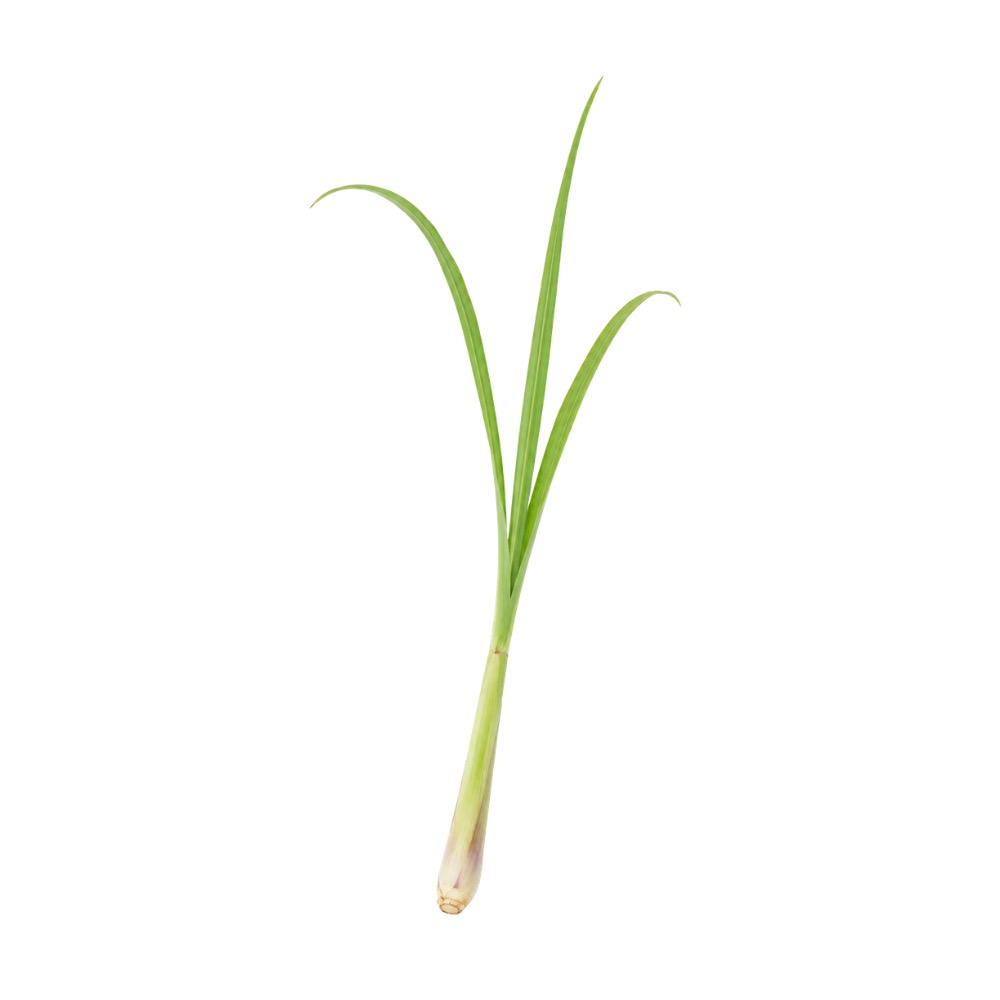 Principal source Lemongrass Cymbopogon citratus Herb monograph →
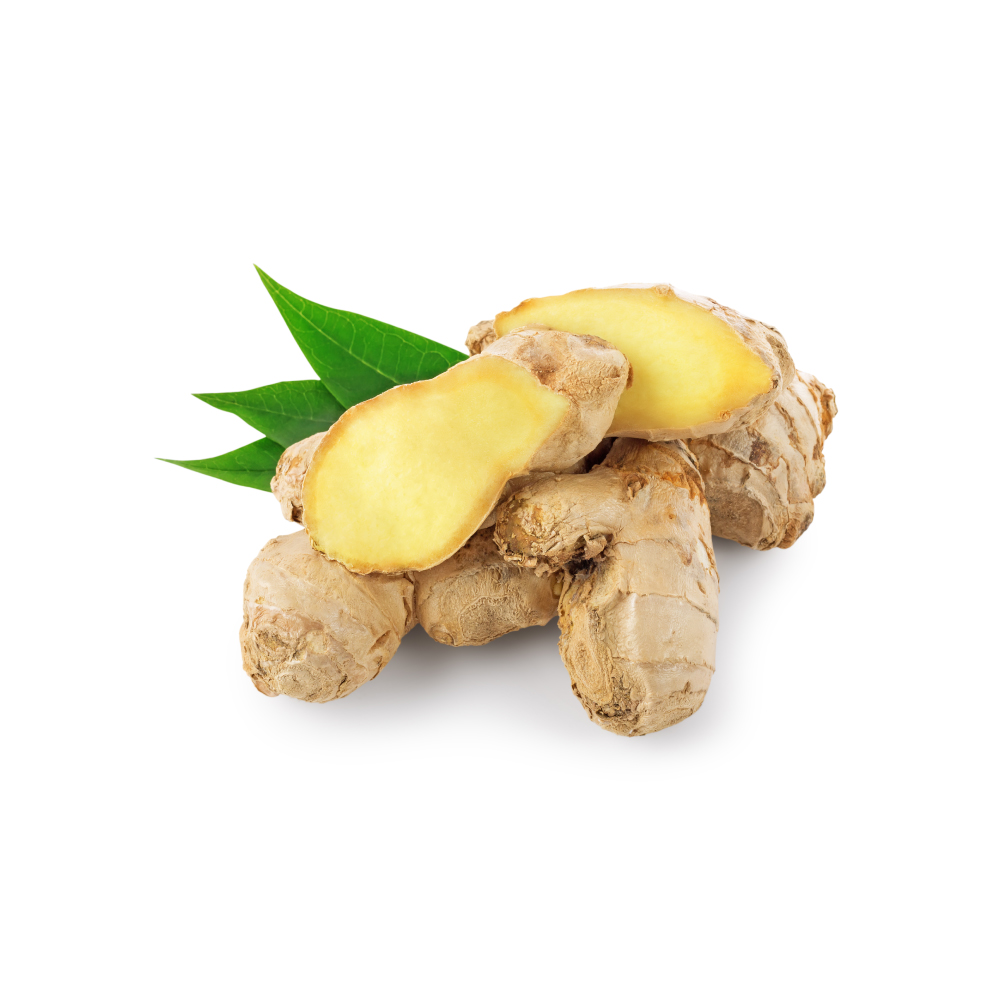 Source Ginger Zingiber officinale Herb monograph →
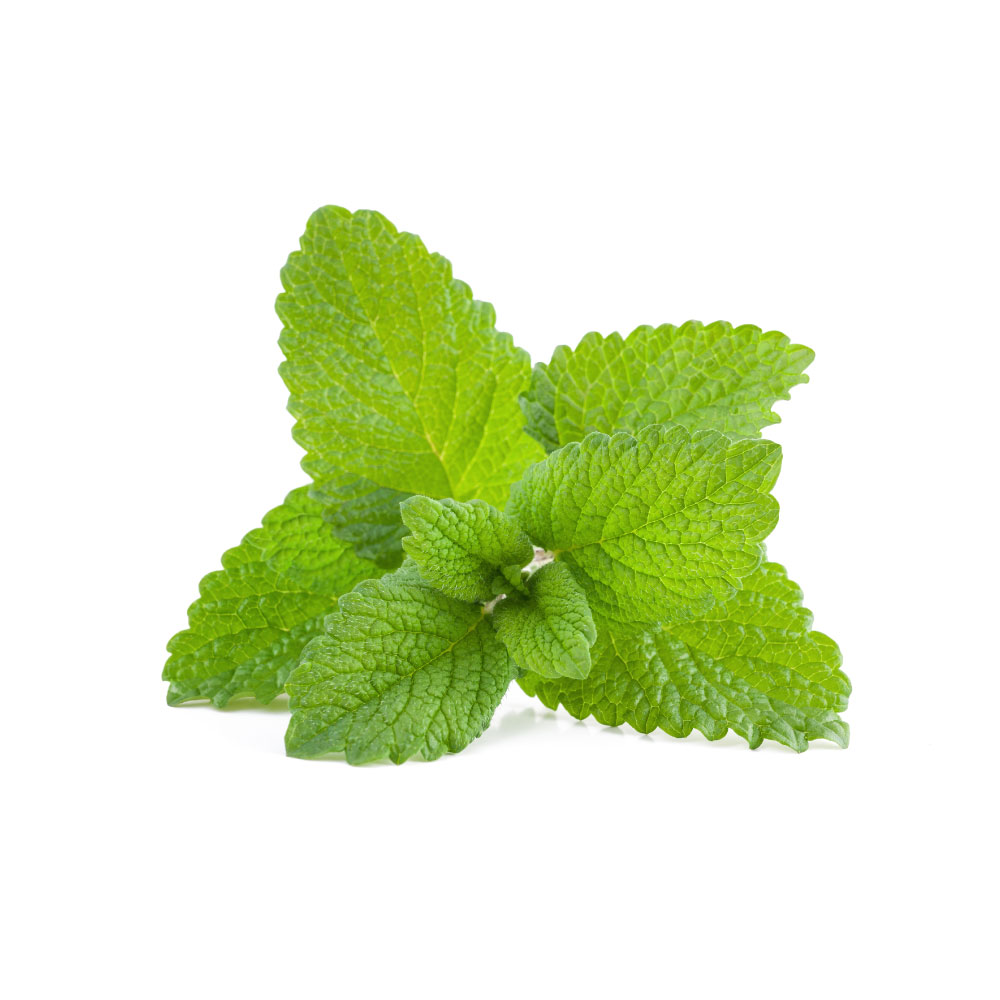 Source Melissa Melissa officinalis Herb monograph →
Concentration
Content by Source
Reported concentrations across the plants that contain geranial — the bar marks the typical level, the line shows the reported range.
Literature figures for varying plant parts and preparations. Read them as a comparative guide, not exact assays.
Geranial at a Glance
Geranial is a volatile monoterpene aldehyde and one half of citral — the lemon-scented aldehyde that dominates lemongrass oil. Citral is not a single molecule but a roughly 1:1 mixture of two geometric isomers: geranial (the E/trans form, also called citral A) and its sibling neral (the Z/cis form, citral B). Geranial is usually the more abundant of the two in lemongrass, and generally the more potent antimicrobial 1,
Most published “citral” research uses the isomer mixture, so isomer-specific data have to be read carefully — where a study separated the two, geranial and neral often differ in potency and even in mechanism. The clearest isolate signal for geranial is antimicrobial and antifungal; a secondary body of in-vitro anticancer work exists, mostly on the citral mixture; and the anti-inflammatory evidence belongs to whole lemongrass oil rather than the purified aldehyde 1,
Geranial has low acute oral toxicity and long GRAS use as a flavour and fragrance ingredient. Its real-world caution is not the stomach but the skin: citral (geranial + neral) is a recognised fragrance contact allergen 11Reference 11Patch testing with fragrance mix II: results of the IVDK 2005–2008View study →. It also has weak, in-vitro-only estrogenic activity worth noting honestly (see Toxicity & Safety) 8Reference 8Assessment of estrogenic activity in some common essential oil constituentsView study →.
Geranial vs. Neral (the Two Citrals)
“Citral” is the name for the pair, not a distinct third molecule. The two isomers share the same formula (C₁₀H₁₆O) and the same lemon aroma, and differ only in the geometry around one double bond:
- Geranial — the E (trans) isomer, citral A. Its more extended conjugation makes it the slightly sharper-smelling and, in most assays, the more bioactive isomer.
- Neral — the Z (cis) isomer, citral B. Softer, sweeter, and generally the weaker antimicrobial partner.
Because plants and oils supply them together — lemongrass leaf oil runs roughly 36–45% geranial and 31–35% neral 1Reference 1Lemon grass (Cymbopogon citratus) essential oil as a potent anti-inflammatory and antifungal drugsView study → — commercial “citral” and most of the literature describe the mixture. When researchers do separate them, the differences are real: against the dermatophyte Trichophyton rubrum, isolated geranial was about twice as potent as neral (MIC ≈ 56 vs 111 µg/mL) 2Reference 2Antifungal Activities of cis-trans Citral Isomers against Trichophyton rubrum with ERG6 as a Potential TargetView study →. The direction is not universal, though — in one isomer-resolved anti-inflammatory comparison neral inhibited macrophage cytokines more than geranial, a reminder that “geranial is stronger” is an antimicrobial generalisation, not a rule for every endpoint (see Gap in the anti-inflammatory toggle). Geranial is also metabolised faster than neral in rats 10Reference 10AnimalMetabolism of citral, an α,β-unsaturated aldehyde, in male F344 ratsView study →.
The practical upshot: treat geranial as the more antimicrobial citral isomer, but attribute any specific number to whichever species — isomer, mixture, or whole oil — was actually tested.
Antimicrobial & Antifungal Activity
This is geranial’s distinctive isolate signal and the reason it matters beyond flavour chemistry. As a reactive aldehyde it is broadly antimicrobial in vitro, and lemongrass oil’s antibacterial and antifungal reputation is attributed largely to its citral (geranial + neral) fraction 1,
The mechanism is membrane-centred and metabolic, not target-specific:
- Membrane disruption. Against Listeria monocytogenes, citral disturbs cell-membrane fluidity and permeability, leaking intracellular contents and causing rapid death 4Reference 4Comparative study of the effects of citral on the growth and injury of Listeria innocua and Listeria monocytogenes cellsView study →. Against Staphylococcus aureus, transcriptomic work shows citral damages the membrane and cell wall, accumulates reactive oxygen species, and downregulates ATP-synthase genes (atpD, atpG) — collapsing bacterial energy metabolism 3Reference 3Transcriptomic analyses reveal the potential antibacterial mechanism of citral against Staphylococcus aureusView study →.
- Ergosterol biosynthesis (antifungal). In the dermatophyte T. rubrum, both isomers inhibit ergosterol synthesis by targeting ERG6 (sterol C-24 methyltransferase), causing abnormal accumulation of zymosterol and lanosterol; geranial produced the more pronounced sterol disruption and lower MIC 2Reference 2Antifungal Activities of cis-trans Citral Isomers against Trichophyton rubrum with ERG6 as a Potential TargetView study →.
The honest boundary is that these are in-vitro effects at concentrations far above anything achievable systemically, so this is topical / food-preservative-relevant chemistry, not evidence for geranial as an oral antibiotic. The human antimicrobial exposure that exists is the whole essential oil, not the isolated aldehyde.
What It's Used For
Geranial’s pharmacology is preclinical throughout, and split three ways by what was actually tested — the isolated isomer, the citral mixture, or the whole oil.
Support is an experimental score — weighted by study type (human > animal > in vitro) and volume. A beta, not a validated metric. Every row here is preclinical, and several rest on the citral mixture or the whole oil rather than the isolated isomer — read the per-row basis.
Geranial’s strongest application, and the one with genuine isolate data. Isolated geranial was roughly twice as potent as neral against Trichophyton rubrum, both isomers acting by blocking ERG6-dependent ergosterol biosynthesis 2Reference 2Antifungal Activities of cis-trans Citral Isomers against Trichophyton rubrum with ERG6 as a Potential TargetView study →.
As the citral mixture it disrupts bacterial membranes and energy metabolism — membrane permeabilisation and macromolecule leakage in Listeria monocytogenes 4Reference 4Comparative study of the effects of citral on the growth and injury of Listeria innocua and Listeria monocytogenes cellsView study →, and ROS accumulation plus ATP-synthase-gene downregulation in Staphylococcus aureus 3Reference 3Transcriptomic analyses reveal the potential antibacterial mechanism of citral against Staphylococcus aureusView study →.
Lemongrass oil’s own antifungal activity (against Candida albicans and Aspergillus niger) tracks its geranial/neral content 1Reference 1Lemon grass (Cymbopogon citratus) essential oil as a potent anti-inflammatory and antifungal drugsView study →.
Gap: all in-vitro, at MICs unreachable systemically; this is topical/preservative chemistry, and the whole-oil results cannot be assigned to geranial alone 1,
An active but strictly preclinical line, mostly on citral (the mixture). Citral induced apoptosis in human prostate cancer cells by modulating key fatty-acid-biosynthesis genes 7Reference 7In vitroCitral induced apoptosis through modulation of key genes involved in fatty acid biosynthesis in human prostate cancer cells: in silico and in vitro studyView study →, and both lemongrass oil and citral reversed doxorubicin resistance in breast, liver and ovarian cancer lines by downregulating drug-metabolism and efflux genes (PXR, CYP3A4, GST, MDR1, MRP1) — sensitising resistant cells to chemotherapy in culture 6Reference 6Cymbopogon citratus and citral overcome doxorubicin resistance in cancer cells via modulating the drug’s metabolism, toxicity, and multidrug transportersView study →.
A review of lemongrass-oil components catalogues the broader antimicrobial/anticancer profile 5Reference 5Lemongrass essential oil components with antimicrobial and anticancer activitiesView study →.
Gap: cell-culture apoptosis and chemo-sensitisation, mostly the mixture rather than isolated geranial; no in-vivo tumour or human data, and concentrations exceed physiological exposure 6,
The application most tied to the whole oil, not the isolate. Oral lemongrass essential oil significantly reduced carrageenan-induced paw oedema in mice, with an effect comparable to oral diclofenac, and topical oil cut croton-oil ear swelling by 62–75% 1Reference 1Lemon grass (Cymbopogon citratus) essential oil as a potent anti-inflammatory and antifungal drugsView study →; geranial (42.2%) and neral (31.5%) were the oil’s dominant constituents. In an isomer-resolved macrophage study (citral separated into pure isomers), neral was actually the stronger cytokine inhibitor, cautioning against assuming geranial leads on every inflammatory endpoint.
Gap: the quantified anti-inflammatory result is whole lemongrass oil, a multi-component mixture — it cannot be reduced to geranial, and there is no human trial 1Reference 1Lemon grass (Cymbopogon citratus) essential oil as a potent anti-inflammatory and antifungal drugsView study →.
As a reactive aldehyde and essential-oil constituent, geranial contributes to the antioxidant capacity of the oils it appears in; lemongrass-oil component reviews list antioxidant activity alongside the antimicrobial/anticancer profile 5Reference 5Lemongrass essential oil components with antimicrobial and anticancer activitiesView study →.
Gap: in-vitro assays of whole oils/extracts where geranial is one contributor among many and is rarely isolated or quantified as the antioxidant actor 5Reference 5Lemongrass essential oil components with antimicrobial and anticancer activitiesView study →.
Mechanisms
| Target / pathway | Effect | Relevant to |
|---|---|---|
| Microbial cell membrane (fluidity / permeability) | disrupts membrane, leaks intracellular contents, kills rapidly | antimicrobial |
| Fungal ergosterol biosynthesis (ERG6 / sterol C-24 methyltransferase) | blocks ergosterol synthesis; abnormal zymosterol/lanosterol accumulation | antifungal |
| Bacterial ATP synthase (atpD / atpG) & ROS | ↓ ATP, ↑ reactive oxygen species → metabolic collapse | antimicrobial |
| Reactive α,β-unsaturated aldehyde (electrophilic carbonyl) | broad reactivity toward biomolecules — also the basis of protein-adduct skin sensitisation | antimicrobial / contact allergy |
| Fatty-acid-biosynthesis genes; apoptosis | pro-apoptotic in prostate and other cancer cell lines | anticancer (in vitro) |
| Drug metabolism / efflux (PXR, CYP3A4, GST, MDR1, MRP1) | downregulated → reverses doxorubicin resistance | anticancer (in vitro) |
| Prostaglandin-mediated oedema (whole oil) | ↓ carrageenan paw oedema, ~diclofenac | anti-inflammatory (whole oil) |
| Estrogen receptor (weak, in vitro only) | weak estrogenic binding; negative in live animals | safety / reproductive |
The load-bearing point is that geranial’s antimicrobial action is a general reactive-aldehyde mechanism — membrane and energy-metabolism disruption — not a selective drug target, which is exactly why the effective concentrations are high and the use is topical/preservative rather than systemic.
Pharmacokinetics
Human ADME for isolated geranial is not established — the pharmacokinetic data are rodent, and on the citral mixture. Orally dosed citral is rapidly absorbed and rapidly eliminated, with roughly 50% of the dose excreted in urine within 24 hours as a set of hydroxylated and dicarboxylic-acid metabolites, plus a biliary glucuronide and a measurable fraction exhaled as CO₂ 10Reference 10AnimalMetabolism of citral, an α,β-unsaturated aldehyde, in male F344 ratsView study →. Despite being a reactive α,β-unsaturated aldehyde, its urinary metabolites arise from pathways other than nucleophilic addition to the double bond 10Reference 10AnimalMetabolism of citral, an α,β-unsaturated aldehyde, in male F344 ratsView study →. Notably for a molecule defined by its isomerism, geranial is metabolised faster than neral 10Reference 10AnimalMetabolism of citral, an α,β-unsaturated aldehyde, in male F344 ratsView study →. The practical read for the compound page: the isolate is cleared quickly and never reaches high systemic levels from dietary exposure, which — together with volatility — undercuts extrapolating in-vitro MICs to any oral effect.
Clinical Trials
There are no controlled clinical trials of isolated geranial. The human-relevant evidence is for whole essential oils — lemongrass oil (anti-inflammatory, antifungal) 1Reference 1Lemon grass (Cymbopogon citratus) essential oil as a potent anti-inflammatory and antifungal drugsView study → and lemon-balm (melissa) preparations — within which geranial is one aldehyde among many.
| Completed | Planned | Terminated | Preclinical |
|---|---|---|---|
| —(whole-oil studies only, not the isolate) | — | — | Antimicrobial/antifungal, anticancer, anti-inflammatory mechanistic |
Last checked: July 2026.
Isolate vs. Plant Studies
Geranial sits mostly on the isolate/mixture side for mechanism and the whole-oil side for anything resembling a physiological outcome. The cleanest isolated-isomer work is antifungal — pure geranial vs pure neral against T. rubrum, with geranial the stronger and ERG6 the target 2Reference 2Antifungal Activities of cis-trans Citral Isomers against Trichophyton rubrum with ERG6 as a Potential TargetView study →. Much of the antibacterial and anticancer literature tests citral, the mixture, so it speaks to “geranial + neral” rather than geranial alone 3,
Its Role in Plants
Geranial is a terpene-aldehyde volatile biosynthesised from the universal monoterpene precursor geranyl diphosphate — via the alcohol geraniol, which is oxidised to the aldehyde; the co-isomer neral arises analogously from nerol. In the plant, the citral pair functions as an aroma and defence volatile: the same reactivity and membrane activity that make geranial antimicrobial in the lab plausibly deter microbes and herbivores in planta, and the strong lemon scent is an olfactory signal. It commonly co-occurs with related monoterpenoids — geraniol, nerol, citronellal, geranyl acetate, myrcene and limonene — in the same oils.
Prevalence in Nature
Geranial is widespread in lemon-scented plants, always paired with neral as citral. Its richest and most-cited source is lemongrass (Cymbopogon citratus) leaf oil, where the geranial fraction runs roughly 36–45% of the essential oil 1Reference 1Lemon grass (Cymbopogon citratus) essential oil as a potent anti-inflammatory and antifungal drugsView study →. It is also a major component of the essential oils of lemon balm (Melissa officinalis), lemon myrtle (Backhousia citriodora), may chang (Litsea cubeba) and lemon verbena (Aloysia citrodora), and a minor volatile of citrus peel oils and ginger. The absolute amount varies enormously by species, chemotype, plant part, harvest stage and distillation — and, because it is volatile, by storage: lemon-balm oil is only about 0.05–0.2% of the herb and its citral fades on ageing, so fresh material runs higher.
Major Natural Sources
| Source | Plant part | Reported geranial content |
|---|---|---|
| Lemongrass (Cymbopogon citratus) | leaf essential oil | ~36–45% of the oil 1Reference 1Lemon grass (Cymbopogon citratus) essential oil as a potent anti-inflammatory and antifungal drugsView study → |
| Lemon balm / melissa (Melissa officinalis) | leaf essential oil | a major aldehyde (oil is only ~0.05–0.2% of the herb) |
| Lemon myrtle (Backhousia citriodora) | leaf essential oil | citral-dominant oil (geranial the larger isomer) |
| May chang (Litsea cubeba) | fruit essential oil | citral-rich commercial source |
| Lemon verbena (Aloysia citrodora) | leaf essential oil | a characteristic citral constituent |
These are percentages of the essential oil, not of the whole plant, and only the lemongrass figure carries a cited range here — the others await quantification (logged in this compound’s gaps tracker).
Discovery & Synthesis
Geranial entered chemistry as a component of citral, the lemon aldehyde isolated from lemongrass oil in the late nineteenth century; the two geometric isomers, geranial (citral A) and neral (citral B), were distinguished and named as instrumental separation matured. Today, most commercial citral is not extracted but manufactured by total synthesis — the large-scale industrial routes (built from isobutene/formaldehyde intermediates through dehydrolinalool, or from isoprene chemistry) yield citral as the geranial/neral mixture, which is then used directly as a lemon flavour/fragrance and as a key feedstock for the industrial synthesis of vitamin A, ionones and other terpenoids. Botanical citral (lemongrass, may chang, lemon myrtle oils) remains commercially important where a natural-source label or the whole-oil matrix is wanted. Pure single-isomer geranial is available as a fine chemical, produced by synthesis and separation rather than by isolation from plants.
Patents: not yet researched.
Toxicity & Safety
Geranial carries a low toxicity flag: it has low acute oral toxicity and decades of GRAS/FEMA use as a food flavour and fragrance aldehyde. The flag stays at low rather than higher because the genuine hazards are topical (skin sensitisation) and theoretical/animal (weak estrogenic and prostate effects), not oral poisoning — but they are real and worth stating plainly.
- Low oral toxicity, GRAS flavour. Consumed safely at the low levels found in foods and beverages; no oral toxicity concern at dietary exposure.
- Skin sensitiser / fragrance allergen. Citral (geranial + neral) is a component of Fragrance Mix II; among fragrance-mix-II-positive patients, ~16% react to citral on patch testing. Concentrated oils on skin can sensitise 11Reference 11Patch testing with fragrance mix II: results of the IVDK 2005–2008View study →.
- Reactive aldehyde in concentrated oils. Neat lemongrass/citral oils can irritate skin and mucous membranes; dilute and handle concentrates with care.
- Weak estrogenic / prostate signal (animal, dermal). In vitro geranial/citral show weak estrogenic activity, but this was not reproduced in live (ovariectomised) animals 8Reference 8Assessment of estrogenic activity in some common essential oil constituentsView study →; separately, repeated dermal citral in rats induced ventral-prostate hyperplasia, synergising with testosterone 9Reference 9AnimalEarly stages of the pathogenesis of rat ventral prostate hyperplasia induced by citralView study → — findings of uncertain human relevance, but a reason not to over-apply concentrated citral oils.
Full Safety & Interactions Detail
Skin sensitisation. This is geranial’s leading real-world caution. As a reactive α,β-unsaturated aldehyde it forms protein adducts that can drive allergic contact dermatitis. Citral is one of the marker allergens of Fragrance Mix II; in a large patch-test series, 16.1% of fragrance-mix-II-positive patients reacted to citral — one of the more frequent single-fragrance allergens 11Reference 11Patch testing with fragrance mix II: results of the IVDK 2005–2008View study →. Fresh dilution and antioxidant-protected formulation reduce, but do not eliminate, the risk; concentrated lemongrass/may-chang/citral oils are the exposure that matters, not dietary traces.
Estrogenic activity — in vitro only. At high concentrations, citral (geranial + neral) shows weak estrogenic activity in cell assays, on the order of 10⁵–10⁶ times weaker than 17β-estradiol; critically, when citral was tested in ovariectomised mice it did not produce the characteristic estrogenic responses (uterine hypertrophy, vascular permeability) 8Reference 8Assessment of estrogenic activity in some common essential oil constituentsView study →. So the estrogenic label is a cell-culture finding that did not translate to a live-animal effect.
Prostate (animal, dermal). Repeated cutaneous application of citral to rats has induced benign — and, with high serum testosterone, atypical — ventral-prostate hyperplasia 9Reference 9AnimalEarly stages of the pathogenesis of rat ventral prostate hyperplasia induced by citralView study →. This is a single-route (dermal), single-species rat model of uncertain human significance, but it is a documented isolate-level finding and argues for caution with heavy topical use of citral-rich oils.
Reproductive note (prose only). No adequate human reproductive dataset exists for isolated geranial; the estrogenic (in-vitro) and dermal-prostate (rat) findings above are the relevant signals. Consistent with this site’s policy, no pregnancy/lactation verdict is issued on a molecule page — that decision belongs to the herb or product page where intake is decided.
Interactions & scope. No human drug-interaction data exist for the isolate; the CYP3A4/MDR1 downregulation reported for citral is a cancer-cell observation 6Reference 6Cymbopogon citratus and citral overcome doxorubicin resistance in cancer cells via modulating the drug’s metabolism, toxicity, and multidrug transportersView study →, not a characterised clinical interaction. Systemic pharmacokinetic exposure from dietary use is low and rapidly cleared 10Reference 10AnimalMetabolism of citral, an α,β-unsaturated aldehyde, in male F344 ratsView study →. Interactions and pregnancy were not otherwise assessed here.
Dosage
There is no established or recommended human dose for isolated geranial. The figures in the literature are of two non-transferable kinds: in-vitro MICs (e.g. geranial ≈ 56 µg/mL against T. rubrum 2Reference 2Antifungal Activities of cis-trans Citral Isomers against Trichophyton rubrum with ERG6 as a Potential TargetView study →) and preclinical doses of citral or lemongrass oil in animals 1Reference 1Lemon grass (Cymbopogon citratus) essential oil as a potent anti-inflammatory and antifungal drugsView study →. Human exposure is dietary — geranial is a common GRAS lemon-flavour aldehyde — and via whole essential oils used in aromatherapy and topically:
| Application | Typical form |
|---|---|
| Food / beverage flavour | trace levels of citral (GRAS) |
| Aromatherapy | inhaled/diffused lemongrass, melissa, may-chang oils |
| Topical (diluted) | citral-containing essential oils, well below sensitising strength |
Concentrated citral oils are not stronger versions of a dietary dose — they are the exposure most likely to sensitise skin and are best kept dilute. These are research and exposure figures, not a personal recommendation.
References
- Boukhatem MN, Ferhat MA, Kameli A, Saidi F, Kebir HT (2014). Lemon grass (Cymbopogon citratus) essential oil as a potent anti-inflammatory and antifungal drugs. Libyan Journal of Medicine. https://pubmed.ncbi.nlm.nih.gov/25242268/
- Zheng Y, et al. (2021). Antifungal Activities of cis-trans Citral Isomers against Trichophyton rubrum with ERG6 as a Potential Target. Molecules. https://pubmed.ncbi.nlm.nih.gov/34299538/
- Liao Z, et al. (2023). Transcriptomic analyses reveal the potential antibacterial mechanism of citral against Staphylococcus aureus. Frontiers in Microbiology. https://pubmed.ncbi.nlm.nih.gov/37250032/
- Silva-Angulo AB, et al. (2015). Comparative study of the effects of citral on the growth and injury of Listeria innocua and Listeria monocytogenes cells. PLoS One. https://pubmed.ncbi.nlm.nih.gov/25643164/
- Mukarram M, Choudhary S, Khan MA, Poltronieri P, Khan MMA, Ali J, Kurjak D, Shahid M (2021). Lemongrass essential oil components with antimicrobial and anticancer activities. Antioxidants (Basel). https://pubmed.ncbi.nlm.nih.gov/35052524/
- Mukhtar MH, et al. (2023). Cymbopogon citratus and citral overcome doxorubicin resistance in cancer cells via modulating the drug’s metabolism, toxicity, and multidrug transporters. Molecules. https://pubmed.ncbi.nlm.nih.gov/37110649/
- Balusamy SR, et al. (2020). Citral induced apoptosis through modulation of key genes involved in fatty acid biosynthesis in human prostate cancer cells: in silico and in vitro study. BioMed Research International. https://pubmed.ncbi.nlm.nih.gov/32258129/
- Howes MJ, Houghton PJ, Barlow DJ, Pocock VJ, Milligan SR (2002). Assessment of estrogenic activity in some common essential oil constituents. Journal of Pharmacy and Pharmacology. https://pubmed.ncbi.nlm.nih.gov/12495555/
- Servadio C, Abramovici A, Sandbank U, Savion M, Rosen M (1986). Early stages of the pathogenesis of rat ventral prostate hyperplasia induced by citral. European Urology. https://pubmed.ncbi.nlm.nih.gov/2423338/
- Diliberto JJ, Usha G, Birnbaum LS (1990). Metabolism of citral, an α,β-unsaturated aldehyde, in male F344 rats. Drug Metabolism and Disposition. https://pubmed.ncbi.nlm.nih.gov/1981530/
- Krautheim A, Uter W, Schnuch A, Geier J (2010). Patch testing with fragrance mix II: results of the IVDK 2005–2008. Contact Dermatitis. https://pubmed.ncbi.nlm.nih.gov/20946454/



