
Compound Monograph
Nerolidol
Nerolidol is a widespread acyclic sesquiterpene alcohol — the soft floral-woody note of neroli, ginger, jasmine and tea-tree oils — best known not as a drug but as a potent, well-documented skin-penetration enhancer. Its therapeutic research (antimalarial, antileishmanial, antibacterial, anxiolytic) is almost entirely in-vitro and rodent work on the isolate; it is a GRAS fragrance and flavour compound with low acute toxicity.

Sources · 9
Where Does It Come From?
Nerolidol is a naturally occurring sesquiterpene alcohol (acyclic; cis/trans isomers), found in Neroli / bitter orange, Ginger, Jasmine and 6 other sources. It is well tolerated orally (low toxicity).
 Source Cannabis Cannabis sativa Herb monograph →
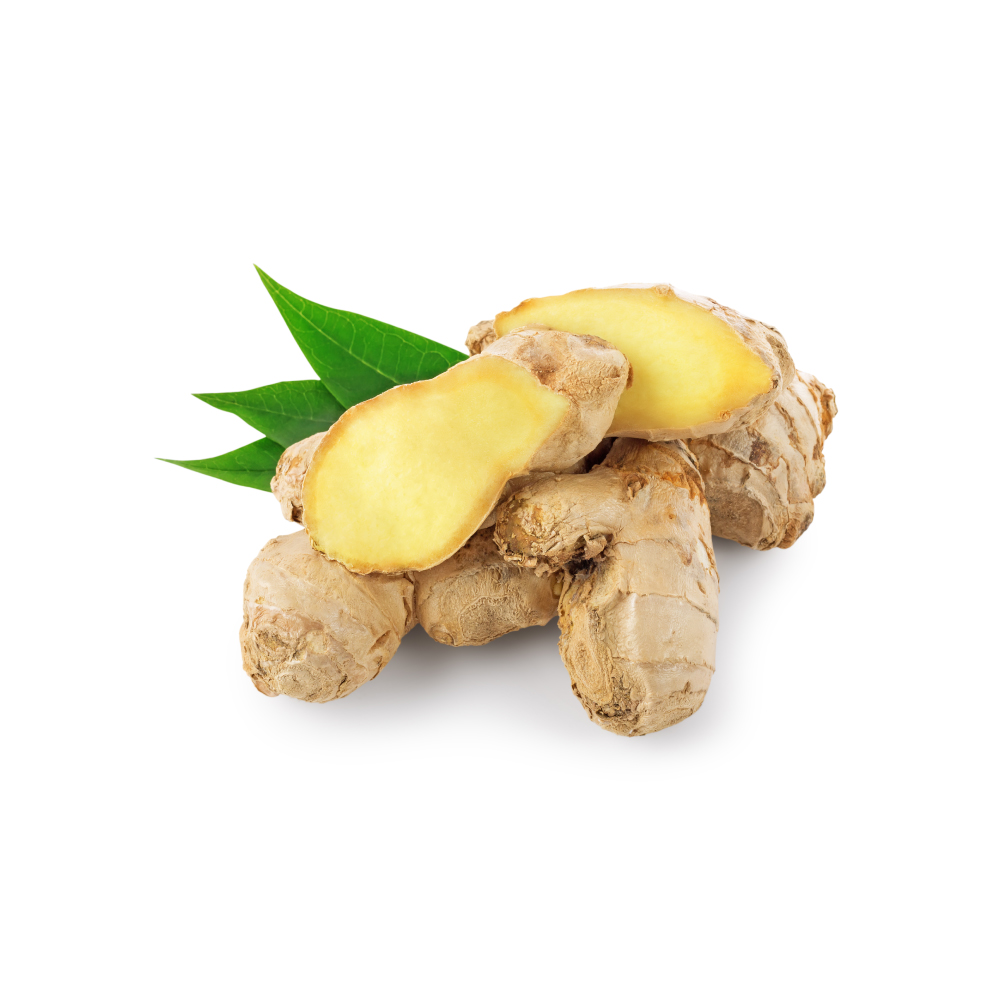 Source Ginger Zingiber officinale Herb monograph →
 Source Jasmine Jasminum officinale Herb monograph →
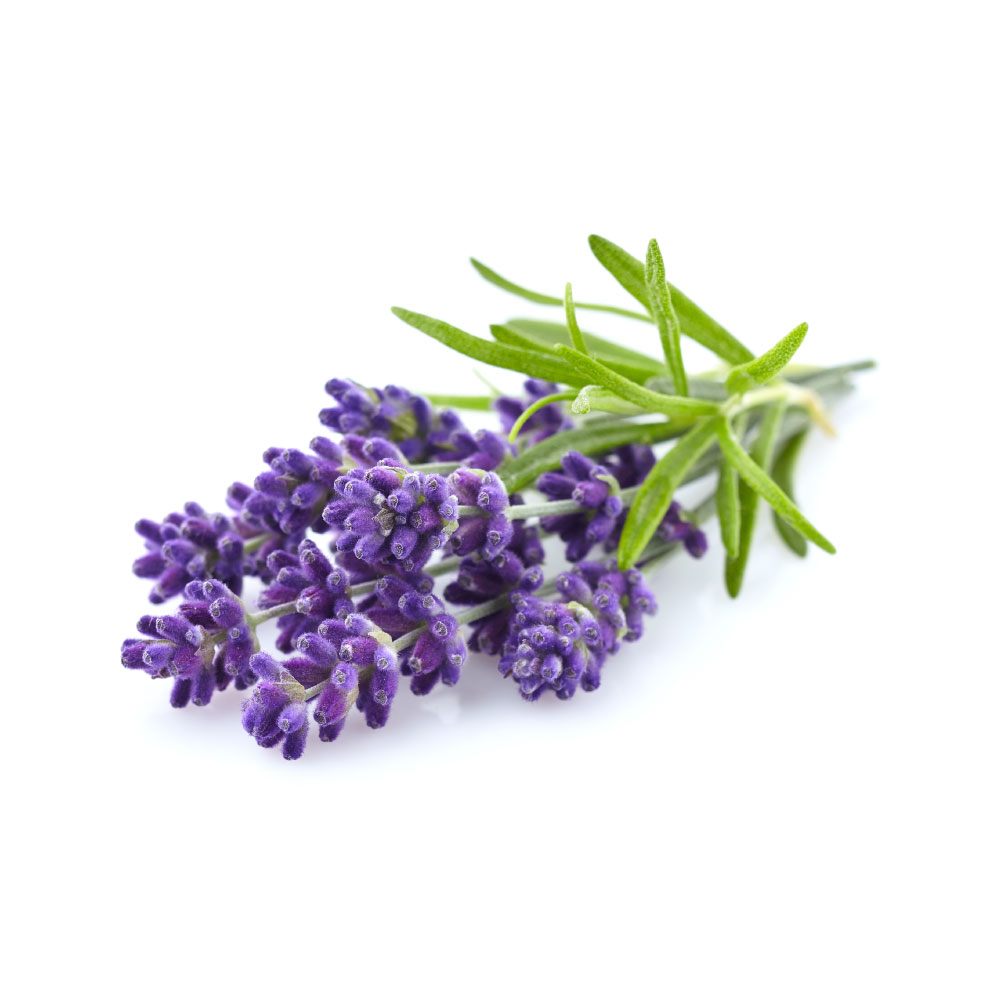 Source Lavender Lavandula angustifolia Herb monograph →
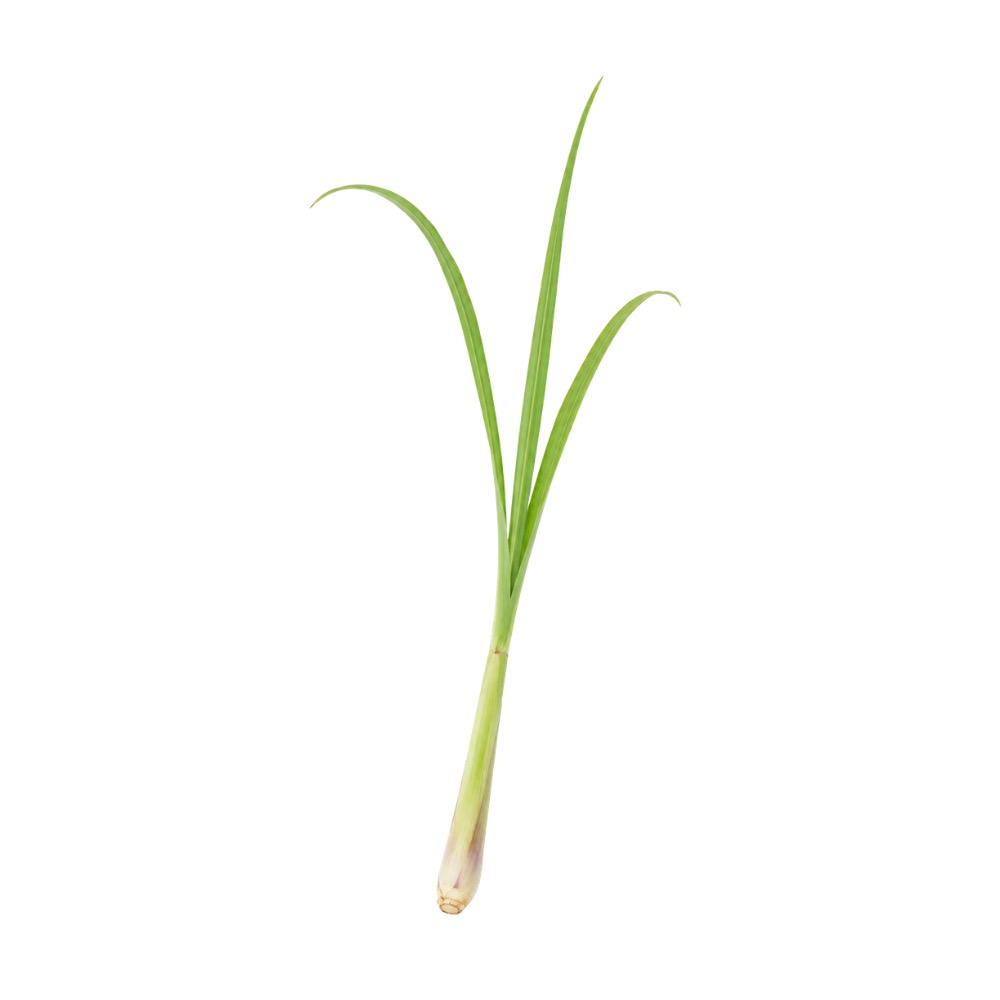 Source Lemongrass Cymbopogon citratus Herb monograph →
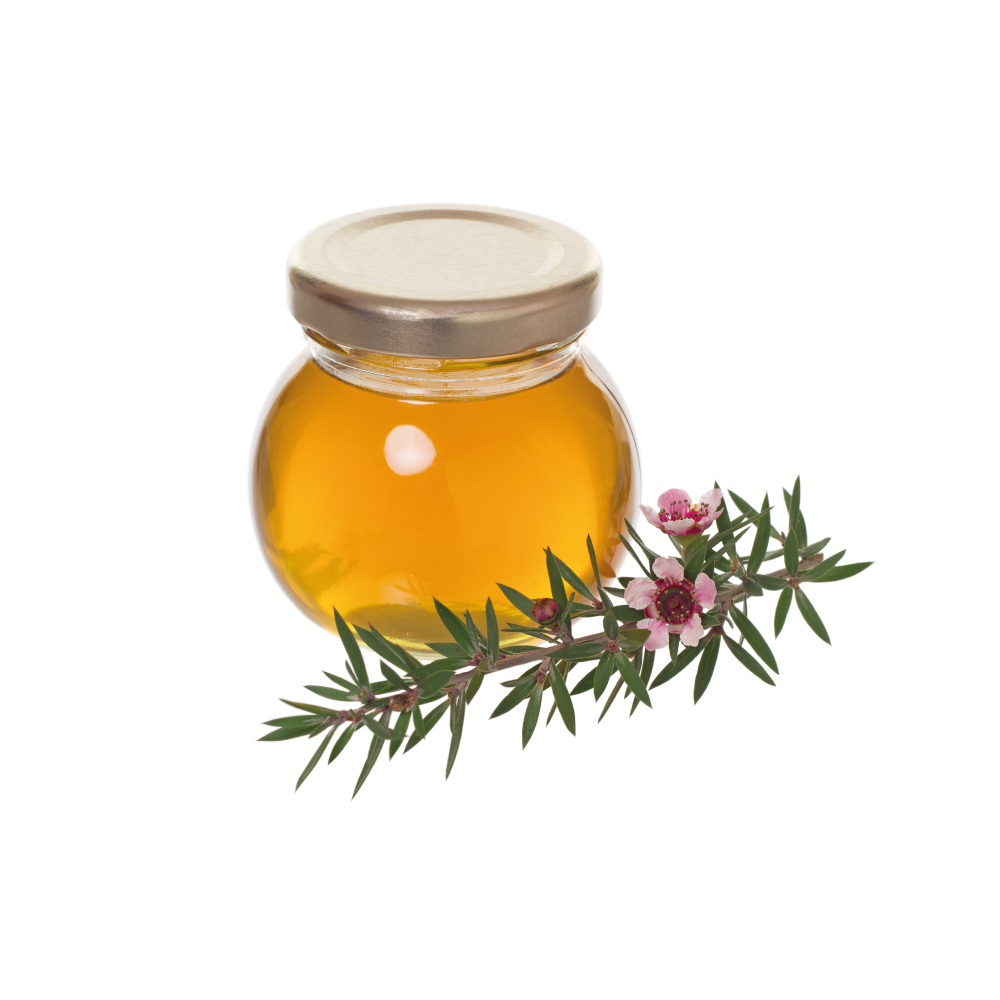 Source Manuka Leptospermum scoparium Herb monograph →
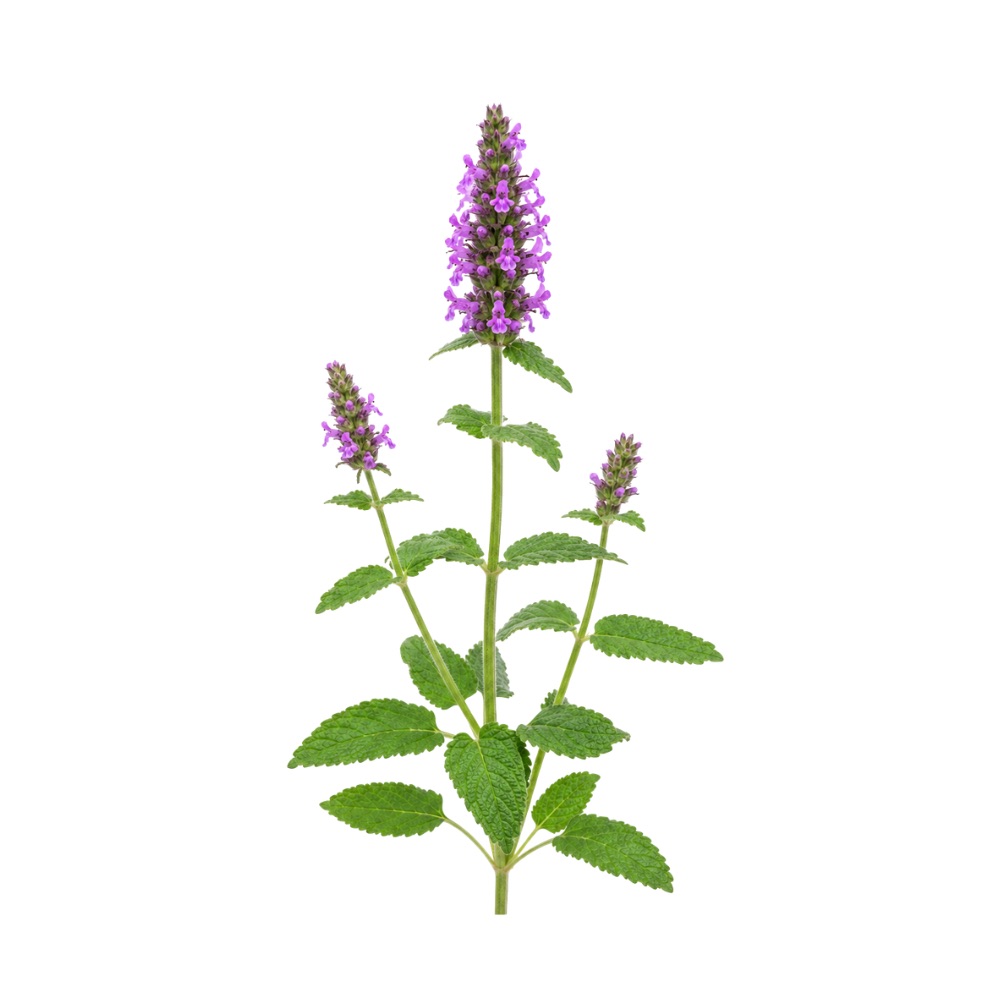 Source Wood Betony Stachys officinalis Herb monograph →
Concentration
Content by Source
Reported concentrations across the plants that contain nerolidol — the bar marks the typical level, the line shows the reported range.
Literature figures for varying plant parts and preparations. Read them as a comparative guide, not exact assays.
Nerolidol at a Glance
Nerolidol is a naturally occurring acyclic sesquiterpene alcohol (3,7,11-trimethyl-1,6,10-dodecatrien-3-ol, also called peruviol) responsible for a soft floral, woody, apple-like note. It occurs as two geometric isomers, cis- and trans-nerolidol, and is one of the most widespread sesquiterpenes in essential oils — prominent in neroli (bitter-orange blossom), ginger, jasmine and tea-tree oils among hundreds of others 1Reference 1Nerolidol: a sesquiterpene alcohol with multi-faceted pharmacological and biological activitiesView study →. The U.S. FDA permits it as a food-flavouring agent, and it is a long-established fragrance ingredient in cosmetics and cleaning products 1Reference 1Nerolidol: a sesquiterpene alcohol with multi-faceted pharmacological and biological activitiesView study →.
Its most distinctive documented role is not therapeutic at all: nerolidol is a potent skin-penetration enhancer, used experimentally to push other drugs across the stratum corneum 1,
The parent molecule has low acute toxicity and is supported as a fragrance ingredient by formal safety review; the practical cautions are those of a lipophilic terpene alcohol (contact sensitisation, and the fact that a penetration enhancer by design increases skin uptake of whatever it is applied with) 1,
Nerolidol as a Skin-Penetration Enhancer
The single most distinctive, best-characterised property of nerolidol is not a therapeutic effect but a delivery one: it is one of the most effective natural skin-penetration enhancers known, and this is where the strongest human-tissue evidence lies.
In the classic ex-vivo study on human skin, pretreatment with nerolidol increased the pseudo-steady-state flux of the hydrophilic drug 5-fluorouracil by over 20-fold — the largest effect of the sesquiterpenes tested 2Reference 2Sesquiterpene components of volatile oils as skin penetration enhancers for the hydrophilic permeant 5-fluorouracilView study →. Reviews consistently rank it at or near the top of terpene enhancers, often above geraniol, limonene and linalool 1Reference 1Nerolidol: a sesquiterpene alcohol with multi-faceted pharmacological and biological activitiesView study →.
The mechanism is physicochemical. Nerolidol is highly lipophilic (calculated log P ≈ 5.7) with a long isoprenoid tail and a single polar hydroxyl head, a shape that lets it insert into and disrupt the ordered intercellular lipid lamellae of the stratum corneum and extract some of those lipids, loosening the skin’s main permeability barrier 1,
This is the honest headline of the molecule: its most robust human-tissue data make it a formulation tool, not a therapy.
Antiparasitic & Antimicrobial Research
Nerolidol’s most-studied biological activity is antiparasitic, and it rests on a coherent, molecule-specific mechanism: inhibition of the isoprenoid (mevalonate) biosynthetic pathway that parasites depend on.
Antimalarial. Nerolidol was identified as an active constituent of the Virola surinamensis (epena) leaf oil used traditionally against malaria by Waiãpi Amazonians, giving 100% inhibition of Plasmodium falciparum schizont development in vitro 3Reference 3Antimalarial use of volatile oil from leaves of Virola surinamensis (Rol.) Warb. by Waiãpi Amazon IndiansView study →. Mechanistic follow-up showed nerolidol arrests intra-erythrocytic parasite development with an IC₅₀ of ~760 nM, suppressing synthesis of dolichol and the isoprenyl side chain of ubiquinone (coenzyme Q) — plausibly because it resembles the farnesyl-pyrophosphate substrate of those pathways 4Reference 4Terpenes arrest parasite development and inhibit biosynthesis of isoprenoids in Plasmodium falciparumView study →.
Antileishmanial. The isolated terpene inhibited Leishmania amazonensis, L. braziliensis and L. chagasi promastigotes and L. amazonensis amastigotes (IC₅₀ ≈ 67–85 µM), and reduced infection of macrophages by ~95% at 100 µM. Again the mechanism was blockade of an early step of the mevalonate pathway, cutting incorporation of precursors into dolichol, ergosterol and ubiquinone 5Reference 5Antileishmanial activity of the terpene nerolidolView study →. In a susceptible mouse model, topical or intraperitoneal nerolidol reduced lesions but did not clear infection 5Reference 5Antileishmanial activity of the terpene nerolidolView study →.
Antibacterial / antibiofilm. As a lipophilic terpene alcohol, nerolidol permeabilises microbial membranes. It inhibited Staphylococcus aureus (including MRSA), Streptococcus mutans and Pseudomonas aeruginosa in vitro (MICs ~0.5–4 mg/mL) and suppressed biofilm formation by 51–98% at sub-inhibitory concentrations 6Reference 6Evaluation of the antioxidant, antibacterial, and antibiofilm activity of the sesquiterpene nerolidolView study →. Separately, low concentrations of nerolidol sensitised S. aureus and E. coli to conventional antibiotics (ciprofloxacin, gentamicin, vancomycin, polymyxin B and others), acting as a membrane-permeabilising adjuvant rather than a stand-alone antibiotic 7Reference 7Sensitization of Staphylococcus aureus and Escherichia coli to antibiotics by the sesquiterpenoids nerolidol, farnesol, bisabolol, and apritoneView study →.
The unifying caveat: this is in-vitro and animal isolate work. The antimalarial and antileishmanial effects are mechanistically real but unproven in humans, and the antibacterial concentrations are topical/preservative-relevant, not systemic-antibiotic doses.
What It's Used For
Beyond delivery and antiparasitic mechanism, nerolidol’s pharmacology is a spread of preclinical signals. The load-bearing discipline of the compound page applies throughout: nearly all of it is in-vitro or rodent work on the isolate, and there are no controlled human efficacy trials 1,
Support is an experimental score — weighted by study type (human > animal > in vitro) and volume. A beta, not a validated metric. The top row is a delivery property with human-skin data; the rest are isolate therapeutic signals, so read the per-row basis.
The molecule’s best-evidenced property and its distinctive use. On human skin ex vivo, nerolidol pretreatment increased 5-fluorouracil flux >20-fold, the largest effect among the sesquiterpenes tested 2Reference 2Sesquiterpene components of volatile oils as skin penetration enhancers for the hydrophilic permeant 5-fluorouracilView study →, and reviews place it at the top of the terpene-enhancer ranking 1Reference 1Nerolidol: a sesquiterpene alcohol with multi-faceted pharmacological and biological activitiesView study →. It works by disrupting and extracting the stratum-corneum intercellular lipids (high log P, amphiphilic isoprenoid structure) 1,
Gap: this is a delivery effect on excised skin, not a therapy; its long, poorly-reversible action also means it raises uptake of anything co-applied — a safety consideration, not just a benefit 2Reference 2Sesquiterpene components of volatile oils as skin penetration enhancers for the hydrophilic permeant 5-fluorouracilView study →.
A mechanistically coherent isolate signal. Nerolidol gave 100% inhibition of P. falciparum schizogony 3Reference 3Antimalarial use of volatile oil from leaves of Virola surinamensis (Rol.) Warb. by Waiãpi Amazon IndiansView study → and arrests parasite development at IC₅₀ ~760 nM, blocking dolichol and ubiquinone-side-chain synthesis 4Reference 4Terpenes arrest parasite development and inhibit biosynthesis of isoprenoids in Plasmodium falciparumView study →; against Leishmania it inhibited promastigotes/amastigotes (IC₅₀ ~67–85 µM) and cut macrophage infection ~95%, via early mevalonate-pathway blockade 5Reference 5Antileishmanial activity of the terpene nerolidolView study →. Animal leishmaniasis models showed lesion reduction without cure 5Reference 5Antileishmanial activity of the terpene nerolidolView study →.
Gap: all in-vitro or rodent, on the isolated molecule; no human antiparasitic data, and the antimalarial potency has not been translated into a clinical candidate 3,
A rodent isolate signal with a defined mechanism. In mice, nerolidol reduced pain behaviour in the formalin and writhing tests, an effect blocked by the GABA-A antagonist bicuculline (implicating the GABAergic system, not opioid or K-ATP channels), and reduced carrageenan paw oedema, TNF-α and LPS-induced IL-1β 8Reference 8Nerolidol exhibits antinociceptive and anti-inflammatory activity: involvement of the GABAergic system and proinflammatory cytokinesView study →.
Gap: rodent isolate only, at high oral doses (hundreds of mg/kg); no human analgesic/anti-inflammatory data 8Reference 8Nerolidol exhibits antinociceptive and anti-inflammatory activity: involvement of the GABAergic system and proinflammatory cytokinesView study →.
Broad in-vitro membrane-active behaviour. Nerolidol inhibited S. aureus (incl. MRSA), S. mutans and P. aeruginosa (MIC ~0.5–4 mg/mL) and suppressed biofilm formation 51–98% at sub-MIC levels 6Reference 6Evaluation of the antioxidant, antibacterial, and antibiofilm activity of the sesquiterpene nerolidolView study →, and sensitised S. aureus and E. coli to several antibiotics as a permeabilising adjuvant 7Reference 7Sensitization of Staphylococcus aureus and Escherichia coli to antibiotics by the sesquiterpenoids nerolidol, farnesol, bisabolol, and apritoneView study →.
Gap: in-vitro MIC-level concentrations far above anything achievable systemically; this is topical/preservative/adjuvant chemistry, not a systemic-antibiotic claim 6,
A modest rodent isolate signal. Nerolidol (12.5–50 mg/kg) increased open-arm time and entries in the elevated-plus-maze without impairing motor coordination, consistent with an anxiolytic effect 9Reference 9AnimalAssessment of anxiolytic effect of nerolidol in miceView study →; reviews also note sedative/antioxidant activity in animal work 1Reference 1Nerolidol: a sesquiterpene alcohol with multi-faceted pharmacological and biological activitiesView study →.
Gap: rodent isolate only; the anxiolytic mechanism is not firmly localised and there are no human trials 1,
Mechanisms
| Target / pathway | Effect | Relevant to |
|---|---|---|
| Stratum-corneum intercellular lipids | high-log-P amphiphile inserts into and extracts the lipid lamellae → boosts permeation of co-applied drugs; long-lasting, poorly reversible | skin-penetration enhancement |
| Isoprenoid / mevalonate pathway (dolichol, ubiquinone side chain, ergosterol) | blocks an early step → parasite isoprenoid biosynthesis fails (FPP-substrate mimicry) | antiparasitic (PlasmodiumLeishmania) |
| Microbial cell membrane & biofilm matrix | permeabilises membranes, inhibits biofilm formation, potentiates antibiotics | antimicrobial / antibiofilm |
| GABAergic signalling | antinociception blocked by bicuculline; ↓TNF-α, ↓IL-1β | anti-inflammatory / antinociceptive; anxiolytic |
| Hepatic cytochrome P450 (CYP2C19, CYP1A2) | extensively oxidised by CYPs; cis-isomer drives ER stress / cell death in hepatoma cells at high µM | metabolism / cytotoxicity |
The load-bearing points are two molecule-specific mechanisms: the physicochemical lipid-lamellae disruption behind its penetration-enhancer role, and the isoprenoid-pathway blockade behind its antiparasitic activity. The CNS and antimicrobial effects are more generic terpene-alcohol behaviours.
Pharmacokinetics
Nerolidol is a lipophilic, oily, poorly water-soluble liquid (calculated log P ≈ 5.68) 1Reference 1Nerolidol: a sesquiterpene alcohol with multi-faceted pharmacological and biological activitiesView study →. It is dermally absorbed and retained within the epidermis, dermis and subcutaneous tissue — the same property that underlies both its penetration-enhancer role and its slow, poorly-reversible action on skin 2,
Clinical Trials
There are no controlled human efficacy trials of isolated nerolidol. Human exposure is dietary (a GRAS flavour volatile), via fragrance/essential oils, and — distinctively — as a pharmaceutical penetration enhancer in transdermal formulation research 1,
| Completed | Planned | Terminated | Preclinical |
|---|---|---|---|
| —(human data are dietary/fragrance/excipient, not efficacy trials) | — | — | Antiparasitic, antimicrobial, anti-inflammatory/CNS mechanistic; penetration-enhancer ex-vivo human skin |
Last checked: July 2026.
Isolate vs. Plant Studies
Nerolidol’s evidence base is overwhelmingly the isolated molecule. The penetration-enhancer studies use purified nerolidol on excised human skin 2Reference 2Sesquiterpene components of volatile oils as skin penetration enhancers for the hydrophilic permeant 5-fluorouracilView study →; the antimalarial, antileishmanial, antibacterial, anxiolytic and anti-inflammatory work all test the isolate in vitro or in rodents 3,
Its Role in Plants
Nerolidol is a sesquiterpene volatile built from the C₁₅ precursor farnesyl pyrophosphate by nerolidol synthases. In the plant it functions mainly as a floral-scent and defence volatile — part of the aroma bouquet that attracts pollinators and part of the induced-volatile response that deters herbivores and signals to neighbouring tissue 1Reference 1Nerolidol: a sesquiterpene alcohol with multi-faceted pharmacological and biological activitiesView study →. It is also a biosynthetic precursor to other volatiles (for example, it can be converted toward the homoterpene DMNT, a common herbivore-induced signal). These are plant-ecology functions and do not predict what the molecule does as a medicine.
Prevalence in Nature
Nerolidol is one of the most widespread sesquiterpene alcohols in the plant kingdom, reported across many families and prominent in a long list of essential oils: neroli (bitter-orange blossom, the source of its name), ginger, jasmine, tea tree, lemongrass, lavender, cannabis, and many Lamiaceae and Myristicaceae species 1Reference 1Nerolidol: a sesquiterpene alcohol with multi-faceted pharmacological and biological activitiesView study →. It occurs as both cis- and trans- isomers, often together, with the trans (E) form usually predominant.
Quantified figures are scattered and method-dependent. A well-documented example is wood betony (Stachys officinalis), where (E)-nerolidol makes up ~15% of the flower essential oil (alongside caryophyllene oxide and humulene epoxide) 11Reference 11Secretory structures and essential oil composition in Stachys officinalis (L.) Trevisan subsp. officinalis (Lamiaceae) from ItalyView study →. It is an active constituent of Virola surinamensis leaf oil 3Reference 3Antimalarial use of volatile oil from leaves of Virola surinamensis (Rol.) Warb. by Waiãpi Amazon IndiansView study → and a discrete isolate from Oplopanax horridus (devil’s club) root bark 13Reference 13Hydrophobic constituents and their potential anticancer activities from Devil’s Club (Oplopanax horridus Miq.)View study →. For most headline sources (neroli, ginger, jasmine, tea tree) a precise, well-cited percentage is not yet compiled here — those holes are tracked in the compound’s gaps file.
Discovery & Synthesis
Nerolidol takes its name from neroli oil (the essential oil of bitter-orange blossom, Citrus aurantium), one of its early recognised sources; it is also called peruviol 1Reference 1Nerolidol: a sesquiterpene alcohol with multi-faceted pharmacological and biological activitiesView study →. Its first isolation and first total synthesis are not crisply documented in the accessible secondary literature — it entered use as a fragrance and flavour sesquiterpene rather than through a landmark synthesis. Today it is available both by isolation/fractionation from essential oils and by manufacture as a bulk aroma chemical; the U.S. FDA permits its use as a food-flavouring agent, and it is a common ingredient in perfumes, shampoos, detergents and cleansers 1Reference 1Nerolidol: a sesquiterpene alcohol with multi-faceted pharmacological and biological activitiesView study →.
Patents: not yet researched.
Toxicity & Safety
Nerolidol carries a low flag. It is a GRAS food-flavouring agent and a long-used fragrance ingredient with low acute toxicity, and its formal fragrance-industry safety review supports its use at current exposure levels, with read-across to the closely related terpene alcohol linalool indicating it is not expected to be genotoxic and giving a margin of exposure >100 for systemic endpoints 1,
- Low-toxicity GRAS flavour/fragrance sesquiterpene. Permitted as a food flavouring, supported by formal fragrance safety review, read-across non-genotoxic 1,
12Reference 1Nerolidol: a sesquiterpene alcohol with multi-faceted pharmacological and biological activitiesView study →Reference 12RIFM fragrance ingredient safety assessment, nerolidol (isomer unspecified), CAS Registry Number 7212-44-4View study → . - It is a penetration enhancer — by design. Nerolidol markedly and durably increases skin absorption, so it can raise the uptake of co-applied drugs, actives or irritants; this is the flip side of its usefulness 1,
2Reference 1Nerolidol: a sesquiterpene alcohol with multi-faceted pharmacological and biological activitiesView study →Reference 2Sesquiterpene components of volatile oils as skin penetration enhancers for the hydrophilic permeant 5-fluorouracilView study → . - Terpene-alcohol contact sensitisation. As with related fragrance terpene alcohols, skin sensitisation is possible, and oxidised/old essential oils are a higher-risk exposure than fresh material.
- Essential oils and concentrates ≫ whole herbs for meaningful exposure; human data are dietary and fragrance, not therapeutic.
Reproductive note (prose only). No dedicated reproductive-toxicity dataset exists for isolated nerolidol; the fragrance-industry assessment relied on read-across (to linalool) and found no developmental/reproductive concern at fragrance-level exposure, with MOE >100 12Reference 12RIFM fragrance ingredient safety assessment, nerolidol (isomer unspecified), CAS Registry Number 7212-44-4View study →. Pregnancy and lactation decisions belong to the herb or product page where intake is decided, not to this molecule page. Note also that the cis-isomer showed cytochrome-P450-driven (CYP2C19/CYP1A2) ER-stress cytotoxicity in a hepatoma cell line at high micromolar concentrations — a mechanistic in-vitro finding at doses far above dietary/fragrance exposure, not a demonstrated human hepatotoxicity 10Reference 10Cis-nerolidol induces endoplasmic reticulum stress and cell death in human hepatocellular carcinoma cells through extensive CYP2C19 and CYP1A2 oxidationView study →.
Dosage
There is no established or recommended human dose for isolated nerolidol. Human exposure comes as a GRAS food-flavour volatile, through fragrance and essential oils, and — distinctively — as a pharmaceutical penetration enhancer included in transdermal formulations to improve the delivery of other drugs 1,
Cited research figures are not convertible to human self-dosing: the antiparasitic effects are in-vitro concentrations (IC₅₀ ~760 nM against P. falciparum; ~67–85 µM against Leishmania) 4,
References
- Chan WK, Tan LT, Chan KG, Lee LH, Goh BH (2016). Nerolidol: a sesquiterpene alcohol with multi-faceted pharmacological and biological activities. Molecules. https://pubmed.ncbi.nlm.nih.gov/27136520/
- Cornwell PA, Barry BW (1994). Sesquiterpene components of volatile oils as skin penetration enhancers for the hydrophilic permeant 5-fluorouracil. Journal of Pharmacy and Pharmacology. https://pubmed.ncbi.nlm.nih.gov/8051608/
- Lopes NP, Kato MJ, Andrade EH, Maia JG, Yoshida M, Planchart AR, Katzin AM (1999). Antimalarial use of volatile oil from leaves of Virola surinamensis (Rol.) Warb. by Waiãpi Amazon Indians. Journal of Ethnopharmacology. https://pubmed.ncbi.nlm.nih.gov/10617066/
- Goulart HR, Kimura EA, Peres VJ, Couto AS, Aquino Duarte FA, Katzin AM (2004). Terpenes arrest parasite development and inhibit biosynthesis of isoprenoids in Plasmodium falciparum. Antimicrobial Agents and Chemotherapy. https://pubmed.ncbi.nlm.nih.gov/15215101/
- Arruda DC, D’Alexandri FL, Katzin AM, Uliana SRB (2005). Antileishmanial activity of the terpene nerolidol. Antimicrobial Agents and Chemotherapy. https://pubmed.ncbi.nlm.nih.gov/15855481/
- de Moura DF, et al. (2021). Evaluation of the antioxidant, antibacterial, and antibiofilm activity of the sesquiterpene nerolidol. Archives of Microbiology. https://pubmed.ncbi.nlm.nih.gov/34110480/
- Brehm-Stecher BF, Johnson EA (2003). Sensitization of Staphylococcus aureus and Escherichia coli to antibiotics by the sesquiterpenoids nerolidol, farnesol, bisabolol, and apritone. Antimicrobial Agents and Chemotherapy. https://pubmed.ncbi.nlm.nih.gov/14506058/
- Fonsêca DV, et al. (2016). Nerolidol exhibits antinociceptive and anti-inflammatory activity: involvement of the GABAergic system and proinflammatory cytokines. Fundamental & Clinical Pharmacology. https://pubmed.ncbi.nlm.nih.gov/26791997/
- Goel RK, Kaur D, Pahwa P (2016). Assessment of anxiolytic effect of nerolidol in mice. Indian Journal of Pharmacology. https://pubmed.ncbi.nlm.nih.gov/27756960/
- Biazi BI, Zanetti TA, Baranoski A, Corveloni AC, Mantovani MS (2017). Cis-nerolidol induces endoplasmic reticulum stress and cell death in human hepatocellular carcinoma cells through extensive CYP2C19 and CYP1A2 oxidation. Basic & Clinical Pharmacology & Toxicology. https://pubmed.ncbi.nlm.nih.gov/28256105/
- Giuliani C, Pellegrino RM, Selvaggi R, Tani C, Tirillini B, Maleci Bini L (2017). Secretory structures and essential oil composition in Stachys officinalis (L.) Trevisan subsp. officinalis (Lamiaceae) from Italy. Natural Product Research. https://pubmed.ncbi.nlm.nih.gov/27931115/
- Api AM, et al. (2024). RIFM fragrance ingredient safety assessment, nerolidol (isomer unspecified), CAS Registry Number 7212-44-4. Food and Chemical Toxicology. https://pubmed.ncbi.nlm.nih.gov/38052409/
- Sun S, Du GJ, Qi LW, Williams S, Wang CZ, Yuan CS (2010). Hydrophobic constituents and their potential anticancer activities from Devil’s Club (Oplopanax horridus Miq.). Journal of Ethnopharmacology. https://pubmed.ncbi.nlm.nih.gov/20723598/



