
Compound Monograph
Ocimene
Ocimene is a widespread acyclic monoterpene hydrocarbon — the sweet, herbaceous note of tarragon, basil, mint and hops — best understood as a plant semiochemical: a herbivore-induced defence volatile and generalist pollinator attractant. Its therapeutic reputation (anti-inflammatory, antifungal, anticonvulsant) rests almost entirely on whole β-ocimene-rich oils, with only a single isolate study in animals.

Sources · 11
Where Does It Come From?
Ocimene is a naturally occurring monoterpene (acyclic monoterpene hydrocarbon), found in Tarragon, Sweet basil, Mint and 8 other sources. It is well tolerated orally (low toxicity).
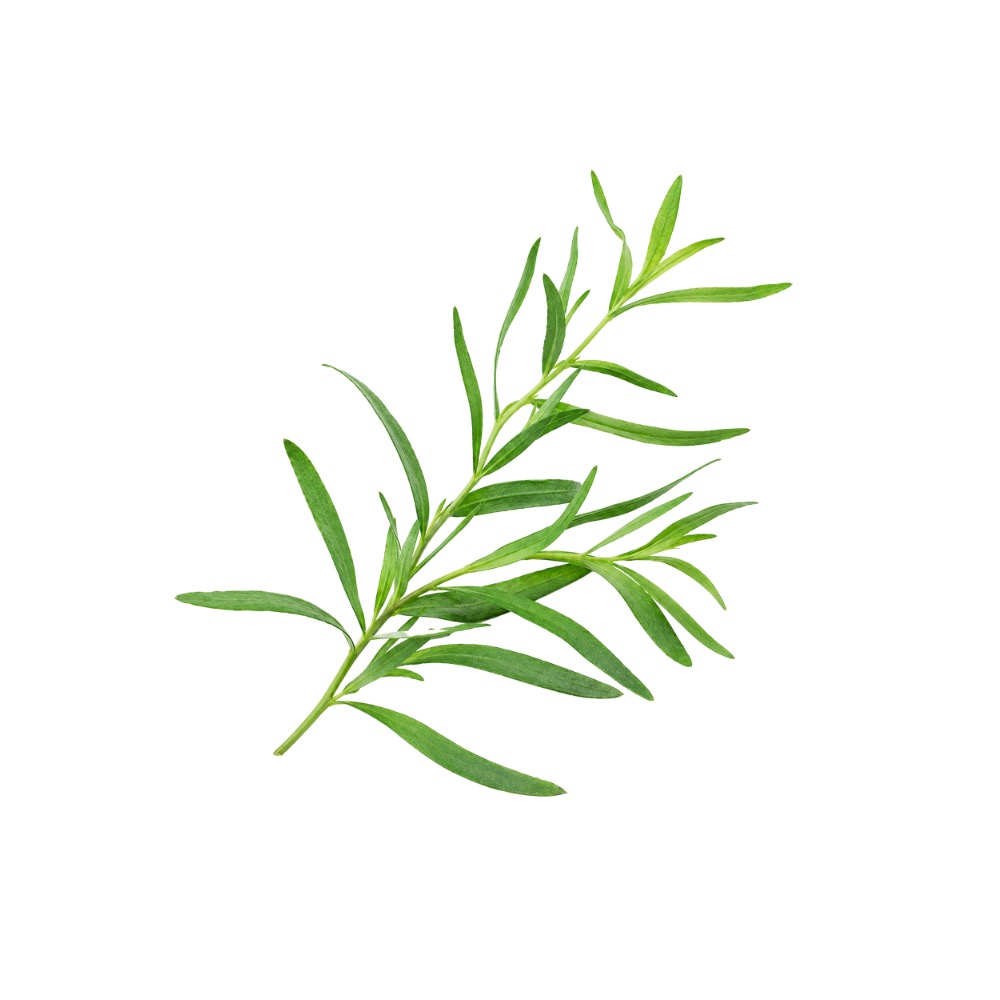 Principal source Tarragon Artemisia dracunculus Herb monograph →
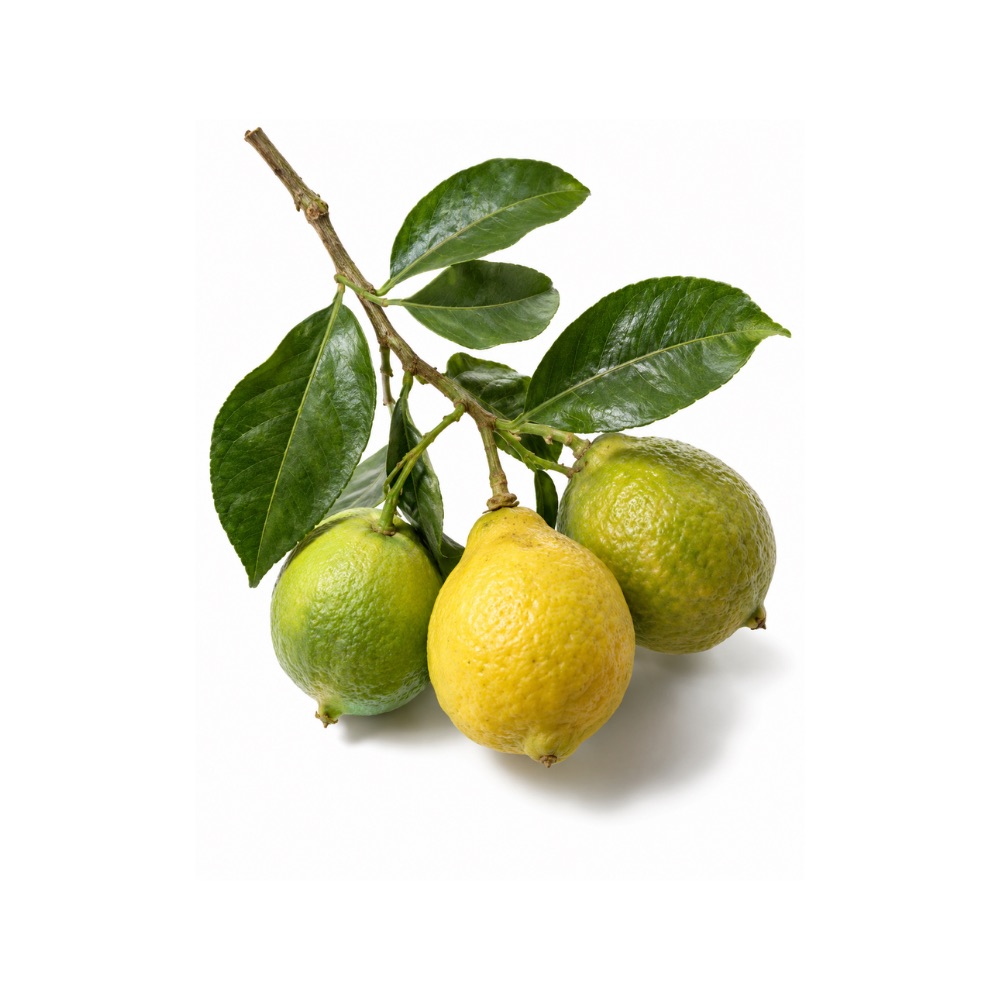 Source Bergamot Citrus bergamia Herb monograph →
 Source Cannabis Cannabis sativa Herb monograph →
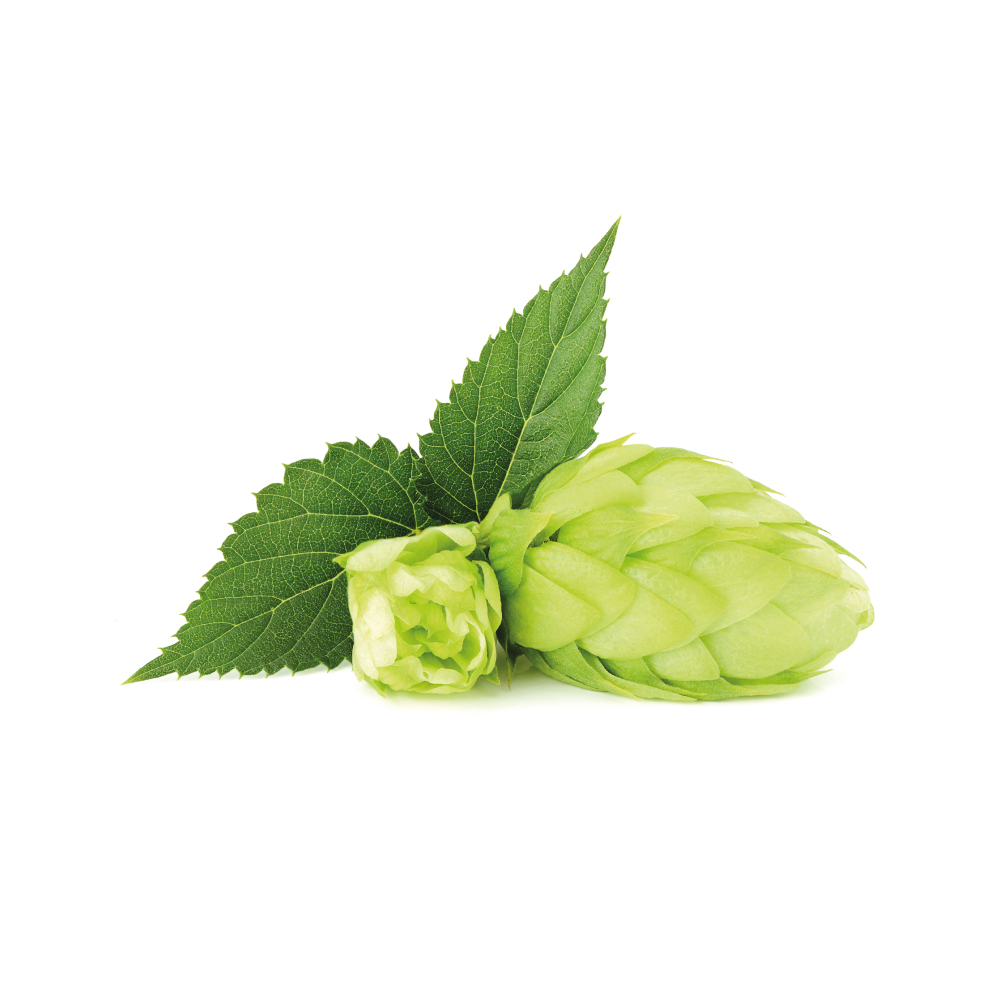 Source Hops Humulus lupulus Herb monograph →
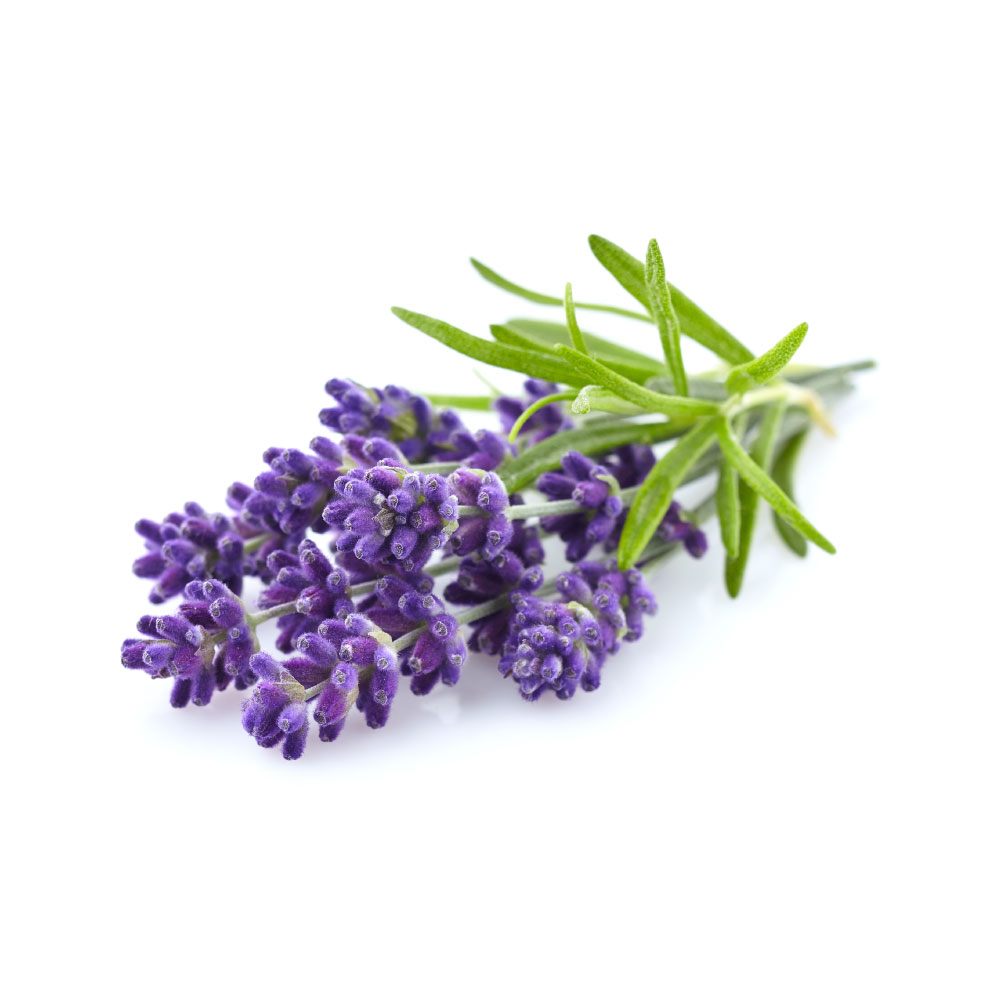 Source Lavender Lavandula angustifolia Herb monograph →
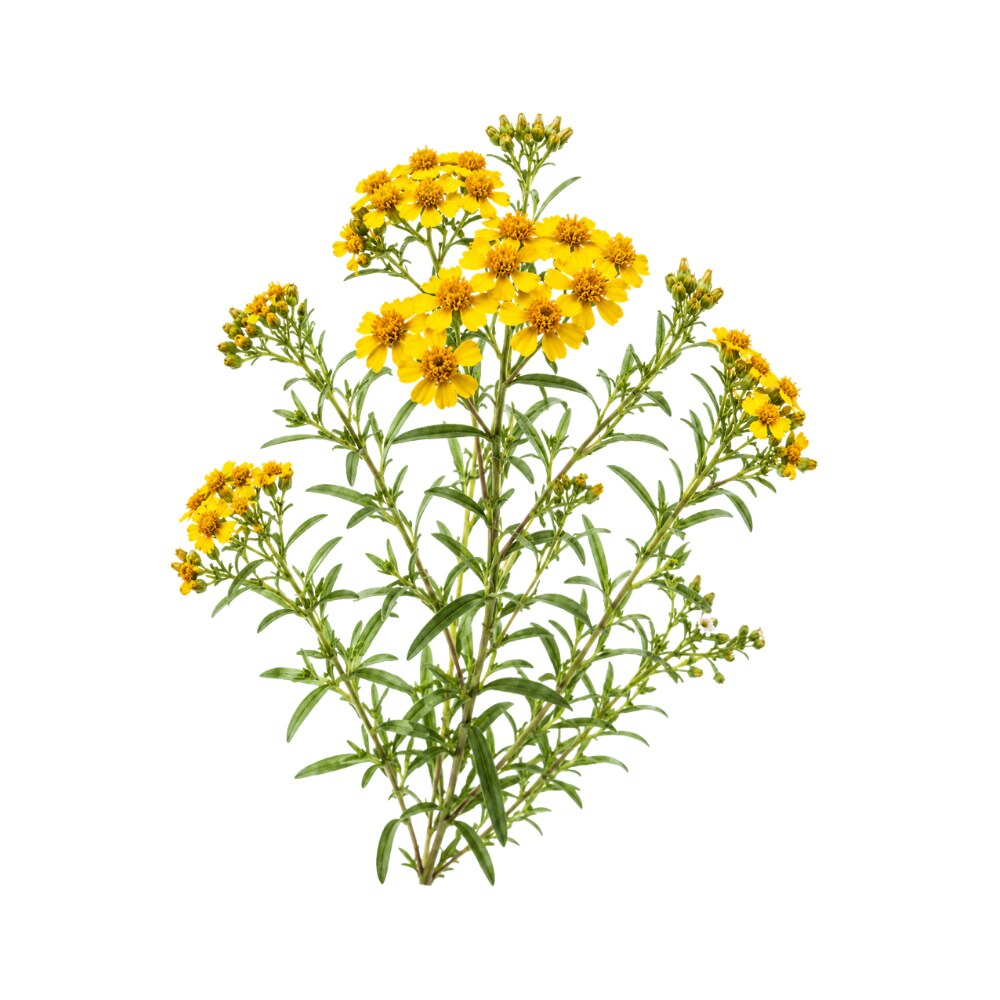 Source Mexican Tarragon Tagetes lucida Herb monograph →
Concentration
Content by Source
Reported concentrations across the plants that contain ocimene — the bar marks the typical level, the line shows the reported range.
Literature figures for varying plant parts and preparations. Read them as a comparative guide, not exact assays.
Ocimene at a Glance
Ocimene is a naturally occurring acyclic monoterpene hydrocarbon (3,7-dimethyl-1,3,6-octatriene) with a light, sweet, herbaceous and faintly woody-citrus aroma. It occurs throughout the plant kingdom — in tarragon, sweet basil (from whose genus Ocimum it takes its name), mint, hops, mango, lavender and the floral scent of a large share of flowering plants — and it is a common minor-to-moderate component of essential oils used in flavour and fragrance work 1,
What makes ocimene distinctive is not a drug profile but an ecological one. It is one of the best-characterised plant semiochemicals: a herbivore-induced volatile that plants release when attacked (recruiting the predators and parasitoids of their attackers) and a floral volatile that attracts a broad range of pollinators 1Reference 1Farré-Armengol G, Filella I, Llusià J, Peñuelas J (2017). β-Ocimene, a key floral and foliar volatile involved in multiple interactions between plants and other organisms. Molecules. https://pubmed.ncbi.nlm.nih.gov/28703755/View study →. This is what plants make it for.
Its therapeutic reputation — anti-inflammatory, antifungal, anticonvulsant — is real but rests almost entirely on whole β-ocimene-rich essential oils, in which ocimene is one active molecule among many. Direct evidence for the isolated compound is limited to a single recent rodent study, and there are no human trials of isolated ocimene 5,
Ocimene as a Plant Semiochemical
The most substantial, best-evidenced thing about ocimene is its role in plant chemical ecology — this is where the real body of research sits, and it is distinctive to this molecule. Ocimene is a key floral and foliar volatile involved in multiple interactions between plants and other organisms, from pollinators to herbivores to the natural enemies of those herbivores 1Reference 1Farré-Armengol G, Filella I, Llusià J, Peñuelas J (2017). β-Ocimene, a key floral and foliar volatile involved in multiple interactions between plants and other organisms. Molecules. https://pubmed.ncbi.nlm.nih.gov/28703755/View study →.
Herbivore-Induced Defence Volatile
When a plant is attacked by chewing or sap-feeding insects, ocimene emission rises sharply from both damaged and neighbouring undamaged tissue. Its production is switched on by the jasmonic-acid and salicylic-acid signalling that governs plant defence, so it functions as a marker and mediator of the induced-defence state 1,
Pollinator Attraction
In flowers, ocimene plays the opposite, attractive role. It is present in the floral scent of roughly 47% of surveyed plant species and about three-quarters of surveyed families, and it behaves as a generalist pollinator attractant — it can attract honeybees and bumblebees, and its emission follows the daily and spatial rhythms typical of scent signals tuned to pollinator activity 1Reference 1Farré-Armengol G, Filella I, Llusià J, Peñuelas J (2017). β-Ocimene, a key floral and foliar volatile involved in multiple interactions between plants and other organisms. Molecules. https://pubmed.ncbi.nlm.nih.gov/28703755/View study →. That a single molecule serves as both a “come here” signal to pollinators and a “danger” signal in the defence context is exactly why its biology is more interesting than its pharmacology.
Isomers & Biosynthesis
Ocimene is not one compound but a small family of double-bond isomers: β-ocimene (3,7-dimethyl-1,3,6-octatriene) exists as (E)-/trans- and (Z)-/cis- forms, the trans isomer being the more abundant in floral scent; α-ocimene and allo-ocimene (a heat/air-rearrangement product) are related conjugated trienes. It is built in the plastid from the universal monoterpene precursor geranyl diphosphate (GPP) by (E)-β-ocimene synthases — terpene synthases characterised first in the scented flowers of snapdragon, where the same enzyme family also makes myrcene 4Reference 4Dudareva N, Martin D, Kish CM, et al. (2003). (E)-β-ocimene and myrcene synthase genes of floral scent biosynthesis in snapdragon: function and expression of three terpene synthase genes of a new terpene synthase subfamily. The Plant Cell. https://pubmed.ncbi.nlm.nih.gov/12724546/View study →, and later in vegetative tissue of species such as wild pear, where a herbivore-inducible ocimene synthase is switched on after insect attack 3Reference 3Functional characterization of a terpene synthase responsible for (E)-β-ocimene biosynthesis identified in Pyrus betuleafolia transcriptome after herbivoryView study →.
What It's Used For
Ocimene’s medicinal profile is modest and, crucially, mostly attributable to whole oils rather than the isolate. The evidence splits by whether the thing tested was purified ocimene (rare) or a β-ocimene-rich essential oil in which ocimene is one of several actives (usual).
Support is an experimental score — weighted by study type (human > animal > in vitro) and volume. A beta, not a validated metric. Almost all of it is whole-oil evidence with a single isolate study, so scores stay low by design.
The one place the isolated molecule was actually tested. In a 2025 rodent study, purified ocimene reduced formalin-evoked paw licking and paw oedema, stabilised membranes and suppressed protein denaturation in vitro, and — most notably — protected against indomethacin-induced gastric ulcers, reported to act by down-regulating Toll-like receptor 4, the NLRP3 inflammasome and GSDMD-mediated pyroptosis along with COX-1/COX-2 7Reference 7Anti-inflammatory, antihyperalgesic, and gastric safety profiling of ocimene: attenuation of NSAID-induced gastric ulcers by modulating Toll-like receptor 4 and pyroptosis pathwaysView study →. This dovetails with older whole-oil work: the β-ocimene-rich (trans-β-ocimene 31.3%) essential oil of water dropwort strongly inhibited nitric-oxide production in LPS/IFN-γ-stimulated macrophages 6Reference 6Antifungal, antioxidant and anti-inflammatory activities of Oenanthe crocata L. essential oilView study →.
Gap: the isolate evidence is a single rodent study; the older anti-inflammatory data are whole oils where sabinene and other monoterpenes co-act, so the effect cannot be cleanly assigned to ocimene. No human data 6,
Ocimene is repeatedly listed among the actives of antimicrobial essential oils, and β-ocimene-rich oils show real activity — the water-dropwort oil was particularly active against dermatophytes and Cryptococcus neoformans 6Reference 6Antifungal, antioxidant and anti-inflammatory activities of Oenanthe crocata L. essential oilView study →, and reviews attribute antifungal and pest-deterrent activity to β-ocimene-containing oils 1Reference 1Farré-Armengol G, Filella I, Llusià J, Peñuelas J (2017). β-Ocimene, a key floral and foliar volatile involved in multiple interactions between plants and other organisms. Molecules. https://pubmed.ncbi.nlm.nih.gov/28703755/View study →. As with most volatile terpene hydrocarbons, the presumed mechanism is disruption of microbial and fungal membranes.
Gap: this is whole-oil activity; there is little or no MIC data for purified ocimene, and the concentrations involved exceed anything achievable systemically — it is preservative/topical-relevant chemistry, not a systemic-antimicrobial claim 1,
The essential oil of tarragon (Artemisia dracunculus) — in which α-trans-ocimene (~20.6%) and allo-ocimene (~4.8%) are among the main components alongside anethole and limonene — showed dose- and time-dependent anti-seizure activity in both maximal-electroshock and pentylenetetrazole rodent models, consistent with the folk use of tarragon as an antiepileptic 5Reference 5Anticonvulsant activity and chemical composition of Artemisia dracunculus L. essential oilView study →. The authors attributed the effect to the oil’s monoterpenoids collectively.
Gap: the anticonvulsant effect belongs to the whole oil, not to ocimene, which was never isolated and tested on its own here; anethole and other constituents are plausible contributors 5Reference 5Anticonvulsant activity and chemical composition of Artemisia dracunculus L. essential oilView study →.
Mechanisms
| Target / pathway | Effect | Relevant to |
|---|---|---|
| TLR4 / NLRP3 inflammasome / GSDMD pyroptosis | down-regulated → reduced inflammatory pyroptosis & gastric mucosal injury | anti-inflammatory / gastroprotective (isolate) |
| Cyclo-oxygenase (COX-1 / COX-2) & inflammatory mediators | down-regulated | anti-inflammatory (isolate) |
| Nitric-oxide production in LPS/IFN-γ macrophages | inhibited (β-ocimene-rich oil) | anti-inflammatory (whole-oil) |
| Microbial / fungal membranes | disruption (inferred, whole-oil) | antimicrobial / antifungal |
| Plastidial terpene synthase (β-ocimene synthase) on GPP | biosynthesis; jasmonate/salicylate-inducible | plant biology / semiochemical |
| Herbivore detoxification enzymes (CYP6CY3, GST) | induced in aphids on ocimene-exposed plants | plant defence / ecology |
The load-bearing point: only the top two rows are the isolated molecule, and both come from one study. The remainder is whole-oil pharmacology or plant biology.
Pharmacokinetics
Ocimene is a small, highly lipophilic, volatile hydrocarbon with no oxygen functionality, so it is expected to be readily absorbed and rapidly distributed, cleared and exhaled — the general behaviour of monoterpene hydrocarbons. Beyond that, its human ADME is essentially uncharacterised: there are no published Cmax, half-life, oral-bioavailability or metabolite data for the isolate, and the one rodent efficacy study dosed it orally without reporting kinetics 7Reference 7Anti-inflammatory, antihyperalgesic, and gastric safety profiling of ocimene: attenuation of NSAID-induced gastric ulcers by modulating Toll-like receptor 4 and pyroptosis pathwaysView study →. Practically, its volatility and tendency to oxidise/rearrange (β-ocimene converts to allo-ocimene on heating and air exposure) mean the “dose” delivered from an essential oil is unstable and hard to standardise.
Clinical Trials
There are no controlled human trials of isolated ocimene. The human-relevant evidence is dietary/aromatic exposure and whole-oil work; the isolate evidence is preclinical.
| Completed | Planned | Terminated | Preclinical |
|---|---|---|---|
| — | — | — | Anti-inflammatory / antihyperalgesic / gastroprotective (rodent isolate) + whole-oil antifungal & anticonvulsant |
Last checked: July 2026.
Isolate vs. Plant Studies
Ocimene is a textbook case of the compound-page caveat. Almost all of the bioactivity evidence is whole essential oil, not the purified molecule: the anticonvulsant data are tarragon oil 5Reference 5Anticonvulsant activity and chemical composition of Artemisia dracunculus L. essential oilView study →, the anti-inflammatory/antifungal data are water-dropwort oil 6Reference 6Antifungal, antioxidant and anti-inflammatory activities of Oenanthe crocata L. essential oilView study →, and ocimene is invariably one of several monoterpenes present. Only the 2025 rodent study tested purified ocimene directly, and it is a single report 7Reference 7Anti-inflammatory, antihyperalgesic, and gastric safety profiling of ocimene: attenuation of NSAID-induced gastric ulcers by modulating Toll-like receptor 4 and pyroptosis pathwaysView study →. The one research area where the molecule itself is the object of deep study is chemical ecology — its role as a herbivore-induced and floral volatile — but that is plant biology, not human pharmacology 1,
Prevalence in Nature
Ocimene is one of the most widespread plant volatiles, reported from the floral scent of roughly 47% of surveyed species and about three-quarters of surveyed plant families, plus a great many vegetative tissues and essential oils 1Reference 1Farré-Armengol G, Filella I, Llusià J, Peñuelas J (2017). β-Ocimene, a key floral and foliar volatile involved in multiple interactions between plants and other organisms. Molecules. https://pubmed.ncbi.nlm.nih.gov/28703755/View study →. It typically occurs as a minor component, but climbs to a major fraction of certain oils — around 20% of tarragon (Artemisia dracunculus) essential oil (as α-trans-ocimene) 5Reference 5Anticonvulsant activity and chemical composition of Artemisia dracunculus L. essential oilView study → and over 30% of water-dropwort (Oenanthe crocata) oil (as trans-β-ocimene, with a further ~12% cis) 6Reference 6Antifungal, antioxidant and anti-inflammatory activities of Oenanthe crocata L. essential oilView study →. It commonly co-occurs with sibling monoterpenes such as myrcene, limonene, linalool, α-pinene and β-pinene.
Major Natural Sources
| Source | Plant part | Reported ocimene content |
|---|---|---|
| Water dropwort (Oenanthe crocata) | aerial essential oil | ~31% trans-β (+ ~12% cis-β) |
| Tarragon (Artemisia dracunculus) | aerial essential oil | ~20% α-trans-ocimene |
| Sweet basil (Ocimum basilicum) | leaf/flower oil | minor–moderate |
| Mango (Mangifera indica) | fruit/leaf volatiles | minor |
| Hops (Humulus lupulus) | cone oil | minor |
These figures are the percentage of the essential oil, not of the whole plant, and shift substantially with chemotype, plant part and extraction method 1,
Other Reported Sources
Ocimene is also reported from:
- Orchids and many other scented flowers
- Lavender
- Peppermint and other mints
- Bergamot
- Black pepper
- Kumquat
- Cannabis
Discovery & Synthesis
Ocimene’s name derives from basil, genus Ocimum, the plant in whose volatile oil it was characterised as a constituent; a precise first-isolation date and a first total synthesis are not well documented in the accessible literature, in keeping with its long-standing status as a common, unremarkable essential-oil terpene rather than a targeted drug. Today it is encountered almost entirely as a natural essential-oil constituent in flavour and fragrance materials rather than as a manufactured isolate; because it is volatile and prone to oxidation and to isomerising toward allo-ocimene, purified ocimene is chemically less convenient than more stable terpenes, and it is used and sold chiefly as part of whole oils.
Patents: not yet researched.
Toxicity & Safety
Ocimene is a common, naturally occurring monoterpene of foods and essential oils and is regarded as low in toxicity at those levels; it is used as a flavour and fragrance ingredient (GRAS-status food volatile). As with all light terpene hydrocarbons, the concentrated material is volatile and flammable, and — being an unsaturated triene — it oxidises and isomerises on exposure to air, heat and light, so aged or oxidised oils are chemically different from fresh ones and, like other oxidised terpenes, may be more skin-irritating or sensitising. “Natural” does not mean “harmless” for concentrated essential oils, whose exposure is far higher than the trace amounts in food.
Direct isolate safety data are sparse: the single rodent pharmacology study reported ocimene to be gastric-protective rather than irritating at the doses used 7Reference 7Anti-inflammatory, antihyperalgesic, and gastric safety profiling of ocimene: attenuation of NSAID-induced gastric ulcers by modulating Toll-like receptor 4 and pyroptosis pathwaysView study →, but no comprehensive repeat-dose, genotoxicity or reproductive-toxicity package for the pure compound is characterised here. Human reproductive/developmental data for isolated ocimene are not established; pregnancy and lactation are a per-herb / per-supplement decision made on the herb or product page where intake is decided, not on this molecule page.
- Low-toxicity food & fragrance volatile. A widespread, GRAS essential-oil monoterpene consumed in the diet and used in flavour/fragrance at low levels 1Reference 1Farré-Armengol G, Filella I, Llusià J, Peñuelas J (2017). β-Ocimene, a key floral and foliar volatile involved in multiple interactions between plants and other organisms. Molecules. https://pubmed.ncbi.nlm.nih.gov/28703755/View study →.
- Concentrated oil is volatile, flammable and oxidation-prone. As an unsaturated triene it oxidises and isomerises (toward allo-ocimene) with air, heat and light — aged oils differ from fresh.
- Essential oils ≫ whole herbs for meaningful exposure; oxidised terpene oils can irritate or sensitise skin.
- Isolate human data are absent. Therapeutic claims rest on whole oils or a single rodent study; pregnancy/lactation for isolated ocimene is not established and is decided at the herb/product level.
Dosage
There is no established or recommended human dose for isolated ocimene. The only quantitative efficacy figures are preclinical rodent research doses of the purified compound 7Reference 7Anti-inflammatory, antihyperalgesic, and gastric safety profiling of ocimene: attenuation of NSAID-induced gastric ulcers by modulating Toll-like receptor 4 and pyroptosis pathwaysView study → or of β-ocimene-rich whole oils 5,
- Foods, herbs and spices (a common natural flavour volatile)
- Essential oils used in flavour and fragrance
- Inhaled aromatherapy oils
- Diluted topical essential oils
These are doses studied in research and levels of ordinary exposure, not a personal recommendation.
References
- Farré-Armengol G, Filella I, Llusià J, Peñuelas J (2017). β-Ocimene, a key floral and foliar volatile involved in multiple interactions between plants and other organisms. Molecules. https://pubmed.ncbi.nlm.nih.gov/28703755/
- Kang ZW, Liu FH, Zhang ZF, et al. (2018). Volatile β-ocimene can regulate developmental performance of peach aphid Myzus persicae through activation of defense responses in Chinese cabbage Brassica pekinensis. Frontiers in Plant Science. https://pubmed.ncbi.nlm.nih.gov/29892310/
- Huang X, Zhang H, Li H, et al. (2022). Functional characterization of a terpene synthase responsible for (E)-β-ocimene biosynthesis identified in Pyrus betuleafolia transcriptome after herbivory. Frontiers in Plant Science. https://pubmed.ncbi.nlm.nih.gov/36479507/
- Dudareva N, Martin D, Kish CM, et al. (2003). (E)-β-ocimene and myrcene synthase genes of floral scent biosynthesis in snapdragon: function and expression of three terpene synthase genes of a new terpene synthase subfamily. The Plant Cell. https://pubmed.ncbi.nlm.nih.gov/12724546/
- Sayyah M, Nadjafnia L, Kamalinejad M (2004). Anticonvulsant activity and chemical composition of Artemisia dracunculus L. essential oil. Journal of Ethnopharmacology. https://pubmed.ncbi.nlm.nih.gov/15325732/
- Valente J, Zuzarte M, Gonçalves MJ, et al. (2013). Antifungal, antioxidant and anti-inflammatory activities of Oenanthe crocata L. essential oil. Food and Chemical Toxicology. https://pubmed.ncbi.nlm.nih.gov/24012643/
- Laraib I, Qasim S, Uttra AM, Al-Joufi FA (2025). Anti-inflammatory, antihyperalgesic, and gastric safety profiling of ocimene: attenuation of NSAID-induced gastric ulcers by modulating Toll-like receptor 4 and pyroptosis pathways. ACS Pharmacology & Translational Science. https://pubmed.ncbi.nlm.nih.gov/40109750/



