
Compound Monograph
p-Hydroxybenzaldehyde
p-Hydroxybenzaldehyde (4-hydroxybenzaldehyde) is a simple phenolic aldehyde — a demethylated relative of vanillin and one of the marker constituents of Gastrodia elata (tian ma). Its GABAergic, anxiolytic and neuroprotective pharmacology is real but almost entirely preclinical, and it is poorly absorbed by mouth, crossing into the brain where it is rapidly oxidised to 4-hydroxybenzoic acid.

Sources · 5
Where Does It Come From?
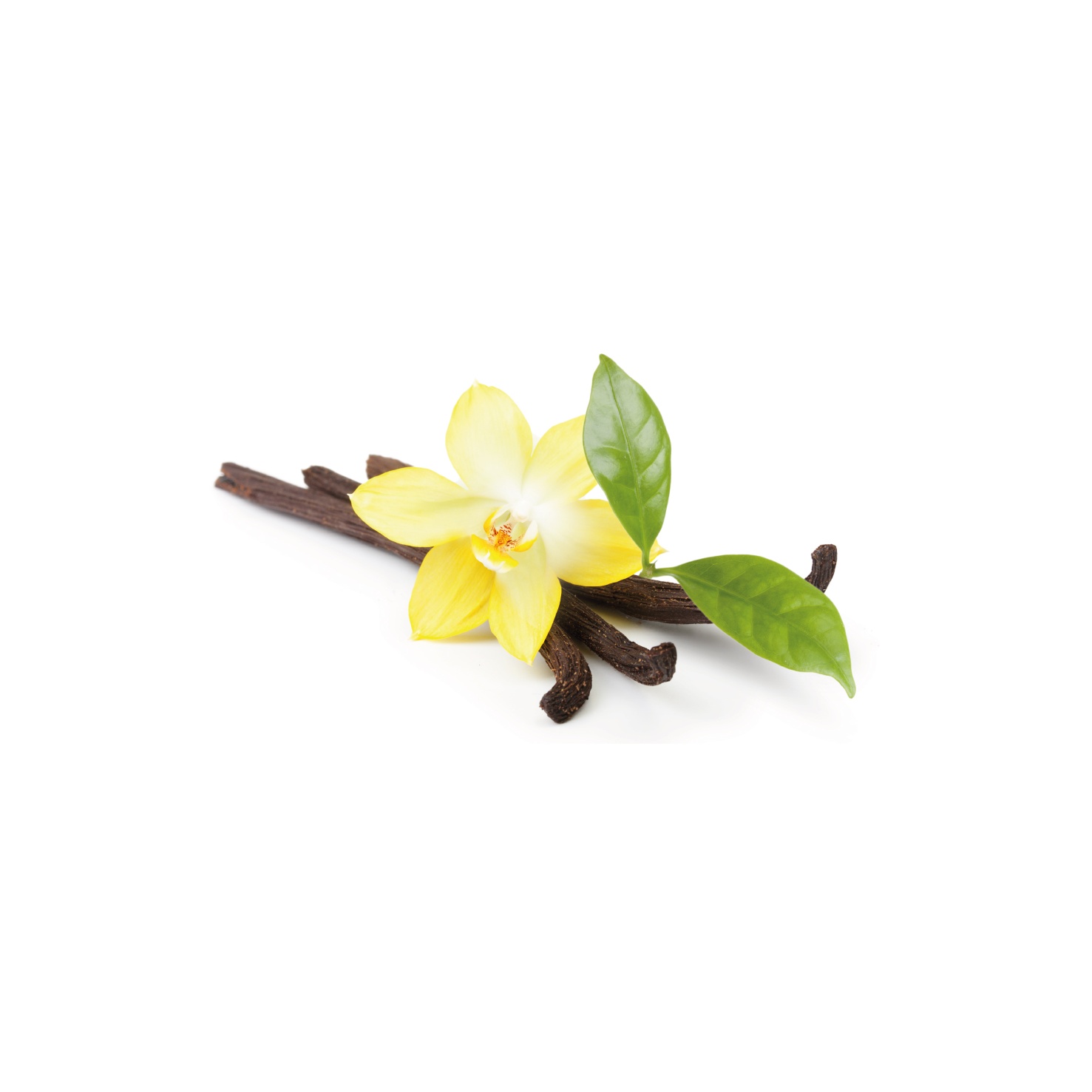
p-Hydroxybenzaldehyde is a naturally occurring phenolic aldehyde (hydroxybenzaldehyde), found in Gastrodia, Vanilla and 3 other sources. It is well tolerated orally (low toxicity).
Concentration
Content by Source
Reported concentrations across the plants that contain p-hydroxybenzaldehyde — the bar marks the typical level, the line shows the reported range.
Literature figures for varying plant parts and preparations. Read them as a comparative guide, not exact assays.
p-Hydroxybenzaldehyde at a Glance
p-Hydroxybenzaldehyde, or 4-hydroxybenzaldehyde, is a simple phenolic aldehyde — a benzene ring carrying one hydroxyl and one aldehyde group. Structurally it is vanillin with the extra methoxy group removed, and it belongs to the same small family of aromatic aldehydes that carry much of the researched activity of scented and medicinal plants.
Its pharmacological interest comes almost entirely from one plant: Gastrodia elata (tian ma, 天麻), the traditional Chinese anti-convulsant and anti-vertigo rhizome, where p-hydroxybenzaldehyde is one of several marker constituents alongside the better-known gastrodin and 4-hydroxybenzyl alcohol. In that context it has a GABAergic, anxiolytic and neuroprotective profile — but the evidence is rodent and in-vitro, on the isolated molecule, and it should not be read as the activity of the whole rhizome.
The honest caveat runs through everything below: p-hydroxybenzaldehyde is poorly absorbed by mouth (absolute bioavailability around 5% in rats), and once absorbed it is rapidly oxidised to 4-hydroxybenzoic acid — although, distinctively, what does get in concentrates in the brain, which is the pharmacokinetic hook behind its neuroprotective research 7Reference 7AnimalPharmacokinetics of 4-hydroxybenzaldehyde in normal and cerebral ischemia-reperfusion injury rats based on microdialysis techniqueView study →.
p-Hydroxybenzaldehyde in Gastrodia (Tian Ma)
Almost the entire pharmacology of this molecule is really the pharmacology of Gastrodia elata — tian ma — decomposed to one of its constituents. Tian ma is a classical Chinese materia medica for headache, dizziness/vertigo, convulsions and childhood epilepsy, and modern work attributes its central-nervous-system activity to a cluster of small phenolics: gastrodin (the glucoside), its aglycone 4-hydroxybenzyl alcohol, vanillin, and p-hydroxybenzaldehyde 1,
Within that cluster, p-hydroxybenzaldehyde is the oxidised aldehyde partner. It is a minor constituent by mass — roughly a tenth of the gastrodin content in a typical tuber 9Reference 9Quality evaluation of Gastrodia elata tubers based on HPLC fingerprint analyses and quantitative analysis of multi-components by single markerView study → — yet it is disproportionately active on the GABA system: it is a potent inhibitor of GABA transaminase (the enzyme that degrades the inhibitory neurotransmitter GABA), more potent in that assay than the anticonvulsant drug valproate 1,
The load-bearing caveat is the marker-versus-whole-rhizome gap. p-Hydroxybenzaldehyde is used to standardise and identify tian ma 9Reference 9Quality evaluation of Gastrodia elata tubers based on HPLC fingerprint analyses and quantitative analysis of multi-components by single markerView study →, and it is genuinely bioactive in isolation, but the rhizome that patients actually take is a mixture in which gastrodin dominates and several phenolics act together. The antidepressant thread most often cited for tian ma, for instance, belongs to gastrodin and 4-hydroxybenzyl alcohol in a forced-swim model — not to this aldehyde 8Reference 8Anti-depressant effects of Gastrodia elata Blume and its compounds gastrodin and 4-hydroxybenzyl alcohol, via the monoaminergic system and neuronal cytoskeletal remodelingView study →. Reading whole-tian-ma efficacy off this one molecule would be a mistake.
A Simple Benzaldehyde
p-Hydroxybenzaldehyde sits in a tidy structural family that is worth holding in view, because the differences are small on paper but change the chemistry and the biology.
- Versus vanillin — vanillin is 4-hydroxy-3-methoxybenzaldehyde. Delete that 3-methoxy group and you have p-hydroxybenzaldehyde. The two co-occur (both are cured-vanilla-pod phenolics and both are Gastrodia constituents), share the reactive aldehyde group, and overlap in their antioxidant/neuroprotective repertoire — indeed the two were protective together in the same gerbil global-ischaemia study 4Reference 4Vanillin, 4-hydroxybenzyl aldehyde and 4-hydroxybenzyl alcohol prevent hippocampal CA1 cell death following global ischemiaView study →.
- Versus vanillic acid — oxidise the aldehyde of vanillin to a carboxylic acid and you get vanillic acid; oxidise p-hydroxybenzaldehyde the same way and you get 4-hydroxybenzoic acid, which is exactly what the body does to it (see Pharmacokinetics). The aldehyde is the reactive oxidation state; the acid is its stable end-point.
- Not p-anisaldehyde. A common confusion: p-anisaldehyde is 4-methoxybenzaldehyde, a different molecule (the hydroxyl is methylated). p-Hydroxybenzaldehyde has a free phenolic –OH, which is what lets it hydrogen-bond, scavenge radicals, and inhibit GABA transaminase.
That free 4-hydroxyl plus the aldehyde is the whole story: a structure–activity analysis of the Gastrodia hydroxybenzaldehydes found that both the aldehyde group and the para-hydroxyl are necessary for GABA-transaminase inhibition 2Reference 2In vitroIn vitro effects of hydroxybenzaldehydes from Gastrodia elata and their analogues on GABAergic neurotransmission, and a structure-activity correlationView study →.
What It's Used For
The researched activity is coherent and centred on the brain — but it is preclinical throughout, dominated by the isolated molecule in rodent stroke and seizure models, and capped by poor oral bioavailability.
Support is an experimental score — weighted by study type (human > animal > in vitro) and volume. A beta, not a validated metric. Every row rests on isolate rodent/in-vitro work with no human trials, so scores stay modest by design; read the per-row basis.
The most-developed animal signal, and the reason the molecule is studied at all beyond flavour chemistry. In a rat middle-cerebral-artery-occlusion (MCAO) stroke model, isolated para-hydroxybenzaldehyde reduced neurological deficit and apoptosis and preserved mitochondria — lowering ROS and malondialdehyde, reducing mitochondrial-permeability-transition-pore opening, restoring ATP, and shifting Bcl-2/Bax/caspase-3 toward survival 5Reference 5AnimalPara-hydroxybenzaldehyde against transient focal cerebral ischemia in rats via mitochondrial preservationView study →.
A later MCAO/reperfusion study showed it protects blood–brain-barrier integrity, restoring tight-junction proteins (claudin-5, occludin) and normalising MMP-2/9 and aquaporin-4 while suppressing oxidative stress 6Reference 6AnimalProtective effects of 4-HBd on blood-brain barrier integrity in MCAO/R model rats based on brain pharmacokinetic characteristicsView study →.
Earlier, in gerbil global ischaemia, it prevented hippocampal CA1 neuron death (≈43% increase in survival), an effect shared with vanillin and 4-hydroxybenzyl alcohol 4Reference 4Vanillin, 4-hydroxybenzyl aldehyde and 4-hydroxybenzyl alcohol prevent hippocampal CA1 cell death following global ischemiaView study →.
Gap: every study is the isolated molecule in a rodent ischaemia model — models, not the human disease — with no clinical data and the standing caveat of poor oral delivery 5,
The mechanistic heart of the molecule. p-Hydroxybenzaldehyde potently inhibits GABA transaminase — the enzyme that breaks down inhibitory GABA — with an IC50 of about 4.1 µg/mL, exceeding the inhibition by valproate in the same assay 1,
A structure–activity comparison of the Gastrodia hydroxybenzaldehydes confirmed that both the aldehyde and the para-hydroxyl are required for the effect 2Reference 2In vitroIn vitro effects of hydroxybenzaldehydes from Gastrodia elata and their analogues on GABAergic neurotransmission, and a structure-activity correlationView study →.
Preserving GABA is a recognised anticonvulsant strategy, and in a pentylenetetrazole (PTZ) seizure model the Gastrodia ether fraction protected against seizures while normalising brain GABA and lipid peroxidation — with p-hydroxybenzaldehyde restoring the raised brain lipid peroxidation to control levels 1Reference 1AnimalHa JH, Lee DU, Lee JT, et al. (2000). 4-Hydroxybenzaldehyde from Gastrodia elata B1. is active in the antioxidation and GABAergic neuromodulation of the rat brain. Journal of Ethnopharmacology. https://pubmed.ncbi.nlm.nih.gov/11025174/View study →.
Gap: the potent enzyme inhibition is clean isolate data, but the behavioural anticonvulsant result used the plant fraction, not the purified compound, and there are no human seizure data 1Reference 1AnimalHa JH, Lee DU, Lee JT, et al. (2000). 4-Hydroxybenzaldehyde from Gastrodia elata B1. is active in the antioxidation and GABAergic neuromodulation of the rat brain. Journal of Ethnopharmacology. https://pubmed.ncbi.nlm.nih.gov/11025174/View study →.
A focused behavioural signal with a clear receptor read-out. In the mouse elevated-plus-maze, isolated p-hydroxybenzaldehyde (labelled HD) increased open-arm time and entries — an anxiolytic profile — and its effect was antagonised by flumazenil, implicating the GABA-A / benzodiazepine site 3Reference 3AnimalAnxiolytic-like effects of Gastrodia elata and its phenolic constituents in miceView study →.
In the same study the sibling constituent 4-hydroxybenzyl alcohol was also anxiolytic but through a serotonergic (5-HT1A) route, so the two Gastrodia phenolics reach the same behaviour by different mechanisms 3Reference 3AnimalAnxiolytic-like effects of Gastrodia elata and its phenolic constituents in miceView study →.
Gap: a single rodent behavioural study of the isolate, at injected doses, with no human anxiety data and no dose-response translation 3Reference 3AnimalAnxiolytic-like effects of Gastrodia elata and its phenolic constituents in miceView study →.
A supporting, mechanism-level activity rather than a standalone use. As a free-phenolic aldehyde it scavenges radicals and, in the PTZ-seizure brain, reversed the rise in lipid peroxidation back to control 1Reference 1AnimalHa JH, Lee DU, Lee JT, et al. (2000). 4-Hydroxybenzaldehyde from Gastrodia elata B1. is active in the antioxidation and GABAergic neuromodulation of the rat brain. Journal of Ethnopharmacology. https://pubmed.ncbi.nlm.nih.gov/11025174/View study →; in the ischaemia models the same antioxidant footprint recurs — lower malondialdehyde and nitric oxide, higher superoxide-dismutase activity — and plausibly underlies much of the neuroprotection above 5,
Gap: the antioxidant data are in-vivo rodent brain markers, not a human antioxidant outcome, and the effect is entangled with (rather than separable from) the neuroprotective work 1,
Mechanisms
| Target / pathway | Effect | Relevant to |
|---|---|---|
| GABA transaminase (GABA-T) | potent inhibition (IC50 ≈ 4.1 µg/mL, > valproate) → preserves brain GABA | anticonvulsantanxiolytic |
| GABA-A / benzodiazepine site | positive modulation inferred (anxiolysis blocked by flumazenil) | anxiolytic |
| Mitochondria (mPTP, Bcl-2/Bax/caspase-3, ATP) | preserves membrane potential, ↓ pore opening, ↓ apoptosis | neuroprotective (ischaemia) |
| ROS / MDA / NO / SOD | ↓ oxidative stress, restores antioxidant enzymes | antioxidantneuroprotective |
| Blood–brain-barrier tight junctions (claudin-5, occludin), MMP-2/9, AQP-4 | preserves BBB integrity, limits oedema | neuroprotective (ischaemia) |
The load-bearing point: one upstream theme — GABA-transaminase inhibition plus antioxidant/mitochondrial protection — plausibly ties the anticonvulsant, anxiolytic and neuroprotective signals together. The GABA-A inference is indirect (a flumazenil-reversible behaviour), not a direct binding result for this molecule 3Reference 3AnimalAnxiolytic-like effects of Gastrodia elata and its phenolic constituents in miceView study →.
Pharmacokinetics
The pharmacokinetics are the central caveat on everything above — but with an unusual twist. Oral p-hydroxybenzaldehyde is poorly bioavailable: a microdialysis study in rats put absolute oral bioavailability at about 5.3%, with rapid absorption (Tmax ≈ 10 min) and a short half-life (≈32 min in normal rats, lengthening to ≈79 min under cerebral ischaemia–reperfusion) 7Reference 7AnimalPharmacokinetics of 4-hydroxybenzaldehyde in normal and cerebral ischemia-reperfusion injury rats based on microdialysis techniqueView study →. It is rapidly oxidised to 4-hydroxybenzoic acid, which accounts for most of its elimination — the same aldehyde-to-acid step that turns vanillin into vanillic acid 7Reference 7AnimalPharmacokinetics of 4-hydroxybenzaldehyde in normal and cerebral ischemia-reperfusion injury rats based on microdialysis techniqueView study →.
The twist is brain-targeting: despite low systemic exposure, what is absorbed distributes widely and reaches its highest concentration in the brain, preferentially in the striatum and cortex, with accelerated and prolonged central exposure under ischaemic conditions 6,
Clinical Trials
There are no human clinical trials of isolated p-hydroxybenzaldehyde. Human exposure is as a minor constituent of Gastrodia elata (tian ma) preparations and of vanilla-flavoured food; any clinical evidence belongs to the whole tian ma extract, not to this molecule.
| Completed | Planned | Terminated | Preclinical |
|---|---|---|---|
| — | — | — | Neuroprotective (ischaemia), anticonvulsant/GABAergic, anxiolytic, antioxidant — all isolate, rodent/in-vitro |
Last checked: July 2026.
Isolate vs. Plant Studies
The split is clean. The mechanism and behavioural work is the isolated molecule — GABA-transaminase inhibition 1,
The plant vehicle is Gastrodia elata (tian ma), and here the molecule’s status is honest but humble: it is a minor, marker-level constituent 9Reference 9Quality evaluation of Gastrodia elata tubers based on HPLC fingerprint analyses and quantitative analysis of multi-components by single markerView study →, pharmacologically overshadowed in the whole rhizome by gastrodin and by the aglycone 4-hydroxybenzyl alcohol — the pair that carry, for example, the antidepressant signal 8Reference 8Anti-depressant effects of Gastrodia elata Blume and its compounds gastrodin and 4-hydroxybenzyl alcohol, via the monoaminergic system and neuronal cytoskeletal remodelingView study →. In vanilla it is a trace pod phenolic far below vanillin 10Reference 10Effects of killing conditions of vanilla (Vanilla planifolia, Andrews) pods during the curing process on aroma composition of pod ethanol extractView study →. So the correct framing is: real isolate pharmacology + a minor role in the plant people actually take — the two are not interchangeable, and whole-tian-ma efficacy cannot be attributed to this aldehyde alone.
Its Role in Plants
p-Hydroxybenzaldehyde is a simple phenylpropanoid-derived phenolic — a C6–C1 hydroxybenzaldehyde formed, like vanillin and the hydroxybenzoic acids, on the plant’s phenylpropanoid pathway from shikimate-derived phenylalanine. In Gastrodia elata, an achlorophyllous orchid that lives in symbiosis with fungi, this small phenolic sits in a pool of related molecules (gastrodin and its glucosides, 4-hydroxybenzyl alcohol, the parishins) that dominate the rhizome’s chemistry 9Reference 9Quality evaluation of Gastrodia elata tubers based on HPLC fingerprint analyses and quantitative analysis of multi-components by single markerView study →.
Functionally, free phenolic aldehydes of this kind belong to plant defence and antimicrobial chemistry, and — as with vanillin in the cured vanilla pod — a share of the p-hydroxybenzaldehyde encountered in a processed botanical is generated during drying/steaming and storage from labile precursors rather than stored as the free aldehyde in the living tissue. These are plant-biochemistry roles and should not be read as human pharmacology.
Prevalence in Nature
p-Hydroxybenzaldehyde occurs widely but sparsely across the plant kingdom, almost always as a minor phenolic. Its two best-quantified occurrences are:
- Gastrodia elata (tian ma) rhizome — a marker constituent at roughly 0.03–0.04% of dry weight (about 0.34 mg/g in a multi-batch quality survey), roughly one-tenth the level of gastrodin and alongside 4-hydroxybenzyl alcohol and the parishins 9Reference 9Quality evaluation of Gastrodia elata tubers based on HPLC fingerprint analyses and quantitative analysis of multi-components by single markerView study →.
- Cured vanilla pods (Vanilla planifolia) — a trace pod phenolic at about 0.18–0.20% of the cured pod, well below vanillin (~1–2%) and formed, like it, during post-harvest curing 10Reference 10Effects of killing conditions of vanilla (Vanilla planifolia, Andrews) pods during the curing process on aroma composition of pod ethanol extractView study →.
Beyond these it turns up at low levels in a scatter of other plants and is encountered industrially as a flavour, fragrance and pharmaceutical intermediate (see Discovery & Synthesis). Only the Gastrodia and vanilla figures are quantified in the sources reviewed here; other occurrences are qualitative and tracked for a later pass.
Major Natural Sources
| Source | Plant part | Reported content |
|---|---|---|
| Gastrodia (Gastrodia elata, tian ma) | dried rhizome | ~0.03–0.04% dry weight (~0.34 mg/g) 9Reference 9Quality evaluation of Gastrodia elata tubers based on HPLC fingerprint analyses and quantitative analysis of multi-components by single markerView study → |
| Vanilla (Vanilla planifolia) | cured pod | ~0.18–0.20% 10Reference 10Effects of killing conditions of vanilla (Vanilla planifolia, Andrews) pods during the curing process on aroma composition of pod ethanol extractView study → |
Discovery & Synthesis
p-Hydroxybenzaldehyde is a long-known, structurally simple aromatic aldehyde with no single celebrated first-isolation story of the kind vanillin has — it entered chemistry as one of the basic hydroxybenzaldehyde isomers rather than as a prized natural product.
Manufacture today is overwhelmingly synthetic. The dominant industrial route is catalytic air-oxidation of p-cresol (4-methylphenol) — oxygen in methanolic alkali over cobalt, iron or manganese catalysts converts the methyl group to the aldehyde with good para-selectivity; classical aromatic-formylation routes (Reimer–Tiemann, Vilsmeier–Haack, Duff) also give access to it but favour the ortho isomer or are less efficient at scale. Commercial p-hydroxybenzaldehyde is therefore a made molecule, used as an intermediate for pharmaceuticals, fragrances, agrochemicals and liquid-crystal materials, with plant-derived material a negligible share of supply.
Patents: not yet researched (future patent-loop pass).
Toxicity & Safety
p-Hydroxybenzaldehyde carries a low flag. It is a simple, widely-handled phenolic aldehyde used as a flavour/fragrance and synthesis intermediate, with an oral LD50 in rats around 2,000–2,700 mg/kg and no classification as a carcinogen by IARC. The preclinical literature uses it as a protective agent (neuroprotection, antioxidant), not a toxicant 5,
The honest limits are those of a molecule with no human safety trials as an isolate. In concentrated form it is a skin and eye irritant (a routine handling hazard of the neat chemical), and there are no human drug-interaction data; because its central activity runs through the GABA system, a theoretical additive effect with GABAergic sedatives or anticonvulsants at medicinal — not dietary — quantities is worth flagging but is unquantified. As with any Gastrodia constituent, exposure that matters is the whole tian ma preparation, where this aldehyde is a minor component.
- Low intrinsic toxicity. A simple food-grade-adjacent phenolic aldehyde (rat oral LD50 ≈ 2,000–2,700 mg/kg), used as a protectant — not a toxicant — in preclinical studies.
- Very low dietary exposure. Encountered mainly as a trace phenolic of vanilla and a minor marker of Gastrodia (tian ma).
- Irritant when concentrated. The neat compound irritates skin and eyes — a handling hazard of the pure chemical, not of dietary traces.
- Interactions untested. Theoretical additive effect with GABAergic sedatives/anticonvulsants at medicinal — not culinary — quantities; no human interaction data.
Pregnancy/lactation is a per-herb / per-supplement decision and is not adjudicated on this molecule page; no reproductive dataset exists for the isolate, and no verdict is issued here.
Dosage
There is no established or recommended human dose for isolated p-hydroxybenzaldehyde. Every efficacy figure in the literature is a preclinical rodent research dose, often given by injection, and is not convertible to human self-dosing. Human exposure is as a minor constituent of Gastrodia elata (tian ma) and of vanilla, not as a stand-alone agent.
| Application (research) | Model / route | Notes |
|---|---|---|
| Neuroprotective (ischaemia) | Rat MCAO, oral/injected | Reduced deficit and apoptosis; brain-targeted 5, |
| Anticonvulsant / GABAergic | Rat PTZ (plant fraction), enzyme assay | GABA-transaminase inhibition IC50 ≈ 4.1 µg/mL 1, |
| Anxiolytic | Mouse elevated-plus-maze | Flumazenil-sensitive; isolate 3Reference 3AnimalAnxiolytic-like effects of Gastrodia elata and its phenolic constituents in miceView study → |
Where the route was injection, no oral equivalent is meaningful; oral exposure is limited by ~5% bioavailability and rapid oxidation to 4-hydroxybenzoic acid 7Reference 7AnimalPharmacokinetics of 4-hydroxybenzaldehyde in normal and cerebral ischemia-reperfusion injury rats based on microdialysis techniqueView study →. These are doses studied in research and are not a personal recommendation.
References
- Ha JH, Lee DU, Lee JT, et al. (2000). 4-Hydroxybenzaldehyde from Gastrodia elata B1. is active in the antioxidation and GABAergic neuromodulation of the rat brain. Journal of Ethnopharmacology. https://pubmed.ncbi.nlm.nih.gov/11025174/
- Ha JH, Shin SM, Lee SK, et al. (2001). In vitro effects of hydroxybenzaldehydes from Gastrodia elata and their analogues on GABAergic neurotransmission, and a structure-activity correlation. Planta Medica. https://pubmed.ncbi.nlm.nih.gov/11745032/
- Jung JW, Yoon BH, Oh HR, et al. (2006). Anxiolytic-like effects of Gastrodia elata and its phenolic constituents in mice. Biological & Pharmaceutical Bulletin. https://pubmed.ncbi.nlm.nih.gov/16462028/
- Kim HJ, Hwang IK, Won MH (2007). Vanillin, 4-hydroxybenzyl aldehyde and 4-hydroxybenzyl alcohol prevent hippocampal CA1 cell death following global ischemia. Brain Research. https://pubmed.ncbi.nlm.nih.gov/17945203/
- Xiao T, Yang L, Chen P, Duan X (2022). Para-hydroxybenzaldehyde against transient focal cerebral ischemia in rats via mitochondrial preservation. Experimental and Therapeutic Medicine. https://pubmed.ncbi.nlm.nih.gov/36382091/
- Feng J, Yang Q, Chen M, et al. (2025). Protective effects of 4-HBd on blood-brain barrier integrity in MCAO/R model rats based on brain pharmacokinetic characteristics. Frontiers in Pharmacology. https://pubmed.ncbi.nlm.nih.gov/40264675/
- Xu C, et al. (2024). Pharmacokinetics of 4-hydroxybenzaldehyde in normal and cerebral ischemia-reperfusion injury rats based on microdialysis technique. European Journal of Drug Metabolism and Pharmacokinetics. https://pubmed.ncbi.nlm.nih.gov/38001303/
- Chen WC, Lai YS, Lin SH, Lu KH (2016). Anti-depressant effects of Gastrodia elata Blume and its compounds gastrodin and 4-hydroxybenzyl alcohol, via the monoaminergic system and neuronal cytoskeletal remodeling. Journal of Ethnopharmacology. https://pubmed.ncbi.nlm.nih.gov/26899441/
- Li Y, Zhang Y, Zhang Z, et al. (2019). Quality evaluation of Gastrodia elata tubers based on HPLC fingerprint analyses and quantitative analysis of multi-components by single marker. Molecules. https://pubmed.ncbi.nlm.nih.gov/30999716/
- Pardío VT, Mariezcurrena MD, Waliszewski KN, et al. (2009). Effects of killing conditions of vanilla (Vanilla planifolia, Andrews) pods during the curing process on aroma composition of pod ethanol extract. International Journal of Food Science and Technology. https://doi.org/10.1111/j.1365-2621.2009.01944.x



