Materia Medica
Tea
Camellia sinensis
Tea is an evergreen shrub whose young leaves and buds make green, black, white and oolong tea, the most widely drunk beverage after water. The leaf carries caffeine, the calming amino acid L-theanine and catechins such as EGCG, studied for blood pressure, cholesterol and focus.
What Is Tea?
Tea is an evergreen shrub whose young leaves and buds make the most widely drunk beverage in the world after water. Green, white, oolong and black tea all come from the same plant, Camellia sinensis 51Reference 51Camellia sinensis (Linnaeus) Kuntze — species description and distribution — floraView study →.
Tea has been used and cultivated in China for a very long time 51Reference 51Camellia sinensis (Linnaeus) Kuntze — species description and distribution — floraView study →. Its earliest clear medicinal record dates to the Tang dynasty, and it reached Europe in the 17th century 40Reference 40Medical toxicology of drug abuse: synthesized chemicals and psychoactive plants. Two varieties are grown for tea: the small-leaved Chinese type and the large-leaved Assam type 51Reference 51Camellia sinensis (Linnaeus) Kuntze — species description and distribution — floraView study →.
The leaf carries caffeine, the calming amino acid L-theanine and a group of polyphenols called catechins, led by EGCG 49Reference 49ReviewScientific opinion on the safety of green tea catechins — regulatory reviewView study →. Hundreds of trials have studied tea and its extracts, mostly for blood pressure, cholesterol and attention 1,
Tea is one of several caffeine plants, alongside coffee, yerba maté, guarana and cacao. Herbal “teas” such as chamomile and rooibos are infusions of other plants.
How Is Tea Used?
Tea is drunk daily as a beverage, and its extracts and isolated compounds are taken as supplements.
- Brewed tea — leaves infused in hot water. Hotter water extracts more catechins 49Reference 49ReviewScientific opinion on the safety of green tea catechins — regulatory reviewView study →.
- Matcha — powdered green tea whisked into water, so the whole leaf is drunk.
- Green-tea extract — a concentrated catechin supplement, usually rich in EGCG, taken as capsules 49Reference 49ReviewScientific opinion on the safety of green tea catechins — regulatory reviewView study →.
- L-theanine — the amino acid taken on its own, or with caffeine, for calm and focus 15,
27Reference 15Meta-analysisEffects of tea (Camellia sinensis) or its bioactive compounds L-theanine or L-theanine plus caffeine on cognition, sleep, and mood in healthy participants: a systematic review and meta-analysis of randomised controlled trialsView study →Reference 27RCTEffects of L-theanine administration on stress-related symptoms and cognitive functions in healthy adults: a randomised controlled trialView study → .
Types of Tea
Every true tea is the same plant. The types differ in how the leaf is handled after picking 51Reference 51Camellia sinensis (Linnaeus) Kuntze — species description and distribution — floraView study →.
- White — the buds, withered and dried with little processing.
- Green — heated soon after picking to stop oxidation, which preserves the catechins. Most tea research uses green tea 49Reference 49ReviewScientific opinion on the safety of green tea catechins — regulatory reviewView study →.
- Oolong — partly oxidised, between green and black.
- Black — fully oxidised. Much of the catechin content condenses into the larger, coloured theaflavins and thearubigins 47Reference 47Theaflavins, Thearubigins, and TheasinensinsView study →.
- Pu-erh — a tea that goes through true microbial fermentation after processing. In one study of ripe pu-erh, the bacteria shifted from Enterobacteriaceae at the start to Bacillaceae at the end, and the dominant late organisms were close relatives of Bacillus coagulans 43Reference 43Structure and dynamics of the bacterial communities in fermentation of the traditional Chinese post-fermented pu-erh tea revealed by 16S rRNA gene clone libraryView study →. Pu-erh contains GABA 41Reference 41Pu-Erh tea and GABA attenuates oxidative stress in kainic acid-induced status epilepticus.
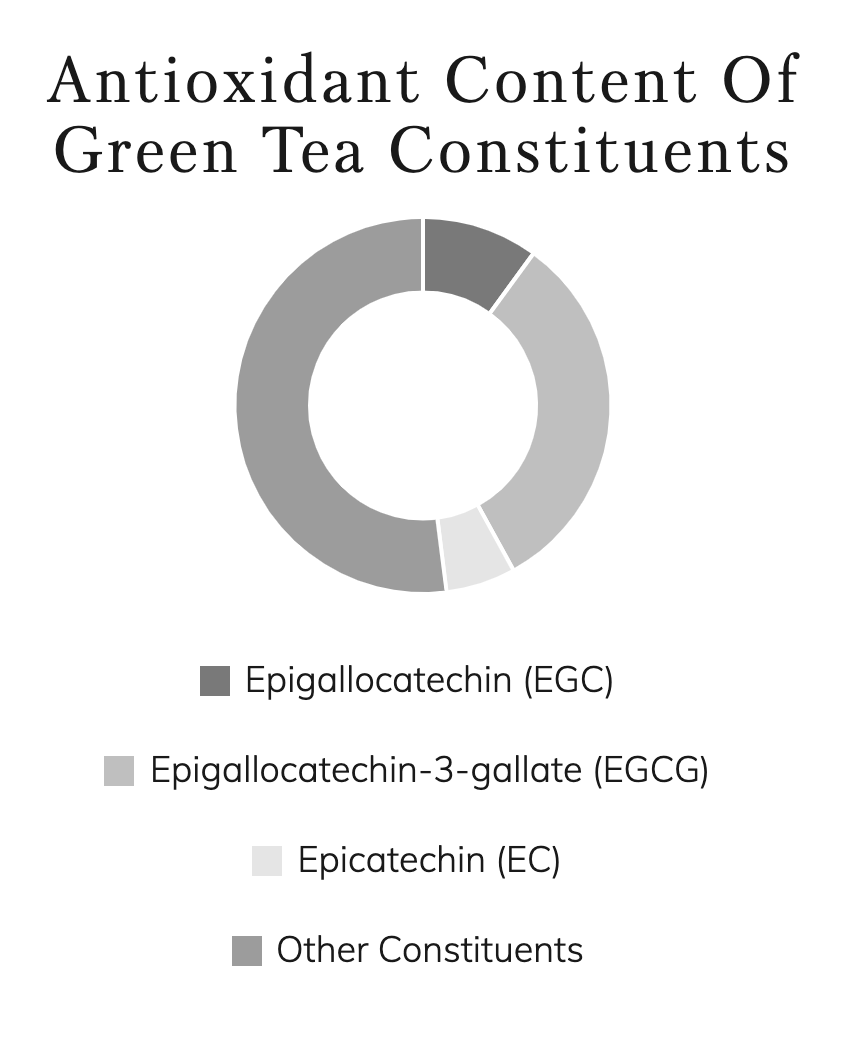
Black tea contains more fluoride than green tea 40,
Traditional Uses
Traditional Chinese Medicine
The earliest clear reference to the medicinal use of tea dates to the Tang dynasty. Lu Yu’s The Classic of Tea set out the ceremonies of tea drinking and drew on Taoism and Confucianism 40Reference 40Medical toxicology of drug abuse: synthesized chemicals and psychoactive plants.
Green tea was considered to prolong life, and it was used for headache, body ache, indigestion, depression, low energy, obesity and hair loss 40Reference 40Medical toxicology of drug abuse: synthesized chemicals and psychoactive plants. Chinese folk remedies also used the tea flowers, including for inflammatory diseases 18Reference 18AnimalAnti-inflammatory effects of a polyphenols-rich extract from tea (Camellia sinensis) flowers in acute and chronic mice models — animalView study →.
In Chinese medicine green tea is bitter, sweet and cold. It enters the Heart, Liver, Kidney, Stomach and Spleen channels, and its direction is descending. It cools heat, drains damp-heat and drains fire. It is contraindicated in cold patterns and Spleen deficiency 46Reference 46A materia medica for Chinese medicine: plants, minerals, and animal products.
Black tea is bitter and sweet in the same way, but warm rather than cold 46Reference 46A materia medica for Chinese medicine: plants, minerals, and animal products.
Tea Ceremony
Tea is drunk ceremonially in several cultures, including the Chinese gongfu ceremony and the Japanese tea ceremony with powdered matcha. Gongfu brewing steeps the leaves for only a few seconds and reuses them many times.
Sri Lankan Traditional Medicine
Sri Lankan traditional practitioners have used black tea to promote urine flow 30Reference 30AnimalOral diuretic activity of hot water infusion of Sri Lankan black tea (Camellia sinensis L.) in rats — animalView study →.
European Use
Tea reached Europe in the 17th century, at about the same time as coffee, and it became the more widely drunk of the two 40Reference 40Medical toxicology of drug abuse: synthesized chemicals and psychoactive plants.
Indications
- High blood pressure [green tea, extract] Caution: Meta-analyses find falls of only about 1–2 mmHg, and the largest found no clear link between dose and effect 1,
2, .3, 4 - High LDL cholesterol [green tea, extract]
- Endothelial function and heart health [black tea, green-tea catechins]
- Attention and alertness [L-theanine with caffeine]
- Stress and sleep quality [L-theanine] Caution: An 8-week trial of L-theanine as an add-on treatment in generalised anxiety disorder found no benefit over placebo for anxiety 26.
- Weight loss [green-tea catechins with caffeine] Caution: A Cochrane review of trials of at least 12 weeks found a small, non-significant weight loss unlikely to be clinically important 19.
- Blood sugar [green tea, extract] Caution: A meta-analysis limited to people with type 2 diabetes found no effect on glucose, insulin or HbA1c 22.
- Cancer prevention [green tea] Caution: A Cochrane review found the evidence inconsistent and limited, and a large review of cohort studies found little evidence of an association 23,
24 . - Headache, body ache and low energy [green tea; TCM]
- Indigestion [green tea; TCM]
- Low mood [green tea; TCM]
- Heat and damp-heat patterns [green tea; TCM]
- Fluid retention [black tea; Sri Lankan traditional use]
- Inflammatory diseases [tea flowers; Chinese folk medicine]
Botany
Tea is an evergreen shrub or small tree in the tea family (Theaceae), usually 1–5 m tall and occasionally up to 9 m 51Reference 51Camellia sinensis (Linnaeus) Kuntze — species description and distribution — floraView study →. In cultivation it is pruned back to a low bush to encourage fresh shoots 52Reference 52Camellia sinensis — description, varieties, dimensions, leaves, flowers and cultivation — reference databaseView study →.
The leaves are leathery, elliptic to oblong and 5–14 cm long, with finely toothed edges. They are dark green and glossy above and paler below, and they grow alternately along the stem 51,
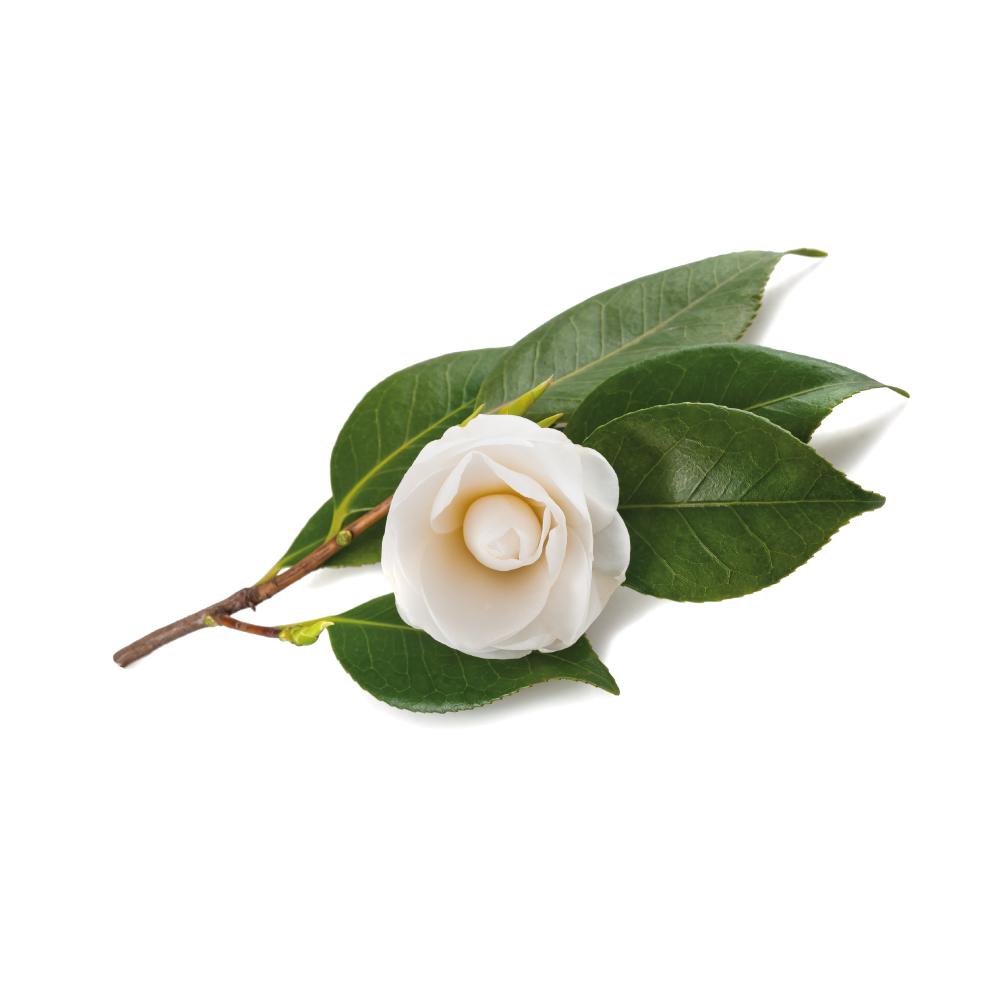
The fragrant white flowers are 2.5–3.5 cm across, with six to eight petals around a mass of yellow stamens. They grow singly or in clusters of up to three in the leaf axils and open from autumn into winter 51,
The small-leaved Chinese variety (var. sinensis) is the hardier plant and has a more northern range. The large-leaved Assam variety (var. assamica) has a more southern range 51,
Distribution
Tea grows in evergreen broadleaved forests and thickets at 100–2,200 m across southern China, and in north-eastern India, southern Japan, South Korea, Laos, Myanmar, Thailand and Vietnam 51Reference 51Camellia sinensis (Linnaeus) Kuntze — species description and distribution — floraView study →. It has been cultivated so widely that its true wild range is uncertain 51Reference 51Camellia sinensis (Linnaeus) Kuntze — species description and distribution — floraView study →.
It is now grown as a crop in warm, wet regions around the world.
Growing Conditions
Cultivation snapshot for Tea
ZoneUSDA 6–9. The Chinese variety is hardy to zone 6, the Assam variety to zone 7 and warmer 52Reference 52Camellia sinensis — description, varieties, dimensions, leaves, flowers and cultivation — reference databaseView study →.
- Acidic, moist, well-drained soil (below pH 6) 52Reference 52Camellia sinensis — description, varieties, dimensions, leaves, flowers and cultivation — reference databaseView study →.
- Full sun to part shade. Unlike most camellias it tolerates heat and drought 52Reference 52Camellia sinensis — description, varieties, dimensions, leaves, flowers and cultivation — reference databaseView study →.
- Slow-growing. Plants start to flower at about four years old 52Reference 52Camellia sinensis — description, varieties, dimensions, leaves, flowers and cultivation — reference databaseView study →.
Grow it yourself
Farm Wiki is our cultivation-focused sister site, also run by Justin Cooke.
Harvesting, Collection & Preparation
Tea is picked as the new leaves emerge from early spring. The buds are used for white tea, the young leaves for green tea, and older, larger leaves for oolong and black tea 52Reference 52Camellia sinensis — description, varieties, dimensions, leaves, flowers and cultivation — reference databaseView study →. The buds and first leaf hold the most theanine, and spring leaves hold more than summer or autumn leaves 48Reference 48L-Theanine: A Unique Functional Amino Acid in Tea (Camellia sinensis L.) With Multiple Health Benefits and Food ApplicationsView study →.
Hotter water extracts more catechins. In one test of eight repeated 30-second infusions, the total catechins extracted were 75.5, 103.5 and 118.3 mg per gram of leaf with water at 70, 85 and 100 °C 49Reference 49ReviewScientific opinion on the safety of green tea catechins — regulatory reviewView study →.
Green and white teas are usually brewed with cooler water and for shorter times, and black tea and pu-erh with hotter water. Longer, hotter steeps give a more bitter, astringent cup that carries more catechins and caffeine.
Pharmacology & Research
Tea has one of the largest human evidence bases of any plant. Meta-analyses of randomised trials report small, consistent falls in blood pressure and LDL cholesterol with green tea and its extracts, and smaller or inconsistent effects on body weight and blood sugar 1,
For attention and mood, the active pair is L-theanine and caffeine 15,
Most trials measure blood pressure, lipids, blood sugar or attention scores rather than disease outcomes.
-
Best-supported: small but replicated RCT-level reductions in blood pressure 1,
2, and LDL/total cholesterol 5,3, 4Reference 1Meta-analysisEffect of green tea supplementation on blood pressure: a systematic review and meta-analysis of 24 randomised controlled trialsView study →Reference 2Meta-analysisGreen tea catechins and blood pressure: a systematic review and meta-analysis of randomised controlled trialsView study →Reference 3Meta-analysisEffect of green tea consumption on blood pressure: a meta-analysis of 13 randomised controlled trialsView study →Reference 4Meta-analysisEffect of green tea supplementation on blood pressure in adults: a GRADE-assessed systematic review and dose-response meta-analysis of 36 randomised controlled trialsView study → 6Reference 5Meta-analysisGreen tea intake lowers fasting serum total and LDL cholesterol in adults: a meta-analysis of 14 randomised controlled trialsView study →Reference 6Meta-analysisEffect of green tea consumption on blood lipids: a systematic review and meta-analysis of 31 randomised controlled trialsView study → , and strong in-vitro/in-vivo antioxidant activity confirmed by a human genoprotective trial 7,9Reference 7Clinical trialGenoprotective effects of green tea (Camellia sinensis) in human subjects: results of a controlled supplementation trialView study →Reference 9In vitroAntioxidant and antibacterial properties of green, black, and herbal teas of Camellia sinensis — in vitroView study → . -
Emerging, worth watching: lower all-cause and cardiovascular mortality in large cohorts 12,
13, , and acute cognition/attention gains from L-theanine plus caffeine 15,14Reference 12ObservationalTea consumption and all-cause and cause-specific mortality in the UK Biobank — prospective cohort studyView study →Reference 13Meta-analysisTea consumption and risk of all-cause, cardiovascular disease, and cancer mortality: a meta-analysis of thirty-eight prospective cohort data setsView study →Reference 14ObservationalGreen tea consumption and cause-specific mortality: results from two prospective cohort studies in ChinaView study → 16Reference 15Meta-analysisEffects of tea (Camellia sinensis) or its bioactive compounds L-theanine or L-theanine plus caffeine on cognition, sleep, and mood in healthy participants: a systematic review and meta-analysis of randomised controlled trialsView study →Reference 16RCTThe combined effects of L-theanine and caffeine on cognitive performance and mood — randomised controlled trialView study → . -
Mechanistically thin: diuretic (rat-only) 30Reference 30AnimalOral diuretic activity of hot water infusion of Sri Lankan black tea (Camellia sinensis L.) in rats — animalView study → and neurodegenerative-disease neuroprotection (animal only) 29Reference 29Neuroprotective properties of the standardised extract from Camellia sinensis (green tea) in the 6-OHDA model of Parkinson’s disease — animalView study →; anti-obesity and glycemic effects shrink to marginal in the most rigorous analyses 19,
22Reference 19Systematic reviewGreen tea for weight loss and weight maintenance in overweight or obese adults — systematic review (Cochrane)View study →Reference 22Meta-analysisEffect of green tea on glycemic control in patients with type 2 diabetes mellitus: a systematic review and meta-analysisView study → . - The caveat: most efficacy data use standardized extracts or isolated catechins at doses far above a brewed cup; low catechin bioavailability and a rare high-dose hepatotoxicity signal limit direct translation to tea-as-beverage.
Much of the evidence comes from concentrated extracts and isolated compounds. Green-tea extracts can deliver up to 1,000 mg of EGCG a day, while green tea as a drink typically supplies 90–300 mg 49Reference 49ReviewScientific opinion on the safety of green tea catechins — regulatory reviewView study →.
1. Antihypertensive
Meta-analyses of randomised trials find small falls in blood pressure. Across 24 trials (1,697 people), green tea lowered systolic pressure by 1.17 mmHg and diastolic by 1.24 mmHg 1Reference 1Meta-analysisEffect of green tea supplementation on blood pressure: a systematic review and meta-analysis of 24 randomised controlled trialsView study →. Two meta-analyses of 13 trials each found falls of about 2 mmHg systolic and 1.7–1.9 mmHg diastolic 2,
A 2025 dose-response meta-analysis of 36 trials found falls of about 1.1 mmHg in both. It found no clear link between dose or duration and effect, and the authors regarded green tea as a complementary approach 4Reference 4Meta-analysisEffect of green tea supplementation on blood pressure in adults: a GRADE-assessed systematic review and dose-response meta-analysis of 36 randomised controlled trialsView study →.
The effect was larger in people who started with raised blood pressure and in trials that used an extract 2Reference 2Meta-analysisGreen tea catechins and blood pressure: a systematic review and meta-analysis of randomised controlled trialsView study →. In one analysis the benefit appeared only with low-dose polyphenols, longer trials, or when caffeine was accounted for 3Reference 3Meta-analysisEffect of green tea consumption on blood pressure: a meta-analysis of 13 randomised controlled trialsView study →.
Gap: Effects are small and driven by concentrated extracts; whether 2-3 cups of everyday tea meaningfully changes clinic blood pressure is not established.
2. Hypolipidemic
Green tea produces small, consistent falls in total and LDL cholesterol, with no change in HDL. In 14 trials (1,136 people), total cholesterol fell by 7.2 mg/dL and LDL by 2.2 mg/dL 5Reference 5Meta-analysisGreen tea intake lowers fasting serum total and LDL cholesterol in adults: a meta-analysis of 14 randomised controlled trialsView study →. A 31-trial analysis (3,321 people) found falls of 4.7 and 4.6 mg/dL 6Reference 6Meta-analysisEffect of green tea consumption on blood lipids: a systematic review and meta-analysis of 31 randomised controlled trialsView study →.
In the first analysis the result did not depend on the type of preparation, the catechin dose or the length of the trial 5Reference 5Meta-analysisGreen tea intake lowers fasting serum total and LDL cholesterol in adults: a meta-analysis of 14 randomised controlled trialsView study →.
A review describes catechins reducing cholesterol absorption and raising the excretion of sterols and bile acids 8Reference 8ReviewGreen tea (Camellia sinensis) catechins and vascular function — reviewView study →.
3. Antioxidant
Green, black and herbal teas made from Camellia sinensis all showed antioxidant activity in the laboratory, ranked green above black 9Reference 9In vitroAntioxidant and antibacterial properties of green, black, and herbal teas of Camellia sinensis — in vitroView study →.
In a placebo-controlled crossover trial, 18 healthy volunteers drank 150 mL of 1% green tea twice daily for four weeks. Their white blood cells resisted DNA damage from an oxidant better, and oxidative DNA damage fell by about 20%. A urine marker of whole-body oxidative stress did not change 7Reference 7Clinical trialGenoprotective effects of green tea (Camellia sinensis) in human subjects: results of a controlled supplementation trialView study →.
Only a small share of catechins reaches the blood. After tea or tea extract, about 7% of the catechins are excreted in urine as metabolites, and about 40% are broken down in the colon 49Reference 49ReviewScientific opinion on the safety of green tea catechins — regulatory reviewView study →.
4. Cardioprotective (Vascular & Endothelial)
In 66 patients with coronary artery disease, black tea improved flow-mediated dilation of the brachial artery both 2 hours after 450 mL and after four weeks of 900 mL a day, while water did not. A matching dose of caffeine alone had no short-term effect 11Reference 11RCTShort- and long-term black tea consumption reverses endothelial dysfunction in patients with coronary artery disease — randomised controlled trialView study →.
In 30 healthy male smokers, green-tea drinks with 580 mg of catechins a day for two weeks improved forearm blood flow and raised plasma nitric oxide, while 80 mg did not 10Reference 10RCTGreen tea catechins improve human forearm endothelial dysfunction and have antiatherosclerotic effects in smokers — randomised controlled trialView study →.
In the UK Biobank (498,043 adults, followed for a median 11.2 years), people who drank two or more cups a day had about 9–13% lower all-cause mortality than non-drinkers 12Reference 12ObservationalTea consumption and all-cause and cause-specific mortality in the UK Biobank — prospective cohort studyView study →. A 2024 meta-analysis of 38 cohort datasets (1.96 million people) found cardiovascular mortality about 14% lower at the highest intakes 13Reference 13Meta-analysisTea consumption and risk of all-cause, cardiovascular disease, and cancer mortality: a meta-analysis of thirty-eight prospective cohort data setsView study →. In two Shanghai cohorts, green tea was linked to lower cardiovascular mortality (HR 0.86) 14Reference 14ObservationalGreen tea consumption and cause-specific mortality: results from two prospective cohort studies in ChinaView study →.
Gap: Mortality and outcome data are observational — confounded by overall lifestyle — and endothelial RCTs are short-term surrogate-marker studies, not hard-endpoint trials.
5. Cognitive / Nootropic
The clearest cognitive effects come from L-theanine combined with caffeine. In 27 healthy volunteers, 100 mg of L-theanine with 50 mg of caffeine improved the speed and accuracy of attention-switching at 60 minutes and reduced distraction in a memory task. Caffeine alone improved alertness and attention-switching accuracy 16Reference 16RCTThe combined effects of L-theanine and caffeine on cognitive performance and mood — randomised controlled trialView study →.
A 2025 meta-analysis of randomised trials found small-to-moderate benefits of the combination on cognition and mood in the first two hours after intake. The confidence intervals were often wide 15Reference 15Meta-analysisEffects of tea (Camellia sinensis) or its bioactive compounds L-theanine or L-theanine plus caffeine on cognition, sleep, and mood in healthy participants: a systematic review and meta-analysis of randomised controlled trialsView study →.
A systematic review of 21 studies concluded that green tea’s effects on cognition come from caffeine and L-theanine together, with less effect from either alone 17Reference 17Systematic reviewGreen tea effects on cognition, mood and human brain function: a systematic reviewView study →.
The benefits are short-lived.
6. Anti-Inflammatory
A review describes EGCG suppressing NF-κB signalling and inflammatory cytokines, and other catechins acting on the NADPH oxidases behind oxidative stress 8Reference 8ReviewGreen tea (Camellia sinensis) catechins and vascular function — reviewView study →.
In smokers, high-dose green-tea catechins lowered C-reactive protein and other markers of inflammation and oxidative stress 10Reference 10RCTGreen tea catechins improve human forearm endothelial dysfunction and have antiatherosclerotic effects in smokers — randomised controlled trialView study →. No trial has tested tea as a treatment for an inflammatory disease.
A polyphenol-rich hot-water extract of tea flowers reduced acute swelling and immune-driven liver inflammation in mice 18Reference 18AnimalAnti-inflammatory effects of a polyphenols-rich extract from tea (Camellia sinensis) flowers in acute and chronic mice models — animalView study →.
7. Weight / Anti-Obesity
A meta-analysis found that catechins, or an EGCG and caffeine mixture, reduced body weight and helped maintain weight loss by about 1.3 kg. The effect looked smaller in people with high habitual caffeine intake, but that difference was not statistically significant 20Reference 20Meta-analysisThe effects of green tea on weight loss and weight maintenance: a meta-analysisView study →.
A Cochrane review of trials lasting at least 12 weeks found a small, non-significant weight loss outside Japan, unlikely to be clinically important 19Reference 19Systematic reviewGreen tea for weight loss and weight maintenance in overweight or obese adults — systematic review (Cochrane)View study →.
Gap: Effects are marginal and inconsistent between populations; not a reliable weight-loss intervention.
8. Antidiabetic (Glycemic Control)
A meta-analysis of 17 randomised trials (1,133 people) found that green tea lowered fasting glucose by 0.09 mmol/L and HbA1c by 0.30%, with lower fasting insulin in the higher-quality trials 21Reference 21Meta-analysisEffect of green tea on glucose control and insulin sensitivity: a meta-analysis of 17 randomised controlled trialsView study →.
A meta-analysis restricted to people with type 2 diabetes found no effect on fasting glucose, fasting insulin, HbA1c or HOMA-IR 22Reference 22Meta-analysisEffect of green tea on glycemic control in patients with type 2 diabetes mellitus: a systematic review and meta-analysisView study →.
A review describes EGCG, tannins and theaflavins improving insulin sensitivity in laboratory and animal studies 8Reference 8ReviewGreen tea (Camellia sinensis) catechins and vascular function — reviewView study →.
Gap: The benefit seen in mixed/healthy populations disappears in the group that matters clinically — established type 2 diabetics — so glycemic use is not supported for treatment.
9. Anticancer / Chemoprotective
Catechins inhibit cancer-cell growth in the laboratory 23Reference 23Systematic reviewGreen tea (Camellia sinensis) for the prevention of cancer — systematic review (Cochrane)View study →. A 2021 meta-analysis of 113 prospective studies covering 26 cancer sites found little evidence that tea drinking is associated with cancer risk, with weak evidence for a few sites 24Reference 24Meta-analysisTea drinking and risk of cancer incidence: a meta-analysis of prospective cohort studies and evidence evaluationView study →.
In Asian cohorts, the highest green-tea intake was linked to lower liver-cancer risk (RR 0.88), but one cup a day was not, and the link held only in women 25Reference 25Meta-analysisGreen tea and liver cancer risk: a meta-analysis of prospective cohort studies in Asian populationsView study →.
A Cochrane review concluded that the evidence from trials and observational studies is inconsistent and gives limited support for a protective effect 23Reference 23Systematic reviewGreen tea (Camellia sinensis) for the prevention of cancer — systematic review (Cochrane)View study →.
Gap: Cohort findings are confounded (smoking, diet, hot-beverage temperature) and site-specific; no RCT demonstrates cancer prevention, and Cochrane rates the evidence low quality.
10. Anxiolytic
In a four-week crossover trial in 30 healthy adults, 200 mg a day of L-theanine lowered scores for depression, trait anxiety and poor sleep 27Reference 27RCTEffects of L-theanine administration on stress-related symptoms and cognitive functions in healthy adults: a randomised controlled trialView study →.
In an 8-week double-blind trial in 46 people with generalised anxiety disorder, L-theanine (450–900 mg a day) added to their antidepressant did not beat placebo for anxiety or insomnia severity. Sleep satisfaction was rated better on L-theanine 26Reference 26RCTL-theanine in the adjunctive treatment of generalised anxiety disorder: a double-blind, randomised, placebo-controlled trialView study →.
Gap: Positive results are in non-clinical, low-stress populations on subjective scales; the one rigorous clinical-anxiety trial was null.
11. Antimicrobial
In the laboratory, hot-water extracts of green tea inhibited three gram-positive bacteria. Black tea inhibited two of them, and none of the teas were active against gram-negative bacteria 9Reference 9In vitroAntioxidant and antibacterial properties of green, black, and herbal teas of Camellia sinensis — in vitroView study →.
In another laboratory study, tea extract was more active against multidrug-resistant Salmonella Typhi than against susceptible strains, alone and combined with the antibiotic nalidixic acid 28Reference 28In vitroSynergistic antimicrobial activity of Camellia sinensis and Juglans regia against multidrug-resistant bacteria — in vitroView study →.
There are no animal-infection or clinical data.
12. Neuroprotective
In rats with a 6-OHDA model of Parkinson’s disease, a standardised green-tea extract and the catechins epicatechin and EGCG improved movement and memory and reversed oxidative stress in the striatum. The authors attributed this to their antioxidant and anti-inflammatory activity 29Reference 29Neuroprotective properties of the standardised extract from Camellia sinensis (green tea) in the 6-OHDA model of Parkinson’s disease — animalView study →.
There is no human trial in any neurodegenerative disease.
13. Diuretic
In rats, a hot-water infusion of Sri Lankan black tea produced mild, dose-dependent diuresis with raised sodium output. The effect tracked the tea’s caffeine content, and the study pointed to aldosterone inhibition, carbonic-anhydrase inhibition and a thiazide-like action 30Reference 30AnimalOral diuretic activity of hot water infusion of Sri Lankan black tea (Camellia sinensis L.) in rats — animalView study →.
Gap: One rat study only, with no human data.
Mechanisms
The catechins, led by EGCG, have been studied as radical scavengers and for their effects on inflammatory signalling, nitric oxide and cholesterol absorption 8,
Caffeine is a stimulant. L-theanine has been studied with caffeine for its effects on attention 15,
| Mechanism | Drives | Key compounds |
|---|---|---|
| Free-radical scavenging, DNA protection | antioxidantcardioprotectiveneuroprotective | EGCG, epigallocatechin, epicatechin |
| NF-κB ↓, cytokine ↓, NADPH-oxidase modulation | anti-inflammatory | EGCG, catechin metabolites |
| ↑ nitric oxide / endothelial function | antihypertensivecardioprotective | catechins |
| ↓ cholesterol absorption, ↑ bile-acid/faecal sterol excretion | hypolipidemic | catechins |
| Weight loss and weight maintenance | weight / anti-obesity | catechins, caffeine |
| Attention-switching speed and accuracy ↑ | cognitive / nootropic | caffeine, L-theanine |
| ↑ insulin sensitivity | antidiabetic | EGCG, theaflavins |
Clinical Trials
Several extract trials were stopped for recruitment or safety-monitoring reasons.
| Completed | Planned | Terminated | Preclinical |
|---|---|---|---|
| 60+ | ~4 | ~5 | hundreds |
Last checked: July 2026.
Phytochemistry
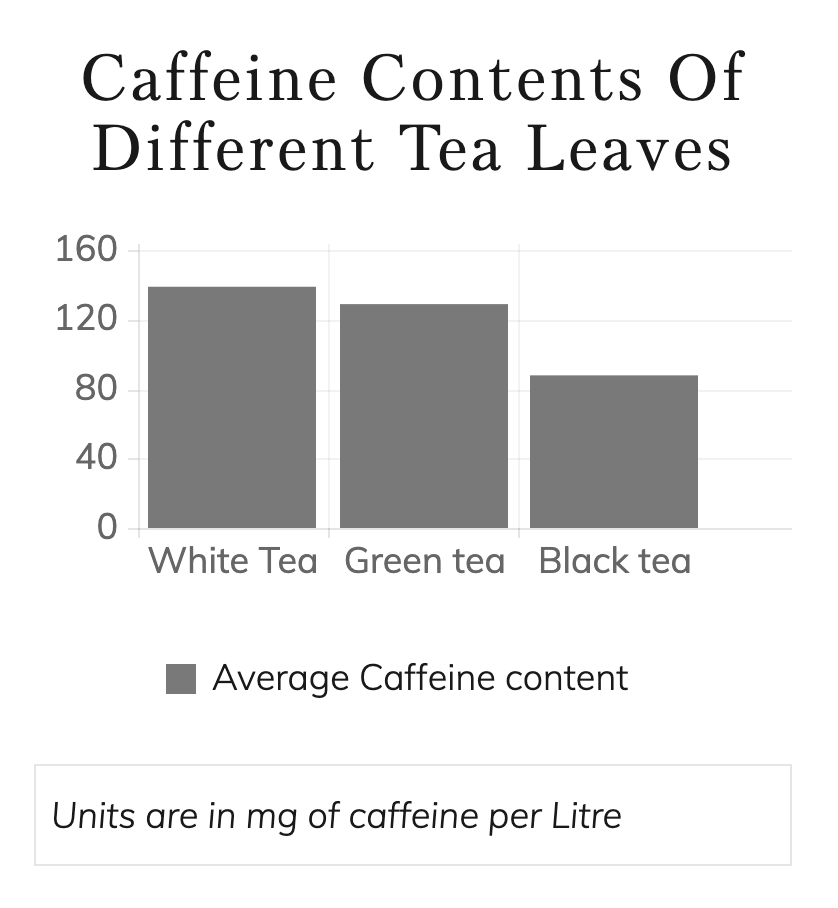
Green tea leaves contain polyphenols at up to 30% of their dry weight, most of them catechins. EGCG is the main catechin, averaging about 7% of the dried leaf, with epigallocatechin (EGC), epicatechin-3-gallate (ECG) and epicatechin (EC) in smaller amounts 49Reference 49ReviewScientific opinion on the safety of green tea catechins — regulatory reviewView study →. EGCG content varies about 13-fold between samples of dried leaf 49Reference 49ReviewScientific opinion on the safety of green tea catechins — regulatory reviewView study →.
The main alkaloid is caffeine, at 2.9–4.2% of green tea leaf, with small amounts of theobromine and theophylline 49Reference 49ReviewScientific opinion on the safety of green tea catechins — regulatory reviewView study →. The young leaves of the first shoots hold the most caffeine, and the stems and roots very little 40Reference 40Medical toxicology of drug abuse: synthesized chemicals and psychoactive plants.
L-theanine is the tea plant’s characteristic amino acid. It is made in the roots, where it can reach 6% of dry weight, and moves up to the shoots 48Reference 48L-Theanine: A Unique Functional Amino Acid in Tea (Camellia sinensis L.) With Multiple Health Benefits and Food ApplicationsView study →. Across 37 teas it averaged 5–6.6 mg per gram of dry leaf, highest in green tea and lowest in black 48Reference 48L-Theanine: A Unique Functional Amino Acid in Tea (Camellia sinensis L.) With Multiple Health Benefits and Food ApplicationsView study →. An EFSA review gives about 2% for green tea 49Reference 49ReviewScientific opinion on the safety of green tea catechins — regulatory reviewView study →.
In black tea, oxidation converts much of the catechin content into theaflavins and thearubigins 47Reference 47Theaflavins, Thearubigins, and TheasinensinsView study →.
A cup of black tea (220 mL) contains about 50 mg of caffeine 50Reference 50ReviewScientific opinion on the safety of caffeine — regulatory reviewView study →.
Constituent Summary
Share of the dried leaf unless noted. Amounts vary widely with variety, leaf age, season and processing 49Reference 49ReviewScientific opinion on the safety of green tea catechins — regulatory reviewView study →.
Phenolic1 compound1 with data
Flavanol7 compounds7 with data
Tannin1 compoundno data
Phenolic Acid1 compoundno data
Purine Alkaloid2 compounds2 with data
Amino Acid1 compound1 with data
Sterol1 compoundno data
Mineral1 compound1 with data
Dosage
Most trials used green-tea extracts or isolated compounds at set doses rather than brewed tea.
| Indication | Preparation | Dose | Est. dried-herb equivalent | Source |
|---|---|---|---|---|
| Blood pressure | Green tea or extract | Trials varied; larger effects below 500 mg/day in one analysis | — | 1, |
| Cholesterol | Green tea or extract | Trials varied; the effect did not depend on catechin dose | — | 5, |
| Antioxidant (DNA protection) | Green tea, 1% infusion | 150 mL twice daily, 4 weeks | 3 g dried leaf/day | 7Reference 7Clinical trialGenoprotective effects of green tea (Camellia sinensis) in human subjects: results of a controlled supplementation trialView study → |
| Endothelial function | Black tea | 900 mL/day, 4 weeks | — | 11Reference 11RCTShort- and long-term black tea consumption reverses endothelial dysfunction in patients with coronary artery disease — randomised controlled trialView study → |
| Attention (acute) | L-theanine + caffeine | 100 mg L-theanine + 50 mg caffeine, single dose | not applicable (isolated constituents) | 16Reference 16RCTThe combined effects of L-theanine and caffeine on cognitive performance and mood — randomised controlled trialView study → |
| Stress and sleep | L-theanine (isolated) | 200 mg/day, 4 weeks | not applicable (isolated constituent) | 27Reference 27RCTEffects of L-theanine administration on stress-related symptoms and cognitive functions in healthy adults: a randomised controlled trialView study → |
Traditional Dosage
| System | Preparation | Dose |
|---|---|---|
| Western herbal (beverage) | Dried-leaf infusion | 2-3 cups/day; ~2-3 g leaf per cup, 1-5 min, 50-90 °C |
| Western herbal (medicinal) | Strong infusion 1:20, hot water, long steep | 1 cup, 3× daily |
| TCM (green tea) | Infusion | Taken as a beverage |
Safety & Pregnancy
Tea is safe as an everyday drink. Its cautions come from caffeine, from tannins reducing iron uptake, and from rare liver injury with high-dose green-tea extracts.
- High-dose extracts and the liver. Green-tea extracts providing 800 mg or more of EGCG a day raise liver enzymes, and rare cases of liver injury have been reported. Take extracts with food 31,
49Reference 31ReviewUnited States Pharmacopeia (USP) comprehensive review of the hepatotoxicity of green tea extractsView study →Reference 49ReviewScientific opinion on the safety of green tea catechins — regulatory reviewView study → . - Caffeine. EFSA considers up to 400 mg of caffeine a day from all sources safe for healthy adults, and 100 mg near bedtime can disturb sleep 50Reference 50ReviewScientific opinion on the safety of caffeine — regulatory reviewView study →.
- Drug and nutrient interactions. Green tea sharply lowered blood levels of the beta-blocker nadolol in volunteers and modestly lowered digoxin, and tea lowers folic-acid absorption 37,
54, .56Reference 37RCTInfluence of green and black tea on folic acid pharmacokinetics in healthy volunteers: potential risk of diminished folic acid bioavailability — randomised crossoverView study →Reference 54Clinical trialGreen tea ingestion greatly reduces plasma concentrations of nadolol in healthy subjects — clinical studyView study →Reference 56Clinical trialEffect of green tea catechins on the pharmacokinetics of digoxin in humans — clinical studyView study → - Iron absorption. Tannins reduce non-heme iron uptake, so take tea away from meals and iron supplements.
- Pregnancy. Keep total caffeine to 200 mg a day or less 50Reference 50ReviewScientific opinion on the safety of caffeine — regulatory reviewView study →.
- Safe as a beverage. EFSA considers the catechins in traditionally brewed green tea safe at usual intakes 49Reference 49ReviewScientific opinion on the safety of green tea catechins — regulatory reviewView study →.
Full Safety & Interactions Detail
Caffeine. Tea’s caffeine can cause sleeplessness, jitteriness, palpitations and a brief rise in blood pressure in sensitive people. EFSA considers single doses up to 200 mg and daily intakes up to 400 mg safe for healthy adults, and notes that 100 mg close to bedtime can affect sleep in some people 50Reference 50ReviewScientific opinion on the safety of caffeine — regulatory reviewView study →. A cup of black tea contains about 50 mg of caffeine, against about 90 mg for a cup of filter coffee 50Reference 50ReviewScientific opinion on the safety of caffeine — regulatory reviewView study →.
Green-tea extracts and the liver. EFSA considers the catechins in traditionally brewed green tea safe at the amounts people usually drink, though rare, probably idiosyncratic cases of liver injury have followed green tea infusions 49Reference 49ReviewScientific opinion on the safety of green tea catechins — regulatory reviewView study →. In trials, extracts providing 800 mg or more of EGCG a day raised liver enzymes compared with placebo 49Reference 49ReviewScientific opinion on the safety of green tea catechins — regulatory reviewView study →. Case reports link liver injury to EGCG intakes from 140 mg to about 1,000 mg a day, with large differences in individual susceptibility 31Reference 31ReviewUnited States Pharmacopeia (USP) comprehensive review of the hepatotoxicity of green tea extractsView study →. In a year-long trial of 843 mg of EGCG a day, one genetic variant was linked to larger rises in the liver enzyme ALT 32Reference 32RCTHepatotoxicity with high-dose green tea extract: effect of catechol-O-methyltransferase and UGT1A4 genotypes — randomised controlled trialView study →. One report describes impending acute liver failure in a teenage boy taking a weight-loss product containing green-tea extract 33Reference 33Case reportGreen tea extract: a potential cause of acute liver failure — case reportView study →.
Taking an extract as a single dose on an empty stomach raises EGCG levels in the blood, and USP labelling advises taking it with food 31,
Interactions. Drinking 700 ml of green tea a day for two weeks cut blood levels of the beta-blocker nadolol by 85% and blunted its effect on blood pressure in healthy volunteers 54Reference 54Clinical trialGreen tea ingestion greatly reduces plasma concentrations of nadolol in healthy subjects — clinical studyView study →. The likely cause is that tea blocks OATP1A2, a transporter that carries nadolol in from the gut 54Reference 54Clinical trialGreen tea ingestion greatly reduces plasma concentrations of nadolol in healthy subjects — clinical studyView study →. In volunteers, green tea catechins also lowered digoxin levels by about a third 56Reference 56Clinical trialEffect of green tea catechins on the pharmacokinetics of digoxin in humans — clinical studyView study →. Effects on warfarin and simvastatin have been small 35Reference 35ReviewOverview of green tea interaction with cardiovascular drugs — reviewView study →.
Green or black tea taken with folic acid cut peak blood folate by about 39% 37Reference 37RCTInfluence of green and black tea on folic acid pharmacokinetics in healthy volunteers: potential risk of diminished folic acid bioavailability — randomised crossoverView study →.
Drug metabolism. Catechins partly inhibit several CYP enzymes in the laboratory 34Reference 34ReviewGreen tea extract and the risk of drug-induced liver injury — reviewView study →. In 42 healthy volunteers, four weeks of green tea catechins left CYP1A2, CYP2C9 and CYP2D6 activity unchanged and had only a small effect on a CYP3A4 drug, judged not clinically significant 55Reference 55Clinical trialEffects of repeated green tea catechin administration on human cytochrome P450 activity — clinical studyView study →.
Bortezomib. EGCG blocked the anticancer drug bortezomib in mice only at blood levels far above those reached from tea or supplements. The authors concluded that people on bortezomib need not avoid green tea or EGCG supplements 36Reference 36Preclinical evaluation of the antitumor activity of bortezomib in combination with vitamin C or with epigallocatechin gallate, a component of green tea — animalView study →.
Very hot drinks. The International Agency for Research on Cancer classes drinking any beverage very hot, above 65 °C, as probably carcinogenic to the oesophagus, based on studies where tea or maté is drunk at about 70 °C 53Reference 53ReviewIARC Monographs evaluate drinking coffee, maté, and very hot beverages — Press Release NoView study →. Letting tea cool a little before drinking avoids this.
Fluoride. A woman who drank about two gallons of extra-strong instant tea a day from the age of 12 developed skeletal fluorosis 38Reference 38Case reportSkeletal fluorosis from instant tea — case reportView study →.
Count tea toward total caffeine. EFSA considers caffeine up to 200 mg a day from all sources safe for the fetus 50Reference 50ReviewScientific opinion on the safety of caffeine — regulatory reviewView study →. A meta-analysis linked each extra 100 mg of caffeine a day to about 7% higher risk of pregnancy loss 39Reference 39Meta-analysisMaternal caffeine intake during pregnancy and risk of pregnancy loss: a categorical and dose-response meta-analysisView study →.
Tea lowers folic-acid absorption, which matters around conception and in early pregnancy 37Reference 37RCTInfluence of green and black tea on folic acid pharmacokinetics in healthy volunteers: potential risk of diminished folic acid bioavailability — randomised crossoverView study →. Concentrated green-tea extracts have not been shown safe in pregnancy and are best avoided.
The same 200 mg a day applies while breastfeeding 50Reference 50ReviewScientific opinion on the safety of caffeine — regulatory reviewView study →.
References
- Xu, R., Yang, K., Ding, J., & Chen, G. (2020). Effect of green tea supplementation on blood pressure: a systematic review and meta-analysis of 24 randomised controlled trials. Medicine (Baltimore), 99(6), e19047. https://pubmed.ncbi.nlm.nih.gov/32028419/
- Khalesi, S., Sun, J., Buys, N., et al. (2014). Green tea catechins and blood pressure: a systematic review and meta-analysis of randomised controlled trials. Eur J Nutr, 53(6), 1299-1311. https://pubmed.ncbi.nlm.nih.gov/24861099/
- Peng, X., Zhou, R., Wang, B., et al. (2014). Effect of green tea consumption on blood pressure: a meta-analysis of 13 randomised controlled trials. Sci Rep, 4, 6251. https://pubmed.ncbi.nlm.nih.gov/25176280/
- Rezaei, M., Akhavan, N., Fathi, F., et al. (2025). Effect of green tea supplementation on blood pressure in adults: a GRADE-assessed systematic review and dose-response meta-analysis of 36 randomised controlled trials. Blood Press, 34(1). https://pubmed.ncbi.nlm.nih.gov/40497293/
- Zheng, X. X., Xu, Y. L., Li, S. H., et al. (2011). Green tea intake lowers fasting serum total and LDL cholesterol in adults: a meta-analysis of 14 randomised controlled trials. Am J Clin Nutr, 94(2), 601-610. https://pubmed.ncbi.nlm.nih.gov/21715508/
- Xu, R., Yang, K., Li, S., et al. (2020). Effect of green tea consumption on blood lipids: a systematic review and meta-analysis of 31 randomised controlled trials. Nutr J, 19(1), 48. https://pubmed.ncbi.nlm.nih.gov/32434539/
- Han, K. C., Wong, W. C., & Benzie, I. F. (2011). Genoprotective effects of green tea (Camellia sinensis) in human subjects: results of a controlled supplementation trial. Br J Nutr, 105(2), 171-179. https://pubmed.ncbi.nlm.nih.gov/20807462/
- Moore, R. J., Jackson, K. G., & Minihane, A. M. (2009). Green tea (Camellia sinensis) catechins and vascular function — review. Br J Nutr, 102(12), 1790-1802. https://pubmed.ncbi.nlm.nih.gov/19751534/
- Chan, E. W. C., Soh, E. Y., Tie, P. P., & Law, Y. P. (2011). Antioxidant and antibacterial properties of green, black, and herbal teas of Camellia sinensis — in vitro. Pharmacognosy Res, 3(4), 266-272. https://pubmed.ncbi.nlm.nih.gov/22224051/
- Oyama, J., Maeda, T., Kouzuma, K., et al. (2010). Green tea catechins improve human forearm endothelial dysfunction and have antiatherosclerotic effects in smokers — randomised controlled trial. Circ J, 74(3), 578-588. https://pubmed.ncbi.nlm.nih.gov/20134098/
- Duffy, S. J., Keaney, J. F. Jr, Holbrook, M., et al. (2001). Short- and long-term black tea consumption reverses endothelial dysfunction in patients with coronary artery disease — randomised controlled trial. Circulation, 104(2), 151-156. https://pubmed.ncbi.nlm.nih.gov/11447078/
- Inoue-Choi, M., Ramirez, Y., Cornelis, M. C., et al. (2022). Tea consumption and all-cause and cause-specific mortality in the UK Biobank — prospective cohort study. Ann Intern Med, 175(9), 1201-1211. https://pubmed.ncbi.nlm.nih.gov/36037472/
- Kim, Y., & Je, Y. (2024). Tea consumption and risk of all-cause, cardiovascular disease, and cancer mortality: a meta-analysis of thirty-eight prospective cohort data sets. Epidemiol Health, 46, e2024056. https://pubmed.ncbi.nlm.nih.gov/38938012/
- Zhao, L. G., Li, H. L., Sun, J. W., et al. (2017). Green tea consumption and cause-specific mortality: results from two prospective cohort studies in China. J Epidemiol, 27(1), 36-41. https://pubmed.ncbi.nlm.nih.gov/28135196/
- Payne, E. R., Aceves-Martins, M., Dubost, J., et al. (2025). Effects of tea (Camellia sinensis) or its bioactive compounds L-theanine or L-theanine plus caffeine on cognition, sleep, and mood in healthy participants: a systematic review and meta-analysis of randomised controlled trials. Nutr Rev. https://pubmed.ncbi.nlm.nih.gov/40314930/
- Owen, G. N., Parnell, H., De Bruin, E. A., & Rycroft, J. A. (2008). The combined effects of L-theanine and caffeine on cognitive performance and mood — randomised controlled trial. Nutr Neurosci, 11(4), 193-198. https://pubmed.ncbi.nlm.nih.gov/18681988/
- Mancini, E., Beglinger, C., Drewe, J., et al. (2017). Green tea effects on cognition, mood and human brain function: a systematic review. Phytomedicine, 34, 26-37. https://pubmed.ncbi.nlm.nih.gov/28899506/
- Chen, B. T., Li, W. X., He, R. R., et al. (2012). Anti-inflammatory effects of a polyphenols-rich extract from tea (Camellia sinensis) flowers in acute and chronic mice models — animal. Oxid Med Cell Longev, 2012, 537923. https://pubmed.ncbi.nlm.nih.gov/22900128/
- Jurgens, T. M., Whelan, A. M., Killian, L., et al. (2012). Green tea for weight loss and weight maintenance in overweight or obese adults — systematic review (Cochrane). Cochrane Database Syst Rev, (12), CD008650. https://pubmed.ncbi.nlm.nih.gov/23235664/
- Hursel, R., Viechtbauer, W., & Westerterp-Plantenga, M. S. (2009). The effects of green tea on weight loss and weight maintenance: a meta-analysis. Int J Obes (Lond), 33(9), 956-961. https://pubmed.ncbi.nlm.nih.gov/19597519/
- Liu, K., Zhou, R., Wang, B., et al. (2013). Effect of green tea on glucose control and insulin sensitivity: a meta-analysis of 17 randomised controlled trials. Am J Clin Nutr, 98(2), 340-348. https://pubmed.ncbi.nlm.nih.gov/23803878/
- Asbaghi, O., Fouladvand, F., Gonzalez, M. J., et al. (2021). Effect of green tea on glycemic control in patients with type 2 diabetes mellitus: a systematic review and meta-analysis. Diabetes Metab Syndr, 15(1), 23-31. https://pubmed.ncbi.nlm.nih.gov/33285391/
- Filippini, T., Malavolti, M., Borrelli, F., et al. (2020). Green tea (Camellia sinensis) for the prevention of cancer — systematic review (Cochrane). Cochrane Database Syst Rev, 3(3), CD005004. https://pubmed.ncbi.nlm.nih.gov/32118296/
- Zhao, L. G., Li, Z. Y., Feng, G. S., et al. (2021). Tea drinking and risk of cancer incidence: a meta-analysis of prospective cohort studies and evidence evaluation. Adv Nutr, 12(2), 402-412. https://pubmed.ncbi.nlm.nih.gov/33002099/
- Huang, Y. Q., Lu, X., Min, H., et al. (2016). Green tea and liver cancer risk: a meta-analysis of prospective cohort studies in Asian populations. Nutrition, 32(1), 3-8. https://pubmed.ncbi.nlm.nih.gov/26412579/
- Sarris, J., Byrne, G. J., Cribb, L., et al. (2019). L-theanine in the adjunctive treatment of generalised anxiety disorder: a double-blind, randomised, placebo-controlled trial. J Psychiatr Res, 110, 31-37. https://pubmed.ncbi.nlm.nih.gov/30580081/
- Hidese, S., Ogawa, S., Ota, M., et al. (2019). Effects of L-theanine administration on stress-related symptoms and cognitive functions in healthy adults: a randomised controlled trial. Nutrients, 11(10), 2362. https://pubmed.ncbi.nlm.nih.gov/31623400/
- Farooqui, A., Khan, A., Borghetto, I., et al. (2015). Synergistic antimicrobial activity of Camellia sinensis and Juglans regia against multidrug-resistant bacteria — in vitro. PLoS One, 10(2), e0118431. https://pubmed.ncbi.nlm.nih.gov/25719410/
- Bitu Pinto, N., da Silva Alexandre, B., Neves, K. R. T., et al. (2015). Neuroprotective properties of the standardised extract from Camellia sinensis (green tea) in the 6-OHDA model of Parkinson’s disease — animal. Evid Based Complement Alternat Med, 2015, 161092. https://pubmed.ncbi.nlm.nih.gov/26167188/
- Abeywickrama, K. R. W., Ratnasooriya, W. D., & Amarakoon, A. M. T. (2010). Oral diuretic activity of hot water infusion of Sri Lankan black tea (Camellia sinensis L.) in rats — animal. Pharmacognosy Mag, 6(24), 271-277. https://pubmed.ncbi.nlm.nih.gov/21120027/
- Oketch-Rabah, H. A., Roe, A. L., Rider, C. V., et al. (2020). United States Pharmacopeia (USP) comprehensive review of the hepatotoxicity of green tea extracts. Toxicol Rep, 7, 386-402. https://pubmed.ncbi.nlm.nih.gov/32140423/
- Acosta, L., Byham-Gray, L., Kurzer, M., et al. (2023). Hepatotoxicity with high-dose green tea extract: effect of catechol-O-methyltransferase and UGT1A4 genotypes — randomised controlled trial. J Diet Suppl, 20(6), 850-869. https://pubmed.ncbi.nlm.nih.gov/36178169/
- Patel, S. S., Beer, S., Kearney, D. L., et al. (2013). Green tea extract: a potential cause of acute liver failure — case report. World J Gastroenterol, 19(31), 5174-5177. https://pubmed.ncbi.nlm.nih.gov/23964154/
- Teschke, R., Zhang, L., Melzer, L., et al. (2014). Green tea extract and the risk of drug-induced liver injury — review. Expert Opin Drug Metab Toxicol, 10(12), 1663-1676. https://pubmed.ncbi.nlm.nih.gov/25316200/
- Werba, J. P., Misaka, S., Giroli, M. G., et al. (2015). Overview of green tea interaction with cardiovascular drugs — review. Curr Pharm Des, 21(9), 1213-1219. https://pubmed.ncbi.nlm.nih.gov/25312732/
- Bannerman, B., Xu, L., Jones, M., et al. (2011). Preclinical evaluation of the antitumor activity of bortezomib in combination with vitamin C or with epigallocatechin gallate, a component of green tea — animal. Cancer Chemother Pharmacol, 68(5), 1145-1154. https://pubmed.ncbi.nlm.nih.gov/21400028/
- Alemdaroglu, N. C., Dietz, U., Wolffram, S., et al. (2008). Influence of green and black tea on folic acid pharmacokinetics in healthy volunteers: potential risk of diminished folic acid bioavailability — randomised crossover. Biopharm Drug Dispos, 29(6), 335-348. https://pubmed.ncbi.nlm.nih.gov/18551467/
- Whyte, M. P., Totty, W. G., Lim, V. T., & Whitford, G. M. (2008). Skeletal fluorosis from instant tea — case report. J Bone Miner Res, 23(5), 759-769. https://pubmed.ncbi.nlm.nih.gov/18179362/
- Chen, L. W., Wu, Y., Neelakantan, N., et al. (2016). Maternal caffeine intake during pregnancy and risk of pregnancy loss: a categorical and dose-response meta-analysis. Public Health Nutr, 19(7), 1233-1244. https://pubmed.ncbi.nlm.nih.gov/26329421/
- Barceloux, D. G. (2012). Medical toxicology of drug abuse: synthesized chemicals and psychoactive plants. John Wiley & Sons.
- Hou, C. W. (2011). Pu-Erh tea and GABA attenuates oxidative stress in kainic acid-induced status epilepticus. J Biomed Sci, 18(1), 75.
- Zhao, C., Li, C., Liu, S., & Yang, L. (2014). The galloyl catechins contributing to main antioxidant capacity of tea made from Camellia sinensis in China. The Scientific World Journal, 2014, 863984.
- Zhao, M., Xiao, W., Ma, Y., et al. (2013). Structure and dynamics of the bacterial communities in fermentation of the traditional Chinese post-fermented pu-erh tea revealed by 16S rRNA gene clone library. World J Microbiol Biotechnol, 29(10), 1877-1884. https://pubmed.ncbi.nlm.nih.gov/23591759/
- Saberi, H. (2010). Tea: a global history. Reaktion Books.
- Fung, S. T., Ho, C. K., Choi, S. W., Chung, W. Y., & Benzie, I. F. (2013). Comparison of catechin profiles in human plasma and urine after single dosing and regular intake of green tea (Camellia sinensis). Br J Nutr, 109(12), 2199-2207.
- Hempen, C. H., & Fischer, T. (2009). A materia medica for Chinese medicine: plants, minerals, and animal products. Elsevier Health Sciences.
- Koch, W. (2019). Theaflavins, Thearubigins, and Theasinensins. In J.-M. Mérillon & K. G. Ramawat (Eds.), Bioactive Molecules in Food (pp. 1283-1319). Cham: Springer. doi:10.1007/978-3-319-78030-6_20
- Li, M. Y., Liu, H. Y., Wu, D. T., et al. (2022). L-Theanine: A Unique Functional Amino Acid in Tea (Camellia sinensis L.) With Multiple Health Benefits and Food Applications. Front Nutr, 9, 853846. doi:10.3389/fnut.2022.853846
- EFSA Panel on Food Additives and Nutrient Sources added to Food (ANS), Younes, M., Aggett, P., et al. (2018). Scientific opinion on the safety of green tea catechins — regulatory review. EFSA Journal, 16(4), 5239. https://pubmed.ncbi.nlm.nih.gov/32625874/
- EFSA Panel on Dietetic Products, Nutrition and Allergies (2015). Scientific opinion on the safety of caffeine — regulatory review. EFSA Journal, 13(5), 4102. https://www.efsa.europa.eu/en/topics/topic/caffeine
- Min, T., & Bartholomew, B. (2007). Camellia sinensis (Linnaeus) Kuntze — species description and distribution — flora. In Wu, Z. Y., & Raven, P. H. (eds.), Flora of China, Vol. 12. http://www.efloras.org/florataxon.aspx?flora_id=2&taxon_id=200014043
- NC State Extension (n.d.). Camellia sinensis — description, varieties, dimensions, leaves, flowers and cultivation — reference database. North Carolina Extension Gardener Plant Toolbox. https://plants.ces.ncsu.edu/plants/camellia-sinensis/
- International Agency for Research on Cancer (2016). IARC Monographs evaluate drinking coffee, maté, and very hot beverages — Press Release No. 244 (IARC Monographs Volume 116). Lyon: IARC. https://www.iarc.who.int/wp-content/uploads/2018/07/pr244_E.pdf
- Misaka, S., Yatabe, J., Müller, F., et al. (2014). Green tea ingestion greatly reduces plasma concentrations of nadolol in healthy subjects — clinical study. Clinical Pharmacology and Therapeutics, 95(4), 432–438. https://pubmed.ncbi.nlm.nih.gov/24419562/
- Chow, H. H., Hakim, I. A., Vining, D. R., et al. (2006). Effects of repeated green tea catechin administration on human cytochrome P450 activity — clinical study. Cancer Epidemiology, Biomarkers & Prevention, 15(12), 2473–2476. https://pubmed.ncbi.nlm.nih.gov/17164372/
- Kim, T. E., Shin, K. H., Park, J. E., et al. (2018). Effect of green tea catechins on the pharmacokinetics of digoxin in humans — clinical study. Drug Design, Development and Therapy, 12, 2139–2147. https://pubmed.ncbi.nlm.nih.gov/30022812/