
Compound Monograph
Perlolyrin
Perlolyrin (perlolyrine) is a trace β-carboline alkaloid of codonopsis root — proposed as an analytical quality marker in 1989 and never adopted as one. It is also a Maillard product of cooked food and a metabolite of a healthy human vaginal commensal, and its best evidence is anti-inflammatory, not tonic.

Sources · 10
Where Does It Come From?
Perlolyrin is a naturally occurring β-carboline alkaloid (furan-substituted; 1-(5-hydroxymethyl-2-furyl)-β-carboline), found in Codonopsis, Tribulus and 8 other sources. Its toxicity is not yet characterized.
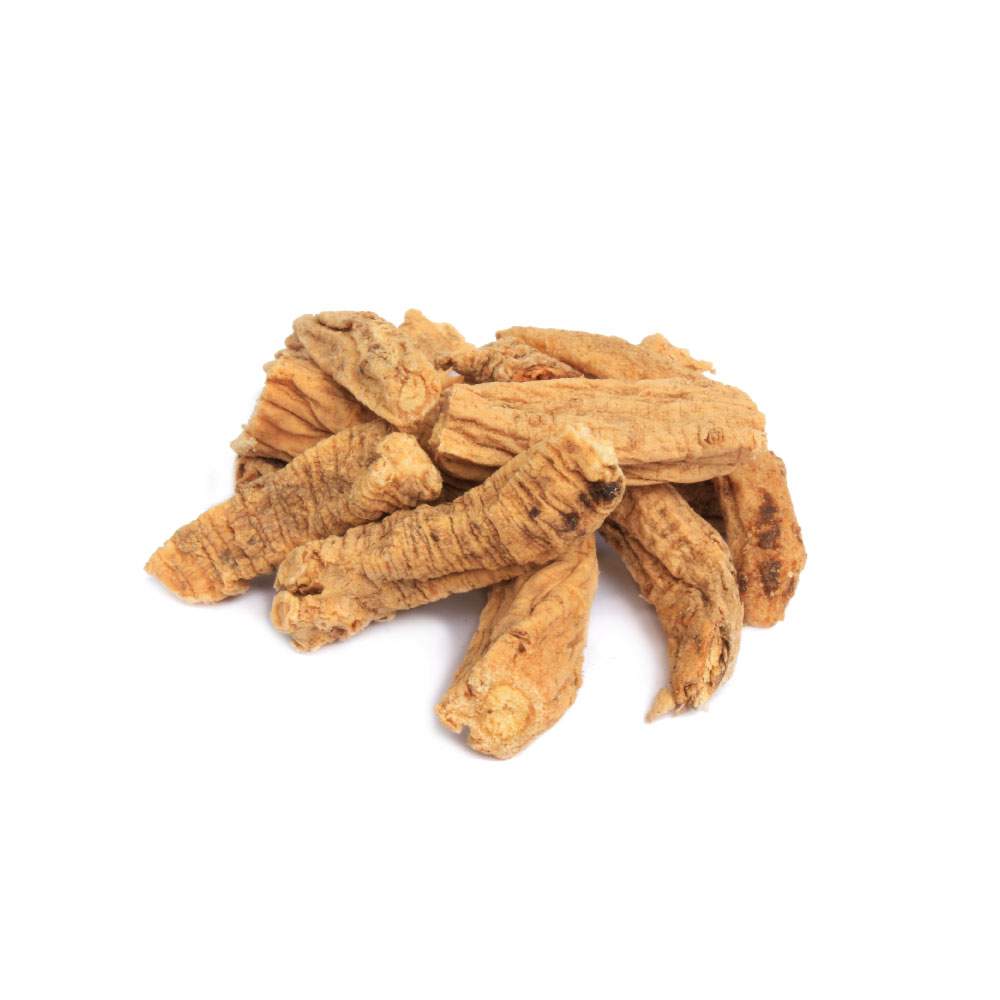 Principal source Codonopsis Codonopsis pilosula Herb monograph →
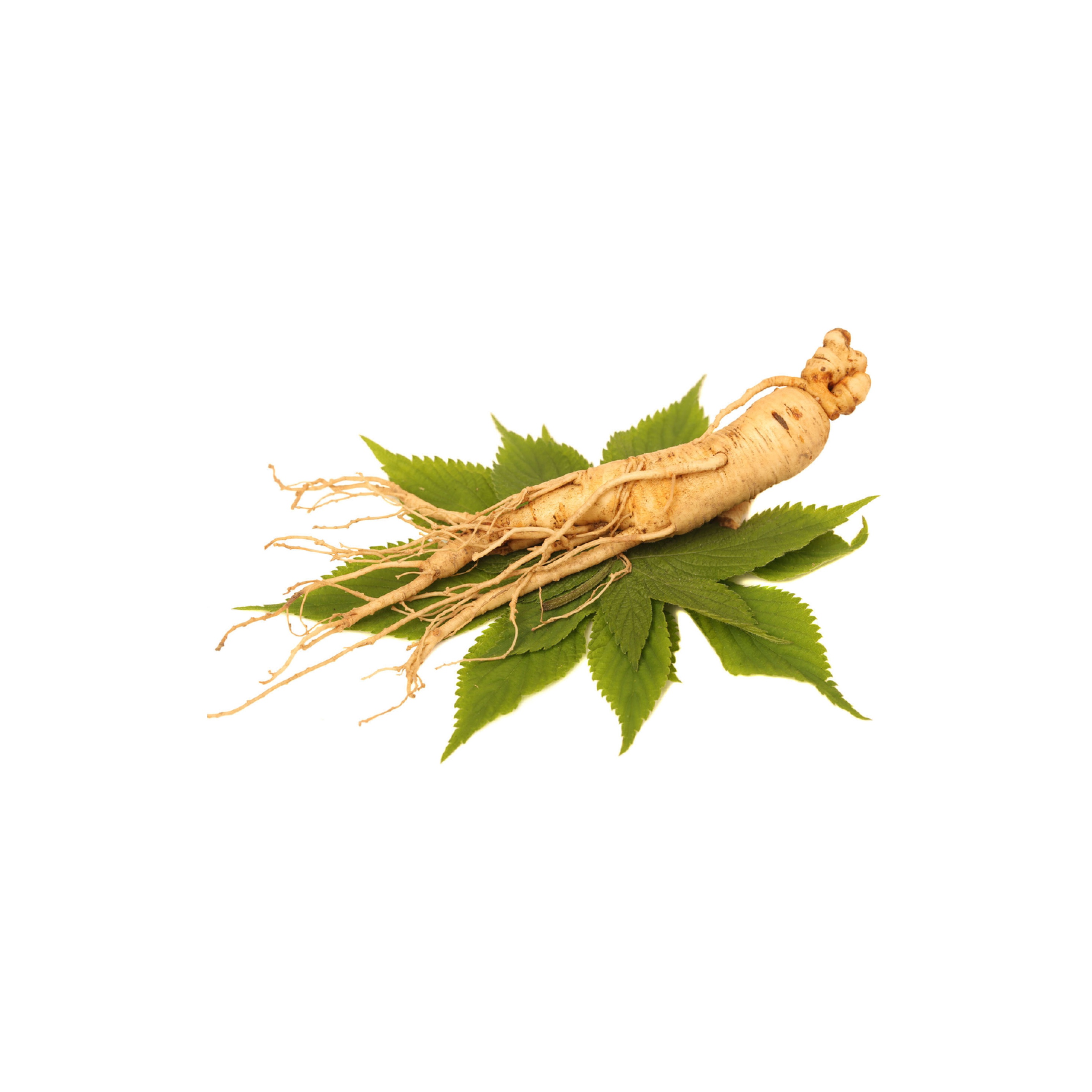 Source Asian Ginseng Panax ginseng Herb monograph →
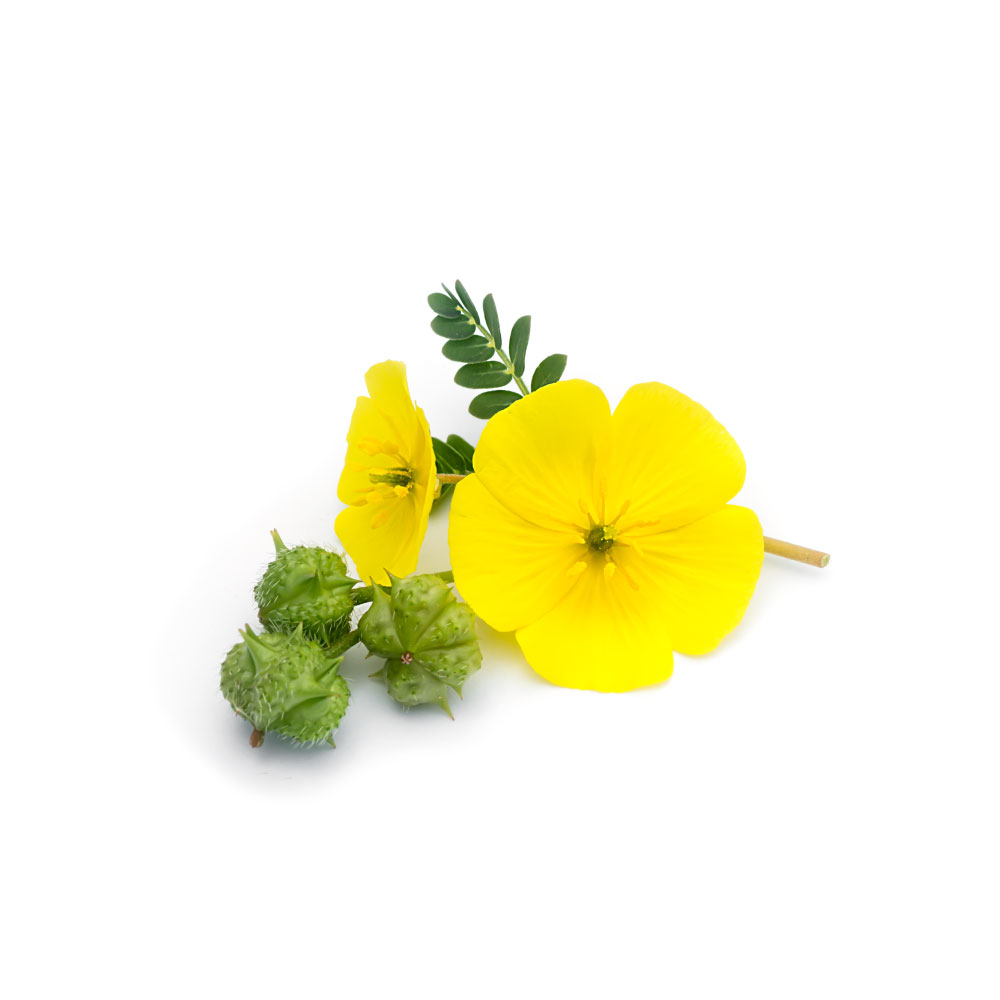 Source Tribulus Tribulus terrestris Herb monograph →
Concentration
Content by Source
Reported concentrations across the plants that contain perlolyrin — the bar marks the typical level, the line shows the reported range.
Literature figures for varying plant parts and preparations. Read them as a comparative guide, not exact assays.
Perlolyrin at a Glance
Perlolyrin — spelled perlolyrine in most of the primary literature — is a small β-carboline alkaloid carrying a furan ring: 1-(5-hydroxymethyl-2-furyl)-β-carboline 3,
That description is worth slowing down over. A marker compound is chosen because it is measurable and characteristic — not because it was shown to do anything. Perlolyrin is a good illustration of the gap: it was proposed as a codonopsis marker in a 1989 HPLC method paper 2Reference 2Separation and determination of 8β-hydroxyasterolid and perlolyrine in Codonopsis pilosula by reversed-phase high-performance liquid chromatographyView study →, and the modern quality-control literature for Codonopsis Radix has since settled on entirely different compounds (lobetyolin, lobetyol, tangshenoside I), while the Chinese Pharmacopoeia’s 2020 monograph sets no quantitative assay marker for this herb at all 23,
What it does have is a scattered, genuinely interesting pharmacology that has almost nothing to do with codonopsis. It is a Maillard reaction product formed when tryptophan meets degrading sugars in acidic heat, which is why the highest measured concentrations anywhere are in tomato concentrate and soy sauce 4Reference 4Identification, formation, and occurrence of perlolyrine: a β-carboline alkaloid with a furan moiety in foodsView study →. And in 2024 it turned up as the most anti-inflammatory of nine β-carbolines made by Lactobacillus crispatus, a keystone bacterium of the healthy human vaginal microbiome 5Reference 5Vaginal lactobacilli produce anti-inflammatory β-carboline compounds — [animal] + primary human cellsView study →. Those are the two facts about this molecule that would survive a hard edit — and neither is a fact about a tonic herb.
Marker Compound vs. Active Principle
The single most common error made about perlolyrin is the slide from “it is used to check codonopsis quality” to “it is one of the things codonopsis does.” Four things should stop that slide.
The marker claim is old and thin. Perlolyrin was isolated from C. pilosula by Liu, Liang and Tu in 1988 1Reference 1Perlolyrine: a beta-carboline alkaloid from Codonopsis pilosulaView study →, and the following year the same group published a reversed-phase HPLC method separating it alongside 8β-hydroxyasterolid 2Reference 2Separation and determination of 8β-hydroxyasterolid and perlolyrine in Codonopsis pilosula by reversed-phase high-performance liquid chromatographyView study →. That is the origin of its marker reputation — an analytical feasibility paper, not a link to any effect.
It lost the competition. When Korean workers built a validated HPLC-UV fingerprint for C. pilosula and applied it to 38 commercial samples, the three marker components they chose were lobetyolin, lobetyol and tangshenoside I — perlolyrin does not appear 23Reference 23Chemical fingerprinting of Codonopsis pilosula and simultaneous analysis of its major components by HPLC-UVView study →. A 2024 review of Codonopsis Radix quality assessment reaches the same place, and notes that the 2020 Chinese Pharmacopoeia monograph relies on morphology, microscopy and thin-layer chromatography with no quantitative marker, which the authors call plainly inadequate 24Reference 24ReviewCodonopsis radix: a review of resource utilisation, postharvest processing, quality assessment, and its polysaccharide composition — [review]View study →. So perlolyrin is not the official marker; there is no official marker.
Nobody has quantified it in the herb. I could not find a single published concentration for perlolyrin in codonopsis root — not a percentage, not a mg/g, not a range across growing regions. An untargeted metabolomics survey of C. pilosula roots, stems and leaves that detected 1,508 metabolites and annotated 26 alkaloids did not report perlolyrin among them 25Reference 25Untargeted metabolomics reveals multiple phytometabolites in the agricultural waste materials and medicinal materials of Codonopsis pilosulaView study →. That is an absence in one platform’s annotation list rather than proof it isn’t there, but it is not what a robust marker looks like.
Nothing connects it to the herb’s effects. Codonopsis’s reproducible preclinical signals — immunomodulation, gastroprotection — belong to the inulin-type polysaccharides that make up the bulk of the root 24,
The honest position: perlolyrin is a chemical fingerprint entry for codonopsis with an interesting biography of its own. Treating it as a reason the root works is unsupported.
The β-Carboline Family — And Why Its Reputation Does Not Transfer
Perlolyrin shares the β-carboline (9H-pyrido[3,4-b]indole) tricycle with a well-known pharmacological family: harman, harmine, harmaline, harmol, harmalol and the tetrahydro forms tetrahydroharman and tetrahydroharmine. That family is famous for one thing above all — reversible, MAO-A-selective monoamine oxidase inhibition, the mechanism behind harmine and harmaline’s role in ayahuasca and behind harman’s status as a ubiquitous dietary MAO inhibitor.
Perlolyrin has not been shown to share it. Two points, both checkable:
- A PubMed search for
(perlolyrine OR perlolyrin) AND (monoamine oxidase OR MAO)returns zero records (checked 31 July 2026). There is no indexed paper measuring perlolyrin against MAO-A or MAO-B. - The structural expectation runs the other way. Herraiz and colleagues, reviewing β-carboline chemistry in foods, note that while aromatic β-carbolines such as norharman and harman are good MAO inhibitors, the carbohydrate-derived β-carbolines — the group perlolyrin belongs to, formed from sugar-degradation intermediates rather than simple aldehydes — are poor inhibitors 4Reference 4Identification, formation, and occurrence of perlolyrine: a β-carboline alkaloid with a furan moiety in foodsView study →. The bulky 5-hydroxymethylfuryl group at C-1 is not the small methyl that harman carries.
One caveat on my own certainty. The 1988 paper most likely to contain MAO data — Gessner, Brossi, Bembenek and Abell’s synthesis and biological evaluation of flazin and “yellow substance YS” (perlolyrine) from sake and soy sauce, from a group that worked on monoamine oxidase — has no abstract in PubMed and I could not read its results 12Reference 12beta-Carbolines from Japanese sake and soy sauce: synthesis and biological activity of flazin and yellow substance YS (perlolyrine)View study →. So the accurate statement is untested as far as I can verify, not tested and negative. Either way, assuming harmine-like pharmacology for perlolyrin because it is a β-carboline is exactly the inference to block.
The family resemblance that does hold is chemical: like harman and norharman, perlolyrin forms readily by Pictet–Spengler condensation of tryptophan with a carbonyl partner — which is why it appears in cooked food, in fermentation, and in bacteria as well as in plants.
A Marker That Is Also a Cooking Product
Perlolyrin’s formation chemistry is the most surprising thing about it. Herraiz, Peña and Salgado showed in 2023 that it is generated from L-tryptophan reacting with 3-deoxyglucosone, an intermediate of carbohydrate degradation — not from hydroxymethylfurfural, as had been assumed 4Reference 4Identification, formation, and occurrence of perlolyrine: a β-carboline alkaloid with a furan moiety in foodsView study →. The route runs through a 3,4-dihydro-β-carboline-3-carboxylic acid, then oxidation, decarboxylation, dehydration and closure of the furan ring.
The conditions matter:
| Condition | What favours formation |
|---|---|
| pH | Acidic, roughly pH 1–3 |
| Temperature | 70–110 °C (optimum ~80–90 °C) |
| Sugar precursor | Fructose > sucrose > glucose |
| Physiological conditions (37 °C, pH 7.4) | Not favoured 4Reference 4Identification, formation, and occurrence of perlolyrine: a β-carboline alkaloid with a furan moiety in foodsView study → |
So perlolyrin is, in large part, a thermal processing product — and the foods that carry the most of it are exactly the acidic, sugar-rich, heat-treated ones: tomato concentrate (~1,900 ng/g), soy sauce (~1,500 ng/mL), fried tomato, ketchup, tomato juice, beer, balsamic vinegar, dried fruit and honey 4Reference 4Identification, formation, and occurrence of perlolyrine: a β-carboline alkaloid with a furan moiety in foodsView study →.
That raises an obvious question for the herb, and I want to be clear that it is a question rather than a finding. Codonopsis root is fructan-rich — inulin makes up roughly 62% of its neutral polysaccharide fraction 24Reference 24ReviewCodonopsis radix: a review of resource utilisation, postharvest processing, quality assessment, and its polysaccharide composition — [review]View study → — and it is commonly dried, steamed, stir-fried or honey-fried before use. Fructose is the best precursor sugar in Herraiz’s system 4Reference 4Identification, formation, and occurrence of perlolyrine: a β-carboline alkaloid with a furan moiety in foodsView study →. Is some or all of the perlolyrin in a processed codonopsis root made during processing rather than grown by the plant, as epigoitrin is in isatis root?
Two things argue against a simple yes. Formation strongly prefers acidic conditions that root drying does not supply 4Reference 4Identification, formation, and occurrence of perlolyrine: a β-carboline alkaloid with a furan moiety in foodsView study →. And in the original ryegrass work, Jeffreys showed explicitly that perlolyrin is present in the dried grass and is not an artefact of the work-up 3Reference 3The alkaloids of perennial rye-grass (Lolium perenne L.)View study →. But nobody has run the experiment in codonopsis — no one has compared raw and processed root — and the 1988 isolation paper does not document how its material was prepared 1Reference 1Perlolyrine: a beta-carboline alkaloid from Codonopsis pilosulaView study →. Until someone does, the pre-formed/processing split for this marker is unknown, and that is a real hole under a compound whose whole job is to represent the herb.
What It's Used For
Perlolyrin’s pharmacology is not empty, but almost none of it is about codonopsis. It splits into one genuinely good recent study, three or four decent in-vitro screens from food chemistry, and a medicinal-chemistry story where perlolyrin is the scaffold rather than the drug.
The literature, counted (checked 31 July 2026). PubMed returns 40 records for perlolyrine OR perlolyrin, of which only 8 carry the compound in the title; the remainder are papers where it appears as one entry in an isolation list or a network-pharmacology hit list. Zero records join it to monoamine oxidase. Zero records are clinical trials. Zero records study perlolyrin content in relation to any effect of codonopsis root. No toxicology study of the isolate is indexed.
Support is an experimental score — weighted by study type (human > animal > in vitro) and volume. A beta, not a validated metric. Every row here is preclinical; the top row scores as high as it does because it combines primary human cells with an in-vivo animal endpoint, not because anyone has taken this compound.
The best study on this molecule, and it comes from microbiology rather than herbal medicine. Glick and colleagues found that Lactobacillus crispatus — the species whose dominance defines an optimal vaginal microbiome — produces a family of nine β-carboline compounds, and identified perlolyrin (their compound BC6) as the strongest anti-inflammatory member of the set 5Reference 5Vaginal lactobacilli produce anti-inflammatory β-carboline compounds — [animal] + primary human cellsView study →.
In primary human cells, these compounds suppressed NF-κB and interferon signalling downstream of multiple pattern-recognition receptors, and significantly damped type I interferon receptor (IFNAR) activation in monocytes. Perlolyrin and one relative were enriched in cervicovaginal lavage from people with low Nugent scores (healthy flora) compared with people with bacterial vaginosis. And topical perlolyrin, 100 µM daily from days 4–8 post-infection, significantly reduced vaginal inflammation in a mouse model of genital herpes 5Reference 5Vaginal lactobacilli produce anti-inflammatory β-carboline compounds — [animal] + primary human cellsView study →.
The authors note this is the first report of the compound in a commensal bacterium.
This is isolate work throughout — purified compound, not an extract of anything. Its relevance to codonopsis is essentially zero; the vehicle here is a bacterium living on a mucosal surface, not a root taken by mouth.
Gap: one paper, one group, one anatomical compartment, topical route. Cell work at 10–100 µM sits far above anything oral dosing has been shown to achieve 10Reference 10AnimalPharmacokinetics of perlolyrine in rats by stable isotope dilution in conjunction with GC-MS — [animal]View study →. No human intervention exists, and nothing shows the same signalling effect matters anywhere other than the vaginal mucosa.
Li, Zhao and Parkin fractionated fermented soy sauce looking for inducers of phase II detoxification enzymes and pulled out four potent compounds, perlolyrin among them, with a CD value of 2 µM for quinone reductase induction — confirmed by Western blot as dose-dependent increases in NQO1 protein 7Reference 7In vitroLi Y, Zhao M, Parkin KL (2011). β-Carboline derivatives and diphenols from soy sauce are in vitro quinone reductase (QR) inducers — [in vitro]. Journal of Agricultural and Food Chemistry. 59(6):2332-40. https://pubmed.ncbi.nlm.nih.gov/21332190/View study →.
They describe this as the first report that β-carboline-derived alkaloids can stimulate phase II enzymes. Herraiz’s later review carries the same characterisation forward, describing perlolyrin as a phase II inducer and antiproliferative agent 4Reference 4Identification, formation, and occurrence of perlolyrine: a β-carboline alkaloid with a furan moiety in foodsView study →.
Isolate, from a food matrix. The compound was purified from soy sauce, not from any medicinal plant.
Gap: a single cell-based assay with no animal follow-up, no demonstration that dietary or herbal intake reaches 2 µM in any tissue, and no link to a health outcome. Quinone reductase induction is a chemoprevention proxy, not a chemoprevention result.
Oshida and colleagues went looking for what makes soy sauce taste the way it does and isolated perlolyrin as an activator of two human sensory ion channels: TRPV1 (EC₅₀ 2.87 µmol/L) and TRPA1 (EC₅₀ 1.67 µmol/L) — the first evidence of either for this compound 9Reference 9In vitroIsolation and identification of a human TRPV1 activating compound from soy sauce — [in vitro]View study →. They measured 2.22–12.13 µmol/L perlolyrin across soy sauce samples and reported in sensory evaluation that it has a taste-modification effect.
This is the one application where measured food concentrations and active concentrations are actually in the same range — because the receptors are on the tongue, in direct contact with the food, with no absorption step in between.
Gap: it is a flavour-chemistry finding, not a therapeutic one. TRPV1/TRPA1 agonism at low micromolar is unremarkable for a small aromatic compound, and nothing follows from it about systemic effects. Isolate only; no plant material involved.
Lee and colleagues heated fructose with tryptophan at 130 °C for two hours, fractionated the Maillard reaction products, and identified the antiproliferative principle as perlolyrin, with an IC₅₀ of 42.24 µg/mL against a stomach cancer cell line 8Reference 8In vitroIsolation and identification of an antiproliferative compound from fructose-tryptophan Maillard reaction products — [in vitro]View study →. This is the paper that first tied perlolyrin’s food occurrence to its formation chemistry, three years before Herraiz worked out the actual precursor 4Reference 4Identification, formation, and occurrence of perlolyrine: a β-carboline alkaloid with a furan moiety in foodsView study →.
Isolate, synthesised in a beaker — no plant, no extract.
Gap: 42 µg/mL (≈160 µM) is a weak cytotoxicity figure, the kind that many mildly reactive small molecules produce; there is no selectivity comparison against non-malignant cells reported here, no mechanism, no animal work, and no follow-up. Read it as a screening hit, not an anticancer signal.
Perlolyrin was among the alkaloids isolated from the mangrove-derived actinomycete Jishengella endophytica 161111 and tested against influenza A H1N1, giving an IC₅₀ of 25.0 ± 3.6 µg/mL with a selectivity index of 16.1 — the best of the four active compounds in that paper on selectivity, though still modest on potency 13Reference 13In vitroAlkaloids from the mangrove-derived actinomycete Jishengella endophytica 161111 — [in vitro]View study →.
Isolate, from a bacterium. Again, no connection to any plant preparation.
Gap: single screen, no mechanism, no animal model, and a potency roughly a thousand-fold weaker than a clinical antiviral. This does not make perlolyrin an antiviral compound in any useful sense.
Mechanisms
| Target / pathway | Effect | Relevant to |
|---|---|---|
| NF-κB signalling downstream of multiple pattern-recognition receptors | suppressed in primary human cells | anti-inflammatory |
| Type I interferon receptor (IFNAR) signalling in monocytes | significantly dampened | anti-inflammatory |
| NAD(P)H:quinone oxidoreductase 1 (NQO1) | induced; CD 2 µM, confirmed at protein level | phase II enzyme induction |
| TRPV1 / TRPA1 sensory ion channels | agonist; EC₅₀ 2.87 and 1.67 µmol/L | taste and chemesthesis |
| Phosphodiesterase-5 (PDE5) | weak inhibition — perlolyrin was used as a natural lead scaffold, and the optimised synthetic derivatives reach IC₅₀ 0.39–0.52 nM, which the parent does not approach | medicinal chemistry only |
| Monoamine oxidase A / B | not measured for perlolyrin (0 indexed papers); carbohydrate-derived β-carbolines are described as poor MAO inhibitors as a class | the family assumption to avoid |
The PDE5 row is the one most likely to be misread. Zheng and colleagues describe perlolyrin as “a natural alkaloid with weak PDE5 potency” and used it as a starting point for a series of furyl/thienyl pyrroloquinolones; the sub-nanomolar potency and the rabbit erectile-function results belong to the synthetic derivatives, not to perlolyrin 6Reference 6Design and synthesis of furyl/thineyl pyrroloquinolones based on natural alkaloid perlolyrine, lead to the discovery of potent and selective PDE5 inhibitorsView study →. This matters because perlolyrin occurs in tribulus, a plant with an aphrodisiac reputation — the temptation to connect the two is obvious and unearned.
Pharmacokinetics
There is exactly one pharmacokinetic study, in rats, and it is the most consequential paper here. Tang, Jiang and Zheng gave rats 2 mg/kg orally and measured plasma perlolyrin by stable-isotope-dilution GC-MS: the data fit a two-compartment model with t½α 0.33 h, t½β 4.52 h, Cmax 18.84 µg/L and Tmax 0.35 h 10Reference 10AnimalPharmacokinetics of perlolyrine in rats by stable isotope dilution in conjunction with GC-MS — [animal]View study →. Absorption is therefore fast and clearance moderate — but the number that matters is Cmax. At a molecular weight of 264.3, 18.84 µg/L is about 71 nM.
Every biological effect described here was produced at 2 µM to 160 µM — between roughly 30-fold and 2,000-fold above that peak plasma concentration, from a rat dose of 2 mg/kg that no herbal or dietary exposure comes close to. A codonopsis decoction delivers an unmeasured trace; a serving of soy sauce delivers micrograms. There is no plausible route by which oral perlolyrin, from any source, reaches its own active concentrations systemically.
Metabolism was mapped in the companion study: rat urine yielded one metabolite in the neutral/basic fraction and two in the acidic fraction, with the major routes proposed as hydroxylation of the ring system and oxidation of the hydroxymethyl group to the corresponding aldehyde and acid 11Reference 11AnimalJiang G, Tang G, Wang S, Wang C, Zheng L (2000). [Studies on urinary metabolites of perlolyrine in rats] — [animal]. Zhongguo Yi Xue Ke Xue Yuan Xue Bao. 22(2):154-8. https://pubmed.ncbi.nlm.nih.gov/12903518/View study →. No human pharmacokinetic data, no oral bioavailability figure, no protein-binding or tissue-distribution data exist.
Clinical Trials
None. There is no completed, ongoing, planned or terminated clinical trial of perlolyrin as an isolated compound, and no human study in which it was administered. The only human biology in the whole literature is observational: perlolyrin is enriched in cervicovaginal lavage samples from people with healthy Lactobacillus-dominant flora compared with people who have bacterial vaginosis 5Reference 5Vaginal lactobacilli produce anti-inflammatory β-carboline compounds — [animal] + primary human cellsView study →.
| Completed | Planned | Terminated | Preclinical |
|---|---|---|---|
| 0 | 0 | 0 | Anti-inflammatory (human primary cells + mouse), phase II induction, TRP agonism, antiproliferative, antiviral |
Last checked: July 2026.
Isolate vs. Plant Studies
Unusually, this molecule has the opposite of the usual problem. Every pharmacology study of perlolyrin used the purified compound — from soy sauce 7,
The problem is the reverse: there is no bridge back to the plant. No study has isolated perlolyrin from codonopsis and tested it, no study has compared codonopsis extracts differing in perlolyrin content, and no study has attributed any part of the root’s activity to it. The nearest thing is a 2019 rat study of a Tribulus terrestris extract described as “tribulusterine-containing”, which reported neuroprotection via attenuation of stress kinases 27Reference 27Tribulusterine containing Tribulus terrestris extract exhibited neuroprotection through attenuating stress kinases mediated inflammatory mechanism — [animal]View study → — but that is a whole extract containing steroidal saponins and much else, and its effects cannot be assigned to a trace β-carboline. Perlolyrin also shows up regularly in network-pharmacology and molecular-docking papers as one of a hundred listed “active compounds” in a formula; those are computational compound lists, not evidence.
So: strong isolate discipline, zero plant translation. The molecule and the herb have never actually been connected by an experiment.
Tribulusterine — A Structure Corrected
A small piece of chemical history that is worth knowing if you read the tribulus literature. An alkaloid named tribulusterine was reported from Tribulus terrestris fruit and assigned the structure 1-[(3-hydroxymethyl)-2-furyl]-9H-pyrido[3,4-b]indole. In 2004 Bremner and colleagues synthesised both candidate structures, compared them spectroscopically and by X-ray crystallography, and showed the natural product was the 5-hydroxymethyl isomer — that is, the already-known alkaloid perlolyrin 17Reference 17A revised structure for the alkaloid, tribulusterine, from Tribulus terrestris LView study →. Tribulusterine and perlolyrin are the same compound; the original structure was wrong.
The context for that work was toxicological rather than therapeutic. Australian Tribulus terrestris causes a livestock neurological syndrome (“tribulus staggers”), and identifying the responsible alkaloid mattered. Bourke and colleagues had already shown that the locomotor effects in sheep tracked harman and norharman, the simple β-carbolines, rather than the furan-bearing one 18Reference 18Locomotor effects in sheep of alkaloids identified in Australian Tribulus terrestris — [animal]View study →. Perlolyrin was a suspect in that investigation and was not the culprit — a small, real, negative piece of safety information, and about the only one that exists.
Prevalence in Nature
Perlolyrin’s distribution is scattered and taxonomically incoherent, which is a signature of a compound that forms by simple condensation chemistry rather than by a dedicated biosynthetic pathway.
The first isolation was from perennial ryegrass, Lolium perenne (Poaceae), where it joined the previously known grass alkaloids perloline and perlolidine — the source of its name 3Reference 3The alkaloids of perennial rye-grass (Lolium perenne L.)View study →. Since then it has been reported from a long list of unrelated plants: codonopsis root (Campanulaceae) 1,
Concentrations in plants are essentially unrecorded. Every source above reports presence, not amount. For codonopsis specifically there is no published content figure at all — the herb monograph lists it as “no data (trace)” for exactly this reason.
The measured occurrences are all dietary. Herraiz and colleagues quantified perlolyrin across processed foods and found it widespread, with the highest levels in tomato concentrate (mean ~1,897 ng/g, range 1,596–2,455) and soy sauce (mean ~1,516 ng/mL, range 285.5–3,483), followed by fried tomato (551 ng/g), tomato juice (503 ng/mL) and ketchup (395 ng/g), with lower levels in beer, balsamic vinegar, fruit juices, dried fruits, honey and fried onion 4Reference 4Identification, formation, and occurrence of perlolyrine: a β-carboline alkaloid with a furan moiety in foodsView study →. An independent HPLC survey of soy sauce found 2.22–12.13 µmol/L, in the same range 9Reference 9In vitroIsolation and identification of a human TRPV1 activating compound from soy sauce — [in vitro]View study →. On a per-serving basis, a bottle of soy sauce is a far better-characterised source of perlolyrin than any medicinal plant.
It is not only plants and foods. Perlolyrin has been isolated from terrestrial Streptomyces 14Reference 14Furan oligomers and beta-carbolines from terrestrial streptomycetesView study →, from the mangrove-derived actinomycete Jishengella endophytica 13Reference 13In vitroAlkaloids from the mangrove-derived actinomycete Jishengella endophytica 161111 — [in vitro]View study →, and — the most biologically interesting case — from Lactobacillus crispatus, a commensal of the healthy human vagina, which produces it alongside eight related β-carbolines 5Reference 5Vaginal lactobacilli produce anti-inflammatory β-carboline compounds — [animal] + primary human cellsView study →.
Discovery & Synthesis
First isolation and naming (1970). J. A. D. Jeffreys isolated a new base from perennial ryegrass in the fourth paper of a series on Lolium perenne alkaloids, named it perlolyrine after the host grass (following perloline and perlolidine), determined its structure by X-ray analysis of the hydrobromide dihydrate, and confirmed it by total synthesis from tryptophan and 5-acetoxymethyl-2-formylfuran 3Reference 3The alkaloids of perennial rye-grass (Lolium perenne L.)View study →. He also established that the alkaloid is genuinely present in the dried grass rather than being generated during extraction. Structure and synthesis therefore arrived together, in one paper, at the outset.
In parallel, in the food literature. The compound was independently encountered as “yellow substance YS” in Japanese sake and soy sauce; Gessner, Brossi, Bembenek and Abell reported its synthesis and biological evaluation alongside the related alkaloid flazin in 1988 12Reference 12beta-Carbolines from Japanese sake and soy sauce: synthesis and biological activity of flazin and yellow substance YS (perlolyrine)View study →.
In Codonopsis. Liu, Liang and Tu reported perlolyrin from C. pilosula in Planta Medica in 1988 1Reference 1Perlolyrine: a beta-carboline alkaloid from Codonopsis pilosulaView study →, followed by the RP-HPLC separation method the next year 2Reference 2Separation and determination of 8β-hydroxyasterolid and perlolyrine in Codonopsis pilosula by reversed-phase high-performance liquid chromatographyView study →.
Synthesis today is a solved problem and a recurring methodology demonstration, because the C-1 aryl β-carboline motif is a convenient showcase target. Published routes include a copper-catalysed aerobic oxidation of tetrahydro-β-carbolines, used for practical total syntheses of both perlolyrin and flazin 15Reference 15Cu-catalyzed mild and efficient oxidation of THβCs using air: application in practical total syntheses of perlolyrine and flazinView study →; transition-metal-catalysed C–H bond functionalisation to build diversity-oriented β-carboline libraries, with perlolyrin among the demonstration products 28Reference 28Transition-metal-catalyzed C-H bond functionalizations: feasible access to a diversity-oriented β-carboline libraryView study →; and Knochel–Hauser base-directed C1 metalation followed by Negishi coupling 16Reference 16C1 functionalization of β-carboline via Knochel-Hauser base-directed metalation and Negishi couplingView study →. There is no commercial extraction of perlolyrin from any plant — the material used in research is synthetic or isolated from microbial culture.
Patents: not yet researched.
Toxicity & Safety
No toxicology exists for this compound. There is no acute or repeat-dose study, no genotoxicity assay, no reproductive or developmental data, no organ-toxicity work and no interaction study for perlolyrin as an isolate. Its flag here is unknown, and that is a statement about the literature rather than a reassurance.
What can be said is contextual, and it points mildly in the reassuring direction: perlolyrin is a normal component of common foods at nanogram-per-gram levels 4Reference 4Identification, formation, and occurrence of perlolyrine: a β-carboline alkaloid with a furan moiety in foodsView study →, it is produced by a bacterium associated with health rather than disease and is enriched in people with a healthy vaginal microbiome 5Reference 5Vaginal lactobacilli produce anti-inflammatory β-carboline compounds — [animal] + primary human cellsView study →, and when Australian workers investigated the β-carbolines behind Tribulus terrestris neurotoxicity in sheep, the locomotor effects tracked harman and norharman, not perlolyrin 18Reference 18Locomotor effects in sheep of alkaloids identified in Australian Tribulus terrestris — [animal]View study →. None of that is a safety assessment.
Two class-level flags deserve to be named without being over-claimed. Simple β-carbolines such as harman and norharman are co-mutagens on pyrolysis and MAO inhibitors; perlolyrin has been tested for neither, and the structural argument suggests it should be a poor MAO inhibitor 4Reference 4Identification, formation, and occurrence of perlolyrine: a β-carboline alkaloid with a furan moiety in foodsView study →. Do not infer that it is safe from those absences, and do not infer that it carries the family’s liabilities either.
- Long-standing, unremarkable dietary presence. Present at nanograms per gram in soy sauce, tomato products, beer and other heat-processed foods, with no adverse signal attached to that exposure.
- Not the culprit in tribulus staggers. The sheep locomotor syndrome tracked harman and norharman, not perlolyrin.
- No toxicology of any kind. No acute, repeat-dose, genotoxicity, reproductive or interaction study exists for the isolate. Unknown is not the same as safe.
- MAO status untested. Zero indexed papers measure perlolyrin against monoamine oxidase; the β-carboline family’s MAOI reputation should not be transferred to it, in either direction.
- Ignore isolate-potency claims applied to the herb. The sub-nanomolar PDE5 figures in the literature belong to synthetic derivatives, not to perlolyrin, and none of the in-vitro effects are reachable at oral exposures.
Dosage
There is no dose. Perlolyrin has never been administered to a human being in a published study, has no established or investigational human dose, and is not sold as a stand-alone supplement.
The only administered doses on record are these:
| Setting | Dose or concentration |
|---|---|
| Rat oral pharmacokinetics | 2 mg/kg (single dose) 10Reference 10AnimalPharmacokinetics of perlolyrine in rats by stable isotope dilution in conjunction with GC-MS — [animal]View study → |
| Mouse vaginal inflammation, topical | 100 µM daily, days 4–8 post-infection 5Reference 5Vaginal lactobacilli produce anti-inflammatory β-carboline compounds — [animal] + primary human cellsView study → |
| Human primary-cell anti-inflammatory assays | 10–100 µM (50 µM in the initial screen) 5Reference 5Vaginal lactobacilli produce anti-inflammatory β-carboline compounds — [animal] + primary human cellsView study → |
| Quinone reductase induction, cell assay | CD 2 µM 7Reference 7In vitroLi Y, Zhao M, Parkin KL (2011). β-Carboline derivatives and diphenols from soy sauce are in vitro quinone reductase (QR) inducers — [in vitro]. Journal of Agricultural and Food Chemistry. 59(6):2332-40. https://pubmed.ncbi.nlm.nih.gov/21332190/View study → |
| Stomach cancer cell line | IC₅₀ 42.24 µg/mL 8Reference 8In vitroIsolation and identification of an antiproliferative compound from fructose-tryptophan Maillard reaction products — [in vitro]View study → |
| Dietary exposure, measured | ~1,900 ng/g tomato concentrate; ~1,500 ng/mL soy sauce 4Reference 4Identification, formation, and occurrence of perlolyrine: a β-carboline alkaloid with a furan moiety in foodsView study → |
| Codonopsis root | Unquantified — no published content figure exists 1, |
These are research and exposure figures, not a personal recommendation.
References
- Liu T, Liang W, Tu G (1988). Perlolyrine: a beta-carboline alkaloid from Codonopsis pilosula. Planta Medica. 54(5):472-3. https://pubmed.ncbi.nlm.nih.gov/17265328/
- Tun L, Wenzao L, Guoshi T (1989). Separation and determination of 8β-hydroxyasterolid and perlolyrine in Codonopsis pilosula by reversed-phase high-performance liquid chromatography. Journal of Chromatography. 477(2):458-62. https://pubmed.ncbi.nlm.nih.gov/2808590/
- Jeffreys JAD (1970). The alkaloids of perennial rye-grass (Lolium perenne L.). Part IV. Isolation of a new base, perlolyrine; the crystal structure of its hydrobromide dihydrate, and the synthesis of the base. Journal of the Chemical Society C: Organic. 1091. https://doi.org/10.1039/J39700001091
- Herraiz T, Peña A, Salgado A (2023). Identification, formation, and occurrence of perlolyrine: a β-carboline alkaloid with a furan moiety in foods. Journal of Agricultural and Food Chemistry. 71(36):13451-13461. https://pubmed.ncbi.nlm.nih.gov/37651628/
- Glick VJ, Webber CA, Simmons LE, et al. (2024). Vaginal lactobacilli produce anti-inflammatory β-carboline compounds — [animal] + primary human cells. Cell Host & Microbe. 32(11):1897-1909.e7. https://pubmed.ncbi.nlm.nih.gov/39423813/
- Zheng H, Li L, Sun B, et al. (2018). Design and synthesis of furyl/thineyl pyrroloquinolones based on natural alkaloid perlolyrine, lead to the discovery of potent and selective PDE5 inhibitors. European Journal of Medicinal Chemistry. 150:30-38. https://pubmed.ncbi.nlm.nih.gov/29505934/
- Li Y, Zhao M, Parkin KL (2011). β-Carboline derivatives and diphenols from soy sauce are in vitro quinone reductase (QR) inducers — [in vitro]. Journal of Agricultural and Food Chemistry. 59(6):2332-40. https://pubmed.ncbi.nlm.nih.gov/21332190/
- Lee SH, Jeong SJ, Jang GY, et al. (2016). Isolation and identification of an antiproliferative compound from fructose-tryptophan Maillard reaction products — [in vitro]. Journal of Agricultural and Food Chemistry. 64(15):3041-7. https://pubmed.ncbi.nlm.nih.gov/27041128/
- Oshida M, Matsuura Y, Hotta S, et al. (2017). Isolation and identification of a human TRPV1 activating compound from soy sauce — [in vitro]. Bioscience, Biotechnology, and Biochemistry. 81(5):987-994. https://pubmed.ncbi.nlm.nih.gov/28095752/
- Tang GH, Jiang GH, Zheng LF (2000). Pharmacokinetics of perlolyrine in rats by stable isotope dilution in conjunction with GC-MS — [animal]. Acta Pharmacologica Sinica. 21(7):660-2. https://pubmed.ncbi.nlm.nih.gov/11360678/
- Jiang G, Tang G, Wang S, Wang C, Zheng L (2000). [Studies on urinary metabolites of perlolyrine in rats] — [animal]. Zhongguo Yi Xue Ke Xue Yuan Xue Bao. 22(2):154-8. https://pubmed.ncbi.nlm.nih.gov/12903518/
- Gessner WP, Brossi A, Bembenek ME, Abell CW (1988). beta-Carbolines from Japanese sake and soy sauce: synthesis and biological activity of flazin and yellow substance YS (perlolyrine). Archiv der Pharmazie (Weinheim). 321(2):95-8. https://pubmed.ncbi.nlm.nih.gov/3369932/ (No abstract indexed; cited only for the identification of “yellow substance YS” as perlolyrine — its reported biological-activity data could not be verified.)
- Wang P, Kong F, Wei J, et al. (2014). Alkaloids from the mangrove-derived actinomycete Jishengella endophytica 161111 — [in vitro]. Marine Drugs. 12(1):477-90. https://pubmed.ncbi.nlm.nih.gov/24451190/
- Fotso S, Maskey RP, Schröder D, et al. (2008). Furan oligomers and beta-carbolines from terrestrial streptomycetes. Journal of Natural Products. 71(9):1630-3. https://pubmed.ncbi.nlm.nih.gov/18715034/
- Zheng B, Trieu TH, Meng TZ, et al. (2018). Cu-catalyzed mild and efficient oxidation of THβCs using air: application in practical total syntheses of perlolyrine and flazin. RSC Advances. 8(13):6834-6839. https://pubmed.ncbi.nlm.nih.gov/35540313/
- Tan J, Clagg K, Zhang H (2024). C1 functionalization of β-carboline via Knochel-Hauser base-directed metalation and Negishi coupling. The Journal of Organic Chemistry. 89(23):17773-17777. https://pubmed.ncbi.nlm.nih.gov/39541595/
- Bremner JB, Sengpracha W, Southwell I, Bourke C, Skelton BW, White AH (2004). A revised structure for the alkaloid, tribulusterine, from Tribulus terrestris L. Australian Journal of Chemistry. 57(3):273-276. https://doi.org/10.1071/CH03230
- Bourke CA, Stevens GR, Carrigan MJ (1992). Locomotor effects in sheep of alkaloids identified in Australian Tribulus terrestris — [animal]. Australian Veterinary Journal. 69(7):163-5. https://pubmed.ncbi.nlm.nih.gov/1445080/
- Jin BY, et al. (1993). [Studies on the alkaloidal components of Polygala tenuifolia Willd]. Zhongguo Zhong Yao Za Zhi. https://pubmed.ncbi.nlm.nih.gov/8003228/
- Su Y, et al. (2013). Chemical constituents of Arisaema franchetianum tubers. Journal of Asian Natural Products Research. https://pubmed.ncbi.nlm.nih.gov/23106482/
- Donkor PO, Chen Y, Ding L, Qiu F (2016). Locally and traditionally used Ligusticum species — a review of their phytochemistry, pharmacology and pharmacokinetics — [review]. Journal of Ethnopharmacology. https://pubmed.ncbi.nlm.nih.gov/27729283/
- Zheng HL, et al. (2023). Protective effects of Lycium barbarum L. berry extracts against oxidative stress-induced damage. Food & Function. https://pubmed.ncbi.nlm.nih.gov/36512065/
- Kim EY, Kim JA, Jeon HJ, et al. (2014). Chemical fingerprinting of Codonopsis pilosula and simultaneous analysis of its major components by HPLC-UV. Archives of Pharmacal Research. 37(9):1148-58. https://pubmed.ncbi.nlm.nih.gov/24497036/
- Liang W, Sun J, Bai G, et al. (2024). Codonopsis radix: a review of resource utilisation, postharvest processing, quality assessment, and its polysaccharide composition — [review]. Frontiers in Pharmacology. 15:1366556. https://doi.org/10.3389/fphar.2024.1366556
- Zeng X, Li J, Lyu X, Chen J, Chen X, Guo S (2022). Untargeted metabolomics reveals multiple phytometabolites in the agricultural waste materials and medicinal materials of Codonopsis pilosula. Frontiers in Plant Science. 12:814011. https://doi.org/10.3389/fpls.2021.814011
- He JY, Ma N, Zhu S, et al. (2015). The genus Codonopsis (Campanulaceae): a review of phytochemistry, bioactivity and quality control — [review]. Journal of Natural Medicines. 69(1):1-21. https://doi.org/10.1007/s11418-014-0861-9
- Ranjithkumar R, Alhadidi Q, Shah ZA, Ramanathan M (2019). Tribulusterine containing Tribulus terrestris extract exhibited neuroprotection through attenuating stress kinases mediated inflammatory mechanism — [animal]. Neurochemical Research. 44(5):1228-1242. https://pubmed.ncbi.nlm.nih.gov/30863969/
- Wu N, et al. (2014). Transition-metal-catalyzed C-H bond functionalizations: feasible access to a diversity-oriented β-carboline library. Chemistry - A European Journal. https://pubmed.ncbi.nlm.nih.gov/24523206/
- Liao ZD, et al. (2019). [A new benzophenone isolated from fibrous roots of Anemarrhena asphodeloides]. Zhongguo Zhong Yao Za Zhi. https://pubmed.ncbi.nlm.nih.gov/31090296/



