
Subclass of Alkaloids
Indole Alkaloids
Tryptophan-derived alkaloids — the harmala β-carbolines, mitragynine, vincamine, and the cryptolepine series.
Overview
About Indole Alkaloids
Indole alkaloids are built on the indole ring system and derive, almost without exception, from the amino acid tryptophan. It is the largest alkaloid class known — several thousand structures — and the most pharmacologically consequential.
The reason is structural coincidence and no coincidence at all: serotonin is itself an indoleamine made from tryptophan. Plant indole alkaloids are therefore built on the same scaffold as one of the body's principal neurotransmitters, and a great many of them act on serotonin receptors as a direct result.
The Main Structural Groups
The class is usually organized by how much extra carbon skeleton has been grafted onto the indole core:
- Simple tryptamines
- DMT, psilocybin, bufotenin, serotonin itself
- Beta-carbolines
- harmine, harmaline, the harmala alkaloids
- Monoterpene indole alkaloids
- the largest group: vincamine, mitragynine, reserpine, yohimbine, the Vinca and Rauwolfia alkaloids
- Ergolines
- the ergot and morning-glory lysergamides
- Bisindoles
- vinblastine and vincristine
Where They Occur
Concentrated in a few large families, notably the dogbanes, coffees and nightshades:
Apocynaceae
periwinkle (vincamine, vinblastine), Rauwolfia (reserpine), yohimbe
Rubiaceae
kratom (mitragynine), cat's claw, coffee's relatives
Malpighiaceae
ayahuasca vine (harmine, harmaline)
Loganiaceae
nux vomica (strychnine)
Claviceps ergot on rye
the ergolines
Pharmacological Importance
No other plant compound class has contributed as much to medicine. Vinblastine and vincristine remain frontline chemotherapy agents; reserpine was the first effective antihypertensive and helped establish the monoamine theory of depression; the ergot alkaloids gave rise to the triptan migraine drugs and to bromocriptine.
On the herbal side, the beta-carbolines are reversible MAO-A inhibitors — the pharmacological basis of ayahuasca, where they render orally-inactive DMT active — and mitragynine is a partial opioid-receptor agonist with an atypical profile that has driven kratom's contested rise.
Toxicity & Safety
This is a high-potency class and it should be approached that way. Strychnine is a convulsant poison; the ergot alkaloids caused the vasoconstrictive gangrene of historical ergotism; yohimbine has a narrow margin and real cardiovascular risk.
Interaction risk is the recurring theme in ordinary use. Any MAO-inhibiting beta-carboline stacks dangerously with serotonergic drugs — SSRIs, triptans, tramadol — and with tyramine-rich foods, and serotonin syndrome is the specific hazard. Several members are controlled substances, and this site treats those as scholarly pharmacology and toxicology entries rather than use guides.
Constituents
All Indole Alkaloids
94 total#
11-Hydroxypolyneuridine 11-Methoxyquindoline 2-methyl-1,2,3,4-tetrahydro-beta-carboline 2-methyl-6-methoxy-1,2,3,4-tetrahydro-beta-carboline 5-Bromo-DMT 5-MeO-DMT 7-Hydroxymitragynine Care 9-HydroxycorynantheidineA
Ajmalicine Akuammidine Akuammigine Akuammiline Apovincamine ApparicineB
Baeocystin Biscryptolepine Bufotenidine BufoteninC
Canthin-6-one Chanoclavine Ciliaphylline Corynantheidine Corynantheine Corynanthine Cryptoheptine Cryptolepine Cryptolepinone Cryptoquindoline CryptospirolepineD
Desmodiamines DihydroergotoxineE
Eburnamenine Eburnamonine ErgometrineG
GramineH
Harmaline Harmalol Harman Harmine Harmol Hirsuteine Hirsutine HydroxycryptolepineI
Ibogaine Ibogaline Ibogamine Indigo Indirubin Indole-3-acetonitrile Isocryptolepine IsoergineL
Lambertine LSA Lyaloside LysergolM
Majdine Mitragynine Care Mitragynine Pseudoindoxyl MitraversineN
N-hydroxy-N-methyltryptamine N-methyltetrahydro-beta-carboline N-methyltryptamine N-monomethyltryptamine N-omega-Methylserotonin N,N-Dimethyltryptamine N,N-DMT Neocryptolepine Norbaeocystin Norcryptolepine Norharman NoribogaineP
Paynantheine Penniclavine Perlolyrin Pinoline Psilocin PsilocybinQ
Quindoline QuindolinoneR
ReserpinineS
Speciociliatine Speciogynine StrictosidineT
Tabernanthine Tetrahydroharman Tetrahydroharmine Tryptamine TryptanthrinV
Vincamajine Vincamine Vincaminoreine vinpocetine VoacangineY
YuremamineNo indole alkaloids match.
Source Plants
Herbs Containing Indole Alkaloids
31 herbsPlants in the materia medica documented to carry indole alkaloids, with the compounds each one is listed for. The bar counts how many DISTINCT indole alkaloids are on record for a plant, relative to the best-documented — it measures breadth of record, not potency, so a plant with one well-studied compound can outrank a richer source that has simply been analysed less. Where a measured concentration is on record it is quoted inline; most entries have none yet.
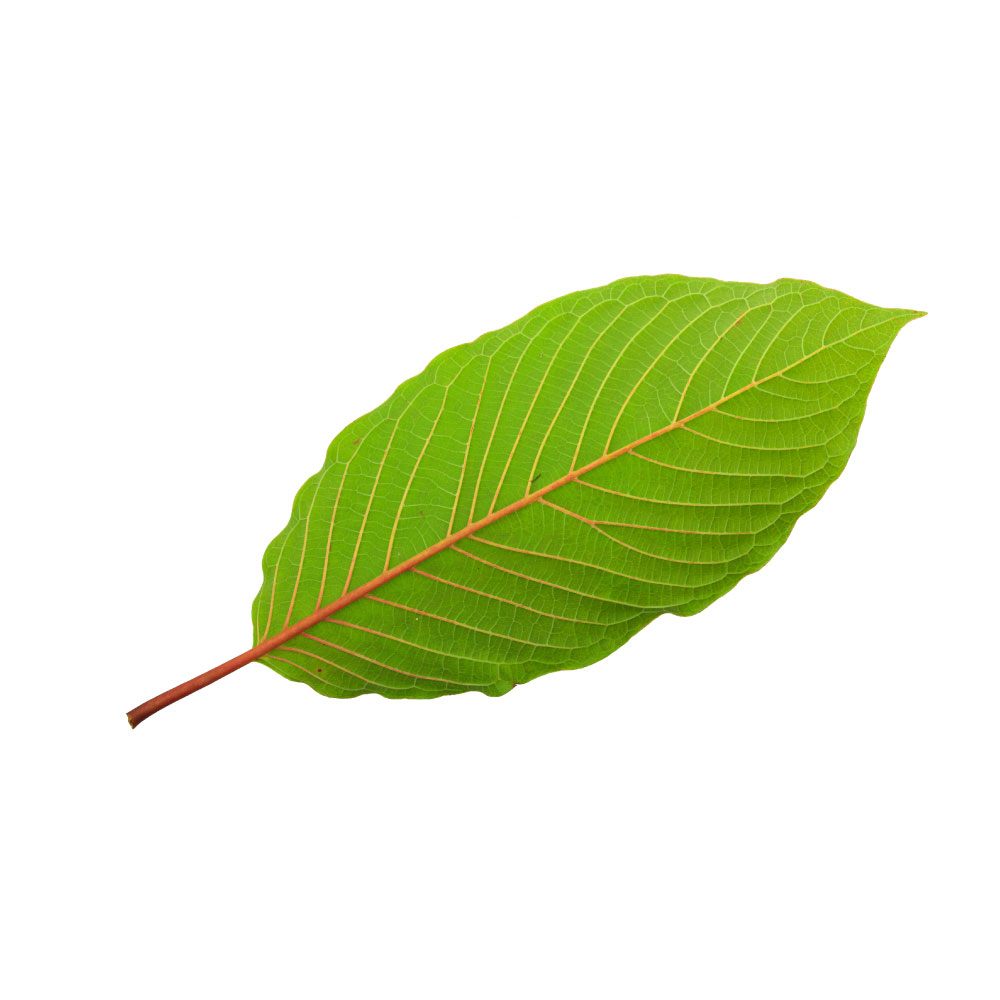 Kratom Mitragyna speciosa Documented for 7-hydroxymitragynine (0.02–0.04 % of extract), corynantheidine (1.16 % w/w), mitragynine (0.7–4.9 % dry wt), paynantheine (0.11–0.31 % dry wt) and 9 more indole alkaloids.
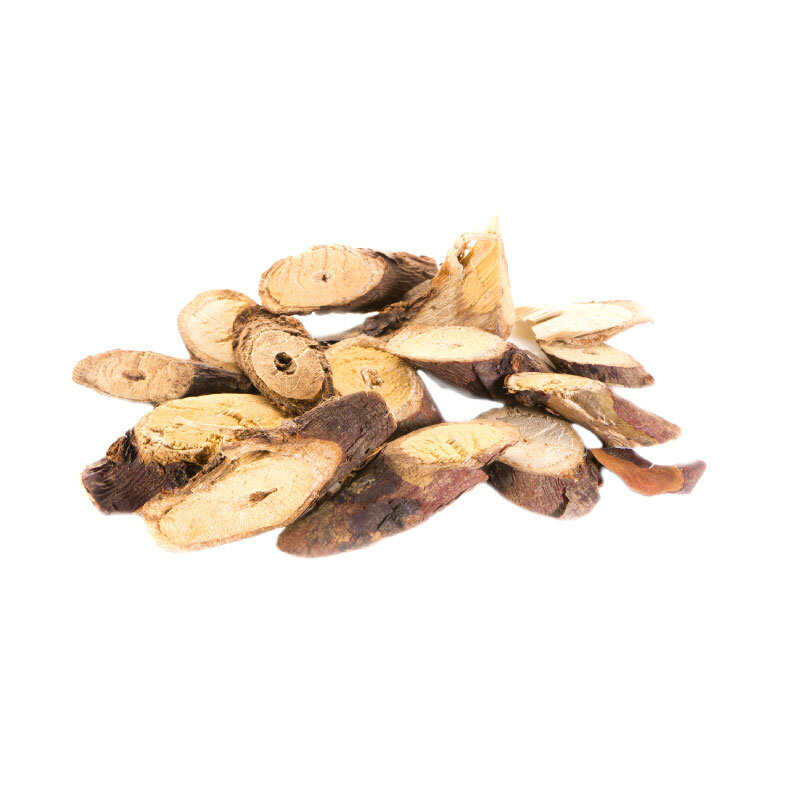 Cryptolepis Cryptolepis sanguinolenta Toxic Documented for cryptolepine (2.08 % dry wt), biscryptolepine, cryptoheptine and 9 more indole alkaloids.
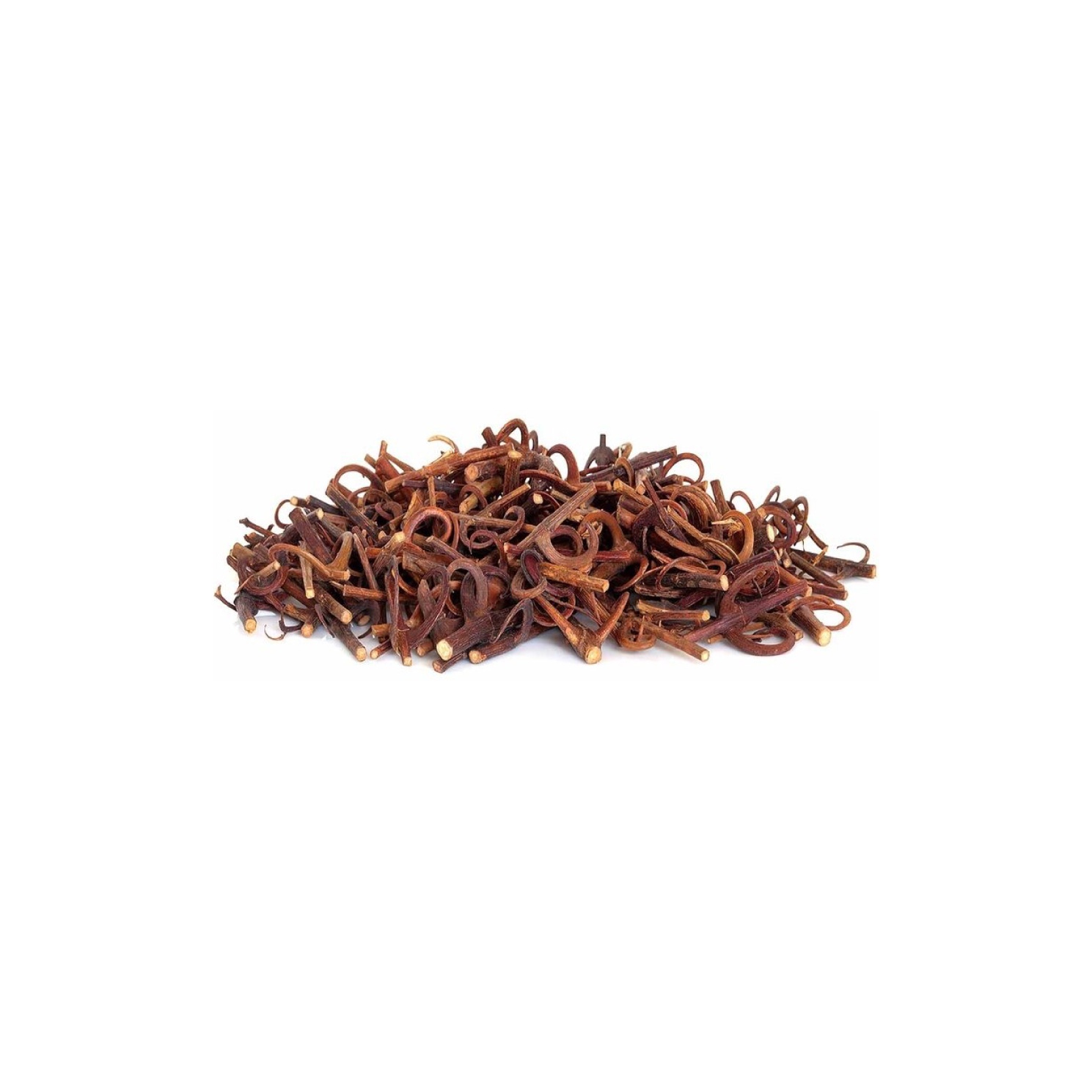 Cat's Claw Uncaria tomentosa Documented for ajmalicine, akuammigine, corynantheine and 5 more indole alkaloids.
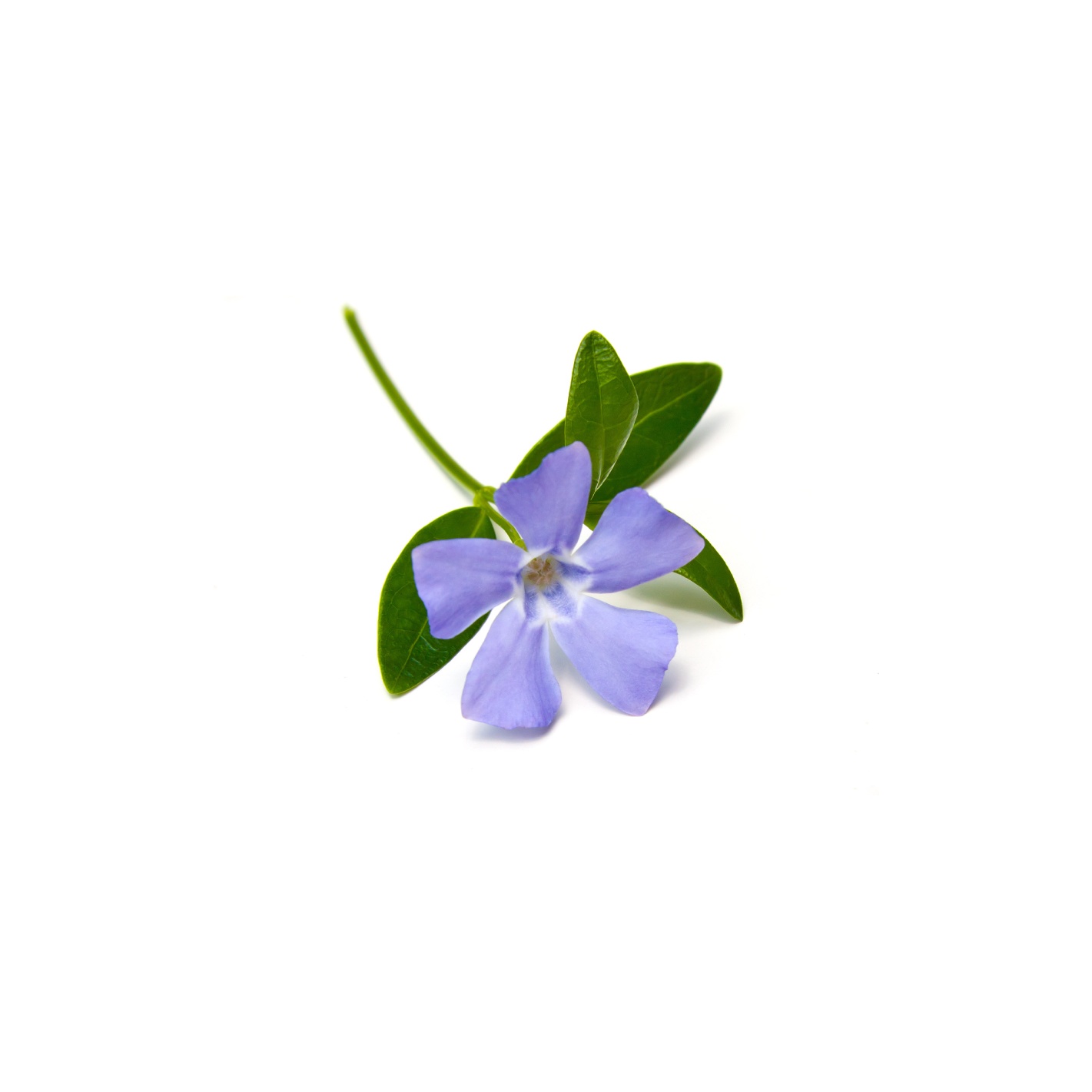 Periwinkle Vinca major Documented for 11-hydroxypolyneuridine, eburnamenine, indole alkaloids and 4 more indole alkaloids.
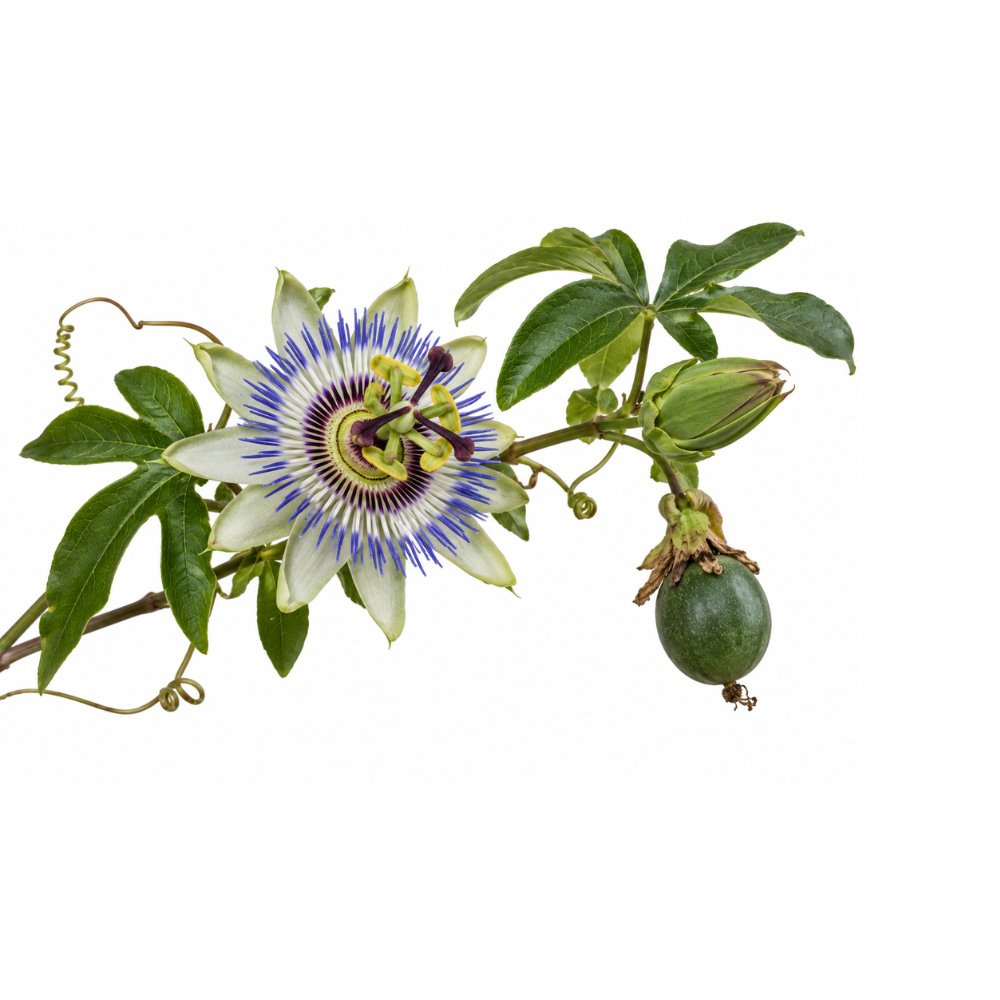 Blue Passionflower Passiflora caerulea Documented for harmaline, harmalol, harman and 3 more indole alkaloids.
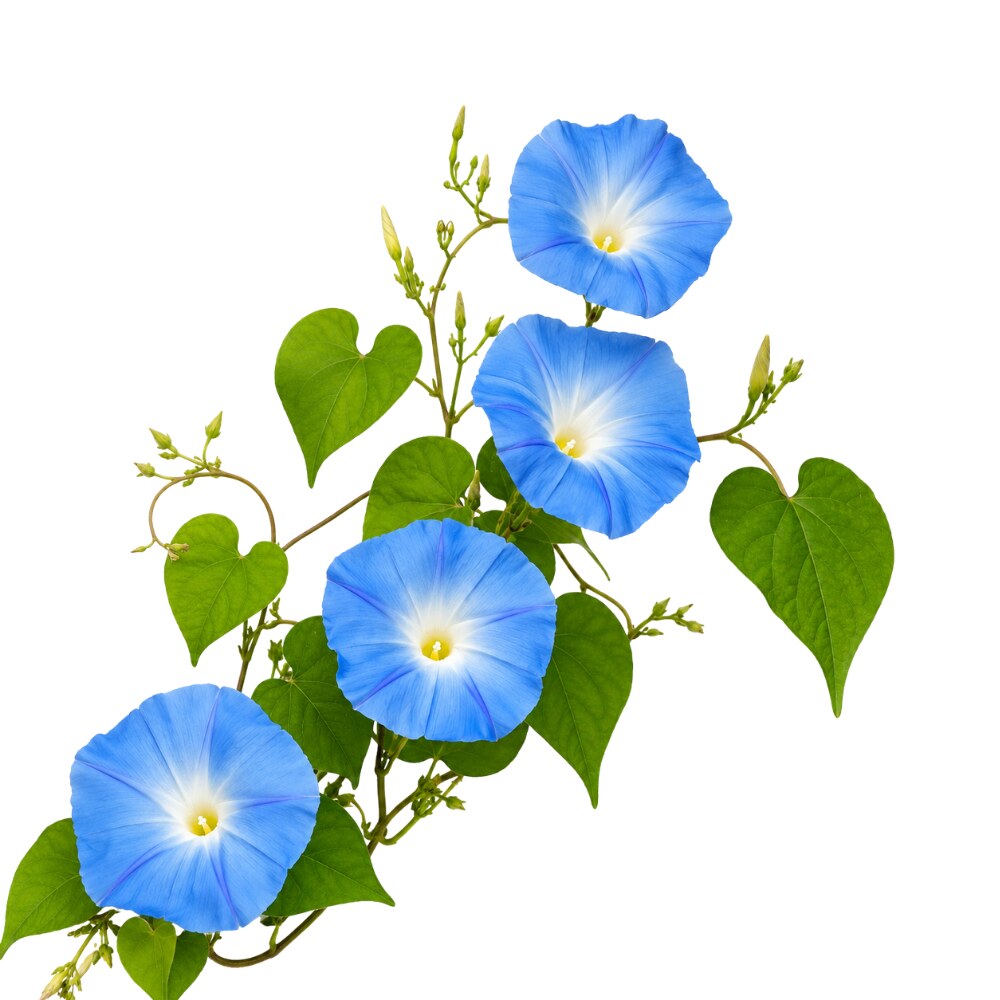 Morning Glory Ipomoea tricolor Documented for chanoclavine, ergometrine, isoergine and 3 more indole alkaloids.
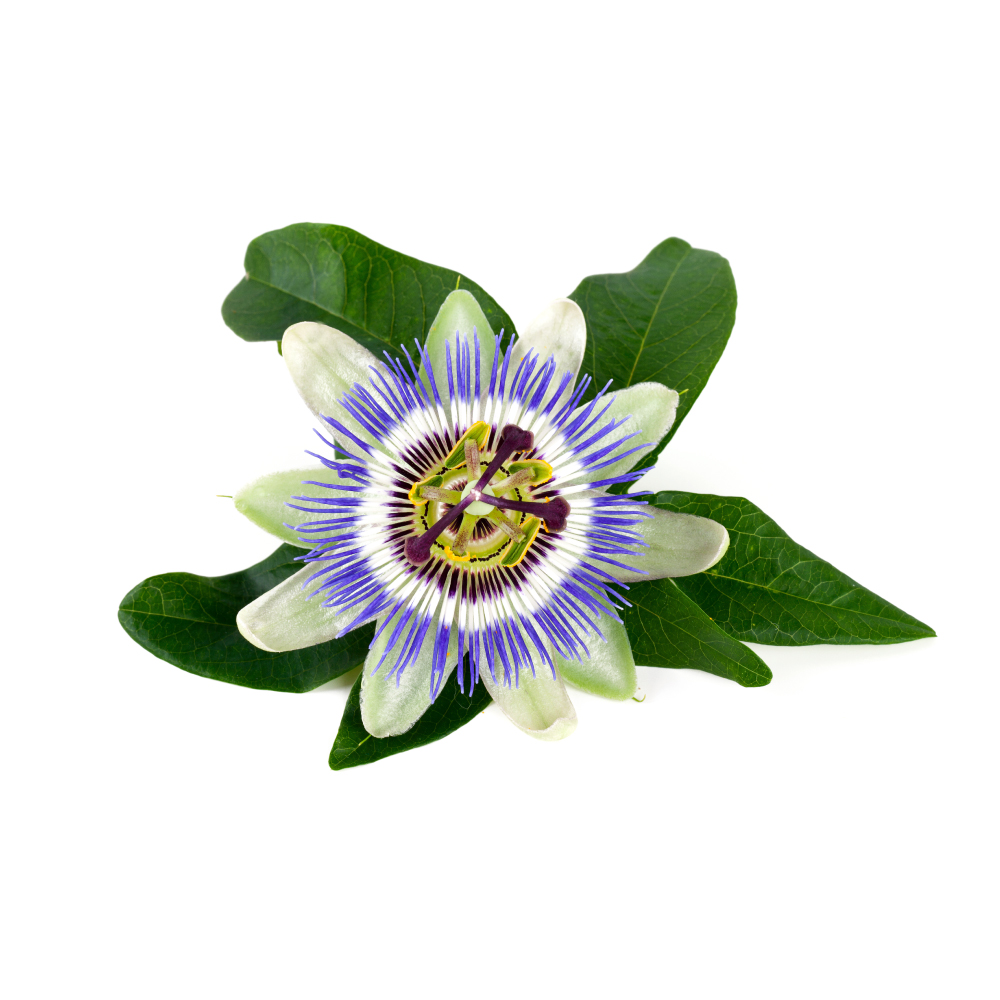 Passionflower Passiflora incarnata Documented for harmaline, harmalol, harman and 3 more indole alkaloids.
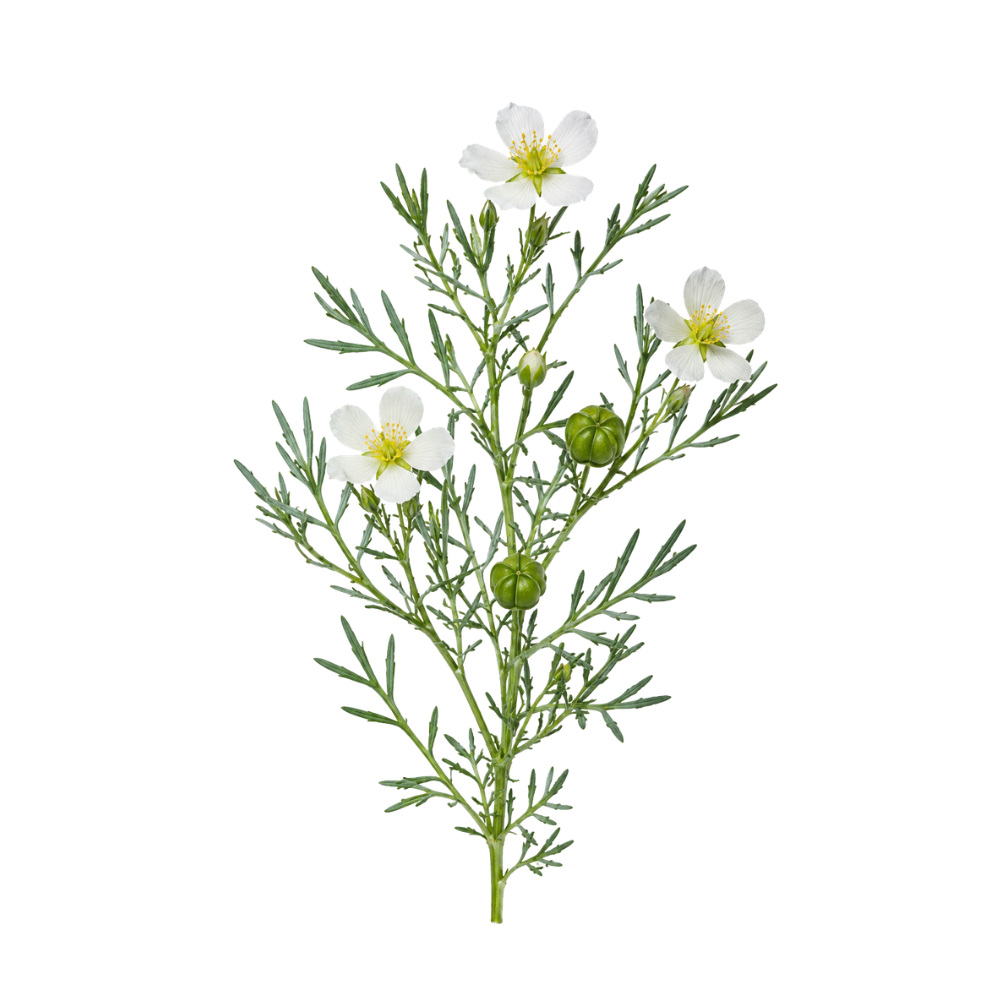 Syrian Rue Peganum harmala Toxic Documented for harmine (0.4–1.8 % dry wt), tetrahydroharmine (1 mg/g dry wt), harmaline and 3 more indole alkaloids.
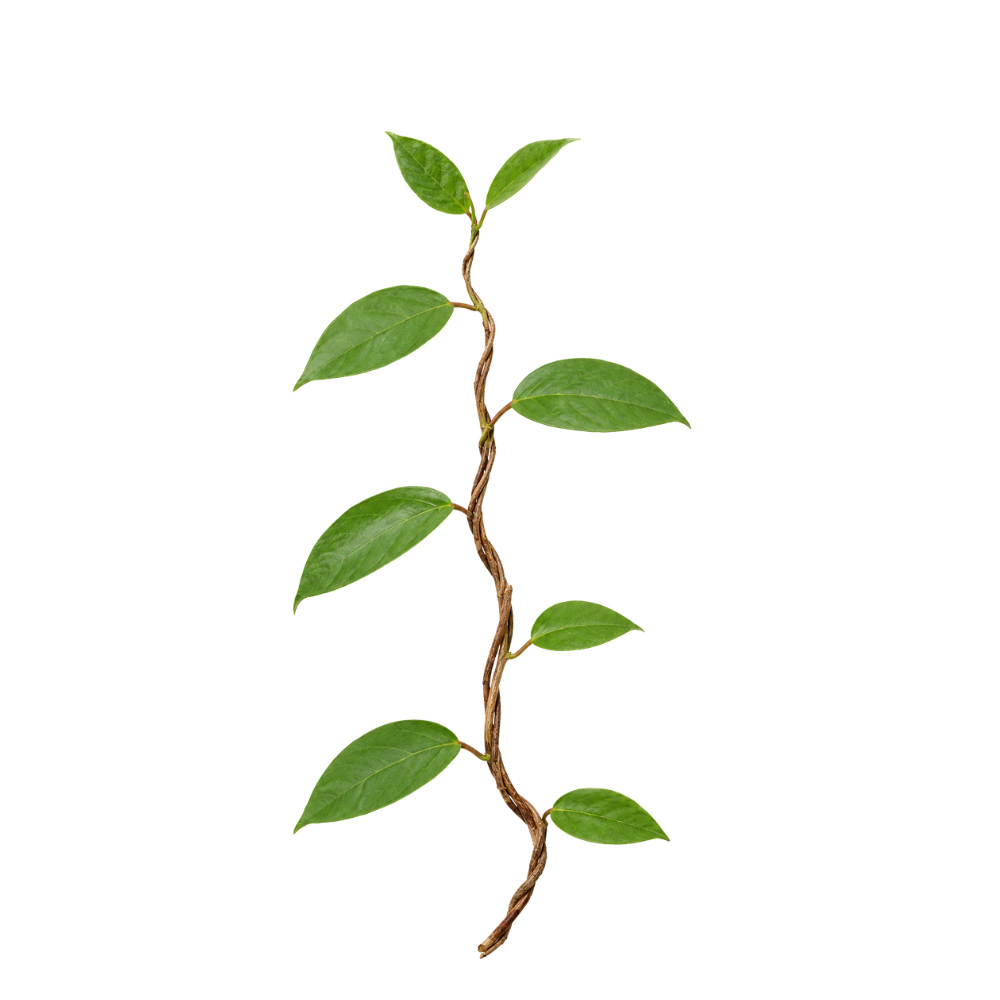 Ayahuasca Vine Banisteriopsis caapi Documented for tetrahydroharmine (0.5–4 mg/g dry wt), harmaline, harmalol and 2 more indole alkaloids.
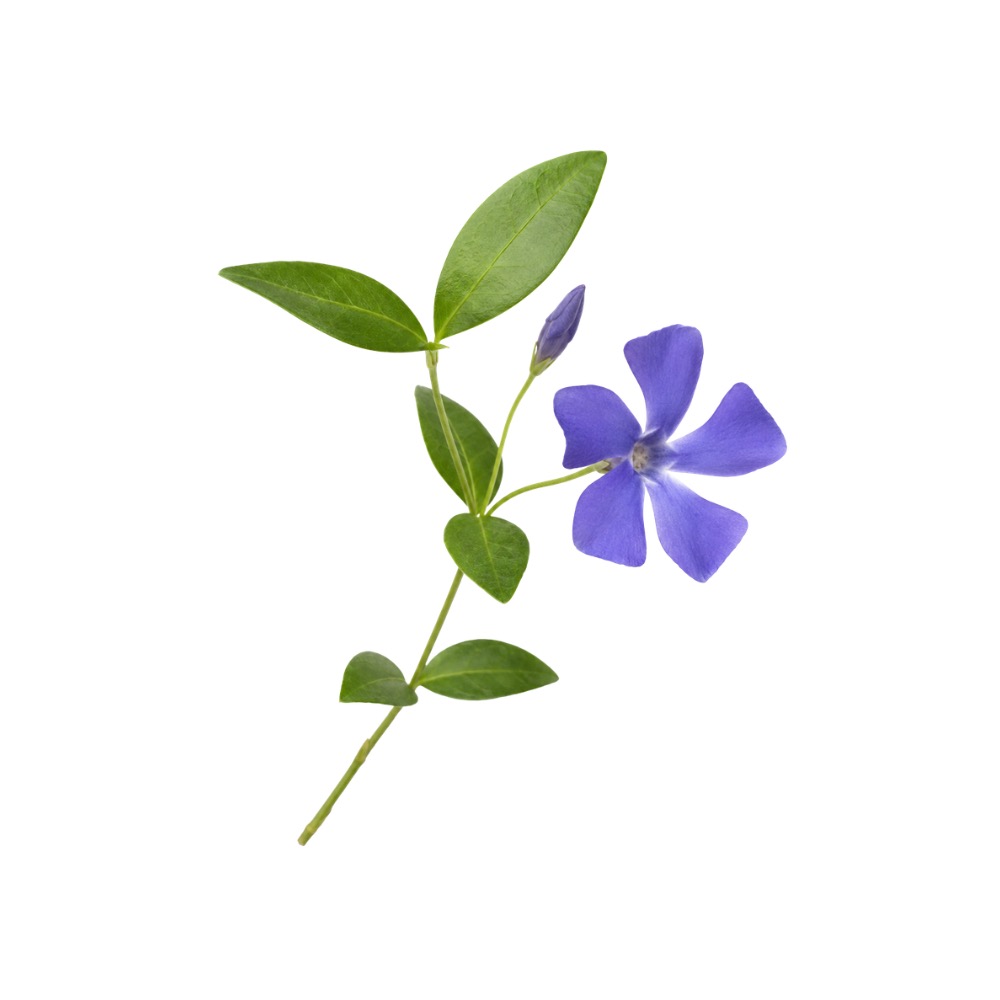 Lesser Periwinkle Vinca minor Documented for vincaminoreine (1.06 mg/100 g dry wt), akuammidine, apovincamine and 2 more indole alkaloids.
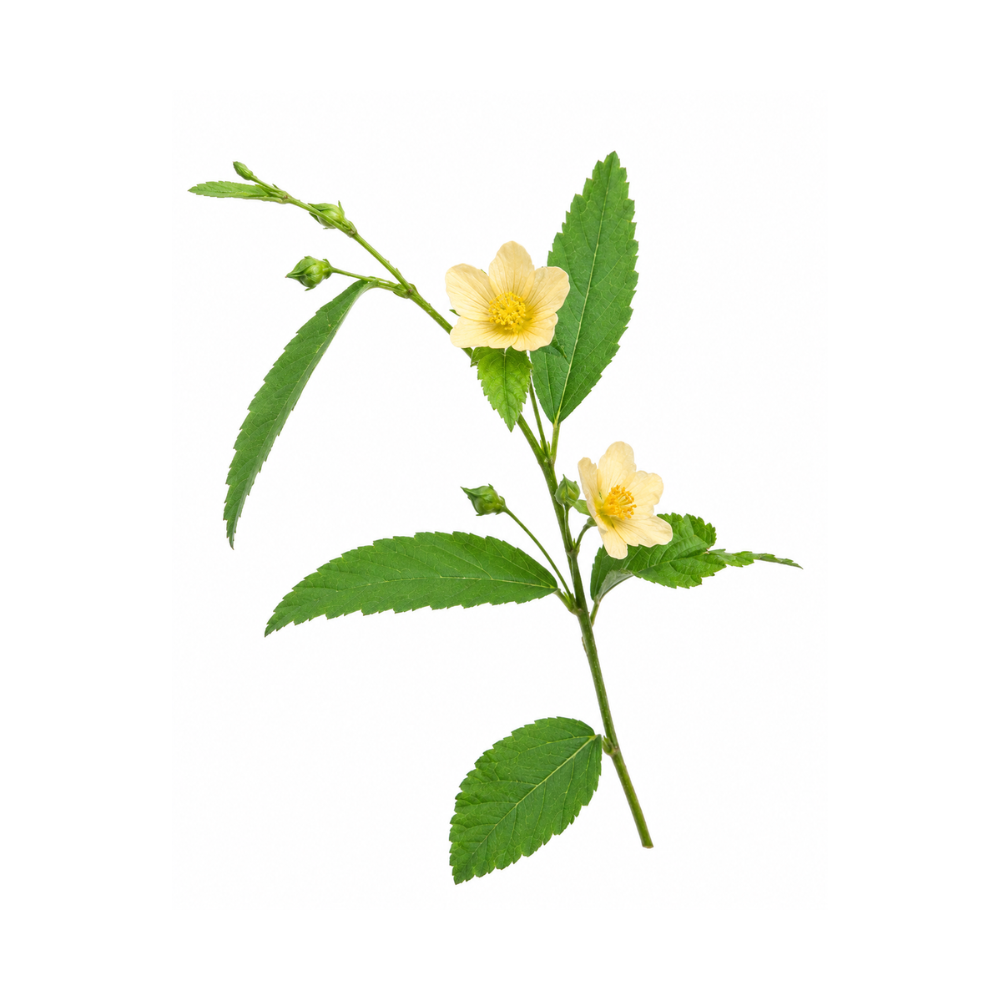 Wireweed Sida acuta Documented for 11-methoxyquindoline, cryptolepine, cryptolepinone and 2 more indole alkaloids. Bulbous Canary Grass ☠️ Phalaris aquatica Toxic Documented for 5-MeO-DMT, bufotenin, gramine and 1 more.
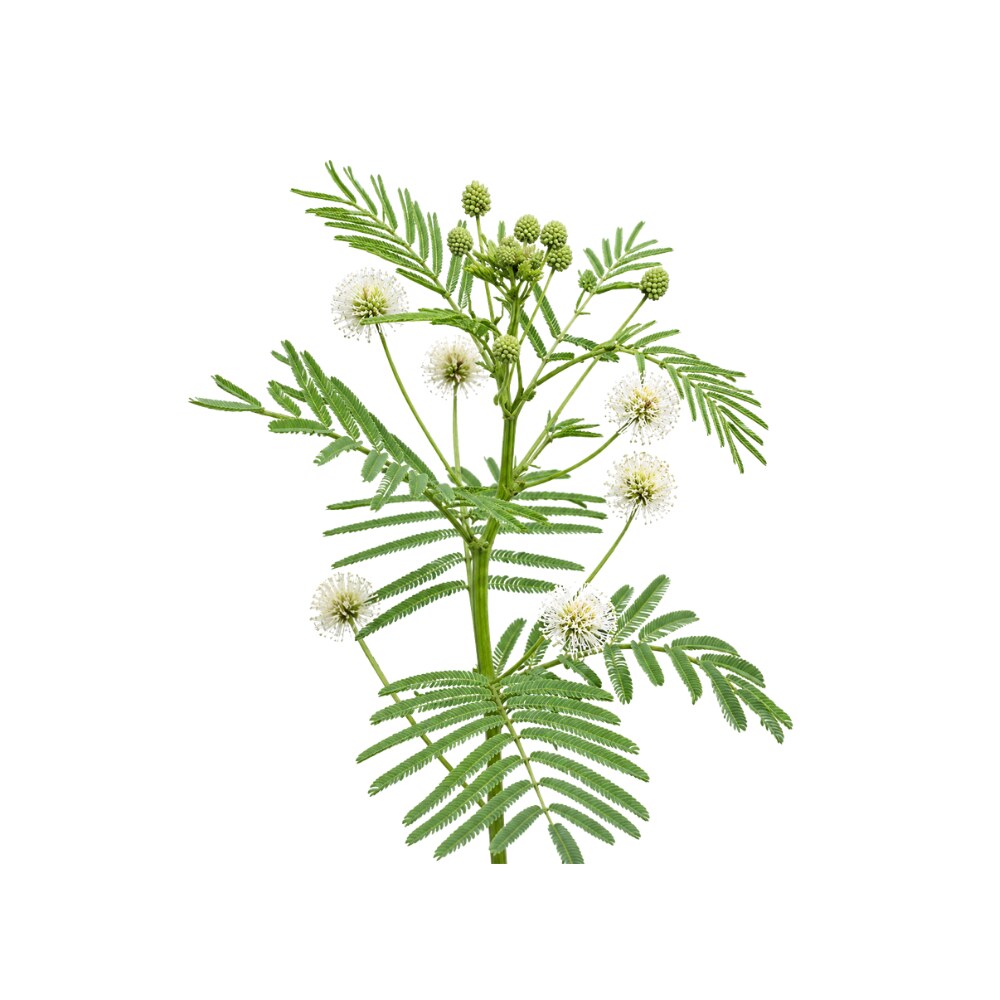 Bundleflower Desmanthus illinoensis Documented for gramine, N-hydroxy-N-methyltryptamine, N-methyltryptamine and 1 more.
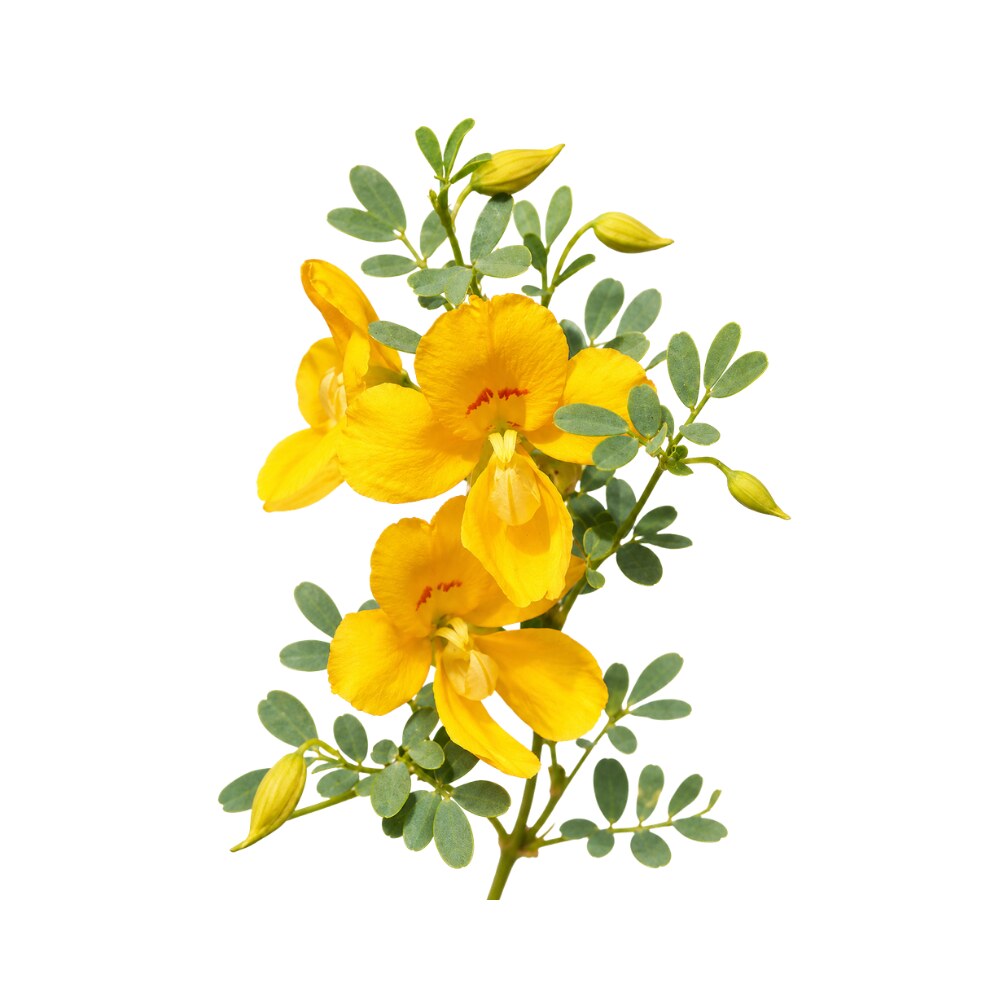 Butterfly Bush (Petalostylis) Petalostylis cassioides Documented for N-methyltryptamine, N,N-dimethyltryptamine, tetrahydroharman and 1 more.
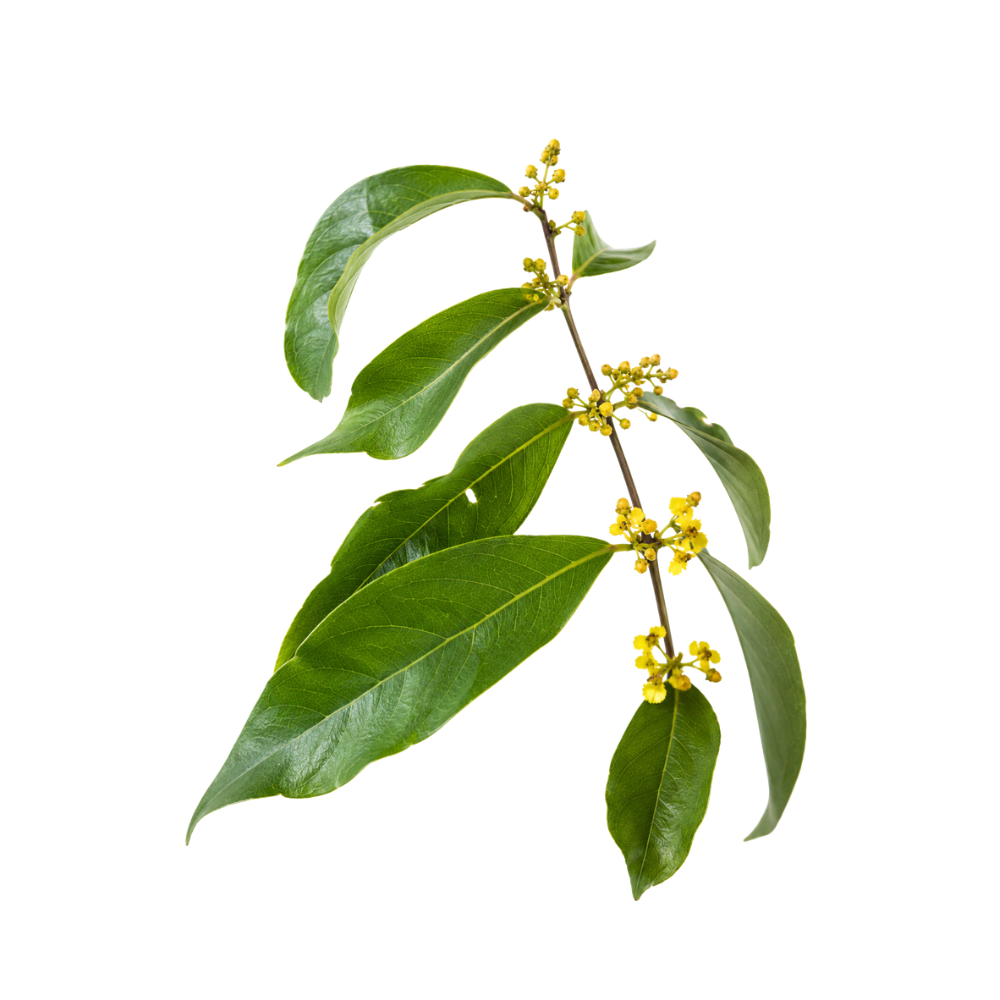 Chagro-Panga Diplopterys cabrerana Documented for 5-MeO-DMT, bufotenin, N-methyltetrahydro-beta-carboline and 1 more.
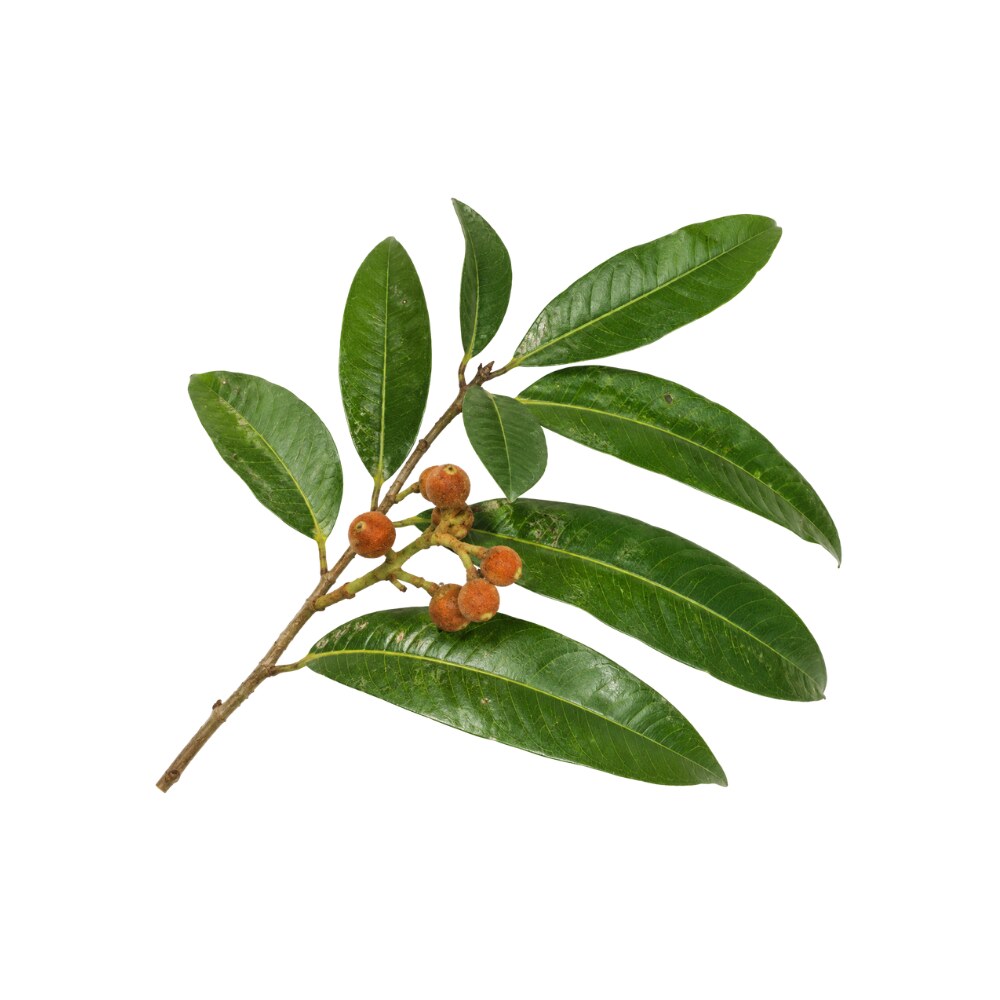 Epeña Virola spp. Documented for 2-methyl-6-methoxy-1,2,3,4-tetrahydro-beta-carboline, 5-MeO-DMT, N-monomethyltryptamine and 1 more.
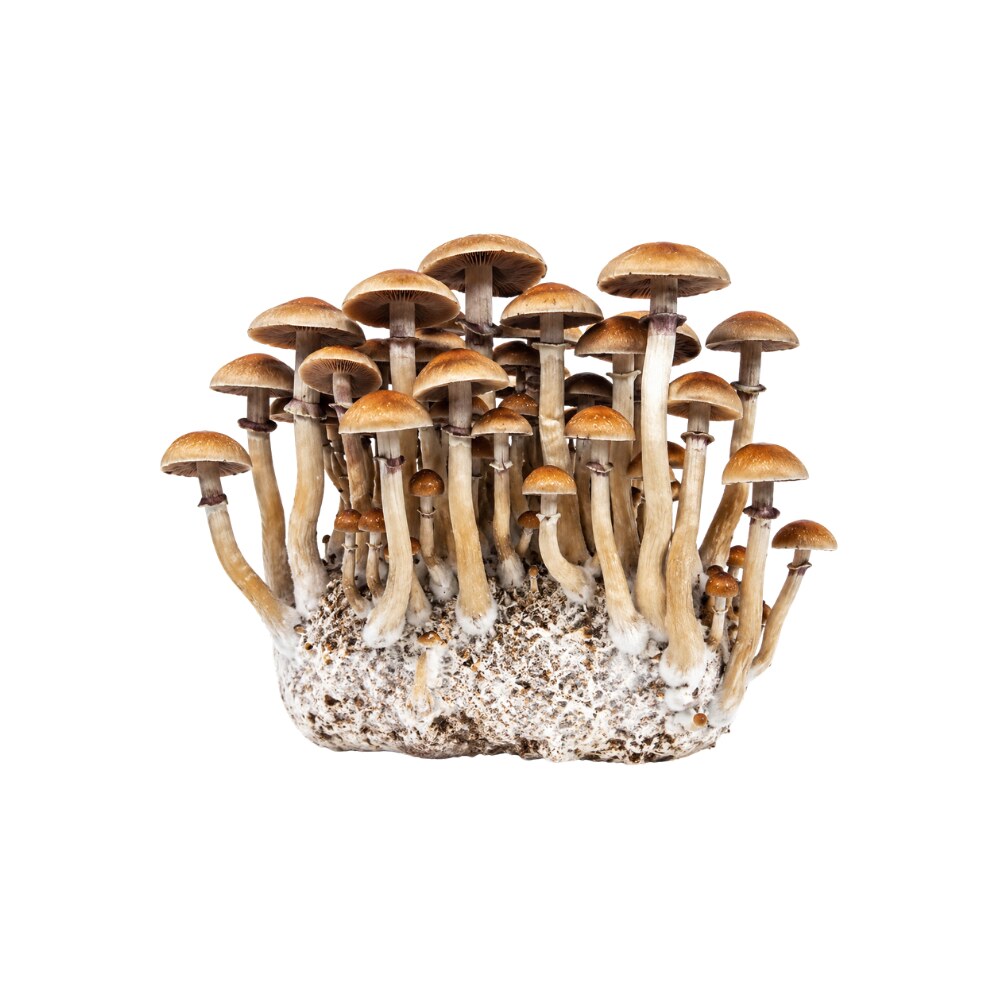 Magic Mushrooms Psilocybe cubensis Documented for baeocystin, norbaeocystin, psilocin and 1 more.
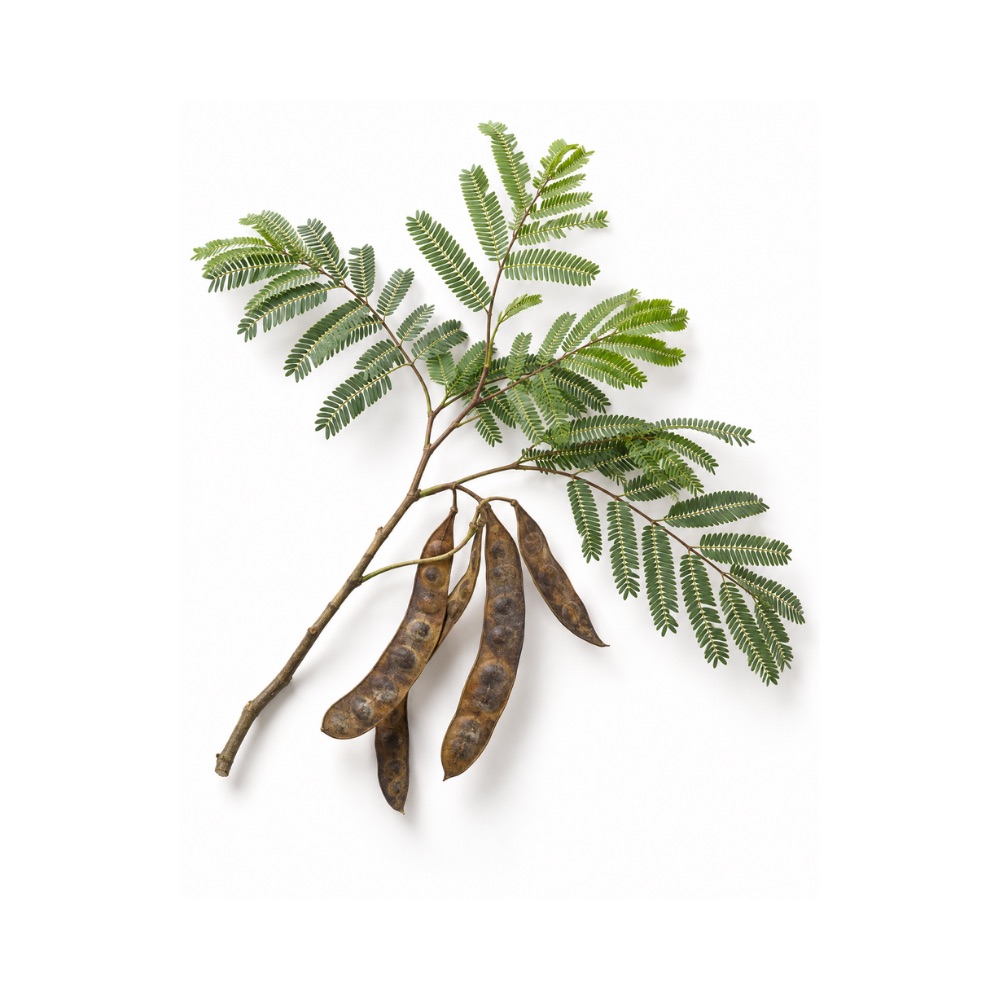 Yopo Anadenanthera spp. Toxic Documented for 5-MeO-DMT, bufotenin, N-monomethyltryptamine and 1 more.
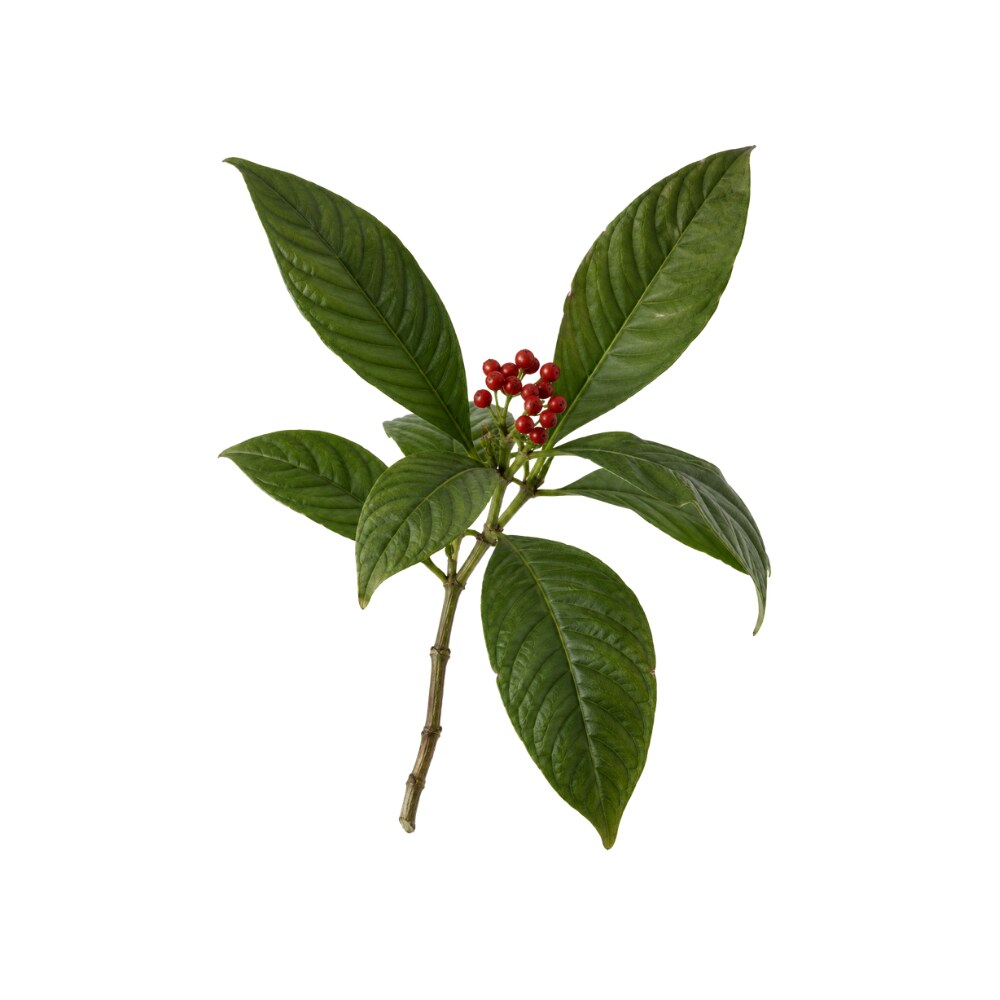 Chacruna Psychotria viridis Documented for 2-methyl-1,2,3,4-tetrahydro-beta-carboline, N-methyltryptamine, N,N-DMT.
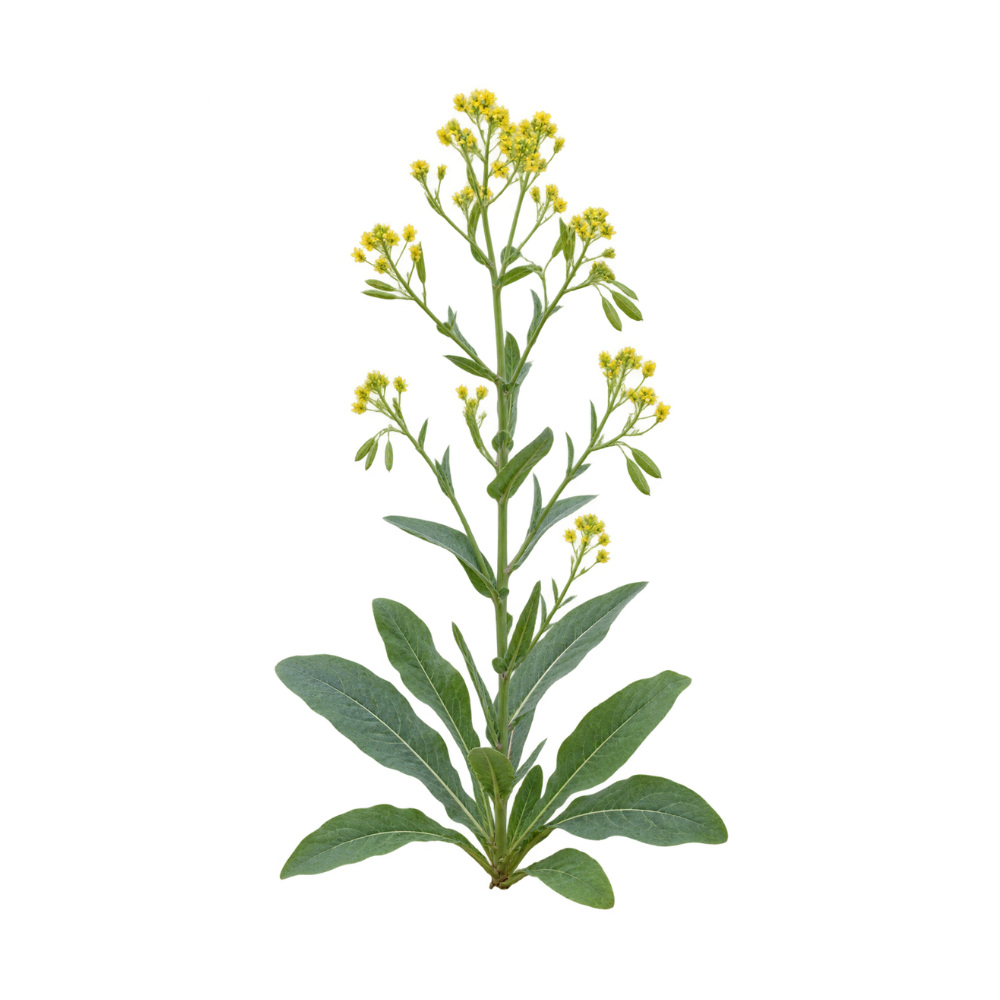 Isatis Isatis indigotica Documented for indigo, indirubin, tryptanthrin.
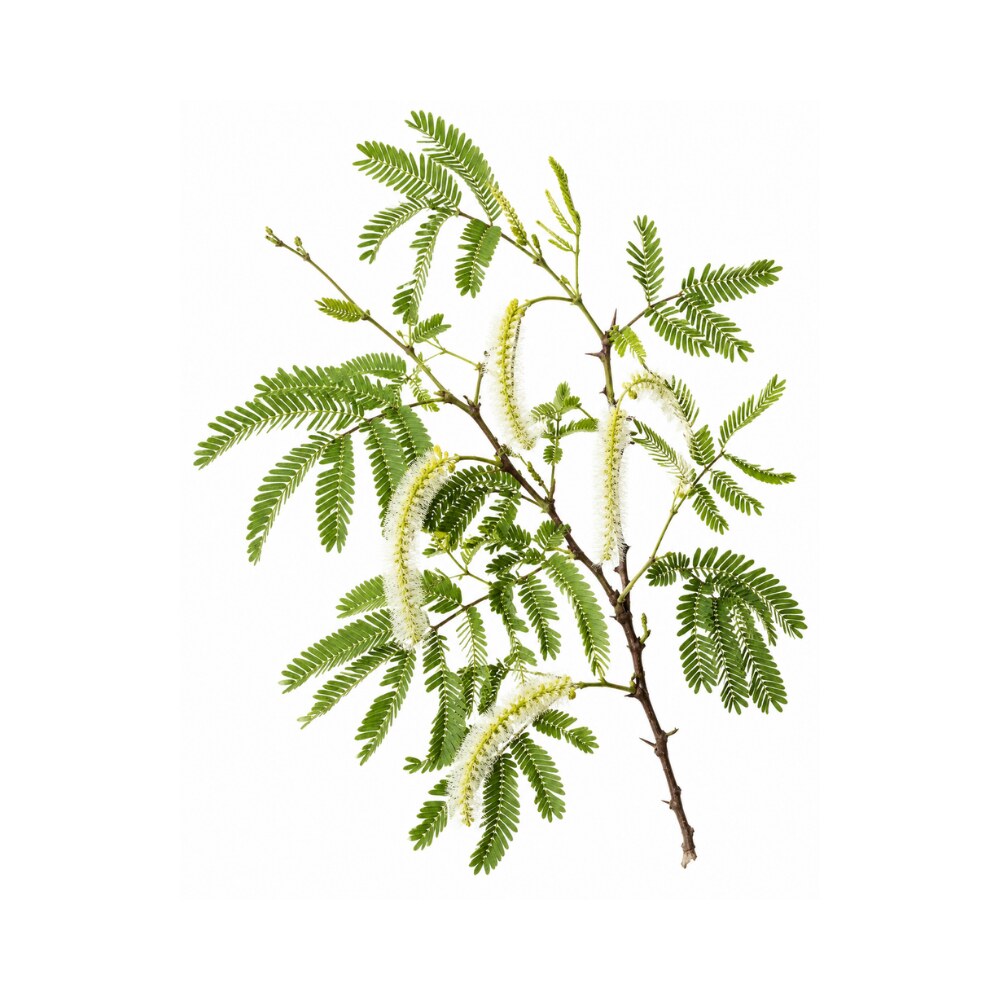 Jurema Mimosa tenuiflora Documented for N-methyltryptamine, N,N-DMT, yuremamine.
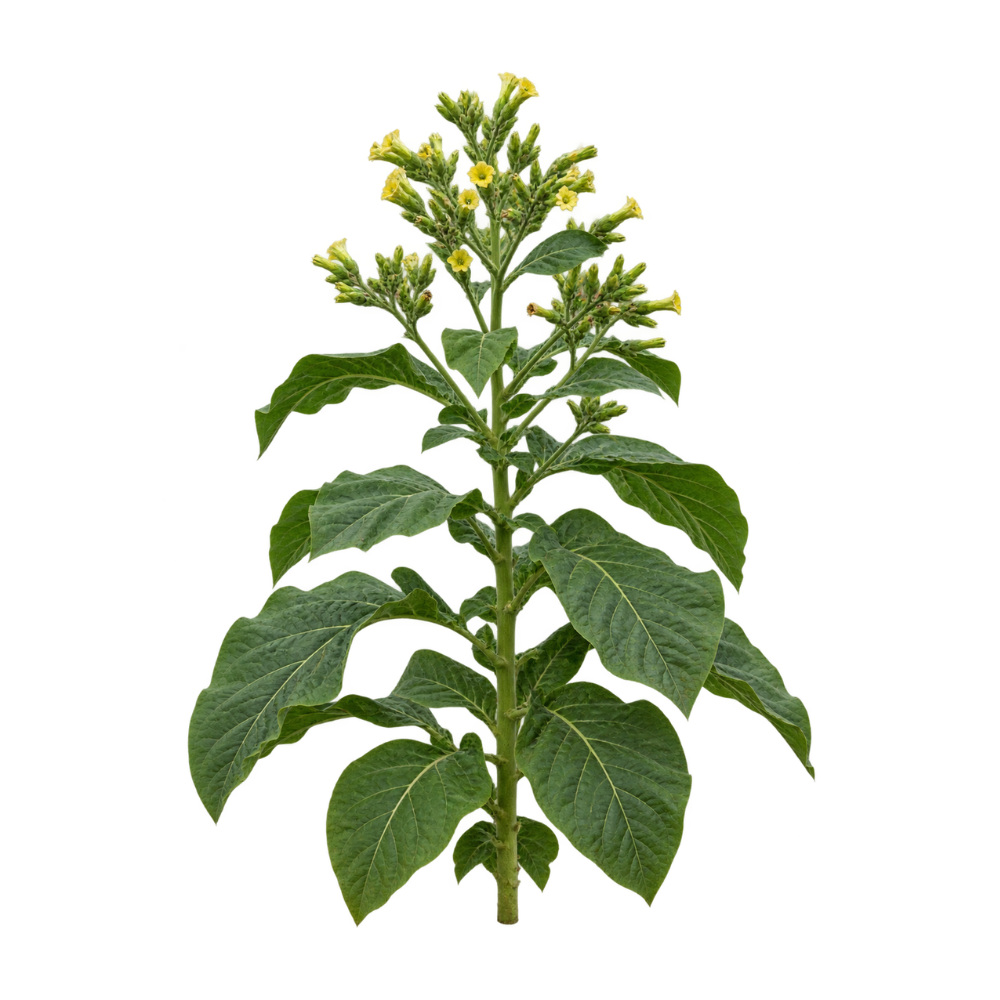 Mapacho Nicotiana rustica Toxic Documented for harmalol, harman, norharman.
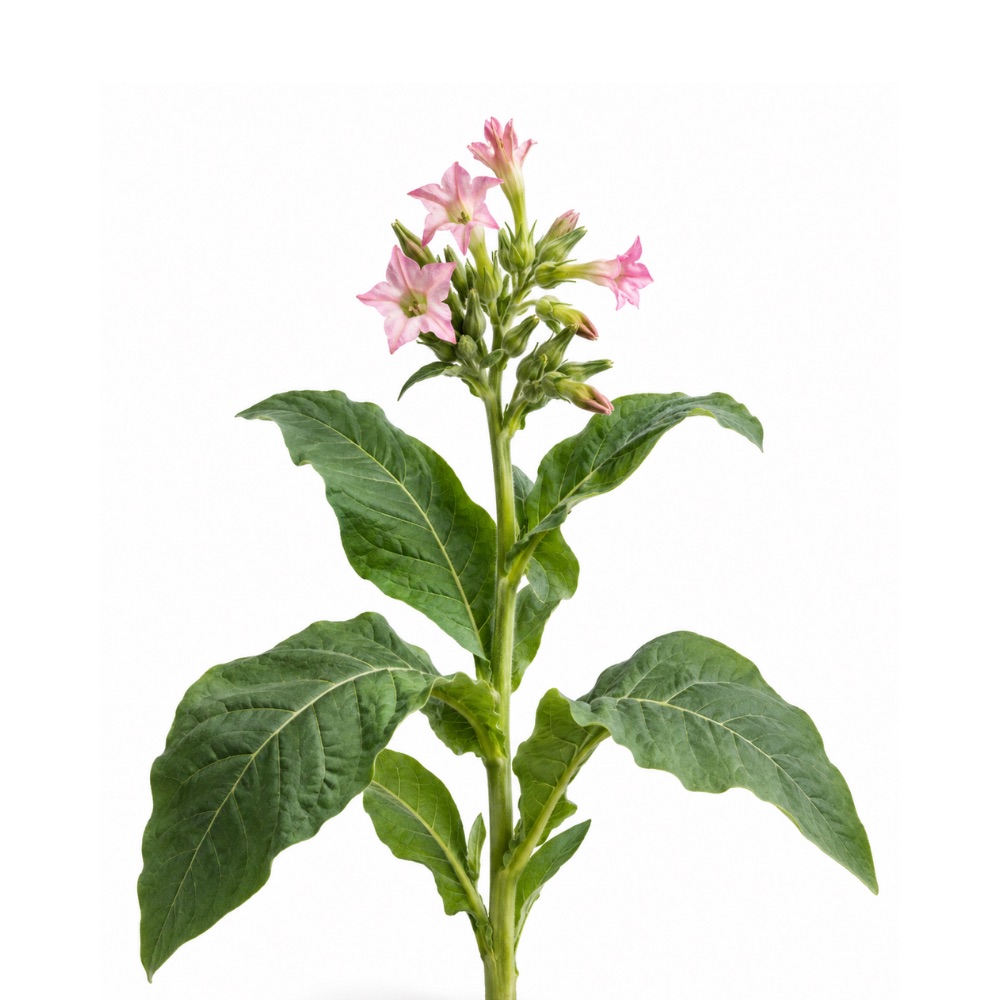 Tobacco Nicotiana tabacum Toxic Documented for harmalol, harman, norharman.
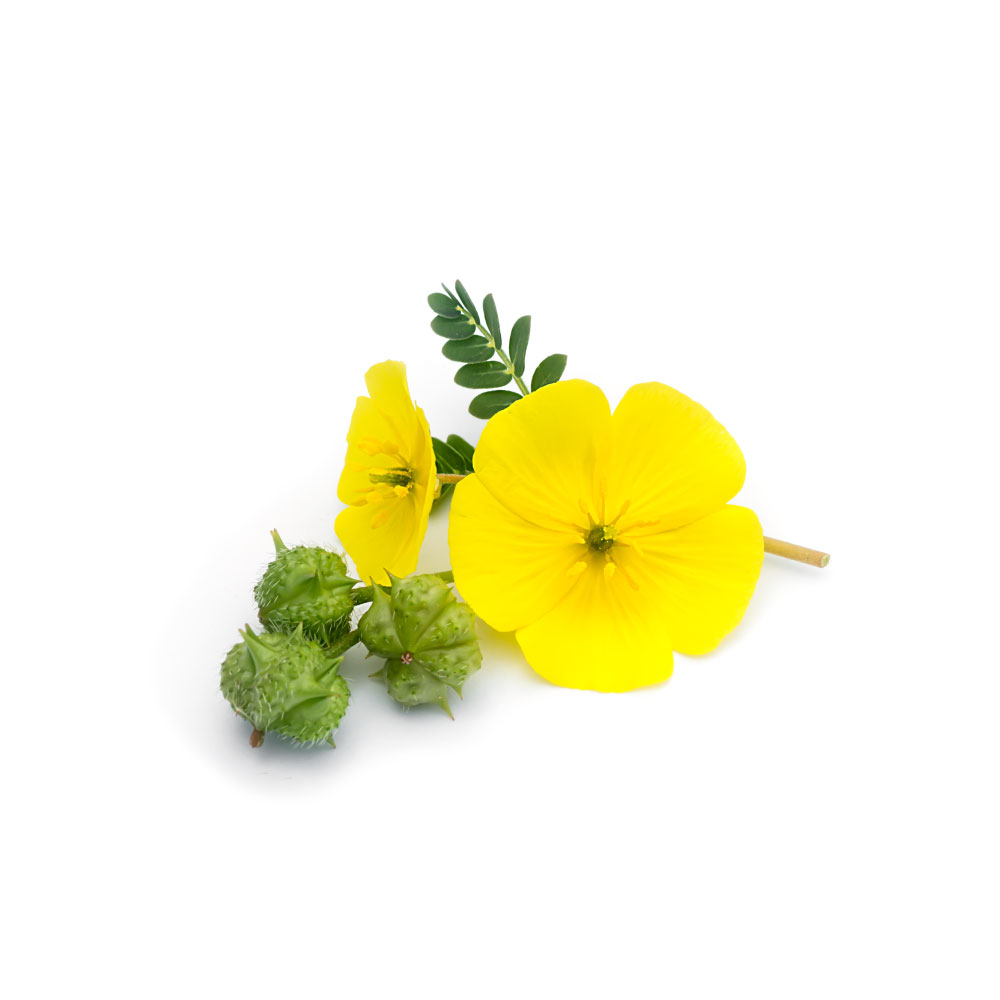 Tribulus Tribulus terrestris Documented for harman, harmine, perlolyrin.
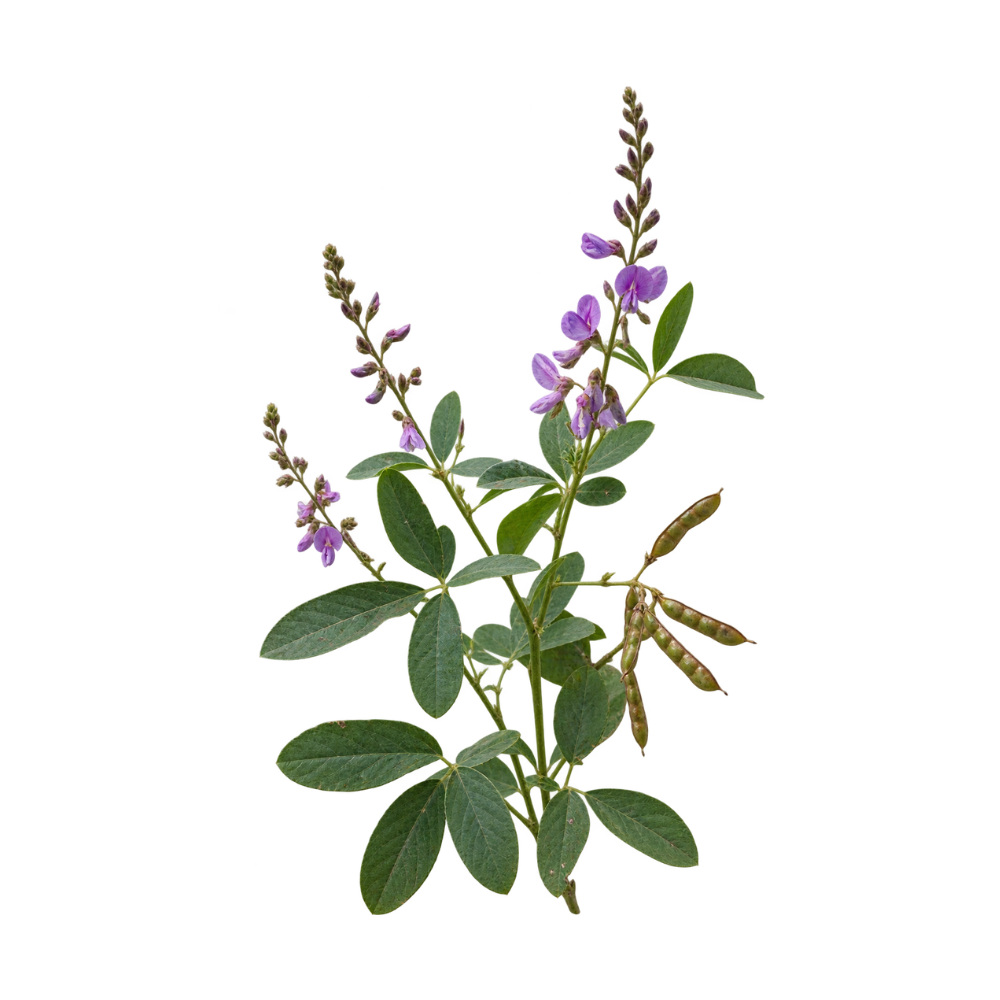 Tick Trefoil Desmodium spp. Documented for desmodiamines, N,N-DMT.
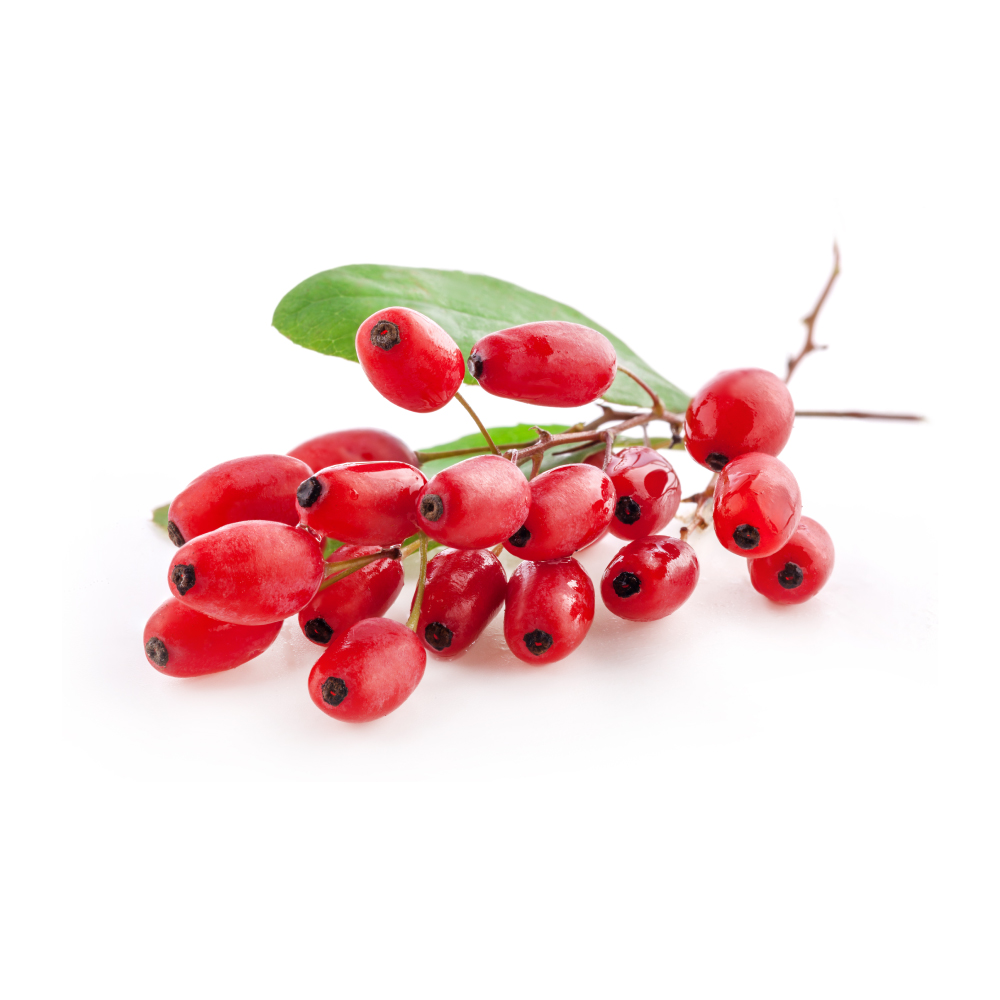 Barberry Berberis spp. Documented for lambertine.
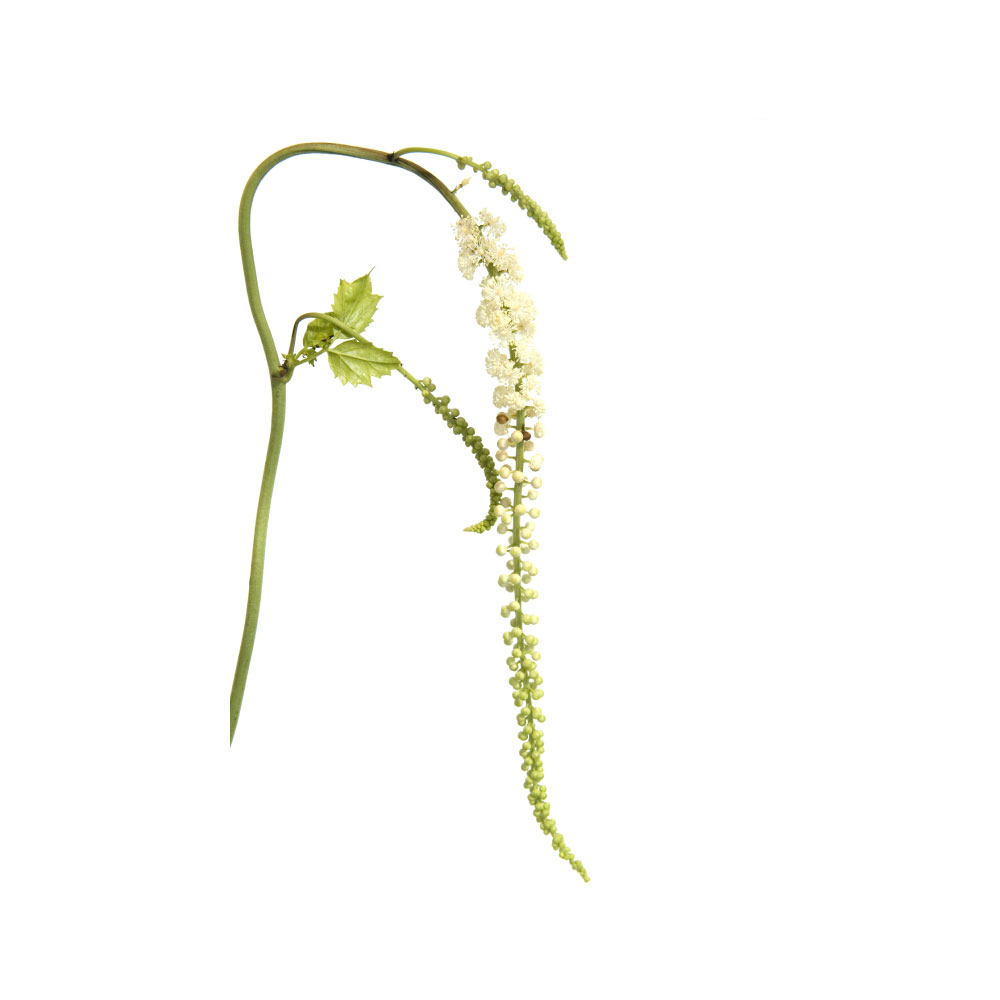 Black Cohosh Cimicifuga racemosa Documented for N-omega-methylserotonin.
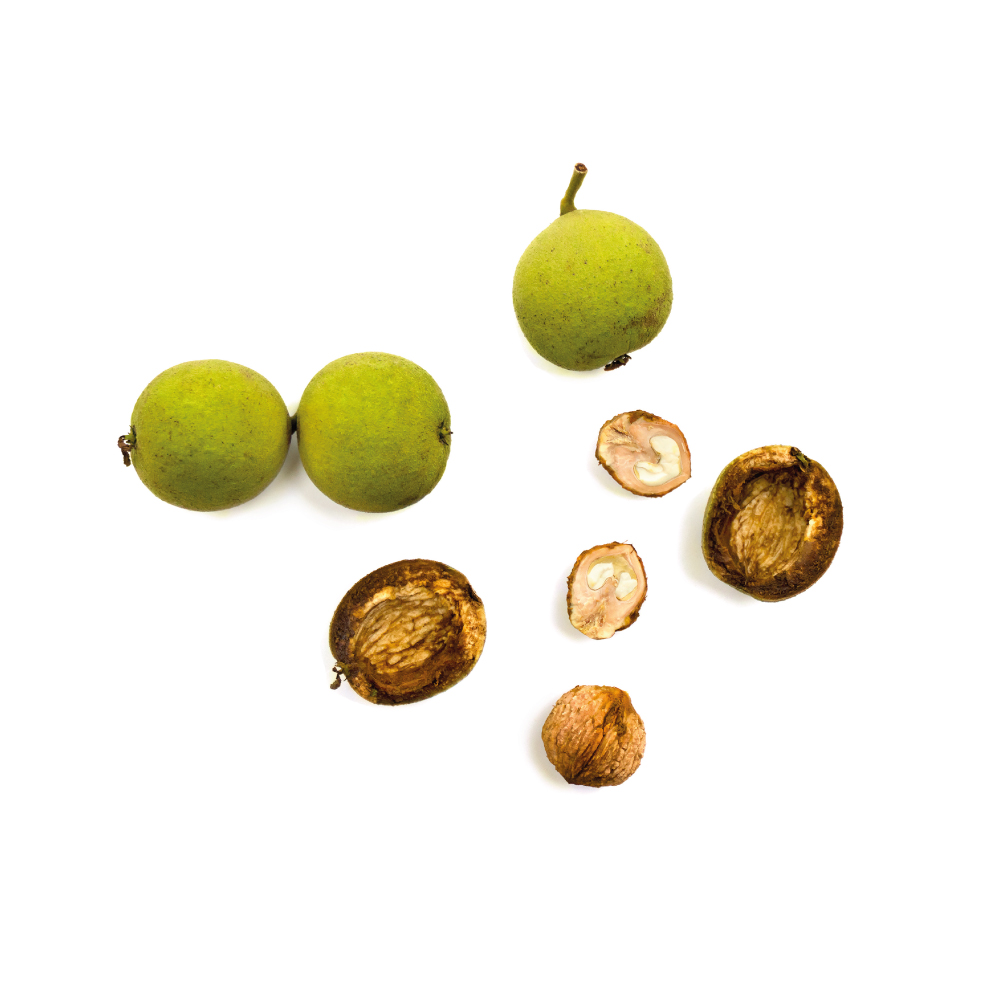 Black Walnut Juglans nigra Documented for N-omega-methylserotonin.
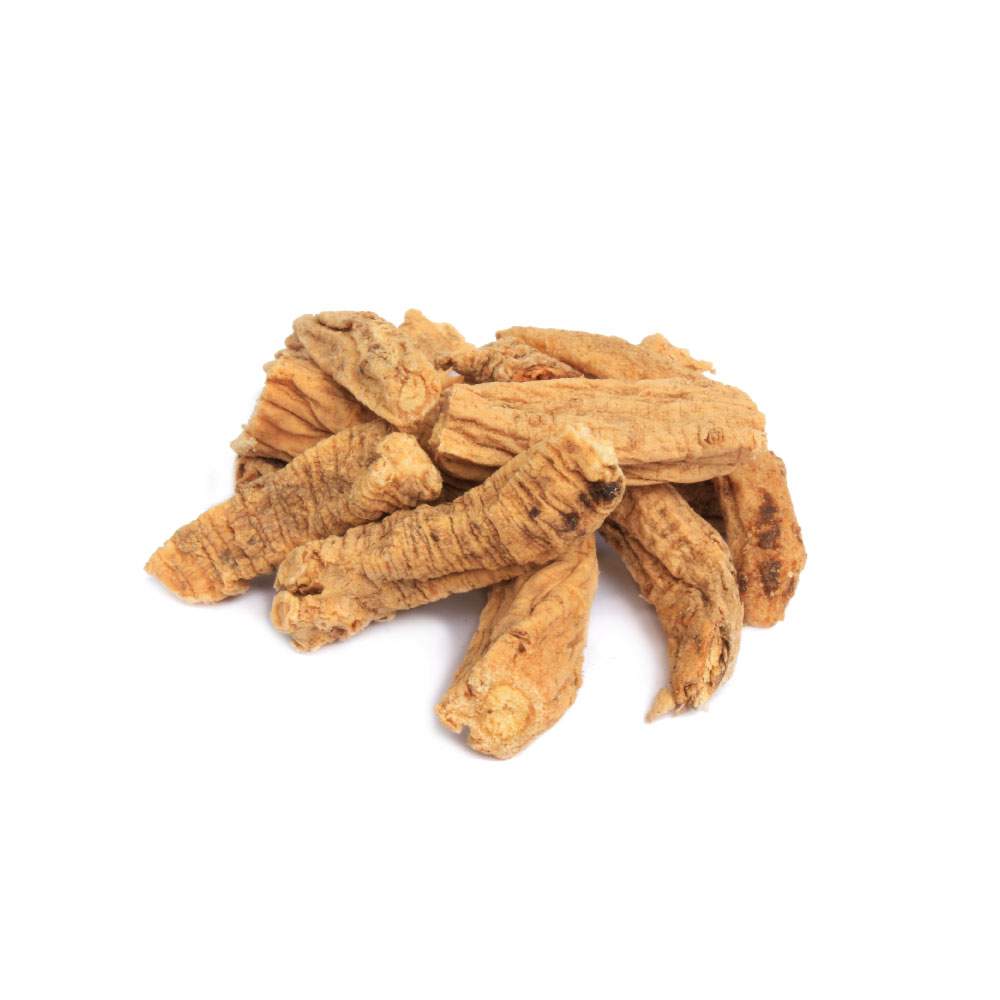 Codonopsis Codonopsis pilosula Documented for perlolyrin.
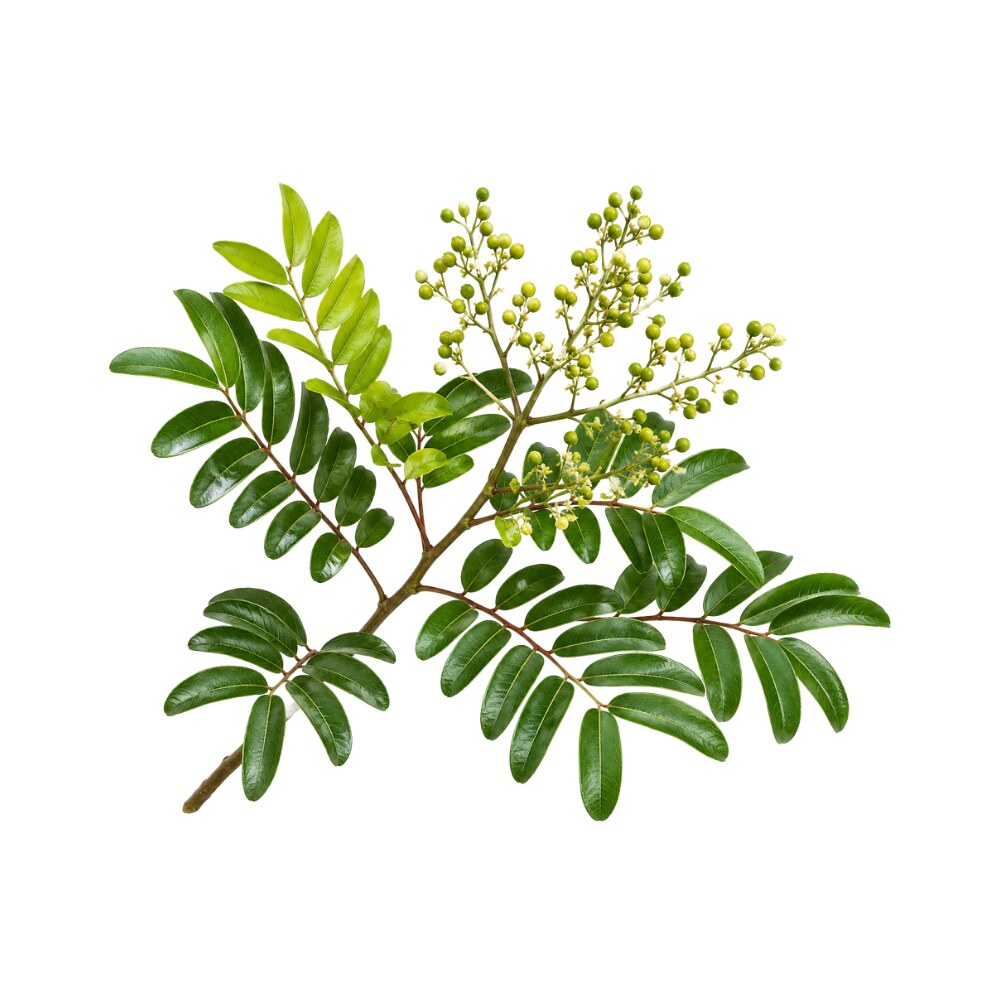 Simarouba Simarouba amara Documented for canthin-6-one.
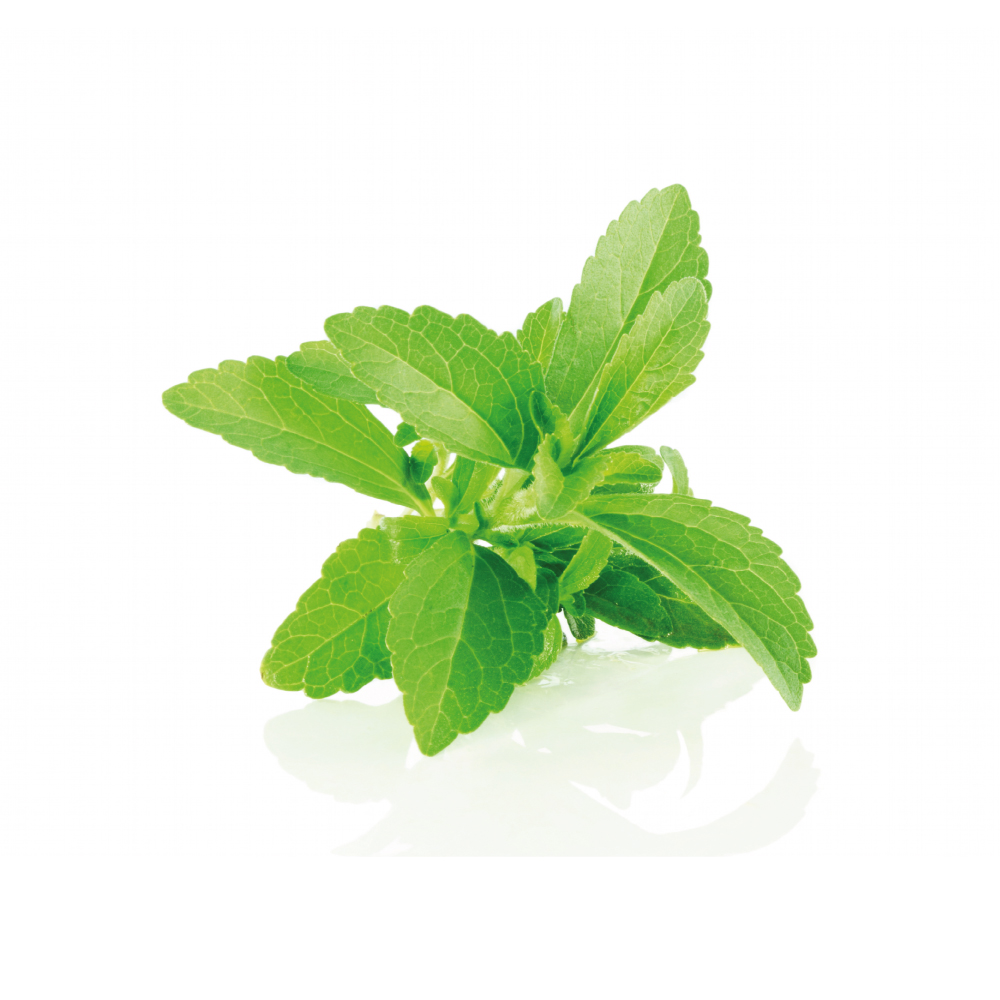 Stevia Stevia rebaudiana Documented for indole-3-acetonitrile.
Keep Exploring
Other Compound Classes
Keep Reading
 GuidesThe Best Kava: A Buyer's GuideHow to buy good kava: noble vs two-day cultivars, which part of the root, chemotype codes, origin, form, and the batch tests a seller should show you.
Read more
 GuidesThe Amazon's Endangered Medicinal PlantsThe Amazon gives us some of our most important medicines — but which healing plants are actually endangered?
Read more
 NutritionThe Best Yerba Maté Brands [Reviewed]A drinker's guide to buying yerba maté — what actually changes the taste, and ten brands worth your money.
Read more
 GuidesHow to Prepare Yerba Maté — The Five Best MethodsHow to brew yerba maté properly — the traditional gourd method, plus tereré, french press and cold brew.
Read more