
Compound Monograph
Physcion
Physcion (parietin) is a hydroxyanthraquinone pigment — emodin's 3-methyl ether — best known as the orange cortical pigment of wall lichens, a widely deployed agricultural antifungal, and a selective inhibitor of the cancer-metabolism enzyme 6-phosphogluconate dehydrogenase (6PGD). It is generally less potent and less genotoxic than its parent emodin, and all of its human-disease evidence is preclinical.

Sources · 9
Where Does It Come From?
Physcion is a naturally occurring anthraquinone (aglycone), found in Yellow dock, Rhubarb, Cascara sagrada and 6 other sources. It is flagged as moderately toxic.
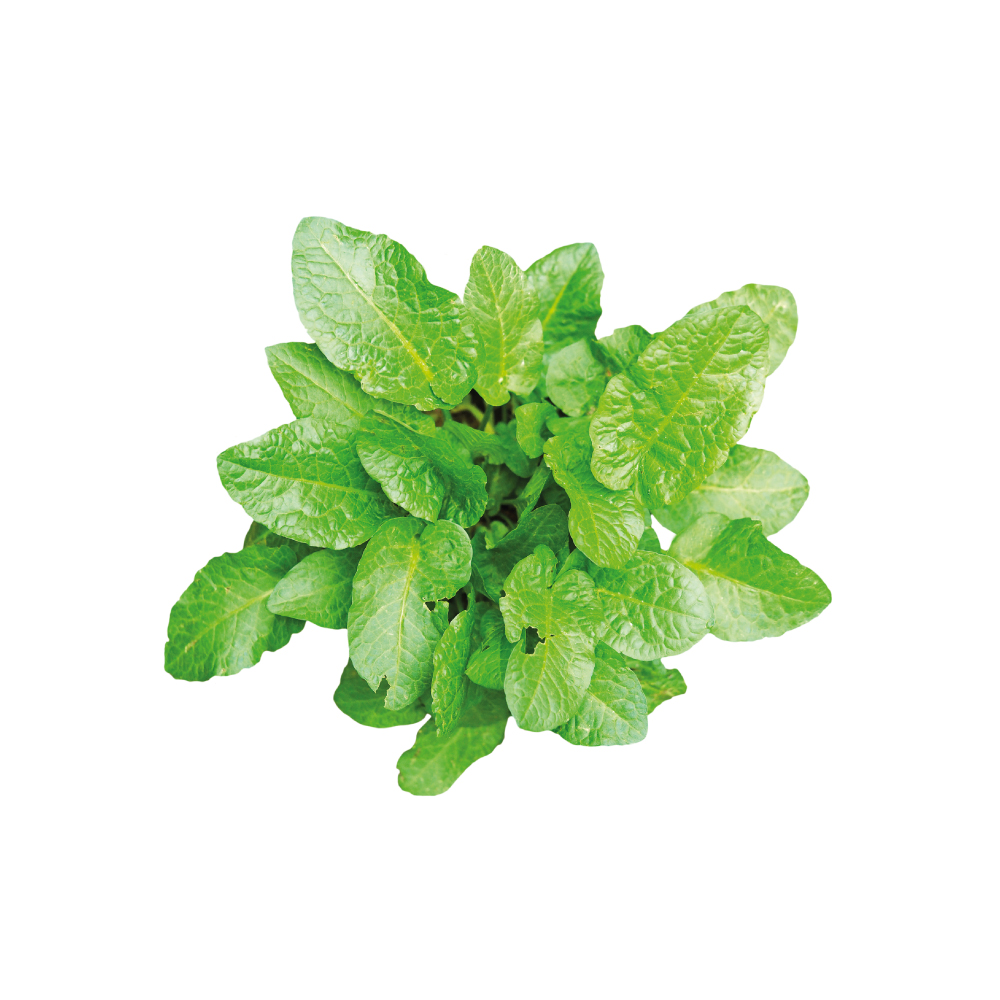 Principal source Yellow Dock Rumex crispus Herb monograph →
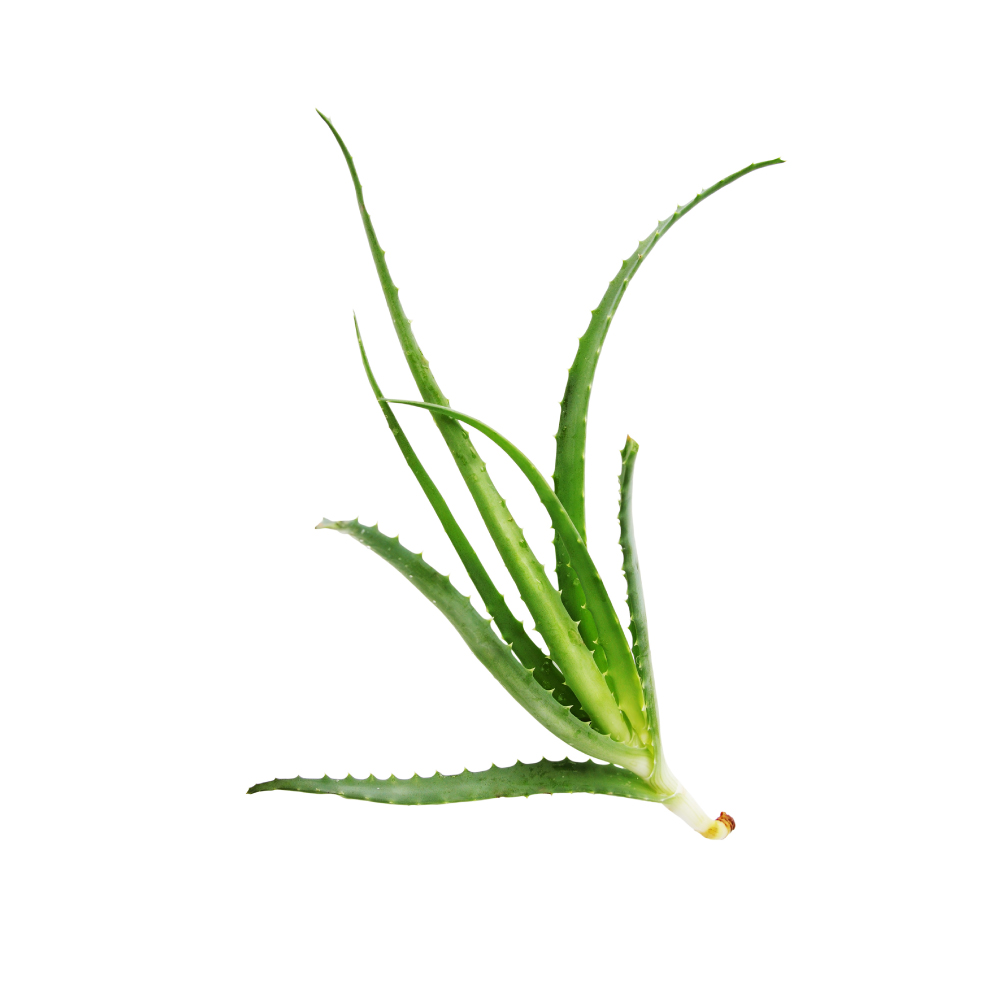 Source Aloe Aloe vera Herb monograph →
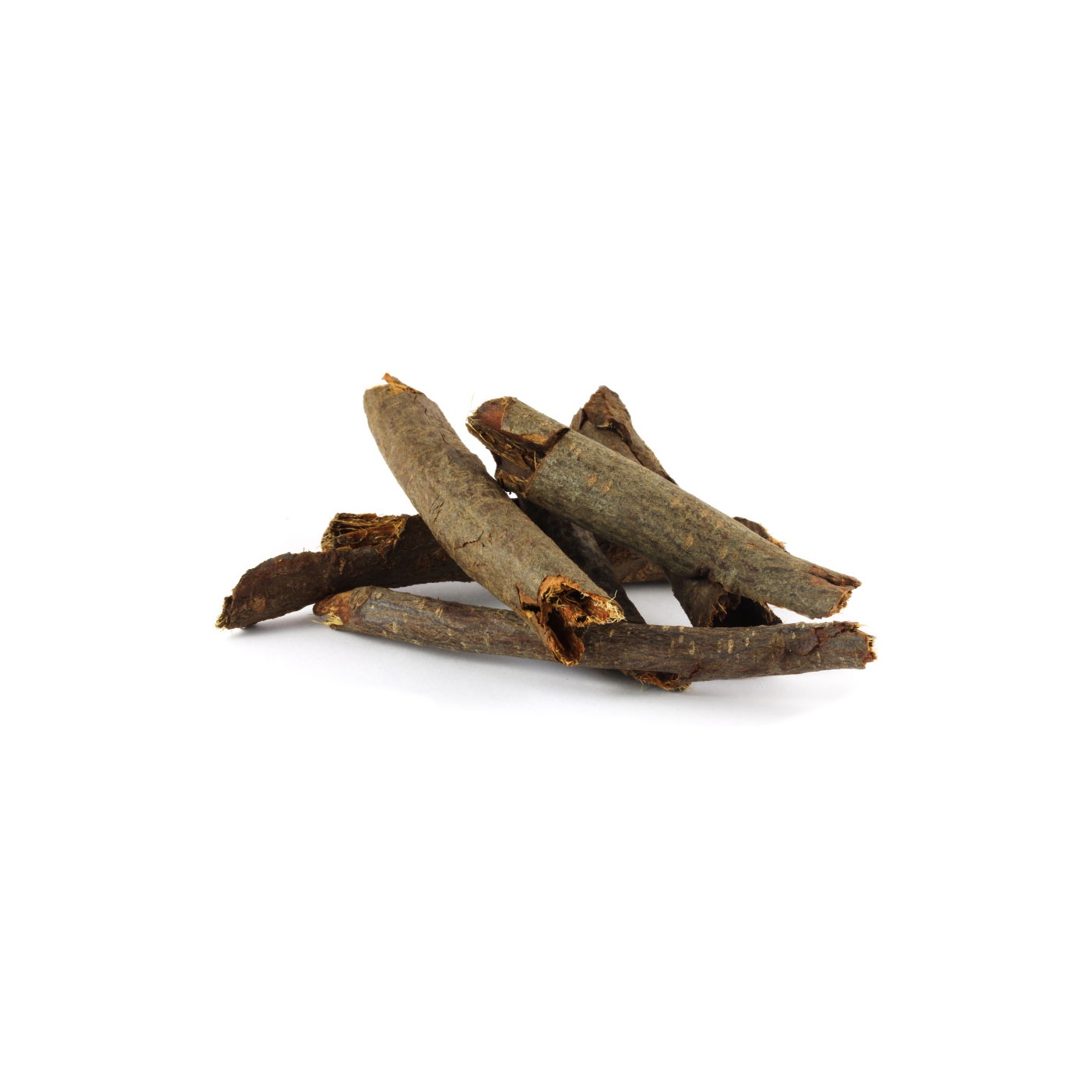 Source Cascara Sagrada Frangula purshiana Herb monograph →
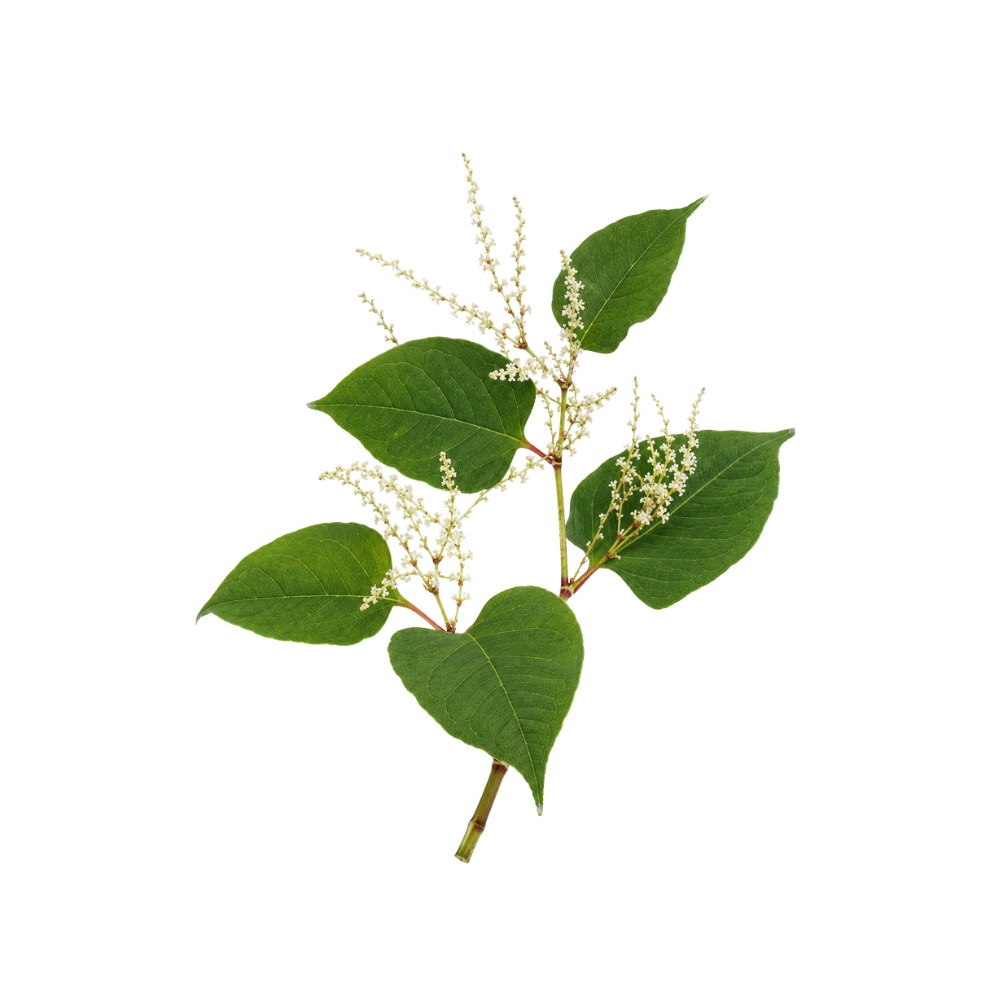 Source Japanese Knotweed Reynoutria japonica Herb monograph →
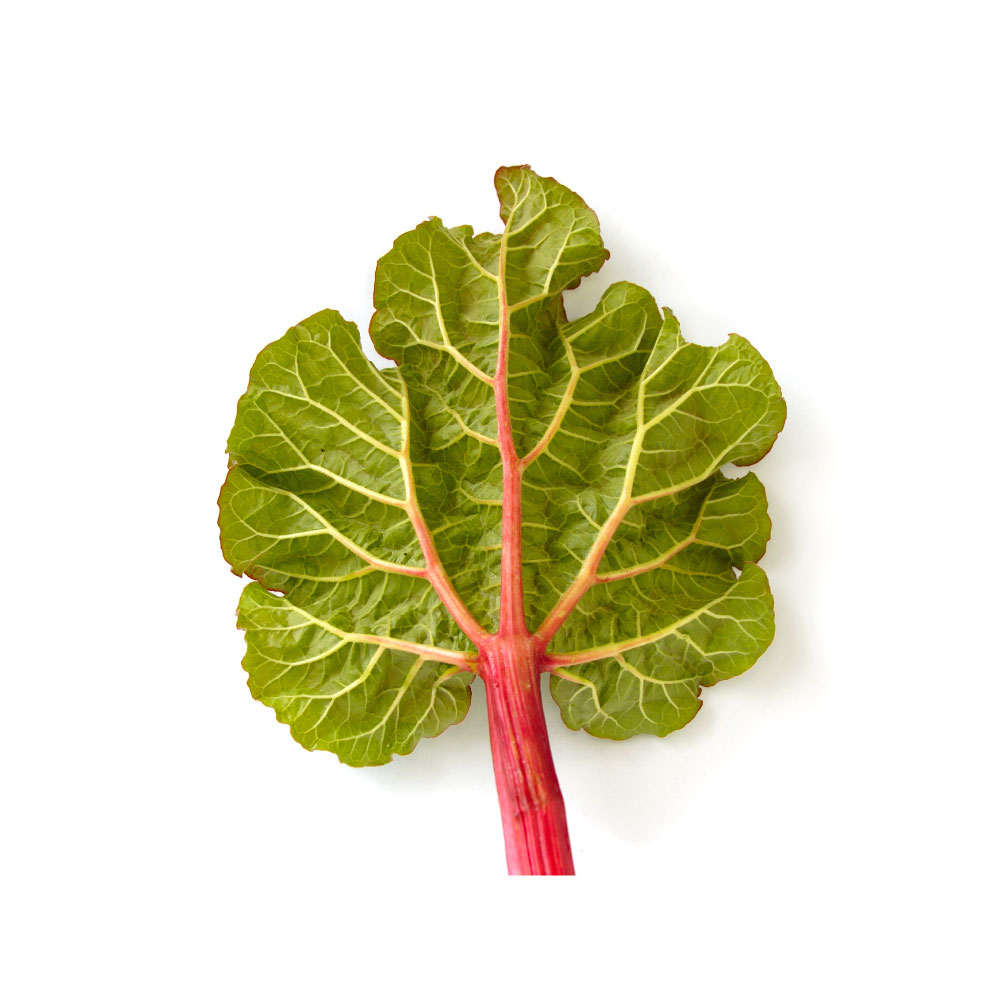 Source Rhubarb Rheum palmatum Herb monograph →
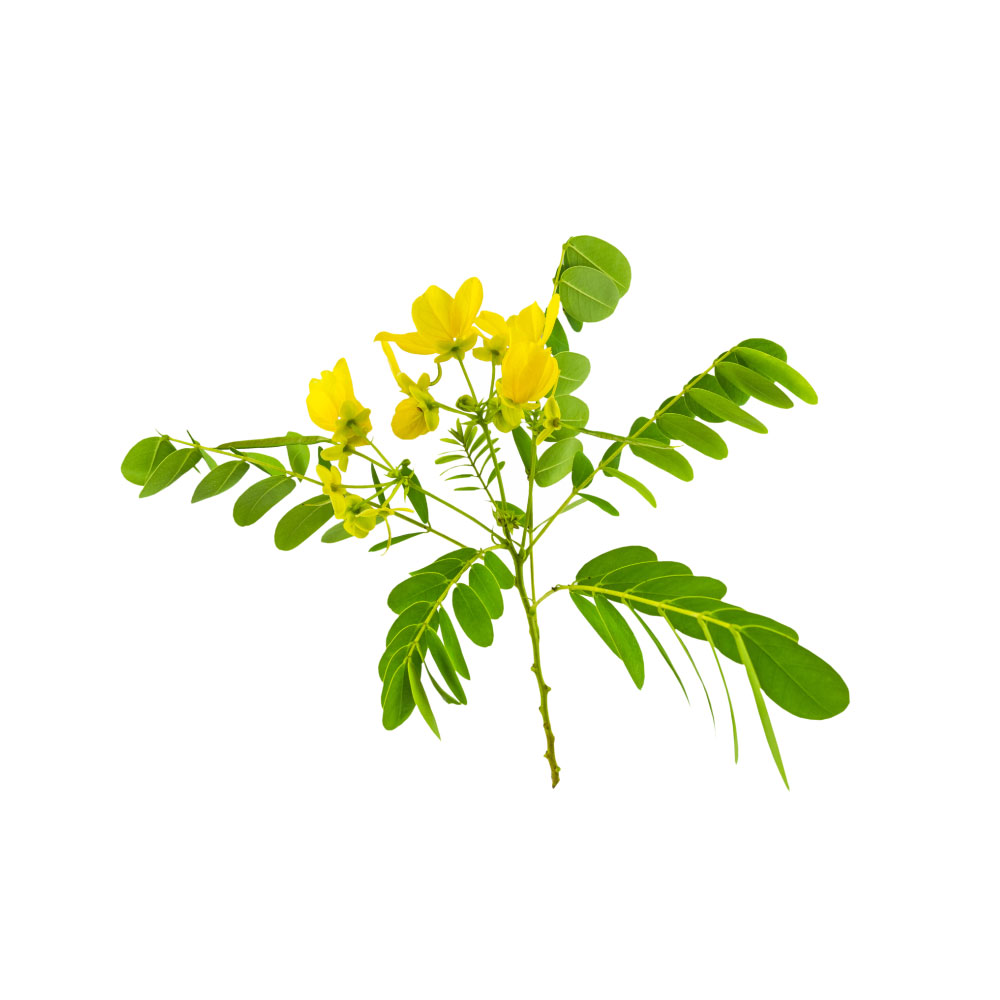 Source Senna Cassia angustifolia Herb monograph →
Concentration
Content by Source
Concentrations not reported. No percent-dry-weight or mg/g figures have been published for this compound in its source plants.
Physcion at a Glance
Physcion is a hydroxyanthraquinone aglycone — chemically, emodin’s 3-methyl ether (1,8-dihydroxy-3-methoxy-6-methylanthraquinone). It belongs to the same anthraquinone-laxative family as emodin, chrysophanol and rhein, and turns up across yellow dock, rhubarb and other Polygonaceae 7,
What makes physcion its own molecule rather than a footnote to emodin is a double identity. Under the name parietin it is the orange pigment of wall lichens — a UV-screening cortical pigment — and in that setting it has been developed into a widely deployed agricultural antifungal 3,
Two honest caveats frame everything below. First, all of physcion’s human-disease evidence is preclinical — cell and animal work on the isolated molecule, with no clinical trials. Second, physcion is generally less potent and less genotoxic than emodin, but it still sits inside the EU-restricted hydroxyanthracene-derivative class, so it is flagged with the same caution as its anthraquinone siblings 4,
Physcion as Parietin — Pigment & 6PGD Inhibitor
The single most physcion-distinctive story here is not shared with emodin or chrysophanol, and it has two halves that meet in one molecule.
The lichen pigment. Under its older name parietin, physcion is the dominant anthraquinone of the wall lichen Xanthoria parietina (once Parmelia parietina, the source of the name) and its relatives — the compound responsible for their vivid orange colour. In the lichen it works as a cortical screening pigment, absorbing UV-B (and blue) light and shielding the photosynthetic partner beneath 3Reference 3Antiproliferative, antibacterial and antifungal activity of the lichen Xanthoria parietina and its secondary metabolite parietinView study →. This is a pigment-and-photoprotection role, analogous to how other plant molecules serve ecological functions unrelated to human pharmacology.
The 6PGD inhibitor. In a 2015 Nature Cell Biology study, physcion emerged from a screen as a selective inhibitor of 6-phosphogluconate dehydrogenase (6PGD) — the enzyme that catalyses the third, decarboxylating step of the oxidative pentose-phosphate pathway (PPP) 1Reference 1Lin R, Elf S, Shan C, et al. (2015). 6-Phosphogluconate dehydrogenase links oxidative PPP, lipogenesis and tumour growth by inhibiting LKB1–AMPK signalling. Nature Cell Biology. https://pubmed.ncbi.nlm.nih.gov/26479318/View study →. That pathway supplies tumour cells with two things they need in bulk: NADPH (for antioxidant defence and fatty-acid synthesis) and ribulose-5-phosphate (for nucleotide building blocks). Mechanistically, blocking 6PGD lowered NADPH and lipogenesis, raised reactive-oxygen species, and — through loss of ribulose-5-phosphate — relieved suppression of the LKB1–AMPK axis, activating AMPK. In cells and in nude-mouse xenografts, physcion and a semisynthetic derivative (S3) inhibited 6PGD and slowed tumour growth without obvious toxicity to the animals 1Reference 1Lin R, Elf S, Shan C, et al. (2015). 6-Phosphogluconate dehydrogenase links oxidative PPP, lipogenesis and tumour growth by inhibiting LKB1–AMPK signalling. Nature Cell Biology. https://pubmed.ncbi.nlm.nih.gov/26479318/View study →. Reported potency is modest — an IC₅₀ around the tens-of-micromolar range against the purified enzyme — consistent with a chemical-biology lead rather than a finished drug.
Follow-up work has extended the same 6PGD → AMPK/mTOR logic to other tumour types: in esophageal squamous cell carcinoma, 6PGD was over-expressed and associated with worse prognosis, and physcion suppressed growth via AMPK/mTOR while enhancing the effect of metformin 2Reference 2Inhibition of 6-phosphogluconate dehydrogenase suppresses esophageal squamous cell carcinoma growth and enhances the anti-tumor effects of metformin via the AMPK/mTOR pathwayView study →. The through-line is metabolic: physcion is being studied less as a cytotoxin and more as a switch on a specific tumour-fuelling enzyme.
The honesty line matters. This is a real, mechanistically coherent, target-defined story — and it is entirely preclinical. No human trial has tested physcion as a 6PGD inhibitor, and its poor oral pharmacokinetics (below) are a serious obstacle to translation.
Physcion vs. Emodin
Physcion is emodin with one change: a methyl group on the 3-hydroxyl (a 3-O-methyl ether). That small change shifts the molecule’s behaviour in ways worth stating plainly, because physcion’s profile is routinely — and wrongly — read straight off emodin’s much larger literature.
- Potency. Physcion is generally the weaker of the pair. In the anthranoid cytotoxicity/structure–activity series, the free-hydroxyl anthraquinones (emodin, aloe-emodin) tend to be more cytotoxic than their methylated or glycosylated relatives; masking a hydroxyl with a methyl ether blunts activity 11Reference 11Cytotoxicity of structurally diverse anthranoids and correlation with mechanism of action and side effectsView study →.
- Genotoxicity. This is the load-bearing contrast. In a dedicated food-toxicology study, emodin was genotoxic, while physcion (and chrysophanol) showed no genotoxic effects in the comet, micronucleus and mutation assays used 4Reference 4Occurrence of emodin, chrysophanol and physcion in vegetables, herbs and liquorsView study →. In Ames testing, physcion’s mutagenic signal appears only with metabolic activation, where emodin is mutagenic with or without it — again marking physcion as the softer molecule 4Reference 4Occurrence of emodin, chrysophanol and physcion in vegetables, herbs and liquorsView study →.
- What carries over. Both are hydroxyanthracene derivatives, so both fall inside the EU/EMA restriction of that class in food and supplements, and both are stimulant-laxative-class anthraquinones 12Reference 12Safety of hydroxyanthracene derivatives for use in foodView study →. Physcion being individually less genotoxic does not exempt it from the class caution.
The practical reading: physcion’s own genotoxicity signal is genuinely soft, but it is not a clean molecule — its moderate flag leans on the regulated class it belongs to, not on a strong direct hazard of its own.
What It's Used For
Physcion’s evidence base is smaller and thinner than emodin’s, and it splits into one deployed real-world use (agricultural antifungal), one striking but preclinical mechanism (6PGD/anticancer), and a scatter of in-vitro activities from the lichen-chemistry literature.
Support is an experimental score — weighted by study type (human > animal > in vitro) and volume. A beta, not a validated metric. Physcion’s evidence is preclinical (plus a deployed agricultural use), so human-facing scores stay low by design. Each application links to its write-up.
Physcion’s most deployed application — closer to an established use than anything else on the page. It is a registered botanical fungicide (marketed at low concentrations, e.g. 0.5% formulations) used in agriculture, particularly in China, against powdery mildew, downy mildew and grey mould 3Reference 3Antiproliferative, antibacterial and antifungal activity of the lichen Xanthoria parietina and its secondary metabolite parietinView study →.
In field/greenhouse work on Rosa roxburghii, dilute physcion (with chitosan) controlled powdery mildew with efficacies around 90% at 7–14 days 6Reference 6Association of physcion and chitosan can efficiently control powdery mildew in Rosa roxburghiiView study →; the lichen metabolite parietin (physcion) is also directly antifungal in vitro, with Rhizoctonia solani among the more sensitive fungi 3Reference 3Antiproliferative, antibacterial and antifungal activity of the lichen Xanthoria parietina and its secondary metabolite parietinView study →.
Its appeal versus synthetic fungicides is low mammalian toxicity and biodegradability, and it is now produced at scale by microbial fermentation plus chemical methylation 5Reference 5Production of the antifungal biopesticide physcion through the combination of microbial fermentation and chemical post-treatmentView study →.
Gap: this is agricultural/plant-protection efficacy, not a human antifungal therapy — the concentrations and delivery are crop-directed, and no human infection data exist 3,
The physcion-distinctive mechanism (see the parietin section above). Physcion selectively inhibits 6-phosphogluconate dehydrogenase (6PGD) in the oxidative pentose-phosphate pathway; loss of 6PGD activity lowers NADPH and lipogenesis, raises ROS, and — via reduced ribulose-5-phosphate — activates the LKB1–AMPK axis, curbing proliferation. Physcion and its derivative S3 slowed lung, breast and head-and-neck cancer cells and inhibited xenograft tumour growth in mice without obvious toxicity 1Reference 1Lin R, Elf S, Shan C, et al. (2015). 6-Phosphogluconate dehydrogenase links oxidative PPP, lipogenesis and tumour growth by inhibiting LKB1–AMPK signalling. Nature Cell Biology. https://pubmed.ncbi.nlm.nih.gov/26479318/View study →; a 2025 study extended the effect to esophageal squamous cell carcinoma via AMPK/mTOR, with additivity to metformin 2Reference 2Inhibition of 6-phosphogluconate dehydrogenase suppresses esophageal squamous cell carcinoma growth and enhances the anti-tumor effects of metformin via the AMPK/mTOR pathwayView study →.
Gap: every result is cell-line or xenograft — there are no human oncology trials of physcion, its enzyme-inhibition potency is modest (tens of µM), and its poor oral bioavailability 9Reference 9AnimalPharmacokinetics of anthraquinones in rat plasma after oral administration of a rhubarb extractView study → undercuts translation 1,
From the lichen-chemistry literature. Isolated parietin showed antibacterial activity in vitro — notably against Staphylococcus aureus, including a clinical isolate — and antiproliferative/pro-apoptotic activity against human breast-cancer cell lines (MCF-7, MDA-MB-231), modulating cell-cycle regulators (p16, p27, cyclin D1/A) and both extrinsic and intrinsic apoptotic pathways 3Reference 3Antiproliferative, antibacterial and antifungal activity of the lichen Xanthoria parietina and its secondary metabolite parietinView study →.
These overlap the 6PGD anticancer signal but were generated in a separate, lichen-focused programme.
Gap: in-vitro only, at assay concentrations, as one metabolite of a whole-lichen extract; no in-vivo antibacterial or clinical data 3Reference 3Antiproliferative, antibacterial and antifungal activity of the lichen Xanthoria parietina and its secondary metabolite parietinView study →.
As a hydroxyanthraquinone, physcion belongs to the stimulant-laxative anthraquinone class, but the purgative principle of its source herbs is the anthraquinone glycosides (and dianthrone glycosides) that survive to the colon, where flora liberate the active anthrones — not free physcion, which is a minor, low-abundance contributor absorbed upstream 8Reference 8AnimalPharmacokinetics and pharmacodynamics of rhubarb anthraquinones extract in normal and disease ratsView study →.
Gap: this is a class effect of the glycoside-bearing herb, not a physcion-isolate indication, and it sits under the EU restriction of hydroxyanthracene derivatives 12Reference 12Safety of hydroxyanthracene derivatives for use in foodView study →.
Mechanisms
| Target / pathway | Effect | Relevant to |
|---|---|---|
| 6-Phosphogluconate dehydrogenase (6PGD) | selective inhibition → ↓ NADPH, ↓ ribulose-5-phosphate | anticancer (the physcion-distinctive target) |
| LKB1–AMPK axis | disinhibition/activation of AMPK (↓ mTOR downstream) | anticancermetabolic |
| Lipogenesis (acetyl-CoA carboxylase) | ↓ fatty-acid synthesis; ↑ reactive-oxygen species | anticancer |
| Fungal membranes / growth (plant pathogens) | growth inhibition of powdery-mildew and related fungi | agricultural antifungal |
| Apoptosis regulators (p16/p27, cyclins, Bcl-2/BAD) | pro-apoptotic, cell-cycle modulation in cancer cell lines | antiproliferative (lichen parietin) |
| UV-B / blue-light absorption (in lichen cortex) | screening pigment protecting the photobiont | lichen ecology / pigment role |
| Anthraquinone glycoside → anthrone (colonic flora) | class-level stimulant-laxative action | laxative (herb/glycosidenot free physcion) |
The load-bearing mechanism is 6PGD inhibition — a specific metabolic-enzyme target that is genuinely physcion’s own line of research, distinct from emodin’s broad NF-κB/kinase repertoire.
Pharmacokinetics
Physcion behaves like its anthraquinone siblings: lipophilic, poorly water-soluble, and poorly orally bioavailable. After oral dosing of rhubarb extract in rats, free physcion is barely detectable in plasma — it becomes measurable only after β-glucuronidase treatment of the samples, showing that it circulates almost entirely as glucuronide conjugates rather than free parent 9Reference 9AnimalPharmacokinetics of anthraquinones in rat plasma after oral administration of a rhubarb extractView study →. This mirrors emodin’s ~3–5% oral bioavailability driven by extensive intestinal/hepatic glucuronidation, and it is the key constraint on every systemic claim: the micromolar concentrations that inhibit 6PGD or fungi in vitro are difficult to reach as free physcion in blood after oral intake. No robust human ADME (Cmax, half-life, oral bioavailability) is established for the isolate.
Clinical Trials
There are no human efficacy trials of isolated physcion — for cancer, infection or any other indication. The human exposure that exists is incidental dietary and herbal intake of anthraquinone-containing plants, which is a multi-constituent, glycoside-dominated exposure, not a physcion result. Treat all disease-relevant data as preclinical.
| Completed | Planned | Terminated | Preclinical |
|---|---|---|---|
| —(isolate) | — | — | Extensive(6PGD/anticancer, antifungal, antibacterial) |
Last checked: July 2026.
Isolate vs. Plant Studies
Physcion’s evidence is almost entirely the isolated molecule — but pulled from two different worlds. The anticancer/6PGD work uses purified physcion (and the semisynthetic S3 derivative) in cell and xenograft models 1,
Prevalence in Nature
Physcion occurs across three biological kingdoms, which is part of what makes it interesting. In plants it is a hydroxyanthraquinone of the Polygonaceae — yellow dock (Rumex crispus) root, rhubarb (Rheum), Japanese knotweed — and it is reported from cascara sagrada and senna as well, generally as a smaller share of the anthraquinone pool than emodin 10,
Beyond plants, physcion is the defining pigment of wall lichens — the orange Xanthoria parietina and its relatives — where, as parietin, it accumulates in the cortex as a UV-screening pigment 3Reference 3Antiproliferative, antibacterial and antifungal activity of the lichen Xanthoria parietina and its secondary metabolite parietinView study →. It is also produced by some fungi (notably certain Aspergillus species), which is the basis for its industrial manufacture by fermentation 5Reference 5Production of the antifungal biopesticide physcion through the combination of microbial fermentation and chemical post-treatmentView study →. And it turns up at low levels in some foods: a food-survey study detected physcion (with emodin and chrysophanol) in beans, leafy vegetables and herbal liquors, though it judged the anthraquinones not a high-priority dietary genotoxic risk in a balanced diet 4Reference 4Occurrence of emodin, chrysophanol and physcion in vegetables, herbs and liquorsView study →.
Discovery & Synthesis
Physcion entered science not as a herbal constituent but as a pigment: it was long known as parietin, the orange colouring matter of the common wall lichen Xanthoria parietina (historically Parmelia parietina, from which the name derives), and the parallel name physcion traces to the lichen genus Physcia 3Reference 3Antiproliferative, antibacterial and antifungal activity of the lichen Xanthoria parietina and its secondary metabolite parietinView study →. Its chemistry was later resolved as an anthraquinone — specifically emodin’s 3-methyl ether (1,8-dihydroxy-3-methoxy-6-methylanthraquinone), placing it firmly in the same family as the rhubarb/dock anthraquinones.
Manufacture today reflects the biopesticide market rather than the pharmacy. Because extraction from lichen or herb is inefficient, physcion is now produced by microbial fermentation followed by chemical methylation: engineered fungi (e.g. Aspergillus oryzae) are used to build the anthraquinone precursor, which is then O-methylated by alkali/chemical post-treatment to give physcion at useful scale for its role as an antifungal biopesticide 5Reference 5Production of the antifungal biopesticide physcion through the combination of microbial fermentation and chemical post-treatmentView study →. Classical total synthesis of the anthraquinone core is well established chemistry, but a physcion-specific first-total-synthesis attribution is not run down here.
Patents: not yet researched.
Toxicity & Safety
Physcion carries a moderate flag — the same as its anthraquinone siblings emodin, chrysophanol and rhein — even though its own direct genotoxicity signal is soft. The rating is a class judgement, not a claim of a strong individual hazard.
- Individually low direct genotoxicity. Physcion was negative in the comet, micronucleus and mutation assays that flagged emodin as positive, and is Ames-mutagenic only with metabolic activation — the weaker, less-genotoxic member of the pair 4Reference 4Occurrence of emodin, chrysophanol and physcion in vegetables, herbs and liquorsView study →.
- Low mammalian toxicity in its deployed use. As a registered crop biofungicide it is valued for low mammalian toxicity and biodegradability, and 6PGD-inhibitor xenograft studies reported no obvious animal toxicity 1,
3Reference 1Lin R, Elf S, Shan C, et al. (2015). 6-Phosphogluconate dehydrogenase links oxidative PPP, lipogenesis and tumour growth by inhibiting LKB1–AMPK signalling. Nature Cell Biology. https://pubmed.ncbi.nlm.nih.gov/26479318/View study →Reference 3Antiproliferative, antibacterial and antifungal activity of the lichen Xanthoria parietina and its secondary metabolite parietinView study → . - EU-restricted hydroxyanthracene class. Physcion is a hydroxyanthracene derivative and a stimulant-laxative-class anthraquinone; the EU/EMA restriction and genotoxicity concern applied to this class carry over to it, individual softness notwithstanding 12Reference 12Safety of hydroxyanthracene derivatives for use in foodView study →.
- Stimulant-laxative cautions apply to the source herbs. Prolonged use of anthraquinone-laxative herbs (rhubarb, yellow dock, senna, cascara) can cause electrolyte (potassium) loss and is generally cautioned in pregnancy and breastfeeding — a herb-level decision, not adjudicated on this molecule page.
- Human safety data are thin. No dedicated human toxicology, repeat-dose or reproductive dataset exists for isolated physcion; absence of findings is not evidence of safety.
The reproductive/developmental note is prose-level and deliberate: stimulant anthraquinone laxatives are generally advised against in pregnancy, and anthraquinone metabolites can appear in breast milk, so anthraquinone-laxative herbs are cautioned in those states — but that decision belongs to the herb or product page where intake is decided, not to this molecule page, and no isolate-specific verdict is issued here.
Dosage
There is no established or safe human dose for isolated physcion, and nothing here is a recommendation. For reference only:
- Preclinical research used physcion in the micromolar range in cell assays and by injection/oral gavage in xenograft mice for the 6PGD/anticancer work 1,
2Reference 1Lin R, Elf S, Shan C, et al. (2015). 6-Phosphogluconate dehydrogenase links oxidative PPP, lipogenesis and tumour growth by inhibiting LKB1–AMPK signalling. Nature Cell Biology. https://pubmed.ncbi.nlm.nih.gov/26479318/View study →Reference 2Inhibition of 6-phosphogluconate dehydrogenase suppresses esophageal squamous cell carcinoma growth and enhances the anti-tumor effects of metformin via the AMPK/mTOR pathwayView study → . - Agricultural use applies dilute formulations (e.g. ~0.5% physcion, further diluted to low mg/L in spray solution) as a foliar biofungicide — a crop-protection rate, not a human dose 6Reference 6Association of physcion and chitosan can efficiently control powdery mildew in Rosa roxburghiiView study →.
- Human intake is incidental: via anthraquinone-containing laxative herbs (dosed to the herb’s hydroxyanthracene-glycoside content, not to free physcion) and at low levels in some foods 4Reference 4Occurrence of emodin, chrysophanol and physcion in vegetables, herbs and liquorsView study →. Given poor oral bioavailability 9Reference 9AnimalPharmacokinetics of anthraquinones in rat plasma after oral administration of a rhubarb extractView study →, oral physcion does not translate into meaningful systemic free-drug exposure.
These are research and agricultural figures, not a personal recommendation.
References
- Lin R, Elf S, Shan C, et al. (2015). 6-Phosphogluconate dehydrogenase links oxidative PPP, lipogenesis and tumour growth by inhibiting LKB1–AMPK signalling. Nature Cell Biology. https://pubmed.ncbi.nlm.nih.gov/26479318/
- Wang B, et al. (2025). Inhibition of 6-phosphogluconate dehydrogenase suppresses esophageal squamous cell carcinoma growth and enhances the anti-tumor effects of metformin via the AMPK/mTOR pathway. Molecular Cancer. https://pubmed.ncbi.nlm.nih.gov/40140842/
- Basile A, Rigano D, Loppi S, et al. (2015). Antiproliferative, antibacterial and antifungal activity of the lichen Xanthoria parietina and its secondary metabolite parietin. International Journal of Molecular Sciences. https://pubmed.ncbi.nlm.nih.gov/25860944/
- Mueller SO, Schmitt M, Dekant W, et al. (1999). Occurrence of emodin, chrysophanol and physcion in vegetables, herbs and liquors. Genotoxicity and anti-genotoxicity of the anthraquinones and of the whole plants. Food and Chemical Toxicology. https://pubmed.ncbi.nlm.nih.gov/10456676/
- Zhuang Z, Zhong X, Li Q, et al. (2023). Production of the antifungal biopesticide physcion through the combination of microbial fermentation and chemical post-treatment. Bioresources and Bioprocessing. https://pubmed.ncbi.nlm.nih.gov/38647644/
- Zhang C, et al. (2022). Association of physcion and chitosan can efficiently control powdery mildew in Rosa roxburghii. Antibiotics (Basel). https://pubmed.ncbi.nlm.nih.gov/36421305/
- Eom TJ, et al. (2020). In-vitro antioxidant, anti-inflammation and anticancer activities and anthraquinone content from Rumex crispus root. Antioxidants (Basel). https://pubmed.ncbi.nlm.nih.gov/32784977/
- Li P, Lu Q, Jiang W, et al. (2017). Pharmacokinetics and pharmacodynamics of rhubarb anthraquinones extract in normal and disease rats. Biomedicine & Pharmacotherapy. https://pubmed.ncbi.nlm.nih.gov/28475921/
- Wu W, et al. (2014). Pharmacokinetics of anthraquinones in rat plasma after oral administration of a rhubarb extract. Biomedical Chromatography. https://pubmed.ncbi.nlm.nih.gov/24136708/
- Vasas A, Orbán-Gyapai O, Hohmann J (2015). The Genus Rumex: review of traditional uses, phytochemistry and pharmacology. Journal of Ethnopharmacology. https://pubmed.ncbi.nlm.nih.gov/26384001/
- Demarque DP, et al. (2018). Cytotoxicity of structurally diverse anthranoids and correlation with mechanism of action and side effects. Journal of Pharmacy & Pharmaceutical Sciences. https://pubmed.ncbi.nlm.nih.gov/30321134/
- EFSA ANS Panel (2018). Safety of hydroxyanthracene derivatives for use in food. EFSA Journal. https://pubmed.ncbi.nlm.nih.gov/32625659/
- Rumex crispus review (2024). Rumex crispus L.: a comprehensive review of its botany, phytochemistry, pharmacology and safety. International Immunopharmacology. https://pubmed.ncbi.nlm.nih.gov/39520965/



