
Compound Monograph
Pinitol
Pinitol (D-pinitol, 3-O-methyl-D-chiro-inositol) is a plant cyclitol sugar-alcohol, named as the main hepatoprotective constituent of a quantified Desmodium adscendens decoction.

Sources · 5
Where Does It Come From?
Pinitol is a naturally occurring cyclitol (methylated inositol), found in Tick trefoil, Shrubby bushclover and 3 other sources. It is well tolerated orally (low toxicity).
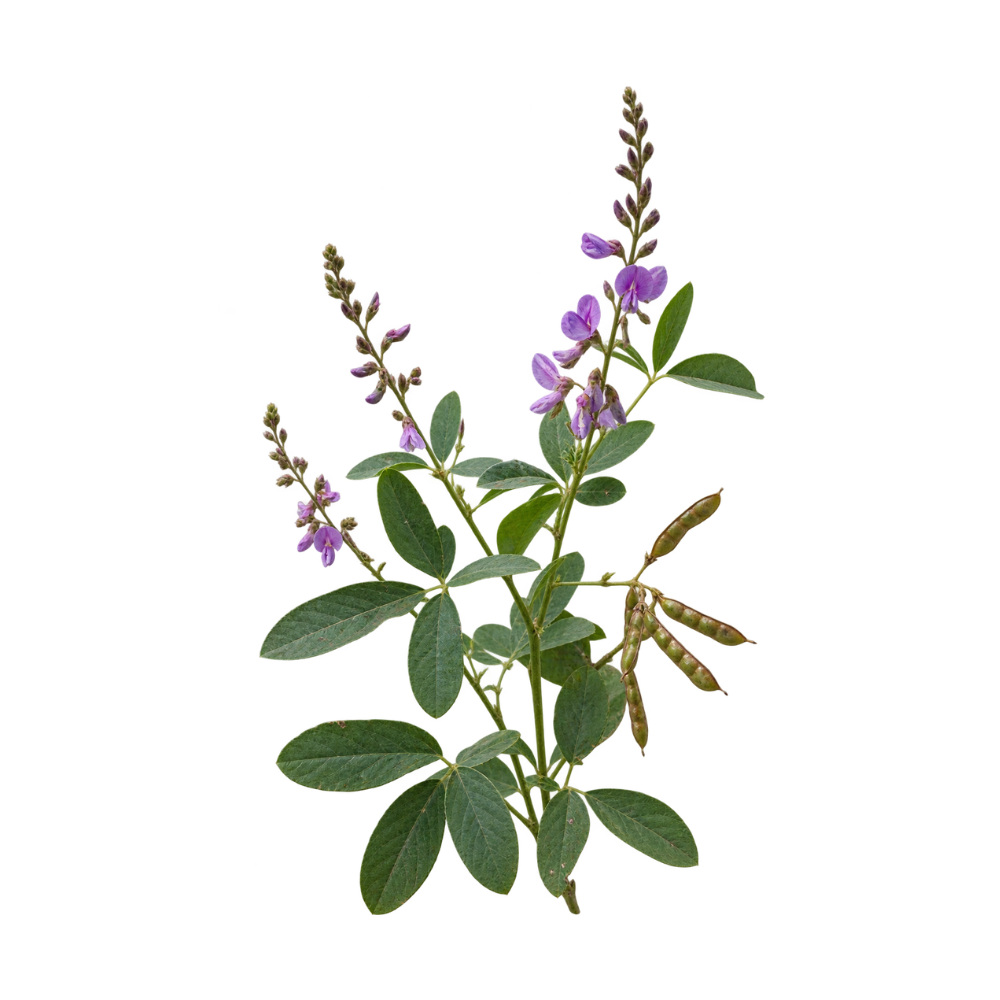 Principal source Tick Trefoil Desmodium spp. Herb monograph →
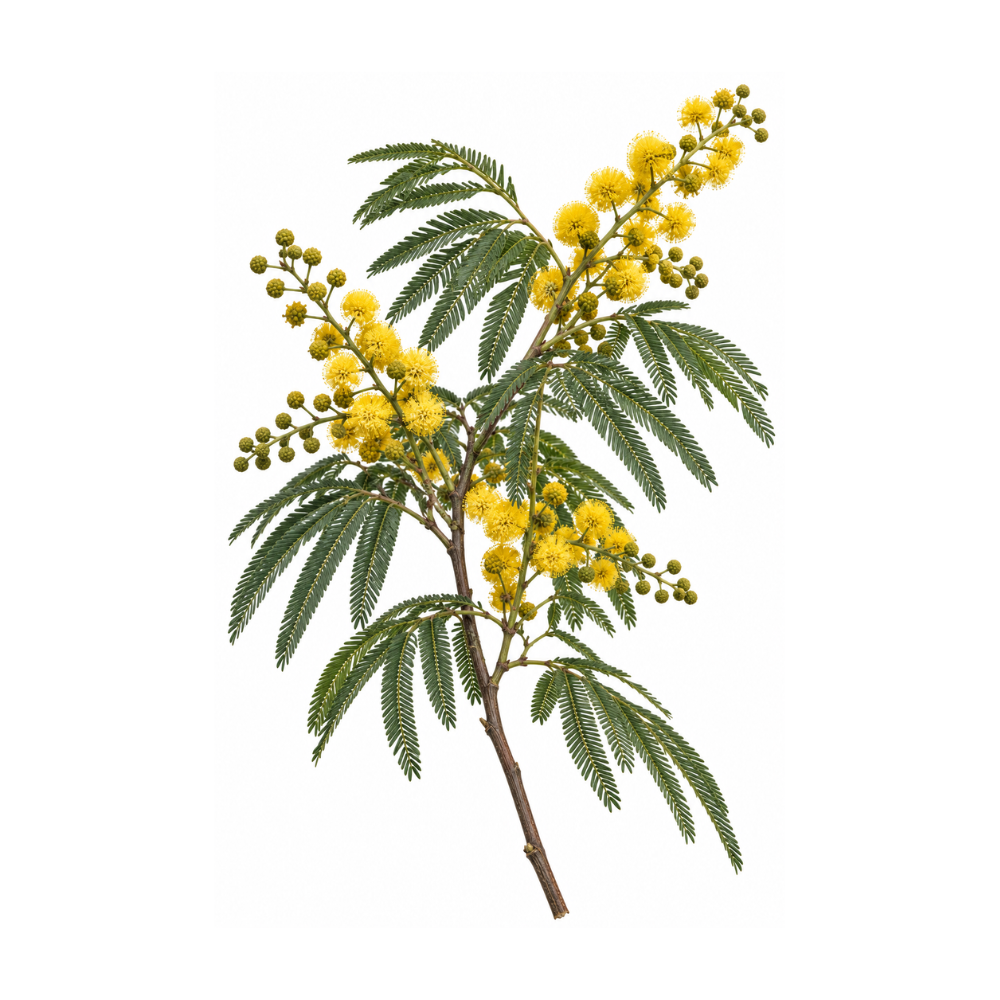 Source Black Wattle Acacia mearnsii Herb monograph →
Concentration
Content by Source
Concentrations not reported. No percent-dry-weight or mg/g figures have been published for this compound in its source plants.
Research & Evidence
Pinitol — usually written D-pinitol — is a cyclitol: a methylated inositol, so a sugar alcohol rather than a phenolic or a terpene. It is widespread in legumes, which is why it turns up in both Desmodium and Lespedeza.
Its clearest documented role here is hepatoprotective. In an animal study of chemically-induced liver damage, a quantified Desmodium adscendens decoction and D-pinitol itself were both assessed, with the cyclitol named as the constituent carrying the antihepatotoxic activity 1Reference 1AnimalAntihepatotoxic activity of a quantified Desmodium adscendens decoction and D-pinitol against chemically-induced liver damage — animal model (rat)View study →. That is a useful result for two reasons: the decoction was quantified rather than nominal, and the isolated molecule was tested alongside it, which is a stronger design than either alone.
Being water-soluble and sugar-like, pinitol is one of the constituents a decoction actually delivers — unlike the lipophilic fractions of many herbs, where the traditional preparation and the studied extract diverge. Species discipline still applies across Desmodium: this work is D. adscendens.
Toxicity & Safety
A dietary cyclitol of ordinary legumes, with no specific toxicity signal located. Nothing here has been tested as an isolated supplement in humans at therapeutic doses.
References
- Magielse, J., et al. (2013). Antihepatotoxic activity of a quantified Desmodium adscendens decoction and D-pinitol against chemically-induced liver damage — animal model (rat). Journal of Ethnopharmacology. https://pubmed.ncbi.nlm.nih.gov/23291573/



