
Subclass of Carbohydrates
Sugar Alcohols
Polyols such as mannitol and inositol — gentle sweeteners and signaling sugars.
Overview
About Sugar Alcohols
Sugar alcohols, or polyols, are sugars whose carbonyl group has been reduced to a hydroxyl. The change is small and it costs them their reactivity: a polyol cannot caramelize, cannot participate in the Maillard browning reaction, and is not fermented by oral bacteria.
In plants they serve as osmotic-stress protectants and transport sugars. In use they divide neatly into two camps — the bulk sweeteners of sugar-free foods, and a small set of genuinely bioactive cyclic polyols.
Where Sugar Alcohols Occur
Widespread, with a few plants concentrating one heavily:
Manna ash and seaweeds
mannitol
Birch bark, corn cobs and many fruits
xylitol
Rowan berries and stone fruit
sorbitol
Fermented fruit, and produced industrially
erythritol
Citrus, cantaloupe and beans
myo-inositol
Pine, soy and Bougainvillea
D-pinitol
Inositol is the outlier that justifies this page: chemically a cyclic polyol, biologically a second-messenger precursor with a genuine clinical literature.
Pharmacological Importance
Mannitol has a real place in hospital medicine as an osmotic diuretic, used intravenously to reduce raised intracranial and intraocular pressure. Xylitol's non-fermentability by Streptococcus mutans is the basis of its well-supported anticaries effect in chewing gum, which is a genuine dental-health intervention rather than a marketing claim.
Myo-inositol and its D-chiro isomer have accumulated real trial evidence in polycystic ovary syndrome — improving insulin sensitivity, ovulation rate and androgen profile — and at high doses in obsessive-compulsive and panic disorders. D-pinitol is a methylated inositol with insulin-sensitizing signals of its own.
Toxicity & Safety
The bulk polyols are poorly absorbed and osmotically active, so the dose-limiting effect is predictable and universal: they draw water into the bowel and are fermented, producing bloating, cramping and a laxative effect. Sorbitol is the worst offender and erythritol — largely absorbed and excreted unchanged — the mildest. They are also FODMAPs and problematic in irritable bowel syndrome.
Two specific points are worth carrying. **Xylitol is acutely toxic to dogs**, triggering profound insulin release and hypoglycaemia and, at higher doses, liver failure; sugar-free gum left within reach is a genuine veterinary emergency. And erythritol, long treated as inert, has recent observational and mechanistic work associating higher circulating levels with thrombotic cardiovascular events — not settled, but no longer ignorable.
Constituents
All Sugar Alcohols
7 totalNo sugar alcohols match.
Source Plants
Herbs Containing Sugar Alcohols
6 herbsPlants in the materia medica documented to carry sugar alcohols, with the compounds each one is listed for. The bar counts how many DISTINCT sugar alcohols are on record for a plant, relative to the best-documented — it measures breadth of record, not potency, so a plant with one well-studied compound can outrank a richer source that has simply been analysed less. No concentration figures are on record for this class yet, so nothing here distinguishes a major source from a trace.
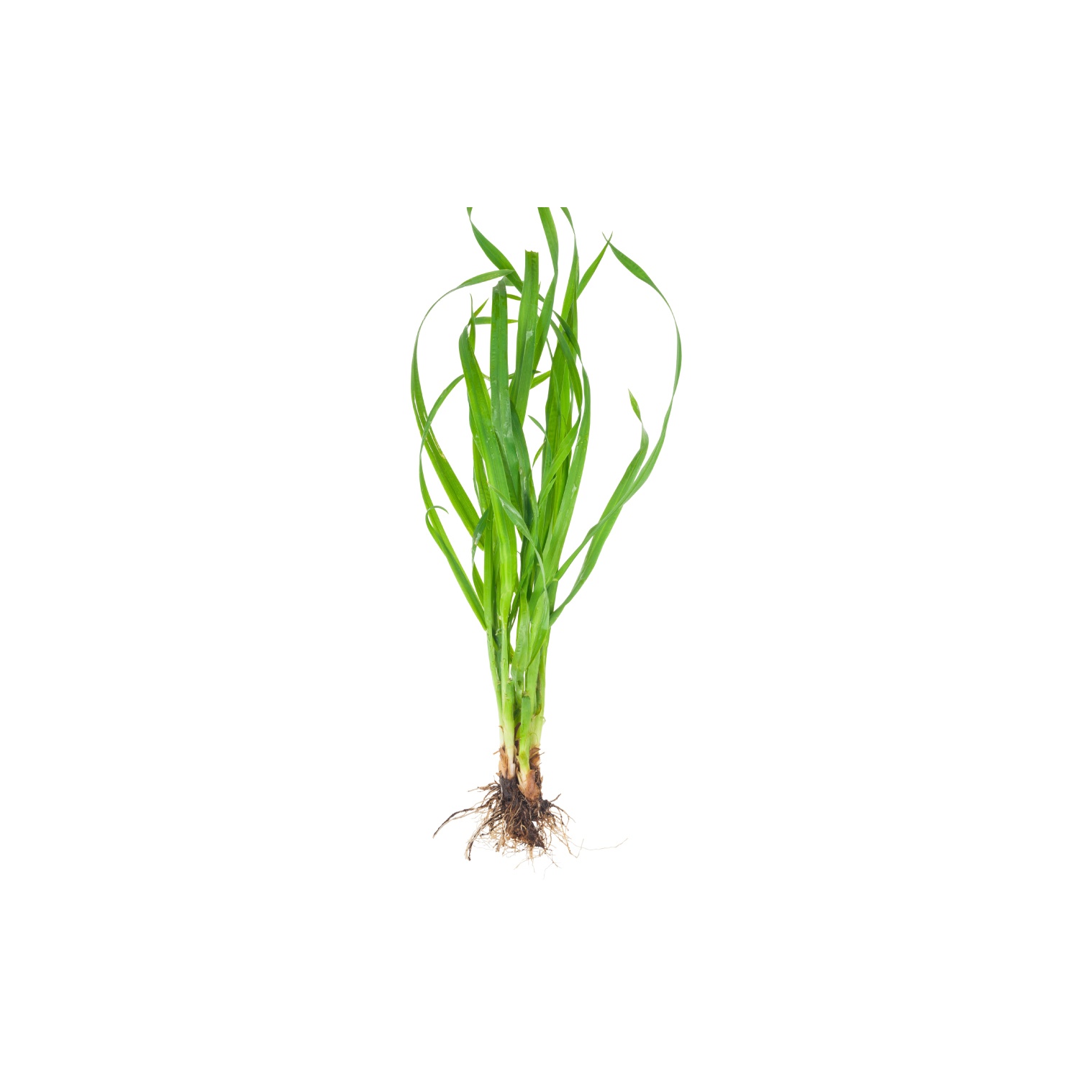 Couchgrass Elymus repens Documented for inositol, mannitol.
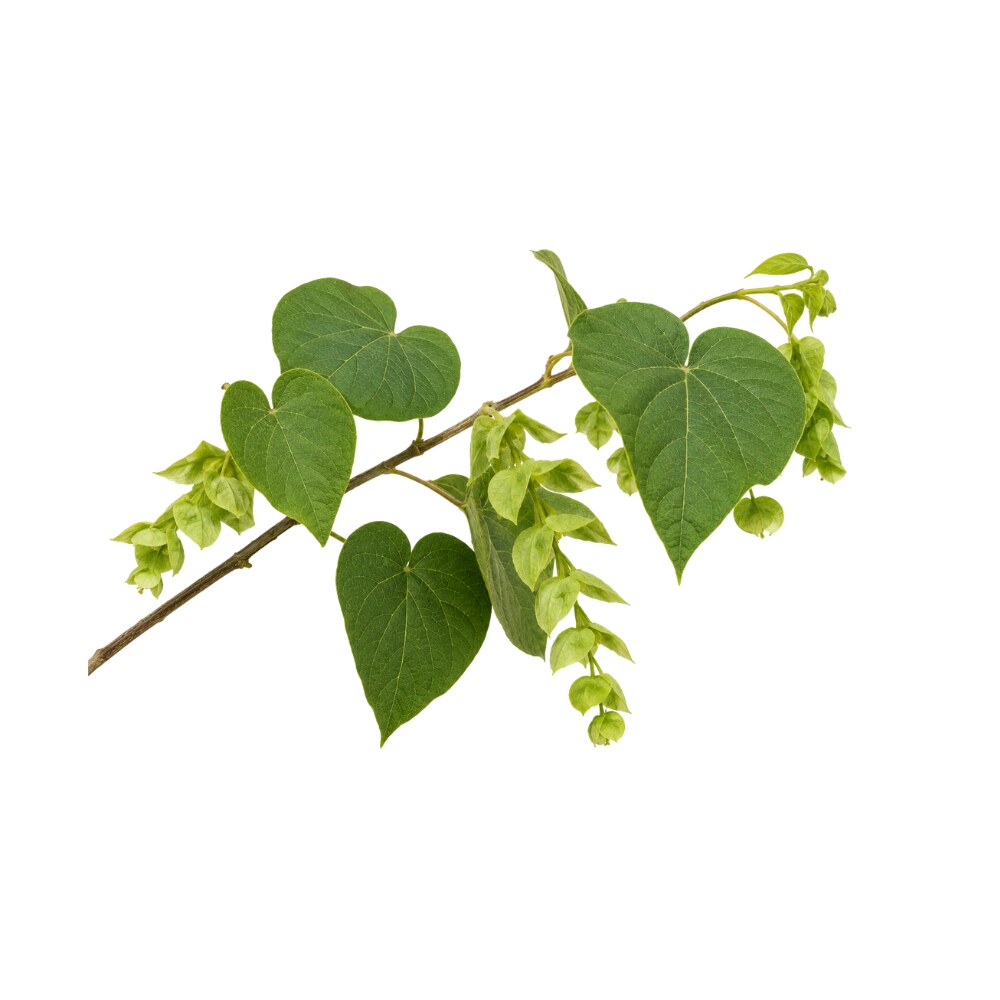 Abuta Cissampelos pareira Documented for quercitol.
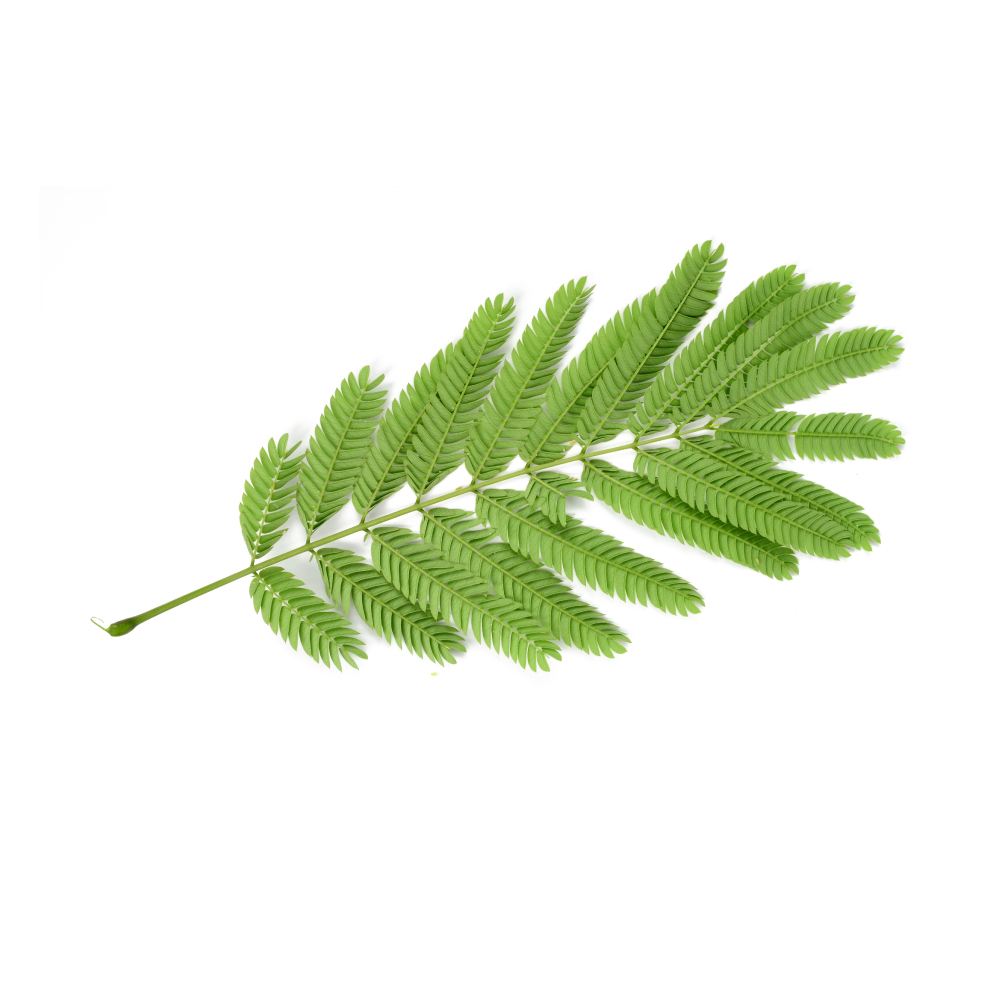 Albizzia Albizzia lebbeck Documented for d-pinitol.
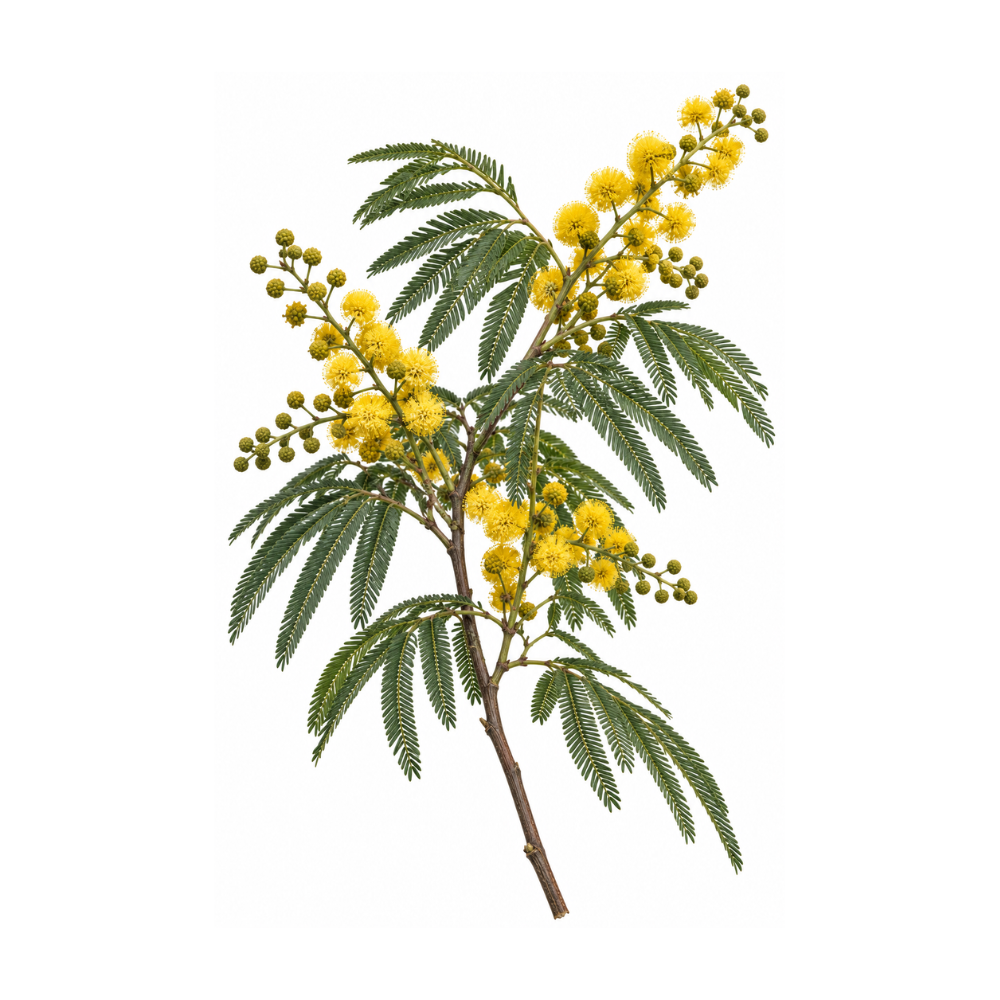 Black Wattle Acacia mearnsii Documented for pinitol.
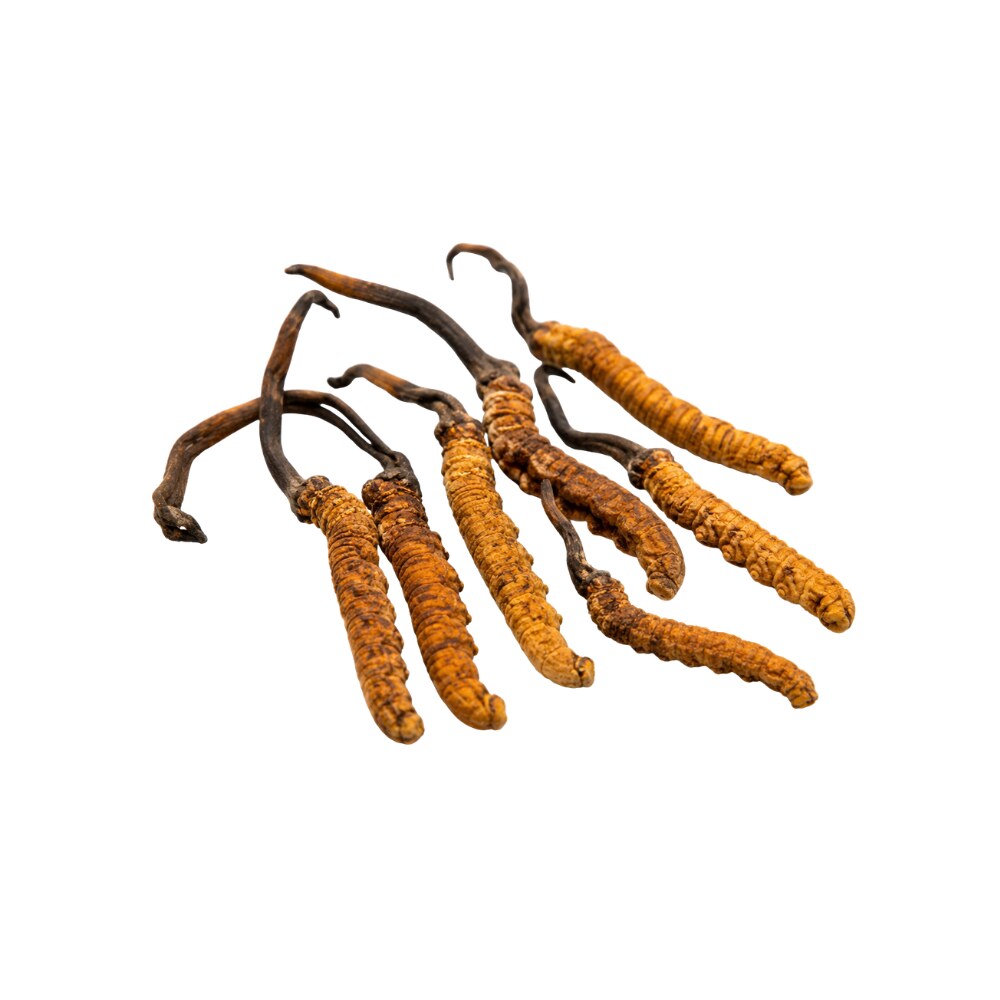 Cordyceps Ophiocordyceps sinensis Documented for cordycepic acid.
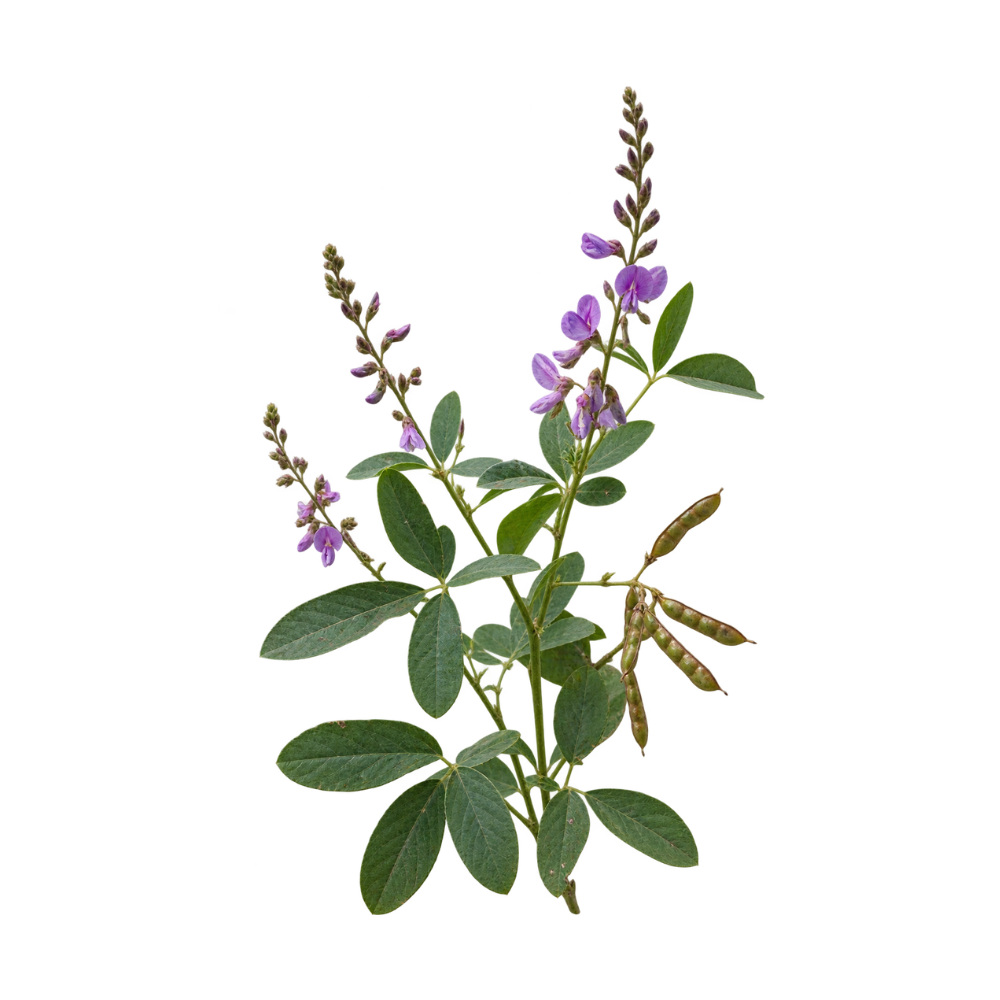 Tick Trefoil Desmodium spp. Documented for pinitol.
Keep Exploring
Other Compound Classes
Keep Reading
 GuidesThe Best Kava: A Buyer's GuideHow to buy good kava: noble vs two-day cultivars, which part of the root, chemotype codes, origin, form, and the batch tests a seller should show you.
Read more
 GuidesThe Amazon's Endangered Medicinal PlantsThe Amazon gives us some of our most important medicines — but which healing plants are actually endangered?
Read more
 NutritionThe Best Yerba Maté Brands [Reviewed]A drinker's guide to buying yerba maté — what actually changes the taste, and ten brands worth your money.
Read more
 GuidesHow to Prepare Yerba Maté — The Five Best MethodsHow to brew yerba maté properly — the traditional gourd method, plus tereré, french press and cold brew.
Read more