
Subclass of Phenolics
Flavonoids
Ubiquitous polyphenol pigments with antioxidant, anti-inflammatory, and vaso-protective activity.
Overview
About Flavonoids
Flavonoids are the largest and most widely distributed group of plant polyphenols — several thousand are known, and essentially every land plant makes some. They share a common C6–C3–C6 skeleton: two aromatic rings bridged by a three-carbon chain that usually closes into a third, oxygen-containing ring.
Small changes to that skeleton produce the whole family, and with it the yellows, creams and — via the anthocyanins — the reds and blues of flowers and fruit. In the plant they screen ultraviolet light, recruit pollinators, signal to root symbionts and defend against microbes.
The Flavonoid Subclasses
The family is sorted by the oxidation state of the central ring and where the second aromatic ring attaches. Six subclasses cover most of what you will meet:
- Flavonols
- quercetin, kaempferol, myricetin, rutin
- Flavones
- apigenin, luteolin, baicalein, the skullcap flavones
- Flavanones
- naringenin, hesperetin, the citrus flavonoids
- Flavan-3-ols
- catechin, epicatechin, EGCG and the proanthocyanidins
- Isoflavones
- genistein, daidzein, the legume phytoestrogens
- Anthocyanidins
- cyanidin, delphinidin, malvidin and the fruit pigments
Flavonols, flavones, flavanols, proanthocyanidins, isoflavones and anthocyanins each have their own page. This page collects the family as a whole and the members that sit outside those six, chiefly the flavanones and dihydroflavonols.
Glycosides & the Absorption Problem
In the living plant flavonoids almost always circulate with sugars attached — quercetin as rutin or isoquercitrin, apigenin as apiin, and so on. The sugar keeps them soluble and stored safely in the vacuole.
That matters enormously for how they behave in people. Most flavonoid glycosides are poorly absorbed intact; the gut microbiota cleave the sugar, and what actually reaches the bloodstream is often a bacterial metabolite rather than the compound named on the label. Absorbed aglycones are then rapidly glucuronidated and sulfated, so free circulating quercetin is scarce even after a large dose. This is why in-vitro potency so often fails to translate.
Pharmacological Importance
Direct radical scavenging is the effect flavonoids are famous for and probably the least important one in the body, given the plasma concentrations actually achieved. The better-supported mechanisms are indirect: activation of the Nrf2 pathway, which turns on the cell's own antioxidant enzymes; inhibition of NF-κB-driven inflammatory signalling; and modulation of enzymes and transporters.
Clinically the group carries real, specific effects — the citrus flavonoids and rutin in venous insufficiency and capillary fragility, quercetin and luteolin as mast-cell stabilizers, baicalein and apigenin at the benzodiazepine site of the GABA-A receptor, and the flavan-3-ols in vascular endothelial function.
Toxicity & Safety
Dietary flavonoid intake is measured in hundreds of milligrams a day and is safe by any ordinary standard. Concentrated isolated supplements are a different question.
The practical risks are interactions rather than toxicity: several flavonoids inhibit cytochrome P450 enzymes and drug transporters — grapefruit's furanocoumarins are the famous case, but naringin and quercetin have documented effects too — and high-dose quercetin has been associated with occasional renal and gastrointestinal complaints. Some flavonoids are also mild thyroid-peroxidase inhibitors at supplemental doses.
Constituents
All Flavonoids
41 total#
6-Demethoxycapillarisin 6-Methoxyhesperetin 6-Methoxynaringenin 6-Prenylnaringenin 8-PrenylnaringeninA
Anthoxanthins Arjunolone Arjunone AstilbinB
Barterin BrutieridinC
Castillicetin CastilliferolD
Dehydrokaempferol DihydrobaicalinE
Engeletin Eriodictyol Eriodictyol-7-O-glucosideF
Flavanones Flavonoid aglycones Flavonoid derivativesG
GangetinH
Hesperetin Hesperidin HomoeriodictyolI
Isoastilbin Isoengeletin IsoxanthohumolL
Lateriflorin LiquiritinM
MelitidinN
Naringenin Naringin Neoeriocitrin NeohesperidinP
Passiflorins Pinocembrin PrenylflavonoidsR
RhamnoliquiritinS
Sakuranetin SterubinNo flavonoids match.
Source Plants
Herbs Containing Flavonoids
60 herbsPlants in the materia medica documented to carry flavonoids, with the compounds each one is listed for. The bar counts how many DISTINCT flavonoids are on record for a plant, relative to the best-documented — it measures breadth of record, not potency, so a plant with one well-studied compound can outrank a richer source that has simply been analysed less. Where a measured concentration is on record it is quoted inline; most entries have none yet.
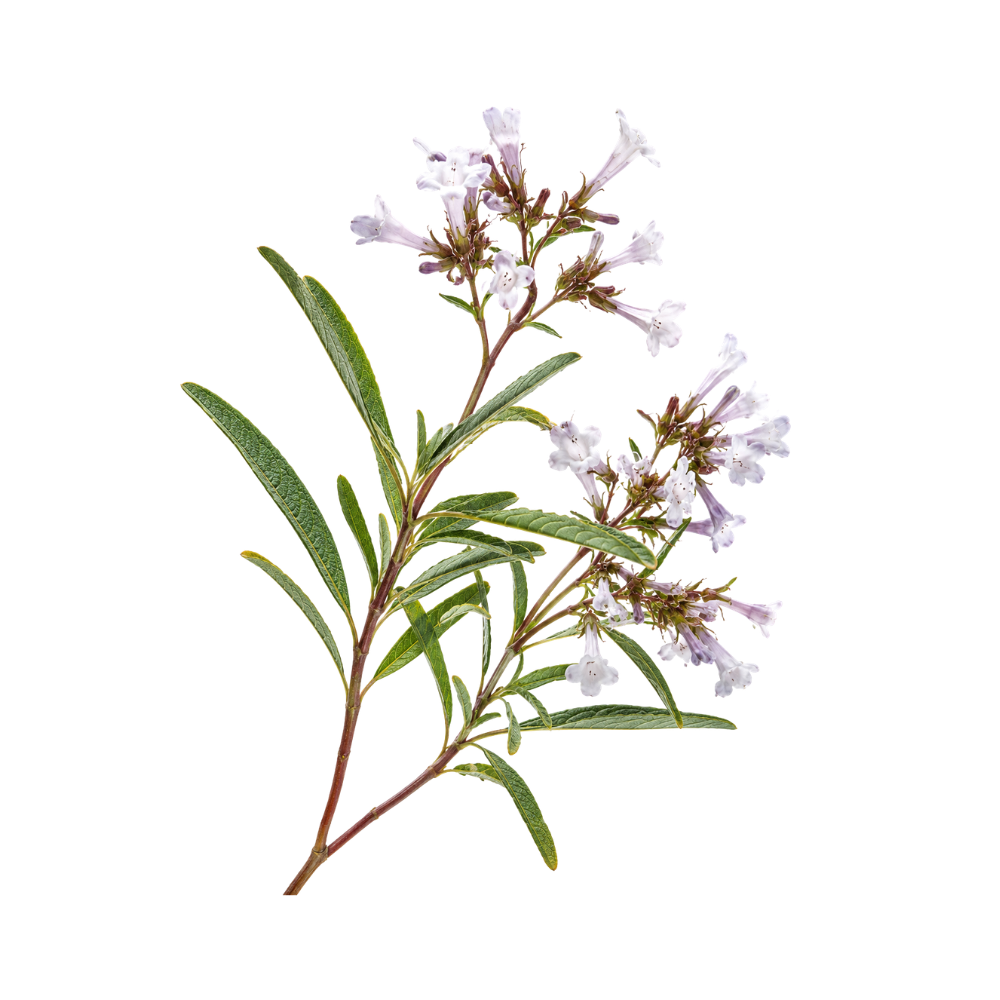 Yerba Santa Eriodictyon californicum Documented for 6-methoxyhesperetin, 6-methoxynaringenin, eriodictyol and 4 more flavonoids.
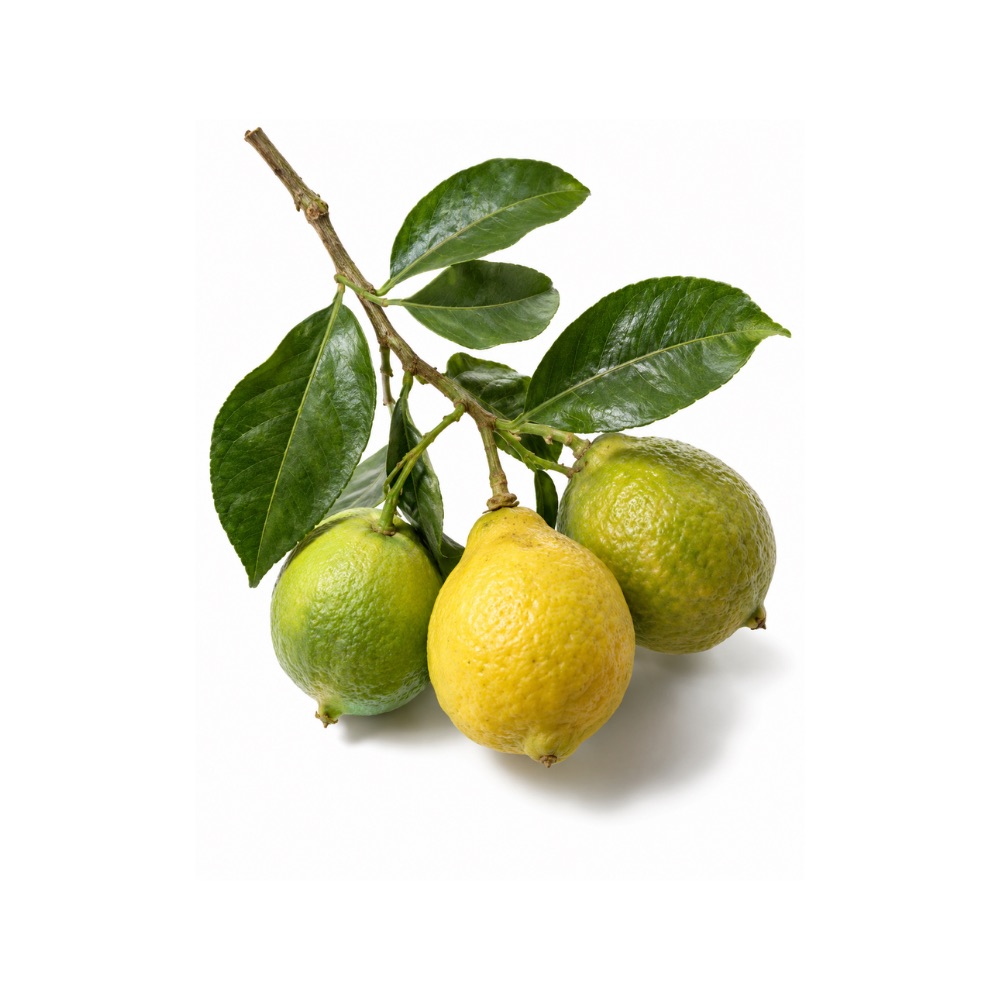 Bergamot Citrus bergamia Documented for brutieridin, melitidin, naringenin and 3 more flavonoids.
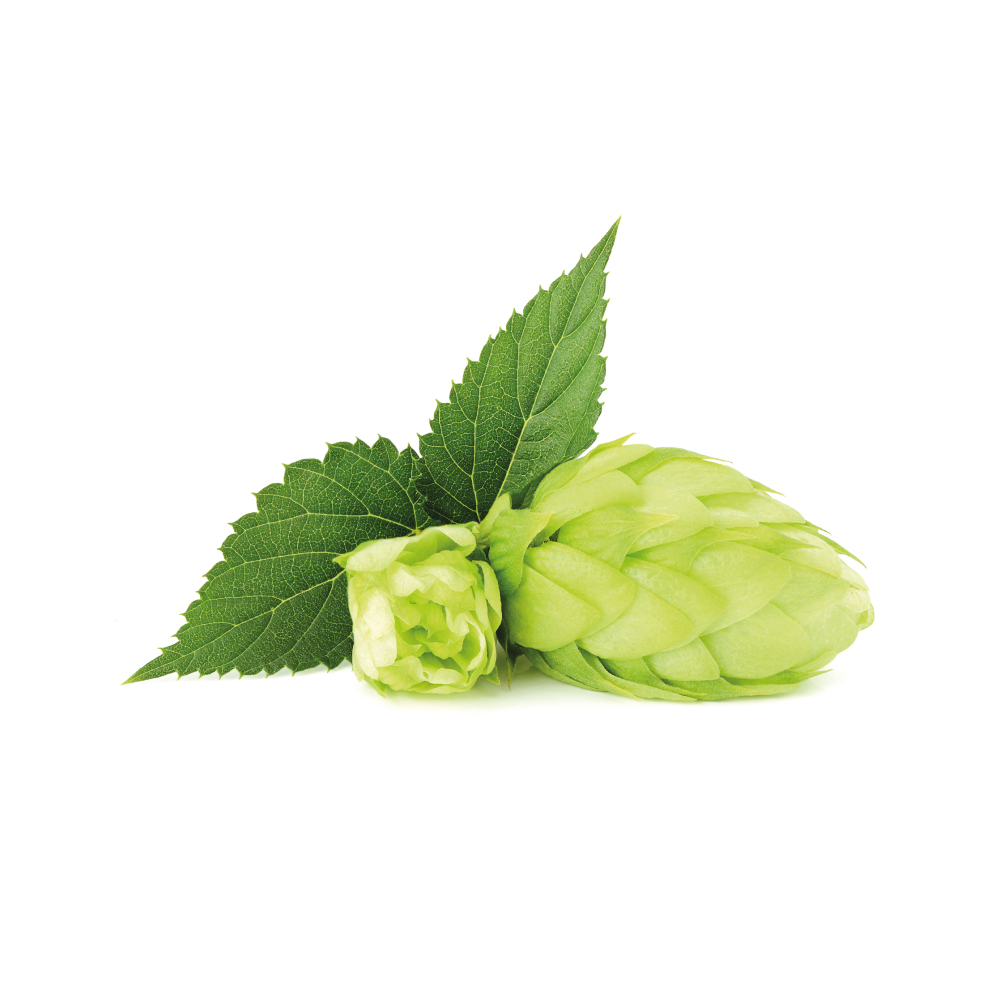 Hops Humulus lupulus Documented for 6-prenylnaringenin (0 % dry wt), 8-prenylnaringenin, flavonoids and 3 more flavonoids.
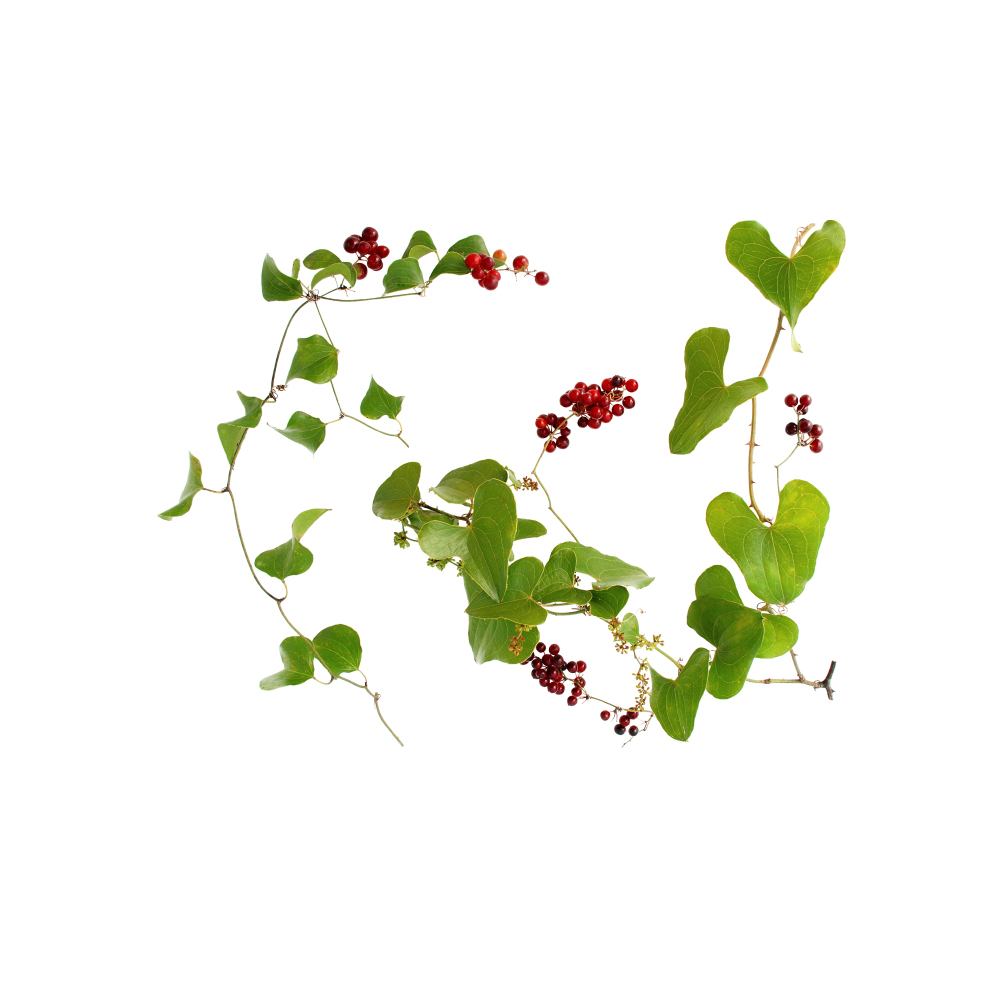 Sarsaparilla Smilax spp. Documented for astilbin, engeletin, flavonoids and 2 more flavonoids.
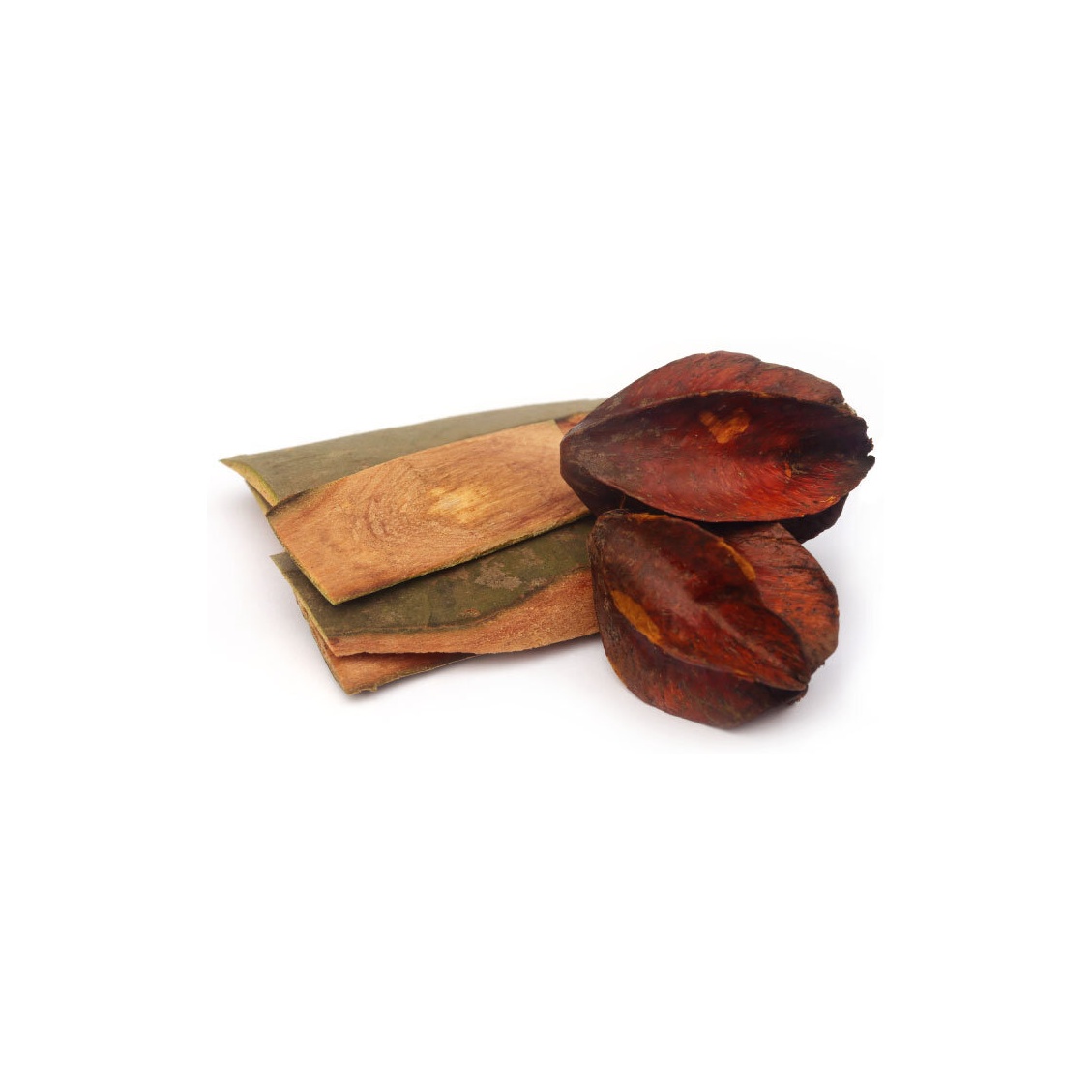 Arjuna Terminalia arjuna Documented for arjunolone, arjunone, flavonoids.
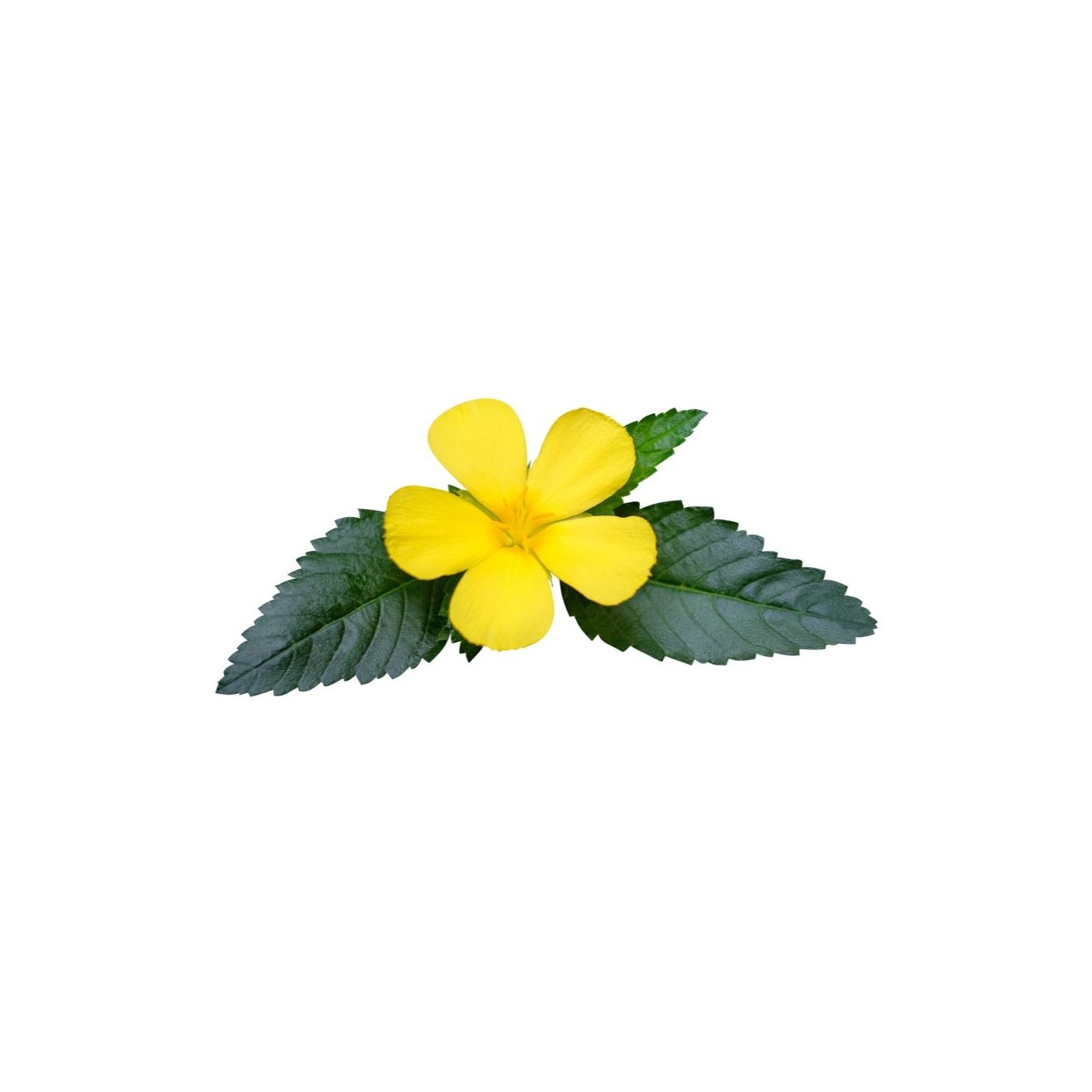 Damiana Turnera diffusa Documented for barterin, flavonoids, pinocembrin.
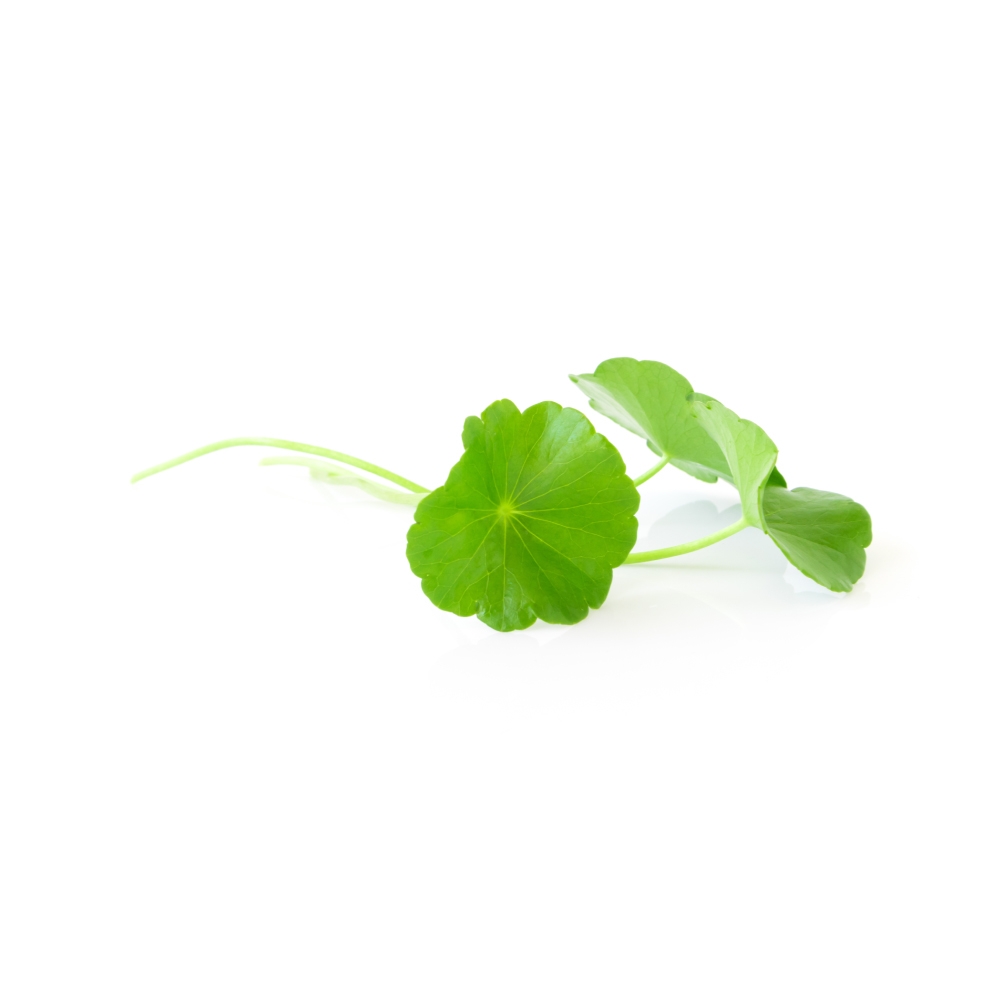 Gotu Kola Centella asiatica Documented for castillicetin, castilliferol, flavonoid derivatives.
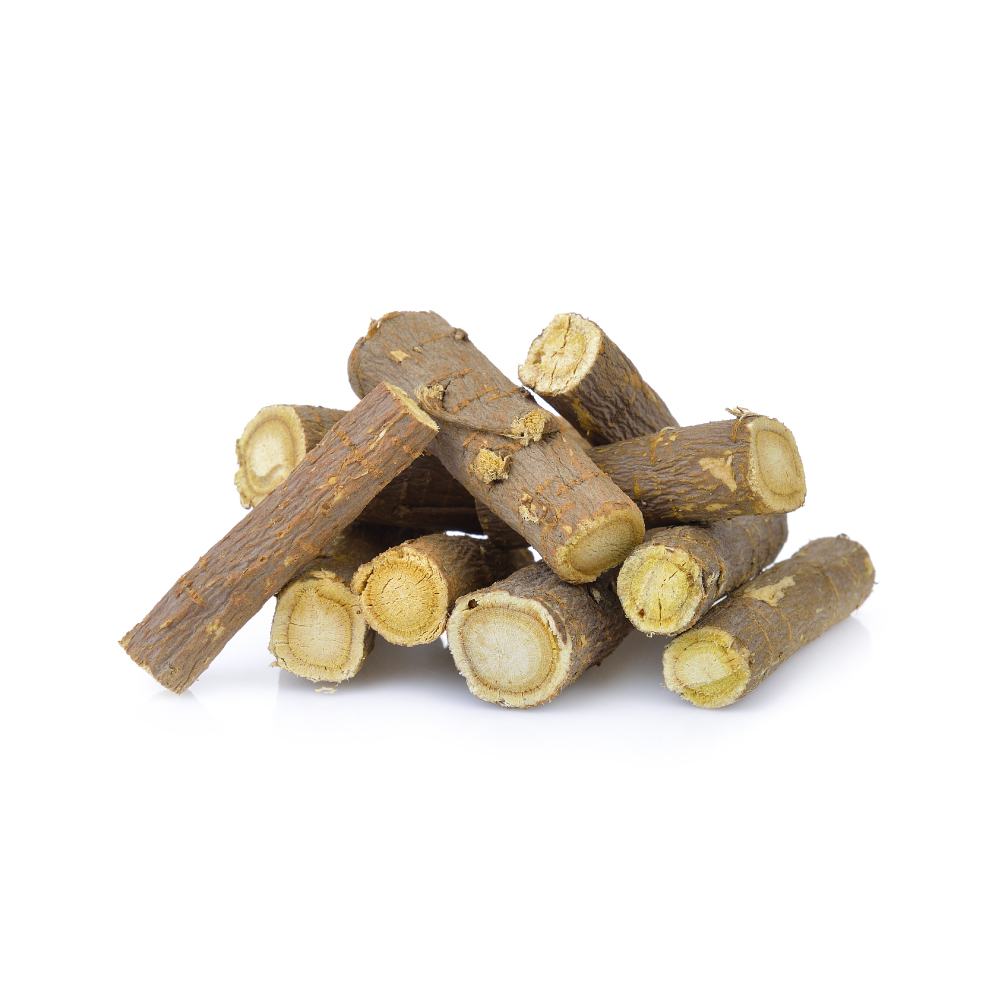 Licorice Glycyrrhiza glabra Documented for flavonoids, liquiritin, rhamnoliquiritin. American Skullcap Scutellaria lateriflora Documented for dihydrobaicalin, lateriflorin.
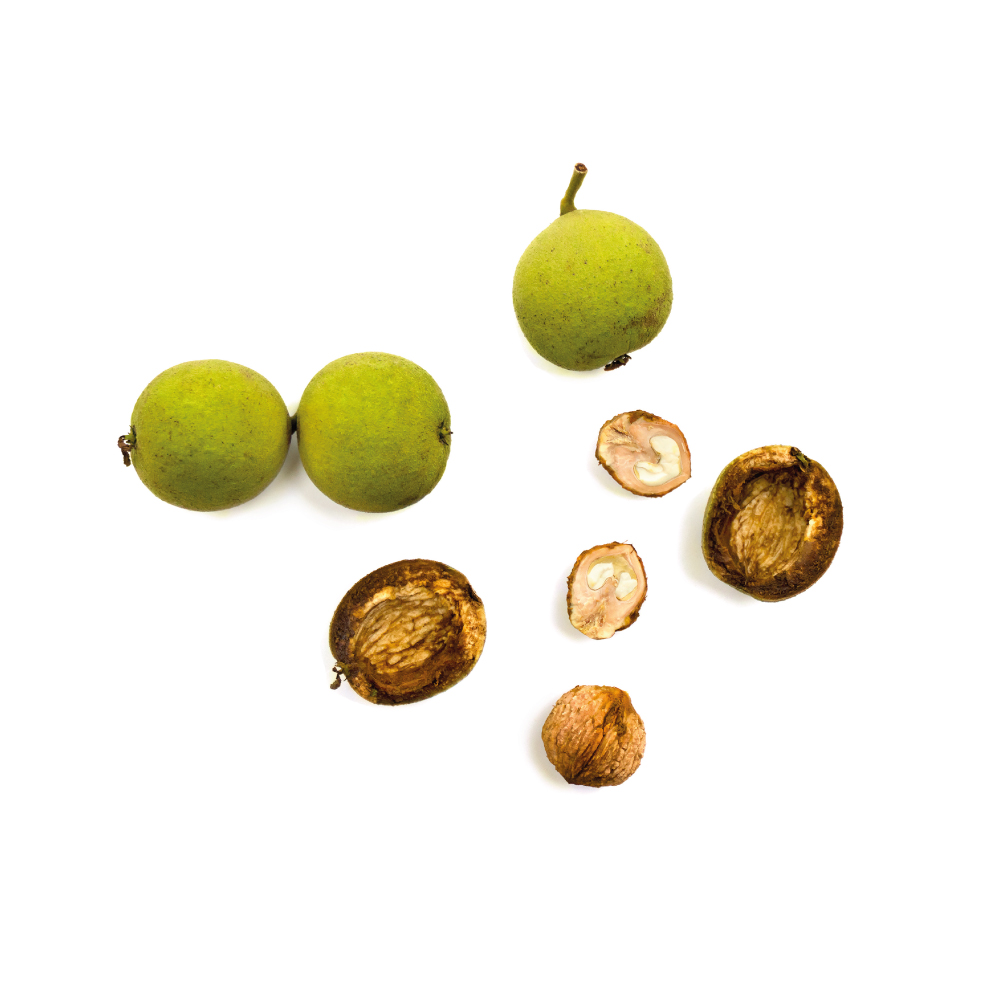 Black Walnut Juglans nigra Documented for eriodictyol-7-O-glucoside, flavonoids.
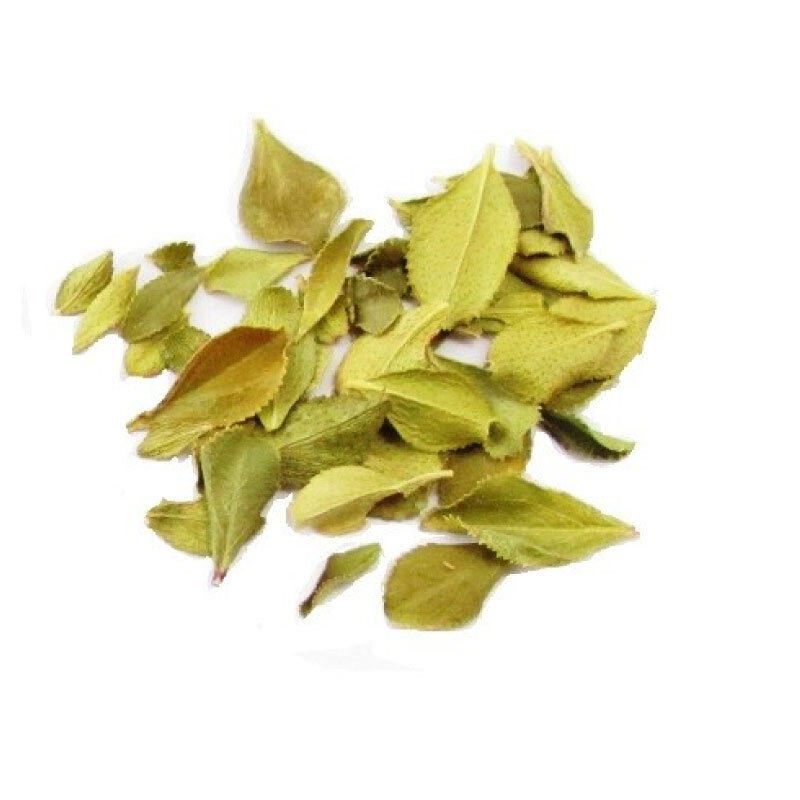 Buchu Agathosma betulina Documented for flavonoids, hesperidin.
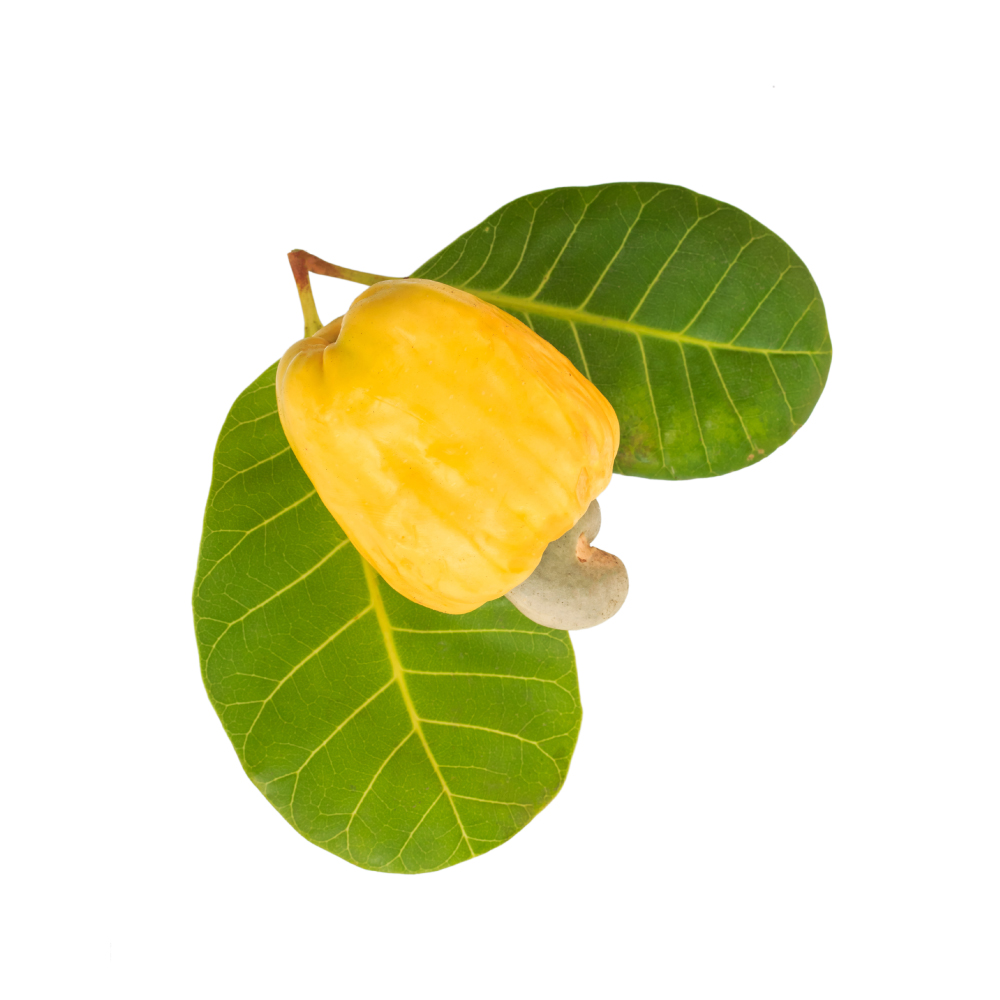 Cashew Anacardium occidentale Documented for flavonoid aglycones, naringenin.
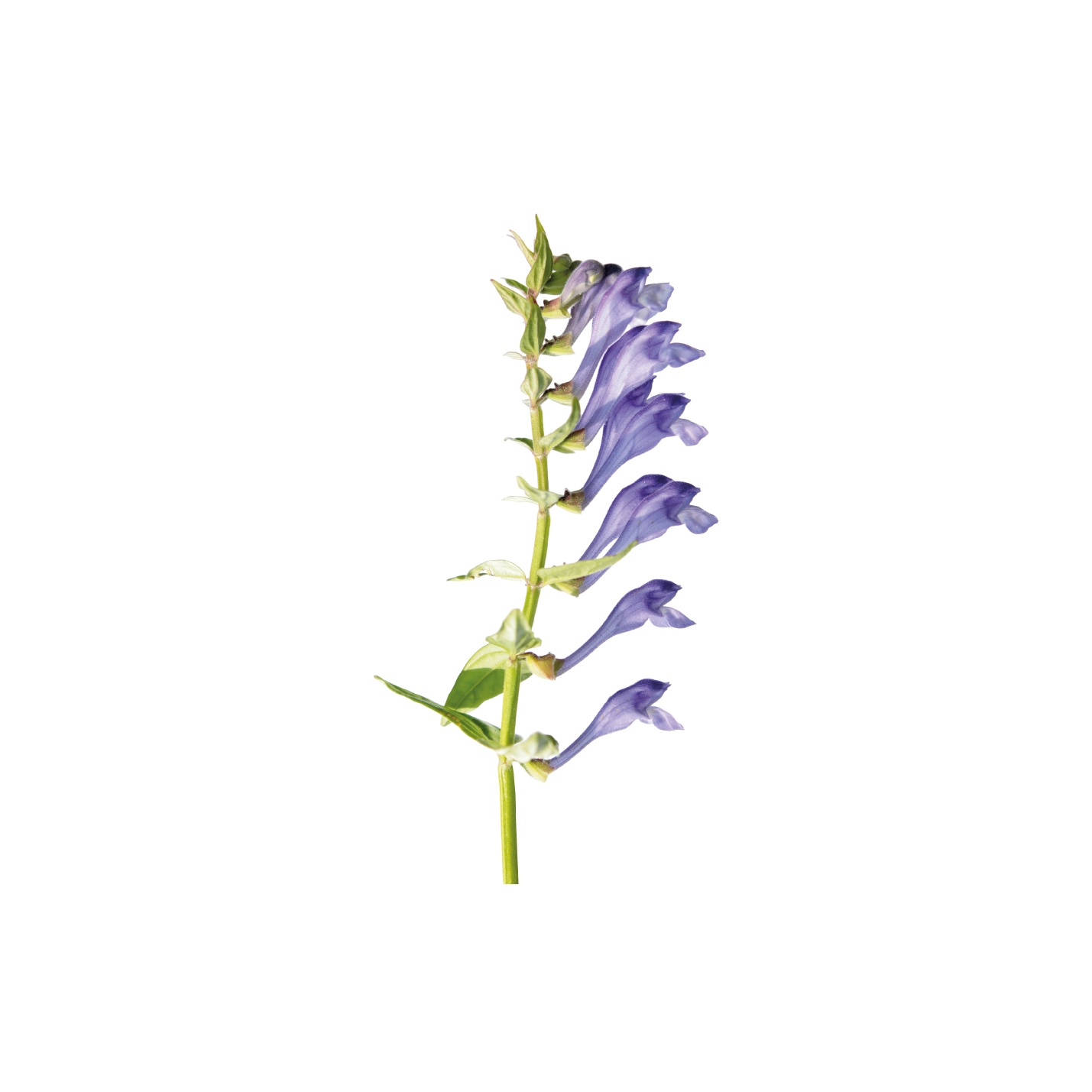 Chinese Skullcap Scutellaria baicalensis Documented for flavonoids, naringenin.
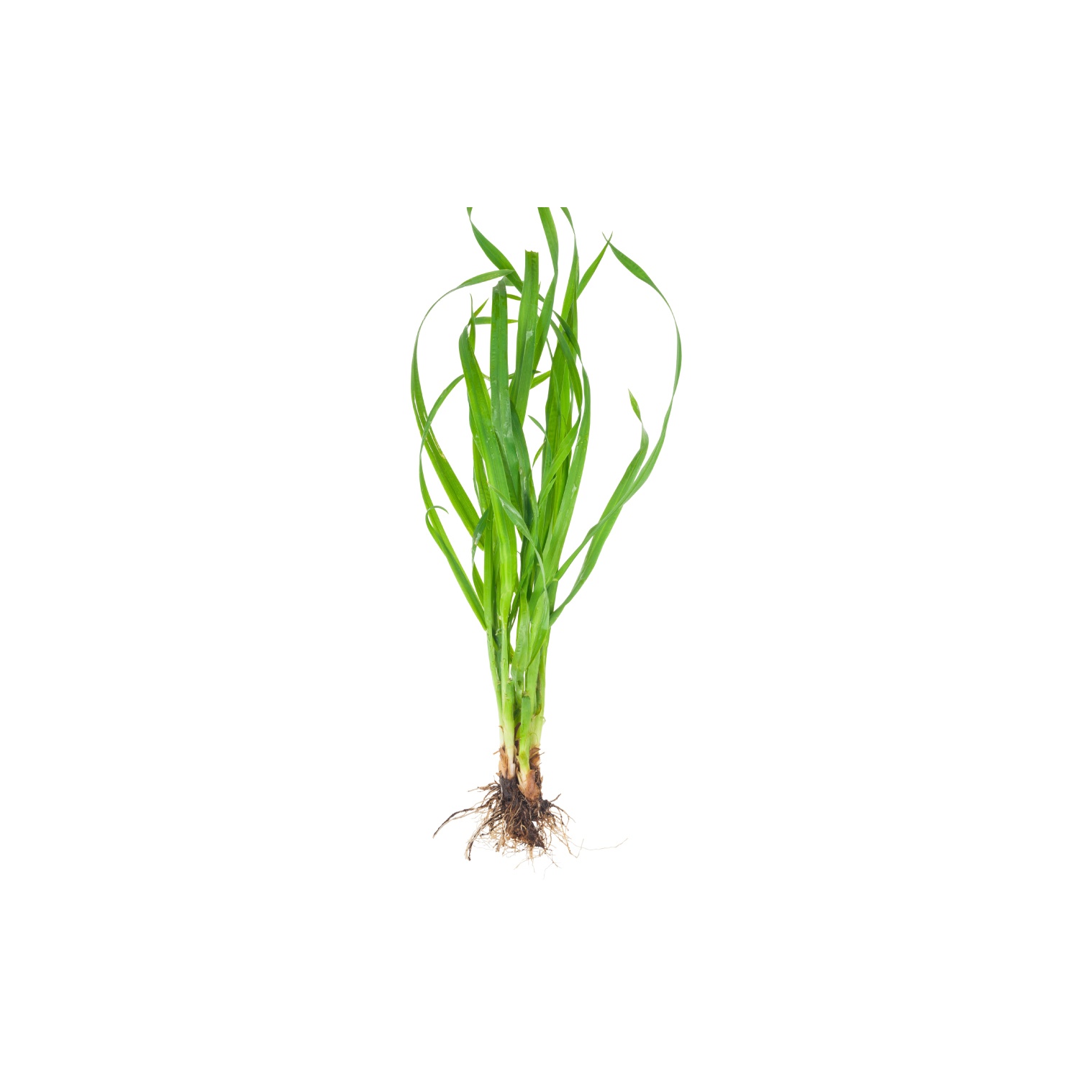 Couchgrass Elymus repens Documented for flavonoids, hesperidin.
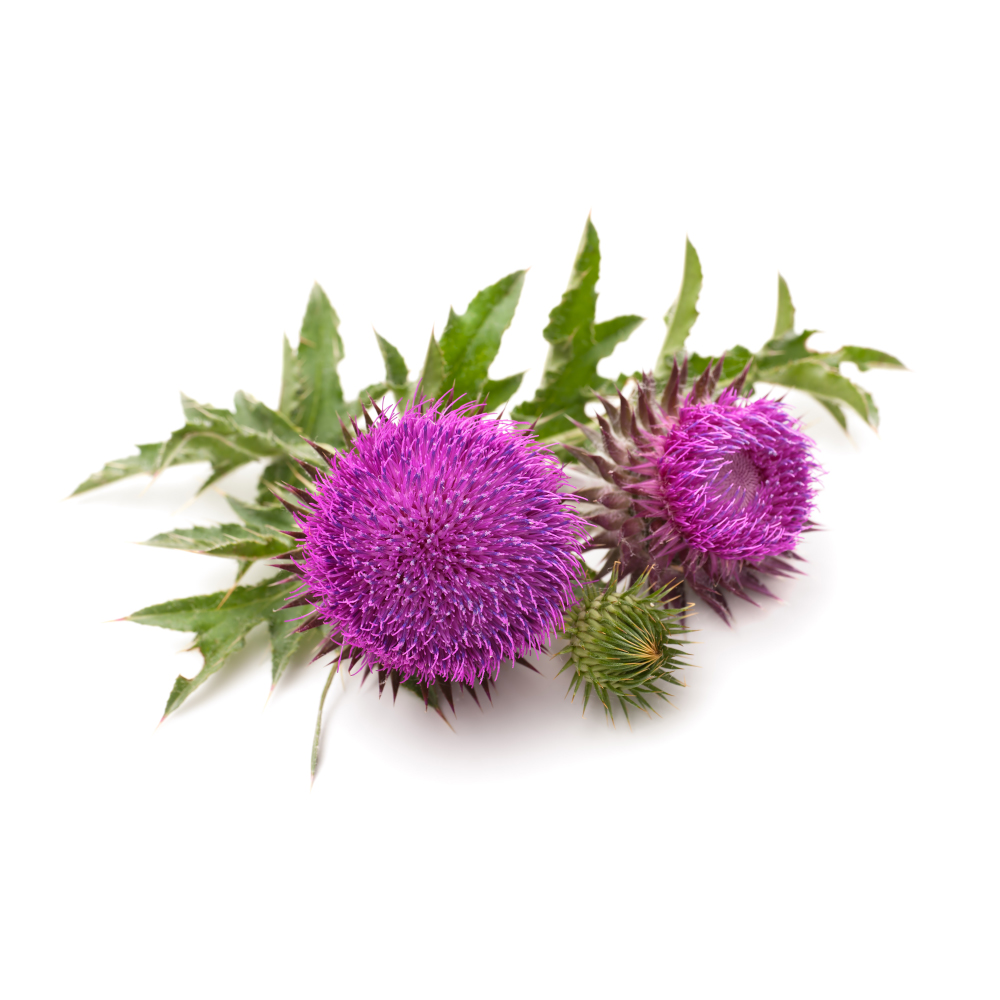 Milk Thistle Silybum marianum Documented for dehydrokaempferol, flavonoids.
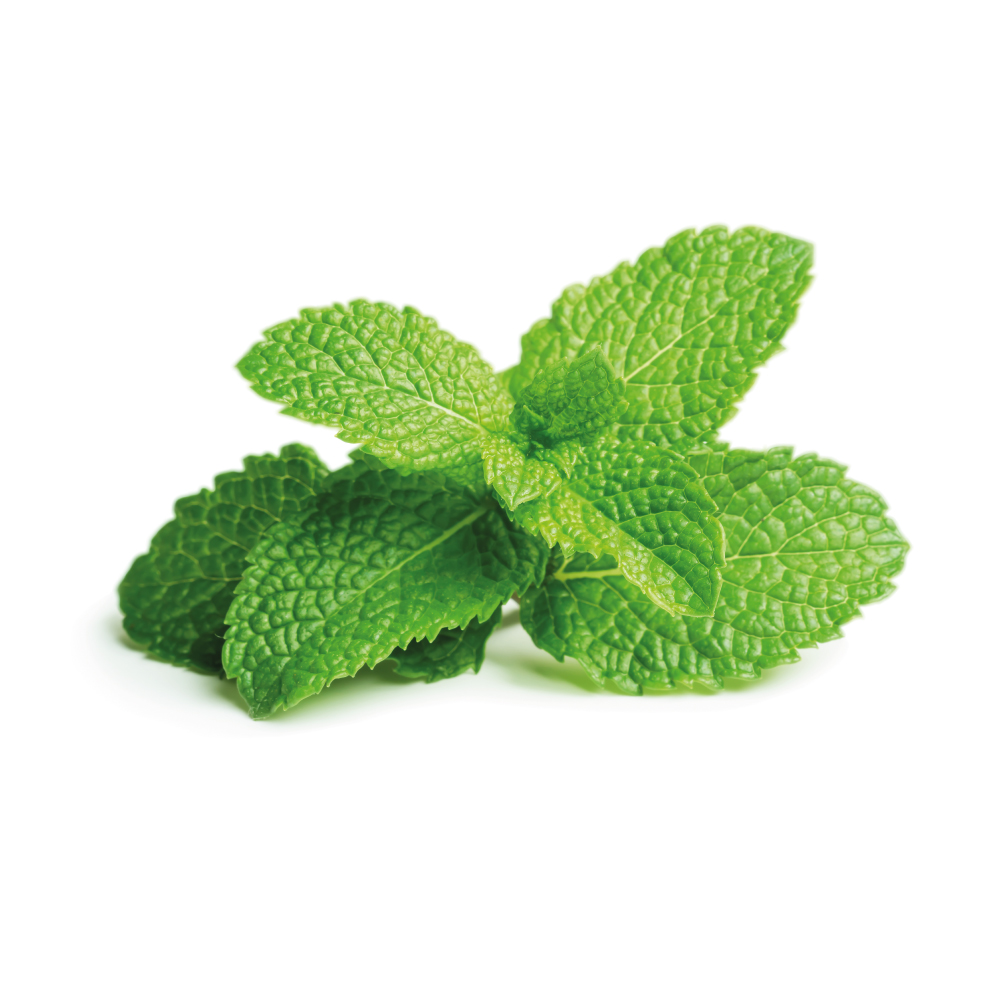 Peppermint Mentha × piperita Documented for hesperetin, hesperidin.
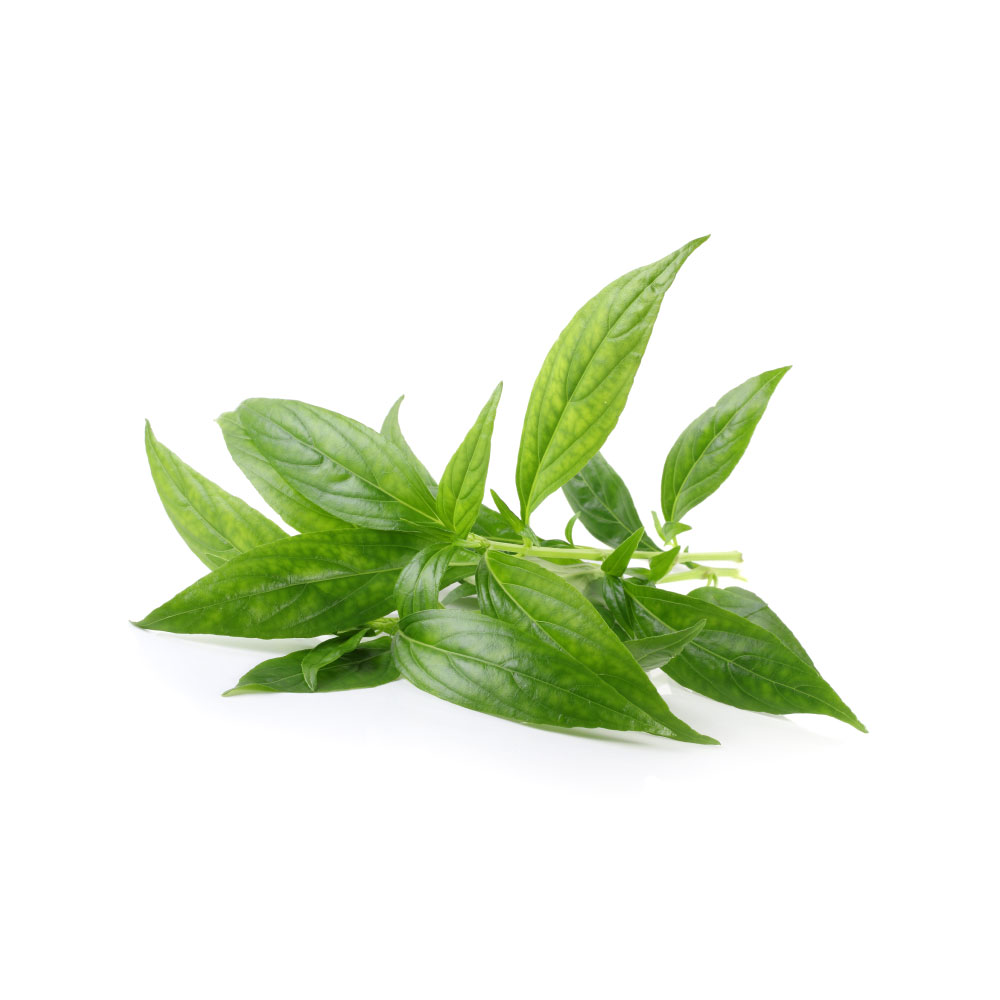 Andrographis Andrographis paniculata Documented for flavonoids.
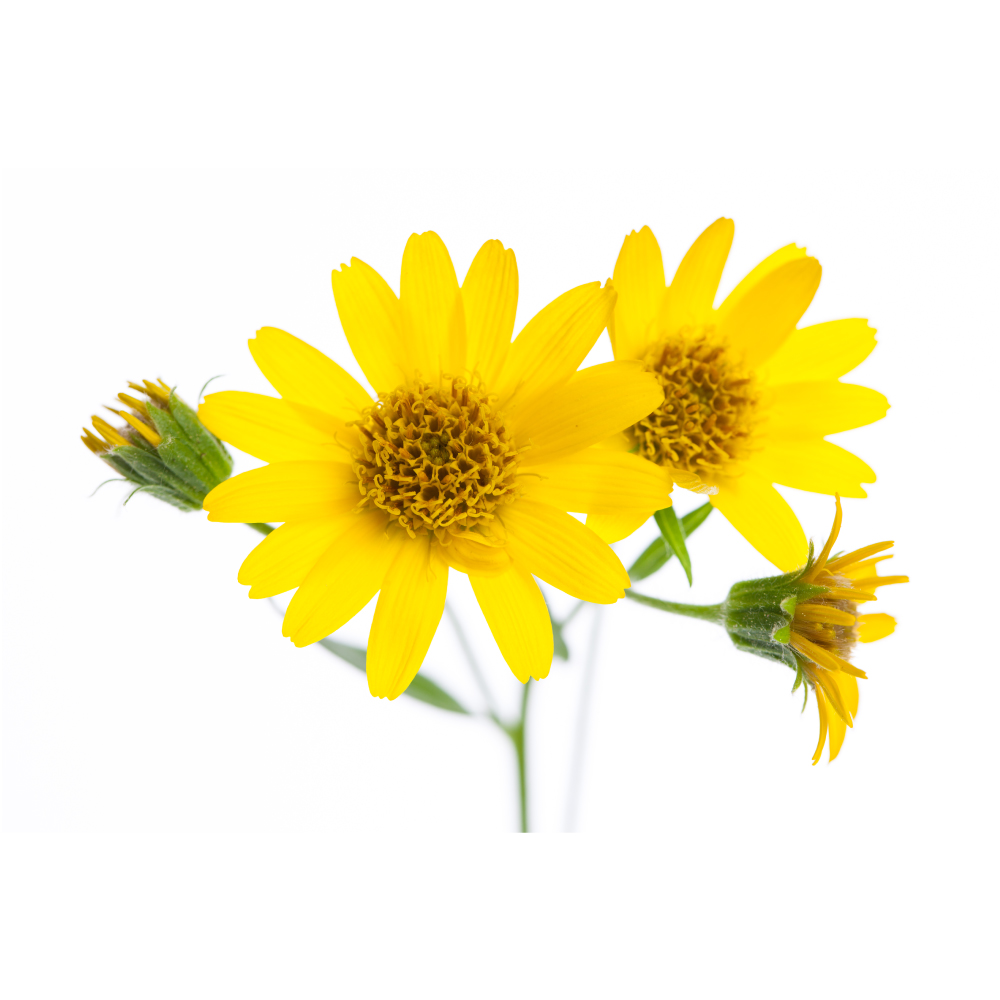 Arnica Arnica montana Toxic Documented for flavonoids.
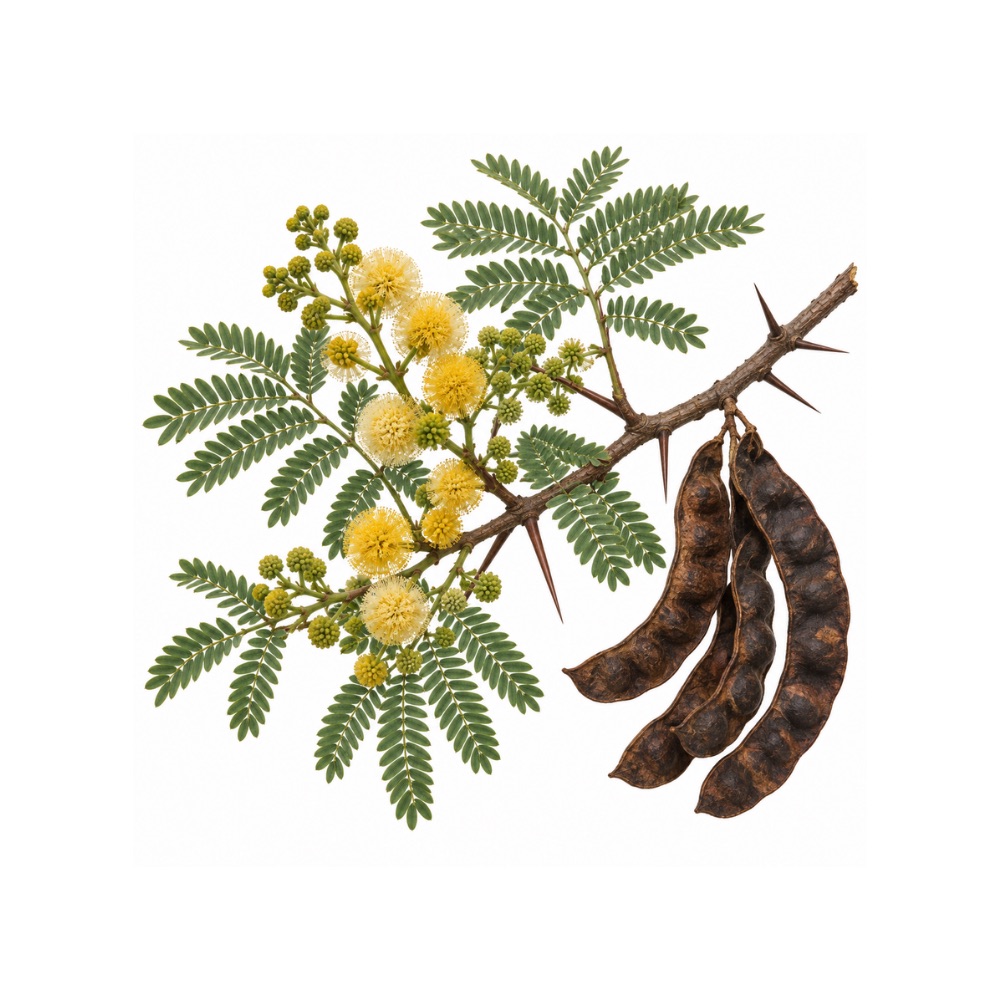 Babul Vachellia nilotica Documented for naringenin.
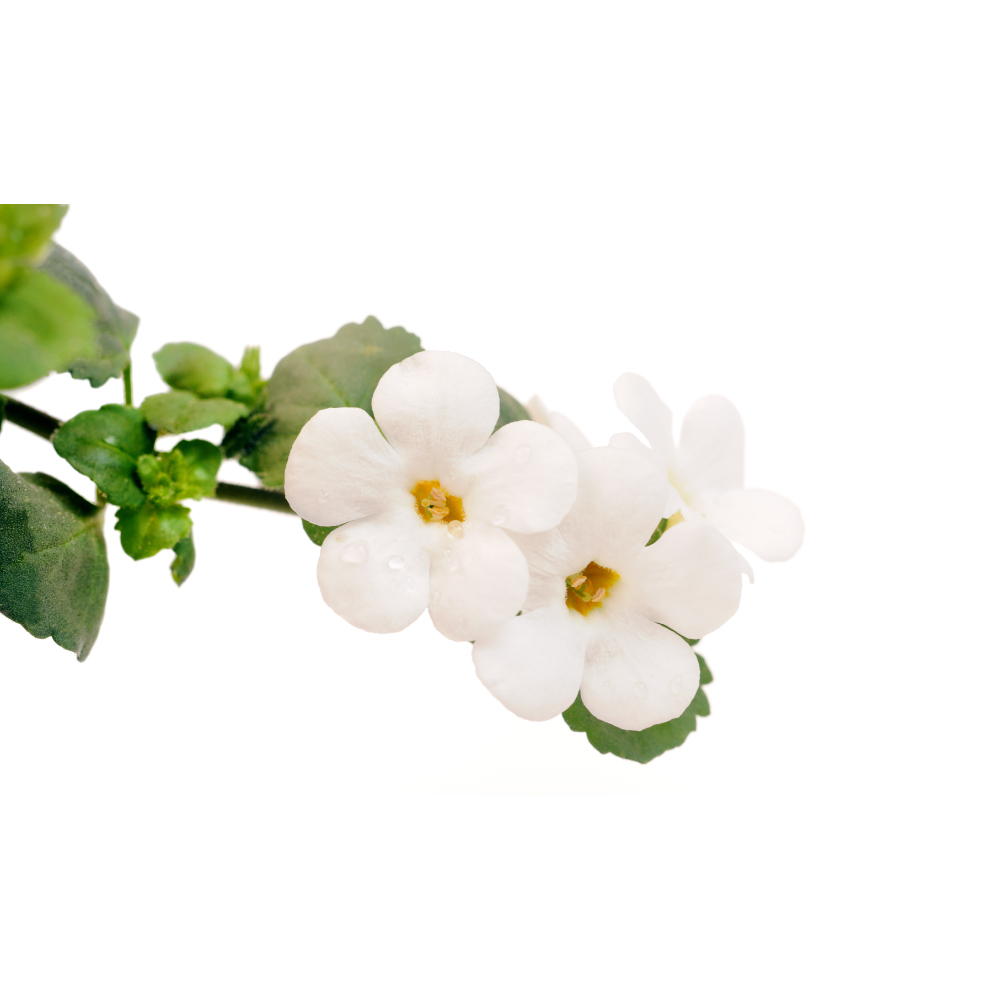 Bacopa Bacopa monnieri Documented for flavonoids.
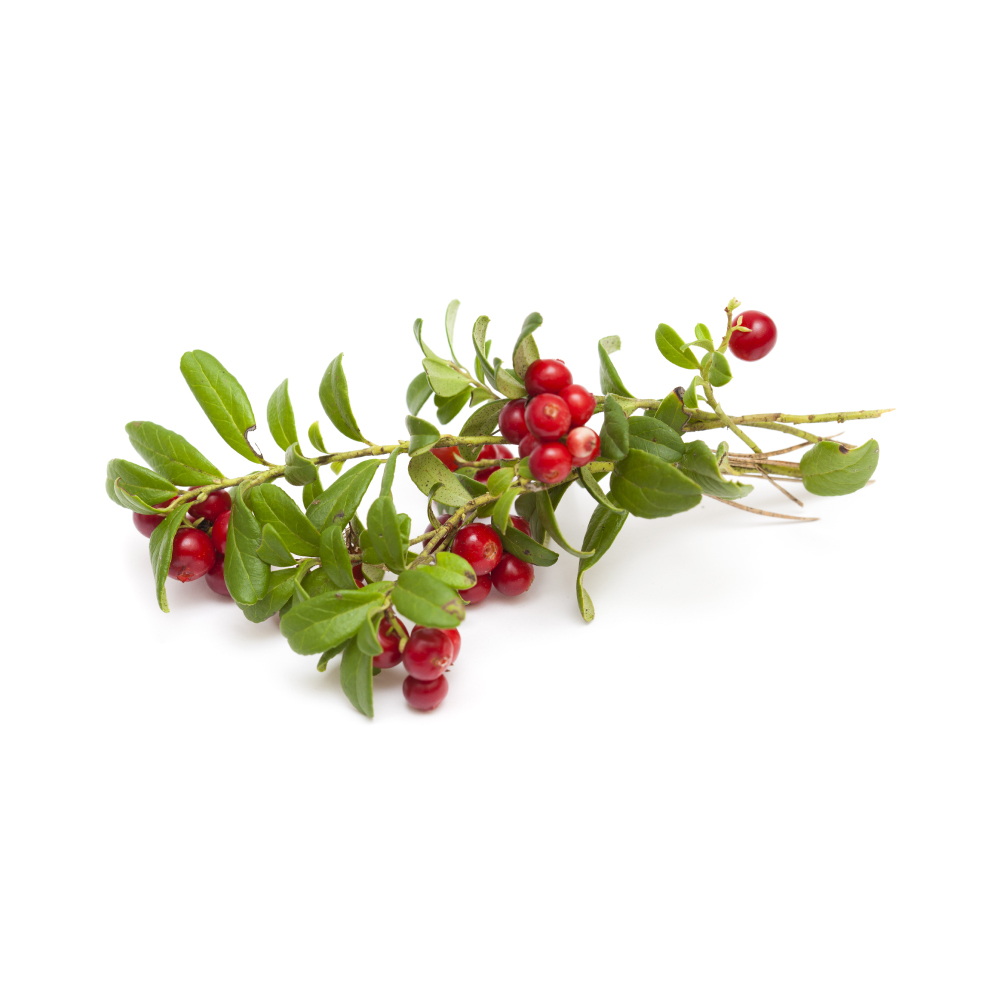 Bearberry Arctostaphylos uva-ursi Documented for flavonoids.
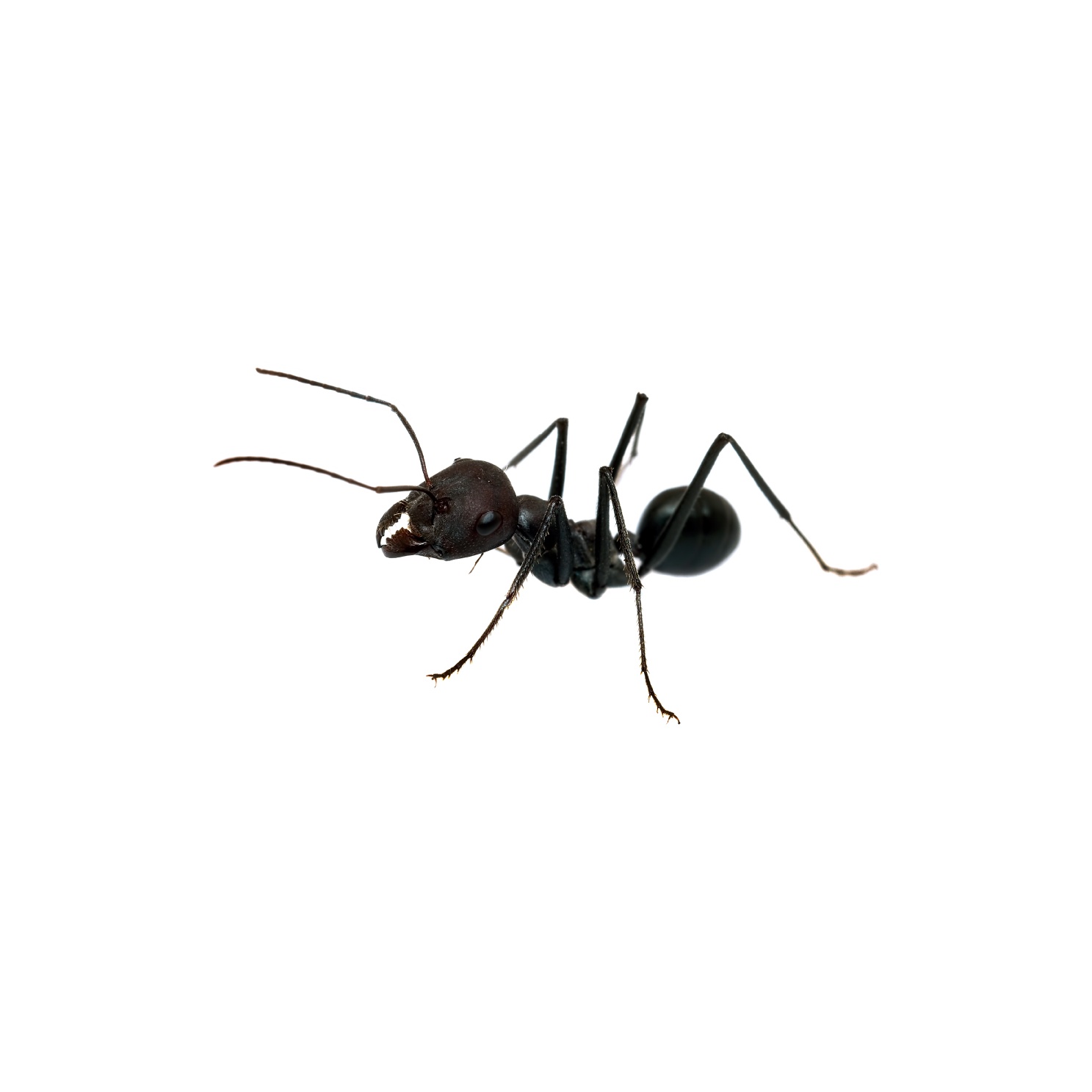 Black Ant Polyrhachis spp. Documented for naringenin.
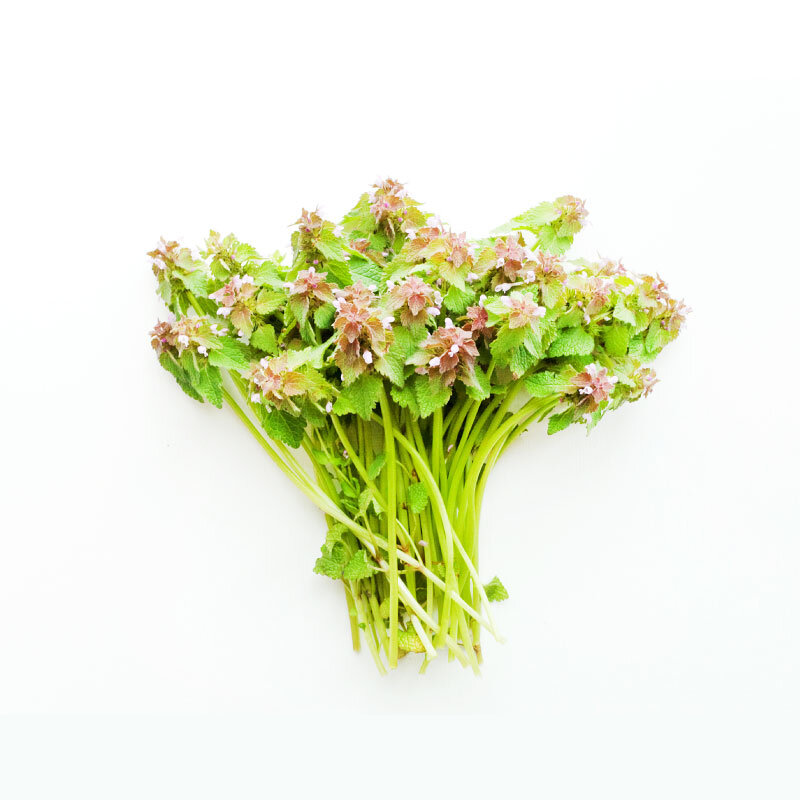 Black Horehound Ballota nigra Documented for flavonoids.
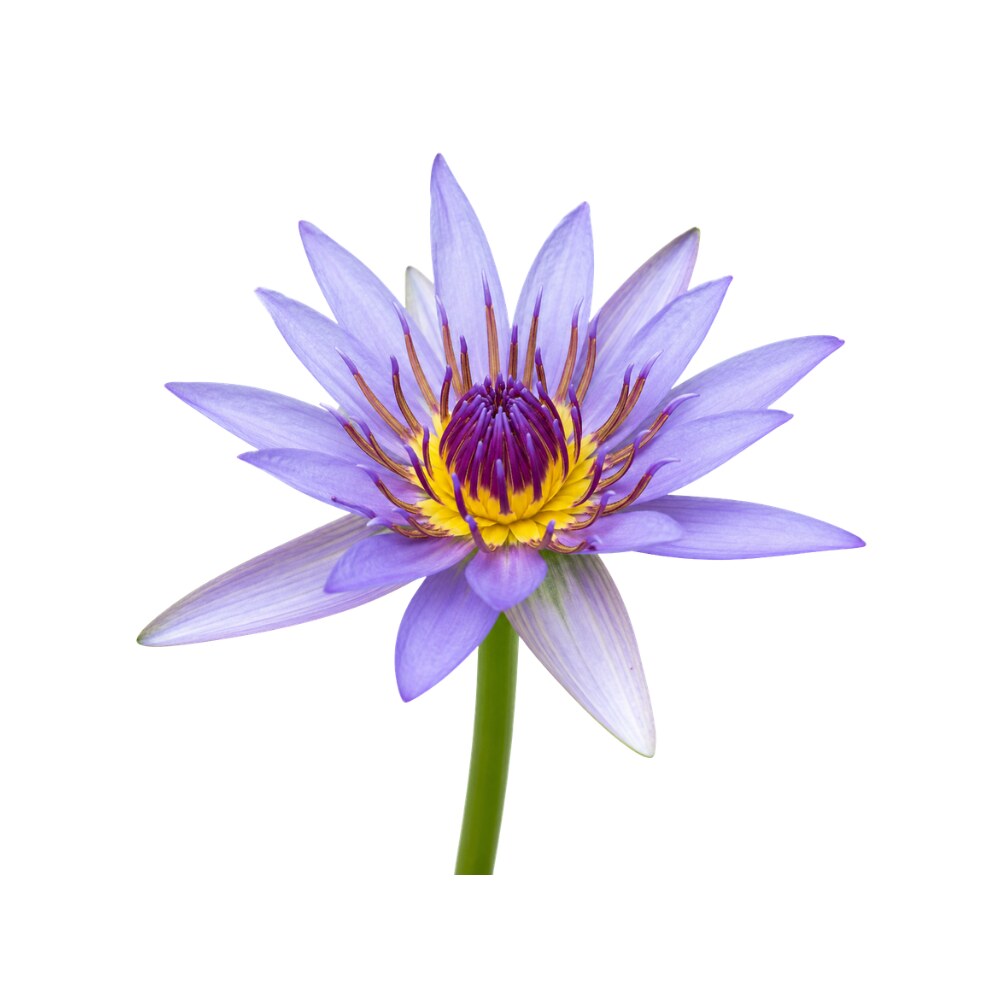 Blue Lotus Flower Nymphaea caerulea Documented for naringenin.
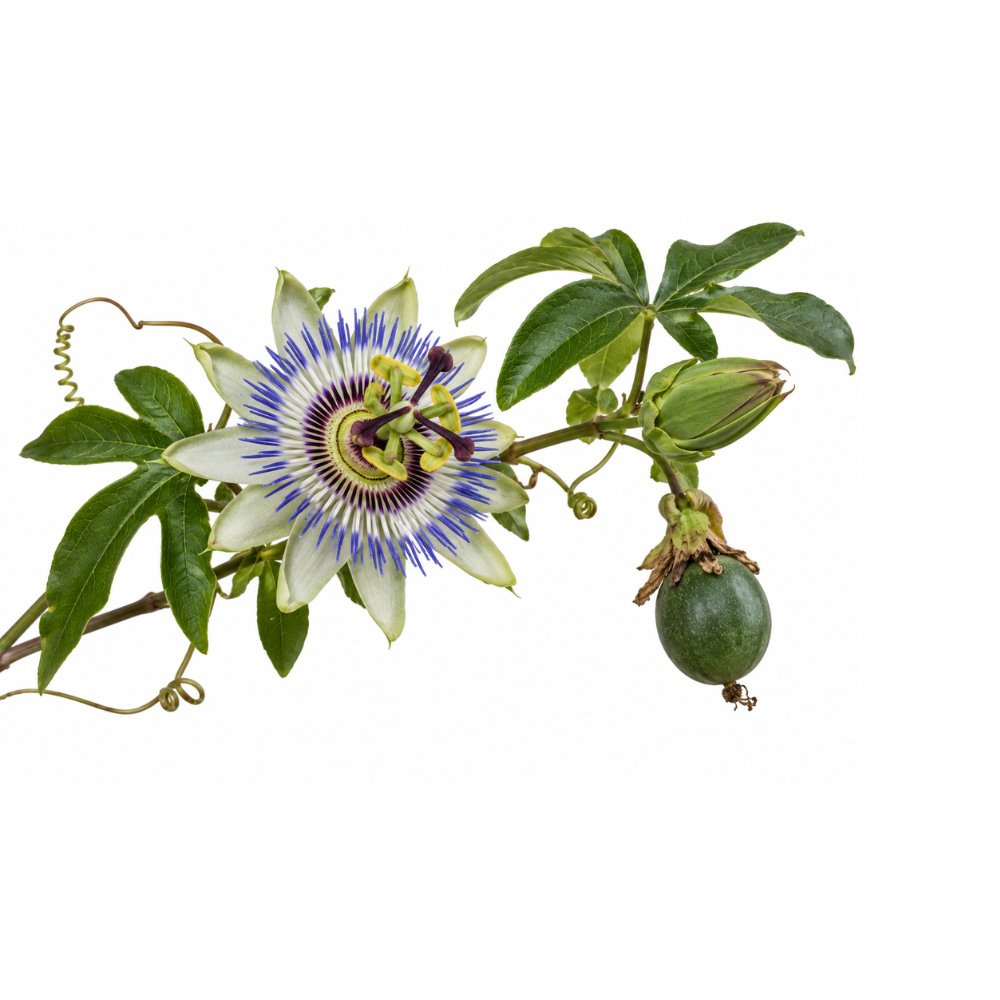 Blue Passionflower Passiflora caerulea Documented for naringenin.
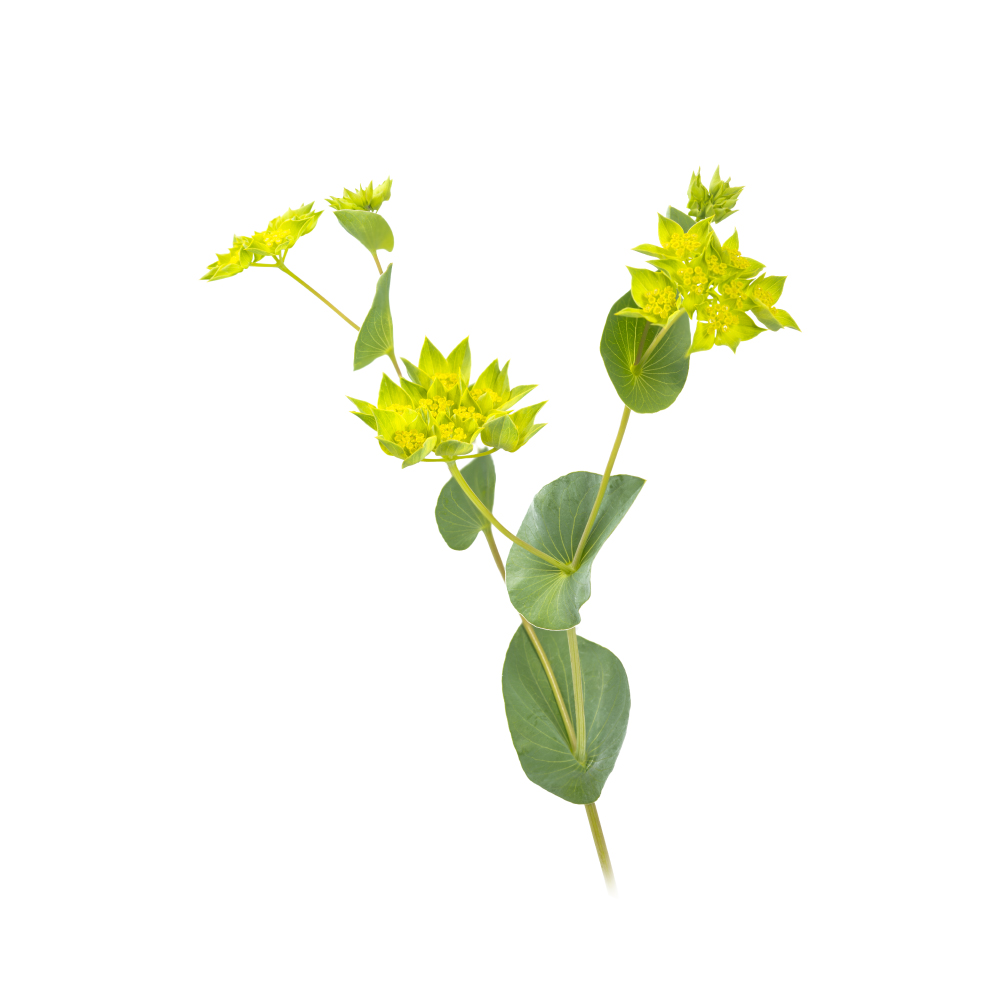 Bupleurum Bupleurum falcatum Documented for flavonoids.
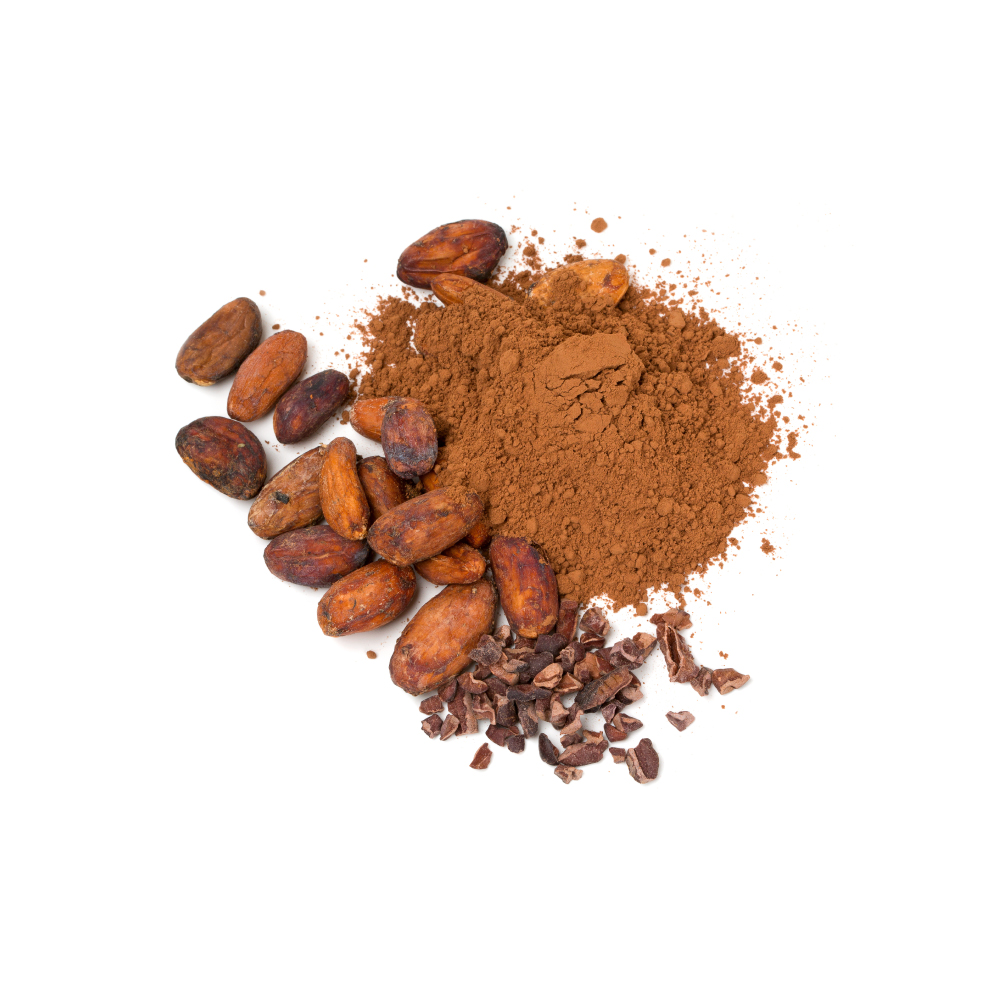 Cacao Theobroma cacao Documented for flavonoids.
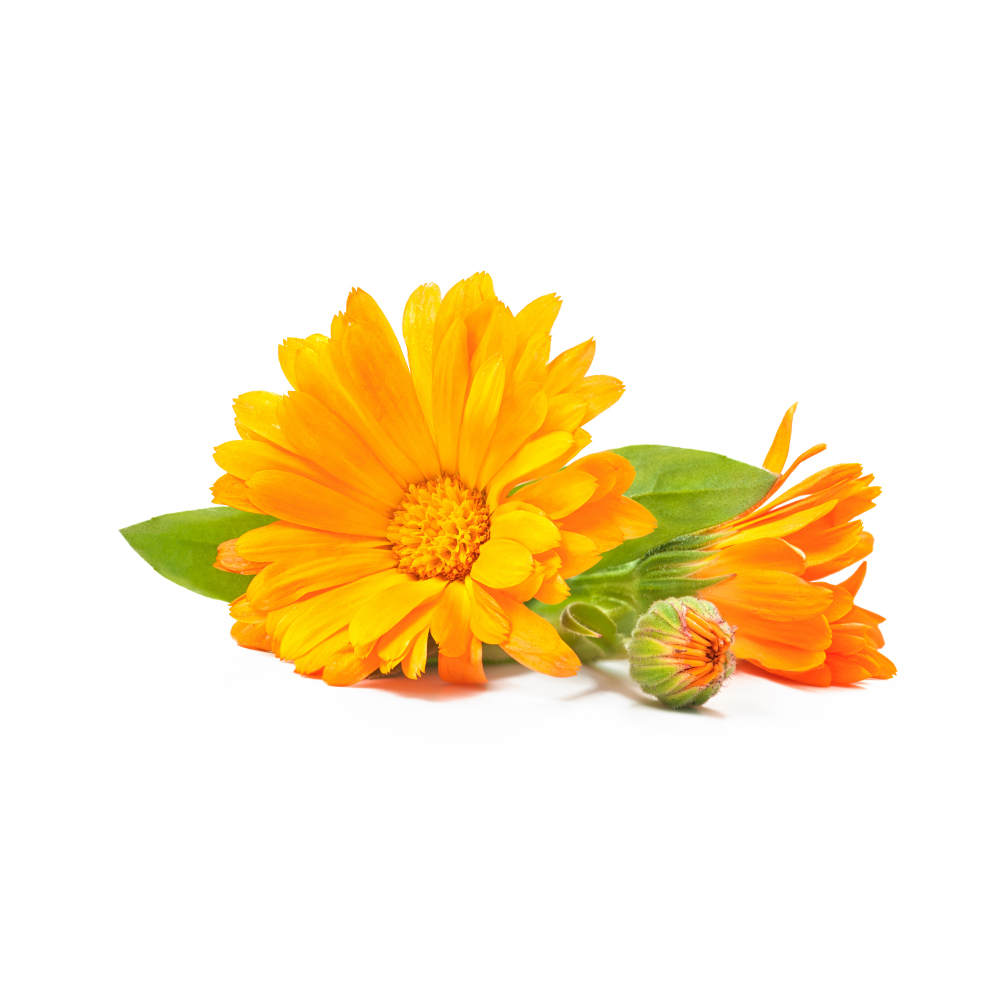 Calendula Calendula officinalis Documented for flavonoids.
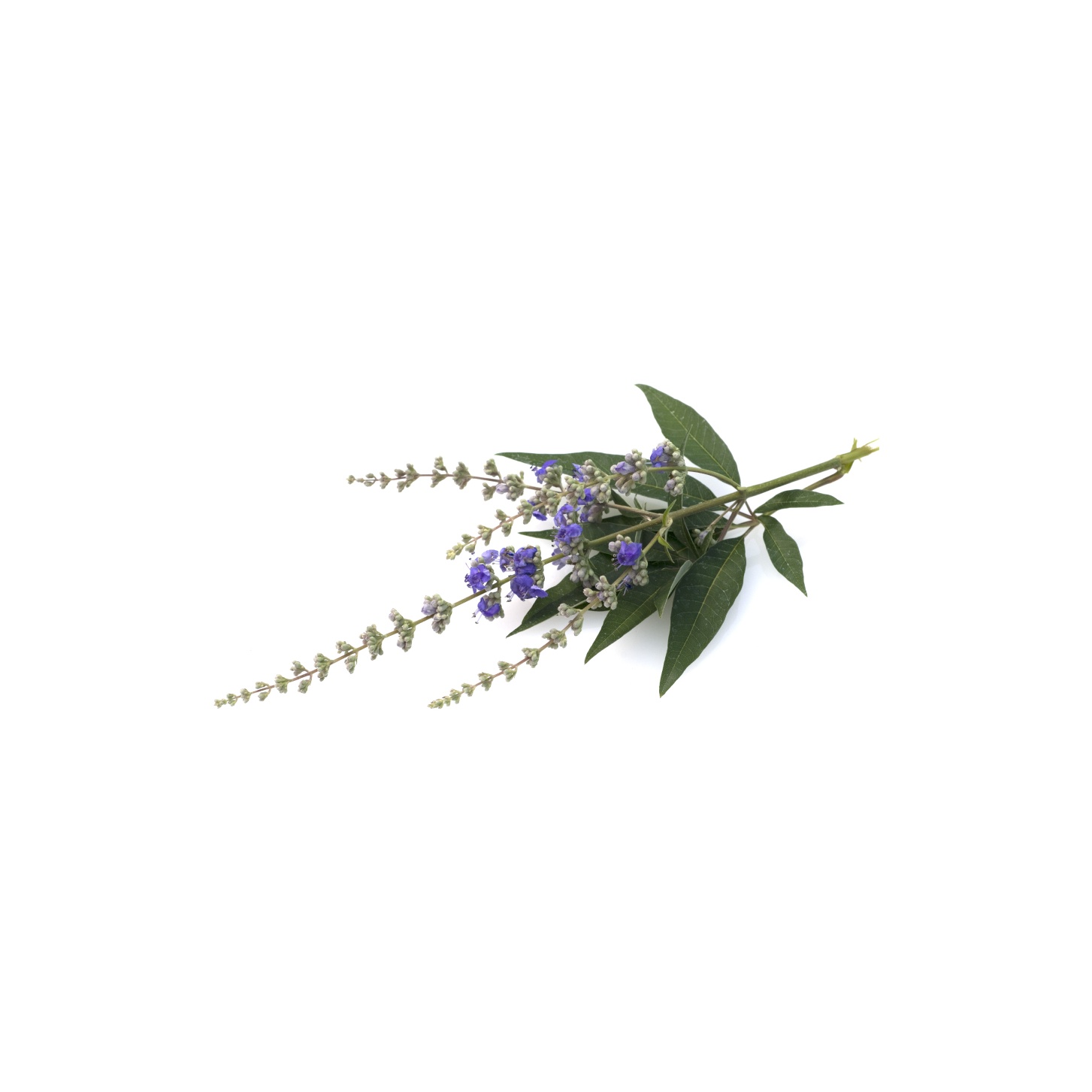 Chaste Tree Vitex agnus-castus Documented for flavonoids.
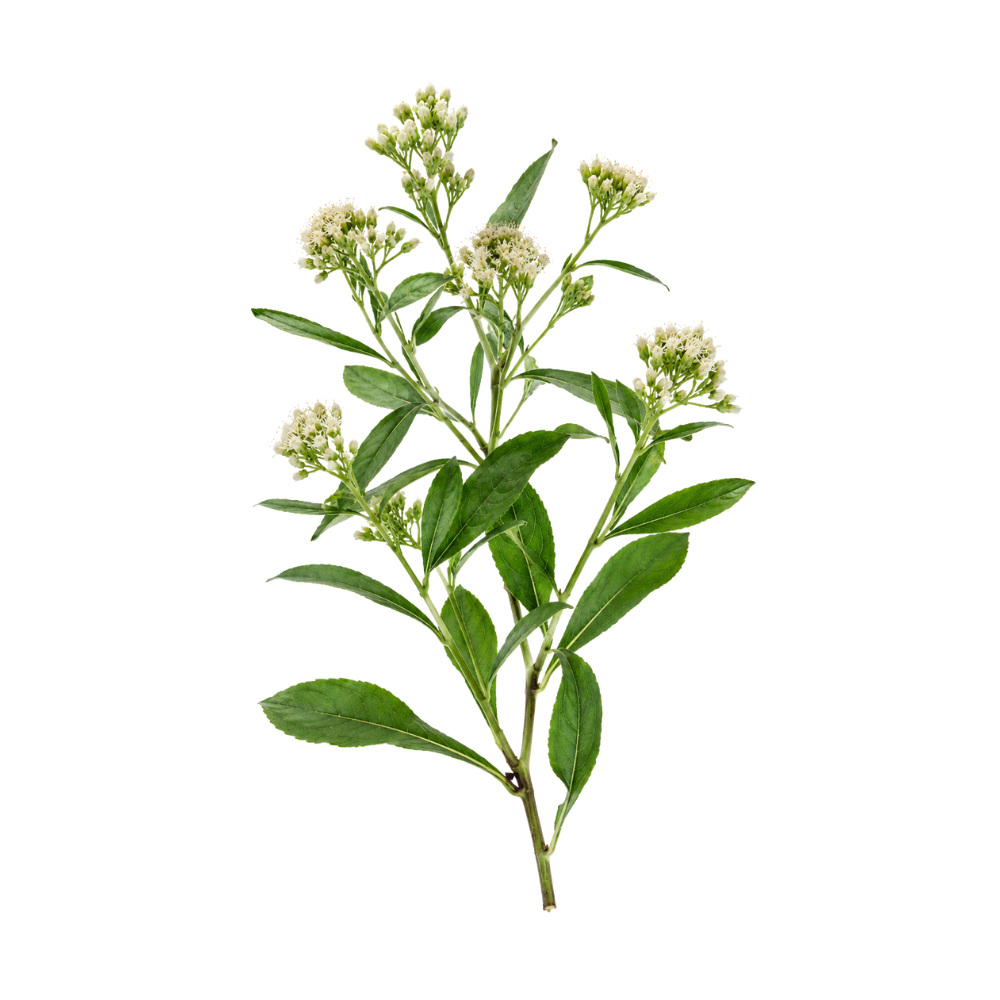 Chilca Baccharis latifolia Documented for flavonoids.
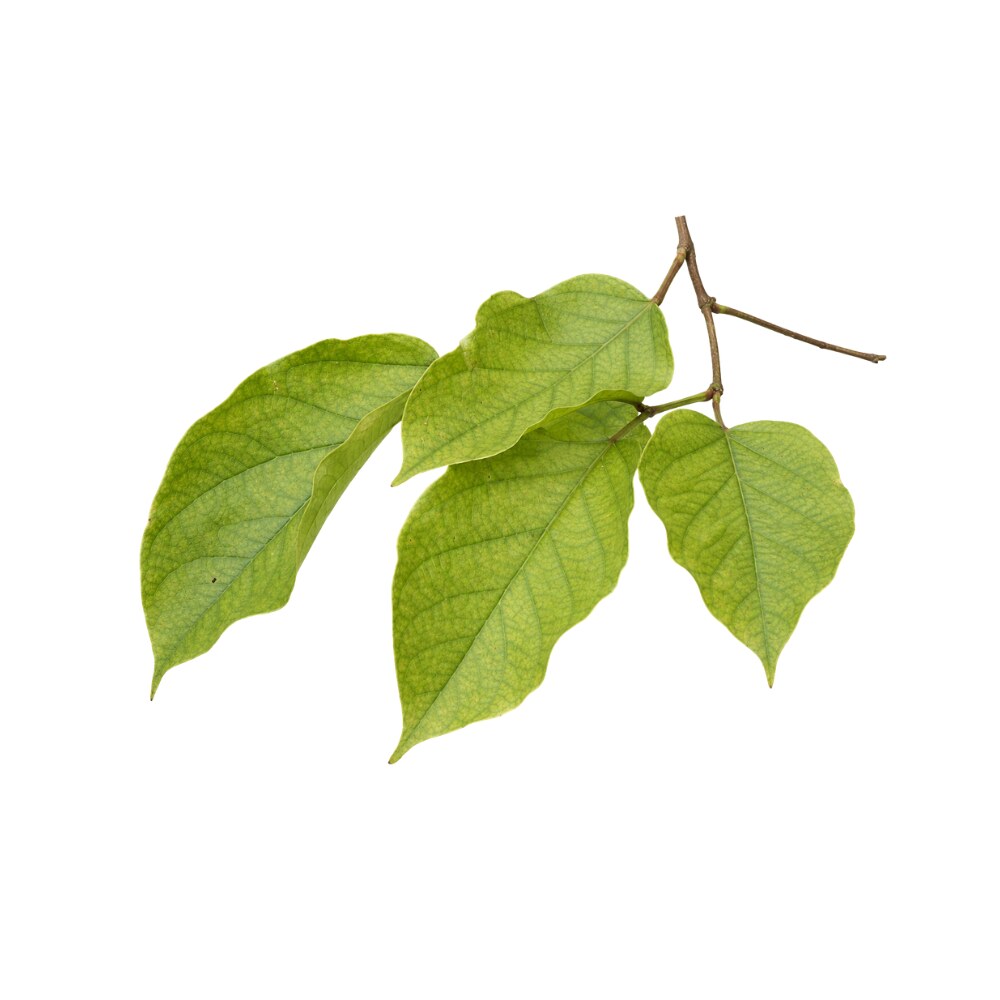 Clavo Huasca Tynanthus panurensis Documented for flavonoids.
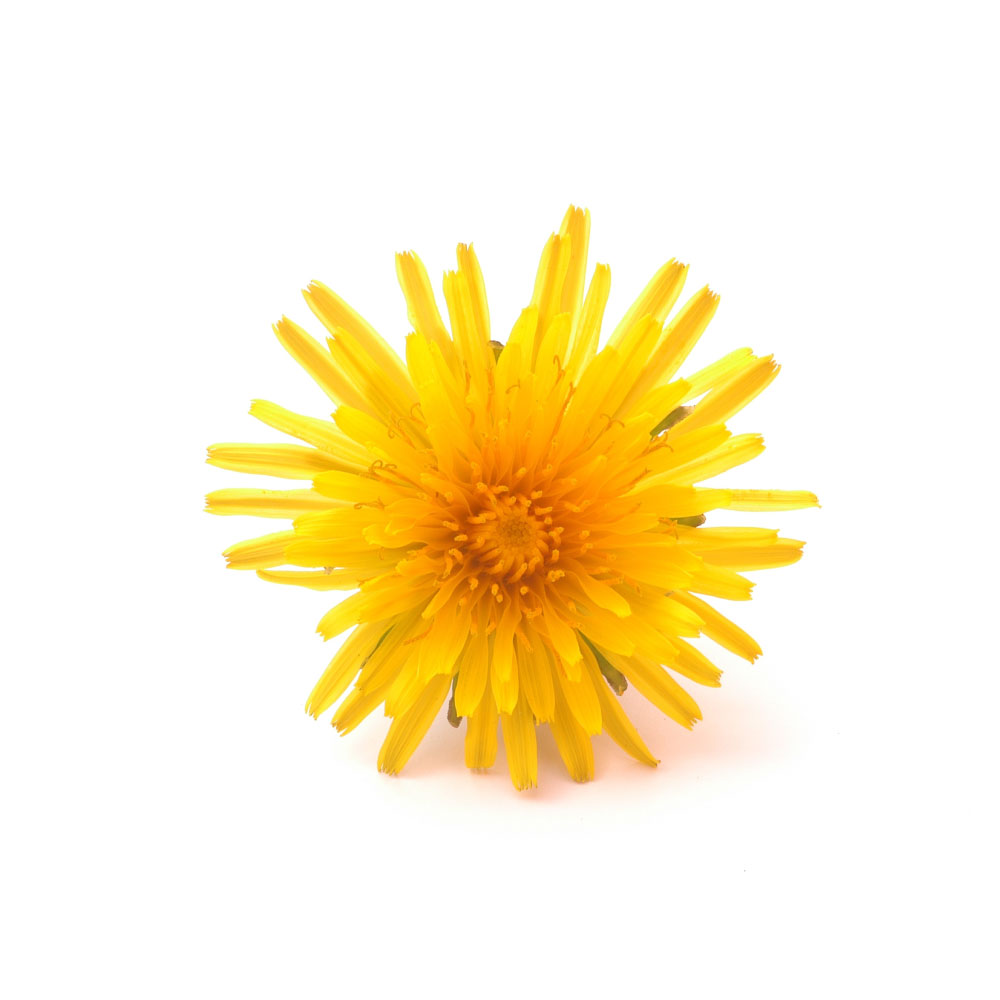 Dandelion Taraxacum officinale Documented for flavonoids.
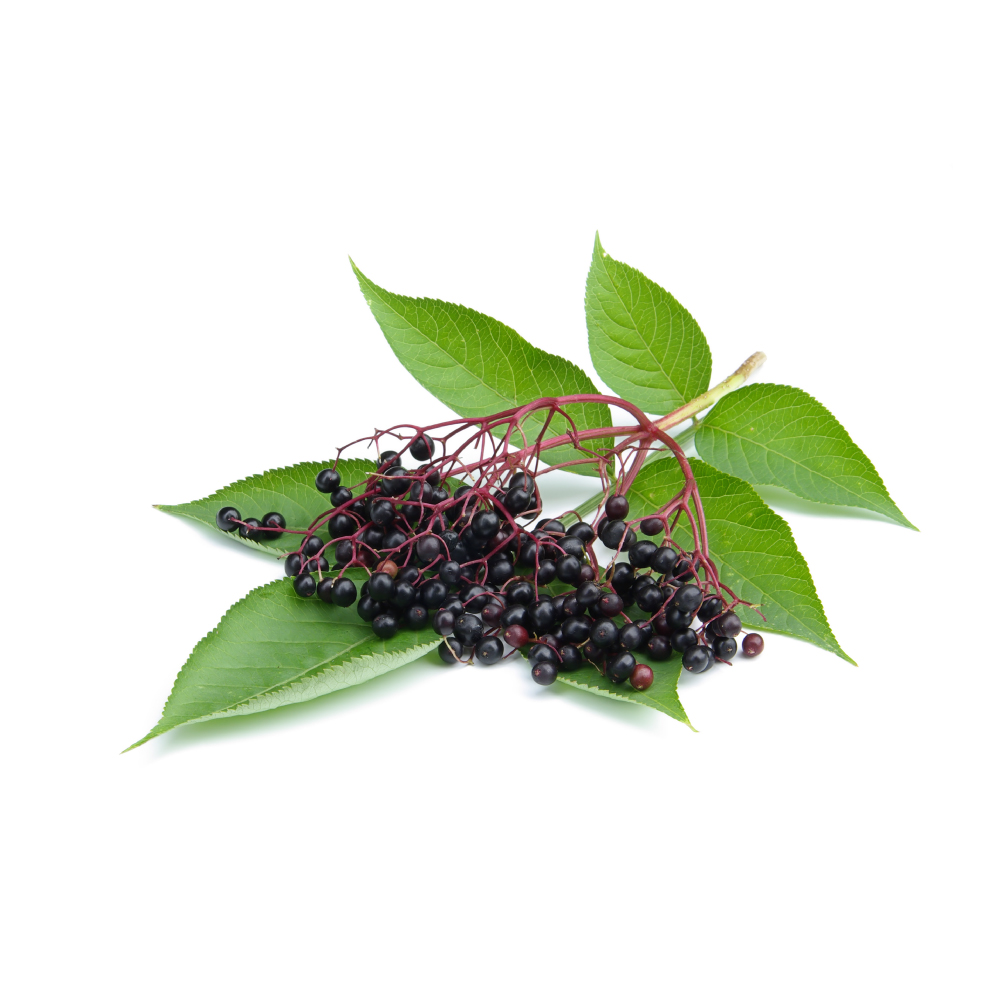 Elderberry Sambucus nigra Documented for anthoxanthins.
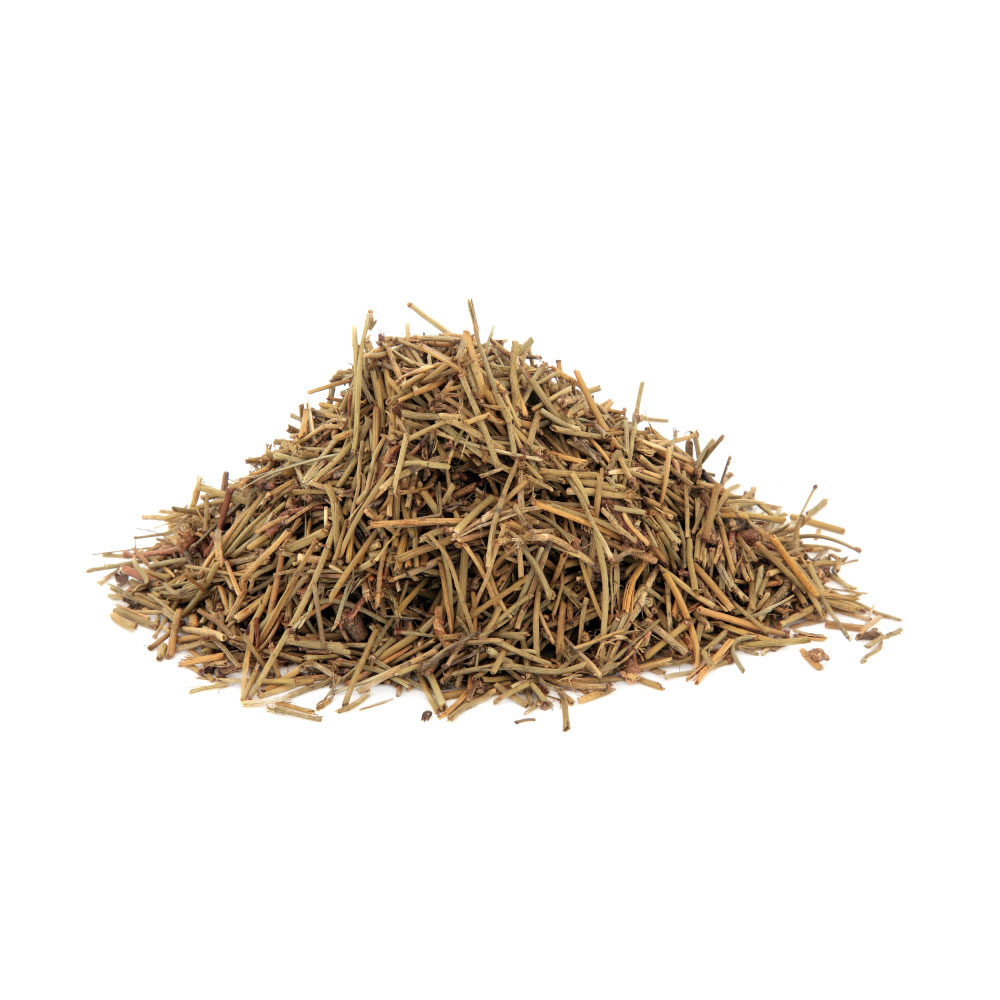 Ephedra Ephedra sinica Toxic Documented for flavonoids.
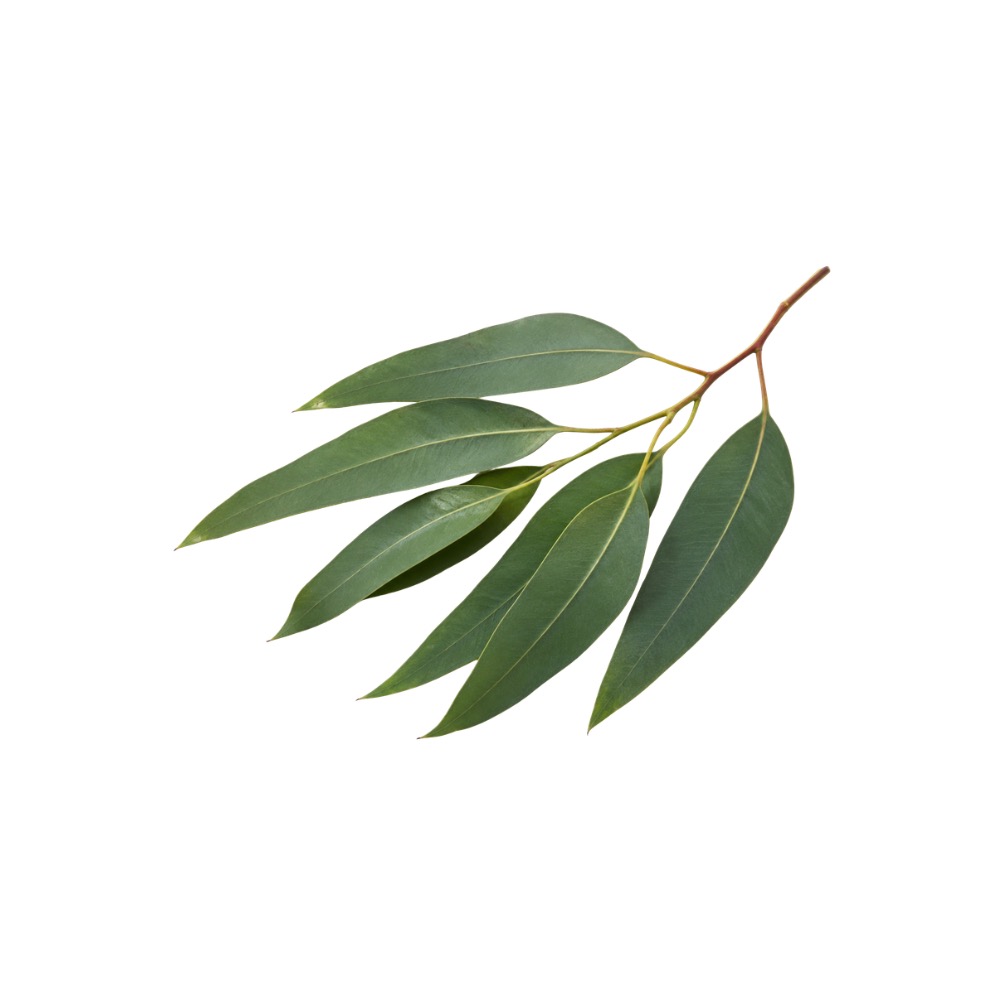 Eucalyptus Eucalyptus globulus Documented for pinocembrin.
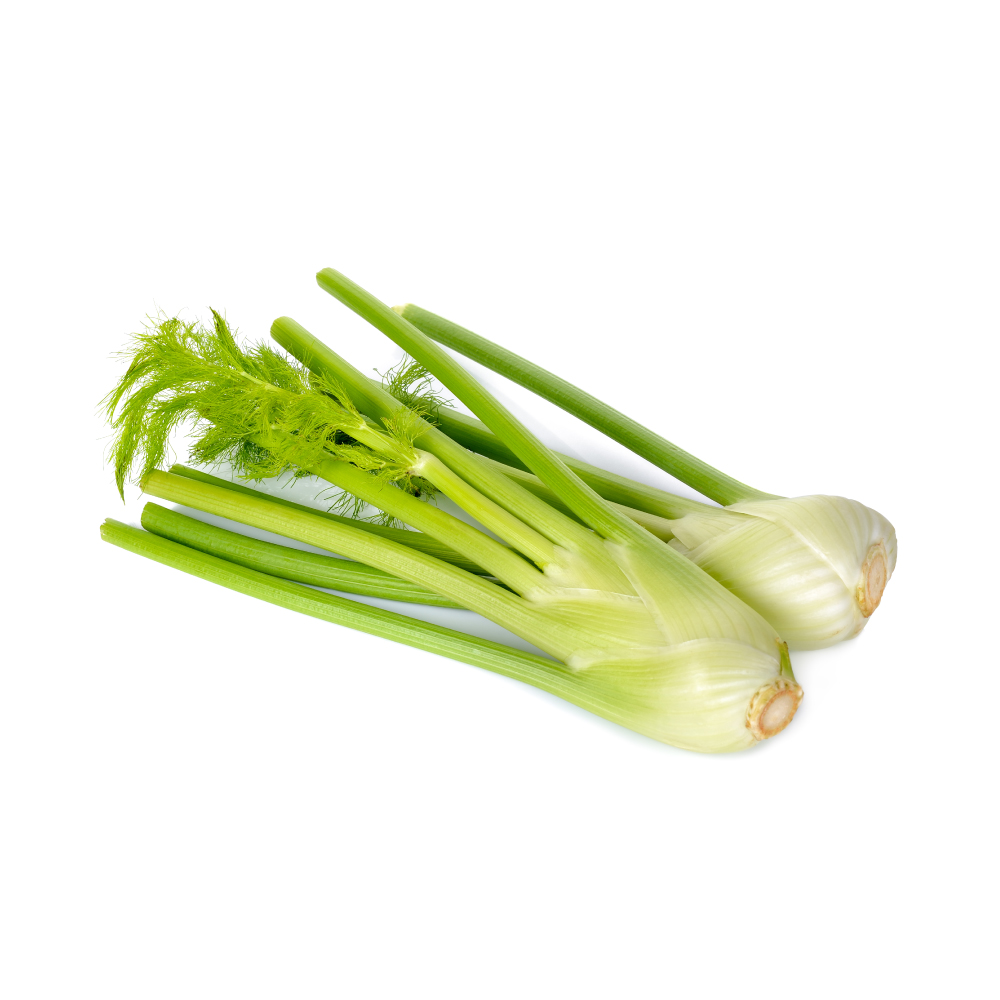 Fennel Foeniculum vulgare Documented for flavonoids.
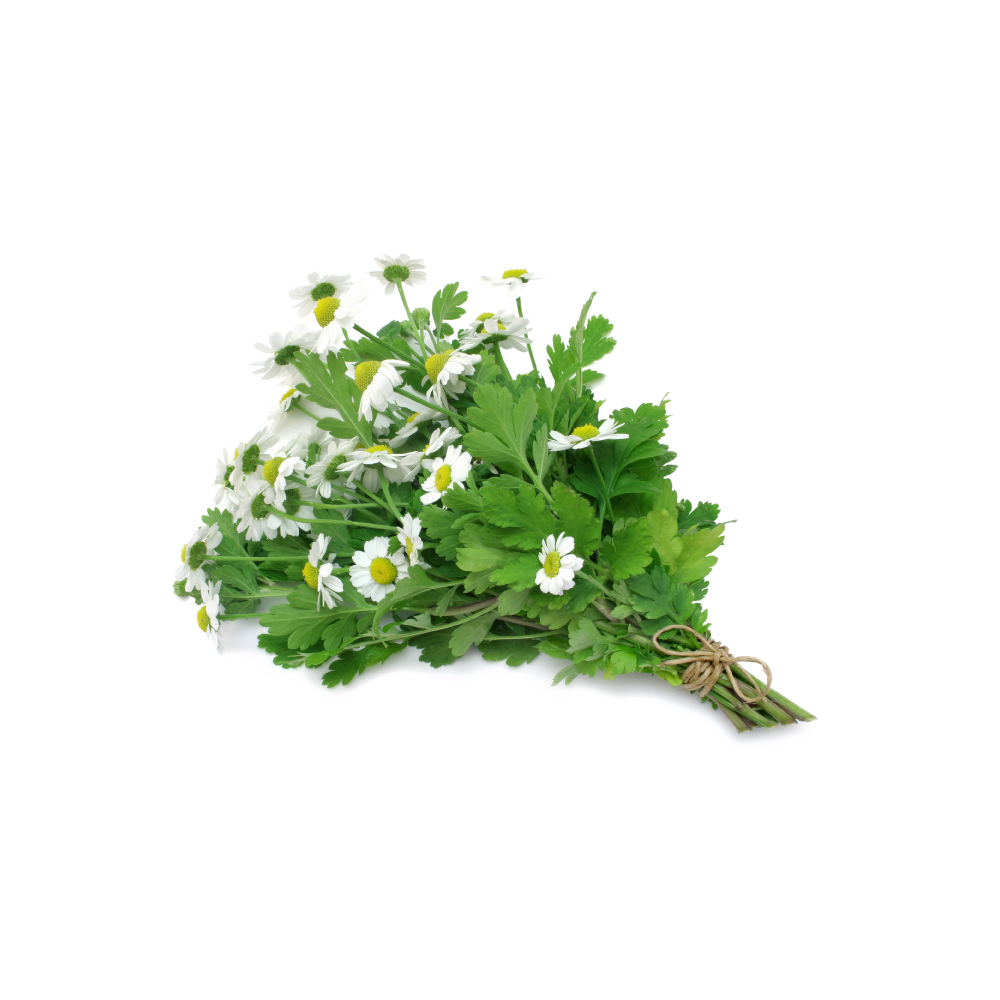 Feverfew Tanacetum parthenium Documented for flavonoids.
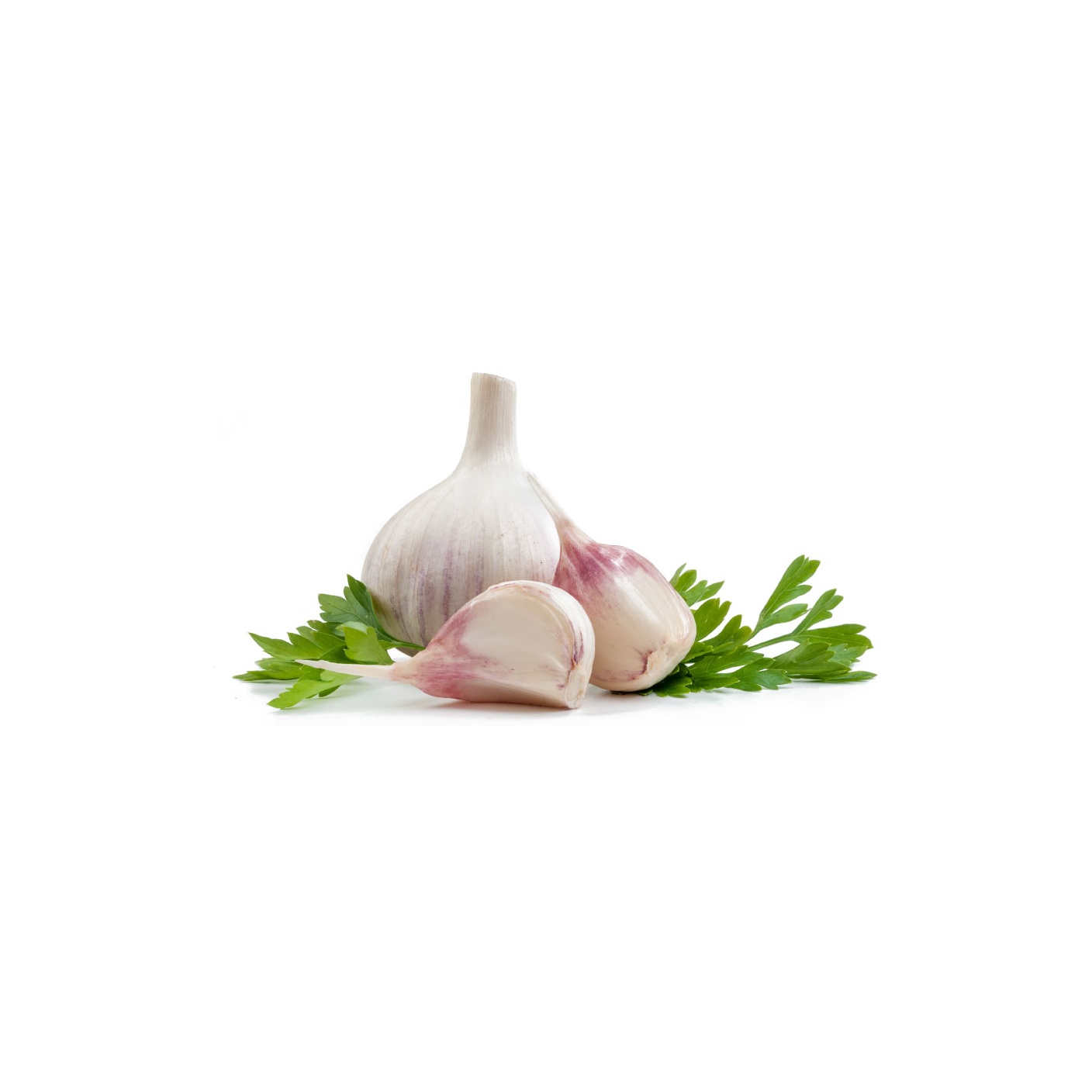 Garlic Allium sativum Documented for flavonoids.
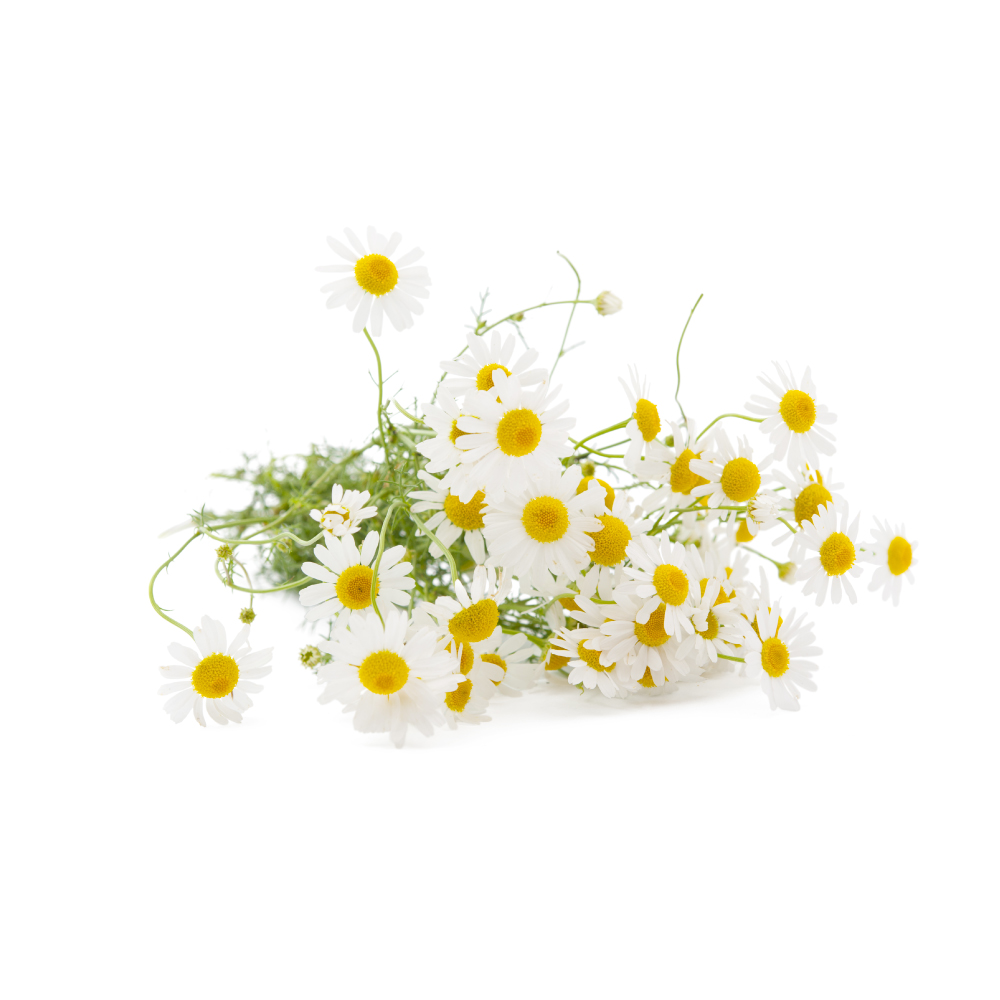 German Chamomile Matricaria chamomilla Documented for flavonoids.
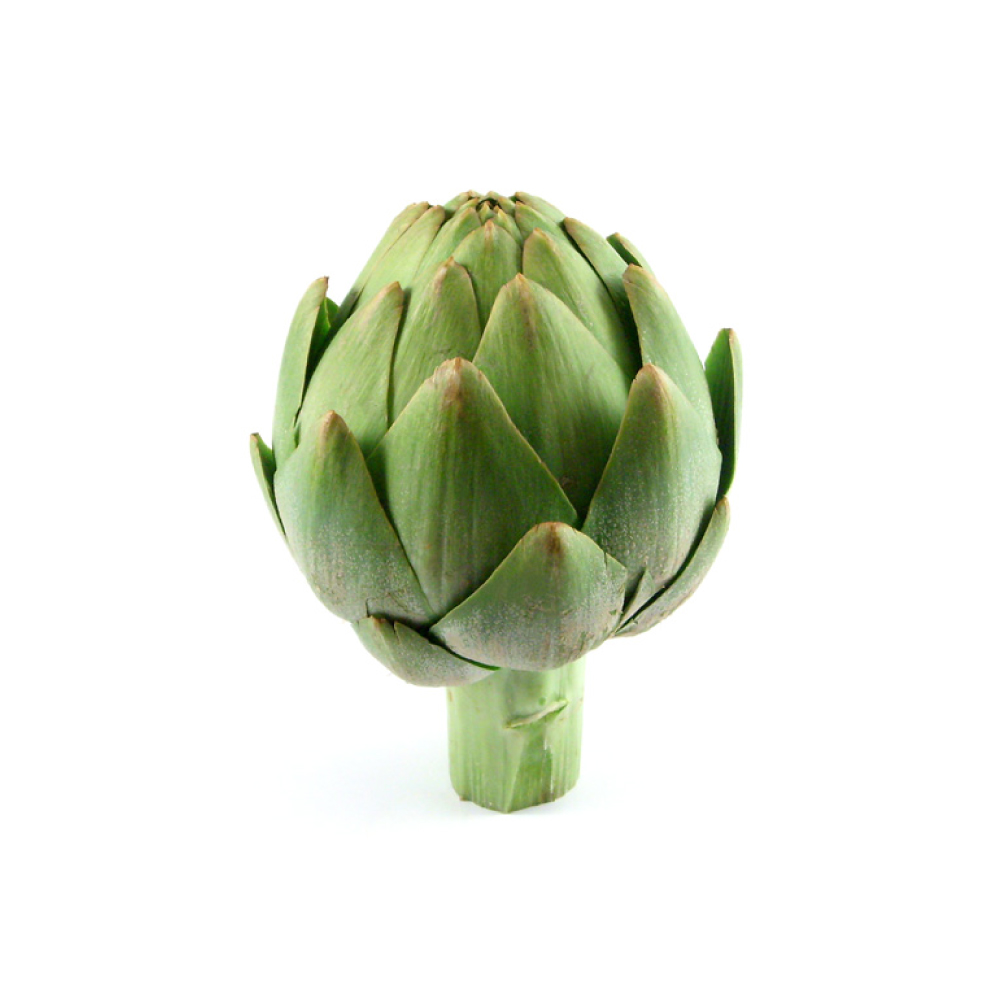 Globe Artichoke Cynara scolymus Documented for flavonoids.
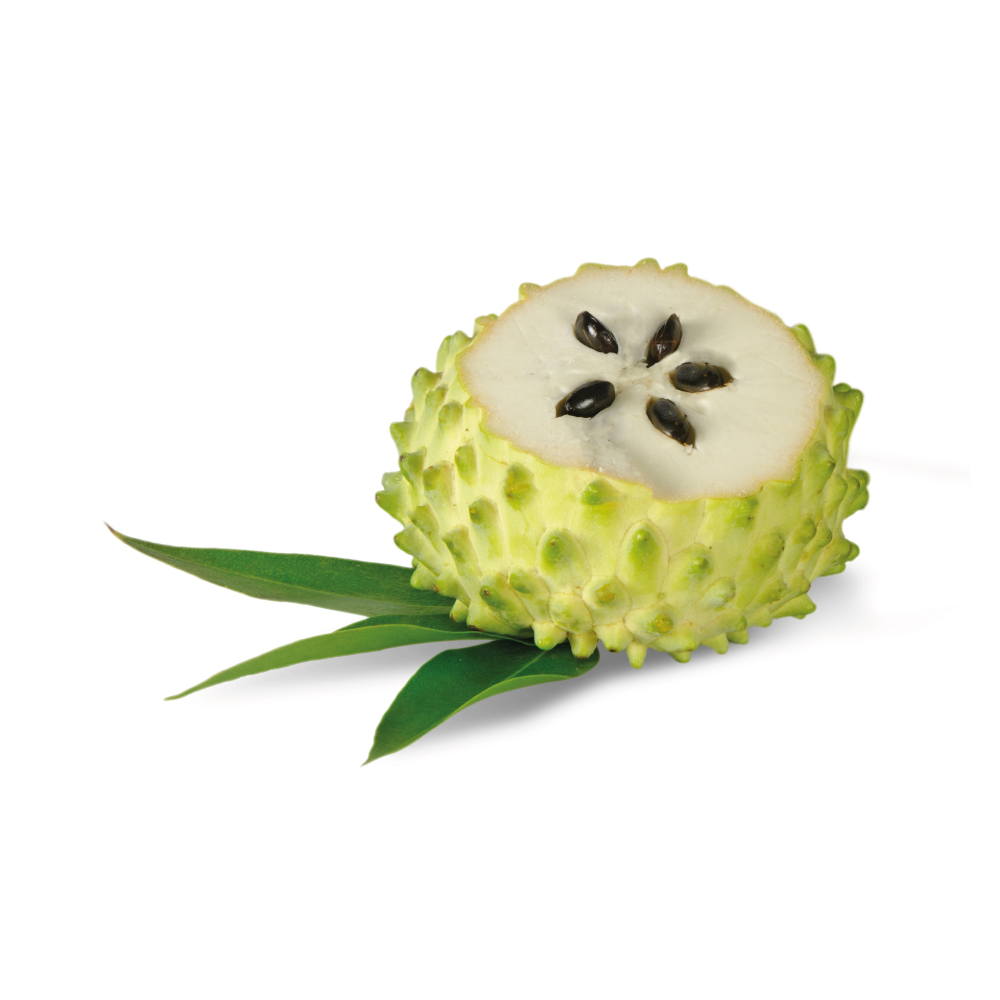 Graviola Annona muricata Toxic Documented for flavonoids.
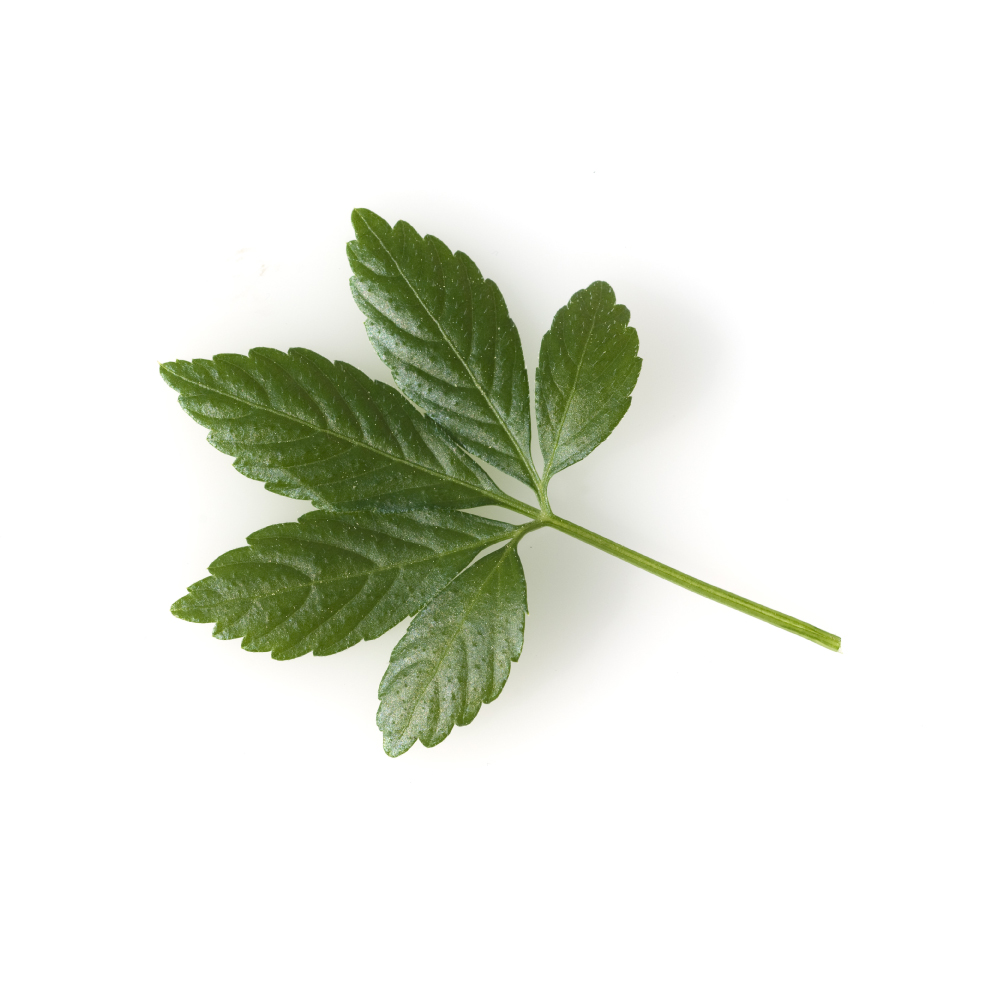 Gynostemma Gynostemma pentaphyllum Documented for flavonoids.
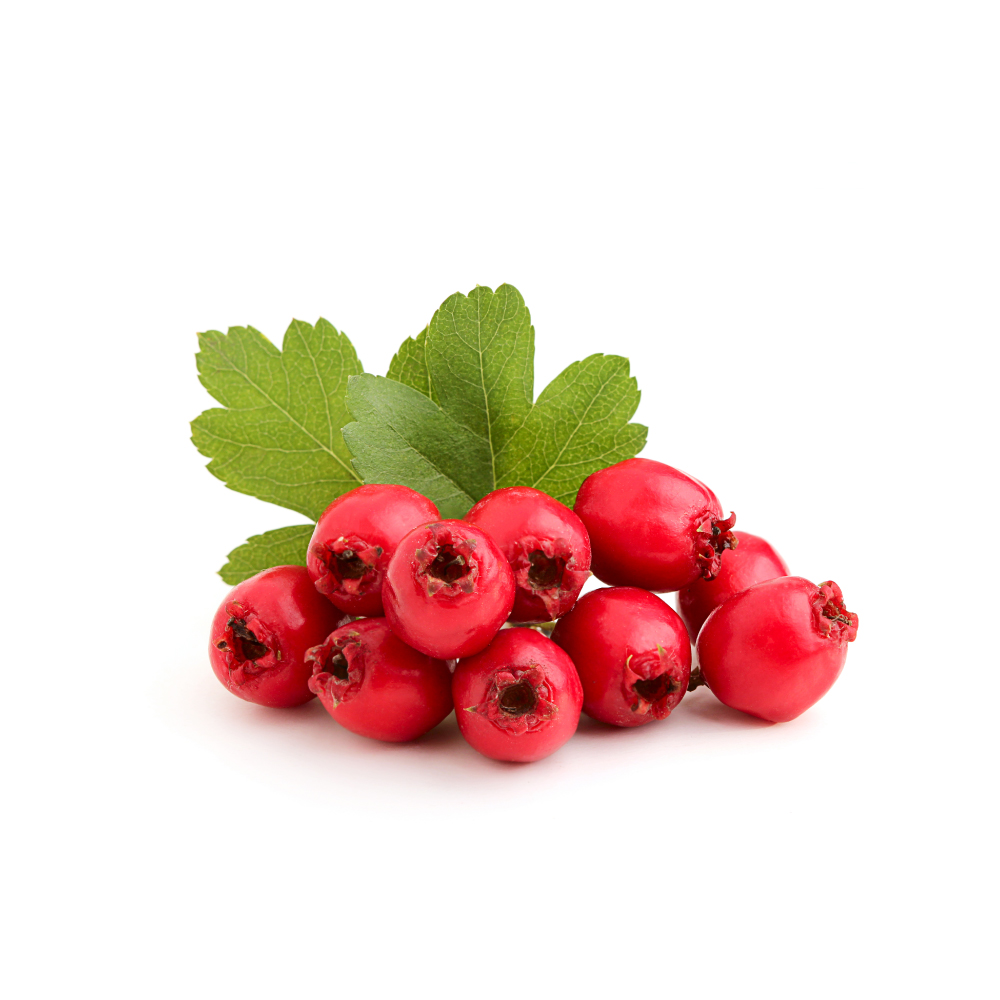 Hawthorn Crataegus oxyacantha Documented for flavonoids.
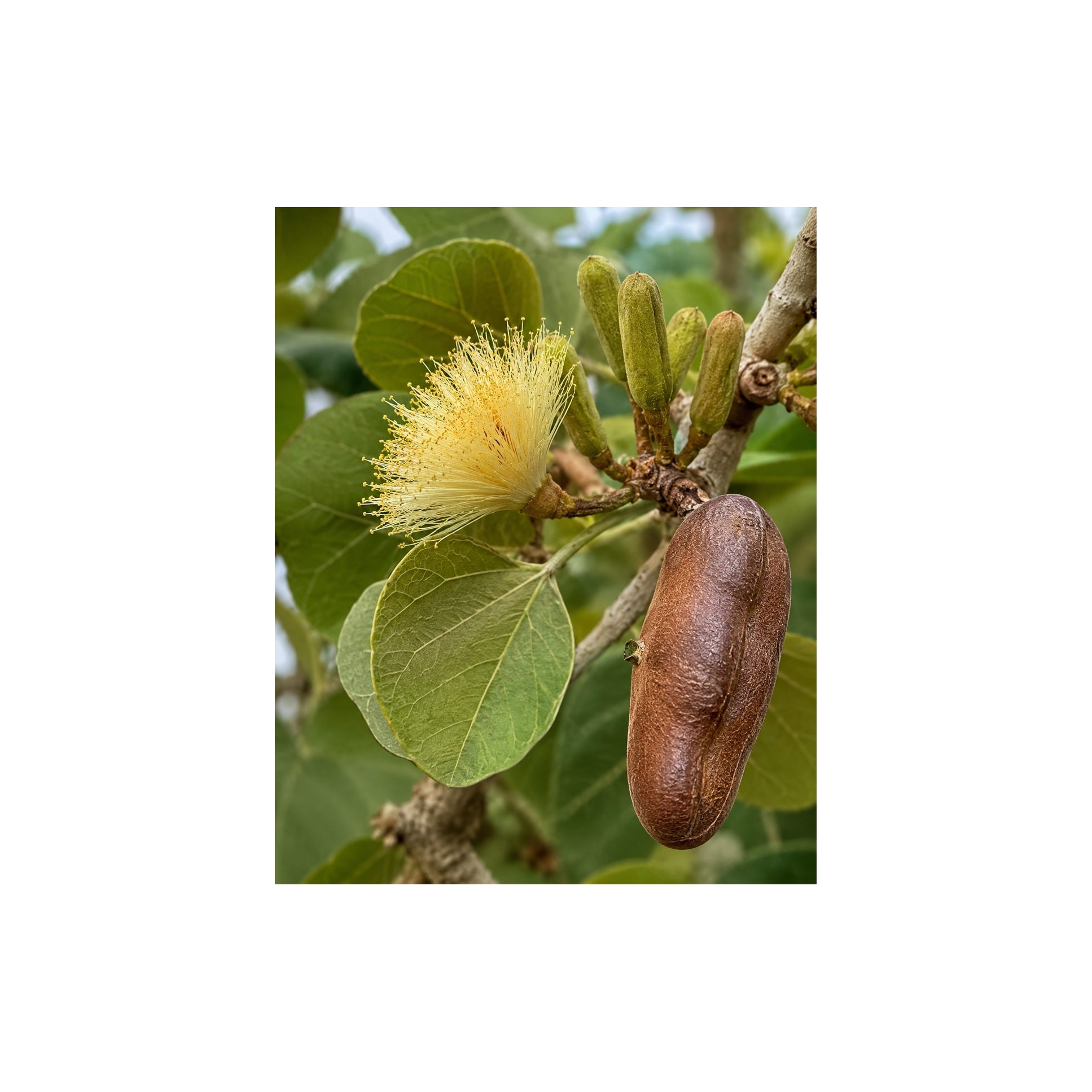 Jatobá Hymenaea courbaril Documented for astilbin.
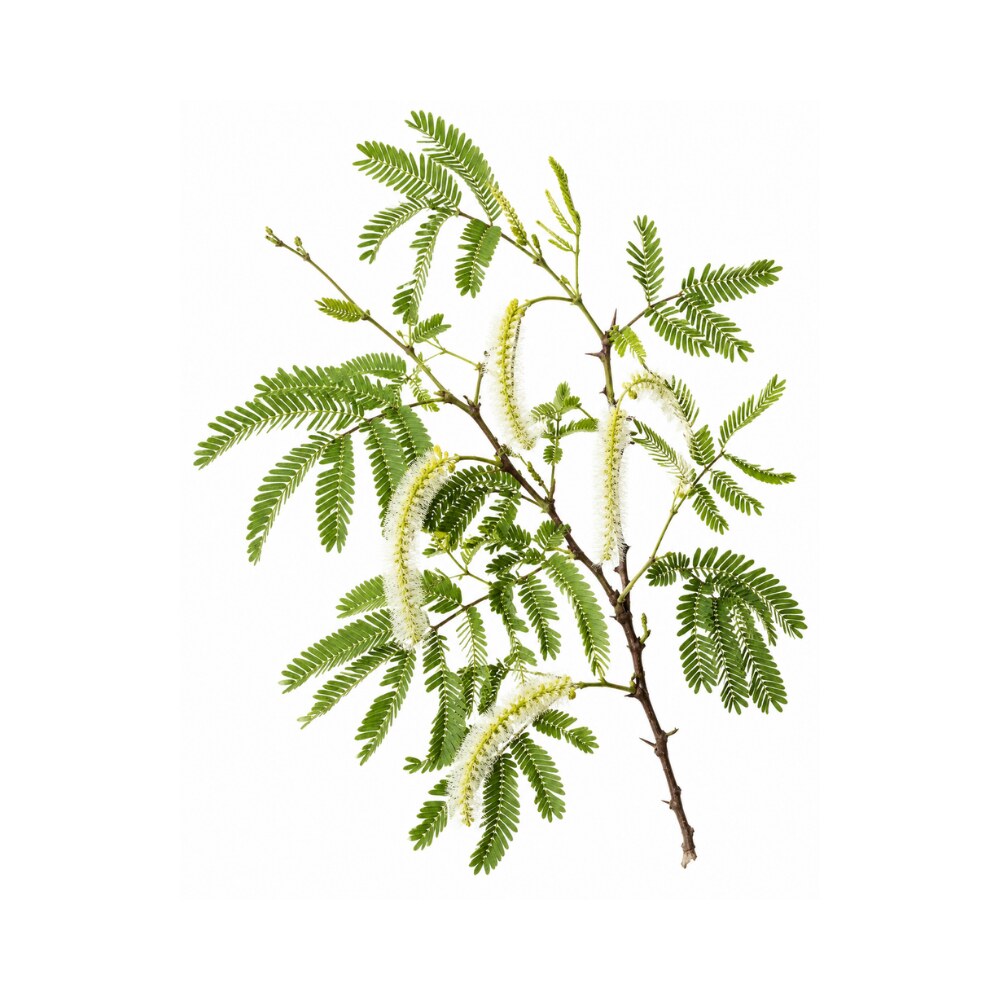 Jurema Mimosa tenuiflora Documented for sakuranetin.
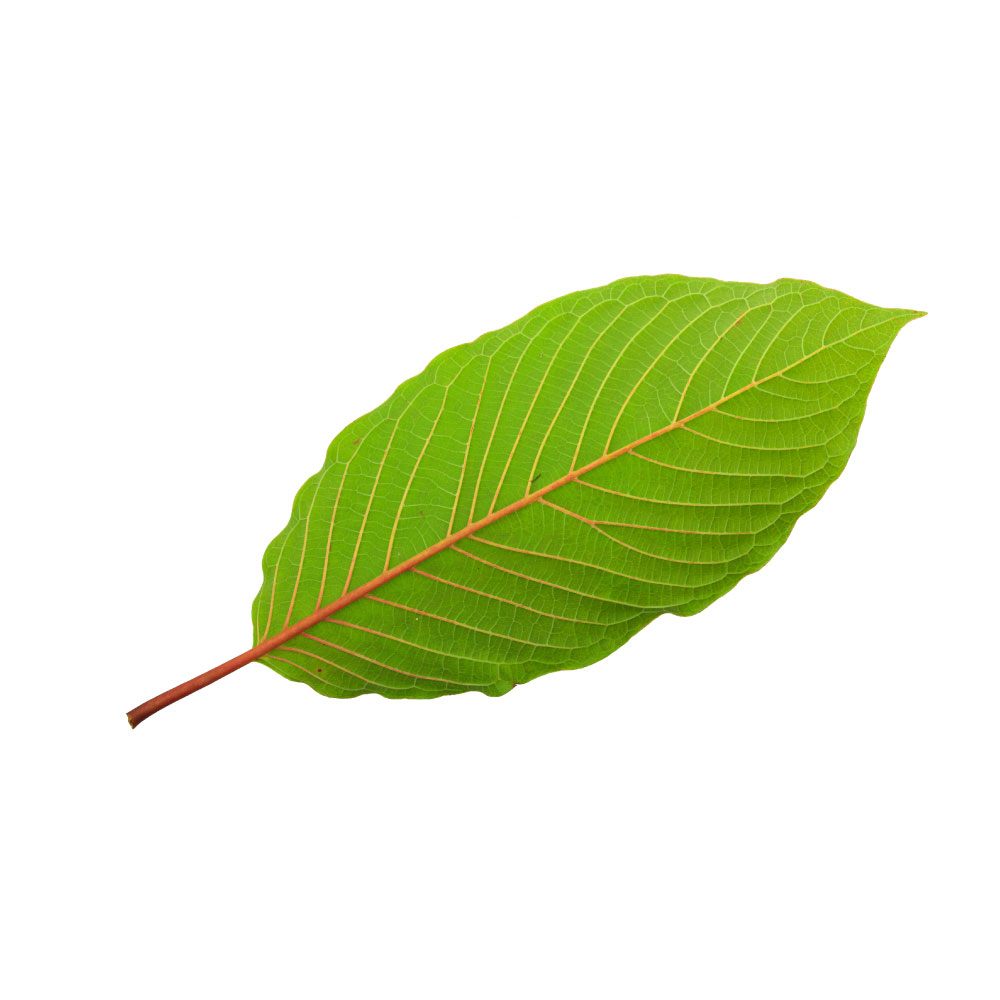 Kratom Mitragyna speciosa Documented for flavonoids.
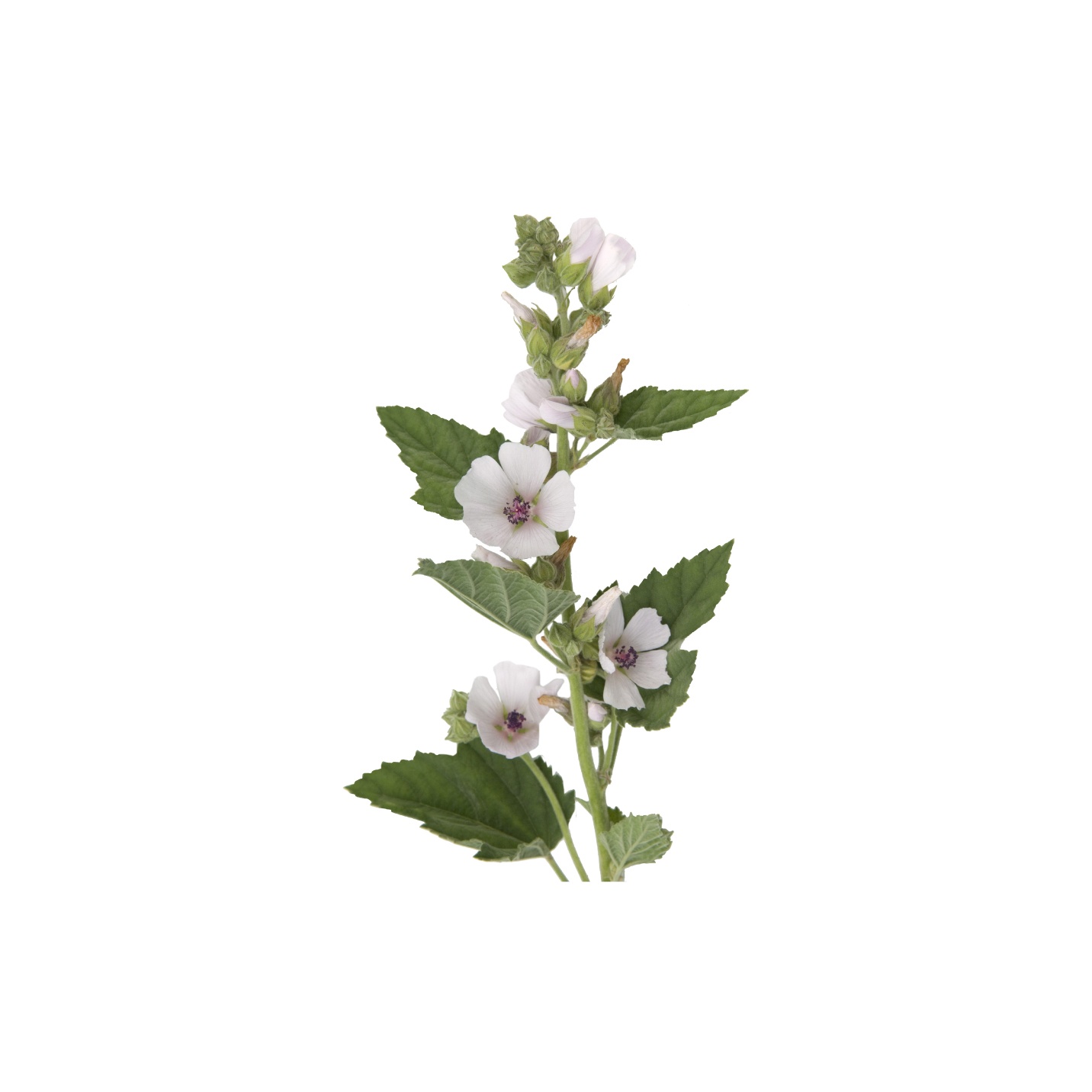 Marshmallow Althaea officinalis Documented for flavonoids.
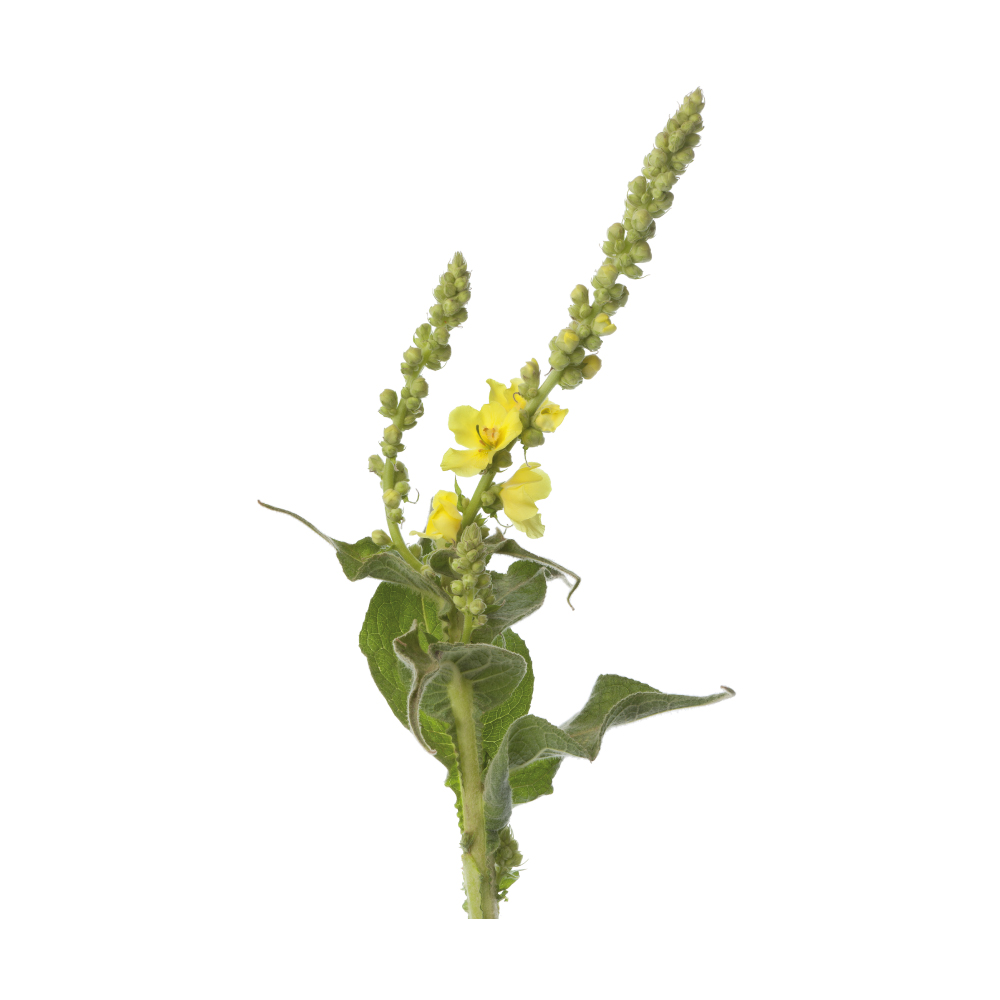 Mullein Verbascum thapsus Documented for hesperidin.
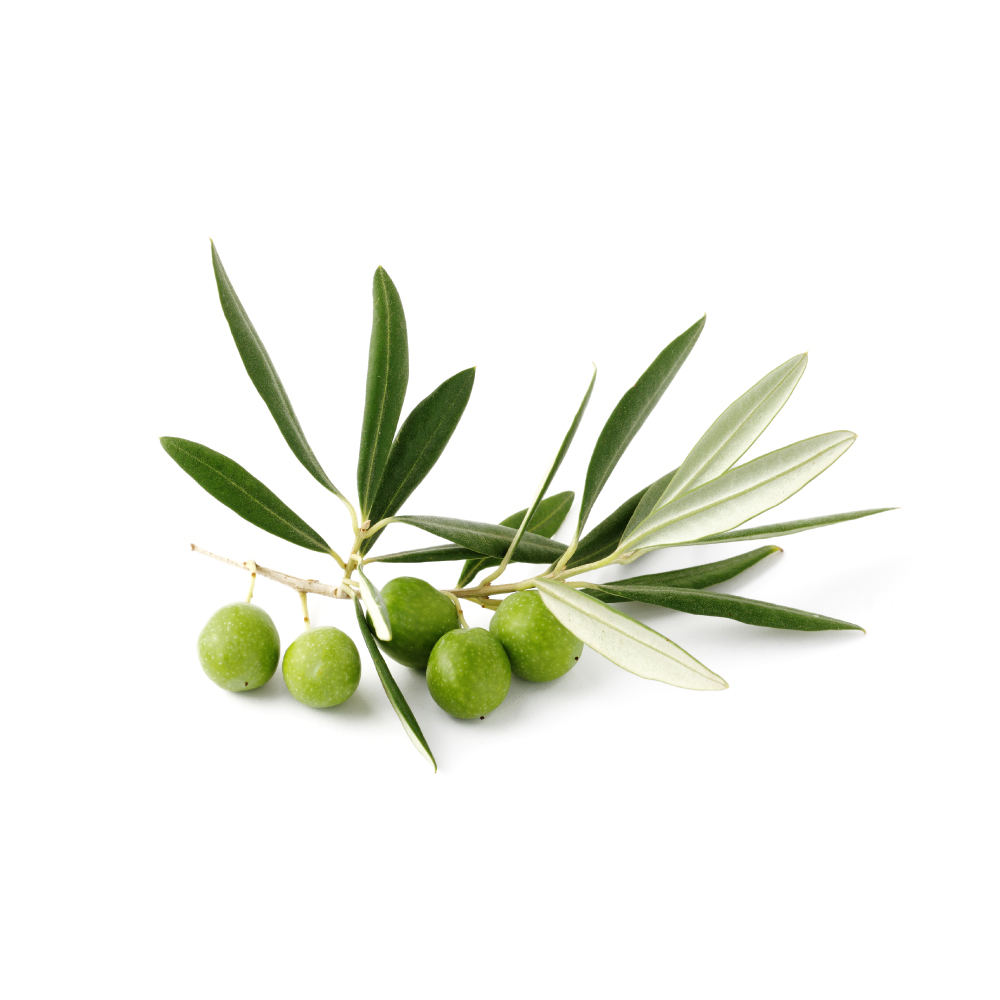 Olive Leaf Olea europaea Documented for flavonoids.
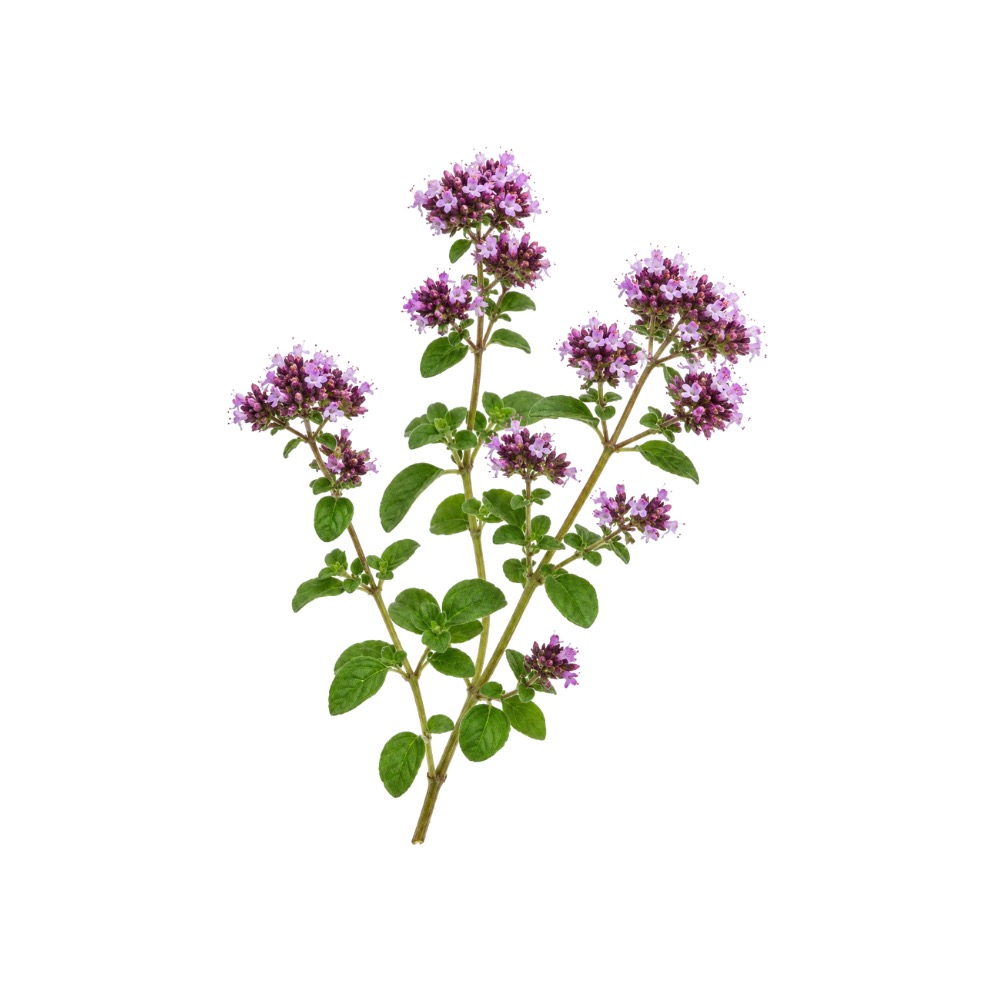 Oregano Origanum vulgare Documented for pinocembrin.
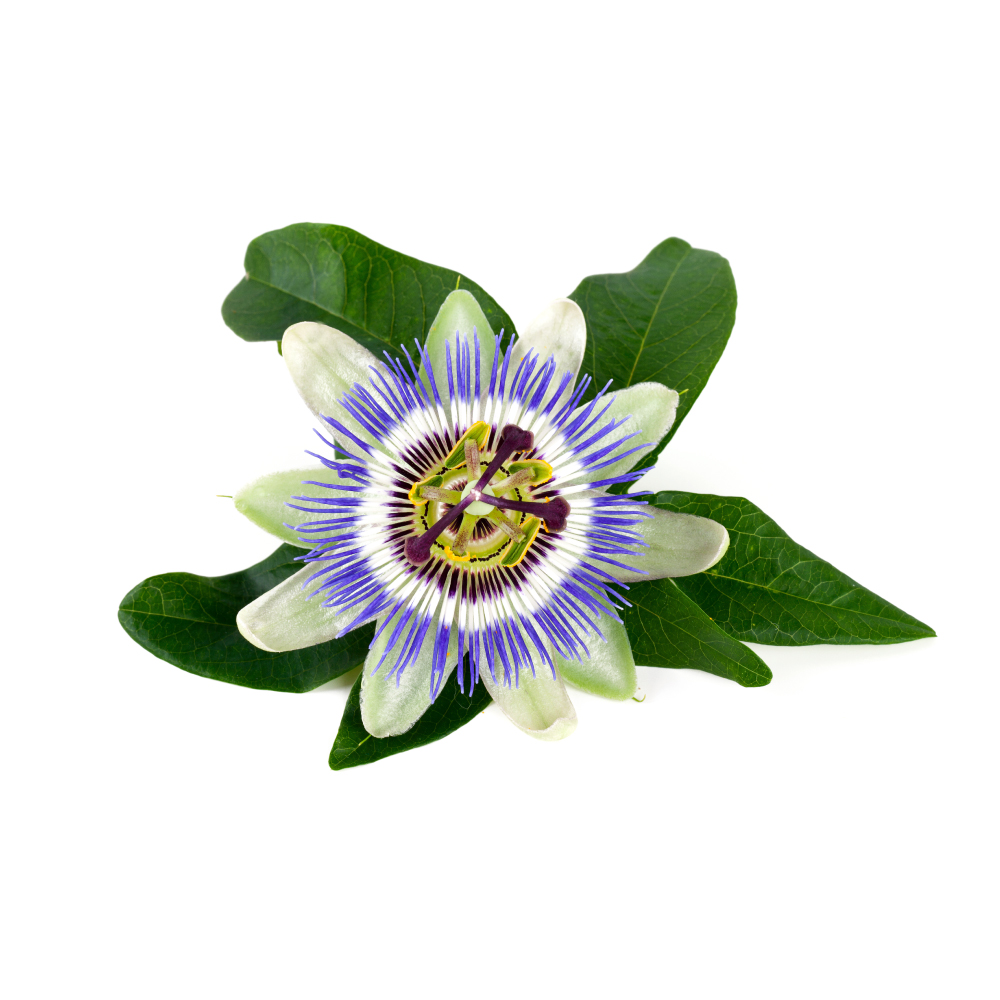 Passionflower Passiflora incarnata Documented for passiflorins.
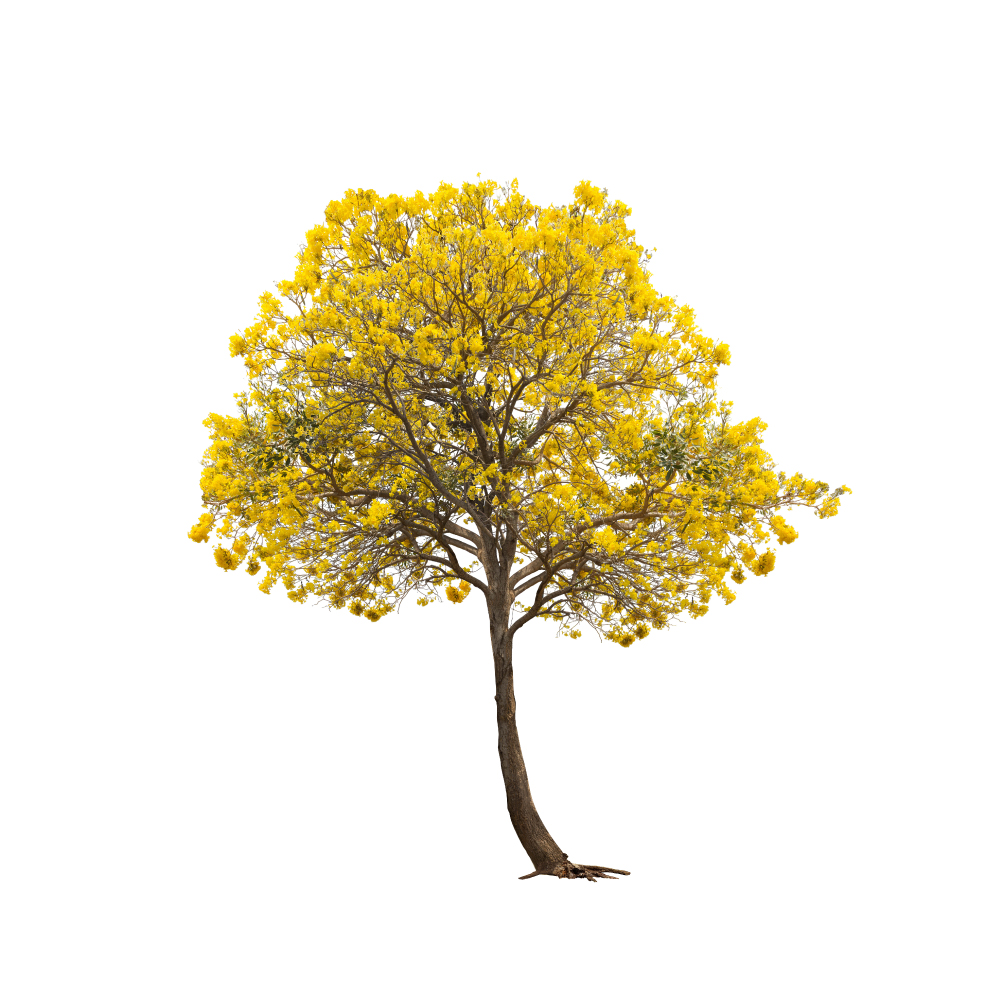 Pau D'Arco Tabebuia impetiginosa Documented for flavonoids. Red Clover Trifolium pratense Documented for flavonoids.
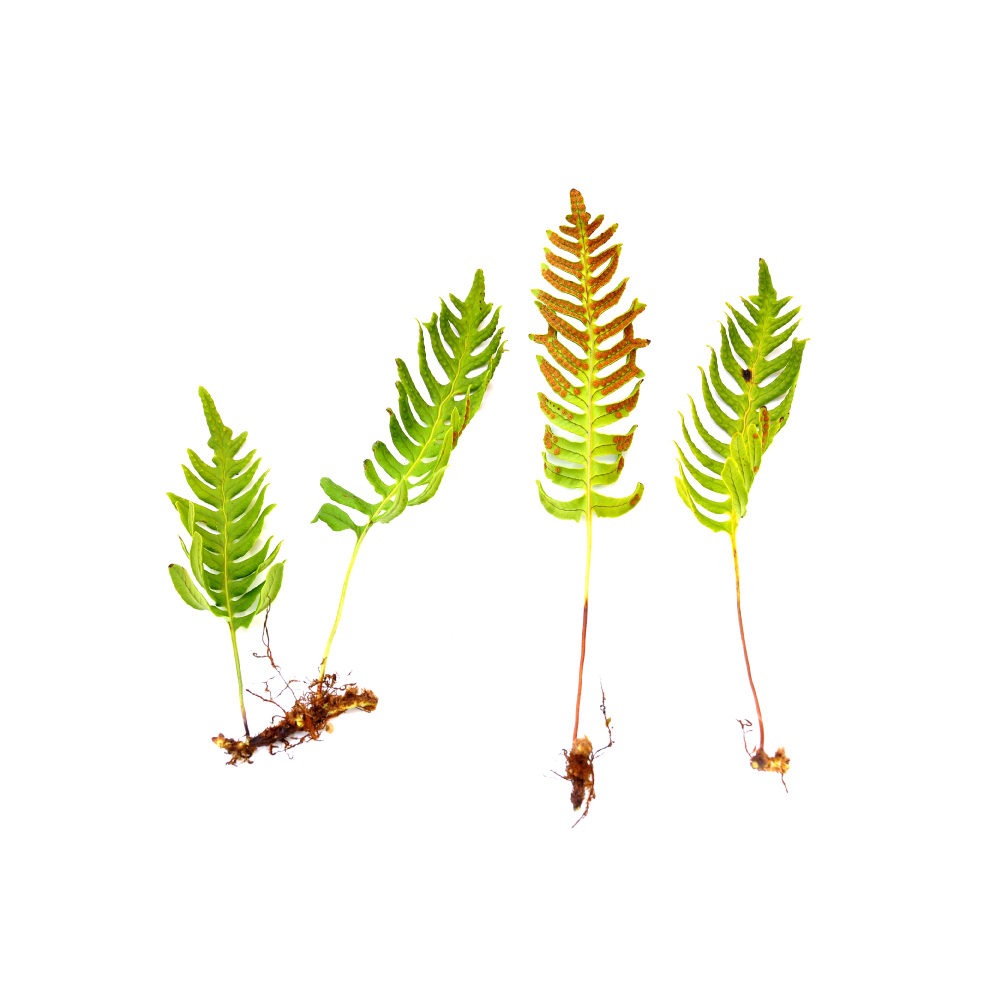 Samambaia Polypodium leucotomos Documented for flavonoids.
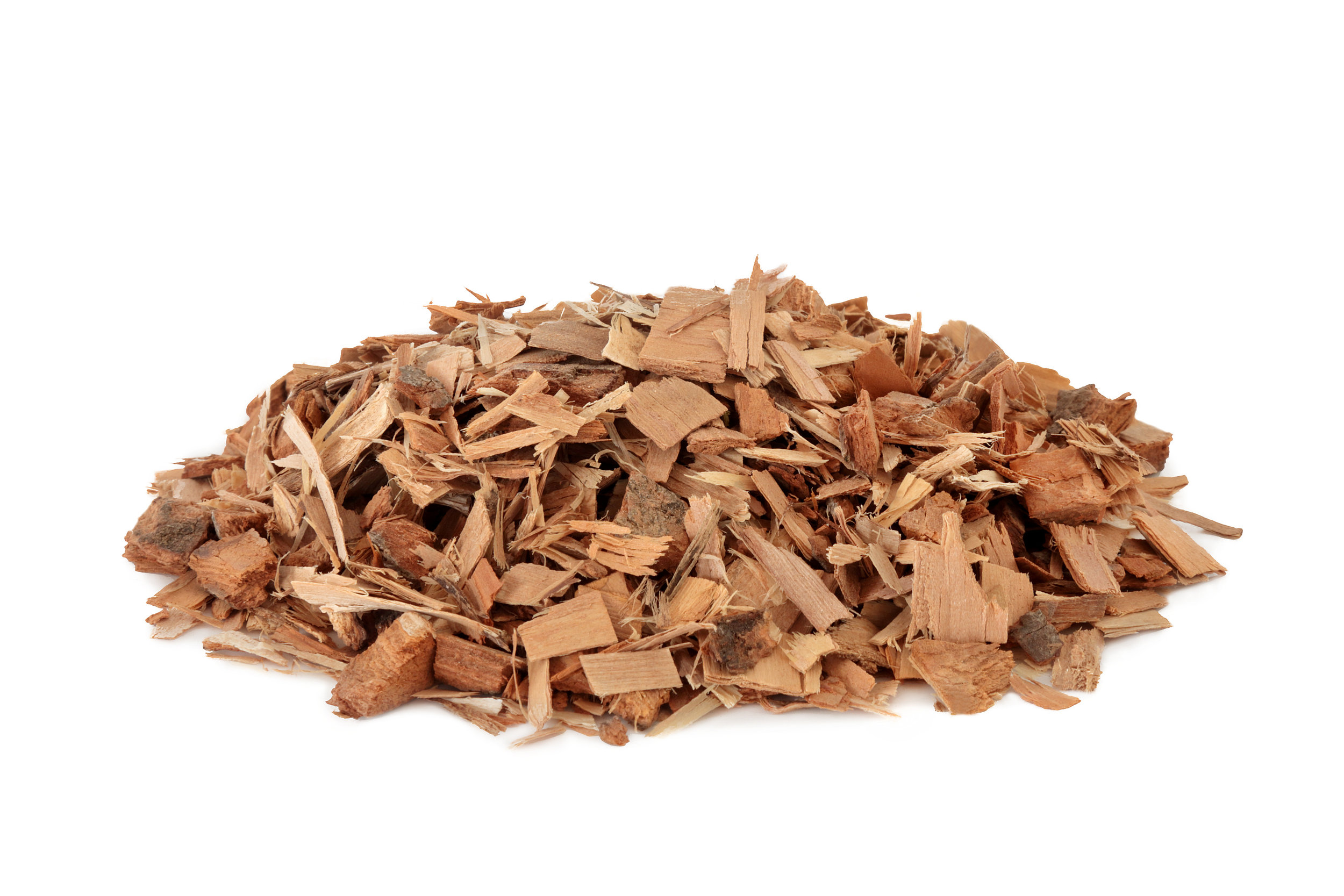 Saw Palmetto Serenoa repens Documented for flavonoids.
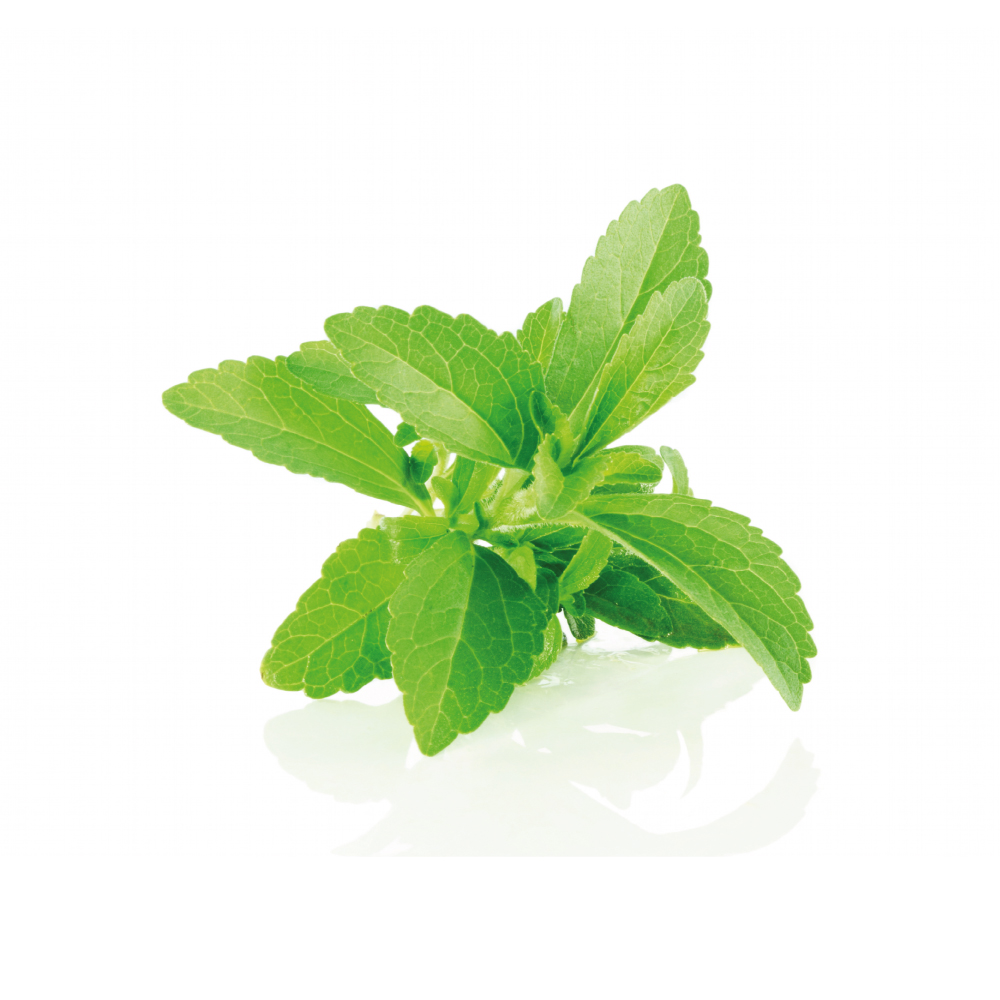 Stevia Stevia rebaudiana Documented for flavonoids.
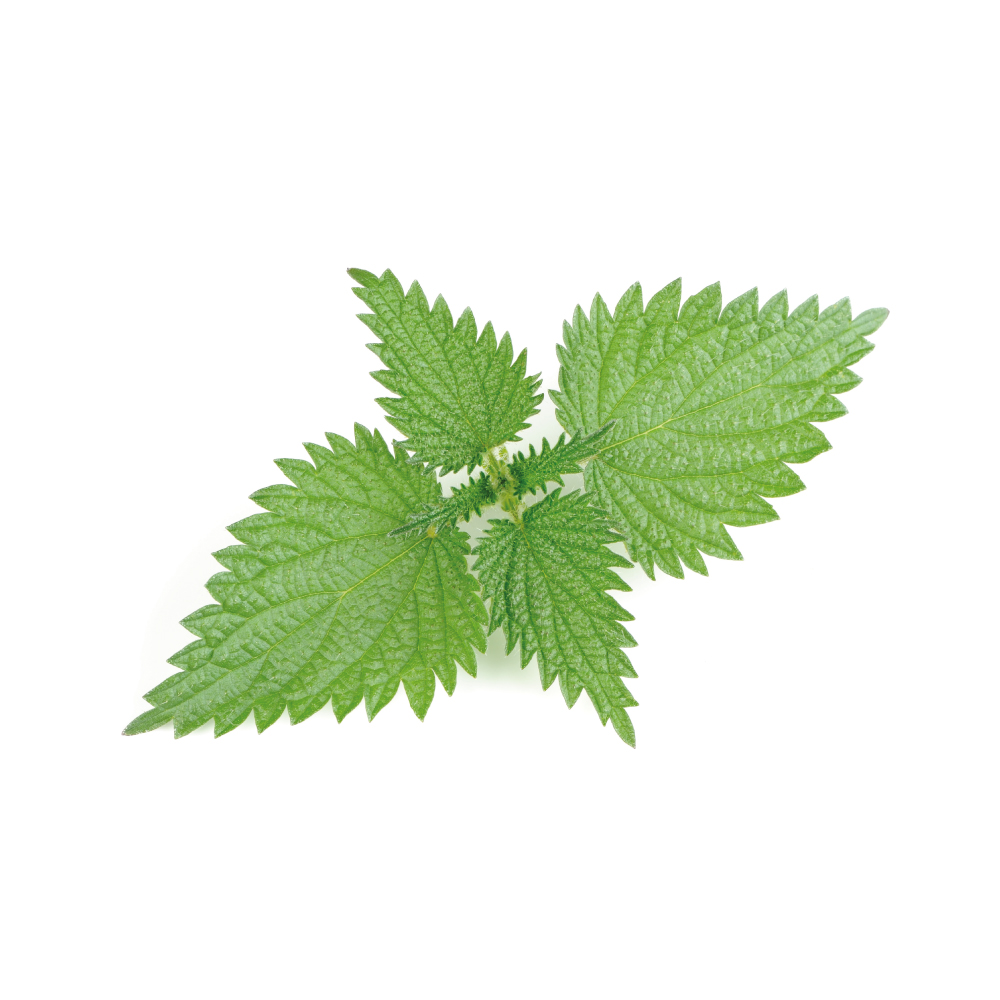 Stinging Nettle Urtica dioica Documented for flavonoids.
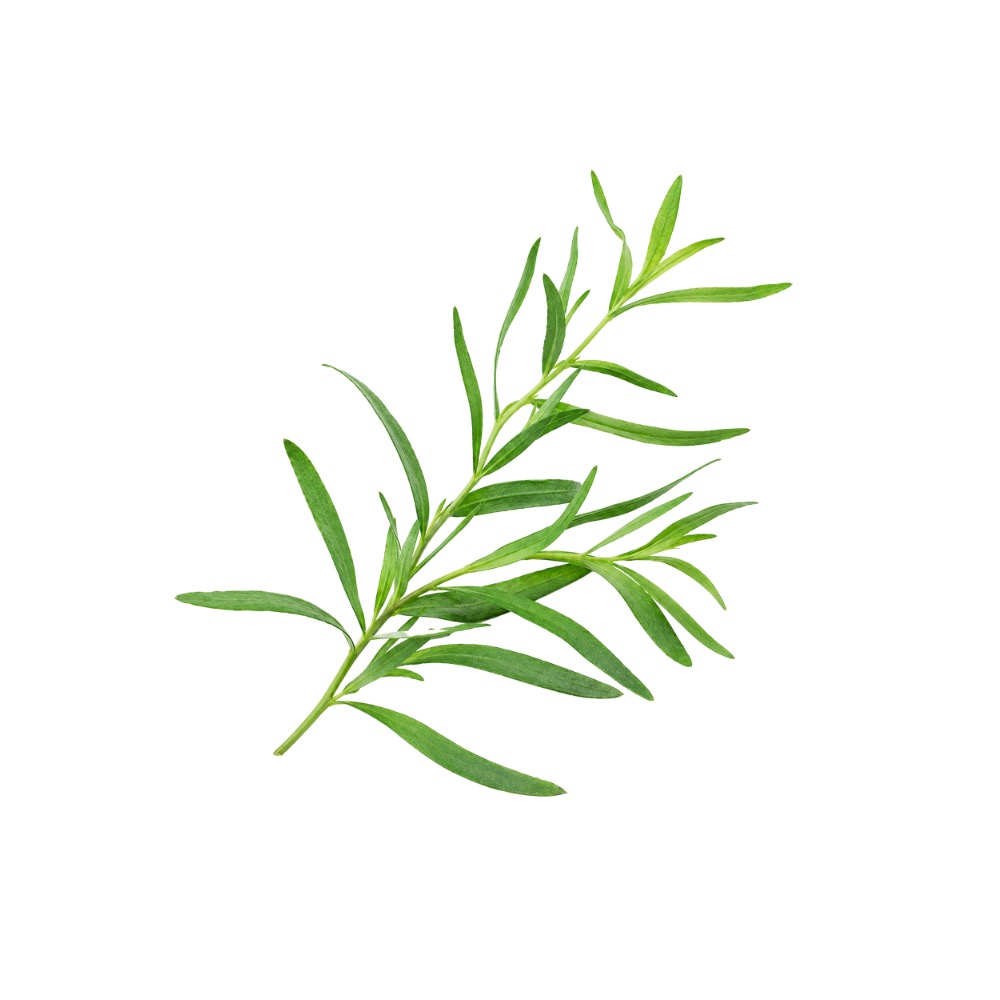 Tarragon Artemisia dracunculus Documented for 6-demethoxycapillarisin.
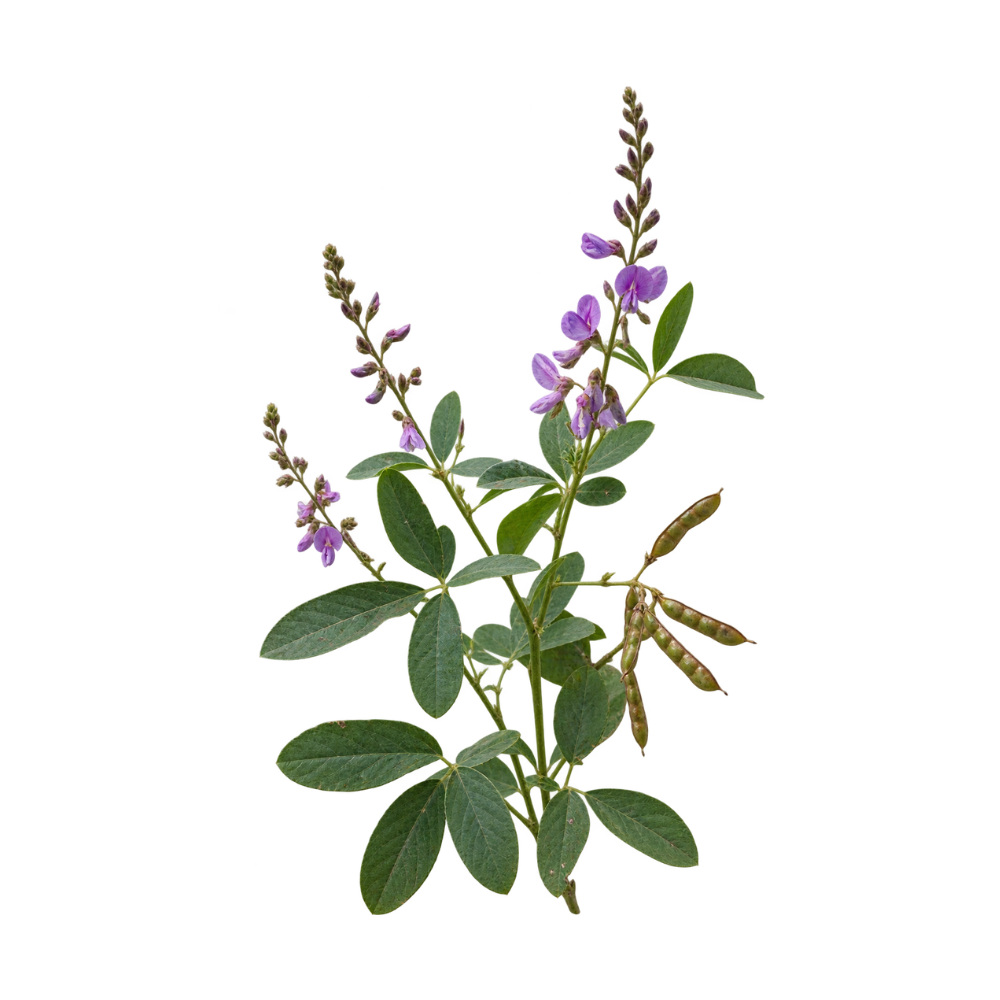 Tick Trefoil Desmodium spp. Documented for gangetin.
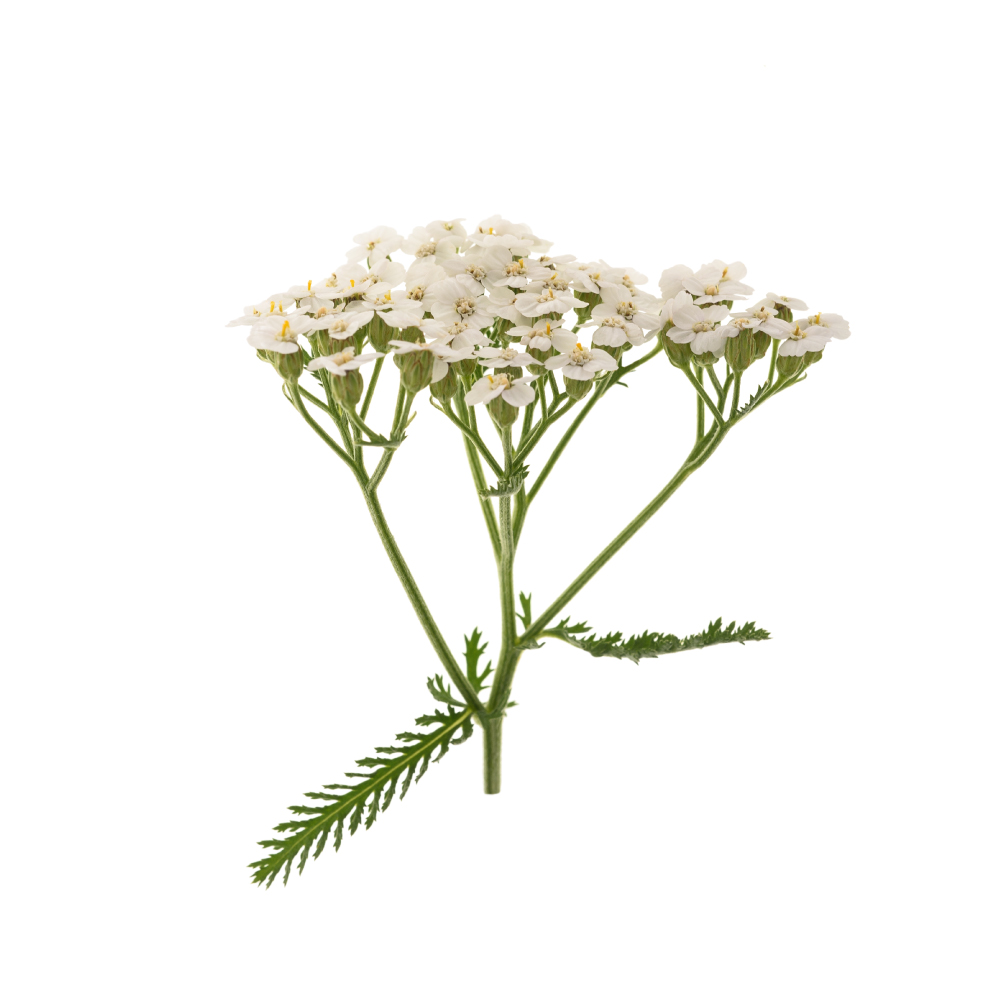 Yarrow Achillea millefolium Documented for flavonoids.
Keep Exploring
Other Compound Classes
Keep Reading
 GuidesThe Best Kava: A Buyer's GuideHow to buy good kava: noble vs two-day cultivars, which part of the root, chemotype codes, origin, form, and the batch tests a seller should show you.
Read more
 GuidesThe Amazon's Endangered Medicinal PlantsThe Amazon gives us some of our most important medicines — but which healing plants are actually endangered?
Read more
 NutritionThe Best Yerba Maté Brands [Reviewed]A drinker's guide to buying yerba maté — what actually changes the taste, and ten brands worth your money.
Read more
 GuidesHow to Prepare Yerba Maté — The Five Best MethodsHow to brew yerba maté properly — the traditional gourd method, plus tereré, french press and cold brew.
Read more