
Compound Monograph
Pseudohypericin
Pseudohypericin is the second naphthodianthrone of St John's wort — usually the more abundant of the pair, yet permanently in hypericin's shadow because extracts are standardised to "total hypericins", the sum of the two. One extra hydroxyl makes it more polar, faster-cleared and, on some targets, the more potent of the twins.

Sources · 5
Where Does It Come From?
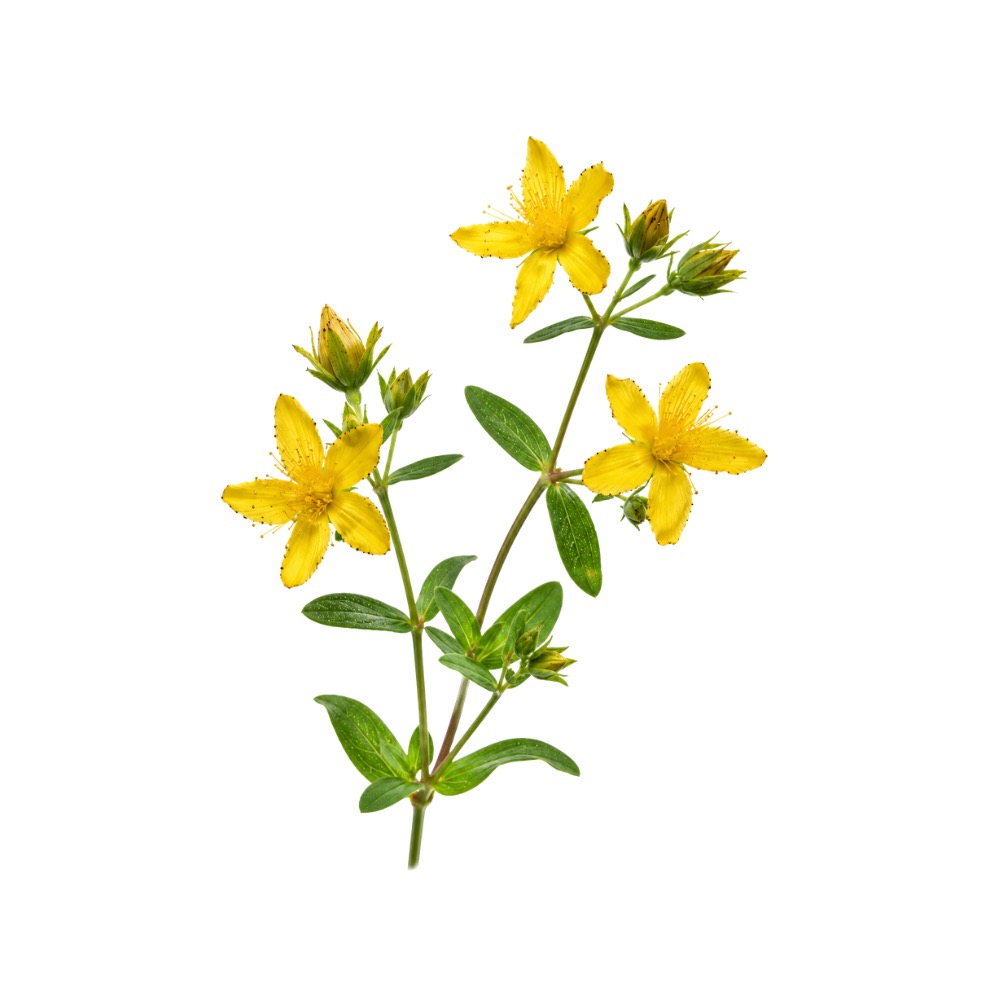
Pseudohypericin is a naturally occurring naphthodianthrone (phenanthroperylene quinone pigment), found in St John's wort, Hypericum aviculariifolium, Hypericum lydium and 2 other sources. It is flagged as moderately toxic.
Concentration
Content by Source
Reported concentrations across the plants that contain pseudohypericin — the bar marks the typical level, the line shows the reported range.
Literature figures for varying plant parts and preparations. Read them as a comparative guide, not exact assays.
Pseudohypericin at a Glance
Pseudohypericin is the second naphthodianthrone of St John’s wort — the blood-red phenanthroperylene-quinone pigment that sits beside hypericin in the plant’s black glandular dots, differing from it by a single hydroxyl group 12Reference 12Hypericins as potential leads for new therapeuticsView study →.
It is also, in most material that has been measured, the more abundant of the two. The clinical extract LI 160 delivered roughly twice as much pseudohypericin as hypericin per capsule 1,
The isolated molecule has never been given to a human as a single agent. What exists is a genuinely useful body of head-to-head comparisons — pharmacokinetics, phototoxicity, enzyme inhibition, antiviral activity — and, unusually, in one area (light-activated anti-inflammatory activity) the isolate literature puts pseudohypericin ahead of its famous twin 14,
The Compound That “Total Hypericins” Hides
Standardisation of St John’s wort has always been anchored on the naphthodianthrones, because they are coloured, easy to detect and characteristic of the genus. But the pharmacopoeial measure is not hypericin — it is total hypericin, the sum of hypericin, pseudohypericin and their light-convertible precursors protohypericin and protopseudohypericin 5,
Three things follow, and they shape everything that comes after:
- The label figure is a mixture, and pseudohypericin is usually the larger part of it. In the Berlin pharmacokinetic programme, single doses of 300, 900 and 1,800 mg of LI 160 supplied 250, 750 and 1,500 µg of hypericin against 526, 1,578 and 3,156 µg of pseudohypericin — a stable ratio of about 2.1 : 1 in pseudohypericin’s favour 1,
2Reference 1Single-dose and steady-state pharmacokinetics of hypericin and pseudohypericinView study →Reference 2Pharmacokinetics of hypericin and pseudohypericin after oral intake of the Hypericum perforatum extract LI 160 in healthy volunteersView study → . - “0.3% hypericins” is a class claim, not a molecule claim — and it is often wrong anyway. An HPLC survey of 54 commercial St John’s wort products found total naphthodianthrone content ranging from 0% to 108% of label claim, with only two products landing within 10% of what they promised; on average labels overstated hypericin plus pseudohypericin by nearly a factor of two 4Reference 4Analysis of the hypericin and pseudohypericin content of commercially available St John’s Wort preparationsView study →.
- Extract studies cannot be attributed to hypericin alone. Where a trial or an in-vitro experiment used whole extract standardised to total hypericins, pseudohypericin was present — usually in excess — and its contribution is unresolved rather than excluded 19Reference 19Evidence for contributions of interactions of constituents to the anti-inflammatory activity of Hypericum perforatumView study →.
None of this makes pseudohypericin the more important molecule. It makes the attribution sloppier than the literature’s phrasing suggests.
Pseudohypericin vs. Hypericin
The structural difference is small and its consequences are not. Hypericin carries two methyl groups on the phenanthroperylene skeleton; in pseudohypericin one of those methyls is hydroxylated to a hydroxymethyl (–CH₂OH) group 12,
Pharmacokinetically, the twins behave like different drugs. After the same extract dose, pseudohypericin appears in plasma faster (absorption lag ~0.4 h vs ~1.9 h for hypericin), distributes into roughly twice the volume (39.3 L vs 19.7 L at steady state), is cleared almost five times faster (43.3 vs 9.2 mL/min) and has a shorter elimination half-life (~24.8 h vs ~43.1 h) 1Reference 1Single-dose and steady-state pharmacokinetics of hypericin and pseudohypericinView study →. Systemic availability from LI 160 was roughly comparable — about 21% for pseudohypericin and 14% for hypericin 1Reference 1Single-dose and steady-state pharmacokinetics of hypericin and pseudohypericinView study →. The authors of the earliest of these studies put it bluntly: in spite of their structural similarities there are substantial pharmacokinetic differences between the two 2Reference 2Pharmacokinetics of hypericin and pseudohypericin after oral intake of the Hypericum perforatum extract LI 160 in healthy volunteersView study →.
Pharmacodynamically, neither one wins across the board. This is the honest answer to “are they interchangeable?” — they are not, and the ranking flips depending on the target:
| Comparison | Hypericin | Pseudohypericin | Winner |
|---|---|---|---|
| Thioredoxin reductase 1 inhibition (IC₅₀) 24Reference 24Hypericins and thioredoxin reductase: biochemical and docking studies disclose the molecular basis for effective inhibition by naphthodianthronesView study → | 157.08 µM | 4.40 µM | pseudohypericin, ~36× |
| Thioredoxin reductase 2 inhibition (IC₅₀) 24Reference 24Hypericins and thioredoxin reductase: biochemical and docking studies disclose the molecular basis for effective inhibition by naphthodianthronesView study → | 43.12 µM | 7.45 µM | pseudohypericin, ~6× |
| Protein kinase C inhibition (IC₅₀) 22Reference 22Hypericin and pseudohypericin specifically inhibit protein kinase C: possible relation to their antiretroviral activityView study → | 1.7 µg/mL | 15 µg/mL | hypericin, ~9× |
| Survival in Friend-virus leukaemia (mice) 21Reference 21Studies of the mechanisms of action of the antiretroviral agents hypericin and pseudohypericinView study → | greater potency | active | hypericin |
| Light-activated inhibition of LPS-induced PGE₂ 14, | not the driver | the driver | pseudohypericin |
| In-vitro photoirritant potential 13Reference 13In vitroIn vitro photochemical and phototoxicological characterization of major constituents in StView study → | positive | positive | no clean separation reported |
| Plasma clearance 1Reference 1Single-dose and steady-state pharmacokinetics of hypericin and pseudohypericinView study → | slow (9.2 mL/min) | fast (43.3 mL/min) | context-dependent |
Both compounds are also chiral — the phenanthroperylene core is helically twisted — but their enantiomers interconvert with barriers low enough (≈97–101 kJ/mol) that neither is expected to exist as a single enantiomer under physiological conditions 29Reference 29Determination of enantiomerization barriers of hypericin and pseudohypericin by dynamic high-performance liquid chromatography on immobilized polysaccharide-type chiral stationary phases and off-column racemization experimentsView study →. This is a chemistry footnote rather than a pharmacological one, but it is one of the few places where the two molecules have been characterised side by side with real precision.
What It's Used For
Everything below is preclinical. Pseudohypericin has human pharmacokinetic data — good data, in fact — but no human efficacy data of any kind, and no trial has ever administered it as an isolate. The compound’s own literature is in-vitro cell work plus a small number of rodent studies, most of which ran it alongside hypericin.
Support is an experimental score — weighted by study type (human > animal > in vitro) and volume. A beta, not a validated metric. Every score here is capped low by design: there is no human efficacy evidence for this isolate in any application.
The application where the isolate genuinely outperforms its famous twin, and the reason it matters as more than a cross-reference. Bioassay-guided fractionation of a St John’s wort ethanol extract, tracking inhibition of LPS-induced prostaglandin E₂ in RAW 264.7 macrophages, converged on four constituents — chlorogenic acid, amentoflavone, quercetin and pseudohypericin — present at 0.1, 0.08, 0.07 and 0.03 µM respectively 14Reference 14Pseudohypericin is necessary for the light-activated inhibition of prostaglandin E2 pathways by a 4 component system mimicking an Hypericum perforatum fractionView study →.
Reconstituting those four at extract-level concentrations reproduced most of the fraction’s activity under light, and light-activated pseudohypericin was necessary, though not sufficient, to explain it 14Reference 14Pseudohypericin is necessary for the light-activated inhibition of prostaglandin E2 pathways by a 4 component system mimicking an Hypericum perforatum fractionView study →.
Follow-up work across several Hypericum species found pseudohypericin in all active fractions and named it the most important contributor of the four to inhibition of PGE₂, nitric oxide, TNF-α and IL-1β 16Reference 16AnimalIdentification of anti-inflammatory constituents in Hypericum perforatum and Hypericum gentianoides extracts using RAW 264.7 mouse macrophagesView study →.
The mechanism was then localised: siRNA knockdown of suppressor of cytokine signalling 3 (SOCS3) abolished pseudohypericin’s contribution specifically, while COX-2 protein expression was unchanged and COX-2 activity fell 17Reference 17The inhibition of lipopolysaccharide-induced macrophage inflammation by 4 compounds in Hypericum perforatum extract is partially dependent on the activation of SOCS3View study →.
Earlier constituent screening had already flagged pseudohypericin and hyperforin as the two compounds present in extracts at concentrations sufficient to inhibit PGE₂ 15Reference 15AnimalInhibition of prostaglandin E(2) production by anti-inflammatory Hypericum perforatum extracts and constituents in RAW264.7 mouse macrophage cellsView study →, and the parent research programme noted a telling asymmetry: St John’s wort’s antiviral activity has both light-dependent and light-independent components, whereas its anti-inflammatory activity at the extract level was light-independent — it is the pseudohypericin contribution specifically that needs light 18Reference 18Hypericum in infection: identification of anti-viral and anti-inflammatory constituentsView study →.
Gap: entirely in-vitro macrophage work from one research programme, at nanomolar-to-low-micromolar concentrations, with the activity dependent on illumination — which is not the condition inside a person taking an oral capsule. And “necessary but not sufficient” is a synergy claim: the effect belongs to the combination, not to the molecule alone 14,
The oldest strand, and the one where pseudohypericin was named on the marquee. Two 1988–89 PNAS papers reported that hypericin and pseudohypericin had potent antiretroviral activity in murine models — prolonging survival in Friend-virus leukaemia and suppressing LP-BM5 murine-immunodeficiency-virus viraemia after infrequent dosing — with low cytotoxicity at active concentrations 20,
The proposed mechanism was unconventional for the era: not polymerase or nucleic-acid inhibition, but interference with virion assembly (electron microscopy showed immature or abnormally assembled cores and released virions with no detectable reverse-transcriptase activity) plus direct inactivation of mature virions 20,
Hypericin was the more potent of the two in the Friend-virus survival model 21Reference 21Studies of the mechanisms of action of the antiretroviral agents hypericin and pseudohypericinView study →.
Three decades later the pair resurfaced: a quantified Hypericum perforatum extract inhibited SARS-CoV-2 in cell culture, and the antiviral potency was attributed specifically to hypericin and pseudohypericin among the tested ingredients — the other constituents were inactive 23Reference 23Hypericum perforatum and its ingredients hypericin and pseudohypericin demonstrate an antiviral activity against SARS-CoV-2View study →.
Follow-up variant testing (Alpha, Beta, Delta, Omicron) and the direct virus-blocking mechanism work in that paper used the extract and hypericin, not pseudohypericin 23Reference 23Hypericum perforatum and its ingredients hypericin and pseudohypericin demonstrate an antiviral activity against SARS-CoV-2View study →.
Gap: the retroviral work is cell-culture and murine, from the late 1980s, and the AIDS programme it inspired did not translate into a usable human antiretroviral. The SARS-CoV-2 work is in-vitro, industry-sponsored, and patented by some of its authors — and its variant and mechanism arms tested hypericin, leaving pseudohypericin’s contribution asserted from the initial screen only 23Reference 23Hypericum perforatum and its ingredients hypericin and pseudohypericin demonstrate an antiviral activity against SARS-CoV-2View study →. St John’s wort’s own severe CYP3A4-mediated interactions with antiretroviral drugs make the herb a poor delivery vehicle for any of this 19Reference 19Evidence for contributions of interactions of constituents to the anti-inflammatory activity of Hypericum perforatumView study →.
The property both naphthodianthrones share, and the basis of hypericin’s photodynamic-therapy reputation. Screening 19 St John’s wort constituents for reactive-oxygen generation, lipid peroxidation and photodynamic plasmid-DNA cleavage, only hypericin, pseudohypericin and hyperforin showed in-vitro photoirritant potential — not every ROS-generating constituent did 13Reference 13In vitroIn vitro photochemical and phototoxicological characterization of major constituents in StView study →.
Pseudohypericin has also been tested as a sonosensitiser: ultrasound-activated pseudohypericin induced apoptosis in THP-1 macrophages through ROS generation, BAX translocation, cytochrome-c release, mitochondrial permeability-transition-pore opening and loss of membrane potential — all reversed by the antioxidant N-acetylcysteine 25Reference 25Apoptosis of THP-1 macrophages induced by pseudohypericin-mediated sonodynamic therapy through the mitochondria-caspase pathwayView study →.
The review literature on the pair is candid that hypericin is the better-characterised photodynamic agent of the two, with the high singlet-oxygen quantum yield that made it a photodynamic-therapy lead; pseudohypericin’s photodynamic profile is described as parallel rather than separately mapped 12Reference 12Hypericins as potential leads for new therapeuticsView study →.
Gap: in-vitro only for pseudohypericin. There is no in-vivo tumour model, no comparative singlet-oxygen quantum yield published side by side with hypericin’s in the sources used here, and no clinical photodynamic-therapy programme built on this molecule. The sonodynamic result is a single study in one cell line 25Reference 25Apoptosis of THP-1 macrophages induced by pseudohypericin-mediated sonodynamic therapy through the mitochondria-caspase pathwayView study →.
Three isolated-target findings, and the place where the twins most clearly diverge. Thioredoxin reductase: both naphthodianthrones inhibit the cytosolic and mitochondrial enzymes, but pseudohypericin is far the stronger — IC₅₀ 4.40 µM (TrxR1) and 7.45 µM (TrxR2) against hypericin’s 157.08 and 43.12 µM — and it acts faster; docking placed both in the NADPH-binding pocket rather than at the selenol/thiol active site, and the inhibition survived gel filtration 24Reference 24Hypericins and thioredoxin reductase: biochemical and docking studies disclose the molecular basis for effective inhibition by naphthodianthronesView study →.
Since the thioredoxin system is overexpressed in tumours, this is the most concrete anticancer mechanism attributable to pseudohypericin specifically 24Reference 24Hypericins and thioredoxin reductase: biochemical and docking studies disclose the molecular basis for effective inhibition by naphthodianthronesView study →.
Protein kinase C: here the ranking reverses — both compounds inhibit PKC specifically, hypericin at IC₅₀ 1.7 µg/mL and pseudohypericin at 15 µg/mL 22Reference 22Hypericin and pseudohypericin specifically inhibit protein kinase C: possible relation to their antiretroviral activityView study →.
5-Lipoxygenase: a single mouse spinal-cord-injury study combined pseudohypericin with the cysteinyl-leukotriene antagonist zafirlukast and reported reduced LTB₄, PGE₂, TNF-α, COX-2 and apoptosis with improved motor recovery 26Reference 26AnimalZafirlukast in combination with pseudohypericin attenuates spinal cord injury and motor function in experimental miceView study →.
Gap: the TrxR and PKC results are cell-free enzyme assays — potent IC₅₀s that say nothing about whether the molecule reaches those enzymes in vivo, which the poor blood–brain-barrier penetration and rapid clearance make doubtful 28Reference 28Caccia S, Gobbi M (2009). St. John’s wort components and the brain: uptake, concentrations reached and the mechanisms underlying pharmacological effects. Current Drug Metabolism. https://pubmed.ncbi.nlm.nih.gov/20214594/View study →. Integrity note: the spinal-cord-injury paper was subject to a 2021 corrigendum replacing five histology figures, attributed by the authors to a microscope-camera fault 27Reference 27AnimalZafirlukast in combination with pseudohypericin attenuates spinal cord injury and motor function in experimental mice [Corrigendum]View study →; treat it as a single low-confidence report.
Mechanisms
| Target / pathway | Effect | Relevant to |
|---|---|---|
| Thioredoxin reductase 1 & 2 | strong concentration- and time-dependent inhibition (IC₅₀ 4.40 / 7.45 µM) via the NADPH-binding pocket, not the selenol/thiol motif — ~36× and ~6× more potent than hypericin | redox / anticancer mechanism |
| SOCS3 → prostaglandin E₂ and nitric oxide | light-activated suppression of LPS-induced PGE₂/NO in macrophages; effect abolished by SOCS3 knockdown; COX-2 activity ↓ without change in COX-2 protein | anti-inflammatory |
| Cytosolic phospholipase A₂ / lipoxygenase | inhibited by the four-constituent system containing pseudohypericin | anti-inflammatory |
| Protein kinase C | specific inhibition, IC₅₀ 15 µg/mL — weaker than hypericin (1.7 µg/mL) | antiretroviral / antiproliferative |
| Singlet oxygen / ROS under light (type I & II) | photosensitised lipid peroxidation and photodynamic plasmid-DNA cleavage | photodynamic activity + phototoxicity |
| Retroviral assembly and mature virions | abnormal/immature core assembly; released virions lacking reverse-transcriptase activity; direct virion inactivation | antiviral |
| Mitochondria–caspase axis (ultrasound-activated) | ROS ↑ → mPTP opening, ΔΨm loss, BAX translocation, cytochrome-c release, apoptosis | sonodynamic cytotoxicity |
| 5-Lipoxygenase | reported antagonism; LTB₄ ↓ in a rodent injury model | anti-inflammatory (single corrected study) |
The two rows worth holding onto are the thioredoxin-reductase line and the protein-kinase-C line, because they point in opposite directions. Any statement that pseudohypericin is “the weaker hypericin” — or that the two are interchangeable — is contradicted by one of them.
Pharmacokinetics
This is the strongest human data on the molecule, and it is unusually clean because both naphthodianthrones were measured in the same subjects from the same capsules. In 13 healthy volunteers given single oral doses of the extract LI 160 (300, 900 or 1,800 mg, supplying 526, 1,578 or 3,156 µg of pseudohypericin), median peak plasma concentrations were 3.4, 12.1 and 29.7 µg/L, reached after an absorption lag of only ~0.4 h — against ~1.9 h for hypericin in the same subjects 1Reference 1Single-dose and steady-state pharmacokinetics of hypericin and pseudohypericinView study →. Median half-lives for absorption, distribution and elimination were 1.3, 1.4 and 24.8 h 1Reference 1Single-dose and steady-state pharmacokinetics of hypericin and pseudohypericinView study →. Pseudohypericin distributed into a steady-state volume of 39.3 L (hypericin: 19.7 L) and was cleared at 43.3 mL/min (hypericin: 9.2 mL/min); systemic availability from the extract was estimated at ~21% (hypericin ~14%) 1Reference 1Single-dose and steady-state pharmacokinetics of hypericin and pseudohypericinView study →. Both compounds showed non-linear kinetics — AUC and peak concentration at the lowest dose were disproportionately low 1,
The consistent reading across both studies is that the extra hydroxyl buys polarity: faster in, wider distribution, faster out, less accumulation. Against that, brain penetration is poor. A review of St John’s wort constituents in the CNS concluded that the naphthodianthrones — along with hyperforin, quercetin and the biflavones amentoflavone and biapigenin — cross the blood–brain barrier badly in animals, reaching brain concentrations far below those active on neurotransmitter targets 28Reference 28Caccia S, Gobbi M (2009). St. John’s wort components and the brain: uptake, concentrations reached and the mechanisms underlying pharmacological effects. Current Drug Metabolism. https://pubmed.ncbi.nlm.nih.gov/20214594/View study →. Whatever pseudohypericin does, it is unlikely to be doing it centrally at oral extract doses.
Clinical Trials
There are no clinical trials of isolated pseudohypericin — not completed, not registered, not terminated. The human record consists of the pharmacokinetic and photosensitivity studies described above, all of which administered whole standardised extract and measured pseudohypericin as an analyte 1,
| Completed | Planned | Terminated | Preclinical |
|---|---|---|---|
| None for the isolate (human PK + photosensitivity only, via extract) | — | — | In-vitro anti-inflammatory, antiviral, photodynamic/sonodynamic, enzyme-inhibition; two rodent programmes |
Last checked: July 2026.
Isolate vs. Plant Studies
The usual caution is that a plant’s effects get wrongly credited to one isolated molecule. Pseudohypericin’s problem is the mirror image: its contributions get credited to a different molecule.
Because St John’s wort is standardised to total hypericins and because hypericin is the named marker, extract-level findings — antiviral, photodynamic, phototoxic — are routinely narrated as hypericin’s. In the material actually dosed, pseudohypericin was present at roughly twice hypericin’s concentration 1,
Where the isolate has been tested directly, the result cuts both ways. The anti-inflammatory programme deliberately isolated the four active constituents and found pseudohypericin the lead contributor 16Reference 16AnimalIdentification of anti-inflammatory constituents in Hypericum perforatum and Hypericum gentianoides extracts using RAW 264.7 mouse macrophagesView study → — but also found it necessary and not sufficient, i.e. the activity is a property of the combination 14,
Its Role in the Plant
Pseudohypericin is not distributed evenly through Hypericum. Mass-spectrometry imaging of 17 in-vitro-cultured Hypericum species localised all four naphthodianthrones — protohypericin, hypericin, protopseudohypericin and pseudohypericin — co-localised in the dark glands of the eight hypericin-producing species, while the phloroglucinols (hyperforin, adhyperforin) sat separately in the translucent leaf cavities 8Reference 8Interspecific variation in localization of hypericins and phloroglucinols in the genus Hypericum as revealed by desorption electrospray ionization mass spectrometry imagingView study →. The black dots along St John’s wort’s petal margins are, in effect, the naphthodianthrone organ; the “perforations” that give H. perforatum its name are the phloroglucinol one.
Content tracks development and tissue. Across ten wild Northern Turkish populations, pseudohypericin rose through the growing season and peaked at flowering, with fully opened flowers outperforming stems, leaves and other reproductive parts 6Reference 6Pseudohypericin and hyperforin in Hypericum perforatum from Northern Turkey: variation among populations, plant parts and phenological stagesView study →. In a second Hypericum species followed through five phenological stages, hypericin and pseudohypericin both peaked at full flowering — at 0.71 and 1.78 mg/g dry weight respectively, again roughly a 1:2.5 ratio in pseudohypericin’s favour 7Reference 7Changes in the contents of main secondary metabolites in two Turkish Hypericum species during plant developmentView study →. Interestingly, the same survey found population variability for pseudohypericin to be low — populations differed sharply in hyperforin but produced similar amounts of pseudohypericin 6Reference 6Pseudohypericin and hyperforin in Hypericum perforatum from Northern Turkey: variation among populations, plant parts and phenological stagesView study →, hinting at tighter regulation of the naphthodianthrone pathway.
The plant’s associations matter too. Arbuscular mycorrhizal fungi raise naphthodianthrone content: inoculation with Rhizophagus intraradices and a mixed inoculum increased both hypericin and pseudohypericin in shoots 9Reference 9Hypericin and pseudohypericin concentrations of a valuable medicinal plant Hypericum perforatum L. are enhanced by arbuscular mycorrhizal fungiView study →, and under low-phosphorus conditions a separate trial recorded increases of 166.8% for pseudohypericin and 279.2% for hypericin in flowers — while lowering hyperforin by 17.5% 10Reference 10Arbuscular mycorrhizal fungi altered the hypericin, pseudohypericin, and hyperforin content in flowers of Hypericum perforatum grown under contrasting P availability in a highly organic substrateView study →. Whatever role these pigments play for the plant, it is one that intensifies under symbiosis and nutrient stress.
Prevalence in Nature
Pseudohypericin is essentially a Hypericum molecule. It occurs only in the hypericin-producing members of the genus — roughly half the species surveyed in the imaging study lacked the dark glands entirely and made no naphthodianthrones at all 8Reference 8Interspecific variation in localization of hypericins and phloroglucinols in the genus Hypericum as revealed by desorption electrospray ionization mass spectrometry imagingView study →, and some species (H. orientale, for instance) produce neither hypericin nor pseudohypericin 7Reference 7Changes in the contents of main secondary metabolites in two Turkish Hypericum species during plant developmentView study →.
In H. perforatum itself, dried aerial parts have been reported from traces to 2.94 mg/g dry weight across wild populations, with flowers the richest tissue 6Reference 6Pseudohypericin and hyperforin in Hypericum perforatum from Northern Turkey: variation among populations, plant parts and phenological stagesView study →. Other Turkish Hypericum species carry it too — H. lydium, where flowers are again the main repository 33Reference 33Population variability of main secondary metabolites in Hypericum lydium Boiss. (Hypericaceae)View study →, and H. triquetrifolium, where the pattern inverts and leaves hold more of both naphthodianthrones than stems or reproductive parts 34Reference 34Variation of hypericins in Hypericum triquetrifolium Turra growing in different locations of Turkey during plant growthView study →. Levels swing with provenance, altitude, harvest timing and cultivation conditions, and within-species variation can rival between-species variation 6,
Beyond the plant, the compound turns up in the sawfly Tenthredo zonula, whose larvae specialise on Hypericum. HPLC of dissected larvae and prepupae found flavonoid glycosides genuinely sequestered into hemolymph and salivary glands, while the naphthodianthrones stayed largely in the digestive tract and excrement — and there, distinctively, pseudohypericin was generally present and hypericin was not 30Reference 30Flavonoid glycosides and naphthodianthrones in the sawfly Tenthredo zonula and its host-plants, Hypericum perforatum and H. hirsutumView study →. Even an insect processes the two differently.
Discovery & Synthesis
Pseudohypericin was isolated from Hypericum perforatum in the same mid-twentieth-century wave of German natural-product chemistry that characterised hypericin; a 2010 review dates the first isolation of the two naphthodianthrones to roughly seventy years earlier 12Reference 12Hypericins as potential leads for new therapeuticsView study →. It has been studied as hypericin’s companion from the beginning, which is exactly why it is under-studied — the pair was described together, standardised together, and the marker convention that followed fixed hypericin as the named compound and pseudohypericin as the other half of the sum 4,
Modern isolation is a separation problem rather than a synthesis problem. Analytical methods must resolve four closely related pigments — the two protoforms convert photochemically to the mature compounds on light exposure, which is why assays deliberately illuminate samples in amber vials before quantification 5,
Patents: not yet researched.
Toxicity & Safety
Pseudohypericin carries a moderate flag, matched to hypericin’s, and for the same reason: it is a photosensitising pigment that generates reactive oxygen species and cleaves DNA under illumination in vitro 13Reference 13In vitroIn vitro photochemical and phototoxicological characterization of major constituents in StView study →. There is no dedicated toxicology package for the isolated molecule — no repeat-dose study, no genotoxicity battery, no reproductive dataset. The flag is a class inheritance, not a completed assessment.
- Human photosensitivity at ordinary extract doses is weak. A placebo-controlled crossover study using up to 3,600 mg of extract (11.25 mg total hypericins — far above commercial doses) found no change in solar-simulated-light sensitivity and only a marginal increase in UV-A sensitivity at the highest dose 3Reference 3Hypericin and pseudohypericin: pharmacokinetics and effects on photosensitivity in humansView study →.
- It is a genuine photosensitiser. Pseudohypericin was one of only three St John’s wort constituents with in-vitro photoirritant potential, generating singlet oxygen, peroxidising lipids and cleaving plasmid DNA under light 13Reference 13In vitroIn vitro photochemical and phototoxicological characterization of major constituents in StView study →. High intakes, fair skin, sunbeds and concurrent photosensitising drugs or light-based therapies all shift the risk upward.
- No isolate toxicology exists. Everything known about safety comes from the extract or from the naphthodianthrone class. Absence of findings is not evidence of safety here.
- The famous drug interactions are not this molecule’s. St John’s wort’s CYP3A4/P-glycoprotein induction is driven by hyperforin, not the naphthodianthrones — but anyone taking the herb inherits those interactions regardless, and they are the single most important safety fact about the plant.
Full Safety & Interactions Detail
Photosensitisation — what is and is not established. The in-vitro case is solid: in a screen of 19 St John’s wort constituents, pseudohypericin was one of three (with hypericin and hyperforin) that produced photosensitised peroxidation of linoleic acid and photodynamic cleavage of plasmid DNA under light exposure, indicating photoirritant and photogenotoxic potential 13Reference 13In vitroIn vitro photochemical and phototoxicological characterization of major constituents in StView study →. The human case is much softer. In a double-blind fourfold crossover, 13 volunteers took placebo or 900, 1,800 or 3,600 mg of LI 160 (0, 2.81, 5.62 and 11.25 mg total hypericins) and were irradiated with solar-simulated light and selective UV-A: solar-simulated-light sensitivity did not change and showed no dose trend, and UV-A sensitivity rose only after the highest dose, with marginal significance and no correlation with plasma total-hypericin concentration 3Reference 3Hypericin and pseudohypericin: pharmacokinetics and effects on photosensitivity in humansView study →. Fifteen days of 600 mg three times daily produced small but statistically significant increases in both, compensable by cutting irradiation time 21% 3Reference 3Hypericin and pseudohypericin: pharmacokinetics and effects on photosensitivity in humansView study →. The authors were explicit that the study does not exclude phototoxicity above 11.25 mg total hypericins or plasma levels above 100 µg/L, and that pure compound might behave differently from extract, since other constituents may be protective 3Reference 3Hypericin and pseudohypericin: pharmacokinetics and effects on photosensitivity in humansView study → — a point the constituent screen echoes, having found that quercitrin quenched hyperforin’s singlet-oxygen generation, though not hypericin’s 13Reference 13In vitroIn vitro photochemical and phototoxicological characterization of major constituents in StView study →.
Livestock hypericism. The classic photosensitisation syndrome in grazing animals eating Hypericum is a naphthodianthrone effect and involves pseudohypericin along with hypericin, at forage intakes far exceeding any human supplement dose. It is the reason the class carries the flag at all.
Interactions. Pseudohypericin itself is not the driver of St John’s wort’s serious pharmacokinetic interactions — PXR-mediated CYP3A4 and P-glycoprotein induction is hyperforin’s doing, and it is the mechanism behind the herb’s well-documented failures of oral contraceptives, ciclosporin, antiretrovirals, warfarin and many other drugs. The practical caution transfers anyway, because no one is exposed to pseudohypericin except through the herb. Additive caution is reasonable with other photosensitising agents (tetracyclines, fluoroquinolones, amiodarone, retinoids, furocoumarin-containing herbs) and with phototherapy or photodynamic therapy.
Reproductive note (prose only). No reproductive-toxicity dataset exists for isolated pseudohypericin. Decisions about St John’s wort in pregnancy or lactation belong to the herb page, where intake is actually decided — not to a molecule page for a compound nobody takes on its own.
Dosage
There is no dose for pseudohypericin. It is not sold, not supplemented and has never been administered to a human as a single agent. Exposure is entirely a by-product of taking St John’s wort, and the only figures worth quoting are the research doses that delivered it:
| Preparation | Dose | Pseudohypericin delivered |
|---|---|---|
| LI 160 extract, single dose 1, | 300 mg | ~526 µg |
| LI 160 extract, single dose 1, | 900 mg | ~1,578 µg |
| LI 160 extract, single dose 1, | 1,800 mg | ~3,156 µg |
| LI 160 extract, steady state 1Reference 1Single-dose and steady-state pharmacokinetics of hypericin and pseudohypericinView study → | 300 mg × 3/day | ~1,578 µg/day |
| Commercial products, label claim 4Reference 4Analysis of the hypericin and pseudohypericin content of commercially available St John’s Wort preparationsView study → | standardised to 0.3% “total hypericins” | not stated separately — and label claims averaged ~2× actual content |
The last row is the practical one. Because standardisation reports the sum of hypericin and pseudohypericin, no St John’s wort label tells you how much of either you are getting — and the survey that checked found most labels substantially overstated the total anyway 4Reference 4Analysis of the hypericin and pseudohypericin content of commercially available St John’s Wort preparationsView study →. These are research and label figures, not a recommendation.
References
- Kerb R, Brockmöller J, Staffeldt B, Ploch M, Roots I (1996). Single-dose and steady-state pharmacokinetics of hypericin and pseudohypericin. Antimicrobial Agents and Chemotherapy. https://pubmed.ncbi.nlm.nih.gov/8878586/
- Staffeldt B, Kerb R, Brockmöller J, Ploch M, Roots I (1994). Pharmacokinetics of hypericin and pseudohypericin after oral intake of the Hypericum perforatum extract LI 160 in healthy volunteers. Journal of Geriatric Psychiatry and Neurology. https://pubmed.ncbi.nlm.nih.gov/7857509/
- Brockmöller J, Reum T, Bauer S, Kerb R, Hübner WD, Roots I (1997). Hypericin and pseudohypericin: pharmacokinetics and effects on photosensitivity in humans. Pharmacopsychiatry. https://pubmed.ncbi.nlm.nih.gov/9342768/
- Draves AH, Walker SE (2003). Analysis of the hypericin and pseudohypericin content of commercially available St John’s Wort preparations. Canadian Journal of Clinical Pharmacology. https://pubmed.ncbi.nlm.nih.gov/14506510/
- Rückert U, Likussar W, Michelitsch A (2007). Simultaneous determination of total hypericin and hyperforin in St. John’s wort extracts by HPLC with electrochemical detection. Phytochemical Analysis. https://pubmed.ncbi.nlm.nih.gov/17500362/
- Cirak C, Radusiene J, Janulis V, Ivanauskas L (2008). Pseudohypericin and hyperforin in Hypericum perforatum from Northern Turkey: variation among populations, plant parts and phenological stages. Journal of Integrative Plant Biology. https://pubmed.ncbi.nlm.nih.gov/18713425/
- Cirak C, Radusiene J, Camas N, Caliskan O, Odabas MS (2013). Changes in the contents of main secondary metabolites in two Turkish Hypericum species during plant development. Pharmaceutical Biology. https://pubmed.ncbi.nlm.nih.gov/23406360/
- Kucharíková A, Kimáková K, Janfelt C, Čellárová E (2016). Interspecific variation in localization of hypericins and phloroglucinols in the genus Hypericum as revealed by desorption electrospray ionization mass spectrometry imaging. Physiologia Plantarum. https://pubmed.ncbi.nlm.nih.gov/26822391/
- Zubek S, Mielcarek S, Turnau K (2012). Hypericin and pseudohypericin concentrations of a valuable medicinal plant Hypericum perforatum L. are enhanced by arbuscular mycorrhizal fungi. Mycorrhiza. https://pubmed.ncbi.nlm.nih.gov/21626142/
- Lazzara S, Militello M, Carrubba A, Napoli E, Saia S (2017). Arbuscular mycorrhizal fungi altered the hypericin, pseudohypericin, and hyperforin content in flowers of Hypericum perforatum grown under contrasting P availability in a highly organic substrate. Mycorrhiza. https://pubmed.ncbi.nlm.nih.gov/27999964/
- Poutaraud A, Lobstein A, Girardin P, Weniger B (2001). Improved procedure for the quality control of Hypericum perforatum L. Phytochemical Analysis. https://pubmed.ncbi.nlm.nih.gov/11793812/
- Karioti A, Bilia AR (2010). Hypericins as potential leads for new therapeutics. International Journal of Molecular Sciences. https://pubmed.ncbi.nlm.nih.gov/20386655/
- Onoue S, Seto Y, Ochi M, Inoue R, Ito H, Hatano T, Yamada S (2011). In vitro photochemical and phototoxicological characterization of major constituents in St. John’s Wort (Hypericum perforatum) extracts. Phytochemistry. https://pubmed.ncbi.nlm.nih.gov/21782201/
- Hammer KD, Hillwig ML, Neighbors JD, Sim YJ, Kohut ML, Wiemer DF, Wurtele ES, Birt DF (2008). Pseudohypericin is necessary for the light-activated inhibition of prostaglandin E2 pathways by a 4 component system mimicking an Hypericum perforatum fraction. Phytochemistry. https://pubmed.ncbi.nlm.nih.gov/18707743/
- Hammer KD, Hillwig ML, Solco AK, Dixon PM, Delate K, Murphy PA, Wurtele ES, Birt DF (2007). Inhibition of prostaglandin E(2) production by anti-inflammatory Hypericum perforatum extracts and constituents in RAW264.7 mouse macrophage cells. Journal of Agricultural and Food Chemistry. https://pubmed.ncbi.nlm.nih.gov/17696442/
- Huang N, Rizshsky L, Hauck C, Nikolau BJ, Murphy PA, Birt DF (2011). Identification of anti-inflammatory constituents in Hypericum perforatum and Hypericum gentianoides extracts using RAW 264.7 mouse macrophages. Phytochemistry. https://pubmed.ncbi.nlm.nih.gov/21855951/
- Huang N, Rizshsky L, Hauck CC, Nikolau BJ, Murphy PA, Birt DF (2012). The inhibition of lipopolysaccharide-induced macrophage inflammation by 4 compounds in Hypericum perforatum extract is partially dependent on the activation of SOCS3. Phytochemistry. https://pubmed.ncbi.nlm.nih.gov/22245632/
- Birt DF, Widrlechner MP, Hammer KD, Hillwig ML, Wei J, Kraus GA, Murphy PA, McCoy J, Wurtele ES, Neighbors JD, Wiemer DF, Maury WJ, Price JP (2009). Hypericum in infection: identification of anti-viral and anti-inflammatory constituents. Pharmaceutical Biology. https://pubmed.ncbi.nlm.nih.gov/19907671/
- Hammer KD, Birt DF (2014). Evidence for contributions of interactions of constituents to the anti-inflammatory activity of Hypericum perforatum. Critical Reviews in Food Science and Nutrition. https://pubmed.ncbi.nlm.nih.gov/24345048/
- Meruelo D, Lavie G, Lavie D (1988). Therapeutic agents with dramatic antiretroviral activity and little toxicity at effective doses: aromatic polycyclic diones hypericin and pseudohypericin. Proceedings of the National Academy of Sciences. https://pubmed.ncbi.nlm.nih.gov/2839837/
- Lavie G, Valentine F, Levin B, Mazur Y, Gallo G, Lavie D, Weiner D, Meruelo D (1989). Studies of the mechanisms of action of the antiretroviral agents hypericin and pseudohypericin. Proceedings of the National Academy of Sciences. https://pubmed.ncbi.nlm.nih.gov/2548193/
- Takahashi I, Nakanishi S, Kobayashi E, Nakano H, Suzuki K, Tamaoki T (1989). Hypericin and pseudohypericin specifically inhibit protein kinase C: possible relation to their antiretroviral activity. Biochemical and Biophysical Research Communications. https://pubmed.ncbi.nlm.nih.gov/2558652/
- Mohamed FF, Anhlan D, Schöfbänker M, Schreiber A, Classen N, Hensel A, Hempel G, Scholz W, Kühn J, Hrincius ER, Ludwig S (2022). Hypericum perforatum and its ingredients hypericin and pseudohypericin demonstrate an antiviral activity against SARS-CoV-2. Pharmaceuticals. https://pubmed.ncbi.nlm.nih.gov/35631357/
- Sorrentino F, Karioti A, Gratteri P, Rigobello MP, Scutari G, Messori L, Bindoli A, Chioccioli M, Gabbiani C, Bergonzi MC, Bilia AR (2011). Hypericins and thioredoxin reductase: biochemical and docking studies disclose the molecular basis for effective inhibition by naphthodianthrones. Bioorganic & Medicinal Chemistry. https://pubmed.ncbi.nlm.nih.gov/21106380/
- Zheng X, Wu J, Shao Q, Li X, Kou J, Zhu X, Zhong Z, Jiang Y, Liu Z, Li H, Tian Y, Yang L (2016). Apoptosis of THP-1 macrophages induced by pseudohypericin-mediated sonodynamic therapy through the mitochondria-caspase pathway. Cellular Physiology and Biochemistry. https://pubmed.ncbi.nlm.nih.gov/26828938/
- Chen XG, Hua F, Wang SG, Xu YY, Yue HT, Sun J (2018). Zafirlukast in combination with pseudohypericin attenuates spinal cord injury and motor function in experimental mice. Drug Design, Development and Therapy. https://pubmed.ncbi.nlm.nih.gov/30122897/
- Erratum (2021). Zafirlukast in combination with pseudohypericin attenuates spinal cord injury and motor function in experimental mice [Corrigendum]. Drug Design, Development and Therapy. https://pubmed.ncbi.nlm.nih.gov/33603335/
- Caccia S, Gobbi M (2009). St. John’s wort components and the brain: uptake, concentrations reached and the mechanisms underlying pharmacological effects. Current Drug Metabolism. https://pubmed.ncbi.nlm.nih.gov/20214594/
- Ciogli A, Bicker W, Lindner W (2010). Determination of enantiomerization barriers of hypericin and pseudohypericin by dynamic high-performance liquid chromatography on immobilized polysaccharide-type chiral stationary phases and off-column racemization experiments. Chirality. https://pubmed.ncbi.nlm.nih.gov/19644936/
- Crockett SL, Boevé JL (2011). Flavonoid glycosides and naphthodianthrones in the sawfly Tenthredo zonula and its host-plants, Hypericum perforatum and H. hirsutum. Journal of Chemical Ecology. https://pubmed.ncbi.nlm.nih.gov/21814831/
- Karioti A, Vincieri FF, Bilia AR (2009). Rapid and efficient purification of naphthodianthrones from St. John’s wort extract by using liquid-liquid extraction and SEC. Journal of Separation Science. https://pubmed.ncbi.nlm.nih.gov/19360729/
- Cai F, Li Y, Zhang M, Zhang H, Wang Y, Hu P (2015). Combination of integrated expanded bed adsorption chromatography and countercurrent chromatography for the direct extraction and purification of pseudohypericin and hypericin from St. John’s wort (Hypericum perforatum L.). Journal of Separation Science. https://pubmed.ncbi.nlm.nih.gov/25964189/
- Çirak C, Radusiene J, Ivanauskas L, Jakstas V, Çamaş N (2015). Population variability of main secondary metabolites in Hypericum lydium Boiss. (Hypericaceae). Iranian Journal of Pharmaceutical Research. https://pubmed.ncbi.nlm.nih.gov/26330888/
- Ayan AK, Cirak C (2008). Variation of hypericins in Hypericum triquetrifolium Turra growing in different locations of Turkey during plant growth. Natural Product Research. https://pubmed.ncbi.nlm.nih.gov/19085414/



