
Subclass of Phenolics
Quinones
Reactive ring compounds (naphtho- and benzoquinones) such as juglone and arbutin's hydroquinone.
Overview
About Quinones
Quinones are fully conjugated cyclic diketones — aromatic rings oxidized to carry two ketone groups. They are defined by being redox-active: a quinone accepts electrons to become a hydroquinone and gives them back again, cycling between the two states.
That cycling is the group's entire character. It makes quinones indispensable to biology — the electron-transport chains of both mitochondria and chloroplasts run on them — and it makes many of them reactive enough to be frank cytotoxins.
Where Quinones Occur
Benzo- and naphthoquinones across several unrelated families, plus the endogenous and vitamin forms:
Bearberry and pear leaf
arbutin, the hydroquinone glycoside
Black walnut
juglone
Lapacho / pau d'arco
lapachol and beta-lapachone
Henna
lawsone
Nigella (black seed)
thymoquinone
Green leafy vegetables
vitamin K1, a naphthoquinone
Pharmacological Importance
Arbutin is the informative case. It is a hydroquinone glycoside that survives to the urinary tract, where it is cleaved and the released hydroquinone acts as a urinary antiseptic — the mechanism behind bearberry in cystitis, and one that classically required alkaline urine to work well. The same hydroquinone release underlies arbutin's use as a skin-lightening agent through tyrosinase inhibition.
Thymoquinone carries most of black seed's anti-inflammatory and antioxidant research, and the naphthoquinones juglone and lapachol have long antimicrobial and antiparasitic literatures.
Toxicity & Safety
Redox cycling cuts both ways: a quinone that generates reactive oxygen species inside a bacterium does the same inside a human cell. Several members of this class are genuinely cytotoxic, and the group produces more contact sensitizers than most.
Free hydroquinone is a specific concern — a skin depigmenting agent restricted or banned in cosmetics in many jurisdictions — which is why bearberry is used in short courses rather than continuously. Lapachol is a documented anticoagulant and was abandoned as an anticancer agent because toxicity arrived before efficacy.
Constituents
All Quinones
26 total#
2-Hydroxy-3-methyl-quinoneA
Alpha-lapachone Arbutin CareB
Beta-lapachone CareC
coenzyme-q10D
Dehydro-alpha-lapachone Dehydroisolapachone DeoxylapacholF
Fomentariol FuranonaphthoquinonesH
Hydrochlorolapachol HypericinJ
Juglone CareK
KigelinoneL
Lapachenol Lapachol Care LapachoneN
NigelloneP
Phthiolol Pseudohypericin pyrroloquinoline quinoneT
Tabebuin Thymohydroquinone Thymoquinone Tinnevellin glycosideX
XyloidoneNo quinones match.
Source Plants
Herbs Containing Quinones
10 herbsPlants in the materia medica documented to carry quinones, with the compounds each one is listed for. The bar counts how many DISTINCT quinones are on record for a plant, relative to the best-documented — it measures breadth of record, not potency, so a plant with one well-studied compound can outrank a richer source that has simply been analysed less. Where a measured concentration is on record it is quoted inline; most entries have none yet.
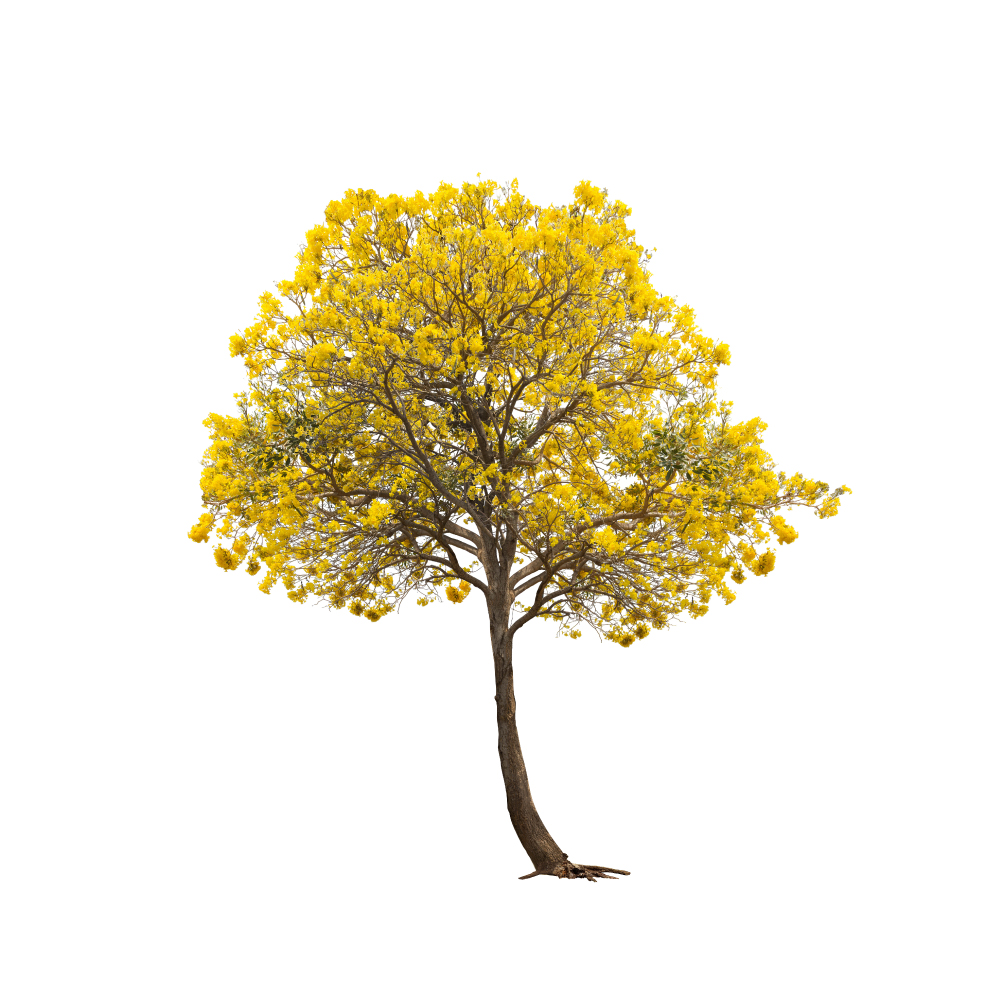 Pau D'Arco Tabebuia impetiginosa Documented for 2-hydroxy-3-methyl-quinone, alpha-lapachone, beta-lapachone and 13 more quinones.
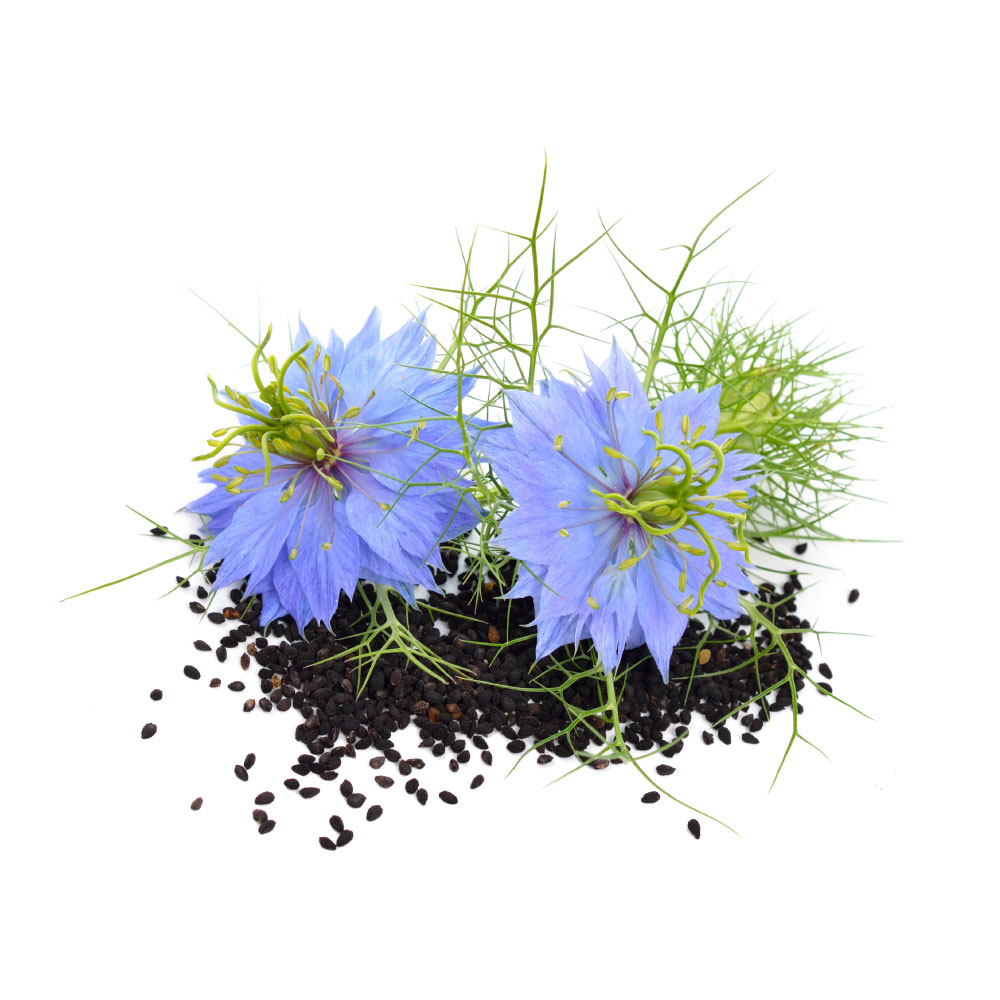 Nigella Nigella sativa Documented for thymohydroquinone (3.4 % of oil), thymoquinone (0.01–0.4 % w/w), nigellone.
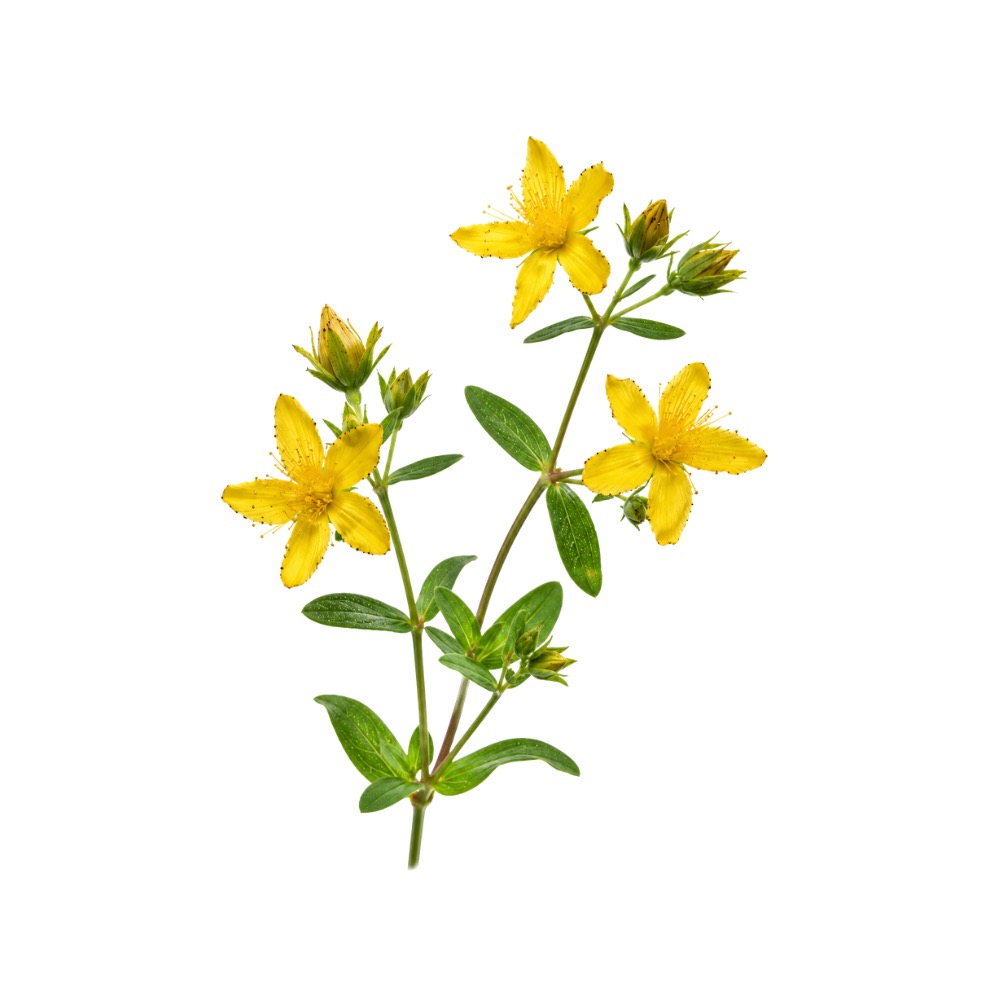 St. John's Wort Hypericum perforatum Documented for hypericin (0.03–0.3 % of dried herb (total hypericins)), pseudohypericin (0–2.94 mg/g DW).
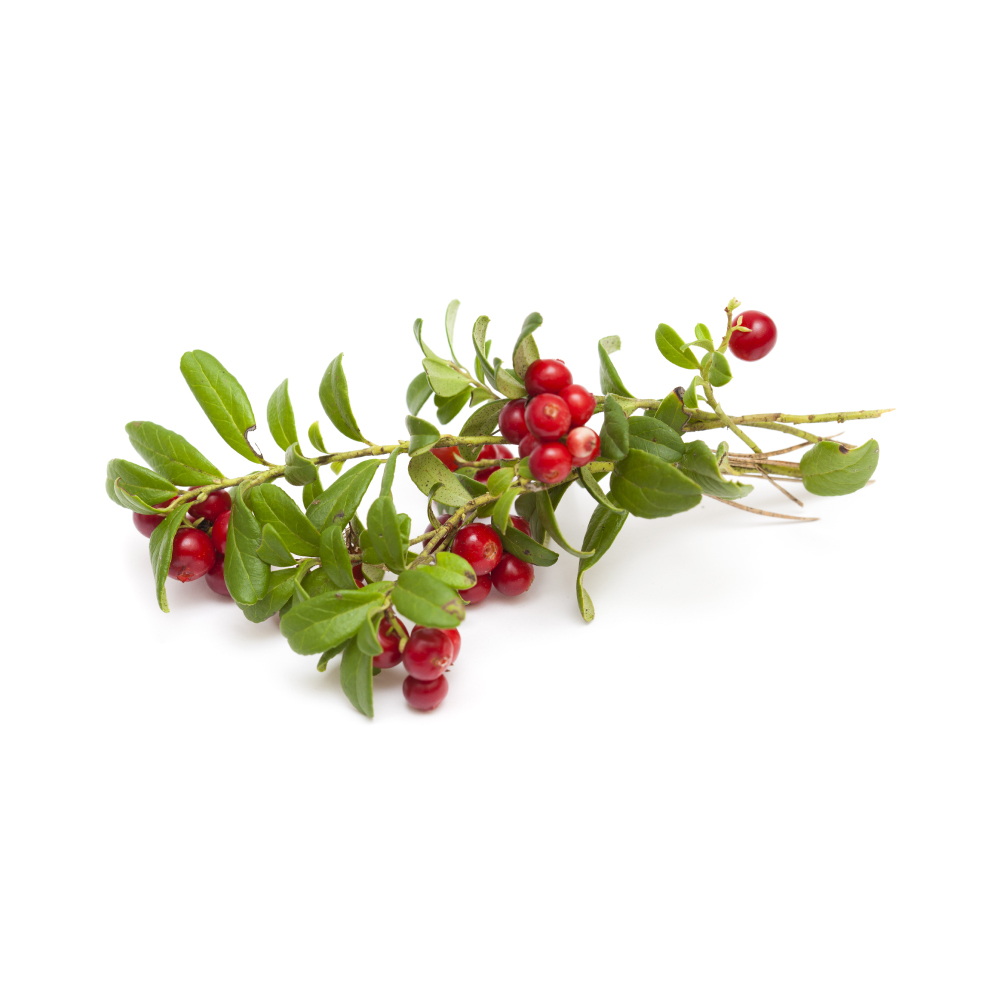 Bearberry Arctostaphylos uva-ursi Documented for arbutin.
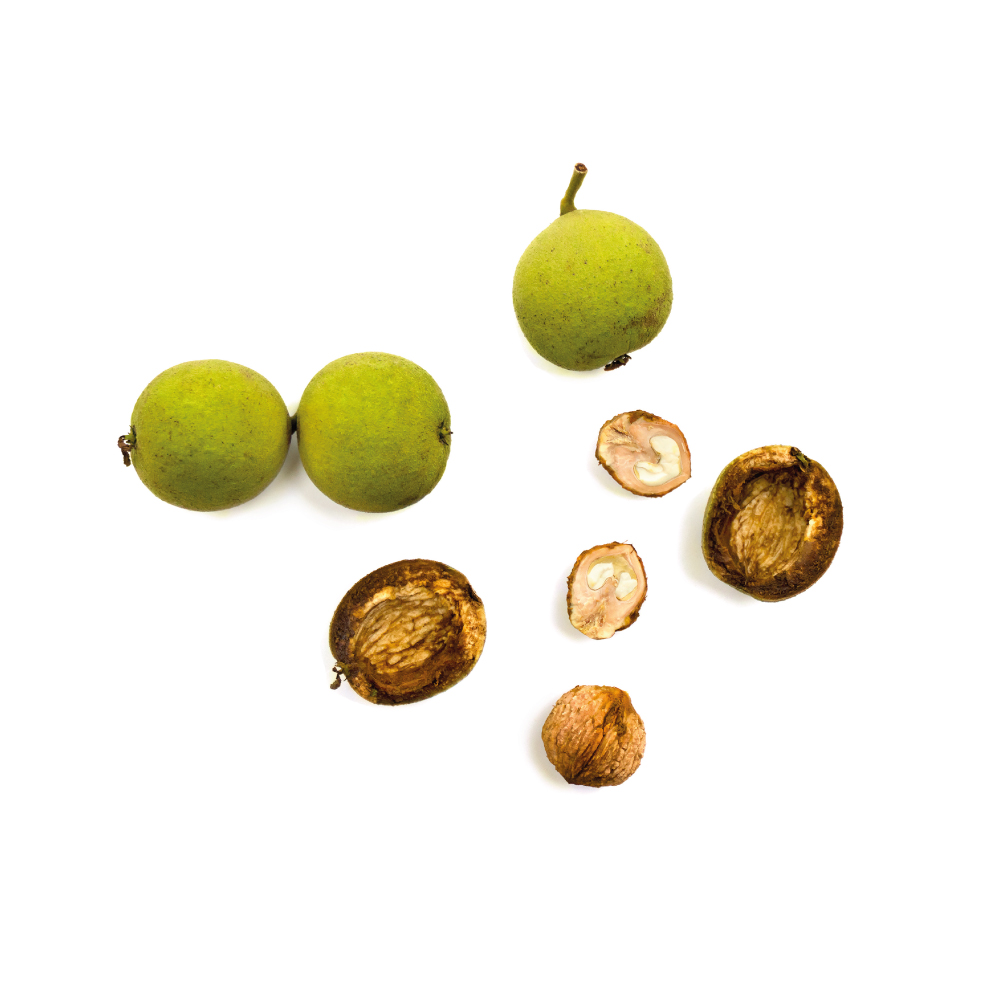 Black Walnut Juglans nigra Documented for juglone.
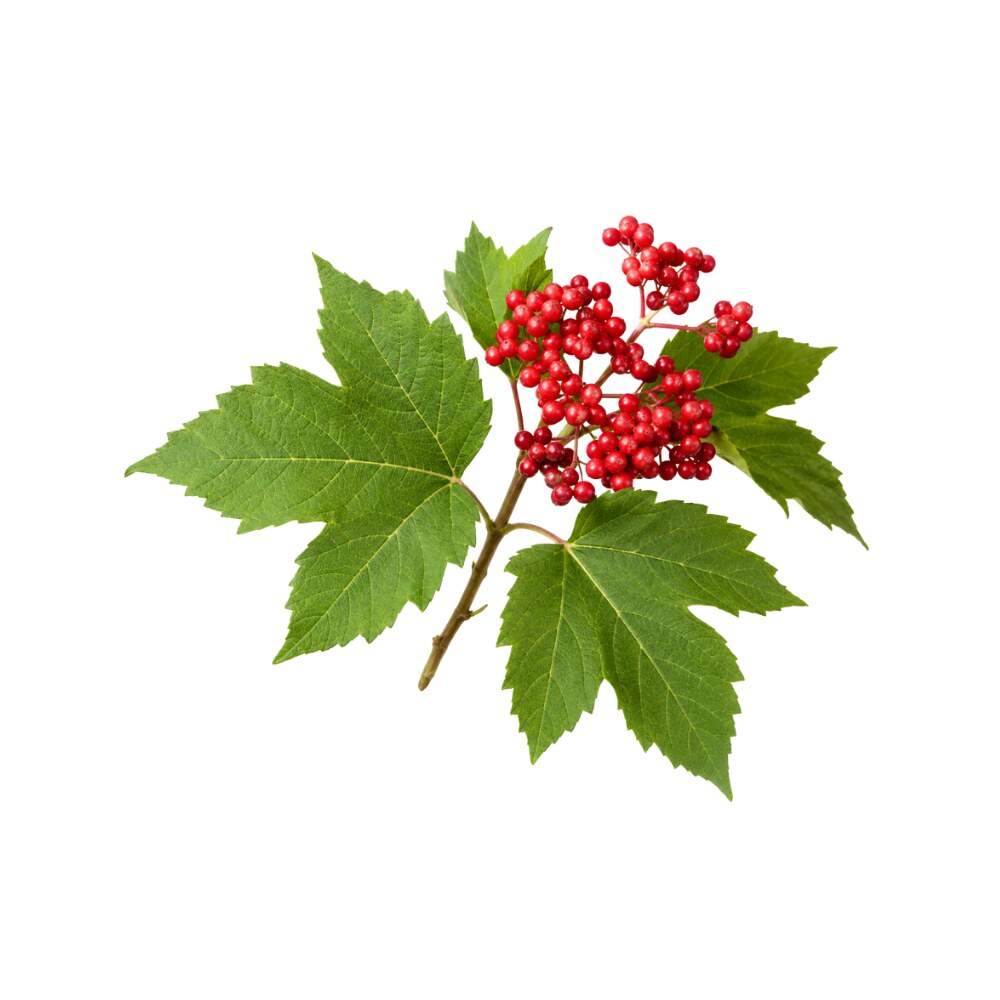 Cramp Bark Viburnum opulus Documented for arbutin.
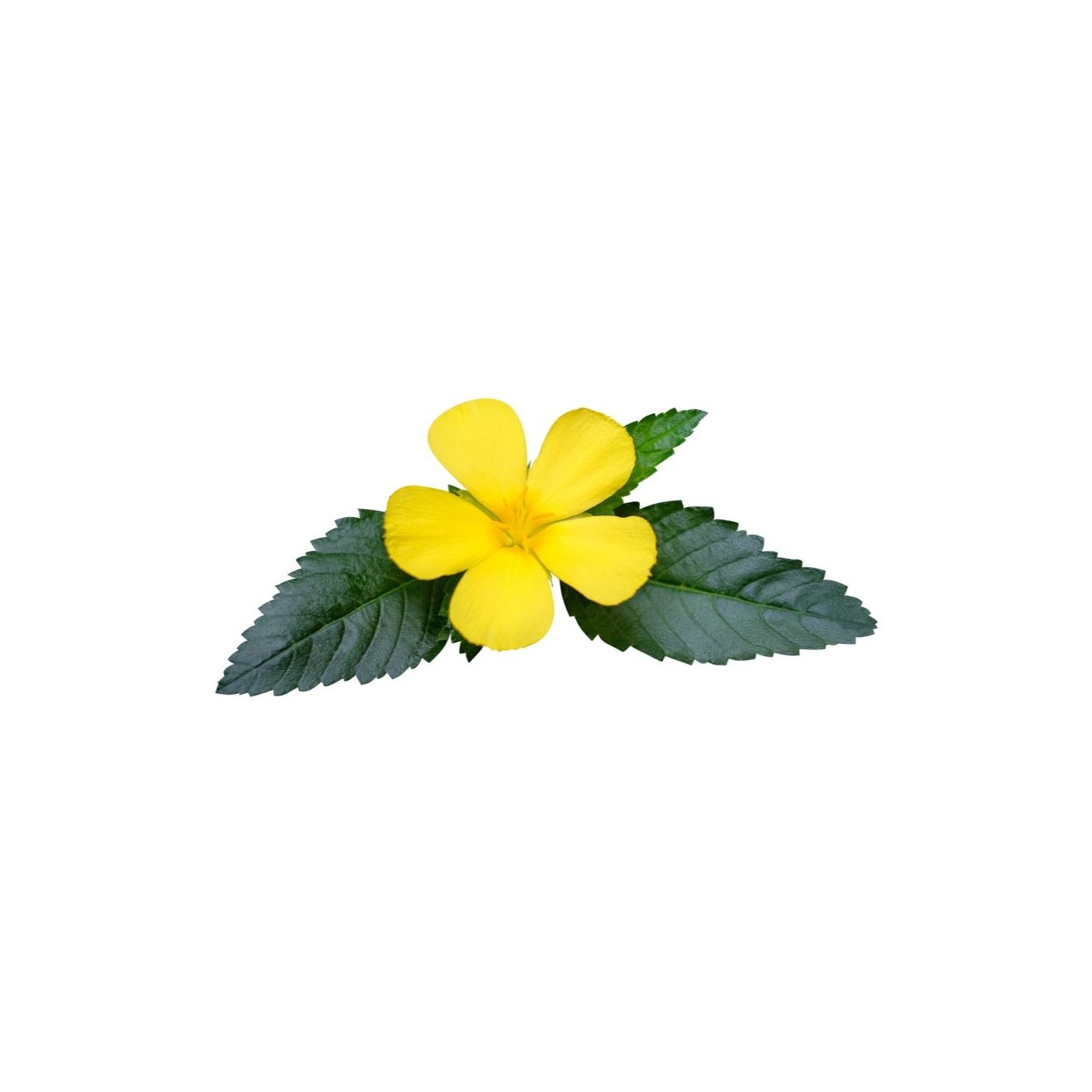 Damiana Turnera diffusa Documented for arbutin.
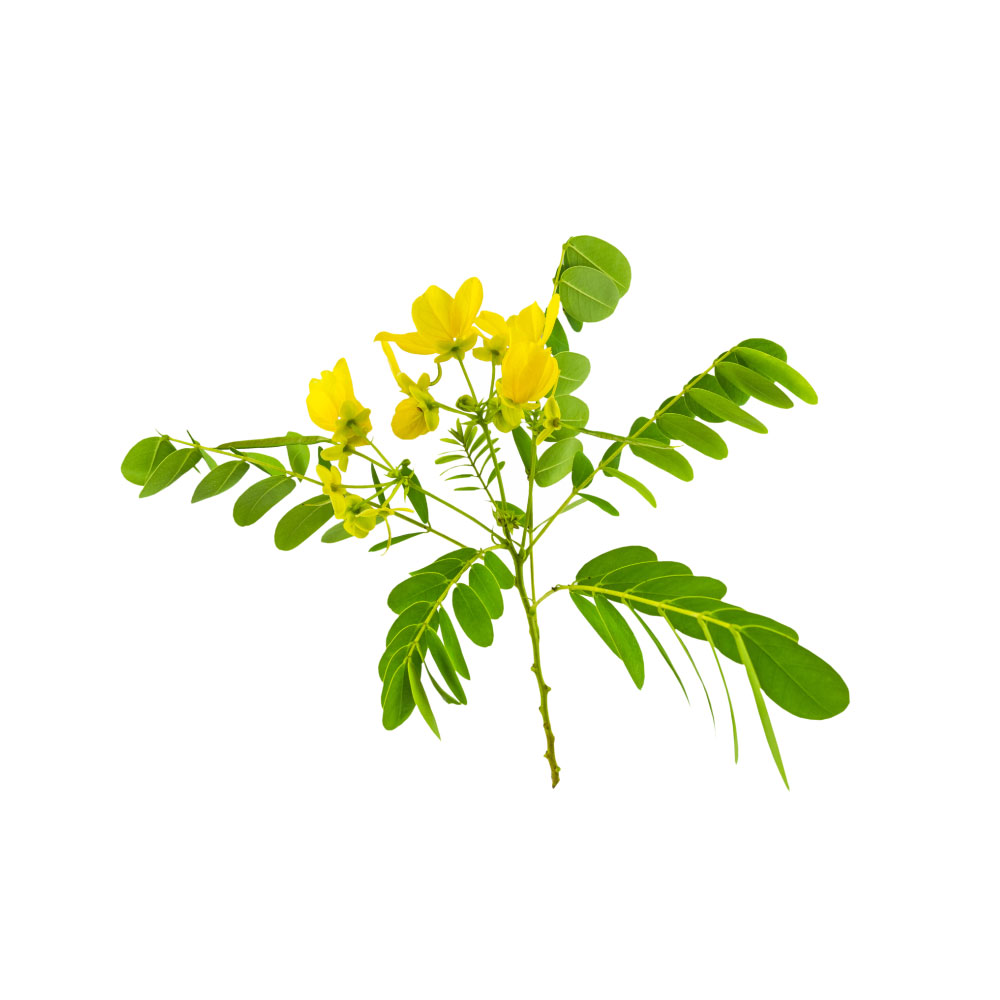 Senna Cassia angustifolia Documented for tinnevellin glycoside. Thyme Thymus vulgaris Documented for thymohydroquinone.
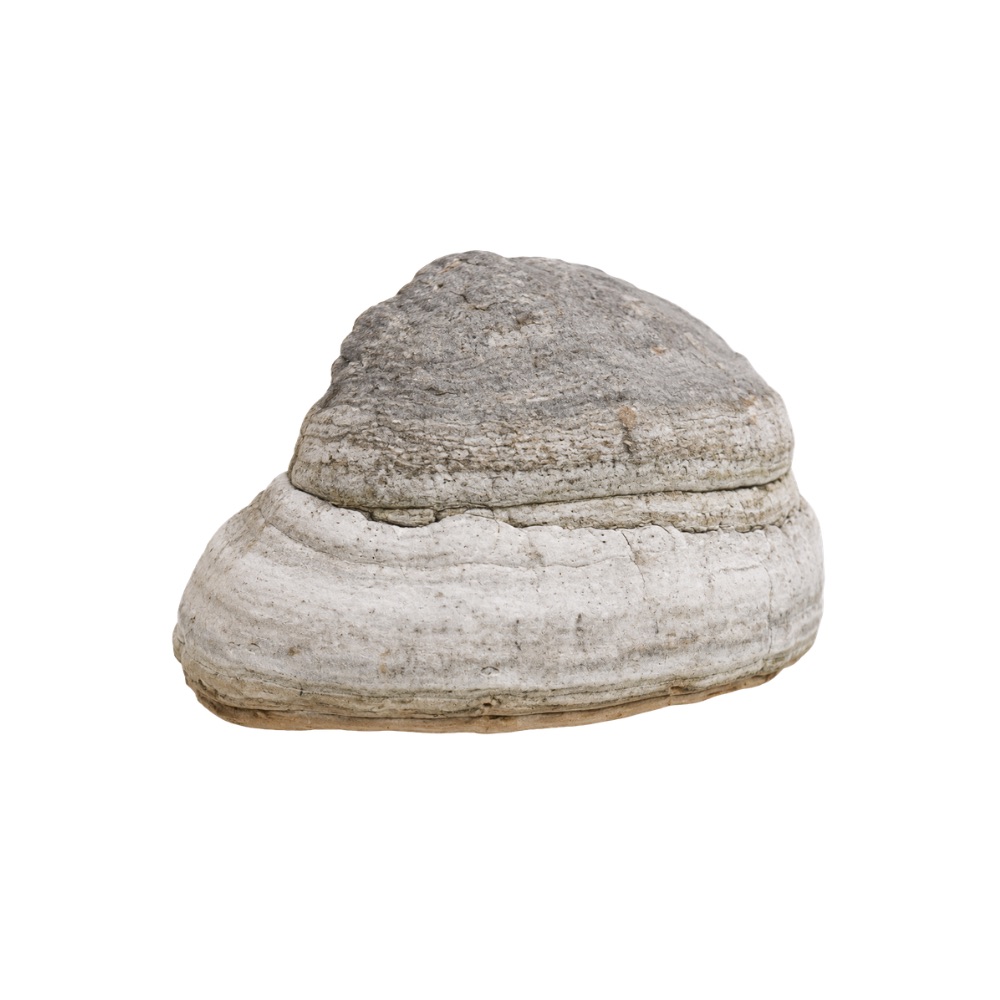 Tinder Conk Fomes fomentarius Documented for fomentariol.
Keep Exploring
Other Compound Classes
Keep Reading
 GuidesThe Best Kava: A Buyer's GuideHow to buy good kava: noble vs two-day cultivars, which part of the root, chemotype codes, origin, form, and the batch tests a seller should show you.
Read more
 GuidesThe Amazon's Endangered Medicinal PlantsThe Amazon gives us some of our most important medicines — but which healing plants are actually endangered?
Read more
 NutritionThe Best Yerba Maté Brands [Reviewed]A drinker's guide to buying yerba maté — what actually changes the taste, and ten brands worth your money.
Read more
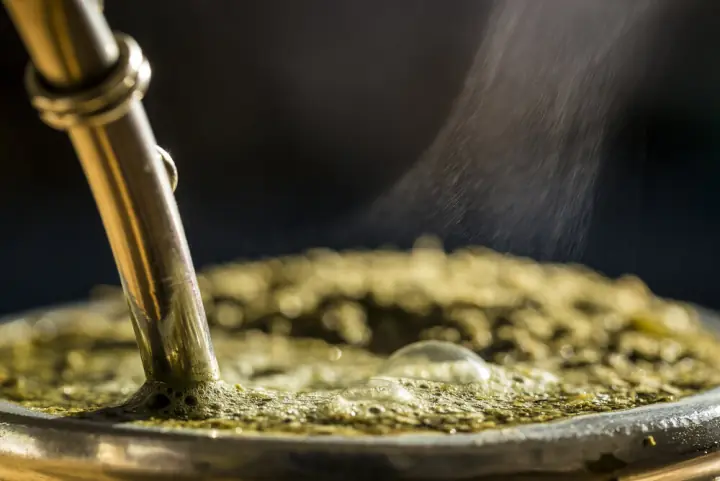 GuidesHow to Prepare Yerba Maté — The Five Best MethodsHow to brew yerba maté properly — the traditional gourd method, plus tereré, french press and cold brew.
Read more