
Compound Monograph
Quercitrin
Quercitrin is quercetin-3-O-rhamnoside — the rhamnose-capped glycoside of quercetin found in goldenrod, bearberry and houttuynia. It is poorly absorbed intact and depends on colonic bacteria to strip off its rhamnose sugar, so almost all of its measured activity is really the released aglycone quercetin acting downstream. Its clearest isolate signal is intestinal anti-inflammatory / antidiarrhoeal in rodents; there are no human trials of the pure molecule.

Sources · 9
Where Does It Come From?
Quercitrin is a naturally occurring flavonoid (flavonol 3-o-glycoside), found in Goldenrod, Bearberry, Houttuynia and 6 other sources. It is well tolerated orally (low toxicity).
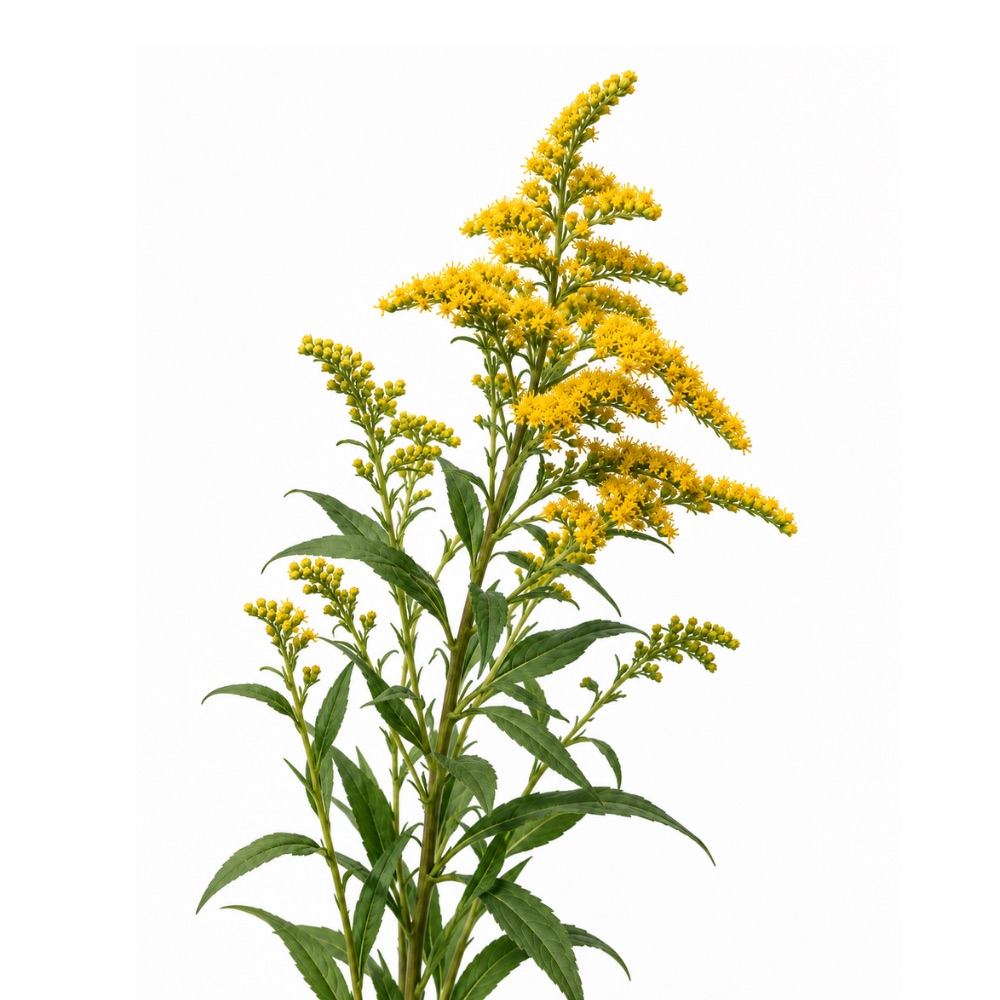 Principal source Goldenrod Solidago virgaurea Herb monograph →
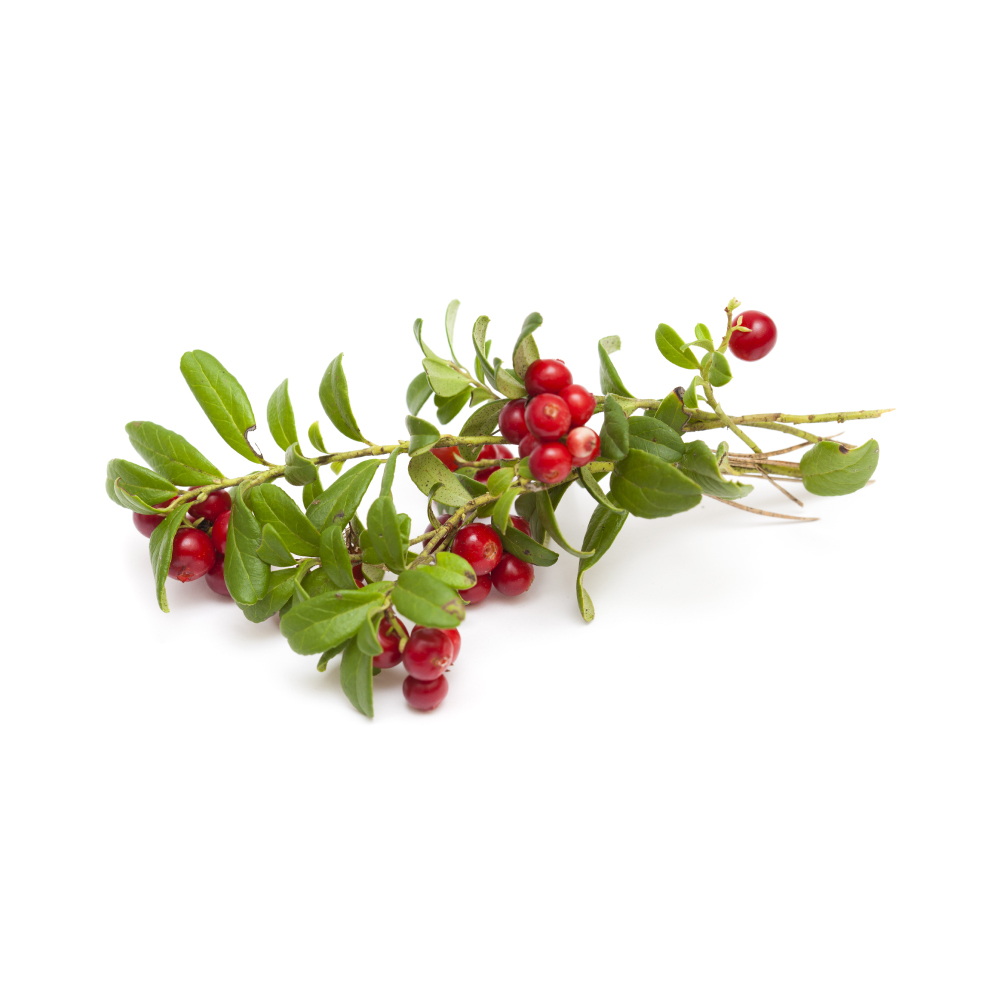 Source Bearberry Arctostaphylos uva-ursi Herb monograph →
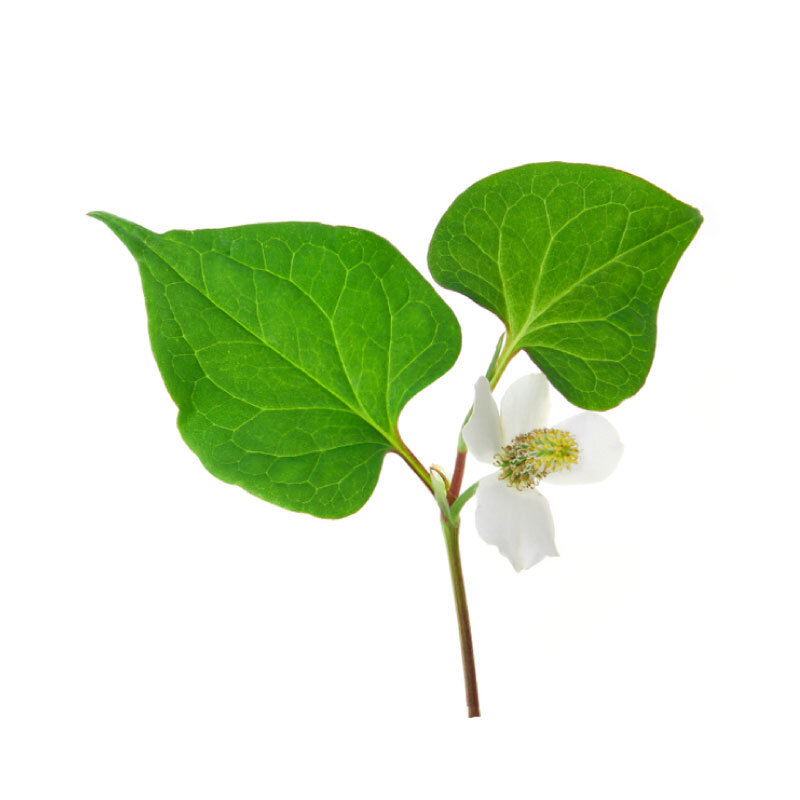 Source Fish Mint Houttuynia cordata Herb monograph →
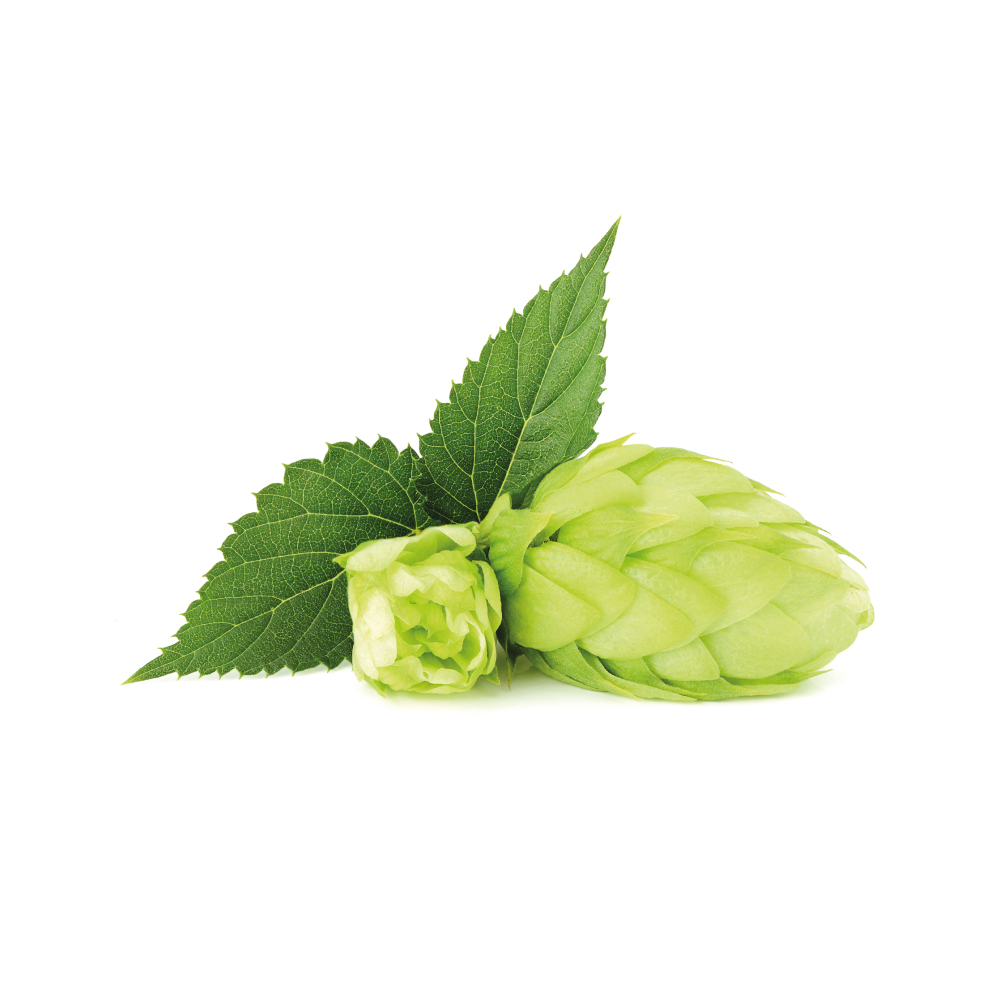 Source Hops Humulus lupulus Herb monograph →
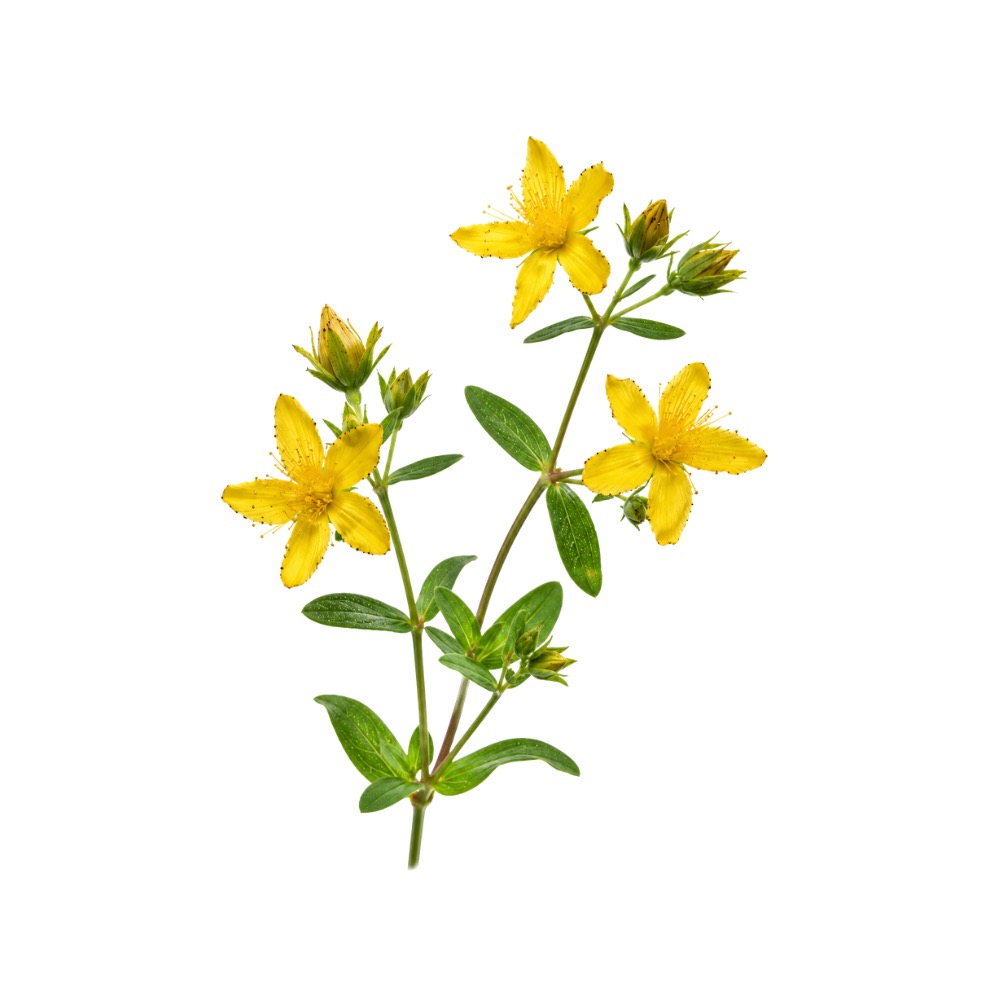 Source St. John's Wort Hypericum perforatum Herb monograph →
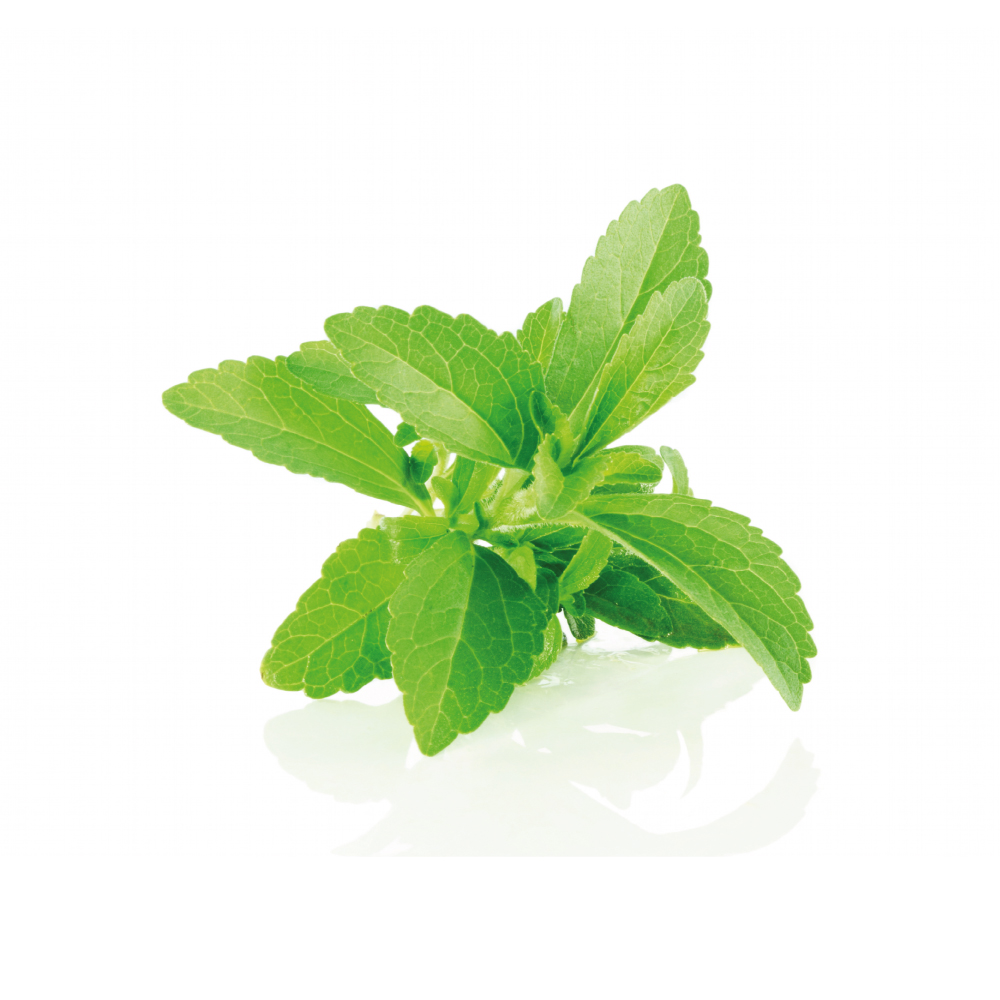 Source Stevia Stevia rebaudiana Herb monograph →
Concentration
Content by Source
Concentrations not reported. No percent-dry-weight or mg/g figures have been published for this compound in its source plants.
Quercitrin at a Glance
Quercitrin is quercetin-3-O-rhamnoside — the flavonol quercetin carrying a single rhamnose sugar at its 3-O position. It is a widespread plant antioxidant flavonoid and, historically, the yellow dye principle of quercitron oak bark. Across this database it turns up as a co-occurring flavonoid in goldenrod, bearberry leaf and houttuynia, usually as one member of a quercetin-glycoside set rather than a dominant constituent.
The single most important fact about this molecule is a bioavailability caveat. Quercitrin is poorly absorbed intact: the rhamnose cap resists the small-intestinal enzymes that cleave better-absorbed glucosides, so quercitrin has to travel to the colon, where bacterial α-rhamnosidase strips off the sugar and releases free quercetin, which is what actually enters the body 8Reference 8In vitroRapid screening and identification of metabolites of quercitrin produced by the human intestinal bacteria using ultra performance liquid chromatography/quadrupole-time-of-flight mass spectrometry — in vitro microbial metabolismView study →. As a result, much of quercitrin’s measured pharmacology — antioxidant, anti-inflammatory, antiviral — is really the downstream activity of quercetin, delivered in a slow-release, colon-targeted form 1,
Its clearest isolate signal is intestinal anti-inflammatory and antidiarrhoeal activity in rodent models, where the colonic release of quercetin lands the aglycone exactly where it is needed 1,
Quercitrin vs. Quercetin, Rutin & Isoquercitrin
Quercitrin is easily confused with its close relatives, and the differences are entirely about the sugar attached at the 3-position — which in turn governs where and how fast the molecule is cleaved and absorbed. All four release the same aglycone, quercetin; they differ in delivery, not in ultimate active species.
| Molecule | 3-O sugar | Note |
|---|---|---|
| Quercetin | none (aglycone) | The active species all the glycosides release; better absorbed as the free molecule in vitro, but paradoxically often less effective than its glycosides in vivo gut models 1Reference 1AnimalIn vivo quercitrin anti-inflammatory effect involves release of quercetin, which inhibits inflammation through down-regulation of the NF-kappaB pathway — rat DSS colitis in vivoView study → |
| Quercitrin | rhamnose | This molecule. Rhamnoside resists small-intestinal cleavage → colon-delivered, microbiota-dependent 8Reference 8In vitroRapid screening and identification of metabolites of quercitrin produced by the human intestinal bacteria using ultra performance liquid chromatography/quadrupole-time-of-flight mass spectrometry — in vitro microbial metabolismView study → |
| Isoquercitrin | glucose | The best-absorbed glycoside — its glucose is cleaved early at the small-intestinal brush border by lactase-phlorizin hydrolase |
| Rutin | rutinose (rhamnose + glucose) | Like quercitrin, needs colonic bacteria; slow, distal absorption |
The practical grouping: isoquercitrin (glucoside) is absorbed early and high in the small intestine, whereas quercitrin (rhamnoside) and rutin (rutinoside) are both colon-dependent and appear in blood later and lower. Naming these apart matters — “quercitrin” (rhamnoside) and “quercetin” (aglycone) are one letter apart in text but pharmacokinetically distinct.
Bioavailability & the Rhamnoside Problem
The rhamnose sugar is the whole story of this molecule’s pharmacokinetics, and it is worth separating from the general “glycosides are hydrolysed to quercetin” caveat that applies to all of them.
The small intestine cannot open a rhamnoside efficiently. The brush-border enzyme lactase-phlorizin hydrolase and cytosolic β-glucosidase readily cleave glucosides such as isoquercitrin, releasing quercetin high in the gut. They do not handle the α-rhamnoside bond in quercitrin well. So quercitrin is largely not absorbed intact and passes to the colon, where bacterial α-rhamnosidases remove the rhamnose and liberate quercetin for absorption and further microbial breakdown 8Reference 8In vitroRapid screening and identification of metabolites of quercitrin produced by the human intestinal bacteria using ultra performance liquid chromatography/quadrupole-time-of-flight mass spectrometry — in vitro microbial metabolismView study →. Human-gut-bacteria incubations confirm the route: quercitrin is deglycosylated to quercetin (and then to smaller phenolic-acid metabolites) 8Reference 8In vitroRapid screening and identification of metabolites of quercitrin produced by the human intestinal bacteria using ultra performance liquid chromatography/quadrupole-time-of-flight mass spectrometry — in vitro microbial metabolismView study →.
This has a specific, testable consequence — the isolate-vs-aglycone interpretive point that frames every effect here: quercitrin behaves as a slow-release, colon-targeted pro-drug of quercetin. In whole-organism gut models, that is an advantage: quercetin given as the free aglycone is absorbed in the upper gut and never reaches the inflamed colon, whereas quercitrin delivers it there — which is exactly why quercitrin, not quercetin, is the flavonoid that works in experimental colitis even though quercetin is the more potent molecule in a dish 1Reference 1AnimalIn vivo quercitrin anti-inflammatory effect involves release of quercetin, which inhibits inflammation through down-regulation of the NF-kappaB pathway — rat DSS colitis in vivoView study →. But it also means quercitrin has no pharmacology of its own systemically: the circulating species is quercetin and its conjugates, so its systemic effects cannot be cleanly separated from quercetin’s 1,
What It's Used For
Almost all of quercitrin’s evidence is preclinical and on the isolated molecule, with the load-bearing caveat that the active species downstream is quercetin. The strongest and most coherent line is intestinal.
Support is an experimental score — weighted by study type (human > animal > in vitro) and volume, tempered for the isolate-vs-aglycone caveat. A beta, not a validated metric. No row rests on human data for the isolate, so scores stay modest by design. Each application links to its write-up.
The best-developed and most mechanistically satisfying line, and the one that best illustrates the whole molecule. In rat dextran-sulfate-sodium (DSS) colitis, isolated quercitrin (1–5 mg/kg/day) reduced inflammatory damage and aided mucosal recovery, lowering inducible nitric-oxide synthase (iNOS) activity, macrophage/granulocyte infiltration and colonic NF-κB activity while improving oxidative status 2Reference 2AnimalThe intestinal anti-inflammatory effect of quercitrin is associated with an inhibition in iNOS expression — rat DSS colitis in vivoView study →.
A companion study established the mechanism: quercitrin’s in-vivo benefit depends on gut microbiota converting it to quercetin, which then suppresses inflammation via NF-κB downregulation — and, tellingly, quercetin is more potent in vitro yet fails in vivo, because only the glycoside delivers the aglycone to the colon 1Reference 1AnimalIn vivo quercitrin anti-inflammatory effect involves release of quercetin, which inhibits inflammation through down-regulation of the NF-kappaB pathway — rat DSS colitis in vivoView study →.
In acute TNBS colitis, 5 mg/kg quercitrin also restored mesenteric vascular reactivity by curbing iNOS-driven NO overproduction and lowering COX-2, NOX-1, TNFα and IL-1β 9Reference 9AnimalProtective vascular effects of quercitrin in acute TNBS-colitis in rats: the role of nitric oxide — rat in vivo modelView study →.
Gap: all rat models of chemically induced colitis with the isolate; there are no human IBD trials of quercitrin, and the effect is explicitly the released quercetin acting locally, not a systemic drug action 1,
A focused, classic isolate signal. Quercitrin (from Euphorbia hirta, 50 mg/kg orally) was antidiarrhoeal in mice against castor-oil– and PGE2-induced diarrhoea — but not against magnesium-sulphate cathartic — and delayed accelerated small-intestinal transit in rats 3Reference 3AnimalAntidiarrhoeic activity of quercitrin in mice and rats — animal in vivo modelView study →. Quercitrin itself did not alter colonic fluid transport when applied intraluminally; its parent quercetin increased colonic fluid absorption in the presence of secretagogues (PGE2, sodium picosulphate), leading the authors to conclude the antidiarrhoeal activity is due to quercetin released from the glycoside in the intestine 3Reference 3AnimalAntidiarrhoeic activity of quercitrin in mice and rats — animal in vivo modelView study → — the same colon-delivery logic as the colitis work.
Gap: rodent isolate models of acute secretory diarrhoea; no human antidiarrhoeal data, and the effect is again attributed to the aglycone rather than intact quercitrin 3Reference 3AnimalAntidiarrhoeic activity of quercitrin in mice and rats — animal in vivo modelView study →.
Where quercitrin has the cleanest isolate evidence. The purified molecule (isolated from houttuynia) extended lifespan and thermal-stress resistance in Caenorhabditis elegans, raising SOD/catalase activity, lowering intracellular ROS and acting through the DAF-16/insulin-signalling longevity pathway 6Reference 6Antioxidant and anti-aging effects of quercetin 3-O-rhamnoside isolated from Houttuynia cordata Thunb extract on Caenorhabditis elegans — model-organism isolate studyView study →.
In streptozotocin-diabetic rats, quercitrin improved tissue antioxidant status (restoring SOD, catalase, glutathione) 7Reference 7AnimalQuercitrin, a bioflavonoid improves the antioxidant status in streptozotocin-induced diabetic rat tissues — rat in vivo modelView study →.
This is the shared quercetin-class radical-scavenging and antioxidant-enzyme induction, measured for the intact glycoside.
Gap: a model organism and a rodent disease model; the antioxidant capacity is a general flavonol property, and there is no human antioxidant-outcome data for quercitrin specifically 6,
An in-vitro line carried mostly by houttuynia research. Quercitrin is one of the three major water-extractable flavonoids of houttuynia (with quercetin and isoquercitrin) shown to block HSV-2 infection at ~10 µM by selectively inhibiting NF-κB activation (not Erk MAPK) 4Reference 4In vitroHouttuynia cordata blocks HSV infection through inhibition of NF-κB activation — in vitro (quercetin, quercitrin, isoquercitrin)View study →.
In a separate houttuynia study, quercitrin inhibited dengue virus (DENV-2) — though not murine coronavirus — and combined with quercetin to enhance anti-dengue activity, while the whole ethyl-acetate plant fraction outperformed any single flavonoid 5Reference 5In vitroEvaluation of antiviral activities of Houttuynia cordata Thunb. extract, quercetin, quercetrin and cinanserin on murine coronavirus and dengue virus infection — in vitroView study →.
Gap: cell-culture assays only; quercitrin is one active flavonoid among several, the whole extract is more potent than the isolate, and there is no in-vivo or human antiviral evidence for quercitrin alone 4,
The weakest and most indirect line — included because it is why quercitrin appears in goldenrod. Solidago flavonoid fractions produced aquaretic diuresis in rats (urine output up 57–88%, with altered Na⁺/K⁺ excretion) 10Reference 10AnimalEffect of flavonoid fractions of Solidago virgaurea L. on diuresis and levels of electrolytes — rat in vivo animal modelView study →. Quercitrin is one flavonoid in that fraction — but the study tested the fraction, not isolated quercitrin, and did not name individual compounds 10Reference 10AnimalEffect of flavonoid fractions of Solidago virgaurea L. on diuresis and levels of electrolytes — rat in vivo animal modelView study →.
Gap: fraction-level evidence only; quercitrin was never isolated and tested for diuresis here, so this is an attribution to the flavonoid class, not a demonstrated quercitrin effect 10Reference 10AnimalEffect of flavonoid fractions of Solidago virgaurea L. on diuresis and levels of electrolytes — rat in vivo animal modelView study →.
Mechanisms
| Target / pathway | Effect | Relevant to |
|---|---|---|
| Gut microbial α-rhamnosidase → quercetin | Rhamnose cleaved in the colon → quercetin released and absorbed | Governs all systemic effects |
| NF-κB | Downregulation (via released quercetin) → ↓inflammatory transcription | Colitis; antiviral |
| iNOS / nitric-oxide overproduction | Inhibits → ↓nitrosative injury, restored vascular reactivity | Colitis; mesenteric vascular |
| COX-2, NOX-1, TNFα, IL-1β | Reduced colonic expression | Colitis |
| Colonic fluid transport (via quercetin) | ↑absorption in the presence of secretagogues (PGE2) | Antidiarrhoeal |
| SOD / catalase / glutathione; ROS | ↑antioxidant-enzyme activity, ↓ROS | Antioxidant |
| DAF-16 / insulin-signalling (C. elegans) | Modulates → lifespan and stress-resistance extension | Antioxidant / anti-aging (model organism) |
The top row is load-bearing: because quercitrin must be deglycosylated to quercetin before it acts, every mechanism below it is effectively quercetin’s, delivered to the colon.
Pharmacokinetics
Quercitrin’s pharmacokinetics are dominated by its rhamnose sugar. Unlike glucosides such as isoquercitrin, the α-rhamnoside is not efficiently cleaved by the small-intestinal brush border, so quercitrin is poorly absorbed intact and reaches the colon largely unchanged. There, bacterial α-rhamnosidases remove the rhamnose to release quercetin, which is then absorbed and further metabolised to conjugates and ring-fission phenolic acids — a pathway confirmed in human-gut-bacteria incubations, which show quercitrin deglycosylated to quercetin and downstream metabolites 8Reference 8In vitroRapid screening and identification of metabolites of quercitrin produced by the human intestinal bacteria using ultra performance liquid chromatography/quadrupole-time-of-flight mass spectrometry — in vitro microbial metabolismView study →. The practical consequences: (1) systemic exposure after quercitrin is to quercetin and its metabolites, not the intact glycoside, so quercitrin has no independent systemic pharmacology 1,
Clinical Trials
There are no human clinical trials of isolated quercitrin. The entire evidence base is preclinical — rat colitis and antidiarrhoeal models, a C. elegans longevity study, a diabetic-rat antioxidant study, and in-vitro antiviral assays. Human exposure is dietary and herbal, as one flavonoid within whole plants and extracts.
| Completed | Planned | Terminated | Preclinical |
|---|---|---|---|
| — | — | — | Rat colitis/antidiarrhoeal; C. elegans & diabetic-rat antioxidant; in-vitro antiviral |
Last checked: July 2026.
Isolate vs. Plant Studies
Unusually for a plant flavonoid, quercitrin’s mechanistic work is mostly on the isolated molecule — the Gálvez/Comalada/Camuesco colitis and antidiarrhoeal series all dosed purified quercitrin 1,
Its Role in Plants
Quercitrin is biosynthesised from the flavonol quercetin by attaching a rhamnose sugar at the 3-hydroxyl position — a rhamnosylation carried out by a UDP-rhamnose : flavonol 3-O-rhamnosyltransferase, the final decorating step after quercetin is built on the general flavonoid pathway. Glycosylation is a routine plant strategy: capping a reactive flavonol with sugar makes it more water-soluble, more stable, and easier to store in the vacuole, and shifts where it accumulates.
Functionally, quercitrin contributes to the plant’s UV-screening and antioxidant defences and to pigmentation — its role as the yellow dye principle of oak bark is the same chromophore doing visible work. As a stored, sugar-capped flavonol it is part of the constitutive flavonoid pool many plants maintain against oxidative and light stress.
Prevalence in Nature
Quercitrin is a widespread quercetin 3-O-rhamnoside, reported across many plant families, though it is usually a minor-to-moderate fraction of a plant’s total flavonoids rather than a dominant one. Its historically most concentrated source is quercitron oak bark (Quercus velutina, the eastern black oak), where it is the principal colouring constituent — the basis of the quercitron/flavine natural dye [see Discovery]. Within this database it occurs as a co-occurring antioxidant flavonoid in goldenrod (part of the aquaretic flavonoid fraction) 10Reference 10AnimalEffect of flavonoid fractions of Solidago virgaurea L. on diuresis and levels of electrolytes — rat in vivo animal modelView study →, bearberry leaf (among the quercetin/myricetin glycosides driving antioxidant capacity) 11Reference 11Discovery and characterization of phenolic compounds in bearberry (Arctostaphylos uva-ursi) leaves using liquid chromatography-ion mobility-high-resolution mass spectrometry — analyticalView study →, and houttuynia, where it is one of the quantified major leaf flavonoids alongside hyperoside and rutin 12Reference 12Simultaneous quantification of eight bioactive components of Houttuynia cordata and related Saururaceae medicinal plants by on-line HPLC-DAD-ESI-MS — analytical (flavonoid quantification)View study →. It is also commonly reported from oak leaves, tartary buckwheat, St John’s wort and numerous other species. Its abundance varies with species, plant part, season and extraction, and it typically co-occurs with its glycoside siblings isoquercitrin (glucoside), hyperoside (galactoside) and rutin (rutinoside).
Discovery & Synthesis
Quercitrin’s history runs through the dye trade rather than the pharmacy. The bark of the North American eastern black oak (Quercus velutina) yields quercitron, a yellow dyestuff whose name — coined by Edward Bancroft in the late 18th century — contracts the Latin quercus (oak) with citron (lemon), for the colour; the concentrated “flavine” extract is largely quercitrin. The molecule was chemically characterised in the mid-19th century by the Austrian chemist Heinrich Hlasiwetz, whose work on quercitrin helped establish it as the rhamnoside of quercetin (the aglycone in turn named for Quercus). There is no significant commercial total synthesis: quercitrin is obtained by extraction from plant material (oak bark and other flavonol-rich botanicals), and where the sugar-free flavonol is wanted, quercitrin is simply hydrolysed to quercetin and rhamnose. It is available as a purified reference compound for research rather than manufactured at scale as a drug.
Patents: not yet researched.
Toxicity & Safety
Quercitrin carries a low toxicity flag. It is a common dietary quercetin glycoside with a long history of incidental human exposure through foods and herbs, and the isolate has been dosed in rodents (1–50 mg/kg orally) and model organisms without reported toxicity in the studies above 2,
- A low-toxicity dietary flavonoid. A widespread quercetin rhamnoside with long incidental dietary exposure; well tolerated at the doses studied in animals 2,
3, .6, 7Reference 2AnimalThe intestinal anti-inflammatory effect of quercitrin is associated with an inhibition in iNOS expression — rat DSS colitis in vivoView study →Reference 3AnimalAntidiarrhoeic activity of quercitrin in mice and rats — animal in vivo modelView study →Reference 6Antioxidant and anti-aging effects of quercetin 3-O-rhamnoside isolated from Houttuynia cordata Thunb extract on Caenorhabditis elegans — model-organism isolate studyView study →Reference 7AnimalQuercitrin, a bioflavonoid improves the antioxidant status in streptozotocin-induced diabetic rat tissues — rat in vivo modelView study → - Its activity is really quercetin’s. Quercitrin is hydrolysed to quercetin by gut bacteria before absorption, so quercetin’s interaction profile (CYP3A4 / P-glycoprotein at high intakes) applies downstream 1,
8Reference 1AnimalIn vivo quercitrin anti-inflammatory effect involves release of quercetin, which inhibits inflammation through down-regulation of the NF-kappaB pathway — rat DSS colitis in vivoView study →Reference 8In vitroRapid screening and identification of metabolites of quercitrin produced by the human intestinal bacteria using ultra performance liquid chromatography/quadrupole-time-of-flight mass spectrometry — in vitro microbial metabolismView study → . - Human data are absent for the isolate. No clinical trials of pure quercitrin; efficacy and safety in people are inferred, not demonstrated.
- Effect depends on gut flora. Because a colonic α-rhamnosidase step is required, response may vary with an individual’s microbiota 8Reference 8In vitroRapid screening and identification of metabolites of quercitrin produced by the human intestinal bacteria using ultra performance liquid chromatography/quadrupole-time-of-flight mass spectrometry — in vitro microbial metabolismView study →.
Pregnancy and lactation are a per-herb / per-supplement decision and are not adjudicated on this molecule page; dedicated reproductive-toxicity data for isolated quercitrin are not established.
Dosage
There is no established or recommended human dose for isolated quercitrin. The figures in the literature are preclinical research doses and do not convert to human self-dosing:
| Context | Model | Dose studied |
|---|---|---|
| Intestinal anti-inflammatory (colitis) | Rat (DSS / TNBS) | ~1–5 mg/kg/day oral 1, |
| Antidiarrhoeal | Mouse / rat | ~50 mg/kg oral 3Reference 3AnimalAntidiarrhoeic activity of quercitrin in mice and rats — animal in vivo modelView study → |
| Antioxidant | C. elegans / diabetic rat | Model-specific isolate doses 6, |
Human exposure is dietary and herbal — quercitrin is consumed as one flavonoid among many in whole plants (goldenrod, bearberry, houttuynia and others), not as a standardised isolate. These are doses studied in research and are not a personal recommendation.
References
- Comalada M, Camuesco D, Sierra S, Ballester I, Xaus J, Gálvez J, Zarzuelo A. (2005). In vivo quercitrin anti-inflammatory effect involves release of quercetin, which inhibits inflammation through down-regulation of the NF-kappaB pathway — rat DSS colitis in vivo. European Journal of Immunology, 35(2), 584–592. https://pubmed.ncbi.nlm.nih.gov/15668926/
- Camuesco D, Comalada M, Rodríguez-Cabezas ME, Nieto A, Lorente MD, Concha A, Zarzuelo A, Gálvez J. (2004). The intestinal anti-inflammatory effect of quercitrin is associated with an inhibition in iNOS expression — rat DSS colitis in vivo. British Journal of Pharmacology, 143(7), 908–918. https://pubmed.ncbi.nlm.nih.gov/15533892/
- Gálvez J, Crespo ME, Jiménez J, Suárez A, Zarzuelo A. (1993). Antidiarrhoeic activity of quercitrin in mice and rats — animal in vivo model. Journal of Pharmacy and Pharmacology, 45(2), 157–159. https://pubmed.ncbi.nlm.nih.gov/8095537/
- Chen X, Wang Z, Yang Z, Wang J, Xu Y, Tan RX, Li E. (2011). Houttuynia cordata blocks HSV infection through inhibition of NF-κB activation — in vitro (quercetin, quercitrin, isoquercitrin). Antiviral Research, 92(2), 341–345. https://pubmed.ncbi.nlm.nih.gov/21951655/
- Chiow KH, Phoon MC, Putti T, Tan BKH, Chow VT. (2016). Evaluation of antiviral activities of Houttuynia cordata Thunb. extract, quercetin, quercetrin and cinanserin on murine coronavirus and dengue virus infection — in vitro. Asian Pacific Journal of Tropical Medicine, 9(1), 1–7. https://pubmed.ncbi.nlm.nih.gov/26851778/
- Kim HJ, Oh SH, Kim JH. (2026). Antioxidant and anti-aging effects of quercetin 3-O-rhamnoside isolated from Houttuynia cordata Thunb extract on Caenorhabditis elegans — model-organism isolate study. Free Radical Biology and Medicine, 227, 1–12. https://pubmed.ncbi.nlm.nih.gov/41242472/
- Babujanarthanam R, Kavitha P, Mahadeva Rao US, Pandian MR. (2011). Quercitrin, a bioflavonoid improves the antioxidant status in streptozotocin-induced diabetic rat tissues — rat in vivo model. Molecular and Cellular Biochemistry, 358(1–2), 121–129. https://pubmed.ncbi.nlm.nih.gov/21713411/
- Jiang S, Yang J, Qian D, Guo J, Shang EX, Duan JA, Xu J. (2014). Rapid screening and identification of metabolites of quercitrin produced by the human intestinal bacteria using ultra performance liquid chromatography/quadrupole-time-of-flight mass spectrometry — in vitro microbial metabolism. Archives of Pharmaceutical Research, 37(2), 204–213. https://pubmed.ncbi.nlm.nih.gov/23754166/
- Romero M, Vera B, Galisteo M, Toral M, Gálvez J, Perez-Vizcaino F, Duarte J. (2017). Protective vascular effects of quercitrin in acute TNBS-colitis in rats: the role of nitric oxide — rat in vivo model. Food & Function, 8(8), 2702–2711. https://pubmed.ncbi.nlm.nih.gov/28703832/
- Chodera A, Dabrowska K, Sloderbach A, Skrzypczak L, Budzianowski J. (1991). Effect of flavonoid fractions of Solidago virgaurea L. on diuresis and levels of electrolytes — rat in vivo animal model. Acta Poloniae Pharmaceutica, 48(5–6), 35–37. https://pubmed.ncbi.nlm.nih.gov/1669338/
- Song XC, Canellas E, Dreolin N, Nerin C, Goshawk J. (2021). Discovery and characterization of phenolic compounds in bearberry (Arctostaphylos uva-ursi) leaves using liquid chromatography-ion mobility-high-resolution mass spectrometry — analytical. Journal of Agricultural and Food Chemistry, 69(37), 10856–10868. https://pubmed.ncbi.nlm.nih.gov/34493038/
- Meng J, Leung KS, Dong XP, Zhou YS, Jiang ZH, Zhao ZZ. (2009). Simultaneous quantification of eight bioactive components of Houttuynia cordata and related Saururaceae medicinal plants by on-line HPLC-DAD-ESI-MS — analytical (flavonoid quantification). Fitoterapia, 80(8), 468–474. https://pubmed.ncbi.nlm.nih.gov/19559769/



