
Compound Monograph
Shatavarin IV
Shatavarin IV is the steroidal saponin used to standardise shatavari root — a spirostanol trisaccharide built on the sarsasapogenin aglycone. It is a real isolate with real in-vitro pharmacology, but nothing published connects the molecule to shatavari's flagship human use as a galactagogue, and its headline anti-HIV result does not survive a selectivity calculation.

Sources · 5
Where Does It Come From?
Shatavarin IV is a naturally occurring steroidal saponin (spirostanol glycoside; sarsasapogenin trisaccharide), found in Shatavari and 4 other sources. It is well tolerated orally (low toxicity).
Concentration
Content by Source
Reported concentrations across the plants that contain shatavarin IV — the bar marks the typical level, the line shows the reported range.
Literature figures for varying plant parts and preparations. Read them as a comparative guide, not exact assays.
Shatavarin IV at a Glance
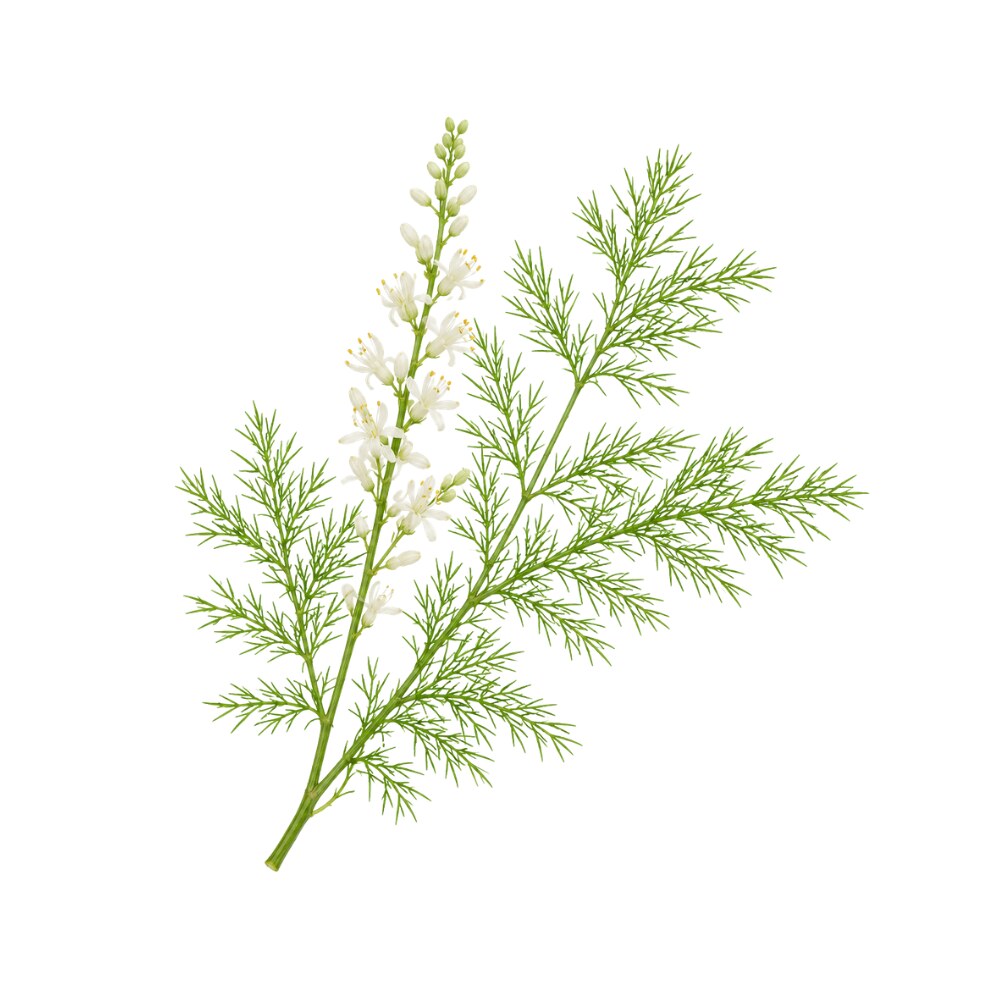
Shatavarin IV is the steroidal saponin used to identify and standardise shatavari root (Asparagus racemosus), the flagship women’s-health herb of Ayurveda. It is the marker molecule — the peak an analyst looks for to confirm the species and to put a number on a supplement label 19,
Being the marker is not the same as being the active. Shatavarin IV has a genuine isolate literature: it is a vaccine adjuvant in mice, it extends lifespan and rescues a Parkinson’s model in C. elegans, it is cytotoxic to several human tumour lines, and it dampens LPS-driven inflammation in neuronal cells 7,
Three things about this molecule are worth getting straight before anything else, and each has its own section below: the shatavarin numbering is a mess and papers frequently mean different molecules by the same name; nothing links shatavarin IV to the galactagogue effect that shatavari is actually sold for; and the widely-repeated anti-HIV result falls apart when you calculate the selectivity index the authors did not report.
What Shatavarin IV Actually Is
Chemically it is unambiguous, which is a relief after the naming. Shatavarin IV is C45H74O17, MW 887.1 — a spirostanol saponin whose aglycone is sarsasapogenin, (25S)-5β-spirostan-3β-ol, carrying a trisaccharide at C-3: a glucose bearing a second glucose at (1→2) and a rhamnose at (1→4). Hence the older systematic name sarsasapogenin 3-O-4’-rhamnosylsophoroside. The molecular ion was confirmed at m/z 887.499 [M+H]⁺ in A. racemosus root extract by high-resolution MS 10Reference 10In vitroMitochondrial resilience and antioxidant defence against HIV-1: unveiling the power of Asparagus racemosus extracts and Shatavarin IVView study →.
Two details in that sentence matter more than they look:
It is a spirostanol, not a furostanol. The F-ring is closed as a spiroketal. The distinction is not academic and the clearest example sits in the same root: shatavarin I is a bidesmosidic furostanol — the same skeleton with an open F-ring and an extra sugar. Furostanol saponins convert to their spirostanol counterparts on drying and processing, so the pair are not interchangeable and findings do not transfer between them. The antidiabetic furoasparosides of shatavari root are furostanols too.
It is a trisaccharide, not a tetrasaccharide. This is worth stating because the review literature on this molecule is careless. A 2025 review devoted specifically to shatavarin IV describes it as comprising “two molecules of rhamnose and one glucose” 3Reference 3ReviewAn updated insight on the chemistry, ethnobotany, and health benefits of Asparagus racemosus (Shatavari): with a special emphasis on Shatavarin IVView study → — the sugars are the wrong way round. The same review calls the molecule itself “a sarsapogenin”. Treat secondary sources on this compound with suspicion and check the structure.
As a large, highly hydroxylated glycoside (TPSA ≈ 256 Ų, nine hydrogen-bond donors), shatavarin IV sits well outside oral drug space. An in-silico ADME screen of purified shatavarins reached the same conclusion directly: the highly glycosylated saponins showed low predicted permeability while the aglycone derivatives did not 27Reference 27Scale-up isolation of high-purity shatavarins from Asparagus racemosus via flash chromatography with bioavailability and pharmacological insightsView study →.
The Shatavarin Nomenclature Problem
The shatavarin series was described piecemeal across decades by groups working on different Asparagus species, each coining its own name for what sometimes turned out to be the same molecule. The result is a synonym thicket:
| This molecule is also called | Origin of the name |
|---|---|
| Asparanin B | independent isolation in the genus; the primary PubChem synonym (CID 441896) |
| Curillin H | the curillin series, named from another Asparagus species |
| Sarsasapogenin 3-O-4’-rhamnosylsophoroside | systematic, sugar-sequence based |
The tangle was formally addressed by Hayes and co-workers, first in a 2006 paper explicitly titled “Asparinins, asparosides, curillins, curillosides and shavatarins: structural clarification…” 2Reference 2Asparinins, asparosides, curillins, curillosides and shavatarins: structural clarification with the isolation of shatavarin V, a new steroidal saponin from the root of Asparagus racemosusView study →, then in a 2008 re-isolation from A. racemosus root that reported five new saponins (shatavarins VI–X) alongside five known ones and gave each its cross-name: shatavarin IV (or asparinin B), shatavarin I (or asparoside B), shatavarin V, immunoside, and schidigerasaponin D5 (or asparanin A) 1Reference 1Steroidal saponins from the roots of Asparagus racemosusView study →.
Two practical consequences:
- Shatavarin I and shatavarin IV are different molecules with different sugar chains, both present in the root, and papers reporting “shatavarins” as a mixture cannot be read as evidence about either one. The 2012 anticancer study is explicit about this — its in-vivo arm used a fraction containing 5.05% shatavarin IV, not the isolate 5Reference 5In vitroShatavarins (containing Shatavarin IV) with anticancer activity from the roots of Asparagus racemosusView study →.
- Pre-2006 assignments should not be trusted without checking against the Hayes revisions. Where a paper names a shatavarin but gives no structure or mass, the safest reading is “a shatavari saponin.”
The Galactagogue Question
This is what readers come for, so it should be answered plainly.
Shatavari the herb has real, if short, human galactagogue evidence. A 2025 randomised, double-blind, placebo-controlled trial gave 300 mg of standardised root extract twice daily for 72 hours postpartum and reported shorter time to breast fullness and greater expressed milk volume at 72 hours versus placebo 24Reference 24RCTShatavari (Asparagus racemosus Willd) root extract for postpartum lactation: a randomised, double-blind, placebo-controlled studyView study →. A 1996 randomised controlled trial in lactational inadequacy preceded it 25Reference 25RCTRandomized controlled trial of Asparagus racemosus (Shatavari) as a lactogogue in lactational inadequacyView study →, and the NIH’s LactMed monograph — which is appropriately unimpressed by most galactagogues — records that results across the clinical literature are mixed, that much of it uses herbal mixtures, but that one small well-conducted study found higher serum prolactin and greater infant weight gain with shatavari than placebo 23Reference 23ReviewWild AsparagusView study →.
Shatavarin IV the molecule has no place in any of that. A PubMed search for shatavarin AND prolactin returns exactly one record, and it is the LactMed monograph — a herb-level document that names shatavarins only in its constituent list 23Reference 23ReviewWild AsparagusView study →. There is no primary study measuring the effect of isolated shatavarin IV on prolactin, on oxytocin, on mammary tissue, or on milk yield in any species. The closest anything comes is a molecular-docking exercise that scored shatavarins I, IV, VI–X against oestrogen, progesterone, FSH and LH receptors in silico 26Reference 26Molecular docking analysis of shatavarins with female hormonal receptorsView study →, and a second docking study reporting binding affinities of purified shatavarins to GPER and ERα/β 27Reference 27Scale-up isolation of high-purity shatavarins from Asparagus racemosus via flash chromatography with bioavailability and pharmacological insightsView study →. Docking is a hypothesis generator; it is not evidence of receptor binding, let alone of a physiological effect.
The phytoestrogen framing that carries the women’s-health claim has the same problem one level up. The postmenopausal muscle trial that is usually cited for it states in its own introduction that shatavari “contains phytoestrogenic compounds that bind to the estradiol receptor” — as background, not as a finding, and the trial itself dosed 1,000 mg/day of whole root extract 22Reference 22RCTShatavari supplementation in postmenopausal women improves handgrip strength and increases vastus lateralis myosin regulatory light chain phosphorylationView study →.
So the honest position: shatavari’s reputation as a galactagogue and reproductive tonic is a whole-plant claim with modest human support, and it does not currently transfer to this molecule. That gap is the single most important thing here.
What It's Used For
What follows is almost entirely isolate work — which is a genuine strength for a molecule page — carried out in cell culture, in mice and in C. elegans. The ceiling on all of it is that a ~887 Da trisaccharide saponin is very unlikely to reach these concentrations in human tissue after an oral dose.
Support is an experimental score — weighted by study type (human > animal > in vitro) and volume. A beta, not a validated metric. Every row shares one ceiling: no human has taken this molecule, and its oral bioavailability is unmeasured.
The best-evidenced application, and the only one where the isolated molecule produced a defined immune endpoint in a living mammal. Shatavarin IV administered with a S. aureus bacterin at 40 µg per mouse elicited significant IgG and IgG2b responses, with a stated safety ceiling of 0.1 mg; its cell-mediated response was weaker than the reference saponin adjuvant Quil-A 7Reference 7AnimalShatavarin-IV saponin adjuvant elicits IgG and IgG2b responses against Staphylococcus aureus bacterin in a murine modelView study →.
Supporting context is whole-fraction: a standardised aqueous root extract (100 mg/kg, HPTLC-quantified for shatavarin IV and immunoside) raised CD3⁺ and CD4/CD8 percentages and up-regulated both Th1 (IL-2, IFN-γ) and Th2 (IL-4) cytokines in sensitised mice 8Reference 8AnimalImmunomodulatory activity of Asparagus racemosus on systemic Th1/Th2 immunity: implications for immunoadjuvant potentialView study →, and tissue-culture-derived shatavarins stimulated human lymphocyte proliferation and IgG secretion, raised IL-12 and suppressed IL-6 9Reference 9In vitroImmunomodulatory potential of shatavarins produced from Asparagus racemosus tissue culturesView study →.
Saponin adjuvancy is a well-established class property — Quil-A and QS-21 are the reference compounds — so this is a plausible place for shatavarin IV to be genuinely useful.
Gap: the adjuvant study isolated its shatavarin IV from Asparagus adscendens fruit, not A. racemosus root, so it speaks to the molecule rather than to shatavari. No dose–response, no comparison across saponin adjuvants beyond Quil-A, and no repeat in a second model.
Consistent across two very different isolate systems. In C. elegans, shatavarin IV lowered intracellular ROS and protein carbonylation and raised transcription of sod-1, sod-2, sod-3, gst-4, gst-7 and ctl-2 — an induced-defence pattern rather than direct radical scavenging 11Reference 11AnimalShatavarin IV elicits lifespan extension and alleviates Parkinsonism in Caenorhabditis elegansView study →.
In LPS-stimulated SH-SY5Y neuronal cells, shatavarin IV at 10 ng/mL cut IL-6 and TNF-α by 46% and 50%, raised IL-10 and TGF-β by 2.7- and 4.4-fold, and reduced ROS and nitric oxide; the effect was abolished by the receptor-tyrosine-kinase inhibitor K252a, implicating the TrkB–BDNF axis 14Reference 14In vitroShatavarin IV, a bioactive constituent of Asparagus racemosus, exerts antioxidant and anti-inflammatory effects in LPS-treated cultured SH-SY5Y cells via TrkB-BDNF axisView study →.
That study is unusually useful because it ran the isolate (10 ng/mL) against a proprietary 5% shatavarin IV extract (100 ng/mL) side by side and got similar results — a rare like-for-like comparison in this literature.
Gap: the 10 ng/mL concentration is ~11 nM, which is a striking potency for a saponin and has not been independently replicated; and both studies measure biomarkers, not disease outcomes.
Real in vitro, thin everywhere else. Shatavarin IV inhibited AGS human gastric adenocarcinoma proliferation with an IC50 of 2.46 µM under hyperglycaemic conditions, arresting cells in G0/G1, driving apoptosis by 36 hours, suppressing migration and invasion, altering EMT markers, and inhibiting MMP-9 while raising TIMP-1 6Reference 6In vitroShatavarin-IV, a steroidal saponin from Asparagus racemosus, inhibits cell cycle progression and epithelial-to-mesenchymal transition in AGS cells under hyperglycemic conditionsView study →.
Earlier work found isolated shatavarin IV (84.7% pure) and shatavarin-rich fractions cytotoxic to MCF-7, HT-29 and A-498 cells 5Reference 5In vitroShatavarins (containing Shatavarin IV) with anticancer activity from the roots of Asparagus racemosusView study →.
But that study’s in-vivo arm — the reduction in tumour volume and packed cell volume in Ehrlich-ascites-carcinoma mice at 250 and 500 mg/kg — used AR-2B, a fraction containing only 5.05% shatavarin IV, not the isolate 5Reference 5In vitroShatavarins (containing Shatavarin IV) with anticancer activity from the roots of Asparagus racemosusView study →.
There is no animal experiment anywhere in this literature in which pure shatavarin IV was given to a tumour-bearing animal.
Gap: no selectivity index has been reported in any of this work — no non-malignant comparator cell line appears in either study. For a surfactant saponin, membrane permeabilisation is the null hypothesis for cytotoxicity, and it has not been excluded. Treat “cytotoxic at X µM” here as uninterpreted until a normal-cell control exists.
The most complete in-vivo dataset on this molecule happens to be in a worm. Shatavarin IV extended C. elegans lifespan by 18% in a manner dependent on eat-2, mTOR and PHA-4/FOXA and requiring the autophagy genes bec-1, unc-51 and lgg-1, with the effect also dependent on SKN-1/NRF-2 and partly on DAF-16/FOXO — a coherent dietary-restriction-mimetic mechanism 12Reference 12AnimalA bioactive compound Shatavarin IV-mediated longevity as revealed by dietary restriction-induced autophagy in Caenorhabditis elegansView study →.
In the same system it reduced α-synuclein aggregation and lipid accumulation and raised dopamine, up-regulating pdr-1, ubc-12 and pink-1 11Reference 11AnimalShatavarin IV elicits lifespan extension and alleviates Parkinsonism in Caenorhabditis elegansView study →, and it raised synaptic acetylcholine by inhibiting cholinesterase and up-regulating cha-1 and cho-1, with increased nAChR activity via unc-38 and unc-50 13Reference 13AnimalNeuromodulatory potential of Asparagus racemosus and its bioactive molecule Shatavarin IV by enhancing synaptic acetylcholine level and nAChR activityView study →.
The mammalian counterpart is the SH-SY5Y TrkB–BDNF work 14Reference 14In vitroShatavarin IV, a bioactive constituent of Asparagus racemosus, exerts antioxidant and anti-inflammatory effects in LPS-treated cultured SH-SY5Y cells via TrkB-BDNF axisView study →, and an experimental piracetam/shatavarin IV nanoemulsion has been formulated specifically to get the molecule past the blood–brain barrier — which is an admission that unformulated it does not get there.
Gap: three of the four studies come from a single laboratory in one invertebrate model. There is no rodent behavioural or neuropathological study, and no evidence that oral shatavarin IV reaches the mammalian brain.
The most-repeated claim about this molecule, and the one that survives scrutiny worst — see The Anti-HIV Result, Recalculated below for the arithmetic. In brief: isolated shatavarin IV suppressed HIV-1 in TZM-bl cells (EC50 0.067 mg/mL ≈ 76 µM) and in PBMCs (EC50 0.035 mg/mL ≈ 40 µM), cut p24 antigen and viral RNA by >98% at a sub-cytotoxic 0.10 mg/mL, and inhibited HIV-1 protease by 62% and reverse transcriptase by 88% in enzyme assays 10Reference 10In vitroMitochondrial resilience and antioxidant defence against HIV-1: unveiling the power of Asparagus racemosus extracts and Shatavarin IVView study →.
The docking that accompanies it gave −11.5 kcal/mol against reverse transcriptase but only −4.24 kcal/mol against integrase, with an inhibition constant of 776 µM — which is not binding at all, despite integrase appearing in downstream summaries of this paper.
Gap: the study reports no selectivity index; computed from its own numbers it is only 7.7–12, roughly two orders of magnitude below what a credible antiviral lead requires. The pure molecule was also equipotent by mass with the crude hydroalcoholic extract in the same experiment, which is arithmetically incompatible with it being the extract’s active constituent.
A single, narrow, but mechanistically specific finding. In rat granulosa cells exposed to di(2-ethylhexyl) phthalate (400 µM), co-treatment with shatavarin IV at 8 µg/mL (≈9 µM) suppressed the DEHP-induced rise in ROS, mitochondrial membrane potential and β-galactosidase activity, and restored expression of the steroidogenic genes StAR, CYP17A1 and CYP19A1 15Reference 15In vitroShatavarin-IV rescues the di(2-ethylhexyl) phthalate (DEHP) induced oxidative stress in rat granulosa cells in vitroView study →.
This is the only study that connects the isolated molecule to reproductive tissue at all, and it is a protection-against-a-toxicant result, not evidence of a hormonal or fertility effect in a healthy animal.
Gap: one in-vitro study, one insult model, no animal follow-up, and no measurement of circulating hormones or fertility outcomes.
Scored at the bottom deliberately. This is shatavari’s defining traditional and commercial use, and the human evidence for the herb is genuine if short — a 2025 RCT found greater expressed milk volume and faster breast fullness over 72 hours postpartum with 300 mg standardised root extract twice daily 24Reference 24RCTShatavari (Asparagus racemosus Willd) root extract for postpartum lactation: a randomised, double-blind, placebo-controlled studyView study →, following a 1996 randomised trial in lactational inadequacy 25Reference 25RCTRandomized controlled trial of Asparagus racemosus (Shatavari) as a lactogogue in lactational inadequacyView study →; LactMed records a prolactin and infant-weight signal in one small study but calls the overall literature mixed 23Reference 23ReviewWild AsparagusView study →.
None of that involves shatavarin IV. The molecule’s only connection to female reproductive endpoints is computational: docking of shatavarins I, IV and VI–X against oestrogen, progesterone, FSH and LH receptors 26Reference 26Molecular docking analysis of shatavarins with female hormonal receptorsView study →, and predicted GPER/ERα binding energies of −7.7 to −12.4 kcal/mol for purified shatavarins 27Reference 27Scale-up isolation of high-purity shatavarins from Asparagus racemosus via flash chromatography with bioavailability and pharmacological insightsView study →.
Gap: the entire chain from “shatavari helps lactation” to “shatavarin IV helps lactation” is unbuilt. No receptor-binding assay, no prolactin measurement, no animal lactation study on the isolate.
Mechanisms
| Target / pathway | Effect | Relevant to |
|---|---|---|
| Humoral immune priming (IgG, IgG2b) | saponin adjuvancy alongside a bacterin antigen; weaker cell-mediated response than Quil-A | vaccine adjuvant |
| Th1/Th2 cytokine balance | ↑IL-2, IFN-γ, IL-4; ↑IL-12, ↓IL-6 — measured on extracts and shatavarin mixtures, not the isolate | immunomodulation |
| TrkB–BDNF axis | anti-inflammatory and antioxidant effect abolished by the RTK inhibitor K252a | neuroprotectionanti-inflammatory |
| Antioxidant gene induction (sod-1/2/3, gst-4/7, ctl-2) | defence-enzyme up-regulation rather than direct scavenging | antioxidant |
| mTOR / PHA-4 / autophagy (bec-1, unc-51, lgg-1), SKN-1 | dietary-restriction-mimetic longevity, eat-2-dependent | longevity (invertebrate) |
| Acetylcholinesterase; nAChR (unc-38, unc-50) | ↑synaptic acetylcholine, ↑nicotinic receptor activity | cholinergic / cognitive |
| Cell-cycle G0/G1 arrest; MMP-9 ↓ / TIMP-1 ↑; EMT markers | antiproliferative and anti-invasive in AGS cells at low µM | anticancer (in vitro only) |
| HIV-1 reverse transcriptase and protease | 88% and 62% enzyme inhibition at 0.10 mg/mL; no meaningful integrase interaction | antiviral — but see the selectivity problem |
| Oestrogen / GPER / progesterone / FSH / LH receptors | predicted binding only (docking); no binding assay published | the women’s-health claim |
| Membrane permeabilisation (saponin class property) | not tested — no haemolysis assay for shatavarin IV exists in PubMed | the null hypothesis for every cytotoxicity row above |
Read this table with the exposure column in mind. Only the adjuvant row describes something demonstrated in a living mammal; the bottom two rows describe, respectively, a hypothesis and an untested confound.
Clinical Trials
No trial has administered isolated shatavarin IV to a human, and none is registered. The clinical programme attached to this molecule doses whole standardised shatavari root extract in which shatavarin IV is the label marker: postpartum lactation 24,
| Completed | Planned | Terminated | Preclinical |
|---|---|---|---|
| None of the isolated molecule (whole-extract shatavari trials only) | None registered for the molecule | — | Vaccine adjuvant (mouse), cytotoxicity, C. elegans longevity/Parkinson’s, HIV-1 cell assays, granulosa-cell protection |
Last checked: August 2026.
The Anti-HIV Result, Recalculated
The 2024 Frontiers in Microbiology paper is the source of every “shatavarin IV is anti-HIV” line in circulation 10Reference 10In vitroMitochondrial resilience and antioxidant defence against HIV-1: unveiling the power of Asparagus racemosus extracts and Shatavarin IVView study →. It is a careful study and the authors do not overclaim in the abstract — but two numbers they do not compute change how it should be read.
The selectivity index is 8–12. Shatavarin IV’s own reported figures are CC50 0.516 mg/mL in TZM-bl cells and 0.419 mg/mL in PBMCs, against EC50 values of 0.067 and 0.035 mg/mL respectively 10Reference 10In vitroMitochondrial resilience and antioxidant defence against HIV-1: unveiling the power of Asparagus racemosus extracts and Shatavarin IVView study →. That gives a selectivity index of 7.7 in TZM-bl and 12.0 in PBMCs. For context, a natural-product antiviral hit is normally considered worth pursuing at SI > 100, and approved antiretrovirals sit orders of magnitude above that. The paper reports no SI.
The pure molecule is no more potent than the crude extract. In the same PBMC experiment, the hydroalcoholic root extract had an EC50 of 0.035 mg/mL — identical to the pure compound’s 10Reference 10In vitroMitochondrial resilience and antioxidant defence against HIV-1: unveiling the power of Asparagus racemosus extracts and Shatavarin IVView study →. Shatavarin IV is present in A. racemosus root at roughly 0.008–0.015% of dry weight 16Reference 16Identification of potential accessions of Asparagus racemosus for root yield and shatavarin IV contentView study →, so even a heavily enriched extract contains it at low single-digit percent at best 5Reference 5In vitroShatavarins (containing Shatavarin IV) with anticancer activity from the roots of Asparagus racemosusView study →. If a crude extract and a purified constituent are equipotent per milligram, the constituent cannot be carrying the extract’s activity — it would have to be ~100× more potent than measured.
The effective concentration is above the molecule’s own cytotoxic range elsewhere. The antiviral EC50 of 40–76 µM sits 16–30× above the 2.46 µM at which the same molecule is reported to kill AGS gastric-adenocarcinoma cells 6Reference 6In vitroShatavarin-IV, a steroidal saponin from Asparagus racemosus, inhibits cell cycle progression and epithelial-to-mesenchymal transition in AGS cells under hyperglycemic conditionsView study →. Different cell types, so not a direct contradiction — but it is the profile of a compound acting on cell membranes and general viability rather than on a viral target.
This is the well-known behaviour of large amphiphilic natural products in HIV screens. Saponins, tannins, sulfated polysaccharides and polyanions routinely show micromolar “anti-HIV activity” in cell culture that reflects non-specific interference with virus–cell interaction or with host-cell health, and essentially none of it progresses. Nothing here rules out a specific mechanism — the reverse-transcriptase enzyme inhibition is a real observation — but nothing here establishes one either, and the page should not be read as saying shatavari has antiviral value.
Pharmacokinetics & Gut Hydrolysis to Sarsasapogenin
There is no pharmacokinetic study of shatavarin IV. No oral bioavailability figure, no Cmax, no half-life, no tissue distribution, no metabolite identification — in any species. That absence is the most important pharmacological fact here, because every in-vitro concentration above has to be read against an unknown and almost certainly very small systemic exposure.
What can be said comes from structure and from class precedent:
Size and polarity predict poor absorption. At 887 Da with three sugars, nine hydrogen-bond donors and a TPSA of ~256 Ų, shatavarin IV violates oral-absorption heuristics comprehensively. An in-silico ADME screen run alongside a scale-up isolation of six purified shatavarins reached exactly that conclusion: the highly glycosylated saponins showed low predicted permeability, while the aglycone derivatives in the same series showed markedly higher predicted absorption 27Reference 27Scale-up isolation of high-purity shatavarins from Asparagus racemosus via flash chromatography with bioavailability and pharmacological insightsView study →. The authors were careful to frame this as relative prioritisation rather than validated bioavailability, and that caution should be preserved.
The species likely to reach tissue is the aglycone. Steroidal saponins are characteristically deglycosylated by colonic microbiota, and the closest documented analogue is direct: timosaponin A-III, another sarsasapogenin glycoside, was anaerobically incubated with human intestinal microflora and converted to sarsasapogenin as its main metabolite — and in mice the aglycone was the more potent species when given parenterally, while the glycoside worked orally but not intraperitoneally, exactly the signature of a prodrug requiring gut activation 20Reference 20AnimalInhibitory effects of steroidal timosaponins isolated from the rhizomes of Anemarrhena asphodeloides against passive cutaneous anaphylaxis reaction and pruritusView study →. Shatavarin IV shares the same aglycone, so the same route is very likely. This has not been demonstrated for shatavarin IV itself, and is stated here as inference from a close analogue, not as a finding.
But the aglycone is not simply “the active form.” The same class provides the counter-example: in HeLa cells, timosaponin A-III’s sugar chain was indispensable — the sugar-free sarsasapogenin failed to induce autophagy and was the weaker cytotoxin 21Reference 21In vitroTimosaponin A-III induces autophagy preceding mitochondria-mediated apoptosis in HeLa cancer cellsView study →. Which species carries the activity depends on the endpoint. Any in-vitro result on shatavarin IV that depends on the intact glycoside is therefore of uncertain relevance to an oral dose, and any result attributed to shatavarin IV that would actually be produced by sarsasapogenin is misattributed.
One drug-interaction data point exists, and it is at the extract level. An aqueous A. racemosus extract characterised by HPLC/MS for shatavarins IV and I showed no meaningful CYP3A4 inhibition in rat liver microsomes (IC50 > 1,000 µg/mL, against ketoconazole at 0.036 µg/mL) 28Reference 28In vitroEffects of Ayurvedic Rasayana botanicals on CYP3A4 isoenzyme systemView study →. That is reassuring for the herb; it is not a study of the isolated molecule and it covers one isoenzyme.
Isolate vs. Plant Studies
Shatavarin IV sits at an unusual point on this axis: the preclinical work is almost all isolate, and the human work is entirely plant. The two do not meet anywhere.
The isolate side is genuinely strong for a molecule of this obscurity. Pure compound was used in the AGS cytotoxicity study 6Reference 6In vitroShatavarin-IV, a steroidal saponin from Asparagus racemosus, inhibits cell cycle progression and epithelial-to-mesenchymal transition in AGS cells under hyperglycemic conditionsView study →, the vaccine-adjuvant study 7Reference 7AnimalShatavarin-IV saponin adjuvant elicits IgG and IgG2b responses against Staphylococcus aureus bacterin in a murine modelView study →, all three C. elegans studies 11,
The plant side owns everything a person would actually experience. Every human trial — lactation 24,
There is also a source mismatch worth flagging: the adjuvant result, arguably the best in-vivo isolate finding, used shatavarin IV isolated from Asparagus adscendens fruit 7Reference 7AnimalShatavarin-IV saponin adjuvant elicits IgG and IgG2b responses against Staphylococcus aureus bacterin in a murine modelView study →. It is the same molecule, but it is not shatavari root, and it should not be quoted as evidence about the herb.
Prevalence in Nature
Shatavarin IV is a genus-restricted molecule: it is reported from Asparagus (Asparagaceae) and, as far as the indexed literature goes, essentially nowhere else. Within the genus it is concentrated in the tuberous roots, the part used medicinally, with lower and more variable levels in cladodes and stems 18Reference 18Quantification of saponins in Asparagus racemosus by HPLC-Q-TOF-MS/MSView study →.
Major Natural Sources
| Source | Part | Shatavarin IV | Method / note |
|---|---|---|---|
| Asparagus densiflorus | cladode | 6.72 mg/g | HPTLC; the highest cladode figure among ten North Indian Asparagus spp. 17Reference 17Comparative HPTLC analysis of shatavarin IV, sarsasapogenin, caffeic acid, β-sitosterol and lupeol in roots and cladodes of ten Asparagus L. ssp. from North IndiaView study → |
| Safed musli (Asparagus adscendens) | root | 4.68 mg/g | HPTLC; the highest root figure in that survey — higher than A. racemosus 17Reference 17Comparative HPTLC analysis of shatavarin IV, sarsasapogenin, caffeic acid, β-sitosterol and lupeol in roots and cladodes of ten Asparagus L. ssp. from North IndiaView study → |
| Shatavari (Asparagus racemosus) | root | 0.081–0.152 mg/g | HPLC across 12 elite Indian accessions; top accessions DAR-14 and DAR-28 16Reference 16Identification of potential accessions of Asparagus racemosus for root yield and shatavarin IV contentView study → |
| Asparagus racemosus | root, total saponin glycosides | 0–12 mg/g | HPLC-Q-TOF-MS/MS; five saponins combined, not shatavarin IV alone; some samples undetectable 18Reference 18Quantification of saponins in Asparagus racemosus by HPLC-Q-TOF-MS/MSView study → |
Those first three rows come from two different laboratories using two different methods and disagree by roughly thirty-fold. The HPTLC survey did assay A. racemosus root, but reports only the per-analyte maxima, so its within-study figure for the herb that matters is not in the open literature 17Reference 17Comparative HPTLC analysis of shatavarin IV, sarsasapogenin, caffeic acid, β-sitosterol and lupeol in roots and cladodes of ten Asparagus L. ssp. from North IndiaView study →. Until a single validated method quantifies shatavarin IV across the genus with A. racemosus included, the ranking above should be read as provisional. What is not in doubt is that shatavarin IV is a scarce constituent: even the generous readings put it well under 1% of dry root.
Content is highly variable, and the drivers are documented. Twelve elite accessions grown side by side under identical conditions varied nearly two-fold in root shatavarin IV, and — importantly for growers — the accession with the highest root yield (DAR-7) was not the accession with the highest shatavarin IV content (DAR-14) 16Reference 16Identification of potential accessions of Asparagus racemosus for root yield and shatavarin IV contentView study →. Geography and plant part matter as much: an HPLC-Q-TOF-MS/MS survey across four Thai provinces and an Indian sample found saponin glycosides predominantly in roots, ranging from undetectable to 12 mg/g dry weight 18Reference 18Quantification of saponins in Asparagus racemosus by HPLC-Q-TOF-MS/MSView study →. Processing matters too — gamma-irradiation, used to decontaminate marketed shatavari formulations, has been studied specifically for its effect on shatavarin IV content 30Reference 30Effect of gamma-irradiation processing on microbial decontamination, bioactive shatavarin IV constituent and shelf life of shatavari (Asparagus racemosus) marketed formulationsView study →. And because A. racemosus is morphologically hard to distinguish from congeners and is a target for substitution, matK-based PCR-RFLP authentication has been developed for the species; in one test, two of ten commercial crude drugs were not A. racemosus at all 31Reference 31Molecular analysis of the genus Asparagus based on matK sequences and its application to identify A. racemosus, a medicinally phytoestrogenic speciesView study →.
Most trade material is still wild-collected in India and Nepal, which adds a further, unquantified layer of variability on top of accession, season and processing.
Discovery & Synthesis
Shatavarin IV emerged from the Indian phytochemistry programme that systematically re-examined classical Ayurvedic drugs. Its CAS registry number (84633-34-1) dates the first published description to the early 1980s, and the structure-elucidation work belongs to Sukh Dev’s Chemistry of Ayurvedic Crude Drugs series — whose Part 8, “Shatavari-2”, is a structure-elucidation paper on bioactive shatavarin-IV 29Reference 29Chemistry of Ayurvedic crude drugsView study →. The name is simply the herb’s, Sanskrit shatavari, plus a Roman numeral from the order of isolation — which is why the numbering carries no chemical logic and why the series needed cleaning up later.
That cleanup came from the University of Queensland. Hayes and co-workers reconciled the shatavarin, asparinin, asparoside, curillin, curilloside and “shavatarin” naming streams in 2006 2Reference 2Asparinins, asparosides, curillins, curillosides and shavatarins: structural clarification with the isolation of shatavarin V, a new steroidal saponin from the root of Asparagus racemosusView study →, and in 2008 re-isolated ten saponins from A. racemosus root by RP-HPLC — five of them new (shatavarins VI–X) — assigning each its cross-names by 1D/2D NMR and LC-MS 1Reference 1Steroidal saponins from the roots of Asparagus racemosusView study →. Modern identification is routine: validated HPLC/ESI-MS/MS methods quantify shatavarin IV in crude, processed and marketed products down to a 2.5 ng/mL limit of detection 19Reference 19HPLC/tandem mass spectrometric studies on steroidal saponins: an example of quantitative determination of shatavarin IV from dietary supplements containing Asparagus racemosusView study →, and HPTLC and HPLC-Q-TOF-MS/MS methods exist alongside 17,
No total synthesis of shatavarin IV has been reported, and none is likely to be economic — a spirostanol trisaccharide with four stereodefined glycosidic relationships is a hard target with no commercial pull. All available material is extractive. A 2026 scale-up paper describes a flash-chromatography route from methanolic root extract through liquid–liquid partitioning to six high-purity shatavarins, explicitly to supply pharmacologically relevant reference standards 27Reference 27Scale-up isolation of high-purity shatavarins from Asparagus racemosus via flash chromatography with bioavailability and pharmacological insightsView study → — which is the honest description of the market: this molecule exists as an analytical standard, not as a drug substance.
Patents: not yet researched.
Toxicity & Safety
Shatavarin IV carries a low flag, and that rating rests almost entirely on the source herb rather than on the molecule. Shatavari root has a long dietary and medicinal history, is well tolerated in its human trials with placebo-comparable adverse events 22,
There is no toxicology package for the isolated molecule. No repeat-dose study, no genotoxicity battery, no reproductive- or developmental-toxicity study, no LD50, and — notably for a saponin — no haemolysis assay: a PubMed search for shatavarin combined with haemolysis returns zero records. Silence here is not safety; it is absence of data, and for a surfactant glycoside the membrane question is the one you would most want answered.
The two quantitative safety anchors that exist are both narrow. The vaccine-adjuvant study reported shatavarin IV “safe up to the dose of 0.1 mg” in mice — a low absolute ceiling that implies the authors found a limit 7Reference 7AnimalShatavarin-IV saponin adjuvant elicits IgG and IgG2b responses against Staphylococcus aureus bacterin in a murine modelView study →. And in human cell lines, CC50 values were 0.516 mg/mL (TZM-bl) and 0.419 mg/mL (PBMCs), with 20% viability loss already at 0.142 mg/mL 10Reference 10In vitroMitochondrial resilience and antioxidant defence against HIV-1: unveiling the power of Asparagus racemosus extracts and Shatavarin IVView study →.
- Low exposure from normal use. Shatavarin IV is under 0.015% of dry shatavari root, so a traditional 3–6 g dose delivers well under a milligram; shatavari itself is well tolerated in trials.
- No isolate toxicology at all. No repeat-dose, genotoxicity, reproductive or LD50 data for pure shatavarin IV — and no haemolysis assay, which is the standard first test for a saponin.
- Saponin surfactant behaviour is untested here. Membrane permeabilisation is the null hypothesis for the reported cytotoxicity; no study has run a normal-cell comparator or reported a selectivity index.
- Hormonal activity is assumed, not shown. The phytoestrogen framing rests on whole-extract trials and molecular docking; no receptor-binding assay for shatavarin IV has been published. Do not treat it as a known hormone modulator either way.
- Interactions unstudied for the molecule. The one CYP finding — no meaningful CYP3A4 inhibition — is for an aqueous root extract in rat microsomes, not the isolate 28Reference 28In vitroEffects of Ayurvedic Rasayana botanicals on CYP3A4 isoenzyme systemView study →.
Full Safety & Interactions Detail
Reproductive and developmental (prose, not a verdict). The only reproductive-tissue data on this molecule is protective and in vitro: shatavarin IV at 8 µg/mL restored steroidogenic gene expression (StAR, CYP17A1, CYP19A1) and suppressed oxidative stress in rat granulosa cells challenged with a phthalate 15Reference 15In vitroShatavarin-IV rescues the di(2-ethylhexyl) phthalate (DEHP) induced oxidative stress in rat granulosa cells in vitroView study →. There is no developmental-toxicity study, no pregnancy exposure data and no lactation transfer data for the isolate. Whether to use shatavari in pregnancy or lactation is a decision about the herb and the product, not about this molecule — see the shatavari monograph, where that judgement belongs.
The standardisation problem is a safety problem too. Products “standardised to shatavarin IV” span an enormous range — one commercial formulation claims content exceeding 7.4% 3Reference 3ReviewAn updated insight on the chemistry, ethnobotany, and health benefits of Asparagus racemosus (Shatavari): with a special emphasis on Shatavarin IVView study →, while the raw root runs at ~0.01% 16Reference 16Identification of potential accessions of Asparagus racemosus for root yield and shatavarin IV contentView study → and a validated survey of crude, processed and marketed samples found wide variability 19Reference 19HPLC/tandem mass spectrometric studies on steroidal saponins: an example of quantitative determination of shatavarin IV from dietary supplements containing Asparagus racemosusView study →. Two products at the same milligram dose can therefore differ by orders of magnitude in this constituent, and adulteration with other Asparagus species is documented: two of ten commercial crude drugs in one authentication study were not A. racemosus 31Reference 31Molecular analysis of the genus Asparagus based on matK sequences and its application to identify A. racemosus, a medicinally phytoestrogenic speciesView study →. Whatever shatavarin IV does or does not do, dose comparisons between products are not meaningful.
Interactions. No transporter or CYP study exists for isolated shatavarin IV. At the extract level, an aqueous A. racemosus preparation showed no CYP3A4 inhibition in rat liver microsomes (IC50 > 1,000 µg/mL) 28Reference 28In vitroEffects of Ayurvedic Rasayana botanicals on CYP3A4 isoenzyme systemView study →; that is a single isoenzyme in a single species. The theoretical interactions worth naming are (a) saponin-mediated effects on the absorption of co-administered drugs, a class property untested here, and (b) anything hormone-modulating, given that the phytoestrogen claim is unresolved in both directions.
What would change this rating. A haemolysis assay, a normal-cell selectivity index alongside the cytotoxicity data, and any oral pharmacokinetic measurement. Until then, “low” reflects low exposure and a benign source plant — not a characterised molecule.
Dosage
There is no human dose of shatavarin IV, and no product supplies the isolated molecule. What follows is what research has used, for orientation only.
| Setting | Form | Dose |
|---|---|---|
| Vaccine adjuvant (mouse) | isolated shatavarin IV, with bacterin | 40 µg per animal; stated safe to 0.1 mg 7Reference 7AnimalShatavarin-IV saponin adjuvant elicits IgG and IgG2b responses against Staphylococcus aureus bacterin in a murine modelView study → |
| Anticancer, in vivo (mouse) | AR-2B fraction, 5.05% shatavarin IV — not the isolate | 250 and 500 mg/kg orally × 10 days 5Reference 5In vitroShatavarins (containing Shatavarin IV) with anticancer activity from the roots of Asparagus racemosusView study → |
| Anti-HIV-1 (cell culture) | isolated shatavarin IV | EC50 0.035–0.067 mg/mL; sub-cytotoxic working dose 0.10 mg/mL 10Reference 10In vitroMitochondrial resilience and antioxidant defence against HIV-1: unveiling the power of Asparagus racemosus extracts and Shatavarin IVView study → |
| Anticancer (cell culture) | isolated shatavarin IV | IC50 2.46 µM in AGS cells 6Reference 6In vitroShatavarin-IV, a steroidal saponin from Asparagus racemosus, inhibits cell cycle progression and epithelial-to-mesenchymal transition in AGS cells under hyperglycemic conditionsView study → |
| Anti-inflammatory (cell culture) | isolated shatavarin IV | 10 ng/mL in LPS-treated SH-SY5Y cells 14Reference 14In vitroShatavarin IV, a bioactive constituent of Asparagus racemosus, exerts antioxidant and anti-inflammatory effects in LPS-treated cultured SH-SY5Y cells via TrkB-BDNF axisView study → |
| Human trials of the herb | standardised root extract, not the molecule | 300 mg twice daily × 72 h (lactation) 24Reference 24RCTShatavari (Asparagus racemosus Willd) root extract for postpartum lactation: a randomised, double-blind, placebo-controlled studyView study →; 1,000 mg/day × 6 weeks (muscle) 22Reference 22RCTShatavari supplementation in postmenopausal women improves handgrip strength and increases vastus lateralis myosin regulatory light chain phosphorylationView study → |
| Dietary / traditional exposure | dried shatavari root | ~3–6 g/day supplies under 1 mg shatavarin IV at documented root content 16Reference 16Identification of potential accessions of Asparagus racemosus for root yield and shatavarin IV contentView study → |
Scaling any of these to a person is not meaningful, because the variable that would let you do it — oral bioavailability — has never been measured, and the likely absorbed species is the aglycone rather than the glycoside 20Reference 20AnimalInhibitory effects of steroidal timosaponins isolated from the rhizomes of Anemarrhena asphodeloides against passive cutaneous anaphylaxis reaction and pruritusView study →. These are doses studied in research and are not a personal recommendation.
References
- Hayes PY, Jahidin AH, Lehmann R, Penman K, Kitching W, De Voss JJ (2008). Steroidal saponins from the roots of Asparagus racemosus. Phytochemistry. https://pubmed.ncbi.nlm.nih.gov/17936315/
- Hayes PY, Jahidin AH, Lehmann R, Penman K, Kitching W, De Voss JJ (2006). Asparinins, asparosides, curillins, curillosides and shavatarins: structural clarification with the isolation of shatavarin V, a new steroidal saponin from the root of Asparagus racemosus. Tetrahedron Letters. https://doi.org/10.1016/j.tetlet.2006.10.030
- Banerjee P, Das A, Kumar P, Chakraborty S, Jalan K (2025). An updated insight on the chemistry, ethnobotany, and health benefits of Asparagus racemosus (Shatavari): with a special emphasis on Shatavarin IV. Journal of the American Nutrition Association (review). https://pubmed.ncbi.nlm.nih.gov/40334116/
- Kurmi A, Fatima E, Negi AS, Saikia D (2026). Modulation of various pharmacological pathways by Asparagus saponins: special emphasis on Shatavarin-IV. Chemistry & Biodiversity (review). https://pubmed.ncbi.nlm.nih.gov/41370308/
- Mitra SK, Prakash NS, Sundaram R (2012). Shatavarins (containing Shatavarin IV) with anticancer activity from the roots of Asparagus racemosus. Indian Journal of Pharmacology (in vitro and animal model). https://pubmed.ncbi.nlm.nih.gov/23248403/
- Chatterjee A, Roy T, Kumar Mishra V, Swarnakar S (2024). Shatavarin-IV, a steroidal saponin from Asparagus racemosus, inhibits cell cycle progression and epithelial-to-mesenchymal transition in AGS cells under hyperglycemic conditions. Steroids (in vitro). https://pubmed.ncbi.nlm.nih.gov/39106908/
- Palanisamy A, Sharma R, Singh PP, Sharma U, Patil RD, Mal G, Singh B (2023). Shatavarin-IV saponin adjuvant elicits IgG and IgG2b responses against Staphylococcus aureus bacterin in a murine model. Heliyon (animal model). https://pubmed.ncbi.nlm.nih.gov/37123899/
- Gautam M, Saha S, Bani S, et al. (2009). Immunomodulatory activity of Asparagus racemosus on systemic Th1/Th2 immunity: implications for immunoadjuvant potential. Journal of Ethnopharmacology (animal model). https://pubmed.ncbi.nlm.nih.gov/19038322/
- Pise MV, Rudra JA, Upadhyay A (2015). Immunomodulatory potential of shatavarins produced from Asparagus racemosus tissue cultures. Journal of Natural Science, Biology and Medicine (in vitro). https://pubmed.ncbi.nlm.nih.gov/26283842/
- Jadaun P, Harshithkumar R, Seniya C, et al. (2024). Mitochondrial resilience and antioxidant defence against HIV-1: unveiling the power of Asparagus racemosus extracts and Shatavarin IV. Frontiers in Microbiology (in vitro and in silico). https://pubmed.ncbi.nlm.nih.gov/39507335/
- Smita SS, Raj Sammi S, Laxman TS, Bhatta RS, Pandey R (2017). Shatavarin IV elicits lifespan extension and alleviates Parkinsonism in Caenorhabditis elegans. Free Radical Research (animal model). https://pubmed.ncbi.nlm.nih.gov/29069955/
- Smita SS, Trivedi S, Pandey T, Trivedi M, Pandey R (2020). A bioactive compound Shatavarin IV-mediated longevity as revealed by dietary restriction-induced autophagy in Caenorhabditis elegans. Biogerontology (animal model). https://pubmed.ncbi.nlm.nih.gov/32888154/
- Shuchi Smita S, Trivedi M, Tripathi D, Pandey-Rai S, Pandey R (2021). Neuromodulatory potential of Asparagus racemosus and its bioactive molecule Shatavarin IV by enhancing synaptic acetylcholine level and nAChR activity. Neuroscience Letters (animal model). https://pubmed.ncbi.nlm.nih.gov/34655710/
- Das D, Sarkar D, Bose Dasgupta S, Banik SP, Bagchi D (2026). Shatavarin IV, a bioactive constituent of Asparagus racemosus, exerts antioxidant and anti-inflammatory effects in LPS-treated cultured SH-SY5Y cells via TrkB-BDNF axis. Journal of the American Nutrition Association (in vitro). https://pubmed.ncbi.nlm.nih.gov/41494017/
- Pandey V, Sharma A, Tiwari S, et al. (2024). Shatavarin-IV rescues the di(2-ethylhexyl) phthalate (DEHP) induced oxidative stress in rat granulosa cells in vitro. Reproductive Toxicology (in vitro). https://pubmed.ncbi.nlm.nih.gov/39490591/
- Saran PL, Singh S, Solanki VH, Devi G, Kansara RV, Manivel P (2020). Identification of potential accessions of Asparagus racemosus for root yield and shatavarin IV content. Heliyon. https://pubmed.ncbi.nlm.nih.gov/33336097/
- Mawal P, Kapoor M, Pradhan SK, Rani J, Gupta RC (2026). Comparative HPTLC analysis of shatavarin IV, sarsasapogenin, caffeic acid, β-sitosterol and lupeol in roots and cladodes of ten Asparagus L. ssp. from North India. Natural Product Research. https://pubmed.ncbi.nlm.nih.gov/39319375/
- Onlom C, Nuengchamnong N, Phrompittayarat W, Putalun W, Waranuch N, Ingkaninan K (2017). Quantification of saponins in Asparagus racemosus by HPLC-Q-TOF-MS/MS. Natural Product Communications. https://pubmed.ncbi.nlm.nih.gov/30549812/
- Patil D, Gautam M, Gairola S, Jadhav S, Patwardhan B (2014). HPLC/tandem mass spectrometric studies on steroidal saponins: an example of quantitative determination of shatavarin IV from dietary supplements containing Asparagus racemosus. Journal of AOAC International. https://pubmed.ncbi.nlm.nih.gov/25632427/
- Lee B, Trinh HT, Jung K, Han SJ, Kim DH (2010). Inhibitory effects of steroidal timosaponins isolated from the rhizomes of Anemarrhena asphodeloides against passive cutaneous anaphylaxis reaction and pruritus. Immunopharmacology and Immunotoxicology (animal model; close structural analogue, not shatavarin IV). https://pubmed.ncbi.nlm.nih.gov/20095799/
- Sy LK, Yan SC, Lok CN, Man RY, Che CM (2008). Timosaponin A-III induces autophagy preceding mitochondria-mediated apoptosis in HeLa cancer cells. Cancer Research (in vitro; close structural analogue). https://pubmed.ncbi.nlm.nih.gov/19074891/
- O’Leary MF, Jackman SR, Sabou VR, Campbell MI, Tang JCY, Dutton J, Bowtell JL (2021). Shatavari supplementation in postmenopausal women improves handgrip strength and increases vastus lateralis myosin regulatory light chain phosphorylation. Nutrients (randomised controlled trial; whole extract). https://pubmed.ncbi.nlm.nih.gov/34959836/
- Drugs and Lactation Database (LactMed) (2006–; record updated July 2026). Wild Asparagus. National Institute of Child Health and Human Development (review). https://pubmed.ncbi.nlm.nih.gov/30000872/
- Ajgaonkar A, Debnath T, Bhatnagar S, Debnath K, Langade J (2025). Shatavari (Asparagus racemosus Willd) root extract for postpartum lactation: a randomised, double-blind, placebo-controlled study. Journal of Obstetrics and Gynaecology (randomised controlled trial; whole extract). https://pubmed.ncbi.nlm.nih.gov/41055223/
- Sharma S, Ramji S, Kumari S, Bapna JS (1996). Randomized controlled trial of Asparagus racemosus (Shatavari) as a lactogogue in lactational inadequacy. Indian Pediatrics (randomised controlled trial; whole herb). https://pubmed.ncbi.nlm.nih.gov/8979551/
- Arora N, Banerjee AK (2024). Molecular docking analysis of shatavarins with female hormonal receptors. Bioinformation (in silico). https://pubmed.ncbi.nlm.nih.gov/39309564/
- D C D, Girme A, Salvankar K, et al. (2026). Scale-up isolation of high-purity shatavarins from Asparagus racemosus via flash chromatography with bioavailability and pharmacological insights. ACS Omega (in silico ADME and docking). https://pubmed.ncbi.nlm.nih.gov/41970898/
- Borse SP, Kamble BB (2015). Effects of Ayurvedic Rasayana botanicals on CYP3A4 isoenzyme system. Journal of Integrative Medicine (in vitro; extract). https://pubmed.ncbi.nlm.nih.gov/26006029/
- Joshi J, Dev S (1988). Chemistry of Ayurvedic crude drugs. Part 8. Shatavari-2: structure elucidation of bioactive shatavarin-IV. ChemInform. https://doi.org/10.1002/chin.198828228
- Deshmukh SK, Namdeo SK, Singh SK, Fulzele DP (2020). Effect of gamma-irradiation processing on microbial decontamination, bioactive shatavarin IV constituent and shelf life of shatavari (Asparagus racemosus) marketed formulations. Radiation Physics and Chemistry. https://doi.org/10.1016/j.radphyschem.2020.108896
- Boonsom T, Waranuch N, Ingkaninan K, Denduangboripant J, Sukrong S (2012). Molecular analysis of the genus Asparagus based on matK sequences and its application to identify A. racemosus, a medicinally phytoestrogenic species. Fitoterapia. https://pubmed.ncbi.nlm.nih.gov/22542919/



