
Compound Monograph
Sarsasapogenin
Sarsasapogenin is the spirostanol sapogenin of sarsaparilla — the aglycone left after gut bacteria strip the sugars off sarsasaponin, the shatavarins and the timosaponins. Despite a steroid skeleton and a long marketing history as a natural hormone source, it is not converted to any human hormone; its real pharmacology is cholinergic, anti-inflammatory and neuroprotective, and it is almost entirely rodent-stage.

Sources · 10
Where Does It Come From?
Sarsasapogenin is a naturally occurring steroidal sapogenin (25s-5β-spirostan-3β-ol; spirostanol aglycone), found in Sarsaparilla, Shatavari, Anemarrhena asphodeloides and 7 other sources. It is well tolerated orally (low toxicity).
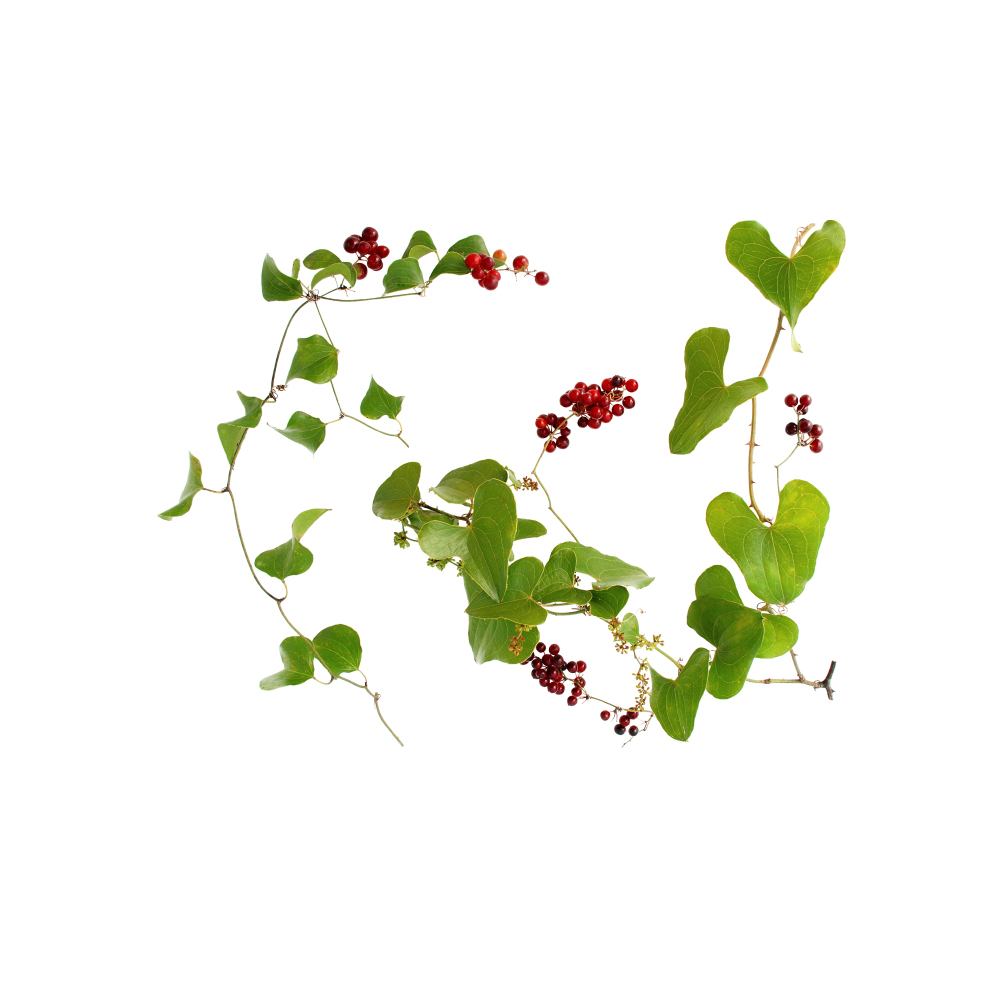 Principal source Sarsaparilla Smilax spp. Herb monograph →
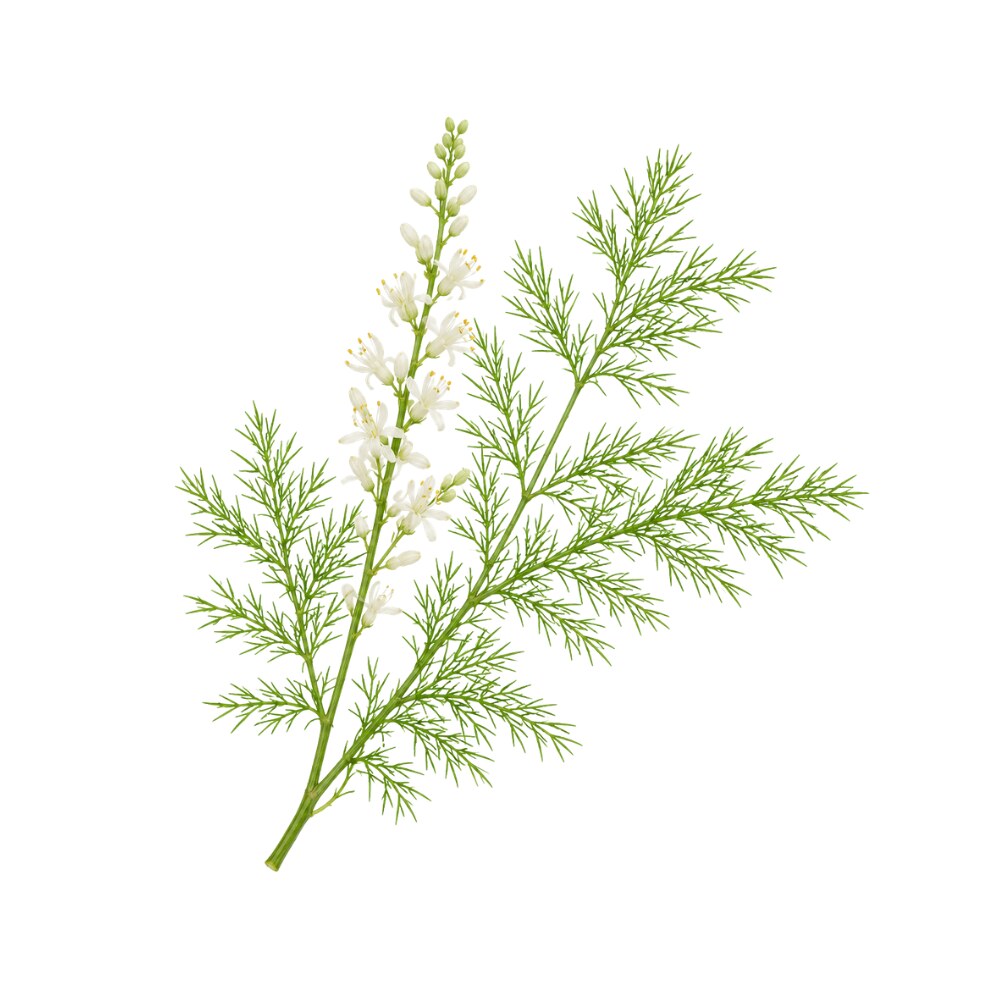 Source Shatavari Asparagus racemosus Herb monograph →
Concentration
Content by Source
Reported concentrations across the plants that contain sarsasapogenin — the bar marks the typical level, the line shows the reported range.
Literature figures for varying plant parts and preparations. Read them as a comparative guide, not exact assays.
Sarsasapogenin at a Glance
Sarsasapogenin is a steroidal sapogenin — the sugar-free steroid core, or aglycone, of a large family of plant saponins. Chemically it is (25S)-5β-spirostan-3β-ol (C₂₇H₄₄O₃, 416.6 Da): a four-ring steroid nucleus with a spiroketal E/F ring system fused on at C-16/C-22, a cis A/B ring junction (the 5β configuration), and the 25S methyl orientation that distinguishes it from its epimer smilagenin 1Reference 1Chemistry, biosynthesis and pharmacology of sarsasapogenin: a potential natural steroid molecule for new drug design, development and therapyView study →.
Plants almost never store it free. It circulates in the plant as glycosides: sarsasaponin (parillin) in sarsaparilla (Smilax), the shatavarins in shatavari, and the timosaponins in Anemarrhena asphodeloides (zhi mu). Sarsasapogenin is what is left after those sugars are stripped off — in the laboratory by acid hydrolysis, and in the body by gut bacteria 7,
Two things about this molecule need stating up front, because both are routinely got wrong.
It is not a hormone precursor. A steroid skeleton is not a hormone, and there is no human enzymatic route from sarsasapogenin to progesterone, DHEA or testosterone. The “plant steroid” framing that sold sarsaparilla as a natural anabolic — and that sells wild yam as natural progesterone — is a misreading of an industrial process (see below) 3,
Its real pharmacology is neurological and anti-inflammatory, and it is overwhelmingly Anemarrhena research, not shatavari or sarsaparilla research. The most interesting finding in the literature — that it raises brain M1 muscarinic receptor density without being a cholinesterase inhibitor or a receptor ligand — comes from the Chinese zhi mu tradition 4,
The Steroid-Skeleton Myth — What Sarsasapogenin Does Not Do
Sarsasapogenin sits at the centre of the single most persistent myth in the herbal supplement world, and it deserves a direct answer.
The factual core. In the 1930s and 1940s, Russell Marker’s group showed that the spiroketal side chain of a steroidal sapogenin could be chemically degraded — in a flask, with acetic anhydride, chromium trioxide and heat — to give pregnenolone and from there progesterone and cortisone 3Reference 3Steroidal sapogeninsView study →. Sarsasapogenin was one of the sapogenins on which that chemistry was worked out; the eventual industrial feedstock was diosgenin from Mexican yam, because its Δ⁵ double bond gave the useful unsaturated pregnane directly. This chemistry is real, it is historically enormous, and it is entirely a factory process.
The human body cannot do it. There is no mammalian enzyme that opens the spiroketal F ring and cleaves the C-20/C-22 bond of a spirostanol. Nothing in human metabolism converts sarsasapogenin, diosgenin or smilagenin into a steroid hormone. The gut-and-liver metabolism that has been mapped for these sapogenins does something entirely different: oxidation and re-reduction at C-3 to give the 3α “epi” isomers, then glucuronidation and biliary excretion 25,
The clinical test was run, on the sister molecule, and it was negative. A double-blind placebo-controlled crossover trial of topical wild yam (diosgenin-bearing) cream in 23 symptomatic menopausal women found no change in serum or salivary progesterone, no change in oestradiol, FSH, lipids or weight, and no separation from placebo on symptoms 28Reference 28Effects of wild yam extract on menopausal symptoms, lipids and sex hormones in healthy menopausal womenView study →. Topical “natural progesterone” creams that do work do so because progesterone was added to them.
And sarsaparilla’s “natural steroid” reputation has no support at all. A PubMed search for sarsasapogenin AND (androgen OR testosterone OR 5-alpha-reductase OR prostate) returns two records, neither of which reports any androgenic effect — one is a fungal biotransformation study, the other a Tribulus-focused review of testosterone phytotherapy that does not test sarsasapogenin at all. There is no evidence that sarsasapogenin raises testosterone in any species.
What it does do to the endocrine system is the opposite direction, and it is worth knowing. In a danazol-induced precocious-puberty model in female rats, sarsasapogenin delayed vaginal opening, reduced uterine and ovarian coefficients, lowered serum LH, FSH and oestradiol, and downregulated hypothalamic GnRH, GnRH-R and Kiss-1 12Reference 12Study on the mechanism of sarsasapogenin in treating precocious puberty by regulating the HPG axisView study →. That is genuine hormone-axis pharmacology — but it is suppression of the reproductive axis, not oestrogenic stimulation. Any page that files sarsasapogenin as a “phytoestrogen” is describing a molecule that, where it has actually been measured on the HPG axis, did the reverse.
Is there any direct receptor evidence? The oestrogen-receptor claim rests on molecular docking, not binding assays: an in-silico screen of 34 uterine-active herbs found sarsasapogenin bound well in the computer to the oestrogen receptor (1X7R), the progesterone receptor and CYP17A1 29Reference 29Screening of optimal phytoconstituents through in silico docking, toxicity, pharmacokinetic, and molecular dynamics approach for fighting against polycystic ovarian syndromeView study →. Docking scores are hypotheses, not affinities. Meanwhile, the one study that pinned down a direct molecular target by physical methods — cellular thermal shift assay plus surface plasmon resonance — found sarsasapogenin binds glutathione peroxidase 4 (GPX4), a ferroptosis-controlling enzyme, with a K_D of 44.6 µM; and in an ovariectomised (oestrogen-deficient) osteoporosis model its benefit was abolished in GPX4-knockout mice 11Reference 11Sarsasapogenin stimulates angiogenesis and osteogenesis coupling to treat estrogen deficiency-induced osteoporosis by activating the GPX4/SLIT3/ROBO1 axisView study →. In other words: the best-characterised protein target of this molecule is a peroxidase, not a nuclear hormone receptor, and its effect in an oestrogen-deficiency model runs through that peroxidase.
Aglycone, Not Saponin — Where It Sits On The Chain
Steroidal saponins are large, sugar-heavy glycosides that absorb poorly. The species that reaches tissue is usually the deglycosylated sapogenin liberated by gut bacteria — and sarsasapogenin is that end product for three separate plant lineages:
| Glycoside (as eaten) | Source plant | Liberated aglycone |
|---|---|---|
| Sarsasaponin / parillin | Sarsaparilla (Smilax) | Sarsasapogenin (+ smilagenin) |
| Shatavarins I–X | Shatavari (Asparagus racemosus) | Sarsasapogenin 21Reference 21An updated insight on the chemistry, ethnobotany, and health benefits of Asparagus racemosus (shatavari): with a special emphasis on shatavarin IVView study → |
| Timosaponin A-III, B-II, B-III | Anemarrhena asphodeloides | Sarsasapogenin 7, |
The shatavari chain is worth spelling out, because it is a three-step ladder and this molecule is the bottom rung. Shatavarin I is a bidesmosidic furostanol saponin (C₅₁H₈₆O₂₃, 1067 Da) — sugars on two separate positions, with the F ring held open by a glucose at C-26. Remove that C-26 glucose and the F ring snaps shut: the result is shatavarin IV, the monodesmosidic spirostanol marker used to standardise the root. Remove the remaining C-3 sugar chain and you have sarsasapogenin. This is the same furostanol→spirostanol→aglycone relationship as protodioscin→dioscin→diosgenin, and it is the reason drying and processing shift a shatavari root’s saponin profile before anyone eats it. The furostanol and spirostanol forms are not interchangeable — but both end at the same aglycone.
This is not a footnote — it is the exposure mechanism, and it has been demonstrated rather than assumed. Timosaponin A-III incubated anaerobically with human intestinal microflora yields sarsasapogenin as the main metabolite 8Reference 8Inhibitory effects of steroidal timosaponins isolated from the rhizomes of Anemarrhena asphodeloides against passive cutaneous anaphylaxis reaction and pruritusView study →, and sarsasapogenin was physically isolated from the urine of rats dosed with timosaponin A-III 9Reference 9In vitroMetabolites characterization of timosaponin AIII in vivo and in vitro by using liquid chromatography-mass spectrometryView study →. In every head-to-head, the aglycone was the more potent species: sarsasapogenin beat timosaponin A-III both in vitro and in vivo on colitis endpoints 7Reference 7AnimalTimosaponin AIII and its metabolite sarsasapogenin ameliorate colitis in mice by inhibiting NF-κB and MAPK activation and restoring Th17/Treg cell balanceView study →, and beat it on mast-cell degranulation and passive cutaneous anaphylaxis 8Reference 8Inhibitory effects of steroidal timosaponins isolated from the rhizomes of Anemarrhena asphodeloides against passive cutaneous anaphylaxis reaction and pruritusView study →. Timosaponin A-III given by mouth worked; given intraperitoneally — bypassing the gut flora — it barely worked at all 8Reference 8Inhibitory effects of steroidal timosaponins isolated from the rhizomes of Anemarrhena asphodeloides against passive cutaneous anaphylaxis reaction and pruritusView study →. That is about as clean a demonstration as this field offers that the glycoside is a prodrug.
One consequence that matters for reading the cytotoxicity literature. Saponins are surfactants: they are membrane-permeabilising and haemolytic in vitro, which is why so many “kills cancer cells at X µM” results in this class are detergent artefacts. Sarsasapogenin is the aglycone — it has no sugar chain and is not a surfactant, so it does not carry the saponin haemolysis problem in the same way. That is a genuine point in its favour. It does not, however, rescue the cancer data: the headline cytotoxicity result (HepG2 hepatoma, IC₅₀ 42.4 µg/mL ≈ 100 µM over 48 h) was reported without a normal-cell comparator and without a selectivity index 19Reference 19The apoptotic effect of sarsasapogenin from Anemarrhena asphodeloides on HepG2 human hepatoma cellsView study →, and later medicinal-chemistry work found the parent sapogenins so weakly cytotoxic that derivatives had to be built to get useful potency — one lipophilic cationic derivative was 34-fold more active than diosgenin 37Reference 37Design, synthesis and cytotoxic activity of novel lipophilic cationic derivatives of diosgenin and sarsasapogeninView study →. A molecule that needs a 34-fold boost to become interesting was not interesting to begin with.
Where a selectivity index was measured on this chemotype, the margin was thin. Four purified A. racemosus saponin glycosides killed hepato- and prostate-carcinoma lines at IC₅₀ 14–37 µM while primary human fibroblasts came in at 22–66 µM 41Reference 41Preparative and rapid purification of saponins from Asparagus racemosus root by high performance centrifugal partition chromatographyView study → — a selectivity ratio of roughly 1.5–2×. The authors reported this as selectivity, and technically it is; but a two-fold window against normal primary cells is exactly the signature of a large non-specific membrane component rather than a targeted mechanism. That is the glycosides, not the aglycone — no equivalent comparator has ever been run for sarsasapogenin itself.
What It's Used For
The research base is real, coherent and almost entirely rodent-stage. It splits into a cholinergic/neurological thread that is the most distinctive thing about this molecule, a broad NF-κB-centred anti-inflammatory thread, and a cluster of diabetic-complication models that are really the anti-inflammatory thread applied to specific tissues.
Support is an experimental score — weighted by study type (human > animal > in vitro) and volume. A beta, not a validated metric. Every row here is preclinical; no application has human data, so the scale is compressed toward the low end by design.
The marquee application and the one with a genuinely unusual mechanism. Working from Rhizoma Anemarrhenae, Hu and colleagues gave oral sarsasapogenin (“ZMS”) to aged rats and to two lesion models — β-amyloid₁₋₄₀ plus ibotenic acid, and ibotenic acid alone, injected into the nucleus basalis magnocellularis. Learning and memory improved on Y-maze and step-through tests. The mechanism was not cholinesterase inhibition and not receptor agonism: radioligand binding showed sarsasapogenin occupied no muscarinic site and inhibited no cholinesterase. What it did was raise the reduced density of total M receptors and the M1 subtype in cortex, hippocampus and striatum back toward — but never above — normal young-control levels, with memory performance correlating to receptor density 4Reference 4AnimalA new approach to the pharmacological regulation of memory: sarsasapogenin improves memory by elevating the low muscarinic acetylcholine receptor density in brains of memory-deficit rat modelsView study →.
The companion study on the 25R epimer smilagenin found the effect runs through m1 receptor mRNA stability, whose half-life roughly doubled in m1-transfected CHO cells 5Reference 5AnimalRegulation of M1-receptor mRNA stability by smilagenin and its significance in improving memory of aged ratsView study →.
Later work broadened the target list. An in-vitro multi-target screen reported sarsasapogenin inhibiting AChE (IC₅₀ 9.9 µM), BuChE (5.4 µM), BACE1 and MAO-B, inhibiting Aβ42 fibrillisation by 68% at 40 µM, and protecting PC12 cells against Aβ42 and H₂O₂ 6Reference 6Sarsasapogenin: a steroidal saponin from Asparagus racemosus as multi target directed ligand in Alzheimer’s diseaseView study →.
In streptozotocin-diabetic rats, 20–60 mg/kg for nine weeks improved water-maze and novel-object performance, reduced hippocampal neuron loss, and suppressed both BACE1-driven Aβ overproduction and AKT/GSK-3β-mediated tau hyperphosphorylation — effects abolished by a PPARγ antagonist 13Reference 13Sarsasapogenin attenuates Alzheimer-like encephalopathy in diabetesView study →.
A parallel study attributed the same behavioural rescue to downregulation of the thrombin receptor PAR-1 and consequent suppression of the NLRP1 inflammasome and NF-κB 14Reference 14Sarsasapogenin ameliorates diabetes-associated memory impairment and neuroinflammation through down-regulation of PAR-1 receptorView study →.
Semi-synthetic derivatives extend the thread: sarsasapogenin-AA13 improved memory in intracerebroventricular-Aβ mice by pushing microglia toward an M2 phenotype and upregulating the Aβ-degrading enzymes IDE, NEP and ECE 15Reference 15Sarsasapogenin-AA13 ameliorates Aβ-induced cognitive deficits via improving neuroglial capacity on Aβ clearance and antiinflammationView study →.
Gap: the AChE result in 6Reference 6Sarsasapogenin: a steroidal saponin from Asparagus racemosus as multi target directed ligand in Alzheimer’s diseaseView study → directly contradicts the founding pharmacology in 4Reference 4AnimalA new approach to the pharmacological regulation of memory: sarsasapogenin improves memory by elevating the low muscarinic acetylcholine receptor density in brains of memory-deficit rat modelsView study →, which explicitly found no cholinesterase inhibition — a contradiction nobody in the literature has reconciled. All of this is rodent and cell work; there is no human trial. And the whole thread is Anemarrhena pharmacology being read onto other plants.
The most mechanistically pinned-down application. In LPS-stimulated macrophages, sarsasapogenin inhibits the binding of LPS to TLR4 and blocks the downstream cascade — IRAK1, TAK1 and IκBα phosphorylation, NF-κB and MAPK activation — while blocking M2→M1 macrophage polarisation. Given orally in TNBS colitis it reduced colon shortening and myeloperoxidase activity, cut IL-1β, TNF-α and IL-6 while raising IL-10, suppressed Th17 differentiation in the colonic lamina propria and induced Tregs. Critically, the aglycone was more potent than the parent saponin timosaponin A-III both in vitro and in vivo 7Reference 7AnimalTimosaponin AIII and its metabolite sarsasapogenin ameliorate colitis in mice by inhibiting NF-κB and MAPK activation and restoring Th17/Treg cell balanceView study →.
A separate TNBS colitis study in Wistar rats replicated the anti-inflammatory and antioxidant profile 33Reference 33AnimalProtective effect of sarsasapogenin in TNBS induced ulcerative colitis in rats associated with downregulation of pro-inflammatory mediators and oxidative stressView study →.
The reach extends beyond the gut. Sarsasapogenin blocked passive cutaneous anaphylaxis and scratching behaviour in mice and inhibited IgE-antigen-induced degranulation and IL-4 expression in RBL-2H3 mast cells — again more potently than timosaponin A-III 8Reference 8Inhibitory effects of steroidal timosaponins isolated from the rhizomes of Anemarrhena asphodeloides against passive cutaneous anaphylaxis reaction and pruritusView study →.
In ovalbumin-induced allergic asthma it reduced BALF inflammatory cell trafficking, serum IgE and lung oxidative markers 1Reference 1Chemistry, biosynthesis and pharmacology of sarsasapogenin: a potential natural steroid molecule for new drug design, development and therapyView study →.
Adipose tissue is reachable too: a single oral dose distributes into white adipose tissue, and 80 mg/kg for 18 days suppressed the LPS-induced TNF-α/IL-1β/IL-6/MCP-1/Nos2/COX2 programme while raising the M2 markers Arg1, YM1, Fizz1 and IL-10 1Reference 1Chemistry, biosynthesis and pharmacology of sarsasapogenin: a potential natural steroid molecule for new drug design, development and therapyView study →.
Gap: several of the disease models pair sarsasapogenin with fluticasone, a potent corticosteroid, at half dose each — a combination design that cannot isolate the sapogenin’s own contribution 1Reference 1Chemistry, biosynthesis and pharmacology of sarsasapogenin: a potential natural steroid molecule for new drug design, development and therapyView study →. No human inflammatory endpoint has been tested.
Really the anti-inflammatory thread applied to three end-organs, and the most internally consistent block of work. In streptozotocin-diabetic rats, 20–60 mg/kg orally for 9–10 weeks improved renal function — lower albuminuria, kidney weight index and serum uric acid, less fibronectin and collagen IV — while suppressing NLRP3, activated caspase-1, IL-18 and the AGEs/RAGE axis in the renal cortex, and reducing PAR-1 protein and mRNA without touching thrombin activity itself 1Reference 1Chemistry, biosynthesis and pharmacology of sarsasapogenin: a potential natural steroid molecule for new drug design, development and therapyView study →.
In human retinal pigment epithelial (ARPE-19) cells under high glucose, sarsasapogenin reduced ROS and mitochondrial superoxide, restored glutathione, MnSOD and glutathione peroxidase, and blocked NF-κB-driven NLRP3 inflammasome maturation of IL-1β and IL-18 31Reference 31Reduction of high glucose-induced oxidative injury in human retinal pigment epithelial cells by sarsasapogenin through inhibition of ROS generation and inactivation of NF-κB/NLRP3 inflammasome pathwayView study →.
The cognitive arm is covered above 13,
The same NF-κB/NLRP3-pyroptosis axis carries a 2026 renal ischaemia-reperfusion study 34Reference 34Sarsasapogenin attenuates renal ischemia-reperfusion injury by inhibiting the NF-κB pathway and NLRP3 inflammasome-mediated pyroptosisView study →.
Gap: every finding is streptozotocin rodent or high-glucose cell culture; none is a spontaneous or type-2 model, and none is human. The doses (20–60 mg/kg) are pharmacological and bear no relation to sapogenin exposure from any herbal preparation.
The application with the best-characterised direct target. Sarsasapogenin inhibits RANKL-induced osteoclastogenesis in bone-marrow-derived macrophages, blocking the signalling cascades upstream of the master osteoclast transcription factor NFATc1, and protected against bone loss in an LPS-induced mouse osteolysis model 18Reference 18In vitroSarsasapogenin suppresses RANKL-induced osteoclastogenesis in vitro and prevents lipopolysaccharide-induced bone loss in vivoView study →.
The stronger study used ovariectomised mice: 5 or 10 mg/kg/day orally for 12 weeks improved osteogenesis-angiogenesis coupling via a BMSC-SLIT3 / HUVEC-ROBO1 axis, with GPX4 identified as the upstream node by molecular docking plus cellular thermal shift assay plus surface plasmon resonance (K_D 44.6 µM) — and the whole effect vanished in GPX4-knockout mice 11Reference 11Sarsasapogenin stimulates angiogenesis and osteogenesis coupling to treat estrogen deficiency-induced osteoporosis by activating the GPX4/SLIT3/ROBO1 axisView study →.
Gap: the K_D of 44.6 µM is weak for a direct target and sits far above any plausible plasma concentration from herbal intake. This is an oestrogen-deficiency model rescued by an anti-ferroptotic mechanism, not evidence of oestrogenic activity — a distinction the abstract’s framing makes easy to blur.
Thin, and mostly not about the parent molecule. In olfactory-bulbectomised rats — a model in which AChE activity rises — sarsasapogenin reversed depressive-like behaviour alongside changes in hippocampal AChE, α4- and α7-nicotinic receptor expression 17Reference 17Sarsasapogenin reverses depressive-like behaviors and nicotinic acetylcholine receptors induced by olfactory bulbectomyView study →.
The much-cited “rapid antidepressant” result belongs to YY-21, a synthetic compound made from timosaponin B-III which is itself derived from sarsasapogenin; YY-21 raised presynaptic glutamate release and enhanced synaptic transmission in medial prefrontal cortex slices within 10 minutes and reversed chronic-mild-stress phenotypes through BDNF-dependent mTOR signalling 16Reference 16The rapid antidepressant and anxiolytic-like effects of YY-21 involve enhancement of excitatory synaptic transmission via activation of mTOR signaling in the mPFCView study →.
Gap: one behavioural study for the parent compound, and a derivative several synthetic steps away for the mechanism. Attributing YY-21’s rapid-onset pharmacology to sarsasapogenin — or to any plant containing it — is not supportable.
The weakest thread and the one most in need of the class caveat. Sarsasapogenin extracted from A. asphodeloides rhizome reduced HepG2 hepatoma viability dose- and time-dependently (IC₅₀ 42.4 ± 1.0 µg/mL at 48 h), with apoptosis confirmed by Hoechst staining, DNA fragmentation and electron microscopy, and G2/M arrest on flow cytometry 19Reference 19The apoptotic effect of sarsasapogenin from Anemarrhena asphodeloides on HepG2 human hepatoma cellsView study →. That is the whole primary dataset.
Gap: no normal-cell comparator and no selectivity index were reported — the standard failure mode in this compound class. The concentration (~100 µM) is far above anything achievable in plasma 10Reference 10AnimalQuantitative determination of sarsasapogenin in rat plasma using liquid chromatography-tandem mass spectrometryView study →. And the medicinal-chemistry literature reads as an implicit verdict on the parent: derivatives had to be built to reach useful potency, with one lipophilic cationic analogue 34-fold more active than diosgenin 37Reference 37Design, synthesis and cytotoxic activity of novel lipophilic cationic derivatives of diosgenin and sarsasapogeninView study →. There is no animal tumour study and no human data.
Included because it is the claim most often attached to this molecule, and because the evidence points the other way. The oestrogen-receptor attribution rests on molecular docking — an in-silico screen across 34 uterine-active herbs in which sarsasapogenin scored well against the oestrogen receptor, progesterone receptor and CYP17A1 crystal structures 29Reference 29Screening of optimal phytoconstituents through in silico docking, toxicity, pharmacokinetic, and molecular dynamics approach for fighting against polycystic ovarian syndromeView study →.
No binding assay, no reporter assay, no uterotrophic assay has been published for the isolated molecule. A GC/MS study that detected sarsasapogenin in an oestrogenic Asparagus africanus root extract explicitly framed its role as speculative — the oestrogenic effect belonged to the whole extract 36Reference 36AnimalEvaluating the oestrogenic activities of aqueous root extract of Asparagus africanus Lam in female Sprague-Dawley rats and its phytochemical screening using GC/MSView study →.
The one study that actually measured hormone-axis endpoints found suppression: in danazol-induced precocious puberty in rats, sarsasapogenin delayed vaginal opening, reduced uterine and ovarian coefficients and uterine wall thickness, lowered serum LH, FSH and oestradiol, and downregulated hypothalamic GnRH, Kiss-1 and pituitary GnRH-R 12Reference 12Study on the mechanism of sarsasapogenin in treating precocious puberty by regulating the HPG axisView study →.
Gap: docking is a hypothesis-generator, not evidence of receptor binding. Until an ER binding or transactivation assay is run on isolated sarsasapogenin, “phytoestrogen” is a description of the plant extract being borrowed by the molecule — and the one direct HPG-axis measurement contradicts it.
Mechanisms
| Target / pathway | Effect | Relevant to |
|---|---|---|
| Muscarinic M1 receptor density; m1 receptor mRNA stability | upregulates receptor number toward normal (not agonism, not cholinesterase inhibition); epimer doubles m1 mRNA half-life | memory / cognition — the distinctive mechanism |
| TLR4 (LPS binding) → IRAK1 / TAK1 / IκBα → NF-κB, MAPK | blocks LPS–TLR4 engagement and the downstream inflammatory cascade | anti-inflammatorycolitisasthma |
| NLRP3 / NLRP1 inflammasome; caspase-1, IL-1β, IL-18 | suppression; blocks pyroptotic maturation | diabetic nephropathyretinopathyrenal I/R |
| Macrophage / microglia M1→M2 polarisation | shifts phenotype; raises Arg1, YM1, Fizz1, IL-10 | anti-inflammatoryAβ clearance |
| Th17 / Treg balance | inhibits Th17 differentiation, induces Tregs | colitisimmune regulation |
| GPX4 (physically confirmed: CETSA + SPR, K_D 44.6 µM) | binds and stabilises; anti-ferroptotic; upstream of SLIT3/ROBO1 | bone loss / osteogenesis-angiogenesis coupling |
| PPARγ | activation required for the anti-amyloid / anti-tau effect (abolished by antagonist) | diabetic encephalopathy |
| PAR-1 (thrombin receptor) | downregulates receptor protein and mRNA without altering thrombin activity | diabetic memory impairmentnephropathy |
| RANKL → NFATc1 | inhibits osteoclast differentiation | bone resorption |
| Hypothalamic GnRH / Kiss-1 / GPR54 → LH, FSH, E2 | downregulation — HPG-axis suppression | precocious puberty; the actual endocrine signal |
| BACE1, AChE, BuChE, MAO-B, Aβ42 fibrillisation | in-vitro inhibition (AChE result contradicts 4Reference 4AnimalA new approach to the pharmacological regulation of memory: sarsasapogenin improves memory by elevating the low muscarinic acetylcholine receptor density in brains of memory-deficit rat modelsView study →) | Alzheimer-like pathology |
| Steroidogenic conversion to progesterone / DHEA / testosterone | none — no such pathway exists in humans | the myth |
The load-bearing contrast: the two mechanisms confirmed by physical binding methods are a muscarinic-receptor-density effect and a peroxidase (GPX4) — neither is a hormone receptor. The steroid skeleton is a structural coincidence, not a functional one.
Pharmacokinetics
Sarsasapogenin is lipophilic and very poorly water-soluble, which dominates its behaviour. A validated LC-MS/MS method in rats gives a half-life of 15.1–16.1 h across 25, 50 and 100 mg/kg intragastric doses, with AUC₀₋₇₂ and C_max both linear with dose across that range 10Reference 10AnimalQuantitative determination of sarsasapogenin in rat plasma using liquid chromatography-tandem mass spectrometryView study →; a companion analysis puts t½ at ~17.7 h after 100 mg/kg 1Reference 1Chemistry, biosynthesis and pharmacology of sarsasapogenin: a potential natural steroid molecule for new drug design, development and therapyView study →. T_max is markedly later than for the intact timosaponins of A. asphodeloides — the sapogenin appears in blood slowly, consistent with absorption limited by dissolution rather than by permeability 1Reference 1Chemistry, biosynthesis and pharmacology of sarsasapogenin: a potential natural steroid molecule for new drug design, development and therapyView study →.
The route of exposure from a herbal preparation is indirect. What is swallowed is a saponin; gut microbiota hydrolyse it to the aglycone, which is then absorbed. Anaerobic incubation of timosaponin A-III with human intestinal microflora yields sarsasapogenin as the main metabolite 8Reference 8Inhibitory effects of steroidal timosaponins isolated from the rhizomes of Anemarrhena asphodeloides against passive cutaneous anaphylaxis reaction and pruritusView study →, and sarsasapogenin was isolated from rat urine after oral timosaponin A-III 9Reference 9In vitroMetabolites characterization of timosaponin AIII in vivo and in vitro by using liquid chromatography-mass spectrometryView study →. The ruminant work maps the full disposition with unusual clarity: saponins hydrolyse in the rumen, sapogenins are epimerised at C-3 to the 3α “epi” forms, absorbed in the jejunum, carried to the liver where episarsasapogenin and epismilagenin (but not the 3β parents) are conjugated and excreted into bile, then deconjugated again in the caecum and colon 25,
Two practical consequences. First, the effective dose from a herb is unknowable — it depends on the saponin content of that batch and on an individual’s gut flora. Second, the long half-life means repeated dosing accumulates; the pharmacology literature’s 20–60 mg/kg rodent regimens are far above anything a botanical delivers.
Clinical Trials
There are none. No clinical trial of isolated sarsasapogenin has been conducted in any indication, and the compound has no regulatory status anywhere. The nearest human data belong to whole plants, and belong to them entirely: a 6-week randomised double-blind trial of shatavari (1000 mg/day) in 20 postmenopausal women improved handgrip strength and raised vastus lateralis myosin regulatory light chain phosphorylation and Akt^ser473 phosphorylation, but found no change in bone-turnover markers — and measured no sapogenin, tested no receptor, and cannot attribute its result to any molecule 27Reference 27Shatavari supplementation in postmenopausal women improves handgrip strength and increases vastus lateralis myosin regulatory light chain phosphorylation but does not alter markers of bone turnoverView study →.
| Completed | Planned | Terminated | Preclinical |
|---|---|---|---|
| None(whole-plant trials only) | None registered | — | Extensive: rodent cognition, colitis, asthma, diabetic nephropathy/retinopathy/encephalopathy, osteoporosis, depression |
Last checked: August 2026.
Sarsasapogenin vs. Smilagenin vs. Diosgenin
Three sapogenins, endlessly confused, differing only in stereochemistry and one double bond — and the differences matter.
| Sarsasapogenin | Smilagenin | Diosgenin | |
|---|---|---|---|
| Systematic name | (25S)-5β-spirostan-3β-ol | (25R)-5β-spirostan-3β-ol | (25R)-spirost-5-en-3β-ol |
| A/B ring fusion | 5β (cis) | 5β (cis) | Δ⁵ unsaturated |
| C-25 configuration | S | R | R |
| Chief sources | Smilax, Anemarrhena, Asparagus | Smilax, Smilax glabra, Asparagus cochinchinensis | Dioscorea, fenugreek, Tribulus |
| Signature pharmacology | M1 receptor density ↑; TLR4/NF-κB ↓ 4, | M1 mRNA stabilisation; BDNF/P300 histone acetylation 5, | Anti-inflammatory, lipid-lowering, industrial steroid feedstock |
| Industrial role | the sapogenin the degradation chemistry was worked out on 3Reference 3Steroidal sapogeninsView study → | — | the commercial feedstock (Δ⁵ gives the useful pregnane) |
| Converts to hormones in the body | No | No | No |
Sarsasapogenin and smilagenin are C-25 epimers and interconvert readily — acid hydrolysis of sarsaparilla tincture yields both, the smilagenin arising by epimerisation of the sarsasapogenin released 24Reference 24Acid hydrolysis of saponins extracted in tinctureView study →. They are also produced together by ruminant metabolism, and any quantitative claim about one that does not report the other should be treated cautiously 25,
The Shatavari Attribution Problem
This molecule is most often introduced to English-language readers as “the aglycone of the shatavarins,” and that framing is doing more work than the evidence supports.
The count. A PubMed search for sarsasapogenin AND "Asparagus racemosus" returns seven records. Of those: one is a LactMed lactation monograph on the herb that merely lists the compound among shatavari’s constituents; one is a review 21Reference 21An updated insight on the chemistry, ethnobotany, and health benefits of Asparagus racemosus (shatavari): with a special emphasis on shatavarin IVView study →; three are in-silico docking or network-pharmacology papers — a PCOS docking screen 29Reference 29Screening of optimal phytoconstituents through in silico docking, toxicity, pharmacokinetic, and molecular dynamics approach for fighting against polycystic ovarian syndromeView study →, an epilepsy/dementia network-pharmacology study 38Reference 38A network pharmacology approach to explore pharmacological mechanisms of Asparagus racemosus for ameliorative effect in epilepsy and comorbid progressive memory dysfunctionView study → and an antitubercular docking screen; one is a genuine isolation — a novel sarsasapogenin glycoside (“immunoside”) from A. racemosus that acted as a hepatitis-B vaccine adjuvant in mice 22Reference 22A novel sarsasapogenin glycoside from Asparagus racemosus elicits protective immune responses against HBsAgView study →; and one is a real in-vitro pharmacology paper on the molecule itself 6Reference 6Sarsasapogenin: a steroidal saponin from Asparagus racemosus as multi target directed ligand in Alzheimer’s diseaseView study →. That is the entire shatavari-specific literature for this compound.
By contrast, sarsasapogenin AND Anemarrhena returns 43 records, and it is that body of work — the M1 receptor studies, the colitis and mast-cell studies, the diabetic-complication series, the bone work — that supplies essentially everything interesting here.
The structural claim itself is secondary literature. That shatavarin IV — and by extension shatavarin I and the rest of the series — is “a glycoside of sarsasapogenin” carrying two rhamnose and one glucose is stated in a 2025 review 21Reference 21An updated insight on the chemistry, ethnobotany, and health benefits of Asparagus racemosus (shatavari): with a special emphasis on shatavarin IVView study →, not established by a primary structure-elucidation paper cited here. It is very likely correct — sarsasapogenin glycosides have been directly characterised from Asparagus adscendens and A. racemosus 1,
And the naming in this series is genuinely unreliable. The originally published structures of shatavarins I and IV — the two flagship molecules — were wrong, with misassigned glycosidic linkages, and were formally revised by Hayes and colleagues in 2006 39Reference 39Structural revision of shatavarins I and IV, the major components from the roots of Asparagus racemosusView study →. At least four independent naming series overlap on the same molecules: the same compounds appear in the literature as shatavarins, asparinins, asparosides, curillins/curillosides and schidigerasaponins — shatavarin I is also asparoside B, shatavarin IV is also asparinin B, and asparanin A is also schidigerasaponin D5 40Reference 40Steroidal saponins from the roots of Asparagus racemosusView study →. Anyone reconciling a shatavari phytochemistry claim across two papers should assume the names may not mean what they appear to. Sarsasapogenin itself is comparatively stable nomenclature — it is also written sarsapogenin and was originally parigenin — but the glycosides it sits under are not.
And the one quantitative measurement complicates the picture. A validated HPTLC survey of ten North Indian Asparagus species found the highest sarsasapogenin content in the cladodes of A. racemosus (11.20 ± 0.025 mg/g dry weight) and in the roots of A. officinalis — ordinary garden asparagus — at 5.95 ± 0.024 mg/g 20Reference 20Comparative HPTLC analysis of shatavarin IV, sarsasapogenin, caffeic acid, β-sitosterol and lupeol in roots and cladodes of ten Asparagus L. ssp. from North IndiaView study →. Shatavari products are made from the root, whose sarsasapogenin figure that study does not headline. Anyone reasoning from “shatavari is rich in sarsasapogenin” to a dose is reasoning past the data.
One citation in circulation for this claim does not say what it is said to say. The “phytoestrogenic aglycone implicated in oestrogen-receptor binding” attribution most often attached to sarsasapogenin traces to O’Leary 2021 27Reference 27Shatavari supplementation in postmenopausal women improves handgrip strength and increases vastus lateralis myosin regulatory light chain phosphorylation but does not alter markers of bone turnoverView study → — which is a 6-week randomised trial of whole shatavari extract in 20 postmenopausal women, measuring handgrip strength, myosin regulatory light chain phosphorylation and bone-turnover markers. It measured no sapogenin, ran no receptor assay, and found no change in bone turnover. Its only phytoestrogen content is a single unreferenced sentence in the introduction. It is a legitimate whole-plant trial and it is cited as one here; it is not evidence about this molecule.
What this means for the shatavari monograph. The mechanistic bridge from shatavari’s clinical menopause results to “phytoestrogenic saponins on a sarsasapogenin aglycone” is a plausible story with no measurement behind it at the molecule level, and with the one direct HPG-axis measurement running the other way 12Reference 12Study on the mechanism of sarsasapogenin in treating precocious puberty by regulating the HPG axisView study →. It should be stated as a hypothesis.
Isolate vs. Plant Studies
Almost uniquely for this batch, the isolate is nearly all the evidence there is — and that is not a strength here, because the isolate evidence is all in rodents. There is no clinical trial of sarsasapogenin. The human trials belong to whole plants: shatavari root extract for menopausal symptoms and muscle function 27Reference 27Shatavari supplementation in postmenopausal women improves handgrip strength and increases vastus lateralis myosin regulatory light chain phosphorylation but does not alter markers of bone turnoverView study →, and, as the negative control on the entire hormone-precursor story, wild yam cream, which moved no hormone at all 28Reference 28Effects of wild yam extract on menopausal symptoms, lipids and sex hormones in healthy menopausal womenView study →.
Two attribution traps recur. First, source drift: the strong pharmacology is Anemarrhena, routinely reported under the more marketable name of shatavari or sarsaparilla. Second, derivative drift: several of the most-cited results — sarsasapogenin-AA13’s Aβ-clearance work 15Reference 15Sarsasapogenin-AA13 ameliorates Aβ-induced cognitive deficits via improving neuroglial capacity on Aβ clearance and antiinflammationView study →, YY-21’s rapid antidepressant effect 16Reference 16The rapid antidepressant and anxiolytic-like effects of YY-21 involve enhancement of excitatory synaptic transmission via activation of mTOR signaling in the mPFCView study →, the triazolyl hybrids 1Reference 1Chemistry, biosynthesis and pharmacology of sarsasapogenin: a potential natural steroid molecule for new drug design, development and therapyView study → — belong to semi-synthetic derivatives that are not the natural molecule and cannot occur in a plant. Where the parent has been tested head-to-head against its own glycoside it wins 7,
Prevalence in Nature
Sarsasapogenin occurs across the Asparagaceae and Smilacaceae and into a few unrelated monocots, always as glycosides and almost never free.
| Source | Part | Form it occurs as | Note |
|---|---|---|---|
| Sarsaparilla (Smilax spp.) | root/rhizome | Sarsasaponin/parillin and related spirostanol glycosides | The eponym; S. officinalis yields characterised sarsasapogenin trisaccharides 23Reference 23Steroidal saponins from Smilax officinalisView study →, and S. sieboldii carries sarsasapogenin/tigogenin-type saponins across leaf, stem and rhizome 30Reference 30Avula B, Bae JY, Ahn J, et al. (2023). 6-Oxofurostane and (iso)spirostane types of saponins in Smilax sieboldii: UHPLC-QToF-MS/MS and GNPS-molecular networking approach. International Journal of Molecular Sciences. https://pubmed.ncbi.nlm.nih.gov/37511246/View study → |
| Anemarrhena asphodeloides (zhi mu) | rhizome | Timosaponins A-III, B-II, B-III | The source of essentially all the strong pharmacology 7, |
| Shatavari (Asparagus racemosus) | root, cladodes | Shatavarins I–VI | 11.2 mg/g dry weight in cladodes 20Reference 20Comparative HPTLC analysis of shatavarin IV, sarsasapogenin, caffeic acid, β-sitosterol and lupeol in roots and cladodes of ten Asparagus L. ssp. from North IndiaView study →; a distinct sarsasapogenin glycoside (“immunoside”) isolated from root 22Reference 22A novel sarsasapogenin glycoside from Asparagus racemosus elicits protective immune responses against HBsAgView study → |
| Garden asparagus (A. officinalis) | root | Spirostanol glycosides | 5.95 mg/g dry weight — higher in root than most of its medicinal relatives 20Reference 20Comparative HPTLC analysis of shatavarin IV, sarsasapogenin, caffeic acid, β-sitosterol and lupeol in roots and cladodes of ten Asparagus L. ssp. from North IndiaView study → |
| Safed musli (A. adscendens) | root, fruit | 25S-5β-spirostanol glycosides (asparanins C, D) | Directly characterised 1Reference 1Chemistry, biosynthesis and pharmacology of sarsasapogenin: a potential natural steroid molecule for new drug design, development and therapyView study → |
| Yucca (Yucca schidigera) | — | Sarsasapogenin + smilagenin saponins | The commercial saponin material used as a Narthecium toxicity surrogate 26Reference 26Ruminal metabolism in sheep of saponins from Yucca schidigeraView study → |
| Bog asphodel (Narthecium ossifragum) | leaves, flower stems | Sarsasapogenin:smilagenin glycosides in a 9:1 ratio | Implicated in alveld, a hepatogenous photosensitisation of sheep 25Reference 25Metabolism of saponins from Narthecium ossifragum — a plant implicated in the aetiology of alveld, a hepatogenous photosensitization of sheepView study → |
Agave americana is often listed alongside these, but its characterised anti-inflammatory sapogenins are hecogenin and tigogenin, not sarsasapogenin 1Reference 1Chemistry, biosynthesis and pharmacology of sarsasapogenin: a potential natural steroid molecule for new drug design, development and therapyView study →; treat the Agave attribution as unverified. In Smilax the sapogenins co-occur with a quite different phenolic chemistry — astilbin, engeletin, resveratrol — so no Smilax effect should be attributed to the sapogenin fraction by default.
Discovery & Synthesis
Sarsaparilla root was analysed chemically long before anyone understood what a steroid was. Frederick Power and Arthur Salway published their “Chemical examination of sarsaparilla root” in the Journal of the Chemical Society in 1914, isolating and naming the sapogenin they obtained on hydrolysis of the root’s saponin 2Reference 2XXV.—Chemical examination of sarsaparilla rootView study →. It was known for a time as parigenin, after parillin, the glycoside it came from.
Its structural elucidation belongs to the heroic age of steroid chemistry. Through the 1930s and 1940s Russell Marker’s group at Penn State established the spirostane skeleton and, crucially, worked out how to degrade the spiroketal side chain — the transformation now called the Marker degradation — publishing the definitive survey of steroidal sapogenins in 1947 3Reference 3Steroidal sapogeninsView study →. Sarsasapogenin was among the sapogenins that chemistry was developed on. The industrial prize, however, went to diosgenin: because diosgenin carries a Δ⁵ double bond, its degradation yields 16-dehydropregnenolone directly, and Mexican Dioscorea became the feedstock of the twentieth-century steroid industry. Sarsaparilla’s sapogenin, saturated at that position, was left behind — which is why the hormone myth latched onto wild yam while sarsaparilla kept a vaguer “plant steroid” reputation.
Production today is by extraction and hydrolysis, not synthesis. The standard laboratory route extracts Anemarrhena rhizome with 95% ethanol at 70 °C and purifies over macroporous resin 1Reference 1Chemistry, biosynthesis and pharmacology of sarsasapogenin: a potential natural steroid molecule for new drug design, development and therapyView study →; a cheaper published alternative hydrolyses sarsaparilla tincture directly — 45% ethanol at room temperature extracts the saponin without the gummy precipitate that plagues conventional methods, and acid hydrolysis of the tincture approaches 100% conversion, yielding sarsasapogenin plus smilagenin from epimerisation 24Reference 24Acid hydrolysis of saponins extracted in tinctureView study →. The compound remains expensive as a reference standard, and is not manufactured at scale for any therapeutic purpose.
Patents: not yet researched.
Toxicity & Safety
Sarsasapogenin carries a low flag — but that reflects an absence of evidence, not a clean safety file. There is no isolate toxicology package, no human exposure data, and no regulatory review of the pure compound anywhere. What exists is a long history of consuming the parent plants, one clear endocrine signal in an animal model, and a species-specific hazard in ruminants.
- Long dietary and medicinal precedent for the source plants. Sarsaparilla root (including as a root-beer flavouring), shatavari and Anemarrhena have centuries of use; the sapogenin arrives only after gut bacteria hydrolyse the saponins, at unquantified levels.
- Not a saponin, so not haemolytic. The membrane-lysing surfactant behaviour that complicates this class belongs to the sugar-bearing glycosides, not to the free aglycone.
- It suppresses the reproductive axis in an animal model. In rats it lowered LH, FSH and oestradiol and downregulated hypothalamic GnRH and Kiss-1 — the basis of its precocious-puberty research. This is not a hormone-neutral molecule, and concentrated sapogenin exposure in children, adolescents or people managing fertility has never been studied.
- No human data of any kind. No clinical trial, no dose, no pharmacokinetics in people, no drug-interaction study, no genotoxicity or repeat-dose package.
- A long half-life and a dose you cannot know. ~15–18 h in rats with dose-linear exposure, and delivery from a herb that depends on the batch’s saponin content and on individual gut flora.
Full Safety & Interactions Detail
What the “low” badge is and is not. It reflects the absence of acute toxicity signals across a substantial rodent literature (20–100 mg/kg oral doses for 9–18 weeks in multiple laboratories, with no toxicity reported as an outcome) plus the dietary precedent of the source plants. It is not a clearance: no study in this literature was designed as a toxicology study, and reporting of adverse findings in efficacy studies is unreliable.
The endocrine signal is the one that would change the badge. The precocious-puberty work is well-conducted and unambiguous — sarsasapogenin delayed vaginal opening, shrank uterine and ovarian coefficients, thinned the uterine wall and downregulated the hypothalamic GnRH/Kiss-1/GPR54 system with corresponding falls in LH, FSH and oestradiol 12Reference 12Study on the mechanism of sarsasapogenin in treating precocious puberty by regulating the HPG axisView study →. Read as safety rather than efficacy, that is HPG-axis suppression from an oral sapogenin. Nobody has looked for it at herbal exposure levels, and nobody has looked for it in males.
Ruminant hepatotoxicity — real, but not a human hazard. Sarsasapogenin-bearing plants cause alveld, a hepatogenous photosensitisation of sheep grazing bog asphodel (Narthecium ossifragum), whose saponins are 9:1 sarsasapogenin:smilagenin glycosides 25Reference 25Metabolism of saponins from Narthecium ossifragum — a plant implicated in the aetiology of alveld, a hepatogenous photosensitization of sheepView study →. The mechanism is specific to ruminant physiology: rumen hydrolysis and C-3 epimerisation produce epi-sapogenins that are conjugated in the liver and precipitate in bile ducts. Lambs dosed with crystallised Yucca schidigera saponins at 55 mg/kg live weight daily for 11 days showed no sign of toxicity, and the metabolic route was identical 26Reference 26Ruminal metabolism in sheep of saponins from Yucca schidigeraView study → — so the hazard tracks the dose and the grazing pattern, not the molecule alone. It does not transfer to human oral use, but it is why sapogenin-rich forage is a veterinary concern.
Interactions. None studied. The plausible ones are unexamined rather than absent: a molecule that suppresses NF-κB and NLRP3, is co-administered with corticosteroids in half the published disease models 1Reference 1Chemistry, biosynthesis and pharmacology of sarsasapogenin: a potential natural steroid molecule for new drug design, development and therapyView study →, and downregulates PAR-1 14Reference 14Sarsasapogenin ameliorates diabetes-associated memory impairment and neuroinflammation through down-regulation of PAR-1 receptorView study → has obvious theoretical overlap with immunosuppressants, corticosteroids and antiplatelet agents. There is no CYP or transporter data.
Reproductive note (prose only). Beyond the HPG-axis findings above, no reproductive or developmental toxicity study exists for isolated sarsasapogenin, and no lactation data. The LactMed entry that mentions the compound is a monograph on wild asparagus the herb, not on the molecule, and concerns shatavari’s galactagogue use. Pregnancy and lactation decisions belong on the herb or product page where intake is actually decided.
Dosage
There is no human dose. Sarsasapogenin has never been administered to people as an isolated compound, is not sold as a single-ingredient supplement, and has no established or investigational dose in any indication.
The published rodent doses are given below only so that the research can be read accurately. They are not human doses and do not scale to one.
| Model | Route | Dose used | Ref |
|---|---|---|---|
| Diabetic encephalopathy / nephropathy (STZ rat) | oral | 20 and 60 mg/kg/day, 9–10 weeks | 13, |
| Ovariectomised osteoporosis (mouse) | oral | 5 and 10 mg/kg/day, 12 weeks | 11Reference 11Sarsasapogenin stimulates angiogenesis and osteogenesis coupling to treat estrogen deficiency-induced osteoporosis by activating the GPX4/SLIT3/ROBO1 axisView study → |
| LPS adipose inflammation (mouse) | oral | 80 mg/kg, 18 days | 1Reference 1Chemistry, biosynthesis and pharmacology of sarsasapogenin: a potential natural steroid molecule for new drug design, development and therapyView study → |
| Pharmacokinetics (rat) | intragastric | 25, 50, 100 mg/kg single dose | 10Reference 10AnimalQuantitative determination of sarsasapogenin in rat plasma using liquid chromatography-tandem mass spectrometryView study → |
| TNBS colitis (rat) | — | 50 µg/rat, 11 days | 33Reference 33AnimalProtective effect of sarsasapogenin in TNBS induced ulcerative colitis in rats associated with downregulation of pro-inflammatory mediators and oxidative stressView study → |
Herbal exposure is indirect and unquantified. Sarsaparilla, shatavari and Anemarrhena preparations deliver saponins, not the sapogenin; how much aglycone is liberated depends on the saponin content of that batch and on the individual’s gut microbiota 7,
References
- Mustafa NH, Sekar M, Fuloria S, et al. (2022). Chemistry, biosynthesis and pharmacology of sarsasapogenin: a potential natural steroid molecule for new drug design, development and therapy. Molecules. https://pubmed.ncbi.nlm.nih.gov/35335393/
- Power FB, Salway AH (1914). XXV.—Chemical examination of sarsaparilla root. Journal of the Chemical Society, Transactions 105:201–219. https://doi.org/10.1039/CT9140500201
- MARKER RE, WAGNER RB (1947). Steroidal sapogenins. Journal of the American Chemical Society. https://pubmed.ncbi.nlm.nih.gov/20262743/
- Hu Y, Xia Z, Sun Q, Orsi A, Rees D (2005). A new approach to the pharmacological regulation of memory: sarsasapogenin improves memory by elevating the low muscarinic acetylcholine receptor density in brains of memory-deficit rat models. Brain Research. https://pubmed.ncbi.nlm.nih.gov/16226729/
- Hu Y, Wang Z, Zhang R, et al. (2010). Regulation of M1-receptor mRNA stability by smilagenin and its significance in improving memory of aged rats. Neurobiology of Aging. https://pubmed.ncbi.nlm.nih.gov/18676061/
- Kashyap P, Muthusamy K, Niranjan M, Trikha S, Kumar S (2020). Sarsasapogenin: a steroidal saponin from Asparagus racemosus as multi target directed ligand in Alzheimer’s disease. Steroids. https://pubmed.ncbi.nlm.nih.gov/31672628/
- Lim SM, Jeong JJ, Kang GD, Kim KA, Choi HS, Kim DH (2015). Timosaponin AIII and its metabolite sarsasapogenin ameliorate colitis in mice by inhibiting NF-κB and MAPK activation and restoring Th17/Treg cell balance. International Immunopharmacology. https://pubmed.ncbi.nlm.nih.gov/25698557/
- Lee B, Trinh HT, Jung K, Han SJ, Kim DH (2010). Inhibitory effects of steroidal timosaponins isolated from the rhizomes of Anemarrhena asphodeloides against passive cutaneous anaphylaxis reaction and pruritus. Immunopharmacology and Immunotoxicology. https://pubmed.ncbi.nlm.nih.gov/20095799/
- Sun Y, Liu L, Peng Y, et al. (2015). Metabolites characterization of timosaponin AIII in vivo and in vitro by using liquid chromatography-mass spectrometry. Journal of Chromatography B. https://pubmed.ncbi.nlm.nih.gov/26134298/
- Yang B, Liu Z, Hu J, Lai X, Xia P (2016). Quantitative determination of sarsasapogenin in rat plasma using liquid chromatography-tandem mass spectrometry. Journal of Chromatography B. https://pubmed.ncbi.nlm.nih.gov/27107248/
- Wang F, Zhang F, Lin B, Xiao W, Wang X, Wang N (2025). Sarsasapogenin stimulates angiogenesis and osteogenesis coupling to treat estrogen deficiency-induced osteoporosis by activating the GPX4/SLIT3/ROBO1 axis. Phytomedicine. https://pubmed.ncbi.nlm.nih.gov/39637471/
- Hu K, Sun W, Li Y, et al. (2020). Study on the mechanism of sarsasapogenin in treating precocious puberty by regulating the HPG axis. Evidence-Based Complementary and Alternative Medicine. https://pubmed.ncbi.nlm.nih.gov/32831859/
- Zhang YM, Zheng T, Huang TT, et al. (2021). Sarsasapogenin attenuates Alzheimer-like encephalopathy in diabetes. Phytomedicine. https://pubmed.ncbi.nlm.nih.gov/34333330/
- Kong L, Liu Y, Zhang YM, et al. (2021). Sarsasapogenin ameliorates diabetes-associated memory impairment and neuroinflammation through down-regulation of PAR-1 receptor. Phytotherapy Research. https://pubmed.ncbi.nlm.nih.gov/33885189/
- Huang C, Dong D, Jiao Q, Pan H, Ma L, Wang R (2017). Sarsasapogenin-AA13 ameliorates Aβ-induced cognitive deficits via improving neuroglial capacity on Aβ clearance and antiinflammation. CNS Neuroscience & Therapeutics. https://pubmed.ncbi.nlm.nih.gov/28466999/
- Guo F, Zhang B, Fu Z, et al. (2016). The rapid antidepressant and anxiolytic-like effects of YY-21 involve enhancement of excitatory synaptic transmission via activation of mTOR signaling in the mPFC. European Neuropsychopharmacology. https://pubmed.ncbi.nlm.nih.gov/27211904/
- Feng B, Zhao XY, Song YZ, Liang WN, Liu JL (2017). Sarsasapogenin reverses depressive-like behaviors and nicotinic acetylcholine receptors induced by olfactory bulbectomy. Neuroscience Letters. https://pubmed.ncbi.nlm.nih.gov/27988349/
- Peng J, Zhao K, Zhu J, et al. (2020). Sarsasapogenin suppresses RANKL-induced osteoclastogenesis in vitro and prevents lipopolysaccharide-induced bone loss in vivo. Drug Design, Development and Therapy. https://pubmed.ncbi.nlm.nih.gov/32943842/
- Bao W, Pan H, Lu M, Ni Y, Zhang R, Gong X (2007). The apoptotic effect of sarsasapogenin from Anemarrhena asphodeloides on HepG2 human hepatoma cells. Cell Biology International. https://pubmed.ncbi.nlm.nih.gov/17400003/
- Mawal P, Kapoor M, Pradhan SK, Rani J, Gupta RC (2026). Comparative HPTLC analysis of shatavarin IV, sarsasapogenin, caffeic acid, β-sitosterol and lupeol in roots and cladodes of ten Asparagus L. ssp. from North India. Natural Product Research. https://pubmed.ncbi.nlm.nih.gov/39319375/
- Banerjee P, Das A, Kumar P, Chakraborty S, Jalan K (2025). An updated insight on the chemistry, ethnobotany, and health benefits of Asparagus racemosus (shatavari): with a special emphasis on shatavarin IV. Journal of the American Nutrition Association. https://pubmed.ncbi.nlm.nih.gov/40334116/
- Sidiq T, Khajuria A, Suden P, et al. (2011). A novel sarsasapogenin glycoside from Asparagus racemosus elicits protective immune responses against HBsAg. Immunology Letters. https://pubmed.ncbi.nlm.nih.gov/21035507/
- Bernardo RR, Pinto AV, Parente JP (1996). Steroidal saponins from Smilax officinalis. Phytochemistry. https://pubmed.ncbi.nlm.nih.gov/8862038/
- Love J, Simons CR (2020). Acid hydrolysis of saponins extracted in tincture. PLoS One. https://pubmed.ncbi.nlm.nih.gov/33382809/
- Flåøyen A, Wilkins AL (1997). Metabolism of saponins from Narthecium ossifragum — a plant implicated in the aetiology of alveld, a hepatogenous photosensitization of sheep. Veterinary Research Communications. https://pubmed.ncbi.nlm.nih.gov/9232777/
- Flåøyen A, Wilkins AL, Sandvik M (2002). Ruminal metabolism in sheep of saponins from Yucca schidigera. Veterinary Research Communications. https://pubmed.ncbi.nlm.nih.gov/11922485/
- O’Leary MF, Jackman SR, Sabou VR, et al. (2021). Shatavari supplementation in postmenopausal women improves handgrip strength and increases vastus lateralis myosin regulatory light chain phosphorylation but does not alter markers of bone turnover. Nutrients. https://pubmed.ncbi.nlm.nih.gov/34959836/
- Komesaroff PA, Black CV, Cable V, Sudhir K (2001). Effects of wild yam extract on menopausal symptoms, lipids and sex hormones in healthy menopausal women. Climacteric. https://pubmed.ncbi.nlm.nih.gov/11428178/
- Narayanan PL, Vellapandian C (2025). Screening of optimal phytoconstituents through in silico docking, toxicity, pharmacokinetic, and molecular dynamics approach for fighting against polycystic ovarian syndrome. Current Pharmaceutical Design. https://pubmed.ncbi.nlm.nih.gov/39513314/
- Avula B, Bae JY, Ahn J, et al. (2023). 6-Oxofurostane and (iso)spirostane types of saponins in Smilax sieboldii: UHPLC-QToF-MS/MS and GNPS-molecular networking approach. International Journal of Molecular Sciences. https://pubmed.ncbi.nlm.nih.gov/37511246/
- Choi YH (2023). Reduction of high glucose-induced oxidative injury in human retinal pigment epithelial cells by sarsasapogenin through inhibition of ROS generation and inactivation of NF-κB/NLRP3 inflammasome pathway. Genes & Genomics. https://pubmed.ncbi.nlm.nih.gov/37354257/
- Wang Y, Dan Y, Yang D, et al. (2014). The genus Anemarrhena Bunge: a review on ethnopharmacology, phytochemistry and pharmacology. Journal of Ethnopharmacology. https://pubmed.ncbi.nlm.nih.gov/24556224/
- Mandlik DS, Mandlik SK, Patel S (2021). Protective effect of sarsasapogenin in TNBS induced ulcerative colitis in rats associated with downregulation of pro-inflammatory mediators and oxidative stress. Immunopharmacology and Immunotoxicology. https://pubmed.ncbi.nlm.nih.gov/34338577/
- Yuan Q, Li Y, Shen K, et al. (2026). Sarsasapogenin attenuates renal ischemia-reperfusion injury by inhibiting the NF-κB pathway and NLRP3 inflammasome-mediated pyroptosis. International Immunopharmacology. https://pubmed.ncbi.nlm.nih.gov/42166861/
- Yang S, Fan L, Zhang R, et al. (2023). Smilagenin induces expression and epigenetic remodeling of BDNF in Alzheimer’s disease. Phytomedicine. https://pubmed.ncbi.nlm.nih.gov/37499345/
- El-Ishaq A, Alshawsh MA, Chik ZB (2019). Evaluating the oestrogenic activities of aqueous root extract of Asparagus africanus Lam in female Sprague-Dawley rats and its phytochemical screening using GC/MS. PeerJ. https://pubmed.ncbi.nlm.nih.gov/31355056/
- An RF, Wu KT, Pan J, et al. (2025). Design, synthesis and cytotoxic activity of novel lipophilic cationic derivatives of diosgenin and sarsasapogenin. Bioorganic & Medicinal Chemistry Letters. https://pubmed.ncbi.nlm.nih.gov/39778752/
- Kaur B, Kumar S, Kaur A, Goel RK (2023). A network pharmacology approach to explore pharmacological mechanisms of Asparagus racemosus for ameliorative effect in epilepsy and comorbid progressive memory dysfunction. In Silico Pharmacology. https://pubmed.ncbi.nlm.nih.gov/37899966/
- Hayes PY, Jahidin AH, Lehmann R, Penman K, Kitching W, De Voss JJ (2006). Structural revision of shatavarins I and IV, the major components from the roots of Asparagus racemosus. Tetrahedron Letters 47:6965–6969. https://doi.org/10.1016/j.tetlet.2006.07.121
- Hayes PY, Jahidin AH, Lehmann R, Penman K, Kitching W, De Voss JJ (2008). Steroidal saponins from the roots of Asparagus racemosus. Phytochemistry. https://pubmed.ncbi.nlm.nih.gov/17936315/
- Onlom C, Yang Y, Aisa HA, Woranuch N, Phrompittayarat W, Putalun W, Ingkaninan K (2017). Preparative and rapid purification of saponins from Asparagus racemosus root by high performance centrifugal partition chromatography. Natural Product Communications. https://pubmed.ncbi.nlm.nih.gov/30428221/
For half-lives, timing and stacking across the nootropics on this site, see the Nootropic Dosage Guide.



