
Compound Monograph
Syringin
Syringin is a phenylpropanoid glucoside — sinapyl alcohol 4-O-glucoside — and it is the same molecule as eleutheroside B, one of the two pharmacopoeial standardisation markers of eleuthero (Siberian ginseng). Its isolate literature is entirely preclinical: anti-inflammatory/immunomodulatory NF-κB suppression, antinociceptive and antihyperglycemic effects. The adaptogen reputation belongs to the whole eleuthero extract, not this single marker compound.

Sources · 6
Where Does It Come From?
Syringin is a naturally occurring phenylpropanoid glycoside (monolignol glucoside), found in Eleuthero Root, Codonopsis and 4 other sources. It is well tolerated orally (low toxicity).
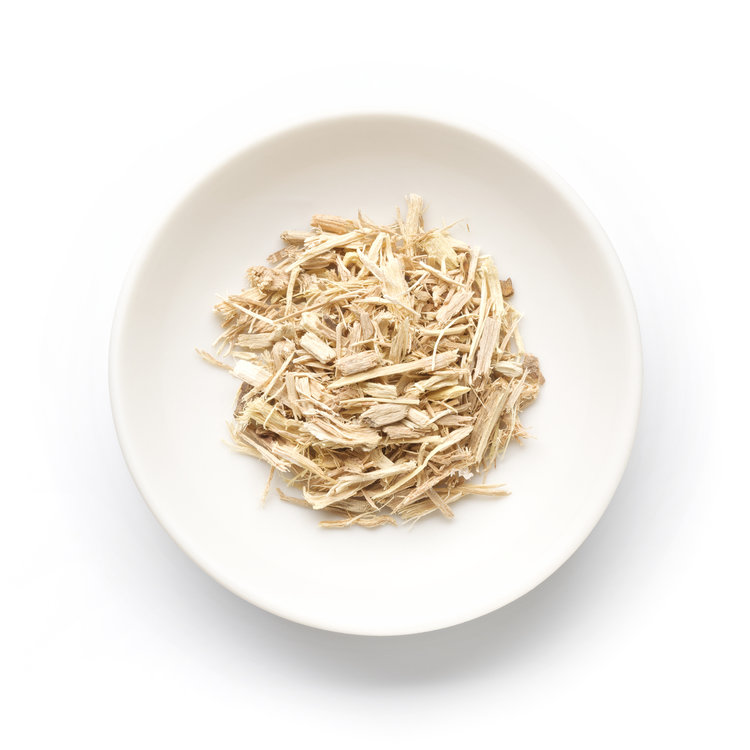 Principal source Eleuthero Root Eleutherococcus senticosus Herb monograph →
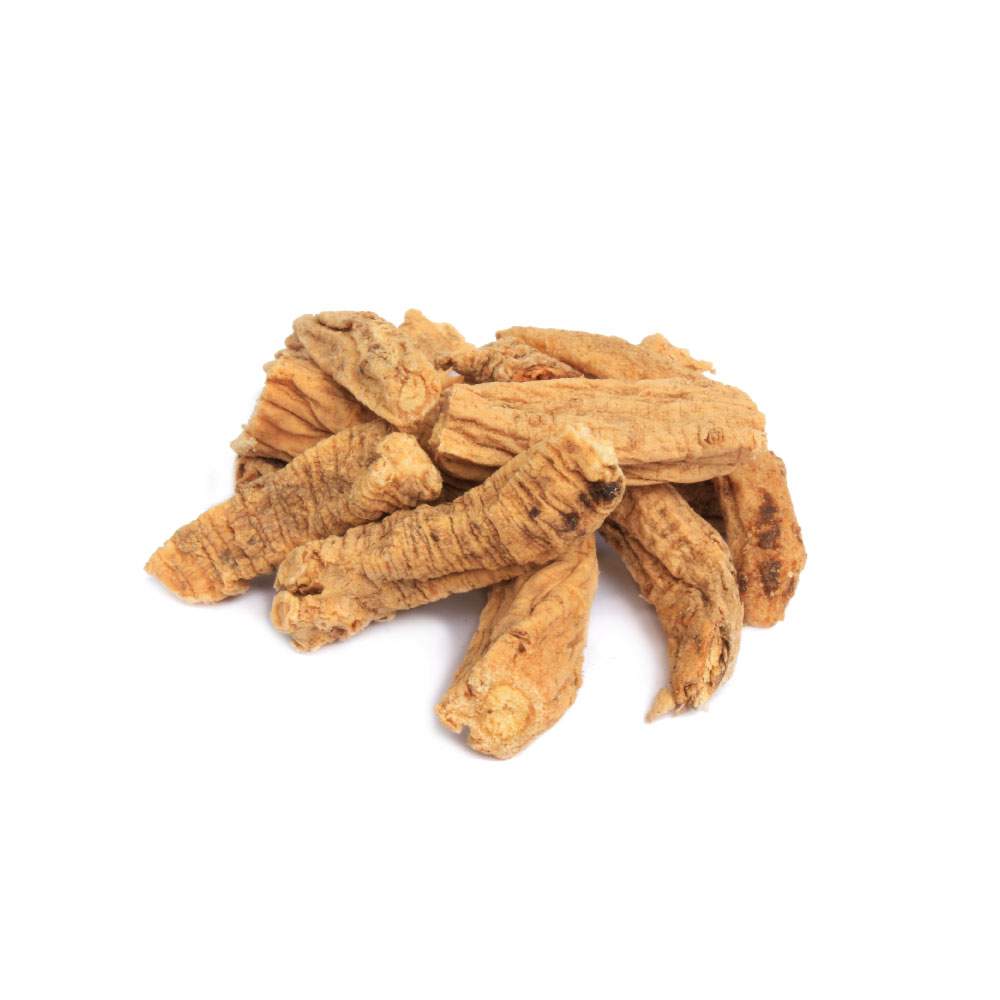 Source Codonopsis Codonopsis pilosula Herb monograph →
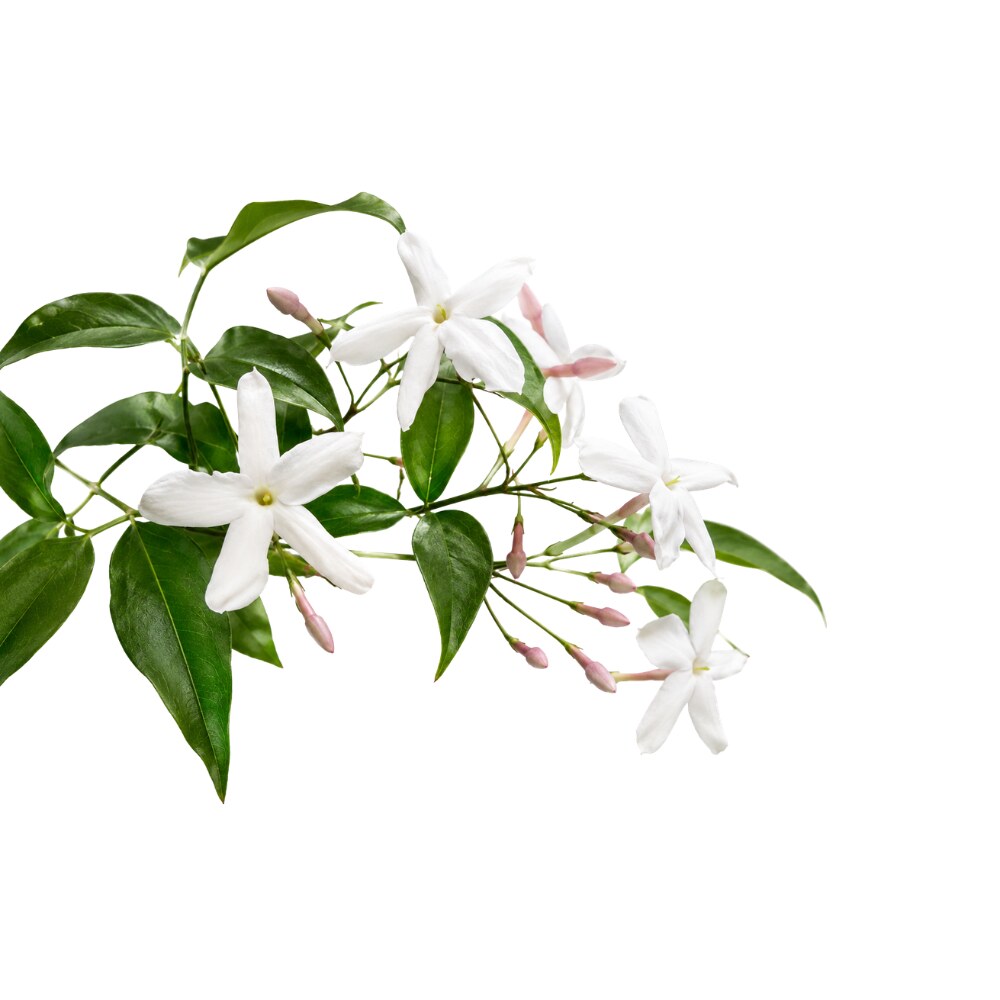 Source Jasmine Jasminum officinale Herb monograph →
Concentration
Content by Source
Reported concentrations across the plants that contain syringin — the bar marks the typical level, the line shows the reported range.
Literature figures for varying plant parts and preparations. Read them as a comparative guide, not exact assays.
Syringin at a Glance
Syringin is a naturally occurring phenylpropanoid glucoside — the monolignol sinapyl alcohol carrying a single glucose on its 4-position phenolic oxygen (hence sinapyl alcohol 4-O-glucoside). It was first known as a constituent of lilac (Syringa), which gave it both of its older names, syringin and lilacin.
Its most consequential identity, though, is under a second name: syringin is eleutheroside B, one of the two marker compounds used to standardise eleuthero (Siberian ginseng, Eleutherococcus senticosus), the classic adaptogen. The same molecule also appears as a trace marker in codonopsis and across other Araliaceae. That marker status is the single biggest source of confusion about it.
Eleuthero’s human reputation — anti-fatigue, stress resistance, immune support — rests on the whole standardised extract, a mixture of eleutherosides, caffeoylquinic acids, polysaccharides and other constituents 10Reference 10Evidence-based efficacy of adaptogens in fatigue, and molecular mechanisms related to their stress-protective activityView study →. Syringin the isolate has never been shown to reproduce that adaptogen effect on its own. What the isolate does have is a coherent, entirely preclinical signature: anti-inflammatory and immunomodulatory NF-κB suppression 1,
Syringin Is Eleutheroside B
The single most useful thing to understand about this molecule is that “syringin” and “eleutheroside B” are two names for one compound. They come from two different naming traditions:
- Syringin (and the older synonym lilacin) is the chemical/botanical name, coined from Syringa, the lilac genus in which the glucoside was first found. Chemically it is sinapyl alcohol 4-O-β-D-glucoside.
- Eleutheroside B is the eleuthero-marker name — part of the “eleutheroside” series (A–M) assigned to the characteristic constituents isolated from Eleutherococcus senticosus root. Eleutheroside B was simply the eleuthero series’ label for syringin.
There is no chemical difference between them: the eleutheroside-B isolated from eleuthero root and the syringin isolated from lilac or magnolia are the identical phenylpropanoid glucoside. This page is the canonical entry for both names — literature published under either “syringin” or “eleutheroside B” describes the same molecule and is pooled here.
One nearby distinction is worth keeping straight, because the sibling names invite it: eleutheroside B (syringin) is not eleutheroside E. Eleutheroside E is syringaresinol diglucoside — a furofuran lignan, a fused dimer of two sinapyl-alcohol units — whereas syringin is the monolignol glucoside. The two are chemical kin (both built from sinapyl alcohol) and are the pharmacopoeial marker pair for eleuthero, but they are different compounds with different skeletons.
A Phenylpropanoid Glucoside
Structurally, syringin sits in the monolignol family. Its aglycone, sinapyl alcohol, is one of the three canonical monolignols — the phenylpropanoid building blocks that polymerise into lignin (sinapyl alcohol supplies the syringyl units). Syringin is that monolignol “parked” as a water-soluble, storable glucoside, which is how plants transport and stockpile monolignols.
Two consequences follow, and they matter for reading the pharmacology:
- It is hydrolysed to sinapyl alcohol. Removing the glucose (by gut β-glucosidases or plant enzymes) yields free sinapyl alcohol, which can be further oxidised to sinapaldehyde and is closely related to sinapic acid (the carboxylic-acid form of the same C₆–C₃ syringyl skeleton) and, more distantly, to caffeic acid. In the one head-to-head isolate study, the aglycone sinapyl alcohol was markedly more potent than syringin itself at anti-inflammatory and analgesic endpoints 1Reference 1Anti-inflammatory and antinociceptive effects of sinapyl alcohol and its glucoside syringinView study → — a hint that some of syringin’s activity may be delivered by what it releases rather than by the intact glucoside.
- Two sinapyl alcohols make syringaresinol. Oxidative coupling of two sinapyl-alcohol units gives the furofuran lignan syringaresinol — i.e. eleutheroside E’s aglycone. Syringin and eleutheroside E are therefore biosynthetic cousins drawn from the same monolignol pool, which is part of why they co-occur as the eleuthero marker pair.
The Eleuthero & Codonopsis Marker
Syringin’s practical importance is as a quality-control marker. In eleuthero, the two pharmacopoeial markers are eleutheroside B (syringin) and eleutheroside E (the syringaresinol diglucoside): the European Pharmacopoeia standardises dried eleuthero root to a minimum of 0.08% for the sum of eleutherosides B and E, and syringin itself runs at roughly 0.01–0.04% of the dried root, varying several-fold with growing region 9Reference 9ReviewEleutherococcus senticosus root: a comprehensive review of its phytochemistry and pharmacological potential in the context of its adaptogenic effectView study →. Syringin is specifically valued as a marker for discriminating eleuthero from adulterant Araliaceae, and it recurs as a trace phenylpropanoid marker in codonopsis root and across Acanthopanax (a synonymy under which much “eleuthero” pharmacology is published) 9Reference 9ReviewEleutherococcus senticosus root: a comprehensive review of its phytochemistry and pharmacological potential in the context of its adaptogenic effectView study →.
Two cautions are the point of this section:
- Marker ≠ active agent. Standardising an extract to eleutheroside B does not make syringin the thing responsible for eleuthero’s effect. The adaptogenic, anti-fatigue and stress-resistance actions are properties of the whole extract; the marker is how you verify you have genuine eleuthero at a known strength 9,
10Reference 9ReviewEleutherococcus senticosus root: a comprehensive review of its phytochemistry and pharmacological potential in the context of its adaptogenic effectView study →Reference 10Evidence-based efficacy of adaptogens in fatigue, and molecular mechanisms related to their stress-protective activityView study → . Reviews of adaptogen mechanism describe HPA-axis regulation and Hsp70 signalling for the herb class without attributing them to syringin as an isolate 10Reference 10Evidence-based efficacy of adaptogens in fatigue, and molecular mechanisms related to their stress-protective activityView study →. - The isolate has its own (still preclinical) data. Separately from its marker role, purified syringin/eleutheroside B has been studied directly — anti-inflammatory, antinociceptive, antihyperglycemic, neuroprotective and anticancer effects, all in cells or animals 1,
2, . Those results belong to the isolated molecule and should not be silently transferred to a cup of eleuthero decoction, nor read as the mechanism of the adaptogen extract.3, 4, 5, 6, 7, 8Reference 1Anti-inflammatory and antinociceptive effects of sinapyl alcohol and its glucoside syringinView study →Reference 2Total syntheses and anti-inflammatory activities of syringin and its natural analoguesView study →Reference 3Syringin protects against colitis by ameliorating inflammationView study →Reference 4Eleutheroside B alleviates LPS-induced depressive-like behaviors by suppressing the TLR4/MyD88/NF-κB signaling pathway in the dentate gyrusView study →Reference 5AnimalIncrease of beta-endorphin secretion by syringin, an active principle of Eleutherococcus senticosus, to produce antihyperglycemic action in type 1-like diabetic ratsView study →Reference 6AnimalHypoglycemic effect of syringin from Eleutherococcus senticosus in streptozotocin-induced diabetic ratsView study →Reference 7In vitroSyringin (sinapyl alcohol 4-O-glucoside) improves the wound healing capacity of fibroblasts and keratinocytes in vitroView study →Reference 8Syringin exerts anti-breast cancer effects through PI3K-AKT and EGFR-RAS-RAF pathwaysView study →
What It's Used For
The isolate literature is preclinical throughout — cell and animal work, with no human trials of the pure compound. It clusters around an anti-inflammatory / immunomodulatory core, with antinociceptive, metabolic and neuro threads attached.
Support is an experimental score — weighted by study type (human > animal > in vitro) and volume. A beta, not a validated metric. Every row here is isolate preclinical (no human data), so scores stay low by design. Each application links to its write-up.
The most developed thread, and it is the isolated molecule. Syringin isolated from Magnolia sieboldii bark inhibited LPS-induced nitric oxide, prostaglandin E₂ and TNF-α production by macrophages and reduced acute inflammatory endpoints in rodents — though its aglycone sinapyl alcohol was consistently the more potent of the pair 1Reference 1Anti-inflammatory and antinociceptive effects of sinapyl alcohol and its glucoside syringinView study →.
A total-synthesis study independently confirmed anti-inflammatory activity for synthetic syringin and its analogues, decoupling the finding from any plant-extract impurity 2Reference 2Total syntheses and anti-inflammatory activities of syringin and its natural analoguesView study →.
The clearest in-vivo result is in gut inflammation: in DSS-induced colitis (and LPS-treated intestinal epithelial cells), syringin cut IL-1β, IL-6 and TNF-α by inactivating NF-κB p65 while activating the antioxidant Nrf2 pathway 3Reference 3Syringin protects against colitis by ameliorating inflammationView study →.
Gap: entirely isolate cell/animal work with no human anti-inflammatory trial, and part of the signal may be carried by the released aglycone rather than the intact glucoside 1,
A mechanistically distinctive isolate finding. In type-1-like (streptozotocin) diabetic rats, bolus syringin dose-dependently lowered plasma glucose within 30 minutes, in parallel with a rise in plasma β-endorphin; it enhanced β-endorphin secretion from the adrenal medulla, and the glucose-lowering was eliminated by bilateral adrenalectomy and by μ-opioid receptor blockade / knockout — i.e. an insulin-independent route through peripheral μ-opioid receptors 5Reference 5AnimalIncrease of beta-endorphin secretion by syringin, an active principle of Eleutherococcus senticosus, to produce antihyperglycemic action in type 1-like diabetic ratsView study →.
A companion study reported improved peripheral glucose utilisation on the same insulin-deficient background 6Reference 6AnimalHypoglycemic effect of syringin from Eleutherococcus senticosus in streptozotocin-induced diabetic ratsView study →.
Gap: two studies from a single research group, in insulin-deficient rats, by injection — not oral dosing, not type-2 models, and no human data; the intravenous route also sidesteps syringin’s poor oral absorption 5,
Reported under the eleutheroside-B name. In mice given lipopolysaccharide to model inflammation-driven depression, eleutheroside B reduced depressive-like behaviour and down-regulated TLR4/MyD88/NF-κB activation specifically in the dentate gyrus of the hippocampus, tying the behavioural effect to suppressed neuroinflammatory signalling 4Reference 4Eleutheroside B alleviates LPS-induced depressive-like behaviors by suppressing the TLR4/MyD88/NF-κB signaling pathway in the dentate gyrusView study →. This extends the same NF-κB-suppressing theme from the periphery into the CNS.
Gap: a single in-vivo rodent model of inflammation-induced (not idiopathic) depression, with the isolate given directly — no human antidepressant evidence 4Reference 4Eleutheroside B alleviates LPS-induced depressive-like behaviors by suppressing the TLR4/MyD88/NF-κB signaling pathway in the dentate gyrusView study →.
Alongside its anti-inflammatory activity, syringin showed analgesic effects in the acetic-acid writhing and hot-plate tests in mice 1Reference 1Anti-inflammatory and antinociceptive effects of sinapyl alcohol and its glucoside syringinView study →. As with the anti-inflammatory endpoints, the hydrolysis product sinapyl alcohol was the more potent analgesic of the two, suggesting the intact glucoside may act partly as a delivery form for the active aglycone 1Reference 1Anti-inflammatory and antinociceptive effects of sinapyl alcohol and its glucoside syringinView study →.
Gap: rodent acute-pain assays only, from a single study, and the isolate is out-performed by its own aglycone — no chronic-pain or human data 1Reference 1Anti-inflammatory and antinociceptive effects of sinapyl alcohol and its glucoside syringinView study →.
A newer, tissue-repair thread on human cells. Syringin (as sinapyl alcohol 4-O-glucoside, from Syringa vulgaris bark) increased the migration and wound-closure capacity of dermal fibroblasts and keratinocytes in vitro: at 100 µM it raised fibroblast TGFβ secretion by ~54% while lowering pro-inflammatory IL-6, and activated Smad2/Smad3 signalling toward collagen production and myofibroblast conversion 7Reference 7In vitroSyringin (sinapyl alcohol 4-O-glucoside) improves the wound healing capacity of fibroblasts and keratinocytes in vitroView study →.
Gap: an in-vitro scratch/migration study on cultured human skin cells — no in-vivo wound model and no clinical data 7Reference 7In vitroSyringin (sinapyl alcohol 4-O-glucoside) improves the wound healing capacity of fibroblasts and keratinocytes in vitroView study →.
The thinnest thread. A combined network-pharmacology and in-vitro study reported that syringin (from Acanthopanax senticosus) inhibited proliferation and migration and promoted apoptosis in MDA-MB-231 and MCF-7 breast-cancer cells, computationally implicating the PI3K-AKT-COX-2 and EGFR-RAS-RAF-MEK-ERK pathways (PIK3CA and HRAS as hub genes) 8Reference 8Syringin exerts anti-breast cancer effects through PI3K-AKT and EGFR-RAS-RAF pathwaysView study →.
Gap: a single study leaning heavily on bioinformatic prediction plus cell-line assays — no animal tumour model, no selectivity data, no human relevance established 8Reference 8Syringin exerts anti-breast cancer effects through PI3K-AKT and EGFR-RAS-RAF pathwaysView study →.
Mechanisms
| Target / pathway | Effect | Relevant to |
|---|---|---|
| NF-κB p65 (nuclear translocation) | suppressed | anti-inflammatory / colitis / neuroinflammation |
| iNOS/NO, COX-2/PGE₂, TNF-α, IL-1β, IL-6 | downregulated | anti-inflammatory / immunomodulatory |
| Nrf2 antioxidant signalling | activated | colitis (redox-inflammatory balance) |
| TLR4 / MyD88 (upstream of NF-κB) | suppressed in dentate gyrus | neuroinflammation / antidepressant |
| Adrenal β-endorphin secretion → peripheral μ-opioid receptors | enhanced → insulin-independent glucose lowering | antihyperglycemic |
| TGFβ / Smad2/Smad3 | activated → fibroblast migration, collagen genes | wound healing |
| PI3K-AKT-COX-2; EGFR-RAS-RAF-MEK-ERK | suppressed (in vitro / predicted) | anticancer (breast lines) |
| β-glucosidase hydrolysis → sinapyl alcohol / sinapaldehyde | releases more-potent aglycone | pharmacokinetics / activity source |
The load-bearing observation is that most of syringin’s effects converge on NF-κB-driven inflammation — in macrophages, gut epithelium and hippocampal microglia alike — a coherent anti-inflammatory rationale, but one demonstrated only in cells and animals and partly attributable to the released aglycone.
Pharmacokinetics
Human pharmacokinetics of syringin are essentially uncharacterised, and the little that is known frames the central caveat: it is a glucoside with poor oral bioavailability. Like other monolignol/phenylpropanoid glucosides it must be deglycosylated by intestinal or microbial β-glucosidases before the lipophilic aglycone (sinapyl alcohol) is efficiently absorbed, so an oral dose is substantially transformed before it acts systemically. This deglycosylation is not a footnote: in direct comparison the aglycone was more pharmacologically potent than the intact glucoside 1Reference 1Anti-inflammatory and antinociceptive effects of sinapyl alcohol and its glucoside syringinView study →, meaning syringin may function partly as a pro-drug delivery form. The rodent antihyperglycemic work that shows the cleanest effect used intravenous dosing 5Reference 5AnimalIncrease of beta-endorphin secretion by syringin, an active principle of Eleutherococcus senticosus, to produce antihyperglycemic action in type 1-like diabetic ratsView study →, which bypasses the absorption problem entirely. No human oral-bioavailability figure, Cmax, half-life or active-metabolite profile has been established for syringin.
Clinical Trials
There are no clinical trials of isolated syringin / eleutheroside B for any indication. The human evidence often invoked alongside it belongs to whole eleuthero extract standardised to the eleutheroside B + E marker pair — a different, multi-component product — not to this molecule 9,
| Completed | Planned | Terminated | Preclinical |
|---|---|---|---|
| None(isolate); whole-eleuthero-extract adaptogen trials are a separate entity | — | — | Anti-inflammatory/immunomodulatory, antihyperglycemic, neuroinflammation, antinociceptive, wound-healing, anticancer |
Last checked: July 2026.
Isolate vs. Plant Studies
This molecule shows the clean split familiar from its marker-pair sibling syringaresinol. The mechanistic work is genuine isolate science — purified or synthetic syringin in defined cell and animal models 1,
Prevalence in Nature
Syringin is a widely distributed but usually minor phenylpropanoid glucoside, stored (like other monolignols) as the water-soluble glucoside rather than the free aglycone. Its signature concentrated form is as eleutheroside B in eleuthero root, where it and eleutheroside E (syringaresinol diglucoside) are the pharmacopoeial marker pair; syringin content runs at roughly 0.01–0.04% of the dried root, several-fold variable with growing region and often published under the synonym Acanthopanax senticosus 9Reference 9ReviewEleutherococcus senticosus root: a comprehensive review of its phytochemistry and pharmacological potential in the context of its adaptogenic effectView study →. It was first characterised from lilac (Syringa) — the origin of the names syringin and lilacin — and also occurs in the stem bark of Magnolia sieboldii 1Reference 1Anti-inflammatory and antinociceptive effects of sinapyl alcohol and its glucoside syringinView study →, in jasmine (Jasminum mesnyi), as a trace marker in codonopsis root, and across numerous other genera. Precise per-source concentrations beyond eleuthero root are largely un-pinned and live in this compound’s gaps tracker.
Discovery & Synthesis
Syringin was first known as a glucoside of lilac (Syringa), from which both of its early names — syringin and lilacin — derive; its aglycone, sinapyl alcohol, is one of the classical monolignols of lignin chemistry. Its second, marker-driven identity came through Eleutherococcus phytochemistry, where the same compound was catalogued as eleutheroside B, one of the eleutheroside series used to standardise eleuthero root 9Reference 9ReviewEleutherococcus senticosus root: a comprehensive review of its phytochemistry and pharmacological potential in the context of its adaptogenic effectView study →. Because it is a simple monolignol glucoside, syringin is readily obtained by extraction/isolation from plant material (eleuthero, lilac, magnolia and others), and this remains the usual research-grade source. A modern total synthesis — glucosylation of a sinapyl-alcohol-type aglycone — has also been reported and used to confirm that the anti-inflammatory activity belongs to the pure synthetic molecule rather than to any plant-extract co-constituent 2Reference 2Total syntheses and anti-inflammatory activities of syringin and its natural analoguesView study →.
Patents: not yet researched.
Toxicity & Safety
Syringin carries a low toxicity flag. It is a widely-consumed dietary phenylpropanoid glucoside present at marker-level (sub-percent) amounts in eleuthero and other foods/herbs, with no isolate cytotoxicity or organ-toxicity signal in the available preclinical work and poor oral bioavailability that further limits systemic exposure. There is no dedicated human safety, repeat-dose or reproductive-toxicity dataset for the isolate, so the caveats below are precautionary rather than established harms.
- Dietary glucoside at marker-level exposure. Human intake is small and indirect — chiefly the eleutheroside B marker within standardised eleuthero — with no isolate toxicity signal reported.
- Poor oral bioavailability limits systemic dose. As a glucoside it is largely deglycosylated in the gut, so intact-syringin exposure from an oral dose is low.
- Immunomodulatory / immunostimulant theory. Syringin suppresses NF-κB inflammatory signalling in several models 1,
3, ; the parent herb eleuthero carries a class caution around immunostimulation and autoimmune/immunosuppressant contexts — a theoretical, unstudied consideration for the isolate.4Reference 1Anti-inflammatory and antinociceptive effects of sinapyl alcohol and its glucoside syringinView study →Reference 3Syringin protects against colitis by ameliorating inflammationView study →Reference 4Eleutheroside B alleviates LPS-induced depressive-like behaviors by suppressing the TLR4/MyD88/NF-κB signaling pathway in the dentate gyrusView study → - No human safety, PK or interaction data for the isolate. CYP/transporter interactions are uncharacterised; absence of evidence is not evidence of safety.
Pregnancy and lactation decisions belong to the eleuthero herb page and any supplement page — where intake is actually decided — not to this molecule page. No isolate-specific reproductive dataset exists for syringin, and no verdict is issued here.
Dosage
There is no established human dose for isolated syringin / eleutheroside B, and nothing here is a recommendation — the figures are the preclinical research doses behind the sections above:
| Application | Model | Exposure studied |
|---|---|---|
| Anti-inflammatory / colitis | Macrophages; DSS mice / LPS epithelial cells | µM in vitro; in-vivo anti-colitis dosing 1, |
| Antihyperglycemic | Streptozotocin diabetic rats | intravenous bolus, dose-dependent 5, |
| Neuroinflammation / antidepressant | LPS mice | in-vivo dosing 4Reference 4Eleutheroside B alleviates LPS-induced depressive-like behaviors by suppressing the TLR4/MyD88/NF-κB signaling pathway in the dentate gyrusView study → |
| Wound healing | Human fibroblasts / keratinocytes | up to 100 µM in vitro 7Reference 7In vitroSyringin (sinapyl alcohol 4-O-glucoside) improves the wound healing capacity of fibroblasts and keratinocytes in vitroView study → |
| Anticancer | Breast-cancer cell lines | µM in vitro 8Reference 8Syringin exerts anti-breast cancer effects through PI3K-AKT and EGFR-RAS-RAF pathwaysView study → |
Human exposure in practice is indirect and small — as the eleutheroside B marker within eleuthero preparations standardised to the eleutheroside B + E pair (European Pharmacopoeia: ≥0.08% B+E in dried root), not as the free isolate 9Reference 9ReviewEleutherococcus senticosus root: a comprehensive review of its phytochemistry and pharmacological potential in the context of its adaptogenic effectView study →. These are doses studied in research and are not a personal recommendation.
References
- Choi J, Shin KM, Park HJ, et al. (2004). Anti-inflammatory and antinociceptive effects of sinapyl alcohol and its glucoside syringin. Planta Medica. https://pubmed.ncbi.nlm.nih.gov/15549657/
- Dong H, Wu M, Wang Y, Du W, He Y, Shi Z (2021). Total syntheses and anti-inflammatory activities of syringin and its natural analogues. Journal of Natural Products. https://pubmed.ncbi.nlm.nih.gov/34658231/
- Zhang H, Gu H, Jia Q, et al. (2020). Syringin protects against colitis by ameliorating inflammation. Archives of Biochemistry and Biophysics. https://pubmed.ncbi.nlm.nih.gov/31899146/
- Wu S, Jiang Y, Zhai C, et al. (2026). Eleutheroside B alleviates LPS-induced depressive-like behaviors by suppressing the TLR4/MyD88/NF-κB signaling pathway in the dentate gyrus. International Immunopharmacology. https://pubmed.ncbi.nlm.nih.gov/42044574/
- Niu HS, Hsu FL, Liu IM, Cheng JT (2007). Increase of beta-endorphin secretion by syringin, an active principle of Eleutherococcus senticosus, to produce antihyperglycemic action in type 1-like diabetic rats. Hormone and Metabolic Research. https://pubmed.ncbi.nlm.nih.gov/18075969/
- Niu HS, Liu IM, Cheng JT, Lin CL, Hsu FL (2008). Hypoglycemic effect of syringin from Eleutherococcus senticosus in streptozotocin-induced diabetic rats. Planta Medica. https://pubmed.ncbi.nlm.nih.gov/18203055/
- Parzonko A, Filipek A, Równicki M, Kiss AK (2025). Syringin (sinapyl alcohol 4-O-glucoside) improves the wound healing capacity of fibroblasts and keratinocytes in vitro. International Journal of Molecular Sciences. https://pubmed.ncbi.nlm.nih.gov/40869145/
- Wang F, Yuan C, Liu B, Yang YF, Wu HZ (2022). Syringin exerts anti-breast cancer effects through PI3K-AKT and EGFR-RAS-RAF pathways. Journal of Translational Medicine. https://pubmed.ncbi.nlm.nih.gov/35794555/
- Patyra A, Kołtun-Jasion M, Kupniewska K, Parzonko A, Kiss AK (2025). Eleutherococcus senticosus root: a comprehensive review of its phytochemistry and pharmacological potential in the context of its adaptogenic effect. Frontiers in Pharmacology. https://pubmed.ncbi.nlm.nih.gov/41235111/
- Panossian A, Wikman G (2009). Evidence-based efficacy of adaptogens in fatigue, and molecular mechanisms related to their stress-protective activity. Current Clinical Pharmacology. https://pubmed.ncbi.nlm.nih.gov/19500070/



