
Compound Monograph
Theophylline
Theophylline (1,3-dimethylxanthine) is the third methylxanthine — and the only one that is an established prescription drug: a narrow-therapeutic-index bronchodilator for asthma and COPD. In guarana, yerba maté and tea it is only a minor, variable constituent, so its clinical record belongs to the pharmaceutical, not the plant.

Sources · 4
Where Does It Come From?
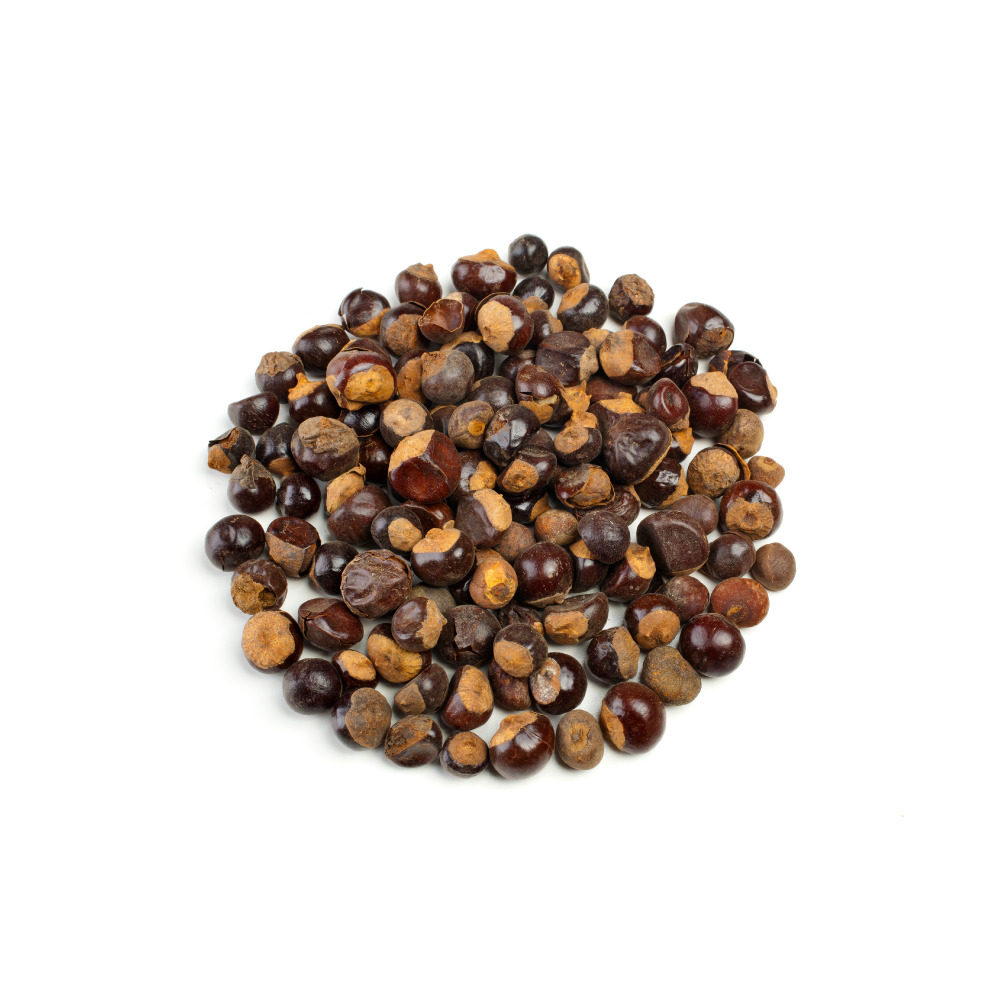
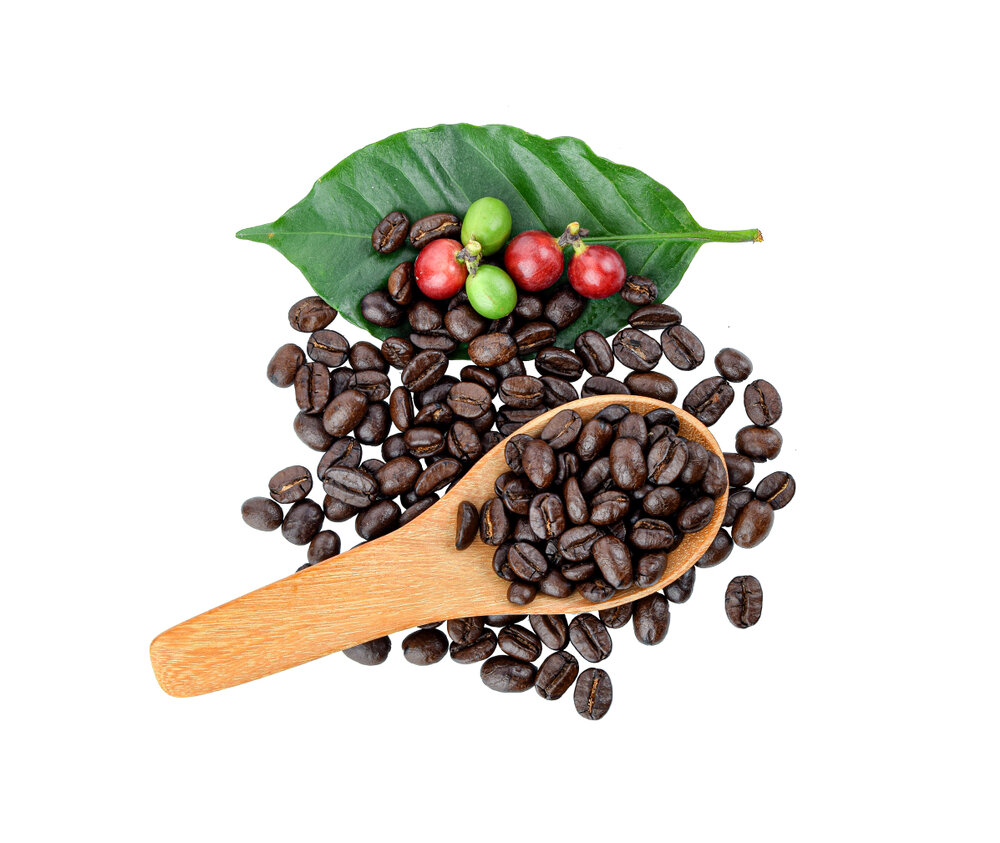
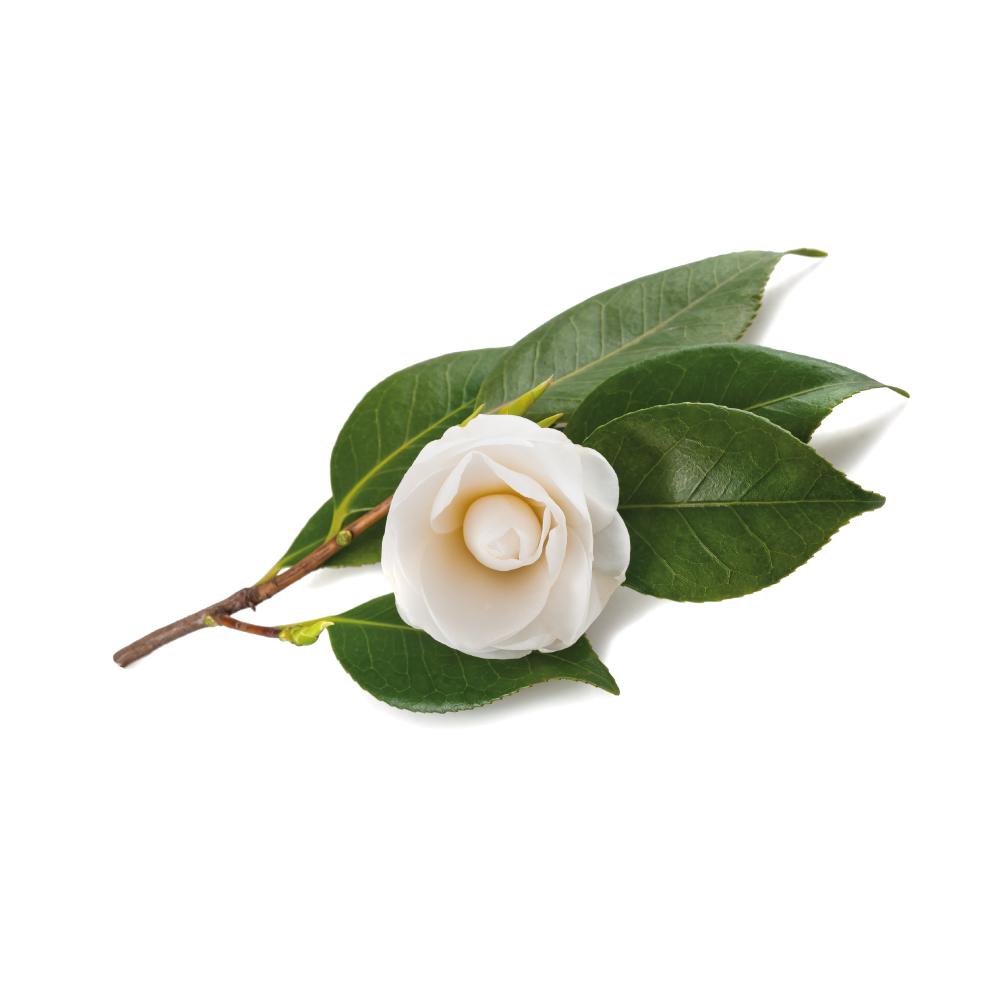
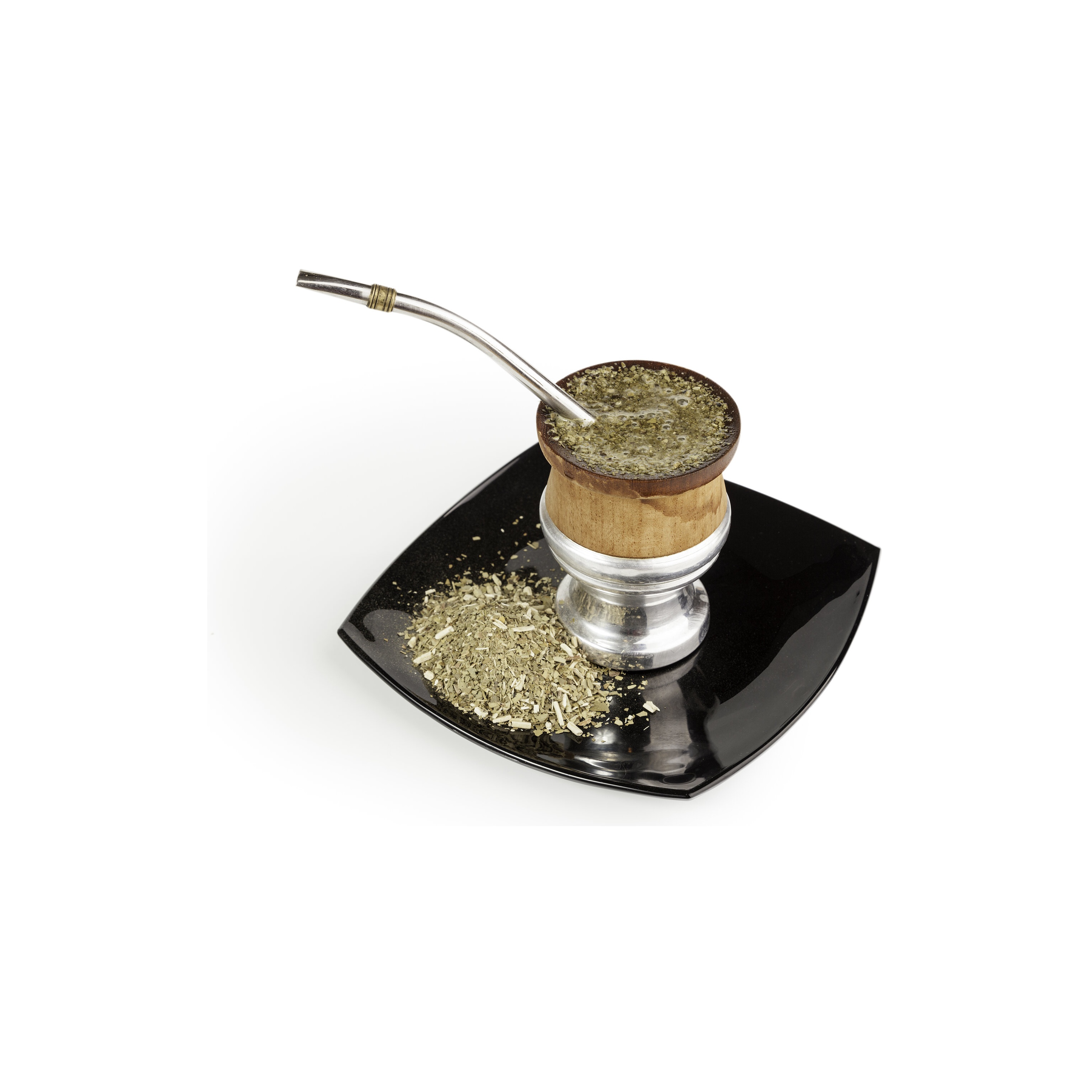
Theophylline is a naturally occurring (and made in the body) methylxanthine alkaloid (purine alkaloid), found in Guarana, Yerba maté, Tea and 1 other source. It is flagged as moderately toxic.
Concentration
Content by Source
Reported concentrations across the plants that contain theophylline — the bar marks the typical level, the line shows the reported range.
Literature figures for varying plant parts and preparations. Read them as a comparative guide, not exact assays.
Theophylline at a Glance
Theophylline is 1,3-dimethylxanthine — the third of the three dietary methylxanthines, alongside caffeine (1,3,7-trimethylxanthine) and theobromine (3,7-dimethylxanthine). In the plants of this database it is the least abundant of the trio: a trace-to-minor xanthine of tea, yerba maté and guarana, and a minor (~4%) metabolite of caffeine in the human body 11Reference 11ReviewMethylxanthines — caffeine metabolism to theophylline and theobromine (Coffee, Mate and Very Hot Beverages monograph). https://www.ncbi.nlm.nih.gov/books/NBK507032/View study →.
What sets it apart is not its botany but its pharmacy. Alone among the three, theophylline is a real, established prescription drug — an oral and intravenous bronchodilator for asthma and COPD used for the better part of a century 1Reference 1TheophyllineView study →. It shares the family mechanism (adenosine-receptor antagonism plus phosphodiesterase inhibition) but adds a distinctive anti-inflammatory action through histone-deacetylase-2 (HDAC2) activation that the other two lack 2,
The honest framing runs the same way as its methylxanthine siblings, but harder: theophylline’s clinical record is the record of the isolated pharmaceutical, dosed to a monitored blood level and hemmed in by a narrow therapeutic index — not the record of drinking maté or guarana, where the amount present is negligible. It is, in effect, a drug that happens to occur in trace amounts in stimulant plants, rather than a plant constituent that happens to be a drug.
Theophylline vs. Caffeine & Theobromine
The three dietary methylxanthines are one or two methyl groups apart and share a core mechanism, but theophylline is the outlier of the set — the one that became a monitored prescription medicine.
They share the family mechanism. All three antagonise adenosine A1/A2A receptors and inhibit phosphodiesterase (raising intracellular cAMP), the paired action behind methylxanthine stimulation, bronchodilation and cardiac/vascular effects 6Reference 6TheophyllineView study →. Structurally, caffeine carries three methyl groups, theobromine and theophylline two each (differing only in which two). Because caffeine is demethylated in the liver, a slice of dietary caffeine is converted to theophylline — roughly 4% — so everyday coffee and tea generate a little endogenous theophylline 11Reference 11ReviewMethylxanthines — caffeine metabolism to theophylline and theobromine (Coffee, Mate and Very Hot Beverages monograph). https://www.ncbi.nlm.nih.gov/books/NBK507032/View study →.
Theophylline adds a mechanism the others don’t. At the low concentrations used clinically it activates HDAC2, restoring the histone-deacetylase activity that switches off inflammatory genes and re-sensitises cells to corticosteroids — an anti-inflammatory route first shown in airway cells and macrophages 2,
And it is far narrower in its safety margin. Caffeine and theobromine are food constituents with wide tolerances; theophylline is a drug with a narrow therapeutic index whose bronchodilator dose sits uncomfortably close to the concentration that causes seizures and arrhythmias 5Reference 5Theophylline ToxicityView study →. That single fact — covered next — is the defining feature of the molecule.
A Narrow-Therapeutic-Index Drug
Theophylline’s defining clinical property is its narrow therapeutic index: the gap between an effective dose and a toxic one is small, so it is one of the few oral drugs routinely managed by therapeutic drug monitoring (measuring the serum level rather than trusting the dose) 5,
The bronchodilator target is a serum concentration of roughly 10–20 mg/L, and modern practice increasingly aims lower (about 5–15 mg/L) because adverse effects appear even inside the historical “therapeutic” window 5Reference 5Theophylline ToxicityView study →. Toxicity climbs steeply above it: nausea, tremor and tachycardia in the low-to-mid 20s mg/L; serious toxicity above ~30 mg/L in chronic exposure; and seizures, life-threatening arrhythmias and death at very high acute levels (~80–100 mg/L) 5Reference 5Theophylline ToxicityView study →. The convulsions and dysrhythmias reflect the same adenosine-antagonist mechanism taken to excess — theophylline seizures are notoriously refractory and carry real mortality 5Reference 5Theophylline ToxicityView study →.
Two features make that margin easy to breach. First, theophylline is cleared almost entirely by hepatic CYP1A2, and its half-life swings widely with physiology — roughly 8 hours in a healthy non-smoking adult, ~4 hours in children, and shorter still in smokers (tobacco smoke induces CYP1A2), but markedly longer in the elderly, in heart failure and in liver disease 6Reference 6TheophyllineView study →. Second, because CYP1A2 is the bottleneck, drug interactions can push a stable patient into toxicity: ciprofloxacin (a CYP1A2 inhibitor) reduces theophylline clearance and raises its level 7Reference 7The effect of ciprofloxacin on theophylline pharmacokinetics in healthy subjectsView study →, and fluvoxamine — a potent CYP1A2 inhibitor — is dramatic, cutting theophylline clearance from ~80 to ~24 mL/min and stretching its half-life from ~6.6 to ~22 hours in study data 10Reference 10Griseofulvin and fluvoxamine interactions with the metabolism of theophyllineView study →. Co-prescribing either demands a theophylline dose reduction and level checks 7,
This is precisely why the plant framing matters. The doses that produce these effects are pharmaceutical doses of the pure isolate; the theophylline in a cup of maté or tea is orders of magnitude below the therapeutic range, let alone the toxic one.
Established Medical Uses
Theophylline’s genuine, non-hypothetical role is as an anti-asthma / anti-COPD drug. It was introduced as a bronchodilator and, for decades, was a mainstay of airway therapy; its use has since declined as inhaled β2-agonists and corticosteroids — safer and easier to titrate — became first-line 1Reference 1TheophyllineView study →. It remains a second- or third-line add-on, valued partly because oral dosing and low cost keep it available where inhalers are not 1Reference 1TheophyllineView study →.
Its documented and historical uses include:
- Asthma — oral maintenance bronchodilator and controller (add-on) 1Reference 1TheophyllineView study →
- COPD — bronchodilator and, at low doses, a proposed corticosteroid-sensitiser 1,
3Reference 1TheophyllineView study →Reference 3Theophylline restores histone deacetylase activity and steroid responses in COPD macrophagesView study → - Neonatal apnoea of prematurity — a respiratory stimulant role, now largely ceded to caffeine citrate 6Reference 6TheophyllineView study →
- Diuretic — its first clinical application, in 1902, long since superseded 6Reference 6TheophyllineView study →
The through-line is that all of this is the isolated compound as a manufactured medicine, given at controlled doses with monitoring — not an effect of the plants it occurs in.
What It's Used For
Theophylline inverts the usual compound-page problem: its human evidence is abundant and high-tier, because it is a licensed drug with randomised trials — but that evidence belongs to the pure pharmaceutical, not to guarana, maté or tea.
Support is an experimental score — weighted by study type (human > animal > in vitro) and volume. A beta, not a validated metric. Theophylline scores unusually high because the evidence is a licensed drug’s trial record — but that record is for the pure isolate, not for the plants.
The marquee use, and a genuine one: theophylline relaxes airway smooth muscle, and for much of the twentieth century was a core oral bronchodilator for asthma and COPD 1Reference 1TheophyllineView study →.
The bronchodilator mechanism is phosphodiesterase (PDE3) inhibition raising cAMP in airway smooth muscle, with a contribution from adenosine-receptor antagonism 1,
It is the isolated drug, at monitored serum levels, that carries this evidence — not any plant.
Gap: the relatively high doses needed for bronchodilation sit close to the toxic range, so theophylline has been displaced to second/third line by inhaled β2-agonists and corticosteroids; its role now is an add-on, not a first choice 1,
Theophylline’s mechanistically most interesting property, and the one unique to it in the methylxanthine family. At low, sub-bronchodilator concentrations it activates histone deacetylase-2 (HDAC2), decreasing inflammatory-gene transcription and — importantly — restoring corticosteroid sensitivity in cells where oxidative stress had blunted it, shown both in airway epithelial cells 2Reference 2A molecular mechanism of action of theophylline: induction of histone deacetylase activity to decrease inflammatory gene expressionView study → and in alveolar macrophages from COPD patients 3Reference 3Theophylline restores histone deacetylase activity and steroid responses in COPD macrophagesView study →.
This raised hopes for low-dose theophylline as a steroid-sensitiser in COPD and severe asthma 6Reference 6TheophyllineView study →.
Gap: the clinical pay-off did not materialise — the large randomised TWICS trial found low-dose theophylline added to inhaled corticosteroids produced no reduction in COPD exacerbations 4Reference 4RCTEffect of theophylline as adjunct to inhaled corticosteroids on exacerbations in patients with COPD: a randomized clinical trial (TWICS)View study →. The mechanism is real; the outcome benefit, on current evidence, is not.
As a central respiratory stimulant and diaphragm-strengthening agent, theophylline was used for apnoea of prematurity and, far earlier, as a diuretic (its first clinical use, 1902) 6Reference 6TheophyllineView study →. Both roles are now largely historical: caffeine citrate has replaced theophylline for neonatal apnoea (wider safety margin, easier monitoring), and modern diuretics superseded it long ago 6Reference 6TheophyllineView study →.
Gap: these uses are of historical/mechanistic interest rather than current practice; where a methylxanthine is still wanted for neonatal apnoea, caffeine — not theophylline — is the standard 6Reference 6TheophyllineView study →.
Mechanisms
| Target / pathway | Effect | Relevant to |
|---|---|---|
| Phosphodiesterase (PDE3) inhibition | ↑ cAMP in airway smooth muscle → bronchodilation | bronchodilation |
| Phosphodiesterase (PDE4) inhibition | ↓ inflammatory-cell activity (anti-inflammatory) | anti-inflammatory |
| Adenosine A1 / A2 / A3 receptor antagonism | blocks adenosine’s inhibitory tone → bronchial, cardiac and CNS stimulation; at high levels drives arrhythmia and seizures | bronchodilation / toxicity |
| Histone deacetylase-2 (HDAC2) activation | ↓ inflammatory-gene transcription; restores corticosteroid responsiveness | anti-inflammatory / steroid sensitisation (unique to theophylline) |
| NF-κB inhibition; ↑ IL-10; inflammatory-cell apoptosis | additional anti-inflammatory contributions | anti-inflammatory |
| Intracellular Ca²⁺ handling (striated muscle) | ↑ diaphragmatic contractility (shared methylxanthine effect) | respiratory-muscle / stimulant |
The load-bearing point is that theophylline shares the adenosine-antagonist / PDE-inhibitor pair with caffeine and theobromine, but adds HDAC2 activation — the mechanism behind its anti-inflammatory, steroid-sensitising ambitions 2,
Pharmacokinetics
Theophylline is well absorbed orally and cleared almost entirely by hepatic metabolism via CYP1A2 (with a minor CYP2E1/CYP3A4 contribution), so its kinetics are the clinically dominant story 6Reference 6TheophyllineView study →. Its half-life is highly variable: about 8 hours in a healthy non-smoking adult, roughly 4 hours in children, and shorter in smokers (tobacco smoke induces CYP1A2), but substantially prolonged in the elderly, in heart failure, in liver disease and by CYP1A2-inhibiting drugs 6Reference 6TheophyllineView study →. Because CYP1A2 is the single bottleneck, inhibitors have outsized effects — ciprofloxacin measurably lowers clearance 7Reference 7The effect of ciprofloxacin on theophylline pharmacokinetics in healthy subjectsView study → and fluvoxamine roughly triples the half-life (clearance ~80 → ~24 mL/min) 10Reference 10Griseofulvin and fluvoxamine interactions with the metabolism of theophyllineView study → — which, against a narrow therapeutic window, is why interactions so readily precipitate toxicity. Theophylline is also an endogenous minor metabolite of caffeine (~4% of a caffeine dose is demethylated to it), so dietary caffeine adds a small amount to any measured theophylline 11Reference 11ReviewMethylxanthines — caffeine metabolism to theophylline and theobromine (Coffee, Mate and Very Hot Beverages monograph). https://www.ncbi.nlm.nih.gov/books/NBK507032/View study →.
Clinical Trials
Unlike most compounds here, theophylline has a licensed-drug trial history: decades of controlled bronchodilator use in asthma and COPD 1Reference 1TheophyllineView study →, and modern randomised evidence for the low-dose steroid-sensitiser hypothesis — most importantly the negative TWICS trial (1,578 COPD patients, no reduction in exacerbations) 4Reference 4RCTEffect of theophylline as adjunct to inhaled corticosteroids on exacerbations in patients with COPD: a randomized clinical trial (TWICS)View study →. There is no need for isolate-vs-plant caution here in the usual direction: the entire evidence base is the isolate.
| Completed | Planned | Terminated | Preclinical |
|---|---|---|---|
| Established bronchodilator use (asthma/COPD) 1Reference 1TheophyllineView study →; TWICS low-dose COPD RCT — negative 4Reference 4RCTEffect of theophylline as adjunct to inhaled corticosteroids on exacerbations in patients with COPD: a randomized clinical trial (TWICS)View study → | — | Diuretic and neonatal-apnoea roles superseded (by modern diuretics; by caffeine) 6Reference 6TheophyllineView study → | HDAC2 / steroid-sensitisation mechanism work 2, |
Last checked: July 2026.
Isolate vs. Plant Studies
Theophylline is the clearest “isolate is the evidence” case here — but with a twist the reader must hold onto. Every clinical finding above is the pure pharmaceutical: oral or intravenous theophylline, dosed to a monitored serum concentration, in asthma and COPD patients 1,
Prevalence in Nature
Theophylline is the least abundant of the three dietary methylxanthines wherever they co-occur. In tea (Camellia sinensis) — the plant Kossel first isolated it from — it is present only in small amounts relative to caffeine. In yerba maté (Ilex paraguariensis) it occurs in trace amounts alongside the dominant caffeine and secondary theobromine 9Reference 9Yerba Mate—A Long but Current HistoryView study →. Guarana (Paullinia cupana) seed is the most variable source: analyses report theophylline across a wide ~0.15–4.60% of extract, though this varies strongly with genotype and processing and it remains a minor xanthine beside guarana’s very high caffeine 8Reference 8Guarana: revisiting a highly caffeinated plant from the AmazonView study →. It also turns up in kola nut and other caffeine-bearing species, always as the trailing member of the trio.
Beyond plants, theophylline is a normal endogenous compound in humans: because caffeine is demethylated in the liver, roughly 4% of any caffeine dose becomes theophylline, so anyone who drinks coffee or tea carries a little of it regardless of its plant content 11Reference 11ReviewMethylxanthines — caffeine metabolism to theophylline and theobromine (Coffee, Mate and Very Hot Beverages monograph). https://www.ncbi.nlm.nih.gov/books/NBK507032/View study →. Biosynthetically it sits on a minor branch of the caffeine pathway rather than being a major accumulated end-product, which is why — unlike theobromine in cacao — no common plant stores it as its dominant xanthine.
Discovery & Synthesis
Theophylline was first isolated from tea leaves in 1888 by the German physiologist Albrecht Kossel — the source of its name (Greek thé, tea + phyllon, leaf: “tea leaf”) 1Reference 1TheophyllineView study →. A chemical synthesis followed quickly: Emil Fischer and Lorenz Ach described a route in the 1890s, and in 1900 Wilhelm Traube introduced the versatile “Traube purine synthesis,” the flexible xanthine route still associated with his name. Theophylline then entered medicine as a diuretic in 1902, roughly two decades before its bronchodilator use in asthma was described 1,
Today theophylline is a manufactured pharmaceutical, produced by total synthesis (the Traube-type purine chemistry), not extracted from plants — the plant levels are far too low and variable to be a practical source. The commercial molecule is therefore a made compound, even though the same molecule occurs naturally in tea and endogenously in caffeine-drinkers.
Patents: not yet researched.
Toxicity & Safety
Theophylline carries a moderate flag — deliberately higher than its food-constituent siblings caffeine and theobromine. The reason is not the trace amount in plants (that is negligible) but the isolated compound’s genuine, dose-dependent toxicity: as a drug it has a narrow therapeutic index, and overdose causes seizures, arrhythmias and death 5Reference 5Theophylline ToxicityView study →. The flag reflects the molecule’s real pharmacological hazard, not a risk from drinking maté or tea.
- Negligible exposure from the plants. The theophylline in tea, yerba maté and guarana is a trace-to-minor constituent, far below any pharmacological dose.
- Narrow therapeutic index (the isolated drug). The effective serum range (~10–20 mg/L, increasingly targeted at 5–15) sits close to toxicity; serious effects above ~30 mg/L, and seizures/arrhythmias at very high acute levels.
- CYP1A2 drug interactions. Inhibitors such as ciprofloxacin and (potently) fluvoxamine raise theophylline levels and can precipitate toxicity; smoking, age and liver/heart disease all shift clearance.
- Cardiac and CNS caution. It stimulates the heart and CNS via adenosine antagonism; use care in arrhythmia, seizure disorder, and in anyone combining it with other xanthines or stimulants.
Full Safety & Interactions Detail
The narrow therapeutic index. As a prescription bronchodilator, theophylline is managed by therapeutic drug monitoring because its effective and toxic concentrations are close. Adverse effects (nausea, vomiting, tremor, tachycardia, insomnia) appear even within or just above the target range; serious toxicity occurs principally above ~30 mg/L in chronic exposure, and seizures, life-threatening cardiac dysrhythmias and death at very high acute concentrations (~80–100 mg/L). Theophylline-induced seizures are characteristically refractory and carry significant mortality 5Reference 5Theophylline ToxicityView study →.
Metabolism and interactions. Clearance is via CYP1A2, so anything that changes CYP1A2 changes theophylline exposure. CYP1A2 inhibitors raise levels — ciprofloxacin reduces clearance 7Reference 7The effect of ciprofloxacin on theophylline pharmacokinetics in healthy subjectsView study →, and fluvoxamine is a potent inhibitor that roughly tripled theophylline’s half-life (clearance ~80 → ~24 mL/min) in study data 10Reference 10Griseofulvin and fluvoxamine interactions with the metabolism of theophyllineView study → — while smoking induces CYP1A2 and lowers levels, so a patient who quits smoking can drift into toxicity on an unchanged dose 6Reference 6TheophyllineView study →. Age, heart failure and liver disease all prolong the half-life 6Reference 6TheophyllineView study →. Concomitant caffeine or other xanthines add to the stimulant load.
Reproductive note (prose only). No dedicated reproductive-toxicity dataset for the plant-constituent exposure is characterised here; theophylline as a drug is used in pregnancy only under specialist supervision with level monitoring. Pregnancy/lactation decisions belong to the herb or product page where intake is decided, not to this molecule page. No comprehensive isolate genotoxicity/repeat-dose package is summarised here beyond the clinical toxicology above.
Dosage
There is no consumer dose for isolated theophylline; the figures below describe the clinical drug regimen, not a recommendation, and dietary/plant exposure never approaches them.
| Application | Form | Dose / target (studied) | Source |
|---|---|---|---|
| Asthma / COPD bronchodilation | Oral (drug) | Titrated to serum ~10–20 mg/L (increasingly 5–15 mg/L); commonly ~300–600 mg/day | 1, |
| Low-dose COPD (steroid-sensitiser) | Oral (drug) | 200 mg once/twice daily → plasma ~1–5 mg/L | 4Reference 4RCTEffect of theophylline as adjunct to inhaled corticosteroids on exacerbations in patients with COPD: a randomized clinical trial (TWICS)View study → |
Everyday human exposure to theophylline is not from taking the isolate — it is the trace amount in tea, yerba maté and guarana 8,
References
- Barnes PJ (2013). Theophylline. American Journal of Respiratory and Critical Care Medicine. https://pubmed.ncbi.nlm.nih.gov/23672674/
- Ito K, et al. (2002). A molecular mechanism of action of theophylline: induction of histone deacetylase activity to decrease inflammatory gene expression. Proceedings of the National Academy of Sciences USA. https://pubmed.ncbi.nlm.nih.gov/12070353/
- Cosio BG, et al. (2004). Theophylline restores histone deacetylase activity and steroid responses in COPD macrophages. Journal of Experimental Medicine. https://pubmed.ncbi.nlm.nih.gov/15337792/
- Devereux G, et al. (2018). Effect of theophylline as adjunct to inhaled corticosteroids on exacerbations in patients with COPD: a randomized clinical trial (TWICS). JAMA. https://pubmed.ncbi.nlm.nih.gov/30326124/
- Ramnarine M, Malik UK, Lee VR (2024). Theophylline Toxicity. StatPearls. https://www.ncbi.nlm.nih.gov/books/NBK532962/
- Jilani TN, Preuss CV, Sharma S (2023). Theophylline. StatPearls. https://www.ncbi.nlm.nih.gov/books/NBK519024/
- Batty KT, et al. (1995). The effect of ciprofloxacin on theophylline pharmacokinetics in healthy subjects. British Journal of Clinical Pharmacology. https://pubmed.ncbi.nlm.nih.gov/7619673/
- Schimpl FC, da Silva JF, de Carvalho Gonçalves JF, Mazzafera P (2013). Guarana: revisiting a highly caffeinated plant from the Amazon. Journal of Ethnopharmacology. https://pubmed.ncbi.nlm.nih.gov/23981847/
- Gawron-Gzella A, Chanaj-Kaczmarek J, Cielecka-Piontek J (2021). Yerba Mate—A Long but Current History. Nutrients. https://pubmed.ncbi.nlm.nih.gov/34835962/
- Rasmussen BB, et al. (1997). Griseofulvin and fluvoxamine interactions with the metabolism of theophylline. Therapeutic Drug Monitoring. https://pubmed.ncbi.nlm.nih.gov/9029748/
- IARC / NCBI Bookshelf (2018). Methylxanthines — caffeine metabolism to theophylline and theobromine (Coffee, Mate and Very Hot Beverages monograph). https://www.ncbi.nlm.nih.gov/books/NBK507032/



