
Subclass of Alkaloids
Purine Alkaloids (Xanthines)
Caffeine and its methylxanthine relatives — central-nervous stimulants that block adenosine.
Overview
About Purine Alkaloids (Xanthines)
Purine alkaloids are methylated xanthines — the purine ring system of DNA and ATP, decorated with one to three methyl groups. Caffeine, theobromine and theophylline differ only in how many methyls they carry and where, and that small difference sets their entire character.
This is comfortably the most consumed pharmacologically active plant compound class on earth. Most of the world takes a dose of it before doing anything else in the morning.
The Three Xanthines
One skeleton, three familiar molecules, three different profiles:
- Caffeine (1,3,7-trimethylxanthine)
- coffee, tea, guarana, yerba maté, kola, cacao
- Theobromine (3,7-dimethylxanthine)
- cacao above all; mild, long-acting, barely stimulant
- Theophylline (1,3-dimethylxanthine)
- trace in tea; a potent bronchodilator as a drug
They interconvert in the body: caffeine is demethylated by CYP1A2 into paraxanthine, theobromine and theophylline, so a cup of coffee delivers all three by proxy.
How They Work
The mechanism at ordinary doses is elegantly simple: xanthines resemble adenosine closely enough to occupy its receptors without activating them. Adenosine accumulates through the waking day and promotes sleepiness; blocking its receptors does not add energy so much as silence the signal that you are tired.
That distinction matters, because the adenosine keeps accumulating. When the caffeine clears, the backlog arrives at once — the familiar afternoon crash. At much higher concentrations xanthines also inhibit phosphodiesterase and mobilize intracellular calcium, which is where theophylline's bronchodilation comes from, but those doses are near the toxic range for caffeine.
Pharmacological Importance
Caffeine is one of the best-evidenced ergogenic aids in sport science, with consistent effects on endurance, perceived exertion and reaction time. It is a standard adjunct in analgesic formulations, is used clinically for neonatal apnoea of prematurity, and reliably improves alertness and vigilance — though its effect on higher cognition in the non-deprived is much smaller than folklore suggests.
Theophylline remains a genuine asthma and COPD drug with a narrow therapeutic index. Theobromine is the reason chocolate feels mildly lifting rather than sharply stimulating, and is under investigation as a cough suppressant.
Toxicity & Safety
Around 400 mg of caffeine a day is well tolerated by most adults, with lower limits in pregnancy (commonly 200 mg) and for anyone prone to anxiety, arrhythmia or insomnia. Genuine caffeine toxicity is real and has caused deaths — almost always from concentrated anhydrous powders and high-dose energy products, where a kitchen-scale measuring error can be fatal, rather than from brewed drinks.
Two practical points get overlooked. Caffeine's half-life is roughly five hours, so an afternoon coffee measurably degrades that night's sleep architecture even in people who fall asleep fine. And CYP1A2 metabolism varies severalfold between individuals and is inhibited by fluvoxamine and oral contraceptives and induced by smoking — which is why the same cup lands so differently on different people. Theobromine's slow clearance in dogs is why chocolate poisons them and not us.
Constituents
All Purine Alkaloids (Xanthines)
7 totalNo purine alkaloids (xanthines) match.
Source Plants
Herbs Containing Purine Alkaloids (Xanthines)
7 herbsPlants in the materia medica documented to carry purine alkaloids (xanthines), with the compounds each one is listed for. The bar counts how many DISTINCT purine alkaloids (xanthines) are on record for a plant, relative to the best-documented — it measures breadth of record, not potency, so a plant with one well-studied compound can outrank a richer source that has simply been analysed less. Where a measured concentration is on record it is quoted inline; most entries have none yet.
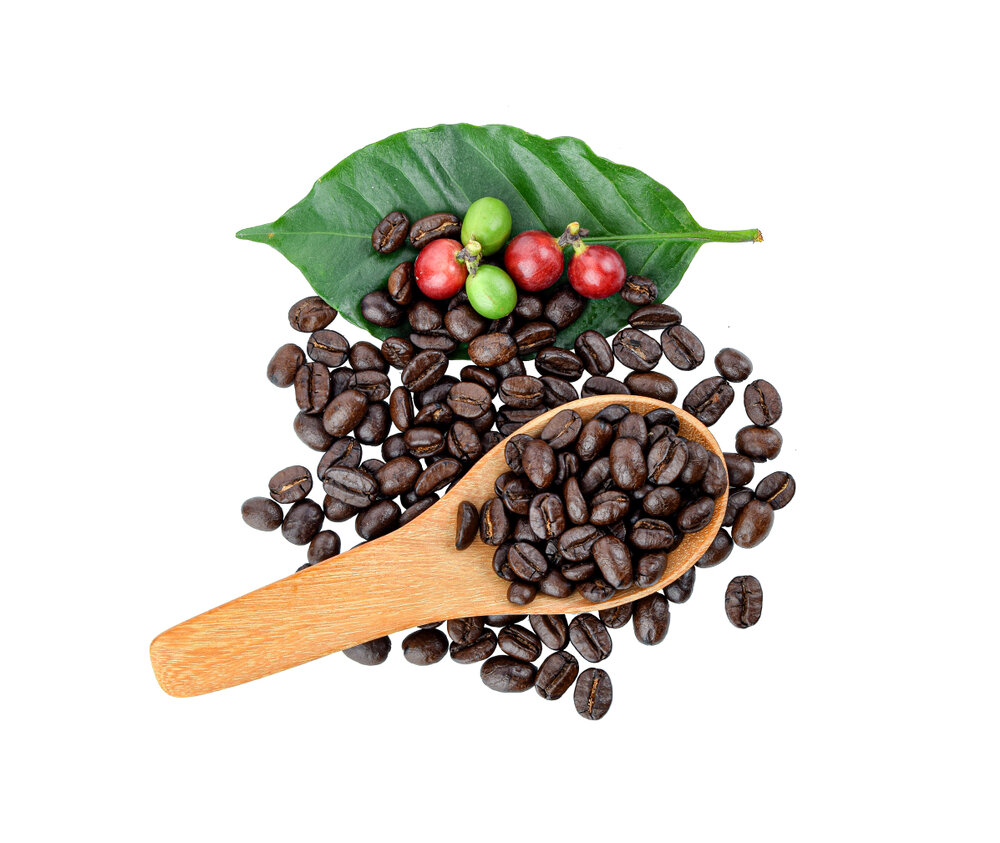 Coffee Coffea arabica Documented for caffeine (0.4–2.5 % dry wt), 7-methylxanthine, liberine and 3 more purine alkaloids (xanthines).
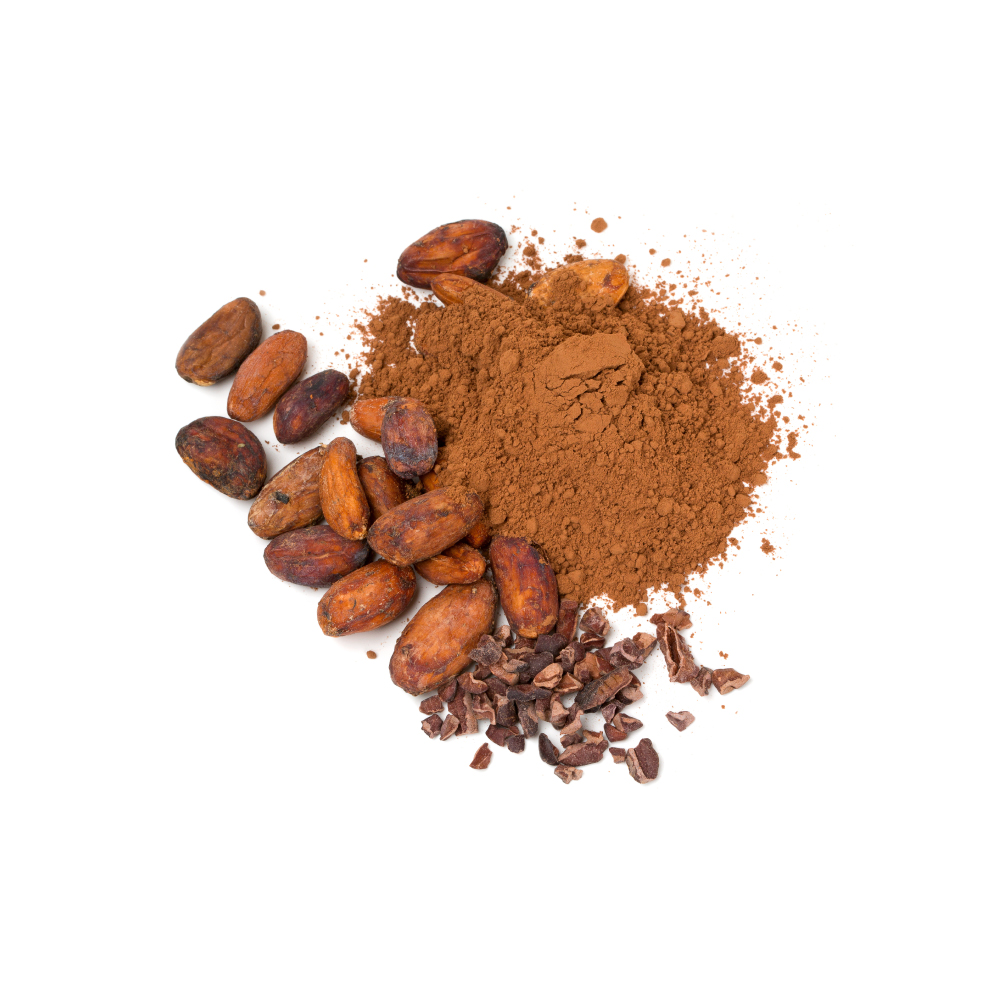 Cacao Theobroma cacao Documented for caffeine (0.1–0.7 % dry wt), theobromine (1–4 % dry wt), methylxanthines.
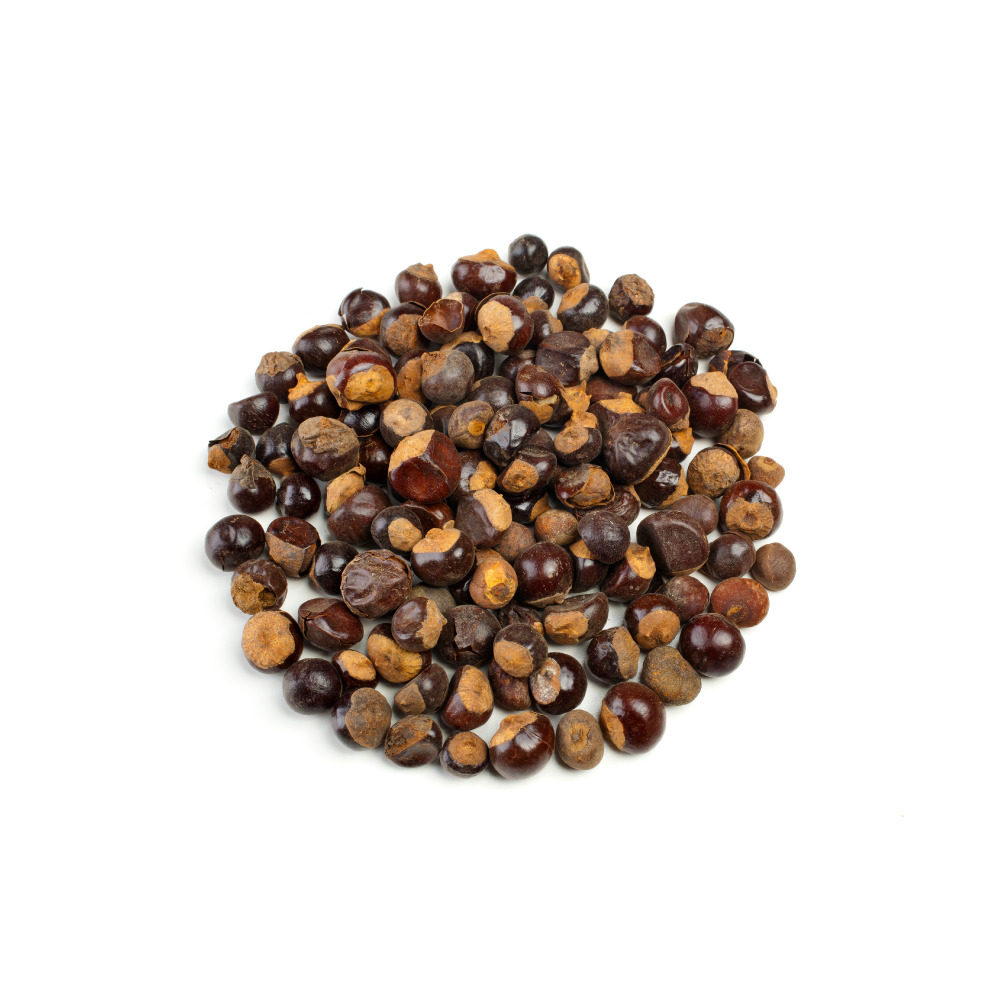 Guarana Paullinia cupana Documented for caffeine (2.5–8 % dry wt), theobromine (0.01–0.55 % dry wt), theophylline (0.15–4.6 % of extract).
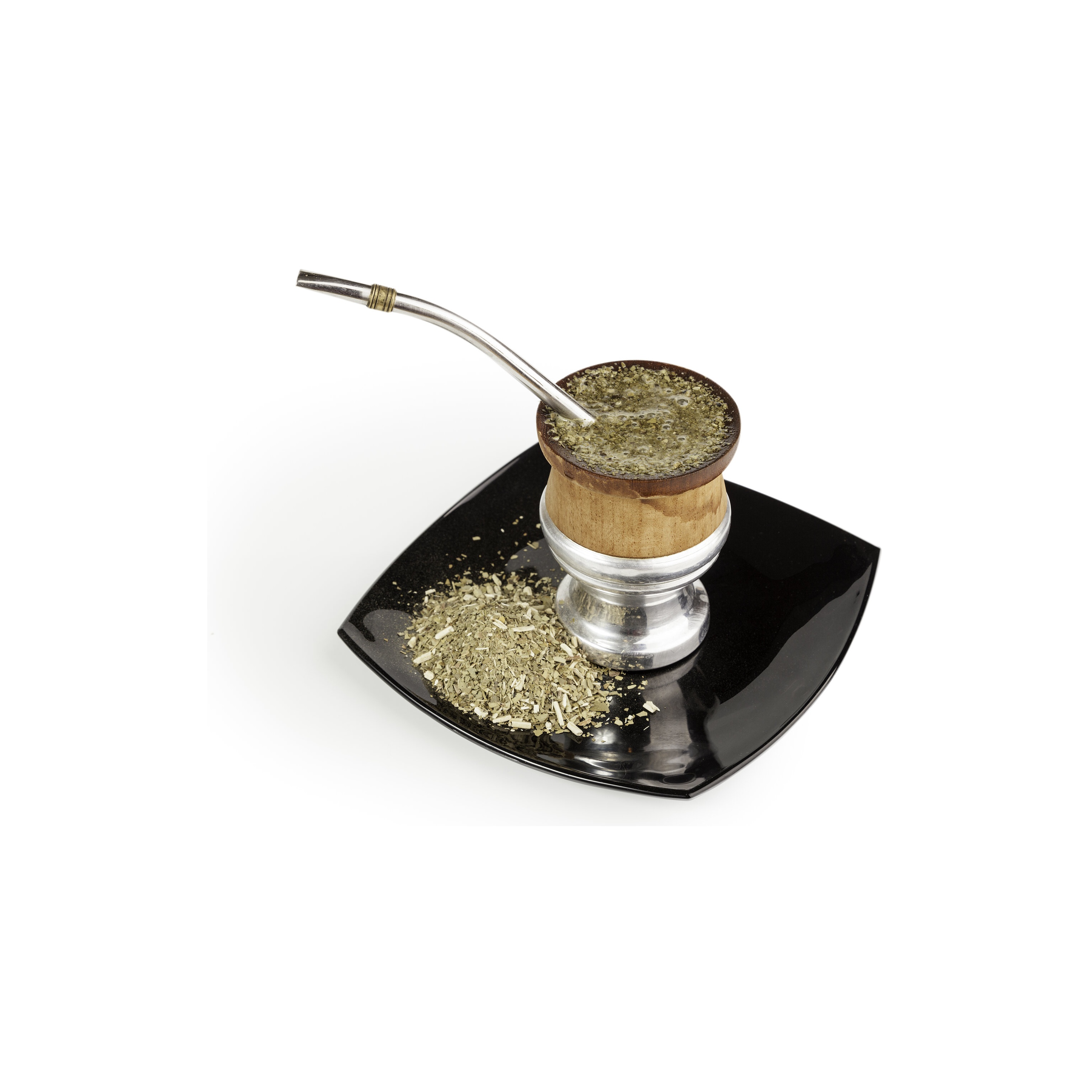 Yerba Maté Ilex paraguariensis Documented for caffeine (0.7–2 % dry wt), theobromine (0.3–0.9 % dry wt), theophylline.
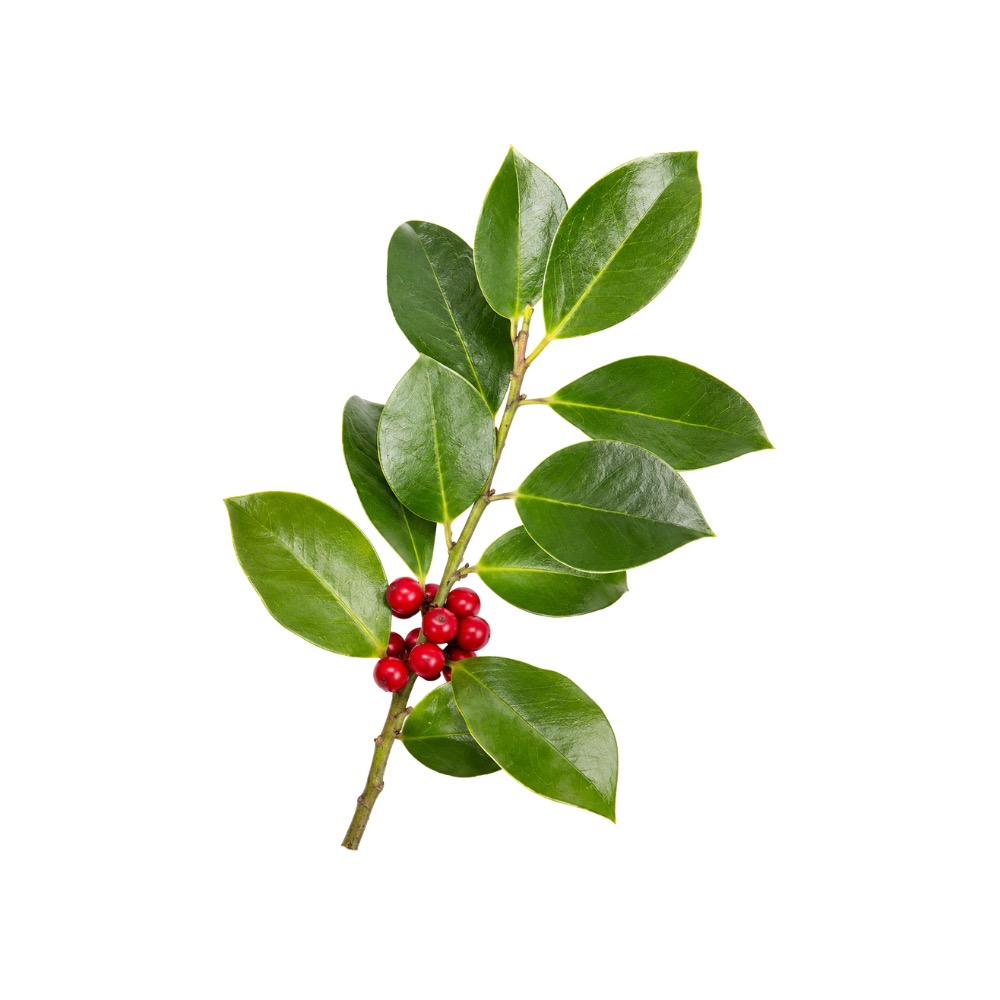 Guayusa Ilex guayusa Documented for caffeine, theobromine.
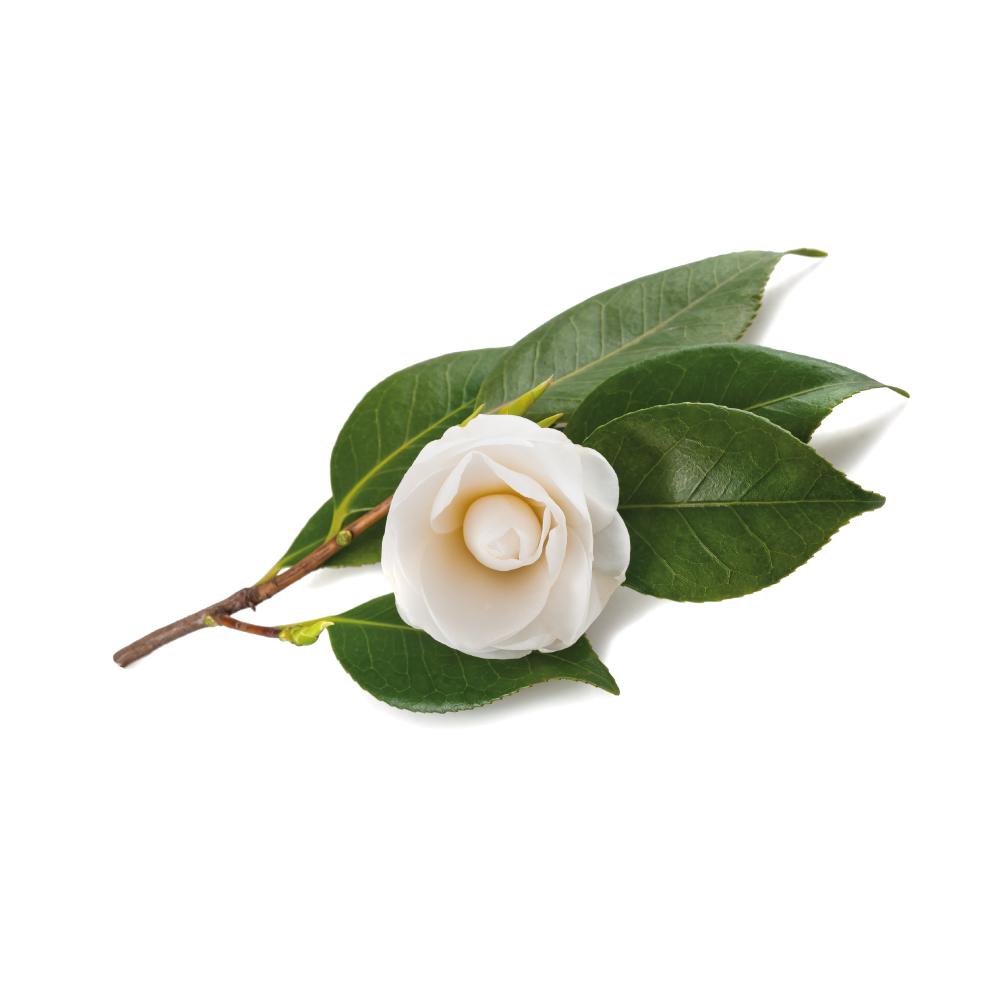 Tea Camellia sinensis Documented for caffeine (0.8–3.4 % dry wt), theophylline.
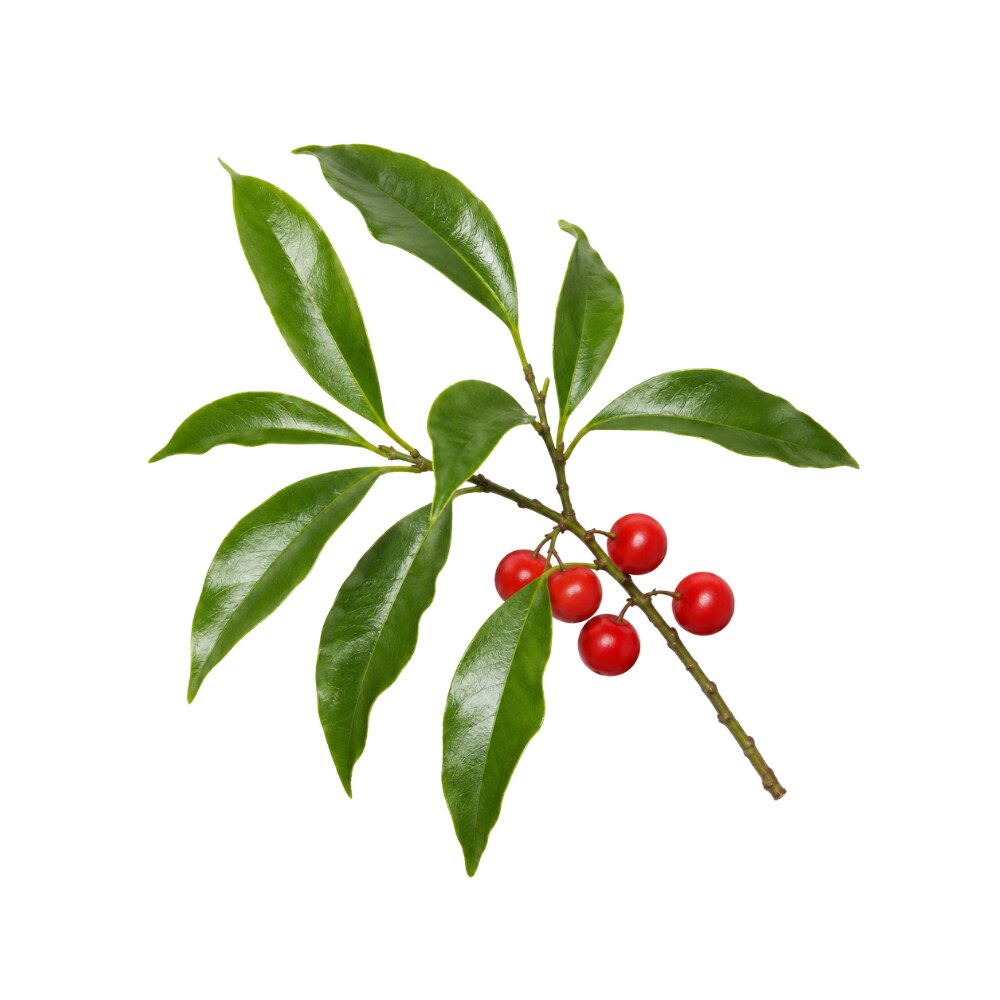 Chá de Bugre Cordia salicifolia Documented for caffeine.
Keep Exploring
Other Compound Classes
Keep Reading
 GuidesThe Best Kava: A Buyer's GuideHow to buy good kava: noble vs two-day cultivars, which part of the root, chemotype codes, origin, form, and the batch tests a seller should show you.
Read more
 GuidesThe Amazon's Endangered Medicinal PlantsThe Amazon gives us some of our most important medicines — but which healing plants are actually endangered?
Read more
 NutritionThe Best Yerba Maté Brands [Reviewed]A drinker's guide to buying yerba maté — what actually changes the taste, and ten brands worth your money.
Read more
 GuidesHow to Prepare Yerba Maté — The Five Best MethodsHow to brew yerba maté properly — the traditional gourd method, plus tereré, french press and cold brew.
Read more