
Compound Monograph
Tiliroside
Tiliroside is the signature acylated flavonol glycoside of linden (Tilia) flowers, rosehips and strawberry — a kaempferol glucoside esterified with p-coumaric acid. Its marquee preclinical story is metabolic: in obese-diabetic mice it enhances fatty-acid oxidation through adiponectin/AMPK signalling. Human data are limited to whole rosehip extract, and its own oral absorption is poor.

Sources · 9
Where Does It Come From?
Tiliroside is a naturally occurring flavonol glycoside (acylated), found in Linden Flower, Rosehips, Strawberry and 6 other sources. It is well tolerated orally (low toxicity).
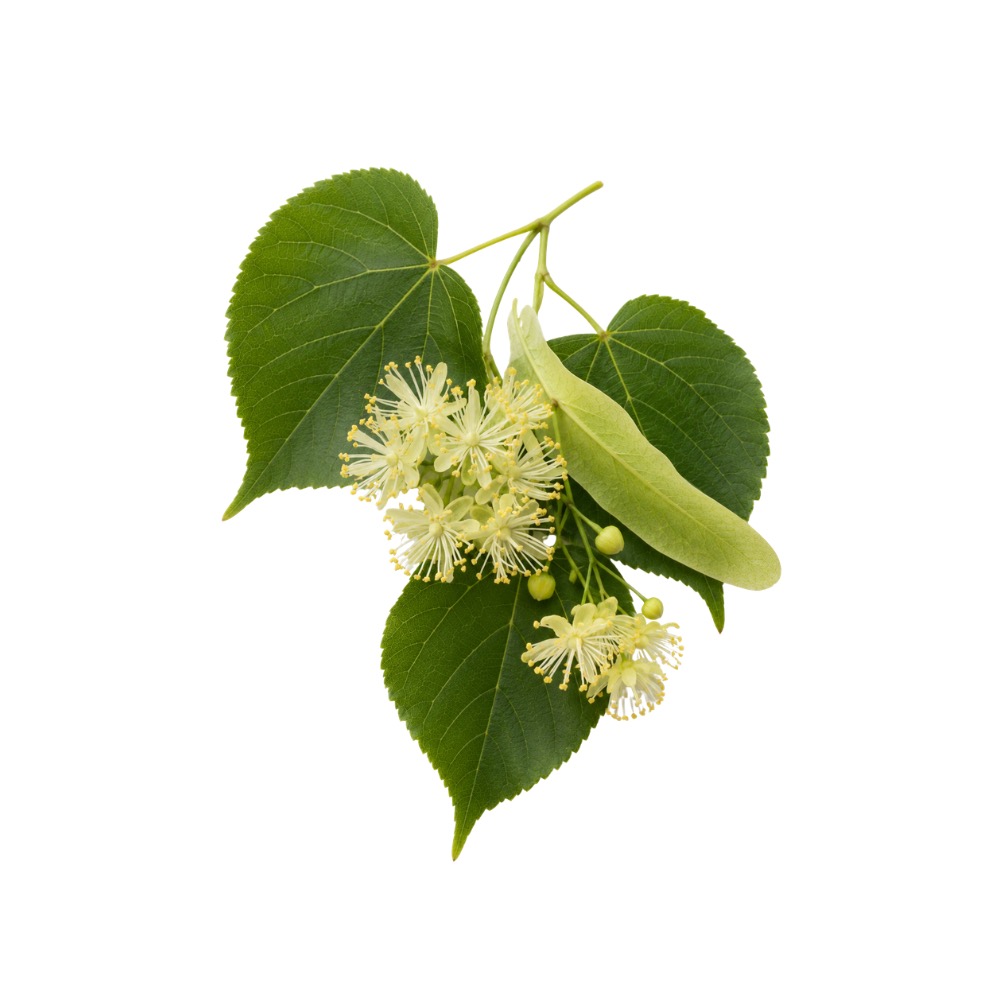 Principal source Linden Flower Tilia spp. Herb monograph →
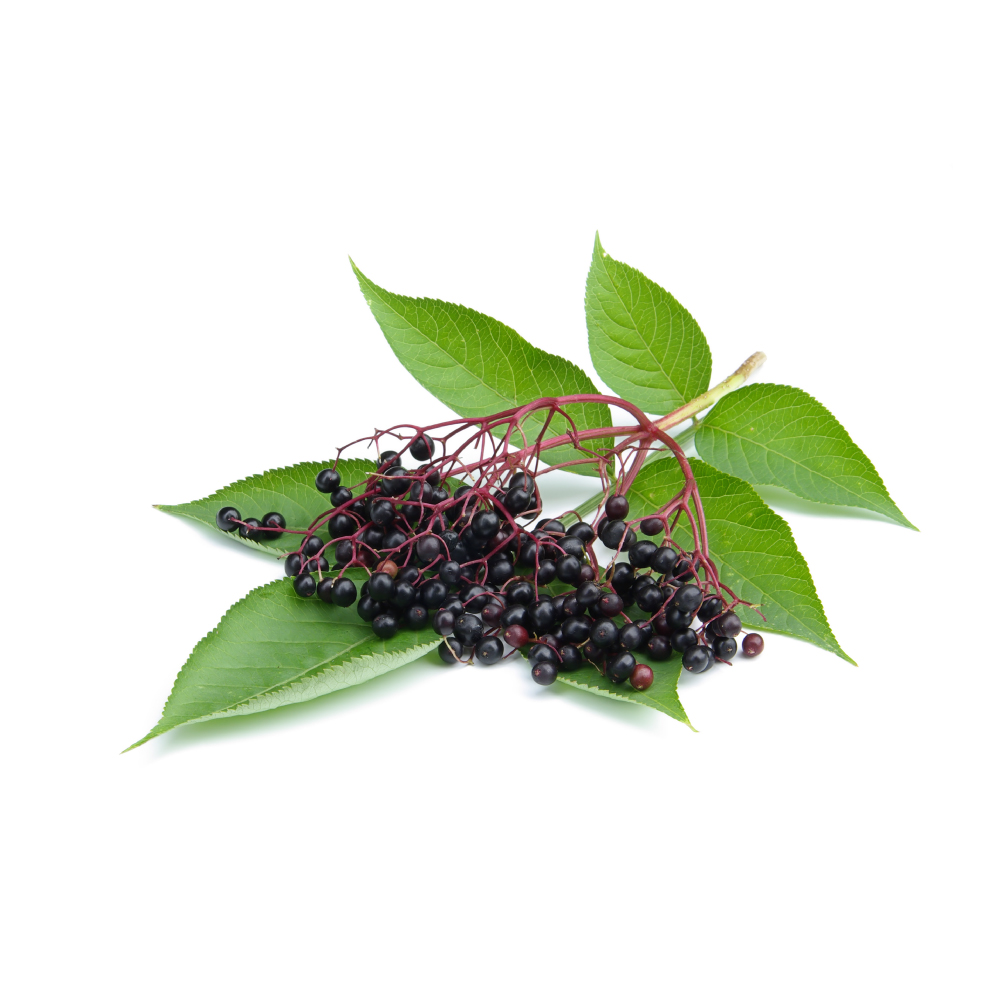 Source Elderberry Sambucus nigra Herb monograph →
 Source Suma Pfaffia paniculata Herb monograph →
Concentration
Content by Source
Concentrations not reported. No percent-dry-weight or mg/g figures have been published for this compound in its source plants.
Tiliroside at a Glance
Tiliroside is an acylated flavonol glycoside — chemically kaempferol-3-O-β-D-(6”-O-p-coumaroyl)glucoside. It is a molecule of kaempferol carrying a sugar (glucose) at the 3-position, with that sugar further esterified by a molecule of p-coumaric acid. It is the signature flavonoid of linden (Tilia) flowers and a characteristic constituent of rosehips, strawberry and elder 1,
Its marquee interest is metabolic. In obese-diabetic mice, tiliroside enhances fatty-acid oxidation in liver and skeletal muscle by activating adiponectin signalling, downstream AMPK and hepatic PPAR-α — improving insulin resistance and blood lipids even where it does not straightforwardly reduce body weight 3Reference 3AnimalTiliroside, a glycosidic flavonoid, ameliorates obesity-induced metabolic disorders via activation of adiponectin signaling followed by enhancement of fatty acid oxidation in liver and skeletal muscle in obese-diabetic miceView study →. A parallel literature reports anti-inflammatory, antioxidant/Nrf2-activating and hepatoprotective effects in cell and animal models 5,
Two honest caveats frame all of it. First, the human evidence belongs to whole rosehip extract standardised to tiliroside, not to the purified molecule 4Reference 4RCTDaily intake of rosehip extract decreases abdominal visceral fat in preobese subjects: a randomized, double-blind, placebo-controlled clinical trialView study →. Second, tiliroside is poorly absorbed as an intact glycoside — it is a substrate of intestinal efflux transport and crosses gut-cell models slowly 11Reference 11Transport of trans-tiliroside (kaempferol-3-β-D-(6”-p-coumaroyl-glucopyranoside) and related flavonoids across Caco-2 cells, as a model of absorption and metabolism in the small intestineView study → — so in-vitro potency does not translate directly into oral effect.
An Acylated Kaempferol Glycoside
The point of this molecule — what separates it from plain kaempferol — is the acyl group. Most dietary kaempferol travels as simple glycosides (astragalin, nicotiflorin). Tiliroside adds a p-coumaroyl ester to the 6” position of the glucose, producing an acylated flavonol glycoside that is markedly more lipophilic than the parent aglycone or its plain glucoside 11Reference 11Transport of trans-tiliroside (kaempferol-3-β-D-(6”-p-coumaroyl-glucopyranoside) and related flavonoids across Caco-2 cells, as a model of absorption and metabolism in the small intestineView study →.
That extra lipophilicity is the compound-unique angle. Structure–activity work on the Rosa canina anti-obesity principle found that the coumaroyl acylation is required for the potent anti-adiposity effect: the intact trans-tiliroside outperformed kaempferol and non-acylated kaempferol glucosides in the same assay 2Reference 2Potent anti-obese principle from Rosa canina: structural requirements and mode of action of trans-tilirosideView study →. So tiliroside is not simply a “kaempferol delivery form” — the p-coumaroyl ester carries activity of its own, and the two halves (kaempferol and p-coumaric acid) are also released separately once the molecule is hydrolysed in the gut 11Reference 11Transport of trans-tiliroside (kaempferol-3-β-D-(6”-p-coumaroyl-glucopyranoside) and related flavonoids across Caco-2 cells, as a model of absorption and metabolism in the small intestineView study →.
The trans (E) configuration of the coumaroyl double bond is the naturally dominant and pharmacologically studied form; the cis isomer can form on exposure to light.
What It's Used For
Tiliroside’s evidence is preclinical: isolated-molecule work in cell and rodent models, plus one human trial of the rosehip extract it marks. It reads most strongly on the metabolic axis, with converging anti-inflammatory and antioxidant mechanisms.
Support is an experimental score — weighted by study type (human > animal > in vitro) and volume. A beta, not a validated metric. Every row here is preclinical (or, for the metabolic row, human only via a standardised extract), so read the per-row basis.
The marquee application. In obese-diabetic KK-Ay mice, oral tiliroside ameliorated insulin resistance and dyslipidaemia by activating adiponectin signalling, which switched on AMPK (liver and skeletal muscle) and PPAR-α (liver), raising fatty-acid oxidation — notably without reducing body weight, i.e. a fat-burning/metabolic effect rather than an appetite one 3Reference 3AnimalTiliroside, a glycosidic flavonoid, ameliorates obesity-induced metabolic disorders via activation of adiponectin signaling followed by enhancement of fatty acid oxidation in liver and skeletal muscle in obese-diabetic miceView study →.
In non-obese mice, the Rosa canina principle trans-tiliroside inhibited visceral-fat accumulation and blunted post-prandial glucose, and the coumaroyl acylation was structurally required for the effect 2Reference 2Potent anti-obese principle from Rosa canina: structural requirements and mode of action of trans-tilirosideView study →.
In diabetic mice/rats, tiliroside from Potentilla chinensis lowered glucose, triglycerides and cholesterol comparably to metformin at 0.4–1.6 mg/kg 1Reference 1Identification of trans-tiliroside as active principle with anti-hyperglycemic, anti-hyperlipidemic and antioxidant effects from Potentilla chinensisView study →.
Gap: every controlled result is rodent and uses tiliroside isolated from non-Tilia plants; the only human evidence is a rosehip extract standardised to tiliroside 4Reference 4RCTDaily intake of rosehip extract decreases abdominal visceral fat in preobese subjects: a randomized, double-blind, placebo-controlled clinical trialView study →, never the purified molecule, and poor oral bioavailability 11Reference 11Transport of trans-tiliroside (kaempferol-3-β-D-(6”-p-coumaroyl-glucopyranoside) and related flavonoids across Caco-2 cells, as a model of absorption and metabolism in the small intestineView study → clouds dose translation.
Tiliroside shows anti-inflammatory activity across several model types. Early work reported inhibition of inflammation in vivo alongside free-radical scavenging 5Reference 5Assessment of the anti-inflammatory activity and free radical scavenger activity of tilirosideView study →.
In a mouse ulcerative-colitis model it restored the M1/M2 macrophage balance via the HIF-1α/glycolysis pathway 6Reference 6Tiliroside ameliorates ulcerative colitis by restoring the M1/M2 macrophage balance via the HIF-1α/glycolysis pathwayView study →; in LPS acute lung injury it attenuated NLRP3-inflammasome activation through AMPK, limiting mitochondrial damage 7Reference 7AnimalTiliroside attenuates NLRP3 inflammasome activation in macrophages and protects against acute lung injury in miceView study →.
Reported upstream targets include NF-κB signalling.
Gap: all in-vitro or mouse; no human anti-inflammatory trial of the isolate exists, and the doses used (often i.p. or high oral) sit above what poorly-absorbed dietary exposure would deliver 7,
As a flavonoid, tiliroside is a direct radical scavenger in chemical assays 5Reference 5Assessment of the anti-inflammatory activity and free radical scavenger activity of tilirosideView study →, but its more interesting antioxidant action is indirect: it activates the Nrf2/HO-1 cytoprotective pathway. In BV2 microglia and neuronal models it reduced neuroinflammation-driven oxidative toxicity via Nrf2 8Reference 8Activation of Nrf2 pathway contributes to neuroprotection by the dietary flavonoid tilirosideView study →. This “switch on the cell’s own antioxidant program” mechanism recurs across its hepatic and anti-inflammatory results.
Gap: cell and small-animal work only; no human antioxidant/neuro outcome rests on tiliroside specifically, and CNS exposure after oral intake is unquantified 8,
Tiliroside was identified as a novel KEAP1 inhibitor: by disrupting the KEAP1–NRF2 interaction it activates NRF2, boosting endogenous antioxidant defences. In mice this protected against acetaminophen (paracetamol)-induced oxidative stress and acute liver injury 9Reference 9A novel KEAP1 inhibitor, tiliroside, activates NRF2 to protect against acetaminophen-induced oxidative stress and acute liver injuryView study → — mechanistically the same Nrf2 axis seen in the neuroprotection work.
Gap: a single mechanism-led mouse study of a drug-overdose model; no clinical hepatoprotection data, and the effect is against a specific toxin insult, not a general “liver tonic” claim 9Reference 9A novel KEAP1 inhibitor, tiliroside, activates NRF2 to protect against acetaminophen-induced oxidative stress and acute liver injuryView study →.
Tiliroside is one of the active flavonoids in an anxiolytic bract fraction of Tilia americana, contributing to anti-anxiety effects in the mouse elevated-plus-maze 10Reference 10Flavonoids from Tilia americana with anxiolytic activity in plus-maze testView study →. This is a whole-plant / fraction finding in which tiliroside is one of several co-acting constituents (with quercetin and kaempferol glycosides), not an isolated-molecule anxiolytic trial.
Gap: the anxiolytic signal is a property of the Tilia fraction; the isolated molecule’s contribution, mechanism and CNS exposure are not established 10Reference 10Flavonoids from Tilia americana with anxiolytic activity in plus-maze testView study →.
Mechanisms
| Target / pathway | Effect | Relevant to |
|---|---|---|
| Adiponectin signalling → AMPK (liver, muscle) | activation → ↑ fatty-acid oxidation, improved insulin sensitivity | metabolic / anti-obesity |
| PPAR-α (liver) | up-regulation → hepatic fatty-acid catabolism | metabolic / anti-obesity |
| Visceral adipose accumulation | inhibition (coumaroyl acylation required) | anti-obesity |
| NLRP3 inflammasome (via AMPK) | suppression → less IL-1β, mitochondrial protection | anti-inflammatory |
| NF-κB / macrophage M1↔M2 (HIF-1α/glycolysis) | restraint → rebalanced macrophage polarisation | anti-inflammatory (colitisALI) |
| Nrf2 / HO-1 (KEAP1 inhibition) | activation → endogenous antioxidant/cytoprotective program | antioxidantneuro-hepatoprotection |
| Direct radical scavenging | flavonoid antioxidant capacity | antioxidant |
The unifying thread is a small set of master switches — adiponectin/AMPK for metabolism and KEAP1/Nrf2 for cytoprotection — rather than one receptor. The p-coumaroyl acylation, and the molecule’s lipophilicity, appear to matter for engaging them 2,
Pharmacokinetics
Tiliroside’s Achilles heel is absorption. In the Caco-2 small-intestine model, intact trans-tiliroside permeated slowly (Papp ≈ 0.6 × 10⁻⁶ cm/s) — several-fold below kaempferol and dramatically below free p-coumaric acid (≈ 23 × 10⁻⁶ cm/s) — and its uptake was limited by the efflux transporter MRP2: MRP2 inhibitors (or co-incubation with kaempferol) raised transfer three-to-five-fold 11Reference 11Transport of trans-tiliroside (kaempferol-3-β-D-(6”-p-coumaroyl-glucopyranoside) and related flavonoids across Caco-2 cells, as a model of absorption and metabolism in the small intestineView study →. Only limited metabolism (two mono-glucuronides) occurred at the gut wall. Consistently, after oral dosing of a tiliroside-standardised Tilia fraction, intact tiliroside and its aglycone fragments were not detected in plasma over 24 h — the circulating species were biotransformation products, implying gut-microbial hydrolysis to kaempferol and p-coumaric acid before absorption 11Reference 11Transport of trans-tiliroside (kaempferol-3-β-D-(6”-p-coumaroyl-glucopyranoside) and related flavonoids across Caco-2 cells, as a model of absorption and metabolism in the small intestineView study →. No validated human bioavailability or half-life figure exists. This poor, efflux-limited oral exposure is the single biggest caveat on every in-vitro potency claim above.
Clinical Trials
There is no registered trial of isolated tiliroside. The nearest human evidence is a randomised, double-blind, placebo-controlled trial of a rosehip extract standardised to tiliroside (100 mg/day, 12 weeks), which significantly reduced abdominal visceral fat and body weight in pre-obese adults — an extract result attributed to, but not isolating, the molecule 4Reference 4RCTDaily intake of rosehip extract decreases abdominal visceral fat in preobese subjects: a randomized, double-blind, placebo-controlled clinical trialView study →.
| Completed | Planned | Terminated | Preclinical |
|---|---|---|---|
| Rosehip extract (tiliroside-standardised) RCT — visceral fat 4Reference 4RCTDaily intake of rosehip extract decreases abdominal visceral fat in preobese subjects: a randomized, double-blind, placebo-controlled clinical trialView study → | — | — | Metabolic, anti-inflammatory, antioxidant, hepatoprotective (cell + rodent) |
Last checked: July 2026.
Isolate vs. Plant Studies
The evidence is unusually isolate-heavy at the bench and extract-only in humans. Most mechanistic and in-vivo work uses purified tiliroside — but crucially, tiliroside isolated from plants other than the ones people drink: Rosa canina 2Reference 2Potent anti-obese principle from Rosa canina: structural requirements and mode of action of trans-tilirosideView study →, Potentilla chinensis 1Reference 1Identification of trans-tiliroside as active principle with anti-hyperglycemic, anti-hyperlipidemic and antioxidant effects from Potentilla chinensisView study →, Edgeworthia and Helichrysum. Those studies establish what the molecule does, not what linden-flower tea does. The only human trials, meanwhile, run the opposite way: they test whole rosehip extract standardised to tiliroside content 4Reference 4RCTDaily intake of rosehip extract decreases abdominal visceral fat in preobese subjects: a randomized, double-blind, placebo-controlled clinical trialView study →, so the clinical anti-obesity signal is an extract effect in which tiliroside is the marker and presumed driver rather than the demonstrated sole cause. For linden (Tilia) specifically, tiliroside is a genuine marker flavonoid and a contributor to an anxiolytic bract fraction 10Reference 10Flavonoids from Tilia americana with anxiolytic activity in plus-maze testView study →, but no isolated-tiliroside human data exist for any linden indication. Read across all of it, the transferability caveat cuts both ways — plant results can’t be pinned on the molecule, and the molecule’s rodent results can’t be pinned on any one plant.
Prevalence in Nature
Tiliroside is a widespread but usually minor flavonoid of the Rosaceae, Malvaceae and related families. It is the signature flavonoid of linden (Tilia) flowers, bracts and inflorescences, where it co-occurs with quercetin, kaempferol and their glycosides 10Reference 10Flavonoids from Tilia americana with anxiolytic activity in plus-maze testView study →. It is a characteristic constituent of rosehip (Rosa canina) fruit and seed — the source exploited in the anti-obesity work 2,
| Source | Botanical | Part |
|---|---|---|
| Linden Flower | Tilia spp. | flower / bract / inflorescence |
| Rosehip | Rosa canina | fruit, seed |
| Strawberry | Fragaria spp. | fruit |
| Elder | Sambucus nigra | flower / fruit |
| Cinquefoil | Potentilla chinensis | aerial parts |
Quantitatively, tiliroside is almost always a minor glycoside fraction rather than a bulk constituent, and consistent concentration figures are scarce — reported amounts vary widely with species, provenance, plant part and drying, and are rarely expressed on a comparable dry-weight basis 10Reference 10Flavonoids from Tilia americana with anxiolytic activity in plus-maze testView study →. Because no reliably comparable percentages are available, no Content-by-Source chart is shown here; supplying those figures is a standing gap.
Discovery & Synthesis
Tiliroside takes its name from linden — the genus Tilia — of which it is the characteristic marker flavonoid. It has long been known to natural-product chemistry as an acylated kaempferol glycoside, but a clean “first isolated by X in year Y” record is not well documented in the accessible literature, and none is asserted one. Structurally it was resolved as kaempferol-3-O-β-D-(6”-O-p-coumaroyl)glucoside, with the naturally dominant, bioactive form being the trans (E) coumaroyl isomer 2Reference 2Potent anti-obese principle from Rosa canina: structural requirements and mode of action of trans-tilirosideView study →.
Today tiliroside for research is obtained overwhelmingly by extraction and chromatographic isolation from plant material — commonly rosehip, Tilia, Potentilla or Helichrysum — rather than by total synthesis; it is a specialised reference/research compound, not a bulk-manufactured ingredient. In principle it is accessible synthetically by selective 6”-O-p-coumaroylation of a kaempferol-3-glucoside, but no dominant commercial synthetic route is documented here.
Patents: not yet researched.
Toxicity & Safety
Tiliroside carries a low toxicity flag. It is a dietary flavonoid — a normal constituent of foods and traditional infusions such as linden tea, rosehips and strawberry — and no specific human toxicity signal is associated with ordinary dietary exposure. Its poor oral absorption as an intact glycoside further limits systemic exposure 11Reference 11Transport of trans-tiliroside (kaempferol-3-β-D-(6”-p-coumaroyl-glucopyranoside) and related flavonoids across Caco-2 cells, as a model of absorption and metabolism in the small intestineView study →.
The important honesty is that its safety in isolation, at pharmacological doses, has not been formally characterised — there is no dedicated human safety dataset, no repeat-dose toxicology package summarised here, and no interaction study. Because tiliroside is hydrolysed toward kaempferol and p-coumaric acid before absorption 11Reference 11Transport of trans-tiliroside (kaempferol-3-β-D-(6”-p-coumaroyl-glucopyranoside) and related flavonoids across Caco-2 cells, as a model of absorption and metabolism in the small intestineView study →, class considerations for those fragments (e.g. kaempferol’s high-dose in-vitro caveats) are the more relevant lens than the intact glycoside.
- Low-toxicity dietary flavonoid. Long-standing food/herbal-tea exposure (linden, rosehip, strawberry) with no established toxicity signal at dietary levels.
- Poor oral absorption limits systemic dose. The intact glycoside is efflux-limited and crosses the gut slowly, capping exposure.
- Isolate safety not formally established. No dedicated human toxicology, repeat-dose or drug-interaction data for the purified molecule at pharmacological doses.
- Reproductive/developmental data absent. No isolate reproductive-toxicity dataset; any pregnancy/lactation decision belongs to the specific herb or product, not this molecule page.
Dosage
There is no established human dose of isolated tiliroside for any use. The preclinical anti-obesity and metabolic effects were produced in rodents at roughly 0.4–10 mg/kg/day by mouth 1,
| Context | Form | Dose |
|---|---|---|
| Anti-obesity / metabolic (mice, rats) | isolated tiliroside, oral | ~0.4–10 mg/kg/day |
| Human visceral-fat trial | rosehip extract (tiliroside-standardised) | 100 mg/day, 12 weeks |
Given poor oral bioavailability of the intact glycoside 11Reference 11Transport of trans-tiliroside (kaempferol-3-β-D-(6”-p-coumaroyl-glucopyranoside) and related flavonoids across Caco-2 cells, as a model of absorption and metabolism in the small intestineView study →, these figures do not translate cleanly to a human isolate dose. These are doses studied in research and are not a personal recommendation.
References
- Qiao W, et al. (2011). Identification of trans-tiliroside as active principle with anti-hyperglycemic, anti-hyperlipidemic and antioxidant effects from Potentilla chinensis. Journal of Ethnopharmacology. https://pubmed.ncbi.nlm.nih.gov/21463674/
- Ninomiya K, et al. (2007). Potent anti-obese principle from Rosa canina: structural requirements and mode of action of trans-tiliroside. Bioorganic & Medicinal Chemistry Letters. https://pubmed.ncbi.nlm.nih.gov/17400451/
- Goto T, et al. (2012). Tiliroside, a glycosidic flavonoid, ameliorates obesity-induced metabolic disorders via activation of adiponectin signaling followed by enhancement of fatty acid oxidation in liver and skeletal muscle in obese-diabetic mice. The Journal of Nutritional Biochemistry. https://pubmed.ncbi.nlm.nih.gov/21889885/
- Nagatomo A, et al. (2015). Daily intake of rosehip extract decreases abdominal visceral fat in preobese subjects: a randomized, double-blind, placebo-controlled clinical trial. Diabetes, Metabolic Syndrome and Obesity. https://pubmed.ncbi.nlm.nih.gov/25834460/
- Sala A, et al. (2003). Assessment of the anti-inflammatory activity and free radical scavenger activity of tiliroside. European Journal of Pharmacology. https://pubmed.ncbi.nlm.nih.gov/12568916/
- Zhuang H, et al. (2021). Tiliroside ameliorates ulcerative colitis by restoring the M1/M2 macrophage balance via the HIF-1α/glycolysis pathway. Frontiers in Immunology. https://pubmed.ncbi.nlm.nih.gov/33868286/
- Zhong C, et al. (2023). Tiliroside attenuates NLRP3 inflammasome activation in macrophages and protects against acute lung injury in mice. Molecules. https://pubmed.ncbi.nlm.nih.gov/38005247/
- Velagapudi R, et al. (2018). Activation of Nrf2 pathway contributes to neuroprotection by the dietary flavonoid tiliroside. Molecular Neurobiology. https://pubmed.ncbi.nlm.nih.gov/29508282/
- Cai F, et al. (2025). A novel KEAP1 inhibitor, tiliroside, activates NRF2 to protect against acetaminophen-induced oxidative stress and acute liver injury. Hepatology Communications. https://pubmed.ncbi.nlm.nih.gov/40008899/
- Herrera-Ruiz M, et al. (2008). Flavonoids from Tilia americana with anxiolytic activity in plus-maze test. Journal of Ethnopharmacology. https://pubmed.ncbi.nlm.nih.gov/18539420/
- Luo Z, et al. (2015). Transport of trans-tiliroside (kaempferol-3-β-D-(6”-p-coumaroyl-glucopyranoside) and related flavonoids across Caco-2 cells, as a model of absorption and metabolism in the small intestine. Xenobiotica. https://pubmed.ncbi.nlm.nih.gov/25761590/



