Materia Medica
Elderberry
Sambucus nigra
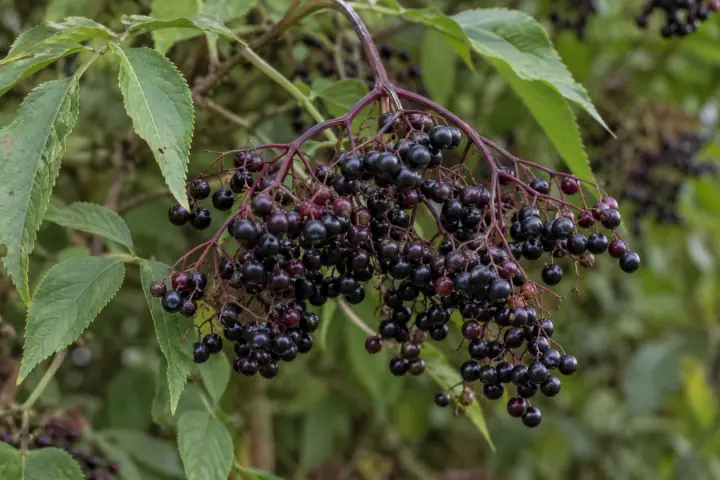
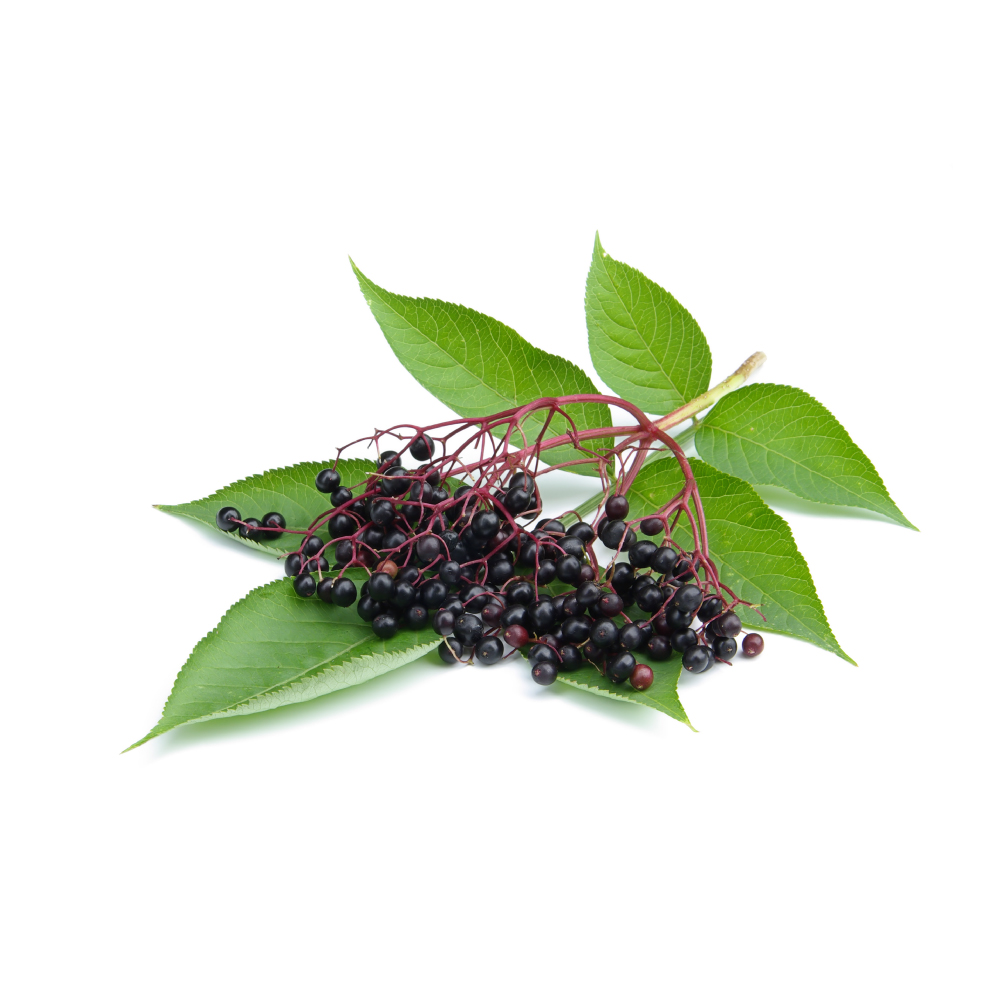
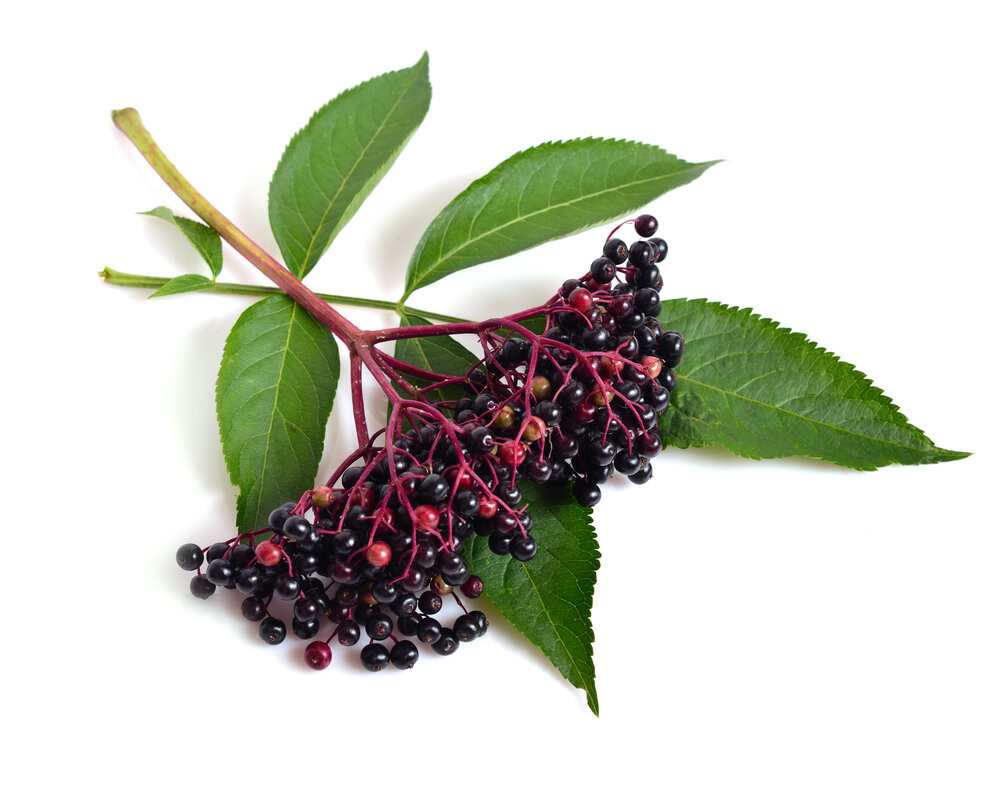
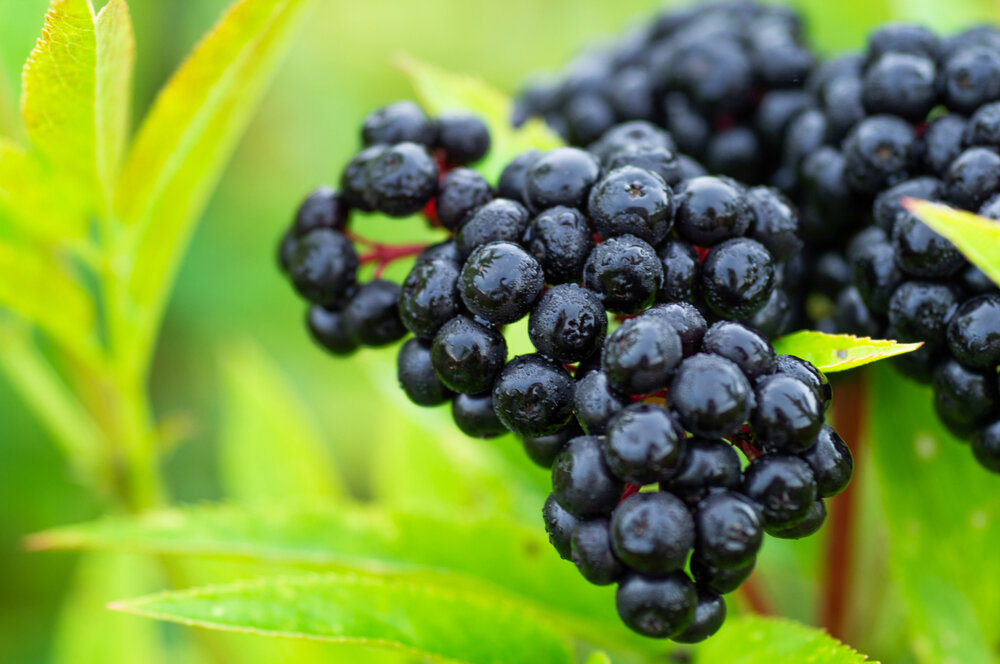
Elder (Sambucus nigra) is a European shrub or small tree whose flowers and cooked berries are used for colds and influenza. Its dark berries are rich in anthocyanins, and a standardised berry extract has been tested in several influenza trials.
What Is Elderberry?
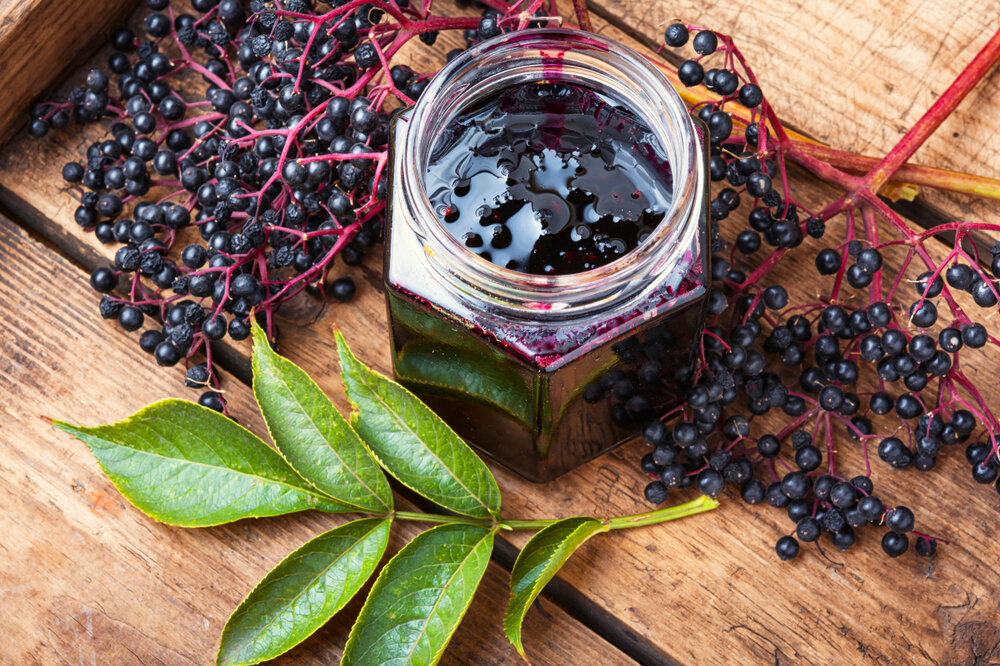
Elder is a fast-growing shrub or small tree whose creamy flower heads and near-black berries are two of Europe’s oldest cold and flu remedies. The flowers are made into tea, and the cooked berries into syrups, cordials, jams and wine.
Sambucus nigra is native to Europe, western Asia and the Caucasus, and has been carried to North Africa, the Americas, Australia and New Zealand 31Reference 31Sambucus nigra LView study →.
The berries are deeply coloured by anthocyanins, and a standardised berry extract has been tested in several small trials for influenza and colds. The results have been mixed 1,
The raw plant is a different matter from the cooked berry. Raw berries, leaves, bark and roots cause nausea and vomiting, and only the flowers and properly heated ripe berries are used.
How Is Elderberry Used?
- Flowers — dried and taken as a hot tea at the first signs of a cold. In the European Union, elder flower is registered as a traditional herbal medicine for the early symptoms of the common cold 30Reference 30ReviewEuropean Union herbal monograph on Sambucus nigra L., flos (EMA/HMPC/611512/2016) — regulatory monographView study →.
- Berries — always cooked. Made into syrups, cordials and jams, and into the standardised berry extracts (Sambucol, Rubini and similar) used in the clinical trials.
- Leaves — applied externally in folk practice, for wounds.
- Bark — an old purgative, now rarely used.
Traditional Uses
Elder seeds, pollen and dried fruit have been found at a Bronze Age site in Tuscany 28Reference 28Palaeovegetational reconstruction based on pollen and seeds/fruits from a Bronze Age archaeological site in Tuscany (Italy), a Neolithic site in the French Alps 29Reference 29Plant economy during the Neolithic in a mountain context: the case of “Le Chenet des Pierres” in the French Alps (Bozel-Savoie, France), and the Durankulak site on the Black Sea coast of north-eastern Bulgaria.
Western Herbal Medicine
Elder flower is taken as a hot tea for colds and sore throats, and it was commonly combined with yarrow or boneset for colds and influenza.
The berries and bark were used as a purgative and, in larger amounts, as an emetic. The leaves were applied to wounds, and the whole plant was used as a diuretic.
Ayurvedic Medicine
The berries are listed as a diuretic and aperient (a mild laxative), and the bark as a hydragogue, cathartic and anti-epileptic.
Traditional Chinese Medicine: Chinese Elder (Sambucus chinensis)
Chinese medicine uses related elders, Sambucus formosana and S. chinensis, rather than S. nigra. They are used occasionally for liver disease, and are classed as warm and bitter, for dispelling blood stasis.
Indonesian Folk Medicine: Sambucus javanica
In Indonesia the related Sambucus javanica is used for pain relief, beriberi and jaundice.
Indications
- Influenza and colds, taken at the first symptoms [standardised berry extract] Caution: Small early trials found faster recovery, but the largest and best-controlled influenza trial found no benefit, and a 2021 systematic review rated the evidence as uncertain 1,
2, .3, 4, 5, 6 - Early symptoms of the common cold [flower tea; European traditional use]
- Sore throat [flower; Western herbal use]
- Constipation [berries, bark; Western folk use]
- Fluid retention [whole plant; Western folk use]
- Wounds [leaves, topical; Western folk use]
Botany
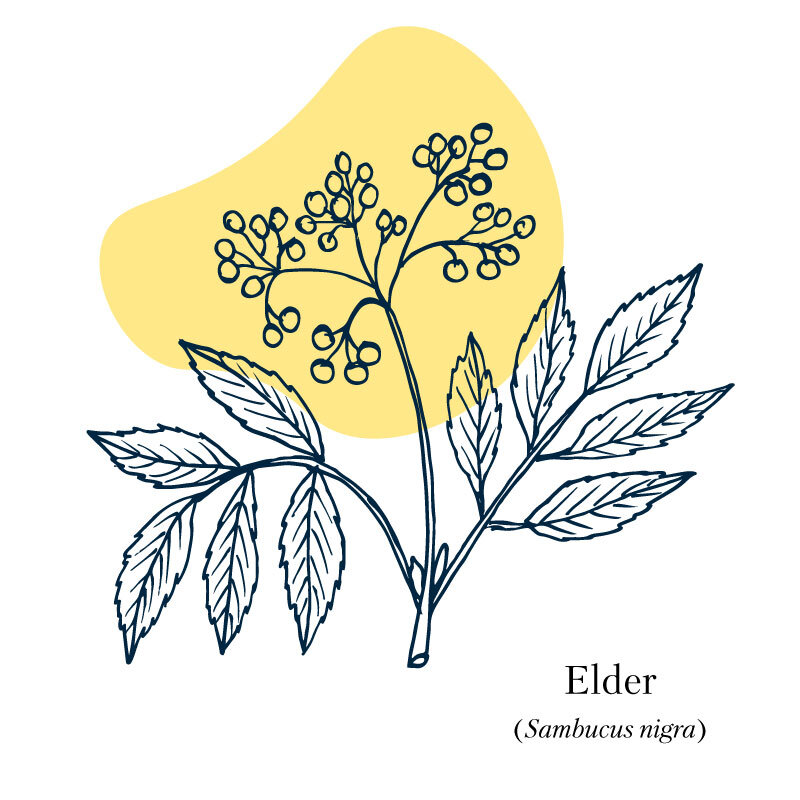
Elder is a large, multi-stemmed deciduous shrub or small tree. It usually grows 3–6 m tall and can reach 10 m, and it spreads quickly by suckering from the roots 33,
The leaves are pinnately compound, up to about 25 cm long, with 3 to 9 toothed, oval leaflets. They give off an unpleasant smell when crushed 33,
In early summer elder bears tiny creamy-white, musky-scented flowers in broad, flat-topped clusters 12–20 cm across 33,
Floras differ on its family. It is placed in the moschatel family (Adoxaceae), in Viburnaceae, or in a family of its own, Sambucaceae, and older works file it under the honeysuckles 33,
Red elder (Sambucus racemosa) is a different species. It bears red berries in a large, branched cluster rather than elder’s flat-topped heads. Its foliage can hold toxic levels of cyanide, and other parts of the plant may be poisonous to people 32Reference 32ReviewSambucus racemosa — species reviewView study →.
Dwarf elder (Sambucus ebulus) is a separate species that grows wild across many temperate areas. Much of the elder toxicology literature was done on it rather than on black elder 26Reference 26ReviewEbulin from dwarf elder (Sambucus ebulus L.): a mini-reviewView study →.
Distribution
Elder grows wild across most of Europe, from Ireland and Portugal east to European Russia, and through the Caucasus, Turkey and western Iran to the eastern Mediterranean 31Reference 31Sambucus nigra LView study →. In Norway, Sweden, Finland and North Africa it is recorded as introduced 31Reference 31Sambucus nigra LView study →.
It has been planted and has naturalised far beyond that range, including in China, Pakistan, Canada, the United States, South America, Australia and New Zealand 31,
Growing Conditions
Cultivation snapshot for Elderberry
- Thrives in full sun to partial shade, flowering and fruiting most heavily in full sun.
- Prefers moist to wet, humus-rich, well-drained soil but tolerates a wide range of ground.
- Cold-hardy through roughly USDA zones 5–8; a vigorous grower that can sucker and spread.
- Matures into a large multi-stemmed shrub (8–20 ft), so give it room or cut it back hard.
Grow it yourself
Farm Wiki is our cultivation-focused sister site, also run by Justin Cooke.
Pharmacology & Research
Elder has one of the larger clinical literatures among Western herbs used for respiratory infection. Four placebo-controlled trials, a meta-analysis and a systematic review address influenza and the common cold 1,
The rest of the evidence is preclinical: antioxidant, anti-inflammatory, metabolic and antibacterial work, mostly in cells, on the berry’s anthocyanins and flavonoids 7,
The berries were not given a German Commission E monograph, because the research available at the time was judged insufficient 18Reference 18Systematic reviewA systematic review on the sambuci fructus effect and efficacy profiles — systematic reviewView study →.
-
Best-supported: shorter, milder influenza and cold episodes with standardised berry extract, from small RCTs and a meta-analysis 1,
2, , tempered by one null RCT 5Reference 5RCTElderberry extract outpatient influenza treatment for emergency room patients ages 5 and above: a randomized, double-blind, placebo-controlled trial — RCTView study →.3, 4Reference 1RCTRandomized study of the efficacy and safety of oral elderberry extract in the treatment of influenza A and B virus infections — randomized controlled trialView study →Reference 2RCTInhibition of several strains of influenza virus in vitro and reduction of symptoms by an elderberry extract during an outbreak of influenza B Panama — placebo-controlled, in vitroView study →Reference 3RCTElderberry supplementation reduces cold duration and symptoms in air-travellers: a randomised, double-blind placebo-controlled clinical trial — RCTView study →Reference 4Meta-analysisBlack elderberry (Sambucus nigra) supplementation effectively treats upper respiratory symptoms: a meta-analysis of randomized, controlled clinical trials — meta-analysisView study → -
Emerging, worth watching: effects of elderberry juice on post-meal glucose and fat metabolism, from small human pilots 13,
14Reference 13RCTOne-week elderberry juice treatment increases carbohydrate oxidation after a meal tolerance test and is well tolerated in adults: a randomized controlled pilot study — RCTView study →Reference 14RCTA one-week elderberry juice intervention augments the fecal microbiota and suggests improvement in glucose tolerance and fat oxidation in a randomized controlled trial — RCTView study → . -
Mechanistically thin: anti-inflammatory and antibacterial claims rest on in vitro and ex vivo data only 8,
9, .15, 16, 17Reference 8In vitroInhibitory activity of a standardized elderberry liquid extract against clinically-relevant human respiratory bacterial pathogens and influenza A and B viruses — in vitroView study →Reference 9In vitroThe effect of Sambucol, a black elderberry-based natural product, on the production of human cytokines: IView study →Reference 15In vitroBiological screening of Italian medicinal plants for anti-inflammatory activity — in vitroView study →Reference 16In vitroInhibitory effects of Turkish folk remedies on inflammatory cytokines: interleukin-1α, interleukin-1β and tumor necrosis factor α — in vitroView study →Reference 17In vitroInhibition of proinflammatory activities of major periodontal pathogens by aqueous extracts from elder flower (Sambucus nigra) — in vitroView study → - The caveat: effects are tied to standardised heat-treated extracts; no standard dose exists across products, and the largest influenza RCT was negative 5Reference 5RCTElderberry extract outpatient influenza treatment for emergency room patients ages 5 and above: a randomized, double-blind, placebo-controlled trial — RCTView study →.
Almost all of the positive data come from standardised, heat-processed berry extracts (Sambucol, Rubini and similar). The results do not transfer directly to home-made syrups, teas or raw fruit.
2. Antioxidant
The berry’s anthocyanins, chiefly cyanidin-3-glucoside and cyanidin-3-sambubioside, account for most of its antioxidant activity. In vitro, an elderberry extract incorporated into low-density lipoprotein made the LDL more resistant to oxidation, though the same study noted prooxidant behaviour under some conditions 10Reference 10In vitroAntioxidant and prooxidant activities of elderberry (Sambucus nigra) extract in low-density lipoprotein oxidation — in vitroView study →.
In a human trial, 2 weeks of a spray-dried anthocyanin extract had only a minor effect on serum antioxidant capacity, and the LDL’s resistance to oxidation did not change over 3 weeks 11Reference 11RCTEffects of elderberry juice on fasting and postprandial serum lipids and low-density lipoprotein oxidation in healthy volunteers: a randomised, double-blind, placebo-controlled study — RCTView study →.
A separate 30-day study in 21 volunteers reported improved serum antioxidant capacity and thiol levels, but it used an infusion of Sambucus ebulus (dwarf elder), a related but distinct species 12Reference 12Improved lipid profile and increased serum antioxidant capacity in healthy volunteers after Sambucus ebulus L. fruit infusion consumption — human intervention study (different species: dwarf elder)View study →.
Gap: robust in vitro activity, but the human antioxidant signal is small, short-term, and partly derived from a different Sambucus species.
3. Anti-Inflammatory
Elder flower and berry preparations modulate inflammatory signalling in vitro and ex vivo. Early screening of Italian medicinal plants found anti-inflammatory activity in Sambucus nigra extracts 15Reference 15In vitroBiological screening of Italian medicinal plants for anti-inflammatory activity — in vitroView study →.
In a study of Turkish folk remedies, elder flower and leaf extracts inhibited at least one of the inflammatory cytokines IL-1α, IL-1β and TNF-α 16Reference 16In vitroInhibitory effects of Turkish folk remedies on inflammatory cytokines: interleukin-1α, interleukin-1β and tumor necrosis factor α — in vitroView study →.
An aqueous elder flower extract suppressed the proinflammatory activity of two periodontal pathogens, through inhibition of NF-κB and PI3-kinase 17Reference 17In vitroInhibition of proinflammatory activities of major periodontal pathogens by aqueous extracts from elder flower (Sambucus nigra) — in vitroView study →.
Standardised Sambucol preparations had the opposite effect on healthy human monocytes. They increased production of inflammatory cytokines, TNF-α most of all (about 45-fold), which the authors described as immune activation 9Reference 9In vitroThe effect of Sambucol, a black elderberry-based natural product, on the production of human cytokines: IView study →.
A 2021 systematic review looked for evidence that elderberry might provoke a harmful “cytokine storm” and found none 6Reference 6Systematic reviewElderberry for prevention and treatment of viral respiratory illnesses: a systematic reviewView study →.
All of this is in vitro or ex vivo, the findings point in both directions, and no clinical inflammatory endpoint has been measured.
4. Cardiometabolic (Lipids & Glucose)
In a randomised placebo-controlled trial in 34 volunteers, a spray-dried elderberry extract had only a small, non-significant effect on cholesterol at the dose tested. The authors suggested that higher, still food-level doses might be needed 11Reference 11RCTEffects of elderberry juice on fasting and postprandial serum lipids and low-density lipoprotein oxidation in healthy volunteers: a randomised, double-blind, placebo-controlled study — RCTView study →.
A 30-day study of dwarf elder (S. ebulus) fruit infusion in 21 volunteers reported falls of about 15% in triglycerides and total cholesterol, but in a different species 12Reference 12Improved lipid profile and increased serum antioxidant capacity in healthy volunteers after Sambucus ebulus L. fruit infusion consumption — human intervention study (different species: dwarf elder)View study →.
Two small crossover pilots gave overweight adults 100% elderberry juice twice daily for a week. In the first, carbohydrate oxidation rose after a test meal, but blood glucose and insulin did not change 13Reference 13RCTOne-week elderberry juice treatment increases carbohydrate oxidation after a meal tolerance test and is well tolerated in adults: a randomized controlled pilot study — RCTView study →. In the second, blood glucose after the meal fell, fat oxidation rose, and the gut bacteria shifted 14Reference 14RCTA one-week elderberry juice intervention augments the fecal microbiota and suggests improvement in glucose tolerance and fat oxidation in a randomized controlled trial — RCTView study →.
In vitro, elderberry extract reduced reactive oxygen species and improved glucose uptake in enlarged fat cells 20Reference 20In vitroElderberry (Sambucus nigra L.) fruit extract alleviates oxidative stress, insulin resistance, and inflammation in hypertrophied 3T3-L1 adipocytes and activated RAW 264.7 macrophages — in vitroView study →.
Gap: the human data are small pilots with mixed, dose-dependent results, and the clearest lipid effect comes from a different species (S. ebulus).
5. Antibacterial
A standardised elderberry liquid extract (Rubini) inhibited three Gram-positive respiratory bacteria (Streptococcus pyogenes and group C and G streptococci) and one Gram-negative one (Branhamella catarrhalis), alongside influenza A and B, in broth-dilution and cell-culture assays 8Reference 8In vitroInhibitory activity of a standardized elderberry liquid extract against clinically-relevant human respiratory bacterial pathogens and influenza A and B viruses — in vitroView study →.
This rests on a single in vitro study of one commercial preparation, with no animal or human confirmation.
Mechanisms
Elderberry flavonoids bind to influenza virions and block them from entering cells in vitro. The berry’s anthocyanins carry the antioxidant and metabolic findings, and the flower and berry extracts have been studied for their effects on inflammatory cytokines.
The raw plant also carries ribosome-inactivating proteins, which account for its toxicity when eaten uncooked. Every row below is an in vitro or ex vivo finding.
| Mechanism | Drives | Key compounds |
|---|---|---|
| Flavonoid binding to influenza virions → blocks host-cell entry | antiviral | dihydromyricetin, quercetin |
| Free-radical scavenging / LDL-oxidation resistance | antioxidantcardiometabolic | cyanidin-3-glucoside, cyanidin-3-sambubioside |
| Cytokine modulation (IL-1, TNF-α, IL-6/8 — direction varies) | anti-inflammatory | anthocyanins, flavonol glycosides |
| Ribosome inactivation (N-glycosidase on rRNA) | raw-plant toxicity | nigrin b, ebulin |
Clinical Trials
Registered human trials include completed influenza efficacy trials (NCT03410862, NCT00375115), a completed metabolic study (NCT05723497), an immune-support study of unknown status (NCT05435144), and several functional-food trials not yet recruiting. No large confirmatory antiviral trial has yet been run.
| Completed | Planned | Terminated | Preclinical |
|---|---|---|---|
| ~8 | ~3 | 1 | ~20+ |
Last checked: July 2026.
Phytochemistry
Elderberries are deeply coloured by anthocyanins, chiefly cyanidin-3-sambubioside and cyanidin-3-glucoside, together with their 5-glucosides 19Reference 19Investigation of anthocyanin profile of four elderberry species and interspecific hybridsView study →. The dominant flavonol is rutin (quercetin-3-O-rutinoside).
In the flowers, flavonol glycosides (rutin and the kaempferol and isorhamnetin rutinosides) make up about 90% of the flavonoids. Two caffeoylquinic acids, 5-O-caffeoylquinic acid (chlorogenic acid) and 1,5-di-O-caffeoylquinic acid, make up about 70% of the phenolic acids 21Reference 21Selection of elderberry (Sambucus nigra L.) genotypes best suited for the preparation of elderflower extracts rich in flavonoids and phenolic acids — chemical profilingView study →. The acylated kaempferol glycoside tiliroside and isorhamnetin also occur.
The fruit also supplies about 1% triterpenoids, notably ursolic acid, along with vitamins A, B6 and C 18,
The bark, leaves and unripe fruit carry ribosome-inactivating proteins such as nigrin b, first isolated from black elder bark. The related ebulin proteins come from dwarf elder 22,
Anthocyanin content varies considerably between elder species and hybrids 19Reference 19Investigation of anthocyanin profile of four elderberry species and interspecific hybridsView study →.
Constituent Summary
Anthocyanins and flavonols are given as mg per 100 g fresh fruit (cyanidin-3-glucoside equivalents). Figures vary with genotype, ripeness and drying.
Anthocyanin4 compounds2 with data
Flavonoid4 compounds1 with data
Phenolic Acid2 compounds1 with data
Triterpene1 compound1 with data
Dosage
The trials almost always used a standardised, heat-processed berry extract or syrup rather than raw fruit, and no marker dose is shared across products 1,
| Indication | Preparation | Dose | Est. dried-herb equivalent | Source |
|---|---|---|---|---|
| Antiviral (influenza) | Standardized berry syrup (Sambucol-type) | 15 mL four times daily × 5 days (adults) | — (proprietary syrup) | 1Reference 1RCTRandomized study of the efficacy and safety of oral elderberry extract in the treatment of influenza A and B virus infections — randomized controlled trialView study → |
| Antiviral (influenza) | Standardized berry extract | 15 mL (≈5.7 g extract) twice daily (ages 5–12) or four times daily (over 12) × 5 days | — (proprietary) | 5Reference 5RCTElderberry extract outpatient influenza treatment for emergency room patients ages 5 and above: a randomized, double-blind, placebo-controlled trial — RCTView study → |
| Antiviral (cold, travel) | Standardized membrane-filtered berry extract | Per-protocol dosing before and during travel | — | 3Reference 3RCTElderberry supplementation reduces cold duration and symptoms in air-travellers: a randomised, double-blind placebo-controlled clinical trial — RCTView study → |
| Cardiometabolic (lipids) | Spray-dried anthocyanin extract | 400 mg powder (10% anthocyanins) three times daily, equivalent to 5 mL juice | — | 11Reference 11RCTEffects of elderberry juice on fasting and postprandial serum lipids and low-density lipoprotein oxidation in healthy volunteers: a randomised, double-blind, placebo-controlled study — RCTView study → |
| Cardiometabolic (glucose) | 100% elderberry juice | Twice daily × 1 week | — (whole juice) | 13, |
Traditional Dosage
These are the flower doses in the EU herbal monograph for traditional use, for adults and adolescents. They are not the berry-extract trial doses above 30Reference 30ReviewEuropean Union herbal monograph on Sambucus nigra L., flos (EMA/HMPC/611512/2016) — regulatory monographView study →.
| System | Preparation | Dose |
|---|---|---|
| European traditional use (EU monograph — elder flower) | Infusion | 2–5 g dried flower in 150 mL boiling water, three times daily |
| European traditional use (EU monograph — elder flower) | Decoction | 3–6 g in 200 mL water, divided into two doses daily |
| European traditional use (EU monograph — elder flower) | Liquid extract 1:1 (25% ethanol) | 2–5 mL three times daily |
| European traditional use (EU monograph — elder flower) | Tincture 1:5 (25% ethanol) | 10–25 mL three times daily |
| Western herbal | Standardized berry syrup | Per manufacturer (commonly 10–15 mL up to four times daily at the first sign of a cold) |
The EU monograph does not recommend elder flower medicines for children under 12, for lack of data 30Reference 30ReviewEuropean Union herbal monograph on Sambucus nigra L., flos (EMA/HMPC/611512/2016) — regulatory monographView study →.
Safety & Pregnancy
Cooked berries, the flowers and the standardised extracts are well tolerated. The raw plant is not: its berries, leaves, bark, roots and unripe fruit cause nausea and vomiting unless heated.
- Raw plant causes vomiting. Unheated berries, leaves, bark, roots, unripe fruit and seeds carry cyanogenic glycosides and ribosome-inactivating proteins. Cook the berries before use.
- Nausea means underdone. Nausea or vomiting means the dose is too high or the material was not heated enough.
- Children. Use only heated ripe-berry or flower preparations. The EU monograph does not recommend elder flower medicines under 12.
- Interactions unstudied. No dedicated interaction study; one post-hoc finding suggests elderberry taken without oseltamivir may do worse in influenza.
- Prepared extracts well tolerated. No serious adverse events across the trials; tolerability similar to placebo.
Full Safety & Interactions Detail
Prepared extracts. Standardised, heat-processed elderberry extracts were well tolerated across the clinical trials, with no serious adverse events and a safety profile similar to placebo 1,
The raw plant. Unheated berries, and especially the leaves, bark, roots, unripe fruit and seeds, contain cyanogenic glycosides and ribosome-inactivating proteins that cause nausea, vomiting and diarrhoea 34Reference 34Sambucus nigra (black elder) — plant profileView study →. In dwarf elder, briefly heating ripe-fruit extracts made the protein ebulin f digestible by stomach pepsin, which is the basis for cooking the berries 26Reference 26ReviewEbulin from dwarf elder (Sambucus ebulus L.): a mini-reviewView study →. Nausea means the dose is too high or the material was not heated enough.
Ribosome-inactivating proteins. These are sugar-binding proteins that stop ribosomes from making proteins. Ricin, the toxin from castor beans, is the best-known example. Several have been isolated from black elder, including nigrin b from the bark, and the related ebulin proteins from dwarf elder 22,
How they compare with ricin. At the ribosome, the elder proteins act as strongly as ricin, but they are far less toxic to cells and animals 26Reference 26ReviewEbulin from dwarf elder (Sambucus ebulus L.): a mini-reviewView study →. Ebulin l is about 10,000 times less toxic than ricin to cultured mammalian cells, and its lethal dose in mice when injected into the abdomen is about 2.5 mg/kg 26Reference 26ReviewEbulin from dwarf elder (Sambucus ebulus L.): a mini-reviewView study →. Ricin’s lethal dose by the same route is 0.023 mg/kg 25Reference 25AnimalRicin toxicokinetics and its sensitive detection in mouse sera or feces using immuno-PCR — animal studyView study →.
Much of this toxicology comes from dwarf elder (Sambucus ebulus), not black elder. Nigrin b from black elder is grouped with ebulin l as one of the non-toxic members of this class 26Reference 26ReviewEbulin from dwarf elder (Sambucus ebulus L.): a mini-reviewView study →.
Immune effects. A 2021 systematic review found no evidence that elderberry overstimulates the immune system or provokes a harmful “cytokine storm” 6Reference 6Systematic reviewElderberry for prevention and treatment of viral respiratory illnesses: a systematic reviewView study →.
Interactions. No dedicated drug-interaction study has been done, and the EU monograph reports none 30Reference 30ReviewEuropean Union herbal monograph on Sambucus nigra L., flos (EMA/HMPC/611512/2016) — regulatory monographView study →. In the 2020 emergency-room trial, a post-hoc analysis suggested that elderberry taken without oseltamivir did about two days worse than placebo; this was an unplanned analysis and has not been tested directly 5Reference 5RCTElderberry extract outpatient influenza treatment for emergency room patients ages 5 and above: a randomized, double-blind, placebo-controlled trial — RCTView study →.
Children. In the 2020 influenza trial, children aged 5–12 took half the adult dosing frequency 5Reference 5RCTElderberry extract outpatient influenza treatment for emergency room patients ages 5 and above: a randomized, double-blind, placebo-controlled trial — RCTView study →. Use only heated ripe-berry or flower preparations, and dose conservatively.
Cooked elderberries and elder flower are eaten as food, but medicinal preparations have not been studied in pregnancy or breastfeeding.
The EU monograph does not recommend elder flower medicines during pregnancy or breastfeeding, because there is not enough data 30Reference 30ReviewEuropean Union herbal monograph on Sambucus nigra L., flos (EMA/HMPC/611512/2016) — regulatory monographView study →. Raw or unheated plant material should be avoided.
References
- Zakay-Rones, Z., Thom, E., Wollan, T., & Wadstein, J. (2004). Randomized study of the efficacy and safety of oral elderberry extract in the treatment of influenza A and B virus infections — randomized controlled trial. Journal of International Medical Research, 32(2), 132-140. https://pubmed.ncbi.nlm.nih.gov/15080016/
- Zakay-Rones, Z., Varsano, N., Zlotnik, M., et al. (1995). Inhibition of several strains of influenza virus in vitro and reduction of symptoms by an elderberry extract during an outbreak of influenza B Panama — placebo-controlled, in vitro. Journal of Alternative and Complementary Medicine, 1(4), 361-369. https://pubmed.ncbi.nlm.nih.gov/9395631/
- Tiralongo, E., Wee, S. S., & Lea, R. A. (2016). Elderberry supplementation reduces cold duration and symptoms in air-travellers: a randomised, double-blind placebo-controlled clinical trial — RCT. Nutrients, 8(4), 182. https://pubmed.ncbi.nlm.nih.gov/27023596/
- Hawkins, J., Baker, C., Cherry, L., & Dunne, E. (2019). Black elderberry (Sambucus nigra) supplementation effectively treats upper respiratory symptoms: a meta-analysis of randomized, controlled clinical trials — meta-analysis. Complementary Therapies in Medicine, 42, 361-365. https://pubmed.ncbi.nlm.nih.gov/30670267/
- Macknin, M., Wolski, K., Negrey, J., & Mace, S. (2020). Elderberry extract outpatient influenza treatment for emergency room patients ages 5 and above: a randomized, double-blind, placebo-controlled trial — RCT. Journal of General Internal Medicine, 35(11), 3271-3277. https://pubmed.ncbi.nlm.nih.gov/32929634/
- Wieland, L. S., Piechotta, V., Feinberg, T., et al. (2021). Elderberry for prevention and treatment of viral respiratory illnesses: a systematic review. BMC Complementary Medicine and Therapies, 21(1), 112. https://pubmed.ncbi.nlm.nih.gov/33827515/
- Roschek, B. Jr., Fink, R. C., McMichael, M. D., Li, D., & Alberte, R. S. (2009). Elderberry flavonoids bind to and prevent H1N1 infection in vitro. Phytochemistry, 70(10), 1255-1261. https://pubmed.ncbi.nlm.nih.gov/19682714/
- Krawitz, C., Mraheil, M. A., Stein, M., et al. (2011). Inhibitory activity of a standardized elderberry liquid extract against clinically-relevant human respiratory bacterial pathogens and influenza A and B viruses — in vitro. BMC Complementary and Alternative Medicine, 11, 16. https://pubmed.ncbi.nlm.nih.gov/21352539/
- Barak, V., Halperin, T., & Kalickman, I. (2001). The effect of Sambucol, a black elderberry-based natural product, on the production of human cytokines: I. Inflammatory cytokines — in vitro. European Cytokine Network, 12(2), 290-296. https://pubmed.ncbi.nlm.nih.gov/11399518/
- Abuja, P. M., Murkovic, M., & Pfannhauser, W. (1998). Antioxidant and prooxidant activities of elderberry (Sambucus nigra) extract in low-density lipoprotein oxidation — in vitro. Journal of Agricultural and Food Chemistry, 46(10), 4091-4096. https://doi.org/10.1021/jf980296g
- Murkovic, M., Abuja, P. M., Bergmann, A. R., et al. (2004). Effects of elderberry juice on fasting and postprandial serum lipids and low-density lipoprotein oxidation in healthy volunteers: a randomised, double-blind, placebo-controlled study — RCT. European Journal of Clinical Nutrition, 58(2), 244-249. https://pubmed.ncbi.nlm.nih.gov/14749743/
- Ivanova, D., Tasinov, O., & Kiselova-Kaneva, Y. (2014). Improved lipid profile and increased serum antioxidant capacity in healthy volunteers after Sambucus ebulus L. fruit infusion consumption — human intervention study (different species: dwarf elder). International Journal of Food Sciences and Nutrition, 65(6), 740-744. https://pubmed.ncbi.nlm.nih.gov/24625072/
- Rust, B. M., Riordan, J. O., Carbonero, F. G., & Solverson, P. M. (2023). One-week elderberry juice treatment increases carbohydrate oxidation after a meal tolerance test and is well tolerated in adults: a randomized controlled pilot study — RCT. Nutrients, 15(9), 2072. https://pubmed.ncbi.nlm.nih.gov/37432227/
- Teets, C., Ghanem, N., Ma, G., et al. (2024). A one-week elderberry juice intervention augments the fecal microbiota and suggests improvement in glucose tolerance and fat oxidation in a randomized controlled trial — RCT. Nutrients, 16(20), 3555. https://pubmed.ncbi.nlm.nih.gov/39458549/
- Mascolo, N., Capasso, F., Menghini, A., & Fasulo, M. P. (1987). Biological screening of Italian medicinal plants for anti-inflammatory activity — in vitro. Phytotherapy Research, 1(1), 28-31. https://doi.org/10.1002/ptr.2650010107
- Yeşilada, E., Üstün, O., Sezik, E., et al. (1997). Inhibitory effects of Turkish folk remedies on inflammatory cytokines: interleukin-1α, interleukin-1β and tumor necrosis factor α — in vitro. Journal of Ethnopharmacology, 58(1), 59-73. https://pubmed.ncbi.nlm.nih.gov/9324006/
- Harokopakis, E., Albzreh, M. H., Haase, E. M., Scannapieco, F. A., & Hajishengallis, G. (2006). Inhibition of proinflammatory activities of major periodontal pathogens by aqueous extracts from elder flower (Sambucus nigra) — in vitro. Journal of Periodontology, 77(2), 271-279. https://pubmed.ncbi.nlm.nih.gov/16460254/
- Vlachojannis, J. E., Cameron, M., & Chrubasik, S. (2010). A systematic review on the sambuci fructus effect and efficacy profiles — systematic review. Phytotherapy Research, 24(1), 1-8. https://pubmed.ncbi.nlm.nih.gov/19548290/
- Mikulic-Petkovsek, M., Schmitzer, V., Slatnar, A., et al. (2014). Investigation of anthocyanin profile of four elderberry species and interspecific hybrids. Journal of Agricultural and Food Chemistry, 62(24), 5573-5580. https://pubmed.ncbi.nlm.nih.gov/24830391/
- Zielińska-Wasielica, J., Olejnik, A., Kowalska, K., Olkowicz, M., & Dembczyński, R. (2019). Elderberry (Sambucus nigra L.) fruit extract alleviates oxidative stress, insulin resistance, and inflammation in hypertrophied 3T3-L1 adipocytes and activated RAW 264.7 macrophages — in vitro. Foods, 8(8), 326. https://pubmed.ncbi.nlm.nih.gov/31398785/
- Christensen, L. P., Kaack, K., & Fretté, X. C. (2008). Selection of elderberry (Sambucus nigra L.) genotypes best suited for the preparation of elderflower extracts rich in flavonoids and phenolic acids — chemical profiling. European Food Research and Technology, 227(1), 293-305. https://doi.org/10.1007/s00217-007-0723-8
- Girbés, T., Ferreras, J. M., Arias, F. J., & Stirpe, F. (2004). Description, distribution, activity and phylogenetic relationship of ribosome-inactivating proteins in plants, fungi and bacteria — review. Mini Reviews in Medicinal Chemistry, 4(5), 461-476.
- Stirpe, F. (2004). Ribosome-inactivating proteins — review. Toxicon, 44(4), 371-383.
- Lapadula, W. J., Sánchez Puerta, M. V., & Juri Ayub, M. (2013). Revising the taxonomic distribution, origin and evolution of ribosome inactivating protein genes. PLoS One, 8(9), e72825. https://doi.org/10.1371/journal.pone.0072825
- He, X., McMahon, S., Henderson, T. D., Griffey, S. M., & Cheng, L. W. (2010). Ricin toxicokinetics and its sensitive detection in mouse sera or feces using immuno-PCR — animal study. PLoS One, 5(9), e12858. https://doi.org/10.1371/journal.pone.0012858
- Jiménez, P., Tejero, J., Cordoba-Diaz, D., Quinto, E. J., Garrosa, M., Gayoso, M. J., & Girbés, T. (2015). Ebulin from dwarf elder (Sambucus ebulus L.): a mini-review. Toxins, 7(3), 648-658. https://pubmed.ncbi.nlm.nih.gov/25723322/
- Jiménez, P., Cabrero, P., Basterrechea, J. E., Tejero, J., Cordoba-Diaz, D., & Girbés, T. (2013). Isolation and molecular characterization of two lectins from dwarf elder (Sambucus ebulus L.) blossoms related to the Sam n1 allergen. Toxins, 5(10), 1767-1779.
- Mariotti-Lippi, M., Bellini, C., & Mori, S. (2010). Palaeovegetational reconstruction based on pollen and seeds/fruits from a Bronze Age archaeological site in Tuscany (Italy). Plant Biosystems, 144(4), 902-908.
- Martin, L., Jacomet, S., & Thiebault, S. (2008). Plant economy during the Neolithic in a mountain context: the case of “Le Chenet des Pierres” in the French Alps (Bozel-Savoie, France). Vegetation History and Archaeobotany, 17(Suppl 1), S113-S122.
- Committee on Herbal Medicinal Products (HMPC) (2018). European Union herbal monograph on Sambucus nigra L., flos (EMA/HMPC/611512/2016) — regulatory monograph. European Medicines Agency. https://www.ema.europa.eu/en/documents/herbal-monograph/final-european-union-herbal-monograph-sambucus-nigra-l-flos-revision-1_en.pdf
- GBIF Secretariat (accessed 2026). Sambucus nigra L. — distribution records (Catalogue of Life). GBIF Backbone Taxonomy. https://www.gbif.org/species/2888728
- Fryer, J. L. (2008). Sambucus racemosa — species review. Fire Effects Information System, USDA Forest Service. https://research.fs.usda.gov/feis/species-reviews/samrac
- Nasir, E. Sambucaceae: Sambucus nigra — flora treatment. Flora of Pakistan. http://www.efloras.org/florataxon.aspx?flora_id=5&taxon_id=200022402
- NC State Extension (accessed 2026). Sambucus nigra (black elder) — plant profile. North Carolina Extension Gardener Plant Toolbox. https://plants.ces.ncsu.edu/plants/sambucus-nigra/