
Condition
Endometriosis
Endometriosis is a condition in which tissue resembling the uterine lining grows outside the uterus, causing pain and infertility.

Endometriosis affects roughly 5% of women, though not all are symptomatic. It is found in around 20-40% of infertile women and in up to 50% of women with chronic pelvic pain.
Overview
Aetiology
1. Retrograde flow
This theory suggests that backwards flow of menstrual flow implants endometrial tissue outside the uterus. Since a large number of women without endometriosis also have this backwards flow, it’s suggested that the immune system plays a key role with this pathophysiology.
In healthy women, the immune system is able to identify and prevent the growth of endometrial tissues outside the uterus. People with defective immune funciton may not have the capacity for preventing the growth of endometrial tissue outside the uterus.
2. Migration of endometrial tissue through fallopian tissue
This theory proposes that endometrial cells travel through the fallopian tubes and implant on pelvic structures, where they continue to grow and respond to hormonal cycles.
3. Migration of endometrial tissue through lymphatic tissue
This theory proposes that endometrial cells spread to distant sites via the lymphatic system, which may help explain endometriosis found in locations remote from the pelvis.
Risk Factors:
- 2-3x risk with family history
- Early menarche
- Long and heavy periods
- Familial link – mother or sister with it increases the likelihood
- Strenuous physical activity while menstruating increases the risk, but regular exercise throughout the month seems to decrease the risk
- Full-term pregnancies – the risk lessens with each pregnancy
- Using an IUD
- Caffeine
- Increased consumption of alcohol
- Sex during menstruation
Presentation
Symptoms
Endometriosis commonly presents with pelvic pain, painful and heavy periods, pain during or after intercourse, pain with bowel movements or urination during menstruation, and difficulty conceiving. Fatigue and bloating may also occur.
Assessment
Diagnostic Considerations
Diagniostic criteria require laparoscopy and peritoneal biopsy of endometriotic tissue lesions or nodules outside the uterus.
Assessment
Differential Diagnosis
- Chronic pelvic inflammation
- Fibroids
- Uterine cancer
- Ovarian cancer
Nutrients for Endometriosis
- Fiber
- Omega 3 Fatty acids
- Bitter foods
- Calcium
- Magnesium
- Iron
The Herbs
Materia Medica (1)
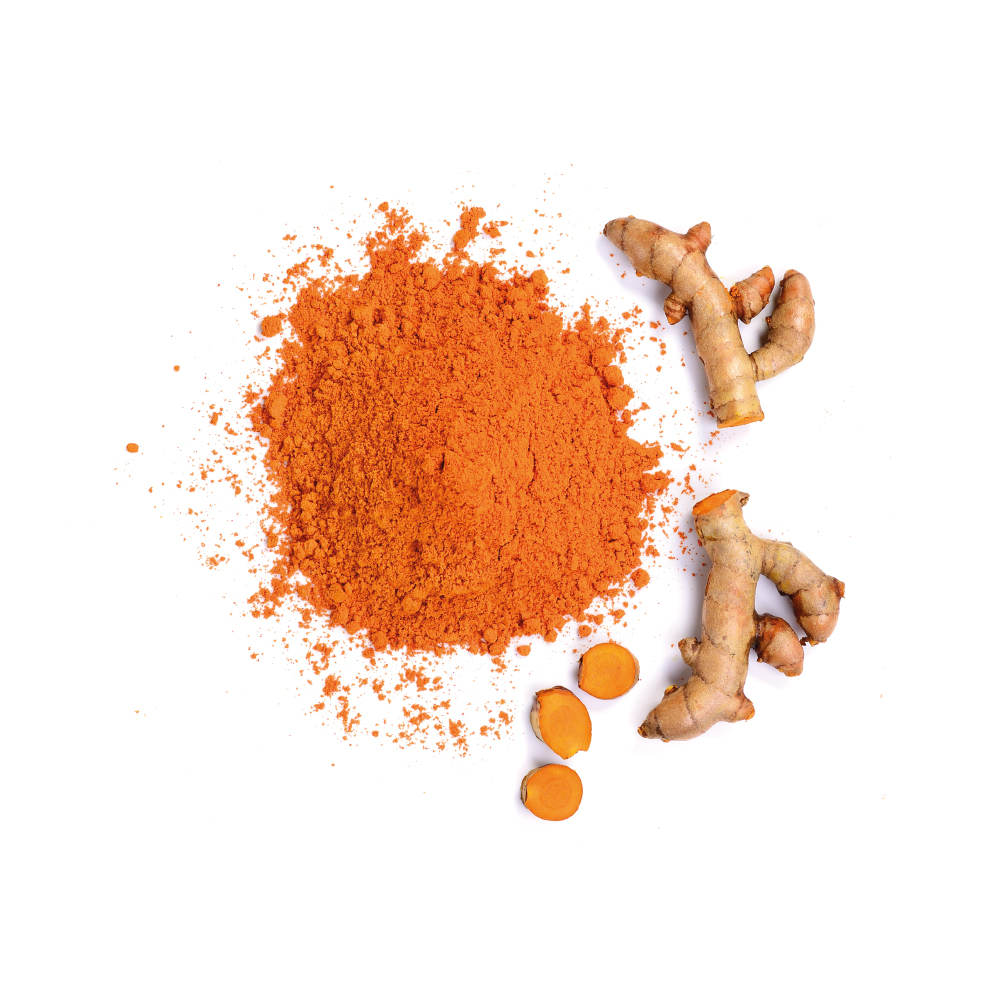
Herbs traditionally or clinically used for endometriosis.
References:
- Murray, M. T., & Pizzorno, J. (2012). The Encyclopedia of Natural Medicine Third Edition. Simon and Schuster.