
Condition
Female Infertility
Female infertility is the inability to achieve pregnancy after twelve months of regular unprotected intercourse due to a problem in the female reproductive system.

Overview
Aetiology
Infertility affects roughly 10–15% of all couples, and the female factors involved are diverse. The fallopian tubes may be closed or partly obstructed by infection, as in pelvic inflammatory disease or endometriosis. Ovarian dysfunction is another major cause, where ovulation may fail to occur at all or be irregular with anovulatory cycles. Structural factors also contribute, including congenital malformation of the vagina and fibroids or congenital malformation of the uterus. In some cases the cause is immunological rejection of sperm.
Primary
Primary infertility refers to a woman who has never achieved a pregnancy.
Secondary
Secondary infertility refers to a woman who has had a previous conception but is subsequently unable to conceive again.
Ovulatory Disorders
Ovulatory disorders are conditions in which the release of a mature egg is absent or irregular, and they are among the most common causes of female infertility.
- HPO Axis Dysfunction
- Genetic disorders
- Turner’s syndrome
- Autoimmune conditions
- Disorders of gonadotrophin regulation
- Hyperprolactinemia
- Gonadotrophin deficiency
- Pituitary tumor
- Pituitary infarction
- Pituitary ablation
- Polycystic ovarian syndrome (PCOS)
Tubal Obstruction
Tubal obstruction is the blockage or scarring of the fallopian tubes that prevents the egg and sperm from meeting, most often a consequence of infection or inflammation.
- STIs
- Pelvic Inflammatory Disease (PID)
- Ectopic Pregnancies
Endometriosis
Endometriosis is a condition in which tissue resembling the uterine lining grows outside the uterus, causing inflammation, scarring, and adhesions that can impair fertility.
Other Causes
- Uterine abnormalities
Assessment
Diagnostic Considerations
-
Symptomatic diagnosis
- Considered infertile after 1 year of unprotected intercourse without successful conception.
-
Screening exams
- Thyroid
- Diabetes
- Cushing
- PCOS
- Autoimmune
-
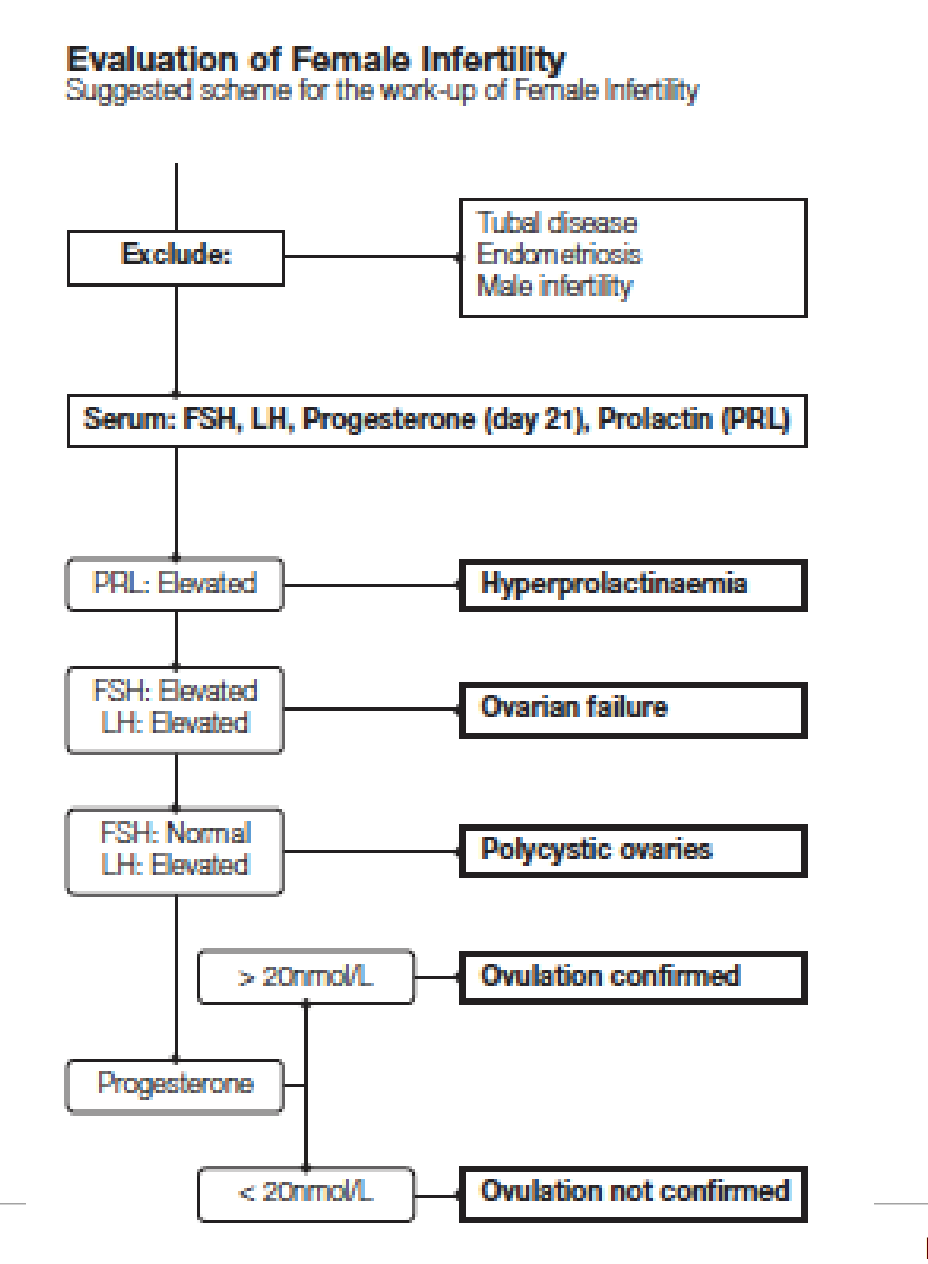
Hormone Testing:
-
Serum:
- Measurement of reproductive hormones in the blood, used to assess ovarian reserve and ovulation.
-
Urinary:
- Measurement of hormone metabolites in urine, often used to track ovulation across the cycle.
-
Salivary:
- Estrone (E1)
- Estradiol (E2)
- Estriol (E3)
- Progesterone (P4)
- Testosterone (TT)
- DHEA-S
-
-
Referrals:
- Gynae exam
- Ultrasound
Assessment
Differential Diagnosis
- Male partner infertility
The Herbs
Materia Medica (2)
Herbs traditionally or clinically used for female infertility.


Supplementation
Supplementation (1)
Supplements, nutrients and compounds used for female infertility.
Gonadorelin (GnRH)
GnRH decapeptide (native gonadotropin-releasing hormone)
Synthetic GnRH, a decapeptide identical to the body's own — formerly approved for pituitary testing and pulsatile fertility therapy, both now discontinued.