
Condition
Amenorrhea
Amenorrhea is the absence of menstruation, classified as primary when menarche has never occurred and secondary when established periods stop.

Overview
Aetiology
A minimum bodyweight of 48kg, and a fat content of 16-24% are required for menstruation to ocurr. For this reason it is common for women suffering from anorexia nervosa, chronic disease with convalescence, mal nutrition, and long distance runners to experience amenorrhea.
Primary Amenorrhea
Primary amenorrhea refers to young women who have never had menarche by the expected age. Its causes include:
- Chromosomal
- Turner’s
- Androgen insufficiency syndrome
- Congenital adrenal hyperplasia
- Vaginal agenisis
- Neuroendocrine disturbance
- Stress
- LOW
- Excessive excercize
- Chronic illness
- Post OCP
Secondary Amenorrhea
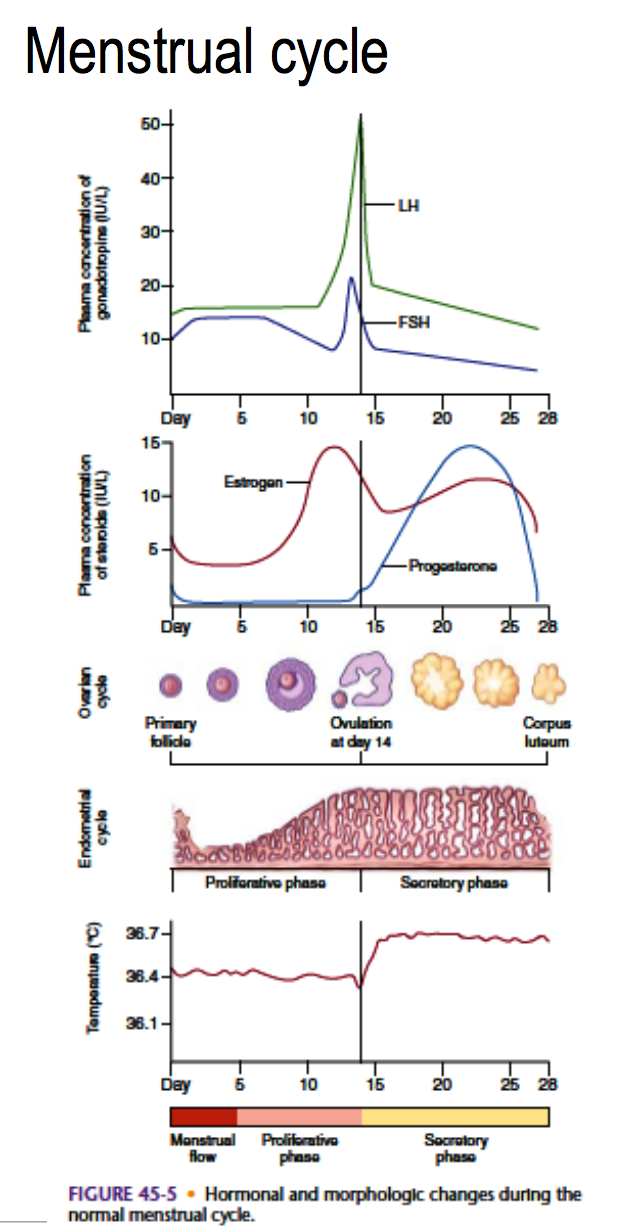
Characterized by the absence of menses for 6 months or for longer. It can be differentiated via FSH levels.
- FSH low: neuroendocrine stress: eg female athlete triad, prolactinoma
- FSH normal: comorbid endocrine disease: eg PCOS, hypothyroidism
- FSH high; premature ovarian insufficiency/failure, menopause
Causes:
- Physiological
- Pregnancy/lactation
- Menopause
- Endocrine
- Hyperprolactinemia
- Thyroid disturbance
- Premature ovarian syndrome
- Neruoendocrine
- Female Athlete Triad
- Starvation
Female Athlete Triad
- Amenorrhea
- Low bone mass (osteopenia, psteoporosis)
- Eating behavior disorders (low body weight, high excercize levels)
Excessive excercize is a form of chronic stress that the HPA axis then responds by reducing thyroid hormone levels, vitamin D, and increasing ACTRH and GnRH.
Presentation
Symptoms
The defining symptom is the absence of menstrual periods. Depending on the underlying cause, this may be accompanied by features such as hot flushes and vaginal dryness in estrogen deficiency, galactorrhea with hyperprolactinemia, excess hair growth and acne in PCOS, or the low body weight and reduced bone density seen in the female athlete triad.
Comorbidities/Associated Conditions
Prolonged amenorrhea reduces bone density, increasing the risk of osteopenia and osteoporosis. Acyclic estrogen exposure causes hyperplasia of the endometrium, and amenorrhea often occurs alongside concurrent and severe premenstrual syndrome.
Assessment
Diagnostic Considerations
-
Pregnancy test (beta HCG)
-
Computerized tomography (CT) scan or magnetic resonance imaging (MRI) of pituitary area
-
Thyroid stimulating hormone
-
Plasma hormone levels of FSH & LH
-
Estradiol
-
Prolactin
-
Testosterone
-
Progesterone withdrawal test: give a progestogen for 5 days. If the woman bleeds afterwards, she has estrogen in her circulation and a uterus.
-
Ultrasound assessment of:
- uterine size;
- pregnancy;
- ovarian size and morphology
- follicular function.
-
Examination under anesthesia if congenital abnormality:
- assess the pelvic organs;
- perform a laparoscopy to inspect the pelvic organs and to take a biopsy of the ovaries
Assessment
Differential Diagnosis
The first step is to exclude pregnancy, which is the most common cause of secondary amenorrhea. Other considerations include polycystic ovary syndrome, thyroid disorders, hyperprolactinemia, premature ovarian insufficiency, and menopause, as well as hypothalamic causes such as stress, excessive exercise, and low body weight. Structural and congenital abnormalities of the reproductive tract should be considered in primary amenorrhea.
Herbs for Amenorrhea
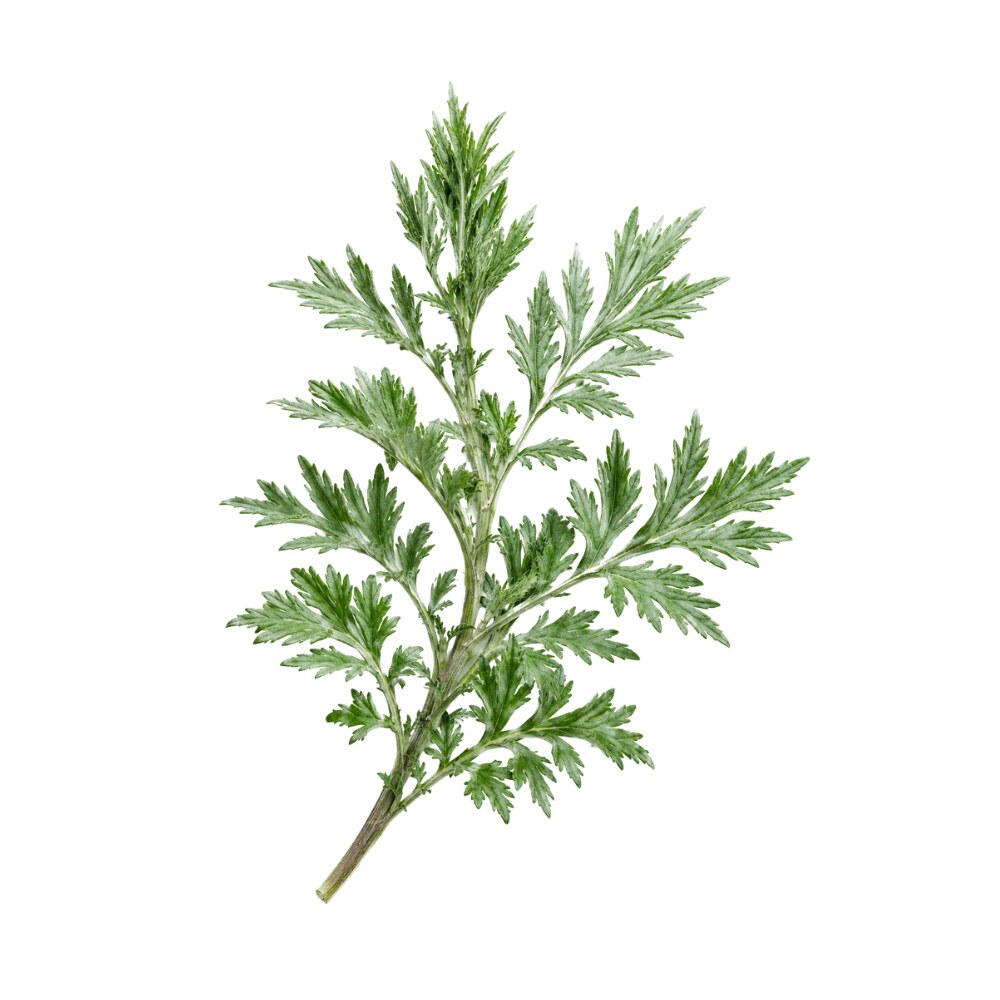
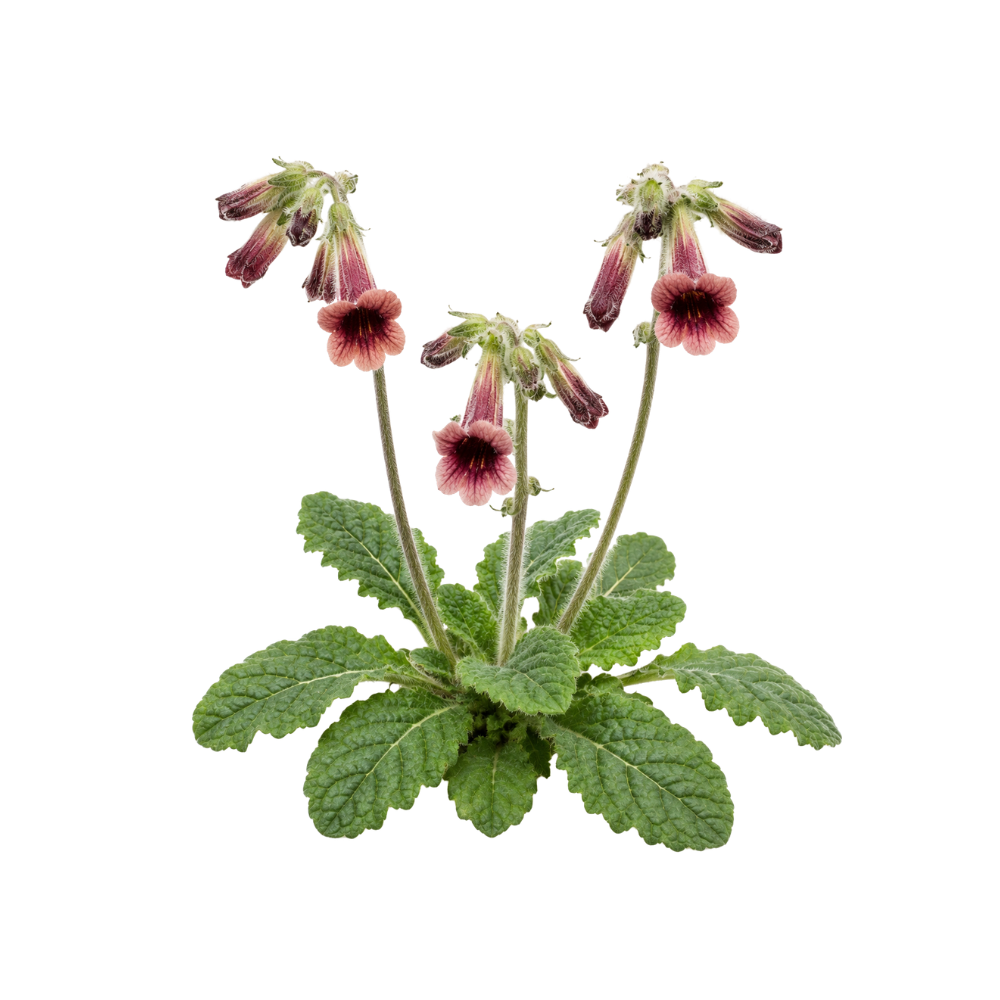
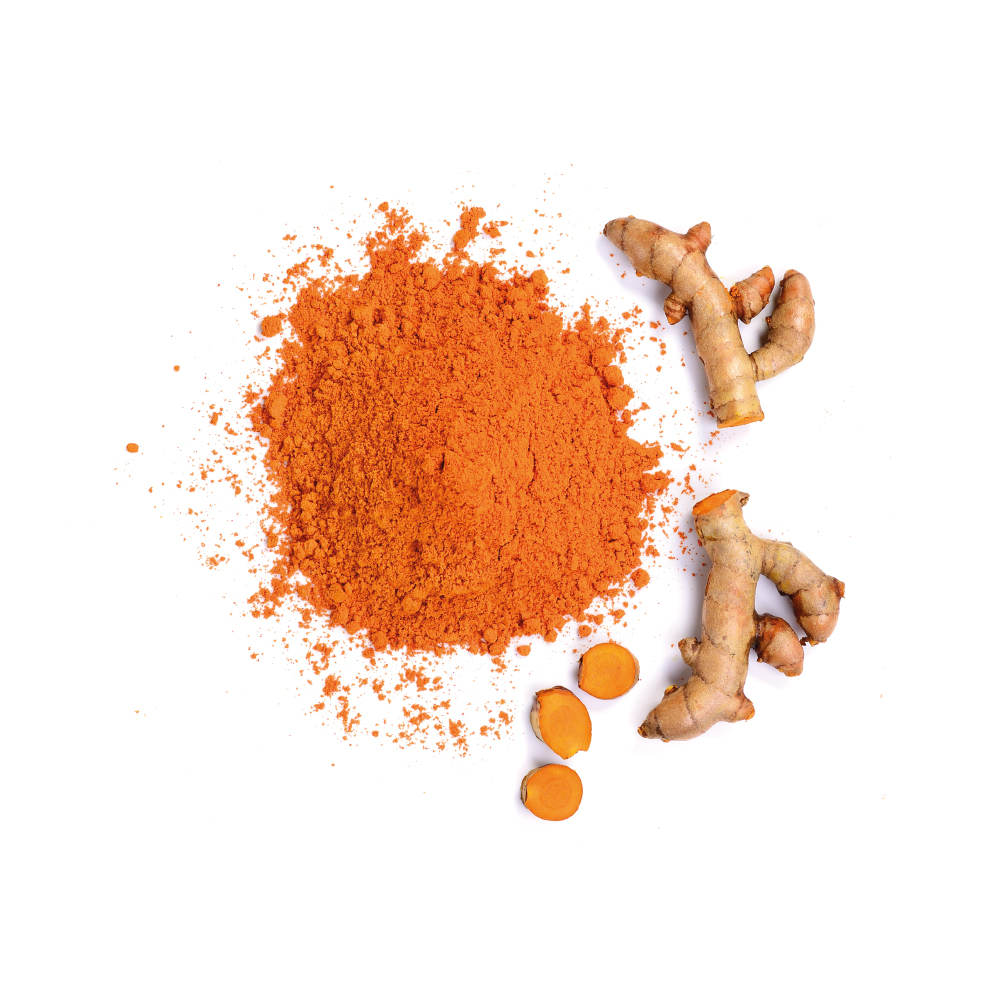
- Asparagus racemosus
- Vitex agnus-castus
- Hypericum
- Caulophyllum
- withania
- angelica sinensis
- panax ginseng
The Herbs
Materia Medica (5)
Herbs traditionally or clinically used for amenorrhea.


Supplementation
Supplementation (2)
Supplements, nutrients and compounds used for amenorrhea.
Gonadorelin (GnRH)
GnRH decapeptide (native gonadotropin-releasing hormone)
Synthetic GnRH, a decapeptide identical to the body's own — formerly approved for pituitary testing and pulsatile fertility therapy, both now discontinued.
Kisspeptin-10
Kisspeptin decapeptide (KISS1R/GPR54 agonist)
The 10-amino-acid fragment of kisspeptin — a KISS1R agonist that triggers GnRH release and an LH surge, studied in humans only as an intravenous probe.