

Overview
Female Reproductive at a Glance
The female reproductive system is the ovaries and uterus, and the hormonal rhythm that governs them: the menstrual cycle, fertility, pregnancy, and the transition out of all three.
Female reproductive herbs tend to act on a few main areas: the menstrual cycle, uterine tone, hormonal signalling, menstrual pain, heavy bleeding, menopause, fertility, pregnancy, and lactation.
Some act on the uterus directly.
Others influence the pituitary, estrogen receptors, inflammatory pathways, or the nervous system.
That means herbs used for similar symptoms may be working in completely different ways.
Chaste tree, for example, acts mainly through dopamine receptors at the pituitary and lowers prolactin.
Red clover and hops contain phytoestrogens that bind estrogen receptors weakly.
Ginger helps period pain largely through prostaglandin inhibition.
Cramp bark and related herbs act more directly on uterine smooth muscle.
Then there are herbs such as raspberry leaf that are traditionally used as uterine tonics, especially later in pregnancy.
The distinction between these groups matters.
A herb used for PMS isn’t necessarily “balancing hormones.”
A herb used for menopause isn’t necessarily estrogenic.
And an herb used to bring on a delayed period may also stimulate a pregnant uterus.
That last category needs particular care.
Emmenagogues promote menstrual flow, while oxytocic herbs stimulate uterine contraction more directly. The two categories overlap, and some traditional emmenagogues have also been used historically to induce abortion.
Other reproductive herbs work more gently.
Astringents such as shepherd’s purse and lady’s mantle are used for heavy bleeding.
Uterine antispasmodics such as cramp bark and black haw are used for menstrual cramping.
Phytoestrogens are used more in low-estrogen states such as menopause.
Nervines and antidepressant herbs may be relevant where mood, irritability, sleep disturbance, or anxiety are part of the picture.
Caution
Uterine-stimulating herbs need particular care in pregnancy or whenever pregnancy is possible. Persistent heavy bleeding, severe pelvic pain, unexplained amenorrhoea, postmenopausal bleeding, or symptoms suggesting ectopic pregnancy need medical assessment.
The Traditional View
How Herbalists Read the Female Cycle
Traditional herbal medicine tends to read the female reproductive system through the timing of the cycle, the quality of the flow, pain, tissue tone, and the broader constitutional state around them.
The first major group are the emmenagogues.
Mugwort, yarrow, motherwort, pennyroyal, and related herbs are traditionally used to encourage or restore menstrual flow.
This can mean anything from a delayed or scanty period to direct stimulation of uterine activity, so the category needs to be handled carefully.
Some emmenagogues are relatively mild.
Others overlap with the oxytocics, which stimulate uterine contraction more directly.
A separate group are the uterine tonics.
Raspberry leaf, partridge berry, and blue cohosh are traditionally used to support the tone and coordination of uterine muscle rather than simply stimulating it.
They’re especially associated with pregnancy and preparation for labour, although the specific effects and safety vary considerably between herbs.
Then there are the uterine antispasmodics.
Cramp bark, black haw, wild yam, ginger, fennel, and similar herbs are used where menstrual pain is dominated by cramping and excessive uterine contraction.
Some work directly on smooth muscle.
Others reduce the prostaglandin signalling that drives primary dysmenorrhoea.
Heavy menstrual bleeding calls for another set of actions.
Astringents and styptics such as shepherd’s purse and lady’s mantle are traditionally used to reduce excessive flow.
They don’t address every possible cause of heavy bleeding, but they form a distinct part of the reproductive materia medica.
Around these uterine actions sit the hormonal modulators.
Chaste tree is the clearest example.
Rather than acting directly on the ovaries, it acts through dopaminergic signalling at the pituitary and can lower prolactin, which in turn influences luteal-phase function and cyclical symptoms.
Phytoestrogens form another group.
Red clover, hops, fennel, soy, and other plants contain compounds that bind estrogen receptors weakly, which makes them most relevant where estrogen activity is reduced, especially around menopause.
Black cohosh is different.
It’s often grouped with phytoestrogens, but its effects don’t appear to depend on meaningful estrogen-receptor stimulation and are more likely related to central serotonergic or dopaminergic pathways.
That distinction is useful because many reproductive symptoms overlap even when the mechanism does not.
Hot flushes, PMS, period pain, heavy bleeding, infertility, and low libido all sit under the same system, but they aren’t variations of one hormonal problem.
The practical herbal question is:
Is the problem uterine spasm, excessive bleeding, disrupted cycle signalling, low-estrogen symptoms, prolactin imbalance, tissue tone, or something outside the reproductive system altogether?
Key Herbal Actions
What the Herbs Do Here
The actions most often called on here, each linking through to the herbs that carry it:
Female Tonic
The broad traditional category of herbs used to support cycle regularity and reproductive function.
Uterine Tonic
Tones and coordinates uterine muscle, as distinct from stimulating it.
Uterine Antispasmodic
Relaxes uterine muscle; the action behind the period-pain herbs.
Emmenagogue
Promotes and regularises menstrual flow, and the group requiring most care in anyone who could be pregnant. Its child oxytocic is the narrower action of driving uterine contraction.
Estrogenic
Binds estrogen receptors, usually weakly and selectively; the phytoestrogen group used in menopause.
Hormone Modulator
Acts on hormonal signalling without simply raising or lowering one hormone.
Prolactin Inhibitor
Lowers prolactin by dopaminergic action at the pituitary; chaste tree’s specific mechanism.
Nervine & Antidepressant
Address the mood component that dominates PMS and much of the menopausal transition.
Mechanisms
How It Works
The herbs here reach the same symptoms by unrelated routes, one acting on the pituitary, another on an estrogen receptor, a third on prostaglandin synthesis in the uterine wall. Almost all of them work at one of six points.
01
Dopaminergic prolactin suppression
The most precisely characterised mechanism here, and it is not a sex-hormone one at all.
Chaste tree’s diterpenes bind dopamine D2 receptors on pituitary lactotroph cells. Dopamine is the brain’s brake on prolactin, so a D2 agonist lowers prolactin release, demonstrated directly in rat pituitary cells 51Reference 51AnimalAgnus castus extracts inhibit prolactin secretion of rat pituitary cellsView study →.
Mildly elevated prolactin shortens the luteal phase and disturbs the cycle, and chaste tree corrected luteal phase defects due to latent hyperprolactinaemia in clinical work 50Reference 50Vitex agnus castus extract in the treatment of luteal phase defects due to latent hyperprolactinaemiaView study →.
That explains an otherwise odd profile. Chaste tree helps premenstrual and cyclical breast symptoms, it is not estrogenic, and it should not be combined with dopamine antagonists.
Herbs: Chaste Tree
02
Selective estrogen-receptor binding, the phytoestrogens
The menopause mechanism.
Red clover’s genistein, biochanin A and formononetin, and hops’ 8-prenylnaringenin, among the most potent phytoestrogens known, are structurally close enough to estradiol to occupy estrogen receptors. They bind weakly and preferentially at ERβ rather than ERα.
In a low-estrogen state that is enough for partial agonism, which is where the effects on hot flushes and bone come from 12,
The ERβ preference is the basis of the argument that these compounds are safer in the breast than systemic estrogen. That argument is plausible and not settled, which is why the hormone-sensitive-cancer caution below is stated firmly.
Herbs: FennelHopsRed Clover
Key compounds: GenisteinBiochanin AFormononetin8-PrenylnaringeninAnethole
03
The black cohosh mechanism, which is not estrogenic
Black cohosh was assumed for decades to be a phytoestrogen. It is not.
It has no meaningful affinity for estrogen receptors in most assays, does not stimulate estrogen-dependent breast cancer cells, and does not thicken the endometrium. Screening work characterises its activity as SERM-like rather than estrogenic 16Reference 16In vitroHigh-content screening and mechanism-based evaluation of estrogenic botanical extracts — in vitroView study →, and its actein and cimicifugoside triterpene glycosides are the constituents that carry it.
Serotonergic and dopaminergic activity are the leading alternative explanations for its effect on hot flushes, which is a thermoregulatory event in the hypothalamus rather than a peripheral one.
That distinction matters clinically. It is the reason black cohosh has been trialled in women with a history of breast cancer 5Reference 5RCTPhase III double-blind, randomised, placebo-controlled crossover trial of black cohosh for hot flashes (NCCTG N01CC1)View study → where an estrogen would not be.
Herbs: Black Cohosh
Key compounds: ActeinCimicifugoside
04
Prostaglandin synthesis & the cramping uterus
The period-pain mechanism, and the most straightforwardly pharmacological.
Primary dysmenorrhoea is driven by prostaglandin F2α produced in the endometrium, which causes the intense uterine contractions and ischaemia that hurt. That is why NSAIDs work.
Ginger’s gingerols and shogaols inhibit cyclooxygenase and lipoxygenase, giving it the same target as an NSAID by a different molecule, and its dysmenorrhoea meta-analyses find it comparable to mefenamic acid 35,
This is the one group where the mechanism, the trials, and the traditional use all agree.
05
Uterine smooth muscle, tonic versus stimulant
The distinction the tradition insists on, and the pharmacology partly supports it.
Antispasmodics relax uterine muscle, with cramp bark’s scopoletin and viopudial the identified constituents. Stimulants provoke contraction, which isolated-uterus studies confirm for shepherd’s purse and related herbs 44Reference 44Uterotonic action of extracts from a group of medicinal plants — isolated-uterus animal studyView study →.
Tonics are the in-between claim. Raspberry leaf is held not to stimulate or relax but to make contractions more coordinated and effective, and isolated-tissue work has shown both relaxant and stimulant effects depending on preparation and tissue state.
That is either evidence of a real regulating action or evidence that the effect is unreliable, and the clinical trials do not resolve it 55,
Herbs: Cramp BarkRaspberry LeafShepherds Purse
Key compounds: ScopoletinViopudial
06
Androgen modulation in PCOS
PCOS involves elevated ovarian androgen production, and a small group of herbs act there.
White peony’s paeoniflorin reduces ovarian androgen production in animal work 46Reference 46AnimalEffect of paeoniflorin, glycyrrhizin and glycyrrhetic acid on ovarian androgen production — rat in vivoView study → and appears in the classical Japanese formula shakuyaku-kanzo-to studied in polycystic ovarian disease 45Reference 45Clinical trialEffect of TJ-68 (shakuyaku-kanzo-to) on polycystic ovarian disease — human clinical studyView study →, with licorice’s glycyrrhizin contributing separately by inhibiting the enzyme that makes testosterone. A review of plant-derived anti-androgens sets out the wider group 47Reference 47ReviewAn update on plant-derived anti-androgens — reviewView study →.
The evidence is small, mostly Japanese, and mostly old.
PCOS is also a metabolic condition as much as a hormonal one, and its insulin resistance is covered on the metabolic page.
Key compounds: PaeoniflorinGlycyrrhizin
The Herbs
Materia Medica
The herbs with a written-up indication here, grouped by use and ordered within each group by strength of evidence.
Herbs used across both sexes sit on the reproductive page.
Menopause & Vasomotor Symptoms
6 herbsThe best-populated group, driven by a generation of women who left hormone therapy after the Women’s Health Initiative. Two points frame all of it: hot flush trials have a very high placebo response, so uncontrolled results are worthless; and menopause is not a deficiency disease, so the question is symptom relief, and for severe symptoms hormone therapy remains substantially more effective than anything below.
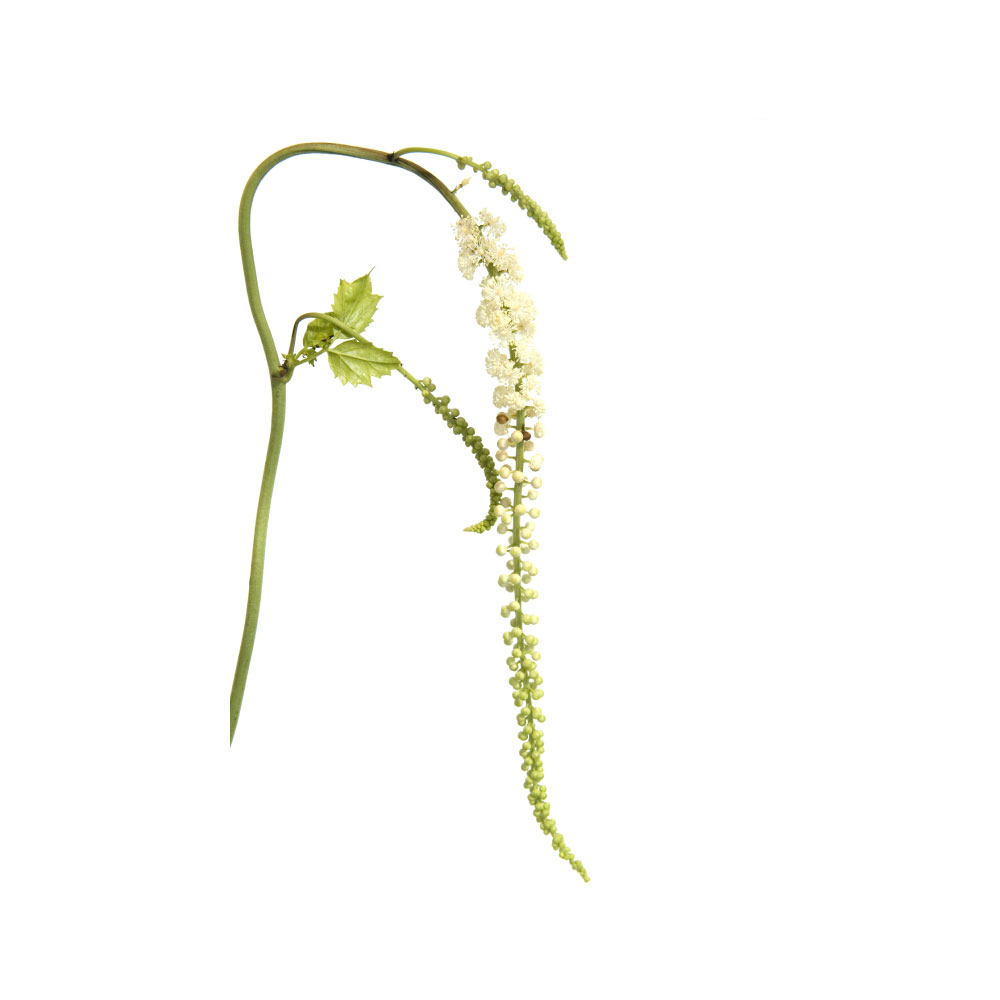 StrongStrongBlack CohoshCimicifuga racemosaThe most-studied menopause herb, and the evidence is mixed rather than thin. An updated pairwise meta-analysis found black cohosh extracts improved menopausal symptoms 1Reference 1Meta-analysisBlack cohosh extracts in women with menopausal symptoms — updated pairwise meta-analysisView study →, and a meta-analysis restricted to the isopropanolic extract iCR, the preparation with the most consistent data, supports it 3Reference 3Meta-analysisReview and meta-analysis: isopropanolic black cohosh extract iCR for menopausal symptoms — an updateView study →.Also underPCOS ↓Read the evidenceShow lessMonograph →
Against that, the Cochrane review found insufficient evidence of benefit for hot flushes 2Reference 2Systematic reviewBlack cohosh (Cimicifuga spp.) for menopausal symptoms — Cochrane systematic review of randomised controlled trialsView study →, the network meta-analysis underpinning the NICE menopause guideline was similarly unconvinced 4Reference 4Meta-analysisVasomotor symptoms from natural menopause — systematic review and network meta-analysis (NICE guideline)View study →, and a phase III crossover trial in the cancer setting was null 5Reference 5RCTPhase III double-blind, randomised, placebo-controlled crossover trial of black cohosh for hot flashes (NCCTG N01CC1)View study →.
Black cohosh is not a phytoestrogen 16Reference 16In vitroHigh-content screening and mechanism-based evaluation of estrogenic botanical extracts — in vitroView study →, which is why it has been trialled in women with a history of breast cancer at all.
On hepatotoxicity, case reports prompted regulatory warnings, but a meta-analysis of randomized trials found no signal for the isopropanolic extract 6Reference 6Meta-analysisSuspected black cohosh hepatotoxicity — no evidence by meta-analysis of randomised controlled trials for isopropanolic extractView study → and the US Pharmacopeia review judged causality mostly unproven 7Reference 7Case reportUnited States Pharmacopeia review of the black cohosh case reports of hepatotoxicityView study →. Use a well-characterised extract and stop if symptoms of liver upset appear.
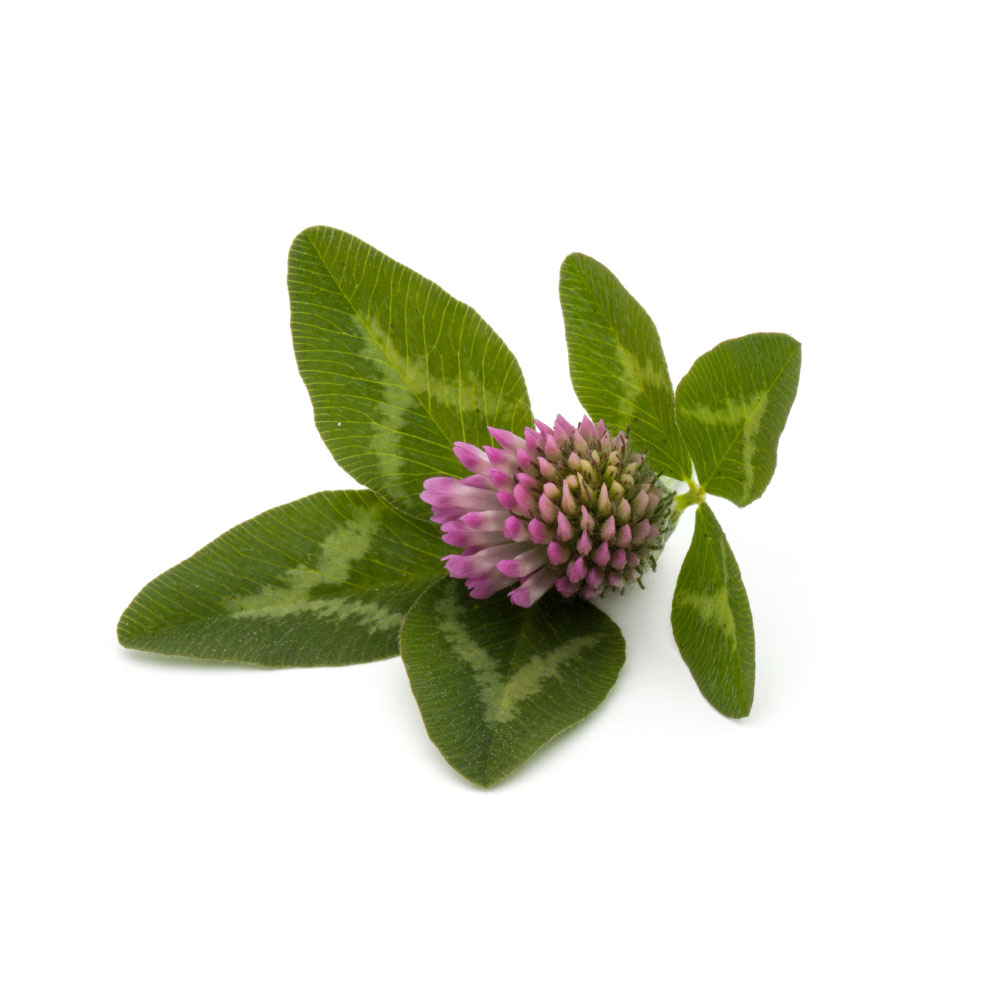 StrongStrongRed CloverTrifolium pratenseThe archetypal isoflavone phytoestrogen, with a large literature and a modest effect. A GRADE-assessed systematic review and meta-analysis found red clover reduced hot flush frequency 8Reference 8Meta-analysisThe effectiveness of red clover on hot flush in menopausal women — GRADE-assessed systematic review and meta-analysisView study →, supported by an earlier meta-analysis assessing clinical meaningfulness 9Reference 9Meta-analysisEvaluation of clinical meaningfulness of red clover (Trifolium pratense L.) extract to relieve hot flushes and menopausal symptoms — systematic review and meta-analysis of randomised controlled trialsView study → and by a meta-analysis of the standardised extract 11Reference 11Meta-analysisEffects of a standardised extract of Trifolium pratense (Promensil) in the treatment of menopausal hot flushes — systematic review and meta-analysisView study →.Read the evidenceShow lessMonograph →
The Cochrane review of phytoestrogens for vasomotor symptoms was more sceptical, finding no consistent benefit across the class 10Reference 10Systematic reviewPhytoestrogens for menopausal vasomotor symptoms — Cochrane systematic reviewView study →. The disagreement is about effect size rather than about direction.
Its more interesting secondary evidence is skeletal. A randomized controlled trial found improved bone status in healthy menopausal women 12Reference 12RCTIntake of novel red clover supplementation for 12 weeks improves bone status in healthy menopausal women — randomised controlled trialView study →, consistent with ERβ-mediated effects on bone.
The caution is inherent to the mechanism. These are estrogen-receptor ligands, and their use in hormone-sensitive breast cancer is not established as safe.
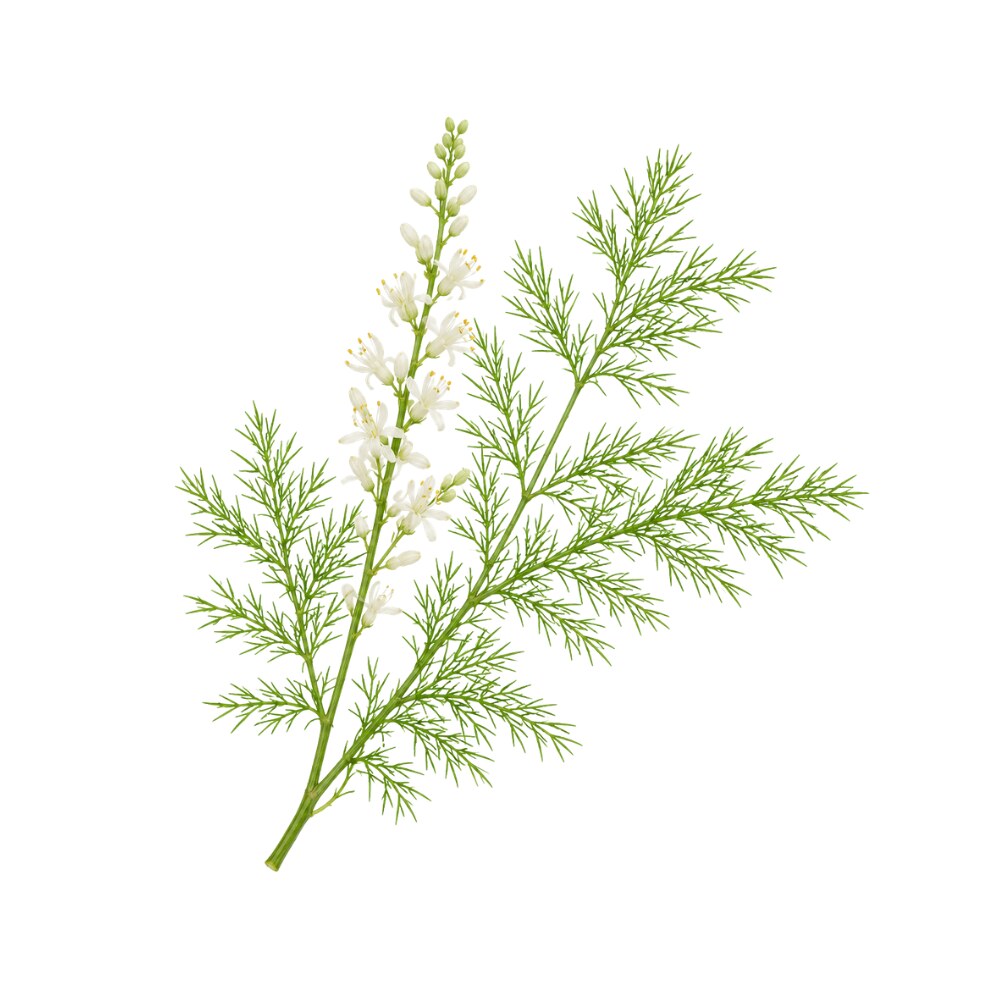 ModerateModerateShatavariAsparagus racemosusThe principal Ayurvedic women’s tonic, its name usually glossed as “she who possesses a hundred husbands”, with a recent and improving trial record.Read the evidenceShow lessMonograph →
A double-blind, multicentre randomized controlled trial found shatavari root extract improved menopausal symptoms 13Reference 13RCTEfficacy and safety of Shatavari root extract for the management of menopausal symptoms — double-blind, multicentre, randomised controlled trialView study →, and a randomized placebo-controlled trial found improvement in hormonal balance, menstrual health and vasomotor symptoms 14Reference 14RCTA standardized Asparagus racemosus root extract improves hormonal balance and menstrual health and reduces vasomotor symptoms — randomised placebo-controlled trialView study →.
A separate randomized controlled trial in postmenopausal women found improved handgrip strength with a measurable change in muscle myosin phosphorylation 15Reference 15RCTShatavari supplementation in postmenopausal women improves handgrip strength and increases myosin regulatory light chain phosphorylation — randomised controlled trialView study →, an objective functional endpoint, which is rare in this field.
Trials are small, recent, and largely Indian. Shatavari is an asparagus relative, so it is avoided in asparagus allergy.
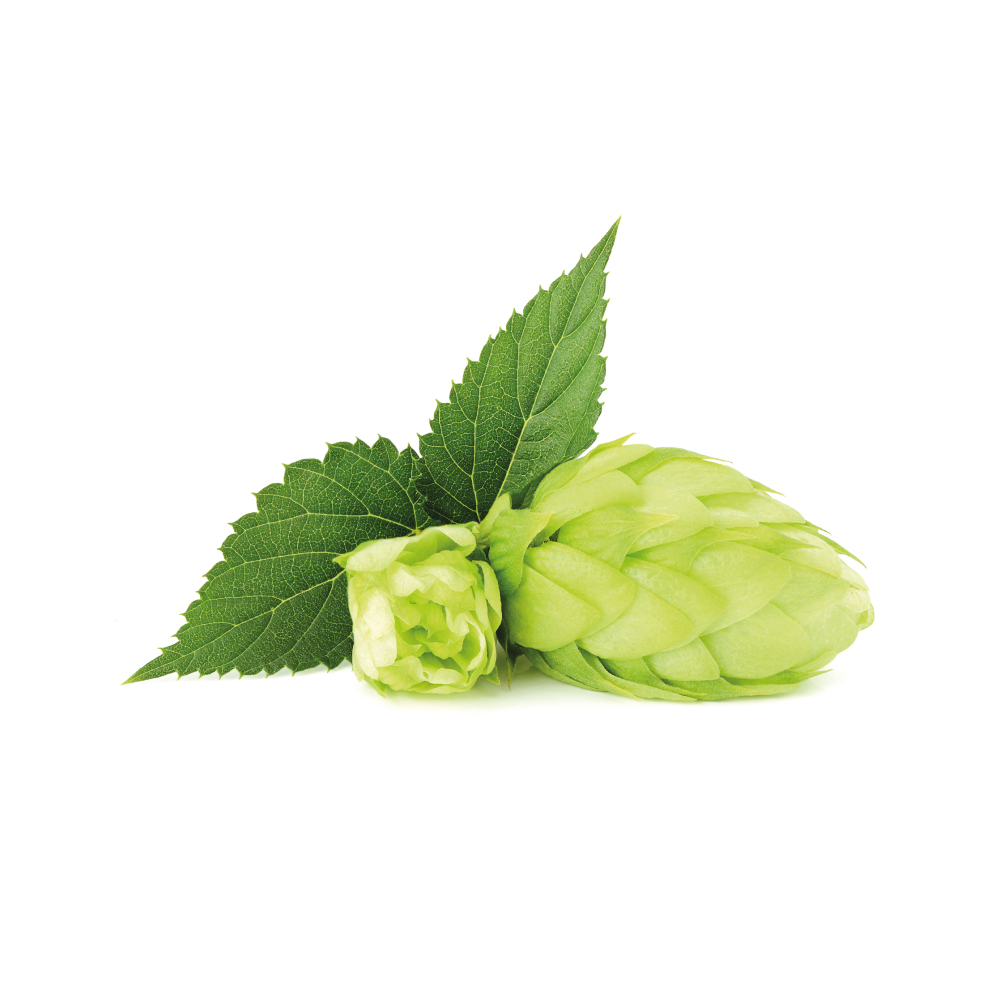 ModerateModerateHopsHumulus lupulusContains 8-prenylnaringenin, one of the most potent phytoestrogens identified in any plant, which makes hops pharmacologically the most interesting entry in this group.Read the evidenceShow lessMonograph →
A prospective, randomized, double-blind, placebo-controlled study of a standardised hop extract found relief of menopausal discomfort 65Reference 65RCTA first prospective, randomised, double-blind, placebo-controlled study on the use of a standardised hop extract to alleviate menopausal discomfortsView study →, reproduced in a randomized crossover pilot 17Reference 17RCTA randomised, double-blind, placebo-controlled, crossover pilot study on the use of a standardised hop extract to alleviate menopausal discomfortsView study → and in a placebo-controlled trial focused on early menopausal symptoms and hot flushes 18Reference 18RCTThe effect of hop (Humulus lupulus L.) on early menopausal symptoms and hot flashes — randomised placebo-controlled trialView study →. A one-year randomized trial of an 8-PN-standardised extract examined bone health in postmenopausal osteopenia 19Reference 19RCTEffect of a hop extract standardized in 8-prenylnaringenin on bone health and gut microbiome in postmenopausal women with osteopenia — one-year randomised, double-blind, placebo-controlled trialView study →.
Hops is sedating, which is useful at night and unhelpful by day.
A clinical pharmacokinetic study found a hop supplement altered drug metabolism in perimenopausal and postmenopausal women 20Reference 20Clinical trialPharmacokinetic interactions of a hop dietary supplement with drug metabolism in perimenopausal and postmenopausal women — clinical trialView study →, which is a real interaction concern rather than a theoretical one.
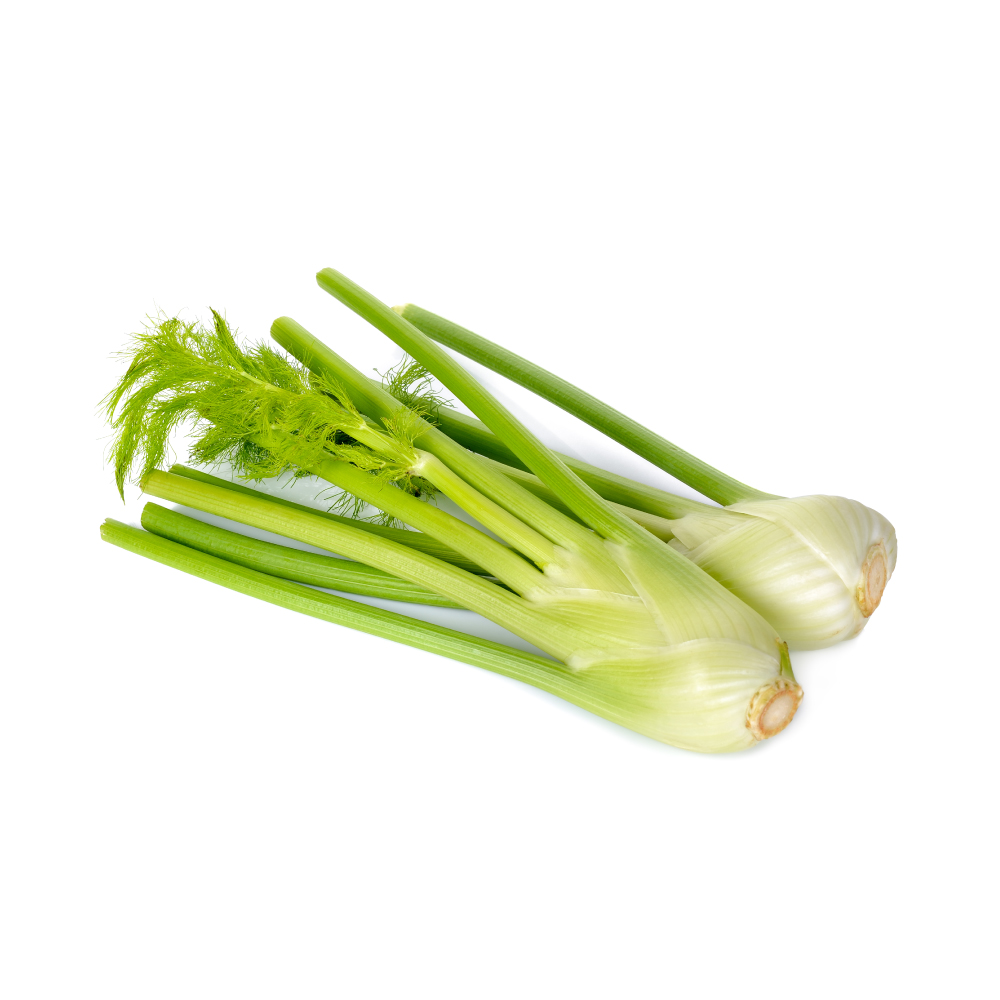 ModerateModerateFennelFoeniculum vulgareBetter evidenced in menopause than its kitchen-spice reputation suggests. A systematic review and meta-analysis found fennel improved menopausal symptoms 21Reference 21Meta-analysisFennel for the management of menopausal women’s health — systematic review and meta-analysisView study →, supported by a randomized, triple-blind, placebo-controlled trial 22Reference 22RCTEffect of fennel on menopausal symptoms in postmenopausal women — randomised, triple-blind, placebo-controlled trialView study →.Also underPeriod ↓Read the evidenceShow lessMonograph →
Its most specific result is topical. A double-blind randomized controlled trial of a fennel vaginal cream found improvement in vaginal atrophy 23Reference 23RCTEffect of fennel vaginal cream on vaginal atrophy in postmenopausal women — double-blind randomised controlled trialView study →, a common, under-treated and quality-of-life-limiting problem where a local, low-systemic-exposure option is useful.
The estrogenic activity of fennel and anise has been recognised for decades 66Reference 66ReviewFennel and anise as estrogenic agents — reviewView study →, and that is also the caution. Fennel is mildly estrogenic, which matters in hormone-sensitive conditions.
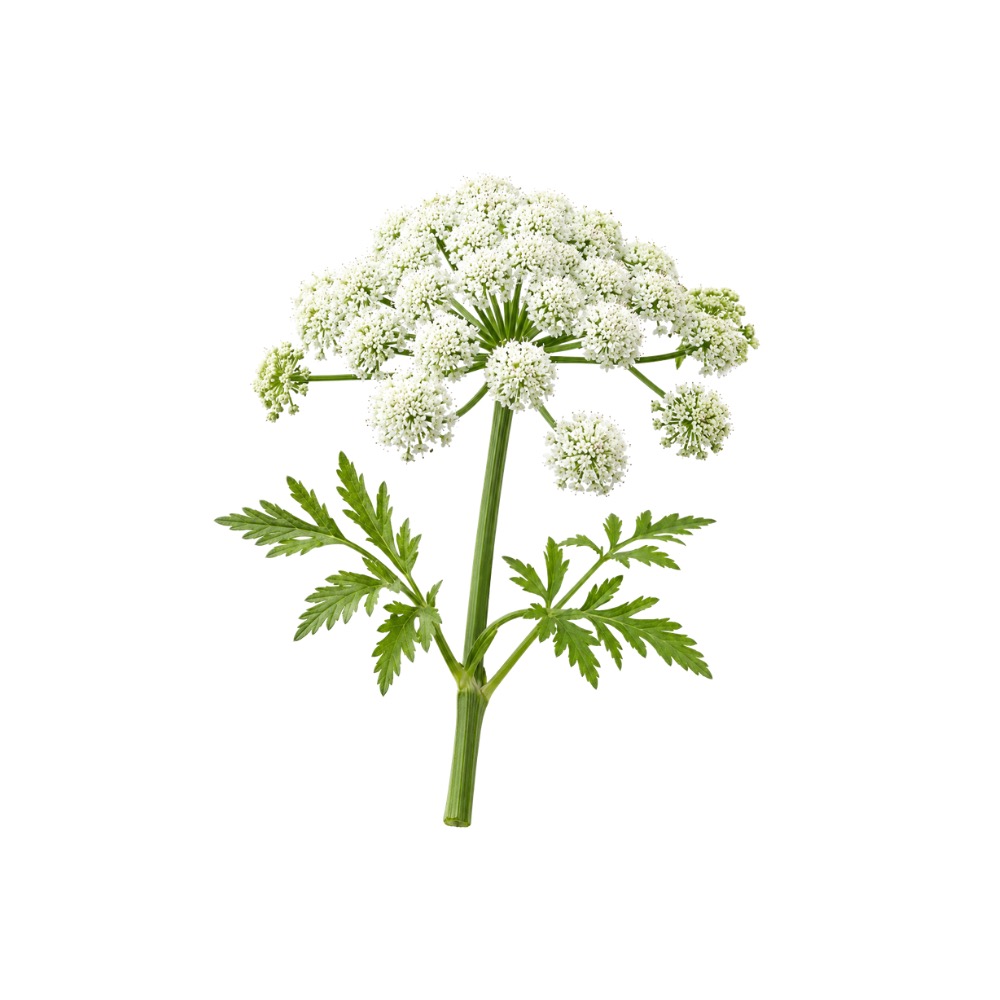 ModerateModerateDong QuaiAngelica sinensisFamous in the West as “female ginseng” and, tested on its own, unimpressive. A double-blind, placebo-controlled randomized trial found dong quai had no estrogenic effect and no benefit over placebo for menopausal symptoms 24Reference 24RCTDoes dong quai have estrogenic effects in postmenopausal women? — double-blind, placebo-controlled randomised trialView study →, and a randomized trial of the classical paired formula Dang Gui Buxue Tang was likewise unconvincing 25Reference 25RCTA randomised, double-blind, placebo-controlled study of Dang Gui Buxue Tang on menopausal symptomsView study →.Read the evidenceShow lessMonograph →
That is not how it is used in Chinese medicine, where it is almost never given alone. The Western monotherapy trials arguably missed the traditional use rather than refuted it.
In vitro it stimulates proliferation of both ER-positive and ER-negative breast cancer cell lines 26Reference 26In vitroUse of dong quai (Angelica sinensis) in women with breast cancer — effect on ER-positive (MCF-7) and ER-negative (BT-20) cell proliferation, in vitroView study →, which is a reason for real caution in hormone-sensitive disease.
It also contains coumarins and interacts with warfarin.
PMS & Cyclical Symptoms
3 herbsThe strongest evidence in this materia medica. Premenstrual syndrome affects a large minority of menstruating people and premenstrual dysphoric disorder a smaller and more severe group, and conventional treatment is SSRIs or hormonal suppression, neither universally acceptable. PMS is diagnosed by prospective symptom diary over two cycles rather than retrospectively, which matters because that is what the good trials did.
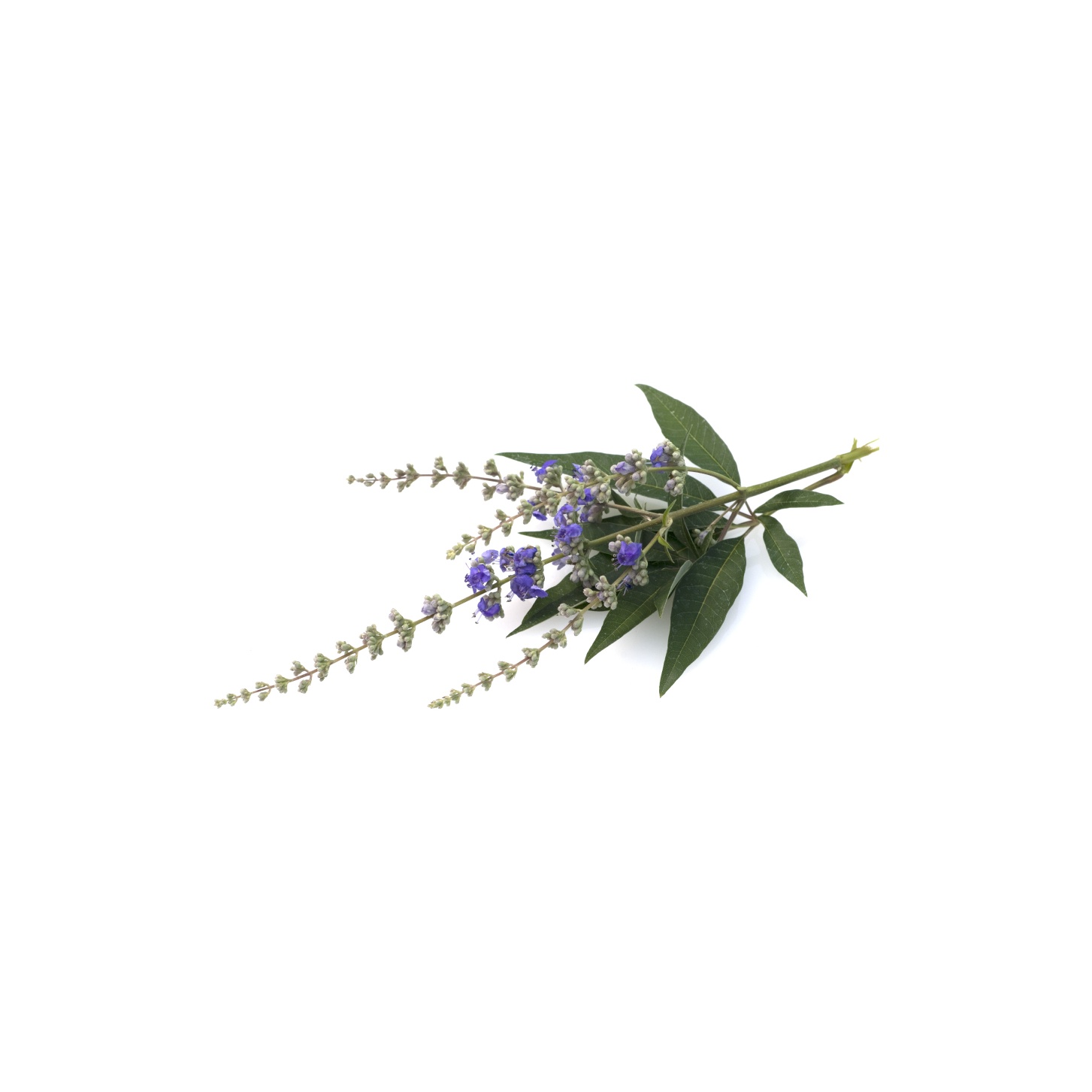 StrongStrongChaste TreeVitex agnus-castusThe best-evidenced herb for PMS. A prospective, randomized, placebo-controlled trial in the BMJ found the Ze 440 extract significantly reduced PMS symptoms 29Reference 29RCTTreatment for the premenstrual syndrome with agnus castus fruit extract (Ze 440) — prospective, randomised, placebo-controlled studyView study →, and two independent meta-analyses of double-blind randomized controlled trials confirm the effect 27,
28Reference 27Meta-analysisVitex agnus-castus in premenstrual syndrome — meta-analysis of double-blind randomised controlled trialsView study →Reference 28Meta-analysisThe treatment of premenstrual syndrome with preparations of Vitex agnus castus — systematic review and meta-analysisView study → .Also underPCOS ↓Read the evidenceShow lessMonograph →
In premenstrual dysphoric disorder a randomized trial found it comparable to fluoxetine 30Reference 30Fluoxetine versus Vitex agnus castus extract in the treatment of premenstrual dysphoric disorderView study →, and a systematic review and meta-analysis supports it for cyclic mastalgia 31Reference 31Meta-analysisVitex agnus-castus for the treatment of cyclic mastalgia — systematic review and meta-analysisView study →, the cyclical breast pain that fits its prolactin mechanism precisely 50,
Three practical points. It is taken in the morning as a single daily dose, it takes about three cycles to show its full effect, and because it is dopaminergic it should not be combined with dopamine antagonists, or in principle with dopamine agonists.
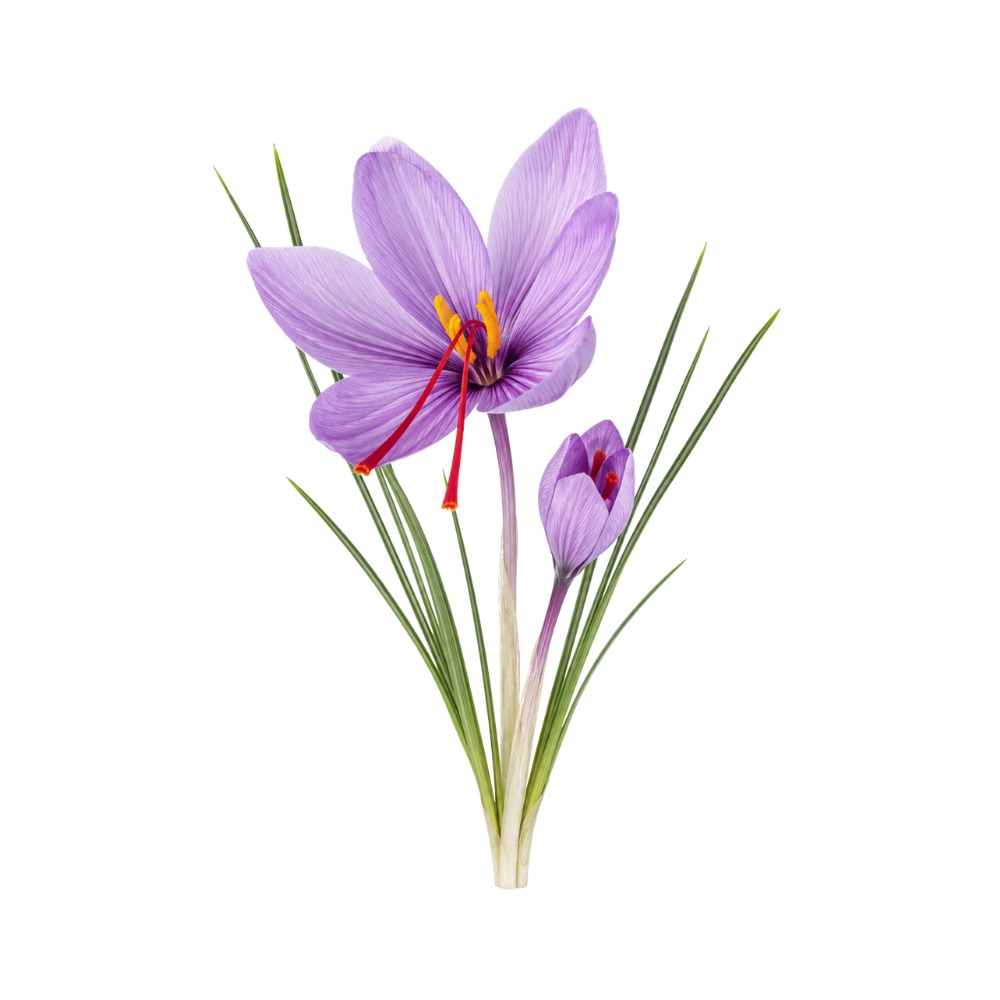 StrongStrongSaffronCrocus sativusAn unexpected and well-supported entry, working through mood rather than hormones. A double-blind, randomized, placebo-controlled trial in the BJOG found saffron significantly reduced PMS symptoms 32Reference 32RCTCrocus sativus L. (saffron) in the treatment of premenstrual syndrome — double-blind, randomised and placebo-controlled trialView study →, and a systematic review and meta-analysis supports it for premenstrual syndrome and dysmenorrhoea 33Reference 33Meta-analysisEffect of saffron on premenstrual syndrome and dysmenorrhea — systematic review and meta-analysisView study →.Read the evidenceShow lessMonograph →
The plausible mechanism is serotonergic, which fits a condition whose dominant symptoms are mood, irritability and anxiety. Saffron has its own antidepressant trial literature, covered on the nervous system page.
Its randomized controlled trial evidence for antidepressant-induced sexual dysfunction in both sexes sits on the parent reproductive page.
The trial dose is 30 mg a day. Saffron is expensive and adulteration is common.
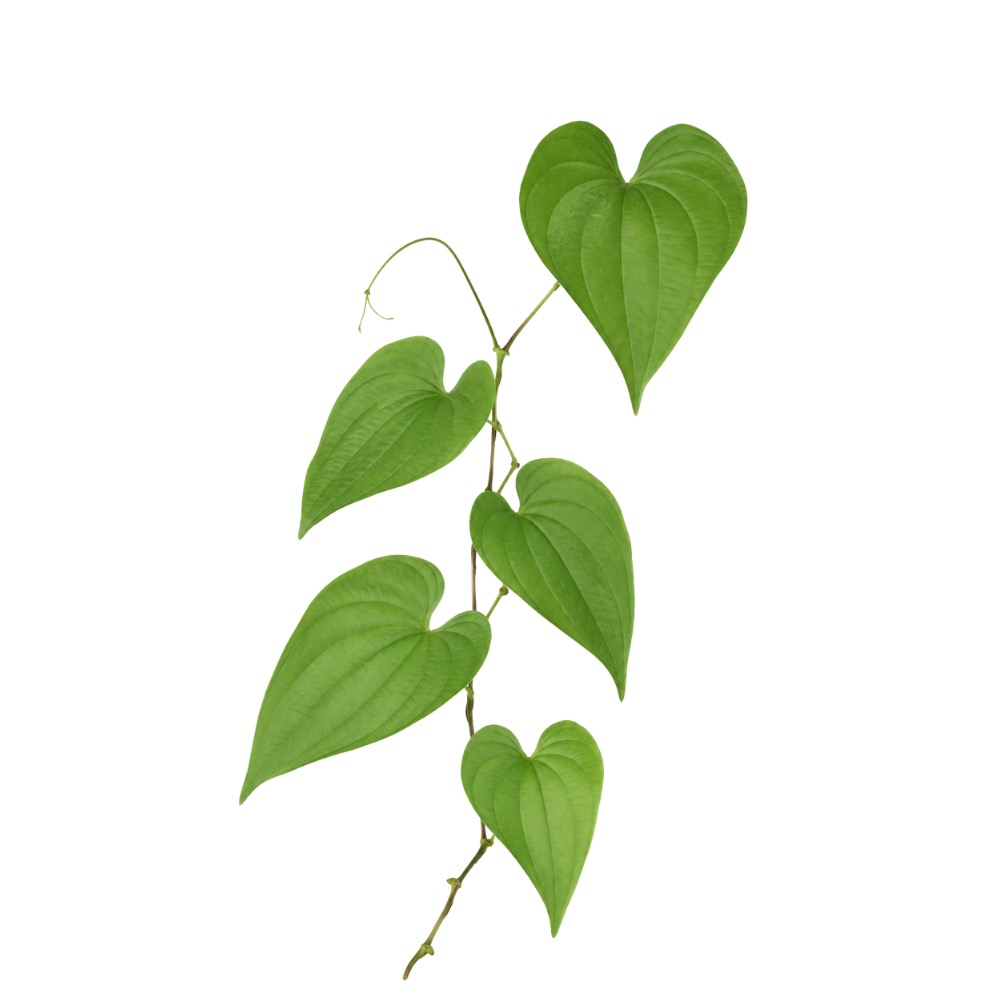 TraditionalTraditionalWild YamDioscorea villosaWild yam contains diosgenin, which chemists use as a starting material to synthesise progesterone in a laboratory. That conversion takes several steps and the human body cannot perform any of them.Read the evidenceShow lessMonograph →
Creams sold as “natural progesterone” therefore either do nothing hormonally or, in a number of documented cases, have been found to contain added synthetic progesterone.
The one controlled test is decisive. A randomized placebo-controlled crossover trial of wild yam extract in menopausal women found no effect on symptoms, lipids or sex hormones 34Reference 34RCTEffects of wild yam extract on menopausal symptoms, lipids and sex hormones in healthy menopausal women — randomised placebo-controlled crossover clinical trialView study →.
Its legitimate traditional use is quite different and unrelated to hormones, as a uterine and intestinal antispasmodic for cramping pain.
Period Pain
4 herbsPrimary dysmenorrhoea, cramping period pain with no underlying pathology, is common, under-treated, and the group with the cleanest agreement between mechanism and trial. Two caveats frame it. Pain that is severe, worsening, or present outside menstruation may be endometriosis, which is a diagnosis rather than a symptom and is delayed by an average of several years; and NSAIDs work well for most people, so the realistic role here is for those who cannot take them or prefer not to.
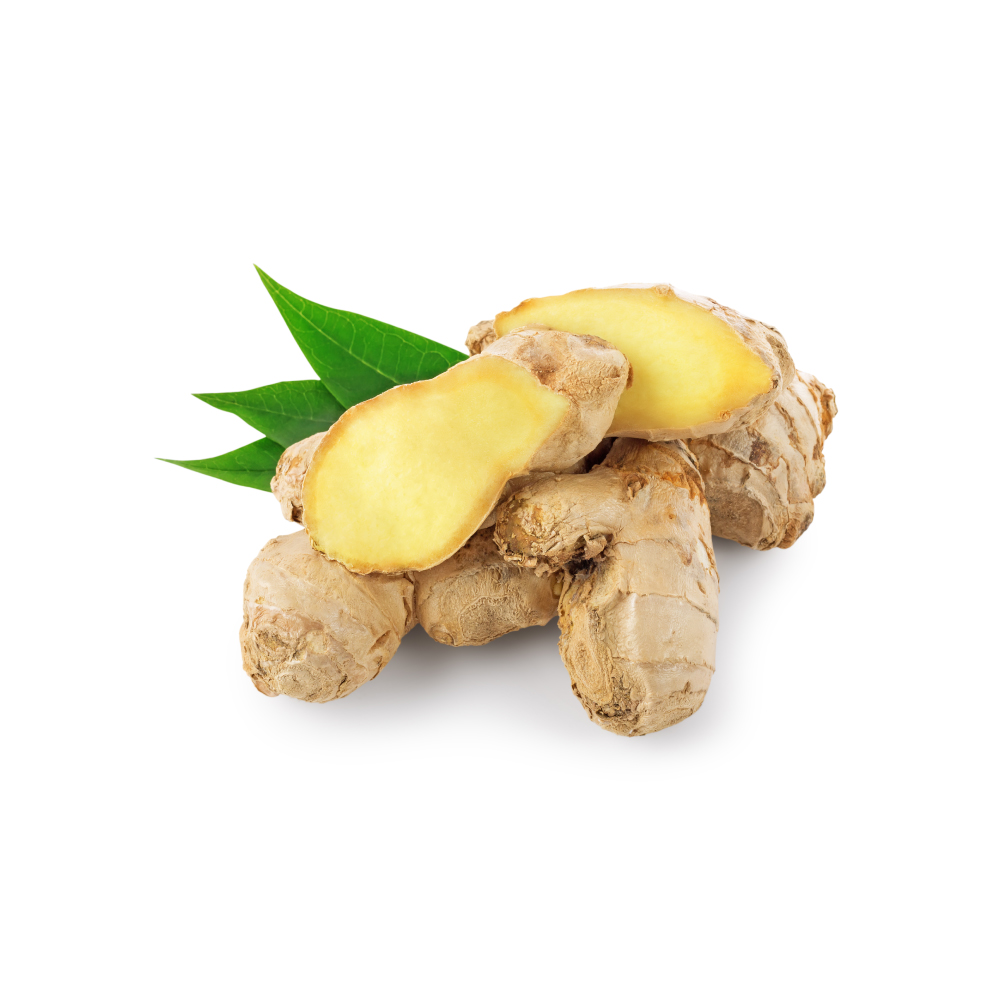 StrongStrongGingerZingiber officinaleThe best-evidenced option, and cheap. Two independent systematic reviews and meta-analyses of randomized controlled trials found ginger significantly reduced primary dysmenorrhoea pain 35,
36Reference 35Meta-analysisGinger for pain management in primary dysmenorrhea — systematic review and meta-analysisView study →Reference 36Meta-analysisEfficacy of ginger for alleviating the symptoms of primary dysmenorrhea — systematic review and meta-analysis of randomised clinical trialsView study → , with several contributing trials finding it comparable to mefenamic acid or ibuprofen.Also underAntenatal ↓Read the evidenceShow lessMonograph →
The mechanism is the same target as those drugs, inhibition of prostaglandin synthesis, reached by a different molecule. That makes the agreement between tradition, mechanism and trial unusually tight.
Typical trial dosing is 750 to 2000 mg a day of dried powder, started at the onset of menstruation and continued for the first few days.
Its antiplatelet effect matters alongside anticoagulants, and its pregnancy evidence appears below.
StrongStrongFennelFoeniculum vulgareComparably well supported for cramping pain. A systematic review and meta-analysis of randomized controlled trials found fennel reduced pain in primary dysmenorrhoea 37Reference 37Meta-analysisFennel for reducing pain in primary dysmenorrhea — systematic review and meta-analysis of randomised controlled trialsView study →, and a randomized trial found it comparable to mefenamic acid 38Reference 38RCTComparison of fennel and mefenamic acid on pain intensity in dysmenorrhoea — randomised controlled trialView study →. The Cochrane review of dietary supplements for dysmenorrhoea includes it among the options with supporting data 39Reference 39Systematic reviewDietary supplements for dysmenorrhoea — Cochrane systematic reviewView study →.Also underMenopause ↓Read the evidenceShow lessMonograph →
The mechanism is direct. Fennel essential oil relaxes uterine smooth muscle in isolated tissue 40Reference 40In vitroThe effect of fennel essential oil on uterine contraction as a model for dysmenorrhea — in vitro, isolated rat uterusView study →.
The effect is on cramping rather than on flow, and it is usually started a couple of days before menstruation.
The mild estrogenicity that makes fennel useful in menopause is a caution in hormone-sensitive conditions.
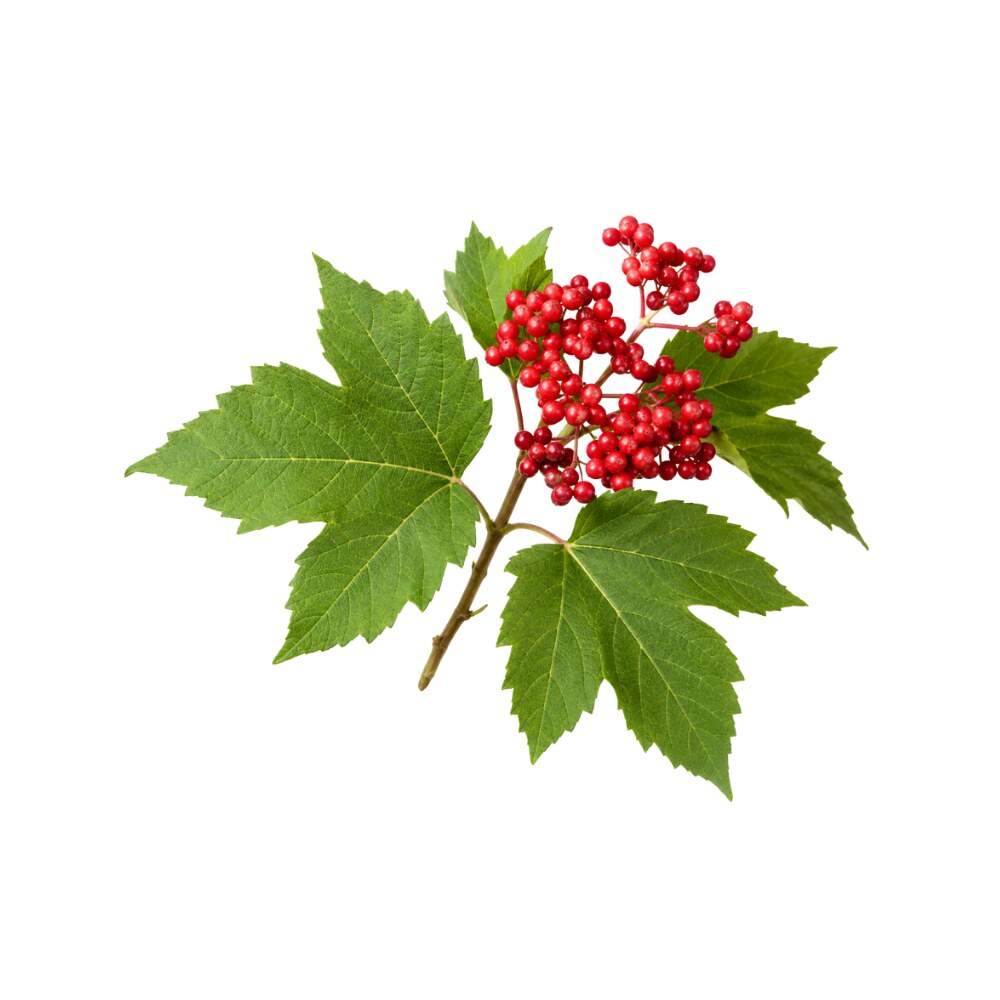 PreclinicalPreclinicalCramp BarkViburnum opulusNamed for the indication, and the classic Western uterine antispasmodic. The bark is used specifically for cramping, griping period pain, traditionally paired with black haw.Read the evidenceShow lessMonograph →
Its antispasmodic constituents are identified. Scopoletin and viopudial relax smooth muscle, with mechanistic work pointing at intracellular calcium mobilisation.
In a rat model of surgically induced endometriosis, Viburnum opulus reduced lesion size and inflammatory markers 41Reference 41AnimalViburnum opulus: a remedy for endometriosis demonstrated by a rat model of surgically induced endometriosis — animal modelView study →, which is interesting given how few options exist there, and entirely preclinical.
There is no controlled human trial for period pain. Its safety record over two centuries of use is unremarkable in the best sense.
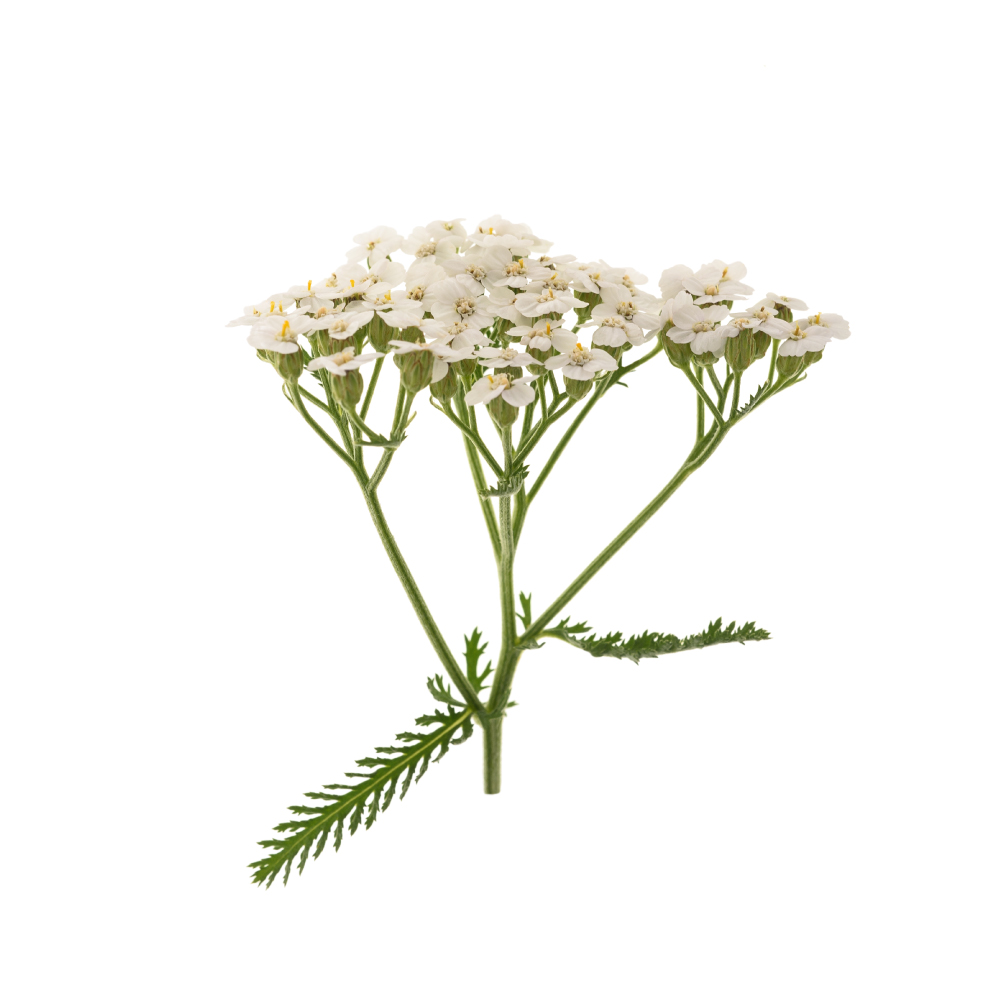 ModerateModerateYarrowAchillea millefoliumA double-blind randomized clinical trial found Achillea millefolium relieved primary dysmenorrhoea 42Reference 42RCTEffect of Achillea millefolium on relief of primary dysmenorrhea — double-blind randomised clinical trialView study →, which is more than most traditional emmenagogues can show.Read the evidenceShow lessMonograph →
Yarrow occupies an amphoteric position in Western herbalism, being simultaneously a styptic used to stop bleeding and an emmenagogue used to promote menstruation. It has measurable estrogenic activity in vitro, and a randomized controlled trial found a yarrow preparation comparable to clotrimazole in vulvovaginal candidiasis.
The emmenagogue reputation is the caution, and it is why yarrow is avoided in pregnancy.
It is an Asteraceae plant, so cross-allergy applies.
Heavy Bleeding & the Uterus
2 herbsA small group addressing a burdensome problem. Heavy menstrual bleeding causes iron-deficiency anaemia and is a leading reason for hysterectomy, and it has effective conventional treatments, tranexamic acid and hormonal IUDs among them, that are under-offered. The framing point is diagnostic rather than therapeutic: heavy bleeding needs a cause identified, whether fibroids, adenomyosis, polyps, coagulopathy, thyroid disease, or in older women endometrial pathology, and treating the symptom without that is how a diagnosis gets missed.
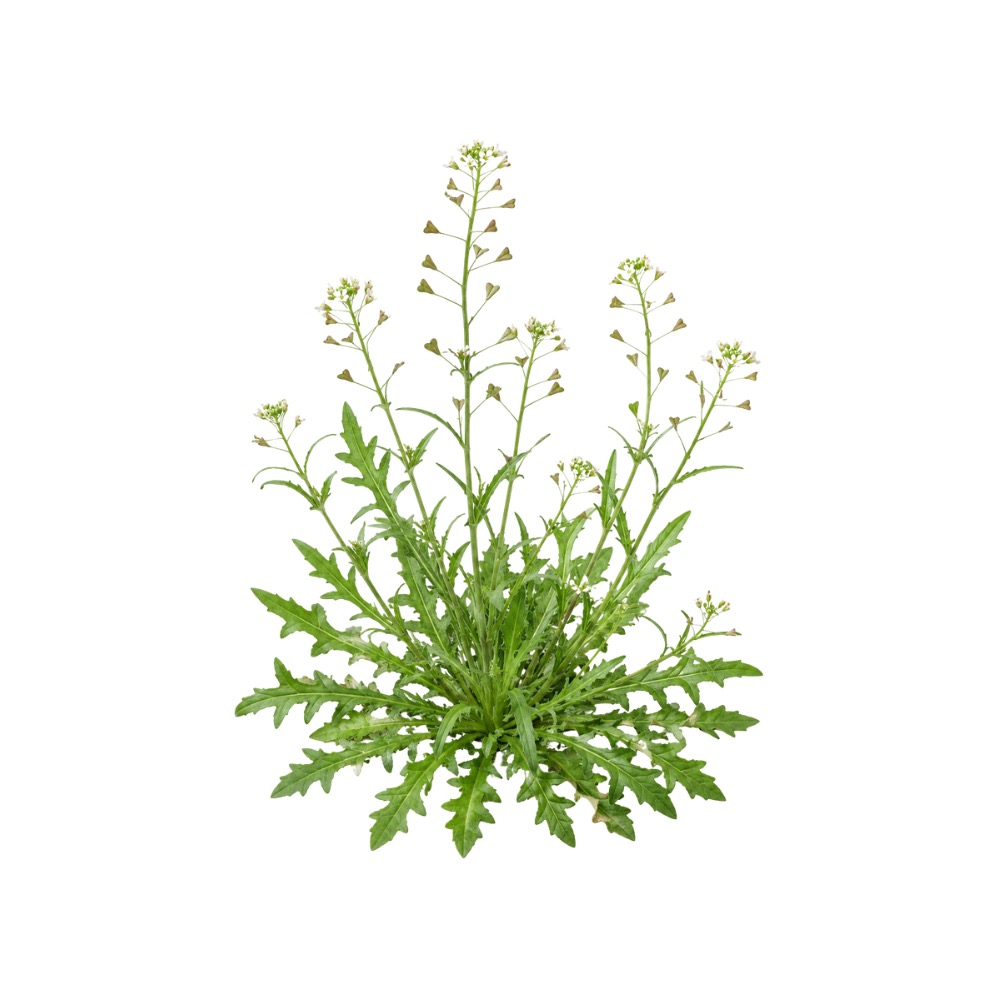 ModerateModerateShepherd’s PurseCapsella bursa-pastorisThe traditional Western styptic for heavy menstrual bleeding, and it has a real trial. A triple-blind, randomized, placebo-controlled clinical trial found a hydroalcoholic extract of Capsella bursa-pastoris reduced heavy menstrual bleeding 43Reference 43RCTEffect of hydroalcoholic extracts of Capsella bursa-pastoris on heavy menstrual bleeding — triple-blind, randomised, placebo-controlled clinical trialView study →, which is a properly designed study in a condition with few herbal options.Read the evidenceShow lessMonograph →
The mechanism is presumed uterotonic, since isolated-uterus work confirms contractile activity for this group of plants 44Reference 44Uterotonic action of extracts from a group of medicinal plants — isolated-uterus animal studyView study →, combined with an astringent action on the endometrial surface.
It is one trial, from one centre.
The uterotonic activity is precisely why shepherd’s purse is avoided in pregnancy, and it is traditionally used in postpartum haemorrhage, which is an emergency requiring medical management.
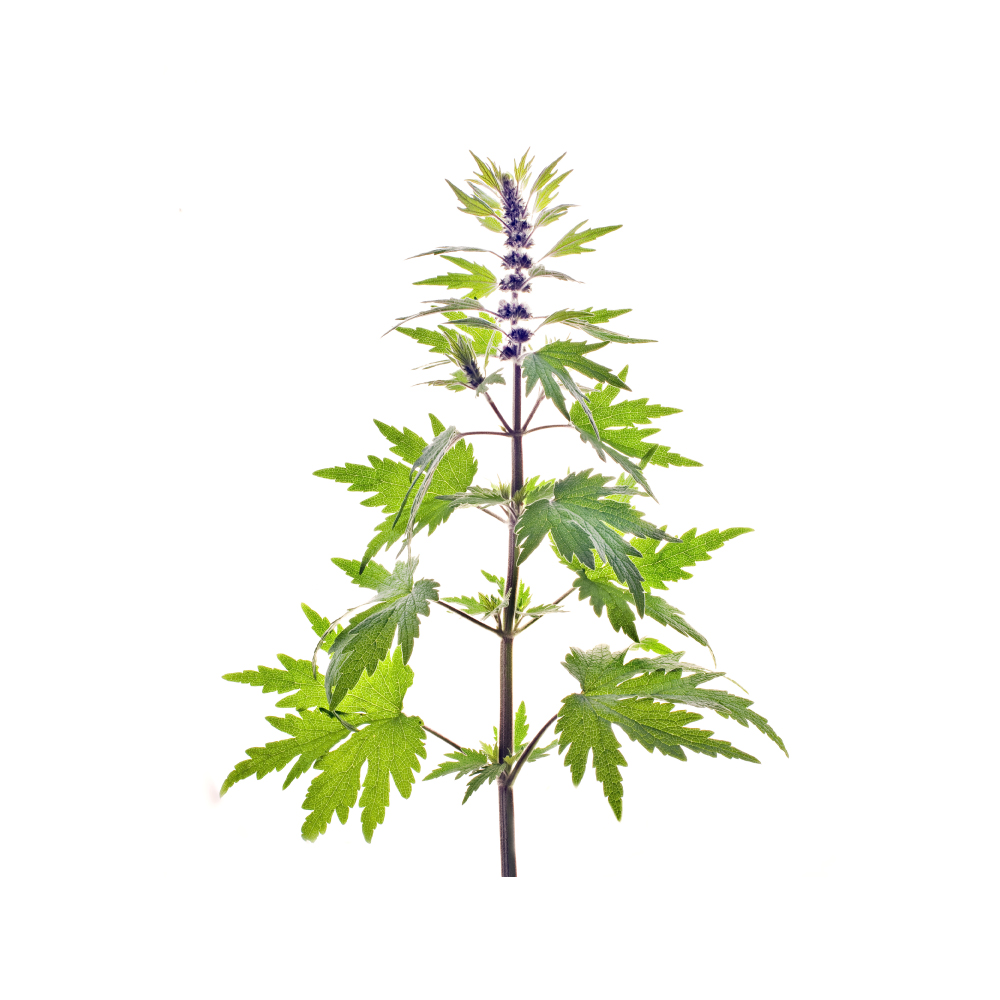 TraditionalTraditionalMotherwortLeonurus cardiacaIts name records the traditional use. Leonurus cardiaca was the herb for the anxious, palpitating, menstrually irregular state that Western herbalism grouped together, and it remains a standard choice where cycle disturbance and nervous tension occur together.Read the evidenceShow lessMonograph →
Its trial evidence is cardiovascular rather than gynaecological. An open-label trial found benefit in hypertension with anxiety and sleep disturbance, covered on the cardiovascular page.
For the uterus there is only tradition and an emmenagogue reputation strong enough that motherwort is firmly contraindicated in pregnancy.
PCOS & Fertility
3 herbsPolycystic ovary syndrome affects roughly one in ten people of reproductive age and is the commonest cause of anovulatory infertility. It is as much a metabolic condition as a hormonal one, its insulin resistance sits on the metabolic page, and weight, where relevant, does more than anything below. The herbal evidence is small, mostly Chinese or Japanese, and often tested as an adjunct to clomiphene rather than instead of it. Shatavari has a recent randomized, double-blind, placebo-controlled trial in PCOS of its own 52Reference 52RCTEfficacy and safety of Shatavari root extract in women with polycystic ovarian syndrome — randomised, double-blind, placebo-controlled trialView study →.
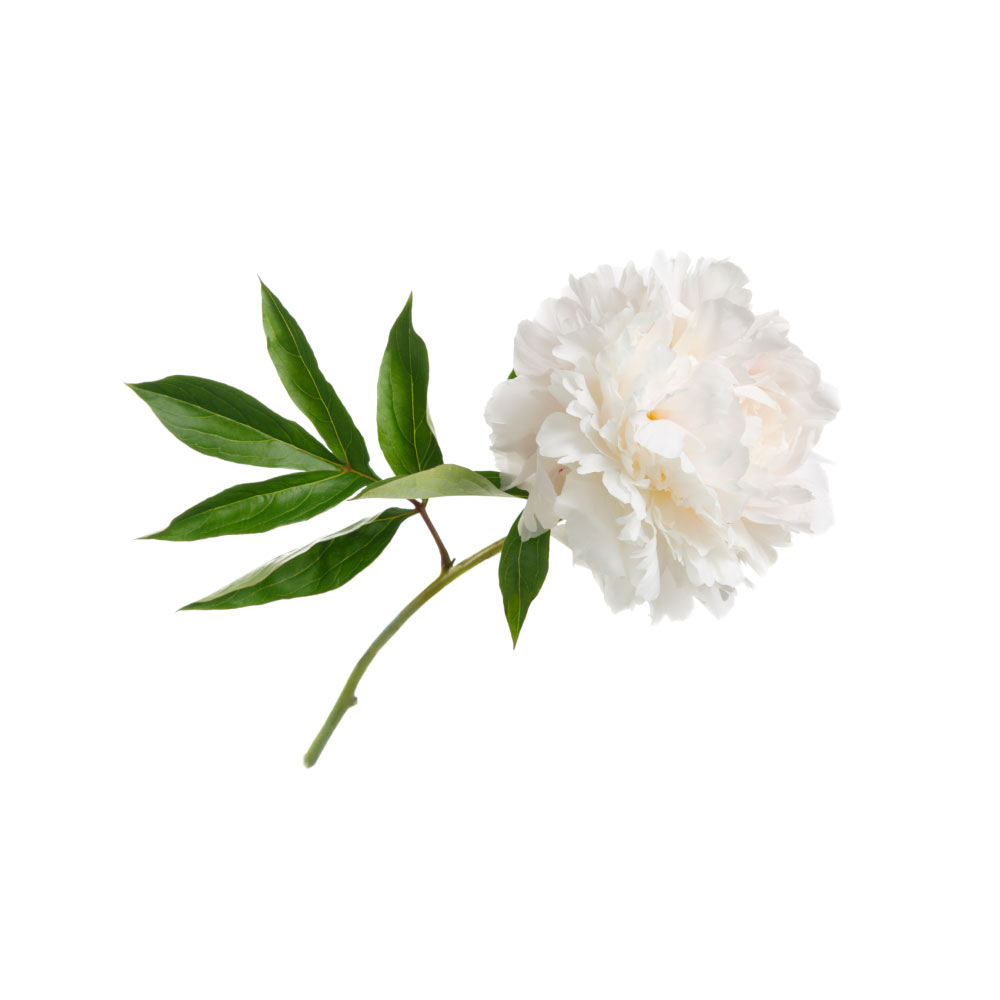 ModerateModeratePeonyPaeonia lactifloraThe most mechanistically specific entry, and it works as half of a classical pair. Shakuyaku-kanzo-to, white peony with licorice, was studied in polycystic ovarian disease with reported reductions in serum testosterone and restoration of ovulation 45Reference 45Clinical trialEffect of TJ-68 (shakuyaku-kanzo-to) on polycystic ovarian disease — human clinical studyView study →.Read the evidenceShow lessMonograph →
The mechanism is identified. Paeoniflorin reduces ovarian androgen production, with licorice’s glycyrrhizin contributing separately 46Reference 46AnimalEffect of paeoniflorin, glycyrrhizin and glycyrrhetic acid on ovarian androgen production — rat in vivoView study →, and a review of plant-derived anti-androgens places the pair among the better-characterised options 47Reference 47ReviewAn update on plant-derived anti-androgens — reviewView study →.
The evidence is old, Japanese, and small.
The licorice half carries the standing caution, since glycyrrhizin raises blood pressure and depletes potassium at sustained doses, which is why the combination is not a long-term self-prescription.
ModerateModerateBlack CohoshCimicifuga racemosaA very different role from the menopause evidence. Randomized trials have added black cohosh to clomiphene for ovulation induction in PCOS and found improved cycle outcomes and pregnancy rates 48Reference 48RCTAdding Cimicifuga racemosa to clomiphene induction cycles in PCOS improves cycle outcomes and pregnancy rates — randomised trialView study →, with a systematic review assessing its use for PCOS-related infertility 49Reference 49Systematic reviewSystematic review of black cohosh for management of PCOS-related infertilityView study →.Also underMenopause ↓Read the evidenceShow lessMonograph →
That is an add-on to a fertility drug under medical supervision rather than a self-directed fertility protocol, and it is the appropriate framing for the whole group.
The mechanism is unclear and probably relates to black cohosh’s central rather than ovarian activity.
Anyone using it this way is by definition under fertility care, which is where the conversation belongs.
ModerateModerateChaste TreeVitex agnus-castusFor the cycle rather than for the symptoms. Chaste tree’s dopaminergic suppression of prolactin 51Reference 51AnimalAgnus castus extracts inhibit prolactin secretion of rat pituitary cellsView study → gives it a specific and narrow fertility indication: latent hyperprolactinaemia, in which mildly raised prolactin shortens the luteal phase and impairs implantation.Also underPMS ↓Read the evidenceShow lessMonograph →
A clinical study found it corrected luteal phase defects due to latent hyperprolactinaemia 50Reference 50Vitex agnus castus extract in the treatment of luteal phase defects due to latent hyperprolactinaemiaView study →. That is a real, identifiable, testable condition, which also means it is one that should be diagnosed on a blood test rather than assumed.
Chaste tree is not a general fertility herb, and its use alongside fertility treatment or hormonal contraception needs medical input.
Antenatal, Birth & Breastfeeding
4 herbsThe group requiring the most care. Pregnancy is the one context where a herb can harm someone who did not take it, safety data are almost entirely absent because trials in pregnancy are rarely done, and the traditional literature contains material that was used to end pregnancies. Two herbs below have real supporting evidence; one is a warning.
StrongStrongGingerZingiber officinaleThe best-supported herb in pregnancy anywhere. Systematic reviews and meta-analyses find ginger significantly reduces nausea in early pregnancy, with a less consistent effect on vomiting 53Reference 53Meta-analysisA systematic review and meta-analysis of the effect and safety of ginger in the treatment of pregnancy-associated nausea and vomitingView study →, and it appears in the Cochrane review of interventions for nausea and vomiting in early pregnancy 54Reference 54Systematic reviewInterventions for nausea and vomiting in early pregnancy — Cochrane systematic reviewView study →.Also underPeriod ↓Read the evidenceShow lessMonograph →
It is broadly regarded as acceptable for short-term symptomatic use at trial doses of around 1 to 1.5 g a day of dried powder.
Three qualifications. This is a specific, time-limited indication rather than general clearance in pregnancy; the antiplatelet effect matters near delivery; and hyperemesis gravidarum, persistent vomiting with weight loss or dehydration, is a medical condition requiring treatment rather than a stronger tea.
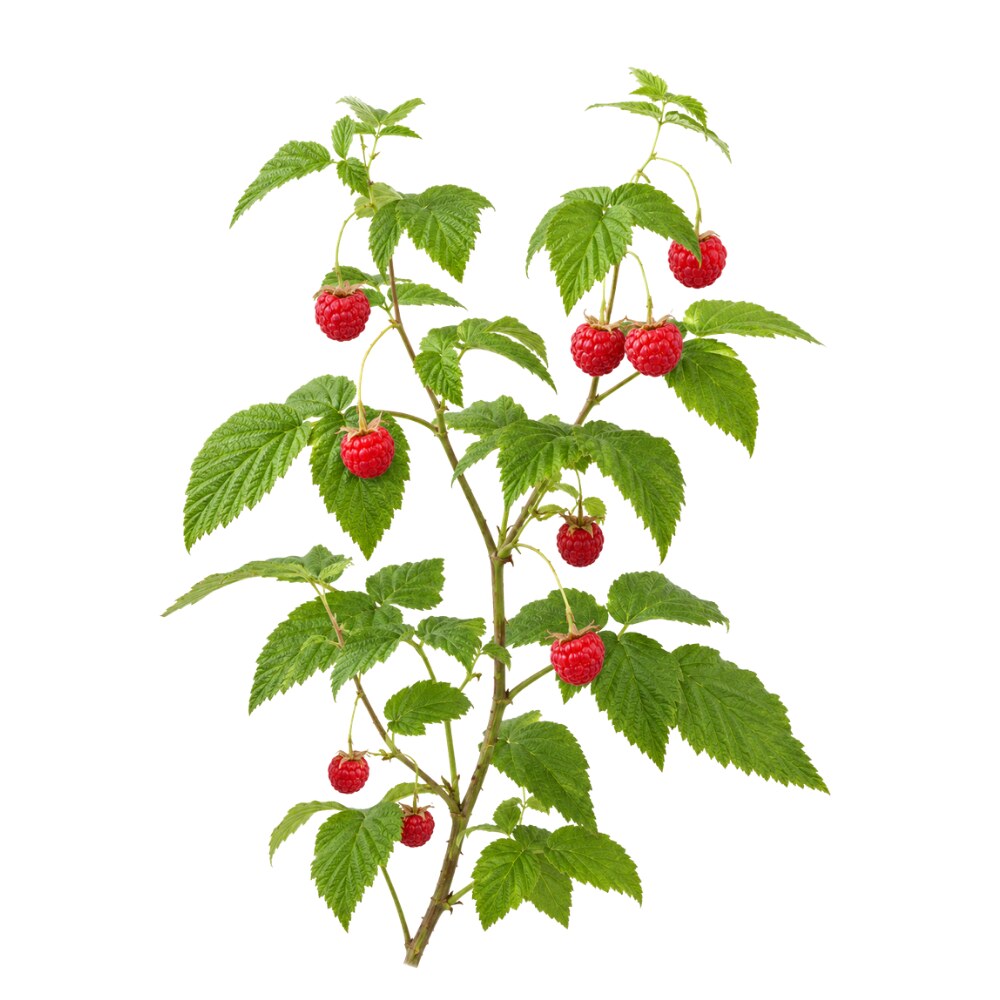 ModerateModerateRaspberry LeafRubus idaeusThe classic partus preparator, taken in the last trimester to tone the uterus for labour, and the evidence is thinner than its ubiquity implies.Read the evidenceShow lessMonograph →
A randomized, double-blind, placebo-controlled trial found no significant shortening of the first stage of labour, with a possible small reduction in the second stage and in instrumental delivery 55Reference 55RCTRaspberry leaf in pregnancy — its safety and efficacy in labor, randomised, double-blind, placebo-controlled trialView study →. A systematic integrative review of biophysical effects, safety and efficacy found the evidence limited but no clear safety signal 56Reference 56ReviewBiophysical effects, safety and efficacy of raspberry leaf use in pregnancy — systematic integrative reviewView study →, and a prospective observational study adds real-world data 57Reference 57ObservationalRaspberry leaf (Rubus idaeus) use in pregnancy — prospective observational studyView study →.
Isolated-tissue work has shown both relaxant and stimulant effects, which is why the tonic claim remains unresolved 56Reference 56ReviewBiophysical effects, safety and efficacy of raspberry leaf use in pregnancy — systematic integrative reviewView study →.
Conventionally started around 32 weeks and discussed with a midwife, not begun early in pregnancy.
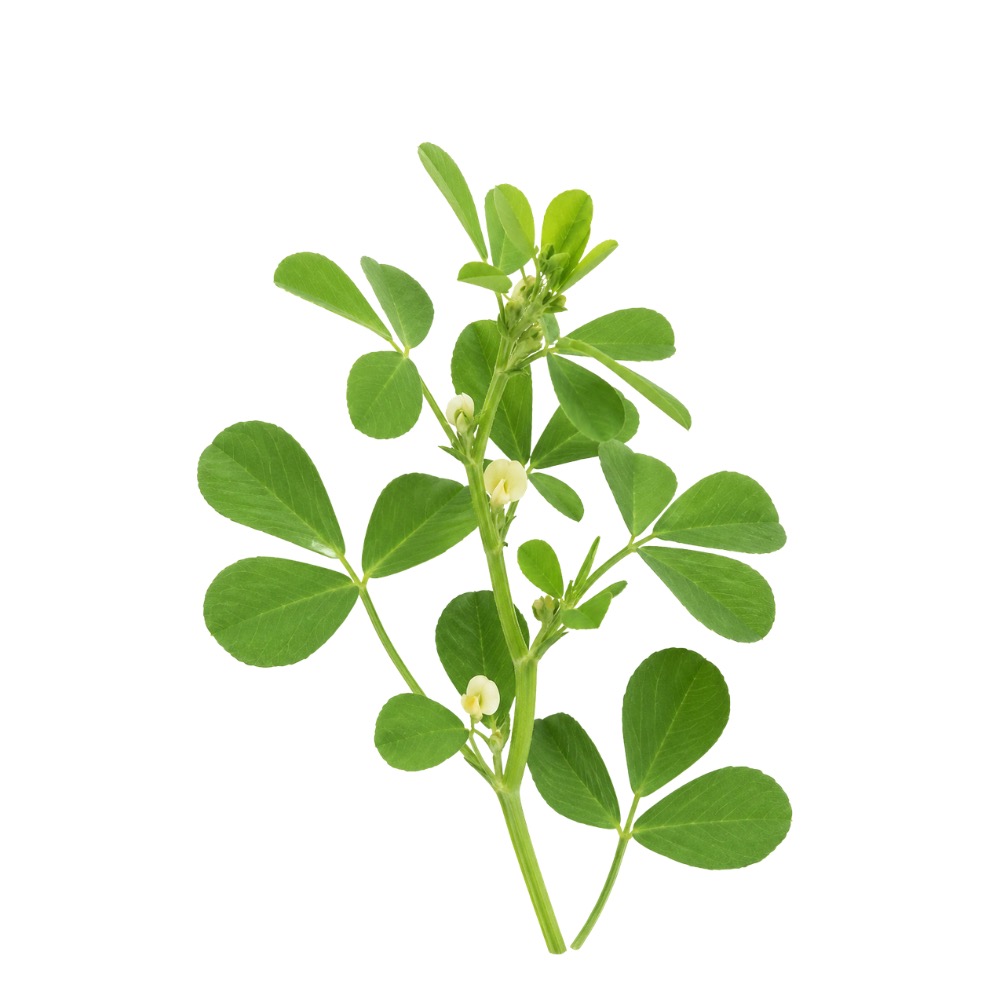 ModerateModerateFenugreekTrigonella foenum-graecumThe most widely used galactagogue in the world, with evidence that is real but weaker than its reputation. A network meta-analysis found fenugreek effective for increasing breast milk production 58Reference 58Meta-analysisEffectiveness of fenugreek as a galactagogue — network meta-analysisView study →, while the Cochrane review of oral galactagogues concluded the evidence across all agents is of low certainty and insufficient to recommend any particular one 59Reference 59Systematic reviewOral galactagogues (natural therapies or drugs) for increasing breast milk production — Cochrane systematic reviewView study →. Shatavari has its own randomized controlled trial as a lactogogue 60Reference 60RCTRandomized controlled trial of Asparagus racemosus (shatavari) as a lactogogue in lactational inadequacyView study →.Read the evidenceShow lessMonograph →
Fenugreek is a legume, with documented cross-reactivity in peanut and chickpea allergy, and it lowers blood glucose, which matters alongside diabetes medication.
It famously makes sweat, urine and the baby smell of maple syrup, which is harmless but can be confused with a rare metabolic disorder.
At therapeutic doses in pregnancy it is a uterine stimulant and avoided; culinary amounts are a different matter.
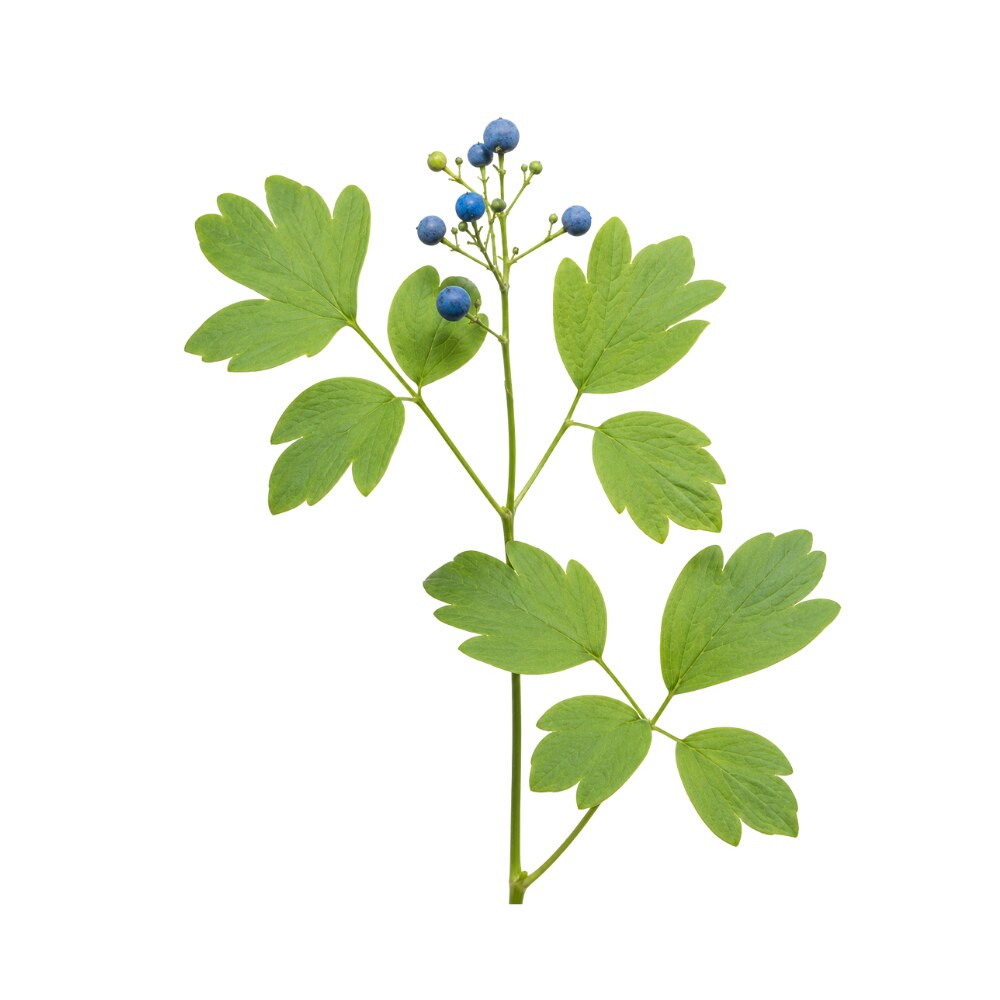 PreclinicalPreclinicalBlue CohoshCaulophyllum thalictroidesA warning rather than a recommendation. Blue cohosh has a long traditional use as a labour inducer and is still sold for that purpose, and it is one of the more dangerous herbs in common circulation.Read the evidenceShow lessMonograph →
A systematic review of its safety and efficacy in pregnancy and lactation found the evidence for benefit absent and the safety concerns substantial 61Reference 61Systematic reviewSafety and efficacy of blue cohosh (Caulophyllum thalictroides) during pregnancy and lactation — systematic reviewView study →.
Its alkaloids are nicotinic agonists, with a case report documenting nicotinic toxicity following use as an abortifacient 62Reference 62Case reportNicotinic toxicity from tincture of blue cohosh (Caulophyllum thalictroides) used as an abortifacient — case reportView study →, and the literature includes reports of serious neonatal harm, including myocardial injury and stroke, following maternal use near term.
A review of the toxicities of herbal abortifacients covers this class directly 63Reference 63ReviewToxicities of herbal abortifacients — reviewView study →, and a review of herbal therapies in pregnancy reaches the same conclusion 64Reference 64ReviewHerbal therapies in pregnancy: what works? — reviewView study →. Do not self-administer to induce labour.
No herbs match these filters.
Also Tagged
8 more herbs are tagged for this system.
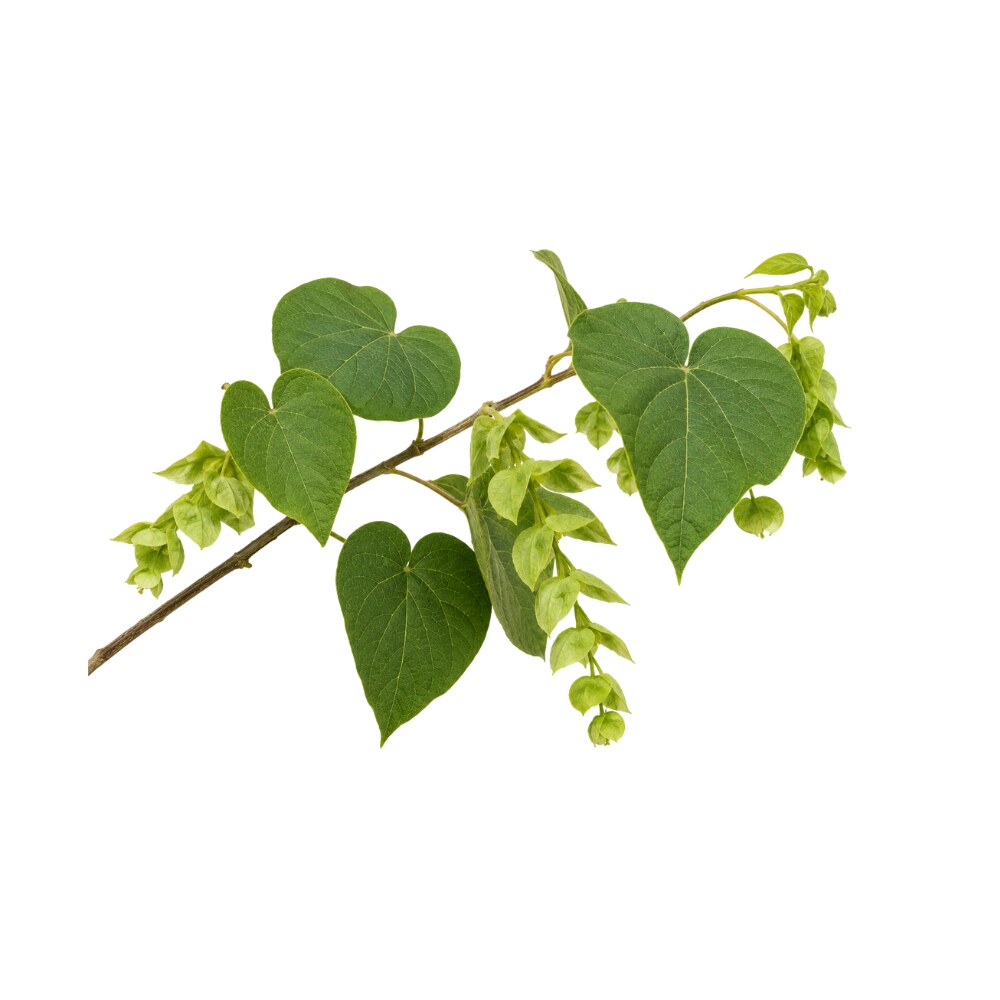
Abuta
Cissampelos pareira
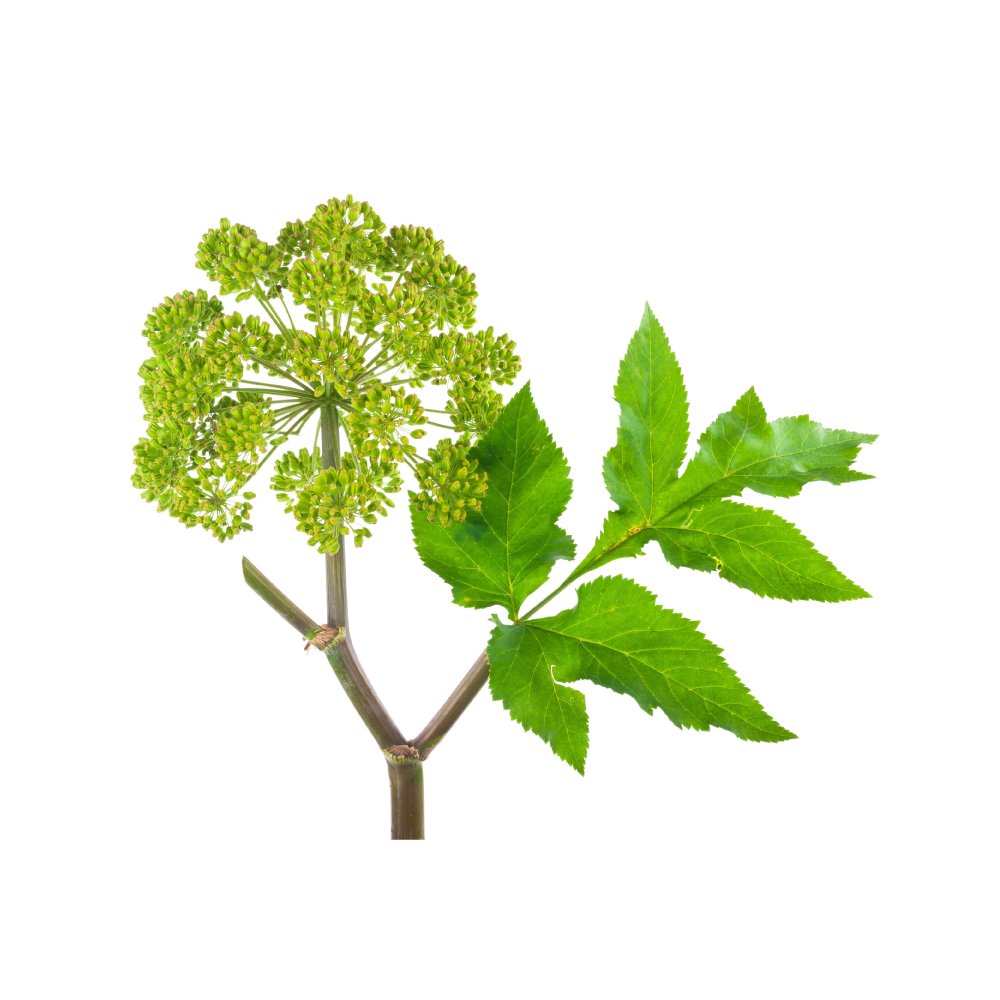
Angelica
Angelica archangelica
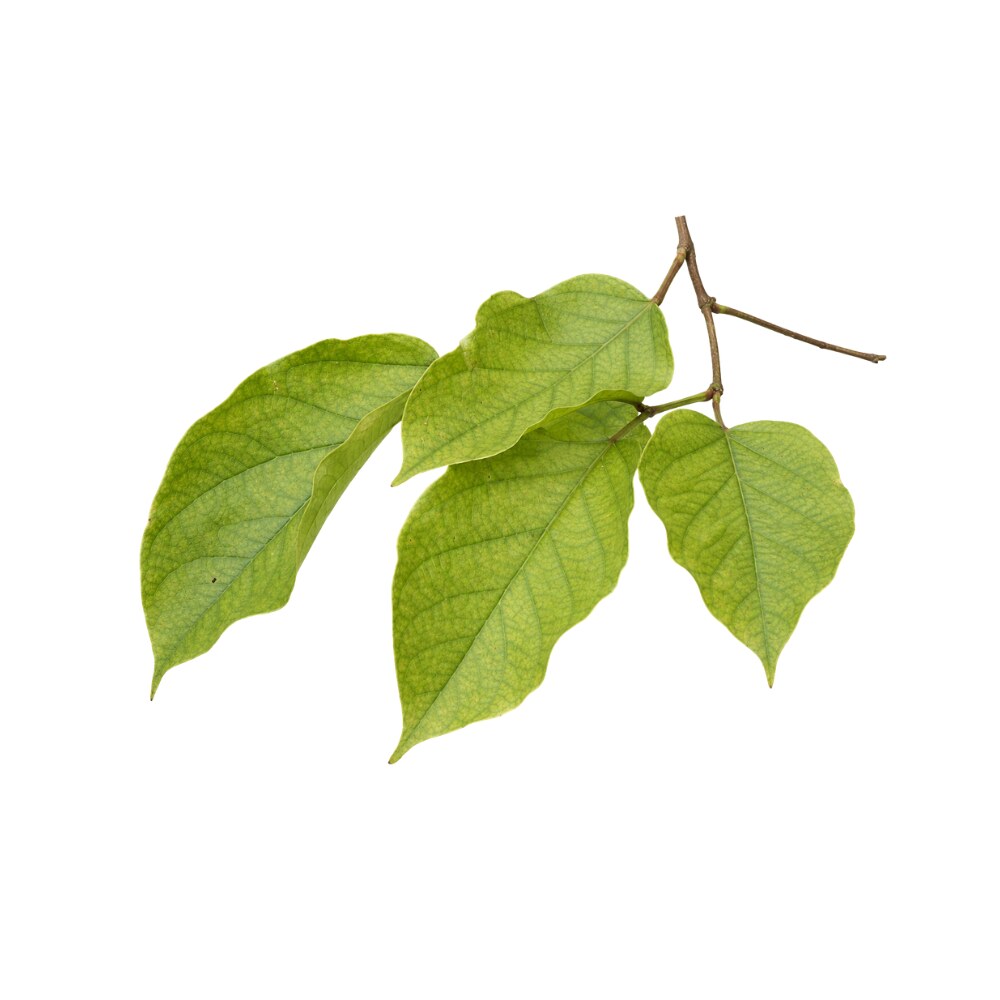
Clavo Huasca
Tynanthus panurensis
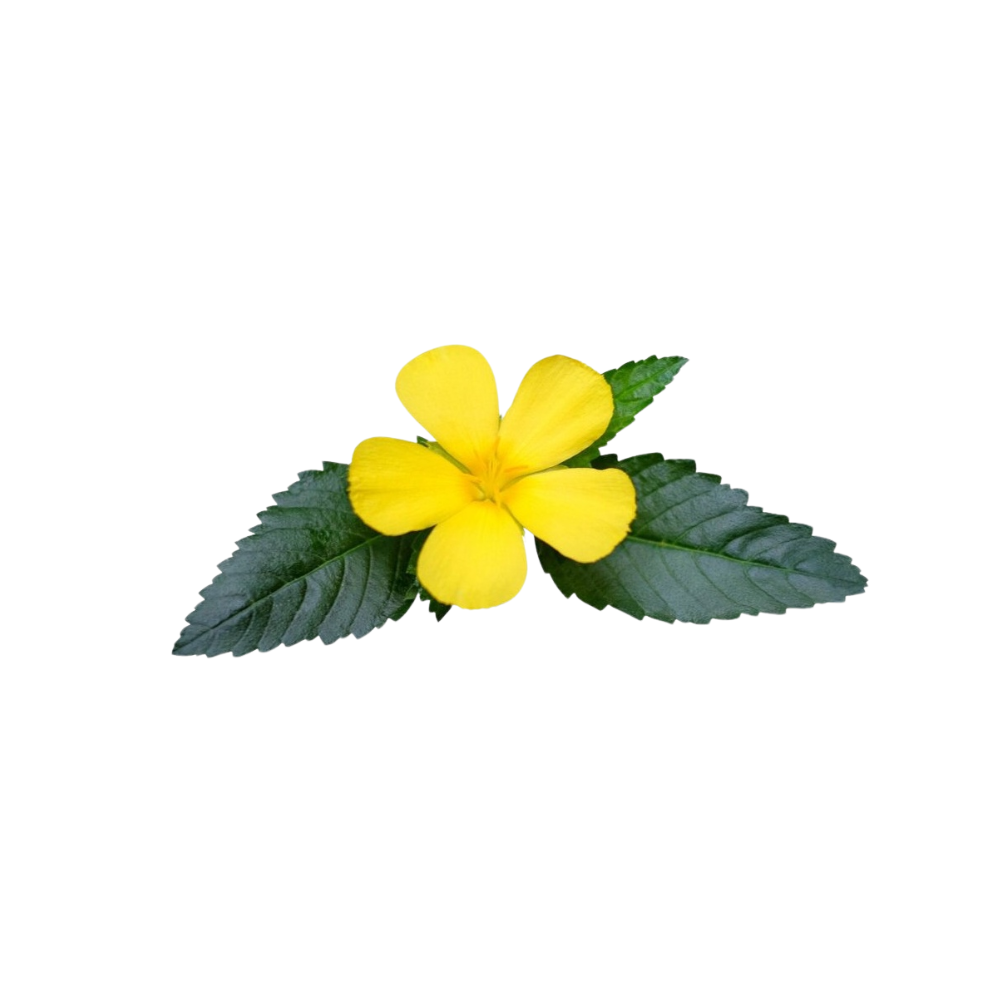
Damiana
Turnera diffusa
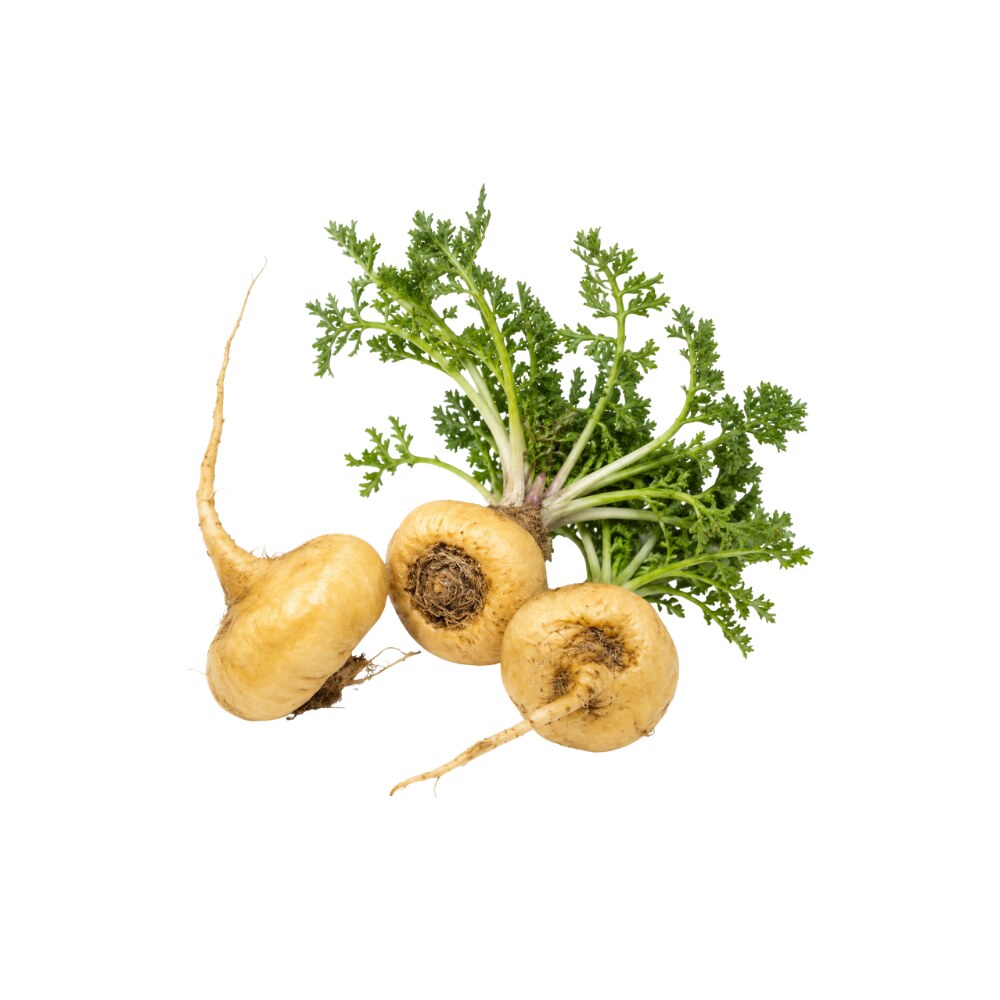
Maca
Lepidium meyenii
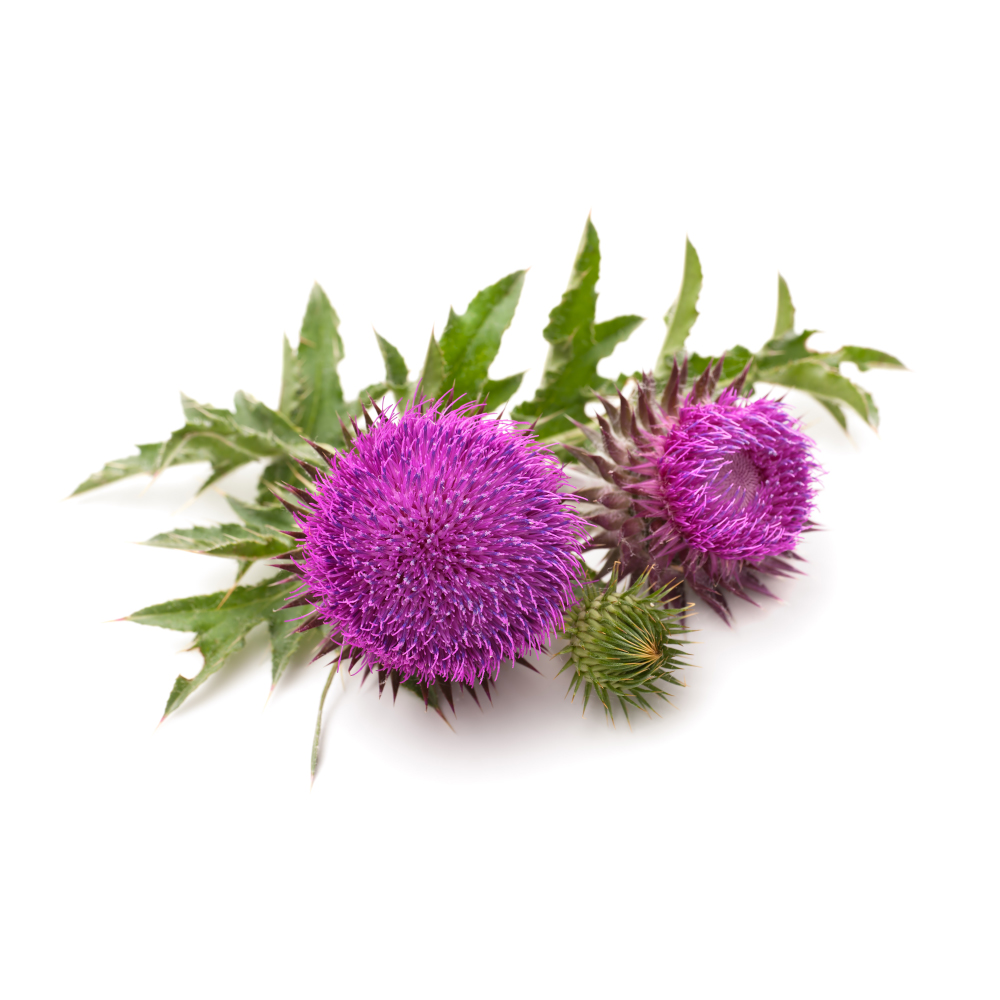
Milk Thistle
Silybum marianum
Myrrh
Commiphora myrrha
Periwinkle
Vinca major
Safety
Pregnancy & lactation
- The default position is avoid, since little of this materia medica has been studied in pregnancy and several members act on the uterus directly.
- Emmenagogues and uterine stimulants are excluded outright, the phytoestrogens on principle.
- Two narrow exceptions exist, each tied to one indication in one trimester, both set out above.
- In lactation the galactagogue evidence is of low certainty, and supply concerns usually respond better to feeding support than to herbs.
- Emmenagogues are off the table when pregnancy is possible. A plant strong enough to bring on a late period acts on a pregnant uterus.
- Herbs used to end a pregnancy or bring labour on cause organ failure and neonatal harm far more reliably than they do either, so both belong with a clinician 62,
63Reference 62Case reportNicotinic toxicity from tincture of blue cohosh (Caulophyllum thalictroides) used as an abortifacient — case reportView study →Reference 63ReviewToxicities of herbal abortifacients — reviewView study → . - Phytoestrogens are estrogen-receptor ligands. Hormone-sensitive cancer, tamoxifen and aromatase inhibitors make them an oncologist’s call 26Reference 26In vitroUse of dong quai (Angelica sinensis) in women with breast cancer — effect on ER-positive (MCF-7) and ER-negative (BT-20) cell proliferation, in vitroView study →.
- Chaste tree is dopaminergic, so it is not combined with dopamine antagonists such as metoclopramide and the antipsychotics, and its effect on hormonal contraception is uncharacterised.
- Hops alters drug metabolism in menopausal women 20Reference 20Clinical trialPharmacokinetic interactions of a hop dietary supplement with drug metabolism in perimenopausal and postmenopausal women — clinical trialView study → and compounds other sedatives.
- Bleeding needs a diagnosis, not a styptic. Heavy, irregular, post-coital and postmenopausal bleeding all need investigation, the last being cancer until disproven.
- Get medical care for bleeding in pregnancy, one-sided pelvic pain with a missed period, fever with pelvic pain, or unrelenting vomiting.
References
- Sadahiro, R., et al. (2023). Black cohosh extracts in women with menopausal symptoms — updated pairwise meta-analysis. Menopause. https://pubmed.ncbi.nlm.nih.gov/37192826/
- Leach, M. J., & Moore, V. (2012). Black cohosh (Cimicifuga spp.) for menopausal symptoms — Cochrane systematic review of randomised controlled trials. Cochrane Database of Systematic Reviews. https://pubmed.ncbi.nlm.nih.gov/22972105/
- Castelo-Branco, C., et al. (2021). Review and meta-analysis: isopropanolic black cohosh extract iCR for menopausal symptoms — an update. Climacteric. https://pubmed.ncbi.nlm.nih.gov/33021111/
- Sarri, G., et al. (2017). Vasomotor symptoms from natural menopause — systematic review and network meta-analysis (NICE guideline). BJOG. https://pubmed.ncbi.nlm.nih.gov/28276200/
- Pockaj, B. A., et al. (2006). Phase III double-blind, randomised, placebo-controlled crossover trial of black cohosh for hot flashes (NCCTG N01CC1). Journal of Clinical Oncology. https://pubmed.ncbi.nlm.nih.gov/16782922/
- Naser, B., et al. (2011). Suspected black cohosh hepatotoxicity — no evidence by meta-analysis of randomised controlled trials for isopropanolic extract. Menopause. https://pubmed.ncbi.nlm.nih.gov/21228727/
- Mahady, G. B., et al. (2008). United States Pharmacopeia review of the black cohosh case reports of hepatotoxicity. Menopause. https://pubmed.ncbi.nlm.nih.gov/18340277/
- Jiang, W., Wu, K., et al. (2026). The effectiveness of red clover on hot flush in menopausal women — GRADE-assessed systematic review and meta-analysis. European Journal of Obstetrics & Gynecology and Reproductive Biology. https://pubmed.ncbi.nlm.nih.gov/42269521/
- Kanadys, W., et al. (2021). Evaluation of clinical meaningfulness of red clover (Trifolium pratense L.) extract to relieve hot flushes and menopausal symptoms — systematic review and meta-analysis of randomised controlled trials. Nutrients. https://pubmed.ncbi.nlm.nih.gov/33920485/
- Lethaby, A., et al. (2013). Phytoestrogens for menopausal vasomotor symptoms — Cochrane systematic review. Cochrane Database of Systematic Reviews. https://pubmed.ncbi.nlm.nih.gov/24323914/
- Myers, S. P., Vigar, V., et al. (2017). Effects of a standardised extract of Trifolium pratense (Promensil) in the treatment of menopausal hot flushes — systematic review and meta-analysis. Phytomedicine. https://pubmed.ncbi.nlm.nih.gov/28160855/
- Thorup, A. C., et al. (2015). Intake of novel red clover supplementation for 12 weeks improves bone status in healthy menopausal women — randomised controlled trial. Evidence-Based Complementary and Alternative Medicine. https://pubmed.ncbi.nlm.nih.gov/26265926/
- Gudise VS, Dasari MP, Kuricheti SSK (2024). Efficacy and safety of Shatavari root extract for the management of menopausal symptoms — double-blind, multicentre, randomised controlled trial. Cureus. https://pubmed.ncbi.nlm.nih.gov/38725785/
- Yadav P, Yadav S, Vedururu SS, et al. (2025). A standardized Asparagus racemosus root extract improves hormonal balance and menstrual health and reduces vasomotor symptoms — randomised placebo-controlled trial. Journal of the American Nutrition Association. https://pubmed.ncbi.nlm.nih.gov/40434025/
- O’Leary, M. F., et al. (2021). Shatavari supplementation in postmenopausal women improves handgrip strength and increases myosin regulatory light chain phosphorylation — randomised controlled trial. Nutrients. https://pubmed.ncbi.nlm.nih.gov/34959836/
- Overk, C. R., et al. (2008). High-content screening and mechanism-based evaluation of estrogenic botanical extracts — in vitro. Combinatorial Chemistry & High Throughput Screening. https://pubmed.ncbi.nlm.nih.gov/18473738/
- Erkkola, R., et al. (2010). A randomised, double-blind, placebo-controlled, crossover pilot study on the use of a standardised hop extract to alleviate menopausal discomforts. Phytomedicine. https://pubmed.ncbi.nlm.nih.gov/20167461/
- Aghamiri, V., et al. (2016). The effect of hop (Humulus lupulus L.) on early menopausal symptoms and hot flashes — randomised placebo-controlled trial. Complementary Therapies in Clinical Practice. https://pubmed.ncbi.nlm.nih.gov/25982391/
- Lecomte, M., et al. (2023). Effect of a hop extract standardized in 8-prenylnaringenin on bone health and gut microbiome in postmenopausal women with osteopenia — one-year randomised, double-blind, placebo-controlled trial. Nutrients. https://pubmed.ncbi.nlm.nih.gov/37375599/
- van Breemen, R. B., et al. (2020). Pharmacokinetic interactions of a hop dietary supplement with drug metabolism in perimenopausal and postmenopausal women — clinical trial. Journal of Agricultural and Food Chemistry. https://pubmed.ncbi.nlm.nih.gov/32285669/
- Lee, H. W., et al. (2021). Fennel for the management of menopausal women’s health — systematic review and meta-analysis. Complementary Therapies in Clinical Practice. https://pubmed.ncbi.nlm.nih.gov/33725577/
- Rahimikian, F., et al. (2017). Effect of fennel on menopausal symptoms in postmenopausal women — randomised, triple-blind, placebo-controlled trial. Menopause. https://pubmed.ncbi.nlm.nih.gov/28509813/
- Yaralizadeh, M., et al. (2016). Effect of fennel vaginal cream on vaginal atrophy in postmenopausal women — double-blind randomised controlled trial. Maturitas. https://pubmed.ncbi.nlm.nih.gov/26617271/
- Hirata, J. D., et al. (1997). Does dong quai have estrogenic effects in postmenopausal women? — double-blind, placebo-controlled randomised trial. Fertility and Sterility. https://pubmed.ncbi.nlm.nih.gov/9418683/
- Haines, C. J., et al. (2008). A randomised, double-blind, placebo-controlled study of Dang Gui Buxue Tang on menopausal symptoms. Climacteric. https://pubmed.ncbi.nlm.nih.gov/18568789/
- Lau, C. B., et al. (2005). Use of dong quai (Angelica sinensis) in women with breast cancer — effect on ER-positive (MCF-7) and ER-negative (BT-20) cell proliferation, in vitro. Menopause. https://pubmed.ncbi.nlm.nih.gov/16278617/
- Csupor, D., et al. (2019). Vitex agnus-castus in premenstrual syndrome — meta-analysis of double-blind randomised controlled trials. Complementary Therapies in Medicine. https://pubmed.ncbi.nlm.nih.gov/31780016/
- Verkaik, S., et al. (2017). The treatment of premenstrual syndrome with preparations of Vitex agnus castus — systematic review and meta-analysis. American Journal of Obstetrics and Gynecology. https://pubmed.ncbi.nlm.nih.gov/28237870/
- Schellenberg, R. (2001). Treatment for the premenstrual syndrome with agnus castus fruit extract (Ze 440) — prospective, randomised, placebo-controlled study. BMJ. https://pubmed.ncbi.nlm.nih.gov/11159568/
- Atmaca, M., et al. (2003). Fluoxetine versus Vitex agnus castus extract in the treatment of premenstrual dysphoric disorder. Human Psychopharmacology. https://pubmed.ncbi.nlm.nih.gov/12672170/
- Ooi, S. L., et al. (2020). Vitex agnus-castus for the treatment of cyclic mastalgia — systematic review and meta-analysis. Journal of Women’s Health. https://pubmed.ncbi.nlm.nih.gov/31464546/
- Agha-Hosseini, M., et al. (2008). Crocus sativus L. (saffron) in the treatment of premenstrual syndrome — double-blind, randomised and placebo-controlled trial. BJOG. https://pubmed.ncbi.nlm.nih.gov/18271889/
- Mohammadi MM, Karimi Z (2026). Effect of saffron on premenstrual syndrome and dysmenorrhea — systematic review and meta-analysis. Korean Journal of Family Medicine. https://pubmed.ncbi.nlm.nih.gov/41151539/
- Komesaroff, P. A., et al. (2001). Effects of wild yam extract on menopausal symptoms, lipids and sex hormones in healthy menopausal women — randomised placebo-controlled crossover clinical trial. Climacteric. https://pubmed.ncbi.nlm.nih.gov/11428178/
- Moshfeghinia, R., et al. (2024). Ginger for pain management in primary dysmenorrhea — systematic review and meta-analysis. Journal of Integrative and Complementary Medicine. https://pubmed.ncbi.nlm.nih.gov/38770631/
- Daily, J. W., et al. (2015). Efficacy of ginger for alleviating the symptoms of primary dysmenorrhea — systematic review and meta-analysis of randomised clinical trials. Pain Medicine. https://pubmed.ncbi.nlm.nih.gov/26177393/
- Lee, H. W., et al. (2020). Fennel for reducing pain in primary dysmenorrhea — systematic review and meta-analysis of randomised controlled trials. Nutrients. https://pubmed.ncbi.nlm.nih.gov/33182553/
- Modaress Nejad, V., & Asadipour, M. (2006). Comparison of fennel and mefenamic acid on pain intensity in dysmenorrhoea — randomised controlled trial. Eastern Mediterranean Health Journal. https://pubmed.ncbi.nlm.nih.gov/17037712/
- Pattanittum, P., et al. (2016). Dietary supplements for dysmenorrhoea — Cochrane systematic review. Cochrane Database of Systematic Reviews. https://pubmed.ncbi.nlm.nih.gov/27000311/
- Ostad, S. N., et al. (2001). The effect of fennel essential oil on uterine contraction as a model for dysmenorrhea — in vitro, isolated rat uterus. Journal of Ethnopharmacology. https://pubmed.ncbi.nlm.nih.gov/11448553/
- Ilhan, M., et al. (2016). Viburnum opulus: a remedy for endometriosis demonstrated by a rat model of surgically induced endometriosis — animal model. Journal of Ethnopharmacology. https://pubmed.ncbi.nlm.nih.gov/27647013/
- Jenabi, E., & Fereidoony, B. (2015). Effect of Achillea millefolium on relief of primary dysmenorrhea — double-blind randomised clinical trial. Journal of Pediatric and Adolescent Gynecology. https://pubmed.ncbi.nlm.nih.gov/26238568/
- Naafe, M., Kariman, N., Keshavarz, Z., et al. (2018). Effect of hydroalcoholic extracts of Capsella bursa-pastoris on heavy menstrual bleeding — triple-blind, randomised, placebo-controlled clinical trial. Journal of Alternative and Complementary Medicine. https://pubmed.ncbi.nlm.nih.gov/29641247/
- Shipochliev, T. (1981). Uterotonic action of extracts from a group of medicinal plants — isolated-uterus animal study. Veterinarno-Meditsinski Nauki. https://pubmed.ncbi.nlm.nih.gov/7314446/
- Takahashi, K., & Kitao, M. (1994). Effect of TJ-68 (shakuyaku-kanzo-to) on polycystic ovarian disease — human clinical study. International Journal of Fertility and Menopausal Studies. https://pubmed.ncbi.nlm.nih.gov/8012442/
- Takeuchi, T., Nishii, O., Okamura, T., & Yaginuma, T. (1991). Effect of paeoniflorin, glycyrrhizin and glycyrrhetic acid on ovarian androgen production — rat in vivo. American Journal of Chinese Medicine. https://pubmed.ncbi.nlm.nih.gov/1897494/
- Grant, P., & Ramasamy, S. (2012). An update on plant-derived anti-androgens — review. International Journal of Endocrinology and Metabolism. https://pubmed.ncbi.nlm.nih.gov/23843810/
- Shahin, A. Y., & Mohammed, S. A. (2014). Adding Cimicifuga racemosa to clomiphene induction cycles in PCOS improves cycle outcomes and pregnancy rates — randomised trial. Gynecological Endocrinology. https://pubmed.ncbi.nlm.nih.gov/24592984/
- Fan, C. W., Cieri-Hutcherson, N. E., & Hutcherson, T. C. (2021). Systematic review of black cohosh for management of PCOS-related infertility. Journal of Pharmacy Practice. https://pubmed.ncbi.nlm.nih.gov/33926292/
- Milewicz, A., et al. (1993). Vitex agnus castus extract in the treatment of luteal phase defects due to latent hyperprolactinaemia. Arzneimittel-Forschung. https://pubmed.ncbi.nlm.nih.gov/8369008/
- Sliutz, G., et al. (1993). Agnus castus extracts inhibit prolactin secretion of rat pituitary cells. Hormone and Metabolic Research. https://pubmed.ncbi.nlm.nih.gov/8330858/
- Mhatre Y, Jadhav P, Malik A, et al. (2026). Efficacy and safety of Shatavari root extract in women with polycystic ovarian syndrome — randomised, double-blind, placebo-controlled trial. Frontiers in Endocrinology. https://pubmed.ncbi.nlm.nih.gov/41816216/
- Viljoen, E., Visser, J., Koen, N., & Musekiwa, A. (2014). A systematic review and meta-analysis of the effect and safety of ginger in the treatment of pregnancy-associated nausea and vomiting. Nutrition Journal. https://pubmed.ncbi.nlm.nih.gov/24642205/
- Matthews, A., Haas, D. M., O’Mathúna, D. P., & Dowswell, T. (2015). Interventions for nausea and vomiting in early pregnancy — Cochrane systematic review. Cochrane Database of Systematic Reviews. https://pubmed.ncbi.nlm.nih.gov/26348534/
- Simpson, M., Parsons, M., Greenwood, J., & Wade, K. (2001). Raspberry leaf in pregnancy — its safety and efficacy in labor, randomised, double-blind, placebo-controlled trial. Journal of Midwifery & Women’s Health. https://pubmed.ncbi.nlm.nih.gov/11370690/
- Bowman, R., Taylor, J., Muggleton, S., & Davis, D. (2021). Biophysical effects, safety and efficacy of raspberry leaf use in pregnancy — systematic integrative review. BMC Complementary Medicine and Therapies. https://pubmed.ncbi.nlm.nih.gov/33563275/
- Bowman, R. L., Taylor, J., Davis, D. L., et al. (2024). Raspberry leaf (Rubus idaeus) use in pregnancy — prospective observational study. BMC Complementary Medicine and Therapies. https://pubmed.ncbi.nlm.nih.gov/38649906/
- Khan, T. M., et al. (2018). Effectiveness of fenugreek as a galactagogue — network meta-analysis. Phytotherapy Research. https://pubmed.ncbi.nlm.nih.gov/29193352/
- Foong, S. C., et al. (2020). Oral galactagogues (natural therapies or drugs) for increasing breast milk production — Cochrane systematic review. Cochrane Database of Systematic Reviews. https://pubmed.ncbi.nlm.nih.gov/32421208/
- Sharma, S., Ramji, S., Kumari, S., et al. (1996). Randomized controlled trial of Asparagus racemosus (shatavari) as a lactogogue in lactational inadequacy. Indian Pediatrics. https://pubmed.ncbi.nlm.nih.gov/8979551/
- Dugoua, J. J., Perri, D., Seely, D., Mills, E., & Koren, G. (2008). Safety and efficacy of blue cohosh (Caulophyllum thalictroides) during pregnancy and lactation — systematic review. Canadian Journal of Clinical Pharmacology. https://pubmed.ncbi.nlm.nih.gov/18204101/
- Rao, R. B., & Hoffman, R. S. (2002). Nicotinic toxicity from tincture of blue cohosh (Caulophyllum thalictroides) used as an abortifacient — case report. Veterinary and Human Toxicology. https://pubmed.ncbi.nlm.nih.gov/12136970/
- Feng, C., Fay, K. E., & Burns, M. M. (2023). Toxicities of herbal abortifacients — review. American Journal of Emergency Medicine. https://pubmed.ncbi.nlm.nih.gov/36924751/
- Dante, G., Bellei, G., Neri, I., & Facchinetti, F. (2014). Herbal therapies in pregnancy: what works? — review. Current Opinion in Obstetrics & Gynecology. https://pubmed.ncbi.nlm.nih.gov/24535321/
- Heyerick, A., Vervarcke, S., Depypere, H., Bracke, M., & De Keukeleire, D. (2006). A first prospective, randomised, double-blind, placebo-controlled study on the use of a standardised hop extract to alleviate menopausal discomforts. Maturitas. https://pubmed.ncbi.nlm.nih.gov/16321485/
- Albert-Puleo, M. (1980). Fennel and anise as estrogenic agents — review. Journal of Ethnopharmacology. https://pubmed.ncbi.nlm.nih.gov/6999244/
Keep Exploring