Condition
Abnormal Uterine Bleeding (AUD)
Abnormal uterine bleeding is a symptom rather than a condition, with several possible underlying causes.

Overview
Aetiology
Abnormal uterine bleeding is a symptom rather than a condition, and can have a few different causes.
Regular (Cyclical/Ovulatory) (Menorrhagia)
Menorrhagia refers to heavy or prolonged menstrual bleeding occurring within an otherwise normal, regular cycle. The cause is usually secondary to distortion of the uterine cavity, and it is a common symptom of fibroids, iatrogenic causes such as incorrect oral contraceptive pill usage, and adenomyosis.
Intermenstrual (Metrorrhagia)
Metrorrhagia is bleeding between periods, often presenting as spotting and especially after intercourse. It can be caused by lesions on the cervix such as polyps, carcinoma, or ectropion, or by lesions on the uterus including endometriosis, fibroids, polyps, adenomyosis, or carcinoma.
Intermittent (Non Cyclical/Anovulatory)
Anovulatory bleeding is associated with oligomenorrhea with or without menorrhagia, and is most common in perimenopausal and postmenopausal women, where it usually presents as spotting, and in adolescents. It may result from the effects of unopposed estrogen on the endometrium and the development of endometrial polyps.
With anovulation, AUB is the result of chronic exposure of the endometrium to estrogen without the cyclic exposure to postovulatory progesterone. This causes an asynchronous shedding of the endometrium, and lack of vasoconstriction. This cause usually results in heavy and clotted bleeding as a result of the blood not being lysed by endometrial enzymes. Blood clots are passed which can cause cramping in some women.
Chronic anovulation can result from PCOS, hypothyroidism, hyperprolactinemia, Chushing’s disease, exogenous steroid hormones, and hemostatic disorders like Von Willebrand disease.
Causes Include
- Infection
- Cervical cancer
- Endometrial polyps
- Endometrial cancer
- Fibroids
- IUDs
- Adenomyosis
- PCOS
- Estrogen decline
- POI
Presentation
Symptoms
The defining feature is bleeding from the uterus that is abnormal in volume, duration, regularity, or timing. This includes excessively heavy or prolonged periods, bleeding between periods, post-coital spotting, and any bleeding after menopause. Heavy blood loss may be accompanied by the passage of clots, cramping, and symptoms of iron-deficiency anemia such as fatigue and pallor.
Assessment
Diagnostic Considerations
- pregnancy test (beta HCG)
- Computerized tomography (CT) scan or magnetic resonance imaging (MRI) of pituitary area
- Thyroid stimulating hormone
- Plasma hormone levels of FSH & LH
- Estradiol
- Prolactin
- Testosterone
- Progesterone withdrawal test: give a progestogen for 5 days. If the woman bleeds afterwards, she has estrogen in her circulation and a uterus.
- Ultrasound (TVS) assessment of:
- uterine size;
- pregnancy;
- ovarian size and morphology
- follicular function.
- Examination under anesthesia if congenital abnormality:
- assess the pelvic organs;
- perform a laparoscopy to inspect the pelvic organs and to take a biopsy of the ovaries
- Hystero Salpingo Contrast Sonography (HyCoSy)
- an ultrasound procedure
- assesses the patency of the fallopian tubes
- Detects abnormalities of the uterus and endometrium
- Contrast medium
- agitated saline and air mixture
- non-iodinated contrast agent
Assessment
Differential Diagnosis
- Consider Foreign bodies in the uterus such as intrauterine contraceptives.
- Hematological conditions may be present that need to be investigated (such as hemophilia, Von Willebrand Disease (VWD), Leukemia, of Hodgekin’s Disease).
- Hyperthyroidism
- Hyopothyroidism
- Endometrial cancer
Herbs for AUD
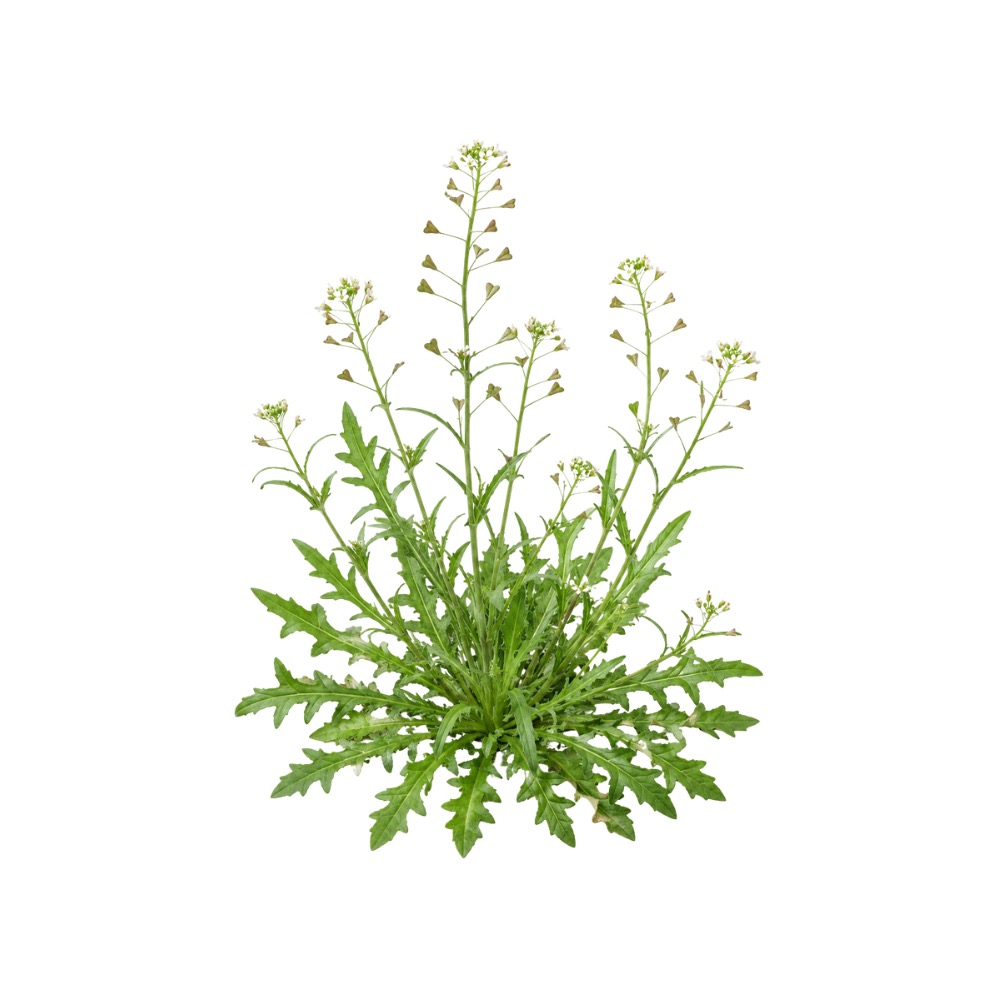
- Capsella bursa-pastoris
- Claviceps purpurea (specifically ergot)
The Herbs
Materia Medica (2)
Herbs traditionally or clinically used for abnormal uterine bleeding (aud).