
Condition
Menopause
Menopause is the natural end of menstruation and ovarian hormone production, diagnosed after twelve months without a period, with an average onset around age 51.

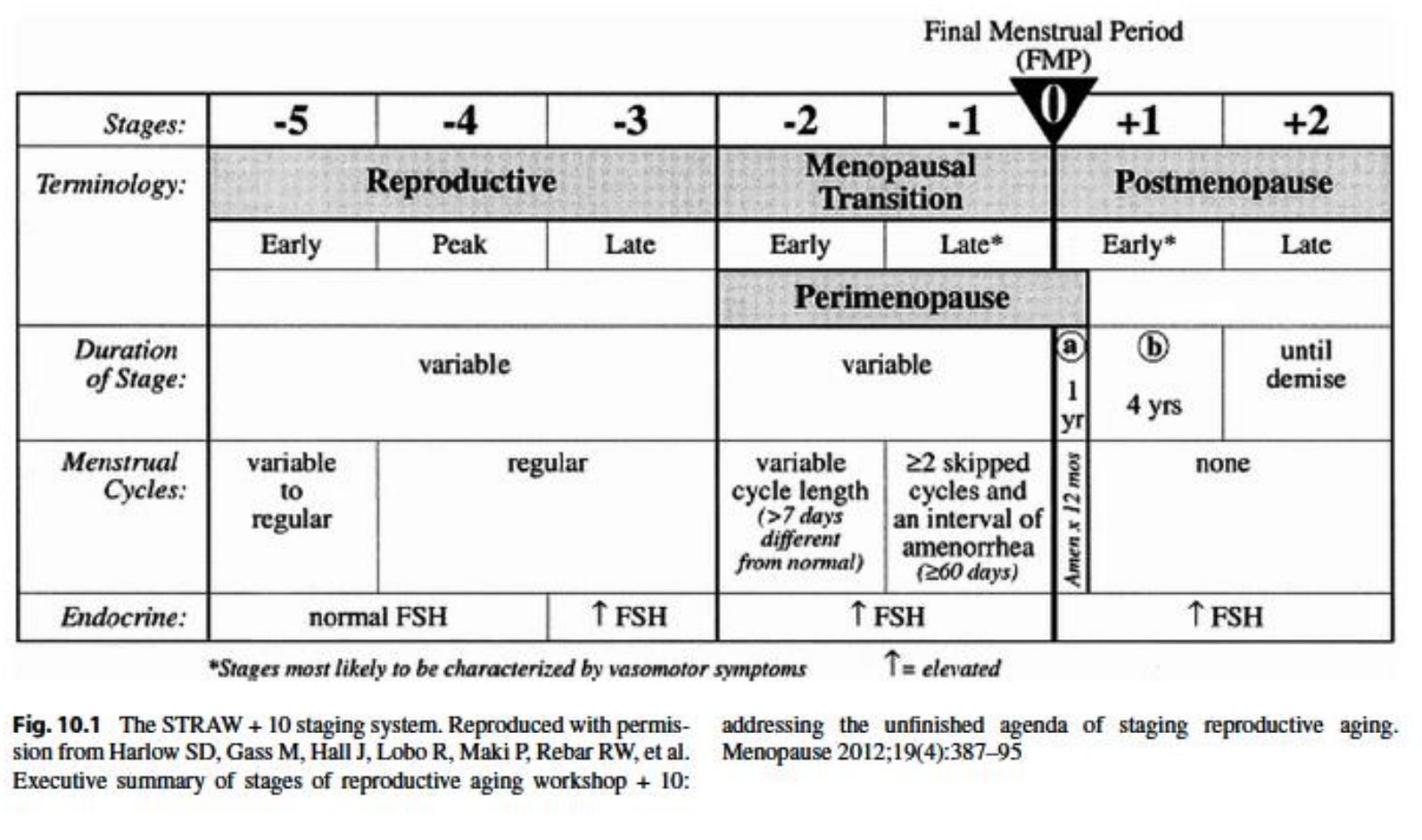
Menopause is the natural end of a woman’s reproductive years, marking the point at which the ovaries stop releasing eggs and their production of estrogen and progesterone falls away. It is diagnosed retrospectively, after twelve consecutive months without a menstrual period, and occurs on average around age 51. The falling estrogen behind it drives the familiar symptoms — hot flushes, night sweats, mood changes, disturbed sleep and vaginal dryness — and, over the longer term, raises the risk of osteoporosis and cardiovascular disease. Herbal support centers on easing vasomotor symptoms and supporting mood, sleep and bone health through the transition.
Presentation
Types & Variants
Menopause is best understood as a transition with distinct stages rather than a single event:
- Perimenopause — the run-up, often lasting several years, during which ovarian function becomes erratic. Cycles grow irregular and hormone levels swing, which is when many symptoms first appear.
- Menopause — the defined point of twelve months’ absence of menstruation.
- Postmenopause — the years that follow, in which estrogen stays low. Symptoms may persist for some time, and the long-term consequences of estrogen loss (bone density loss, shifting cardiovascular risk) become the main concern.
Menopause can also be induced early — before the natural age range — by surgery (removal of the ovaries), chemotherapy, or radiotherapy, which tends to bring on symptoms more abruptly.
Overview
General Pathology
From around the late thirties, the pool of ovarian follicles declines at an accelerating rate. Eventually too few mature follicles remain to sustain a regular cycle. As ovarian output of estrogen and progesterone drops, the pituitary responds by raising FSH and LH; the surges in LH are thought to be a central driver of hot flushes.
Most menopausal symptoms trace back to estrogen withdrawal. Hot flushes — the most characteristic feature, experienced by around three-quarters of women — are transient waves of heat, flushing and sweating, believed to stem from dysregulation of the hypothalamic thermoregulatory center, producing temporary peripheral vasodilation. Urogenital changes follow the thinning of estrogen-dependent tissue in the vulva, urethra and vagina, leading to dryness, altered pH, more frequent urinary tract infections, and urinary urgency or incontinence. Loss of estrogen’s protective effects also contributes to fatigue, joint and muscle pain, lowered libido, disturbed sleep and headaches, and underlies the longer-term rise in osteoporosis, metabolic syndrome and cardiovascular risk.
Materia Medica
Materia Medica
None of these herbs is a substitute for professional care.
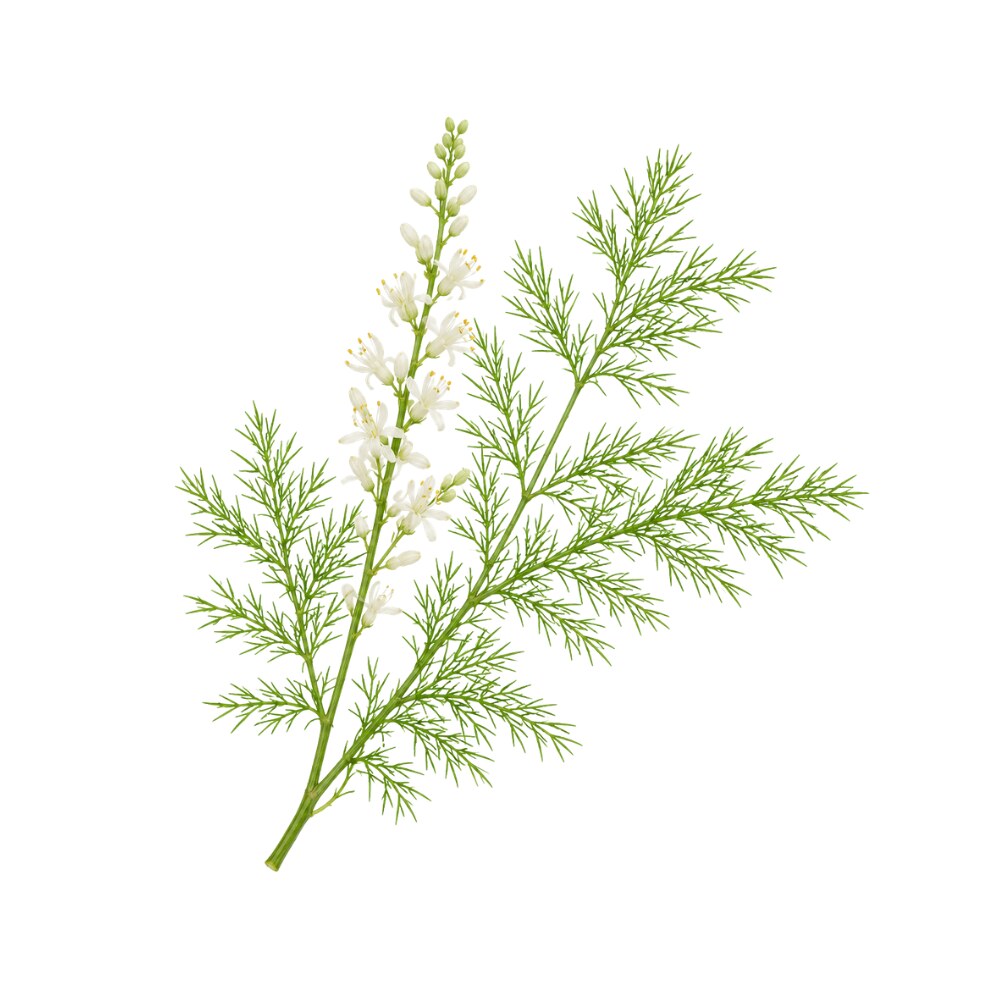 ShatavariAsparagus racemosusStrong
Two double-blind, placebo-controlled RCTs of standardised root extracts report benefit for menopausal/perimenopausal symptoms: a 120-day trial (CL22205, 200 mg/day, n=50) cut Menopause Rating Scale and hot-flush scores and shifted FSH/LH/AMH 39Reference 39RCTA standardized Asparagus racemosus root extract improves hormonal balance and menstrual health and reduces vasomotor symptoms — randomised placebo-controlled trialView study →, and a multicentre RCT (n=70) reduced hot flushes, night sweats, insomnia, anxiety and vaginal dryness 40Reference 40RCTEfficacy and safety of Shatavari root extract for the management of menopausal symptoms — double-blind, multicenter, randomised controlled trialView study →.
Phytoestrogenic steroidal saponins on the sarsasapogenin aglycone give a plausible mechanism. Both trials are small, industry-sponsored, on proprietary standardised extracts — no whole-root data and no head-to-head against hormone therapy.
Full monograph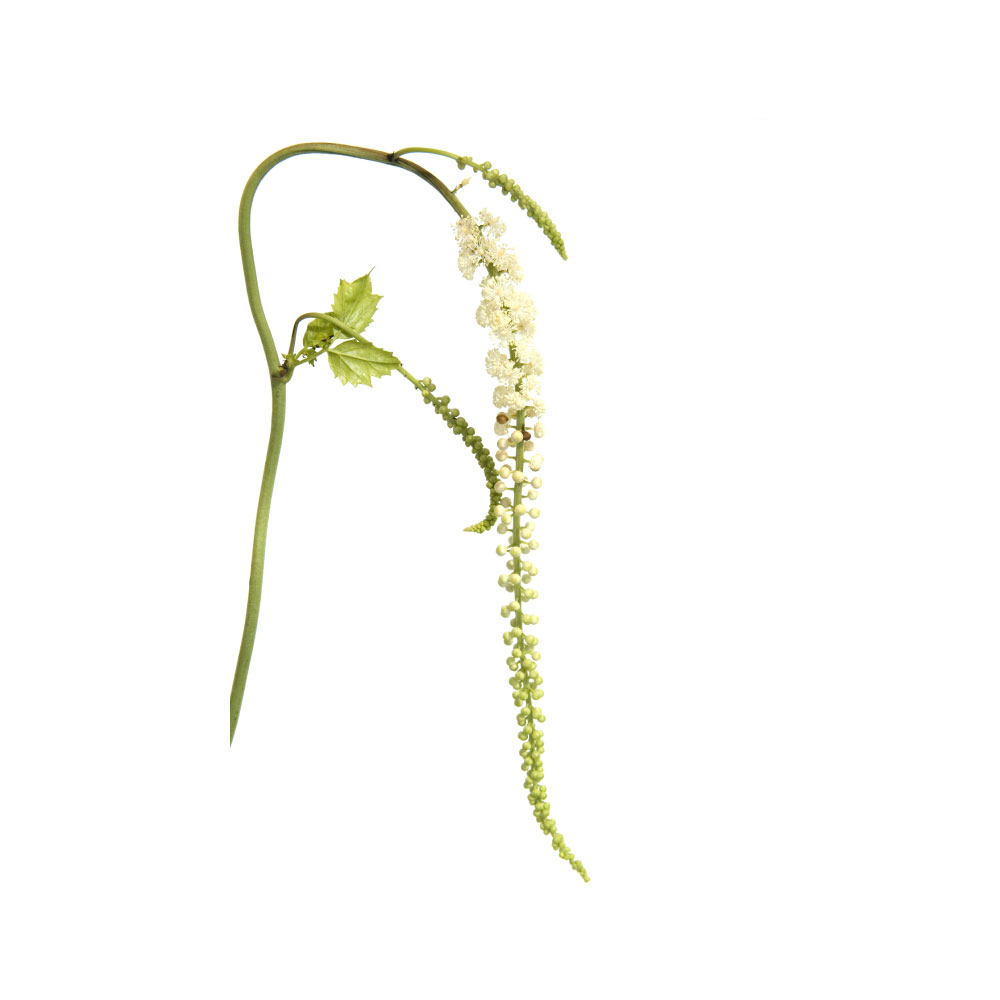 Black CohoshCimicifuga racemosaModerate
Menopause is black cohosh’s main indication, and the evidence conflicts. A 2023 pairwise meta-analysis (22 RCTs, n=2,310) found significant but small improvement in overall menopausal symptoms and hot flashes (Hedges’ g ≈ 0.32) 1Reference 1Meta-analysisBlack cohosh extracts in women with menopausal symptoms: an updated pairwise meta-analysisView study →, and the iCR isopropanolic-extract review reported efficacy comparable to low-dose transdermal estradiol 2Reference 2Meta-analysisReview & meta-analysis: isopropanolic black cohosh extract iCR for menopausal symptoms — an updateView study →.
Against this, the 2012 Cochrane review (16 RCTs, n=2,027) found no significant difference from placebo 3Reference 3Systematic reviewBlack cohosh (Cimicifuga spp.) for menopausal symptoms — Cochrane systematic review of randomised controlled trialsView study →, and two rigorous North American RCTs in breast-cancer populations were flatly null 4,
Mechanism is serotonergic/neuroendocrine, not classically estrogenic 6,
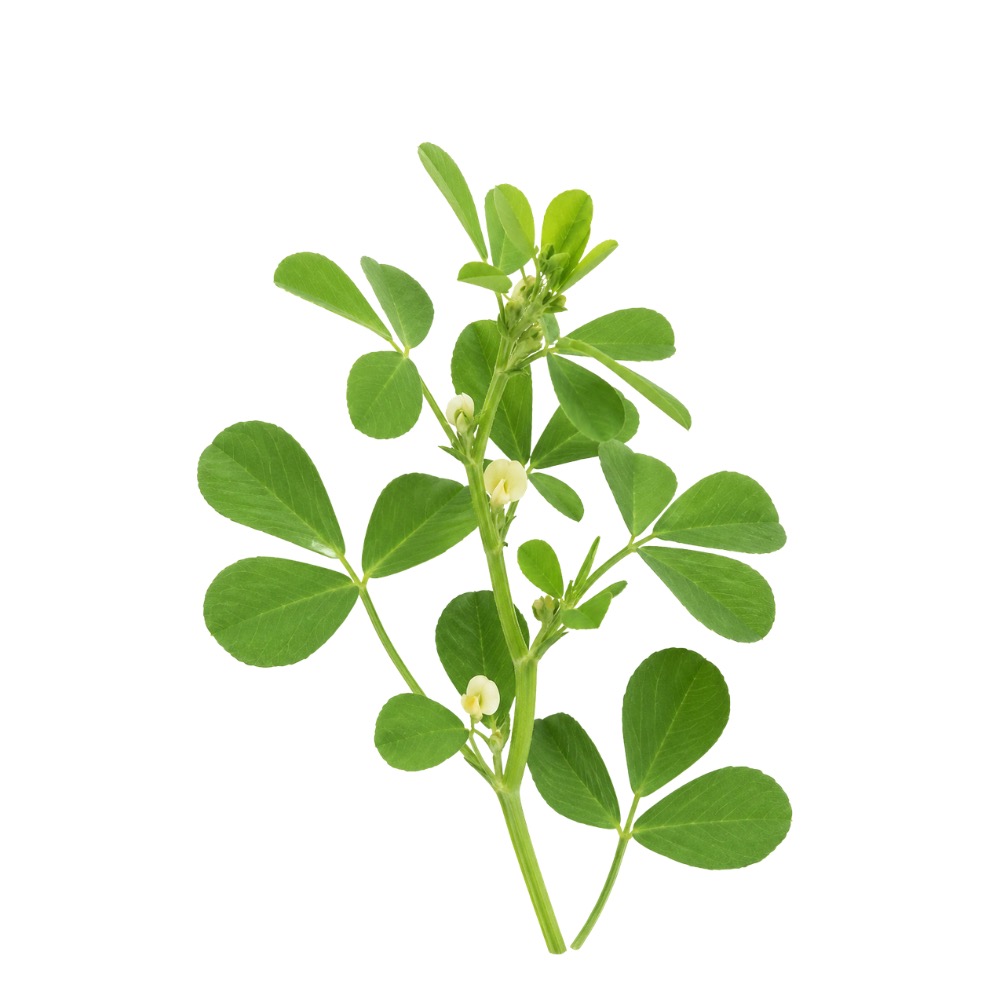 FenugreekTrigonella foenum-graecumModerate
A 42-day RCT of a standardised seed extract (250 mg twice daily) in perimenopausal women reduced hot flushes, night sweats, insomnia and depression scores and shifted estradiol, progesterone and FSH toward premenopausal balance with no adverse safety-parameter changes 14Reference 14RCTEfficacy of a novel extract of fenugreek seeds in alleviating vasomotor symptoms and depression in perimenopausal women: A randomized, double-blinded, placebo-controlled studyView study →; a separate RCT found fenugreek vaginal cream comparable to ultra-low-dose conjugated estrogen for atrophic vaginitis on the Vaginal Maturation Index 15Reference 15RCTComparison of the Effects of Fenugreek Vaginal Cream and Ultra Low-Dose Estrogen on Atrophic Vaginitis — randomized controlled clinical trialView study →. The plausible driver is diosgenin-linked phytoestrogenic activity.
The evidence is two small single-site trials of different preparations (oral vs vaginal), no replication and no long-term endometrial safety data.
Full monograph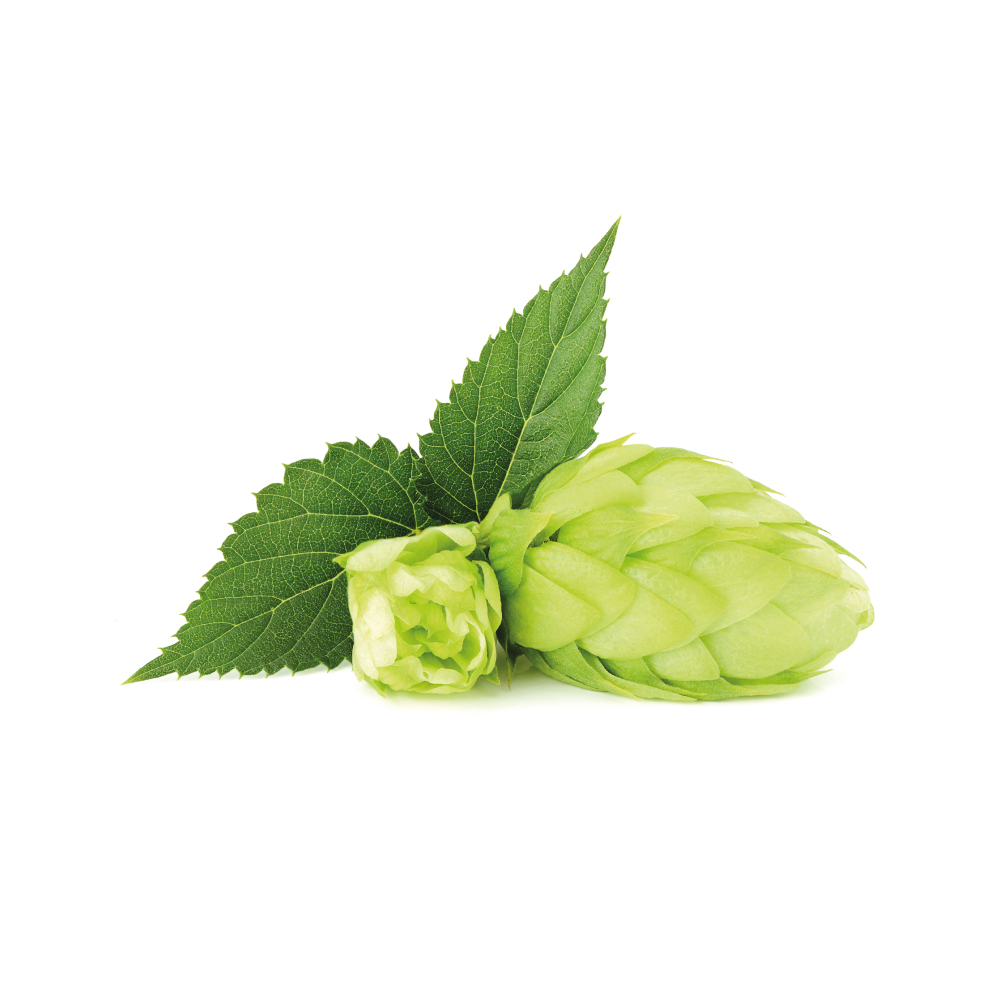 HopsHumulus lupulusModerate
Hops carries 8-prenylnaringenin, the most potent plant oestrogen yet identified, which competes with 17β-estradiol at both ERα and ERβ 16,
The trials conflict. One 12-week trial beat placebo on the Kupperman index at 6 but not 12 weeks with no dose-response 18Reference 18RCTA first prospective, randomized, double-blind, placebo-controlled study on the use of a standardized hop extract to alleviate menopausal discomforts — [randomized]View study →, a crossover saw placebo do slightly better 19Reference 19RCTA randomized, double-blind, placebo-controlled, cross-over pilot study on the use of a standardized hop extract to alleviate menopausal discomforts — [randomized]View study →, while two others were positive 20,
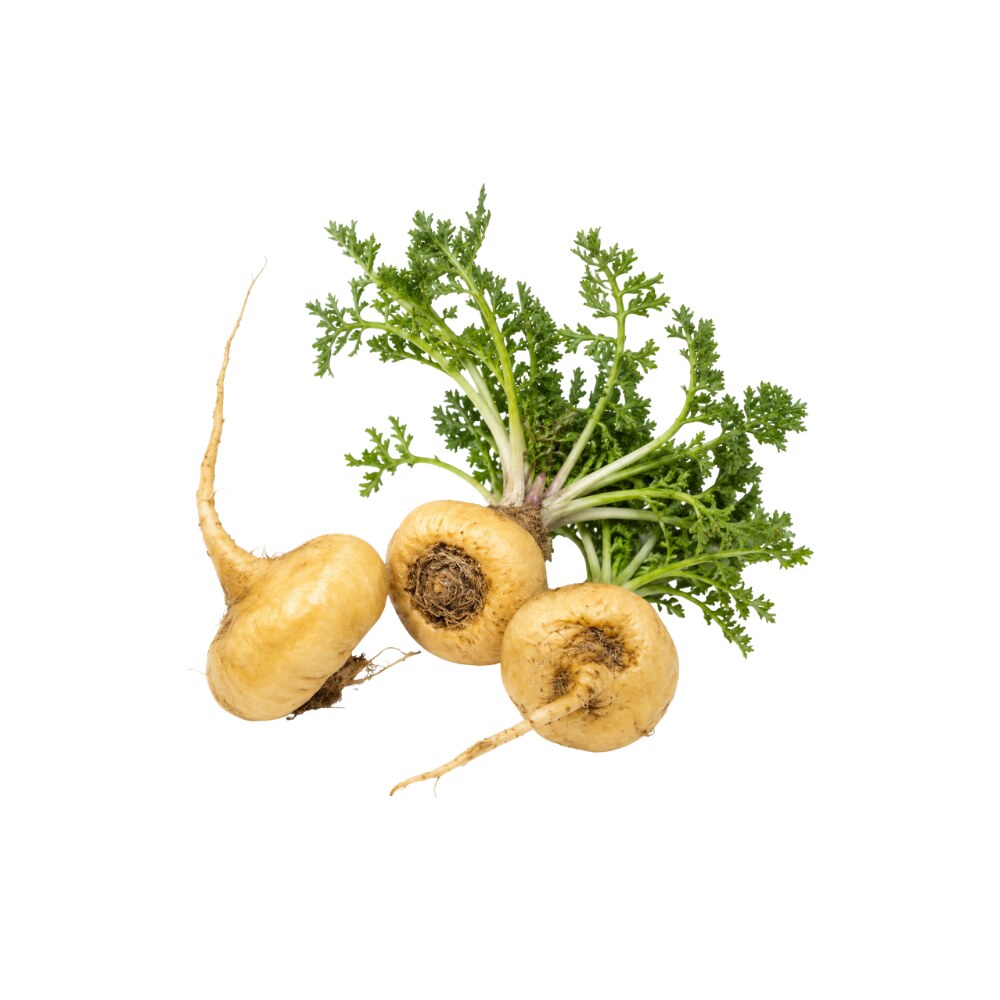 MacaLepidium meyeniiModerate
Four RCTs pooled in a 2011 systematic review all favoured maca on menopausal symptom scores (Kupperman, Greene) in peri-/postmenopausal women, though the review stressed small numbers, modest quality and unproven safety 22Reference 22Systematic reviewMaca (Lepidium meyenii) for treatment of menopausal symptoms: a systematic reviewView study →. A crossover RCT (n=14, 3.5 g/day) lowered Greene Climacteric and psychological scores with no change in oestradiol, FSH, LH or SHBG, and assays confirmed no oestrogenic/androgenic activity 23Reference 23RCTBeneficial effects of Lepidium meyenii (Maca) on psychological symptoms and measures of sexual dysfunction in postmenopausal women are not related to oestrogen or androgen content — randomised controlled trialView study →; a 2018 phytoestrogen meta-analysis also placed maca among plants improving sexual function in menopausal women 24Reference 24Meta-analysisEffect of phytoestrogens on sexual function in menopausal women: a systematic review and meta-analysisView study →. Symptom relief via a non-hormonal (HPA/HPG-axis) route 25,
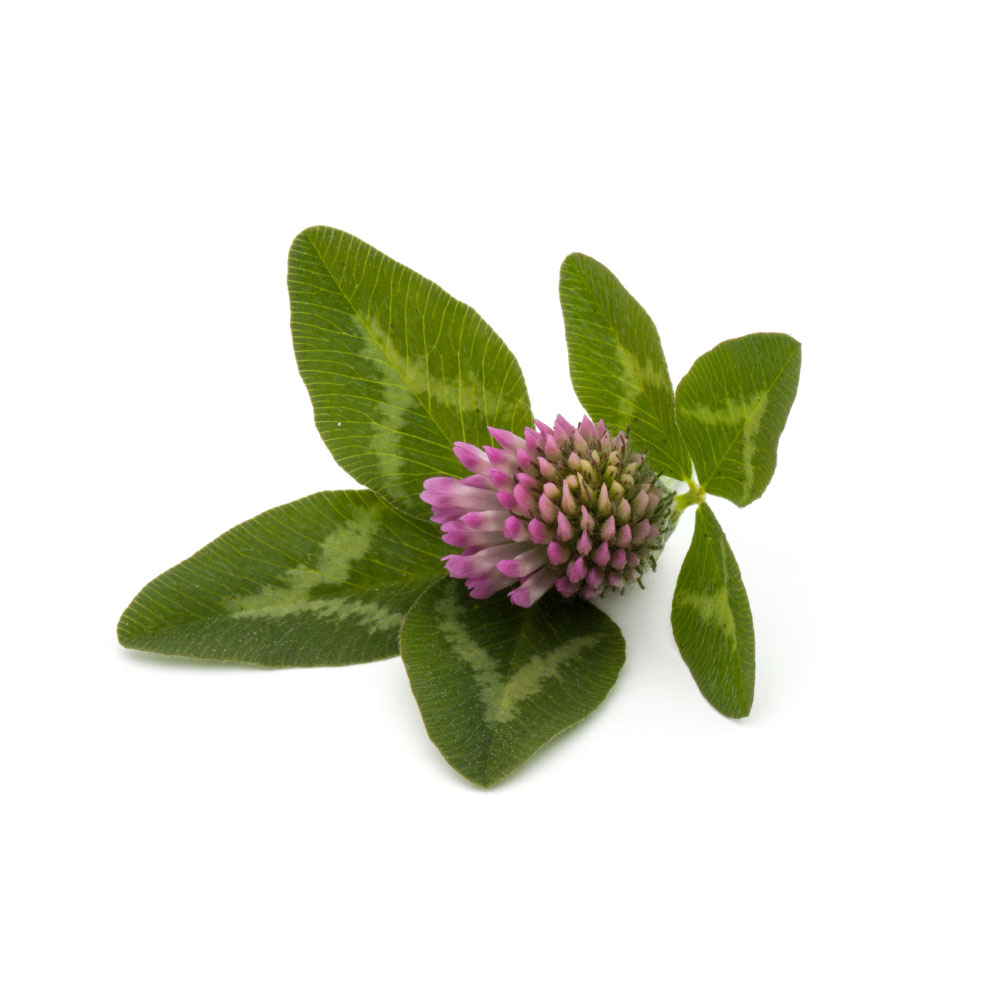 Red CloverTrifolium pratenseModerate
Menopause is red clover’s main modern use. A 2026 GRADE-assessed meta-analysis of nine RCTs found a significant small-to-moderate reduction in hot-flush frequency (SMD −0.446) 27Reference 27Meta-analysisThe effectiveness of red clover on hot-flash in menopausal women: a GRADE-assessed systematic review and meta-analysisView study →, and a 2021 meta-analysis found −1.73 flushes/day, strongest at ≥80 mg/day and with biochanin-A-rich formulations 28Reference 28Meta-analysisEvaluation of clinical meaningfulness of red clover (Trifolium pratense L.) extract to relieve hot flushes and menopausal symptoms — systematic review and meta-analysis of randomised controlled trialsView study →; a Promensil-80 mg meta-analysis reported ~3.6 fewer flushes/day 29Reference 29Meta-analysisEffects of a standardised extract of Trifolium pratense (Promensil) at 80 mg in the treatment of menopausal hot flushes: a systematic review and meta-analysisView study →.
Against this, the 2013 Cochrane review found no conclusive evidence, with a placebo response of 1–59% 30Reference 30Systematic reviewPhytoestrogens for menopausal vasomotor symptoms — Cochrane systematic reviewView study →, and individual RCTs split positive/null 31,
The effect belongs to standardised extracts (40–160 mg isoflavones/day), not tea or whole flower; high heterogeneity + large placebo effect; a menopausal anxiety/mood crossover RCT is also positive 34Reference 34RCTImprovement of postmenopausal depressive and anxiety symptoms after treatment with isoflavones derived from red clover extracts — randomised crossover trialView study →.
Full monograph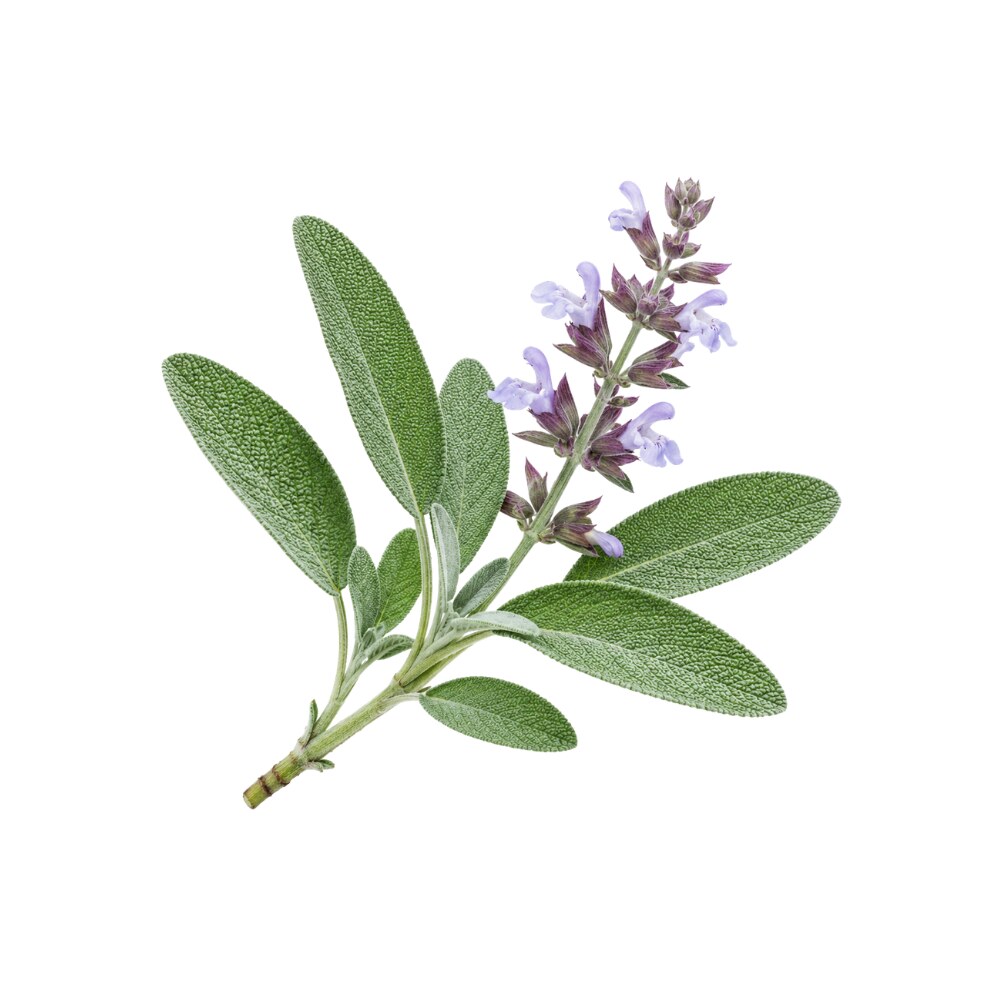 SageSalvia officinalisModerate
A 2023 systematic review/meta-analysis of four trials (n=310) found Salvia officinalis significantly reduced hot-flush frequency vs placebo (severity NS); the largest single study (open-label, n=69) reported falling flush intensity/frequency over 8 weeks, and an ADT-patient pilot agreed, via mild oestrogenic flavonoid activity 35,
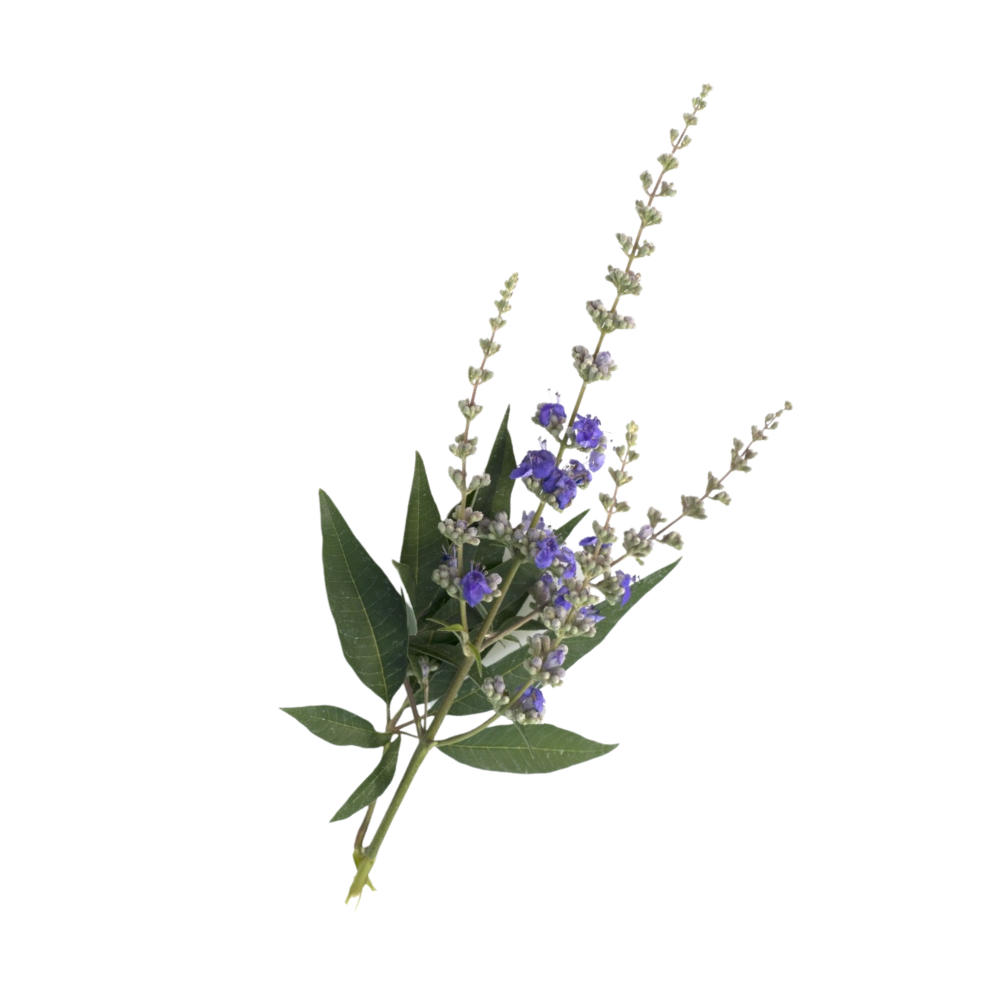 Chaste TreeVitex agnus-castusTraditional only
A classic Western women’s-health herb taken across the menopausal transition for its action on the pituitary axis; its trials are in premenstrual/luteal complaints, not menopause, so the menopausal use rests on tradition.
Full monograph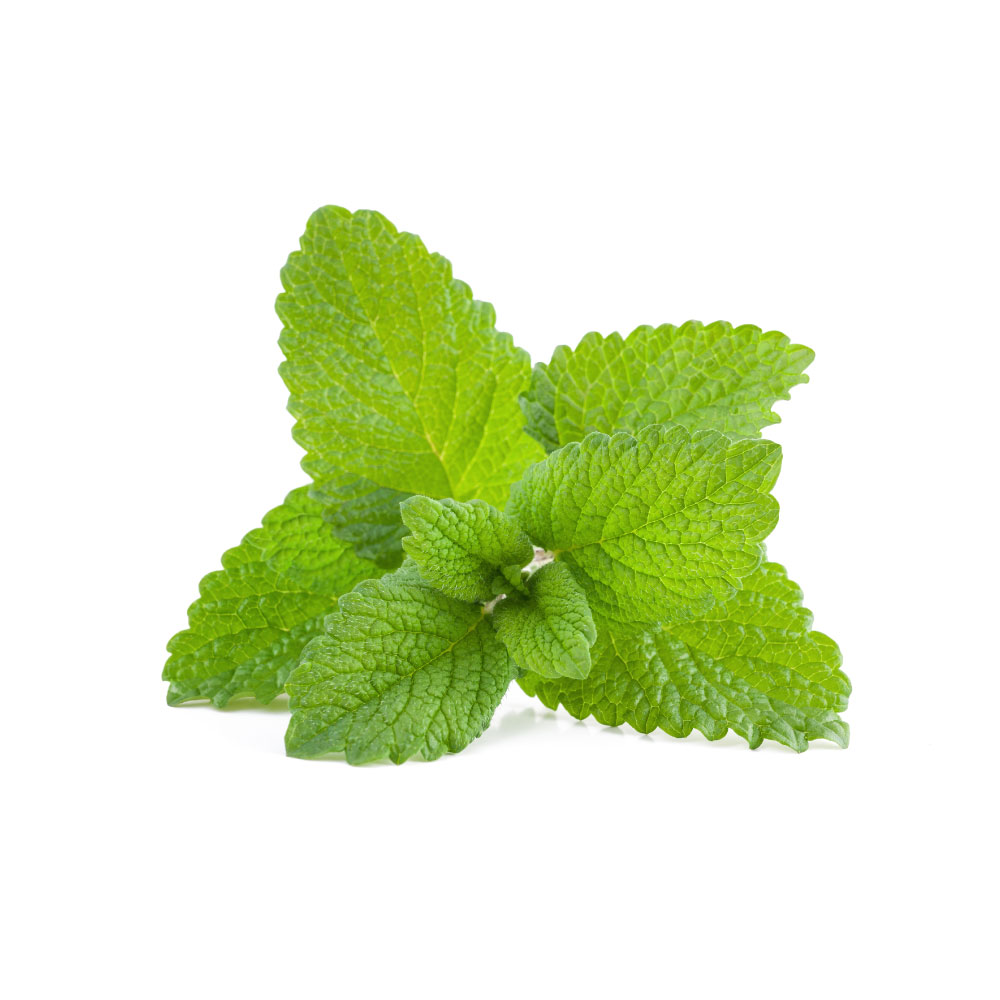 MelissaMelissa officinalisTraditional only
Lemon balm is used traditionally to ease the low mood, irritability and disturbed sleep that accompany menopause; this rests on its general calming reputation rather than a menopause-specific trial.
Full monograph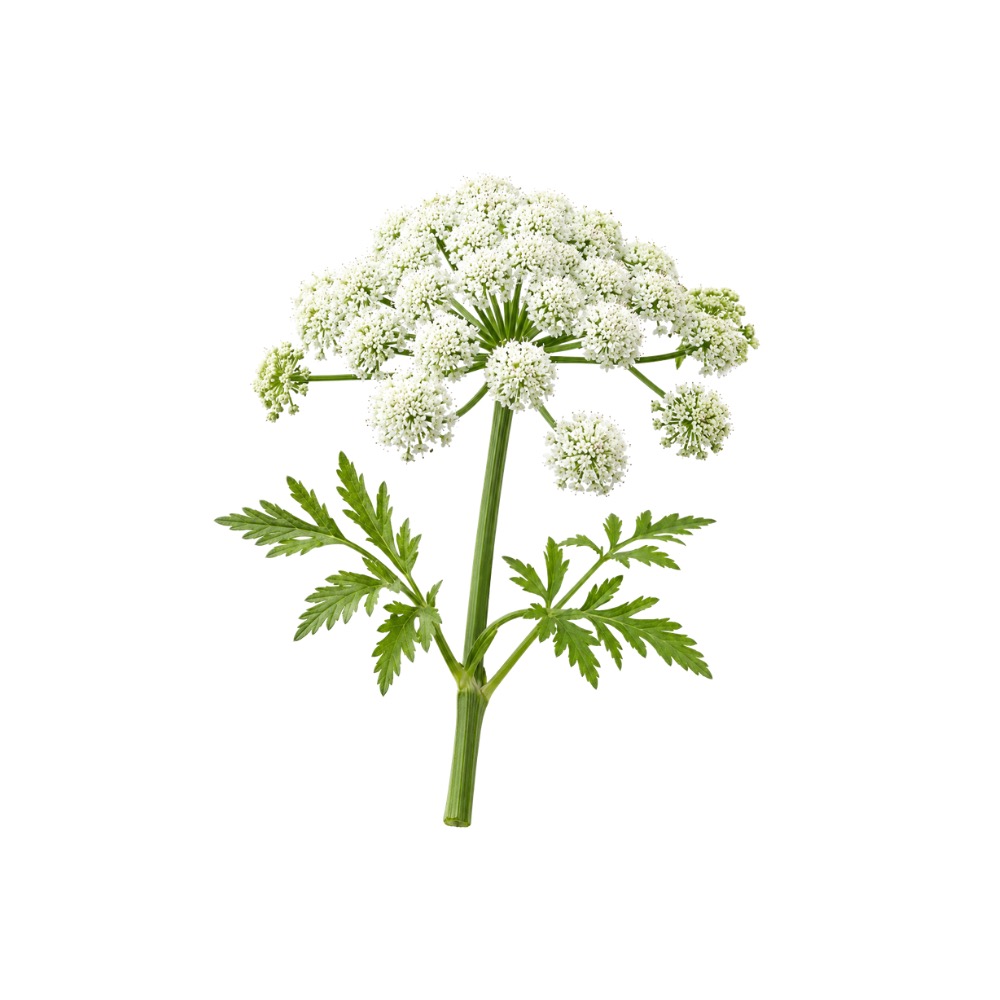 Dong QuaiAngelica sinensisNo benefit shown
Menopause is the one dong quai indication with human RCTs, and they are negative. A 24-week double-blind, placebo-controlled trial in 71 postmenopausal women found dong quai alone produced no change in vasomotor flushes, endometrial thickness or vaginal cell maturation, and no oestrogenic effect 8Reference 8RCTDoes dong quai have estrogenic effects in postmenopausal women? A double-blind, placebo-controlled randomised trial (RCT)View study →; a second RCT in 22 men with androgen-deprivation hot flashes was likewise negative 9Reference 9RCTDong Quai for hot flashes in men on androgen-deprivation therapy: randomised double-blind placebo-controlled trial (RCT)View study →.
Positive vasomotor results exist only for multi-herb products containing dong quai 10,
References
- Sadahiro, R., et al. (2023). Black cohosh extracts in women with menopausal symptoms: an updated pairwise meta-analysis. Menopause. https://pubmed.ncbi.nlm.nih.gov/37192826/
- Castelo-Branco, C., et al. (2021). Review & meta-analysis: isopropanolic black cohosh extract iCR for menopausal symptoms — an update. Climacteric. https://pubmed.ncbi.nlm.nih.gov/33021111/
- Leach, M. J., & Moore, V. (2012). Black cohosh (Cimicifuga spp.) for menopausal symptoms — Cochrane systematic review of randomised controlled trials. Cochrane Database Syst Rev. https://pubmed.ncbi.nlm.nih.gov/22972105/
- Pockaj, B. A., et al. (2006). Phase III double-blind, randomised, placebo-controlled crossover trial of black cohosh for hot flashes (NCCTG N01CC1). J Clin Oncol. https://pubmed.ncbi.nlm.nih.gov/16782922/
- Jacobson, J. S., et al. (2001). Randomised trial of black cohosh for hot flashes among women with a history of breast cancer. J Clin Oncol. https://pubmed.ncbi.nlm.nih.gov/11352967/
- Powell, S. L., et al. (2008). In vitro serotonergic activity of black cohosh and identification of Nω-methylserotonin as a potential active constituent. J Agric Food Chem. https://pubmed.ncbi.nlm.nih.gov/19049296/
- Overk, C. R., et al. (2008). High-content screening and mechanism-based evaluation of estrogenic botanical extracts (SERM-like activity of black cohosh) — in vitro. Comb Chem High Throughput Screen. https://pubmed.ncbi.nlm.nih.gov/18473738/
- Hirata, J. D., et al. (1997). Does dong quai have estrogenic effects in postmenopausal women? A double-blind, placebo-controlled randomised trial (RCT). Fertility and Sterility. https://pubmed.ncbi.nlm.nih.gov/9418683/
- Al-Bareeq, R. J., Ray, A. A., Nott, L., et al. (2010). Dong Quai for hot flashes in men on androgen-deprivation therapy: randomised double-blind placebo-controlled trial (RCT). Canadian Urological Association Journal. https://pubmed.ncbi.nlm.nih.gov/20165579/
- Haines, C. J., et al. (2008). A randomised, double-blind, placebo-controlled study of Dang Gui Buxue Tang on menopausal symptoms — RCT. Climacteric. https://pubmed.ncbi.nlm.nih.gov/18568789/
- Rotem, C., & Kaplan, B. (2007). Phyto-Female Complex for hot flushes, night sweats and sleep quality: randomised, controlled, double-blind pilot study (RCT). Gynecological Endocrinology. https://pubmed.ncbi.nlm.nih.gov/17454163/
- Kupfersztain, C., et al. (2003). Immediate effect of Angelica sinensis and Matricaria chamomilla (Climex) for hot flushes — placebo-controlled RCT. Clinical and Experimental Obstetrics & Gynecology. https://pubmed.ncbi.nlm.nih.gov/14664413/
- Jing, G., Keane, C. M., Reynolds, C. M., et al. (2026). The effectiveness of non-soy oral herbal supplements for menopausal symptoms — systematic review. https://pubmed.ncbi.nlm.nih.gov/42451042/
- Khanna, A., et al. (2020). Efficacy of a novel extract of fenugreek seeds in alleviating vasomotor symptoms and depression in perimenopausal women: A randomized, double-blinded, placebo-controlled study. J Food Biochem. https://pubmed.ncbi.nlm.nih.gov/33025616/
- Safary, M., et al. (2020). Comparison of the Effects of Fenugreek Vaginal Cream and Ultra Low-Dose Estrogen on Atrophic Vaginitis — randomized controlled clinical trial. Curr Drug Deliv. https://pubmed.ncbi.nlm.nih.gov/32640956/
- Milligan SR, Kalita JC, Pocock V, Van De Kauter V, Stevens JF, Deinzer ML, et al. (2000). The endocrine activities of 8-prenylnaringenin and related hop (Humulus lupulus L.) flavonoids — [in vitro]. J Clin Endocrinol Metab, 85(12), 4912-5. https://pubmed.ncbi.nlm.nih.gov/11134162/
- Tronina T, Popłoński J, & Bartmańska A (2020). Flavonoids as Phytoestrogenic Components of Hops and Beer — [review]. Molecules, 25(18). https://pubmed.ncbi.nlm.nih.gov/32937790/
- Heyerick A, Vervarcke S, Depypere H, Bracke M, & De Keukeleire D (2006). A first prospective, randomized, double-blind, placebo-controlled study on the use of a standardized hop extract to alleviate menopausal discomforts — [randomized]. Maturitas, 54(2), 164-75. https://pubmed.ncbi.nlm.nih.gov/16321485/
- Erkkola R, Vervarcke S, Vansteelandt S, Rompotti P, De Keukeleire D, & Heyerick A (2010). A randomized, double-blind, placebo-controlled, cross-over pilot study on the use of a standardized hop extract to alleviate menopausal discomforts — [randomized]. Phytomedicine, 17(6), 389-96. https://pubmed.ncbi.nlm.nih.gov/20167461/
- Aghamiri V, Mirghafourvand M, Mohammad-Alizadeh-Charandabi S, & Nazemiyeh H (2016). The effect of Hop (Humulus lupulus L.) on early menopausal symptoms and hot flashes: A randomized placebo-controlled trial — [randomized]. Complement Ther Clin Pract, 23, 130-5. https://pubmed.ncbi.nlm.nih.gov/25982391/
- Kim HI, Kim MK, Lee I, Yun J, Kim EH, & Seo SK (2021). Efficacy and Safety of a Standardized Soy and Hop Extract on Menopausal Symptoms: A 12-Week, Multicenter, Randomized, Double-Blind, Placebo-Controlled Clinical Trial — [randomized]. J Altern Complement Med, 27(11), 959-967. https://pubmed.ncbi.nlm.nih.gov/34399063/
- Lee, M. S., et al. (2011). Maca (Lepidium meyenii) for treatment of menopausal symptoms: a systematic review. Maturitas. https://pubmed.ncbi.nlm.nih.gov/21840656/
- Brooks, N. A., et al. (2008). Beneficial effects of Lepidium meyenii (Maca) on psychological symptoms and measures of sexual dysfunction in postmenopausal women are not related to oestrogen or androgen content — randomised controlled trial. Menopause. https://pubmed.ncbi.nlm.nih.gov/18784609/
- Najaf Najafi, M., et al. (2018). Effect of phytoestrogens on sexual function in menopausal women: a systematic review and meta-analysis. Climacteric. https://pubmed.ncbi.nlm.nih.gov/30156931/
- Zhang, Y., et al. (2014). Effect of ethanolic extract of Lepidium meyenii Walp on serum hormone levels in ovariectomised rats — animal model. Indian J Pharmacol. https://pubmed.ncbi.nlm.nih.gov/25097281/
- Meissner, H. O., et al. (2006). Hormone-balancing effect of pre-gelatinised organic maca (Lepidium peruvianum Chacon): biochemical and pharmacodynamic study on ovariectomised rats — animal model. Int J Biomed Sci. https://pubmed.ncbi.nlm.nih.gov/23674989/
- Jiang, W., Wu, K., et al. (2026). The effectiveness of red clover on hot-flash in menopausal women: a GRADE-assessed systematic review and meta-analysis. European Journal of Obstetrics & Gynecology and Reproductive Biology. https://pubmed.ncbi.nlm.nih.gov/42269521/
- Kanadys, W., et al. (2021). Evaluation of clinical meaningfulness of red clover (Trifolium pratense L.) extract to relieve hot flushes and menopausal symptoms — systematic review and meta-analysis of randomised controlled trials. Nutrients. https://pubmed.ncbi.nlm.nih.gov/33920485/
- Myers, S. P., Vigar, V., et al. (2017). Effects of a standardised extract of Trifolium pratense (Promensil) at 80 mg in the treatment of menopausal hot flushes: a systematic review and meta-analysis. Phytomedicine. https://pubmed.ncbi.nlm.nih.gov/28160855/
- Lethaby, A., et al. (2013). Phytoestrogens for menopausal vasomotor symptoms — Cochrane systematic review. Cochrane Database of Systematic Reviews. https://pubmed.ncbi.nlm.nih.gov/24323914/
- Shakeri, F., Taavoni, S., Goushegir, A., et al. (2015). Effectiveness of red clover in alleviating menopausal symptoms: a 12-week randomised controlled trial. Climacteric. https://pubmed.ncbi.nlm.nih.gov/25581426/
- Del Giorno, C., et al. (2010). Effects of Trifolium pratense on the climacteric and sexual symptoms in postmenopause women — randomised controlled trial. Revista da Associação Médica Brasileira. https://pubmed.ncbi.nlm.nih.gov/21152828/
- Geller, S. E., et al. (2009). Safety and efficacy of black cohosh and red clover for the management of vasomotor symptoms: a randomised controlled trial. Menopause. https://pubmed.ncbi.nlm.nih.gov/19609225/
- Lipovac, M., et al. (2010). Improvement of postmenopausal depressive and anxiety symptoms after treatment with isoflavones derived from red clover extracts — randomised crossover trial. Maturitas. https://pubmed.ncbi.nlm.nih.gov/19948385/
- Bommer, S., Klein, P., & Suter, A. (2011). First-time proof of sage’s tolerability and efficacy in menopausal women with hot flushes — clinical trial. Adv Ther, 28(6), 490–500. https://pubmed.ncbi.nlm.nih.gov/21630133/
- Moradi, M., et al. (2023). The effect of Salvia officinalis on hot flashes in postmenopausal women: a systematic review and meta-analysis. Int J Community Based Nurs Midwifery, 11(3), 169–181. https://pubmed.ncbi.nlm.nih.gov/37489230/
- Vandecasteele, K., et al. (2012). Evaluation of the efficacy and safety of Salvia officinalis in controlling hot flashes in prostate cancer patients treated with androgen deprivation — clinical trial. Phytother Res, 26(2), 208–213. https://pubmed.ncbi.nlm.nih.gov/21630361/
- Rahte, S., et al. (2013). Salvia officinalis for hot flushes: towards determination of mechanism of activity and active principles — in vitro. Planta Med, 79(9), 753–760. https://pubmed.ncbi.nlm.nih.gov/23670626/
- Yadav P, Yadav S, Vedururu SS, et al. (2025). A standardized Asparagus racemosus root extract improves hormonal balance and menstrual health and reduces vasomotor symptoms — randomised placebo-controlled trial. Journal of the American Nutrition Association. https://pubmed.ncbi.nlm.nih.gov/40434025/
- Gudise VS, Dasari MP, Kuricheti SSK (2024). Efficacy and safety of Shatavari root extract for the management of menopausal symptoms — double-blind, multicenter, randomised controlled trial. Cureus. https://pubmed.ncbi.nlm.nih.gov/38725785/