Condition
Prostatitis
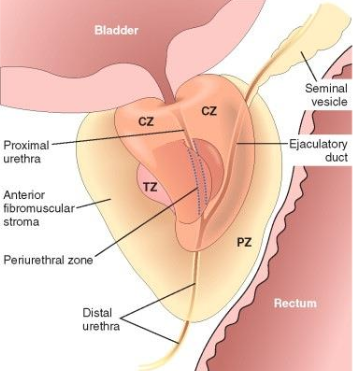
Prostatitis is inflammation of the prostate gland, which may be acute or chronic and is a common cause of pelvic pain and urinary symptoms in men.

Overview
Aetiology
Prostatitis is classified into four categories based on the NIH system.
Category 1: Acute Bacterial Prostatitis
An acute bacterial infection of the prostate, presenting with acute bacteriuria. The prostate may or may not feel abnormal on digital rectal examination, and it is considered a subtype of urinary tract infection.
Category 2: Chronic Bacterial Prostatitis
A recurring urinary tract infection caused by the same bacterial strain, which persists in the prostate and seeds repeated infections.
Category 3: Chronic Prostatitis / Chronic Pelvic Pain Syndrome
Genitourinary pain lasting longer than three months in the absence of uropathogenic bacteria detectable by standard microbiological methods. This is the most common form.
Category 4: Asymptomatic Inflammatory Prostatitis
Prostate inflammation found incidentally in patients without symptoms, for example during evaluation of seminal fluid for infertility or assessment of other conditions.
Presentation
Symptoms
Common symptoms include pain in the pelvis, perineum, lower back, or genitals, together with urinary frequency, urgency, a weak or interrupted stream, and pain or burning on urination. Painful ejaculation and sexual dysfunction may occur. Acute bacterial prostatitis can also cause fever, chills, and marked malaise.
Assessment
Diagnostic Considerations
Assessment combines a digital rectal examination, urinalysis and urine culture, and PSA testing (which can be transiently elevated by inflammation). Localization cultures and post-massage urine samples help distinguish the categories.
Assessment
Differential Diagnosis
Gonorrhea and chlamydia should be considered, along with benign prostatic hyperplasia, urinary tract infection, and bladder or prostate cancer.
The Herbs
Materia Medica (8)
Herbs traditionally or clinically used for prostatitis.