

Overview
Male Reproductive at a Glance
The male reproductive system is the testes and prostate, and the vascular and hormonal machinery of male sexual function.
Male reproductive herbs tend to act on a few main areas: erectile function, libido, testosterone signalling, sperm quality, and the prostate.
These are often grouped together under “male enhancement,” but they’re physiologically distinct.
Erectile function is primarily vascular.
An erection depends on nitric oxide, smooth-muscle relaxation, and adequate blood flow through the penile arteries.
That’s why herbs that improve endothelial function or nitric-oxide signalling can affect erectile function even when they don’t change testosterone at all.
Asian ginseng and pine bark are good examples.
Libido is different.
Sexual desire is influenced by mood, stress, sleep, medication, relationship factors, and central nervous-system signalling as much as by hormones.
A herb can improve desire without raising testosterone.
Testosterone itself is regulated through the hypothalamic-pituitary-gonadal axis, which makes it difficult to shift meaningfully with a mild intervention.
Some herbs are traditionally described as testosterone boosters, but the better question is whether they actually change circulating androgens, improve symptoms through another route, or simply carry an aphrodisiac reputation.
Sperm quality forms another branch.
Here the main concerns are spermatogenesis, oxidative stress, sperm concentration, motility, and morphology.
Because a full spermatogenic cycle takes roughly 74 days, fertility herbs need to be assessed over months rather than days.
The prostate belongs partly here and partly under the urinary system.
Herbs such as saw palmetto and nettle root are used mainly for lower urinary tract symptoms associated with benign prostatic enlargement rather than for sexual function itself.
One distinction matters more than any other:
New erectile dysfunction can be an early sign of cardiovascular or metabolic disease.
The penile arteries are small, so vascular disease may become symptomatic there before it becomes obvious elsewhere.
New ED is therefore worth treating as a cardiovascular clue as well as a sexual symptom.
Caution
New or persistent erectile dysfunction should prompt assessment of blood pressure, glucose, lipids, cardiovascular risk, and where appropriate testosterone. Male-enhancement products also need particular care because undeclared PDE5 inhibitors have repeatedly been found in this category.
The Traditional View
How Herbalists Read Male Reproductive Health
Traditional herbal medicine usually treats male reproductive function as part of constitutional vitality, circulation, nervous function, and reproductive reserve.
In Chinese medicine, this is strongly associated with Kidney yang.
Kidney yang is linked with warmth, drive, fertility, sexual function, and ageing.
Herbs such as cistanche, epimedium, Asian ginseng, and historically deer antler are used where the picture is one of weakness, coldness, fatigue, low libido, or declining reproductive vitality.
These are generally treated as tonics, taken over longer periods rather than immediately before sex.
Western herbalism developed a looser category around the aphrodisiac.
Damiana, muira puama, catuaba, yohimbe, maca, and similar herbs became associated with sexual desire or performance.
The problem is that “aphrodisiac” can mean several different things.
It may refer to desire, erectile capacity, energy, or hormonal status.
Those aren’t interchangeable.
A herb that improves penile blood flow may help erectile function without increasing libido.
A tonic may improve fatigue or stress over time without having any immediate effect on performance.
A hormone-active herb may alter testosterone signalling without improving either.
The male tonics belong to the slower side of the tradition.
Asian ginseng, ashwagandha, maca, cistanche, and related herbs are generally used over weeks or months where low sexual function occurs alongside fatigue, stress, poor recovery, or reduced fertility.
A separate group is aimed more specifically at spermatogenesis.
Ashwagandha, maca, and antioxidant-rich herbs are used where sperm quality is part of the problem, particularly where oxidative stress may be contributing.
These require time because sperm production itself takes time.
The prostate forms another distinct category.
Saw palmetto, nettle root, and similar herbs are used for benign prostatic enlargement and lower urinary tract symptoms, with mechanisms involving 5-alpha-reductase, androgen signalling, inflammation, or smooth-muscle tone.
This is different again from treating libido or erectile function.
So the practical herbal question is:
Is the problem vascular, neurological, hormonal, related to sperm production, related to the prostate, or part of a broader state of stress and depletion?
Key Herbal Actions
What the Herbs Do Here
The actions most often called on here, each linking through to the herbs that carry it:
Aphrodisiac
The traditional category for herbs said to increase sexual desire or capacity; the least precise and most marketed word in this materia medica.
Male Tonic
The broad traditional category of constitutional support for male reproductive function.
Testosteromimetic
Claimed to raise or mimic testosterone; the claim most often made and least often demonstrated.
Antiprostatic
Addresses prostatic enlargement and its urinary symptoms.
5-Alpha-Reductase Inhibitor
Blocks conversion of testosterone to dihydrotestosterone; finasteride’s target and the proposed prostate mechanism.
Vasodilator
Relaxes and widens blood vessels; the actual mechanism behind most of what works for erectile function.
Adaptogen
Buffers the stress axis, one of the few well-evidenced routes to affecting libido and fertility at all.
Mechanisms
How It Works
The herbs here reach three quite different targets: a blood vessel, a hormone, and the brain. Almost all of them act at one of five points.
01
Nitric oxide & the erectile mechanism
The mechanism behind everything that works.
An erection is a vascular event. Nitric oxide released from endothelium and nerve endings activates guanylate cyclase, raising cyclic GMP, which relaxes the smooth muscle of the corpus cavernosum and lets it fill with blood.
PDE5 inhibitors work by blocking the enzyme that degrades cGMP.
Several herbs act upstream on the same pathway. Korean red ginseng’s ginsenosides increase nitric oxide release, pine bark’s procyanidins improve endothelial nitric oxide synthase activity, which is why the extract is trialled with L-arginine, the substrate nitric oxide is made from 4,
This is a coherent mechanism, and it is the same one that makes erectile dysfunction a cardiovascular warning sign.
Herbs: Asian GinsengDamianaPine
Key compounds: GinsenosidesProcyanidinsL-Arginine
02
The androgen pathway
The most commercially exploited and least supported mechanism.
Testosterone is regulated by a feedback loop through the hypothalamus and pituitary, which makes it homeostatically defended and hard to shift with a mild intervention.
Tribulus is the standard example. Its saponin protodioscin produces aphrodisiac effects in rats 11Reference 11AnimalAphrodisiac properties of Tribulus terrestris extract (protodioscin) in normal and castrated rats — animal modelView study →, and the marketing extrapolates from that to a luteinising-hormone-mediated testosterone rise in humans, which repeated trials have not found.
A systematic review examining herbs and testosterone concentrations in men concluded that very little of the category survives scrutiny 26Reference 26Systematic reviewExamining the effects of herbs on testosterone concentrations in men — systematic reviewView study →.
Where herbs improve sexual function, they generally do so without changing testosterone, which is the single most consistent finding in this system.
Herbs: Tribulus
Key compounds: Protodioscin
03
Spermatogenesis & oxidative stress
The fertility mechanism, and a more plausible one than the testosterone route.
Sperm are unusually vulnerable to oxidative damage, since their membranes are rich in polyunsaturated lipids and they carry almost no cytoplasmic antioxidant defence, and oxidative stress is a recognised contributor to male subfertility. That gives antioxidant-rich herbs a real mechanistic route.
Ashwagandha’s withanolides improved semen parameters in oligospermic men in a pilot randomized study 25Reference 25RCTClinical evaluation of the spermatogenic activity of ashwagandha root extract in oligospermic males — pilot randomised studyView study →, and maca improved semen parameters in adult men 27Reference 27Lepidium meyenii (maca) improved semen parameters in adult menView study →, with a systematic review assessing the wider evidence 28Reference 28Systematic reviewThe use of maca (Lepidium meyenii) to improve semen quality — systematic reviewView study →.
The biology sets the timescale. A full spermatogenic cycle is about 74 days, so no herb acting on it can be judged in under three months.
Herbs: AshwagandhaMaca
Key compounds: Withanolides
04
5α-reductase & the prostate
The prostate mechanism, shared with the urinary page where the lower-urinary-tract evidence is covered in full.
Benign prostatic hyperplasia is driven partly by dihydrotestosterone, converted from testosterone by 5α-reductase, which is finasteride’s target.
Saw palmetto’s lipidosterolic fraction, and its beta-sitosterol in particular, inhibits the enzyme in prostate cell lines without suppressing PSA, and nettle root’s lignans are proposed to affect sex hormone-binding globulin.
The contradictory trial results are best explained by extract type rather than by the mechanism being wrong.
Herbs: Saw PalmettoStinging Nettle
Key compounds: Beta-Sitosterol
05
The stress axis & the psychological component
The least glamorous route and possibly the most important.
Sexual function is substantially neurological and psychological. Anxiety, depression, relationship factors, and very commonly antidepressant medication are frequent causes, and SSRI-induced sexual dysfunction affects a large share of the people taking those drugs.
That is the plausible route for the adaptogens here, and it is why the best-designed trials of maca and saffron in this area were done specifically in antidepressant-induced sexual dysfunction 16Reference 16RCTA double-blind, randomised, pilot dose-finding study of maca root (L. meyenii) for the management of SSRI-induced sexual dysfunctionView study → rather than in the general population, where the causes are heterogeneous.
Saffron’s evidence in that population, in both sexes, sits on the parent reproductive page.
Herbs: AshwagandhaMaca
The Herbs
Materia Medica
The herbs with a written-up indication here, grouped by use and ordered within each group by strength of evidence.
Prostate symptoms are covered more fully on the urinary page, and the shared herbs on the reproductive page.
Erectile Function
4 herbsThe best-evidenced group, with real randomized trials and a Cochrane review behind it. Two points frame it. PDE5 inhibitors are highly effective, cheap and now widely available, so the realistic role for anything below is for people who cannot take them, most importantly anyone on nitrates, where PDE5 inhibitors are absolutely contraindicated. And erectile dysfunction trials are unusually placebo-responsive, since the condition has a large psychological component.
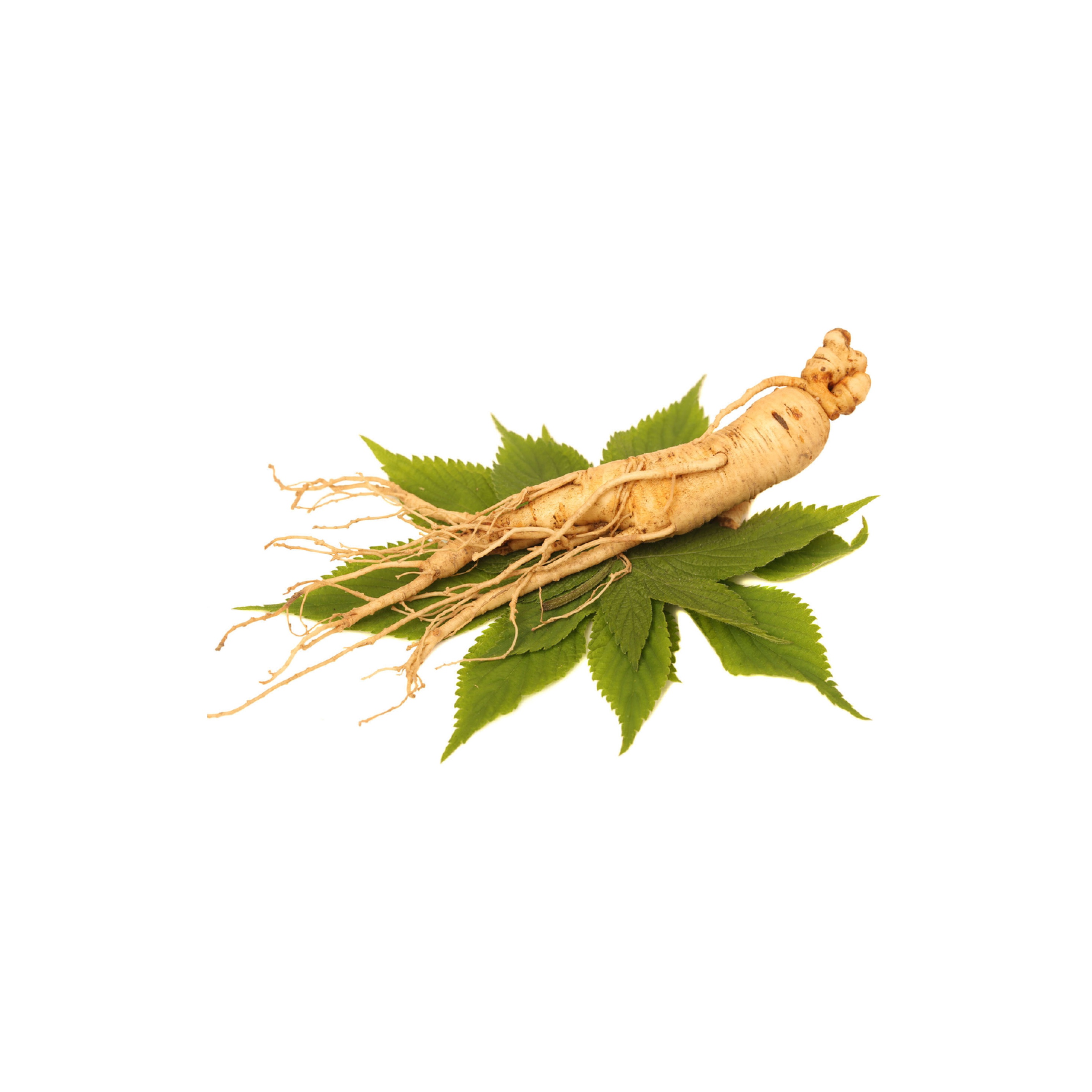 StrongStrongAsian GinsengPanax ginsengThe best-supported herb for erectile dysfunction, and the only one with a Cochrane review. That review of ginseng for erectile dysfunction found evidence of benefit while judging the certainty low and the contributing trials small and of variable quality 1Reference 1Systematic reviewGinseng for erectile dysfunction — Cochrane systematic reviewView study →.Read the evidenceShow lessMonograph →
An earlier systematic review of red ginseng reached a similar conclusion 2Reference 2Systematic reviewRed ginseng for treating erectile dysfunction — systematic reviewView study →, and a randomized controlled trial of Korean red ginseng found significant improvement in erectile function scores 3Reference 3RCTClinical efficacy of Korean red ginseng for erectile dysfunction — randomised controlled trialView study →.
The mechanism is nitric-oxide-mediated vasodilation from the ginsenosides, which is upstream of the PDE5 pathway rather than parallel to it.
The trials use Korean red (steamed) ginseng at 1.8 to 3 g a day over eight to twelve weeks, not a generic ginseng capsule taken occasionally.
Asian ginseng is stimulating and can disturb sleep, may raise blood pressure in some people, and interferes with digoxin immunoassays.
 ModerateModeratePinePinus spp.Maritime pine bark extract, sold as Pycnogenol, and its evidence belongs to a combination rather than to the bark alone.Read the evidenceShow lessMonograph →
A systematic review and meta-analysis of L-arginine with Pycnogenol in male erectile dysfunction found significant improvement 4Reference 4Meta-analysisEfficacy of L-arginine and Pycnogenol in the treatment of male erectile dysfunction — systematic review and meta-analysisView study →, following the original clinical work on the pairing 5Reference 5Clinical trialTreatment of erectile dysfunction with pycnogenol and L-arginine — clinical trialView study →, and a later randomized controlled trial of natural polyphenols found improvement in erectile function alongside lipid profile 6Reference 6RCTNatural polyphenols improve erectile function and lipid profile in patients suffering from erectile dysfunction — randomised controlled trialView study →.
The rationale is mechanistically tidy. L-arginine is the substrate for nitric oxide synthesis and the procyanidins support eNOS activity, so the two act at consecutive steps of the same pathway.
The caveats are the standard ones for this extract: a patented standardised product, small trials, several connected to the manufacturer. And the result belongs to the pair, not to pine bark on its own.
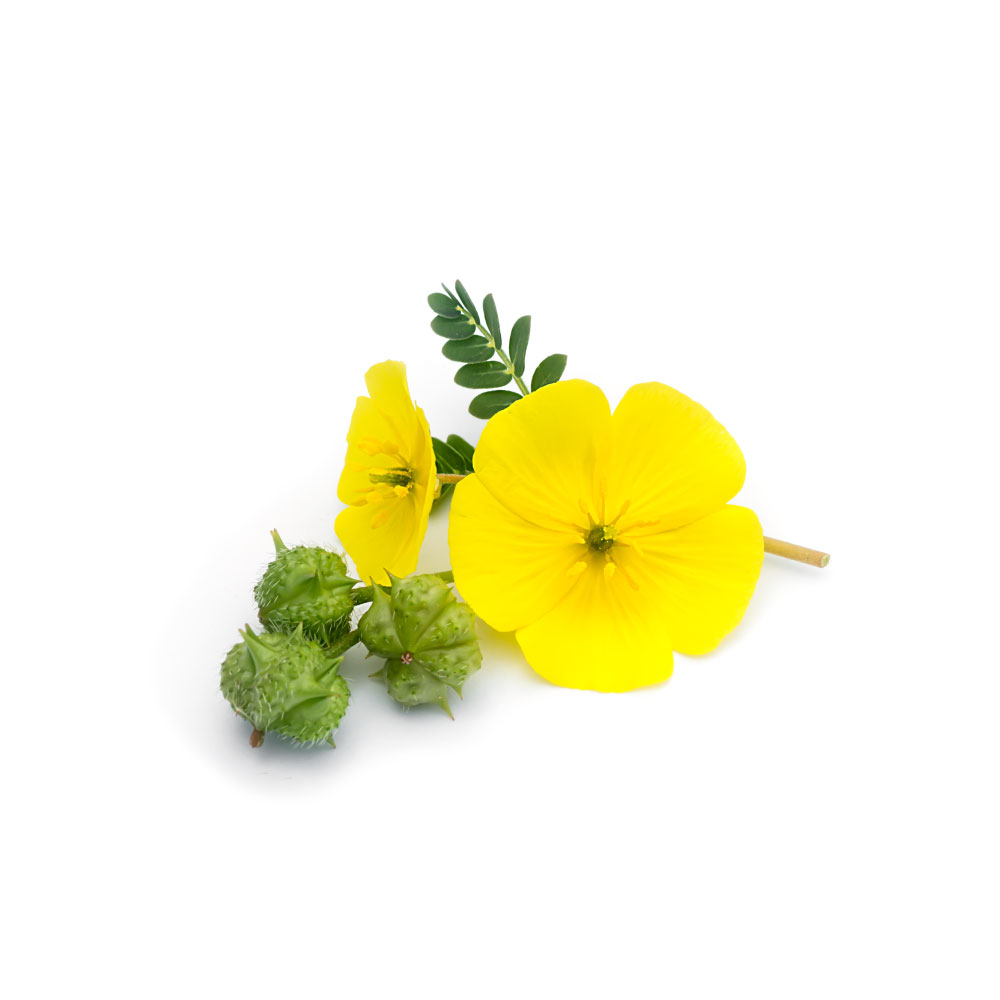 ModerateModerateTribulusTribulus terrestrisThe most-sold and most-misunderstood herb in this category, with strong evidence for the claim it is not sold on and none for the claim it is.Read the evidenceShow lessMonograph →
Its erectile evidence is positive. A systematic review and meta-analysis of randomized trials found Tribulus terrestris improved erectile dysfunction 7Reference 7Meta-analysisTribulus terrestris for management of patients with erectile dysfunction — systematic review and meta-analysis of randomised trialsView study →, supported by a prospective, randomized, double-blind, placebo-controlled trial in male sexual dysfunction 8Reference 8RCTEvaluation of the efficacy and safety of Tribulus terrestris in male sexual dysfunction — prospective, randomised, double-blind, placebo-controlled trialView study → and a further placebo-controlled trial 9Reference 9RCTTribulus terrestris versus placebo in the treatment of erectile dysfunction — prospective, randomised, double-blind studyView study →, with benefit also reported in late-onset hypogonadism 10Reference 10RCTTribulus terrestris versus placebo in erectile dysfunction and lower urinary tract symptoms in late-onset hypogonadism — randomised placebo-controlled trialView study →.
Its testosterone evidence runs the other way. Repeated trials find no meaningful rise, which is precisely what tribulus is marketed for.
The aphrodisiac effect in rats is attributed to protodioscin 11Reference 11AnimalAphrodisiac properties of Tribulus terrestris extract (protodioscin) in normal and castrated rats — animal modelView study →.
Two real safety points. Published case reports document acute kidney injury 36Reference 36Case reportAcute kidney injury and hyperbilirubinaemia in a young male after ingestion of Tribulus terrestris — case reportView study → and severe combined liver and renal injury 37Reference 37Case reportSevere liver and renal injury from Tribulus terrestris — case reportView study → following supplementation.
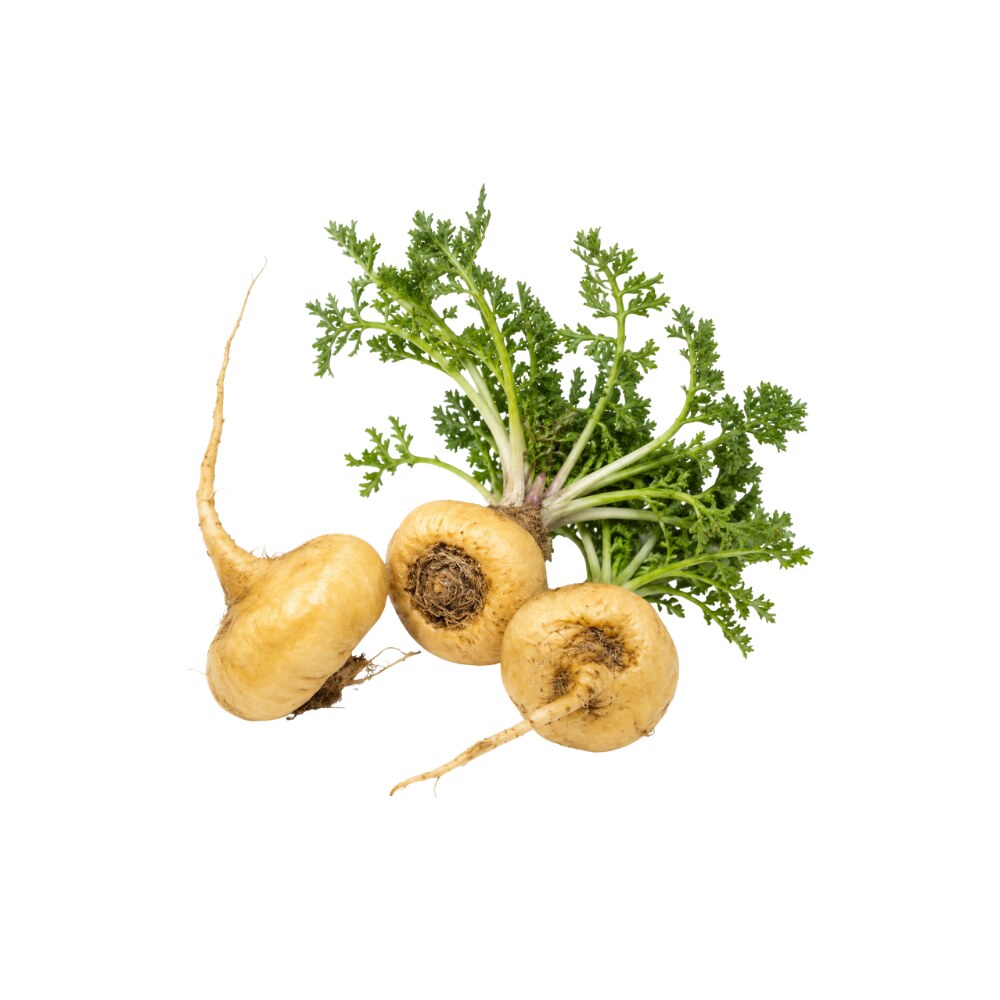 ModerateModerateMacaLepidium meyeniiThe Andean root with a small but consistent record. A randomized double-blind clinical trial found maca extract improved subjective well-being and sexual performance in men with mild erectile dysfunction 12Reference 12RCTSubjective effects of Lepidium meyenii (maca) extract on well-being and sexual performance in patients with mild erectile dysfunction — randomised double-blind clinical trialView study →, and a systematic review of maca for sexual function found the evidence suggestive but limited by trial size and quality 13Reference 13Systematic reviewMaca (L. meyenii) for improving sexual function — systematic reviewView study →.Also underLibido ↓Testosterone ↓Read the evidenceShow lessMonograph →
A recent meta-analysis of herbal supplements for erectile dysfunction includes it among the options assessed 14Reference 14Meta-analysisHerbal dietary supplements for erectile dysfunction — systematic review and meta-analysis of randomised controlled trialsView study →.
The consistent finding across the whole maca literature is that these effects occur with no change in testosterone or estradiol, established in the original sexual-desire trial 15Reference 15RCTEffect of Lepidium meyenii (maca) on sexual desire and its absent relationship with serum testosterone levels in adult healthy men — randomised placebo-controlled trialView study →, which rules out the hormonal mechanism most often claimed for it.
Its libido and fertility evidence appear below.
Libido & Desire
4 herbsThe group where the gap between reputation and evidence is widest. Almost every classic aphrodisiac below rests on rat behavioural studies plus a long ethnobotanical reputation, and the few human trials are of multi-ingredient commercial products. Desire is also the outcome most entangled with mood, relationship context and medication, which makes it the hardest thing in this system to measure honestly.
ModerateModerateMacaLepidium meyeniiFor desire rather than erectile function, and here maca has the best human data in the group. A randomized placebo-controlled trial found it increased sexual desire in adult healthy men while documenting no relationship with serum testosterone 15Reference 15RCTEffect of Lepidium meyenii (maca) on sexual desire and its absent relationship with serum testosterone levels in adult healthy men — randomised placebo-controlled trialView study →.Also underErectile ↓Testosterone ↓Read the evidenceShow lessMonograph →
Its most useful application is narrower and better designed. A double-blind, randomized, dose-finding study found maca root improved SSRI-induced sexual dysfunction 16Reference 16RCTA double-blind, randomised, pilot dose-finding study of maca root (L. meyenii) for the management of SSRI-induced sexual dysfunctionView study →, which is a common, distressing and under-treated side effect, and a population where the cause is known rather than assumed.
Sexual dysfunction is one of the commonest reasons people stop an antidepressant without telling anyone, so adding maca to an SSRI is a conversation with the prescriber.
The shared evidence in both sexes sits on the reproductive page.
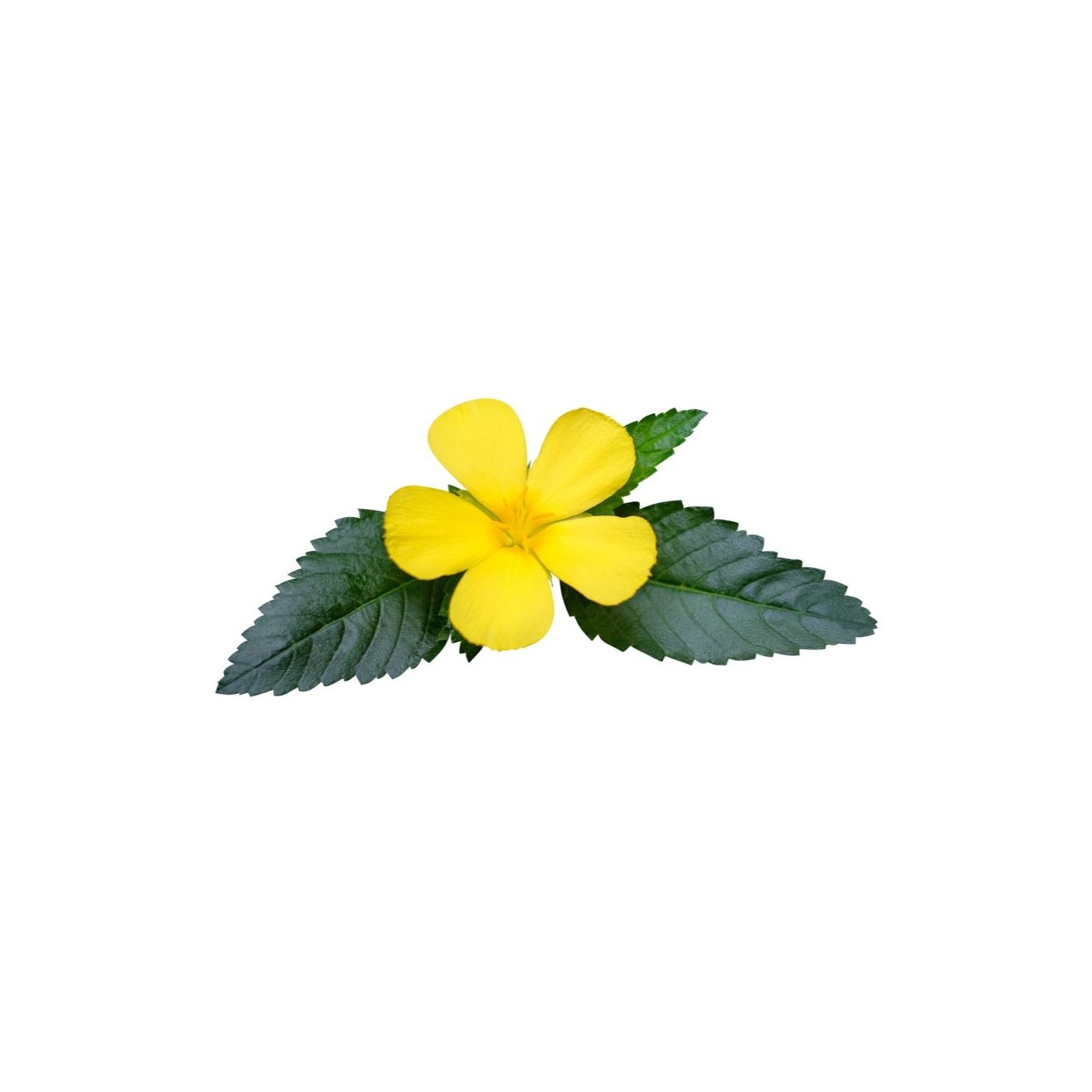 PreclinicalPreclinicalDamianaTurnera diffusaThe classic Central American aphrodisiac, with a coherent animal literature and no human trial of the herb alone.Read the evidenceShow lessMonograph →
Turnera diffusa extract stimulates sexual behaviour in male rats 17Reference 17AnimalStimulating property of Turnera diffusa and Pfaffia paniculata extracts on the sexual behavior of male rats — animal studyView study → and recovers sexual behaviour in sexually exhausted males 18Reference 18Turnera diffusa recovers sexual behavior in sexually exhausted males — animal studyView study →, which is a more specific finding than general stimulation. Its pro-sexual effect involves the nitric oxide pathway 19Reference 19AnimalPro-sexual effects of Turnera diffusa in male rats involves the nitric oxide pathway — animal studyView study →, connecting it to the mechanism that actually matters.
Damiana is also mildly anxiolytic, with apigenin identified as a constituent, which may be part of the traditional picture.
It appears in human studies only as part of multi-ingredient products 20Reference 20Clinical trialEffects of Herbal vX on libido and sexual activity in premenopausal and postmenopausal women — open-label clinical study of a combination productView study →, so nothing in that literature tests damiana itself.
 PreclinicalPreclinicalMuira PuamaPtychopetalum olacoides“Potency wood”, the Amazonian nerve and sexual tonic, and an illustration of how this category’s evidence is built.Read the evidenceShow lessMonograph →
Its human data come entirely from combination products. An open-label study of a muira puama-containing preparation reported effects on libido 20Reference 20Clinical trialEffects of Herbal vX on libido and sexual activity in premenopausal and postmenopausal women — open-label clinical study of a combination productView study →, and an uncontrolled three-month pilot of a multi-ingredient formulation reported improvement in erectile dysfunction 21Reference 21Safety and efficacy of daily Revactin in men with erectile dysfunction — three-month uncontrolled pilot study of a combination productView study →.
Neither is a controlled test of muira puama.
Animal work supports a role in a rat pelvic neurovascular injury model, again as part of a nutraceutical combination.
A review of the pharmacology of herbal sexual enhancers covers the psychiatric and neurological adverse effects reported across this whole category 22Reference 22ReviewPharmacology of herbal sexual enhancers — review of psychiatric and neurological adverse effectsView study →, and is worth reading alongside the marketing.
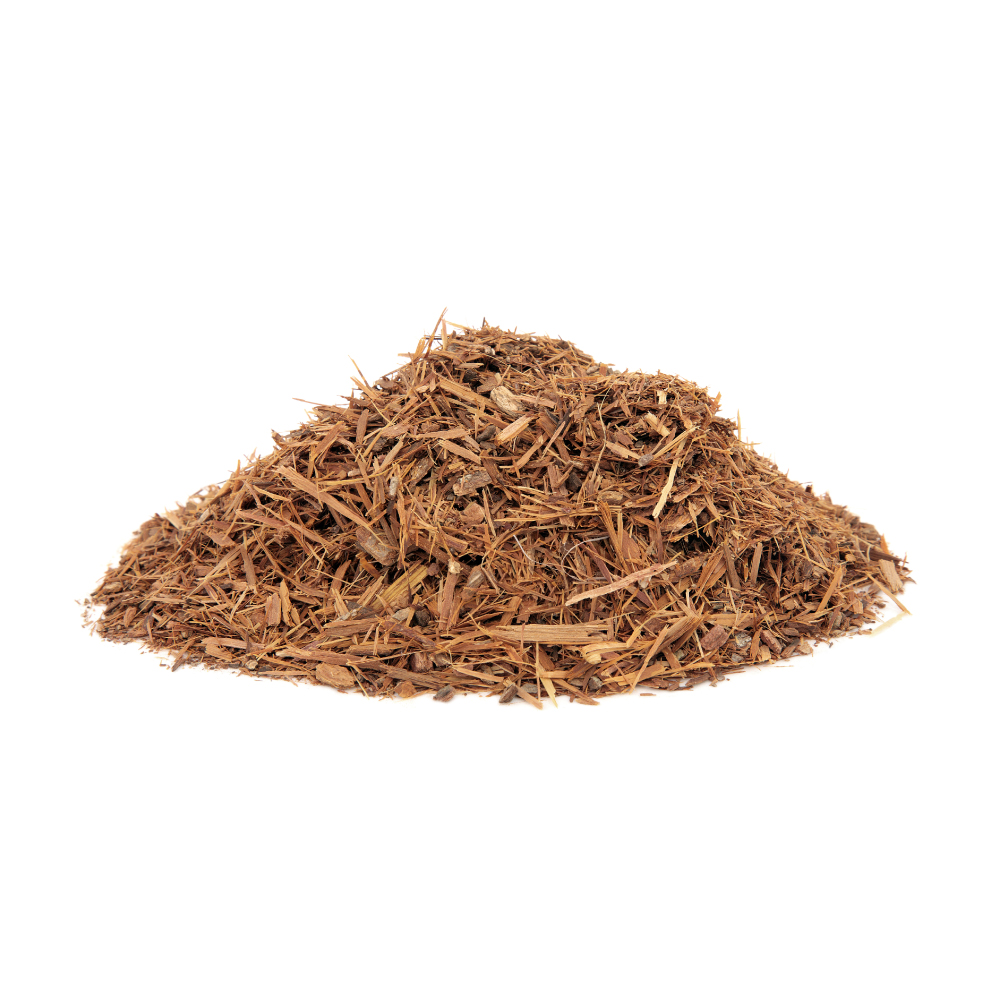 PreclinicalPreclinicalCatuabaTrichilia catiguaThe best-known Brazilian aphrodisiac, and a botanically messy one. “Catuaba” is a trade name applied to several unrelated species, so what is in the bottle is often unclear.Read the evidenceShow lessMonograph →
A review of native Brazilian plants used for male sexual dysfunction covers the ethnomedicinal applications, animal models and proposed mechanisms for the group 23Reference 23AnimalThe traditional use of native Brazilian plants for male sexual dysfunction — evidence from ethnomedicinal applications, animal models and possible mechanisms of actionView study →. There is no controlled human trial.
One finding deserves prominence over the aphrodisiac claim. Exposure to Trichilia catigua crude extract impaired fertility in adult female rats 24Reference 24AnimalThe exposure to Trichilia catigua (catuaba) crude extract impairs fertility of adult female rats but does not cause reproductive damage to male offspring — animal modelView study →, an odd result for a plant sold as a fertility-adjacent tonic, and a reason for caution in anyone trying to conceive.
Testosterone & Fertility
2 herbsThe commercially largest and evidentially weakest claim in this system sits alongside its one promising fertility signal. The distinction matters. Raising testosterone in a man with normal testosterone is neither achievable with these herbs nor obviously desirable, whereas improving sperm quality in a subfertile man is a real target with a plausible antioxidant mechanism. Anything below needs three months to be judged, because that is the length of a spermatogenic cycle.
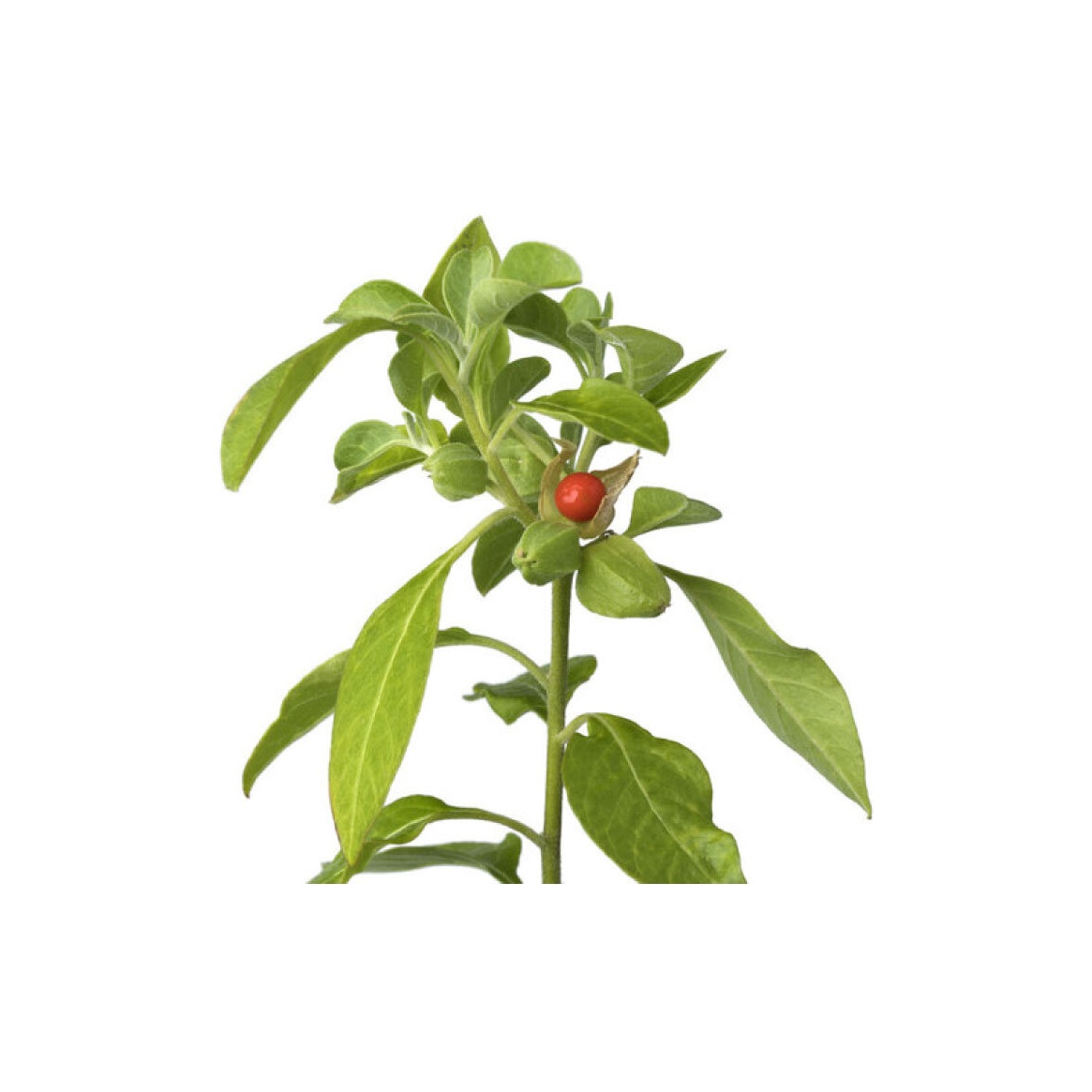 ModerateModerateAshwagandhaWithania somniferaThe best fertility evidence in this group. A pilot randomized study found ashwagandha root extract improved semen parameters, both sperm count and motility, in oligospermic men 25Reference 25RCTClinical evaluation of the spermatogenic activity of ashwagandha root extract in oligospermic males — pilot randomised studyView study →.Read the evidenceShow lessMonograph →
The mechanism is plausible rather than hormonal. Sperm are highly vulnerable to oxidative damage, and ashwagandha has a substantial antioxidant and stress-axis literature behind it, covered on the nervous and endocrine pages.
Reported testosterone increases in some trials are modest and often confounded by concurrent exercise training, and a systematic review of herbs and testosterone in men places the whole category in perspective 26Reference 26Systematic reviewExamining the effects of herbs on testosterone concentrations in men — systematic reviewView study →.
Concentrated extracts carry a thyroid effect and a small number of hepatotoxicity case reports.
ModerateModerateMacaLepidium meyeniiFor semen quality. An early clinical study found maca improved semen parameters in adult men 27Reference 27Lepidium meyenii (maca) improved semen parameters in adult menView study →, and a systematic review of maca for semen quality found the evidence suggestive but limited by small, mostly single-group studies 28Reference 28Systematic reviewThe use of maca (Lepidium meyenii) to improve semen quality — systematic reviewView study →.Also underErectile ↓Libido ↓Read the evidenceShow lessMonograph →
As everywhere in the maca literature, the effect occurs without measurable change in reproductive hormones 15Reference 15RCTEffect of Lepidium meyenii (maca) on sexual desire and its absent relationship with serum testosterone levels in adult healthy men — randomised placebo-controlled trialView study →, which points at a nutritional or antioxidant route rather than an endocrine one.
Maca is grown at extreme altitude in the Peruvian Andes, and the colour morphs, yellow, red and black, are traditionally used for different purposes, with black most associated in animal work with sperm-related endpoints. That distinction is traditional rather than established.
The Prostate
2 herbsCovered in full on the urinary page, since the outcome measured is urinary rather than sexual, and included in this system because the organ is male-reproductive. The trial literature is also one of the most instructive contradictions in herbal medicine. Prostate symptoms need assessment before self-treatment, since benign hyperplasia and prostate cancer cause overlapping symptoms.
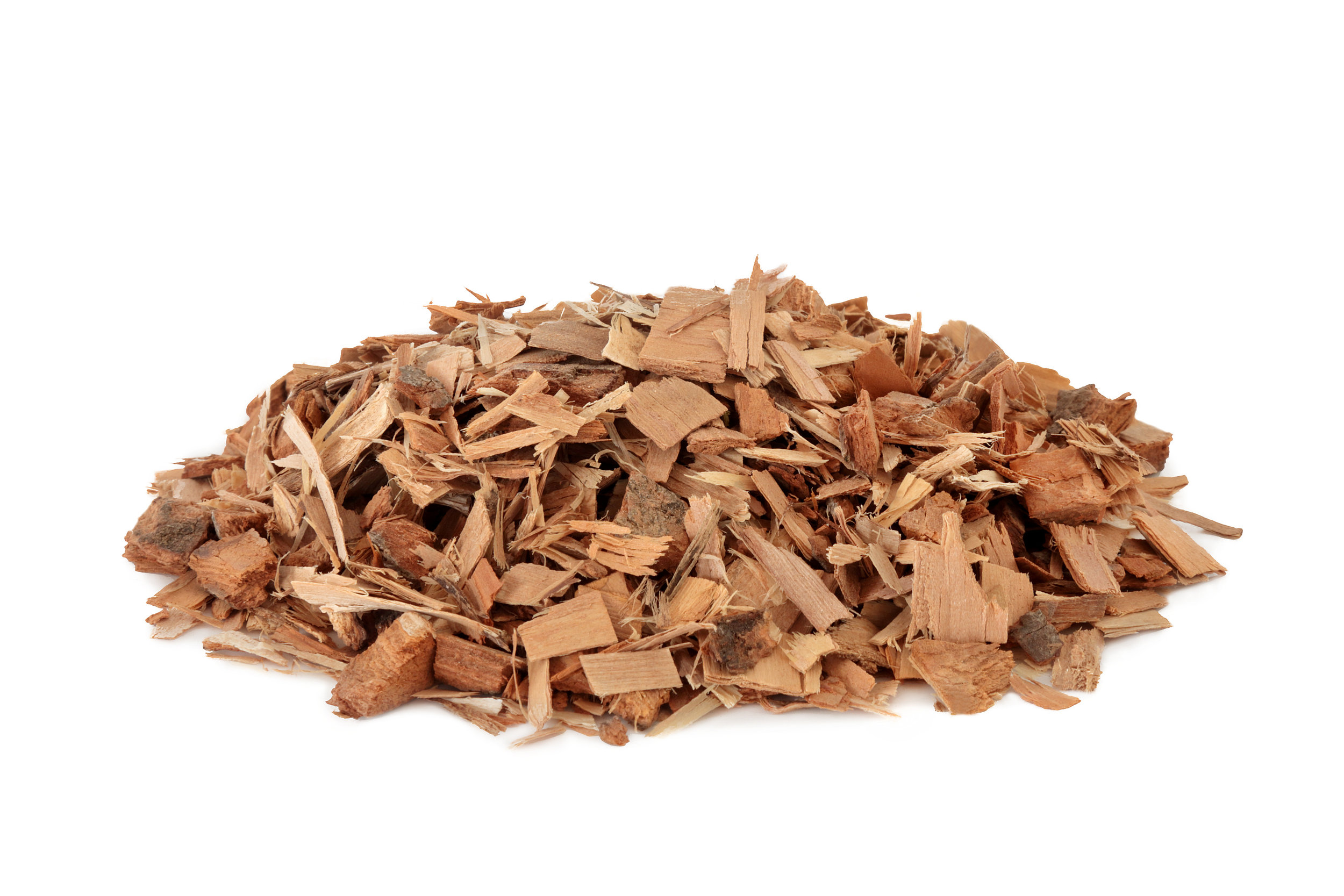 ModerateModerateSaw PalmettoSerenoa repensThe best-selling herbal product in this category and the most rigorously contested.Read the evidenceShow lessMonograph →
The negative case is strong. A randomized controlled trial in the New England Journal of Medicine found no benefit over placebo 30Reference 30RCTSaw palmetto for benign prostatic hyperplasia — randomised controlled trialView study →, a JAMA trial escalating to three times the standard dose found none at any dose 31Reference 31RCTEffect of increasing doses of saw palmetto extract on lower urinary tract symptoms — randomised trialView study →, and the 2023 Cochrane review concluded it provides little or no benefit for lower urinary tract symptoms 29Reference 29Meta-analysisSerenoa repens for the treatment of lower urinary tract symptoms due to benign prostatic enlargement — Cochrane systematic review and meta-analysisView study →.
The positive case rests on the hexanic lipidosterolic extract, Permixon, where meta-analyses report real improvement in symptom scores and flow 32Reference 32Meta-analysisEfficacy and safety of hexanic lipidosterolic extract of Serenoa repens (Permixon) in LUTS due to BPH — systematic review and meta-analysis of randomised controlled trialsView study →.
The most credible reconciliation is that the extracts differ, since the American trials used non-hexanic preparations. The plausible alternative is publication and sponsorship bias.
Saw palmetto is well tolerated and does not lower PSA, so it will not mask a cancer.
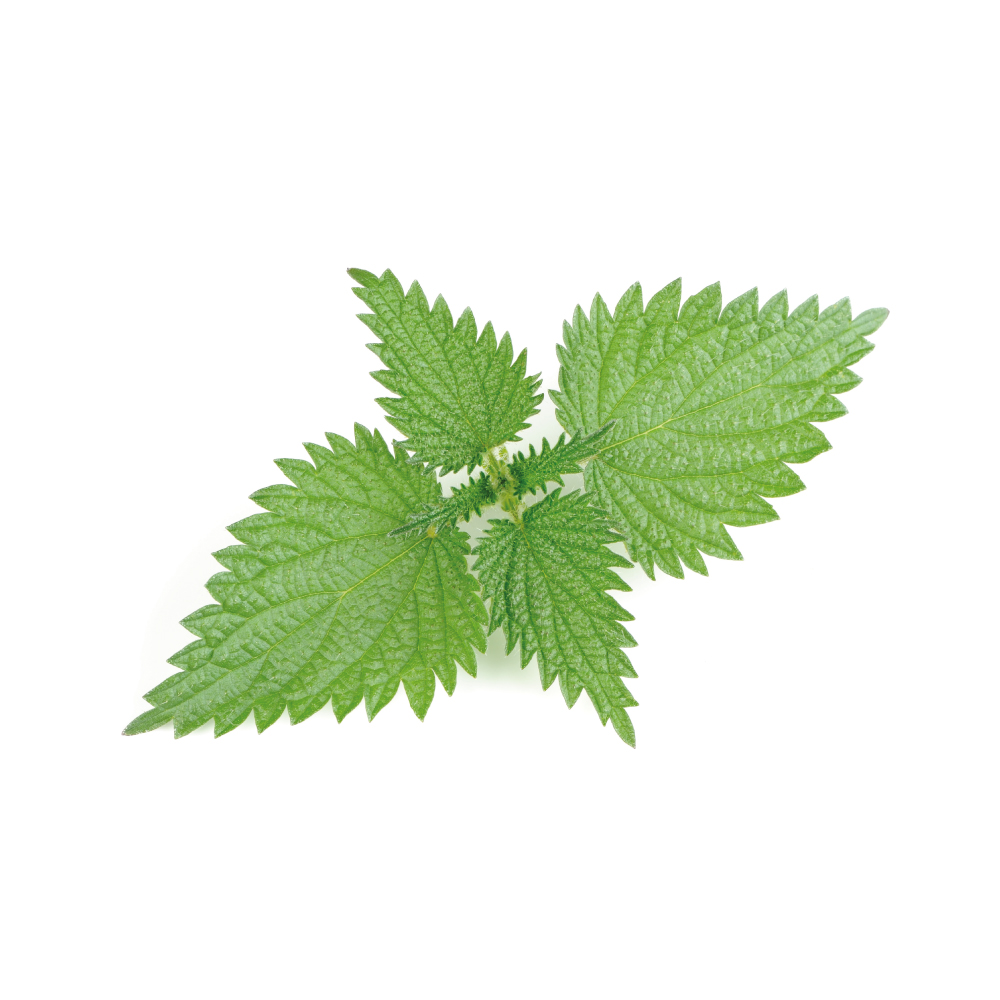 ModerateModerateStinging NettleUrtica dioicaThe root, not the leaf, and the distinction matters, since nettle leaf is a mineral-rich nutritive with different chemistry.Read the evidenceShow lessMonograph →
A prospective, randomized, double-blind, placebo-controlled crossover study found nettle root improved symptoms in benign prostatic hyperplasia 33Reference 33RCTUrtica dioica for treatment of benign prostatic hyperplasia — prospective, randomised, double-blind, placebo-controlled crossover studyView study →.
Its strongest evidence is in combination with saw palmetto. A randomized trial found the Sabal–Urtica fixed combination comparable to finasteride 34Reference 34RCTCombined sabal and urtica extract compared with finasteride in men with benign prostatic hyperplasia — randomised trialView study →, and a re-evaluation of four randomized controlled trials found specific improvement in nocturia 35Reference 35RCTFixed-dose combination PRO 160/120 of sabal and urtica extracts improves nocturia in men with LUTS suggestive of BPH — re-evaluation of four randomised controlled trialsView study →, the symptom that most disrupts sleep and quality of life.
Well tolerated, with the standard combination caveat that the result belongs to the pair.
No herbs match these filters.
Safety
Pregnancy & lactation
- Herbs taken by a male partner are not a pregnancy exposure, so the questions here are preconception ones.
- A few plants in this materia medica impaired fertility in animal studies, which makes them poor choices in a household trying to conceive.
- The preconception months are when a semen analysis and a workup are most valuable, and a supplement is the easiest way to postpone both.
- New erectile dysfunction is a cardiovascular warning sign. Blood pressure, lipids, glucose and testosterone are checked first, since treating the symptom closes the window it opened.
- The most adulterated category in the supplement market. Sexual-performance products are repeatedly found to carry undeclared sildenafil or tadalafil, which can be fatal alongside nitrates.
- Nothing acting on the nitric-oxide pathway is combined with nitrates without medical advice, since a herb on that target deserves the caution a PDE5 inhibitor gets.
- A documented psychiatric and neurological adverse-effect profile runs through the herbal sexual enhancers, and yohimbine in particular is hazardous with MAO inhibitors 22Reference 22ReviewPharmacology of herbal sexual enhancers — review of psychiatric and neurological adverse effectsView study →.
- Prostate symptoms need assessment first, because benign hyperplasia and prostate cancer overlap symptomatically and relief can delay the diagnosis.
- Fertility is a two-person question. A semen analysis is cheap and definitive, so three months of a herb without one is three months lost.
- Get medical care for a four-hour erection, testicular pain or a lump, blood in the semen or urine, inability to pass urine, or exertional chest pain.
References
- Lee, H. W., et al. (2022). Ginseng for erectile dysfunction — Cochrane systematic review. World Journal of Men’s Health. https://pubmed.ncbi.nlm.nih.gov/34169686/
- Jang, D. J., Lee, M. S., Shin, B. C., et al. (2008). Red ginseng for treating erectile dysfunction — systematic review. British Journal of Clinical Pharmacology. https://pubmed.ncbi.nlm.nih.gov/18754850/
- Choi, H. K., Seong, D. H., & Rha, K. H. (1995). Clinical efficacy of Korean red ginseng for erectile dysfunction — randomised controlled trial. International Journal of Impotence Research. https://pubmed.ncbi.nlm.nih.gov/8750052/
- Tian, Y., Zhou, Q., Li, W., et al. (2023). Efficacy of L-arginine and Pycnogenol in the treatment of male erectile dysfunction — systematic review and meta-analysis. Frontiers in Endocrinology. https://pubmed.ncbi.nlm.nih.gov/37908749/
- Stanislavov, R., & Nikolova, V. (2003). Treatment of erectile dysfunction with pycnogenol and L-arginine — clinical trial. Journal of Sex & Marital Therapy. https://pubmed.ncbi.nlm.nih.gov/12851125/
- Trebaticky, B., Muchova, J., Ziaran, S., et al. (2019). Natural polyphenols improve erectile function and lipid profile in patients suffering from erectile dysfunction — randomised controlled trial. Bratislava Medical Journal. https://pubmed.ncbi.nlm.nih.gov/31855055/
- Suharyani, S. (2026). Tribulus terrestris for management of patients with erectile dysfunction — systematic review and meta-analysis of randomised trials. International Journal of Impotence Research. https://pubmed.ncbi.nlm.nih.gov/40360723/
- Kamenov, Z., et al. (2017). Evaluation of the efficacy and safety of Tribulus terrestris in male sexual dysfunction — prospective, randomised, double-blind, placebo-controlled trial. Maturitas. https://pubmed.ncbi.nlm.nih.gov/28364864/
- Santos, C. A. Jr., et al. (2014). Tribulus terrestris versus placebo in the treatment of erectile dysfunction — prospective, randomised, double-blind study. Actas Urológicas Españolas. https://pubmed.ncbi.nlm.nih.gov/24630840/
- GamalEl Din, S. F., et al. (2019). Tribulus terrestris versus placebo in erectile dysfunction and lower urinary tract symptoms in late-onset hypogonadism — randomised placebo-controlled trial. Urologia. https://pubmed.ncbi.nlm.nih.gov/30253697/
- Gauthaman, K., et al. (2002). Aphrodisiac properties of Tribulus terrestris extract (protodioscin) in normal and castrated rats — animal model. Life Sciences. https://pubmed.ncbi.nlm.nih.gov/12127159/
- Zenico, T., et al. (2009). Subjective effects of Lepidium meyenii (maca) extract on well-being and sexual performance in patients with mild erectile dysfunction — randomised double-blind clinical trial. Andrologia. https://pubmed.ncbi.nlm.nih.gov/19260845/
- Shin, B. C., et al. (2010). Maca (L. meyenii) for improving sexual function — systematic review. BMC Complementary and Alternative Medicine. https://pubmed.ncbi.nlm.nih.gov/20691074/
- Ho, C. Y., et al. (2025). Herbal dietary supplements for erectile dysfunction — systematic review and meta-analysis of randomised controlled trials. Journal of Traditional and Complementary Medicine. https://pubmed.ncbi.nlm.nih.gov/41696741/
- Gonzales, G. F., et al. (2002). Effect of Lepidium meyenii (maca) on sexual desire and its absent relationship with serum testosterone levels in adult healthy men — randomised placebo-controlled trial. Andrologia. https://pubmed.ncbi.nlm.nih.gov/12472620/
- Dording, C. M., et al. (2008). A double-blind, randomised, pilot dose-finding study of maca root (L. meyenii) for the management of SSRI-induced sexual dysfunction. CNS Neuroscience & Therapeutics. https://pubmed.ncbi.nlm.nih.gov/18801111/
- Arletti, R., Benelli, A., Cavazzuti, E., et al. (1999). Stimulating property of Turnera diffusa and Pfaffia paniculata extracts on the sexual behavior of male rats — animal study. Psychopharmacology. https://pubmed.ncbi.nlm.nih.gov/10227074/
- Estrada-Reyes, R., et al. (2009). Turnera diffusa recovers sexual behavior in sexually exhausted males — animal study. Journal of Ethnopharmacology. https://pubmed.ncbi.nlm.nih.gov/19501274/
- Estrada-Reyes, R., et al. (2013). Pro-sexual effects of Turnera diffusa in male rats involves the nitric oxide pathway — animal study. Journal of Ethnopharmacology. https://pubmed.ncbi.nlm.nih.gov/23298455/
- Waynberg, J., & Brewer, S. (2000). Effects of Herbal vX on libido and sexual activity in premenopausal and postmenopausal women — open-label clinical study of a combination product. Advances in Therapy. https://pubmed.ncbi.nlm.nih.gov/11186145/
- Nguyen, S., Rajfer, J., & Shaheen, M. (2018). Safety and efficacy of daily Revactin in men with erectile dysfunction — three-month uncontrolled pilot study of a combination product. Translational Andrology and Urology. https://pubmed.ncbi.nlm.nih.gov/29732286/
- Brunetti, P., Lo Faro, A. F., Tini, A., et al. (2020). Pharmacology of herbal sexual enhancers — review of psychiatric and neurological adverse effects. Pharmaceuticals (Basel). https://pubmed.ncbi.nlm.nih.gov/33066617/
- Teixeira, T. M., et al. (2024). The traditional use of native Brazilian plants for male sexual dysfunction — evidence from ethnomedicinal applications, animal models and possible mechanisms of action. Journal of Ethnopharmacology. https://pubmed.ncbi.nlm.nih.gov/37437795/
- Dos Santos, A. H., et al. (2015). The exposure to Trichilia catigua (catuaba) crude extract impairs fertility of adult female rats but does not cause reproductive damage to male offspring — animal model. Journal of Ethnopharmacology. https://pubmed.ncbi.nlm.nih.gov/25792016/
- Ambiye, V. R., et al. (2013). Clinical evaluation of the spermatogenic activity of ashwagandha root extract in oligospermic males — pilot randomised study. Evidence-Based Complementary and Alternative Medicine. https://pubmed.ncbi.nlm.nih.gov/24371462/
- Smith, S. J., et al. (2021). Examining the effects of herbs on testosterone concentrations in men — systematic review. Advances in Nutrition. https://pubmed.ncbi.nlm.nih.gov/33150931/
- Gonzales, G. F., et al. (2001). Lepidium meyenii (maca) improved semen parameters in adult men. Asian Journal of Andrology. https://pubmed.ncbi.nlm.nih.gov/11753476/
- Lee, M. S., et al. (2016). The use of maca (Lepidium meyenii) to improve semen quality — systematic review. Maturitas. https://pubmed.ncbi.nlm.nih.gov/27621241/
- Franco, J. V. A., Trivisonno, L., Sgarbossa, N. J., et al. (2023). Serenoa repens for the treatment of lower urinary tract symptoms due to benign prostatic enlargement — Cochrane systematic review and meta-analysis. Cochrane Database of Systematic Reviews. https://pubmed.ncbi.nlm.nih.gov/37345871/
- Bent, S., Kane, C., Shinohara, K., et al. (2006). Saw palmetto for benign prostatic hyperplasia — randomised controlled trial. New England Journal of Medicine. https://pubmed.ncbi.nlm.nih.gov/16467543/
- Barry, M. J., Meleth, S., Lee, J. Y., et al. (2011). Effect of increasing doses of saw palmetto extract on lower urinary tract symptoms — randomised trial. JAMA. https://pubmed.ncbi.nlm.nih.gov/21954478/
- Novara, G., Giannarini, G., Alcaraz, A., et al. (2016). Efficacy and safety of hexanic lipidosterolic extract of Serenoa repens (Permixon) in LUTS due to BPH — systematic review and meta-analysis of randomised controlled trials. European Urology Focus. https://pubmed.ncbi.nlm.nih.gov/28723522/
- Safarinejad, M. R. (2005). Urtica dioica for treatment of benign prostatic hyperplasia — prospective, randomised, double-blind, placebo-controlled crossover study. Journal of Herbal Pharmacotherapy. https://pubmed.ncbi.nlm.nih.gov/16635963/
- Sökeland, J. (2000). Combined sabal and urtica extract compared with finasteride in men with benign prostatic hyperplasia — randomised trial. BJU International. https://pubmed.ncbi.nlm.nih.gov/10971268/
- Oelke, M., Berges, R., Schläfke, S., & Burkart, M. (2014). Fixed-dose combination PRO 160/120 of sabal and urtica extracts improves nocturia in men with LUTS suggestive of BPH — re-evaluation of four randomised controlled trials. World Journal of Urology. https://pubmed.ncbi.nlm.nih.gov/24938176/
- Ryan, M., et al. (2015). Acute kidney injury and hyperbilirubinaemia in a young male after ingestion of Tribulus terrestris — case report. Clinical Nephrology. https://pubmed.ncbi.nlm.nih.gov/25295577/
- Mohy-Ud-Din, N., et al. (2024). Severe liver and renal injury from Tribulus terrestris — case report. ACG Case Reports Journal. https://pubmed.ncbi.nlm.nih.gov/38328764/
Keep Exploring