
Condition
Benign Prostatic Hyperplasia (BPH)
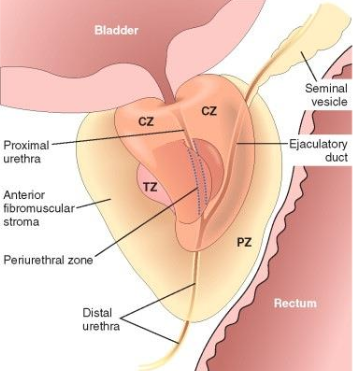
BPH is a non-cancerous enlargement of the prostate gland that compresses the urethra and produces urinary symptoms in older men.

Overview
Aetiology
BPH is a non-cancerous swelling of the prostate gland. When it becomes swollen, symptoms including dysuria, poor urine flow, sensation of incomplete emptying, dribbling, and frequent urges to urinate are common.
Roughly 50% of men over the age of 60 are believed to be suffering from BPH.
Due to urinary obstruction, BPH can lead to an increased chance of urinary tract infection. In some cases, especially in combination with heavy alcohol use, the prostate can become so swollen that urine flow is blocked completely, which is a medical emergency and needs immediate catheterization to correct.
It is not fully understood what causes BPH, however, there are several popular theories:
Androgen Deficiency
An older theory involves the role of androgens (both testosterone and dihydrotestosterone) causing a gradual increase in prostate size with age.
Female Hormone Ratio
Another theory involves a shift in the ratio of male androgens to female estrogens with age, with relatively higher estrogen activity promoting prostate growth.
Inflammation
Inflammation is another proposed mechanism, arising either from systemic inflammation, infection, or autoimmune processes within the prostate.
Hyperinsulinemia
High circulating insulin may trigger prostate growth, which would help explain the common link between BPH and insulin resistance.
Overview
Risk Factors
- Old age
- Sex (Male)
- Smoking
- Ethnicity
- Dietary fat consumption
- Hormonal dysfunctions
Presentation
Symptoms
Symptoms relate to urinary obstruction and bladder irritation. Common features include a weak or hesitant urine stream, straining to begin urination, dribbling at the end of urination, a sensation of incomplete bladder emptying, increased urinary frequency, urgency, and waking at night to urinate (nocturia).
Assessment
Diagnostic Considerations
-
MSU
-
Prostate specific antigen (PSA) test
- Used to screen for prostate cancer
- Greater than 10.0 ug/L (indicate high probability for prostate cancer)
- 40.0 ug/L to 10.0 ug/L (may indicate BPH, prostatitis or prostate cancer)
-
Screens for prostate cancer
-
Biopsy
- Needle biopsy of the prostate gland
-
Cystoscopy
- Fiberoptic visualization of the bladder
-
Transrectal ultrasound
-
Digital rectal exam (DRE)
- Insertion of a finger into the male rectum to palpate rectum and prostate
-
Testosterone Testing
- Free testosterone
- Total testosterone
- Sex hormone binding globulin (SHBG)
- Free androgen index (from total testosterone and SHBG)
- Dihydrotestosterone.
-
Prolactin Testing
- Reference ranges:
- Female: <750 mU/L
- Male: 150-500 mU/L
- Reference ranges:
-
Salivary Hormone Testing
- Testosterone (TT)
- Estradiol (E2)
- DHEA-S
- Cortisol
Hormone Testing Interpretation:
| High Levels | Low Levels2 | |
|---|---|---|
| high prescribed hormone dosing | Low endogenous hormone production | |
| high endogenous hormone production | Low metabolic funcitoning (thyroid, stress, adrenal, exhaustion) | |
| Adrenal imbalance | Inability to synthesize hormones | |
| Thyroid imbalance | Normal decrease with age | |
| Poor liver detoxification | Poor diet (low in fat or protein) |
Assessment
Differential Diagnosis
- Prostatitis
- Prostate cancer
- Urinary stones
Other Herbs:
- Pygeum africana
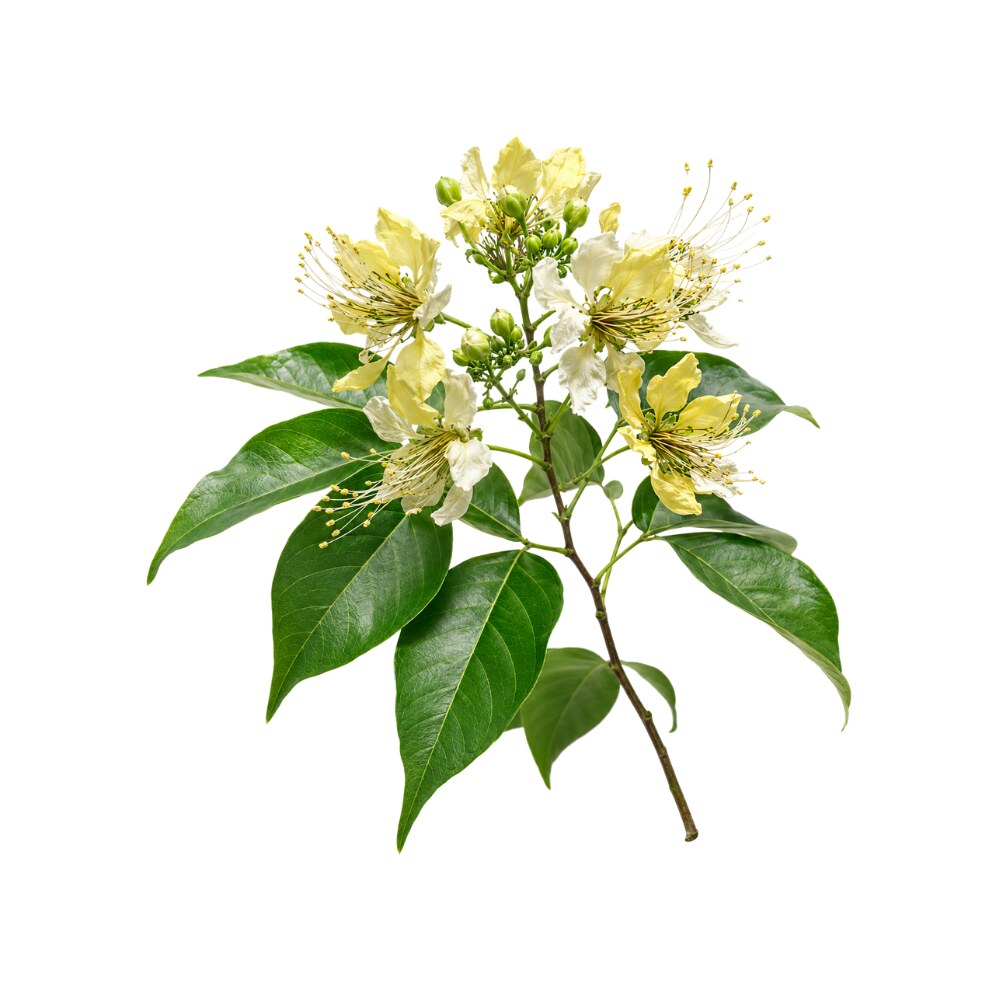
- Crataeva nurvala
- Epilobium parviflorum
- Trifolium pratense
- Curcuma longa
Supplementation
Nutritional Considerations
- Quercetin, often combined with bromelain
- Beta sitosterol
- Zinc
- Selenium
- Essential fatty acids
- Antioxidants Vitamins A, C, & E
- Amino acids
- Glycine
- Alanine
The Herbs
Materia Medica (7)
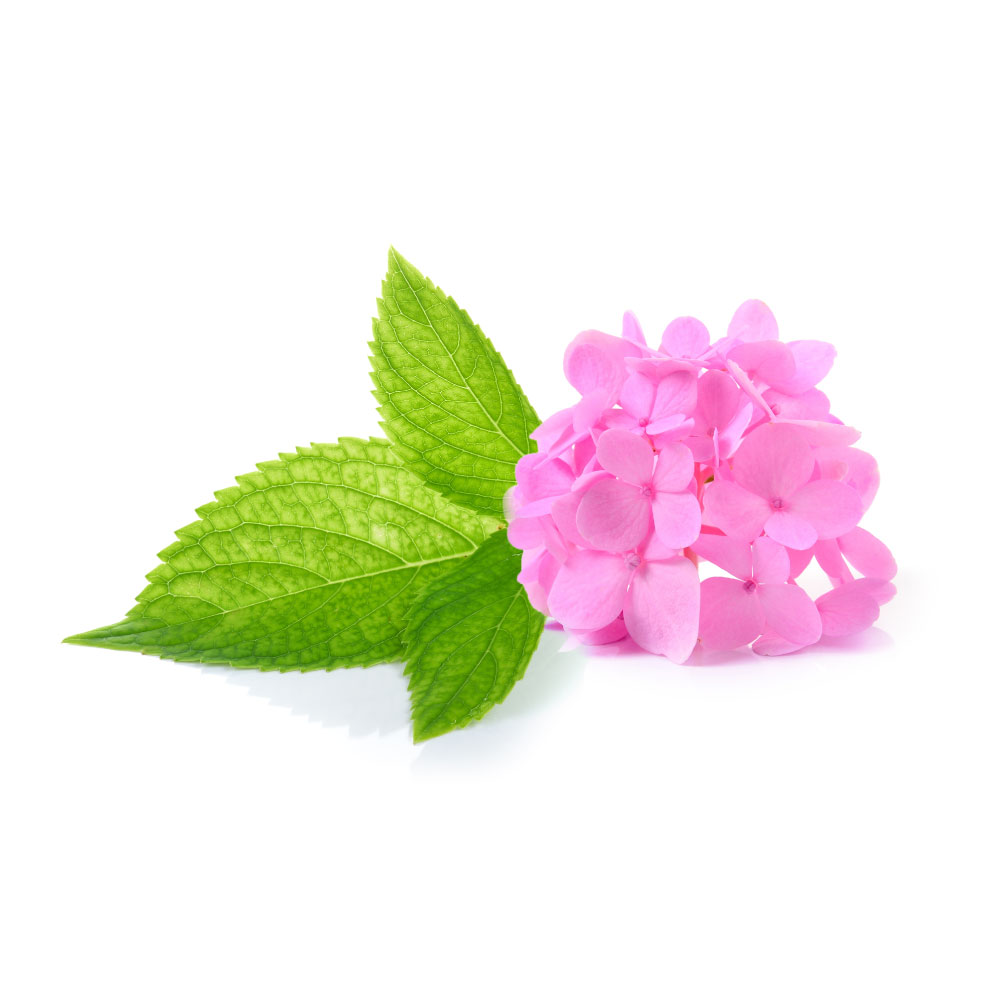
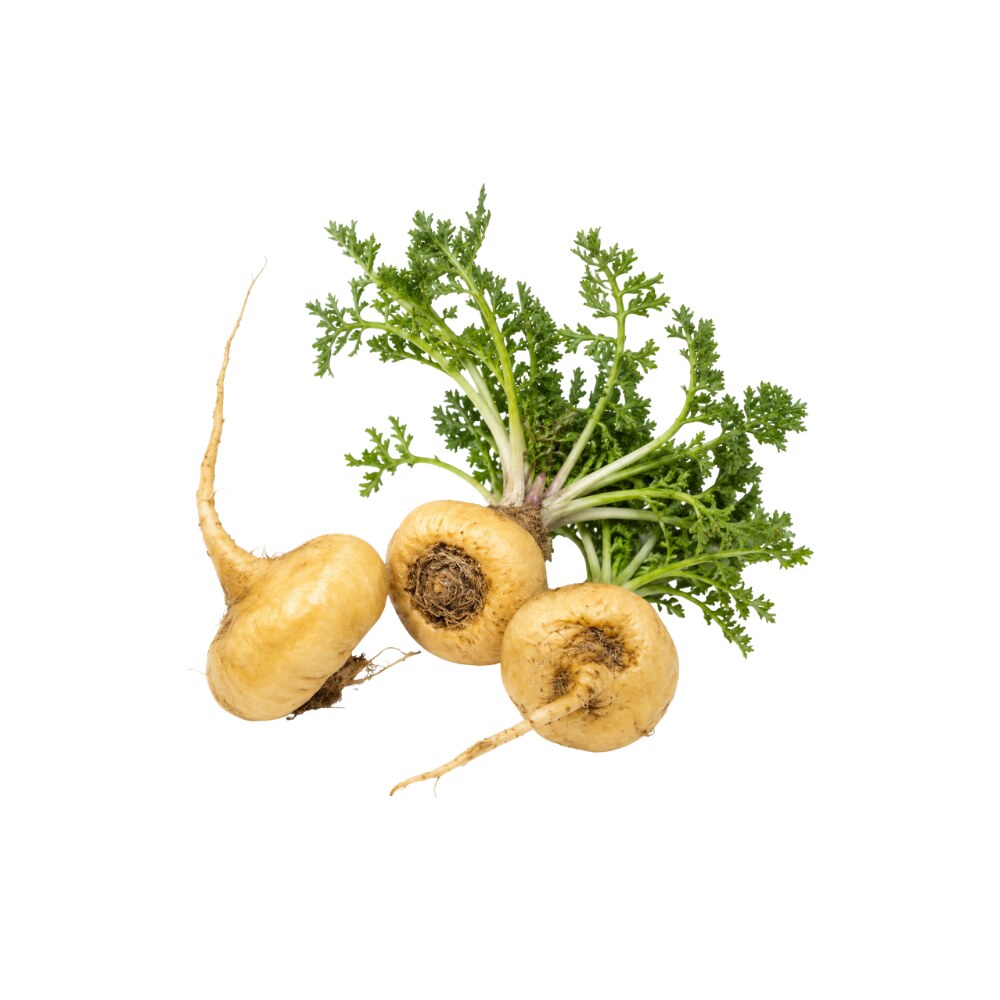
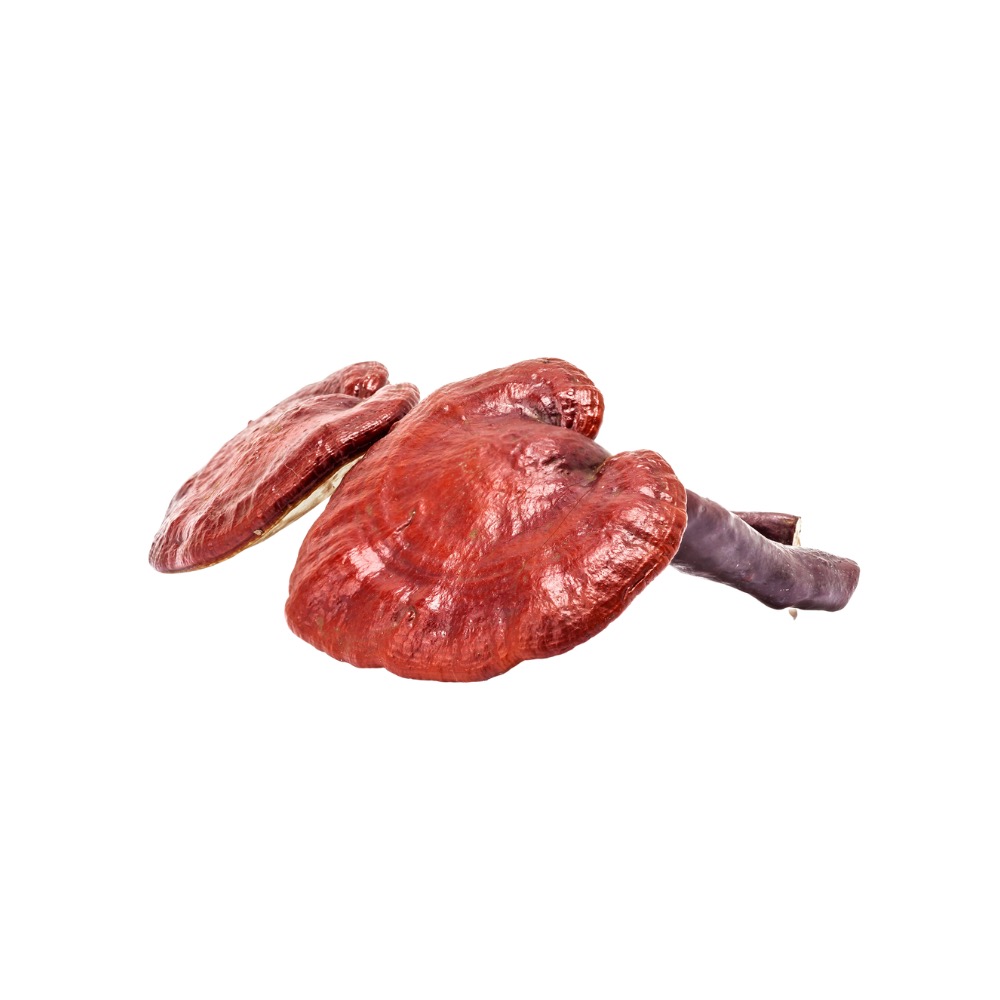
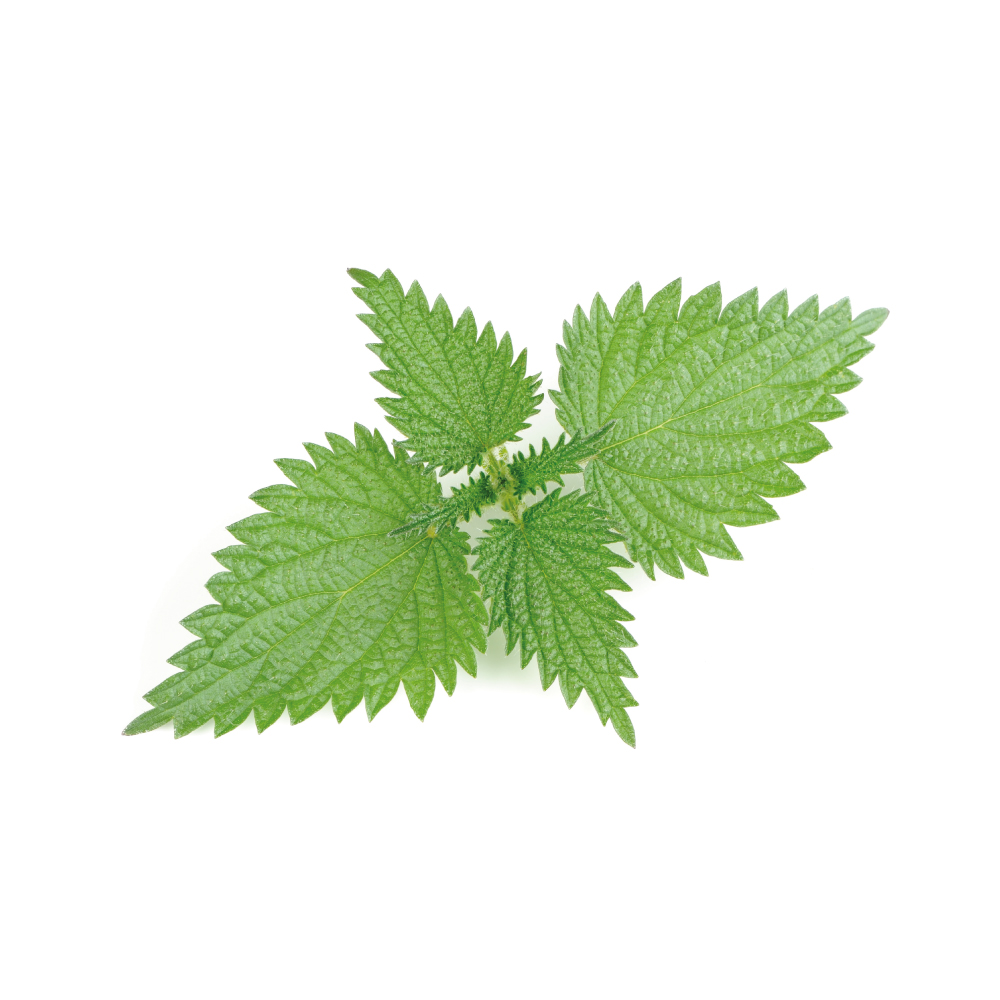
Herbs traditionally or clinically used for benign prostatic hyperplasia (bph).


References:
- Bone, K., & Mills, S. (2013). Principles and Practice of Phytotherapy-E-Book: Modern Herbal Medicine. Elsevier Health Sciences.