
Condition
Male Infertility
Male infertility is the inability of a man to achieve a pregnancy in a fertile partner, usually due to problems with sperm production, function, or delivery.

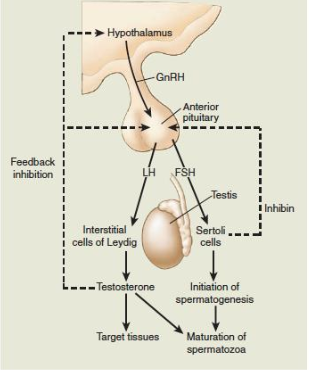
Overview
Aetiology
Their are many different causes for male infertility, including:
Hypothalmic Pituitary Disease
- 1-2% of cases 1*
Causes:
- Congenital or genetic disorders
- Pituitary tumors
- Surgery
- Chronic illness
- Severe nutritional deficiencies
- Obesity
Testicular Disease
30-40% of cases 1
Causes:
- Congenital disorders
- Varicocele
- Orchitis (Mumps, Chlamydia)
- Drugs
- Radiation
- Environmental toxin exposure (Cd, Pb, Hg, Xenestrogens, Dibromochloropropane, Carbon disulfide)
- Hyperthermia
- Immunologic disorders
- Trauma
- Systemic illness (hepatic cirrhosis, CKD, hematochromatosis, sickle cell anemia)
Post-Testicular Disease
- 10-20% of cases 1*
- Disorder of sperm transport
- Epididymal dysfunction (drugs, infection)
- Congenital defects
- Ejaculatory dysfunction
Causes:
- Epididymal dysfunction (drugs, infection)
- Congenital defects
- Ejaculatory dysfunction
Idiopathic Causes
- 40 to 50% of cases*
Causes
- System imbalance
- Nutritional deficiencies
- Medications
- Social drugs (including caffeine and alcohol)
- Chronic stress
- Undetected infections
- Increased temperature (jocks, baths, spas)
- History of injury
- History of testicular torsion
- Childhood surgery
Autoimmune Infertility
Autoimmune infertility occurs when the body produces antisperm antibodies, most commonly after vasectomy reversal or following a genitourinary infection. Detection needs to be from a semen test rather than a blood test. The antibody class present carries prognostic significance:
- IgM - Worst prognosis, intracytoplasmic sperm injection required
- IgG - Local immunoglobulin production within the urethra. Sperm can be washed and used for intrauterine insemination.
- IgA + IgG - Most common. Indicates poor capacity for sperm to penetrate mucus. Sperm can be washed and used for intrauterine insemination.
Drugs That Can Impair Spermatogenesis
- Alkylating drugs (Cyclophosphamide, chloramucil)
- Antiandrogens (flutamide, cyproterone, spirolactone)
- Antifungals (ketoconazole)
- Antibiotics (nitrofurantoin)
- Antiepleptics (phenytoin)
- Antipsychotics (methyldopa)
- Adrenergic neuroneblockers (guanethidine)
- Calcium channel blockers (nifedipine, verapamil)
- Colchicine
- Glucocorticoids(prednisone)
Other Chemicals Known To Affect Semen Quality:
- Organochlorines
- Dioxins
- Phthalates
- Phytoestrogens
Other Factors That Can Impair Spermatogenesis
- Tobacco
- Marijuana
- Alcohol
- Caffeine
- Aflotoxin
- Radiation
- Heat stress
- Hydrogenated oils (especially cottonseed oil)
- Pesticides (dioxins, DDT, PCBs, dibromochloropropane, carbon disulfide)
- Heavy metals (Cd, Pb, Hg, Cu)
- Xenestrogens
- Industrial chemicals (solvents, ethylene bromide, boric acid, aromatic and hydrogenated hydrocarbons, carbon monoxide, formaldehyde, vinyl chloride, anesthetic gases)
- H2 receptor antagonists (Cimetidine)
- Inflammatory Bowel disease drugs (sulfasalazine)
- Statin drugs
Sources: 1
Spermatogenesis
Sperm takes an average of 117 days to mature, during which time they are subject to the same damage potential of other cells in the body. This can include high stress, illness and infection, toxic exposure, nutritional deficiencies. 1Reference 1Male infertility and subfertility: aetiology and treatment considerations.
HPO Axis
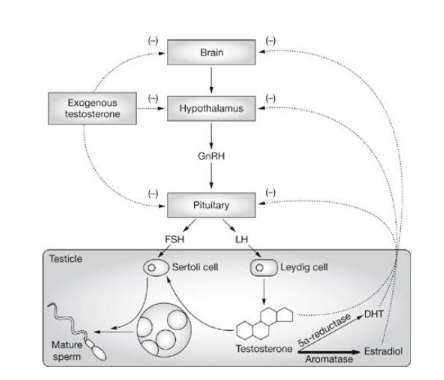
Hormones in the Male Reproductive System
- Testosterone
- Luteinizing hormone
- Follicle stimulating hormone
- Prolactin
- Sex hormone binding globulin
Assessment
Diagnostic Considerations
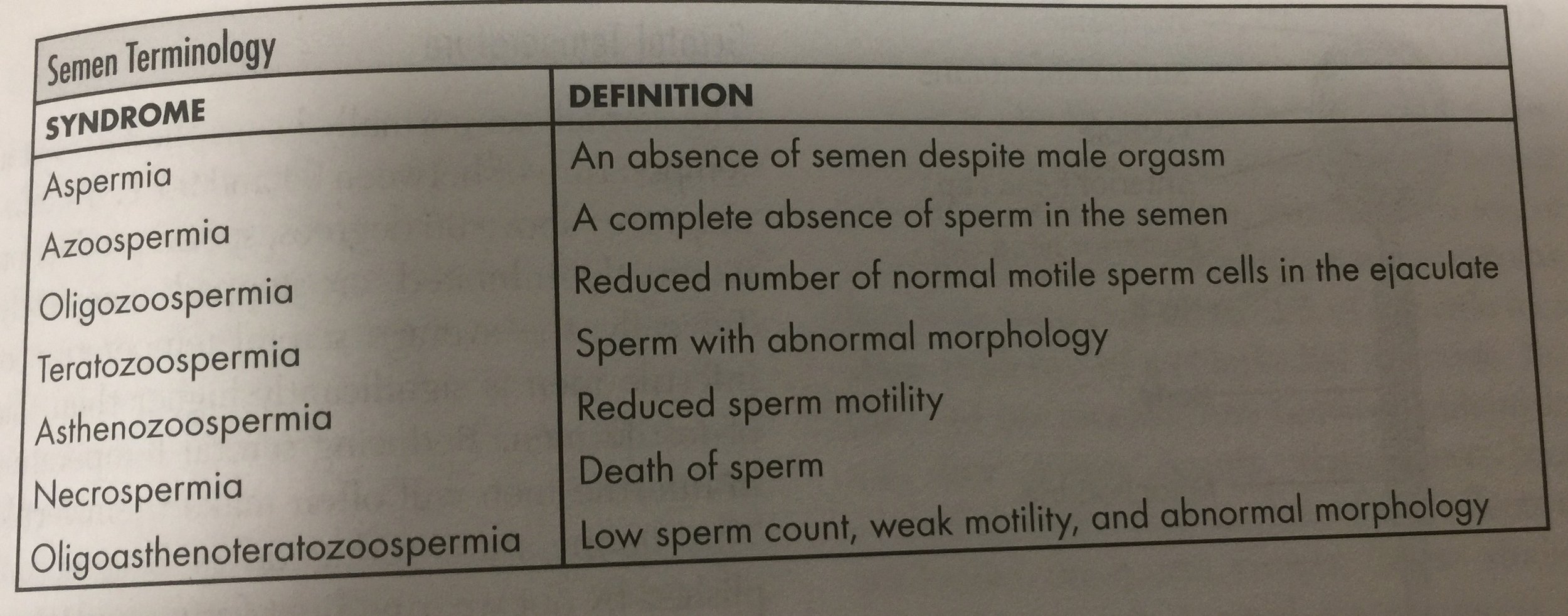
Assessment begins with a semen analysis to evaluate sperm count, motility, and morphology, alongside a full medical and reproductive history and physical examination. Hormonal testing of testosterone, LH, FSH, and prolactin helps localize the problem, and a repeat or second opinion is often warranted given the natural variability of semen parameters.
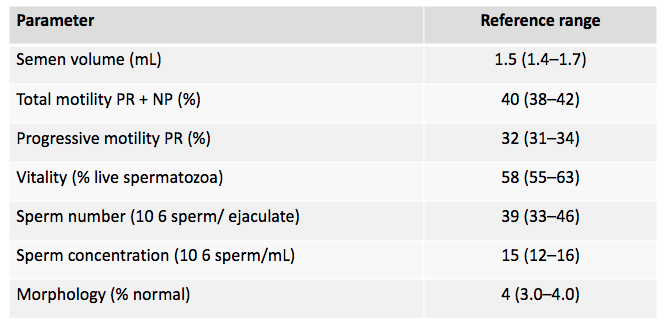
Assessment
Differential Diagnosis
- Female partner infertility
Herbs for Male Infertility
- Albizzia lebbeck
- Andrographis panniculata
- Muira puama
- Turnera diffusa
- Ginkgo biloba
- Serenoa repens
- Withania somnifera
- Mucuna pruriens
- Astragalus membranaceus
Herbs for Varicocele
- Ginkgo biloba
- Aesculus hippocastanum
- Ruscus aculeatus
- crataegus monogyna
- Rosmarinus officinalis
- vitis vinifera
- vaccinum myrtallis
- achillea millefolium
- curcuma longa
- berberis vulgaris
- rumex crispus
- taraxicum officinalis
- cynara scolymus
The Herbs
Materia Medica (4)
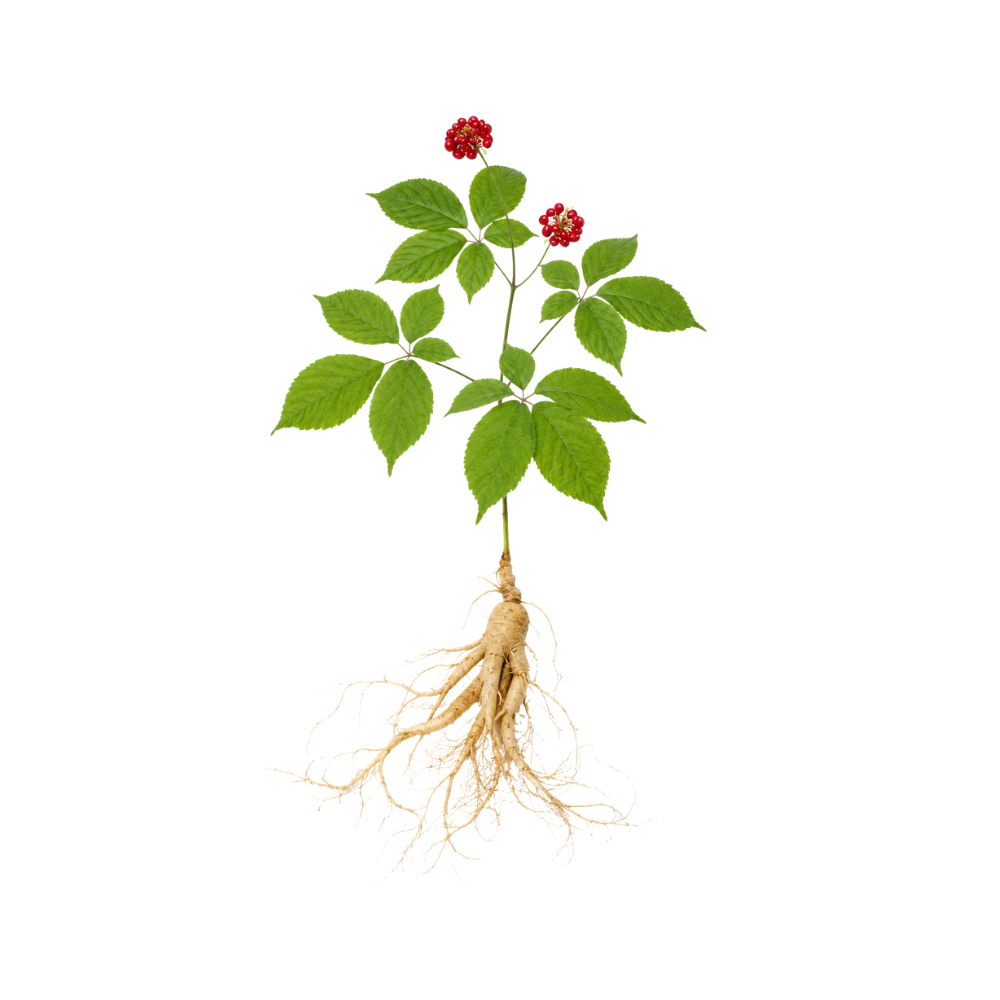
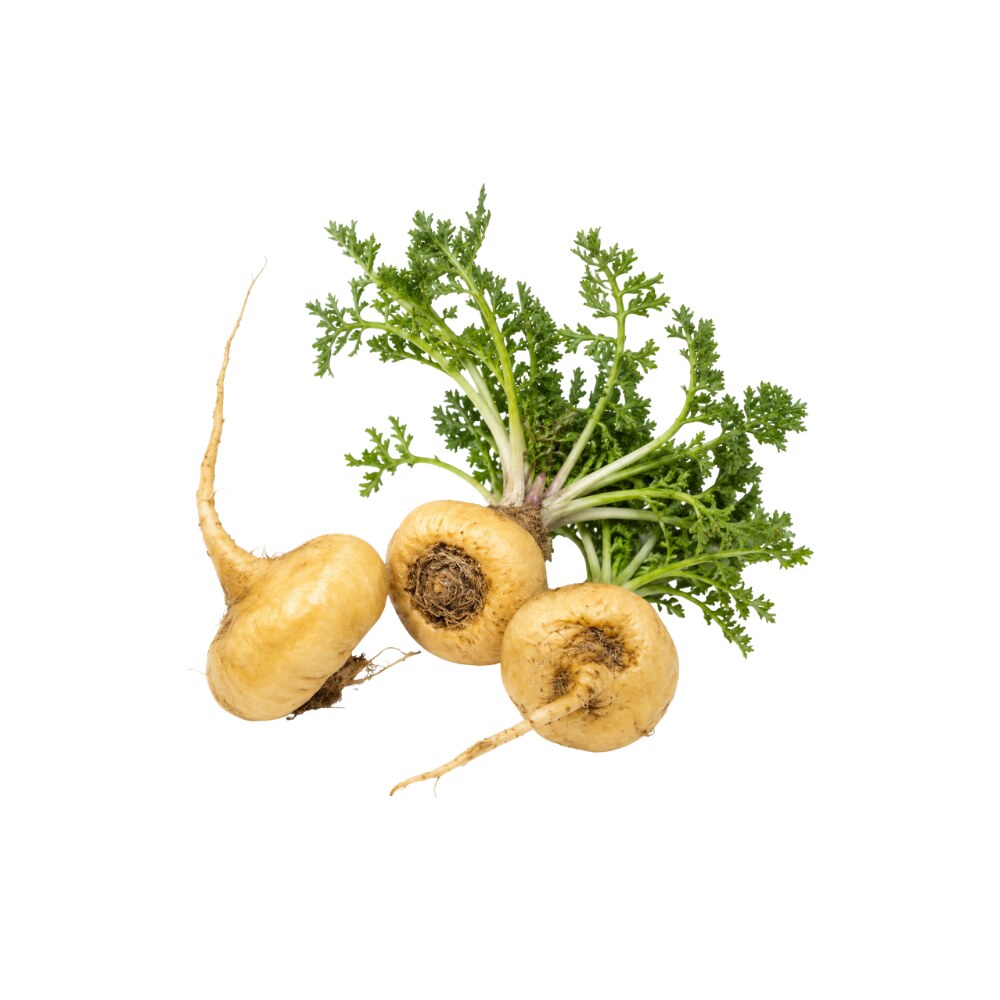
Herbs traditionally or clinically used for male infertility.


Supplementation
Supplementation (4)
Supplements, nutrients and compounds used for male infertility.
Gonadorelin (GnRH)
GnRH decapeptide (native gonadotropin-releasing hormone)
Synthetic GnRH, a decapeptide identical to the body's own — formerly approved for pituitary testing and pulsatile fertility therapy, both now discontinued.
L-Carnitine
Amino acid derivative
A conditionally-essential, amino-acid-derived compound that shuttles fatty acids into mitochondria for energy — genuinely useful for correcting a deficit, much weaker as a fat-burner.
Selenium
Mineral
Selenium is an essential trace mineral incorporated into selenoproteins including the glutathione peroxidases and the deiodinases that activate thyroid hormone — which is why it dominates the supplement conversation in Hashimoto's thyroiditis.
Zinc
Trace mineral
An essential trace mineral and cofactor for hundreds of enzymes — central to immunity, wound healing and growth, with its strongest supplemental evidence in deficient or high-risk populations.
References:
- Koeman, M. (2001). Male infertility and subfertility: aetiology and treatment considerations. Australian Journal of Medical Herbalism, 13(3), 85.
- Murray, M. T., & Pizzorno, J. (2012). The Encyclopedia of Natural Medicine Third Edition. Simon and Schuster.