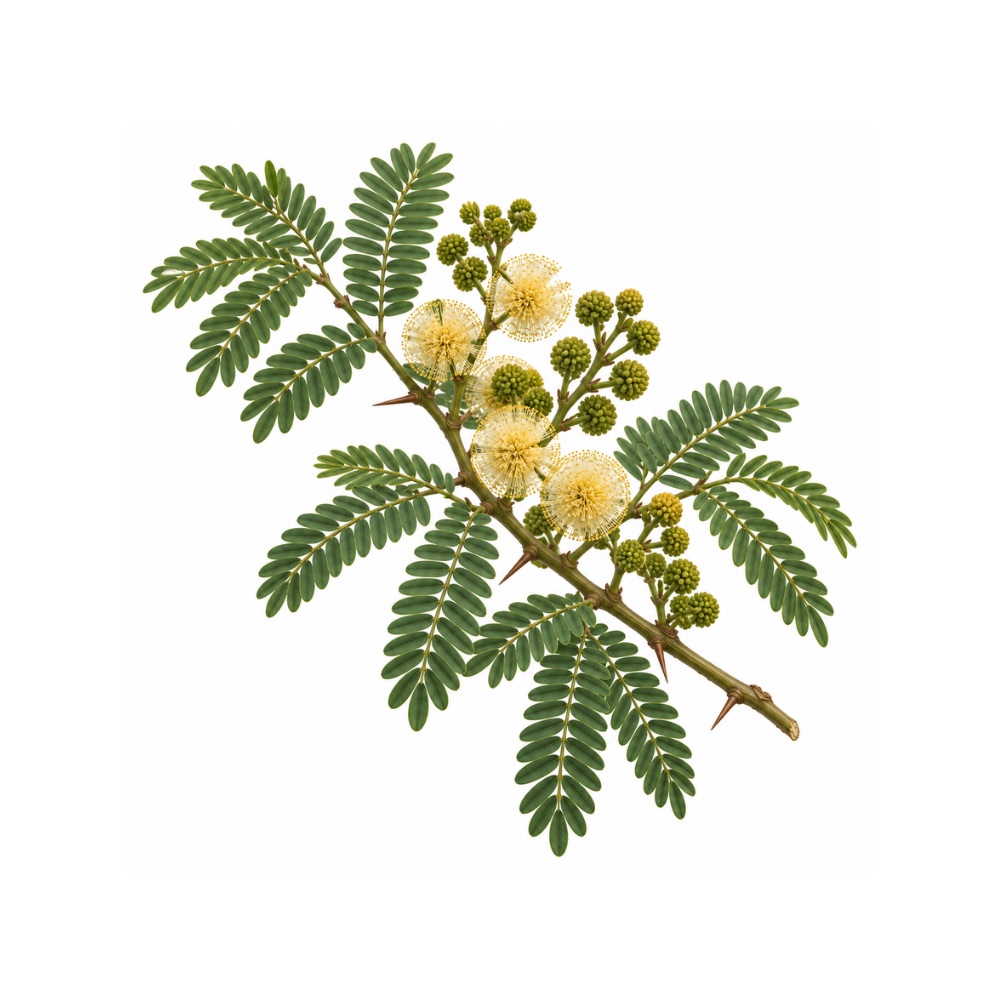
Acacia
Acacia, Vachellia & Senegalia spp.
Plant Family
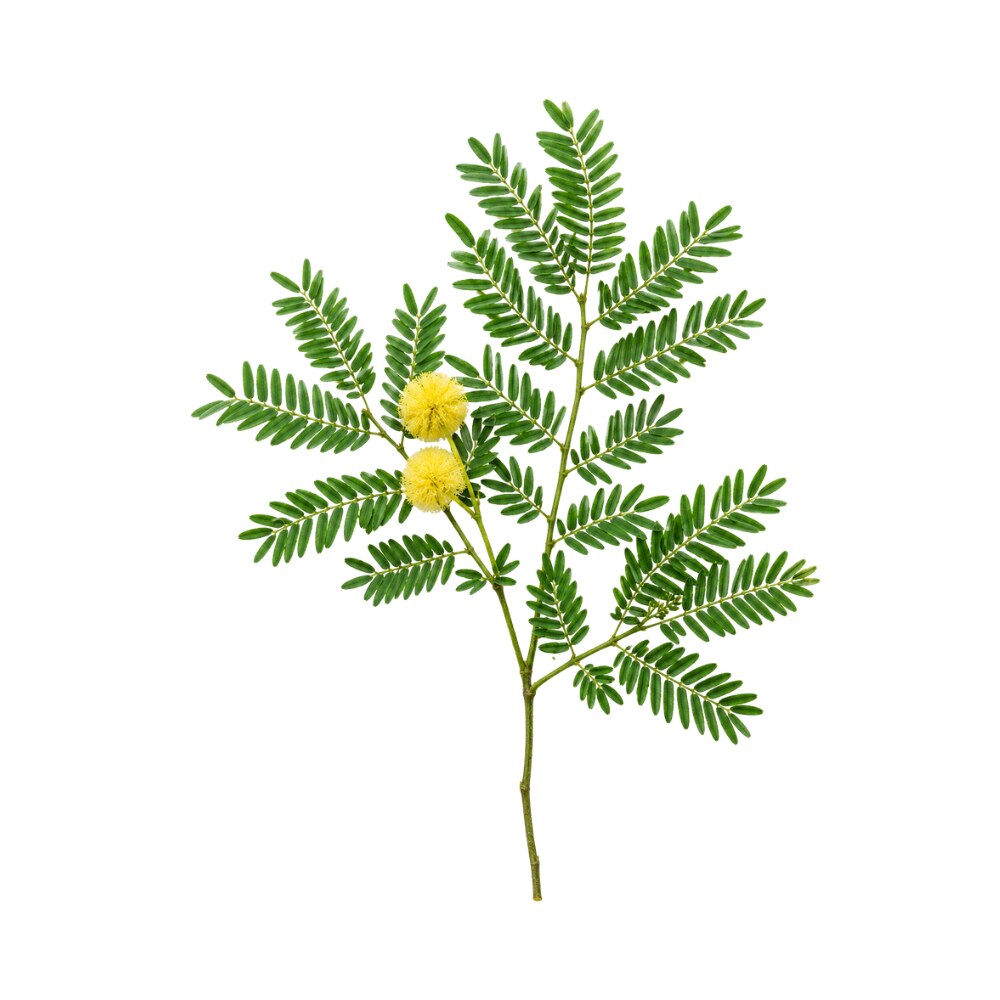
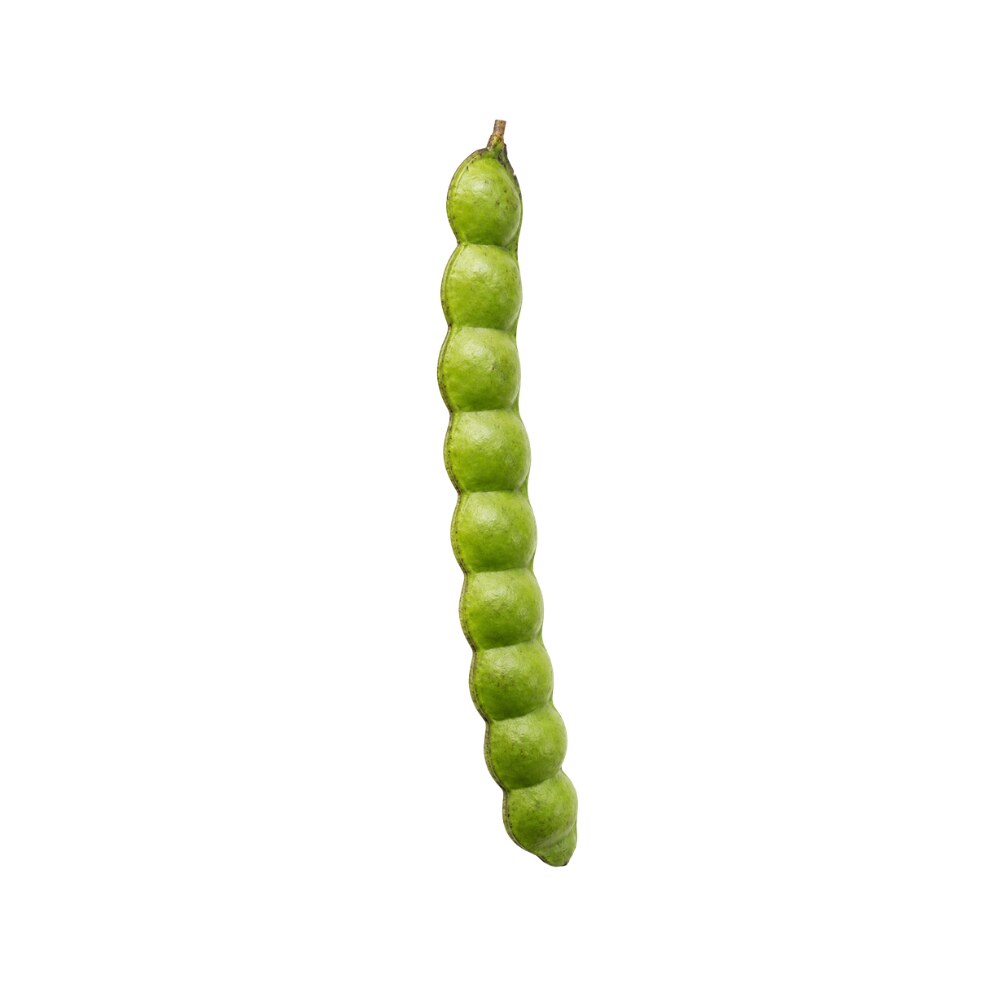
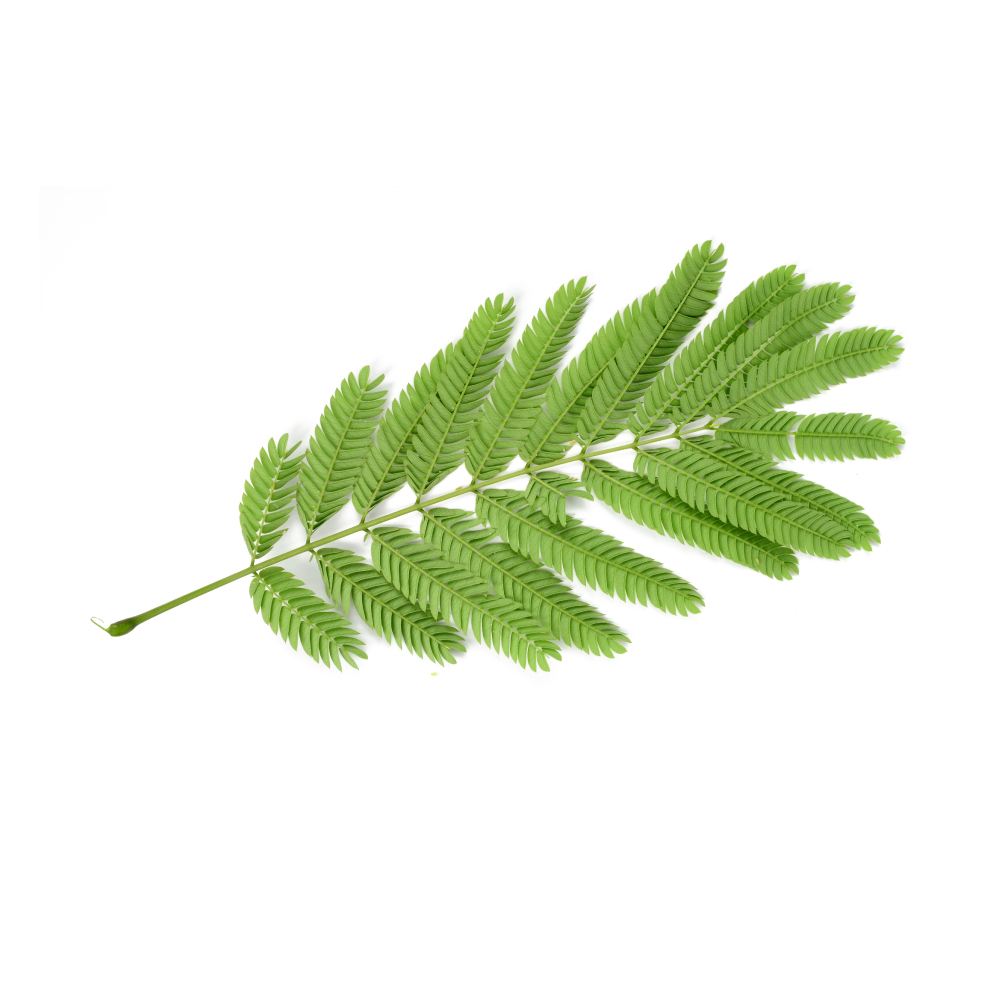
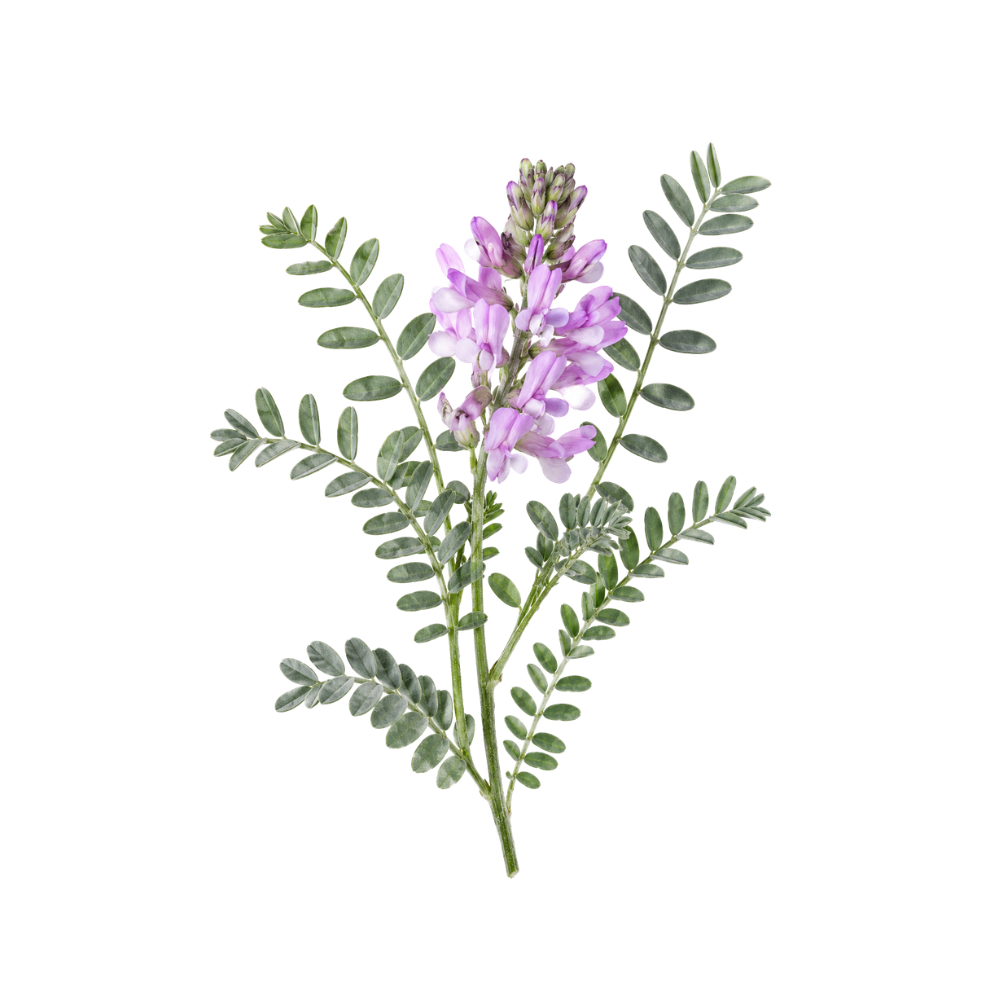
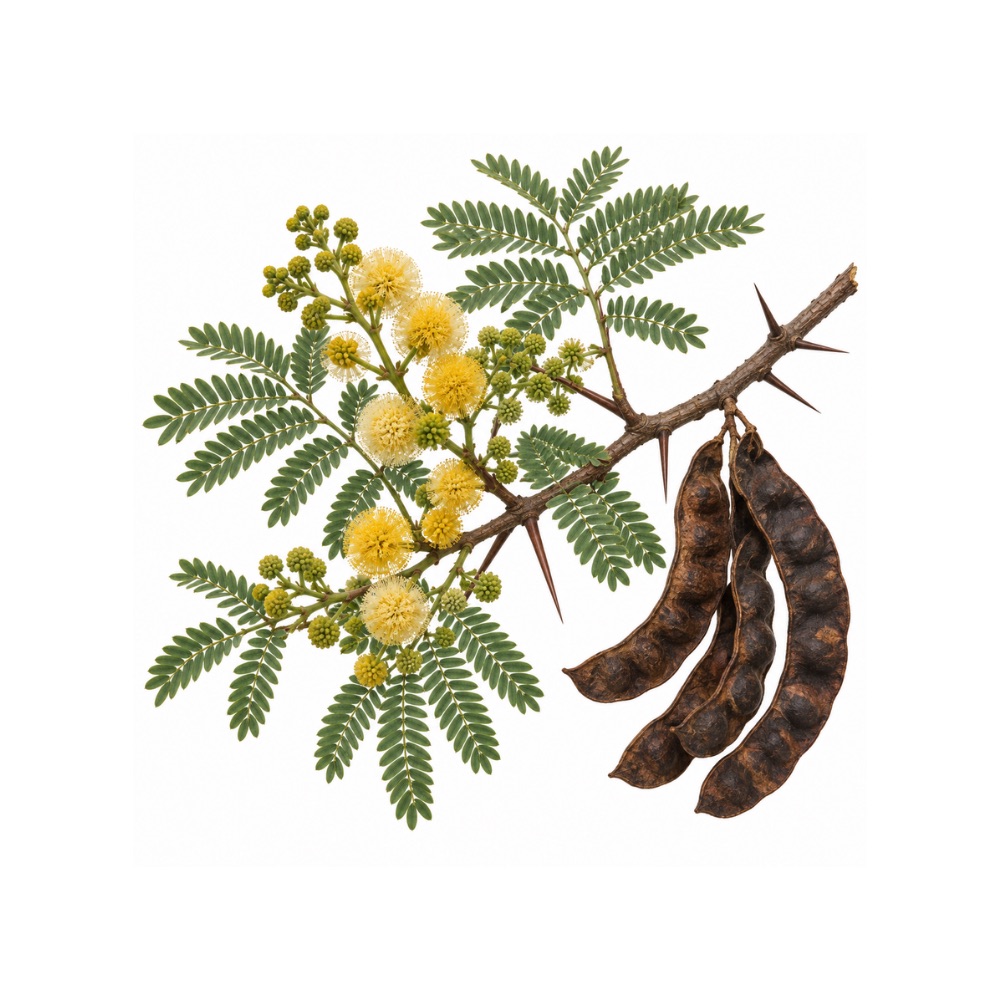
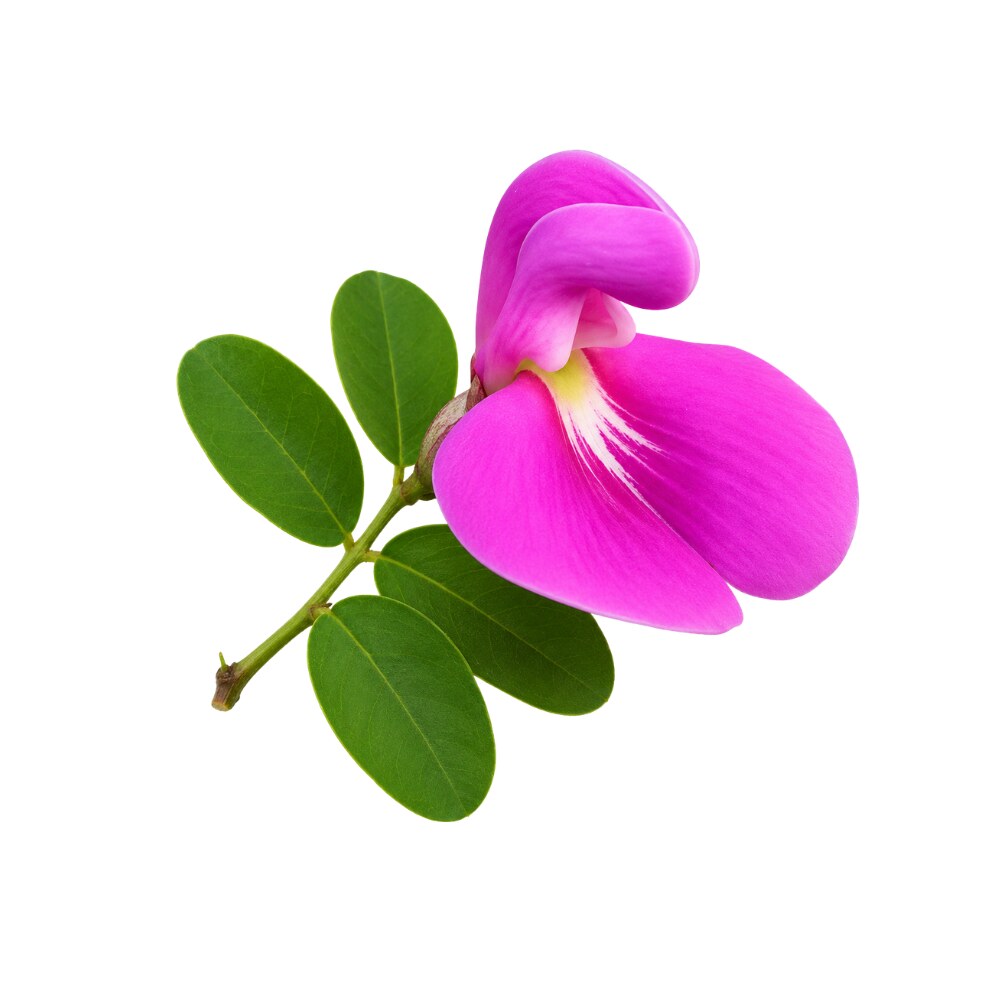
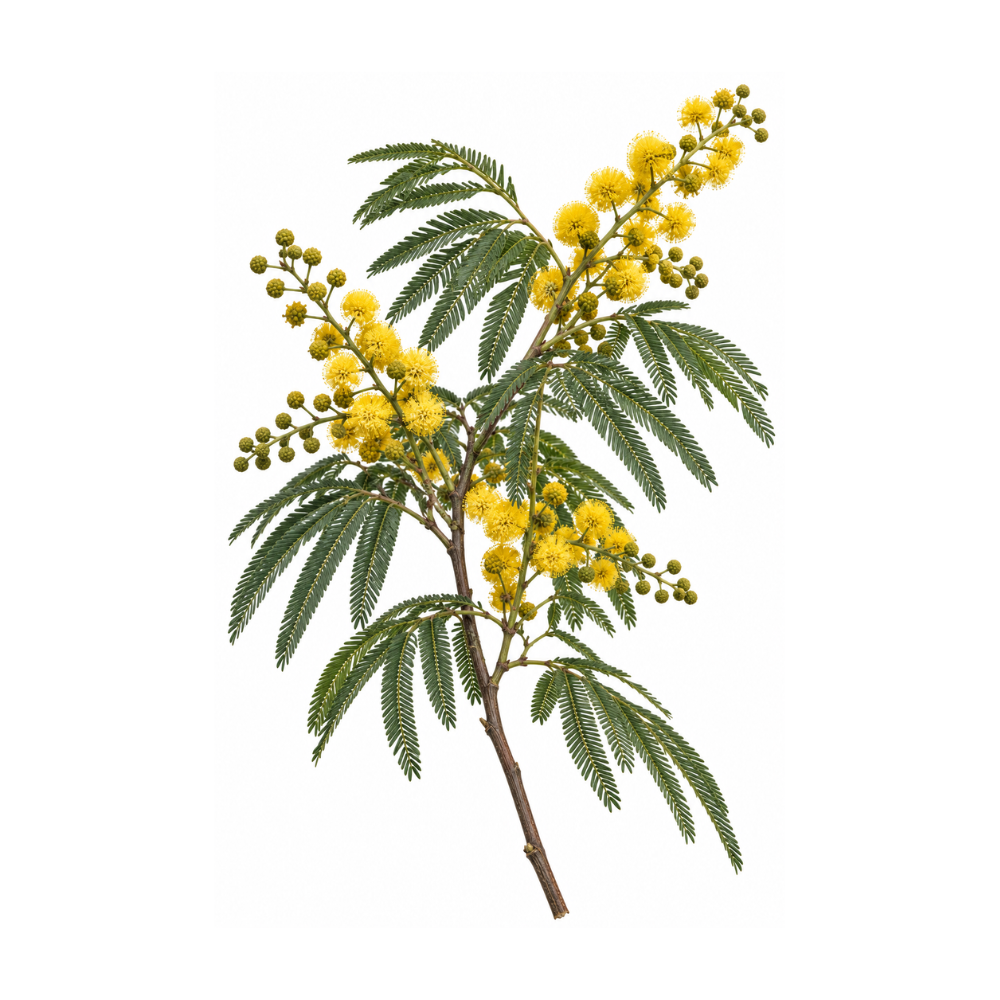
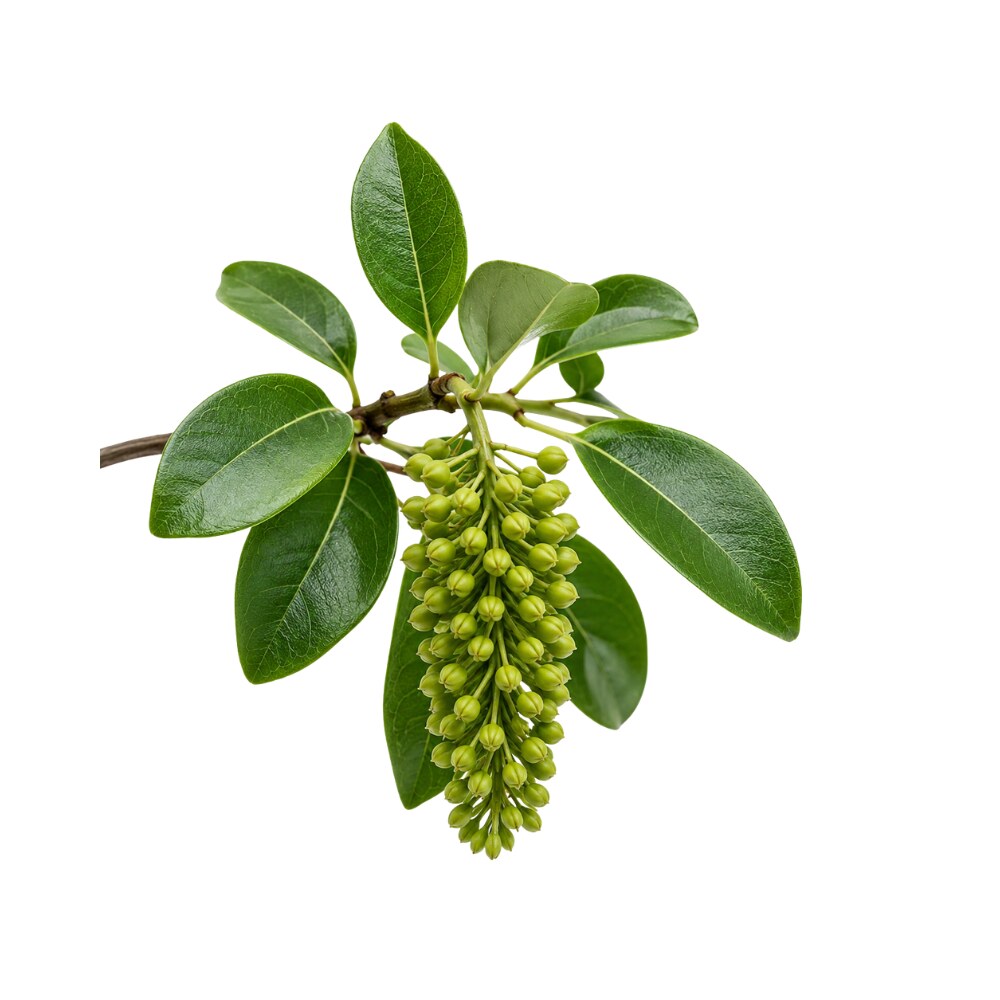
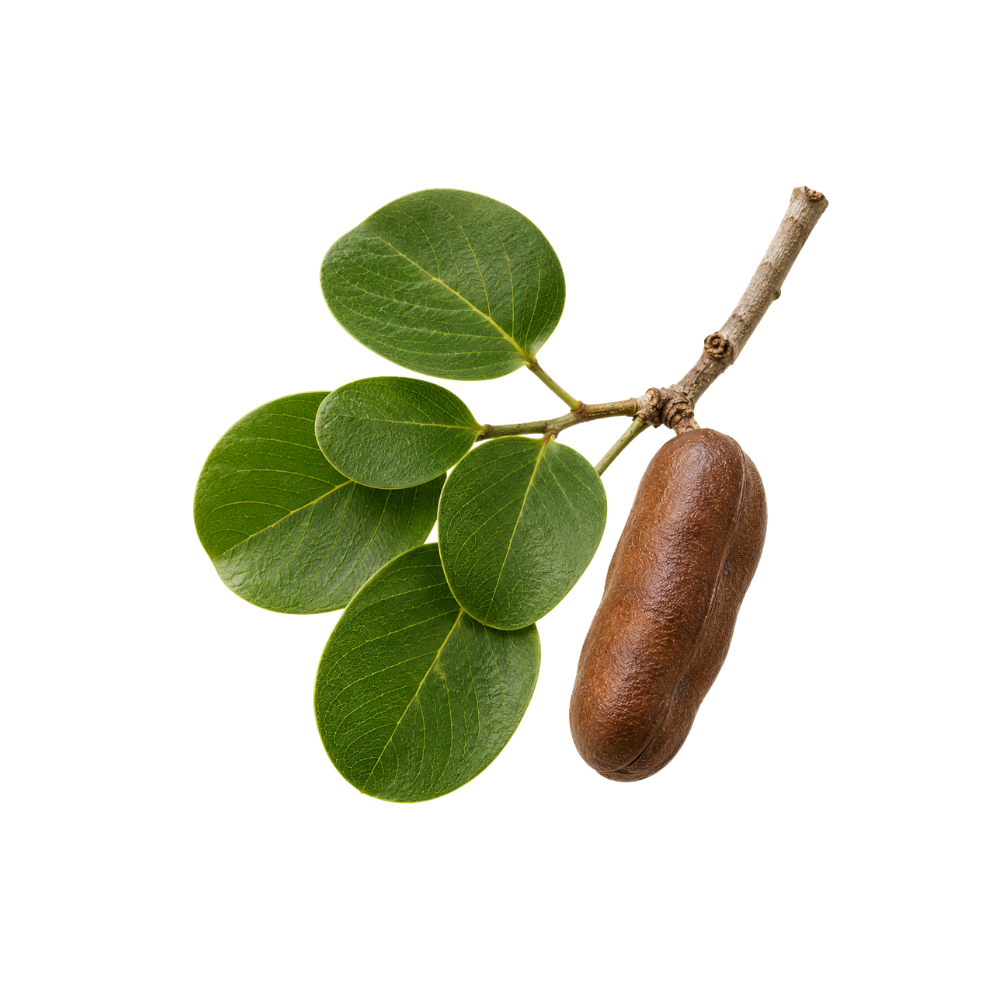
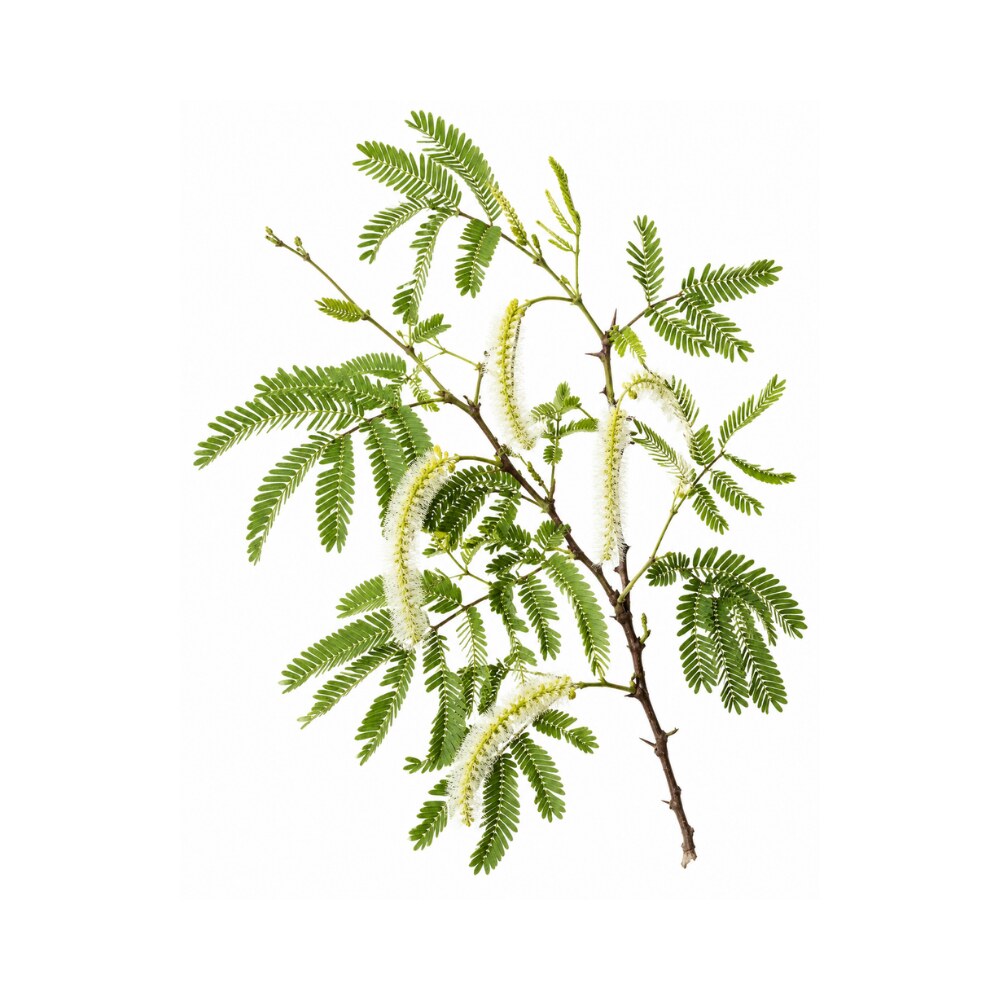
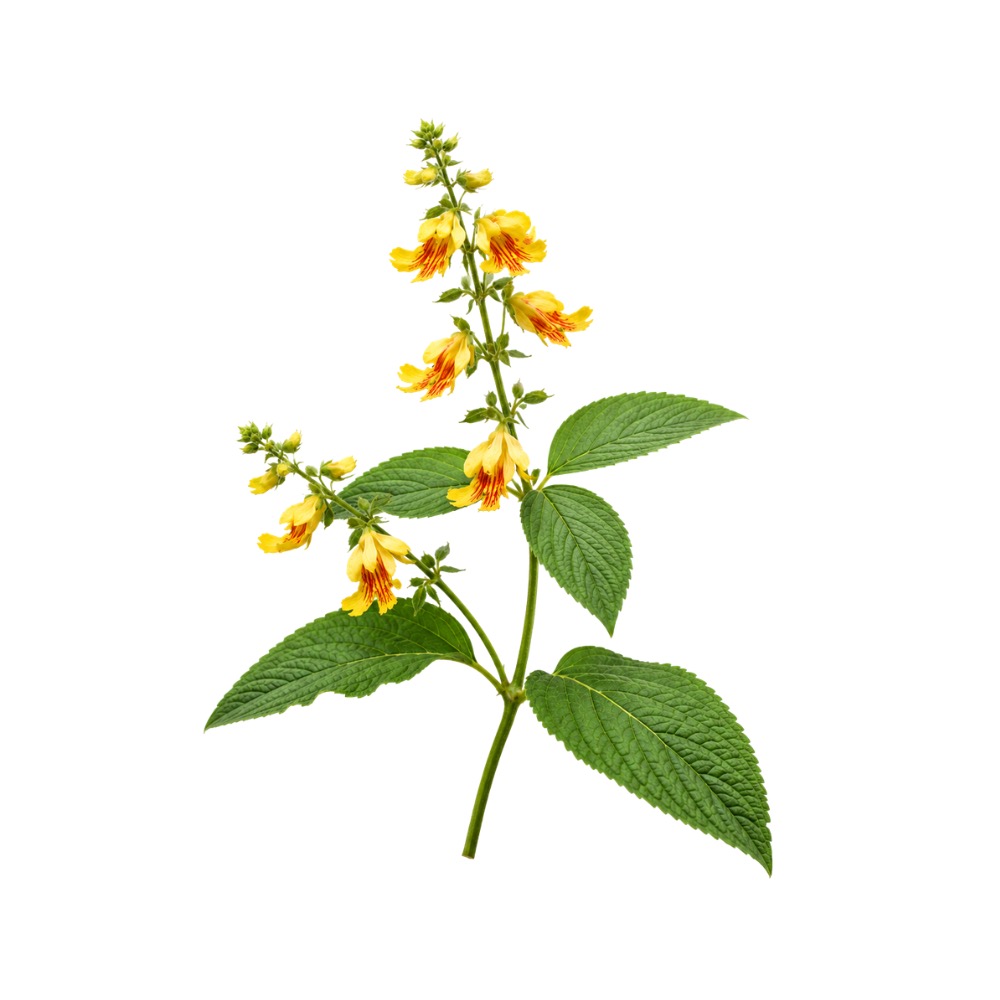
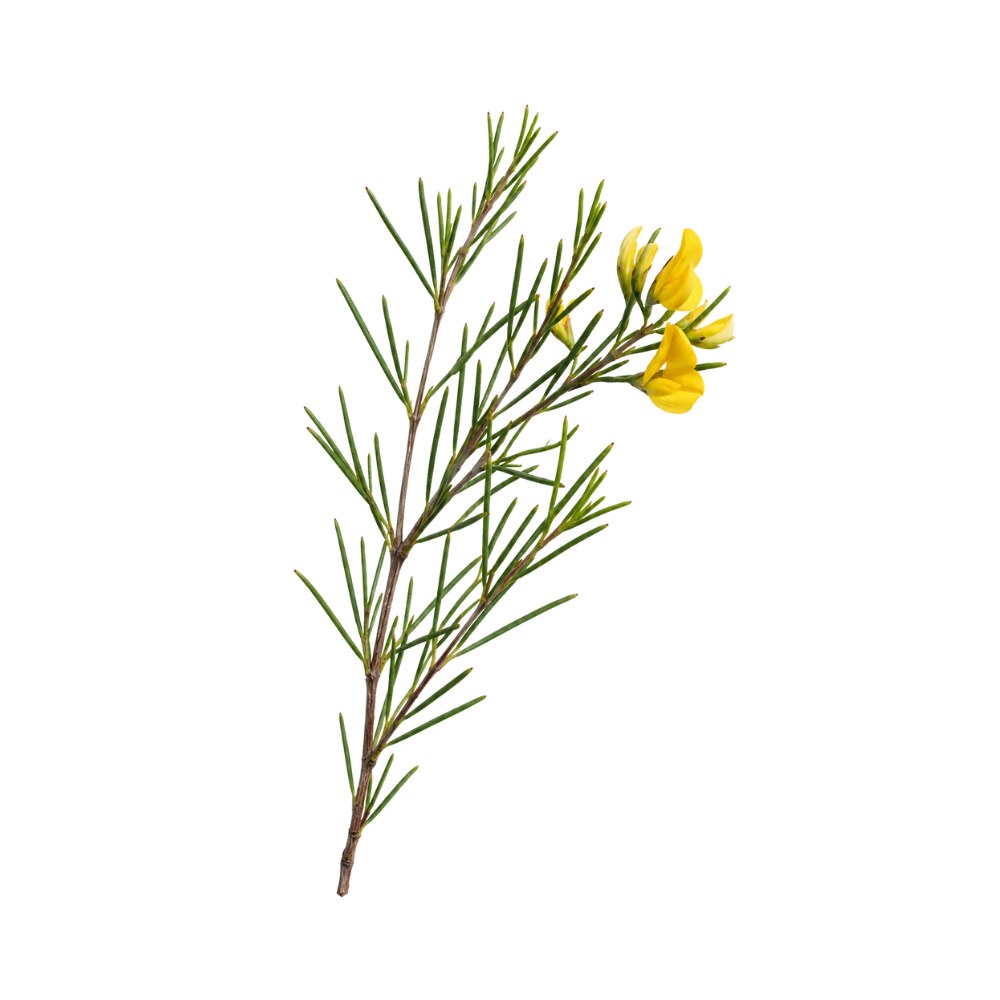
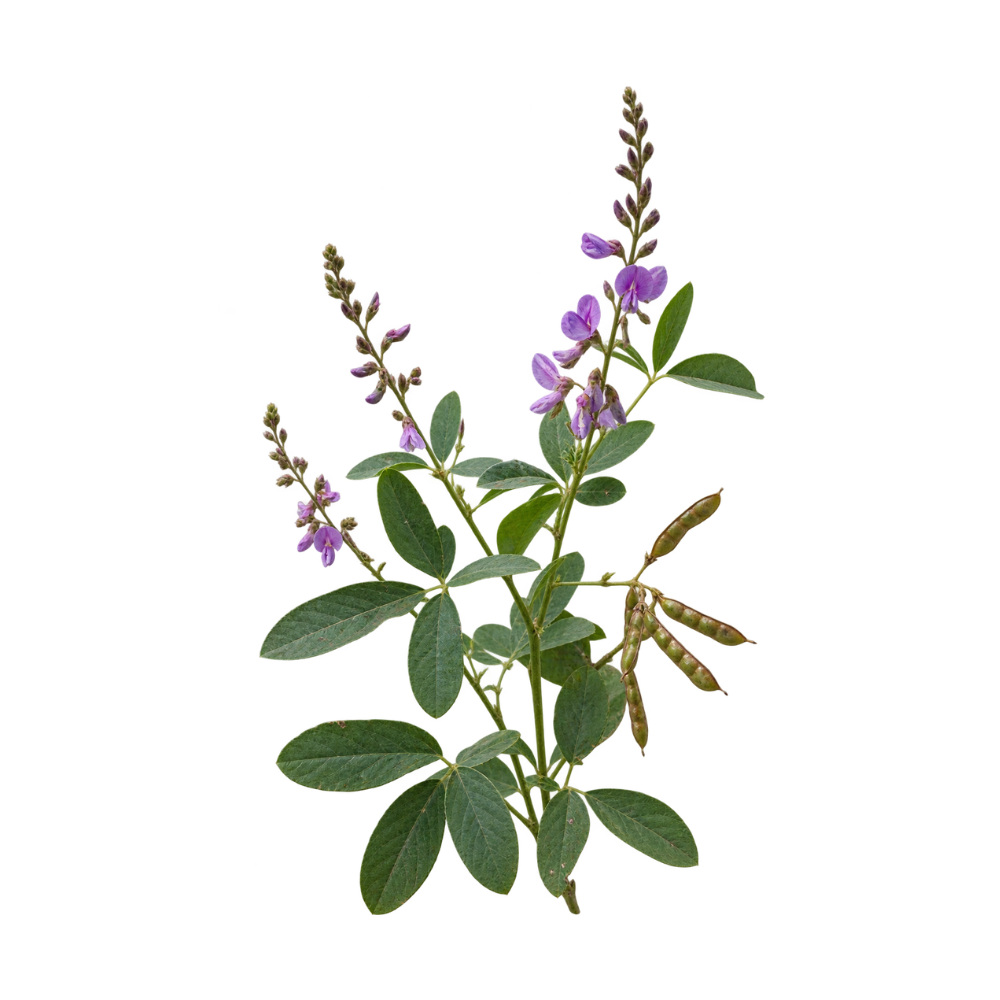
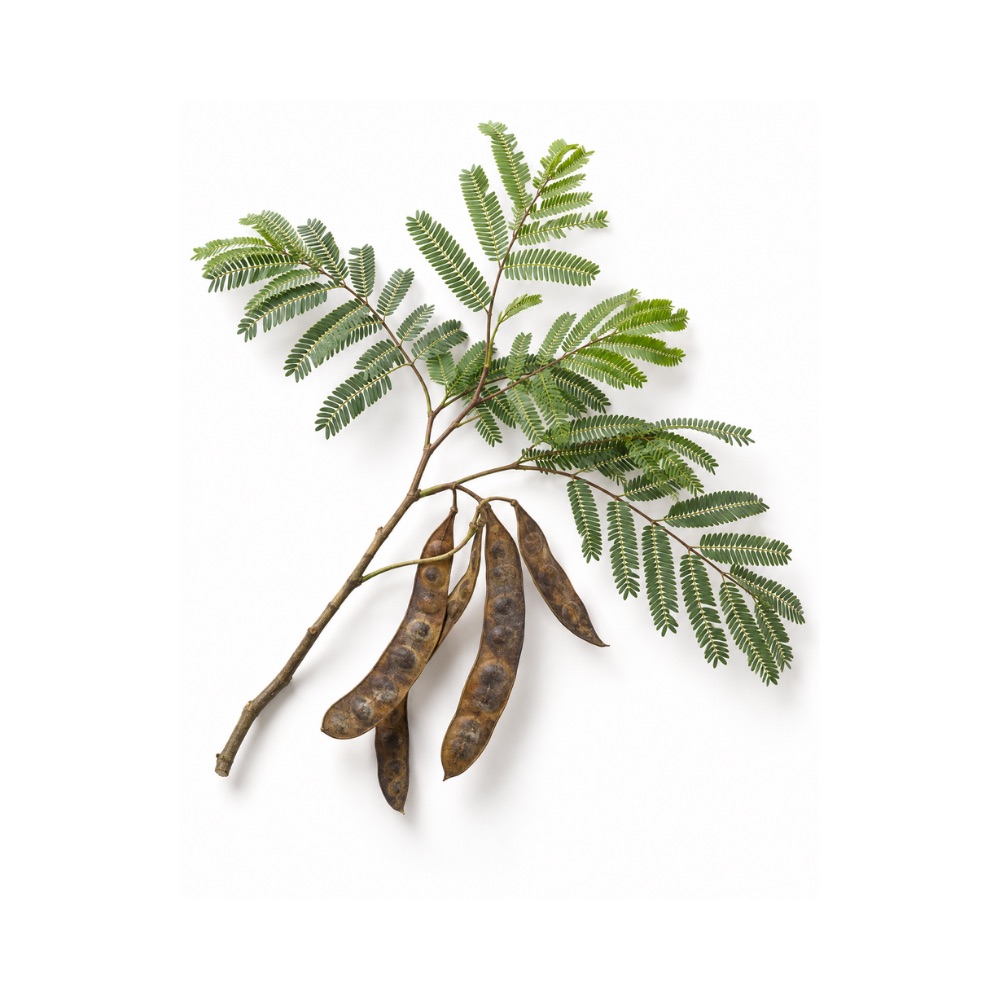
Pictured: Acacia
Legume / pea / bean family
The third-largest flowering-plant family, nitrogen-fixing via root nodules. Medicinally it supplies more adaptogenic and demulcent roots than any other family, plus the isoflavone phytoestrogens and the anthraquinone laxatives.
23 Herbs // 28 Constituents // 16 Notable Members
Overview
Also published as Leguminosae, a conserved alternative name you will still meet in older literature — the two are the same family, and this site uses Fabaceae throughout.
With roughly 750 genera and over 19,000 species, Fabaceae is the third-largest family of flowering plants after the orchids and the daisies, and by some distance the most economically important. Its defining feature is the legume — a dry fruit splitting along two seams — and its defining trick is symbiosis: root nodules housing Rhizobium bacteria that fix atmospheric nitrogen. That single adaptation lets legumes colonise poor soils, build unusually protein-rich tissue, and support the demanding secondary metabolism that makes the family so useful to us.
Shared Traits
In Practice
No other family contributes as many tonic and restorative roots to herbal practice. Licorice and astragalus are the two clearest examples — both sweet, both slow-acting, both used across traditions to build reserves rather than force a response. The pattern repeats through the family: deep taproots that accumulate saponins and polysaccharides, prepared as long decoctions.
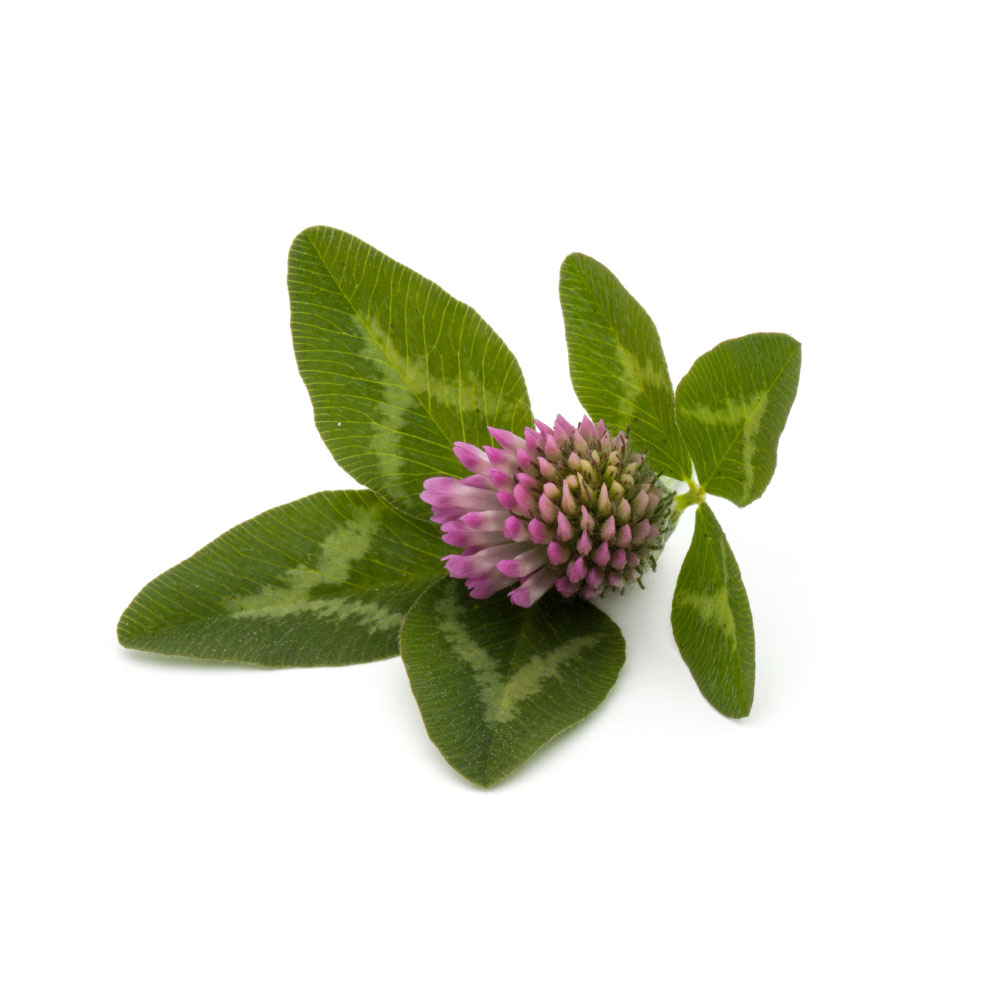
A second strand is hormonal. Fabaceae is the richest source of dietary isoflavones — genistein, daidzein, formononetin, biochanin A — which bind oestrogen receptors weakly enough to act as partial agonists. Red clover is the herbal expression of this, used for menopausal symptoms on exactly that basis. The evidence is mixed rather than absent, and the same chemistry is the reason these herbs warrant care in hormone-sensitive conditions.
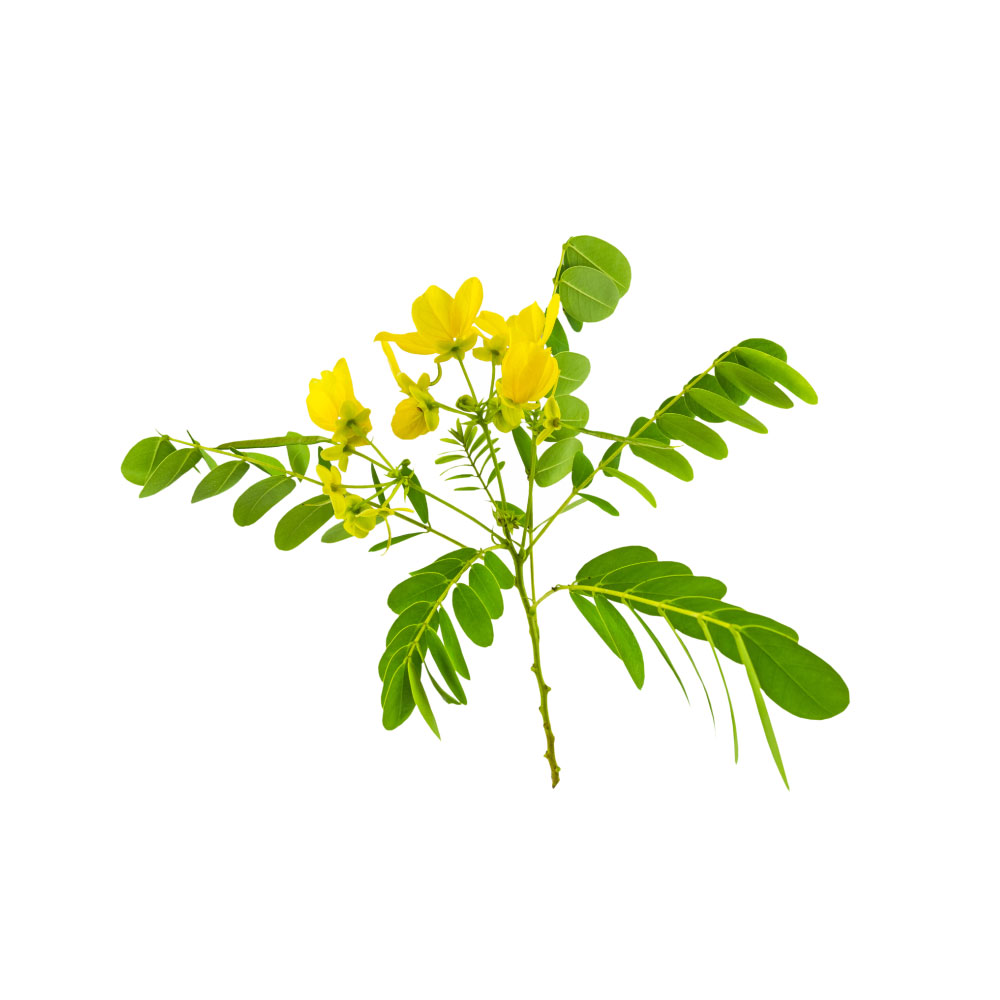
A third is purgative. Senna is the family’s anthraquinone laxative and remains one of the few herbal actions with genuinely uncontested clinical evidence — it works, reliably, and is not meant for long-term use.
The family also supplies gums and mucilages (gum arabic, tragacanth) used as demulcents and as pharmaceutical excipients, and a scattering of psychoactives: acacia species carry tryptamines, and African dream herb is used as an oneirogen.
The safety picture is real and family-wide. Legumes are chemically defended, and several of those defences are potent in humans. Licorice’s glycyrrhizin inhibits 11β-HSD2 and causes pseudoaldosteronism — hypertension and potassium loss — on sustained use. Broom contains sparteine, a class-1a antiarrhythmic and oxytocic. Galegine, from goat’s rue, is the lead that gave us metformin, and is hypoglycaemic in its own right. Lectins and protease inhibitors make many raw legumes toxic until cooked. Treat “it’s just a bean” as a bad prior.
Materia Medica
The 23 monographs in the database whose Fabaceae membership is recorded on the herb itself — so this list keeps itself current as new herbs land.
Acacia, Vachellia & Senegalia spp.
Entada rheedii
Albizzia lebbeck
Astragalus mongholicus
Vachellia nilotica
Canavalia rosea
Acacia mearnsii
Cytisus scoparius
Desmanthus illinoensis
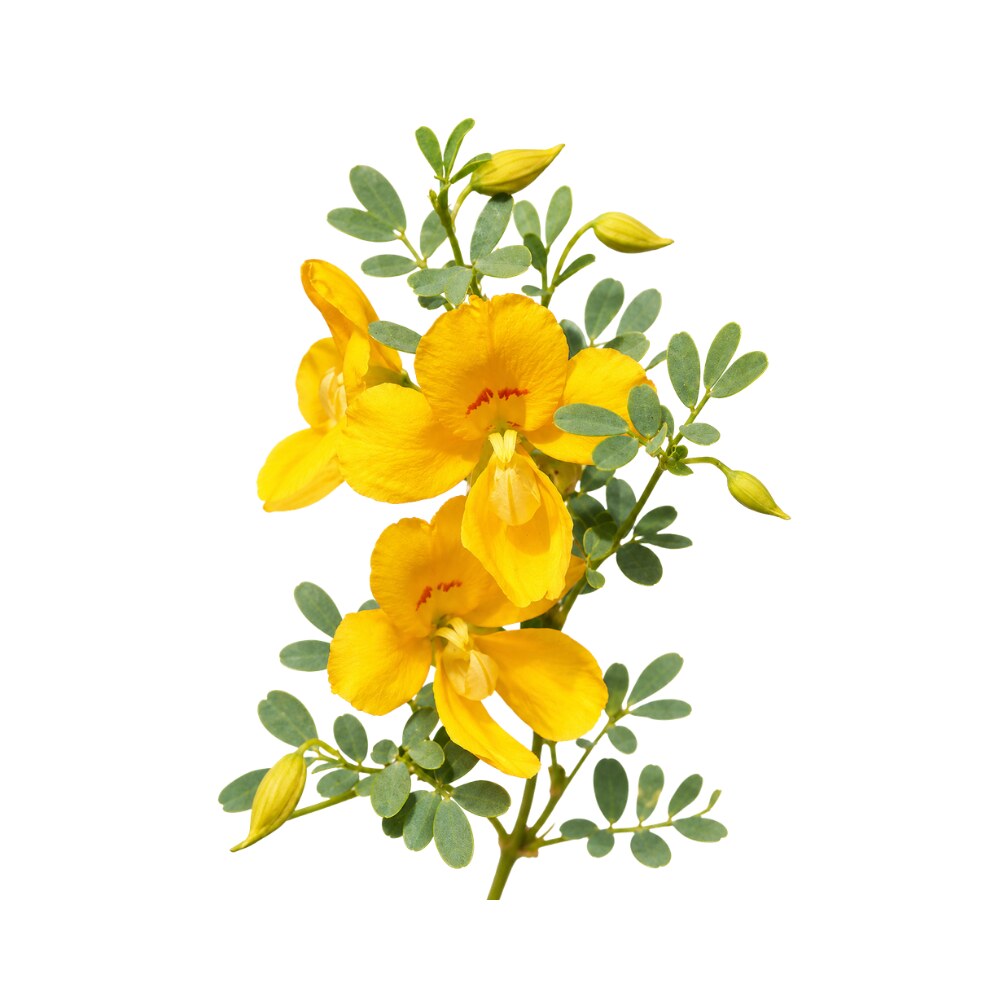
Petalostylis cassioides
Senegalia catechu
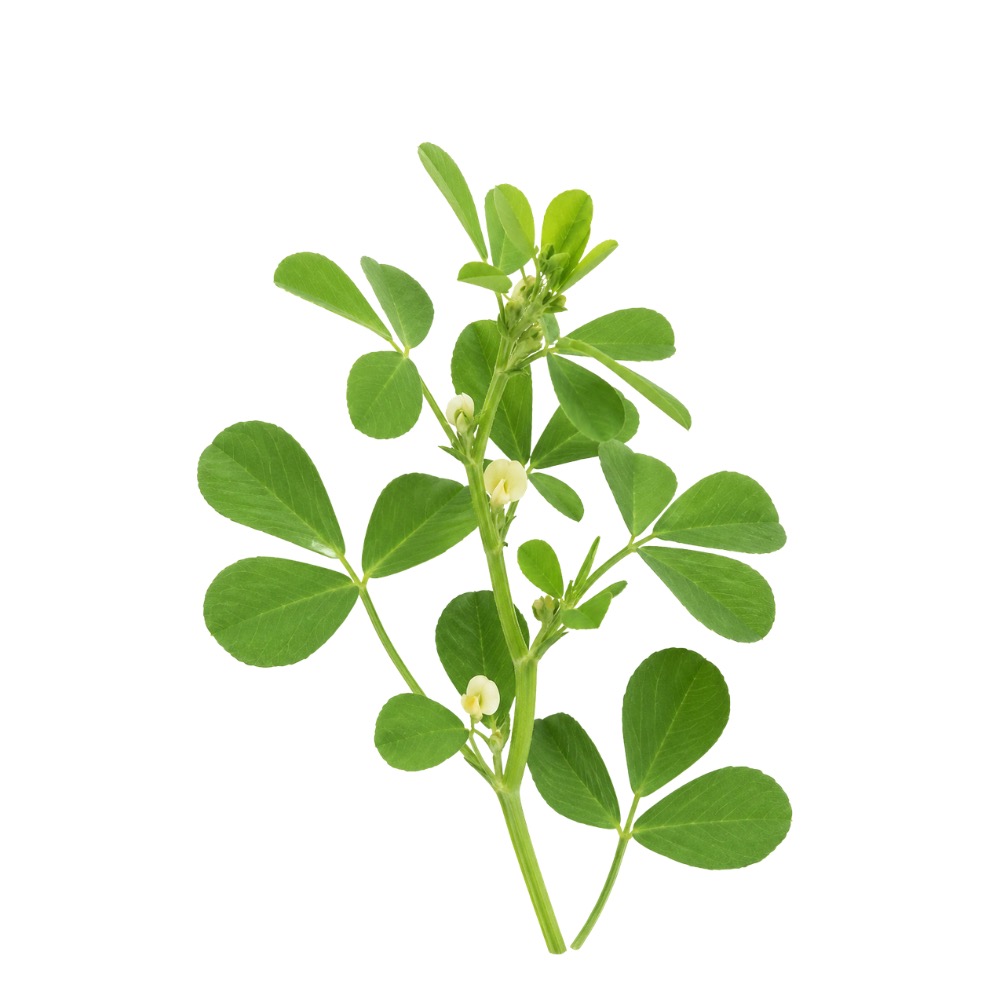
Trigonella foenum-graecum
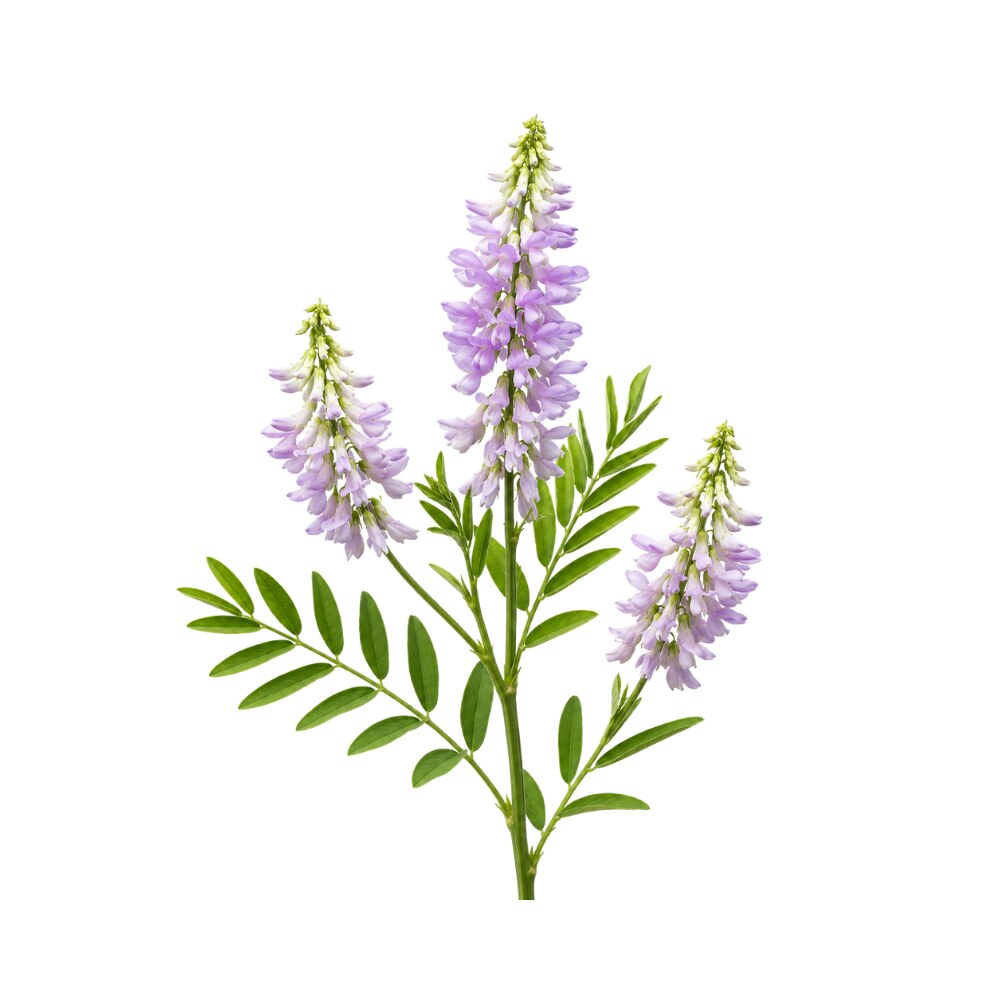
Galega officinalis
Griffonia simplicifolia
Hymenaea courbaril
Mimosa tenuiflora
Glycyrrhiza glabra
Zornia latifolia
Trifolium pratense
Aspalathus linearis
Cassia angustifolia
Desmodium spp.
Anadenanthera spp.
Phytochemistry
The family’s signature classes are isoflavones (near-exclusive to Fabaceae among common plants), triterpenoid saponins (glycyrrhizin, astragalosides), quinolizidine and pyrrolizidine alkaloids (sparteine, cytisine), anthraquinones in the Senna line, and galactomannan gums. Fenugreek adds steroidal saponins and the unusual amino acid 4-hydroxyisoleucine; rooibos contributes the rare C-glycosyl flavonoid aspalathin.
Compounds recorded in two or more of the 23 herbs above — the chemistry this family holds in common, grouped by class. A further 152 appear in only one member and are listed on that herb's own page.
Isolates
Sold as isolated compounds that occur in the herbs above.
Beyond the Database
Notable members without a monograph yet.
Keep Exploring