
Condition
Erectile Dysfunction
Erectile dysfunction is the persistent inability to achieve or maintain a penile erection sufficient for satisfactory sexual activity.

Overview
Aetiology
An erection is a neurovascular process involving the autonomic nervous system and somatic nervous system that works through the pudendal nerve, vascular system, and sinusoidal spaces of the corpora cavernosa.
Parasympathetic innervation through the pelvic nerves initiates relaxation of the trabecular smooth muscle of the corpora cavernosa through the action of nitric oxide, resulting in the inflow of arterial blood, and cessation of venous outflow.
The causes of erectile dysfunction can be the result of psychological, neurological, metabolic, cardiovascular, drug-related, hormonal, or thyroid conditions.
Psychogenic Causes (Libido):
Psychogenic erectile dysfunction arises from emotional or mental states that interfere with sexual arousal rather than from a physical defect. Common contributors include depression, anxiety, performance fear, and relationship stress.
Organic Causes:
Includes neurogenic, hormonal, vascular, drug-induced, and penile-related etiologies.
Neurogenic
Neurogenic erectile dysfunction results from damage or disruption to the nerve signaling required to initiate and maintain an erection. It can follow pelvic irradiation, prostate surgery, spinal cord injury, diabetes, or neurological disease.
Hormonal
Hormonal causes involve dysfunction of male hormone production, particularly low testosterone (hypogonadism), as well as thyroid disorders and elevated prolactin, all of which can reduce libido and erectile capacity.
Vascular
Cardiovascular disease and diabetes-induced vascular damage may result in a loss of function of the vascularity of the penis. Reduced arterial inflow (penile arterial insufficiency) is associated with hypertension, hyperlipidemia, cigarette smoking, and diabetes mellitus.
Drug-Induced
Side effects of certain drugs can reduce erectile function. Common offenders include antihypertensives, antidepressants, and antipsychotics, with statin medications also implicated in some cases.
Assessment
Diagnostic Considerations
- ECG to rule out cardiovascular insufficiency
Context
Comorbidities
- Cardiovascular disease (erectile dysfunction is considered a risk factor)
- Diabetes
- Hypertension or hypercholesterolemia
Assessment
Differential Diagnosis
- Cardiovascular disease
The Herbs
Materia Medica (14)
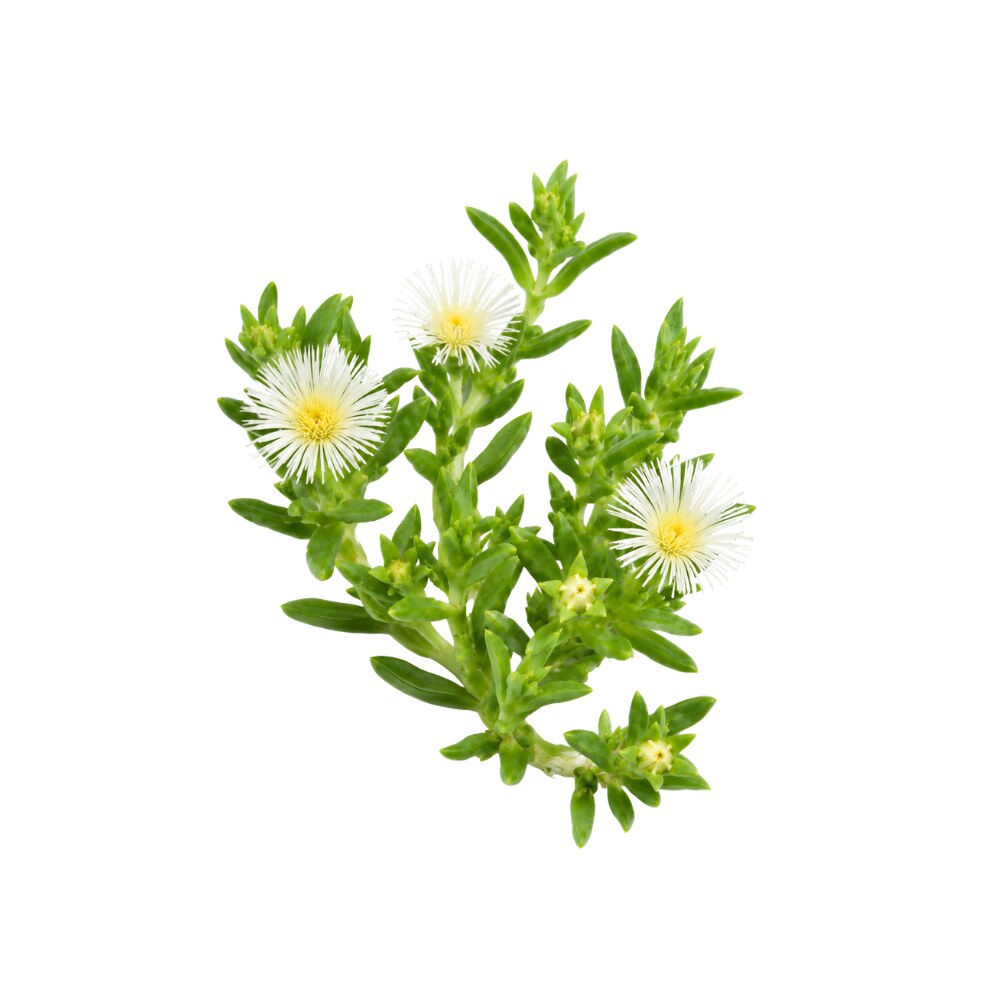
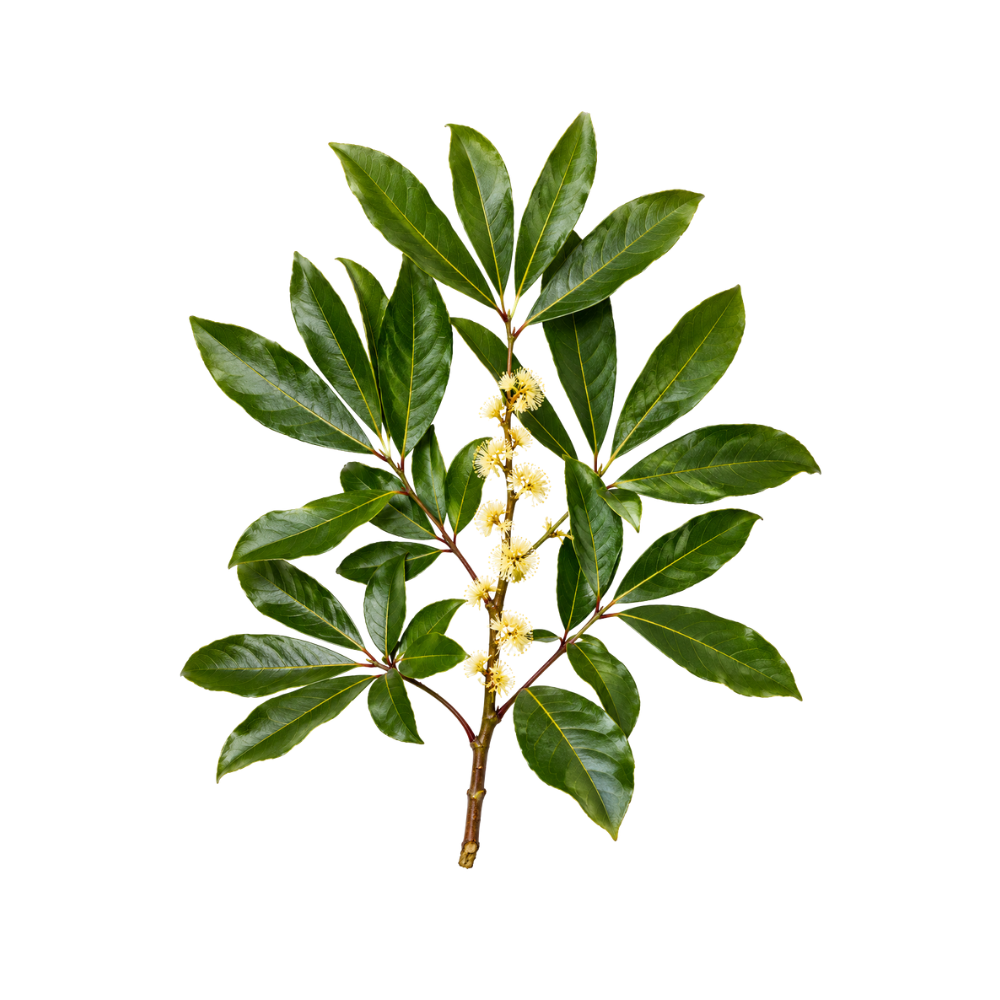
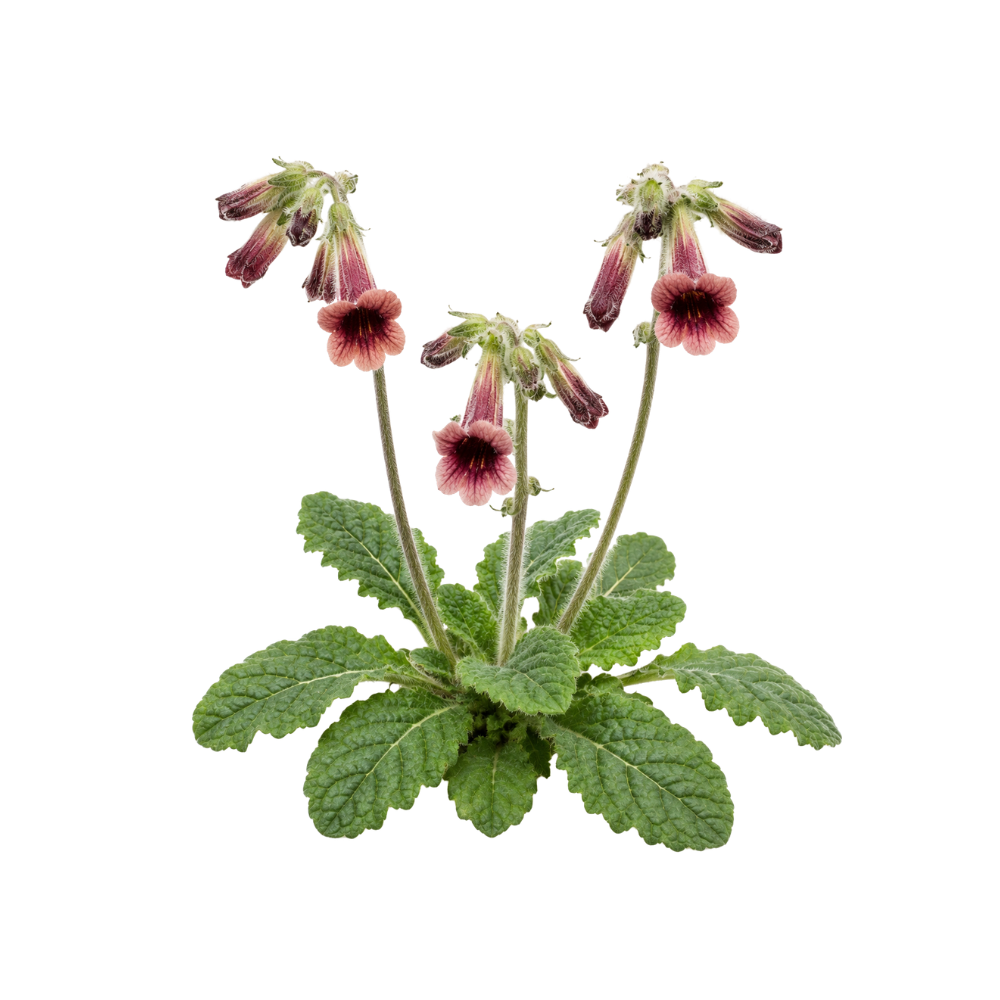
Herbs traditionally or clinically used for erectile dysfunction.







Supplementation
Supplementation (5)
Supplements, nutrients and compounds used for erectile dysfunction.
L-Arginine
Amino acid (conditionally essential)
L-Arginine is a conditionally essential amino acid and a nitric-oxide precursor, taken for blood flow, blood pressure, and exercise "pump".
L-Citrulline (malate)
Amino acid (non-proteinogenic)
L-Citrulline is a non-proteinogenic amino acid that raises plasma arginine and nitric oxide, taken as a pre-workout for pump and endurance.
Melanotan II
Melanocortin receptor agonist (α-MSH analogue)
An unapproved synthetic melanocortin-agonist peptide injected on the gray market as a tanning and libido aid, with a documented case-report harm record.
PT-141 (Bremelanotide)
Melanocortin (MC4R) receptor agonist peptide
Bremelanotide (Vyleesi), a melanocortin-agonist peptide FDA-approved as an on-demand injection for hypoactive sexual desire disorder in premenopausal women.
VIP (vasoactive intestinal peptide)
Neuropeptide (VPAC1/VPAC2 agonist)
An endogenous 28-amino-acid neuropeptide; its synthetic copy aviptadil is an approved erectile-dysfunction injection in parts of Europe.
References:
- Huhtaniemi, I. (2014). Late-onset hypogonadism: current concepts and controversies of pathogenesis, diagnosis and treatment. Asian Journal of Andrology, 16(2), 192.