Chá de Bugre
Cordia salicifolia
Plant Family
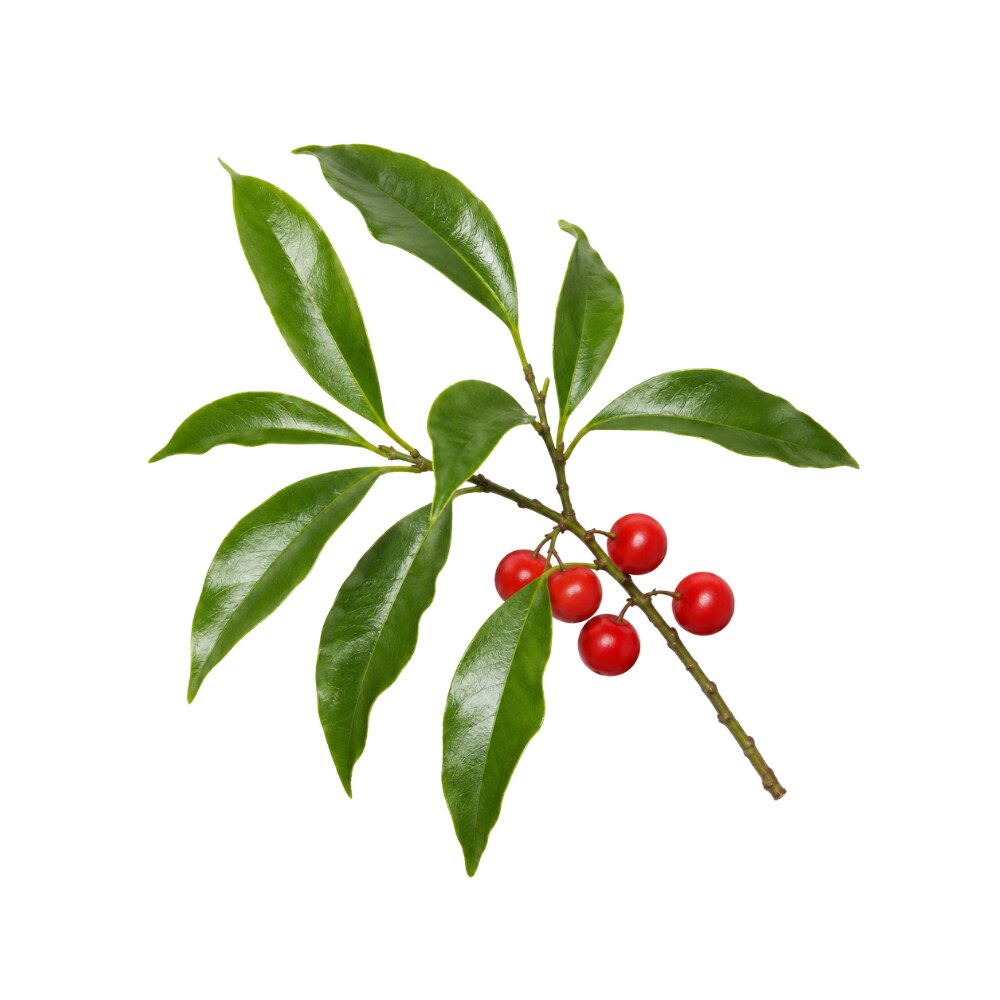
Pictured: Chá de Bugre
Borage / forget-me-not family
Bristly, coiled-flowered herbs yielding allantoin-rich vulneraries and respiratory remedies — and the family most strongly associated with hepatotoxic pyrrolizidine alkaloids.
3 Herbs // 2 Constituents // 7 Notable Members
Overview
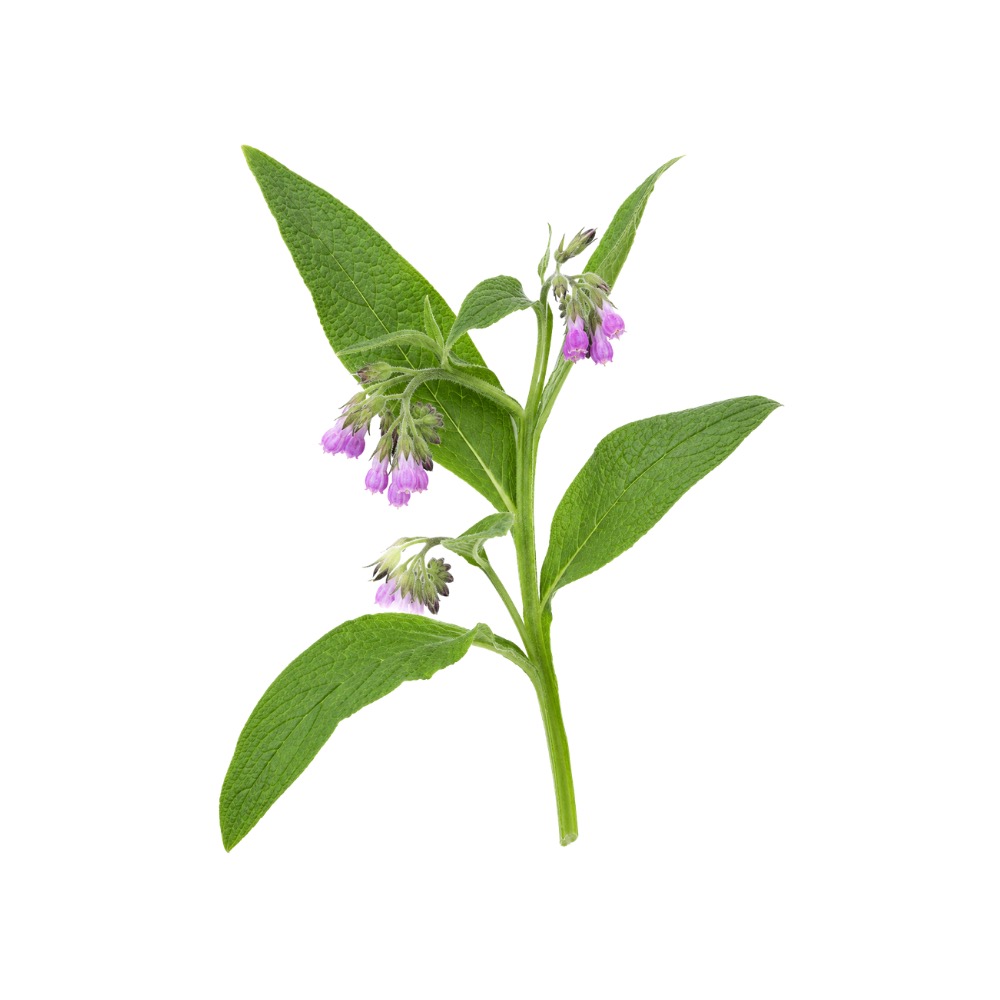
Around 150 genera and 2,500 species, mostly herbs and shrubs of temperate and Mediterranean habitats. The family is easy to recognise in the field: stiff bristly hairs across leaf and stem, and flowers borne on a scorpioid cyme — a one-sided coil that unrolls as the buds open, often shifting colour from pink to blue as each flower matures.
Shared Traits
In Practice
Boraginaceae’s herbal reputation rests on tissue repair. Comfrey is the archetype and one of the oldest wound herbs in European practice, its old name knitbone recording the use. The mechanism is unusually well grounded for a traditional remedy: allantoin promotes cell proliferation and epithelialisation, while rosmarinic acid and mucilage handle inflammation and moisture. Topical comfrey preparations have real controlled-trial support for pain in osteoarthritis, back pain and acute sprains.
The second strand is respiratory and mucosal. Yerba santa is an expectorant and bronchodilator of the American West, aromatic rather than mucilaginous; borage and lungwort were used as demulcent teas for dry, irritated coughs. Cha de bugre sits apart from both, used in Brazil as a diuretic and circulatory tonic.
The pyrrolizidine problem defines this family. Many Boraginaceae accumulate pyrrolizidine alkaloids (PAs) with 1,2-unsaturation, which the liver bio-activates into pyrroles that crosslink DNA and damage the hepatic sinusoids. Chronic exposure causes hepatic veno-occlusive disease and is genotoxic. Comfrey’s internal use is restricted or banned in most jurisdictions on exactly this basis, and even topical products are limited to short courses on intact skin. Not every member is equally loaded — yerba santa is not a PA plant, and PA-free comfrey cultivars exist — but assume PAs are present in a Boraginaceae until you have specific evidence otherwise. This is the clearest case on the site of a family where the botanical relationship is the safety warning.
Materia Medica
The 3 monographs in the database whose Boraginaceae membership is recorded on the herb itself — so this list keeps itself current as new herbs land.
Phytochemistry
Pyrrolizidine alkaloids (symphytine, echimidine, lycopsamine) are the family marker. Alongside them: allantoin, mucilage polysaccharides, rosmarinic acid and related caffeic acid derivatives, naphthoquinone pigments in the alkanet line (shikonin), and — in the seed oils of borage and evening-primrose relatives — unusually high gamma-linolenic acid.
Compounds recorded in two or more of the 3 herbs above — the chemistry this family holds in common, grouped by class. A further 32 appear in only one member and are listed on that herb's own page.
Isolates
Sold as isolated compounds that occur in the herbs above.
Beyond the Database
Notable members without a monograph yet.
Keep Exploring