
Erva Tostão
Boerhavia diffusa
Plant Family
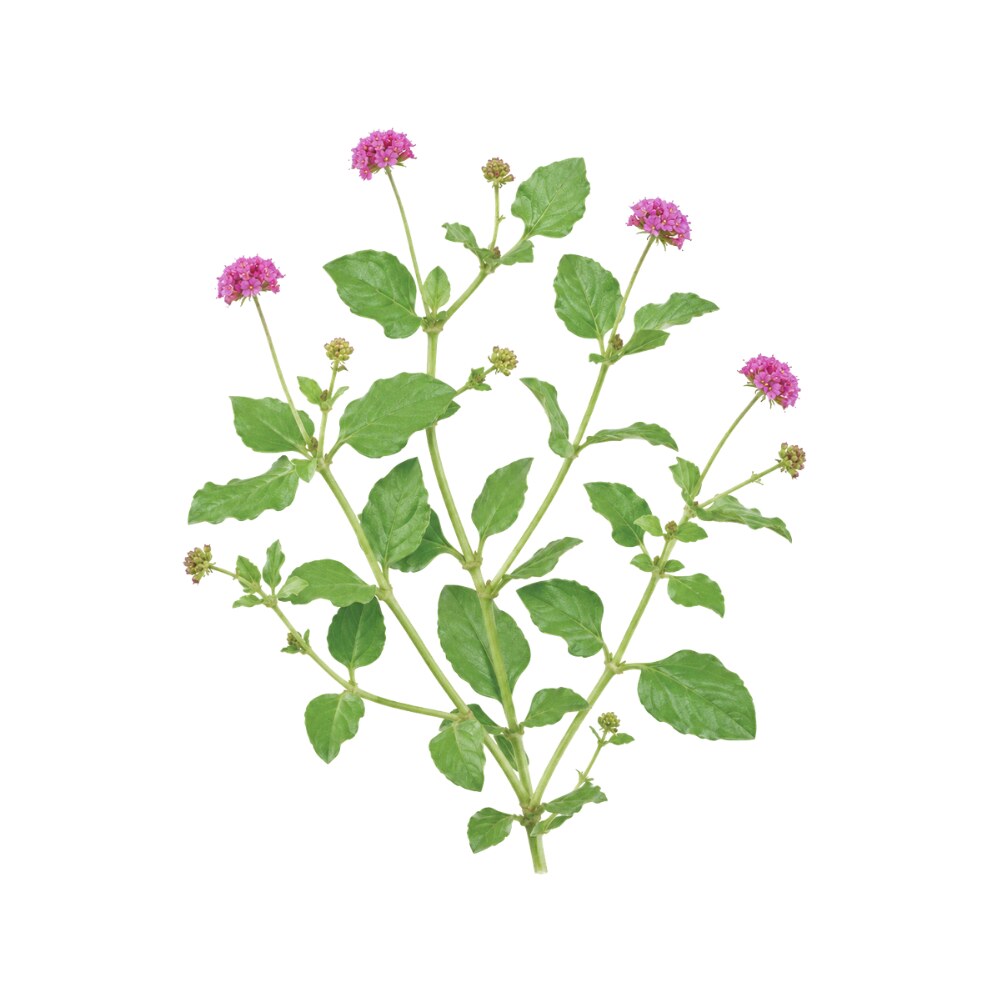
Pictured: Erva Tostão
Four o’clock family
Mostly tropical American plants with coloured bracts and night-opening flowers; medicinally represented by punarnava, a long-used diuretic and liver herb.
1 Herb // 11 Constituents // 4 Notable Members
Overview
About 30 genera and 400 species, concentrated in tropical America. The family name records its habit: many members open their flowers in the late afternoon or at night, closing them by morning, an adaptation to moth pollination. What look like petals are usually coloured bracts — most obviously in bougainvillea, where the showy structures are modified leaves surrounding tiny true flowers.
Shared Traits
In Practice
Erva tostão (Boerhavia diffusa) is the family’s principal medicinal plant and carries a substantial Ayurvedic reputation under the name punarnava, “that which renews the body”. It is classed as a rasayana and used above all as a diuretic and for oedema, ascites, and kidney and liver complaints — a profile echoed independently in Brazilian, African and Caribbean folk practice, which is a reasonable signal that something is happening.
The preclinical literature is comparatively substantial for a folk remedy. Animal studies report diuretic, hepatoprotective (against carbon tetrachloride and thioacetamide models), anti-inflammatory, immunomodulatory and antidiabetic effects. The constituents most often implicated are the rotenoid boeravinones (A through H), the alkaloid punarnavine, and the lignan liriodendrin. Boeravinones have also attracted attention as inhibitors of the BCRP drug-efflux transporter, which raises a plausible but unquantified interaction concern.
Human evidence is the gap. Despite centuries of use and a decent animal literature, controlled clinical trials are essentially absent, so dosing and real-world effect size remain unestablished. For a herb used for kidney and liver disease — conditions where self-treatment carries genuine risk and where diuresis interacts with prescribed therapy — that gap deserves emphasis rather than glossing.
Elsewhere the family is largely ornamental, though Mirabilis jalapa has a folk record as a purgative and its roots contain the antiviral protein MAP.
Materia Medica
The monograph in the database whose Nyctaginaceae membership is recorded on the herb itself — so this list keeps itself current as new herbs land.
Boerhavia diffusa
Phytochemistry
Rotenoids (the boeravinones) are the distinctive class, alongside quinolizidine and other alkaloids (punarnavine), lignans, flavonoid glycosides, and ribosome-inactivating proteins in Mirabilis.
The compounds recorded for this family's single member, grouped by class.
Beyond the Database
Notable members without a monograph yet.
Keep Exploring