
Compound Monograph
7-Hydroxymitragynine
7-Hydroxymitragynine (7-OH) is a trace indole alkaloid of kratom and the CYP3A-generated oxidation metabolite of mitragynine. It is a far more efficacious µ-opioid agonist than mitragynine — self-administered by rats, producing morphine-like respiratory depression and physical dependence — and concentrated and semi-synthetic 7-OH products are the subject of active US scheduling action.

Sources · 3
Where Does It Come From?
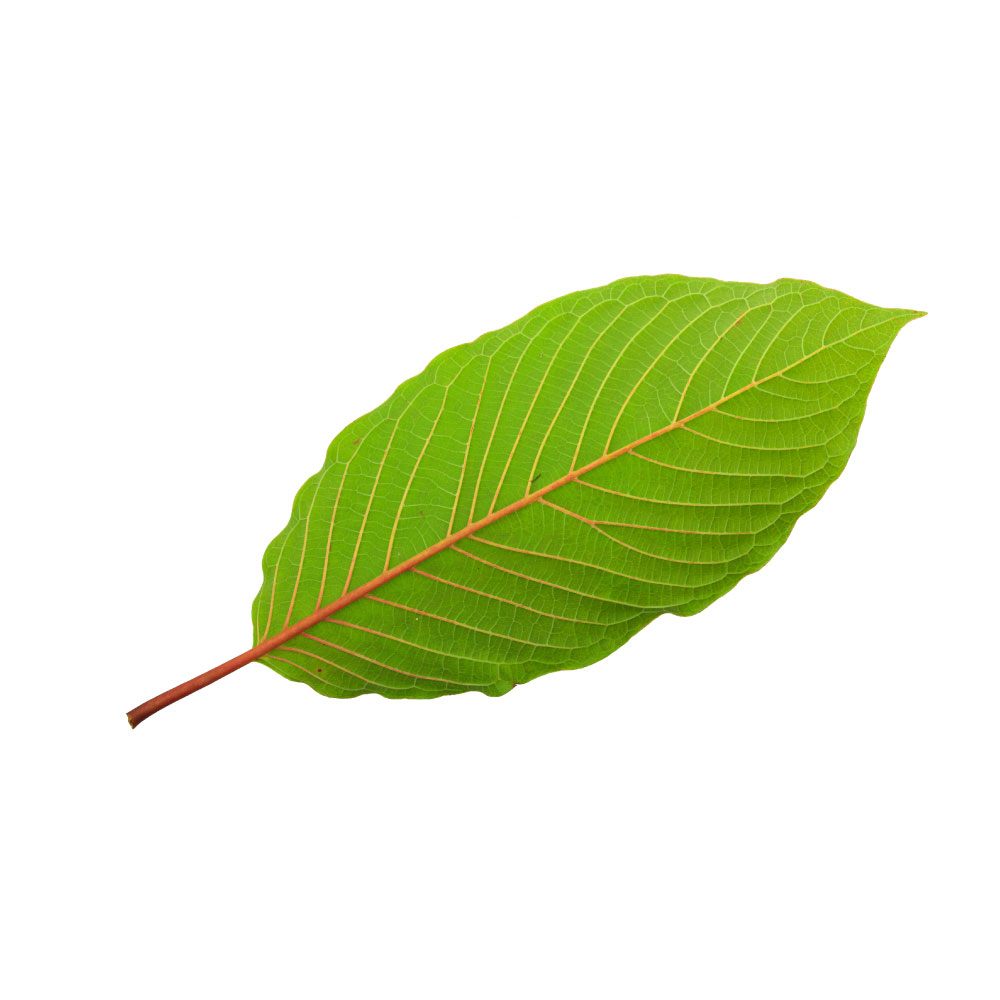
7-Hydroxymitragynine is a naturally occurring (and made in the body) indole alkaloid (corynanthe type; the 7-hydroxyindolenine of mitragynine), found in Kratom and 2 other sources. It is flagged as poisonous.
Concentration
Content by Source
Reported concentrations across the plants that contain 7-hydroxymitragynine — the bar marks the typical level, the line shows the reported range.
Literature figures for varying plant parts and preparations. Read them as a comparative guide, not exact assays.
7-Hydroxymitragynine at a Glance
7-Hydroxymitragynine — almost always shortened to 7-OH — is a minor indole alkaloid of kratom (Mitragyna speciosa) and, simultaneously, the oxidation metabolite of mitragynine formed by cytochrome P450 3A 5,
Despite that scarcity, 7-OH is the kratom alkaloid with conventional opioid pharmacology. It is a substantially more efficacious µ-opioid receptor agonist than mitragynine 3,
This page is a scholarly pharmacology, toxicology, forensic and regulatory reference. It gives no dose for effect and no preparation, extraction, enrichment or synthesis guidance. It states the harms plainly, because they are the dominant clinical facts about this molecule, and it reports the legal status as of July 2026 with the dates the claims were checked.
Metabolite or Constituent?
7-OH occupies an unusual position: it is genuinely both a natural leaf alkaloid and a mammalian metabolite of mitragynine, and the literature disagrees about which of those matters more.
The case for “constituent.” 7-OH was first isolated from the plant, not from plasma — Ponglux and colleagues described it in 1994 as a new indole alkaloid of Thai M. speciosa leaf 1Reference 1A New Indole Alkaloid, 7 alpha-Hydroxy-7H-mitragynine, from Mitragyna speciosa in ThailandView study →, and León and colleagues subsequently isolated it from US-grown leaf alongside mitragynine, paynantheine, corynantheidine and the oxindoles 16Reference 16Phytochemical characterization of the leaves of Mitragyna speciosa grown in U.S.AView study →. It is measurable in leaf and leaf extracts by validated chromatography, and it partitions unevenly within the plant: one 2026 quantitative study detected 7-OH only in leaves, never in shoots, and found southern-Thai material higher in 7-OH than northern 17Reference 17Effects of Botanical Variation, Plant Part, and Extraction Technique on Mitragynine and 7-Hydroxymitragynine in Kratom (Mitragyna speciosa) Extracts Quantified by a Validated HPLC-DAD MethodView study →.
The case for “artefact of handling.” The amounts are tiny and unstable. Post-harvest work found 7-OH averaging only 0.02–0.04% of leaf alkaloid extract and present only in specific seasons, varying by cultivar — a genotype-by-environment pattern rather than a reliable constitutive one 15Reference 15Alkaloid biosynthesis in medicinal crop kratom (Mitragyna speciosa) varies with postharvest, genetic, and seasonal factorsView study →. Marketplace and analytical surveys describe 7-OH as at trace levels or effectively undetectable in fresh leaf 20,
The case for “the real actor.” Kruegel and colleagues showed in 2019 that mitragynine is converted to 7-OH by CYP3A isoforms in both mouse and human liver preparations, that 7-OH is formed in mice after mitragynine dosing, and that brain concentrations of the metabolite were sufficient to explain most or all of mitragynine’s opioid-receptor-mediated analgesia — while mitragynine itself reached brain levels far above its own binding affinity without appearing to activate the receptor directly 5Reference 5Kruegel AC, Uprety R, Grinnell SG, et al. (2019). 7-Hydroxymitragynine Is an Active Metabolite of Mitragynine and a Key Mediator of Its Analgesic Effects. ACS Central Science. https://pubmed.ncbi.nlm.nih.gov/31263758/View study →. That is the prodrug reading, and it was corroborated in humans in 2024: pretreatment with the CYP3A4 inhibitor itraconazole cut 7-OH exposure by 56% (Cmax) and 43% (AUC) after a kratom tea dose, the first direct human evidence of the conversion 11Reference 11Effects of Itraconazole on Pharmacokinetics of Mitragynine and 7-Hydroxymitragynine in Healthy VolunteersView study →.
The case against. Berthold and colleagues dosed mitragynine and 7-OH at equianalgesic oral doses in mice and found the opposite: 7-OH alone was only 2.8-fold more potent than mitragynine, and at equivalent effective doses the maximum brain concentration of 7-OH reached as a metabolite was 11-fold lower than when 7-OH was given directly. Their conclusion was that 7-OH has a negligible role in mitragynine’s antinociception in mice 6Reference 6AnimalThe Lack of Contribution of 7-Hydroxymitragynine to the Antinociceptive Effects of Mitragynine in Mice: A Pharmacokinetic and Pharmacodynamic StudyView study →. Hill and colleagues land between the two: CYP3A inhibition reduced both mitragynine’s antinociception and its respiratory depression, implying a real metabolic contribution, but the rate of conversion is limiting — which is precisely why mitragynine’s respiratory depression plateaus while 7-OH’s does not 7Reference 7The respiratory depressant effects of mitragynine are limited by its conversion to 7-OH mitragynineView study →.
Where that leaves it. The disagreement is about how much of whole-leaf kratom’s opioid effect is metabolite-mediated, and it is not settled. What is not in dispute is the asymmetry it creates: taking mitragynine means generating 7-OH slowly, in small amounts, through a saturable enzyme. Taking 7-OH directly bypasses that bottleneck entirely 20,
Abuse Liability & Dependence
This is the section that separates 7-OH from the rest of the kratom alkaloids, and it should be stated without hedging.
In the definitive preclinical study, Hemby and colleagues ran both alkaloids through rat self-administration. 7-OH substituted for morphine dose-dependently and was readily self-administered on its own; mitragynine was not. Pretreatment with naloxonazine (a µ1 antagonist) and naltrindole (a δ antagonist) each reduced 7-OH self-administration, while only the µ1 antagonist reduced morphine intake. More striking, prior exposure to 7-OH increased subsequent morphine intake, while prior exposure to mitragynine decreased it. Their conclusion — that mitragynine lacks abuse potential and reduces opioid intake, while 7-OH “should be considered a kratom constituent with high abuse potential” — is the pharmacological basis for treating the two molecules differently 9Reference 9Abuse liability and therapeutic potential of the Mitragyna speciosa (kratom) alkaloids mitragynine and 7-hydroxymitragynineView study →.
Drug-discrimination work points the same way: in rats trained to discriminate morphine, 7-OH produced 99.7% morphine-appropriate responding, a full substitution, where mitragynine reached only 72.3% 4Reference 4In vitroPharmacological Comparison of Mitragynine and 7-Hydroxymitragynine: In Vitro Affinity and Efficacy for μ-Opioid Receptor and Opioid-Like Behavioral Effects in RatsView study →. Physical dependence follows the same split — a comparative study of natural and semi-synthetic kratom alkaloids found the atypical alkaloids produced less physical dependence than classical opioids, but 7-OH sits at the classical end of that spectrum 10Reference 10Kratom Alkaloids, Natural and Semi-Synthetic, Show Less Physical Dependence and Ameliorate Opioid WithdrawalView study →.
The human picture has caught up since 2025. Published case reports describe a patient requiring inpatient medically managed withdrawal from high-dose 7-OH 27Reference 27Case reportA Case of 7-OH Mitragynine Use Requiring Inpatient Medically Managed WithdrawalView study →, a retrospective case series treating 7-OH use with buprenorphine 28Reference 28Case reportBuprenorphine for the Management of 7-Hydroxymitragynine (7-OH) Use: A Retrospective Case SeriesView study →, and a case of prolonged immobilisation from a 7-OH product ending in rhabdomyolysis, renal failure and lasting neurological deficits 29Reference 29Case reportRhabdomyolysis, renal failure and chronic neurologic deficits after prolonged immobilization from use of a 7-hydroxymitragynine productView study →. US regulatory surveillance recorded 86 FAERS cases involving 7-OH as of February 2026, 79 of them serious and 9 fatal, with drug dependence and withdrawal syndrome the most common reported events 30Reference 30Schedules of Controlled Substance: Temporary Placement of 7-Hydroxymitragynine Above a Specified Threshold in Schedule IView study →.
The Concentrated 7-OH Product Market
Since late 2024 a distinct product category has appeared in the US: tablets, sublingual films, gummies, shots and vapes labelled “7-OH” and sold in smoke shops, gas stations and online, frequently marketed as though they were ordinary kratom 21,
A marketplace audit covering September 2024 to February 2025 catalogued 304 semi-synthetic products: 82.2% were 7-OH-only, 14.5% combined 7-OH with mitragynine pseudoindoxyl, and 3.3% were pseudoindoxyl alone. Almost all were marketed under the kratom banner; 73.3% made effect claims and 12.5% made outright drug claims, and several product names alluded to prescription opioids 22Reference 22De facto opioids: Characterization of novel 7-hydroxymitragynine and mitragynine pseudoindoxyl product marketingView study →. A 2026 chemical analysis of commercial products found that over 98% of 7-OH-labelled products were of semi-synthetic origin — identifiable from over-oxidised byproducts left by the manufacturing route — with substantial mismatches between labelled and measured 7-OH content, and labelled doses spanning 0.001 to 33.6 mg per serving 23Reference 23Quantitative analysis of 7-hydroxymitragynine in commercial kratom products and its stability under chemical and physiological conditionsView study →. The regulatory record puts the spread even wider, at 1 mg to 700 mg per serving or dose across surveyed products 30Reference 30Schedules of Controlled Substance: Temporary Placement of 7-Hydroxymitragynine Above a Specified Threshold in Schedule IView study →.
Three things make this category pharmacologically distinct from leaf kratom, and all three are consequences of the sections above:
- The metabolic bottleneck is gone. Whole leaf delivers mitragynine and generates 7-OH slowly through a saturable CYP3A step; a concentrated product delivers the active molecule directly 5,
7, .20Reference 5Kruegel AC, Uprety R, Grinnell SG, et al. (2019). 7-Hydroxymitragynine Is an Active Metabolite of Mitragynine and a Key Mediator of Its Analgesic Effects. ACS Central Science. https://pubmed.ncbi.nlm.nih.gov/31263758/View study →Reference 7The respiratory depressant effects of mitragynine are limited by its conversion to 7-OH mitragynineView study →Reference 20From kratom to 7-hydroxymitragynine: evolution of a natural remedy into a public-health threatView study → - The competing alkaloids are gone. Leaf material is a mixture, and the co-occurring alkaloids attenuate the effect of any one of them; an isolate does not 30Reference 30Schedules of Controlled Substance: Temporary Placement of 7-Hydroxymitragynine Above a Specified Threshold in Schedule IView study →.
- The delivery is faster. Sublingual tablets and films are designed for rapid systemic absorption, and rapid delivery raises abuse potential independent of the molecule 30Reference 30Schedules of Controlled Substance: Temporary Placement of 7-Hydroxymitragynine Above a Specified Threshold in Schedule IView study →.
Analysts have argued from the outset that these should be understood as de facto opioids sold outside the opioid regulatory system 22Reference 22De facto opioids: Characterization of novel 7-hydroxymitragynine and mitragynine pseudoindoxyl product marketingView study →, and the review literature now describes concentrated 7-OH products as “pharmacologically and toxicologically distinct from kratom leaf” 20Reference 20From kratom to 7-hydroxymitragynine: evolution of a natural remedy into a public-health threatView study →. Whole-leaf products, by contrast, look chemically ordinary: the most comprehensive US survey of whole-leaf material (341 samples) found compositions closely matching the expected M. speciosa fingerprint, with no evidence of adulteration with illicit or prescription drugs 32Reference 32Chemical Analysis and Alkaloid Intake for Kratom Products Available in the United StatesView study →.
What It's Used For
7-OH is characterised almost entirely as an isolated molecule in animals and cell systems. There is no controlled human efficacy trial of 7-OH, and its best-established “applications” are a defined opioid pharmacology and a defined set of opioid harms — not a therapy.
Support is an experimental score — weighted by study type (human > animal > in vitro) and volume — and here it tracks how well characterised an action is, not an endorsement. None of these rows is a recommended use; two of them are harms.
The clearest and most safety-relevant finding, established with the isolated molecule. In awake, freely moving rats given intravenous drug, 7-OH produced significant reductions in breathing frequency, tidal volume and minute volume; its potency to halve minute volume was 4.5-fold greater than morphine’s, and naloxone fully reversed it. Mitragynine in the same paradigm did the opposite — it increased respiratory frequency, through a non-opioid mechanism naloxone did not touch 8Reference 8AnimalMitragynine and 7-hydroxymitragynine: Bidirectional effects on breathing in ratsView study →.
Earlier mouse plethysmography found 7-OH depressed respiration dose-dependently while mitragynine plateaued above 10 mg/kg, with CYP3A inhibition blunting mitragynine’s effect but not 7-OH’s 7Reference 7The respiratory depressant effects of mitragynine are limited by its conversion to 7-OH mitragynineView study →.
A 2026 clinical case of cardiopulmonary arrest reversed with naloxone after reported 7-OH use carries the finding into humans 30Reference 30Schedules of Controlled Substance: Temporary Placement of 7-Hydroxymitragynine Above a Specified Threshold in Schedule IView study →.
Gap: no controlled human respiratory-depression study exists for 7-OH; the human evidence is case reports and poison-centre surveillance, and almost all real-world exposures involve unquantified products or co-ingestants 30,
Also the isolated molecule, and the finding that most sharply distinguishes 7-OH from kratom’s dominant alkaloid. 7-OH substituted for morphine and was self-administered intravenously by rats in a dose-dependent way; mitragynine was not self-administered at all. Both naloxonazine (µ1) and naltrindole (δ) reduced 7-OH self-administration, implicating µ and δ receptors jointly, whereas only the µ1 antagonist reduced morphine intake. Prior 7-OH exposure then increased subsequent morphine intake, while prior mitragynine exposure decreased it 9Reference 9Abuse liability and therapeutic potential of the Mitragyna speciosa (kratom) alkaloids mitragynine and 7-hydroxymitragynineView study →.
In rats trained to discriminate morphine, 7-OH gave 99.7% morphine-lever responding — a complete substitution — against mitragynine’s 72.3% 4Reference 4In vitroPharmacological Comparison of Mitragynine and 7-Hydroxymitragynine: In Vitro Affinity and Efficacy for μ-Opioid Receptor and Opioid-Like Behavioral Effects in RatsView study →.
Gap: there is no human abuse-liability study of 7-OH. The human signal is the published dependence, withdrawal and buprenorphine-treatment case reports plus adverse-event surveillance, which cannot establish incidence 27,
Isolate-only, in rodents. Matsumoto and colleagues’ founding report showed 7-OH inhibited electrically induced guinea-pig ileum contraction through opioid receptors, bound preferentially to µ over κ and δ, and produced dose-dependent antinociception in mouse tail-flick and hot-plate tests more potent than morphine — and, notably, retained potent activity when given orally, where morphine was only weakly active 2Reference 2AnimalAntinociceptive effect of 7-hydroxymitragynine in mice: Discovery of an orally active opioid analgesic from the Thai medicinal herb Mitragyna speciosaView study →.
Obeng and colleagues confirmed µ partial agonism in [35S]GTPγS (Emax 41.3%) with naltrexone-reversible antinociception in rats; in the same assays mitragynine behaved as an antagonist and produced no antinociception at all 4Reference 4In vitroPharmacological Comparison of Mitragynine and 7-Hydroxymitragynine: In Vitro Affinity and Efficacy for μ-Opioid Receptor and Opioid-Like Behavioral Effects in RatsView study →.
Berthold’s equianalgesic mouse comparison put 7-OH at 2.8-fold mitragynine’s potency 6Reference 6AnimalThe Lack of Contribution of 7-Hydroxymitragynine to the Antinociceptive Effects of Mitragynine in Mice: A Pharmacokinetic and Pharmacodynamic StudyView study →.
Gap: no human analgesia trial has ever been run on 7-OH, and it has no approved medical use anywhere. The oral potency that made it interesting as an analgesic lead in 2004 is the same property that makes the current oral product category dangerous 2,
The genuinely unresolved row, and the reason this argues rather than asserts. Kruegel and colleagues found brain 7-OH concentrations after mitragynine dosing in mice sufficient to explain most or all of mitragynine’s opioid-mediated analgesia, with mitragynine itself apparently not activating the receptor directly 5Reference 5Kruegel AC, Uprety R, Grinnell SG, et al. (2019). 7-Hydroxymitragynine Is an Active Metabolite of Mitragynine and a Key Mediator of Its Analgesic Effects. ACS Central Science. https://pubmed.ncbi.nlm.nih.gov/31263758/View study →.
Berthold and colleagues, dosing at equianalgesic levels and modelling the PK/PD, found the metabolite’s brain concentration 11-fold lower when formed from mitragynine than when given directly, and concluded its role was negligible 6Reference 6AnimalThe Lack of Contribution of 7-Hydroxymitragynine to the Antinociceptive Effects of Mitragynine in Mice: A Pharmacokinetic and Pharmacodynamic StudyView study →.
Hill’s work sits between: CYP3A inhibition reduced both antinociception and respiratory depression from mitragynine, but the conversion is rate-limited, giving mitragynine a built-in ceiling 7Reference 7The respiratory depressant effects of mitragynine are limited by its conversion to 7-OH mitragynineView study →.
In humans, itraconazole cut 7-OH exposure sharply after kratom tea — confirming that the conversion happens, but not how much of the effect it carries 11Reference 11Effects of Itraconazole on Pharmacokinetics of Mitragynine and 7-Hydroxymitragynine in Healthy VolunteersView study →.
Gap: no human study has separated mitragynine’s direct effects from its metabolite’s. The animal work disagrees, uses different routes and dose ranges, and the human PK studies measure exposure rather than effect 5,
How 7-Hydroxymitragynine Works
7-OH is the 7-hydroxyindolenine of mitragynine — mitragynine with a hydroxyl at C-7 and the indole rearranged accordingly. That single oxidation converts an atypical, low-efficacy, multi-target alkaloid into a straightforward µ-opioid agonist.
| Target / pathway | Effect | Relevant to |
|---|---|---|
| µ-opioid receptor (MOR) | partial agonist with substantially higher efficacy than mitragynine; Emax 41.3% in [35S]GTPγS | analgesiaeuphoriareinforcementrespiratory depression |
| κ- and δ-opioid receptors | competitive antagonism (shared with mitragynine); δ involvement in reinforcement | atypical receptor profile; δ antagonist blunts self-administration |
| β-arrestin-2 recruitment | not recruited in the original receptor-level characterisation of the Mitragyna alkaloids | the “biased agonism” hypothesis — see below |
| CYP3A (as substrate’s product) | 7-OH is the CYP3A oxidation product of mitragynine | prodrug question; itraconazole interaction; polypharmacy risk |
| P-glycoprotein at the blood–brain barrier | substrate and inhibitor; efflux ratio ~1.39, restricting brain entry | limits CNS exposure of the metabolite relative to mitragynine |
| Kratom alkaloid fraction, CYP inhibition | kratom inhibits CYP3A/2C19 and related isoforms | drug–drug interaction risk when co-ingested with prescription medicines |
The load-bearing point is that the oxidation is not a subtle tweak. Mitragynine’s pharmacology is a mixture — low-efficacy µ activity plus adrenergic and other non-opioid actions, one of which appears to be respiratory stimulation 8Reference 8AnimalMitragynine and 7-hydroxymitragynine: Bidirectional effects on breathing in ratsView study →. 7-OH’s pharmacology is opioid, full stop 4,
β-Arrestin, Bias, and Why It Does Not Rescue 7-OH
The kratom alkaloids became famous partly through biased agonism. In the first receptor-level functional characterisation, Kruegel and colleagues reported that both mitragynine and 7-OH are G-protein-biased µ agonists that do not recruit β-arrestin following receptor activation, and proposed the scaffold as a framework for safer opioids 3Reference 3Synthetic and Receptor Signaling Explorations of the Mitragyna Alkaloids: Mitragynine as an Atypical Molecular Framework for Opioid Receptor ModulatorsView study →. Váradi and colleagues extended the idea to mitragynine pseudoindoxyl, a µ agonist/δ antagonist that likewise fails to recruit β-arrestin-2 35Reference 35Mitragynine/Corynantheidine Pseudoindoxyls As Opioid Analgesics with Mu Agonism and Delta Antagonism, Which Do Not Recruit β-Arrestin-2View study →. Because β-arrestin-2 signalling was, at the time, thought to mediate opioid respiratory depression, the inference was that these molecules should be respiratory-sparing.
That inference does not survive contact with the in vivo data on 7-OH. In mice, 7-OH depressed respiration dose-dependently with no ceiling 7Reference 7The respiratory depressant effects of mitragynine are limited by its conversion to 7-OH mitragynineView study →; in rats it halved minute volume at 4.5-fold morphine’s potency 8Reference 8AnimalMitragynine and 7-hydroxymitragynine: Bidirectional effects on breathing in ratsView study →. Whatever its arrestin behaviour, 7-OH depresses breathing like a conventional opioid.
The field has since moved on from the simple version of the hypothesis. The IUPHAR review of opioid efficacy, bias and selectivity concludes that G-protein bias at the µ receptor may not be the route to safer analgesics after all, and that differences previously attributed to bias are often better explained by intrinsic efficacy 34Reference 34ReviewIUPHAR themed review: Opioid efficacy, bias, and selectivityView study →. Read through that lens, kratom’s comparatively benign whole-leaf respiratory profile is best explained not by bias but by two efficacy/kinetic facts: mitragynine has low µ efficacy, and the conversion to the high-efficacy metabolite is rate-limited 4,
Pharmacokinetics
As a metabolite (whole-leaf exposure). The largest human study — a randomised, double-blind, placebo-controlled dose-escalation of encapsulated dried kratom leaf powder — measured both alkaloids by LC-MS/MS after single and 15 daily doses. Median 7-OH Tmax was 1.2–1.8 h after a single dose (mitragynine 1.0–1.3 h), 7-OH reached steady state within 7 days, and its mean terminal half-life ran 4.7 h after one dose and 24.7 h after multiple doses — far shorter than mitragynine’s 43.4 h and 67.9 h. Critically, the mean 7-OH : mitragynine concentration ratio was only 0.20–0.31 after a single dose and fell to 0.15–0.21 with repeated dosing 12Reference 12Human Mitragynine and 7-Hydroxymitragynine Pharmacokinetics after Single and Multiple Daily Doses of Oral Encapsulated Dried Kratom Leaf PowderView study →. Whole-leaf exposure is dominated by mitragynine.
The conversion is CYP3A4-mediated, and demonstrated in humans. Kratom tea containing 23.6 mg mitragynine produced a mitragynine Cmax of about 159 ng/mL at 0.84 h and a 7-OH Cmax of about 12.8 ng/mL at 1.77 h — 7-OH accounting for roughly 9% of mitragynine’s Cmax and 20% of its AUC. Four days of itraconazole 200 mg reduced 7-OH exposure by 56% (Cmax) and 43% (AUC) while raising mitragynine Cmax 1.5-fold: the first direct human evidence of CYP3A4-mediated conversion 11Reference 11Effects of Itraconazole on Pharmacokinetics of Mitragynine and 7-Hydroxymitragynine in Healthy VolunteersView study →. In liver preparations from both species the same CYP3A dependence holds 5Reference 5Kruegel AC, Uprety R, Grinnell SG, et al. (2019). 7-Hydroxymitragynine Is an Active Metabolite of Mitragynine and a Key Mediator of Its Analgesic Effects. ACS Central Science. https://pubmed.ncbi.nlm.nih.gov/31263758/View study →. In rats, dedicated in vitro/in vivo characterisation of 7-OH confirms its disposition as an active metabolite in its own right 13Reference 13In vitroIn Vitro and In Vivo Pharmacokinetic Characterization of 7-Hydroxymitragynine, an Active Metabolite of Mitragynine, in Sprague-Dawley RatsView study →.
Brain entry is restricted — and this matters. Blood–brain-barrier work found mitragynine had higher blood-to-brain permeability than 7-OH, that 7-OH tends to efflux (ratio ~1.39), that both are P-glycoprotein substrates and inhibitors, and that under 10% of unbound plasma drug crossed the barrier for either. Mitragynine showed 18-fold higher brain-tissue uptake in slice assay; 7-OH’s cellular barrier transport was restricted 14Reference 14Rate and extent of mitragynine and 7-hydroxymitragynine blood-brain barrier transport and their intra-brain distribution: the missing link in pharmacodynamic studiesView study →. This is part of why the metabolite’s contribution to whole-leaf effects is contested — it is efficacious at the receptor but not efficiently delivered to it.
As an isolate, none of that applies. A concentrated oral or sublingual 7-OH product introduces the high-efficacy molecule directly and, in sublingual form, rapidly — bypassing both the saturable enzymatic step and first-pass metabolism 20,
Clinical Trials
There are no clinical trials of 7-hydroxymitragynine as a therapeutic. It has no approved medical use, and as of the 2026 regulatory review there were no investigational new drug applications and no approved new drug applications for it 30Reference 30Schedules of Controlled Substance: Temporary Placement of 7-Hydroxymitragynine Above a Specified Threshold in Schedule IView study →. Human research involving 7-OH is confined to pharmacokinetic studies where it appears as mitragynine’s metabolite 11,
| Completed | Planned | Terminated | Preclinical |
|---|---|---|---|
| Human PK of 7-OH as a kratom metabolite; CYP3A4 interaction study 11, | Kratom-alkaloid clinical pharmacology programmes (mitragynine-focused) | — | Extensive rodent antinociception, respiratory, self-administration and discrimination work 2, |
Last checked: July 2026.
Isolate vs. Plant Studies
The split here is unusually clean and unusually consequential.
Essentially all pharmacology is isolate work. Receptor characterisation 3,
All human data are plant data. Every human exposure study measures 7-OH as an analyte in plasma after someone consumed leaf 11,
The transferability caveat runs both ways. Whole-leaf safety data cannot be used to reassure about concentrated 7-OH, and isolate potency data should not be read back onto ordinary leaf kratom. Reviews of the field make this the central point 20Reference 20From kratom to 7-hydroxymitragynine: evolution of a natural remedy into a public-health threatView study →, and product-analysis work confirms the two categories are chemically distinguishable in practice 23,
Its Role in the Plant
7-OH’s biosynthesis in M. speciosa is poorly characterised — appropriately for a compound present in trace amounts and detected inconsistently.
Structurally it is an oxidation product of mitragynine, and the plant data are consistent with an oxidative origin that is at least partly post-biosynthetic. Controlled post-harvest experiments varying withering time, drying temperature, cultivar and season found 7-OH averaging 0.02–0.04% of leaf alkaloid extract and detectable only in specific seasons, varying by cultivar — a genotype-by-environment signature rather than steady constitutive accumulation, in a study where mitragynine, speciogynine and paynantheine all responded predictably to withering and drying 15Reference 15Alkaloid biosynthesis in medicinal crop kratom (Mitragyna speciosa) varies with postharvest, genetic, and seasonal factorsView study →. Within the plant it is tissue-restricted: quantified in leaves but not in shoots, where mitragynine is actually more concentrated 17Reference 17Effects of Botanical Variation, Plant Part, and Extraction Technique on Mitragynine and 7-Hydroxymitragynine in Kratom (Mitragyna speciosa) Extracts Quantified by a Validated HPLC-DAD MethodView study →. Broader alkaloid surveys show total alkaloid production in kratom varies several-fold with season, geography, altitude and soil chemistry 18Reference 18Seasonal and Geographic Variation in Alkaloid Content of Kratom (Mitragyna speciosa (Korth.) Havil.) from ThailandView study →.
No ecological function has been demonstrated for 7-OH specifically. The reasonable reading is that kratom’s defensive chemistry is carried by the alkaloid fraction as a whole — dominated by mitragynine — and that 7-OH is a minor oxidative tail of that pathway rather than a target end-product.
Prevalence in Nature
7-OH is, as far as is documented, confined to Mitragyna speciosa and to organisms that metabolise mitragynine.
In leaf material it is a trace alkaloid: under 2% of the total alkaloid content, and often described simply as present in trace amounts 30Reference 30Schedules of Controlled Substance: Temporary Placement of 7-Hydroxymitragynine Above a Specified Threshold in Schedule IView study →. Quantitatively it averages 0.02–0.04% of leaf alkaloid extract, with seasonal and cultivar gaps where it is not detected at all 15Reference 15Alkaloid biosynthesis in medicinal crop kratom (Mitragyna speciosa) varies with postharvest, genetic, and seasonal factorsView study →. It occurs in the leaf specifically, not the shoots, and geographic origin shifts the balance — southern-Thai material ran relatively higher in 7-OH than northern in one comparison, while green-veined leaves carried more mitragynine than red-veined 17Reference 17Effects of Botanical Variation, Plant Part, and Extraction Technique on Mitragynine and 7-Hydroxymitragynine in Kratom (Mitragyna speciosa) Extracts Quantified by a Validated HPLC-DAD MethodView study →. Its co-occurrence with mitragynine, paynantheine, speciogynine, corynantheidine, ajmalicine and the oxindoles mitraphylline and isomitraphylline is the standard leaf profile 16Reference 16Phytochemical characterization of the leaves of Mitragyna speciosa grown in U.S.AView study →.
Two non-botanical “sources” matter more in practice. The first is endogenous formation — 7-OH appears in the plasma of anyone who ingests mitragynine, at roughly 15–31% of the mitragynine concentration 11,
Analytical & Forensic Detection
7-OH is genuinely difficult to measure well, and several of the field’s headline claims rest on that difficulty.
Isobaric interference is the core problem. Kratom matrices contain many structurally related alkaloids and isomers that share 7-OH’s accurate mass. A 2026 UHPLC-HRMS study of authentic leaf and 38 commercial products found multiple overlapping chromatographic peaks at m/z 415.2227, and demonstrated that relying on accurate mass alone — or on the commonly monitored m/z 415 → 190 transition — can generate false-positive 7-OH identifications in botanical matrices. Reliable confirmation needs chromatographic resolution plus orthogonal MS/MS criteria 24Reference 24Avoiding False Identification of 7-Hydroxymitragynine in Kratom Products Using a Multicriteria LC-MS ConfirmationView study →. Any claim that leaf material “contains” 7-OH should be read against that standard.
Stability shapes what a lab can find. In refrigerated biological matrix, mitragynine is stable for about 30 days but 7-OH only about 7, with concentrations dropping over 50% by 60 days; methanolic preparations held at −20 °C are stable for months 25Reference 25Postmortem distribution of mitragynine and 7-hydroxymitragynine in 51 casesView study →. Delayed casework will under-report 7-OH.
Postmortem casework. A study of 51 postmortem cases found a heart-to-femoral blood ratio of 1.37 for mitragynine and 1.08 for 7-OH, suggesting some postmortem redistribution for mitragynine but little for the metabolite, and reported large mitragynine : 7-OH ratios of about 30.9 in femoral blood and 32.4 in heart blood, against 14.8 in vitreous humour and 16.9 in urine 25Reference 25Postmortem distribution of mitragynine and 7-hydroxymitragynine in 51 casesView study →. Those ratios are the natural fingerprint of leaf exposure — a much lower ratio points elsewhere, and forensic toxicologists have begun flagging 7-OH-dominant cases as a distinct pattern 26Reference 26Papsun DM, Schroeder W, Brower J, Krotulski A, Ellefsen K (2026). 7-Hydroxymitragynine: Not Your Garden Variety Kratom. American Journal of Forensic Medicine and Pathology. https://pubmed.ncbi.nlm.nih.gov/42135874/View study →.
The surveillance blind spot. Because forensic laboratories have historically targeted mitragynine as kratom’s marker and 7-OH has not been federally controlled in the US, minor-alkaloid analysis was often not performed at all — which regulators acknowledge means law-enforcement encounter data understate 7-OH’s prevalence 30Reference 30Schedules of Controlled Substance: Temporary Placement of 7-Hydroxymitragynine Above a Specified Threshold in Schedule IView study →. Distinguishing ingestion of concentrated 7-OH from ordinary kratom use is complicated further by the fact that 7-OH is a normal metabolite of mitragynine in anyone who took the leaf 30Reference 30Schedules of Controlled Substance: Temporary Placement of 7-Hydroxymitragynine Above a Specified Threshold in Schedule IView study →.
Discovery & Synthesis
7-OH was isolated from the plant, and the date matters to the “metabolite or constituent” argument. Ponglux, Takayama and colleagues reported it in Planta Medica in December 1994 as a new indole alkaloid from Mitragyna speciosa in Thailand, naming it 7α-hydroxy-7H-mitragynine 1Reference 1A New Indole Alkaloid, 7 alpha-Hydroxy-7H-mitragynine, from Mitragyna speciosa in ThailandView study →. It sat as a phytochemical curiosity for a decade.
Its pharmacological debut came in 2004, when Matsumoto and colleagues at Chiba University characterised it as an opioid agonist with higher µ affinity than κ or δ, potent antinociception in mice exceeding morphine’s, and — the finding that drove a generation of medicinal chemistry — retained potency by the oral route, where morphine was only weakly active. Their paper is titled, plainly, the discovery of an orally active opioid analgesic from a Thai medicinal herb 2Reference 2AnimalAntinociceptive effect of 7-hydroxymitragynine in mice: Discovery of an orally active opioid analgesic from the Thai medicinal herb Mitragyna speciosaView study →. In 2019 its status changed again when it was shown to be an active CYP3A metabolite of mitragynine with brain concentrations plausibly sufficient to carry mitragynine’s analgesia 5Reference 5Kruegel AC, Uprety R, Grinnell SG, et al. (2019). 7-Hydroxymitragynine Is an Active Metabolite of Mitragynine and a Key Mediator of Its Analgesic Effects. ACS Central Science. https://pubmed.ncbi.nlm.nih.gov/31263758/View study →, and in 2024 that conversion was confirmed in humans 11Reference 11Effects of Itraconazole on Pharmacokinetics of Mitragynine and 7-Hydroxymitragynine in Healthy VolunteersView study →.
Manufacture today is semi-synthetic, from mitragynine. Regulators note that 7-OH can be produced from mitragynine by a short chemical oxidation, and that synthetic and naturally occurring 7-OH are chemically identical, with identical receptor pharmacology regardless of origin 30Reference 30Schedules of Controlled Substance: Temporary Placement of 7-Hydroxymitragynine Above a Specified Threshold in Schedule IView study →. Chemical analysis of the consumer market confirms the practical consequence: over 98% of 7-OH-labelled products bear the signature of semi-synthetic manufacture, not extraction 23Reference 23Quantitative analysis of 7-hydroxymitragynine in commercial kratom products and its stability under chemical and physiological conditionsView study →. Extraction from leaf is not a viable commercial route — the leaf simply does not contain enough. No preparation, oxidation, enrichment or synthesis details are given here.
Patents: not yet researched.
Legal Status
Status as reported here was verified on 29 July 2026 against the primary regulatory record; this area is moving quickly and should be re-checked before being relied on.
United States — federal (as of 29 July 2026): not yet scheduled, but a temporary Schedule I order is imminent for concentrated 7-OH. The sequence, per the Drug Enforcement Administration’s own notice of intent 30Reference 30Schedules of Controlled Substance: Temporary Placement of 7-Hydroxymitragynine Above a Specified Threshold in Schedule IView study →:
- 28 July 2025 — HHS transmitted to DEA a scientific and medical evaluation recommending control of 7-hydroxymitragynine above a specified threshold in Schedule I.
- 24 February 2026 — the DEA Administrator notified the Assistant Secretary for Health of the intent to schedule temporarily; on 6 March 2026 HHS replied that there were no INDs or NDAs for the substance and that it had no objection.
- 1 July 2026 — DEA announced the start of temporary scheduling; the notice of intent (Docket No. DEA-1570) was published in the Federal Register on 6 July 2026.
- The notice provides the statutory 30-day notice: the temporary scheduling order may be published on or after 5 August 2026 and takes effect on publication, running two years with a possible one-year extension.
As of 29 July 2026 the order had not yet issued — 7-OH was still federally uncontrolled, and the notice of intent is a notice, not a final order 30Reference 30Schedules of Controlled Substance: Temporary Placement of 7-Hydroxymitragynine Above a Specified Threshold in Schedule IView study →.
The threshold is the whole point of the design. The proposed control does not cover kratom leaf generally. It reaches 30Reference 30Schedules of Controlled Substance: Temporary Placement of 7-Hydroxymitragynine Above a Specified Threshold in Schedule IView study →:
- (A) botanical M. speciosa material containing more than 0.050% 7-OH on a dry-weight basis; and
- (B) any alternative article — synthetic, or leaf-derived material further processed into extracts, concentrates, edibles or pressed pills, including material chemically or thermally transformed — containing 7-OH above 0.050% w/w, w/v or v/v, or more than 1.00 mg per article.
Ordinary leaf, which runs far below that threshold, is left outside. A companion notice covers three related substances outright, without a threshold: mitragynine pseudoindoxyl, MGM-15 (dihydro-7-hydroxymitragynine) and MGM-16 (9-fluoro-dihydro-7-hydroxymitragynine) 30Reference 30Schedules of Controlled Substance: Temporary Placement of 7-Hydroxymitragynine Above a Specified Threshold in Schedule IView study →.
United States — FDA. Between June and July 2025 FDA issued seven warning letters to firms marketing 7-OH products, stating that 7-OH is not an FDA-approved drug, that no food-additive regulation permits it in food, and that it is a “new dietary ingredient” with no evidence of marketing as a dietary ingredient before 15 October 1994 — several letters also deeming such supplements adulterated, and one flagging gummies whose packaging could appeal to children 30,
United States — states. State law already varies widely and, per the federal notice, is not preempted by the coming federal order 30Reference 30Schedules of Controlled Substance: Temporary Placement of 7-Hydroxymitragynine Above a Specified Threshold in Schedule IView study →. As catalogued in that notice: nine states (Alabama, Arkansas, Florida, Indiana, Kentucky, Louisiana, Ohio, Vermont, Wisconsin) prohibit 7-OH consumption; Arizona, Colorado, South Carolina and Texas cap 7-OH as a percentage of total alkaloid content; 19 states have enacted a Kratom Consumer Protection Act imposing manufacturing, labelling and age requirements; and Illinois, New Hampshire, North Carolina and Tennessee have local bans. Mississippi’s limit is among the strictest at 1% of total alkaloid content or 0.5 mg per container.
Elsewhere. Kratom itself — and with it 7-OH — is controlled, restricted or banned in a range of countries, while Thailand decriminalised kratom in 2021; the international picture is inconsistent and is the subject of an active regulatory-science literature rather than a settled position 20,
Toxicity & Safety
7-OH carries a poisonous flag. It is a potent µ-opioid agonist with documented respiratory depression, dependence, and fatal and non-fatal overdose cases, sold in unregulated products of unverified content, with no approved medical use and no established safe intake 20,
Respiratory Depression & Overdose
The dominant acute danger, and a conventional opioid one. In rats, 7-OH depressed minute volume with 4.5-fold morphine’s potency, fully reversed by naloxone 8Reference 8AnimalMitragynine and 7-hydroxymitragynine: Bidirectional effects on breathing in ratsView study →; in mice its respiratory depression was dose-dependent with no ceiling, unlike mitragynine’s 7Reference 7The respiratory depressant effects of mitragynine are limited by its conversion to 7-OH mitragynineView study →. A 2026 clinical case describes cardiopulmonary arrest after reported 7-OH use, reversed with naloxone 30Reference 30Schedules of Controlled Substance: Temporary Placement of 7-Hydroxymitragynine Above a Specified Threshold in Schedule IView study →. Risk rises sharply with co-ingestion of other CNS depressants — opioids, benzodiazepines, alcohol — which is the common pattern in fatal casework 30,
Dependence, Withdrawal & Addiction
7-OH is reinforcing in the classical opioid sense: self-administered by rats, fully substituting for morphine, and increasing subsequent morphine intake after exposure 4,
Product Risk: Unknown Content, Unknown Purity
An unusually large share of the risk is not pharmacological but manufacturing. Labelled and measured 7-OH content diverge substantially, labelled doses in surveyed products span 0.001–33.6 mg per serving (with the regulatory survey reporting 1–700 mg), and over-oxidised byproducts from the manufacturing route are detectable in commercial material 23Reference 23Quantitative analysis of 7-hydroxymitragynine in commercial kratom products and its stability under chemical and physiological conditionsView study →. Some products additionally contain mitragynine pseudoindoxyl, another potent µ agonist, without saying so 22,
Other Reported Harms
Poison-centre and clinical reports describe nausea and vomiting, agitation, confusion, loss of consciousness, seizure, sweating, tachycardia, hypertension and difficulty breathing in 7-OH exposures 30Reference 30Schedules of Controlled Substance: Temporary Placement of 7-Hydroxymitragynine Above a Specified Threshold in Schedule IView study →. Published cases include rhabdomyolysis with renal failure and lasting neurological deficits after prolonged immobilisation on a 7-OH product 29Reference 29Case reportRhabdomyolysis, renal failure and chronic neurologic deficits after prolonged immobilization from use of a 7-hydroxymitragynine productView study → and, at the extreme end, severe psychiatric decompensation 20Reference 20From kratom to 7-hydroxymitragynine: evolution of a natural remedy into a public-health threatView study →. US poison-centre kratom exposures have risen year on year through 2025 38Reference 38Kratom exposure cases reported to United States Poison Centers: 2016-July 2025View study →.
Drug Interactions
Two mechanisms matter. First, CYP3A4 governs 7-OH formation from mitragynine — a CYP3A4 inhibitor such as itraconazole cuts 7-OH exposure by roughly half after kratom ingestion 11Reference 11Effects of Itraconazole on Pharmacokinetics of Mitragynine and 7-Hydroxymitragynine in Healthy VolunteersView study →, so inhibitors and inducers of CYP3A4 will shift the metabolite exposure of anyone using leaf kratom. Second, kratom inhibits CYP3A/CYP2C19 and related isoforms, creating interaction potential with a broad range of prescription medicines 33Reference 33Clinical Assessment of the Drug Interaction Potential of the Psychotropic Natural Product KratomView study →. Both alkaloids are also P-glycoprotein substrates and inhibitors, adding a transporter-level interaction layer 14Reference 14Rate and extent of mitragynine and 7-hydroxymitragynine blood-brain barrier transport and their intra-brain distribution: the missing link in pharmacodynamic studiesView study →. Additive risk with opioids, benzodiazepines, alcohol and other CNS depressants is the clinically dominant combination hazard 30,
Reproductive & Developmental Findings
There is no reproductive toxicity study of isolated 7-OH. What exists is clinical: neonatal abstinence syndrome has been reported in infants born to mothers who used kratom during pregnancy, presenting like opioid withdrawal and requiring treatment 36,
- A conventional opioid, not a gentle botanical. 7-OH is a high-efficacy µ-opioid agonist that is self-administered by rats, fully substitutes for morphine, and depresses respiration more potently than morphine — reversible with naloxone 4,
8, .9Reference 4In vitroPharmacological Comparison of Mitragynine and 7-Hydroxymitragynine: In Vitro Affinity and Efficacy for μ-Opioid Receptor and Opioid-Like Behavioral Effects in RatsView study →Reference 8AnimalMitragynine and 7-hydroxymitragynine: Bidirectional effects on breathing in ratsView study →Reference 9Abuse liability and therapeutic potential of the Mitragyna speciosa (kratom) alkaloids mitragynine and 7-hydroxymitragynineView study → - Real dependence and withdrawal. Human cases document escalating use, physical dependence and withdrawal requiring inpatient buprenorphine-managed detoxification 27,
28Reference 27Case reportA Case of 7-OH Mitragynine Use Requiring Inpatient Medically Managed WithdrawalView study →Reference 28Case reportBuprenorphine for the Management of 7-Hydroxymitragynine (7-OH) Use: A Retrospective Case SeriesView study → . - No approved medical use, no safe intake established. No IND or NDA exists, no controlled human trial has defined a safe dose, and fatal and non-fatal overdoses are documented 20,
30Reference 20From kratom to 7-hydroxymitragynine: evolution of a natural remedy into a public-health threatView study →Reference 30Schedules of Controlled Substance: Temporary Placement of 7-Hydroxymitragynine Above a Specified Threshold in Schedule IView study → . - Concentrated products are not kratom leaf. Over 98% of surveyed “7-OH” products are semi-synthetic, labelled content is frequently wrong, and some also contain mitragynine pseudoindoxyl undeclared 22,
23Reference 22De facto opioids: Characterization of novel 7-hydroxymitragynine and mitragynine pseudoindoxyl product marketingView study →Reference 23Quantitative analysis of 7-hydroxymitragynine in commercial kratom products and its stability under chemical and physiological conditionsView study → . - CNS-depressant combinations are the main killer. Fatal casework overwhelmingly involves co-ingested opioids, benzodiazepines or other depressants 30,
38Reference 30Schedules of Controlled Substance: Temporary Placement of 7-Hydroxymitragynine Above a Specified Threshold in Schedule IView study →Reference 38Kratom exposure cases reported to United States Poison Centers: 2016-July 2025View study → . - CYP3A4 and P-gp interactions. CYP3A4 inhibitors and inducers change 7-OH exposure from kratom; kratom itself inhibits CYP3A/2C19 and both alkaloids interact with P-glycoprotein 11,
14, .33Reference 11Effects of Itraconazole on Pharmacokinetics of Mitragynine and 7-Hydroxymitragynine in Healthy VolunteersView study →Reference 14Rate and extent of mitragynine and 7-hydroxymitragynine blood-brain barrier transport and their intra-brain distribution: the missing link in pharmacodynamic studiesView study →Reference 33Clinical Assessment of the Drug Interaction Potential of the Psychotropic Natural Product KratomView study → - Legal status is in flux. A US temporary Schedule I order for 7-OH above a 0.050% / 1 mg threshold may take effect from 5 August 2026; several states already prohibit or cap it. Check current law directly 30Reference 30Schedules of Controlled Substance: Temporary Placement of 7-Hydroxymitragynine Above a Specified Threshold in Schedule IView study →.
Dosage
No dose for effect is given here, and none should be inferred. 7-OH has no approved medical use, no controlled human trial has established a safe or effective intake, and product labels are demonstrably unreliable 23,
| Context | What is actually reported |
|---|---|
| Whole-leaf kratom (human PK) | 7-OH appears as a metabolite at 15–31% of plasma mitragynine, Tmax ~1.2–2.0 h, half-life 4.7 h single / 24.7 h repeated 12Reference 12Human Mitragynine and 7-Hydroxymitragynine Pharmacokinetics after Single and Multiple Daily Doses of Oral Encapsulated Dried Kratom Leaf PowderView study → |
| Kratom tea, 23.6 mg mitragynine | 7-OH Cmax ~12.8 ng/mL at 1.77 h — about 9% of mitragynine’s Cmax 11Reference 11Effects of Itraconazole on Pharmacokinetics of Mitragynine and 7-Hydroxymitragynine in Healthy VolunteersView study → |
| US whole-leaf products (self-reported use) | mean 31.3 mg mitragynine per use; 7-OH intake is a small fraction of that, generated metabolically 32Reference 32Chemical Analysis and Alkaloid Intake for Kratom Products Available in the United StatesView study → |
| Commercial “7-OH” products (labelled) | 0.001–33.6 mg 7-OH per serving in one chemical survey 23Reference 23Quantitative analysis of 7-hydroxymitragynine in commercial kratom products and its stability under chemical and physiological conditionsView study →; 1–700 mg per serving across a wider regulatory survey 30Reference 30Schedules of Controlled Substance: Temporary Placement of 7-Hydroxymitragynine Above a Specified Threshold in Schedule IView study → — with label/content mismatches 23Reference 23Quantitative analysis of 7-hydroxymitragynine in commercial kratom products and its stability under chemical and physiological conditionsView study → |
| Postmortem casework | mitragynine : 7-OH blood ratios ~30 in leaf-pattern cases; mean 7-OH ~463 ng/mL across DEA overdose-surveillance cases 25, |
| Animal pharmacology | antinociception and respiratory depression characterised in the 1–10 mg/kg range in rodents, more potent than morphine 2, |
The gap between the third and fourth rows is the entire public-health story of this molecule: leaf exposure generates a small, slow, rate-limited amount of 7-OH, while a concentrated product can deliver orders of magnitude more, immediately. These are research and forensic reference figures, not a personal recommendation.
References
- Ponglux D, Wongseripipatana S, Takayama H, et al. (1994). A New Indole Alkaloid, 7 alpha-Hydroxy-7H-mitragynine, from Mitragyna speciosa in Thailand. Planta Medica. https://pubmed.ncbi.nlm.nih.gov/17236085/
- Matsumoto K, Horie S, Ishikawa H, et al. (2004). Antinociceptive effect of 7-hydroxymitragynine in mice: Discovery of an orally active opioid analgesic from the Thai medicinal herb Mitragyna speciosa. Life Sciences. https://pubmed.ncbi.nlm.nih.gov/14969718/
- Kruegel AC, Gassaway MM, Kapoor A, et al. (2016). Synthetic and Receptor Signaling Explorations of the Mitragyna Alkaloids: Mitragynine as an Atypical Molecular Framework for Opioid Receptor Modulators. Journal of the American Chemical Society. https://pubmed.ncbi.nlm.nih.gov/27192616/
- Obeng S, Wilkerson JL, León F, et al. (2021). Pharmacological Comparison of Mitragynine and 7-Hydroxymitragynine: In Vitro Affinity and Efficacy for μ-Opioid Receptor and Opioid-Like Behavioral Effects in Rats. Journal of Pharmacology and Experimental Therapeutics. https://pubmed.ncbi.nlm.nih.gov/33384303/ (see published correction, https://pubmed.ncbi.nlm.nih.gov/36396350/)
- Kruegel AC, Uprety R, Grinnell SG, et al. (2019). 7-Hydroxymitragynine Is an Active Metabolite of Mitragynine and a Key Mediator of Its Analgesic Effects. ACS Central Science. https://pubmed.ncbi.nlm.nih.gov/31263758/
- Berthold EC, Kamble SH, Raju KS, et al. (2022). The Lack of Contribution of 7-Hydroxymitragynine to the Antinociceptive Effects of Mitragynine in Mice: A Pharmacokinetic and Pharmacodynamic Study. Drug Metabolism and Disposition. https://pubmed.ncbi.nlm.nih.gov/34759012/
- Hill R, Kruegel AC, Javitch JA, Lane JR, Canals M (2022). The respiratory depressant effects of mitragynine are limited by its conversion to 7-OH mitragynine. British Journal of Pharmacology. https://pubmed.ncbi.nlm.nih.gov/35297034/
- Zuarth Gonzalez JD, Ragsdale AK, Mukhopadhyay S, et al. (2025). Mitragynine and 7-hydroxymitragynine: Bidirectional effects on breathing in rats. Journal of Pharmacology and Experimental Therapeutics. https://pubmed.ncbi.nlm.nih.gov/41106041/
- Hemby SE, McIntosh S, Leon F, Cutler SJ, McCurdy CR (2019). Abuse liability and therapeutic potential of the Mitragyna speciosa (kratom) alkaloids mitragynine and 7-hydroxymitragynine. Addiction Biology. https://pubmed.ncbi.nlm.nih.gov/29949228/
- Wilson LL, Chakraborty S, Eans SO, et al. (2021). Kratom Alkaloids, Natural and Semi-Synthetic, Show Less Physical Dependence and Ameliorate Opioid Withdrawal. Cellular and Molecular Neurobiology. https://pubmed.ncbi.nlm.nih.gov/33433723/
- Mongar P, Jaisi A, Inkviya T, Wungsintaweekul J, Wiwattanawongsa K (2024). Effects of Itraconazole on Pharmacokinetics of Mitragynine and 7-Hydroxymitragynine in Healthy Volunteers. ACS Pharmacology & Translational Science. https://pubmed.ncbi.nlm.nih.gov/38481700/
- Huestis MA, Brett MA, Bothmer J, Atallah R (2024). Human Mitragynine and 7-Hydroxymitragynine Pharmacokinetics after Single and Multiple Daily Doses of Oral Encapsulated Dried Kratom Leaf Powder. Molecules. https://pubmed.ncbi.nlm.nih.gov/38474495/
- Chiang YH, Kanumuri SRR, Kuntz MA, et al. (2025). In Vitro and In Vivo Pharmacokinetic Characterization of 7-Hydroxymitragynine, an Active Metabolite of Mitragynine, in Sprague-Dawley Rats. European Journal of Drug Metabolism and Pharmacokinetics. https://pubmed.ncbi.nlm.nih.gov/40119246/
- Yusof SR, Mohd Uzid M, Teh EH, et al. (2019). Rate and extent of mitragynine and 7-hydroxymitragynine blood-brain barrier transport and their intra-brain distribution: the missing link in pharmacodynamic studies. Addiction Biology. https://pubmed.ncbi.nlm.nih.gov/30088322/
- Zhang M, Lyndon A, Kanumuri SRR, et al. (2025). Alkaloid biosynthesis in medicinal crop kratom (Mitragyna speciosa) varies with postharvest, genetic, and seasonal factors. Frontiers in Plant Science. https://pubmed.ncbi.nlm.nih.gov/41090093/
- León F, Habib E, Adkins JE, Furr EB, McCurdy CR, Cutler SJ (2009). Phytochemical characterization of the leaves of Mitragyna speciosa grown in U.S.A. Natural Product Communications. https://pubmed.ncbi.nlm.nih.gov/19731590/
- Krongrawa W, Ponphaiboon J, Koedruen J, et al. (2026). Effects of Botanical Variation, Plant Part, and Extraction Technique on Mitragynine and 7-Hydroxymitragynine in Kratom (Mitragyna speciosa) Extracts Quantified by a Validated HPLC-DAD Method. Molecules. https://pubmed.ncbi.nlm.nih.gov/42451610/
- Sengnon N, Vonghirundecha P, Chaichan W, et al. (2023). Seasonal and Geographic Variation in Alkaloid Content of Kratom (Mitragyna speciosa (Korth.) Havil.) from Thailand. Plants (Basel). https://pubmed.ncbi.nlm.nih.gov/36840297/
- Gahr M (2023). Kratom (Mitragyna Speciosa): a Psychoactive Plant with Opportunities and Risks. Fortschritte der Neurologie-Psychiatrie (German-language review). https://pubmed.ncbi.nlm.nih.gov/35613937/
- Alsbrook S, Pro G, Koturbash I (2025). From kratom to 7-hydroxymitragynine: evolution of a natural remedy into a public-health threat. Pharmaceutical Biology. https://pubmed.ncbi.nlm.nih.gov/41275505/
- Smith KE, Boyer EW, Grundmann O, McCurdy CR, Sharma A (2025). The rise of novel, semi-synthetic 7-hydroxymitragnine products. Addiction. https://pubmed.ncbi.nlm.nih.gov/39627873/
- Hill K, Boyer EW, Grundmann O, Smith KE (2025). De facto opioids: Characterization of novel 7-hydroxymitragynine and mitragynine pseudoindoxyl product marketing. Drug and Alcohol Dependence. https://pubmed.ncbi.nlm.nih.gov/40373645/
- Avula B, Ali SK, Tatapudi KK, et al. (2026). Quantitative analysis of 7-hydroxymitragynine in commercial kratom products and its stability under chemical and physiological conditions. Phytochemistry. https://pubmed.ncbi.nlm.nih.gov/41825819/
- Sheehan D, Li Y, Meckler E, Upton R, Zhang M (2026). Avoiding False Identification of 7-Hydroxymitragynine in Kratom Products Using a Multicriteria LC-MS Confirmation. Journal of the American Society for Mass Spectrometry. https://pubmed.ncbi.nlm.nih.gov/41989479/
- Osawa KA, Johnson RD (2025). Postmortem distribution of mitragynine and 7-hydroxymitragynine in 51 cases. Journal of Analytical Toxicology. https://pubmed.ncbi.nlm.nih.gov/39777518/
- Papsun DM, Schroeder W, Brower J, Krotulski A, Ellefsen K (2026). 7-Hydroxymitragynine: Not Your Garden Variety Kratom. American Journal of Forensic Medicine and Pathology. https://pubmed.ncbi.nlm.nih.gov/42135874/
- Wightman RS, Hu D (2025). A Case of 7-OH Mitragynine Use Requiring Inpatient Medically Managed Withdrawal. Journal of Addiction Medicine. Case report. https://pubmed.ncbi.nlm.nih.gov/40758956/
- Fenske E, Williams B, Hallock-Koppelman L, Buchheit BM (2026). Buprenorphine for the Management of 7-Hydroxymitragynine (7-OH) Use: A Retrospective Case Series. Journal of Addiction Medicine. https://pubmed.ncbi.nlm.nih.gov/42225057/
- Dorey A, Gerona R, Bell J, Ellison R, Moss M (2026). Rhabdomyolysis, renal failure and chronic neurologic deficits after prolonged immobilization from use of a 7-hydroxymitragynine product. Clinical Toxicology (Philadelphia). Case report. https://pubmed.ncbi.nlm.nih.gov/42359792/
- Drug Enforcement Administration, U.S. Department of Justice (2026). Schedules of Controlled Substance: Temporary Placement of 7-Hydroxymitragynine Above a Specified Threshold in Schedule I. Notice of intent, 21 CFR Part 1308, Docket No. DEA-1570; published in the Federal Register 6 July 2026. Checked 29 July 2026. https://www.federalregister.gov/d/2026-13580
- U.S. Food and Drug Administration (2025). FDA Issues Warning Letters to Firms Marketing Products Containing 7-Hydroxymitragynine. Press announcement, July 2025. Checked 29 July 2026. https://www.fda.gov/news-events/press-announcements/fda-issues-warning-letters-firms-marketing-products-containing-7-hydroxymitragynine
- Sharma A, Smith KE, Kuntz MA, et al. (2025). Chemical Analysis and Alkaloid Intake for Kratom Products Available in the United States. Drug Testing and Analysis. https://pubmed.ncbi.nlm.nih.gov/40377101/
- Tanna RS, Nguyen JT, Hadi DL, et al. (2023). Clinical Assessment of the Drug Interaction Potential of the Psychotropic Natural Product Kratom. Clinical Pharmacology and Therapeutics. https://pubmed.ncbi.nlm.nih.gov/36924284/
- Ramos-Gonzalez N, Paul B, Majumdar S (2023). IUPHAR themed review: Opioid efficacy, bias, and selectivity. Pharmacological Research. https://pubmed.ncbi.nlm.nih.gov/37844653/
- Váradi A, Marrone GF, Palmer TC, et al. (2016). Mitragynine/Corynantheidine Pseudoindoxyls As Opioid Analgesics with Mu Agonism and Delta Antagonism, Which Do Not Recruit β-Arrestin-2. Journal of Medicinal Chemistry. https://pubmed.ncbi.nlm.nih.gov/27556704/
- Eldridge WB, Foster C, Wyble L (2018). Neonatal Abstinence Syndrome Due to Maternal Kratom Use. Pediatrics. https://pubmed.ncbi.nlm.nih.gov/30404789/
- Davidson L, Rawat M, Stojanovski S, Chandrasekharan P (2019). Natural drugs, not so natural effects: Neonatal abstinence syndrome secondary to ‘kratom’. Journal of Neonatal-Perinatal Medicine. https://pubmed.ncbi.nlm.nih.gov/30149482/
- Leonard JB, et al. (2026). Kratom exposure cases reported to United States Poison Centers: 2016-July 2025. American Journal of Emergency Medicine. https://pubmed.ncbi.nlm.nih.gov/42013627/
- Henningfield JE, Grundmann O, Huestis MA, Smith KE (2024). Kratom safety and toxicology in the public health context: research needs to better inform regulation. Frontiers in Pharmacology. https://pubmed.ncbi.nlm.nih.gov/38887550/



