
Compound Monograph
Arteannuin B
Arteannuin B is a sesquiterpene lactone of sweet wormwood that sits on a side branch of the artemisinin pathway. It shares the lactone but lacks the endoperoxide bridge, and so lacks artemisinin's antimalarial mechanism.

Sources · 1
Where Does It Come From?
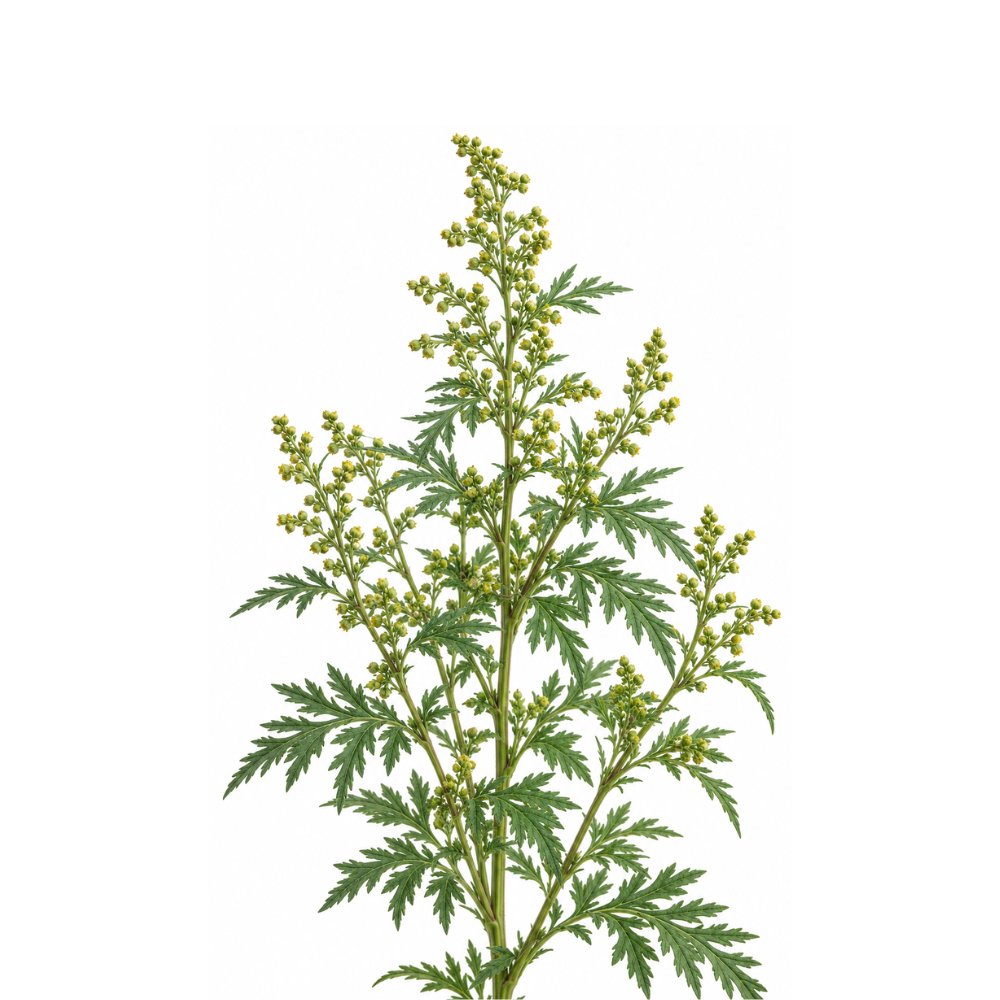
Arteannuin B is a naturally occurring sesquiterpene lactone, found in Sweet wormwood. Its toxicity is not yet characterized.
Concentration
Content by Source
Concentrations not reported. No percent-dry-weight or mg/g figures have been published for this compound in its source plants.
Research & Evidence
Arteannuin B is a sesquiterpene lactone that co-occurs with artemisinin in Artemisia annua and is frequently co-isolated with it. Chemically it is the oxidised side branch of the pathway: material that is not reduced from artemisinic acid onward to dihydroartemisinic acid diverts here instead, which makes the ratio of the two a useful readout of how a given chemotype partitions its sesquiterpene carbon.
The structural point is the one that matters clinically. Arteannuin B has the lactone but not the endoperoxide bridge — and the endoperoxide is not decoration, it is the whole mechanism: iron-catalysed cleavage generating carbon-centred radicals that alkylate parasite proteins. Without it, arteannuin B is not an antimalarial, and it should not be counted towards a preparation’s antiplasmodial content.
Sesquiterpene lactones as a class are the Asteraceae’s characteristic irritants and contact allergens, and arteannuin B is the clearest example of that class chemistry in this plant, which is worth keeping in mind alongside A. annua’s daisy-family allergy caution.
Toxicity & Safety
No isolated-compound toxicity data were located. The class-level caveat is real though non-specific: sesquiterpene lactones are the structural basis of Asteraceae contact dermatitis, via the α-methylene-γ- lactone motif that alkylates skin proteins.



