
Subclass of Terpenoids
Triterpenes
Thirty-carbon terpenes — the ursolic, boswellic, and quinovic acids and other resin and bitter principles.
Overview
About Triterpenes
Triterpenes are the thirty-carbon terpenes, formed when six isoprene units are assembled — in practice by the cyclization of squalene, the same precursor from which animals build cholesterol. Most fold into the familiar four- and five-ring frameworks: oleanane, ursane, lupane, dammarane, cucurbitane.
They are large, waxy, poorly water-soluble molecules, and they turn up wherever a plant needs a durable protective or structural chemistry — leaf cuticles, barks, resins and seed coats. Attach sugars to one and it becomes a saponin, which is why the two groups shade into each other.
Where Triterpenes Occur
Barks, waxy leaf surfaces and resins are the richest sources:
Frankincense (Boswellia)
the boswellic acids
Apple peel, rosemary, holy basil
ursolic acid
Olive leaf and many barks
oleanolic acid
Birch bark
betulin and betulinic acid
Cat's claw
the quinovic acid glycosides
Reishi and other medicinal fungi
the ganoderic acids
The free acids sit in the plant alongside their glycosides; whether a given monograph calls a compound a triterpene or a saponin usually comes down to whether the sugar is attached.
Pharmacological Importance
Anti-inflammatory activity dominates. The boswellic acids inhibit 5-lipoxygenase, a pathway distinct from the COX enzymes that NSAIDs target, which is the mechanistic argument for frankincense in inflammatory joint and bowel conditions. Ursolic and oleanolic acid show broad anti-inflammatory, hepatoprotective and — in ursolic acid's case — muscle-anabolic signals in preclinical work.
Betulinic acid is among the more-studied plant cytotoxic leads, and the ganoderic acids carry much of the pharmacology attributed to reishi.
Toxicity & Safety
The free triterpene acids are generally well tolerated and are consumed daily in ordinary foods — apple peel and olive oil among them.
Their practical limitation is not toxicity but bioavailability: these are large, greasy, poorly absorbed molecules, and many impressive in-vitro findings do not survive the journey through a human gut. Read plasma-level data before accepting a triterpene claim built on cell-culture concentrations.
Constituents
All Triterpenes
79 total#
11-Keto-beta-boswellic acid 13,18-Dehydroglaucarubinone 2'-Acetylglaucarubinone 3-Acetyl-beta-boswellic acidA
Acetyl-11-keto-beta-boswellic acid (AKBA) Acetyl-beta-boswellic acid Ailanthinone alpha-Amyrin alpha-Boswellic acid Arjungenin Arjunic acid Arjunolic acid Asiatic acid Asiaticin Azadirachtin AzadiradioneB
Bayogenin beta-Amyrin beta-Boswellic acid Beta-resinic acid Betulin Betulinic acid Brahmic acidC
Centellasapogenol A Centellicin Chebuloside II Crataegolic acid Cycloastragenol CynarageninE
Echinocystic acid Entagenic acidF
Faradiol Faradiol monoesters Friedelin FriedelinsG
Ganoderic acid B Ganoderiol F Ganodermadiol Ganodermasides Gedunin Germanicol Glaucarubinone Glaucarubolone Glycyrrhetinic acid GypsogeninH
Hederagenin HolacanthoneI
Isothankunic acidL
Lebbecacidin Lucidumol Lupenone Lupeol Lupeol AcetateM
Madasiatic acid Madecassic acid Mesembryanthemoidigenic acid Momordicin MomordicosideN
Nimbidin Nimbin Nimbolide NortriterpenoidsO
Oleanolic acidP
Pfaffic Acid Pomolic acid PseudotaraxasterolS
Salannin Schizandronic acid Simalikalactone D SqualeneT
Taraxasterol Taraxerol Terminic acid Terminolic acid Thankunic acid Triterpenoids Triterpenol alcoholsU
Ursolic acidW
Withanolide ANo triterpenes match.
Source Plants
Herbs Containing Triterpenes
63 herbsPlants in the materia medica documented to carry triterpenes, with the compounds each one is listed for. The bar counts how many DISTINCT triterpenes are on record for a plant, relative to the best-documented — it measures breadth of record, not potency, so a plant with one well-studied compound can outrank a richer source that has simply been analysed less. Where a measured concentration is on record it is quoted inline; most entries have none yet.
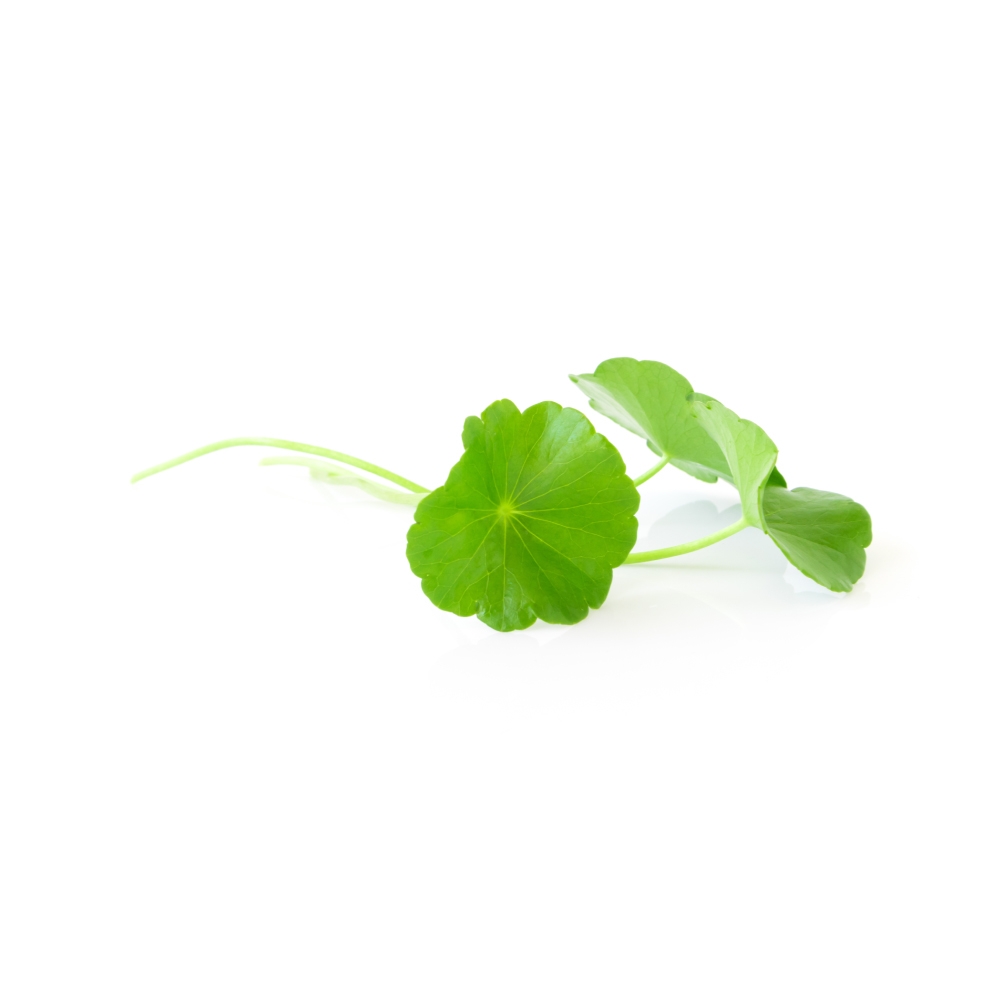 Gotu Kola Centella asiatica Documented for asiatic acid (0.02–0.29 % dry wt), madecassic acid (0.02–0.72 % dry wt), asiaticin and 11 more triterpenes.
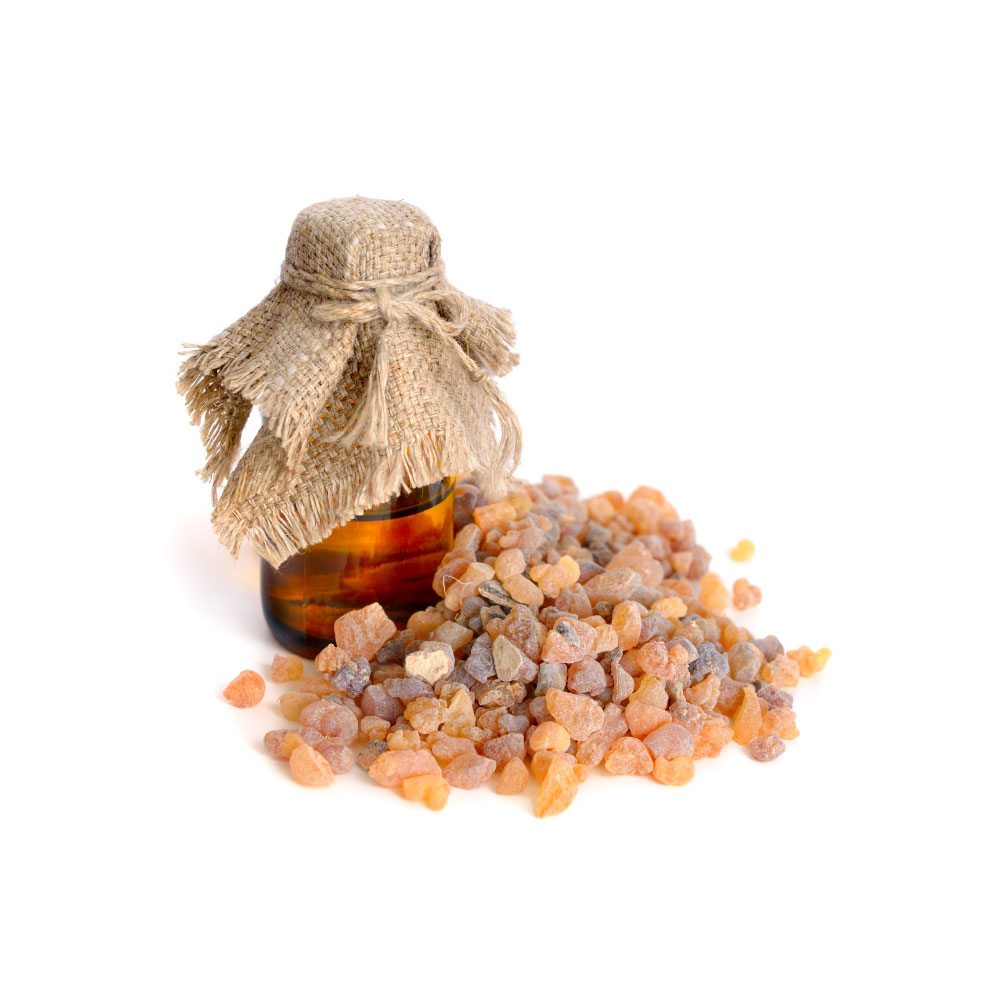 Frankincense Boswellia serrata Documented for 11-keto-beta-boswellic acid, 3-acetyl-beta-boswellic acid, acetyl-11-keto-beta-boswellic acid (AKBA) and 4 more triterpenes.
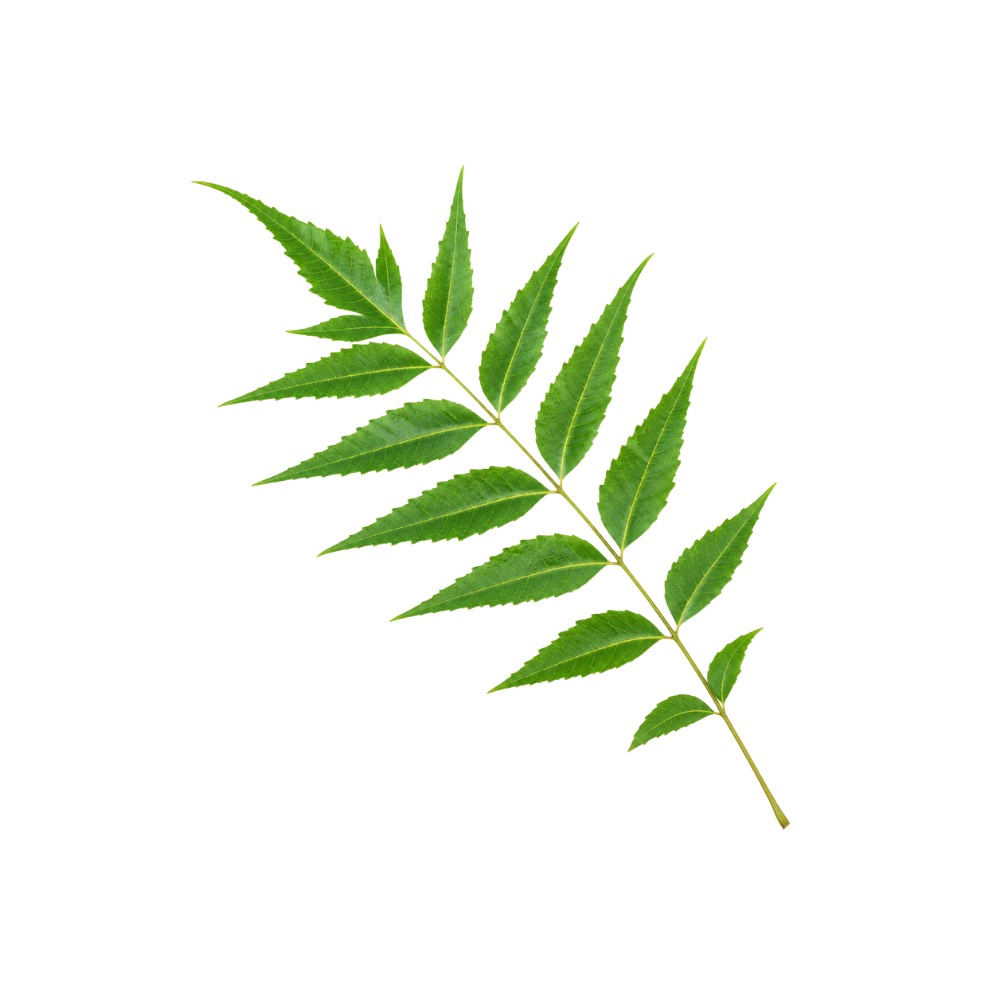 Neem Azadirachta indica Documented for azadirachtin, azadiradione, gedunin and 4 more triterpenes.
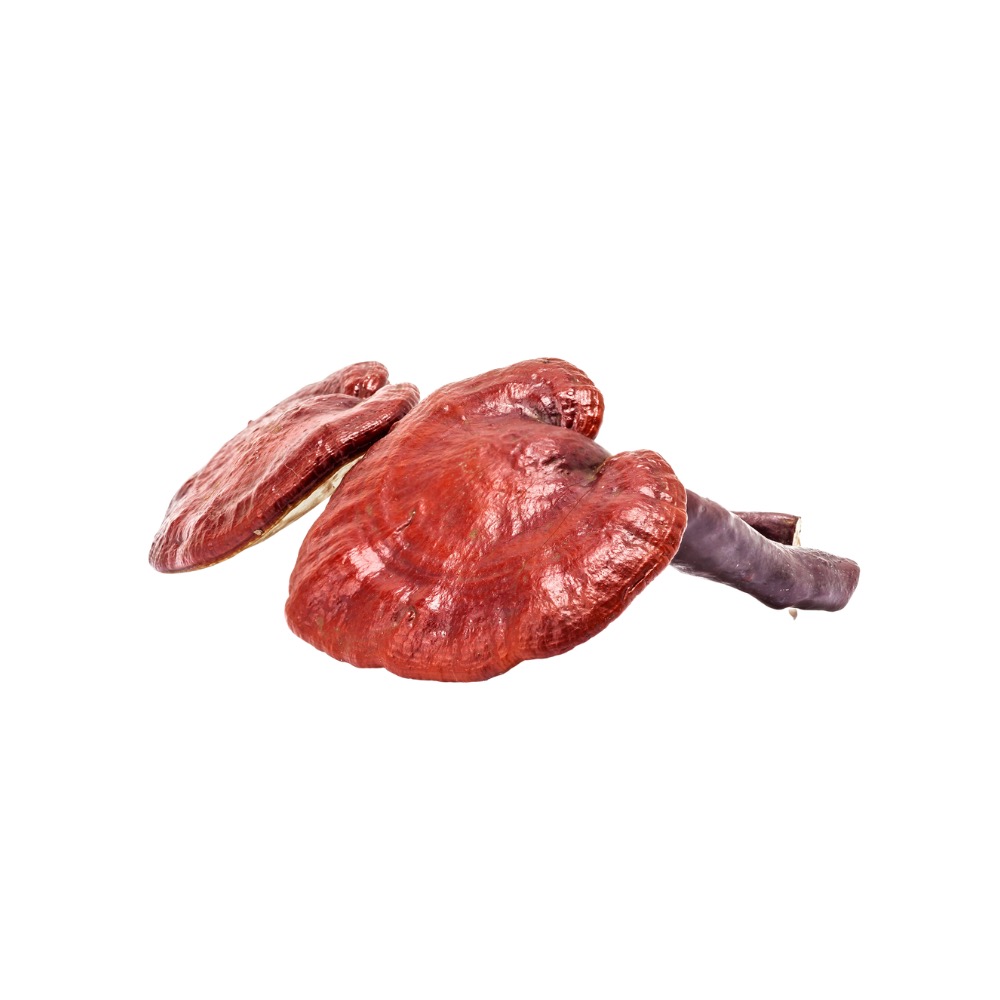 Reishi Ganoderma lucidum Documented for ganoderic acid B, ganoderiol F, ganodermadiol and 4 more triterpenes.
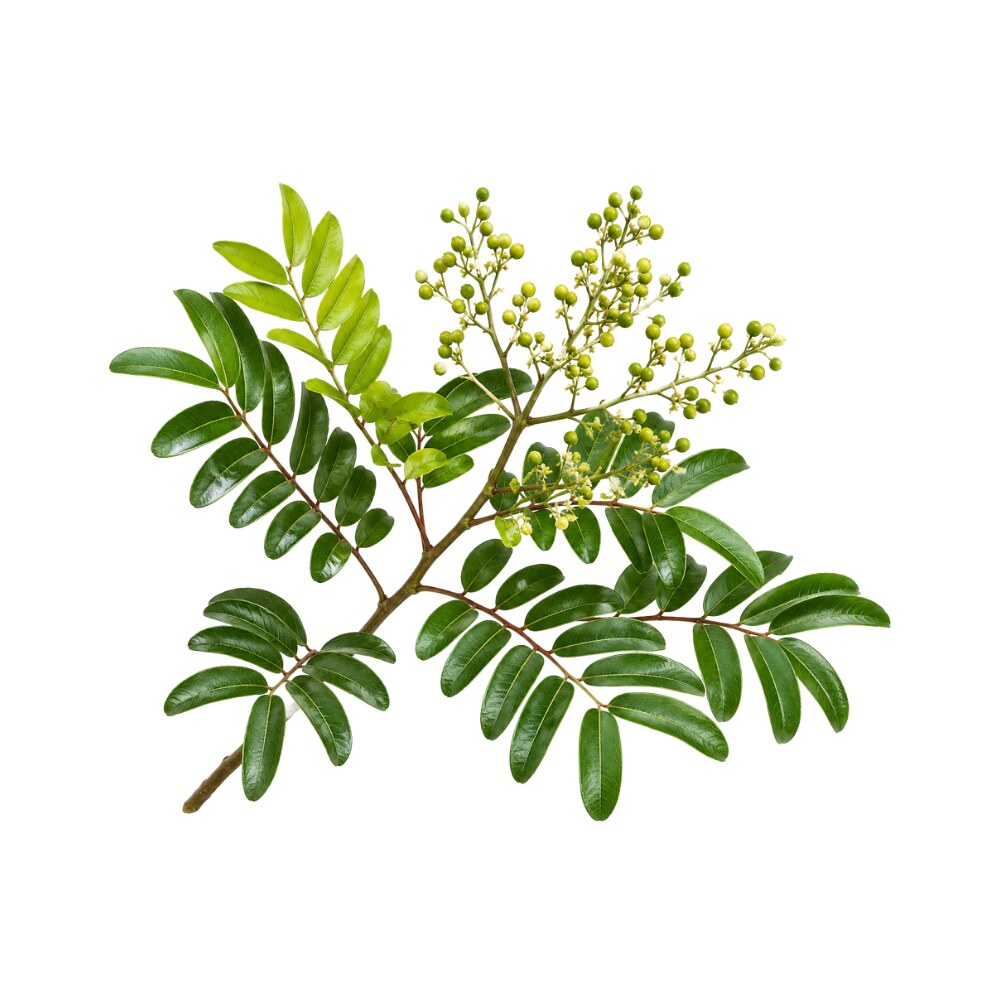 Simarouba Simarouba amara Documented for 13,18-dehydroglaucarubinone, 2'-acetylglaucarubinone, ailanthinone and 4 more triterpenes.
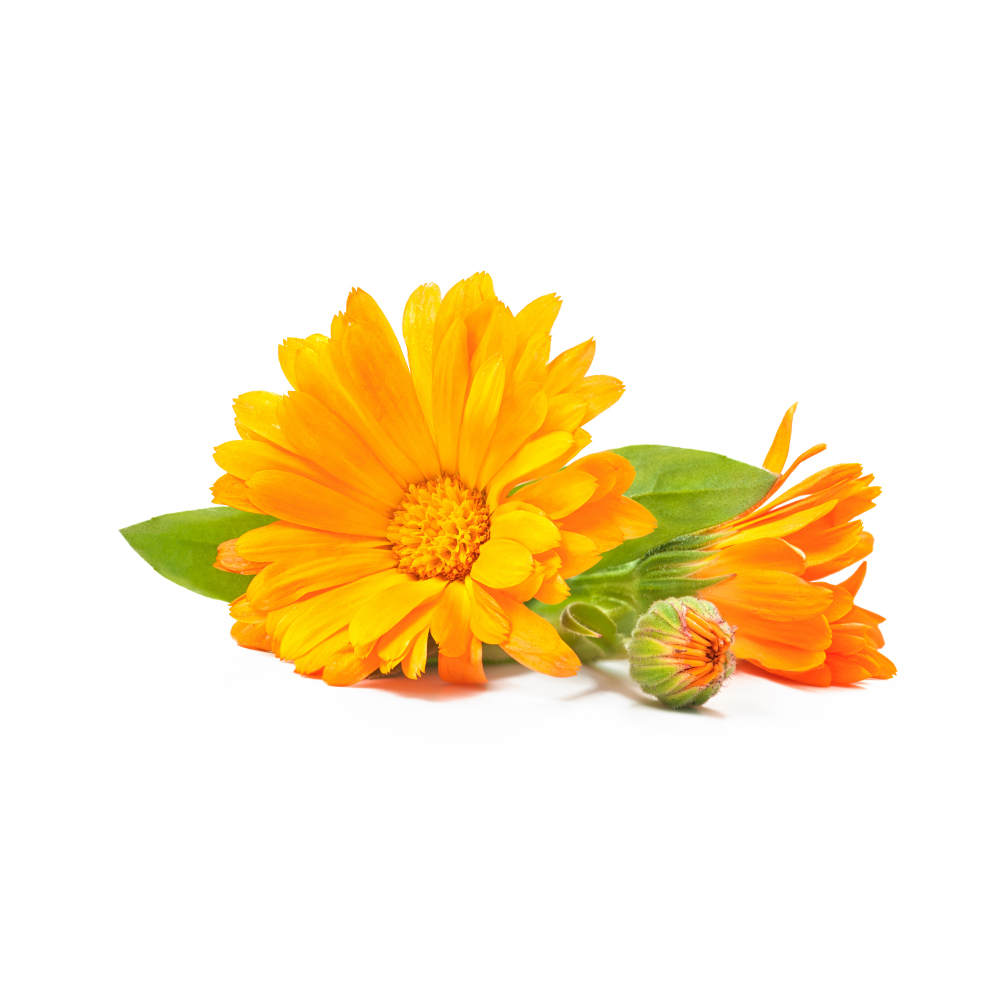 Calendula Calendula officinalis Documented for faradiol, faradiol monoesters, oleanolic acid and 3 more triterpenes.
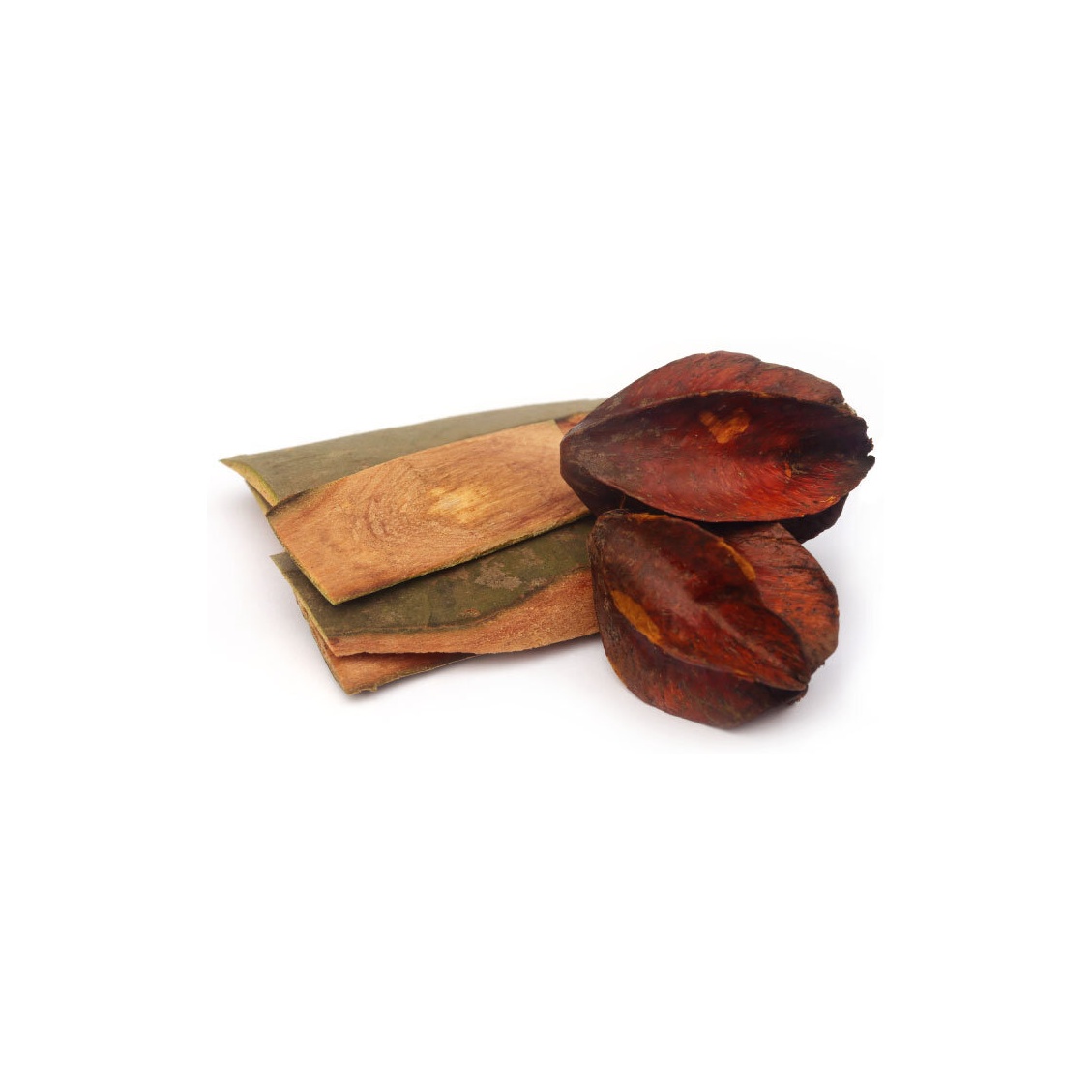 Arjuna Terminalia arjuna Documented for arjungenin (0.3 % dry wt), arjunolic acid (0.5 % dry wt), arjunic acid and 2 more triterpenes.
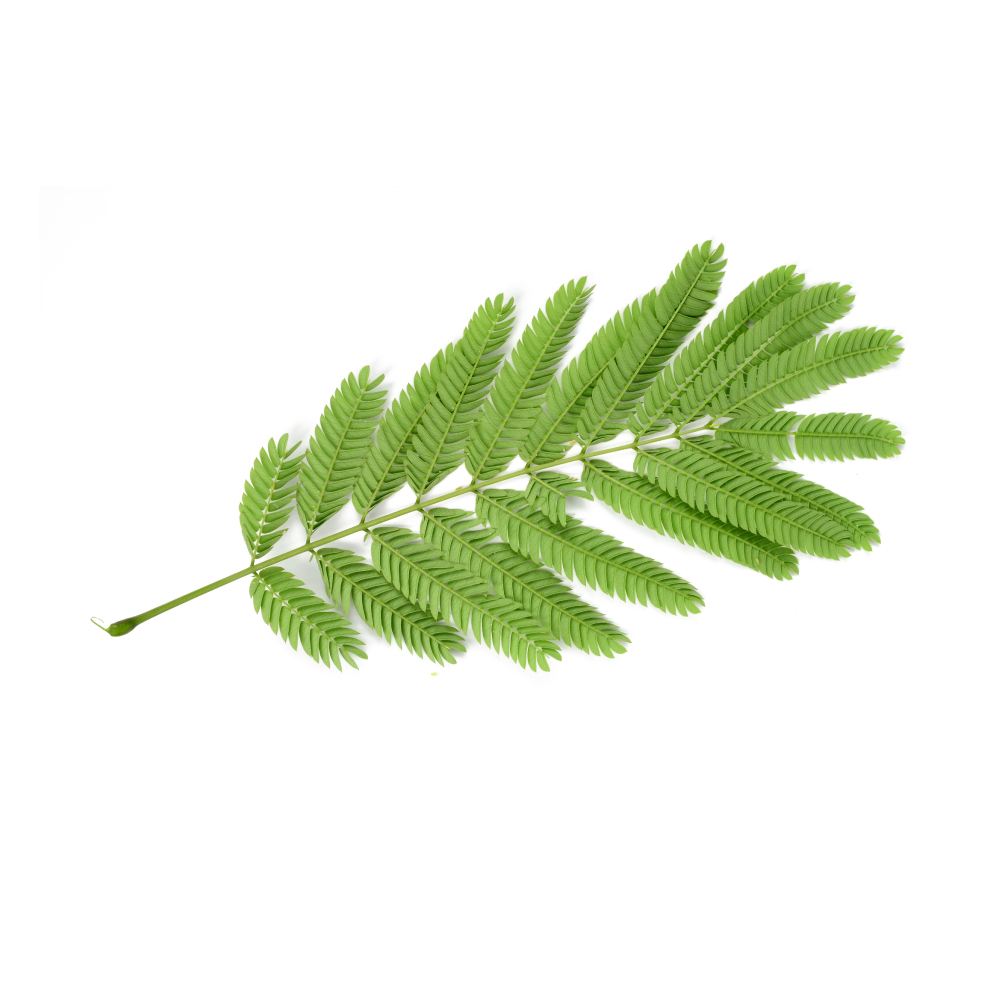 Albizzia Albizzia lebbeck Documented for echinocystic acid, lebbecacidin, lupenone and 1 more.
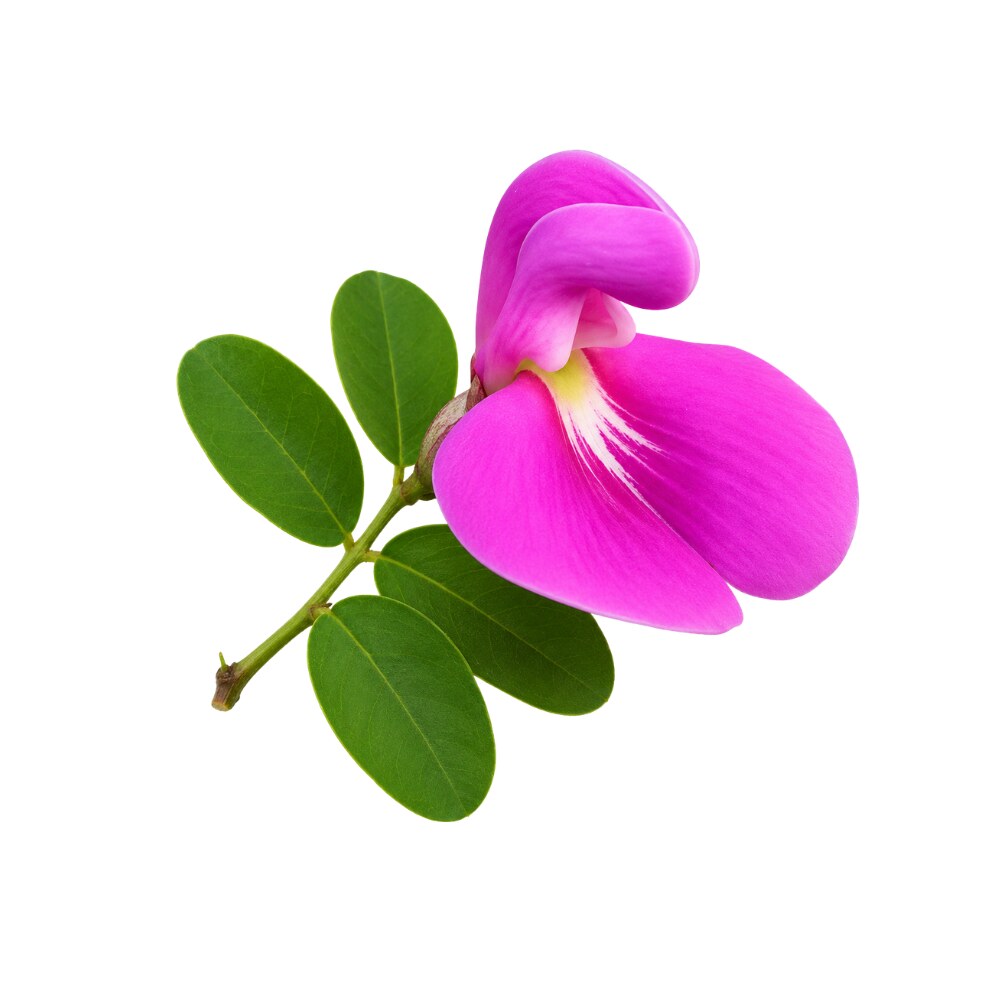 Bay Bean Canavalia rosea Documented for alpha-amyrin, betulinic acid, oleanolic acid and 1 more.
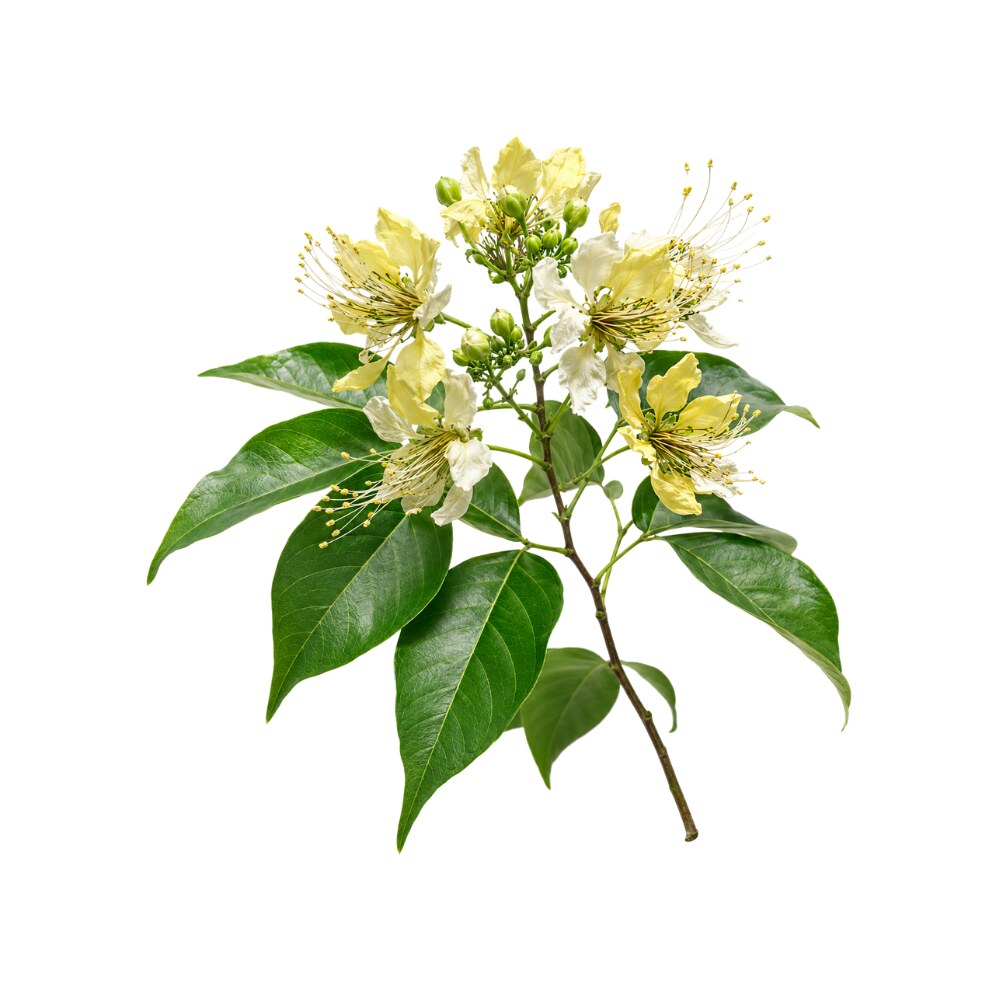 Crataeva Crataeva nurvala Documented for betulin, betulinic acid, lupeol and 1 more.
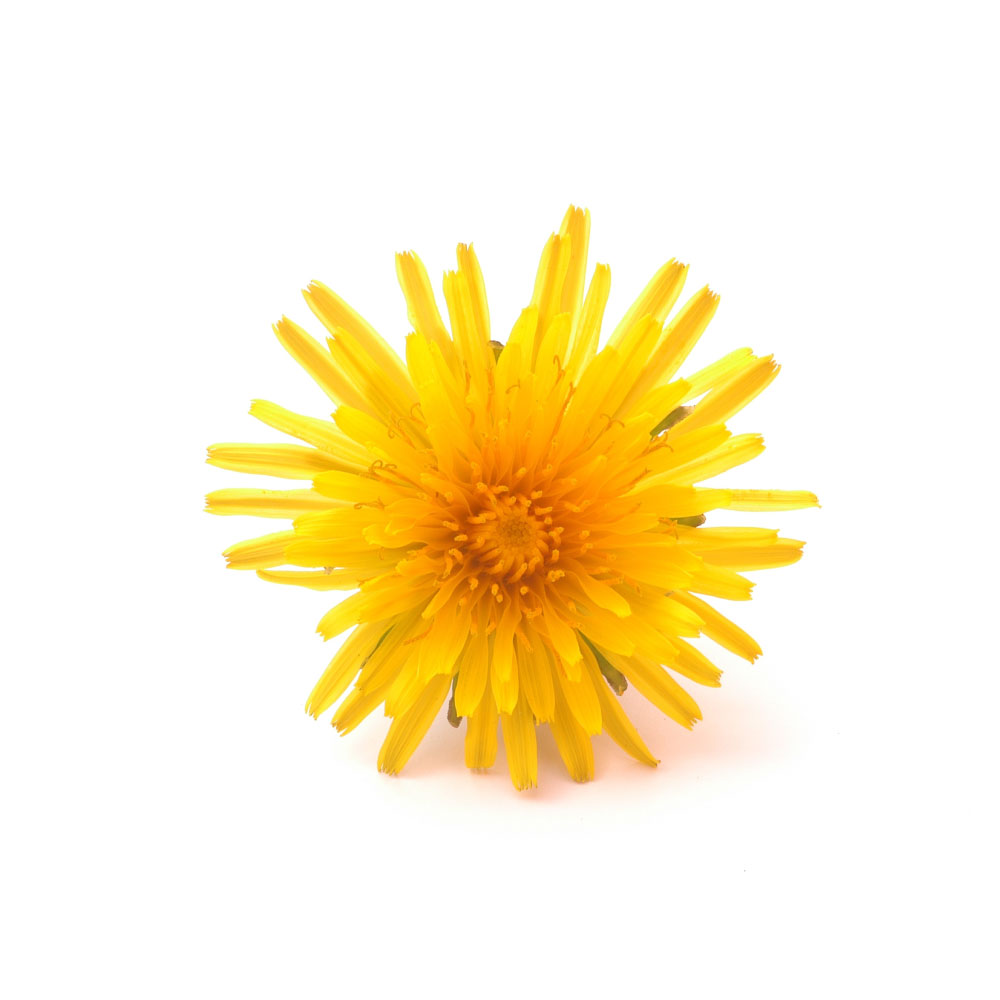 Dandelion Taraxacum officinale Documented for lupeol, taraxasterol, taraxerol and 1 more.
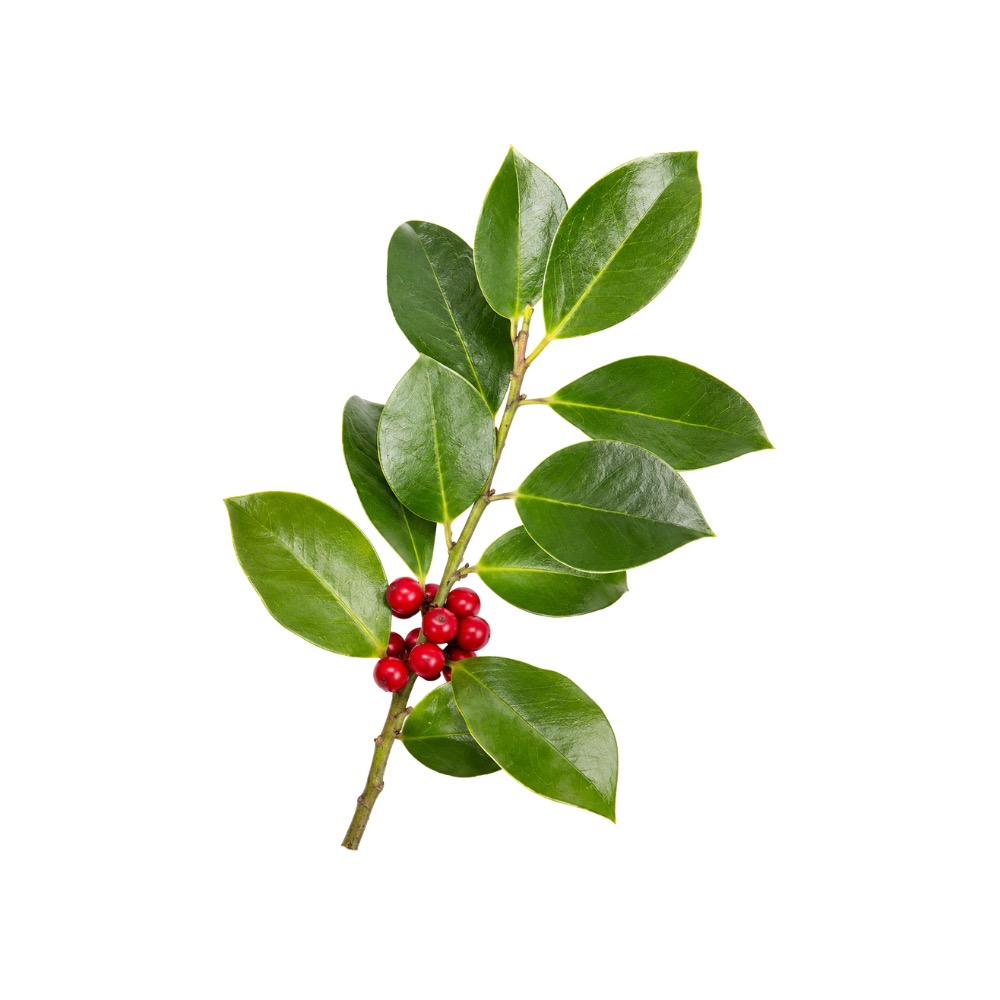 Guayusa Ilex guayusa Documented for alpha-amyrin, beta-amyrin, oleanolic acid and 1 more.
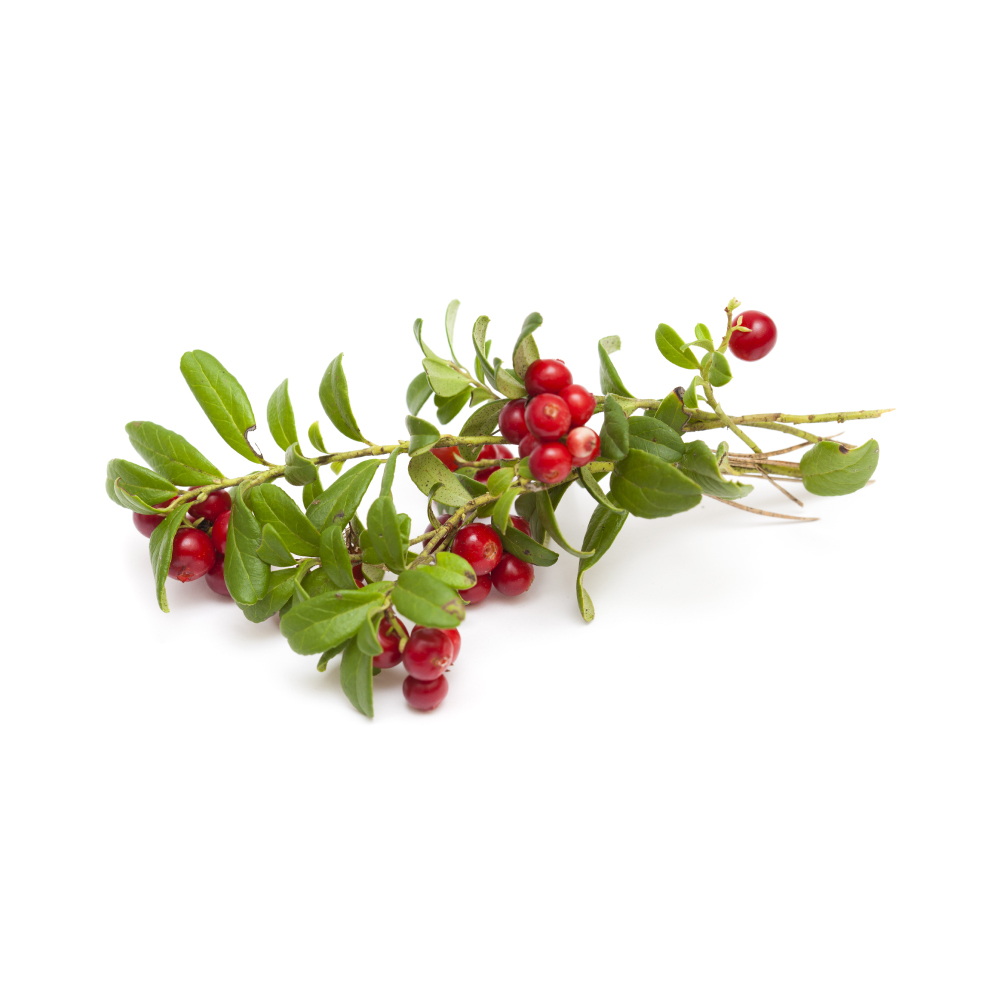 Bearberry Arctostaphylos uva-ursi Documented for ursolic acid (1.24 % dry wt), beta-amyrin, triterpenes. Chaga Inonotus obliquus Documented for betulin, betulinic acid, triterpenes.
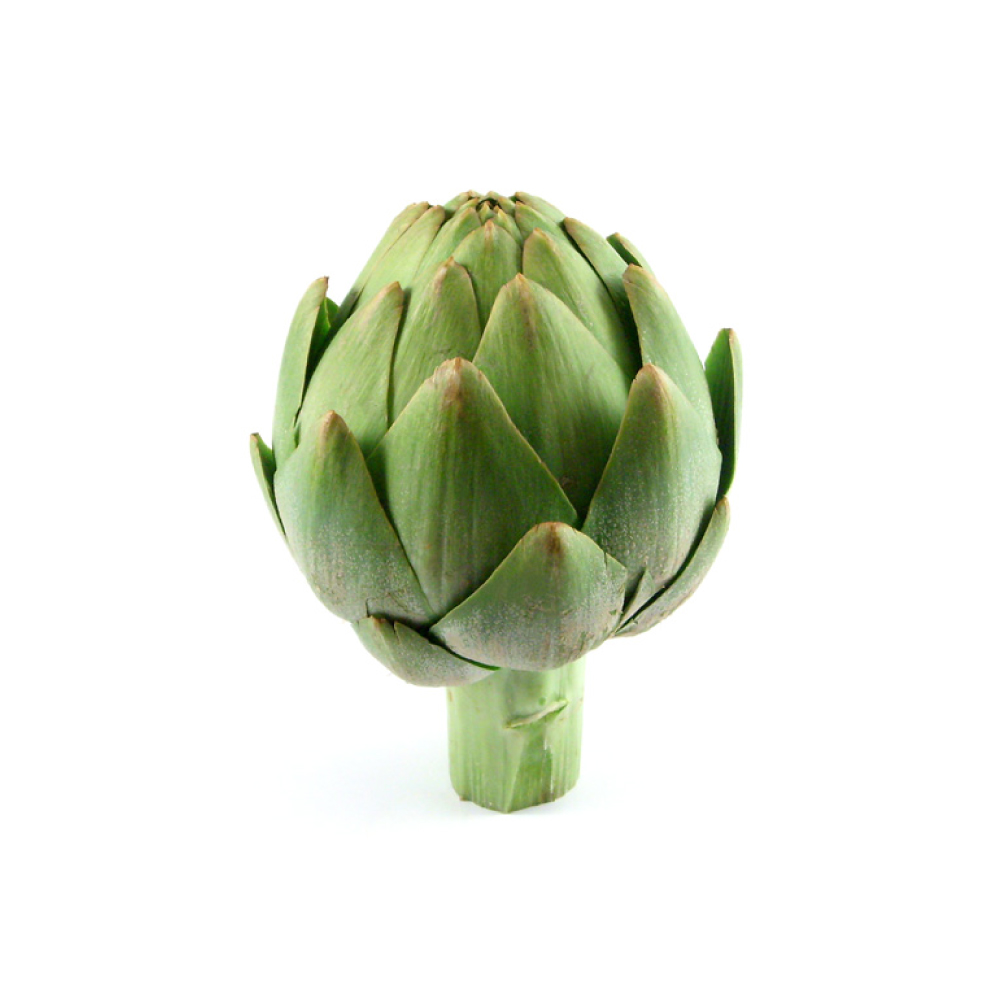 Globe Artichoke Cynara scolymus Documented for cynaragenin, pseudotaraxasterol, taraxasterol.
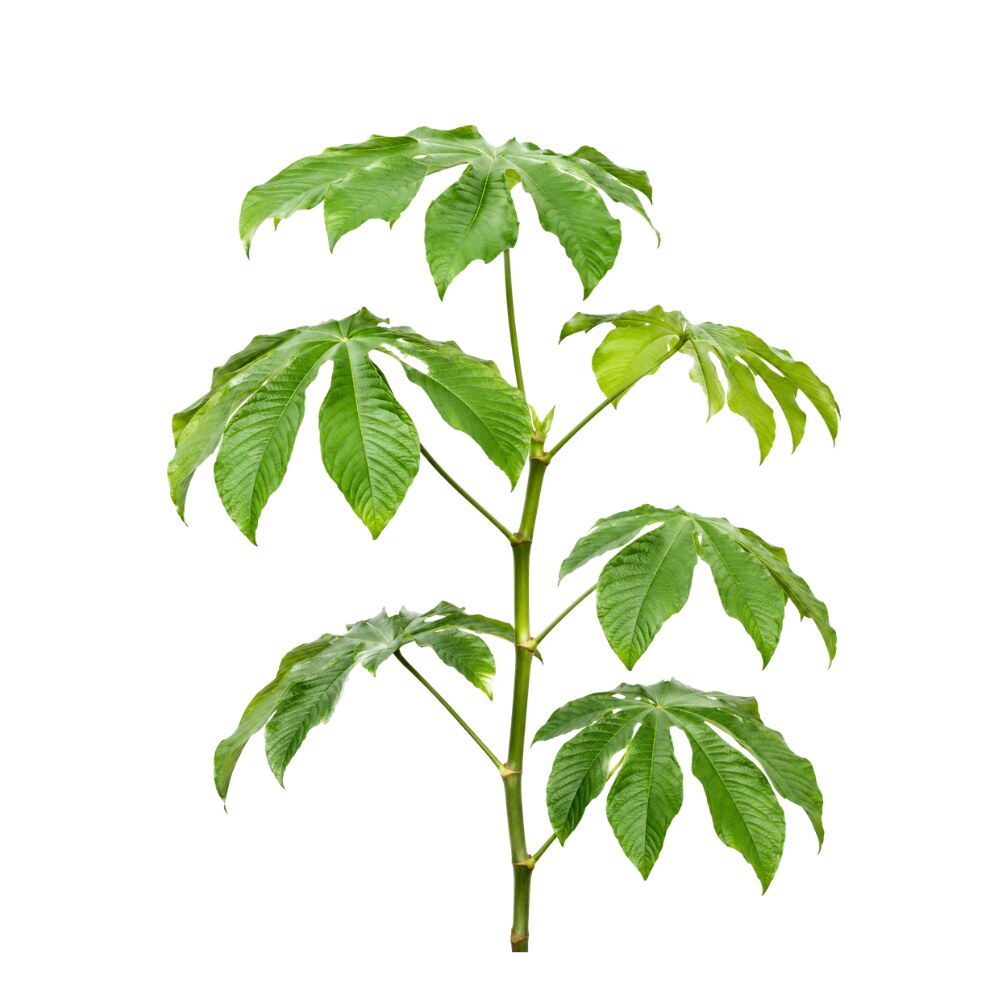 Guamura Cecropia obtusifolia Documented for betulinic acid, oleanolic acid, ursolic acid.
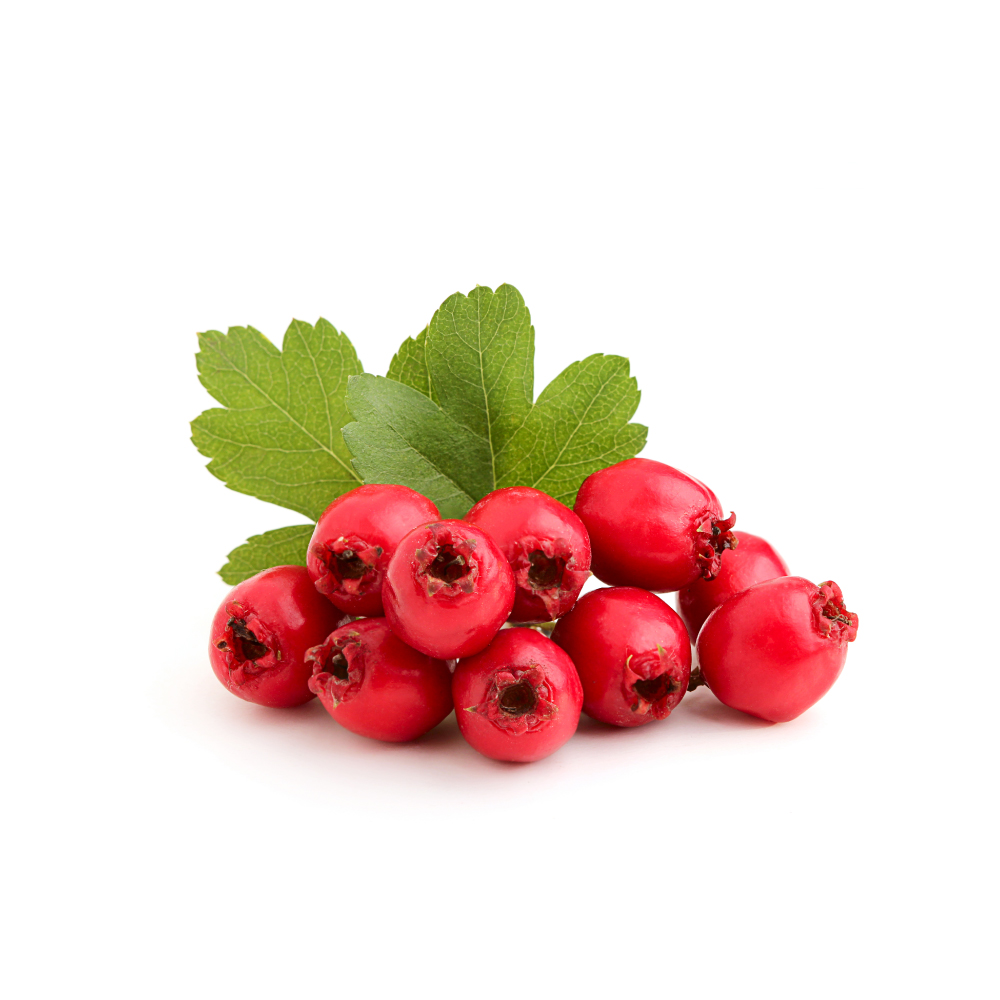 Hawthorn Crataegus oxyacantha Documented for crataegolic acid, oleanolic acid, ursolic acid.
 Muira Puama Ptychopetalum olacoides Documented for beta-resinic acid, lupeol, triterpenes.
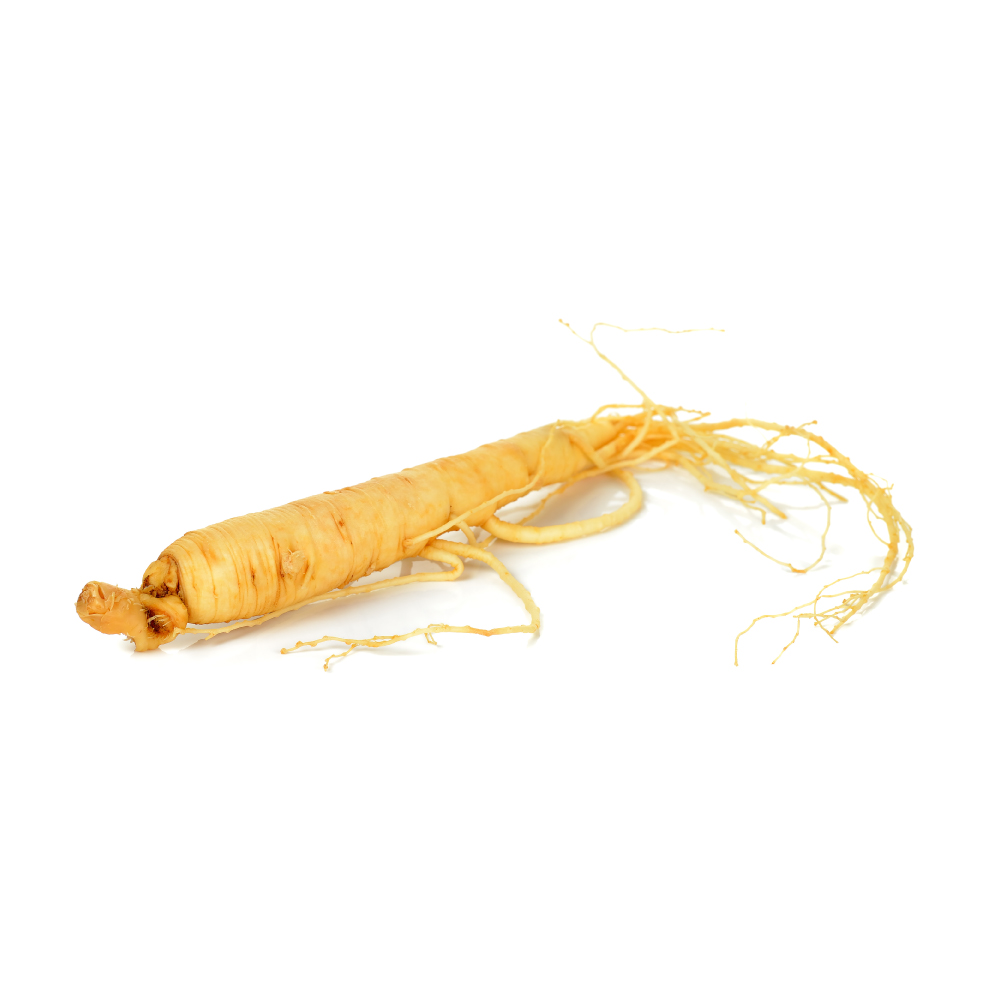 Suma Pfaffia paniculata Documented for pfaffic acid (1–4 % dry wt), mesembryanthemoidigenic acid, nortriterpenoids.
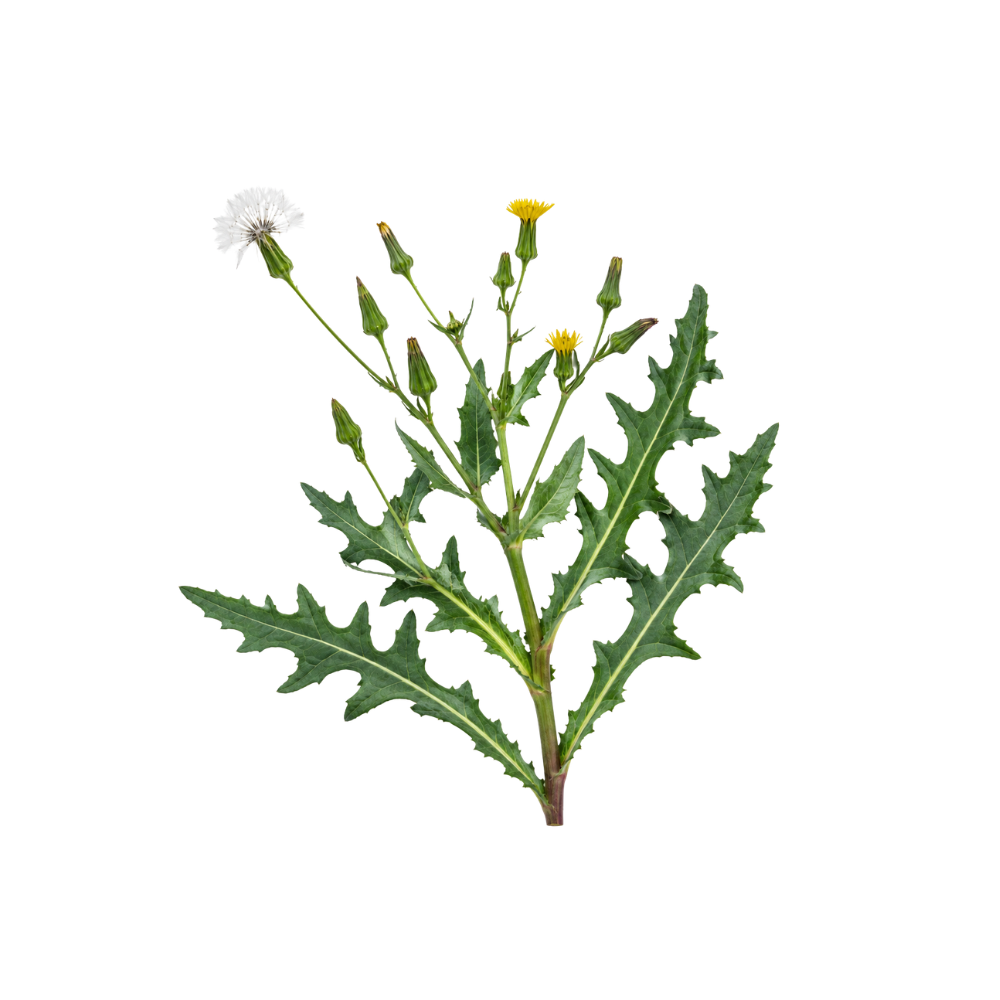 Wild Lettuce Lactuca virosa Documented for germanicol, lupeol, taraxasterol.
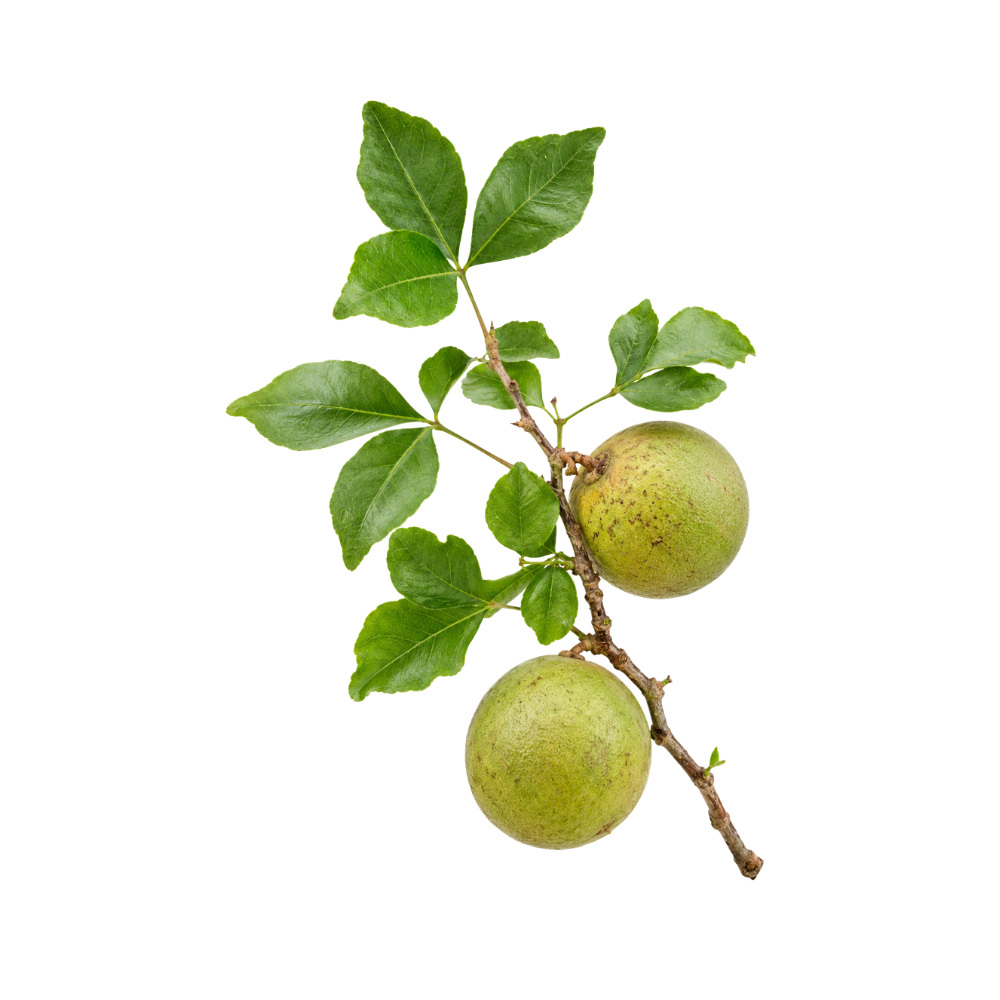 Bael Aegle marmelos Documented for betulinic acid, lupeol. Bitter Melon Momordica charantia Documented for momordicin, momordicoside.
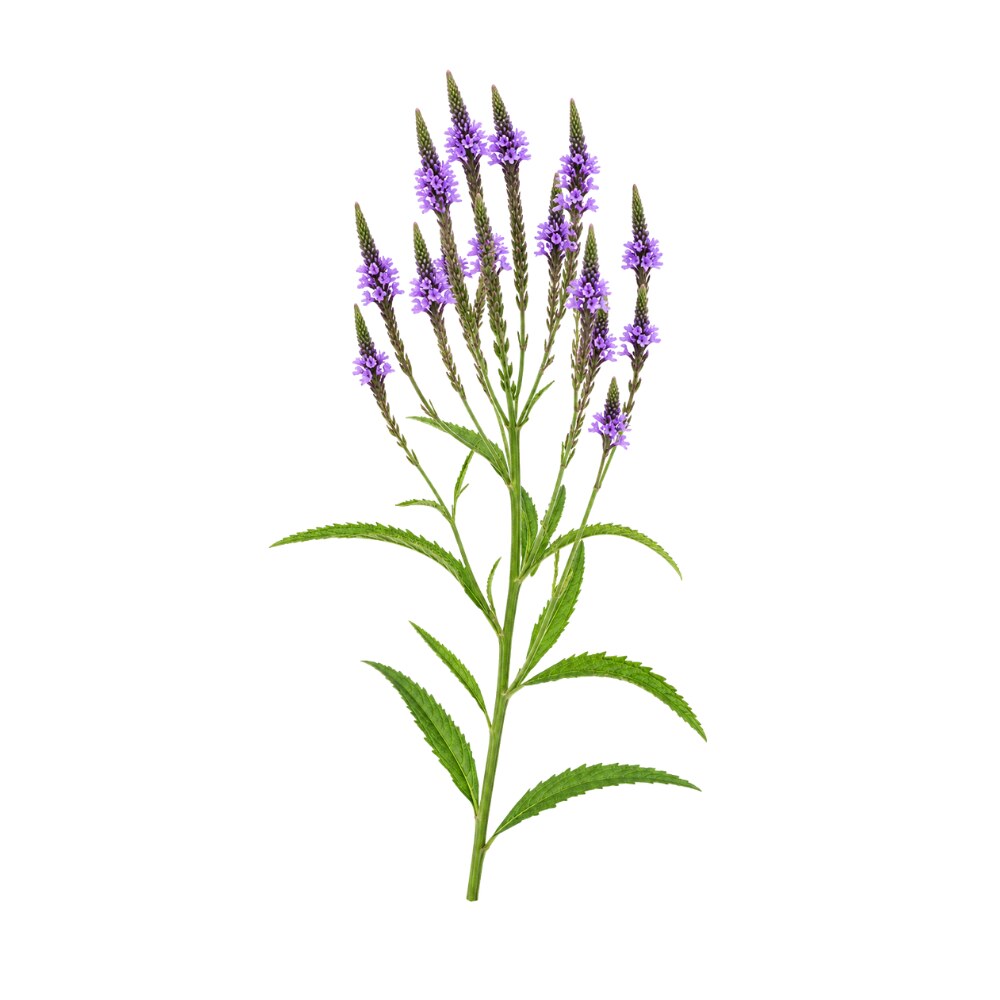 Blue Vervain Verbena hastata Documented for oleanolic acid, ursolic acid.
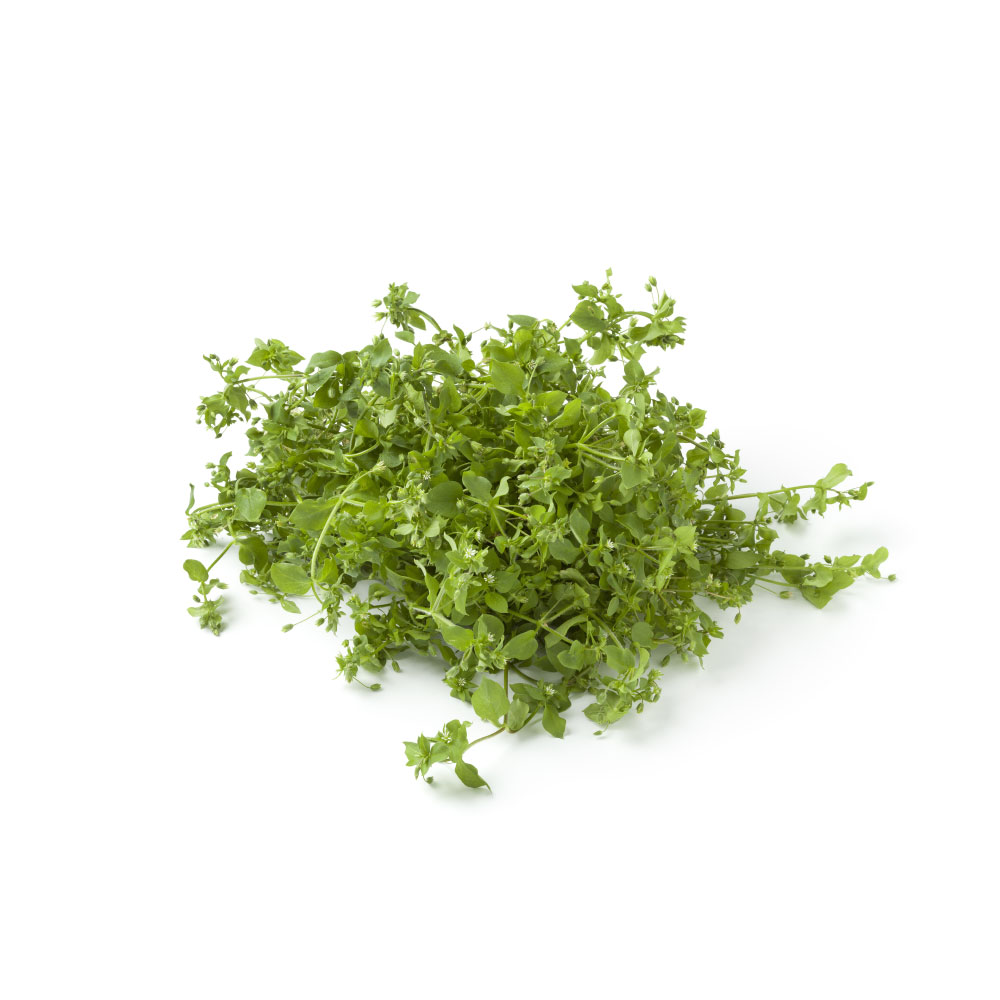 Chickweed Stellaria media Documented for gypsogenin, oleanolic acid.
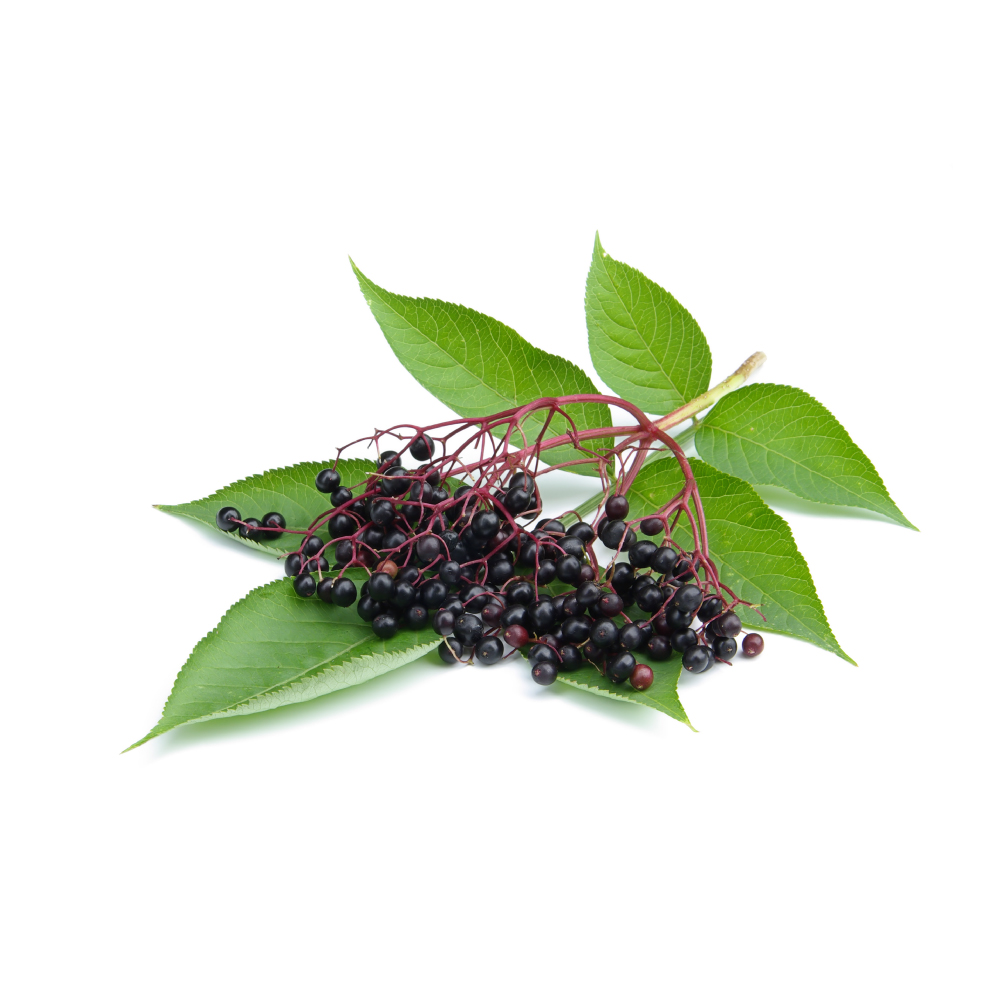 Elderberry Sambucus nigra Documented for triterpenoids, ursolic acid.
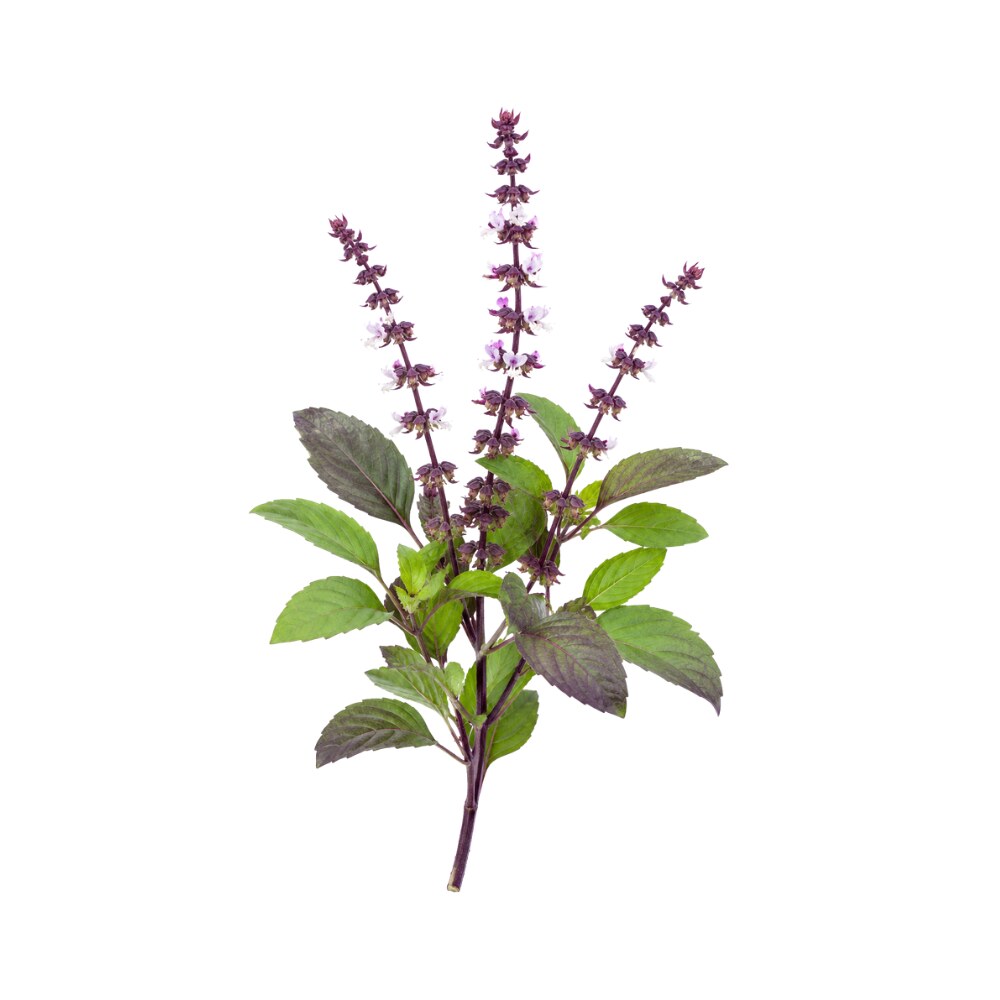 Holy Basil Ocimum tenuiflorum Documented for oleanolic acid, ursolic acid.
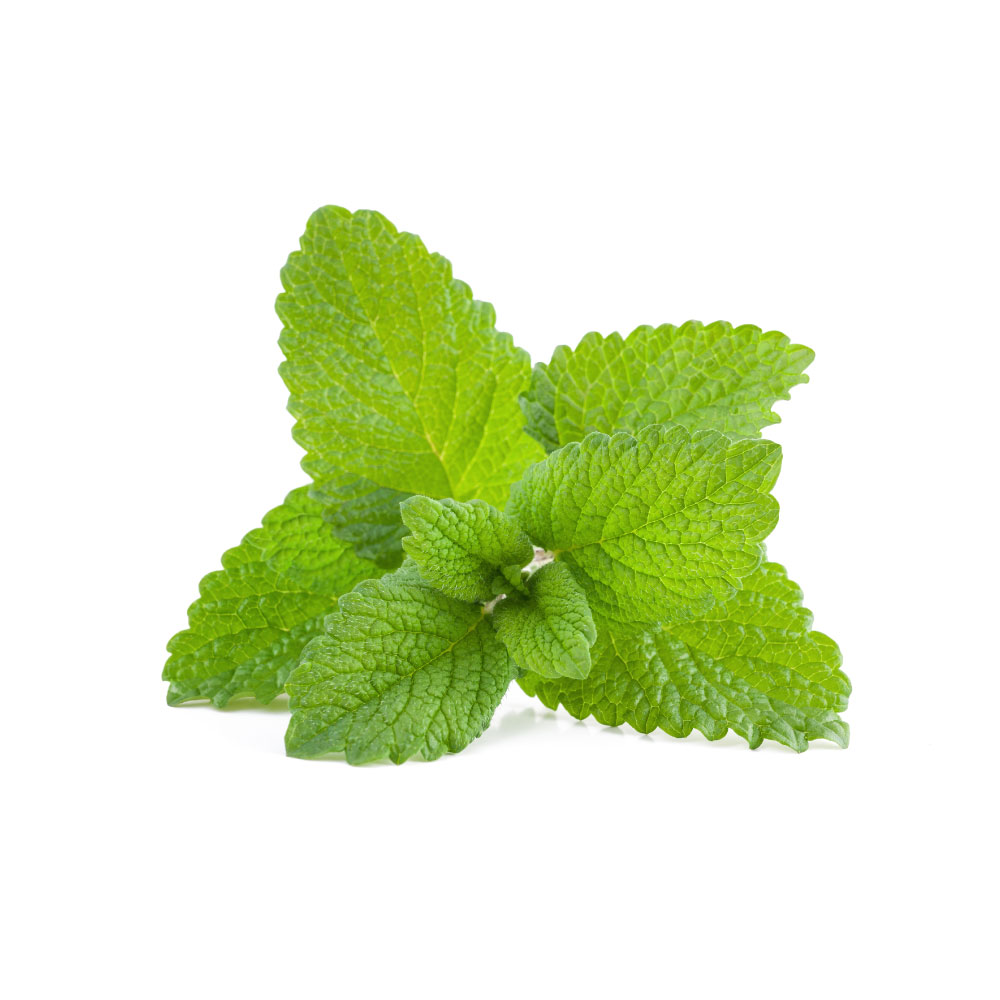 Melissa Melissa officinalis Documented for oleanolic acid, ursolic acid.
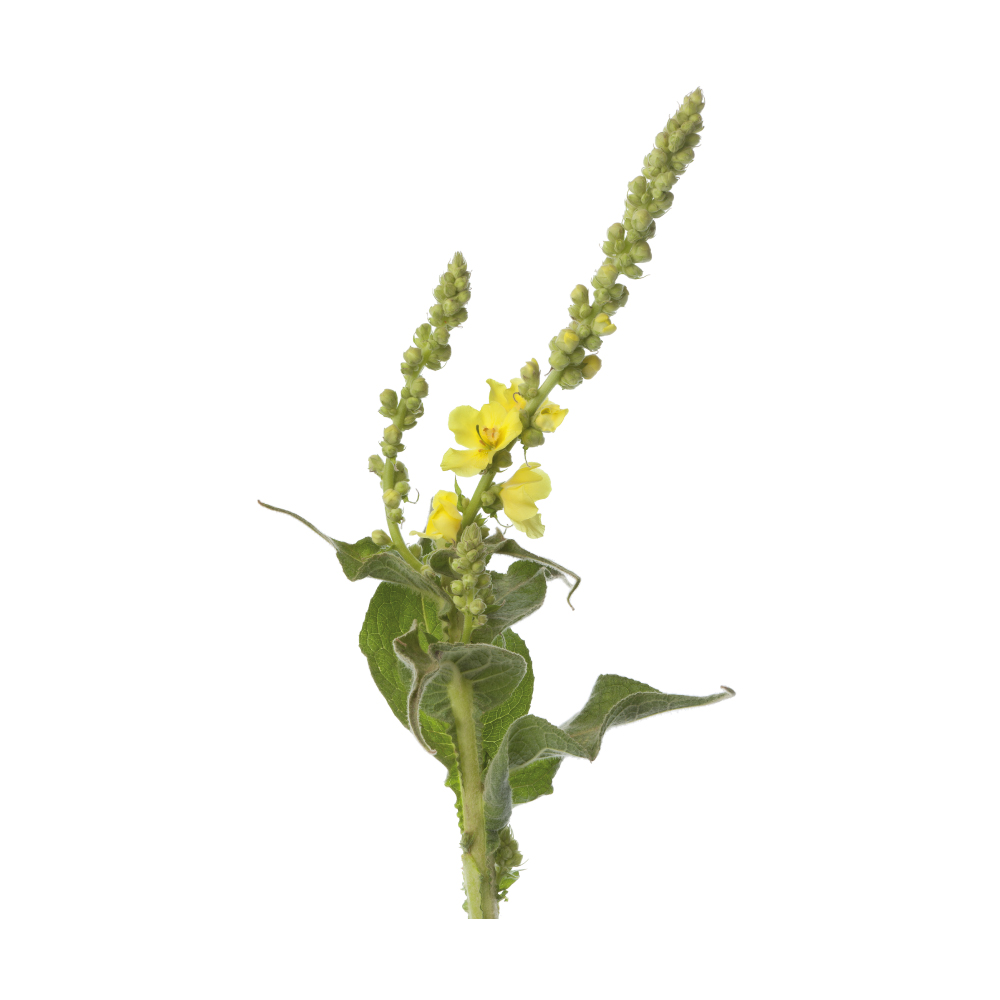 Mullein Verbascum thapsus Documented for lupeol, oleanolic acid.
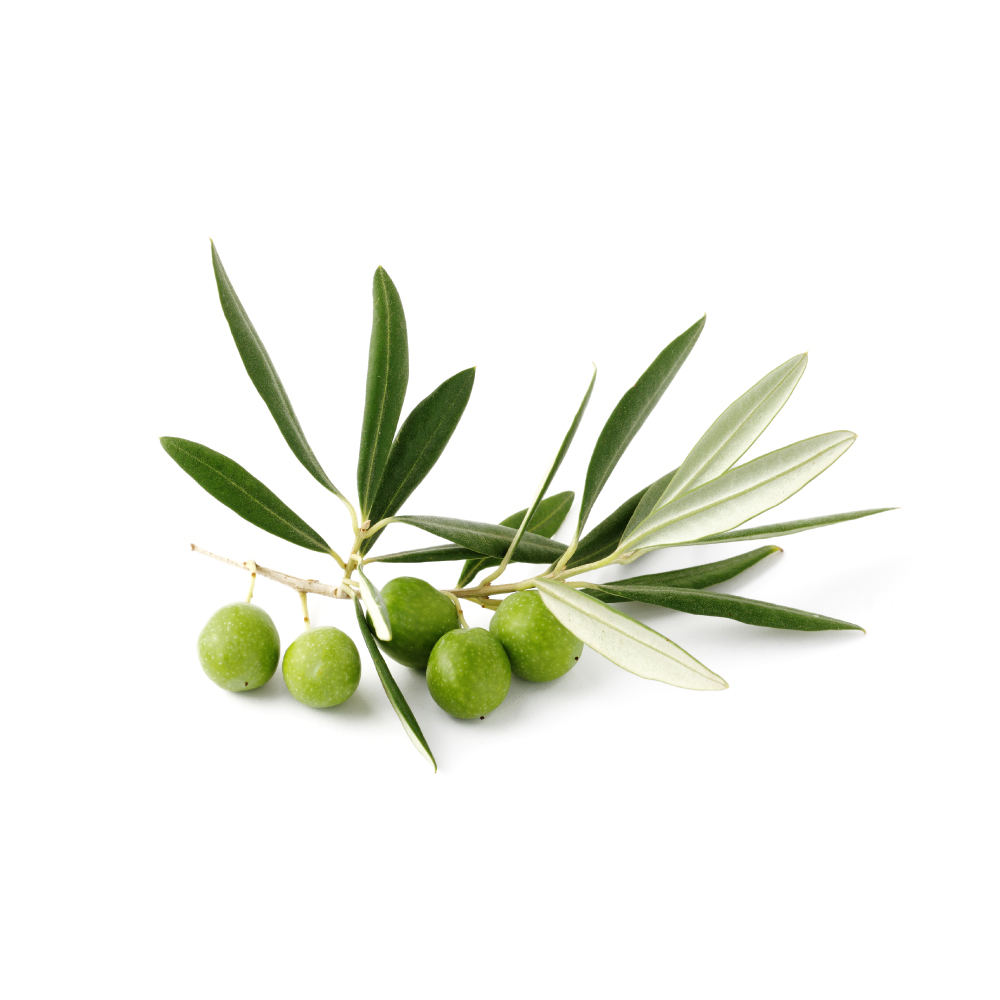 Olive Leaf Olea europaea Documented for oleanolic acid, triterpenes.
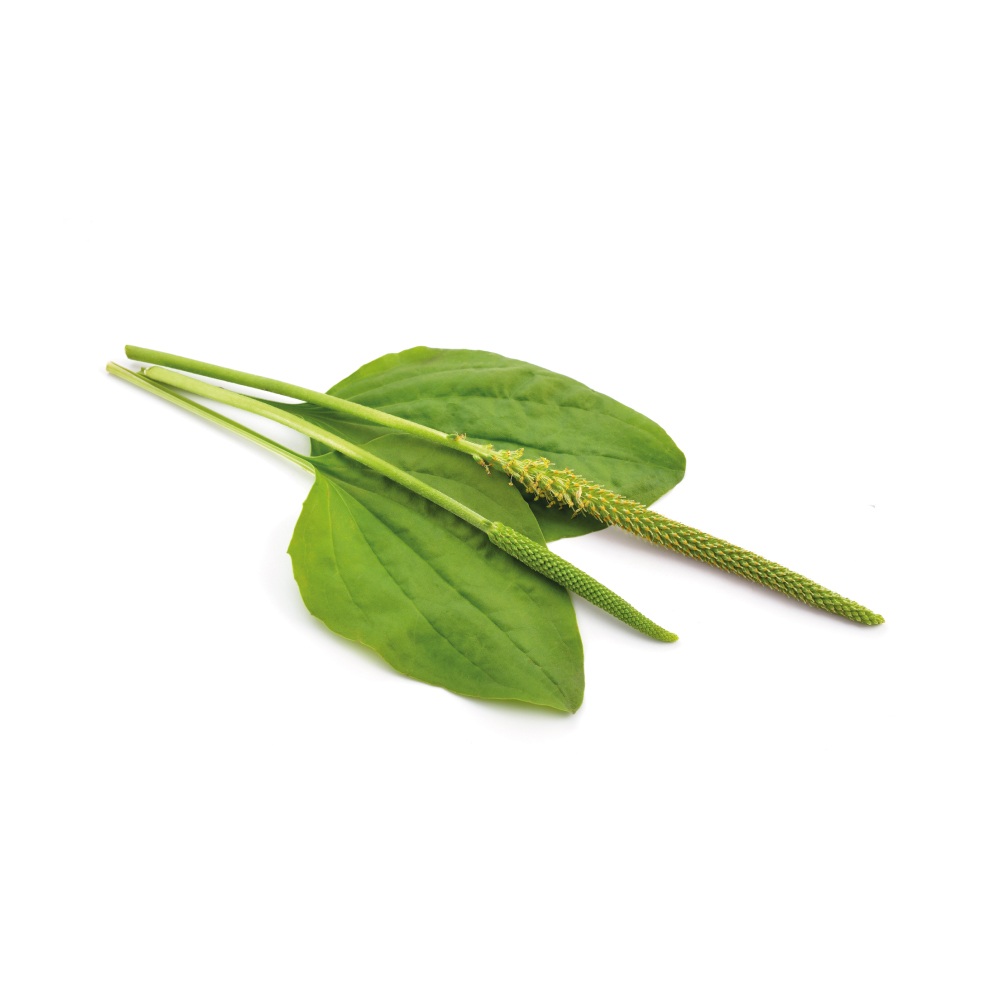 Plantain Plantago major Documented for oleanolic acid, ursolic acid.
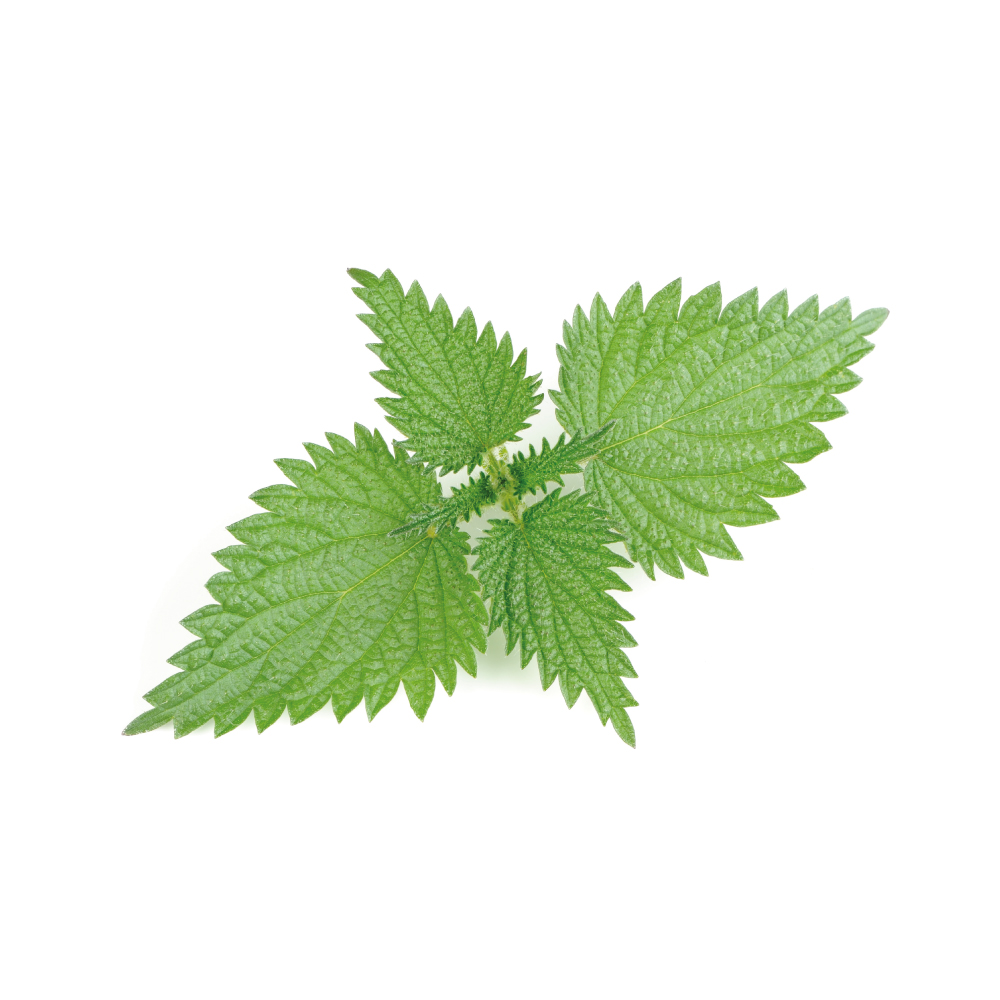 Stinging Nettle Urtica dioica Documented for friedelins, lupeol.
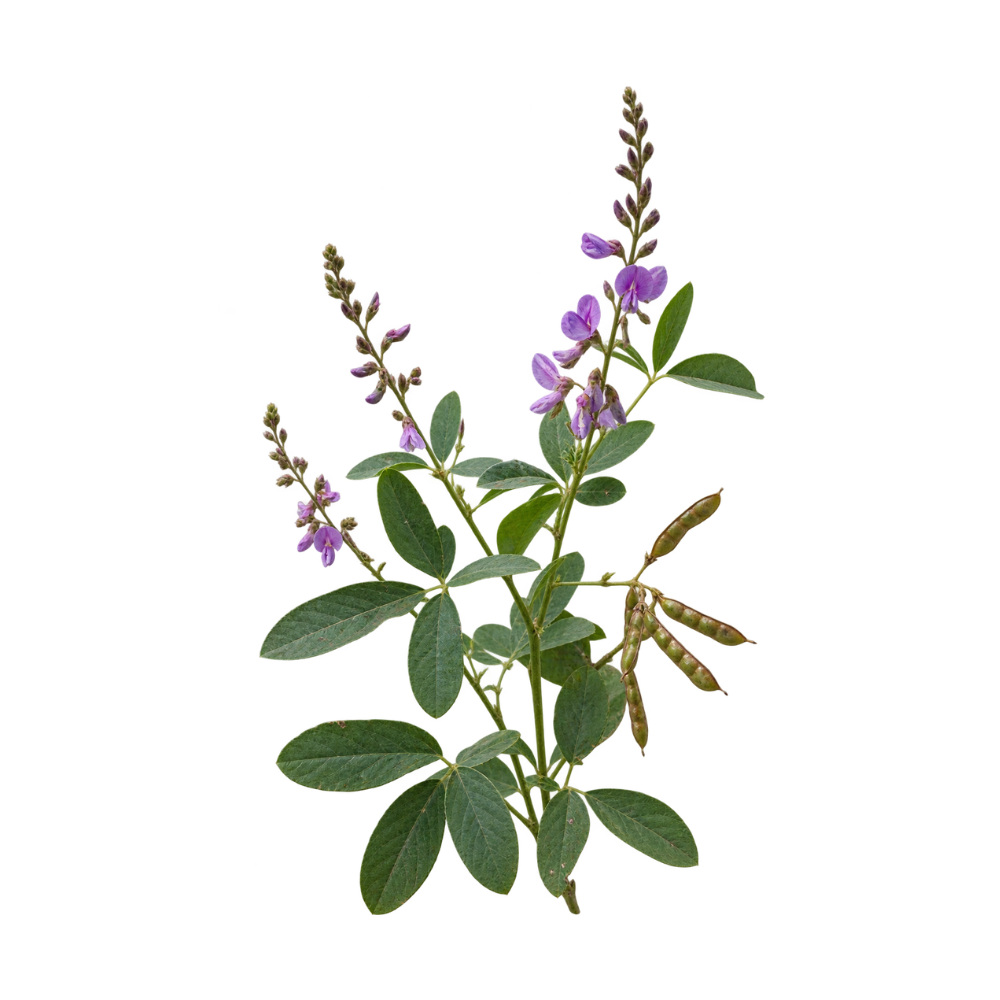 Tick Trefoil Desmodium spp. Documented for betulinic acid, lupeol.
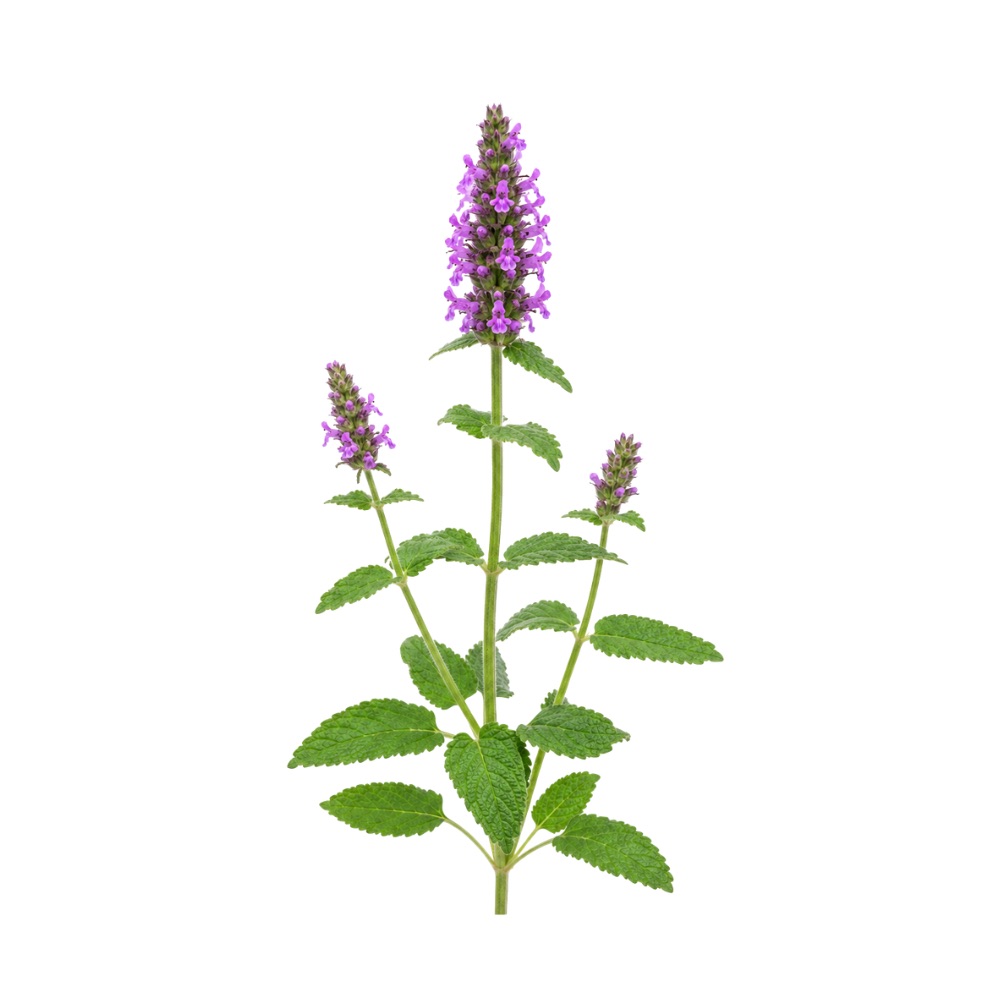 Wood Betony Stachys officinalis Documented for oleanolic acid, ursolic acid.
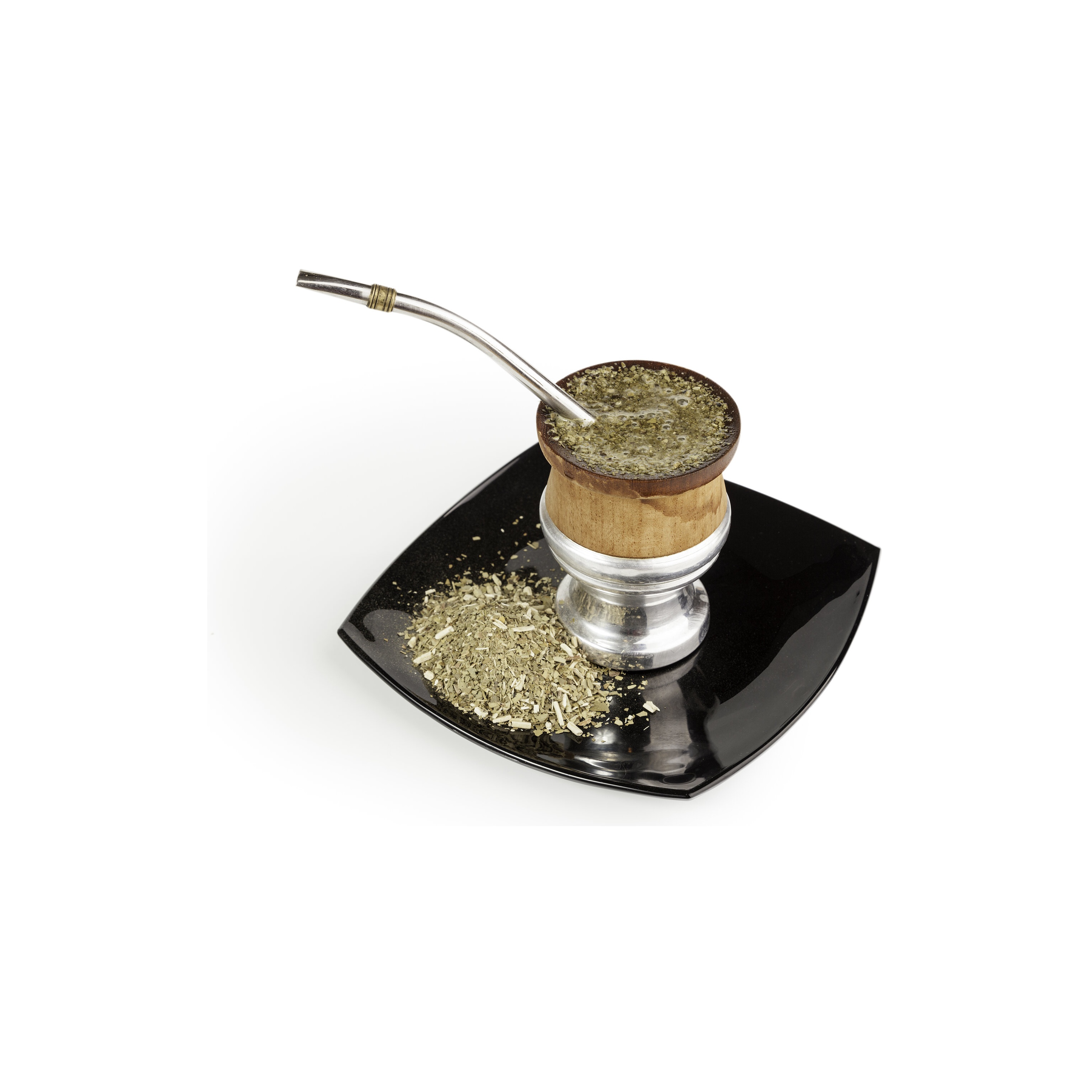 Yerba Maté Ilex paraguariensis Documented for oleanolic acid, ursolic acid.
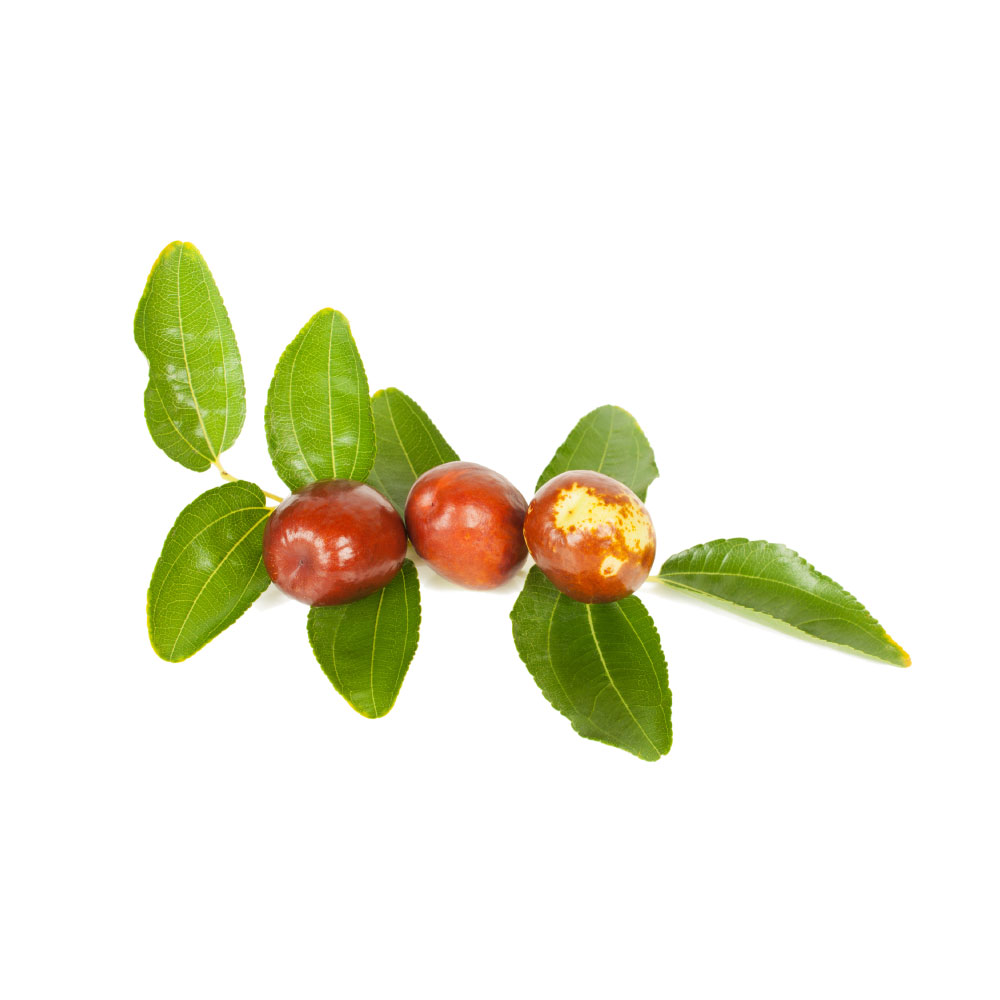 Zizyphus Ziziphus spinosa Documented for betulinic acid, oleanolic acid.
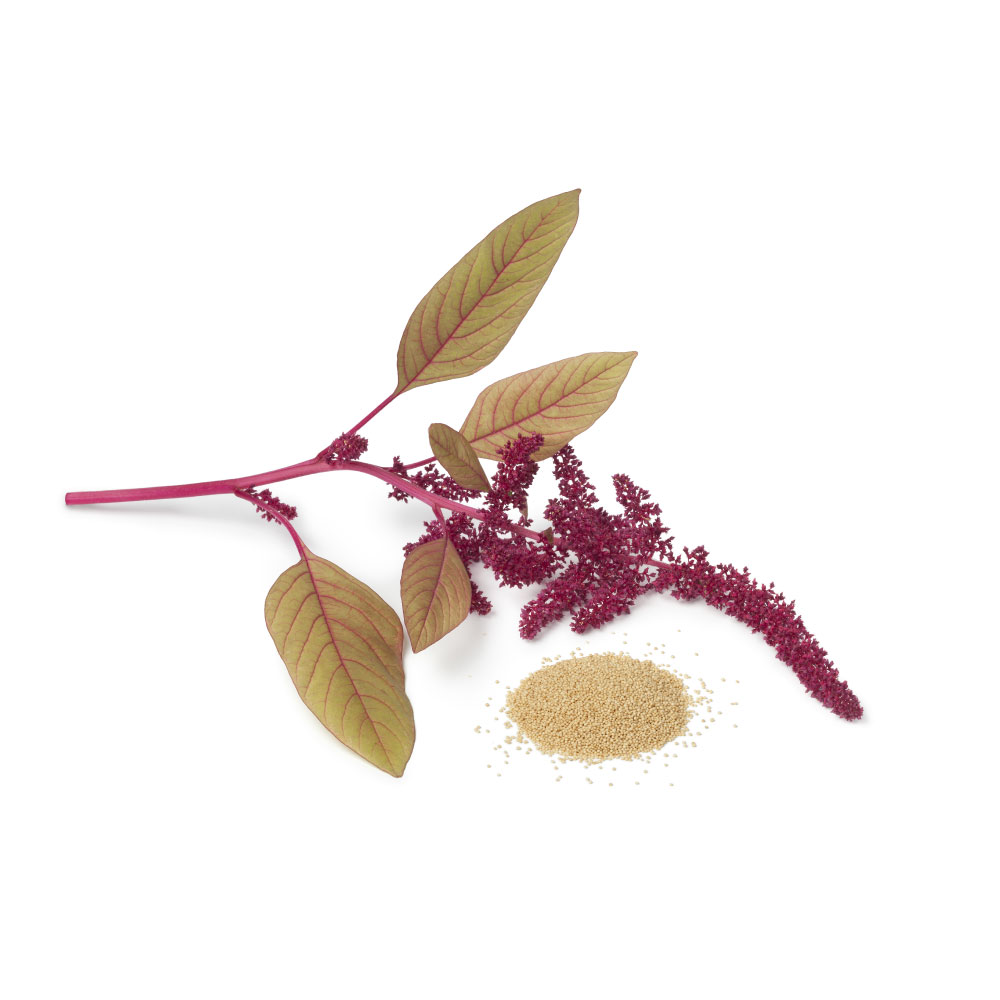 Amaranth Amaranthus blitum Documented for squalene.
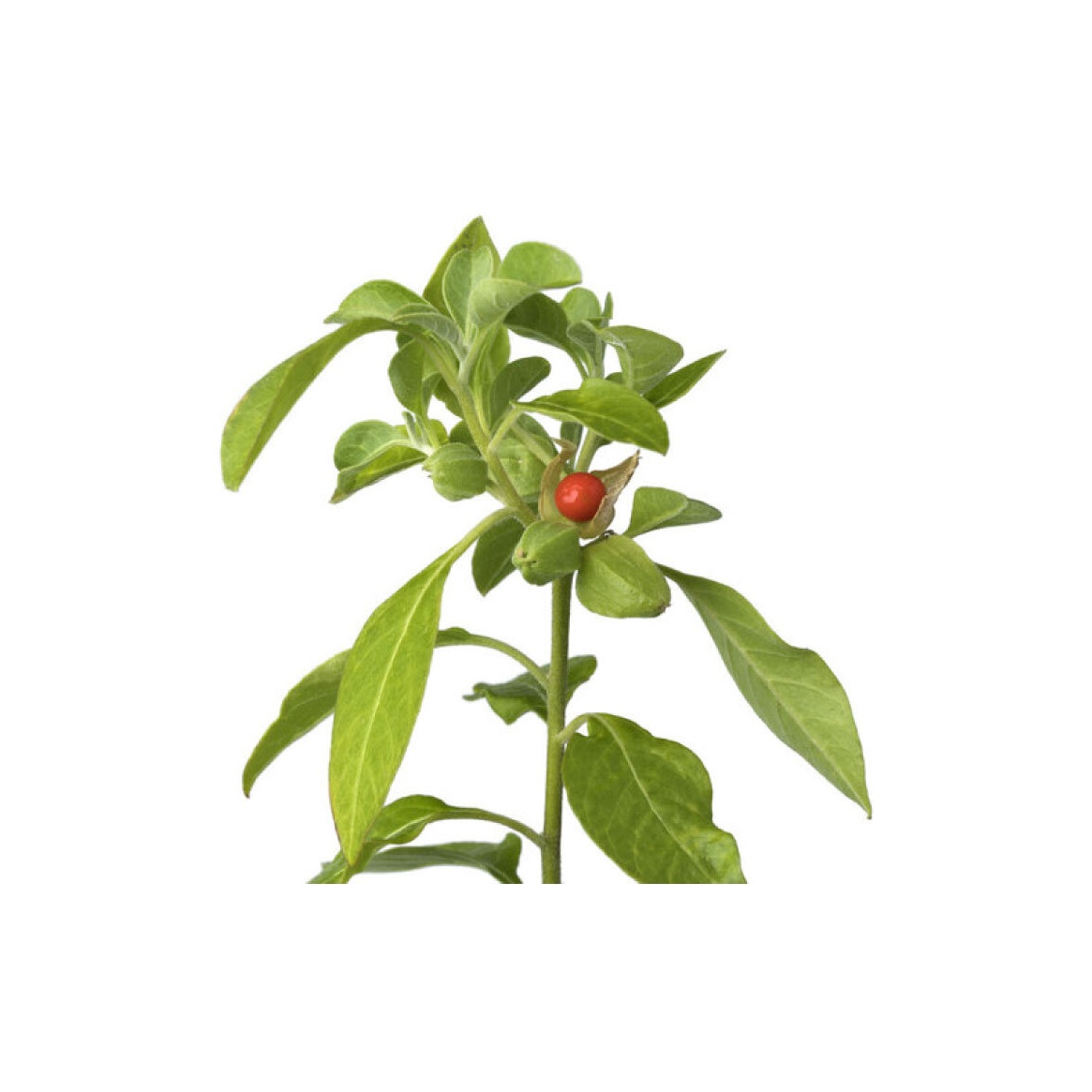 Ashwagandha Withania somnifera Documented for withanolide A (1.5–5 % dry wt).
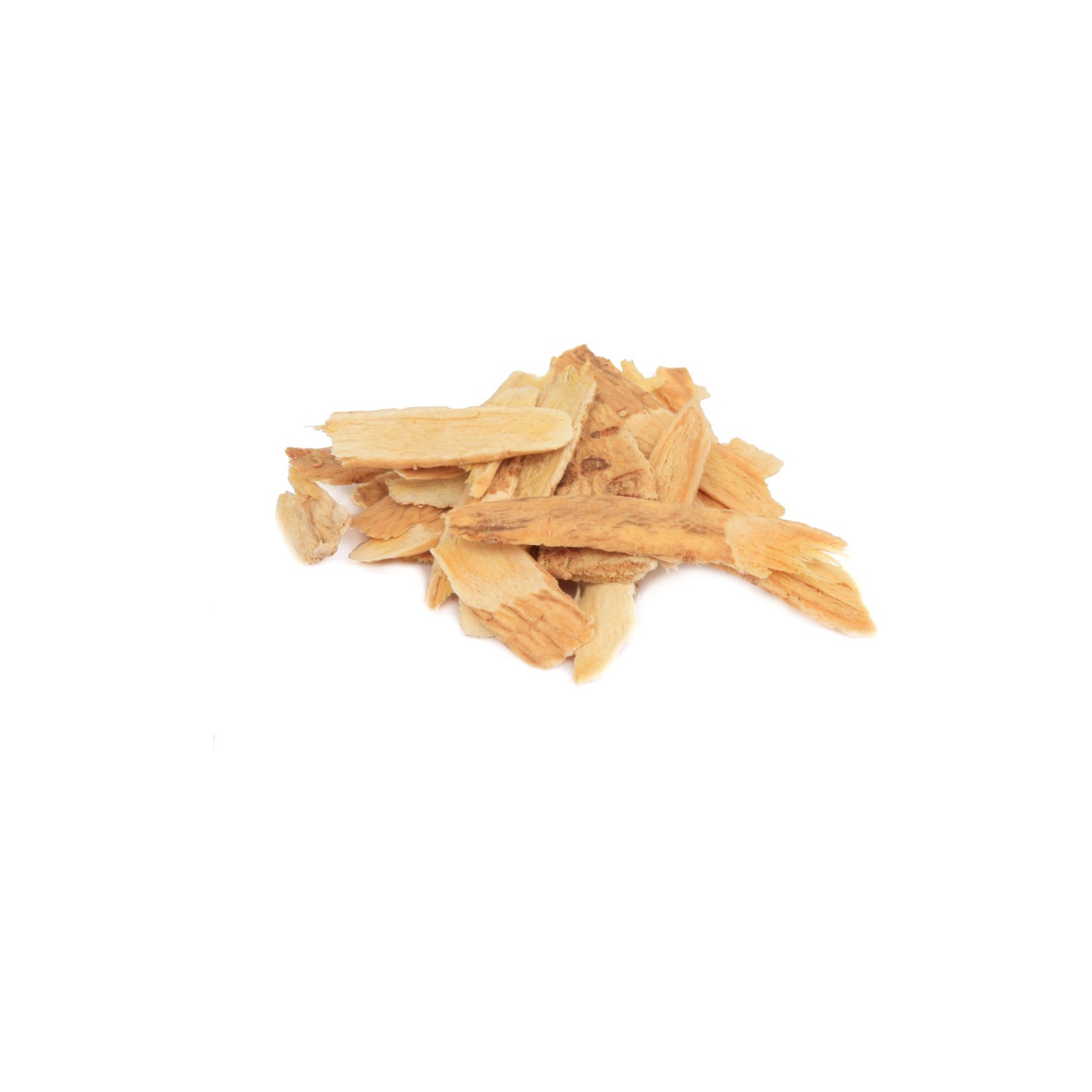 Astragalus Astragalus mongholicus Documented for cycloastragenol.
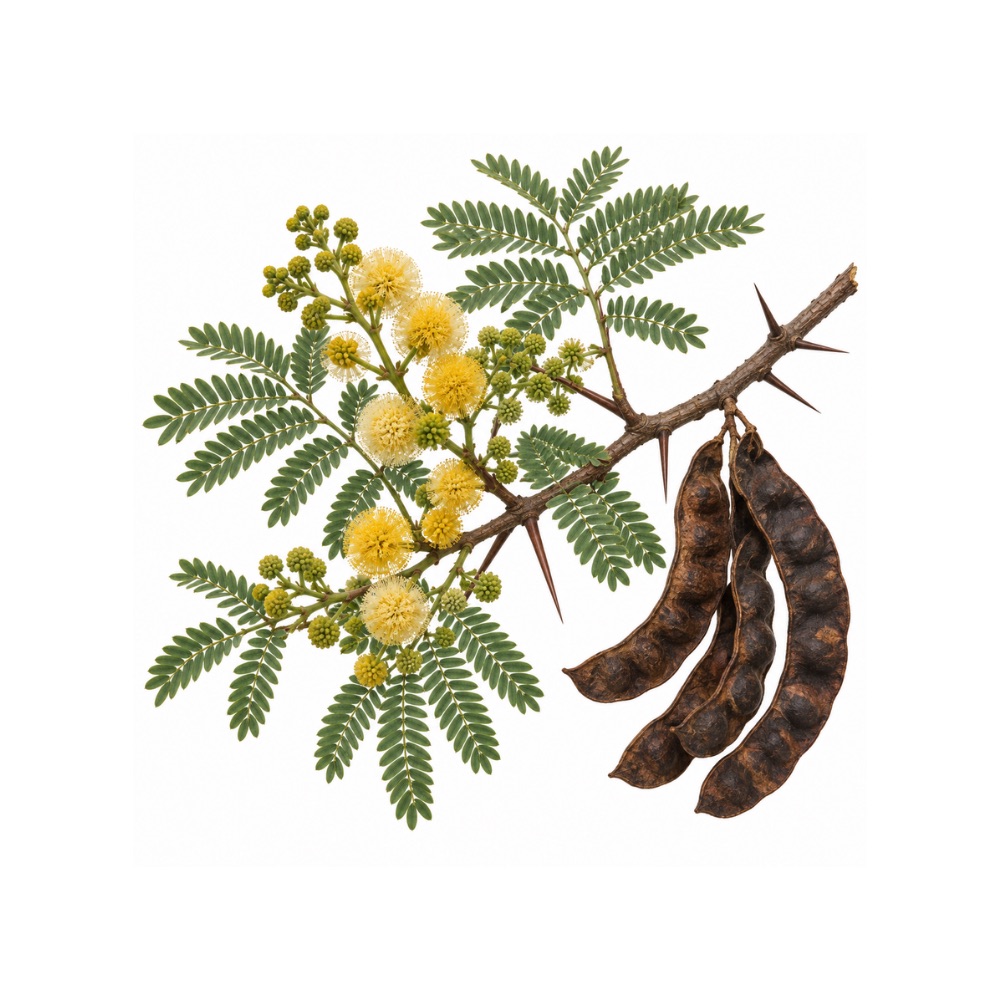 Babul Vachellia nilotica Documented for lupeol.
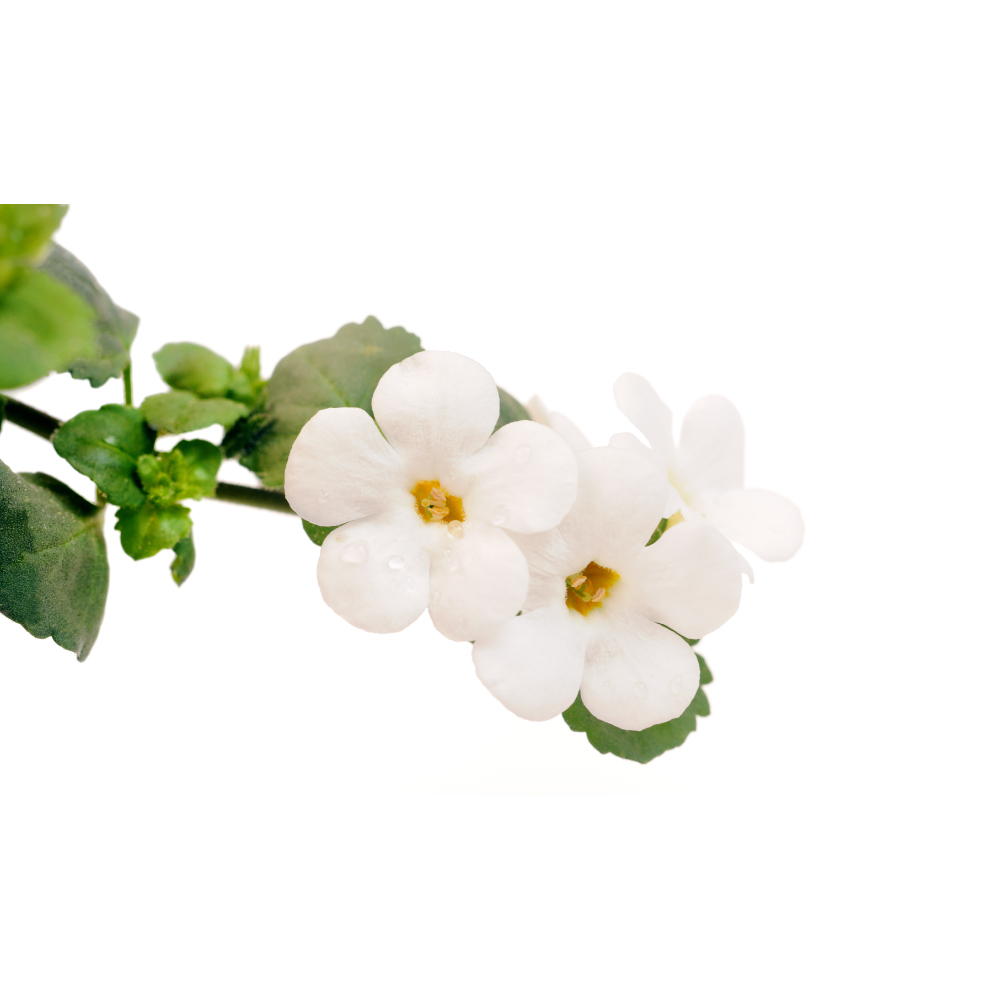 Bacopa Bacopa monnieri Documented for betulinic acid.
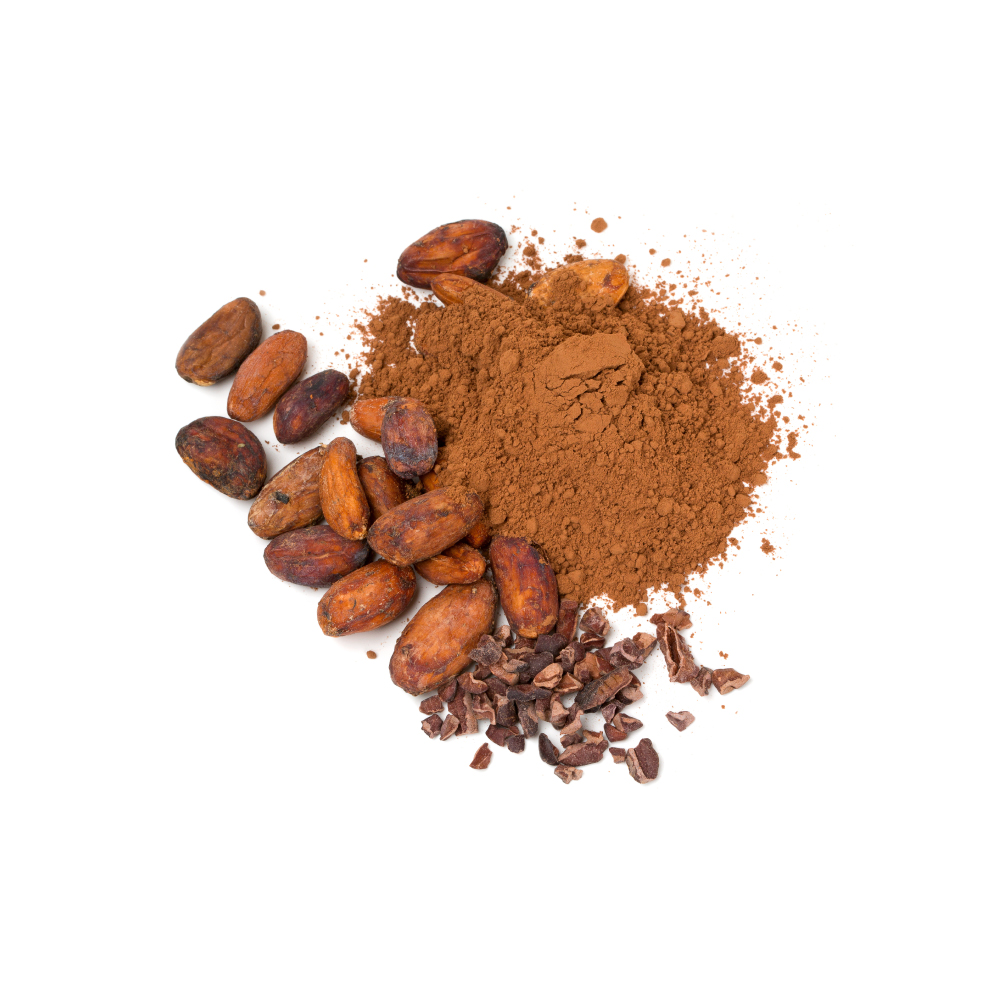 Cacao Theobroma cacao Documented for triterpenes.
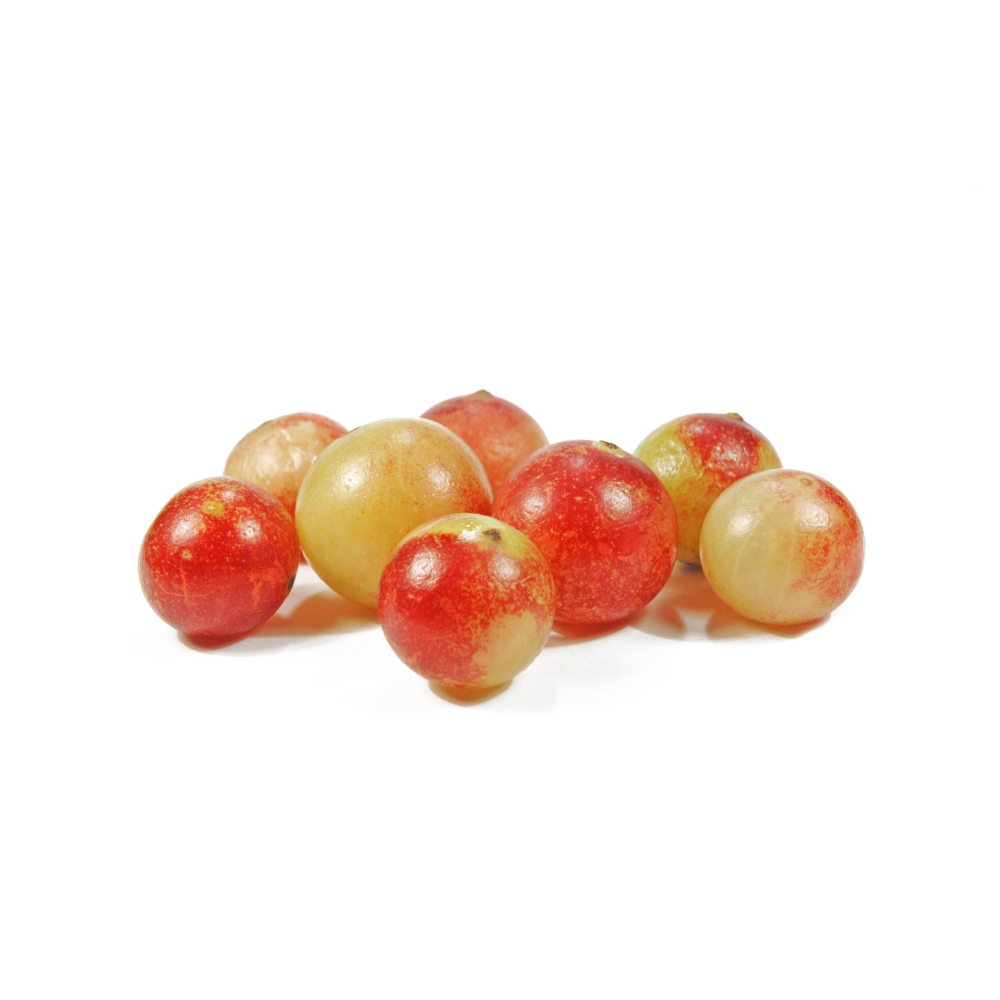 Camu-camu Myrciaria dubia Documented for betulinic acid.
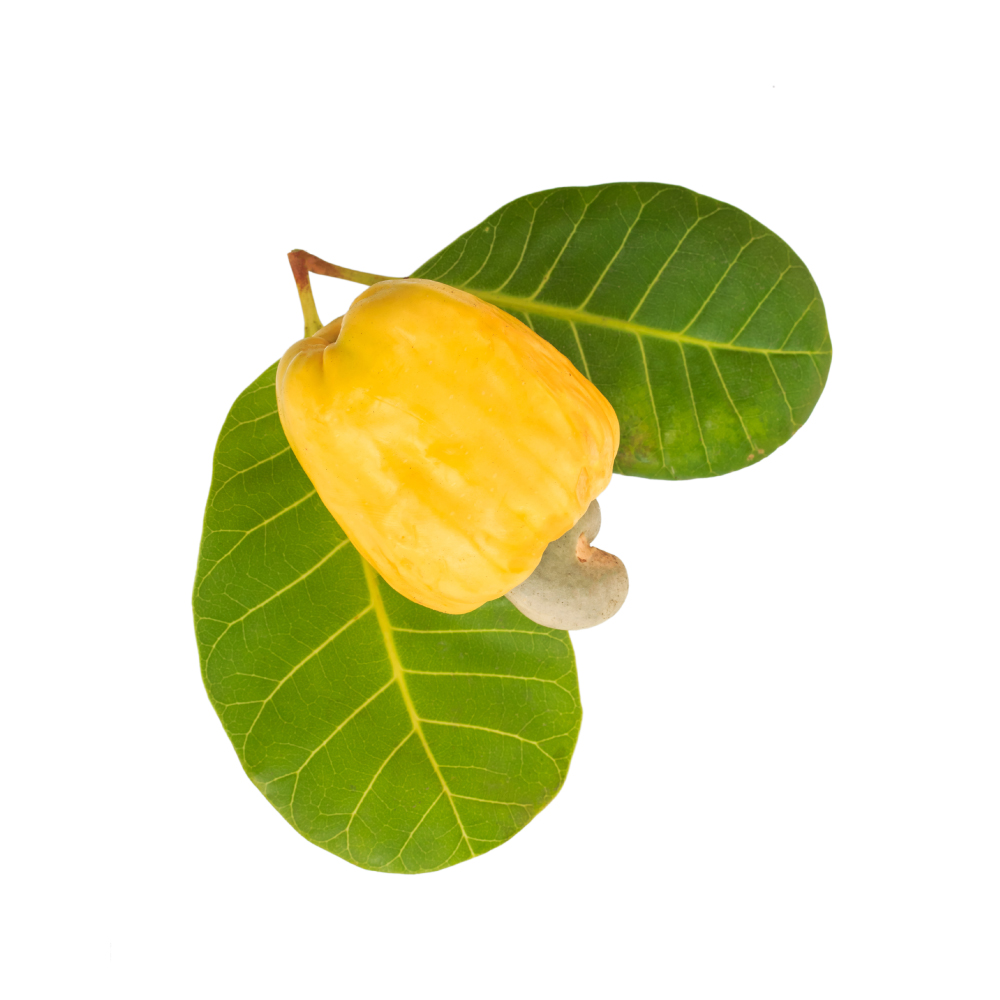 Cashew Anacardium occidentale Documented for squalene.
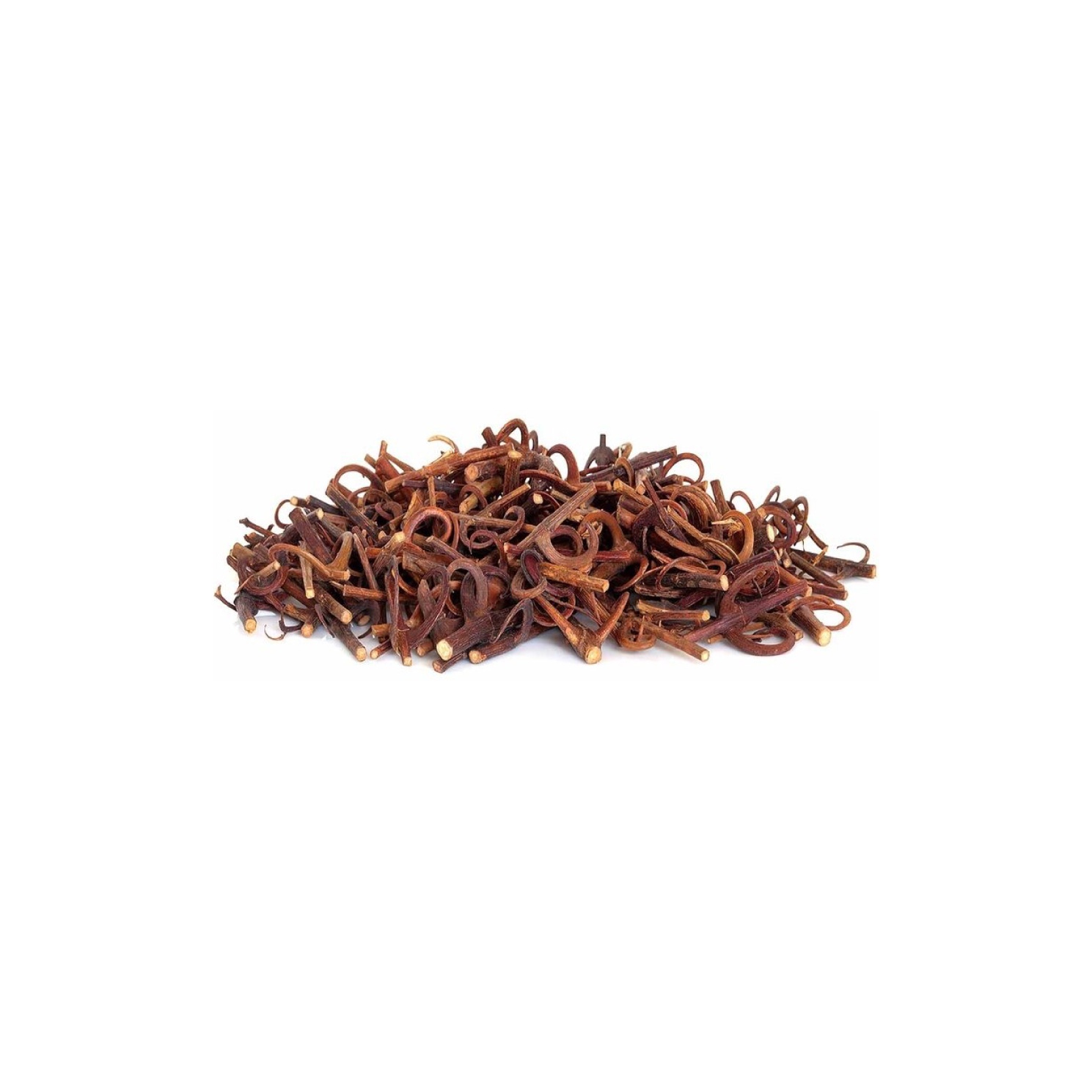 Cat's Claw Uncaria tomentosa Documented for oleanolic acid.
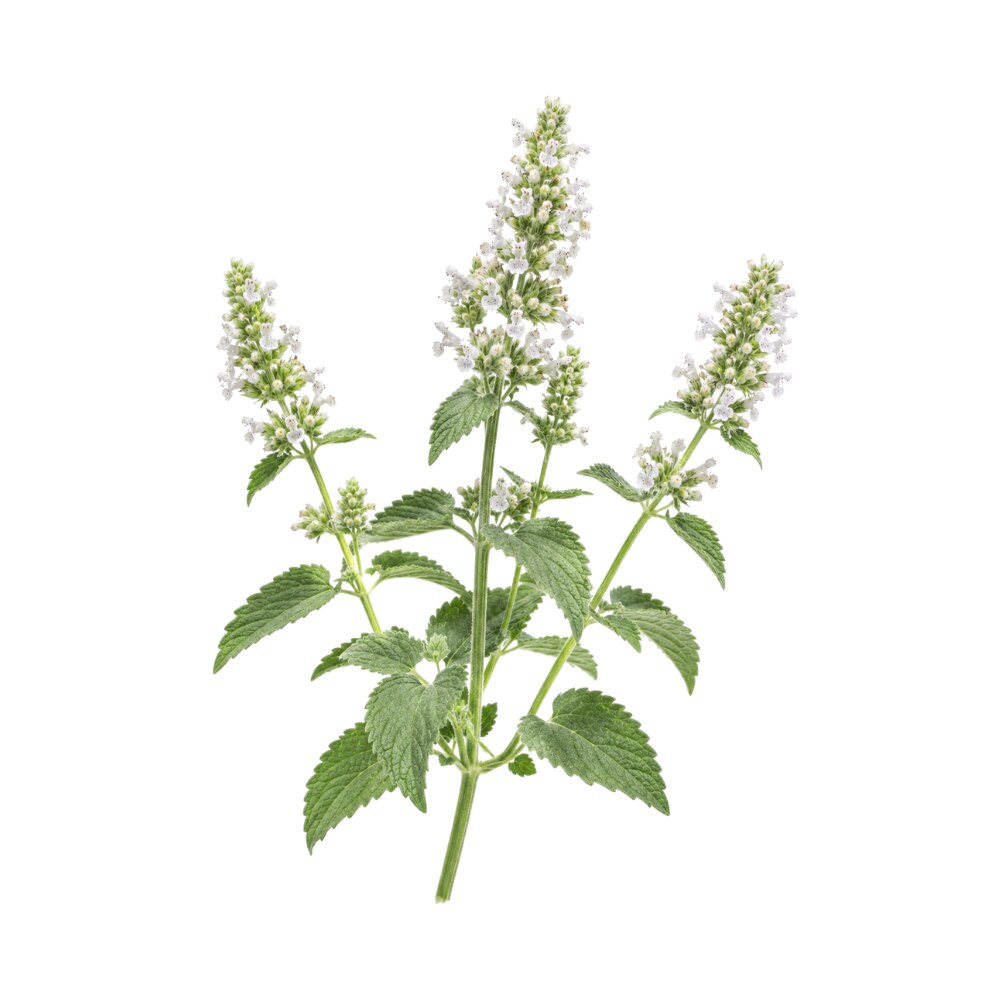 Catnip Nepeta cataria Documented for ursolic acid.
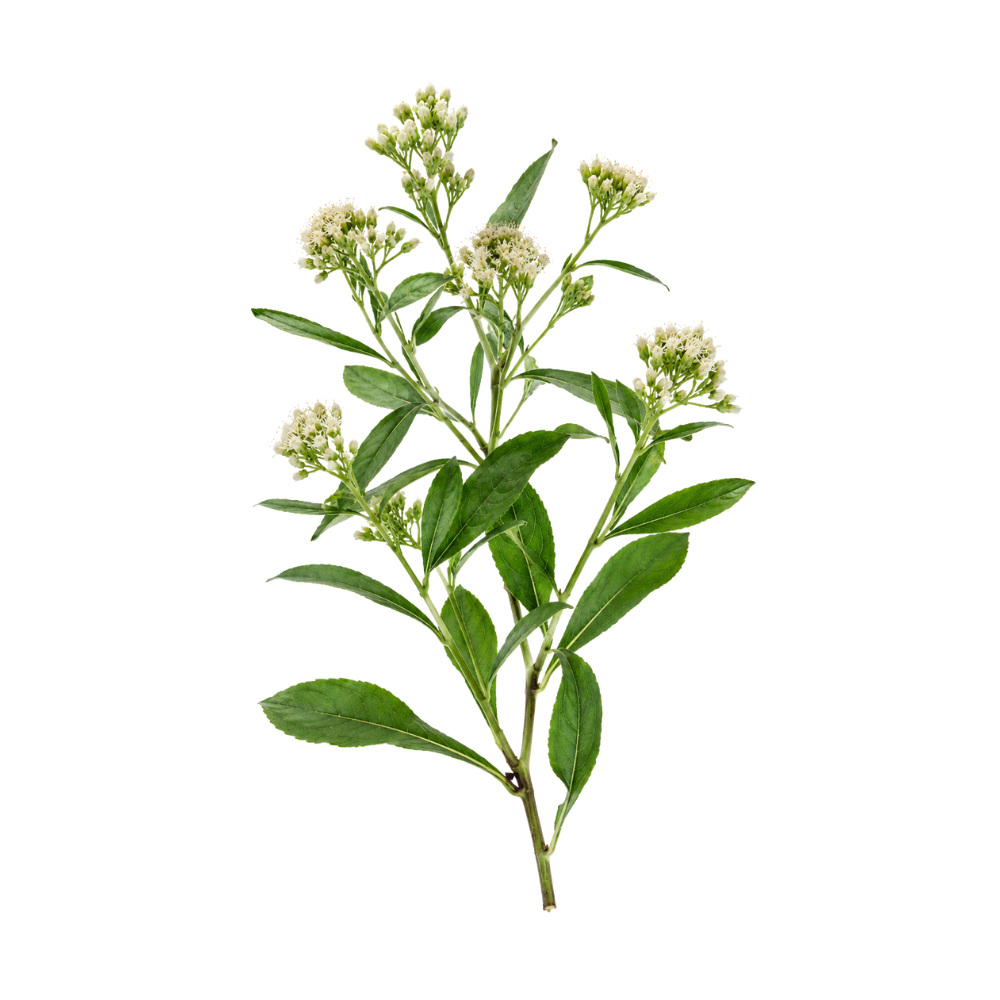 Chilca Baccharis latifolia Documented for friedelin.
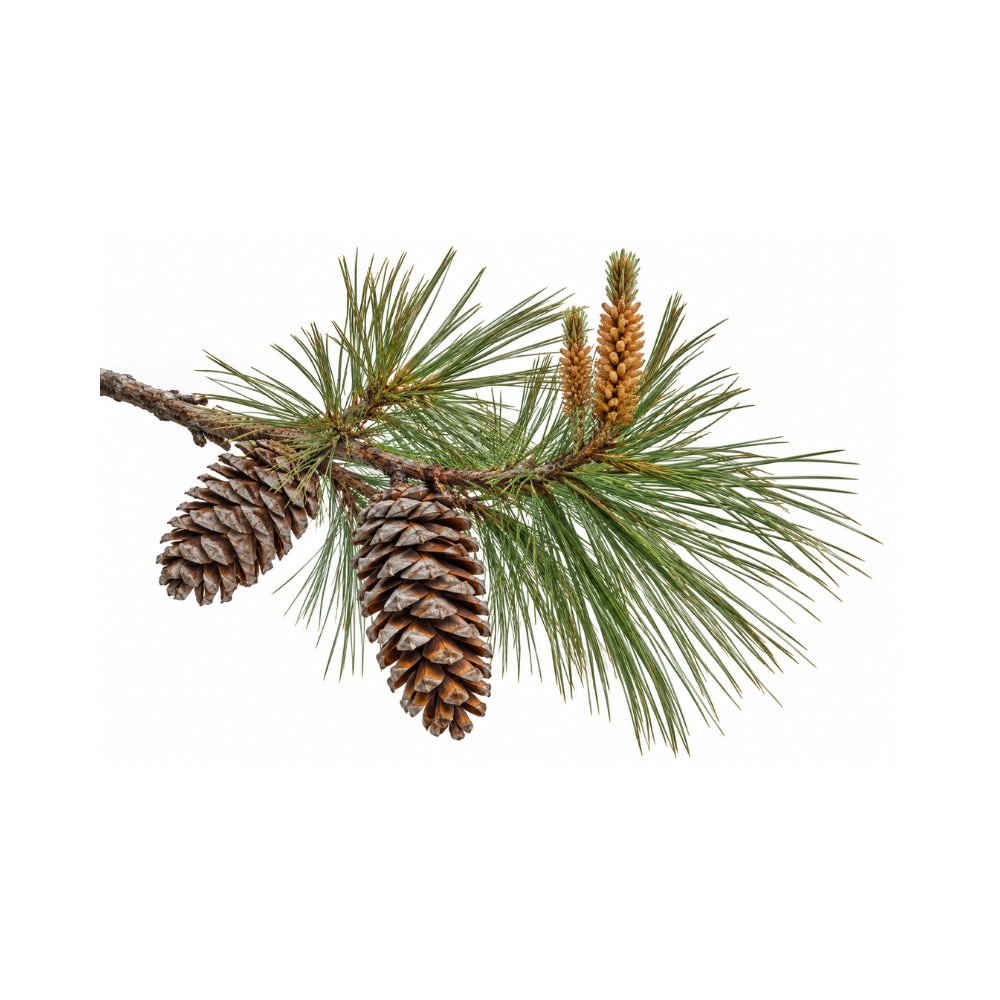 Chir Pine Pinus roxburghii Documented for ursolic acid.
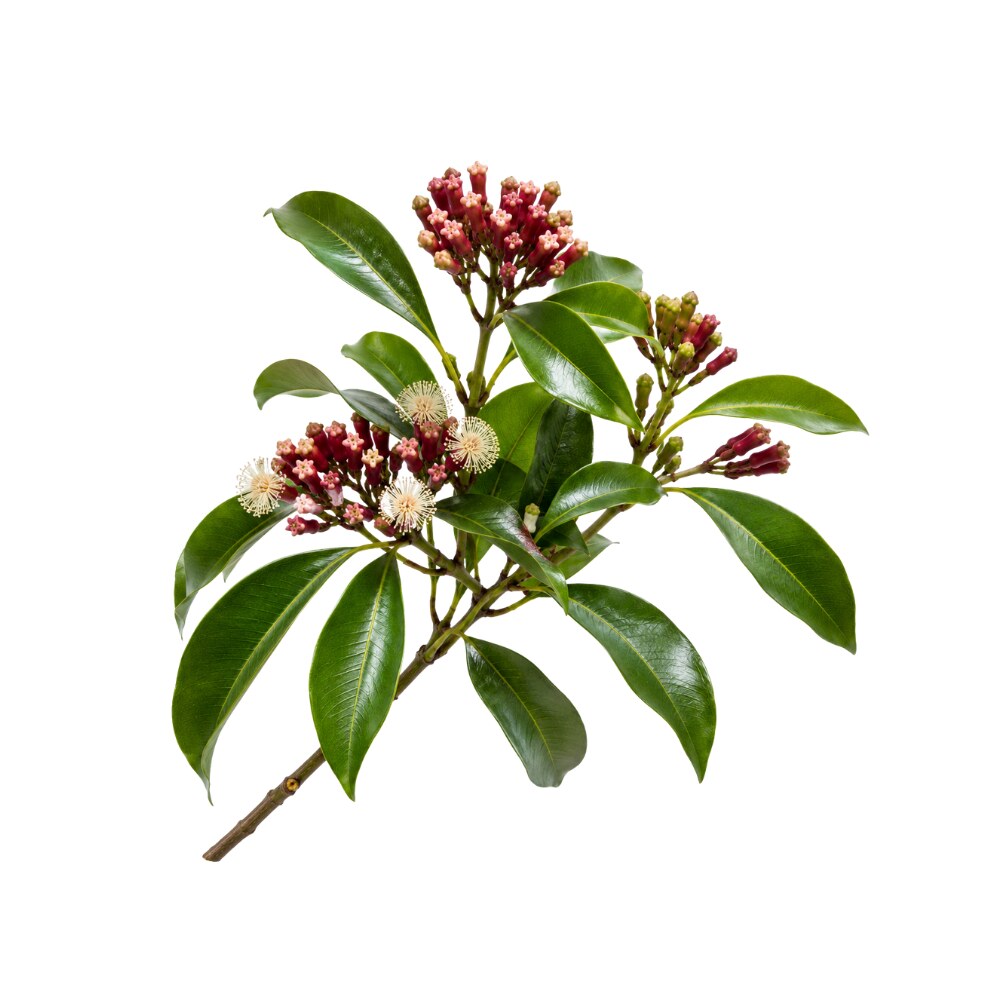 Clove Syzygium aromaticum Documented for oleanolic acid.
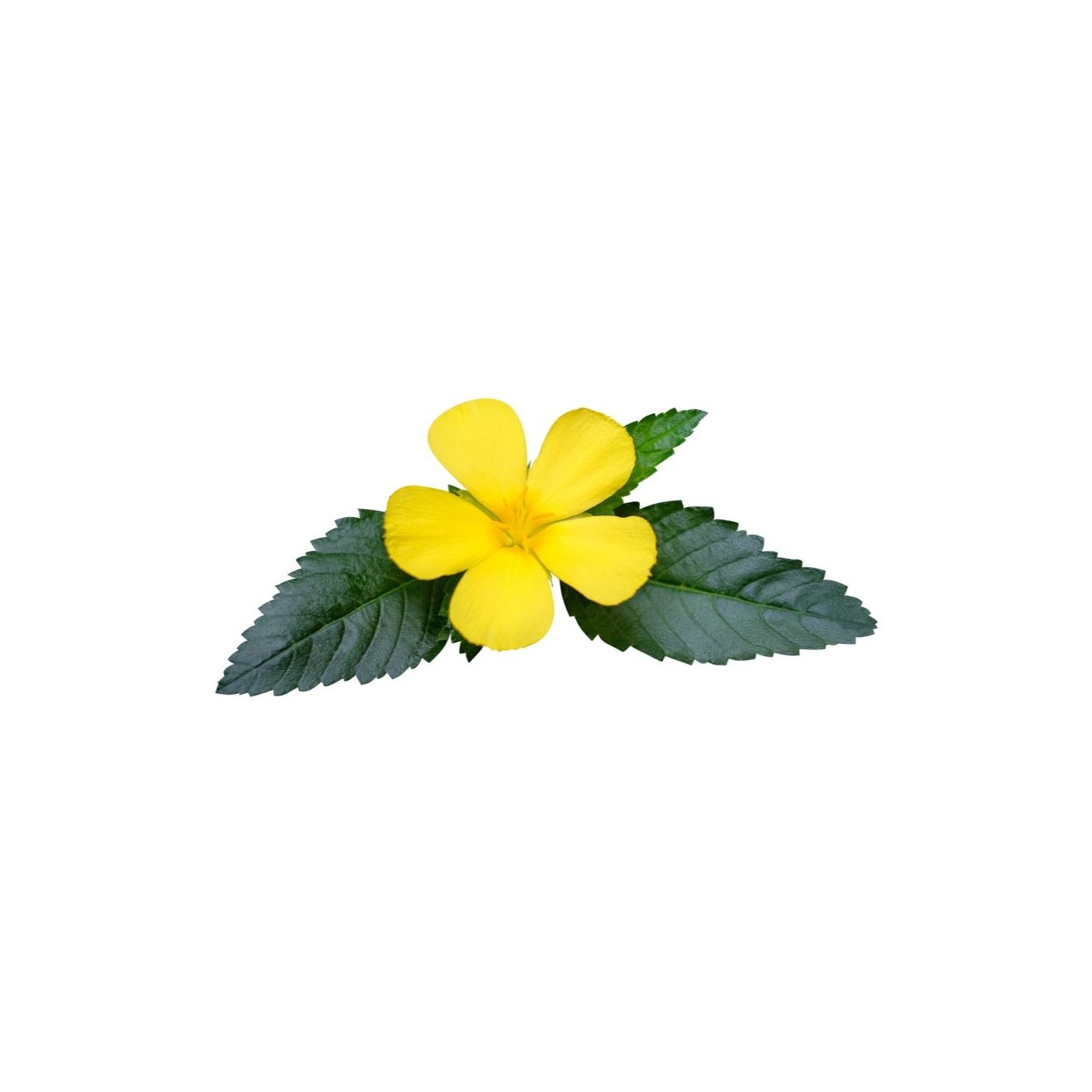 Damiana Turnera diffusa Documented for squalene.
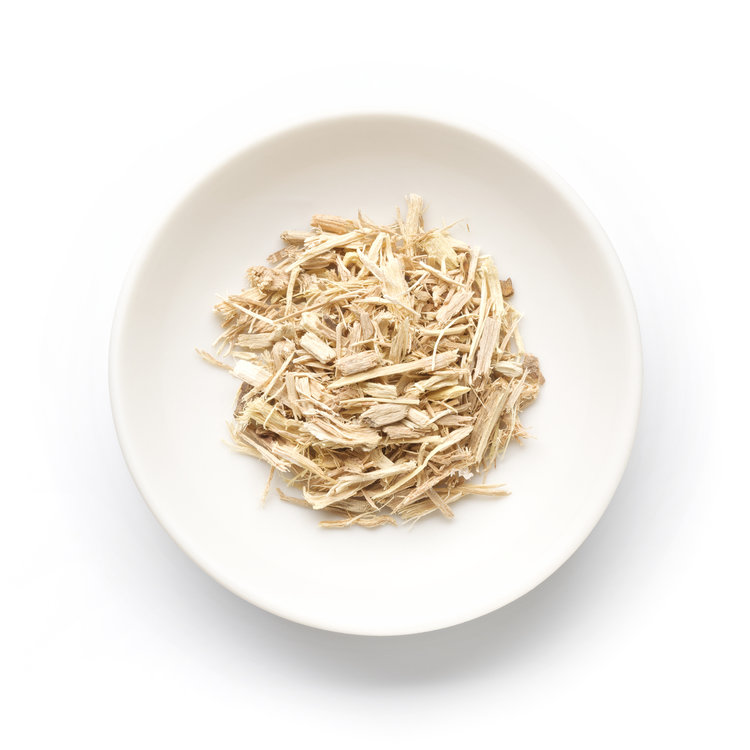 Eleuthero Root Eleutherococcus senticosus Documented for friedelin.
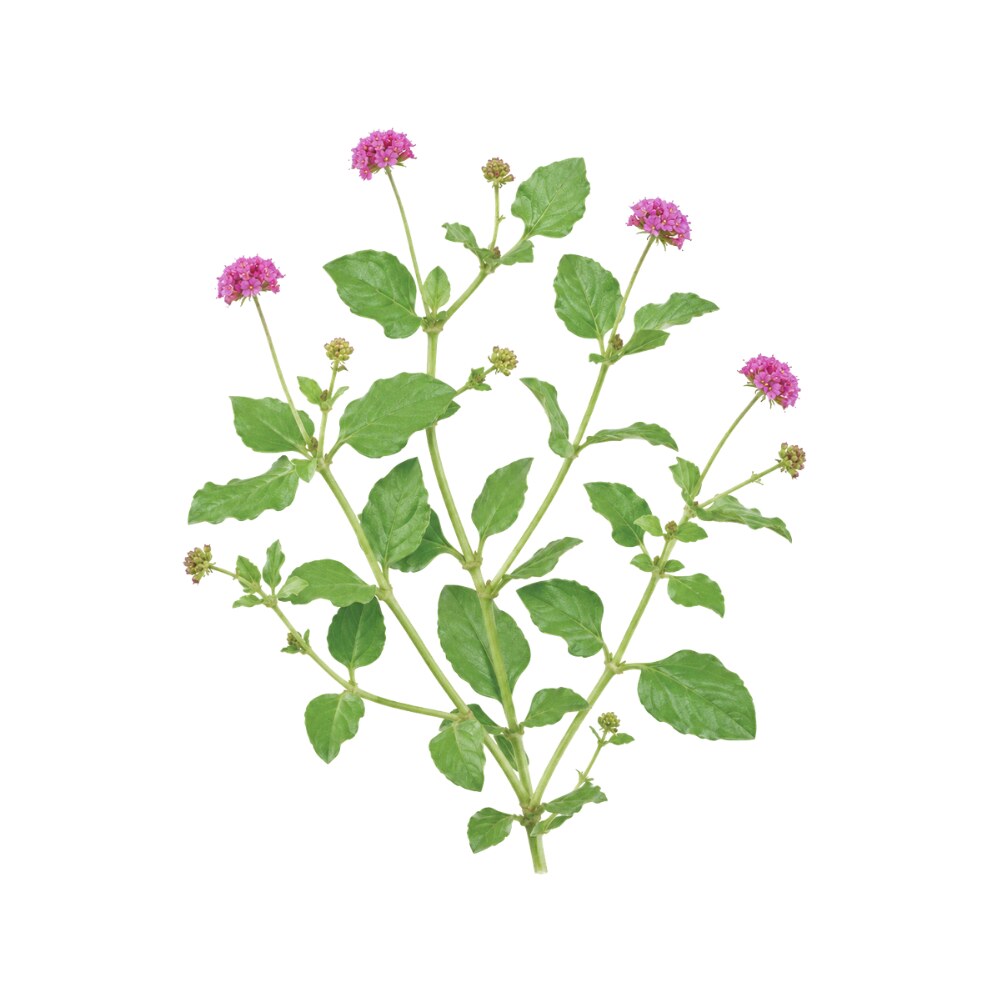 Erva Tostão Boerhavia diffusa Documented for ursolic acid.
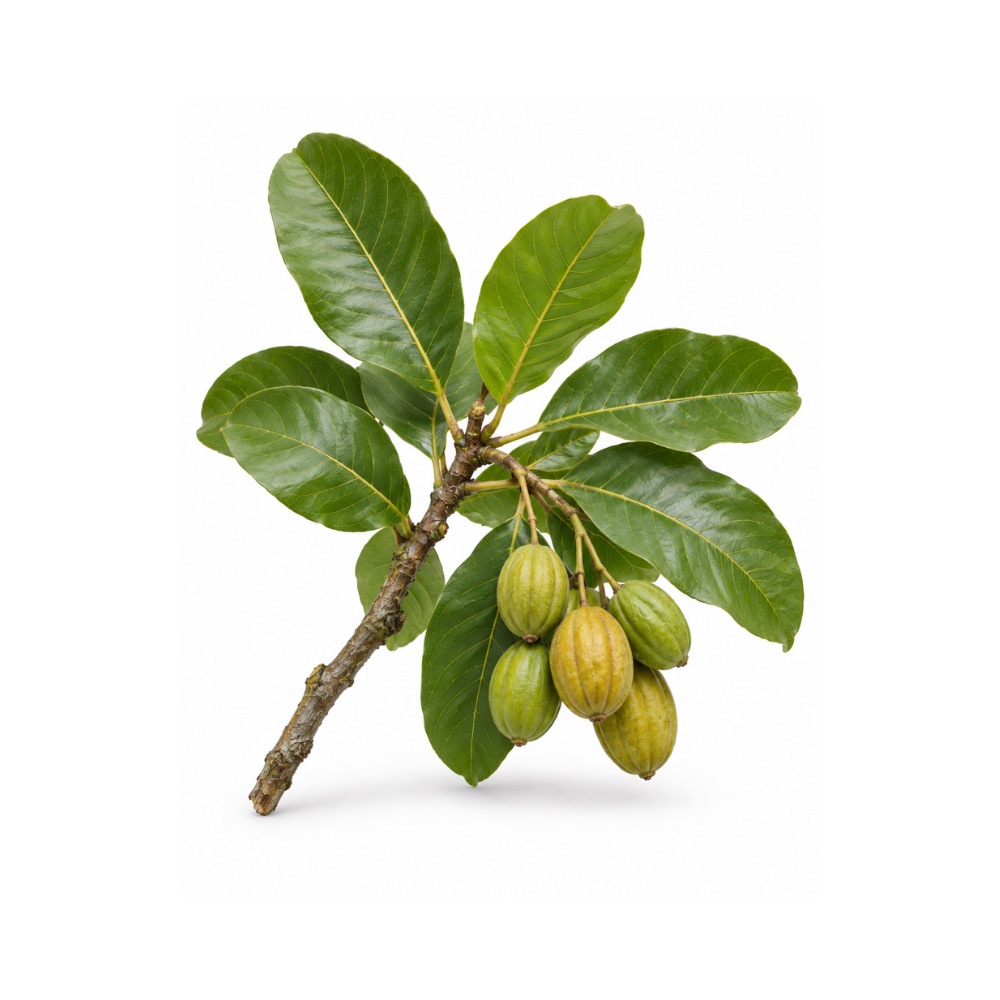 Haritaki Terminalia chebula Documented for chebuloside II.
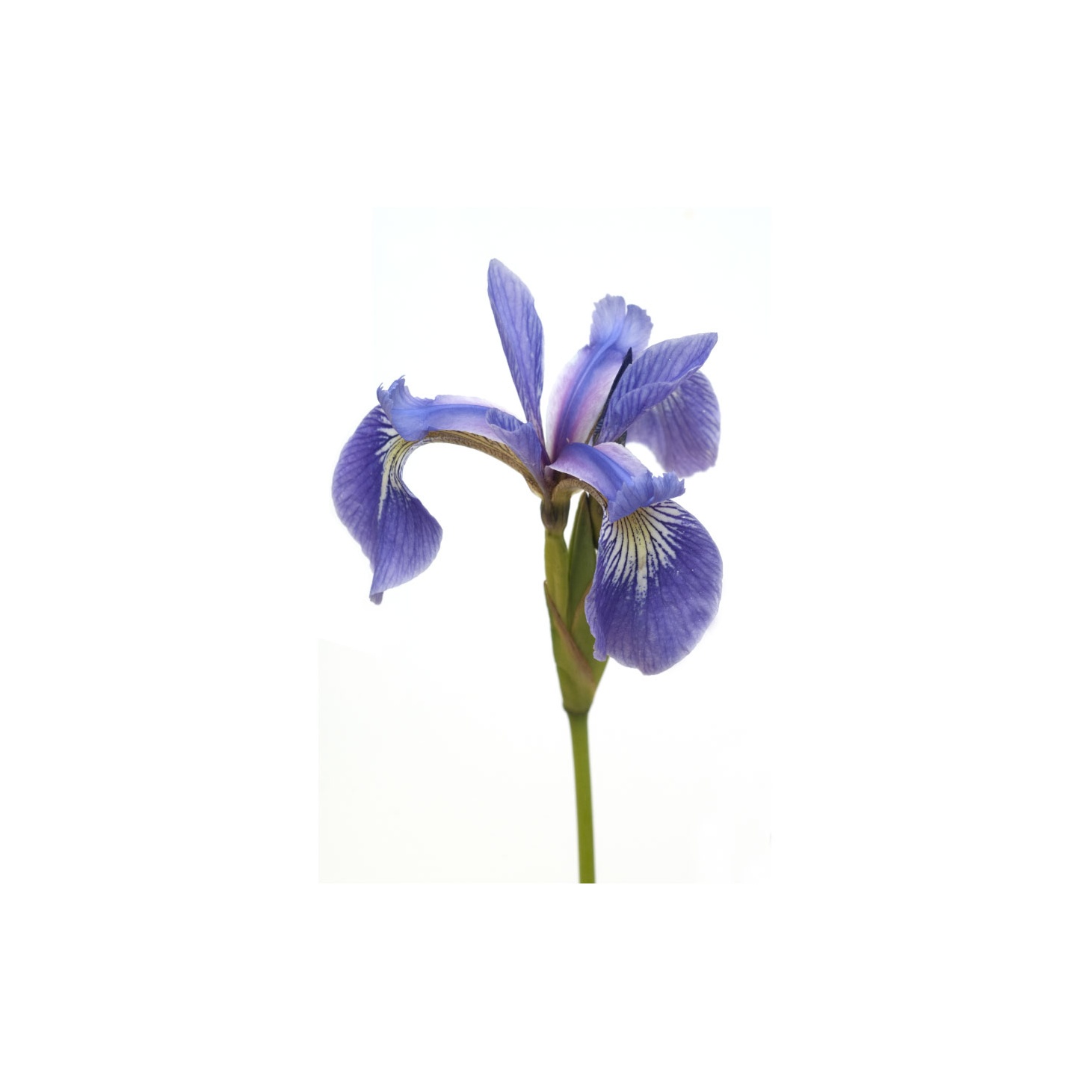 Iris Iris versicolor Documented for triterpenoids.
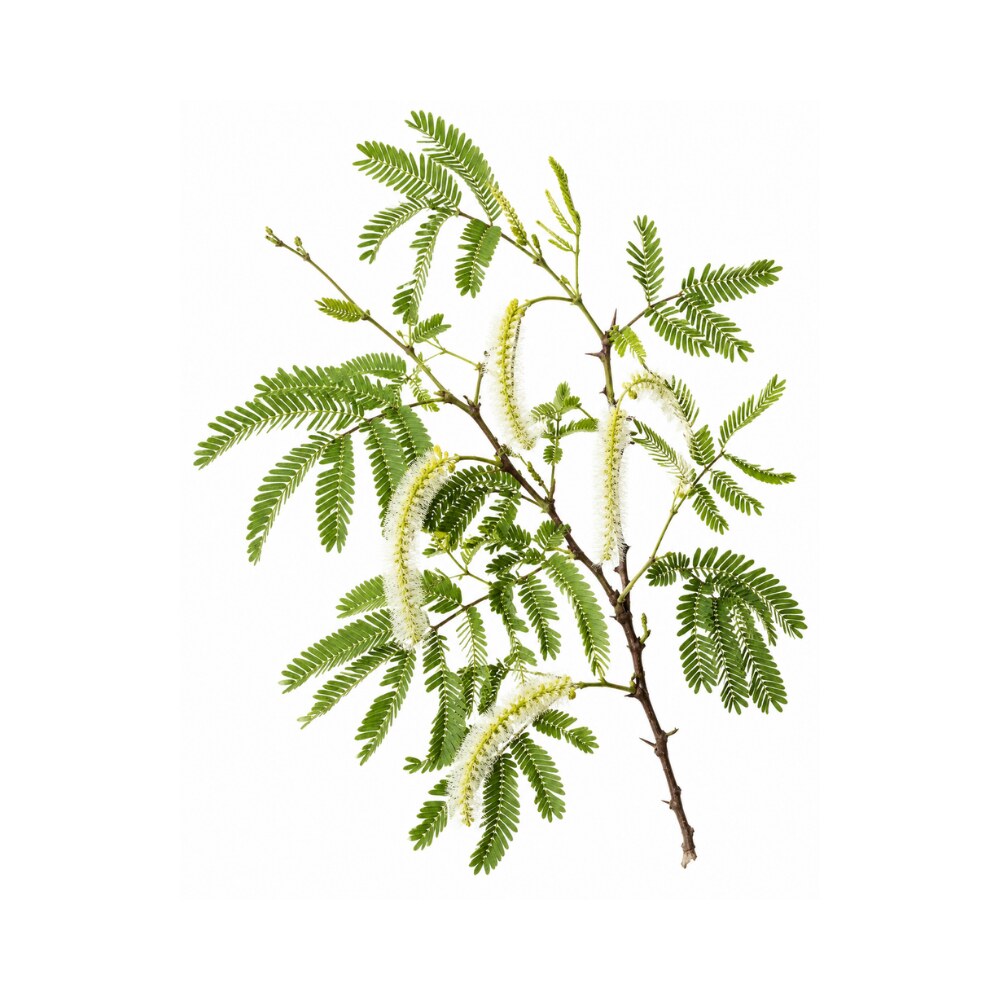 Jurema Mimosa tenuiflora Documented for lupeol.
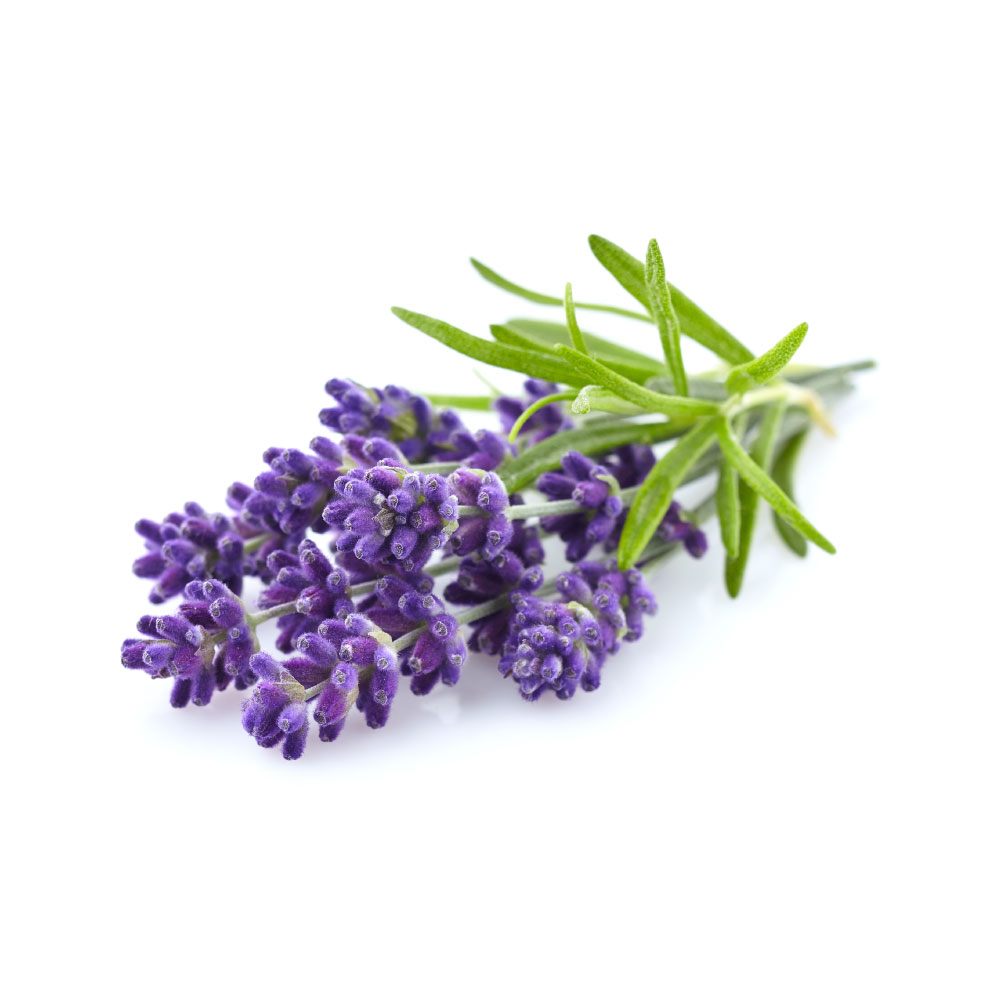 Lavender Lavandula angustifolia Documented for ursolic acid.
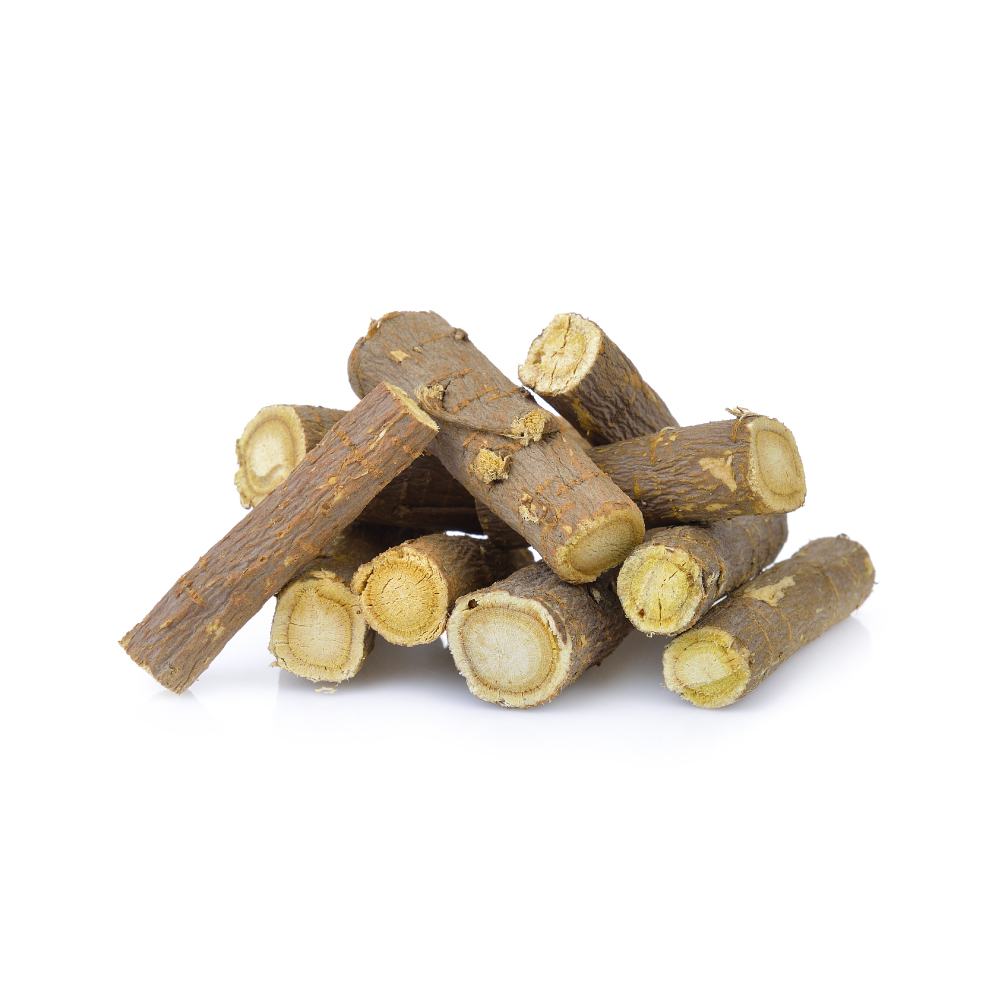 Licorice Glycyrrhiza glabra Documented for glycyrrhetinic acid (2–6 % dry wt (as glycyrrhizin)).
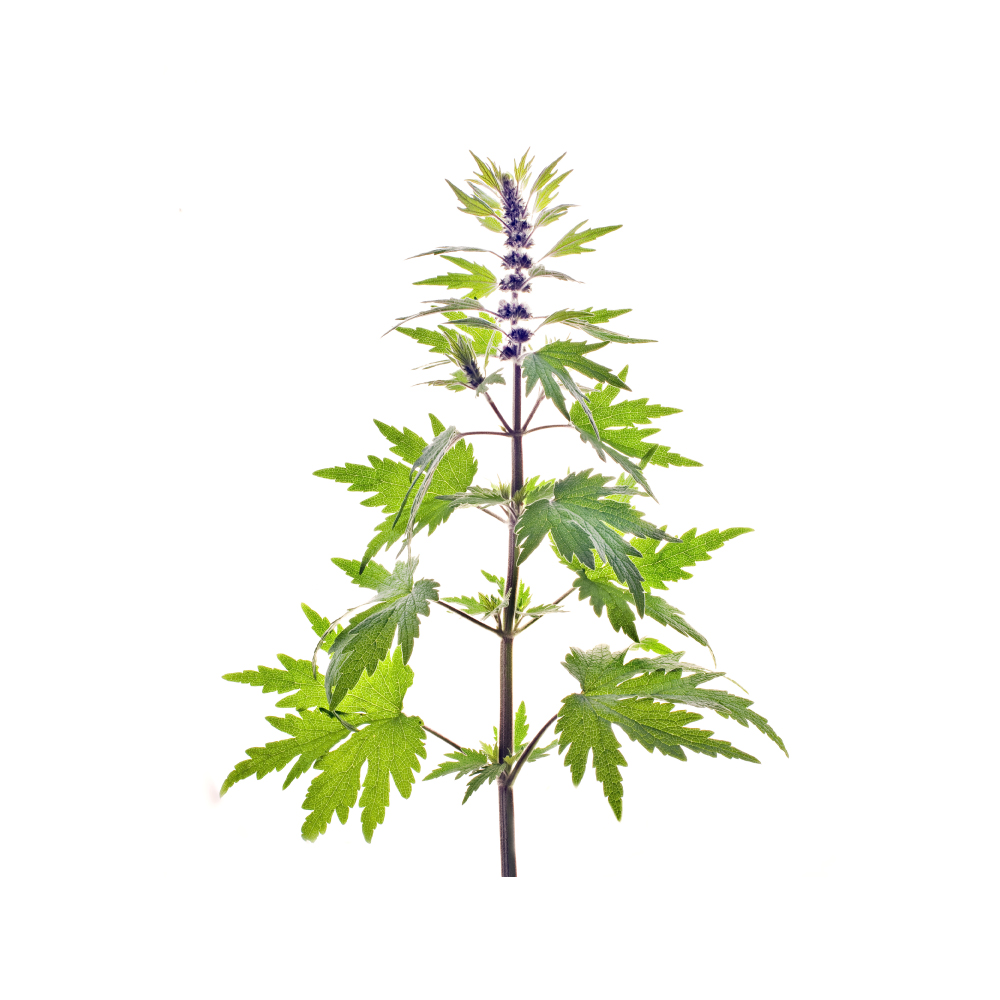 Motherwort Leonurus cardiaca Documented for ursolic acid.
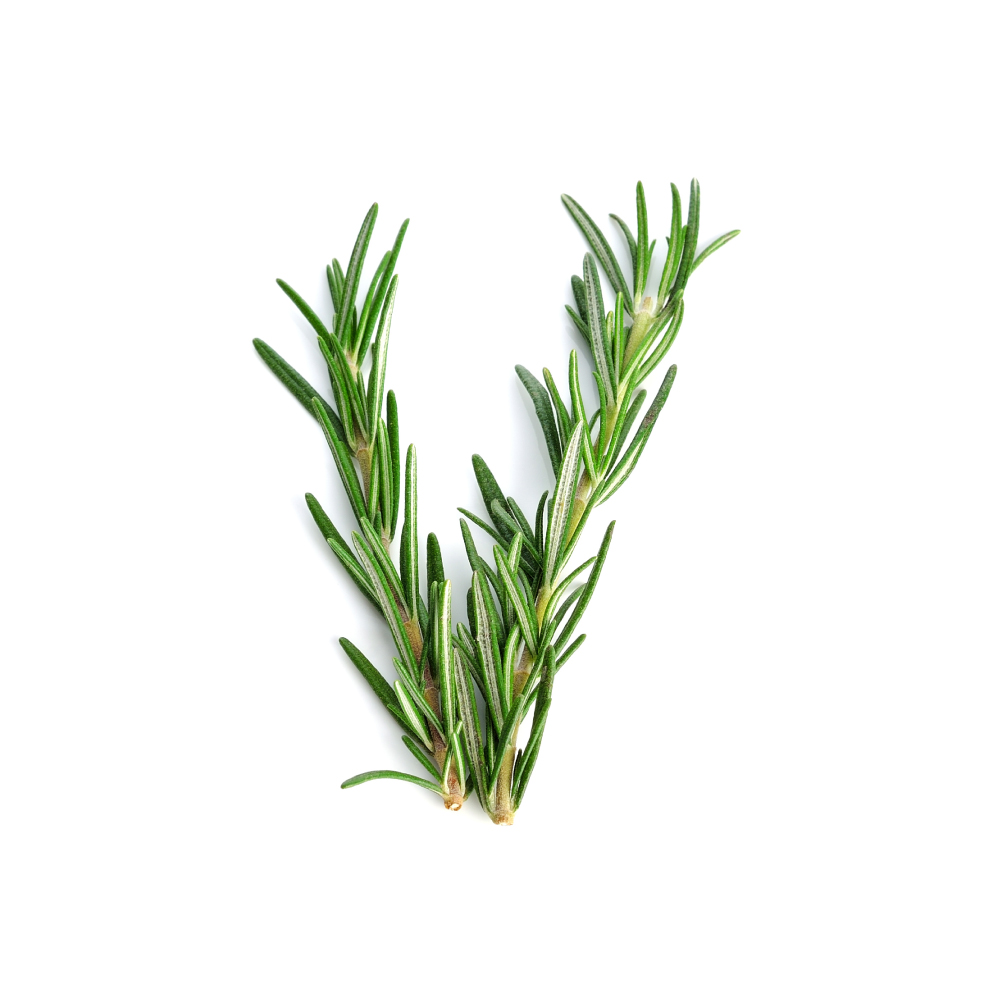 Rosemary Rosmarinus officinalis Documented for ursolic acid (2.95 % dry wt).
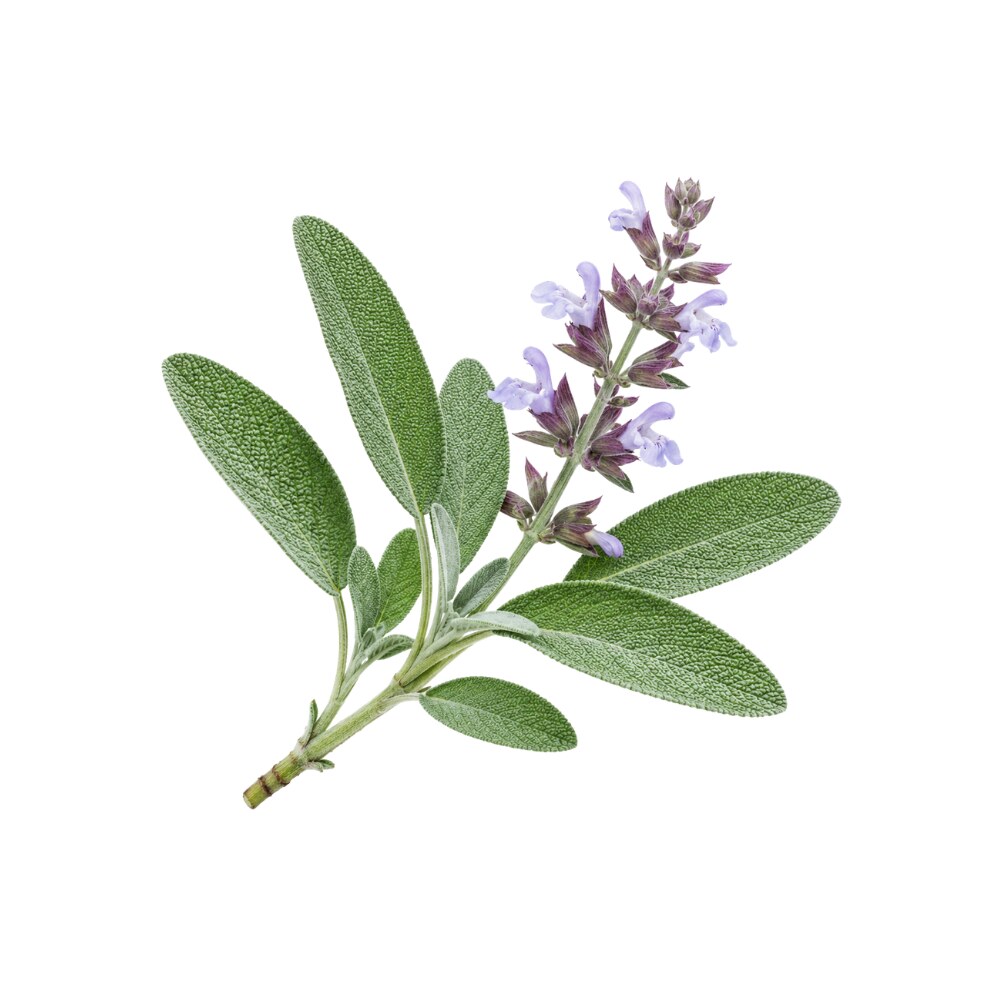 Sage Salvia officinalis Documented for ursolic acid.
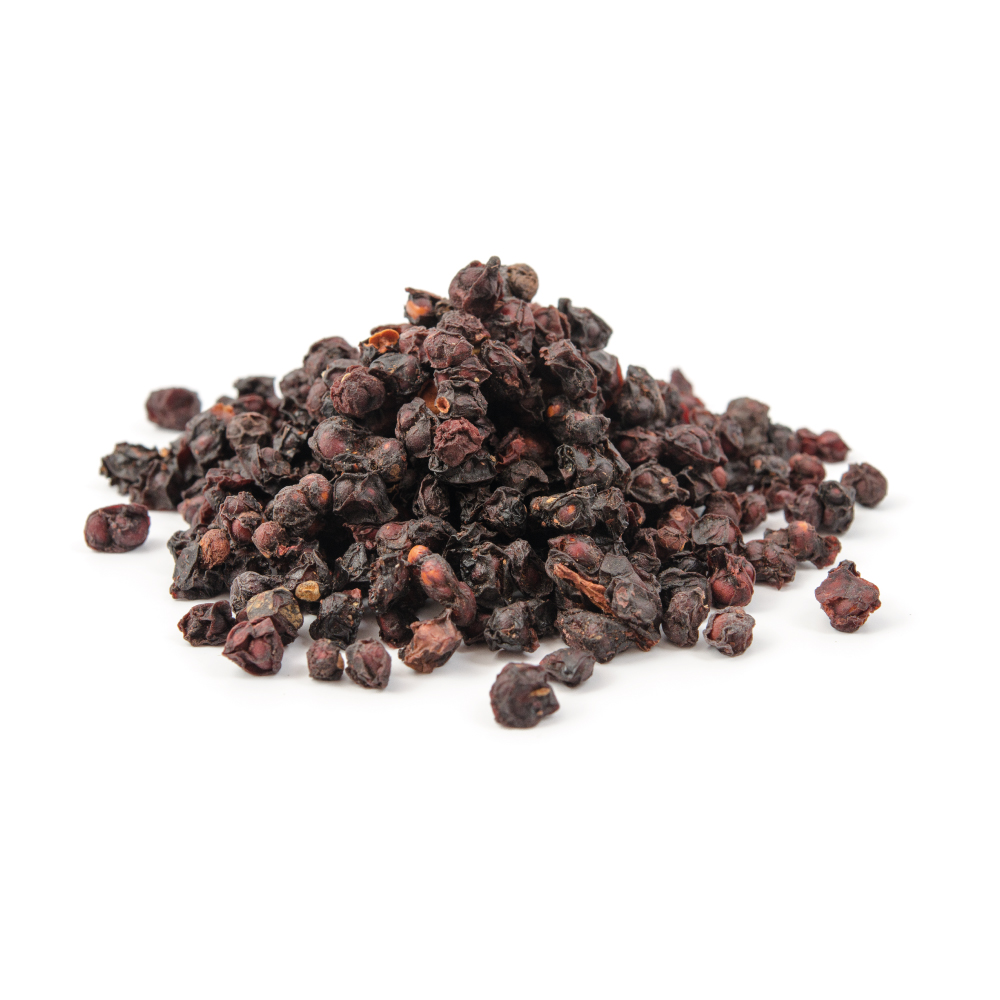 Schisandra Schisandra chinensis Documented for schizandronic acid.
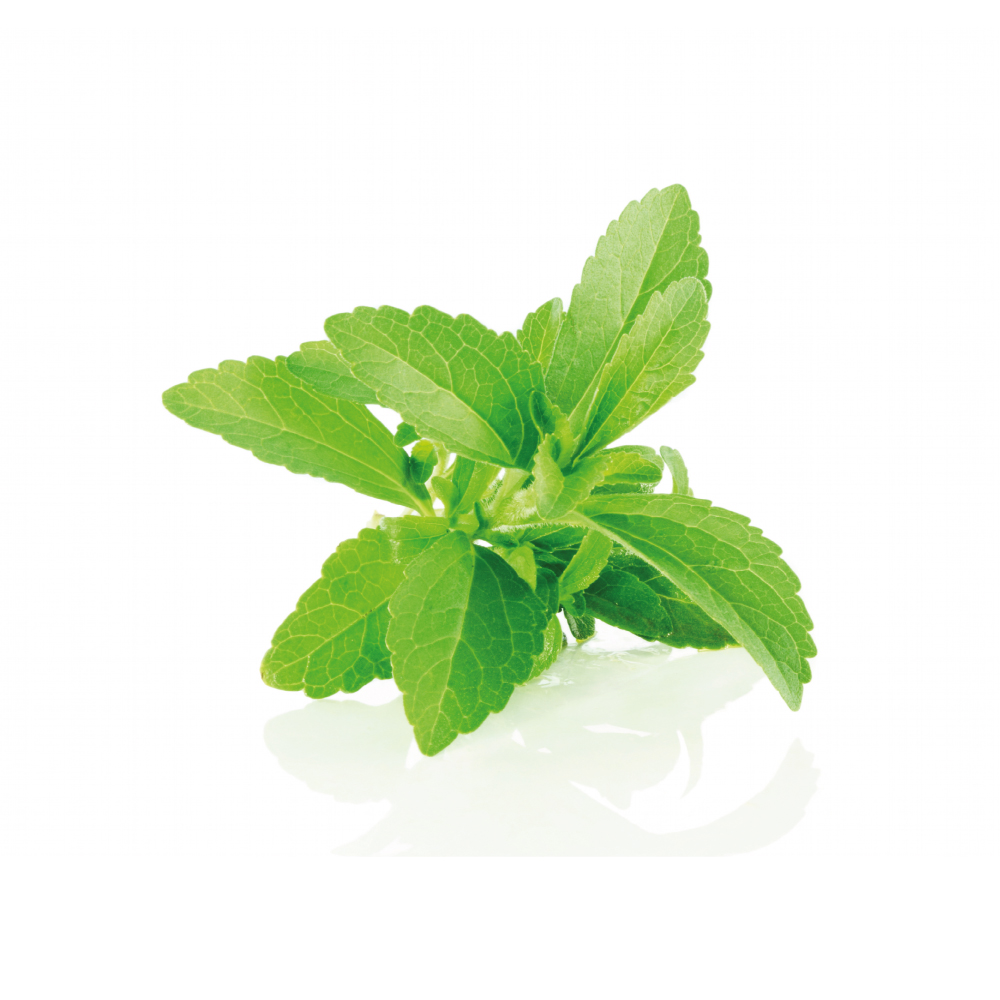 Stevia Stevia rebaudiana Documented for lupeol. Thyme Thymus vulgaris Documented for ursolic acid.
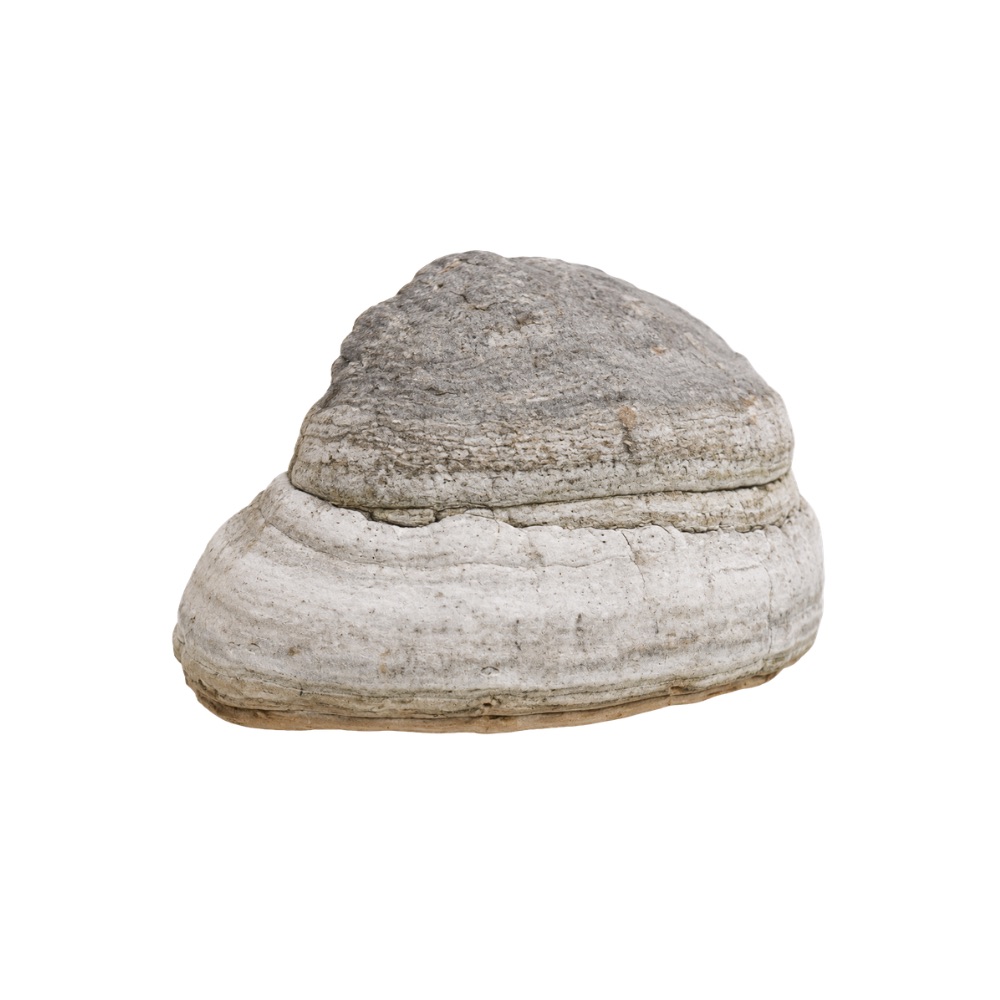 Tinder Conk Fomes fomentarius Documented for betulin.
Keep Exploring
Other Compound Classes
Keep Reading
 GuidesThe Best Kava: A Buyer's GuideHow to buy good kava: noble vs two-day cultivars, which part of the root, chemotype codes, origin, form, and the batch tests a seller should show you.
Read more
 GuidesThe Amazon's Endangered Medicinal PlantsThe Amazon gives us some of our most important medicines — but which healing plants are actually endangered?
Read more
 NutritionThe Best Yerba Maté Brands [Reviewed]A drinker's guide to buying yerba maté — what actually changes the taste, and ten brands worth your money.
Read more
 GuidesHow to Prepare Yerba Maté — The Five Best MethodsHow to brew yerba maté properly — the traditional gourd method, plus tereré, french press and cold brew.
Read more