
Compound Monograph
Bufotenin
Bufotenin (5-HO-DMT) is a serotonin-derived tryptamine alkaloid of yopo and cebil snuffs, some Amanita mushrooms and toad venoms — the 5-hydroxy analogue of DMT and the N,N-dimethyl analogue of serotonin. Whether it is a true psychedelic is genuinely contested, because the polar 5-hydroxyl group limits how much of it reaches the brain.

Sources · 9
Where Does It Come From?
Bufotenin is a naturally occurring (and made in the body) tryptamine alkaloid, found in Yopo, Cebil / vilca, Toad venom and 6 other sources. It is flagged as moderately toxic and psychedelic.
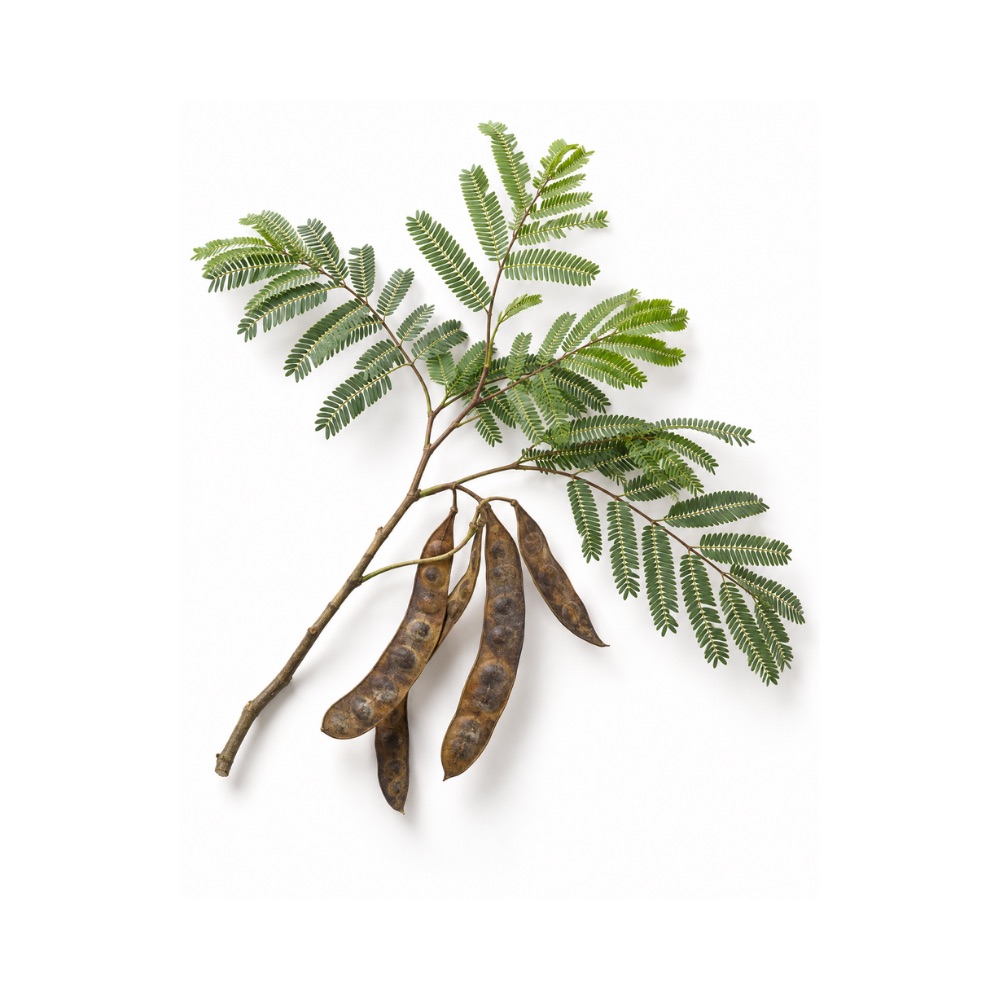 Principal source Yopo Anadenanthera spp. Herb monograph →
Photo coming soon
Source Bulbous Canary Grass ☠️ Phalaris aquatica Herb monograph →
 Source Chagro-Panga Diplopterys cabrerana Herb monograph →
Concentration
Content by Source
Concentrations not reported. No percent-dry-weight or mg/g figures have been published for this compound in its source plants.
Bufotenin at a Glance
Bufotenin (5-hydroxy-N,N-dimethyltryptamine, or 5-HO-DMT) is a naturally occurring tryptamine alkaloid best known from the psychoactive snuffs of South America — the seeds of Anadenanthera trees used to make yopo and cebil (vilca) — and from the venom of several toads, the source of its name 4,
Structurally it sits at the intersection of three well-known molecules: it is the 5-hydroxy analogue of DMT and, equivalently, the N,N-dimethyl analogue of serotonin (hence the synonym N,N-dimethylserotonin). That single hydroxyl group is the crux of the whole molecule’s story.
Unlike its close relatives, bufotenin’s psychoactivity is genuinely contested rather than settled. The polar 5-hydroxyl makes the molecule far less able to cross the blood-brain barrier than DMT or 5-MeO-DMT, and the classic human studies — intravenous injections in the 1950s — produced mostly cardiovascular and peripheral effects with debated central activity 2,
Bufotenin, DMT & Serotonin
The best way to understand bufotenin is by what a single substituent does to a familiar scaffold. All three molecules share the same tryptamine core; they differ only at the 5-position of the indole ring and at the amine.
- Serotonin (5-hydroxytryptamine) — a 5-hydroxyl and a primary amine. The body’s own neurotransmitter; does not itself cross the blood-brain barrier from the blood.
- Bufotenin (5-HO-DMT) — take serotonin and add two methyl groups to the amine. This is exactly what the enzyme INMT does biologically 12,
13Reference 12AnimalIndolethylamine N-methyltransferase deletion impacts mouse behavior without disrupting endogenous psychedelic tryptamine productionView study →Reference 13A cane toad (Rhinella marina) N-methyltransferase converts primary indolethylamines to tertiary psychedelic aminesView study → . The 5-hydroxyl remains, keeping the molecule polar. - DMT (N,N-dimethyltryptamine) — bufotenin minus the 5-hydroxyl. Losing that polar group makes DMT much more lipophilic and brain-penetrant.
- 5-MeO-DMT — bufotenin with the 5-hydroxyl methylated to a methoxy (5-OCH₃). Methylation masks the polarity, and 5-MeO-DMT is a potent, unambiguous psychedelic.
The pattern is consistent: the more the 5-position is “hidden” from water (H → OCH₃), the stronger and clearer the central psychedelic effect. Bufotenin, with its exposed hydroxyl, is the polar outlier — which is precisely why its psychoactivity is disputed 3Reference 3Bufotenine: toward an understanding of possible psychoactive mechanismsView study →.
Is Bufotenin Psychoactive?
This is the defining question about the molecule, and the honest answer is it depends on who you ask and by what route — the evidence genuinely conflicts.
The case that it is weakly or not centrally psychoactive. The 5-hydroxyl group is ionisable and polar, which is thought to sharply limit passive diffusion across the blood-brain barrier 3Reference 3Bufotenine: toward an understanding of possible psychoactive mechanismsView study →. When Fabing and Hawkins injected bufotenine intravenously into human subjects in 1956, the dominant effects were peripheral — a striking purplish facial flushing, a sense of chest constriction, and cardiovascular changes — with visual disturbances that critics attributed partly to retinal vasoconstriction rather than a central “trip” 2Reference 2Intravenous bufotenine injection in the human beingView study →. On this reading, bufotenin is largely a peripheral serotonergic agent that struggles to reach the brain in ordinary conditions 3Reference 3Bufotenine: toward an understanding of possible psychoactive mechanismsView study →.
The case that it is psychoactive by the right route. Bufotenin is nevertheless the principal alkaloid of Anadenanthera snuffs that have documented psychoactive use across South America for millennia 4,
The reasonable synthesis is that bufotenin is a serotonergic tryptamine with real but route-limited central activity: not the reliably immersive psychedelic that DMT or 5-MeO-DMT are, and easy to mistake for “inactive” when its polarity and rapid metabolism blunt delivery to the brain. The debate is not fully resolved, and it is framed as an open question rather than asserting either side.
What It's Used For
Bufotenin’s pharmacology is dominated by its serotonergic chemistry and by the delivery problem the 5-hydroxyl creates. Most of the human record is old and observational; most of the mechanistic work is receptor-binding and rodent data on the isolate.
Support is an experimental score — weighted by study type (human > animal > in vitro) and volume. A beta, not a validated metric. “Support” reflects how well an effect is evidenced, not whether it is desirable — the peripheral cardiovascular effect is better documented than the contested central one.
The most reproducible human signal, and it is peripheral rather than central. When bufotenine fumarate was given intravenously to human subjects, it produced a distinctive purplish facial flushing (cyanosis), a feeling of chest/throat constriction, and cardiovascular changes, at doses of a few milligrams 2Reference 2Intravenous bufotenine injection in the human beingView study →.
These fit bufotenin’s action on peripheral serotonin receptors — serotonin itself is a potent vasoactive amine, and the dimethylated derivative retains that peripheral activity. This peripheral pharmacology is the main driver of the molecule’s safety profile.
Gap: the defining human data are old (1950s), used the intravenous isolate at supraphysiologic delivery, and small — they characterise an acute pharmacological response, not therapeutic use, and cannot be read across to snuff or endogenous exposure 2Reference 2Intravenous bufotenine injection in the human beingView study →.
Genuinely disputed, and the reason it matters. Bufotenin is the principal alkaloid of psychoactive Anadenanthera snuffs with a long ethnographic record of visionary use 4,
Against this, the controlled intravenous studies emphasised peripheral over central effects, and pharmacologists have argued the polar 5-hydroxyl limits brain entry 2,
Both observations can be true: a molecule that engages 5-HT2A 6,
Gap: there is no modern, controlled human dose-response trial of isolated bufotenin; the positive evidence is ethnographic and self-experimental, the negative evidence is old and IV, and the two have never been reconciled in a rigorous study 1,
Bufotenin is not only exogenous — it is made in the body from serotonin by indolethylamine N-methyltransferase (INMT), and trace amounts are detectable in human blood and urine 9,
Gap: these are small correlational studies with analytical and specificity challenges; endogenous bufotenin’s physiological role is unknown, and no biomarker use is established 9,
Mechanisms
| Target / pathway | Effect | Relevant to |
|---|---|---|
| 5-HT2A receptor | agonist — the classic tryptamine-psychedelic target, shared with DMT | contested central psychoactivity |
| Other 5-HT subtypes (5-HT1A/5-HT2C) + transporter | binds broadly across the serotonin system | serotonergic pharmacology |
| Peripheral vascular serotonin receptors | vasoactive/pressor response, flushing, chest constriction | cardiovascular effects |
| Blood-brain barrier | polar 5-hydroxyl limits passive entry → weak, route-dependent CNS effect | why psychoactivity is contested |
| INMT (indolethylamine N-methyltransferase) | biosynthesis by N,N-dimethylation of serotonin (in humans and in toads) | endogenous & animal occurrence |
| Monoamine oxidase (MAO-A) | rapid oxidative metabolism → short duration; basis of MAOI potentiation | pharmacokinetics / interactions |
The load-bearing point is the tension between the receptor pharmacology (a genuine 5-HT2A agonist, like other psychedelics) and the delivery chemistry (a polar molecule that struggles to reach those central receptors) — the same molecule can look “active” and “inactive” depending on route.
Pharmacokinetics
Bufotenin behaves like a polar, rapidly-metabolised serotonin derivative. In rats given the compound systemically, it distributes to peripheral tissues with relatively limited brain penetration, and is quickly cleared by oxidative metabolism 8Reference 8AnimalTissue distribution, metabolism and effects of bufotenine administered to ratsView study →. Its amine is a substrate for monoamine oxidase (MAO-A), so like DMT it is subject to heavy first-pass destruction — which is why oral bufotenin is largely inactive while insufflated or vaporised delivery (bypassing first-pass metabolism) can produce effects 1Reference 1Pharmañopo-psychonautics: human intranasal, sublingual, intrarectal, pulmonary and oral pharmacology of bufotenineView study →. No well-characterised human bioavailability, Cmax or half-life figures for the isolate exist; the human data are old IV administrations and route-comparison self-reports rather than formal ADME studies 1,
Clinical Trials
There are no modern controlled clinical trials of isolated bufotenin. The human record is historical: intravenous bufotenine administration studies in the 1950s characterising acute (largely peripheral) effects 2Reference 2Intravenous bufotenine injection in the human beingView study →, plus route-comparison self-experiments 1Reference 1Pharmañopo-psychonautics: human intranasal, sublingual, intrarectal, pulmonary and oral pharmacology of bufotenineView study →. The mechanistic and disposition data are receptor-binding and rodent work 6,
| Completed | Planned | Terminated | Preclinical |
|---|---|---|---|
| Historical human IV administration studies (1950s) 2Reference 2Intravenous bufotenine injection in the human beingView study →; route-comparison self-reports 1Reference 1Pharmañopo-psychonautics: human intranasal, sublingual, intrarectal, pulmonary and oral pharmacology of bufotenineView study → | — | — | Receptor binding + rodent tissue distribution/metabolism 6, |
Last checked: July 2026.
Isolate vs. Plant Studies
The evidence splits by exposure type. The peripheral pharmacology rests on the isolated molecule given intravenously — a clean isolate result, but at an artificial route and dose 2Reference 2Intravenous bufotenine injection in the human beingView study →. The psychoactive-use evidence is almost entirely the whole snuff: Anadenanthera preparations are chemically complex (bufotenin is the major alkaloid but not the only one), and their traditional psychoactivity cannot be cleanly attributed to bufotenin alone 4,
Its Role in Animals & Plants
Bufotenin is one of the relatively few tryptamines to appear prominently in both animals and plants, made in each by the same kind of chemistry.
In toads, bufotenin is a skin-secretion component, and its biosynthesis was recently traced to a toad N-methyltransferase (in the cane toad Rhinella marina) that converts primary indolethylamines such as serotonin into tertiary amines like bufotenin — the animal counterpart of the human INMT reaction 13Reference 13A cane toad (Rhinella marina) N-methyltransferase converts primary indolethylamines to tertiary psychedelic aminesView study →. (Note that the famous “psychedelic toad,” the Sonoran Desert toad, is prized for 5-MeO-DMT, not bufotenin — the two are easily confused.)
In plants, bufotenin accumulates in the seeds of Anadenanthera trees, where it is the dominant alkaloid of the snuff preparations 4,
In humans and other mammals, the same N,N-dimethylation of serotonin is carried out by INMT, producing trace endogenous bufotenin whose physiological function remains unknown 12Reference 12AnimalIndolethylamine N-methyltransferase deletion impacts mouse behavior without disrupting endogenous psychedelic tryptamine productionView study →. A knockout study found that deleting INMT altered mouse behaviour without abolishing endogenous psychedelic-tryptamine production, implying additional biosynthetic routes 12Reference 12AnimalIndolethylamine N-methyltransferase deletion impacts mouse behavior without disrupting endogenous psychedelic tryptamine productionView study →. These are biology and biochemistry, not human pharmacology, and should not be read as evidence of a medicinal effect.
Prevalence in Nature
Bufotenin’s best-documented natural reservoir is the genus Anadenanthera (Fabaceae): the seeds of A. peregrina (yopo, used across the Orinoco basin) and A. colubrina (cebil / vilca, used in the Andes and Argentina), where bufotenin is the principal alkaloid and can reach several percent of seed dry weight, accompanied by smaller amounts of related tryptamines and β-carbolines 4,
Beyond Anadenanthera, bufotenin occurs in the skin secretions of various toads (Bufo / Rhinella species — the source of the name) 13Reference 13A cane toad (Rhinella marina) N-methyltransferase converts primary indolethylamines to tertiary psychedelic aminesView study →, and was historically reported from Amanita mushrooms (the synonym mappine derives from Amanita mappa), though the reliability and quantity of the mushroom occurrence is uncertain and often disputed. Finally, it is present endogenously at trace concentrations in human and other mammalian blood and urine 9,
Discovery & Synthesis
Bufotenin was first isolated from toad venom (Bufo skin secretion) by the pharmacologist Handovsky around 1920, and takes its name from the genus Bufo 4Reference 4ReviewBufotenine — a hallucinogen in ancient snuff powders of South America and a drug of abuse on the streets of New York CityView study →. Its structure was established and its first chemical synthesis achieved in the 1930s — the synthesis credited to Hoshino and Shimodaira — which confirmed that the toad alkaloid was identical to N,N-dimethylserotonin 4Reference 4ReviewBufotenine — a hallucinogen in ancient snuff powders of South America and a drug of abuse on the streets of New York CityView study →. The recognition that the same molecule was the active principle of South American Anadenanthera snuffs came later, tying the toxicological and ethnobotanical threads together 4,
Patents: not yet researched.
Toxicity & Safety
Bufotenin carries a [moderate, psychedelic] flag. The psychedelic tag reflects that it is a serotonergic tryptamine that binds classic psychedelic receptors and is the active-alkaloid of psychoactive snuffs 1,
- Cardiovascular / peripheral effects. Intravenous bufotenine produced marked facial flushing, chest/throat constriction and cardiovascular change — a peripheral serotonergic response, not a benign one 2Reference 2Intravenous bufotenine injection in the human beingView study →.
- Serotonergic combinations are hazardous. As a serotonergic tryptamine, combining bufotenin with MAO inhibitors (including β-carbolines such as harmine / harmaline) or other serotonergic drugs raises the risk of excessive serotonergic and cardiovascular effects 8Reference 8AnimalTissue distribution, metabolism and effects of bufotenine administered to ratsView study →.
- Contested, route-dependent activity. Effects vary sharply and unpredictably with route of administration, and “orally inactive” does not mean safe by other routes 1,
3Reference 1Pharmañopo-psychonautics: human intranasal, sublingual, intrarectal, pulmonary and oral pharmacology of bufotenineView study →Reference 3Bufotenine: toward an understanding of possible psychoactive mechanismsView study → . - Controlled substance. Bufotenin is a scheduled/controlled substance in the United States and many other jurisdictions; possession and use are legally restricted.
- Trace endogenous presence is normal. The small amounts made in the body from serotonin are a routine part of tryptamine metabolism and are not the exposure of concern 9,
12Reference 9Potentially hallucinogenic 5-hydroxytryptamine receptor ligands bufotenine and dimethyltryptamine in blood and tissuesView study →Reference 12AnimalIndolethylamine N-methyltransferase deletion impacts mouse behavior without disrupting endogenous psychedelic tryptamine productionView study → .
Pregnancy/lactation is a per-herb / per-supplement decision and is not adjudicated on this molecule page; no dedicated human reproductive-toxicity dataset exists for isolated bufotenin, and no isolate-specific verdict is issued here.
Dosage
There is no established or recommended dose for bufotenin, and it is a controlled substance — the figures below are documentary, not guidance. Historical human pharmacology studies administered intravenous bufotenine fumarate in the low-milligram range (roughly 1–16 mg), where peripheral cardiovascular effects appeared at only a few milligrams 2Reference 2Intravenous bufotenine injection in the human beingView study →. Traditional exposure is via uncontrolled Anadenanthera snuff, where the delivered amount depends on seed chemistry, preparation and technique and cannot be quantified as a “dose” 4,
References
- Ott J (2001). Pharmañopo-psychonautics: human intranasal, sublingual, intrarectal, pulmonary and oral pharmacology of bufotenine. Journal of Psychoactive Drugs. https://pubmed.ncbi.nlm.nih.gov/11718320/
- Fabing HD, Hawkins JR (1956). Intravenous bufotenine injection in the human being. Science. https://pubmed.ncbi.nlm.nih.gov/13324106/
- McBride MC (2000). Bufotenine: toward an understanding of possible psychoactive mechanisms. Journal of Psychoactive Drugs. https://pubmed.ncbi.nlm.nih.gov/11061684/
- Chamakura RP (1994). Bufotenine — a hallucinogen in ancient snuff powders of South America and a drug of abuse on the streets of New York City. Forensic Science Review. https://pubmed.ncbi.nlm.nih.gov/26270149/
- de Smet PA (1985). A multidisciplinary overview of intoxicating snuff rituals in the western hemisphere. Journal of Ethnopharmacology. https://pubmed.ncbi.nlm.nih.gov/3887041/
- Ray TS (2010). Psychedelics and the human receptorome. PLoS One. https://pubmed.ncbi.nlm.nih.gov/20126400/
- McKenna DJ, Repke DB, Lo L, Peroutka SJ (1990). Differential interactions of indolealkylamines with 5-hydroxytryptamine receptor subtypes. Neuropharmacology. https://pubmed.ncbi.nlm.nih.gov/2139186/
- Fuller RW, Snoddy HD, Perry KW (1995). Tissue distribution, metabolism and effects of bufotenine administered to rats. Neuropharmacology. https://pubmed.ncbi.nlm.nih.gov/8532147/
- Kärkkäinen J, Forsström T, Tornaeus J, et al. (2005). Potentially hallucinogenic 5-hydroxytryptamine receptor ligands bufotenine and dimethyltryptamine in blood and tissues. Scandinavian Journal of Clinical and Laboratory Investigation. https://pubmed.ncbi.nlm.nih.gov/16095048/
- Emanuele E, Colombo R, Martinelli V, et al. (2010). Elevated urine levels of bufotenine in patients with autistic spectrum disorders and schizophrenia. Neuro Endocrinology Letters. https://pubmed.ncbi.nlm.nih.gov/20150873/
- Takeda N, Ikeda R, Ohba K, Kondo M (1995). Bufotenine reconsidered as a diagnostic indicator of psychiatric disorders. Neuroreport. https://pubmed.ncbi.nlm.nih.gov/8747157/
- Hatzipantelis CJ, Cameron LP, Liu M, et al. (2025). Indolethylamine N-methyltransferase deletion impacts mouse behavior without disrupting endogenous psychedelic tryptamine production. ACS Chemical Neuroscience. https://pubmed.ncbi.nlm.nih.gov/41016016/
- Chen X, Li J, Yu L, et al. (2023). A cane toad (Rhinella marina) N-methyltransferase converts primary indolethylamines to tertiary psychedelic amines. Journal of Biological Chemistry. https://pubmed.ncbi.nlm.nih.gov/37690691/



