
Compound Monograph
5-MeO-DMT
5-MeO-DMT (5-methoxy-N,N-dimethyltryptamine) is a fast-acting serotonergic psychedelic tryptamine found in the Sonoran Desert toad and in several South American snuff plants — a potent 5-HT1A and 5-HT2A agonist now in early clinical trials for depression.

Sources · 8
Where Does It Come From?
5-MeO-DMT is a naturally occurring (and made in the body) tryptamine alkaloid, found in Sonoran Desert / Colorado River toad, Yopo, Vilca and 5 other sources. It is psychedelic.
 Source Bay Bean Canavalia rosea Herb monograph →
Photo coming soon
Source Bulbous Canary Grass ☠️ Phalaris aquatica Herb monograph →
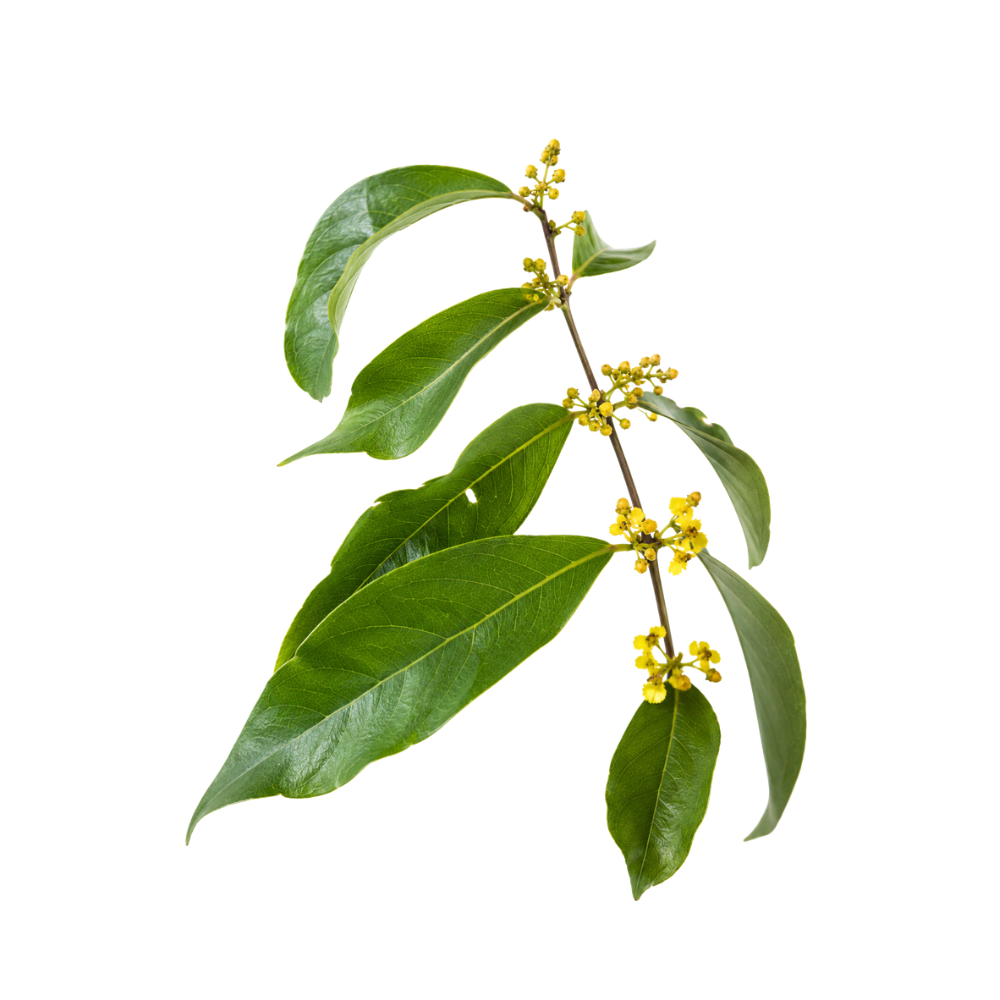 Source Chagro-Panga Diplopterys cabrerana Herb monograph →
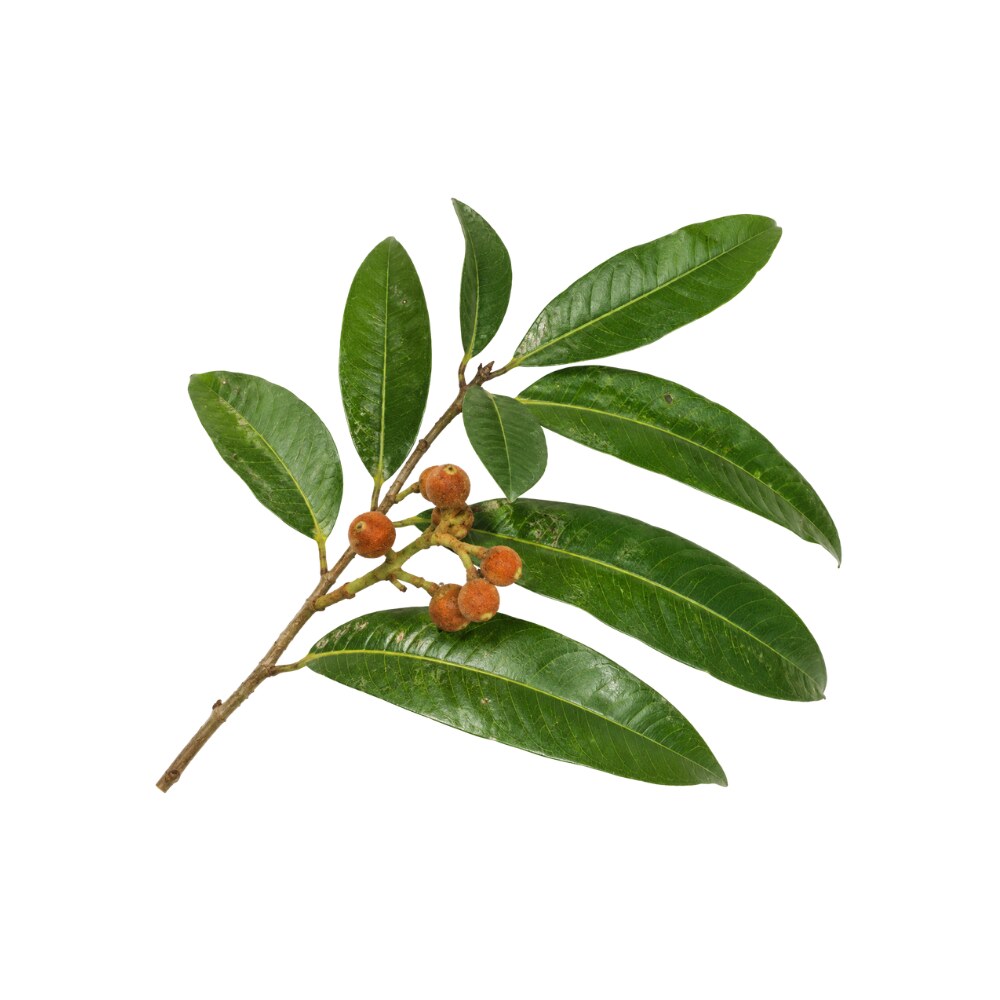 Source Epeña Virola spp. Herb monograph →
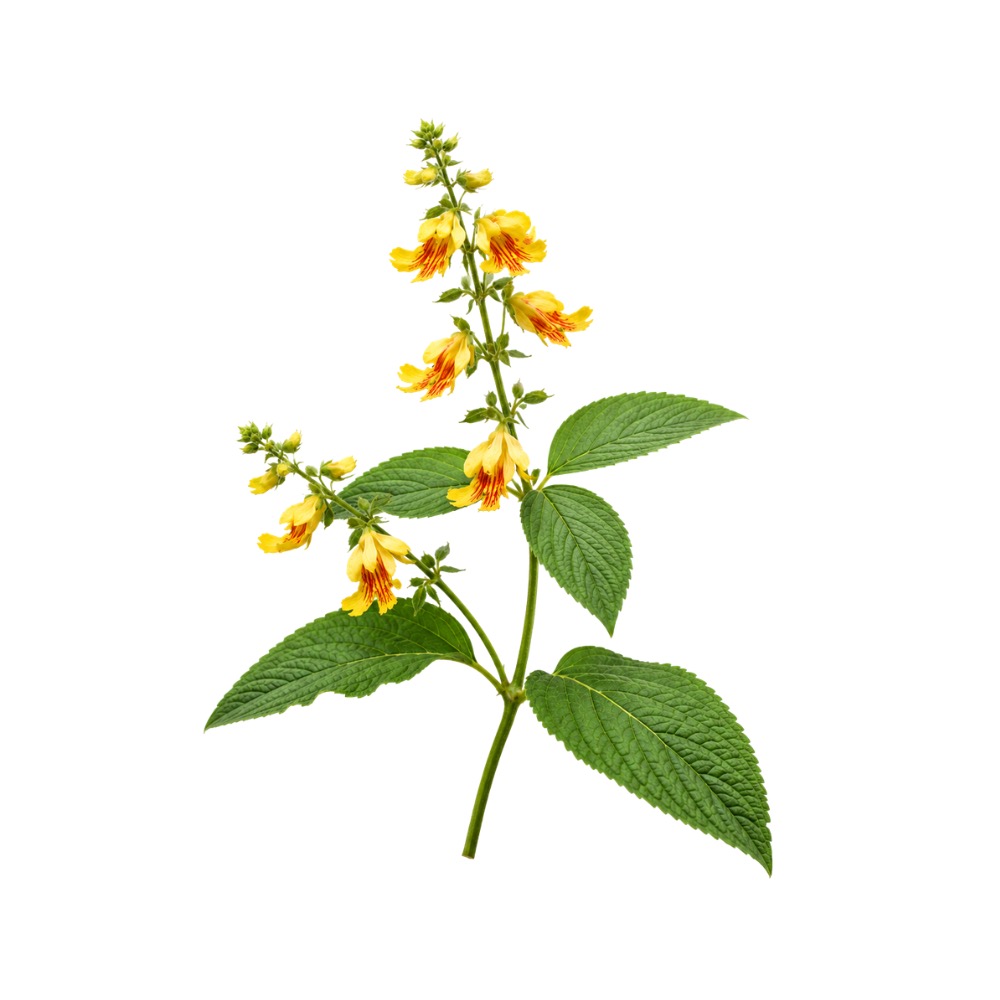 Source Maconha Brava Zornia latifolia Herb monograph →
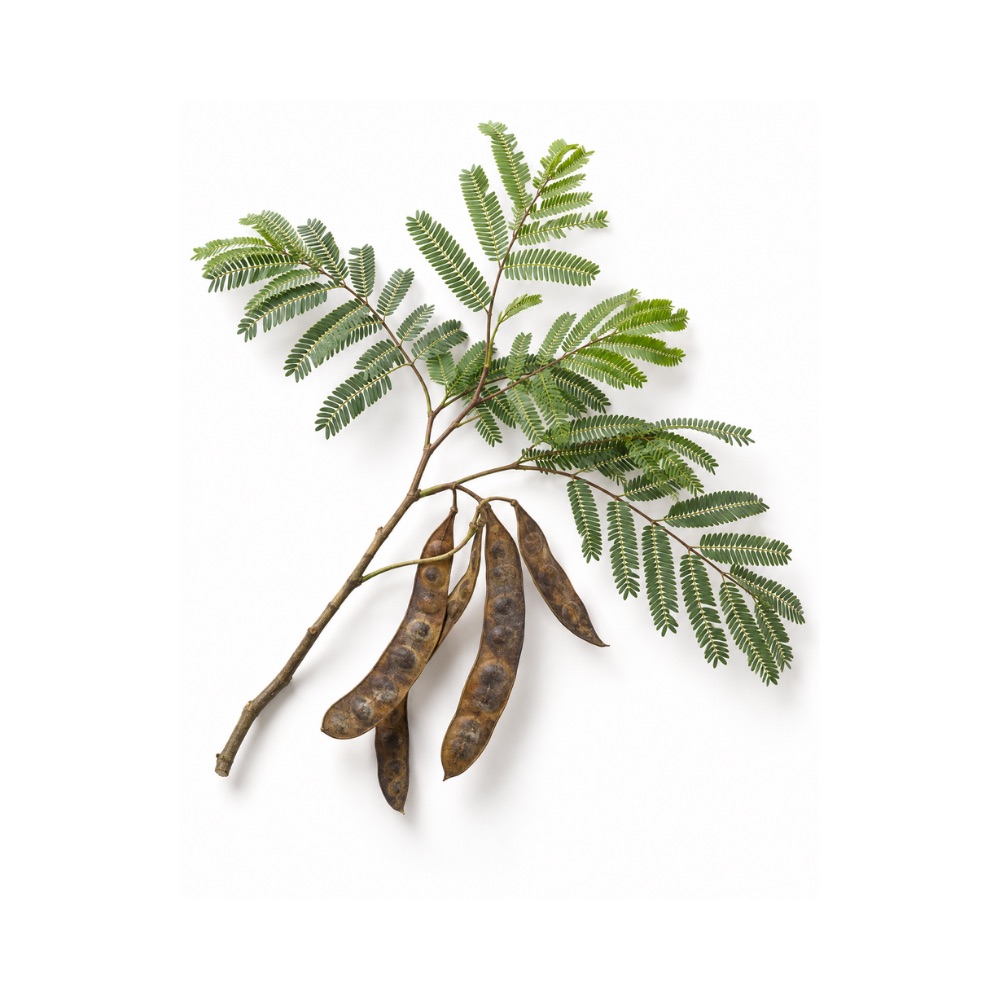 Source Yopo Anadenanthera spp. Herb monograph →
Concentration
Content by Source
Reported concentrations across the plants that contain 5-MeO-DMT — the bar marks the typical level, the line shows the reported range.
Literature figures for varying plant parts and preparations. Read them as a comparative guide, not exact assays.
5-MeO-DMT at a Glance
5-MeO-DMT, or 5-methoxy-N,N-dimethyltryptamine, is a naturally occurring psychedelic tryptamine. It is best known from two sources: the milky secretion of the Sonoran Desert (Colorado River) toad, Incilius alvarius, and several South American plants — Anadenanthera (yopo/vilca) and Virola — used to make ritual snuffs and brews.
Chemically it is the 5-methoxy relative of N,N-DMT and the O-methyl relative of bufotenin (5-HO-DMT). That single methoxy group matters: unlike N,N-DMT, 5-MeO-DMT is a potent agonist at the serotonin 5-HT1A receptor as well as the 5-HT2A receptor that classic psychedelics act on, and it has the highest affinity for 5-HT1A 1Reference 1ReviewThe clinical pharmacology and potential therapeutic applications of 5-methoxy-N,N-dimethyltryptamine (5-MeO-DMT)View study →. The result is an unusually intense but brief altered state — typically a matter of minutes when the vapour is inhaled — that differs qualitatively from longer psychedelics.
Human research is early and thin. Observational and survey work links a single exposure to rapid, sustained drops in self-reported depression, anxiety and stress 1,
5-MeO-DMT vs. N,N-DMT & Bufotenin
Three closely related tryptamines are constantly confused; the differences are the point of this molecule.
- N,N-DMT — the tryptamine of ayahuasca, hydroxyl-free at the 5-position. It is chiefly a 5-HT2A agonist.
- 5-MeO-DMT — adds a methoxy (–OCH₃) group at the 5-position. This makes it more potent by weight, shorter-acting, and — crucially — a strong 5-HT1A agonist on top of its 5-HT2A activity, with 5-HT1A affinity actually exceeding 5-HT2A 1Reference 1ReviewThe clinical pharmacology and potential therapeutic applications of 5-methoxy-N,N-dimethyltryptamine (5-MeO-DMT)View study →. The subjective experience is described less as visionary and more as an overwhelming, often “content-less” wave of ego dissolution.
- Bufotenin (5-HO-DMT) — the hydroxyl version. It is 5-MeO-DMT’s active human metabolite: the polymorphic liver enzyme CYP2D6 O-demethylates 5-MeO-DMT into bufotenin 2Reference 2ReviewPsychedelic 5-methoxy-N,N-dimethyltryptamine: metabolism, pharmacokinetics, drug interactions, and pharmacological actionsView study →.
So 5-MeO-DMT sits chemically between N,N-DMT (no 5-substituent) and bufotenin (5-hydroxyl), and metabolically it becomes bufotenin in the body.
What It's Used For
The human evidence base is small and skewed toward safety and dose-finding rather than proven efficacy. What exists points at rapid, short-lived psychoactivity and a signal — mostly observational — for single-dose antidepressant/anxiolytic effects.
Support is an experimental score — weighted by study type (human > animal > in vitro) and volume. A beta, not a validated metric. Note that the best-evidenced row here is human safety/dose-finding, not proven therapeutic benefit.
The strongest human evidence is about what the drug does and whether early doses are tolerated, using purified/synthetic isolate rather than plant or toad material. A Phase 1 dose-ranging study of vaporised GH001 (2, 6, 12, 18 mg and individualised escalation, N = 22 healthy volunteers) found dose-related increases in peak-experience and mystical-experience ratings, with vital signs unaffected at 1 and 3 h and adverse events generally mild and self-resolving 3Reference 3Clinical trialA Phase 1, dose-ranging study to assess safety and psychoactive effects of a vaporized 5-methoxy-N,N-dimethyltryptamine formulation (GH001) in healthy volunteersView study →.
A separate placebo-controlled single-ascending-dose trial of intranasal BPL-003 (5-MeO-DMT benzoate, 1–12 mg, N = 44) reported it well tolerated up to 12 mg with no serious adverse events, the commonest complaints being nasal discomfort, nausea, headache and vomiting 4Reference 4RCTPhase 1, placebo-controlled, single ascending dose trial to evaluate the safety, pharmacokinetics and effect on altered states of consciousness of intranasal BPL-003 (5-methoxy-N,N-dimethyltryptamine benzoate) in healthy participantsView study →.
Mechanistically the effect is anchored in 5-HT1A/5-HT2A agonism 1Reference 1ReviewThe clinical pharmacology and potential therapeutic applications of 5-methoxy-N,N-dimethyltryptamine (5-MeO-DMT)View study →.
Gap: these are small, short, healthy-volunteer safety studies of the isolate — they establish tolerability and dose-response, not therapeutic efficacy, and cannot speak to real-world (unsupervised, mixed-source) use.
The application driving commercial interest — and the weakest-designed evidence. A naturalistic study of a single inhalation of vapour from dried toad secretion reported sustained gains in life satisfaction and mindfulness and drops in depression, anxiety and stress ratings 5Reference 5A single inhalation of vapor from dried toad secretion containing 5-methoxy-N,N-dimethyltryptamine (5-MeO-DMT) in a naturalistic setting is related to sustained enhancement of satisfaction with life, mindfulness-related capacities, and a decrement of psychopathological symptomsView study →.
Large survey/epidemiological samples of people who have used 5-MeO-DMT report similar retrospective improvements and identify a “peak/mystical” experience as a predictor 1,
Because much of this data uses whole toad secretion (a mixture of tryptamines, not the isolate) in uncontrolled settings with self-report and no placebo, it is hypothesis-generating only. Company-sponsored Phase 2 trials in treatment-resistant depression are underway but not yet reported as completed efficacy studies.
Gap: no completed randomised, placebo-controlled efficacy trial exists; the antidepressant claim rests on uncontrolled, self-selected, often plant/toad-mixture cohorts 1,
Beyond the receptor effects, reviews propose that 5-MeO-DMT stimulates neuroendocrine function and exerts immunoregulatory / anti-inflammatory effects that could, in principle, contribute to mental-health outcomes 1Reference 1ReviewThe clinical pharmacology and potential therapeutic applications of 5-methoxy-N,N-dimethyltryptamine (5-MeO-DMT)View study →. This is a preclinical and mechanistic proposal, not a demonstrated clinical action.
Gap: entirely preclinical/theoretical for this molecule; no human immunological or neuroendocrine outcome has been shown to mediate any clinical benefit 1Reference 1ReviewThe clinical pharmacology and potential therapeutic applications of 5-methoxy-N,N-dimethyltryptamine (5-MeO-DMT)View study →.
Mechanisms
| Target / pathway | Effect | Relevant to |
|---|---|---|
| 5-HT1A receptor | potent agonist — highest affinity | the feature distinguishing it from NN-DMT; autonomicthermoregulatory & anxiolytic effects |
| 5-HT2A receptor | agonist | the classic psychedelic / hallucinogenic signalling shared with other tryptamines |
| MAO-A | primary oxidative deamination → inactivation | the short durationand the basis of the dangerous MAOI interaction |
| CYP2D6 | O-demethylation → bufotenin (active metabolite) | pharmacogenetic variability; active-metabolite formation |
| Neuroendocrine / immune signalling | proposed stimulation / anti-inflammatory effect | hypothesised contributor to mood outcomes (preclinical) |
The load-bearing point is the 5-HT1A agonism: it is why 5-MeO-DMT behaves differently from the mainly-5-HT2A N,N-DMT, and it drives the autonomic profile. Animal work dissociates the two receptors’ contributions — 5-HT1A and 5-HT2 activation shape distinct components of 5-MeO-DMT’s effects on locomotion and prepulse inhibition 11Reference 11The roles of 5-HT1A and 5-HT2 receptors in the effects of 5-MeO-DMT on locomotor activity and prepulse inhibitionView study →.
Pharmacokinetics
5-MeO-DMT is defined by speed. Vaporised, effects begin within seconds and typically resolve inside ~15–30 minutes; the intranasal benzoate formulation reaches peak plasma concentration in roughly 8–10 minutes with a terminal half-life under 27 minutes 4Reference 4RCTPhase 1, placebo-controlled, single ascending dose trial to evaluate the safety, pharmacokinetics and effect on altered states of consciousness of intranasal BPL-003 (5-methoxy-N,N-dimethyltryptamine benzoate) in healthy participantsView study →. Elimination runs through two competing routes: the main pathway is oxidative deamination by monoamine oxidase A (MAO-A), which inactivates the drug, while CYP2D6 O-demethylates a fraction into the active metabolite bufotenin 2Reference 2ReviewPsychedelic 5-methoxy-N,N-dimethyltryptamine: metabolism, pharmacokinetics, drug interactions, and pharmacological actionsView study →. Because CYP2D6 is genetically polymorphic, metabolism and active-metabolite formation vary between individuals 2Reference 2ReviewPsychedelic 5-methoxy-N,N-dimethyltryptamine: metabolism, pharmacokinetics, drug interactions, and pharmacological actionsView study →. In mice, exposure is non-linear (disproportionate rises at higher doses) 12Reference 12AnimalNonlinear pharmacokinetics of 5-methoxy-N,N-dimethyltryptamine in miceView study →.
The MAO-A route is the crux of the interaction risk: co-administering an MAO-A inhibitor such as harmaline blocks deamination, prolonging and amplifying exposure to both 5-MeO-DMT and bufotenin — the pharmacological basis of “hyperserotonergic” toxicity 2,
Clinical Trials
Human trials are early-phase and sponsor-driven. Two Phase 1 safety/dose-finding studies of purified formulations are published 3,
| Completed | Planned | Terminated | Preclinical |
|---|---|---|---|
| Phase 1 safety/dose-finding (vaporised GH001 3Reference 3Clinical trialA Phase 1, dose-ranging study to assess safety and psychoactive effects of a vaporized 5-methoxy-N,N-dimethyltryptamine formulation (GH001) in healthy volunteersView study →; intranasal BPL-003 4Reference 4RCTPhase 1, placebo-controlled, single ascending dose trial to evaluate the safety, pharmacokinetics and effect on altered states of consciousness of intranasal BPL-003 (5-methoxy-N,N-dimethyltryptamine benzoate) in healthy participantsView study →) | Phase 2 depression / TRD efficacy (ongoing) | — | Receptor pharmacology, neuroendocrine & immune signalling 1Reference 1ReviewThe clinical pharmacology and potential therapeutic applications of 5-methoxy-N,N-dimethyltryptamine (5-MeO-DMT)View study → |
Last checked: July 2026.
Isolate vs. Plant Studies
The evidence divides cleanly by what was actually given. The clinical trials use the synthetic isolate in defined single doses — a genuine strength for interpreting dose and safety 3,
Prevalence in Nature
5-MeO-DMT occurs across a scattered but well-known set of plants and one famous amphibian.
The richest single source by far is the Sonoran Desert / Colorado River toad, Incilius alvarius (formerly Bufo alvarius). A validated forensic analysis of the dried parotoid secretion found 5-MeO-DMT as the dominant tryptamine at a mean of ~410,000 µg/g — roughly 41% by dry weight — alongside much smaller amounts of bufotenin (~2,800 µg/g), N,N-DMT and related indoles 10Reference 10Qualitative and quantitative analysis of tryptamines in the poison of Incilius alvarius (Amphibia: Bufonidae)View study →. No plant approaches this concentration.
Among plants, 5-MeO-DMT is a constituent of Anadenanthera peregrina (yopo) and A. colubrina (vilca/cebíl) — the seeds long used to prepare psychoactive snuffs — and of Virola tree resins used similarly in the Amazon. In Anadenanthera, bufotenin is usually the major alkaloid and 5-MeO-DMT a variable minor-to-moderate component; reported levels swing widely by species, population and plant part. It is also listed from bay bean (Canavalia maritima) and maconha brava (Zornia latifolia), and — like several simple tryptamines — has been reported as a trace endogenous compound in mammalian tissue, though the significance of that is unsettled.
One Myristicaceae name attached to this molecule is a negative result rather than a source. Osteophloeum platyspermum, a relative of Virola named in earlier ethnobotanical reports, was analysed in the quantitative survey of orally active Myristicaceous hallucinogens, which found its only indolic base to be N-methyl-tryptophan methyl ester — not a tryptamine — and detected no β-carbolines in any of the 27 bark and leaf samples it examined. Those raw bark and leaf samples carried 0.04–0.25 mg/g dry weight of total alkaloids, against 15–20 mg/g in the prepared Virola drug samples analysed alongside them, which is the difference preparation makes 14Reference 14Monoamine oxidase inhibitors in South American hallucinogenic plants Part 2: constituents of orally-active Myristicaceous hallucinogensView study →.
Major Natural Sources
| Source | Part | 5-MeO-DMT level | Note |
|---|---|---|---|
| Sonoran Desert toad (Incilius alvarius) | dried parotoid secretion | ~41% dry wt 10Reference 10Qualitative and quantitative analysis of tryptamines in the poison of Incilius alvarius (Amphibia: Bufonidae)View study → | the dominant tryptamine; the only quantified rich source |
| Yopo (Anadenanthera peregrina) | seeds | variable, minor–moderate | bufotenin usually predominates; snuff source |
| Vilca (Anadenanthera colubrina) | seeds | variable | snuff source |
| Virola (Virola spp.) | bark resin | variable | Amazonian snuff/paste source |
Plant concentrations are genuinely variable and, for most species, not cleanly quantified in indexed literature — see the gaps note.
Discovery & Synthesis
5-MeO-DMT was first synthesised in 1936 by the Japanese chemists Toshio Hoshino and Kenya Shimodaira, well before its natural occurrence was known. It was subsequently identified in Anadenanthera snuff plants during the 1950s, and its presence in the secretion of the Sonoran Desert toad Incilius (Bufo) alvarius was characterised in the 1960s by pharmacologists studying amphibian skin amines. The name captures the chemistry: it is bufotenin with the 5-hydroxyl methylated (O-methylbufotenin), and N,N-DMT with a methoxy added at the 5-position.
Material used in research today is synthetic: 5-MeO-DMT is straightforward to prepare from 5-methoxyindole precursors, and the formulations in clinical trials (GH001 vaporate, BPL-003 benzoate salt) are purpose-manufactured pharmaceutical isolates 3,
Patents: not yet researched.
Toxicity & Safety
5-MeO-DMT carries the psychedelic flag: it is a potent, mind-altering drug with no food-grade or self-administration use, and its real-world hazards are serious and documented.
- Serotonin toxicity with MAOIs / SSRIs. Combining 5-MeO-DMT with harmala β-carbolines (ayahuasca-type brews) or serotonergic medicines can cause life-threatening serotonin syndrome — a documented cause of death.
- Overwhelming, uncontrollable experience. Rapid, extreme ego dissolution with loss of physical control, disorientation and, in some, acute fear or panic; physical injury and aspiration are real risks.
- Cardiovascular & psychiatric vulnerability. Serotonergic cardiovascular stimulation, and a well-recognised caution for anyone with a personal or family history of psychosis, mania or bipolar disorder.
- Legality & conservation. Schedule I in the US (illegal to possess/use); harvesting toad secretion also raises animal-welfare and conservation concerns for Incilius alvarius.
Full Safety & Interactions Detail
Serotonin toxicity — the defining danger. 5-MeO-DMT is normally inactivated by MAO-A; anything that inhibits MAO (the harmala alkaloids harmine and harmaline in ayahuasca-style brews, or pharmaceutical MAOIs) removes that brake, sharply increasing and prolonging exposure to both 5-MeO-DMT and its active metabolite bufotenin, and can precipitate hyperserotonergic / serotonin-syndrome toxicity 2Reference 2ReviewPsychedelic 5-methoxy-N,N-dimethyltryptamine: metabolism, pharmacokinetics, drug interactions, and pharmacological actionsView study →. This is not theoretical: a fatal intoxication was reported in a 25-year-old man found dead after consuming an ayahuasca-type preparation, with post-mortem blood containing 5-MeO-DMT (1.88 mg/L) together with harmaline, harmine and tetrahydroharmine; the medical examiner ruled death from hallucinogenic-amine intoxication 9Reference 9Case reportA fatal intoxication following the ingestion of 5-methoxy-N,N-dimethyltryptamine in an ayahuasca preparationView study →. SSRIs, SNRIs and other serotonergic drugs raise the same concern.
The acute experience. Onset is near-immediate when vaporised and the state is extremely intense; reported adverse features include profound disorientation, loss of motor control, nausea/vomiting, and acute anxiety or panic — with attendant risks of physical injury or aspiration if unsupervised. In the controlled Phase 1 trials the isolate was generally well tolerated at studied doses, with mostly mild adverse events and no serious events reported up to 12–18 mg 3,
Cardiovascular and psychiatric cautions. As a serotonergic agonist it can produce cardiovascular stimulation; it is generally regarded as contraindicated for people with a personal or family history of psychosis, schizophrenia or bipolar/mania.
Reproductive note (prose only). No dedicated reproductive- or developmental-toxicity dataset exists for isolated 5-MeO-DMT. Pregnancy/lactation decisions are not made at the level of this molecule page. No comprehensive isolate genotoxicity or repeat-dose toxicology package is characterised here beyond the acute pharmacology above.
Legal status. 5-MeO-DMT is a Schedule I controlled substance in the United States and is controlled in many other jurisdictions.
Dosage
There is no safe self-administered dose of 5-MeO-DMT, and nothing here is a recommendation. For reference only, published supervised research has used single vaporised doses of roughly 2–18 mg (GH001) 3Reference 3Clinical trialA Phase 1, dose-ranging study to assess safety and psychoactive effects of a vaporized 5-methoxy-N,N-dimethyltryptamine formulation (GH001) in healthy volunteersView study → and intranasal doses of 1–12 mg (BPL-003 benzoate salt) 4Reference 4RCTPhase 1, placebo-controlled, single ascending dose trial to evaluate the safety, pharmacokinetics and effect on altered states of consciousness of intranasal BPL-003 (5-methoxy-N,N-dimethyltryptamine benzoate) in healthy participantsView study →, typically with individualised escalation to reach a “peak” experience. Doses of the crude toad secretion used in naturalistic settings are far less precise because the material’s 5-MeO-DMT content varies. The MAOI-containing plant brews change the effective exposure entirely — and unpredictably — which is central to their danger. These are figures from research and forensic literature, not a personal recommendation.
References
- Reckweg JT, Uthaug MV, Szabo A, Davis AK, Lancelotta R, Mason NL, Ramaekers JG (2022). The clinical pharmacology and potential therapeutic applications of 5-methoxy-N,N-dimethyltryptamine (5-MeO-DMT). Journal of Neurochemistry. [Review]. https://pubmed.ncbi.nlm.nih.gov/35149998/
- Shen HW, Jiang XL, Winter JC, Yu AM (2010). Psychedelic 5-methoxy-N,N-dimethyltryptamine: metabolism, pharmacokinetics, drug interactions, and pharmacological actions. Current Drug Metabolism. [Review]. https://pubmed.ncbi.nlm.nih.gov/20942780/
- Reckweg J, Mason NL, van Leeuwen C, Toennes SW, Terwey TH, Ramaekers JG (2021). A Phase 1, dose-ranging study to assess safety and psychoactive effects of a vaporized 5-methoxy-N,N-dimethyltryptamine formulation (GH001) in healthy volunteers. Frontiers in Pharmacology. [Clinical trial]. https://pubmed.ncbi.nlm.nih.gov/34912222/
- Rucker JJ, Roberts C, Seynaeve M, Young AH, Suttle B, Yamamoto T, Ermakova AO, Dunbar F, Wiegand F (2024). Phase 1, placebo-controlled, single ascending dose trial to evaluate the safety, pharmacokinetics and effect on altered states of consciousness of intranasal BPL-003 (5-methoxy-N,N-dimethyltryptamine benzoate) in healthy participants. Journal of Psychopharmacology. [Clinical trial]. https://pubmed.ncbi.nlm.nih.gov/38616411/
- Uthaug MV, Lancelotta R, van Oorsouw K, Kuypers KPC, Mason N, Rak J, Šuláková A, Jurok R, Maryška M, Kuchař M, Páleníček T, Riba J, Ramaekers JG (2019). A single inhalation of vapor from dried toad secretion containing 5-methoxy-N,N-dimethyltryptamine (5-MeO-DMT) in a naturalistic setting is related to sustained enhancement of satisfaction with life, mindfulness-related capacities, and a decrement of psychopathological symptoms. Psychopharmacology (Berl). https://pubmed.ncbi.nlm.nih.gov/30982127/
- Davis AK, Barsuglia JP, Lancelotta R, Grant RM, Renn E (2018). The epidemiology of 5-methoxy-N,N-dimethyltryptamine (5-MeO-DMT) use: Benefits, consequences, patterns of use, subjective effects, and reasons for consumption. Journal of Psychopharmacology. https://pubmed.ncbi.nlm.nih.gov/29708042/
- Davis AK, So S, Lancelotta R, Barsuglia JP, Griffiths RR (2019). 5-methoxy-N,N-dimethyltryptamine (5-MeO-DMT) used in a naturalistic group setting is associated with unintended improvements in depression and anxiety. The American Journal of Drug and Alcohol Abuse. https://pubmed.ncbi.nlm.nih.gov/30822141/
- Hinkle JT, Graziosi M, Nayak SM, Yaden DB (2024). Adverse events in studies of classic psychedelics: a systematic review and meta-analysis. JAMA Psychiatry. [Meta-analysis]. https://pubmed.ncbi.nlm.nih.gov/39230883/
- Sklerov J, Levine B, Moore KA, King T, Fowler D (2005). A fatal intoxication following the ingestion of 5-methoxy-N,N-dimethyltryptamine in an ayahuasca preparation. Journal of Analytical Toxicology. [Case report]. https://pubmed.ncbi.nlm.nih.gov/16356341/
- Schwelm HM, Zimmermann N, Scholl T, Penner J, Autret A, Auwärter V, Neukamm MA (2022). Qualitative and quantitative analysis of tryptamines in the poison of Incilius alvarius (Amphibia: Bufonidae). Journal of Analytical Toxicology. https://pubmed.ncbi.nlm.nih.gov/33851996/
- Krebs-Thomson K, Ruiz EM, Masten V, et al. (2006). The roles of 5-HT1A and 5-HT2 receptors in the effects of 5-MeO-DMT on locomotor activity and prepulse inhibition. Psychopharmacology (Berl). https://pubmed.ncbi.nlm.nih.gov/17013638/
- Jiang XL, Shen HW, Yu AM (2011). Nonlinear pharmacokinetics of 5-methoxy-N,N-dimethyltryptamine in mice. Drug Metabolism and Disposition. https://pubmed.ncbi.nlm.nih.gov/21464174/
- Jiang XL, Shen HW, Yu AM (2013). Pharmacokinetic interactions between monoamine oxidase A inhibitor harmaline and 5-methoxy-N,N-dimethyltryptamine, and the impact of CYP2D6 status. Drug Metabolism and Disposition. https://pubmed.ncbi.nlm.nih.gov/23393220/
- McKenna DJ, Towers GH, Abbott FS (1984). Monoamine oxidase inhibitors in South American hallucinogenic plants Part 2: constituents of orally-active Myristicaceous hallucinogens. Journal of Ethnopharmacology. https://pubmed.ncbi.nlm.nih.gov/6521493/



