
Materia Medica
Yopo
Anadenanthera spp.
Yopo is a visionary snuff made from the roasted, ground seeds of South American Anadenanthera trees, used by Indigenous shamans for healing and divination. Its main alkaloid is bufotenine, with smaller amounts of DMT and 5-MeO-DMT.
What Is Yopo?
Yopo is a powerful visionary snuff made from the roasted, ground seeds of Anadenanthera trees, and the name is also given to the trees themselves. The northern species, Anadenanthera peregrina, gives yopo or cohoba; the southern A. colubrina var. cebil gives the snuff called vilca or cebíl 1,
Anadenanthera grows in the seasonally dry forests and savannas of South America, and yopo is still used by Indigenous peoples of the Orinoco basin 25,
The seeds’ main alkaloid is bufotenine, with smaller amounts of DMT and 5-MeO-DMT 1Reference 1ReviewPharmañopo-psychonautics: human intranasal, sublingual, intrarectal, pulmonary and oral pharmacology of bufotenine — human self-experiment reviewView study →. Synthetic 5-MeO-DMT is now in early human trials 8,
Yopo is a different snuff from epeña, which is made from the bark resin of Virola trees.
How Is Yopo Used?
- Snuff — the seeds are roasted, powdered and mixed with plant ash or with lime made from shells 25Reference 25ReviewRitual use of Anadenanthera seeds among South American natives — review (archaeology, history and ethnography)View study →. The powder is blown forcefully into the nostrils through a tube, often by one person into another.
- Snuff with ayahuasca vine — Piaroa shamans in southern Venezuela add cuttings of Banisteriopsis caapi to the snuff and drink the vine before taking it 2Reference 2ReviewSnuff synergy: preparation, use and pharmacology of yopo and Banisteriopsis caapi among the Piaroa of southern Venezuela — ethnographic reviewView study →.
- Snuff with tobacco — vilca and tobacco are commonly combined in snuffs in lowland South America 26Reference 26Pre-Hispanic ritual use of psychoactive plants at Chavín de Huántar, Peru — archaeological residue analysisView study →.
- Seeds by mouth — in the Andes, vilca seeds are cooked into drinks and enemas as a purge, and are sold in markets as a laxative 27Reference 27ReviewContemporary uses of vilca (Anadenanthera colubrina var. cebil): a major ritual plant in the Andes — ethnobotanical review and market surveyView study →.
- Bark — the bark of both species is used in Brazilian and Andean folk medicine for coughs, bronchitis and lung complaints 23,
27, .29Reference 23ReviewAnadenanthera colubrina (Vell) Brenan: ethnobotanical, phytochemical, pharmacological and toxicological aspects — reviewView study →Reference 27ReviewContemporary uses of vilca (Anadenanthera colubrina var. cebil): a major ritual plant in the Andes — ethnobotanical review and market surveyView study →Reference 29Fern, K. (n.d.). Anadenanthera peregrina — habit, range, habitat, medicinal uses, hazards and cultivation — species database. Useful Tropical Plants Database. https://tropical.theferns.info/viewtropical.php?id=Anadenanthera+peregrinaView study →
Traditional Uses
Orinoco & Amazonian Shamanic Use
Yopo is taken by Indigenous peoples of the Orinoco basin, where the name comes from, and in the Brazilian and Colombian Amazon 25Reference 25ReviewRitual use of Anadenanthera seeds among South American natives — review (archaeology, history and ethnography)View study →. The seeds are roasted, powdered and mixed with plant ash or lime from shells 25Reference 25ReviewRitual use of Anadenanthera seeds among South American natives — review (archaeology, history and ethnography)View study →.
Shamans take the snuff to enter trance, see visions, receive messages from spirits, and practise divination and prophecy 29Reference 29Fern, K. (n.d.). Anadenanthera peregrina — habit, range, habitat, medicinal uses, hazards and cultivation — species database. Useful Tropical Plants Database. https://tropical.theferns.info/viewtropical.php?id=Anadenanthera+peregrinaView study →. The intoxication can be mild or deep 29Reference 29Fern, K. (n.d.). Anadenanthera peregrina — habit, range, habitat, medicinal uses, hazards and cultivation — species database. Useful Tropical Plants Database. https://tropical.theferns.info/viewtropical.php?id=Anadenanthera+peregrinaView study →.
It was also taken more widely: as an everyday stimulant, before drinking feasts and war expeditions, by hunters to sharpen their alertness and sight, and to ward off fevers 29Reference 29Fern, K. (n.d.). Anadenanthera peregrina — habit, range, habitat, medicinal uses, hazards and cultivation — species database. Useful Tropical Plants Database. https://tropical.theferns.info/viewtropical.php?id=Anadenanthera+peregrinaView study →. It is sometimes given as an enema 29Reference 29Fern, K. (n.d.). Anadenanthera peregrina — habit, range, habitat, medicinal uses, hazards and cultivation — species database. Useful Tropical Plants Database. https://tropical.theferns.info/viewtropical.php?id=Anadenanthera+peregrinaView study →.
Piaroa shamans add Banisteriopsis caapi cuttings to the yopo and drink the vine beforehand, matching the dose of vine to the strength of vision a task needs 2Reference 2ReviewSnuff synergy: preparation, use and pharmacology of yopo and Banisteriopsis caapi among the Piaroa of southern Venezuela — ethnographic reviewView study →. Adding B. caapi strengthens the snuff’s effect 1Reference 1ReviewPharmañopo-psychonautics: human intranasal, sublingual, intrarectal, pulmonary and oral pharmacology of bufotenine — human self-experiment reviewView study →.
Andean Use of Vilca
In the Andes, the snuff of A. colubrina var. cebil is called vilca. Bone tubes used as inhalers at Chavín de Huántar in Peru, from 1200–400 BCE, hold traces of vilca and tobacco 26Reference 26Pre-Hispanic ritual use of psychoactive plants at Chavín de Huántar, Peru — archaeological residue analysisView study →.
Wichí shamans inhale and smoke cebíl seeds to see visions, heal and speak with spirits 27Reference 27ReviewContemporary uses of vilca (Anadenanthera colubrina var. cebil): a major ritual plant in the Andes — ethnobotanical review and market surveyView study →.
Seventeenth-century chroniclers of the central Andes describe vilca as a purge, given as an enema or drunk with chicha 27Reference 27ReviewContemporary uses of vilca (Anadenanthera colubrina var. cebil): a major ritual plant in the Andes — ethnobotanical review and market surveyView study →. The seeds were also cooked with honey to clear the chest and stomach and to promote urination 27Reference 27ReviewContemporary uses of vilca (Anadenanthera colubrina var. cebil): a major ritual plant in the Andes — ethnobotanical review and market surveyView study →.
Vilca is still sold in Andean markets. The seeds are sold as a laxative in Peru, and in La Paz as an abortifacient and to bring on menstruation 27Reference 27ReviewContemporary uses of vilca (Anadenanthera colubrina var. cebil): a major ritual plant in the Andes — ethnobotanical review and market surveyView study →. Aymara midwives in Bolivia give the seeds to help release the placenta 27Reference 27ReviewContemporary uses of vilca (Anadenanthera colubrina var. cebil): a major ritual plant in the Andes — ethnobotanical review and market surveyView study →.
In northwestern Argentina, ground vilca is added to infusions to treat susto, a fright illness, in children 27Reference 27ReviewContemporary uses of vilca (Anadenanthera colubrina var. cebil): a major ritual plant in the Andes — ethnobotanical review and market surveyView study →.
Brazilian & Guianan Folk Medicine
In Brazil, the bark of A. peregrina is used for asthma and bronchitis 29Reference 29Fern, K. (n.d.). Anadenanthera peregrina — habit, range, habitat, medicinal uses, hazards and cultivation — species database. Useful Tropical Plants Database. https://tropical.theferns.info/viewtropical.php?id=Anadenanthera+peregrinaView study →. The bark of A. colubrina is used for respiratory conditions, and is a traditional remedy for lung disease in the Caatinga of northeastern Brazil 14,
In the Guianas, yopo has been used to treat apoplexy 29Reference 29Fern, K. (n.d.). Anadenanthera peregrina — habit, range, habitat, medicinal uses, hazards and cultivation — species database. Useful Tropical Plants Database. https://tropical.theferns.info/viewtropical.php?id=Anadenanthera+peregrinaView study →.
Indications
- Shamanic healing, visions and divination [seed snuff; Orinoco, Amazonian and Andean Indigenous use]
- Alertness and keen sight for hunting [seed snuff; South American Indigenous use]
- Prevention of fevers [seed snuff; South American Indigenous use]
- Constipation, as a purge [vilca seeds; Andean use]
- Susto (fright illness) in children [vilca seeds; northwestern Argentina]
- Asthma, bronchitis and lung complaints [bark; Brazilian and Andean folk medicine]
- Diarrhoea [vilca bark decoction; Andean use]
Botany
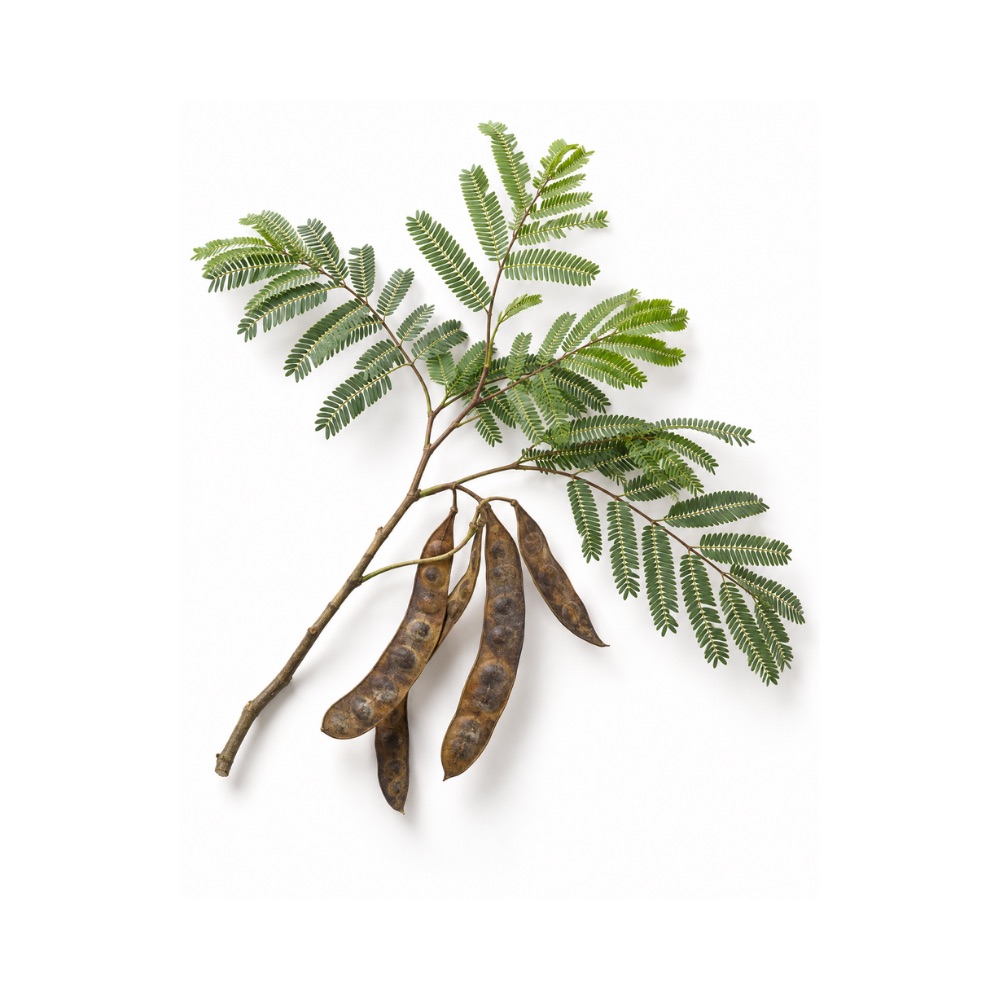
Anadenanthera is a small genus of two to four species of trees and shrubs, 3–30 m tall, in the mimosa group of the legume family 28Reference 28Advances in Legume Systematics 14View study →. The trees carry no thorns. Some have smooth trunks, and others carry knobby, conical projections on the trunk 28Reference 28Advances in Legume Systematics 14View study →.
The leaves are feathery and finely divided into many pairs of small leaflets 28Reference 28Advances in Legume Systematics 14View study →. The flowers grow in round, fragrant heads 1–2 cm across, greenish white to creamy yellow 28Reference 28Advances in Legume Systematics 14View study →.
The pods are narrow, flattened and leathery, and split open along one edge 28Reference 28Advances in Legume Systematics 14View study →. Each holds 8–16 thin, round, disc-shaped seeds, dark brown to black and shiny 28Reference 28Advances in Legume Systematics 14View study →. The seeds are the part made into snuff.
Anadenanthera peregrina is a deciduous tree up to 30 m tall, with an open, spreading crown and a short trunk 40–80 cm across 29Reference 29Fern, K. (n.d.). Anadenanthera peregrina — habit, range, habitat, medicinal uses, hazards and cultivation — species database. Useful Tropical Plants Database. https://tropical.theferns.info/viewtropical.php?id=Anadenanthera+peregrinaView study →. Like many legumes, it fixes nitrogen through bacteria in its root nodules 29Reference 29Fern, K. (n.d.). Anadenanthera peregrina — habit, range, habitat, medicinal uses, hazards and cultivation — species database. Useful Tropical Plants Database. https://tropical.theferns.info/viewtropical.php?id=Anadenanthera+peregrinaView study →.
The genus has long been split into A. peregrina and A. colubrina, whose ranges overlap 28Reference 28Advances in Legume Systematics 14View study →. A 2023 genetic study raised their varieties to four species, though that study covered only part of the genus’s range 28Reference 28Advances in Legume Systematics 14View study →.
Distribution
Anadenanthera grows only in South America, from northern Argentina and Paraguay north through Bolivia, Peru and Brazil to Guyana and Venezuela, and across much of the northern Andes 28Reference 28Advances in Legume Systematics 14View study →. It also grows in the West Indies, where it was probably introduced before the arrival of Europeans 28Reference 28Advances in Legume Systematics 14View study →.
The trees grow in seasonally dry tropical and subtropical forest, along rivers and forest margins, and in woodland, savanna and scrub, up to about 2,000 m 28Reference 28Advances in Legume Systematics 14View study →. They are often planted near villages 28Reference 28Advances in Legume Systematics 14View study →.
A. peregrina is the northern species. It grows at the margins of upland rainforest, on granite flats and along rivers in the Guianas, and in semideciduous forest and savanna edges in Brazil 29Reference 29Fern, K. (n.d.). Anadenanthera peregrina — habit, range, habitat, medicinal uses, hazards and cultivation — species database. Useful Tropical Plants Database. https://tropical.theferns.info/viewtropical.php?id=Anadenanthera+peregrinaView study →. Competition between neighbouring peoples for its seeds led to its semi-cultivation and to its planting beyond its native range 29Reference 29Fern, K. (n.d.). Anadenanthera peregrina — habit, range, habitat, medicinal uses, hazards and cultivation — species database. Useful Tropical Plants Database. https://tropical.theferns.info/viewtropical.php?id=Anadenanthera+peregrinaView study →.
Growing Conditions
Cultivation snapshot for Yopo
- A tropical-to-subtropical lowland tree: grow in full sun in a warm, frost-free climate.
- Tolerates most well-drained soils and is drought-hardy and heat-adapted, suiting seasonally dry tropical conditions (its relative A. colubrina is even more drought-tolerant).
- Fast-growing — young trees can top 2.5 m within two years — and, as a nitrogen-fixer, useful in agroforestry and reforestation.
- Grown from seed sown fresh in a sunny bed; germination is quick, and nicking the hard seed coat speeds it up.
Grow it yourself
Farm Wiki is our cultivation-focused sister site, also run by Justin Cooke.
Phytochemistry
The seeds contain tryptamine alkaloids. The main alkaloid is bufotenine (5-HO-DMT), which can make up several percent of the seed’s weight. It is accompanied by much smaller amounts of N,N-DMT and 5-MeO-DMT, and traces of N-monomethyltryptamine 1Reference 1ReviewPharmañopo-psychonautics: human intranasal, sublingual, intrarectal, pulmonary and oral pharmacology of bufotenine — human self-experiment reviewView study →.
Alkaloid content varies widely with the tree’s origin, the seed’s maturity and the season.
The bark has a different chemistry. It is rich in tannins and phenolic compounds, among them gallic acid, catechin and epicatechin 11,
The bark, extract and gum research comes mostly from A. colubrina, and should be read separately from the tryptamine chemistry of the seeds 23Reference 23ReviewAnadenanthera colubrina (Vell) Brenan: ethnobotanical, phytochemical, pharmacological and toxicological aspects — reviewView study →.
Constituent Summary
The alkaloids of the seed, as a percentage of seed weight:
Indole Alkaloid4 compounds4 with data
Pharmacology & Research
No controlled trial has tested yopo snuff, and none has tested bufotenine. The human record for the snuff is self-experiment and ethnographic description 1,
A separate preclinical literature covers the bark, extracts and gum of A. colubrina. It reports anti-inflammatory, antioxidant and antimicrobial activity in cells and rodents 13,
-
Best-supported: the seed snuff as a serotonergic psychedelic, confirmed in human self-experiments. Bufotenine and the minor tryptamines act at 5-HT2A and 5-HT1A receptors 1,
3, .7Reference 1ReviewPharmañopo-psychonautics: human intranasal, sublingual, intrarectal, pulmonary and oral pharmacology of bufotenine — human self-experiment reviewView study →Reference 3ReviewBufotenine: toward an understanding of possible psychoactive mechanisms — review (5-HT2A/5-HT2C)View study →Reference 7In vitroStructural pharmacology and therapeutic potential of 5-methoxytryptamines — in vitro/structural + mouse behaviourView study → -
Emerging, worth watching: purified 5-MeO-DMT, a minor yopo alkaloid, is well tolerated and very short-acting in early human trials; its value in depression is still being tested 8,
9Reference 8RCTPhase 1, placebo-controlled, single ascending dose trial of intranasal BPL-003 (5-MeO-DMT) — randomised placebo-controlledView study →Reference 9RCTSafety and tolerability of multiple sublingual microdoses of 5-MeO-DMT — randomised, double-blind, placebo-controlledView study → . -
Mechanistically thin: anti-inflammatory, antioxidant and antimicrobial activity of A. colubrina bark and gum, mostly in cells and rodents 13,
14, .15, 16, 17, 18, 19, 20, 21, 22Reference 13In vitroIn vitro antioxidant and anti-inflammatory activities and total polyphenol/flavonoid contents of Anadenanthera colubrina — in vitroView study →Reference 14AnimalAnti-inflammatory effect of Anadenanthera colubrina var. cebil in experimental elastase-induced pulmonary emphysema in rats — rat in vivoView study →Reference 15In vitroAnadenanthera colubrina regulated LPS-induced inflammation by suppressing NF-κB and p38-MAPK — in vitro (human THP-1)View study →Reference 16AnimalImmunomodulatory effects of Anadenanthera colubrina bark extract in experimental autoimmune encephalomyelitis — mouse in vivoView study →Reference 17In vitroGreen synthesis of silver nanoparticles from Anadenanthera colubrina extract and antimicrobial action against ESKAPEE bacteria — in vitroView study →Reference 18In vitroAnadenanthera colubrina modulates virulence factors of C. albicans and inflammatory response in vitro — in vitroView study →Reference 19In vitroAntimicrobial potential of plant extracts from the Brazilian Cerrado — in vitroView study →Reference 20AnimalGastroprotective activity and physicochemical analysis of carboxymethylated gum from Anadenanthera colubrina — rat in vivoView study →Reference 21AnimalRed Angico Gum: a nontoxic polysaccharide with antitumor and antiedematogenic activity — mouse in vivoView study →Reference 22In vitroAnadenanthera colubrina as an inhibitor of HIV-1 BaL infection — in vitroView study → -
The caveat: there is no standardised dose and no trial of the snuff; the medicinal research uses the bark and gum rather than the seed, and two reviews cover that literature in full 23,
24Reference 23ReviewAnadenanthera colubrina (Vell) Brenan: ethnobotanical, phytochemical, pharmacological and toxicological aspects — reviewView study →Reference 24ReviewBeyond a psychotropic plant: exploring the ethnomedicinal value of Anadenanthera colubrina var. cebil — reviewView study → .
The plant’s two bodies of research do not overlap. The human data concern the seed’s psychoactive alkaloids, mostly as purified synthetic drugs, and the preclinical work concerns the bark, extracts and gum of A. colubrina. Neither tests the snuff as a medicine 8,
1. Psychoactive (Serotonergic Entheogen)
The ground, alkalised seeds are taken as snuff, delivering tryptamine alkaloids that act at serotonin 5-HT2A receptors and, for the methoxylated tryptamines, 5-HT1A receptors 3,
The main alkaloid is bufotenine, which can reach several percent of seed weight, with smaller amounts of N,N-DMT and 5-MeO-DMT 1Reference 1ReviewPharmañopo-psychonautics: human intranasal, sublingual, intrarectal, pulmonary and oral pharmacology of bufotenine — human self-experiment reviewView study →.
In self-experiments by several routes, including snuff, Ott established that crystalline bufotenine is visionary. Across 25 of these trials he confirmed that β-carbolines from Banisteriopsis caapi strengthen the effect of snuffed tryptamines 1Reference 1ReviewPharmañopo-psychonautics: human intranasal, sublingual, intrarectal, pulmonary and oral pharmacology of bufotenine — human self-experiment reviewView study →. Piaroa shamans add the vine to their yopo for this purpose 2Reference 2ReviewSnuff synergy: preparation, use and pharmacology of yopo and Banisteriopsis caapi among the Piaroa of southern Venezuela — ethnographic reviewView study →.
Bufotenine’s psychoactivity has been debated. It acts at the 5-HT2A and 5-HT2C receptors much as other psychedelics do, but it crosses from the blood into the brain poorly 3,
Gap: no controlled human dosing study of the snuff exists. Seed alkaloid content varies widely, and admixtures change the effect, so there is no defined dose.
2. Anti-Inflammatory
Hydroethanolic extracts of A. colubrina bark reduced inflammation in several rodent and cell models.
In rats with elastase-induced emphysema, the extract reduced neutrophil inflammation in the lungs and lowered TNF-α, IL-1β, IL-6, myeloperoxidase and malondialdehyde 14Reference 14AnimalAnti-inflammatory effect of Anadenanthera colubrina var. cebil in experimental elastase-induced pulmonary emphysema in rats — rat in vivoView study →. In mice with experimental autoimmune encephalomyelitis, a model of multiple sclerosis, a bark extract eased clinical signs, reduced inflammatory infiltrates in the spinal cord and lowered IL-1β, IL-6, IL-12, TNF and IFN-γ 16Reference 16AnimalImmunomodulatory effects of Anadenanthera colubrina bark extract in experimental autoimmune encephalomyelitis — mouse in vivoView study →.
In LPS-stimulated human THP-1 monocytes, a standardised extract dampened the NF-κB and p38-MAPK pathways and altered IL-1β and IL-10 15Reference 15In vitroAnadenanthera colubrina regulated LPS-induced inflammation by suppressing NF-κB and p38-MAPK — in vitro (human THP-1)View study →. In vitro, the bark extract also inhibited protein denaturation 13Reference 13In vitroIn vitro antioxidant and anti-inflammatory activities and total polyphenol/flavonoid contents of Anadenanthera colubrina — in vitroView study →.
Red angico gum, a polysaccharide from the trunk, reduced carrageenan paw swelling in mice 21Reference 21AnimalRed Angico Gum: a nontoxic polysaccharide with antitumor and antiedematogenic activity — mouse in vivoView study →.
Gap: no human data, and none of this work used the seed.
3. Antioxidant
Bark extracts of both A. peregrina and A. colubrina are strong radical scavengers, with a high phenolic and tannin content including gallic acid, catechin and epicatechin 11,
A. colubrina bark extract from northern Peru reached about 748 mg Trolox equivalents per gram in the DPPH assay and 436 mg FeSO₄ equivalents per gram in the FRAP assay, and inhibited lipid peroxidation and H₂O₂-induced haemolysis in vitro 13Reference 13In vitroIn vitro antioxidant and anti-inflammatory activities and total polyphenol/flavonoid contents of Anadenanthera colubrina — in vitroView study →.
In rodents, the bark extract lowered malondialdehyde in emphysema 14Reference 14AnimalAnti-inflammatory effect of Anadenanthera colubrina var. cebil in experimental elastase-induced pulmonary emphysema in rats — rat in vivoView study →, and red angico gum restored superoxide dismutase and glutathione in an ethanol stomach-injury model 20Reference 20AnimalGastroprotective activity and physicochemical analysis of carboxymethylated gum from Anadenanthera colubrina — rat in vivoView study →.
Gap: mostly in vitro chemistry. The animal results are secondary readouts in disease models, and none used the seed.
4. Antimicrobial
A standardised A. colubrina extract was active against Candida species at under 15.6 µg/mL, and reduced C. albicans biofilm and its protein-digesting enzymes 18Reference 18In vitroAnadenanthera colubrina modulates virulence factors of C. albicans and inflammatory response in vitro — in vitroView study →. An A. colubrina extract also inhibited the oral bacterium Aggregatibacter actinomycetemcomitans 19Reference 19In vitroAntimicrobial potential of plant extracts from the Brazilian Cerrado — in vitroView study →.
Silver nanoparticles made with A. colubrina bark extract were active against multidrug-resistant ESKAPEE bacteria 17Reference 17In vitroGreen synthesis of silver nanoparticles from Anadenanthera colubrina extract and antimicrobial action against ESKAPEE bacteria — in vitroView study →.
A. peregrina bark extract inhibited Staphylococcus aureus but not E. coli 11Reference 11In vitroPhytochemical characterization, antioxidant and antibacterial activities of Anadenanthera peregrina stem bark — in vitroView study →. An A. colubrina extract blocked HIV-1 infection of cells in vitro 22Reference 22In vitroAnadenanthera colubrina as an inhibitor of HIV-1 BaL infection — in vitroView study →.
Gap: all of it is in vitro, with no pharmacokinetic or clinical follow-up. The seed has not been tested.
5. Antidepressant & Anxiolytic
5-MeO-DMT, present in yopo seed at about 0.04%, is being developed in purified form as a fast-acting antidepressant.
In a phase 1 trial, 44 healthy volunteers took single intranasal doses of BPL-003, a 5-MeO-DMT salt, at 1–12 mg. It was well tolerated, blood levels peaked at about 8–10 minutes, and its half-life was under 27 minutes. The most common side effects were nasal discomfort, nausea, headache and vomiting 8Reference 8RCTPhase 1, placebo-controlled, single ascending dose trial of intranasal BPL-003 (5-MeO-DMT) — randomised placebo-controlledView study →.
In a phase 1 trial in adults with moderate depression or anxiety symptoms, weekly sublingual doses of 6–12 mg for four weeks were well tolerated, with transient nausea and headache. Blood levels peaked within about 20 minutes 9Reference 9RCTSafety and tolerability of multiple sublingual microdoses of 5-MeO-DMT — randomised, double-blind, placebo-controlledView study →.
In a web survey of 515 people who had used 5-MeO-DMT, most of those with a psychiatric diagnosis reported improvement in depression, anxiety or PTSD afterwards 10Reference 10ObservationalThe epidemiology of 5-methoxy- N, N-dimethyltryptamine (5-MeO-DMT) use: Benefits, consequences, patterns of use, subjective effects, and reasons for consumption — observational surveyView study →.
In mice, a 5-MeO-DMT analogue that acts only at 5-HT1A receptors kept anxiolytic-like and antidepressant-like effects without psychedelic-like behaviour 7Reference 7In vitroStructural pharmacology and therapeutic potential of 5-methoxytryptamines — in vitro/structural + mouse behaviourView study →.
Gap: the trials test a purified synthetic molecule for safety, not the snuff, and have not yet measured an effect on depression. Yopo is dominated by bufotenine and delivers only traces of 5-MeO-DMT.
Mechanisms
The seed’s tryptamines act at serotonin 5-HT2A and 5-HT1A receptors, which is the basis of the psychoactive effect 3,
The bark, extracts and gum of A. colubrina have been studied separately. Their flavonoids, phenolics and tannins have been studied for anti-inflammatory, antioxidant and antimicrobial activity 11,
| Mechanism | Drives | Key compounds |
|---|---|---|
| 5-HT2A / 5-HT1A agonism (CNS) | psychoactive effect; investigational antidepressant (isolated molecule) | bufotenine, 5-MeO-DMT, N,N-DMT |
| 5-HT4 receptor and sympathetic stimulation of the heart | faster heart rate and stronger contraction (a safety effect) | bufotenine |
| NF-κB ↓, p38-MAPK ↓, pro-inflammatory cytokines ↓ | anti-inflammatory | quercetin, catechin, kaempferol |
| Radical scavenging (DPPH/FRAP), lipid peroxidation ↓ | antioxidant | gallic acid, epicatechin |
| Biofilm and fungal enzyme inhibition | antimicrobialantifungal | condensed tannins, proanthocyanidins |
Clinical Trials
The registered 5-MeO-DMT programmes are GH001/mebufotenin and BPL-003, with completed Phase 1/2 studies and several terminated efforts in postpartum depression and bipolar II. None used the whole snuff.
| Completed | Planned | Terminated | Preclinical |
|---|---|---|---|
| 8* | 4* | 3* | ~30+ |
*5-MeO-DMT constituent as an isolated drug, not yopo — 0 trials of the seed snuff or bufotenine itself.
Last checked: August 2026.
Dosage
Yopo has no measured dose. The snuff is prepared and given within a ritual, the amount is judged by the preparer, and the seeds’ alkaloid content varies widely.
The effects come on fast and are short and intense.
In trials, synthetic 5-MeO-DMT was given as a single intranasal dose of 1–12 mg 8Reference 8RCTPhase 1, placebo-controlled, single ascending dose trial of intranasal BPL-003 (5-MeO-DMT) — randomised placebo-controlledView study →, or as weekly sublingual doses of 6–12 mg 9Reference 9RCTSafety and tolerability of multiple sublingual microdoses of 5-MeO-DMT — randomised, double-blind, placebo-controlledView study →. Those doses do not apply to the snuff.
Safety & Pregnancy
Yopo is a potent, short-acting psychedelic snuff. Its main dangers are its effects on the heart, dangerous combinations with MAOIs and serotonergic drugs, unpredictable strength and its legal status.
- Heart strain. Bufotenine stimulates the heart through 5-HT4 receptors and the cardiac sympathetic nerves, raising the heart rate and the force of contraction 4,
5Reference 4In vitroCardiovascular effects of bufotenin on human 5-HT4 serotonin receptors in cardiac preparations — in vitro (human atrial, transgenic mouse)View study →Reference 5In vitroDual mechanism of the stimulant action of bufotenine on cardiac sympathetic nerves — animal model (rabbit heart, in vitro)View study → . Avoid with heart disease or high blood pressure. - MAOIs and serotonergic drugs. Combining yopo with MAOIs, including the Banisteriopsis caapi traditionally added to it, or with SSRIs or other serotonergic drugs, is dangerous and adds to its effects 1,
2, .4Reference 1ReviewPharmañopo-psychonautics: human intranasal, sublingual, intrarectal, pulmonary and oral pharmacology of bufotenine — human self-experiment reviewView study →Reference 2ReviewSnuff synergy: preparation, use and pharmacology of yopo and Banisteriopsis caapi among the Piaroa of southern Venezuela — ethnographic reviewView study →Reference 4In vitroCardiovascular effects of bufotenin on human 5-HT4 serotonin receptors in cardiac preparations — in vitro (human atrial, transgenic mouse)View study → - Powerful and physically demanding. A fast-onset visionary state with nausea, sweating and a sense of intense pressure; it is unsuitable for casual or unsupervised use 1Reference 1ReviewPharmañopo-psychonautics: human intranasal, sublingual, intrarectal, pulmonary and oral pharmacology of bufotenine — human self-experiment reviewView study →.
- Unpredictable strength. Composition varies between seed lots and between species.
- Controlled substance. DMT and bufotenine are controlled drugs in most countries.
Full Safety & Interactions Detail
The heart. Bufotenine raises the heart rate and the force of contraction. In the rabbit heart it acts on the cardiac sympathetic nerves through serotonin and nicotinic receptors 5Reference 5In vitroDual mechanism of the stimulant action of bufotenine on cardiac sympathetic nerves — animal model (rabbit heart, in vitro)View study →. In human atrial tissue it strengthens contraction through 5-HT4 receptors 4Reference 4In vitroCardiovascular effects of bufotenin on human 5-HT4 serotonin receptors in cardiac preparations — in vitro (human atrial, transgenic mouse)View study →. Heart disease and high blood pressure are reasons to avoid it.
MAOIs. Bufotenine is broken down in part by monoamine oxidase A 6Reference 6AnimalTissue distribution, metabolism and effects of bufotenine administered to rats — rat in vivo (poor blood–brain barrier penetration)View study →. In heart tissue, an MAO inhibitor strengthened bufotenine’s effects on heart rate and contraction 4Reference 4In vitroCardiovascular effects of bufotenin on human 5-HT4 serotonin receptors in cardiac preparations — in vitro (human atrial, transgenic mouse)View study →. Banisteriopsis caapi, which contains MAO-inhibiting β-carbolines, is traditionally added to yopo to strengthen it 1,
Serotonergic drugs. Combining yopo with SSRIs or other serotonergic drugs is hazardous for the same reason 1,
Strength. Alkaloid content varies widely between trees, seed lots and species, so the strength of a given snuff cannot be known in advance.
Legal status. DMT and bufotenine are controlled substances in most countries.
Not assessed. No controlled trial of yopo snuff exists, no reproductive toxicity data exist, and there is no standardised preparation.
Avoid in pregnancy and while breastfeeding. No reproductive or lactation studies exist for yopo.
The snuff is a potent serotonergic psychedelic that raises the heart rate and the force of contraction 4,
In the Andes, vilca seeds are sold as an abortifacient and to bring on menstruation, and midwives use them to help release the placenta 27Reference 27ReviewContemporary uses of vilca (Anadenanthera colubrina var. cebil): a major ritual plant in the Andes — ethnobotanical review and market surveyView study →.
References
- Ott J. (2001). Pharmañopo-psychonautics: human intranasal, sublingual, intrarectal, pulmonary and oral pharmacology of bufotenine — human self-experiment review. J Psychoactive Drugs. https://pubmed.ncbi.nlm.nih.gov/11718320/
- Rodd R. (2002). Snuff synergy: preparation, use and pharmacology of yopo and Banisteriopsis caapi among the Piaroa of southern Venezuela — ethnographic review. J Psychoactive Drugs. https://pubmed.ncbi.nlm.nih.gov/12422937/
- McBride MC. (2000). Bufotenine: toward an understanding of possible psychoactive mechanisms — review (5-HT2A/5-HT2C). J Psychoactive Drugs. https://pubmed.ncbi.nlm.nih.gov/11061684/
- Neumann J, et al. (2023). Cardiovascular effects of bufotenin on human 5-HT4 serotonin receptors in cardiac preparations — in vitro (human atrial, transgenic mouse). Naunyn Schmiedebergs Arch Pharmacol. https://pubmed.ncbi.nlm.nih.gov/36754881/
- Fozard JR, Mobarok Ali AT. (1978). Dual mechanism of the stimulant action of bufotenine on cardiac sympathetic nerves — animal model (rabbit heart, in vitro). Eur J Pharmacol. https://pubmed.ncbi.nlm.nih.gov/658125/
- Fuller RW, Snoddy HD, Perry KW. (1995). Tissue distribution, metabolism and effects of bufotenine administered to rats — rat in vivo (poor blood–brain barrier penetration). Neuropharmacology. https://pubmed.ncbi.nlm.nih.gov/8532147/
- Warren AL, et al. (2024). Structural pharmacology and therapeutic potential of 5-methoxytryptamines — in vitro/structural + mouse behaviour. Nature. https://pubmed.ncbi.nlm.nih.gov/38720072/
- Rucker JJ, et al. (2024). Phase 1, placebo-controlled, single ascending dose trial of intranasal BPL-003 (5-MeO-DMT) — randomised placebo-controlled. J Psychopharmacol. https://pubmed.ncbi.nlm.nih.gov/38616411/
- Bistue Millón MB, et al. (2025). Safety and tolerability of multiple sublingual microdoses of 5-MeO-DMT — randomised, double-blind, placebo-controlled. Neuropsychopharmacology. https://pubmed.ncbi.nlm.nih.gov/40659913/
- Davis AK, et al. (2018). The epidemiology of 5-methoxy- N, N-dimethyltryptamine (5-MeO-DMT) use: Benefits, consequences, patterns of use, subjective effects, and reasons for consumption — observational survey. J Psychopharmacol. https://pubmed.ncbi.nlm.nih.gov/29708042/
- Marinho TA, et al. (2021). Phytochemical characterization, antioxidant and antibacterial activities of Anadenanthera peregrina stem bark — in vitro. Braz J Biol. https://pubmed.ncbi.nlm.nih.gov/33681898/
- Mota GS, et al. (2017). Bark anatomy, chemical composition and ethanol-water extract composition of Anadenanthera peregrina and A. colubrina — in vitro (antioxidant). PLoS One. https://pubmed.ncbi.nlm.nih.gov/29281656/
- Samame-Caramutti EA, et al. (2026). In vitro antioxidant and anti-inflammatory activities and total polyphenol/flavonoid contents of Anadenanthera colubrina — in vitro. Rev Peru Med Exp Salud Publica. https://pubmed.ncbi.nlm.nih.gov/42424283/
- Pimentel VD, et al. (2024). Anti-inflammatory effect of Anadenanthera colubrina var. cebil in experimental elastase-induced pulmonary emphysema in rats — rat in vivo. J Ethnopharmacol. https://pubmed.ncbi.nlm.nih.gov/38642622/
- Maia CMA, et al. (2024). Anadenanthera colubrina regulated LPS-induced inflammation by suppressing NF-κB and p38-MAPK — in vitro (human THP-1). Sci Rep. https://pubmed.ncbi.nlm.nih.gov/38992070/
- Ramos KA, et al. (2024). Immunomodulatory effects of Anadenanthera colubrina bark extract in experimental autoimmune encephalomyelitis — mouse in vivo. Curr Issues Mol Biol. https://pubmed.ncbi.nlm.nih.gov/39194732/
- Deonas AN, et al. (2024). Green synthesis of silver nanoparticles from Anadenanthera colubrina extract and antimicrobial action against ESKAPEE bacteria — in vitro. Antibiotics (Basel). https://pubmed.ncbi.nlm.nih.gov/39200077/
- Maia CMA, et al. (2021). Anadenanthera colubrina modulates virulence factors of C. albicans and inflammatory response in vitro — in vitro. Front Pharmacol. https://pubmed.ncbi.nlm.nih.gov/34168555/
- Volpato LER, et al. (2022). Antimicrobial potential of plant extracts from the Brazilian Cerrado — in vitro. Braz Dent J. https://pubmed.ncbi.nlm.nih.gov/35262558/
- Chaves LS, et al. (2024). Gastroprotective activity and physicochemical analysis of carboxymethylated gum from Anadenanthera colubrina — rat in vivo. Int J Biol Macromol. https://pubmed.ncbi.nlm.nih.gov/38219933/
- Araújo DD, et al. (2025). Red Angico Gum: a nontoxic polysaccharide with antitumor and antiedematogenic activity — mouse in vivo. ACS Omega. https://pubmed.ncbi.nlm.nih.gov/41322542/
- Maia CMA, et al. (2021). Anadenanthera colubrina as an inhibitor of HIV-1 BaL infection — in vitro. Nat Prod Res. https://pubmed.ncbi.nlm.nih.gov/33729064/
- Delices M, et al. (2023). Anadenanthera colubrina (Vell) Brenan: ethnobotanical, phytochemical, pharmacological and toxicological aspects — review. J Ethnopharmacol. https://pubmed.ncbi.nlm.nih.gov/36162548/
- González RB, et al. (2026). Beyond a psychotropic plant: exploring the ethnomedicinal value of Anadenanthera colubrina var. cebil — review. Mini Rev Med Chem. https://pubmed.ncbi.nlm.nih.gov/41936090/
- Carod-Artal FJ, Vázquez Cabrera CB. (2007). Ritual use of Anadenanthera seeds among South American natives — review (archaeology, history and ethnography). Neurologia, 22(6), 410–415. https://pubmed.ncbi.nlm.nih.gov/17610173/
- Rick JW, Lema VS, Echeverría J, Valverde GA, Contreras DA, Arias Espinoza O, Rosenfeld SA, Sayre MP. (2025). Pre-Hispanic ritual use of psychoactive plants at Chavín de Huántar, Peru — archaeological residue analysis. Proceedings of the National Academy of Sciences of the USA, 122(19), e2425125122. https://pubmed.ncbi.nlm.nih.gov/40324091/
- Lema VS. (2024). Contemporary uses of vilca (Anadenanthera colubrina var. cebil): a major ritual plant in the Andes — ethnobotanical review and market survey. Plants (Basel), 13(17), 2398. https://pubmed.ncbi.nlm.nih.gov/39273881/
- Bruneau A, de Queiroz LP, Ringelberg JJ, et al. (2024). Advances in Legume Systematics 14. Classification of Caesalpinioideae. Part 2: Higher-level classification — genus Anadenanthera description, distribution, ecology and uses — taxonomic treatment. PhytoKeys, 240, 1–552. https://doi.org/10.3897/phytokeys.240.101716
- Fern, K. (n.d.). Anadenanthera peregrina — habit, range, habitat, medicinal uses, hazards and cultivation — species database. Useful Tropical Plants Database. https://tropical.theferns.info/viewtropical.php?id=Anadenanthera+peregrina



