
Compound Monograph
Coclaurine
Coclaurine is a simple benzylisoquinoline alkaloid and an early intermediate on the plant pathway to reticuline — the branch-point of the entire benzylisoquinoline family. Its own pharmacology is thin and wholly preclinical; its most consequential property is that animals and human liver enzymes convert part of it into higenamine.

Sources · 12
Where Does It Come From?
Coclaurine is a naturally occurring benzylisoquinoline alkaloid (1-benzyltetrahydroisoquinoline), found in Graviola, Magnolia, Cassia cinnamon and 9 other sources. Its toxicity is not yet characterized.
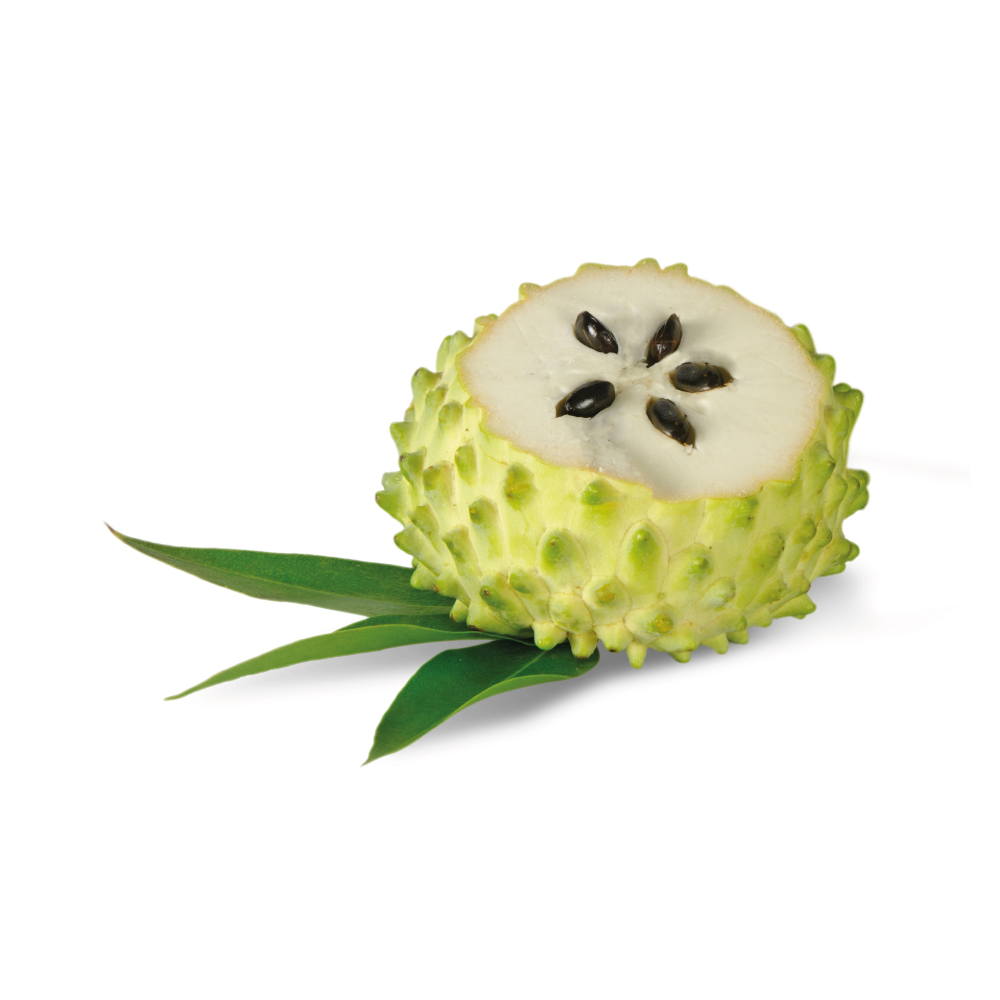 Principal source Graviola Annona muricata Herb monograph →
Photo coming soon
Source Cassia Cinnamon Cinnamomum cassia Herb monograph →
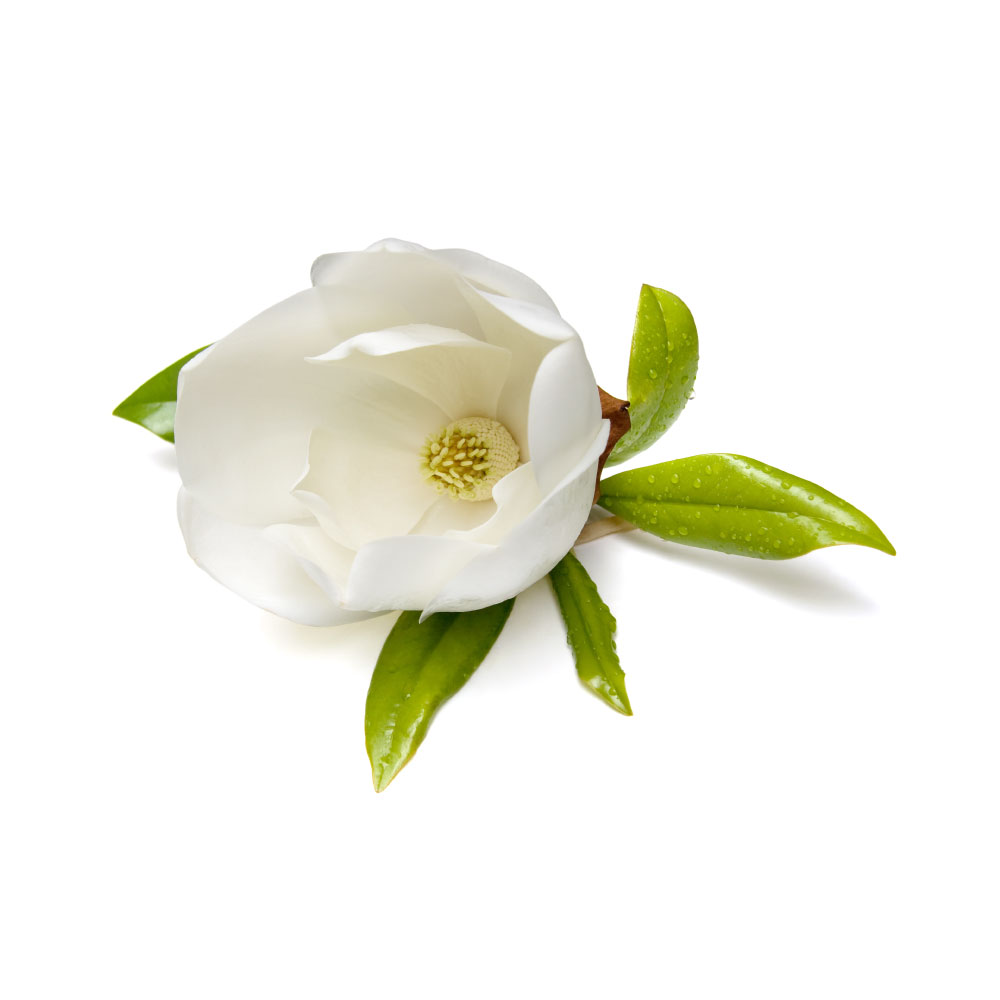 Source Magnolia Magnolia officinalis Herb monograph →
Concentration
Content by Source
Reported concentrations across the plants that contain coclaurine — the bar marks the typical level, the line shows the reported range.
Literature figures for varying plant parts and preparations. Read them as a comparative guide, not exact assays.
Coclaurine at a Glance
Coclaurine is a simple benzylisoquinoline alkaloid — a tetrahydroisoquinoline ring carrying a 4-hydroxybenzyl arm — first pulled out of Cocculus laurifolius leaves in the late 1920s and named for that plant 1Reference 1Kondo H, Kondo T (1930). Über das Alkaloid, Coclaurin von Cocculus laurifolius, D.C. Journal für Praktische Chemie, 126, 24–52. https://doi.org/10.1002/prac.19301260102View study →. It turns up as a minor alkaloid across an unusually wide botanical spread: Menispermaceae, Annonaceae, Lauraceae, Magnoliaceae, Nelumbonaceae and Rhamnaceae all carry it.
The solid, uncontested thing about coclaurine is where it sits in a pathway. It is the immediate product of O-methylating norcoclaurine and the immediate substrate of coclaurine N-methyltransferase, two steps upstream of (S)-reticuline — the branch-point from which morphine, berberine, papaverine and the bisbenzylisoquinolines all diverge 4Reference 4ReviewBenzylisoquinoline alkaloid metabolism: a century of discovery and a brave new world — reviewView study →. Whole enzymology programmes are named after it. That is why the molecule is well known and, at the same time, why so little is known about what it does.
Its own pharmacology is genuinely thin: a handful of receptor-binding and cell-culture studies, two 1980s rodent neuropharmacology papers, one 1989 isolated-tissue cardiac study, and nothing human. The one finding with real-world consequences is metabolic rather than therapeutic — mice and pooled human liver microsomes both convert coclaurine into higenamine, a β₂-agonist that the World Anti-Doping Agency prohibits 10Reference 10AnimalMetabolism of coclaurine into the WADA-banned substance higenamine: a doping-relevant analytical evaluation of Kampo extracts — mice + human liver microsomesView study →.
Its Place in Benzylisoquinoline Biosynthesis
Every benzylisoquinoline alkaloid in every plant that makes them descends from a single condensation: dopamine plus 4-hydroxyphenylacetaldehyde, joined stereospecifically by norcoclaurine synthase to give (S)-norcoclaurine 4Reference 4ReviewBenzylisoquinoline alkaloid metabolism: a century of discovery and a brave new world — reviewView study →. Coclaurine is the very next compound in line.
The core pathway runs:
- (S)-norcoclaurine → norcoclaurine 6-O-methyltransferase →
- (S)-coclaurine → coclaurine N-methyltransferase (CNMT) →
- (S)-N-methylcoclaurine → CYP80B (N-methylcoclaurine 3′-hydroxylase) →
- (S)-3′-hydroxy-N-methylcoclaurine → 4′-O-methyltransferase →
- (S)-reticuline — after which the pathway forks toward the morphinans, the protoberberines, the aporphines and the bisbenzylisoquinolines 4,
9Reference 4ReviewBenzylisoquinoline alkaloid metabolism: a century of discovery and a brave new world — reviewView study →Reference 9In vitroMolecular characterization of the S-adenosyl-L-methionine:3′-hydroxy-N-methylcoclaurine 4′-O-methyltransferase involved in isoquinoline alkaloid biosynthesis in Coptis japonica — in vitroView study → .
Coclaurine’s name is stamped on the enzyme of step 2. CNMT was purified 340-fold from cultured Coptis japonica cells as a 160 kDa homotetramer, and — the practically useful part — it proved to be broadly promiscuous and non-stereospecific, methylating norlaudanosoline and even simple dimethoxytetrahydroisoquinolines, with (R)-coclaurine actually its best substrate 5Reference 5In vitroPurification and characterization of coclaurine N-methyltransferase from cultured Coptis japonica cells — in vitroView study →. The cDNA was cloned the following year 6Reference 6In vitroMolecular cloning and characterization of coclaurine N-methyltransferase from cultured cells of Coptis japonica — in vitroView study →, and the enzyme’s first crystal structure arrived in 2018, which mapped the active site and mutated it toward wider synthetic-biology use 7Reference 7In vitroStructure and biocatalytic scope of coclaurine N-methyltransferase — in vitroView study →.
The next step has since loosened too. A CYP80B cloned from Stephania tetrandra hydroxylates not only N-methylcoclaurine but coclaurine itself — it does not require the N-methyl group, and it prefers the (S)-configuration 8Reference 8In vitroA CYP80B enzyme from Stephania tetrandra enables the 3′-hydroxylation of N-methylcoclaurine and coclaurine in the biosynthesis of benzylisoquinoline alkaloids — in vitroView study →. In other words the pathway can, in at least one plant, run 3′-hydroxylation before N-methylation.
This pathway position is the reason coclaurine is a standard reagent in engineered-microbe alkaloid production. It is also why the compound is so often mentioned in the literature and so rarely tested: for most researchers it is a substrate, not a drug candidate. For the branch-point story downstream, see reticuline.
Coclaurine Is Not N-Methylcoclaurine, and Not Higenamine
Three closely related molecules sit within one methyl group of each other, and the literature conflates them constantly. They are not interchangeable, and one of the few things measured directly for coclaurine is that it behaves opposite to its relative.
| Molecule | Relationship | What is documented for it |
|---|---|---|
| Higenamine (norcoclaurine, demethylcoclaurine) | Coclaurine minus the 6-O-methyl | β-adrenergic agonist; positive inotropic effect in guinea-pig papillary muscle; WADA-prohibited since 2017 10, |
| Coclaurine | The subject here | Negative inotropic effect; shifts higenamine’s concentration–contraction curve to the right 12Reference 12In vitroInotropic effects of (±)-higenamine and its chemically related components, (+)-R-coclaurine and (+)-S-reticuline, contained in the traditional sino-Japanese medicines “bushi” and “shin-i” in isolated guinea pig papillary muscle — in vitroView study → |
| N-methylcoclaurine | Coclaurine plus an N-methyl | Its own vasorelaxant/hypotensive literature — a different molecule with different data, not transferable here |
The cardiac contrast is the cleanest single result on this compound. In isolated guinea-pig papillary muscle, (+)-R-coclaurine and (+)-S-reticuline both produced negative inotropic effects, in direct contrast to higenamine’s positive inotropy, and both antagonised higenamine, shifting its concentration–contraction curve rightward 12Reference 12In vitroInotropic effects of (±)-higenamine and its chemically related components, (+)-R-coclaurine and (+)-S-reticuline, contained in the traditional sino-Japanese medicines “bushi” and “shin-i” in isolated guinea pig papillary muscle — in vitroView study →. So although the body converts coclaurine into higenamine (below), the parent molecule is not a weak version of it — on the heart, in that preparation, it acts in the opposite direction.
⚠️ The bisbenzylisoquinoline trap. Coclaurine units are the building blocks of the curare-adjacent bisbenzylisoquinolines — tetrandrine, berbamine, tubocurarine and their relatives are literally two coclaurine-type halves coupled by ether bridges. Precursor is not product. None of the neuromuscular-blocking pharmacology of that class has been demonstrated for coclaurine itself. The entire PubMed intersection of
coclaurinewithneuromuscular OR curareis one record (checked July 2026): a 1982 single-page Planta Med conference abstract titled “The neuromuscular blocking actions of coclaurine derivatives”, indexed without an abstract, so neither the compounds tested nor the potencies are recoverable 26Reference 26The neuromuscular blocking actions of coclaurine derivatives and of paeoniflorin derivatives — conference abstract, no abstract indexedView study →. That is not evidence for coclaurine.
The Higenamine Conversion & Doping Risk
The most consequential fact established about coclaurine is a metabolic one, and it was worked out for anti-doping reasons rather than therapeutic ones.
Higenamine — which is coclaurine’s O-demethylated relative — has been on the WADA prohibited list as a β₂-agonist since 2017. In 2025 a Kyushu University group asked whether taking coclaurine could generate it. After a single 15 mg/kg oral gavage dose in BALB/c mice (≈310 µg per animal), free higenamine appeared in urine at 60.0 ng/mL at 12 h, alongside higenamine glucuronide, coclaurine and coclaurine glucuronide; the same conversion was reproduced in pooled human liver microsomes 10Reference 10AnimalMetabolism of coclaurine into the WADA-banned substance higenamine: a doping-relevant analytical evaluation of Kampo extracts — mice + human liver microsomesView study →. So the O-demethylation is real, and it happens in a human enzyme system.
The same team then screened 128 Kampo extract products by immunoassay and LC–MS/MS and identified nine crude drugs newly confirmed to contain coclaurine: Cinnamon bark, Magnolia bark, Euodia fruit, Asiasarum root, Japanese Zanthoxylum peel, Cimicifuga rhizome, Jujube, processed Aconite root and Phellodendron bark 10Reference 10AnimalMetabolism of coclaurine into the WADA-banned substance higenamine: a doping-relevant analytical evaluation of Kampo extracts — mice + human liver microsomesView study →.
Their own conclusion was reassuring, and it should be reported as they wrote it. Magnolia flower carried the highest coclaurine content of anything surveyed at up to 1.95 µg/g dry weight; at a typical 2.0 g daily dose, and given the urinary higenamine seen in mice, the authors judged a doping violation unlikely 10Reference 10AnimalMetabolism of coclaurine into the WADA-banned substance higenamine: a doping-relevant analytical evaluation of Kampo extracts — mice + human liver microsomesView study →. Human data point the same way: after a throat lozenge containing Nandina domestica fruit, urinary higenamine and coclaurine peaked at only 0.2–0.4 and 0.3–1.0 ng/mL — far below WADA’s 10 ng/mL reporting threshold 11Reference 11Clinical trialDetermination of higenamine and coclaurine levels in human urine after the administration of a throat lozenge containing Nandina domestica fruit — human volunteersView study →.
The honest summary, then, is a route that exists rather than a hazard that has materialised: coclaurine is not itself prohibited, ordinary herbal exposure appears to sit well under the threshold, and the residual concern is concentrated extracts, high daily doses, and stacking several coclaurine-bearing crude drugs at once.
What It's Used For
Everything below is preclinical, and almost all of it is cell culture or isolated tissue. There is no clinical literature on coclaurine of any kind, and most individual applications rest on a single paper.
Support is an experimental score — weighted by study type (human > animal > in vitro) and volume. A beta, not a validated metric. Every row here is preclinical; the scores rank thin evidence against thinner, and none of them approaches a clinical claim.
The only application with more than one independent line of evidence, and the only one with an in-vivo result. Isolate throughout. A FLIPR receptor screen of eight lotus-leaf alkaloids found that both (S)- and (R)-coclaurine antagonise dopamine D1 and D2 receptors with equivalent potencies — the chirality of the methylene linker made no difference — with the set as a whole falling in the mid- to low-micromolar IC₅₀ range and O-nornuciferine, not coclaurine, the most potent member 15Reference 15In vitroDiscovery of eight alkaloids with D1 and D2 antagonist activity in leaves of Nelumbo nucifera Gaertn. using FLIPR assays — in vitroView study →.
Separately, in a radioligand panel on Nelumbo flower alkaloids, coclaurine showed κ-opioid affinity Ki = 2.2 ± 0.2 µM (with O-methylcoclaurine 3.5 µM and N-methylcoclaurine 0.9 µM) 16Reference 16In vitroIn vitro opioid receptor affinity and in vivo behavioral studies of Nelumbo nucifera flowerView study →.
The oldest work is the only whole-animal data on this molecule: d-coclaurine, 50 µg intracerebroventricularly, raised striatal homovanillic acid in mice yet failed to antagonise apomorphine’s suppression of L-DOPA formation, which the authors read as blockade of postsynaptic but not presynaptic dopamine receptors 14Reference 14AnimalEffects of d-coclaurine and d-reticuline, benzyltetrahydroisoquinoline alkaloids, on levels of 3,4-dihydroxyphenylacetic acid and homovanillic acid in the mouse striatum — animal modelView study →, following an earlier survey of its central dopaminergic effects 13Reference 13AnimalEffects on central dopaminergic systems of d-coclaurine and d-reticuline, extracted from Magnolia salicifolia — animal modelView study →.
Gap: micromolar affinity at best, no functional or efficacy data (no cAMP, β-arrestin or GTPγS work at the dopamine receptors), no selectivity panel, and the single in-vivo experiment used direct brain injection — which says nothing about whether an oral dose could reach these concentrations centrally. Coclaurine was also not among the compounds taken into the behavioural tetrad in the opioid study’s own follow-up 16Reference 16In vitroIn vitro opioid receptor affinity and in vivo behavioral studies of Nelumbo nucifera flowerView study →.
Two independent 2024–25 papers, both cell culture, both with a named molecular mechanism — the strongest recent isolate work on this compound. Isolate in both. In CRISPR-edited HCT116 colorectal cells, coclaurine (with reticuline) dose-dependently reduced viability and wound-healing, drove VDR nuclear localisation, induced late apoptosis with PARP and caspase-3 cleavage, upregulated Bax and TP53 while lowering BCL-2, and arrested growth in S-phase — and lost all activity in VDR-knockout cells, a clean demonstration that the effect is receptor-dependent 17Reference 17In vitroReticuline and coclaurine exhibit vitamin D receptor-dependent anticancer and pro-apoptotic activities in the colorectal cancer cell line HCT116 — in vitroView study →.
In non-small-cell lung cancer cells, coclaurine was identified by LC-MS as the constituent of Stephania tetrandra responsible for suppressing EFHD2, a cisplatin-resistance protein: it disrupted FOXG1 binding at the EFHD2 promoter, downregulated NOX4–ABCC1 signalling, reduced stemness and metastatic behaviour, and sensitised the cells to cisplatin 18Reference 18In vitroStephania tetrandra and its active compound coclaurine sensitize NSCLC cells to cisplatin through EFHD2 inhibition — in vitroView study →.
Gap: no animal model, no xenograft, no dosing data, and no potency figure in either abstract that can be compared with attainable plasma levels. The NSCLC work is also a herb-to-molecule attribution within one extract — coclaurine was the best EFHD2 inhibitor tested, not necessarily the only contributor 18Reference 18In vitroStephania tetrandra and its active compound coclaurine sensitize NSCLC cells to cisplatin through EFHD2 inhibition — in vitroView study →. Neither study measured selectivity against non-malignant cells.
The application with the cleanest single number. Isolate, in a plant-directed study. Screening ten principal lotus-flower alkaloids in theophylline-stimulated B16 4A5 murine melanoma cells, coclaurine hydrochloride inhibited melanogenesis with IC₅₀ 3.9 µM (1.3 µg/mL) — the joint most potent of the ten, alongside nornuciferine and ahead of nuciferine at 7.1 µM 19Reference 19In vitroQuantitative determination of alkaloids in lotus flower (flower buds of Nelumbo nucifera) and their melanogenesis inhibitory activity — in vitroView study →.
Mechanistically the alkaloids did not inhibit tyrosinase enzymatically; coclaurine was among the compounds that instead suppressed tyrosinase mRNA expression 19Reference 19In vitroQuantitative determination of alkaloids in lotus flower (flower buds of Nelumbo nucifera) and their melanogenesis inhibitory activity — in vitroView study →.
At the plant level, total alkaloid content across eight lotus-flower samples correlated tightly with melanogenesis inhibition (R = 0.9632) 19Reference 19In vitroQuantitative determination of alkaloids in lotus flower (flower buds of Nelumbo nucifera) and their melanogenesis inhibitory activity — in vitroView study →.
Gap: one cell line, one laboratory, and cytotoxicity appears at the top of the range — cell viability fell to 53% at 100 µM, so the therapeutic window in this assay is narrow 19Reference 19In vitroQuantitative determination of alkaloids in lotus flower (flower buds of Nelumbo nucifera) and their melanogenesis inhibitory activity — in vitroView study →. No skin model, no animal study, no topical formulation work, and the plant-level correlation tracks total alkaloids, in which coclaurine is a minor share.
A single, dated, but quantitatively specific result. Isolate, from a plant-fractionation study. (+)-1(R)-Coclaurine isolated from Nelumbo nucifera leaves showed anti-HIV activity in H9 lymphocytes with EC₅₀ 0.8 µg/mL and a therapeutic index >125 — the highest TI in the paper, ahead of (−)-1(S)-norcoclaurine (>25), nuciferine (36) and the bisbenzylisoquinolines liensinine, neferine and isoliensinine (>9.9, >8.6, >6.5) 20Reference 20In vitroAnti-HIV benzylisoquinoline alkaloids and flavonoids from the leaves of Nelumbo nucifera, and structure-activity correlations with related alkaloids — in vitroView study →.
The authors proposed the benzylisoquinoline scaffold as an anti-HIV lead.
Gap: one study, from 2005, never followed up in over twenty years; a single cell-based replication assay with no mechanism identified, no target, no resistance work and no animal data. The favourable therapeutic index is the most interesting element and remains completely unexplored.
The result that most clearly separates coclaurine from higenamine — see the comparison above. Isolate, isolated tissue. In guinea-pig papillary muscle, (+)-R-coclaurine produced a negative inotropic effect, opposite in direction to higenamine’s positive inotropy, and shifted higenamine’s concentration–contraction curve to the right; (+)-S-reticuline behaved the same way 12Reference 12In vitroInotropic effects of (±)-higenamine and its chemically related components, (+)-R-coclaurine and (+)-S-reticuline, contained in the traditional sino-Japanese medicines “bushi” and “shin-i” in isolated guinea pig papillary muscle — in vitroView study →.
Higenamine, by contrast, shifted the Ca²⁺ curve leftward and potentiated isoproterenol at high concentrations — the classic β-agonist signature that coclaurine does not share 12Reference 12In vitroInotropic effects of (±)-higenamine and its chemically related components, (+)-R-coclaurine and (+)-S-reticuline, contained in the traditional sino-Japanese medicines “bushi” and “shin-i” in isolated guinea pig papillary muscle — in vitroView study →.
Gap: one 1989 paper, one species, one isolated preparation, and no concentration that can be mapped onto realistic exposure. Nothing establishes whether the negative inotropy is receptor-mediated, and no blood-pressure or whole-animal cardiovascular study of coclaurine exists.
Mechanisms
| Target / pathway | Effect | Relevant to |
|---|---|---|
| Dopamine D1 and D2 receptors | micromolar antagonism, equipotent for both enantiomers; postsynaptic blockade after ICV dosing in mice | central receptor activity |
| κ-opioid receptor | binding affinity Ki ≈ 2.2 µM (radioligand displacement; no functional assay) | central receptor activity |
| Vitamin D receptor (VDR) | nuclear translocation + VDR-dependent apoptosis; effect abolished in VDR-knockout cells | anticancer |
| FOXG1 → EFHD2 promoter; NOX4–ABCC1 | transcriptional suppression of a cisplatin-resistance protein | chemosensitisation |
| Tyrosinase mRNA (not the enzyme itself) | downregulated expression → reduced melanin synthesis | melanogenesis inhibition |
| Cardiac contractility (guinea-pig papillary muscle) | negative inotropy; competitive rightward shift of higenamine’s curve | cardiac inotropy; the higenamine contrast |
| Hepatic O-demethylation (mouse; human liver microsomes) | conversion to higenamine, plus glucuronidation of both | doping risk; metabolism |
| Coclaurine N-methyltransferase (CNMT) / CYP80B | it is the substrate — the pathway step, not a pharmacological target | biosynthesis |
The last row is the honest centre of gravity. Most of what is firmly known about coclaurine describes what plant enzymes do to it, not what it does to a receptor.
Pharmacokinetics
No dedicated pharmacokinetic study of isolated coclaurine exists in any species. What is available comes from two directions, both incidental.
Absorption and elimination (herbal-extract context). Coclaurine is one of the compounds measurable in plasma after oral dosing of Ziziphi Spinosae Semen (sour-date seed) extract — a validated bioanalytical method quantified it in rat plasma alongside magnoflorine, spinosin and the jujubosides 24Reference 24AnimalComparative pharmacokinetics of six major compounds in normal and insomnia rats after oral administration of Ziziphi Spinosae Semen aqueous extract — animal modelView study →, and a beagle-dog study of the fried extract reported (R)-coclaurine among seven analytes with T꜀ₘₐₓ 2.40–3.20 h and t½ 2.08–6.79 h (ranges spanning the analyte set, not coclaurine-specific figures) 25Reference 25AnimalXia KX, Yu X, Wu SY, et al. (2024). [Determination of nine components of fried Ziziphi Spinosae Semen extract in beagle dog plasma by UPLC-MS/MS and its application in pharmacokinetic research] — animal model. Zhongguo Zhong Yao Za Zhi, 49(9), 2501–2511. https://pubmed.ncbi.nlm.nih.gov/38812154/View study →. So it is orally absorbed and systemically measurable — but at what fraction of the dose is unknown, and no oral bioavailability figure exists.
Metabolism — the part that is actually characterised. Two routes are documented. Glucuronidation of the parent, and O-demethylation to higenamine, itself then glucuronidated; both appeared in mouse urine after a single 15 mg/kg oral dose and both were reproduced in pooled human liver microsomes 10Reference 10AnimalMetabolism of coclaurine into the WADA-banned substance higenamine: a doping-relevant analytical evaluation of Kampo extracts — mice + human liver microsomesView study →. Faecal excretion after that dose was dominated by unchanged coclaurine, consistent with incomplete absorption 10Reference 10AnimalMetabolism of coclaurine into the WADA-banned substance higenamine: a doping-relevant analytical evaluation of Kampo extracts — mice + human liver microsomesView study →. The specific CYP isoform responsible has not been identified.
Interaction potential is predicted, not measured. An in-silico ADME/CYP screen of Annona muricata leaf compounds rated coclaurine a moderate-risk CYP-interaction candidate (the high-risk group was the aporphines — isolaureline, xylopine, anonaine and stepharine) 28Reference 28In silico evaluation of soursop (Annona muricata) leaf compound interactions with CYP450 and their potential impact on systemic cancer therapiesView study →. That is a docking-and-prediction result with no experimental confirmation.
Clinical Trials
There are none. Coclaurine has never been administered to a human as an isolated compound in a published study; the only human measurements of it are urinary excretion after a herbal lozenge, in an anti-doping analytical context, not a therapeutic one 11Reference 11Clinical trialDetermination of higenamine and coclaurine levels in human urine after the administration of a throat lozenge containing Nandina domestica fruit — human volunteersView study →.
| Completed | Planned | Terminated | Preclinical |
|---|---|---|---|
| —(human data limited to urinary analyte measurement 11Reference 11Clinical trialDetermination of higenamine and coclaurine levels in human urine after the administration of a throat lozenge containing Nandina domestica fruit — human volunteersView study →) | — | — | Cell-culture and isolated-tissue only; one rodent ICV study; one rodent metabolism study |
Last checked: July 2026.
Isolate vs. Plant Studies
Unusually for a plant constituent, almost every pharmacological result here used the purified molecule — and that is a strength, not a caveat. Coclaurine was isolated and tested as a compound in the dopamine-receptor screen 15Reference 15In vitroDiscovery of eight alkaloids with D1 and D2 antagonist activity in leaves of Nelumbo nucifera Gaertn. using FLIPR assays — in vitroView study →, the opioid-binding panel 16Reference 16In vitroIn vitro opioid receptor affinity and in vivo behavioral studies of Nelumbo nucifera flowerView study →, the melanogenesis assay (as the hydrochloride) 19Reference 19In vitroQuantitative determination of alkaloids in lotus flower (flower buds of Nelumbo nucifera) and their melanogenesis inhibitory activity — in vitroView study →, the anti-HIV work 20Reference 20In vitroAnti-HIV benzylisoquinoline alkaloids and flavonoids from the leaves of Nelumbo nucifera, and structure-activity correlations with related alkaloids — in vitroView study →, the papillary-muscle study 12Reference 12In vitroInotropic effects of (±)-higenamine and its chemically related components, (+)-R-coclaurine and (+)-S-reticuline, contained in the traditional sino-Japanese medicines “bushi” and “shin-i” in isolated guinea pig papillary muscle — in vitroView study →, the two oncology papers 17,
The problem is the opposite of the usual one: the isolate data are clean but shallow and unreplicated, and there is no whole-plant effect that has been credibly traced back to coclaurine. Where a herb-level effect and coclaurine coexist, the attribution generally belongs elsewhere:
- Graviola. Coclaurine is one of seven isoquinoline alkaloids isolated from Annona muricata leaf, root bark and stem bark, with reticuline the main alkaloid and coclaurine a minor one 21Reference 21Leboeuf M, Legueut C, Cavé A, Desconclois JF, Forgacs P, Jacquemin H (1981). [Alkaloids of Annonaceae. XXIX. Alkaloids of Annona muricata]. Planta Medica, 42(1), 37–44. https://pubmed.ncbi.nlm.nih.gov/17401878/View study →. Graviola’s antifungal, sedative and antiparasitic signals are plant-extract findings that have never been resolved to this molecule. ⛔ And the plant’s atypical-parkinsonism liability belongs to the acetogenin annonacin, a mitochondrial complex-I inhibitor of an entirely different chemical class — it has nothing to do with the alkaloids.
- Sacred lotus. Coclaurine contributes to the lotus alkaloid fraction’s melanogenesis inhibition 19Reference 19In vitroQuantitative determination of alkaloids in lotus flower (flower buds of Nelumbo nucifera) and their melanogenesis inhibitory activity — in vitroView study → and anti-HIV activity 20Reference 20In vitroAnti-HIV benzylisoquinoline alkaloids and flavonoids from the leaves of Nelumbo nucifera, and structure-activity correlations with related alkaloids — in vitroView study →, but total alkaloid content — dominated by nuciferine and nornuciferine — is what tracks the extract-level activity 19Reference 19In vitroQuantitative determination of alkaloids in lotus flower (flower buds of Nelumbo nucifera) and their melanogenesis inhibitory activity — in vitroView study →.
- Han fang ji (Stephania tetrandra). The 2024 NSCLC study is the one case where a herb effect was deliberately narrowed to coclaurine by fractionation 18Reference 18In vitroStephania tetrandra and its active compound coclaurine sensitize NSCLC cells to cisplatin through EFHD2 inhibition — in vitroView study →. Note that the root’s best-known alkaloid is tetrandrine, a bisbenzylisoquinoline with its own separate literature.
- Sour-date seed. Coclaurine is a measurable plasma marker of the extract 24,
25Reference 24AnimalComparative pharmacokinetics of six major compounds in normal and insomnia rats after oral administration of Ziziphi Spinosae Semen aqueous extract — animal modelView study →Reference 25AnimalXia KX, Yu X, Wu SY, et al. (2024). [Determination of nine components of fried Ziziphi Spinosae Semen extract in beagle dog plasma by UPLC-MS/MS and its application in pharmacokinetic research] — animal model. Zhongguo Zhong Yao Za Zhi, 49(9), 2501–2511. https://pubmed.ncbi.nlm.nih.gov/38812154/View study → , not a demonstrated driver of its sedative use.
Prevalence in Nature
Coclaurine is taxonomically widespread and quantitatively minor — the profile you would expect of a pathway intermediate that most plants consume rather than accumulate.
Menispermaceae is the founding family: the compound is named for Cocculus laurifolius, from whose leaves Kondo and Kondo characterised it 1Reference 1Kondo H, Kondo T (1930). Über das Alkaloid, Coclaurin von Cocculus laurifolius, D.C. Journal für Praktische Chemie, 126, 24–52. https://doi.org/10.1002/prac.19301260102View study →, and it was later isolated from Sarcopetalum harveyanum alongside stepharine 27Reference 27The isolation of stepharine and coclaurine from Sarcopetalum harveyanumView study →. Stephania tetrandra root carries it, and the same plant supplied the CYP80B that acts on it 8,
The richest measured source is sacred lotus (Nelumbo nucifera), and the flower is where it concentrates. Quantitative LC-MS across eight flower samples put coclaurine at 0.19–1.60 mg/g of dry material, highest in petals, much lower in stamens and near the limit of quantitation in receptacles 19Reference 19In vitroQuantitative determination of alkaloids in lotus flower (flower buds of Nelumbo nucifera) and their melanogenesis inhibitory activity — in vitroView study →. Coclaurine also appears in lotus leaves 15Reference 15In vitroDiscovery of eight alkaloids with D1 and D2 antagonist activity in leaves of Nelumbo nucifera Gaertn. using FLIPR assays — in vitroView study → and seeds.
By contrast, the concentrations in medicinal crude drugs are three orders of magnitude lower. Across 128 Kampo products, the highest coclaurine content found in any of fourteen surveyed crude drugs was 1.95 µg/g dry weight, in Magnolia flower 10Reference 10AnimalMetabolism of coclaurine into the WADA-banned substance higenamine: a doping-relevant analytical evaluation of Kampo extracts — mice + human liver microsomesView study → — 0.002 mg/g, against lotus petal’s 1.6. The nine coclaurine-positive drugs were cinnamon bark, magnolia bark, Euodia fruit, Asiasarum root, Japanese Zanthoxylum peel, Cimicifuga rhizome, jujube, processed aconite root and Phellodendron bark 10Reference 10AnimalMetabolism of coclaurine into the WADA-banned substance higenamine: a doping-relevant analytical evaluation of Kampo extracts — mice + human liver microsomesView study →. Sour-date seed (Ziziphus jujuba var. spinosa) carries enough for it to serve as a plasma marker of the extract 24,
No study has looked at what coclaurine does for the plant. Because it is an intermediate rather than an endpoint, its standing pool in tissue reflects the balance of synthesis and onward conversion, not a dedicated defensive investment — but that is an inference from pathway position, not a measured ecological result.
Discovery & Synthesis
First isolation. Coclaurine was isolated from the leaves of Cocculus laurifolius D.C. and described by Heisaburo Kondo and Tohoru Kondo in Journal für Praktische Chemie in 1930, in a paper whose title — “Über das Alkaloid, Coclaurin von Cocculus laurifolius, D.C.” — carries the etymology directly: Cocculus + laurifolius 1Reference 1Kondo H, Kondo T (1930). Über das Alkaloid, Coclaurin von Cocculus laurifolius, D.C. Journal für Praktische Chemie, 126, 24–52. https://doi.org/10.1002/prac.19301260102View study →. The structure was assigned as 1-(4′-hydroxybenzyl)-6-methoxy-7-hydroxy-1,2,3,4-tetrahydroisoquinoline.
Synthesis. A racemic total synthesis came from Kametani and colleagues in 1965, who prepared dl-coclaurine and dl-O-benzyl-N-methylcoclaurine as part of a heterocyclic-synthesis programme, with a follow-up paper the year after 3Reference 3Kametani T, Takano S, Masuko K, Kuribara S (1965). [Coclaurine and related compounds. I. Syntheses of dl-coclaurine and dl-O-benzyl-N-methylcoclaurine]. Yakugaku Zasshi, 85(2), 166–168. https://pubmed.ncbi.nlm.nih.gov/5895296/View study →. The absolute configuration was settled independently in 1968 by Fridrichsons and Mathieson, who solved the X-ray crystal structure of coclaurine hydrobromide monohydrate 2Reference 2The crystal structure of coclaurine hydrobromide monohydrate and the absolute configuration of coclaurineView study → — a necessary step, since the (R)- and (S)-forms occur separately in nature and CNMT turns out to accept both 5Reference 5In vitroPurification and characterization of coclaurine N-methyltransferase from cultured Coptis japonica cells — in vitroView study →.
Manufacture today is neither extraction nor classical synthesis at scale. There is no commercial market for coclaurine as a product; it is made in gram-and-below quantities as a research reagent and a biosynthetic substrate. The active production route is enzymatic and fermentative — recombinant CNMT and CYP80B expressed in E. coli and yeast, with engineered strains built to run the norcoclaurine → coclaurine → reticuline sequence toward higher-value alkaloids 6,
Patents: not yet researched.
Toxicity & Safety
Coclaurine’s toxicology has never been studied. There is no LD₅₀, no acute or repeat-dose study, no genotoxicity or reproductive-toxicity data, no organ-toxicity work and no human safety report for the isolated compound in any species. The unknown flag is literal — it means unstudied, not safe. What follows are pharmacological signals with safety implications, not toxicity findings.
- Ordinary herbal exposure is low. The highest coclaurine content across fourteen surveyed medicinal crude drugs was ~1.95 µg/g dry weight, and human urinary levels after a coclaurine-containing lozenge stayed under 1 ng/mL 10,
11Reference 10AnimalMetabolism of coclaurine into the WADA-banned substance higenamine: a doping-relevant analytical evaluation of Kampo extracts — mice + human liver microsomesView study →Reference 11Clinical trialDetermination of higenamine and coclaurine levels in human urine after the administration of a throat lozenge containing Nandina domestica fruit — human volunteersView study → . - It converts to higenamine, a WADA-prohibited β₂-agonist. Demonstrated in mice and in human liver microsomes. Coclaurine itself is not banned, and the study authors judged a violation unlikely at normal Kampo doses — but concentrated extracts and stacked coclaurine-bearing herbs are the untested scenario 10Reference 10AnimalMetabolism of coclaurine into the WADA-banned substance higenamine: a doping-relevant analytical evaluation of Kampo extracts — mice + human liver microsomesView study →.
- Cardiac and dopaminergic activity, both in vitro or by direct brain injection. Negative inotropy in isolated guinea-pig muscle and micromolar D1/D2 antagonism; neither has been tested at realistic oral exposure 12,
14, .15Reference 12In vitroInotropic effects of (±)-higenamine and its chemically related components, (+)-R-coclaurine and (+)-S-reticuline, contained in the traditional sino-Japanese medicines “bushi” and “shin-i” in isolated guinea pig papillary muscle — in vitroView study →Reference 14AnimalEffects of d-coclaurine and d-reticuline, benzyltetrahydroisoquinoline alkaloids, on levels of 3,4-dihydroxyphenylacetic acid and homovanillic acid in the mouse striatum — animal modelView study →Reference 15In vitroDiscovery of eight alkaloids with D1 and D2 antagonist activity in leaves of Nelumbo nucifera Gaertn. using FLIPR assays — in vitroView study → - Drug interactions are predicted only. An in-silico screen rated coclaurine a moderate-risk CYP-interaction candidate; no experimental CYP inhibition, induction, transporter or protein-binding data exist 28Reference 28In silico evaluation of soursop (Annona muricata) leaf compound interactions with CYP450 and their potential impact on systemic cancer therapiesView study →.
Full Safety & Interactions Detail
The higenamine route. This is the one safety-relevant fact with in-vivo backing. Oral coclaurine at 15 mg/kg in mice produced free higenamine (60.0 ng/mL urine at 12 h) plus its glucuronide, and pooled human liver microsomes made the same conversion 10Reference 10AnimalMetabolism of coclaurine into the WADA-banned substance higenamine: a doping-relevant analytical evaluation of Kampo extracts — mice + human liver microsomesView study →. Higenamine is a β-adrenergic agonist and is prohibited in sport; coclaurine is not. The practical exposure numbers are reassuring — Magnolia flower at 1.95 µg/g with a 2.0 g daily dose, and human urinary higenamine of 0.2–0.4 ng/mL after a Nandina lozenge against a 10 ng/mL WADA reporting threshold 10,
Cardiovascular. The only cardiac data are the 1989 papillary-muscle experiments: negative inotropy and rightward antagonism of higenamine’s positive inotropy 12Reference 12In vitroInotropic effects of (±)-higenamine and its chemically related components, (+)-R-coclaurine and (+)-S-reticuline, contained in the traditional sino-Japanese medicines “bushi” and “shin-i” in isolated guinea pig papillary muscle — in vitroView study →. Whether this translates to any effect on blood pressure or heart rate in a whole animal is unknown; no cardiovascular in-vivo study of coclaurine exists.
Central. Micromolar D1/D2 antagonism 15Reference 15In vitroDiscovery of eight alkaloids with D1 and D2 antagonist activity in leaves of Nelumbo nucifera Gaertn. using FLIPR assays — in vitroView study → and κ-opioid affinity at 2.2 µM 16Reference 16In vitroIn vitro opioid receptor affinity and in vivo behavioral studies of Nelumbo nucifera flowerView study → are receptor-binding results at concentrations there is no evidence an oral dose can reach in brain. The one in-vivo neuro study used intracerebroventricular injection 14Reference 14AnimalEffects of d-coclaurine and d-reticuline, benzyltetrahydroisoquinoline alkaloids, on levels of 3,4-dihydroxyphenylacetic acid and homovanillic acid in the mouse striatum — animal modelView study →, which bypasses absorption and the blood–brain barrier entirely and cannot be used to infer risk from ingestion.
Cytotoxicity. Coclaurine reduced B16 melanoma cell viability to 53% at 100 µM 19Reference 19In vitroQuantitative determination of alkaloids in lotus flower (flower buds of Nelumbo nucifera) and their melanogenesis inhibitory activity — in vitroView study → and killed HCT116 colorectal cells dose-dependently 17Reference 17In vitroReticuline and coclaurine exhibit vitamin D receptor-dependent anticancer and pro-apoptotic activities in the colorectal cancer cell line HCT116 — in vitroView study →. Neither study tested non-malignant cells, so no selectivity margin is established.
Interactions and scope note. No experimental CYP inhibition/induction, P-glycoprotein, protein-binding or co-administration study has been done. The only interaction assessment is computational 28Reference 28In silico evaluation of soursop (Annona muricata) leaf compound interactions with CYP450 and their potential impact on systemic cancer therapiesView study →. Because coclaurine generates a β-agonist metabolite, additive effects with sympathomimetics are theoretically plausible and entirely untested.
Reproductive note (prose only). No reproductive or developmental data exist for coclaurine in any species. Pregnancy and lactation decisions belong on the herb or product page where intake is actually decided, not on a molecule page.
Dosage
There is no dose. Coclaurine is not sold, not dosed and has no therapeutic use; nothing here supports taking it. The figures below exist only so the concentrations quoted above can be read in proportion.
| Setting | Preparation | Amount used |
|---|---|---|
| Mouse metabolism study (single oral gavage) | Coclaurine in water, 0.5 mg/mL | 15 mg/kg (≈310 µg per animal) 10Reference 10AnimalMetabolism of coclaurine into the WADA-banned substance higenamine: a doping-relevant analytical evaluation of Kampo extracts — mice + human liver microsomesView study → |
| Mouse central pharmacology (intracerebroventricular) | Purified d-coclaurine | 50 µg per animal 14Reference 14AnimalEffects of d-coclaurine and d-reticuline, benzyltetrahydroisoquinoline alkaloids, on levels of 3,4-dihydroxyphenylacetic acid and homovanillic acid in the mouse striatum — animal modelView study → |
| Melanogenesis assay (B16 4A5 cells) | Coclaurine hydrochloride | IC₅₀ 3.9 µM; cytotoxic at 100 µM 19Reference 19In vitroQuantitative determination of alkaloids in lotus flower (flower buds of Nelumbo nucifera) and their melanogenesis inhibitory activity — in vitroView study → |
| Anti-HIV assay (H9 lymphocytes) | (+)-1(R)-coclaurine | EC₅₀ 0.8 µg/mL, TI >125 20Reference 20In vitroAnti-HIV benzylisoquinoline alkaloids and flavonoids from the leaves of Nelumbo nucifera, and structure-activity correlations with related alkaloids — in vitroView study → |
| κ-opioid binding | Coclaurine | Ki 2.2 ± 0.2 µM 16Reference 16In vitroIn vitro opioid receptor affinity and in vivo behavioral studies of Nelumbo nucifera flowerView study → |
Dietary and herbal exposure runs far lower: the richest food-adjacent source measured is lotus flower petal at 0.32–1.60 mg/g dry weight 19Reference 19In vitroQuantitative determination of alkaloids in lotus flower (flower buds of Nelumbo nucifera) and their melanogenesis inhibitory activity — in vitroView study →, and medicinal crude drugs top out around 1.95 µg/g 10Reference 10AnimalMetabolism of coclaurine into the WADA-banned substance higenamine: a doping-relevant analytical evaluation of Kampo extracts — mice + human liver microsomesView study →. These are doses and concentrations used in research and are not a personal recommendation.
References
- Kondo H, Kondo T (1930). Über das Alkaloid, Coclaurin von Cocculus laurifolius, D.C. Journal für Praktische Chemie, 126, 24–52. https://doi.org/10.1002/prac.19301260102
- Fridrichsons J, Mathieson AM (1968). The crystal structure of coclaurine hydrobromide monohydrate and the absolute configuration of coclaurine. Tetrahedron, 24(17), 5785–5789. https://pubmed.ncbi.nlm.nih.gov/5713420/
- Kametani T, Takano S, Masuko K, Kuribara S (1965). [Coclaurine and related compounds. I. Syntheses of dl-coclaurine and dl-O-benzyl-N-methylcoclaurine]. Yakugaku Zasshi, 85(2), 166–168. https://pubmed.ncbi.nlm.nih.gov/5895296/
- Hagel JM, Facchini PJ (2013). Benzylisoquinoline alkaloid metabolism: a century of discovery and a brave new world — review. Plant and Cell Physiology, 54(5), 647–672. https://pubmed.ncbi.nlm.nih.gov/23385146/
- Choi KB, Morishige T, Sato F (2001). Purification and characterization of coclaurine N-methyltransferase from cultured Coptis japonica cells — in vitro. Phytochemistry, 56(7), 649–655. https://pubmed.ncbi.nlm.nih.gov/11314949/
- Choi KB, Morishige T, Shitan N, Yazaki K, Sato F (2002). Molecular cloning and characterization of coclaurine N-methyltransferase from cultured cells of Coptis japonica — in vitro. Journal of Biological Chemistry, 277(1), 830–835. https://pubmed.ncbi.nlm.nih.gov/11682473/
- Bennett MR, Thompson ML, Shepherd SA, et al. (2018). Structure and biocatalytic scope of coclaurine N-methyltransferase — in vitro. Angewandte Chemie International Edition, 57(33), 10600–10604. https://pubmed.ncbi.nlm.nih.gov/29791083/
- Li Y, Feng Y, Guo W, et al. (2025). A CYP80B enzyme from Stephania tetrandra enables the 3′-hydroxylation of N-methylcoclaurine and coclaurine in the biosynthesis of benzylisoquinoline alkaloids — in vitro. Chinese Journal of Natural Medicines, 23(5), 630–640. https://pubmed.ncbi.nlm.nih.gov/40383618/
- Morishige T, Tsujita T, Yamada Y, Sato F (2000). Molecular characterization of the S-adenosyl-L-methionine:3′-hydroxy-N-methylcoclaurine 4′-O-methyltransferase involved in isoquinoline alkaloid biosynthesis in Coptis japonica — in vitro. Journal of Biological Chemistry, 275(30), 23398–23405. https://pubmed.ncbi.nlm.nih.gov/10811648/
- Sakamoto S, Osaki K, Abe H, et al. (2025). Metabolism of coclaurine into the WADA-banned substance higenamine: a doping-relevant analytical evaluation of Kampo extracts — mice + human liver microsomes. Journal of Natural Medicines, 79(5), 1140–1153. https://pubmed.ncbi.nlm.nih.gov/40751788/
- Okano M, Sato M, Kageyama S (2017). Determination of higenamine and coclaurine levels in human urine after the administration of a throat lozenge containing Nandina domestica fruit — human volunteers. Drug Testing and Analysis, 9(11–12), 1788–1793. https://pubmed.ncbi.nlm.nih.gov/28801989/
- Kimura I, Chui LH, Fujitani K, Kikuchi T, Kimura M (1989). Inotropic effects of (±)-higenamine and its chemically related components, (+)-R-coclaurine and (+)-S-reticuline, contained in the traditional sino-Japanese medicines “bushi” and “shin-i” in isolated guinea pig papillary muscle — in vitro. Japanese Journal of Pharmacology, 50(1), 75–78. https://pubmed.ncbi.nlm.nih.gov/2724702/
- Watanabe H, Ikeda M, Watanabe K, Kikuchi T (1981). Effects on central dopaminergic systems of d-coclaurine and d-reticuline, extracted from Magnolia salicifolia — animal model. Planta Medica, 42(3), 213–222. https://pubmed.ncbi.nlm.nih.gov/7280087/
- Watanabe H, Watanabe K, Kikuchi T (1983). Effects of d-coclaurine and d-reticuline, benzyltetrahydroisoquinoline alkaloids, on levels of 3,4-dihydroxyphenylacetic acid and homovanillic acid in the mouse striatum — animal model. Journal of Pharmacobio-Dynamics, 6(10), 793–796. https://pubmed.ncbi.nlm.nih.gov/6141236/
- Zhou H, Hou T, Gao Z, et al. (2021). Discovery of eight alkaloids with D1 and D2 antagonist activity in leaves of Nelumbo nucifera Gaertn. using FLIPR assays — in vitro. Journal of Ethnopharmacology, 278, 114335. https://pubmed.ncbi.nlm.nih.gov/34139281/
- Kumarihamy M, León F, Pettaway S, et al. (2015). In vitro opioid receptor affinity and in vivo behavioral studies of Nelumbo nucifera flower. Journal of Ethnopharmacology, 174, 57–65. https://pubmed.ncbi.nlm.nih.gov/26260436/
- Alghamdi HA, Alghamdi SS, Al-Zahrani MH, et al. (2025). Reticuline and coclaurine exhibit vitamin D receptor-dependent anticancer and pro-apoptotic activities in the colorectal cancer cell line HCT116 — in vitro. Current Issues in Molecular Biology, 47(10), 810. https://pubmed.ncbi.nlm.nih.gov/41150758/
- Hu SY, Lin TH, Chen CY, et al. (2024). Stephania tetrandra and its active compound coclaurine sensitize NSCLC cells to cisplatin through EFHD2 inhibition — in vitro. Pharmaceuticals, 17(10), 1356. https://pubmed.ncbi.nlm.nih.gov/39458997/
- Morikawa T, Kitagawa N, Tanabe G, et al. (2016). Quantitative determination of alkaloids in lotus flower (flower buds of Nelumbo nucifera) and their melanogenesis inhibitory activity — in vitro. Molecules, 21(7), 930. https://pubmed.ncbi.nlm.nih.gov/27447599/
- Kashiwada Y, Aoshima A, Ikeshiro Y, et al. (2005). Anti-HIV benzylisoquinoline alkaloids and flavonoids from the leaves of Nelumbo nucifera, and structure-activity correlations with related alkaloids — in vitro. Bioorganic & Medicinal Chemistry, 13(2), 443–448. https://pubmed.ncbi.nlm.nih.gov/15598565/
- Leboeuf M, Legueut C, Cavé A, Desconclois JF, Forgacs P, Jacquemin H (1981). [Alkaloids of Annonaceae. XXIX. Alkaloids of Annona muricata]. Planta Medica, 42(1), 37–44. https://pubmed.ncbi.nlm.nih.gov/17401878/
- Majrashi TA, Zulfiqar F, Chittiboyina AG, Ali Z, Khan IA (2019). Isoquinoline alkaloids from Asimina triloba. Natural Product Research, 33(19), 2823–2829. https://pubmed.ncbi.nlm.nih.gov/30453785/
- Al-Ghazzawi AM (2019). Anti-cancer activity of new benzyl isoquinoline alkaloid from Saudi plant Annona squamosa — in vitro. BMC Chemistry, 13(1), 13. https://pubmed.ncbi.nlm.nih.gov/31384762/
- Du C, Yan Y, Shen C, Cui X, Pei X, Qin X (2020). Comparative pharmacokinetics of six major compounds in normal and insomnia rats after oral administration of Ziziphi Spinosae Semen aqueous extract — animal model. Journal of Pharmaceutical Analysis, 10(4), 385–395. https://pubmed.ncbi.nlm.nih.gov/32923013/
- Xia KX, Yu X, Wu SY, et al. (2024). [Determination of nine components of fried Ziziphi Spinosae Semen extract in beagle dog plasma by UPLC-MS/MS and its application in pharmacokinetic research] — animal model. Zhongguo Zhong Yao Za Zhi, 49(9), 2501–2511. https://pubmed.ncbi.nlm.nih.gov/38812154/
- Kimura M, Kimura I, Takahashi K (1982). The neuromuscular blocking actions of coclaurine derivatives and of paeoniflorin derivatives — conference abstract, no abstract indexed. Planta Medica, 45(3), 136. https://pubmed.ncbi.nlm.nih.gov/17396817/
- Sowemimo BO, Beal JL, Doskotch RW, Svoboda GH (1972). The isolation of stepharine and coclaurine from Sarcopetalum harveyanum. Lloydia, 35(1), 90–91. https://pubmed.ncbi.nlm.nih.gov/5037484/
- Ballesteros-Ramírez R, Fuenmayor D, Martínez-Ramos N, Duque-Grisales E, Murillo R (2026). In silico evaluation of soursop (Annona muricata) leaf compound interactions with CYP450 and their potential impact on systemic cancer therapies. Toxicology Reports, 16, 102258. https://pubmed.ncbi.nlm.nih.gov/42093756/
- Lu ST (1963). [Studies on the alkaloids of Formosan lauraceous plants. II. Alkaloids of Machilus kusanoi Hayata. (2). The isolation of dl-coclaurine]. Yakugaku Zasshi, 83, 19–21. https://pubmed.ncbi.nlm.nih.gov/13931345/



