
Compound Monograph
Reticuline
Reticuline is the branch-point intermediate of the entire benzylisoquinoline alkaloid family — (S)-reticuline feeds berberine, sanguinarine and papaverine, while (R)-reticuline is the committed precursor to morphine. In its own right it is a GABAA-modulating sedative alkaloid of California poppy and the main alkaloid of graviola, with vasorelaxant and anti-inflammatory activity measured in animals but no human trials.

Sources · 11
Where Does It Come From?
Reticuline is a naturally occurring (and made in the body) isoquinoline alkaloid (1-benzyltetrahydroisoquinoline group), found in Graviola / soursop, California poppy and 9 other sources. It is flagged as moderately toxic.
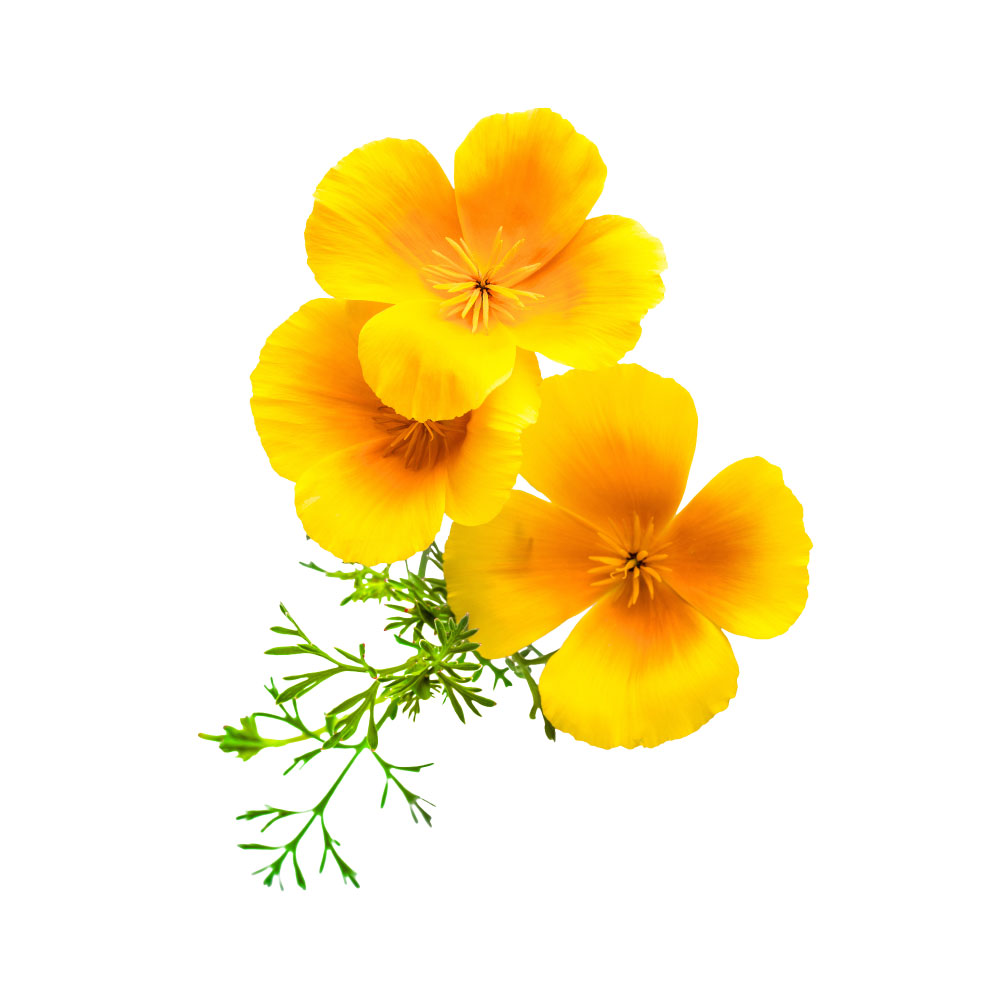 Source California Poppy Eschscholzia californica Herb monograph →
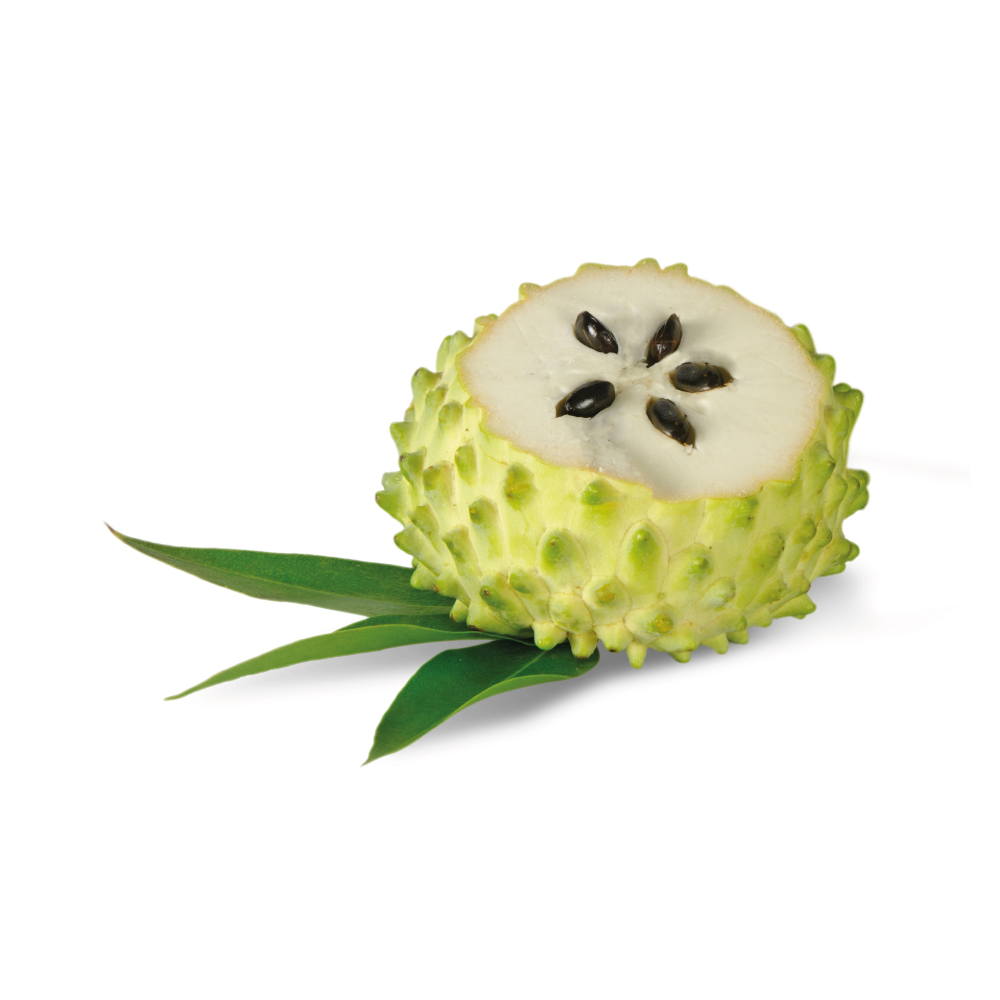 Source Graviola Annona muricata Herb monograph →
Concentration
Content by Source
Reported concentrations across the plants that contain reticuline — the bar marks the typical level, the line shows the reported range.
Literature figures for varying plant parts and preparations. Read them as a comparative guide, not exact assays.
Reticuline at a Glance
Reticuline is a 1-benzyltetrahydroisoquinoline alkaloid, and it is the most important molecule most people have never heard of. Almost every famous alkaloid here — berberine, sanguinarine, papaverine, thebaine, morphine, codeine — is built from it. Plants make reticuline from two molecules of the amino acid tyrosine and then push it down one of several branches; which branch a species takes is most of what determines its alkaloid chemistry 3Reference 3ReviewBenzylisoquinoline alkaloid metabolism — a century of discovery and a brave new world — reviewView study →.
The molecule exists as two mirror-image forms, and the difference between them is the whole story. (S)-reticuline is the form plants make, and it feeds the protoberberines, the benzophenanthridines and papaverine. (R)-reticuline is made only after an enzymatic inversion, and it is the committed precursor of the morphinans — the opiates. The enzyme that performs that inversion, STORR/REPI, was identified in 2015 and is the step that made engineered-yeast opioid production possible 5,
As a drug in its own right reticuline is genuinely under-studied, and its evidence is entirely preclinical. Its best-measured activity is positive allosteric modulation of GABAA receptors by the (S)-enantiomer, which is the reason California poppy’s sedative reputation is attributed to this alkaloid rather than to the more abundant ones 1Reference 1In vitroModulatory effects of Eschscholzia californica alkaloids on recombinant GABAA receptors — in vitro electrophysiologyView study →. Beyond that there is a small but consistent animal literature on vasorelaxation and hypotension 14,
Established Uses
Reticuline has no therapeutic use in people. It does, however, have one genuine, deployed real-world application: it is a forensic marker of opium use. Reticuline is a constituent of opium and a metabolic demethylation product of three other opium benzyltetrahydroisoquinolines (codamine, laudanosine and laudanine), and it appears in the urine of opium users — largely as a conjugate, released by acid or β-glucuronidase hydrolysis. Critically, it cannot be detected after heroin use, poppy-seed ingestion or pharmaceutical codeine, so its presence alongside urinary morphine and codeine distinguishes opium consumption from those other sources 26Reference 26The GC-MS detection and characterization of reticuline as a marker of opium use — forensic studyView study →.
Its second real-world role is industrial rather than clinical: reticuline is the target intermediate of essentially every attempt to manufacture benzylisoquinoline alkaloids in microbes, because a cell that can make reticuline is within a few enzymes of berberine, papaverine or thebaine 8,
The Branch Point of the Benzylisoquinoline Alkaloids
Benzylisoquinoline alkaloid (BIA) metabolism is a funnel followed by a fan. Two tyrosine-derived units — dopamine and 4-hydroxyphenylacetaldehyde — are condensed to (S)-norcoclaurine, which is methylated and hydroxylated through coclaurine and N-methylcoclaurine to give (S)-reticuline. Everything upstream is a single narrow channel; everything downstream fans out into the several thousand alkaloids of the family 3Reference 3ReviewBenzylisoquinoline alkaloid metabolism — a century of discovery and a brave new world — reviewView study →.
From (S)-reticuline the pathway splits along at least four routes:
- To the protoberberines. The berberine bridge enzyme (BBE) — a flavin-dependent oxidase — forges an extra carbon–carbon bond that closes reticuline’s open benzyl arm into the four-ring protoberberine core, giving (S)-scoulerine 4Reference 4Berberine bridge enzyme, a key branch-point enzyme in benzylisoquinoline alkaloid biosynthesis, contains a vacuolar sorting determinant — plant biochemistryView study →. From there the pathway runs to columbamine, palmatine, epiberberine, canadine and berberine, and — on the reduced branch — tetrahydropalmatine.
- To the methylenedioxy and benzophenanthridine alkaloids. Ring closures by CYP719-clan P450 enzymes carry scoulerine on to stylopine, protopine, allocryptopine, coptisine, and finally the benzophenanthridines sanguinarine and chelerythrine 4Reference 4Berberine bridge enzyme, a key branch-point enzyme in benzylisoquinoline alkaloid biosynthesis, contains a vacuolar sorting determinant — plant biochemistryView study →.
- To papaverine. (S)-reticuline is methylated to (S)-laudanine, then laudanosine, then N-demethylated to tetrahydropapaverine and dehydrogenated to papaverine. Stable-isotope feeding of Papaver seedlings settled this route in 2010 and disposed of the older norreticuline hypothesis 11Reference 11The biosynthesis of papaverine proceeds via (S)-reticuline — stable-isotope precursor feedingView study →.
- To the aporphines. An N-methyltransferase and the phenol-coupling P450 CYP80G2 convert reticuline into magnoflorine and the wider aporphine class 3Reference 3ReviewBenzylisoquinoline alkaloid metabolism — a century of discovery and a brave new world — reviewView study →.
And, after a stereochemical inversion, to the morphinans — which is the next section.
The consequence for this site is direct: when berberine, coptisine, canadine, hydrastine, palmatine and scoulerine each describe themselves as descending from “(S)-reticuline, the branch-point of this whole alkaloid family,” this is the molecule they mean.
The (S)-to-(R) Epimerisation, and Why It Mattered
Salutaridine synthase — the enzyme that performs the phenol coupling opening the morphinan skeleton — is absolutely specific for (R)-reticuline. When the enzyme (identified as CYP719B1 in 2009) was screened against forty-one candidate substrates, only (R)-reticuline and (R)-norreticuline gave any product at all 7Reference 7CYP719B1 is salutaridine synthase, the C–C phenol-coupling enzyme of morphine biosynthesis in opium poppy — enzymologyView study →. But plants make the (S) form. Something had to invert it, and for decades nobody knew what.
Two groups solved it in 2015, within weeks of each other. Characterising high-reticuline opium-poppy mutants, one team found a genetic locus they named STORR — (S)- to (R)-reticuline — encoding a cytochrome P450 module fused to an aldo-keto reductase module on a single polypeptide. The P450 half oxidises (S)-reticuline to the achiral intermediate 1,2-dehydroreticuline; the reductase half then reduces that intermediate to (R)-reticuline, rather than acting as the P450’s redox partner as one would expect 5Reference 5Morphinan biosynthesis in opium poppy requires a P450-oxidoreductase fusion protein (STORR) — plant geneticsView study →. The other team, working independently, characterised the same fusion as reticuline epimerase (REPI), found it in both Papaver somniferum and thebaine-accumulating P. bracteatum, and showed that silencing it collapsed (R)-reticuline and morphinan levels while (S)-reticuline and its O-methylated derivatives piled up. In Papaver rhoeas, which makes no morphinans, the same two activities exist as separate, unfused enzymes 6Reference 6Stereochemical inversion of (S)-reticuline by a cytochrome P450 fusion in opium poppy — identification of reticuline epimerase (REPI)View study →. Not every BIA plant has it: a transcriptome survey of Sinomenium acutum found no REPI at all, implying epimerase-independent routes to its alkaloids 32Reference 32Full-length transcriptome and metabolite analysis reveal reticuline epimerase-independent pathways for benzylisoquinoline alkaloid biosynthesis in Sinomenium acutum — plant genomicsView study →.
Why it mattered. The epimerisation was the last missing step in morphine biosynthesis, and the last obstacle to reconstructing the pathway outside the plant. Within months, engineered Saccharomyces cerevisiae strains expressing 21–23 heterologous enzyme activities produced thebaine and hydrocodone from sugar 8Reference 8Complete biosynthesis of opioids in yeast — metabolic engineeringView study →; a parallel effort had already demonstrated (S)-reticuline from glucose in yeast via a seven-enzyme route from L-tyrosine 9Reference 9An enzyme-coupled biosensor enables (S)-reticuline production in yeast from glucose — metabolic engineeringView study →. Chemists have since built the inversion into a synthetic route, preparing 1,2-dehydroreticuline chemically and reducing it enzymatically to (R)-reticuline at >99% ee and 92% isolated yield before closing it to salutaridine 29Reference 29Concise synthesis of (R)-reticuline and (+)-salutaridine by combining early-stage organic synthesis and late-stage biocatalysis — chemo-enzymatic synthesisView study →. The reverse manipulation is equally instructive: silencing codeinone reductase in opium poppy stalls the pathway seven steps upstream and makes the plant accumulate (S)-reticuline — a non-narcotic alkaloid — instead of morphine 10Reference 10RNAi-mediated replacement of morphine with the nonnarcotic alkaloid reticuline in opium poppy — plant biotechnologyView study →.
One postscript worth noting: in 2026 an aldo-keto reductase (AKR1B1) from the darkling beetle Blaps rhynchopetera was shown in vitro to convert (S)- to (R)-reticuline — the first reticuline isomerase reported outside plants 31Reference 31Reticuline isomerase AKR1B1 with aldo-keto reductase activity and detoxification function from the insect Blaps rhynchopetera — enzymologyView study →.
Which Enantiomer Was Tested
This is the discipline the page exists to enforce. “Reticuline” in a paper title can mean either enantiomer or an unspecified sample, and the two are not pharmacologically interchangeable — the single study that tested both found opposite results.
| Finding | Enantiomer actually tested | Source |
|---|---|---|
| Positive allosteric modulation at α3/α5/α6 GABAA | (S) — commercial (S)-(+)-reticuline hydrochloride | 1Reference 1In vitroModulatory effects of Eschscholzia californica alkaloids on recombinant GABAA receptors — in vitro electrophysiologyView study → |
| No effect at α1/α3/α5 GABAA at 10 µM | (R) — tested head-to-head in the same study | 1Reference 1In vitroModulatory effects of Eschscholzia californica alkaloids on recombinant GABAA receptors — in vitro electrophysiologyView study → |
| L-type Ca²⁺ current blockade, vasorelaxation | (S) — explicitly stated | 15Reference 15Medeiros MAA, Nunes XP, Barbosa-Filho JM, Lemos VS, Pinho JF, Roman-Campos D, de Medeiros IA, Araújo DAM, Cruz JS. (2009). (S)-reticuline induces vasorelaxation through the blockade of L-type Ca²⁺ channels — patch-clamp and isolated-tissue study. Naunyn-Schmiedeberg’s Archives of Pharmacology, 379(2), 115–125. https://pubmed.ncbi.nlm.nih.gov/18825370/View study → |
| Negative inotropy in guinea-pig papillary muscle | (S) — as (+)-S-reticuline | 27Reference 27Inotropic effects of (±)-higenamine and its chemically related components, (+)-R-coclaurine and (+)-S-reticuline, contained in the traditional medicines “bushi” and “shin-i” in isolated guinea-pig papillary muscle — isolated-tissue studyView study → |
| Salutaridine synthase substrate (morphine route) | (R) only — (S) is not a substrate | 7Reference 7CYP719B1 is salutaridine synthase, the C–C phenol-coupling enzyme of morphine biosynthesis in opium poppy — enzymologyView study → |
| Berberine bridge enzyme substrate (berberine route) | (S) only | 4Reference 4Berberine bridge enzyme, a key branch-point enzyme in benzylisoquinoline alkaloid biosynthesis, contains a vacuolar sorting determinant — plant biochemistryView study → |
| Endogenous alkaloid in human cells | (S) — configuration determined | 24Reference 24Endogenous formation of morphine in human cells — (S)-reticuline identified as an endogenous precursorView study → |
| Hypotension in rats; CNS depression in rodents | not stated — isolated from Ocotea duckei, whose major benzylisoquinoline is (S)-reticuline 15Reference 15Medeiros MAA, Nunes XP, Barbosa-Filho JM, Lemos VS, Pinho JF, Roman-Campos D, de Medeiros IA, Araújo DAM, Cruz JS. (2009). (S)-reticuline induces vasorelaxation through the blockade of L-type Ca²⁺ channels — patch-clamp and isolated-tissue study. Naunyn-Schmiedeberg’s Archives of Pharmacology, 379(2), 115–125. https://pubmed.ncbi.nlm.nih.gov/18825370/View study → | 13, |
| Anti-inflammatory animal work; anticancer; D5R | not stated in the source papers | 16, |
The honest position: the GABAergic and vascular claims are (S)-specific and demonstrated; the anti-inflammatory and receptor-screening claims are for material of unreported configuration and should be read as “reticuline” without a stereochemical assignment.
Endogenous Reticuline in Animals
Reticuline is not only a plant molecule. It was purified and identified from rat brain at 12.7 ± 5.4 ng/g wet tissue, with the same study ruling out dietary and gut-bacterial sources by showing that rat chow, intestine and cultured gut bacteria contained neither reticuline nor morphine 25Reference 25AnimalPresence of reticuline in rat brain — a pathway for morphine biosynthesisView study →. In human cell lines, GC-MS/MS identified norlaudanosoline, reticuline and morphine in neuroblastoma (SH-SY5Y) and pancreatic-carcinoma (DAN-G) cells; growing the cells under an ¹⁸O₂ atmosphere produced ¹⁸O-labelled alkaloids, proving biosynthetic rather than dietary origin, and the reticuline was determined to be the 1-(S) form 24Reference 24Endogenous formation of morphine in human cells — (S)-reticuline identified as an endogenous precursorView study →.
In other words, mammals appear to run an abbreviated version of the poppy pathway, with (S)-reticuline as an intermediate en route to trace endogenous morphine 24,origin reads natural (also endogenous). It is a biochemical curiosity rather than a therapeutic argument — the concentrations are nanogram-scale and the physiological function is unresolved — but it is also the reason the GABAA study bothered to test (R)-reticuline, 1,2-tetrahydroreticuline, codeine and morphine as suspected reticuline metabolites in rodent brain 1Reference 1In vitroModulatory effects of Eschscholzia californica alkaloids on recombinant GABAA receptors — in vitro electrophysiologyView study →.
What It's Used For
Reticuline’s own pharmacology is thin relative to its biochemical importance, and it is entirely preclinical. Two threads are reasonably well characterised — GABAergic sedation and vascular relaxation — and both were measured on the isolated (S)-enantiomer. A third, anti-inflammatory signalling, has accumulated four in-vivo models in under a decade but never a stated configuration.
Support is an experimental score — a composite weighted by study type (human > animal > in vitro) and volume, tempered for isolate-vs-plant match and for whether the enantiomer was specified. A beta, not a validated metric. Every row here is preclinical; reticuline has no human evidence for any application.
The one place where isolate pharmacology and plant use actually meet. In whole-cell electrophysiology on recombinant GABAA receptors, (S)-reticuline (a commercial standard, >90% ee) behaved as a positive allosteric modulator at the α3β2γ2, α5β2γ2 and α6β2γ2 isoforms, with an EC50 of roughly 6 µM and maximal stimulation approaching 100% of the maximal GABA effect. It was inactive at α1β2γ2 below 10 µM (and inhibitory, ~28%, at 30 µM) and allosterically inhibitory at α2β2γ2 — an unusual isoform fingerprint. On that basis the authors assigned California poppy’s depressant properties to chloride-current modulation by (S)-reticuline at α3 and α5 receptors, and specifically not to N-methyllaurotetanine, which was inactive on GABAA below 30 µM and instead carries the herb’s 5-HT1A affinity 1,
Separately, reticuline isolated from Ocotea duckei produced a full CNS-depressant profile in rodents at 50–100 mg/kg i.p. — altered behaviour, prolonged pentobarbital sleep, reduced motor coordination, blunted amphetamine hypermotility, and suppression of conditioned avoidance 13Reference 13AnimalCentral depressant effects of reticuline extracted from Ocotea duckei in rats and mice — animal studyView study →.
Gap: two caveats bite. First, flumazenil (1 µM) did not block (S)-reticuline’s potentiation at the recombinant receptor — so reticuline acts at a non-benzodiazepine site, even though California poppy’s own anxiolytic/sedative effect in mice is flumazenil-reversible. The molecule and the herb therefore do not yet line up mechanistically. Second, the rodent behavioural work does not state a configuration and used doses far above any plausible herbal exposure 1,
All isolate, all animal, and mechanistically well resolved. In normotensive rats, intravenous reticuline (5, 10 and 20 mg/kg) produced intense hypotension that was attenuated by the NO-synthase inhibitor L-NAME and by atropine, and in endothelium-intact aortic rings it inhibited phenylephrine- and KCl-induced contractions with IC50s in the 10⁻⁴ M range; removing the endothelium shifted the curve, and it also antagonised CaCl₂-induced and noradrenaline-triggered intracellular-store contractions 14Reference 14AnimalCardiovascular effects induced by reticuline in normotensive rats — animal studyView study →.
A follow-up on the explicitly-defined (S)-enantiomer used patch clamp on A7r5 smooth-muscle cells and found concentration-dependent reduction of the peak L-type Ca²⁺ current with a leftward shift of the steady-state inactivation curve — i.e. voltage-dependent Ca²⁺-channel blockade as the endothelium-independent component 15Reference 15Medeiros MAA, Nunes XP, Barbosa-Filho JM, Lemos VS, Pinho JF, Roman-Campos D, de Medeiros IA, Araújo DAM, Cruz JS. (2009). (S)-reticuline induces vasorelaxation through the blockade of L-type Ca²⁺ channels — patch-clamp and isolated-tissue study. Naunyn-Schmiedeberg’s Archives of Pharmacology, 379(2), 115–125. https://pubmed.ncbi.nlm.nih.gov/18825370/View study →.
Two older isolated-tissue reports fit the same picture from other angles: (+)-S-reticuline was negatively inotropic in guinea-pig papillary muscle, opposing higenamine 27Reference 27Inotropic effects of (±)-higenamine and its chemically related components, (+)-R-coclaurine and (+)-S-reticuline, contained in the traditional medicines “bushi” and “shin-i” in isolated guinea-pig papillary muscle — isolated-tissue studyView study →, and reticuline inhibited uterine smooth-muscle contraction by lowering cytosolic calcium 28Reference 28Uterine inhibitory effect of reticuline — isolated-tissue studyView study →.
Gap: the doses are intravenous and large, the models are normotensive animals rather than hypertensive ones, and there is no oral study, no chronic dosing, and no human data. Read the calcium-channel blockade as a safety-relevant property of injected reticuline at least as much as a therapeutic lead.
The fastest-growing thread, and the most repetitive: four independent in-vivo studies since 2018, all landing on JAK2/STAT3 with NF-κB alongside. Reticuline isolated from Litsea cubeba reduced xylene-induced ear oedema in mice and carrageenan paw oedema in rats, cut neutrophil infiltration, lowered TNF-α and IL-6 mRNA and reduced JAK2/STAT3 phosphorylation — with a boldine 0.5 mg/kg + reticuline 0.25 mg/kg combination outperforming either alone 16Reference 16Anti-inflammatory effects of boldine and reticuline isolated from Litsea cubeba through JAK2/STAT3 and NF-κB signaling pathways — animal studyView study →.
In a diet-induced-obesity mouse asthma model, reticuline at 0.25 mg/kg by gavage reduced airway resistance, BALF inflammatory cells and IL-17A/IL-1β/IL-5, inactivating JAK2/STAT3/SOCS3 and p38 MAPK/NF-κB 17Reference 17AnimalAnti-inflammatory effects of reticuline on the JAK2/STAT3/SOCS3 and p38 MAPK/NF-κB signaling pathway in a mouse model of obesity-associated asthma — animal studyView study →.
In a rat controlled-cortical-impact model of traumatic brain injury, intraperitoneal reticuline damped astrocyte and microglial reactivity and improved neurological recovery — with the effect reversed by the STAT3 agonist colivelin, a clean mechanistic control 18Reference 18Reticuline modulates astrocyte and microglial responses to enhance prognosis after traumatic brain injury — animal studyView study →.
And in collagen-induced arthritis, reticuline at 0.5–1 mg/kg/day cut arthritis scores, synovial hyperplasia and bone erosion, with 10–20 µM suppressing migration and IL-6 in TNF-α-stimulated human synovial fibroblasts 19Reference 19In vitroReticuline alleviates rheumatoid arthritis by suppressing the JAK/STAT signaling pathway — in vitro and collagen-induced arthritis modelView study →.
Gap: none of these four papers states which enantiomer was used, none reports plasma exposure, and the doses (0.25–1 mg/kg) are strikingly low for an alkaloid with no measured bioavailability — so the dose–exposure relationship is entirely unverified. All are single-group findings without independent replication, and the arthritis and TBI studies are explicitly first-in-field.
This is the claim graviola’s monograph attaches to reticuline, and it rests on a single old paper. Four benzylisoquinoline alkaloids were isolated from the bark of Annona salzmanii — reticuline, anonaine, laurelliptine and isoboldine — and screened; only anonaine showed antibacterial activity, while all four, including reticuline, showed some antifungal activity 20Reference 20In vitroAntimicrobial activity of benzylisoquinoline alkaloids from Annona salzmanii D.C. — in vitroView study →.
That is the extent of it: a qualitative 1992 screen with no MIC values reported in the abstract, on a different Annona species from the one here. The broader Annona muricata antimicrobial literature is extract-level and is generally attributed to the alkaloid, flavonoid and acetogenin fractions collectively rather than to reticuline specifically 33Reference 33ReviewAnnona muricata (Annonaceae) — a review of its traditional uses, isolated acetogenins and biological activitiesView study →.
Gap: no MICs, no spectrum, no replication, no in-vivo model, and no demonstration that a whole-plant graviola preparation delivers antifungal concentrations of reticuline anywhere. Treat this as a plausible class property, not a demonstrated one.
One study, but a well-controlled one. Coclaurine and reticuline were tested against CRISPR/Cas9-edited vitamin D receptor knockout and wild-type HCT116 colorectal cancer cells. Both alkaloids dose-dependently reduced wild-type cell viability and wound healing, increased VDR nuclear localisation and expression, downregulated SNAIL1/SNAIL2, induced late apoptosis with PARP and caspase-3 cleavage, raised Bax and TP53, lowered BCL-2, and arrested cells in S phase. Both lost their effect entirely in the VDR-knockout line, and docking placed both in the VDR’s active site — making this a genuinely VDR-dependent mechanism rather than generic cytotoxicity 21Reference 21In vitroReticuline and coclaurine exhibit vitamin D receptor-dependent anticancer and pro-apoptotic activities in the colorectal cancer cell line HCT116 — in vitroView study →.
Gap: a single cell line, in vitro only, with the authors themselves calling for in-vivo validation. No potency figures carried here, no selectivity index against non-malignant cells, and no connection to any whole-plant preparation. It sits at the “interesting mechanism, unproven compound” stage.
A 2026 screening study working from Stephania alkaloids identified reticuline as a candidate dopamine D5 receptor (D5R) agonist. Docking predicted a favourable −7.9 kcal/mol interaction; cell-membrane chromatography and bio-layer interferometry confirmed direct binding with a dissociation constant of 1.07 µM; and a cAMP assay showed concentration-dependent Gs-cAMP activation with an EC50 of 0.07 µM. Transcriptomic profiling of D5R-overexpressing cells showed enrichment of ribosome-biogenesis, oxidative-phosphorylation and neurodegeneration pathways after treatment 22Reference 22In vitroVirtual and CMC-based screening identified reticuline, an intermediate of BIA biosynthesis, as a potential agonist of D5R — in vitroView study →.
Gap: entirely in vitro and single-source, with an unexplained ~15-fold gap between the binding Kd and the functional EC50, no selectivity data against the other dopamine receptor subtypes, no configuration stated, and no animal behaviour to anchor it. Note also that a dopaminergic mechanism would sit awkwardly beside the mitochondrial-complex-I toxicity seen in dopaminergic neuroblastoma cells 23Reference 23Detection and determination of reticuline and N-methylcoclaurine in the Annonaceae family using liquid chromatography–tandem mass spectrometry — includes SH-SY5Y cytotoxicity and complex-I inhibitionView study → — the two need reconciling before either is taken far.
Mechanisms
| Target / pathway | Effect | Relevant to |
|---|---|---|
| GABAA receptors, α3/α5/α6 isoforms | positive allosteric modulation by (S)-reticuline; EC50 ~6 µM; not at the benzodiazepine site (flumazenil-insensitive) | sedativeanxiolytic |
| GABAA receptors, α1 and α2 isoforms | inactive at α1 below 10 µM (inhibitory at 30 µM); allosteric inhibition at α2 | isoform selectivity |
| L-type voltage-gated Ca²⁺ channels (Cav1.2) | current blockade; leftward shift of steady-state inactivation → vascular smooth-muscle relaxation | vasodilatorhypotensiveantispasmodic |
| Endothelial NO synthase / muscarinic receptors | endothelium-dependent component of hypotension (L-NAME- and atropine-sensitive) | hypotensive |
| JAK2 / STAT3 (± SOCS3) | reduced phosphorylation; lower TNF-α, IL-6, IL-17A | anti-inflammatoryneuroprotective |
| p38 MAPK / NF-κB (p65, IκBα) | reduced phosphorylation of pathway components | anti-inflammatory |
| Vitamin D receptor (VDR) | ligand-like occupancy; VDR-dependent apoptosis and S-phase arrest (lost in VDR-knockout cells) | anticancer (in vitro) |
| Dopamine D5 receptor | direct binding (Kd 1.07 µM); Gs-cAMP agonism (EC50 0.07 µM) | dopaminergic (in vitro) |
| Mitochondrial respiratory complex I | inhibition, with cytotoxicity in SH-SY5Y neuroblastoma cells | toxicity |
| Berberine bridge enzyme (in planta) | (S)-reticuline → (S)-scoulerine — the committed protoberberine step | biosynthesis |
| STORR / REPI (P450–AKR fusion, in planta) | (S)-reticuline → 1,2-dehydroreticuline → (R)-reticuline | biosynthesis (morphinan gateway) |
| Salutaridine synthase, CYP719B1 (in planta) | (R)-reticuline → salutaridine; (S) is not a substrate | biosynthesis (morphinan gateway) |
The two ends of this table are the page in miniature: the bottom third is why reticuline matters to biology, the top third is what it does to a mammal, and the two have almost no overlap.
Pharmacokinetics
Essentially unstudied. No oral bioavailability figure, plasma half-life, volume of distribution or metabolite map exists for reticuline in humans or, so far as could be established here, in any animal. Three fragments are worth stating and no more:
- It is excreted conjugated. Reticuline is detectable in the urine of opium users only after acid or β-glucuronidase hydrolysis, which places glucuronidation as a major clearance route in people 26Reference 26The GC-MS detection and characterization of reticuline as a marker of opium use — forensic studyView study →.
- It is brain-accessible. Reticuline occurs endogenously in rat brain tissue 25Reference 25AnimalPresence of reticuline in rat brain — a pathway for morphine biosynthesisView study →, and the Annonaceae neurotoxicity hypothesis explicitly proposes uptake and accumulation of dietary reticuline in the brain 23Reference 23Detection and determination of reticuline and N-methylcoclaurine in the Annonaceae family using liquid chromatography–tandem mass spectrometry — includes SH-SY5Y cytotoxicity and complex-I inhibitionView study → — consistent with a lipophilic tertiary amine, and in sharp contrast to quaternary berberine (oral bioavailability <1%).
- It is a metabolic intermediate, not an endpoint. In plants reticuline is consumed within one or two enzymatic steps, and in mammals it appears to sit on a route toward trace endogenous morphine 24Reference 24Endogenous formation of morphine in human cells — (S)-reticuline identified as an endogenous precursorView study →. Whether ingested reticuline is similarly transformed in vivo is unknown.
The practical consequence: the in-vivo anti-inflammatory doses of 0.25–1 mg/kg 16,
Clinical Trials
None. No registered or published human clinical trial of reticuline as an isolated agent was identified. The only human-adjacent evidence is at the herb level — the California poppy combination trial on the California poppy monograph — where reticuline is one alkaloid among many.
| Completed | Planned | Terminated | Preclinical |
|---|---|---|---|
| — | — | — | GABAA electrophysiology; rat cardiovascular; four in-vivo anti-inflammatory models; in-vitro anticancer & D5R |
Last checked: July 2026.
Isolate vs. Plant Studies
Almost all of reticuline’s pharmacology is isolate work, which for once is the right design — and the transferability problem runs in the usual direction anyway.
The GABAA electrophysiology used a commercial (S)-(+)-reticuline hydrochloride standard, not plant material, and tested (R)-reticuline in the same experiment 1Reference 1In vitroModulatory effects of Eschscholzia californica alkaloids on recombinant GABAA receptors — in vitro electrophysiologyView study → — the cleanest single piece of evidence here. The cardiovascular work used reticuline purified from Ocotea duckei stem 14,
The plant-level evidence points the other way and is genuinely useful. California poppy’s sedative and anxiolytic reputation is a whole-herb effect, and the one study that measured GABAA modulation across its isolated alkaloids assigned that activity to reticuline while ruling out N-methyllaurotetanine 1Reference 1In vitroModulatory effects of Eschscholzia californica alkaloids on recombinant GABAA receptors — in vitro electrophysiologyView study → — which is why allocryptopine, chelerythrine and scoulerine all explicitly decline credit for the herb’s calming effect and point here instead. But the arithmetic imposes discipline: at 1.095 mg/g of dried aerial parts 1Reference 1In vitroModulatory effects of Eschscholzia californica alkaloids on recombinant GABAA receptors — in vitro electrophysiologyView study →, a 2 g dose of the herb delivers roughly 2 mg of (S)-reticuline — against a receptor EC50 of ~6 µM and rodent behavioural doses of 50–100 mg/kg 13Reference 13AnimalCentral depressant effects of reticuline extracted from Ocotea duckei in rats and mice — animal studyView study →. Whether an ordinary tea or tincture reaches a GABAergically relevant brain concentration has never been shown.
For graviola the caveat is sharper still. Reticuline is the plant’s main alkaloid 2Reference 2Leboeuf M, Legueut C, Cavé A, Desconclois JF, Forgacs P, Jacquemin H. (1981). [Alkaloids of Annonaceae XXIX — alkaloids of Annona muricata]. Planta Medica, 42(1), 37–44. https://pubmed.ncbi.nlm.nih.gov/17401878/View study →, but graviola’s pharmacology — good and bad — is dominated by the acetogenins, chiefly annonacin 33Reference 33ReviewAnnona muricata (Annonaceae) — a review of its traditional uses, isolated acetogenins and biological activitiesView study →. The one finding that genuinely belongs to reticuline in that context is not a benefit: it is complex-I inhibition and neuroblastoma-cell toxicity 23Reference 23Detection and determination of reticuline and N-methylcoclaurine in the Annonaceae family using liquid chromatography–tandem mass spectrometry — includes SH-SY5Y cytotoxicity and complex-I inhibitionView study →.
Its Role in Plants
Reticuline’s role in the plant is to be spent. It is the last common intermediate of an enormous metabolic fan, and the enzymes that consume it — BBE toward sanguinarine and berberine, REPI toward morphine, CYP80G2 toward the aporphines, the O-methyltransferases toward papaverine — are what individuate a species’ alkaloid profile 3,
The downstream products are largely chemical-defence compounds. Sanguinarine, for instance, accumulates in the vacuole of opium-poppy cells specifically in response to fungal elicitors 4Reference 4Berberine bridge enzyme, a key branch-point enzyme in benzylisoquinoline alkaloid biosynthesis, contains a vacuolar sorting determinant — plant biochemistryView study → — and reticuline itself carries some antifungal activity in the Annona alkaloid fraction 20Reference 20In vitroAntimicrobial activity of benzylisoquinoline alkaloids from Annona salzmanii D.C. — in vitroView study →, consistent with a defensive role for the whole branch.
One striking piece of biology sits outside plants entirely: a darkling beetle expresses an aldo-keto reductase (AKR1B1) that converts (S)- to (R)-reticuline in vitro, apparently as part of the insect’s alkaloid-detoxification machinery — the first reticuline isomerase found in an animal 31Reference 31Reticuline isomerase AKR1B1 with aldo-keto reductase activity and detoxification function from the insect Blaps rhynchopetera — enzymologyView study →.
Prevalence in Nature
Reticuline occurs across the alkaloid-forming orders — Papaveraceae, Annonaceae, Lauraceae, Menispermaceae, Magnoliaceae, Ranunculaceae and Berberidaceae — essentially wherever benzylisoquinoline metabolism runs at all, because it is the obligatory intermediate 3Reference 3ReviewBenzylisoquinoline alkaloid metabolism — a century of discovery and a brave new world — reviewView study →. What varies is whether a species lets any of it accumulate.
- Graviola (Annona muricata). Reticuline is the main alkaloid of the leaves, root bark and stem bark, alongside coclaurine, coreximine, atherosperminine, stepharine and the minor tetrahydrobenzylisoquinolines anomurine and anomuricine 2Reference 2Leboeuf M, Legueut C, Cavé A, Desconclois JF, Forgacs P, Jacquemin H. (1981). [Alkaloids of Annonaceae XXIX — alkaloids of Annona muricata]. Planta Medica, 42(1), 37–44. https://pubmed.ncbi.nlm.nih.gov/17401878/View study →. LC-MS/MS surveys detected reticuline in every part of the plant examined except pulp and seed, and did not detect it in sweetsop fruit — a distribution that matters because the compound was being profiled as a candidate neurotoxin 23Reference 23Detection and determination of reticuline and N-methylcoclaurine in the Annonaceae family using liquid chromatography–tandem mass spectrometry — includes SH-SY5Y cytotoxicity and complex-I inhibitionView study →.
- California poppy (Eschscholzia californica). Quantified at 1.095 ± 0.16 mg/g of dried aerial parts by LC-diode-array — a genuinely minor alkaloid there, roughly a tenth of californidine (12.5 mg/g) and an eighth of eschscholtzine (8.7 mg/g) 1Reference 1In vitroModulatory effects of Eschscholzia californica alkaloids on recombinant GABAA receptors — in vitro electrophysiologyView study →.
- Opium poppy (Papaver somniferum). Present in opium as a minor alkaloid and as the metabolic parent of codamine, laudanosine and laudanine 26Reference 26The GC-MS detection and characterization of reticuline as a marker of opium use — forensic studyView study →; it accumulates to high levels only in engineered or mutant lines 5,
10Reference 5Morphinan biosynthesis in opium poppy requires a P450-oxidoreductase fusion protein (STORR) — plant geneticsView study →Reference 10RNAi-mediated replacement of morphine with the nonnarcotic alkaloid reticuline in opium poppy — plant biotechnologyView study → . - Elsewhere. Ocotea duckei (Lauraceae) stem bark, where (S)-reticuline is the major benzylisoquinoline and the source of most of the cardiovascular pharmacology 15Reference 15Medeiros MAA, Nunes XP, Barbosa-Filho JM, Lemos VS, Pinho JF, Roman-Campos D, de Medeiros IA, Araújo DAM, Cruz JS. (2009). (S)-reticuline induces vasorelaxation through the blockade of L-type Ca²⁺ channels — patch-clamp and isolated-tissue study. Naunyn-Schmiedeberg’s Archives of Pharmacology, 379(2), 115–125. https://pubmed.ncbi.nlm.nih.gov/18825370/View study →; Litsea cubeba 16Reference 16Anti-inflammatory effects of boldine and reticuline isolated from Litsea cubeba through JAK2/STAT3 and NF-κB signaling pathways — animal studyView study →; the flower buds of Magnolia salicifolia (the Sino-Japanese drug shin-i), where it occurs with coclaurine and higenamine 27Reference 27Inotropic effects of (±)-higenamine and its chemically related components, (+)-R-coclaurine and (+)-S-reticuline, contained in the traditional medicines “bushi” and “shin-i” in isolated guinea-pig papillary muscle — isolated-tissue studyView study →; Stephania species 22Reference 22In vitroVirtual and CMC-based screening identified reticuline, an intermediate of BIA biosynthesis, as a potential agonist of D5R — in vitroView study →; and Sinomenium acutum and other Menispermaceae 32Reference 32Full-length transcriptome and metabolite analysis reveal reticuline epimerase-independent pathways for benzylisoquinoline alkaloid biosynthesis in Sinomenium acutum — plant genomicsView study →.
Because reticuline is a transit metabolite, published concentration figures are sparse — only the California-poppy value above is quantified with a number here. The rest of the occurrence record is qualitative.
Discovery & Synthesis
Reticuline takes its name from Annona reticulata — custard apple, or bullock’s heart — the species from which it was first obtained; the Chinese name for the molecule, niúxīnguǒ jiǎn, is a literal translation of the same botanical origin 30Reference 30ReviewWu Z, Wang P, Chiu TY. (2026). [Recent advances in the application value and biosynthesis of chiral reticuline] — review. Sheng Wu Gong Cheng Xue Bao (Chinese Journal of Biotechnology), 42(3), 1042–1061. https://pubmed.ncbi.nlm.nih.gov/41873066/View study →. Its early history is chemical rather than pharmacological: through the twentieth century, isotope-feeding and enzymology progressively established it as the hub of benzylisoquinoline metabolism, a story reviewed as “a century of discovery” 3Reference 3ReviewBenzylisoquinoline alkaloid metabolism — a century of discovery and a brave new world — reviewView study →. The precise first-isolation report and date were not pinned down here.
There is no classical total synthesis in commercial use, and no bulk market for the isolated alkaloid: reticuline circulates as an analytical reference standard and a research chemical. Its modern preparation is instead a showcase of biocatalysis and metabolic engineering:
- Microbial de novo synthesis. A seven-enzyme route from L-tyrosine gave (S)-reticuline from glucose in Saccharomyces cerevisiae, enabled by an enzyme-coupled L-DOPA biosensor used to find and improve a functional tyrosine hydroxylase 9Reference 9An enzyme-coupled biosensor enables (S)-reticuline production in yeast from glucose — metabolic engineeringView study →. Reticuline is the standard staging post for microbial BIA production generally 8,
30Reference 8Complete biosynthesis of opioids in yeast — metabolic engineeringView study →Reference 30ReviewWu Z, Wang P, Chiu TY. (2026). [Recent advances in the application value and biosynthesis of chiral reticuline] — review. Sheng Wu Gong Cheng Xue Bao (Chinese Journal of Biotechnology), 42(3), 1042–1061. https://pubmed.ncbi.nlm.nih.gov/41873066/View study → . - Chemo-enzymatic synthesis of the (R)-enantiomer. The prochiral intermediate 1,2-dehydroreticuline is built by conventional organic synthesis, then reduced stereoselectively by 1,2-dehydroreticuline reductase to give (R)-reticuline at >99% ee and 92% isolated yield — after which membrane-bound salutaridine synthase closes it to (+)-salutaridine 29Reference 29Concise synthesis of (R)-reticuline and (+)-salutaridine by combining early-stage organic synthesis and late-stage biocatalysis — chemo-enzymatic synthesisView study →.
- Plant metabolic engineering. RNAi silencing of codeinone reductase produced an opium-poppy line accumulating reticuline in place of morphine, thebaine, codeine and oripavine 10Reference 10RNAi-mediated replacement of morphine with the nonnarcotic alkaloid reticuline in opium poppy — plant biotechnologyView study →; BBE knockdown does the equivalent in California-poppy cell culture 12Reference 12Knockdown of berberine bridge enzyme by RNAi accumulates (S)-reticuline and activates a silent pathway in cultured California poppy cells — plant cell cultureView study →.
Patents: not yet researched.
Toxicity & Safety
Reticuline carries a moderate flag. It is not a narcotic — the engineered poppy that accumulates it was explicitly described as producing “the nonnarcotic alkaloid reticuline” 10Reference 10RNAi-mediated replacement of morphine with the nonnarcotic alkaloid reticuline in opium poppy — plant biotechnologyView study →, and it has no reported opioid-receptor activity of its own. But it is not inert either, and the case for caution rests on three specific, cited findings rather than on class suspicion.
Mitochondrial complex-I inhibition and neuronal cytotoxicity. In the study that profiled Annonaceae alkaloids as candidate neurotoxins behind the Guadeloupean cluster of atypical parkinsonism, reticuline, N-methylcoclaurine and norreticuline were all toxic to SH-SY5Y neuroblastoma cells and inhibited mitochondrial respiratory complex I; the authors proposed that dietary uptake and brain accumulation of these benzylisoquinolines could contribute to the disease 23Reference 23Detection and determination of reticuline and N-methylcoclaurine in the Annonaceae family using liquid chromatography–tandem mass spectrometry — includes SH-SY5Y cytotoxicity and complex-I inhibitionView study →. This is the same mechanistic class as the Annona acetogenin annonacin, which carries the better-developed neurotoxicity case 33Reference 33ReviewAnnona muricata (Annonaceae) — a review of its traditional uses, isolated acetogenins and biological activitiesView study → — but it means reticuline cannot be waved through as the benign fraction of graviola.
Cardiovascular depression at injected doses. Intravenous reticuline at 5–20 mg/kg produced intense hypotension in normotensive rats 14Reference 14AnimalCardiovascular effects induced by reticuline in normotensive rats — animal studyView study →, and the mechanism includes L-type Ca²⁺-channel blockade 15Reference 15Medeiros MAA, Nunes XP, Barbosa-Filho JM, Lemos VS, Pinho JF, Roman-Campos D, de Medeiros IA, Araújo DAM, Cruz JS. (2009). (S)-reticuline induces vasorelaxation through the blockade of L-type Ca²⁺ channels — patch-clamp and isolated-tissue study. Naunyn-Schmiedeberg’s Archives of Pharmacology, 379(2), 115–125. https://pubmed.ncbi.nlm.nih.gov/18825370/View study → plus a negative inotropic effect on cardiac muscle 27Reference 27Inotropic effects of (±)-higenamine and its chemically related components, (+)-R-coclaurine and (+)-S-reticuline, contained in the traditional medicines “bushi” and “shin-i” in isolated guinea-pig papillary muscle — isolated-tissue studyView study →. Anyone reading the vasorelaxant data as a therapeutic lead should read it equally as a hypotension and cardiac-depression hazard at dose.
Additive CNS depression. Reticuline is a GABAA positive allosteric modulator 1Reference 1In vitroModulatory effects of Eschscholzia californica alkaloids on recombinant GABAA receptors — in vitro electrophysiologyView study → and produces a full sedative syndrome in rodents at 50–100 mg/kg, including prolongation of pentobarbital sleeping time 13Reference 13AnimalCentral depressant effects of reticuline extracted from Ocotea duckei in rats and mice — animal studyView study → — a classic marker of additive risk with sedatives, alcohol and anaesthetics.
A fourth, minor note: reticuline inhibits uterine smooth-muscle contraction by lowering cytosolic calcium in isolated tissue 28Reference 28Uterine inhibitory effect of reticuline — isolated-tissue studyView study →. That is a pharmacological finding on isolated uterus, not a reproductive-toxicity assessment; no developmental or reproductive toxicology exists for this molecule.
- Not a narcotic and not an opioid. Reticuline is a precursor of morphine, not an opiate; engineered poppies accumulating it are described as non-narcotic 10Reference 10RNAi-mediated replacement of morphine with the nonnarcotic alkaloid reticuline in opium poppy — plant biotechnologyView study →.
- Inhibits mitochondrial complex I and is cytotoxic to neuroblastoma cells — profiled as a candidate contributor to Annonaceae-linked atypical parkinsonism 23Reference 23Detection and determination of reticuline and N-methylcoclaurine in the Annonaceae family using liquid chromatography–tandem mass spectrometry — includes SH-SY5Y cytotoxicity and complex-I inhibitionView study →.
- Intense hypotension and negative inotropy at injected doses in rats, via L-type Ca²⁺-channel blockade and NO/muscarinic mechanisms 14,
15, .27Reference 14AnimalCardiovascular effects induced by reticuline in normotensive rats — animal studyView study →Reference 15Medeiros MAA, Nunes XP, Barbosa-Filho JM, Lemos VS, Pinho JF, Roman-Campos D, de Medeiros IA, Araújo DAM, Cruz JS. (2009). (S)-reticuline induces vasorelaxation through the blockade of L-type Ca²⁺ channels — patch-clamp and isolated-tissue study. Naunyn-Schmiedeberg’s Archives of Pharmacology, 379(2), 115–125. https://pubmed.ncbi.nlm.nih.gov/18825370/View study →Reference 27Inotropic effects of (±)-higenamine and its chemically related components, (+)-R-coclaurine and (+)-S-reticuline, contained in the traditional medicines “bushi” and “shin-i” in isolated guinea-pig papillary muscle — isolated-tissue studyView study → - Additive sedation. A GABAA positive allosteric modulator that prolongs barbiturate sleep in rodents — plausible additive effect with alcohol, benzodiazepines and other CNS depressants 1,
13Reference 1In vitroModulatory effects of Eschscholzia californica alkaloids on recombinant GABAA receptors — in vitro electrophysiologyView study →Reference 13AnimalCentral depressant effects of reticuline extracted from Ocotea duckei in rats and mice — animal studyView study → . - No human safety data at all. No genotoxicity, carcinogenicity, repeat-dose, reproductive or drug-interaction (CYP/P-gp) assessment exists for isolated reticuline. Treat silence as unknown, not safe.
Drug-interaction and pregnancy/lactation decisions belong on the California poppy and graviola monographs, where intake is actually decided and where the better-characterised alkaloids (California poppy’s CYP-inhibiting eschscholtzine and protopine; graviola’s acetogenins) drive the verdict.
Dosage
There is no established or studied human dose for reticuline. It has never been administered to people as a medicine. Every figure below is an animal dose or a laboratory concentration, listed so the numbers in the sections above can be compared honestly.
| Context | System | Dose or concentration |
|---|---|---|
| CNS depression (isolate, i.p.) | Rats and mice | 50–100 mg/kg 13Reference 13AnimalCentral depressant effects of reticuline extracted from Ocotea duckei in rats and mice — animal studyView study → |
| Hypotension (isolate, i.v.) | Normotensive rats | 5–20 mg/kg 14Reference 14AnimalCardiovascular effects induced by reticuline in normotensive rats — animal studyView study → |
| Anti-inflammatory oedema models (isolate, oral gavage) | Mice and rats | 0.25–0.5 mg/kg 16Reference 16Anti-inflammatory effects of boldine and reticuline isolated from Litsea cubeba through JAK2/STAT3 and NF-κB signaling pathways — animal studyView study → |
| Obesity-associated asthma (isolate, oral gavage) | Mice | 0.25 mg/kg 17Reference 17AnimalAnti-inflammatory effects of reticuline on the JAK2/STAT3/SOCS3 and p38 MAPK/NF-κB signaling pathway in a mouse model of obesity-associated asthma — animal studyView study → |
| Collagen-induced arthritis (isolate) | Mice | 0.5–1 mg/kg/day 19Reference 19In vitroReticuline alleviates rheumatoid arthritis by suppressing the JAK/STAT signaling pathway — in vitro and collagen-induced arthritis modelView study → |
| GABAA positive allosteric modulation | Recombinant α3/α5/α6 receptors | EC50 ~6 µM 1Reference 1In vitroModulatory effects of Eschscholzia californica alkaloids on recombinant GABAA receptors — in vitro electrophysiologyView study → |
| Anti-inflammatory / anticancer cell work | Synovial fibroblasts, HCT116 | 10–20 µM 19, |
| Dopamine D5 receptor agonism | Cell membrane / cAMP assay | Kd 1.07 µM; EC50 0.07 µM 22Reference 22In vitroVirtual and CMC-based screening identified reticuline, an intermediate of BIA biosynthesis, as a potential agonist of D5R — in vitroView study → |
Human exposure is indirect. Dried California-poppy aerial parts carry about 1.095 mg of (S)-reticuline per gram, so a 2 g preparation supplies roughly 2 mg 1Reference 1In vitroModulatory effects of Eschscholzia californica alkaloids on recombinant GABAA receptors — in vitro electrophysiologyView study →; graviola preparations carry reticuline as their main alkaloid but without a published quantitative figure 2Reference 2Leboeuf M, Legueut C, Cavé A, Desconclois JF, Forgacs P, Jacquemin H. (1981). [Alkaloids of Annonaceae XXIX — alkaloids of Annona muricata]. Planta Medica, 42(1), 37–44. https://pubmed.ncbi.nlm.nih.gov/17401878/View study →. These are doses studied in research and are not a personal recommendation.
References
- Fedurco M, Gregorová J, Šebrlová K, Kantorová J, Peš O, Baur R, Sigel E, Táborská E. (2015). Modulatory effects of Eschscholzia californica alkaloids on recombinant GABAA receptors — in vitro electrophysiology. Biochemistry Research International, 2015, 617620. https://pubmed.ncbi.nlm.nih.gov/26509084/
- Leboeuf M, Legueut C, Cavé A, Desconclois JF, Forgacs P, Jacquemin H. (1981). [Alkaloids of Annonaceae XXIX — alkaloids of Annona muricata]. Planta Medica, 42(1), 37–44. https://pubmed.ncbi.nlm.nih.gov/17401878/
- Hagel JM, Facchini PJ. (2013). Benzylisoquinoline alkaloid metabolism — a century of discovery and a brave new world — review. Plant and Cell Physiology, 54(5), 647–672. https://pubmed.ncbi.nlm.nih.gov/23385146/
- Bird DA, Facchini PJ. (2001). Berberine bridge enzyme, a key branch-point enzyme in benzylisoquinoline alkaloid biosynthesis, contains a vacuolar sorting determinant — plant biochemistry. Planta, 213(6), 888–897. https://pubmed.ncbi.nlm.nih.gov/11722125/
- Winzer T, Kern M, King AJ, Larson TR, Teodor RI, Donninger SL, Li Y, Dowle AA, Cartwright J, Bates R, Ashford D, Thomas J, Walker C, Bowser TA, Graham IA. (2015). Morphinan biosynthesis in opium poppy requires a P450-oxidoreductase fusion protein (STORR) — plant genetics. Science, 349(6245), 309–312. https://pubmed.ncbi.nlm.nih.gov/26113639/
- Farrow SC, Hagel JM, Beaudoin GAW, Burns DC, Facchini PJ. (2015). Stereochemical inversion of (S)-reticuline by a cytochrome P450 fusion in opium poppy — identification of reticuline epimerase (REPI). Nature Chemical Biology, 11(9), 728–732. https://pubmed.ncbi.nlm.nih.gov/26147354/
- Gesell A, Rolf M, Ziegler J, Díaz Chávez ML, Huang FC, Kutchan TM. (2009). CYP719B1 is salutaridine synthase, the C–C phenol-coupling enzyme of morphine biosynthesis in opium poppy — enzymology. The Journal of Biological Chemistry, 284(36), 24432–24442. https://pubmed.ncbi.nlm.nih.gov/19567876/
- Galanie S, Thodey K, Trenchard IJ, Filsinger Interrante M, Smolke CD. (2015). Complete biosynthesis of opioids in yeast — metabolic engineering. Science, 349(6252), 1095–1100. https://pubmed.ncbi.nlm.nih.gov/26272907/
- DeLoache WC, Russ ZN, Narcross L, Gonzales AM, Martin VJJ, Dueber JE. (2015). An enzyme-coupled biosensor enables (S)-reticuline production in yeast from glucose — metabolic engineering. Nature Chemical Biology, 11(7), 465–471. https://pubmed.ncbi.nlm.nih.gov/25984720/
- Allen RS, Millgate AG, Chitty JA, Thisleton J, Miller JA, Fist AJ, Gerlach WL, Larkin PJ. (2004). RNAi-mediated replacement of morphine with the nonnarcotic alkaloid reticuline in opium poppy — plant biotechnology. Nature Biotechnology, 22(12), 1559–1566. https://pubmed.ncbi.nlm.nih.gov/15543134/
- Han X, Lamshöft M, Grobe N, Ren X, Fist AJ, Kutchan TM, Spiteller M, Zenk MH. (2010). The biosynthesis of papaverine proceeds via (S)-reticuline — stable-isotope precursor feeding. Phytochemistry, 71(11–12), 1305–1312. https://pubmed.ncbi.nlm.nih.gov/20494383/
- Fujii N, Inui T, Iwasa K, Morishige T, Sato F. (2007). Knockdown of berberine bridge enzyme by RNAi accumulates (S)-reticuline and activates a silent pathway in cultured California poppy cells — plant cell culture. Transgenic Research, 16(3), 363–375. https://pubmed.ncbi.nlm.nih.gov/17103244/
- Morais LC, Barbosa-Filho JM, Almeida RN. (1998). Central depressant effects of reticuline extracted from Ocotea duckei in rats and mice — animal study. Journal of Ethnopharmacology, 62(1), 57–61. https://pubmed.ncbi.nlm.nih.gov/9720612/
- Dias KL, Da Silva Dias C, Barbosa-Filho JM, Almeida RN, De Azevedo Correia N, Medeiros IA. (2004). Cardiovascular effects induced by reticuline in normotensive rats — animal study. Planta Medica, 70(4), 328–333. https://pubmed.ncbi.nlm.nih.gov/15095148/
- Medeiros MAA, Nunes XP, Barbosa-Filho JM, Lemos VS, Pinho JF, Roman-Campos D, de Medeiros IA, Araújo DAM, Cruz JS. (2009). (S)-reticuline induces vasorelaxation through the blockade of L-type Ca²⁺ channels — patch-clamp and isolated-tissue study. Naunyn-Schmiedeberg’s Archives of Pharmacology, 379(2), 115–125. https://pubmed.ncbi.nlm.nih.gov/18825370/
- Yang X, Gao X, Cao Y, Guo Q, Li S, Zhu Z, Zhao Y, Tu P, Chai X. (2018). Anti-inflammatory effects of boldine and reticuline isolated from Litsea cubeba through JAK2/STAT3 and NF-κB signaling pathways — animal study. Planta Medica, 84(1), 20–25. https://pubmed.ncbi.nlm.nih.gov/28651290/
- Lyu X, Liu J, Liu Z, Wu Y, Zhu P, Liu C. (2024). Anti-inflammatory effects of reticuline on the JAK2/STAT3/SOCS3 and p38 MAPK/NF-κB signaling pathway in a mouse model of obesity-associated asthma — animal study. The Clinical Respiratory Journal, 18(1), e13729. https://pubmed.ncbi.nlm.nih.gov/38286741/
- Xu S, Zhu J, Wen J, Wang C, Chen X, Liao W, Lu Z, Wang Z, Gong P. (2025). Reticuline modulates astrocyte and microglial responses to enhance prognosis after traumatic brain injury — animal study. Neurotherapeutics, 22(6), e00709. https://pubmed.ncbi.nlm.nih.gov/40769849/
- Tian J, Zhang J, Yang Y, Song Y, Yuan Z, Chang S. (2026). Reticuline alleviates rheumatoid arthritis by suppressing the JAK/STAT signaling pathway — in vitro and collagen-induced arthritis model. Clinical Rheumatology. https://pubmed.ncbi.nlm.nih.gov/42484797/
- Paulo MQ, Barbosa-Filho JM, Lima EO, Maia RF, Barbosa RC, Kaplan MAC. (1992). Antimicrobial activity of benzylisoquinoline alkaloids from Annona salzmanii D.C. — in vitro. Journal of Ethnopharmacology, 36(1), 39–41. https://pubmed.ncbi.nlm.nih.gov/1501491/
- Alghamdi HA, Alghamdi SS, Al-Zahrani MH, Trivilegio T, Bahattab S, AlRoshody R, Alhaidan Y, Alghamdi RA, Matou-Nasri S. (2025). Reticuline and coclaurine exhibit vitamin D receptor-dependent anticancer and pro-apoptotic activities in the colorectal cancer cell line HCT116 — in vitro. Current Issues in Molecular Biology, 47(10), 810. https://pubmed.ncbi.nlm.nih.gov/41150758/
- Mo J, Sun Z, Xu G, Zhang G, Xie Z, Zhao J, Heng GP, Cong Z, Leng L, Chen S. (2026). Virtual and CMC-based screening identified reticuline, an intermediate of BIA biosynthesis, as a potential agonist of D5R — in vitro. Molecules, 31(8), 1285. https://pubmed.ncbi.nlm.nih.gov/42075963/
- Kotake Y, Okuda K, Kamizono M, Matsumoto N, Tanahashi T, Hara H, Caparros-Lefebvre D, Ohta S. (2004). Detection and determination of reticuline and N-methylcoclaurine in the Annonaceae family using liquid chromatography–tandem mass spectrometry — includes SH-SY5Y cytotoxicity and complex-I inhibition. Journal of Chromatography B, 806(1), 75–78. https://pubmed.ncbi.nlm.nih.gov/15149614/
- Poeaknapo C, Schmidt J, Brandsch M, Dräger B, Zenk MH. (2004). Endogenous formation of morphine in human cells — (S)-reticuline identified as an endogenous precursor. Proceedings of the National Academy of Sciences USA, 101(39), 14091–14096. https://pubmed.ncbi.nlm.nih.gov/15383669/
- Zhu W, Ma Y, Cadet P, Yu D, Bilfinger TV, Bianchi E, Stefano GB. (2003). Presence of reticuline in rat brain — a pathway for morphine biosynthesis. Brain Research. Molecular Brain Research, 117(1), 83–90. https://pubmed.ncbi.nlm.nih.gov/14499484/
- Al-Amri AM, Smith RM, El-Haj BM, Juma’a MH. (2004). The GC-MS detection and characterization of reticuline as a marker of opium use — forensic study. Forensic Science International, 142(1), 61–69. https://pubmed.ncbi.nlm.nih.gov/15272474/
- Kimura I, Chui LH, Fujitani K, Kikuchi T, Kimura M. (1989). Inotropic effects of (±)-higenamine and its chemically related components, (+)-R-coclaurine and (+)-S-reticuline, contained in the traditional medicines “bushi” and “shin-i” in isolated guinea-pig papillary muscle — isolated-tissue study. Japanese Journal of Pharmacology, 50(1), 75–78. https://pubmed.ncbi.nlm.nih.gov/2724702/
- Martin ML, Sagredo JA, Morais JM, Montero MJ, Sanchez MT, San Roman L. (1988). Uterine inhibitory effect of reticuline — isolated-tissue study. Journal of Pharmacy and Pharmacology, 40(11), 801–802. https://pubmed.ncbi.nlm.nih.gov/2907562/
- Cigan E, Pletz J, Berger SA, Hierzberger B, Grilec-Zlamal M, Steiner A, Oroz-Guinea I, Kroutil W. (2023). Concise synthesis of (R)-reticuline and (+)-salutaridine by combining early-stage organic synthesis and late-stage biocatalysis — chemo-enzymatic synthesis. Chemical Science, 14(36), 9863–9871. https://pubmed.ncbi.nlm.nih.gov/37736642/
- Wu Z, Wang P, Chiu TY. (2026). [Recent advances in the application value and biosynthesis of chiral reticuline] — review. Sheng Wu Gong Cheng Xue Bao (Chinese Journal of Biotechnology), 42(3), 1042–1061. https://pubmed.ncbi.nlm.nih.gov/41873066/
- Zhang L, Zhou S, Yang X, Mwangi J, Cao K, Zhang C, Meng P, Wang Z, Zhao M, Shi L, Lu Q. (2026). Reticuline isomerase AKR1B1 with aldo-keto reductase activity and detoxification function from the insect Blaps rhynchopetera — enzymology. International Journal of Biological Macromolecules, 352, 151224. https://pubmed.ncbi.nlm.nih.gov/41791543/
- Yang Y, Sun Y, Wang Z, Yin M, Sun R, Xue L, Huang X, Wang C, Yan X. (2022). Full-length transcriptome and metabolite analysis reveal reticuline epimerase-independent pathways for benzylisoquinoline alkaloid biosynthesis in Sinomenium acutum — plant genomics. Frontiers in Plant Science, 13, 1086335. https://pubmed.ncbi.nlm.nih.gov/36605968/
- Moghadamtousi SZ, Fadaeinasab M, Nikzad S, Mohan G, Ali HM, Kadir HA. (2015). Annona muricata (Annonaceae) — a review of its traditional uses, isolated acetogenins and biological activities. International Journal of Molecular Sciences, 16(7), 15625–15658. https://pubmed.ncbi.nlm.nih.gov/26184167/
- Gafner S, Dietz BM, McPhail KL, Scott IM, Glinski JA, Russell FE, McCollom MM, Budzinski JW, Foster BC, Bergeron C, Rhyu MR, Bolton JL. (2006). Alkaloids from Eschscholzia californica and their capacity to inhibit binding of [3H]8-hydroxy-2-(di-N-propylamino)tetralin to 5-HT1A receptors in vitro. Journal of Natural Products, 69(3), 432–435. https://pubmed.ncbi.nlm.nih.gov/16562853/



