
Compound Monograph
Cryptochlorogenic Acid
Cryptochlorogenic acid (4-O-caffeoylquinic acid, or 4-CQA) is the least-studied of the three mono-caffeoylquinic-acid isomers of chlorogenic acid — a minor phenolic of mulberry leaf, honeysuckle, coffee and Moringa with isolated antioxidant, anti-inflammatory and antidiabetic signals, almost all from in-vitro and animal isolate work.

Sources · 9
Where Does It Come From?
Cryptochlorogenic Acid is a naturally occurring hydroxycinnamic acid ester (caffeoylquinic acid), found in Coffee, Stevia, Mulberry and 6 other sources. It is well tolerated orally (low toxicity).
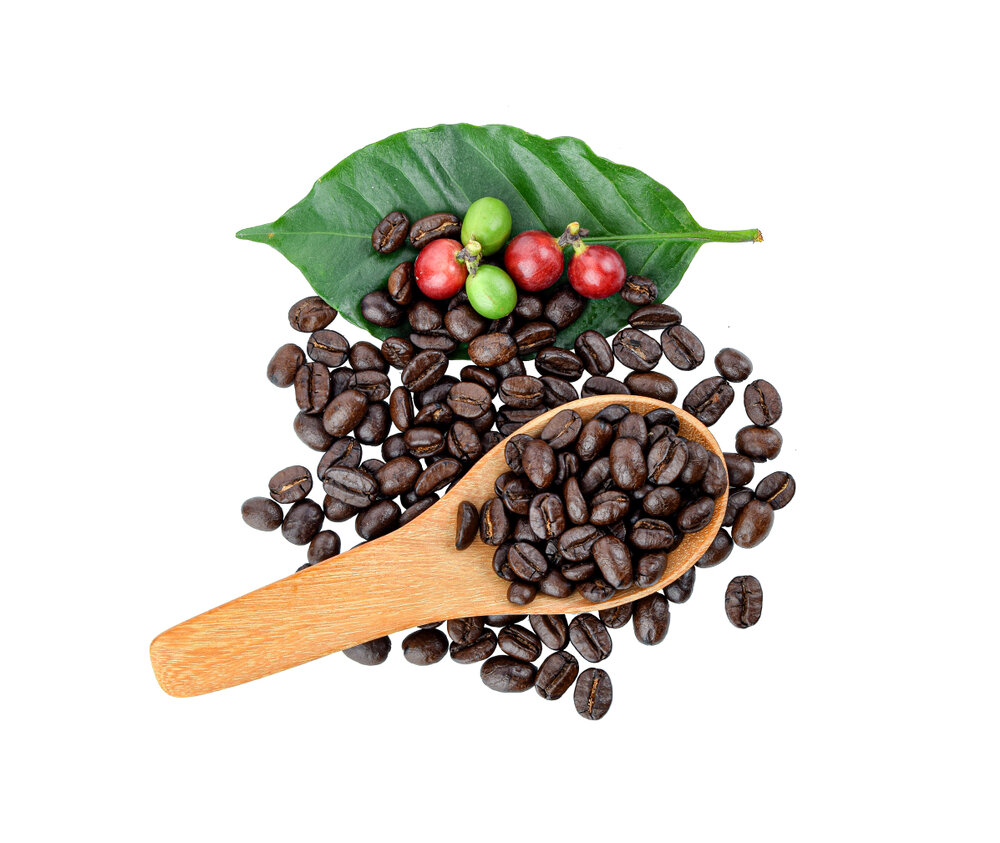 Principal source Coffee Coffea arabica Herb monograph →
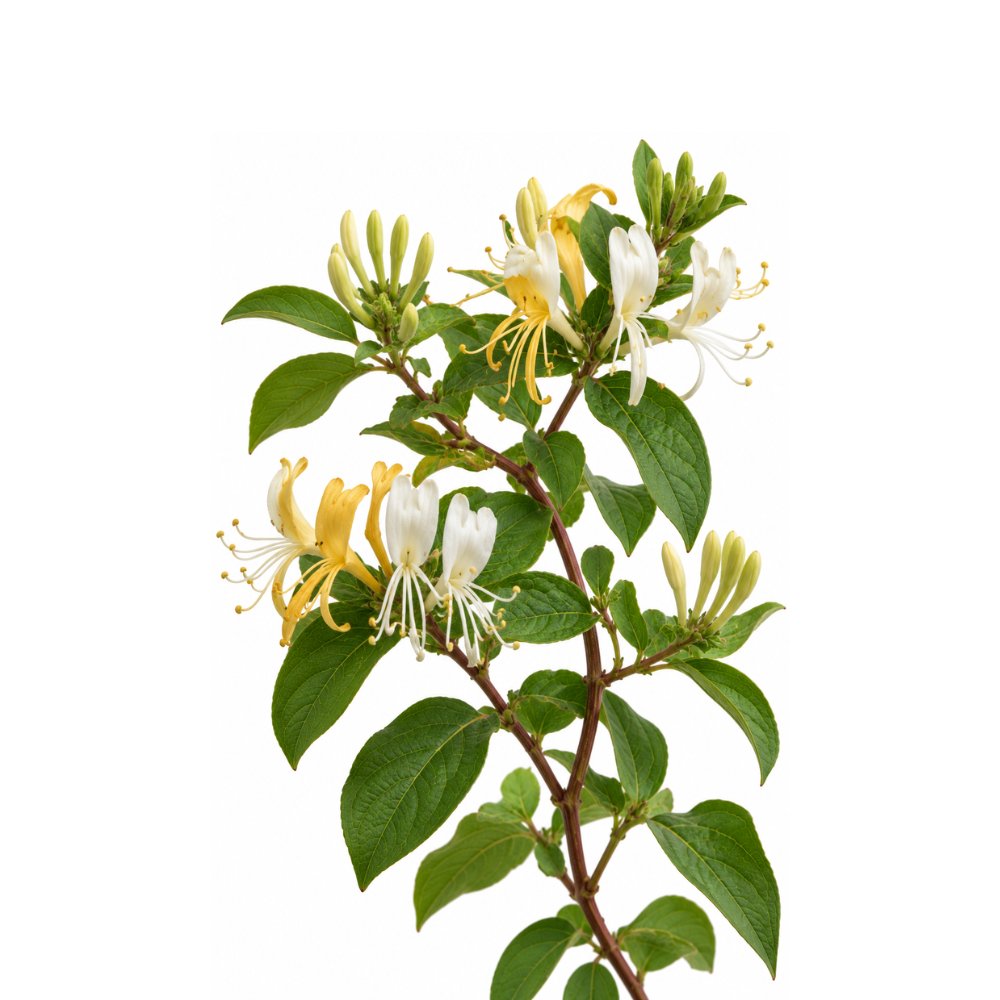 Source Honeysuckle Lonicera japonica Herb monograph →
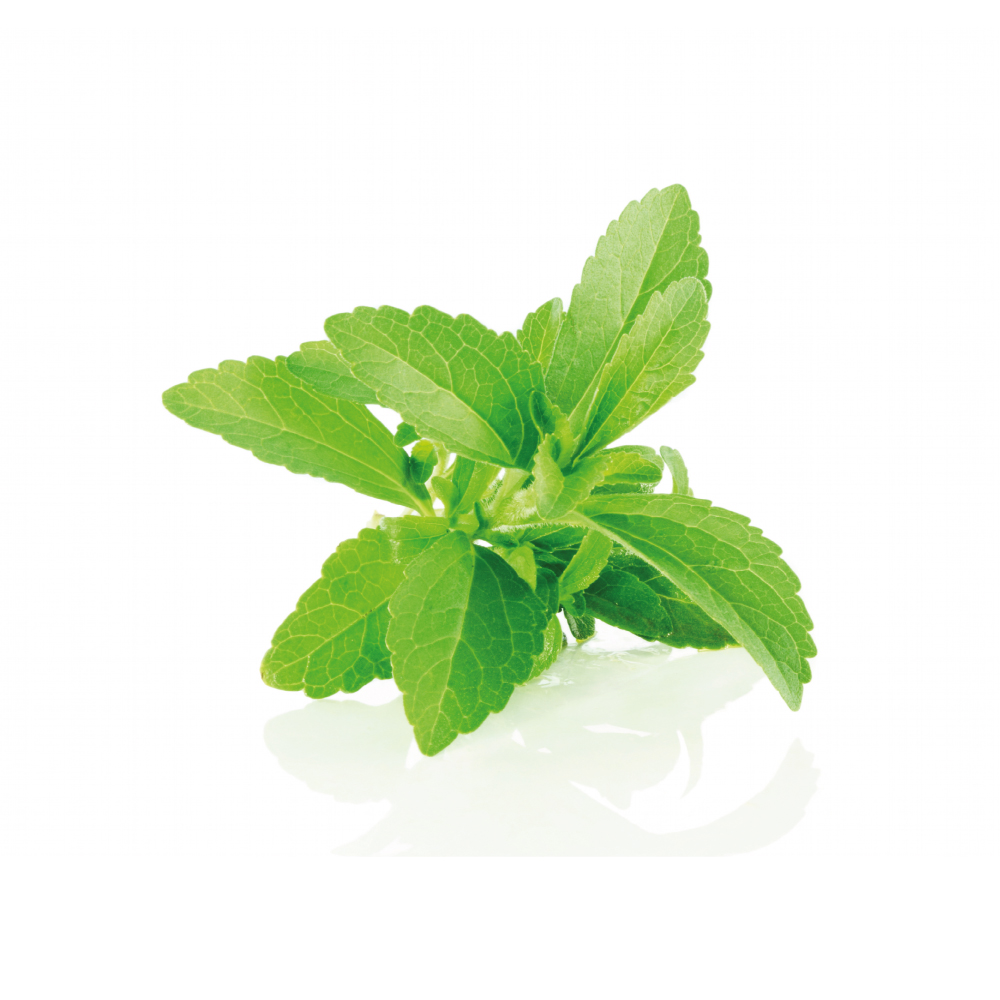 Source Stevia Stevia rebaudiana Herb monograph →
Concentration
Content by Source
Concentrations not reported. No percent-dry-weight or mg/g figures have been published for this compound in its source plants.
Cryptochlorogenic Acid at a Glance
Cryptochlorogenic acid is 4-O-caffeoylquinic acid (4-CQA) — the ester of caffeic acid with the 4-hydroxyl of quinic acid. It is one of three positional isomers of the common coffee phenolic chlorogenic acid (5-CQA), the third being neochlorogenic acid (3-CQA). The three occur together almost everywhere caffeoylquinic acids are found, and cryptochlorogenic acid is consistently the minor, least-studied member of the trio 1Reference 1Caffeoylquinic acids: chemistry, biosynthesis, occurrence, analytical challenges, and bioactivityView study →.
Its documented activities — antioxidant, anti-inflammatory and some antidiabetic (β-cell-protective) signalling — come almost entirely from cell and animal studies of the isolated molecule, often as an active fraction of mulberry leaf. There is no human clinical evidence for cryptochlorogenic acid as an isolated compound, and much of what is written about “chlorogenic acid” in plants is really about a 3-/4-/5-CQA mixture in which this isomer is a small part 1Reference 1Caffeoylquinic acids: chemistry, biosynthesis, occurrence, analytical challenges, and bioactivityView study →.
The CQA Isomer Trio & the Numbering Confusion
The single most important thing to understand about this molecule is that it belongs to a set of three positional isomers that share a molecular formula (C₁₆H₁₈O₉) and differ only in which hydroxyl of the quinic-acid ring carries the caffeoyl group 1Reference 1Caffeoylquinic acids: chemistry, biosynthesis, occurrence, analytical challenges, and bioactivityView study →:
| Trivial name | Modern (IUPAC) name | Ring position |
|---|---|---|
| Neochlorogenic acid | 3-O-caffeoylquinic acid (3-CQA) | 3 |
| Cryptochlorogenic acid | 4-O-caffeoylquinic acid (4-CQA) | 4 |
| Chlorogenic acid | 5-O-caffeoylquinic acid (5-CQA) | 5 |
The trivial names were coined in the mid-20th century, before the ring numbering was standardised. In 1976 the IUPAC reversed the quinic-acid numbering convention, so the compound originally called “3-caffeoylquinic acid” (chlorogenic acid) became 5-CQA 1Reference 1Caffeoylquinic acids: chemistry, biosynthesis, occurrence, analytical challenges, and bioactivityView study →. Many chemical suppliers, older papers and even current labels still use the pre-1976 numbering, so the same molecule can appear under two different position numbers. When reading concentration or activity data, always check which convention a source uses and, ideally, the trivial name — for cryptochlorogenic acid, “4-CQA” is stable across both systems, which is one reason it is the least ambiguous of the three to track 1Reference 1Caffeoylquinic acids: chemistry, biosynthesis, occurrence, analytical challenges, and bioactivityView study →.
This isomer distinction is not pedantry: the three isomers are absorbed and metabolised differently and are quantified separately in careful analytical work, so lumping them as “chlorogenic acid” hides real differences 1Reference 1Caffeoylquinic acids: chemistry, biosynthesis, occurrence, analytical challenges, and bioactivityView study →.
What It's Used For
The evidence base for cryptochlorogenic acid as an isolated molecule is small and preclinical. Two threads recur: a cytoprotective anti-inflammatory / antioxidant signature built on the Nrf2 and NF-κB pathways, and a β-cell-protective antidiabetic signal reported for the compound as an active constituent of mulberry leaf. Both rest on isolate studies in cells and rodents, with no human data.
Support is an experimental score — weighted by study type (human > animal > in vitro) and volume. A beta, not a validated metric. Every row here rests on isolated-compound preclinical data only; read each basis.
In LPS-stimulated RAW 264.7 macrophages, the isolated compound attenuated the inflammatory response and oxidative stress by up-regulating the Nrf2/HO-1 pathway while modulating NF-κB and MAPK signalling, lowering reactive oxygen species and restoring antioxidant capacity 2Reference 2Cryptochlorogenic acid attenuates LPS-induced inflammatory response and oxidative stress via upregulation of the Nrf2/HO-1 signaling pathway in RAW 264.7 macrophagesView study →.
A second in-vitro study, using cryptochlorogenic acid isolated from the invasive plant Ageratina adenophora, found it reduced NO, iNOS, COX-2, TNF-α, IL-1β, IL-6 and IL-8 and raised the anti-inflammatory cytokine IL-10, blocking NF-κB activation via inhibition of IKK and IκB phosphorylation 3Reference 3Anti-inflammatory activity and mechanism of cryptochlorogenic acid from Ageratina adenophoraView study →.
The two together give a consistent, mechanism-defined anti-inflammatory/antioxidant picture.
Gap: both studies are isolated-compound cell assays in a single macrophage line — no animal inflammation model, no human data, and the effective concentrations are not shown to be reachable by dietary intake of this minor isomer.
The strongest efficacy signal. Studied as a major active phenolic of mulberry leaf, the isolated compound improved blood glucose, reduced islet iron accumulation and lipid-peroxide build-up, and protected pancreatic β-cell function in diabetic rats and in high-glucose-treated cells — concentration-dependently — by inhibiting ferroptosis through the system xC⁻/GPX4/Nrf2 axis and suppressing NCOA4 4Reference 4AnimalThe protective effects of cryptochlorogenic acid on β-cells function in diabetes in vivo and vitro via inhibition of ferroptosisView study →.
Gap: a single research group’s isolate study combining a rodent model with cell work; there is no independent replication and no human trial, and mulberry-leaf’s antidiabetic effect is a multi-component one (iminosugars such as 1-deoxynojirimycin, flavonoids and other CQAs), so the whole-leaf benefit cannot be assigned to this isomer alone.
Mechanisms
| Target / pathway | Effect | Relevant to |
|---|---|---|
| Nrf2 / HO-1 | promotes Nrf2 nuclear translocation → antioxidant-response induction, lower ROS | anti-inflammatory / antioxidant; antidiabetic |
| NF-κB (IKK / IκB) | inhibits IκB phosphorylation & degradation → blocks NF-κB-driven iNOS, COX-2, cytokines | anti-inflammatory |
| System xC⁻ / GPX4 / NCOA4 | restores glutathione-dependent defence, limits iron-dependent lipid peroxidation (ferroptosis) | β-cell protection / antidiabetic |
| Phenolic radical scavenging | contributes to the antioxidant capacity of the CQA fraction it belongs to | antioxidant (as an extract constituent) |
All mechanisms above are from isolated-compound cell/animal studies; none has been confirmed in humans.
Pharmacokinetics
Isomer-specific human pharmacokinetics for cryptochlorogenic acid are essentially uncharacterised, but it is expected to behave like the other caffeoylquinic acids: as a polar ester it is poorly absorbed intact, and much of an oral dose is hydrolysed and extensively metabolised by the gut microbiota to caffeic-, ferulic- and other small phenolic acids before or instead of appearing in blood as the parent compound 1Reference 1Caffeoylquinic acids: chemistry, biosynthesis, occurrence, analytical challenges, and bioactivityView study →. The three CQA isomers are absorbed and metabolised differently from one another, so figures measured for chlorogenic acid (5-CQA) cannot simply be transferred to the 4-isomer 1Reference 1Caffeoylquinic acids: chemistry, biosynthesis, occurrence, analytical challenges, and bioactivityView study →. As with its isomers, the low systemic exposure of the intact ester is the central caveat against reading the micromolar in-vitro concentrations as physiologically achievable.
Clinical Trials
None. There are no registered or published clinical trials of isolated cryptochlorogenic acid. Human exposure is dietary and always as part of a caffeoylquinic-acid mixture; any human data touching this molecule belong to whole foods or extracts (coffee, mulberry leaf, honeysuckle) in which it is a minor component.
| Completed | Planned | Terminated | Preclinical |
|---|---|---|---|
| — | — | — | Anti-inflammatory/antioxidant (cell) + antidiabetic (rat + cell), isolate |
Last checked: July 2026.
Isolate vs. Plant Studies
Unusually, the mechanistic work here is on the isolate — the anti-inflammatory 2,
Prevalence in Nature
Cryptochlorogenic acid is widespread but minor. It occurs across the many plant families that make caffeoylquinic acids — coffee (Coffea), mulberry leaf (Morus), honeysuckle (Lonicera japonica), stevia (Stevia rebaudiana), Moringa (Moringa oleifera), and common foods such as apple, potato, sunflower seed and roselle (Hibiscus sabdariffa) — almost always as one member of a 3-/4-/5-CQA isomer mixture in which chlorogenic acid (5-CQA) dominates and the 4-isomer is a smaller fraction 1Reference 1Caffeoylquinic acids: chemistry, biosynthesis, occurrence, analytical challenges, and bioactivityView study →.
Quantified figures specific to the 4-isomer are scarce because most methods report “total chlorogenic acids.” Where it has been measured as its own peak, it is a marker constituent of Moringa oleifera leaf at roughly 0.05% of the dry weight of a 70% ethanolic extract, used (with isoquercetin and astragalin) to standardise the leaf 5Reference 5Simultaneous determination of crypto-chlorogenic acid, isoquercetin, and astragalin contents in Moringa oleifera leaf extracts by TLC-densitometric methodView study →. In coffee, the 4-CQA isomer is present in the caffeoylquinic-acid fraction but well below 5-CQA 1Reference 1Caffeoylquinic acids: chemistry, biosynthesis, occurrence, analytical challenges, and bioactivityView study →. As with chlorogenic acid, roasting and processing degrade the CQAs, so green plant material carries more than heat-treated products.
Discovery & Synthesis
Cryptochlorogenic acid was characterised in the mid-20th century as one of a set of three caffeoylquinic-acid isomers separated from plant extracts and given trivial names — chlorogenic, neochlorogenic and cryptochlorogenic acid — before their ring positions were unambiguously assigned. The prefix crypto- (“hidden”) reflects its status as the least conspicuous, minor isomer of the group; the modern name 4-O-caffeoylquinic acid fixes its structure as the 4-position ester 1Reference 1Caffeoylquinic acids: chemistry, biosynthesis, occurrence, analytical challenges, and bioactivityView study →. The 1976 IUPAC renumbering of the quinic-acid ring (see the isomer section) is the reason older and newer literature can disagree on position numbers for the other two isomers.
There is no notable industrial total synthesis: the compound is obtained by isolation from plant material (or prepared as an analytical reference standard), and it forms in plants by the general phenylpropanoid/caffeoyl-CoA route that builds all caffeoylquinic acids, differing only in the regiochemistry of the transesterification onto quinic acid 1Reference 1Caffeoylquinic acids: chemistry, biosynthesis, occurrence, analytical challenges, and bioactivityView study →.
Patents: not yet researched.
Toxicity & Safety
Cryptochlorogenic acid carries a low toxicity flag. It is a dietary phenolic consumed routinely, in small amounts, as part of the caffeoylquinic-acid fraction of coffee, mulberry, honeysuckle and many fruits and vegetables, with no specific toxicity signal reported for the isolated isomer. The available studies used it to reduce oxidative and inflammatory stress in cells and animals 2,
- Dietary phenolic. A normal, minor constituent of coffee, mulberry leaf, honeysuckle and many foods; no specific toxicity signal for the isolated isomer.
- No human safety data on the isolate. Effects and doses come from cell and rodent studies; there is no clinical toxicology, genotoxicity or reproductive dataset for the pure compound.
- Not interchangeable with its isomers. Absorption, metabolism and potency differ from chlorogenic (5-CQA) and neochlorogenic (3-CQA) acid — do not transfer safety or dose assumptions between them.
Dosage
There is no established human dose for cryptochlorogenic acid, and it is not sold or used as a stand-alone therapeutic. Human intake is dietary and incidental — a minor isomer within the caffeoylquinic-acid content of coffee, mulberry-leaf tea, honeysuckle and other plants. The quantities in the research are in-vitro concentrations and animal doses of the isolated compound 2,
These are research figures, not a personal recommendation.
References
- Alcázar Magaña A, Kamimura N, Soumyanath A, Stevens JF, Maier CS (2021). Caffeoylquinic acids: chemistry, biosynthesis, occurrence, analytical challenges, and bioactivity. The Plant Journal. https://pubmed.ncbi.nlm.nih.gov/34171156/
- Zhao XL, Yu L, Zhang SD, Ping K, Ni HY, Qin XY, Zhao CJ, Wang W, Efferth T, Fu YJ (2020). Cryptochlorogenic acid attenuates LPS-induced inflammatory response and oxidative stress via upregulation of the Nrf2/HO-1 signaling pathway in RAW 264.7 macrophages. International Immunopharmacology. https://pubmed.ncbi.nlm.nih.gov/32234671/
- Ma X, Okyere SK, Hu L, Wen J, Ren Z, Deng J, Hu Y (2022). Anti-inflammatory activity and mechanism of cryptochlorogenic acid from Ageratina adenophora. Nutrients. https://pubmed.ncbi.nlm.nih.gov/35276797/
- Zhou Y (2020). The protective effects of cryptochlorogenic acid on β-cells function in diabetes in vivo and vitro via inhibition of ferroptosis. Diabetes, Metabolic Syndrome and Obesity. https://pubmed.ncbi.nlm.nih.gov/32606852/
- Vongsak B, Sithisarn P, Gritsanapan W (2013). Simultaneous determination of crypto-chlorogenic acid, isoquercetin, and astragalin contents in Moringa oleifera leaf extracts by TLC-densitometric method. Evidence-Based Complementary and Alternative Medicine. https://pubmed.ncbi.nlm.nih.gov/23533530/



