
Compound Monograph
Neochlorogenic acid
Neochlorogenic acid (3-O-caffeoylquinic acid, 3-CQA) is a positional isomer of chlorogenic acid and the dominant caffeoylquinic acid of prunes, peaches and mulberry leaf. Its isolate-specific data are mostly in-vitro (antioxidant, anti-inflammatory, some antiviral); most human evidence belongs to the coffee/fruit polyphenol mixtures it travels in.

Sources · 9
Where Does It Come From?
Neochlorogenic acid is a naturally occurring hydroxycinnamic acid ester (caffeoylquinic acid), found in Mulberry, Prune / dried plum, Peach and 6 other sources. It is well tolerated orally (low toxicity).
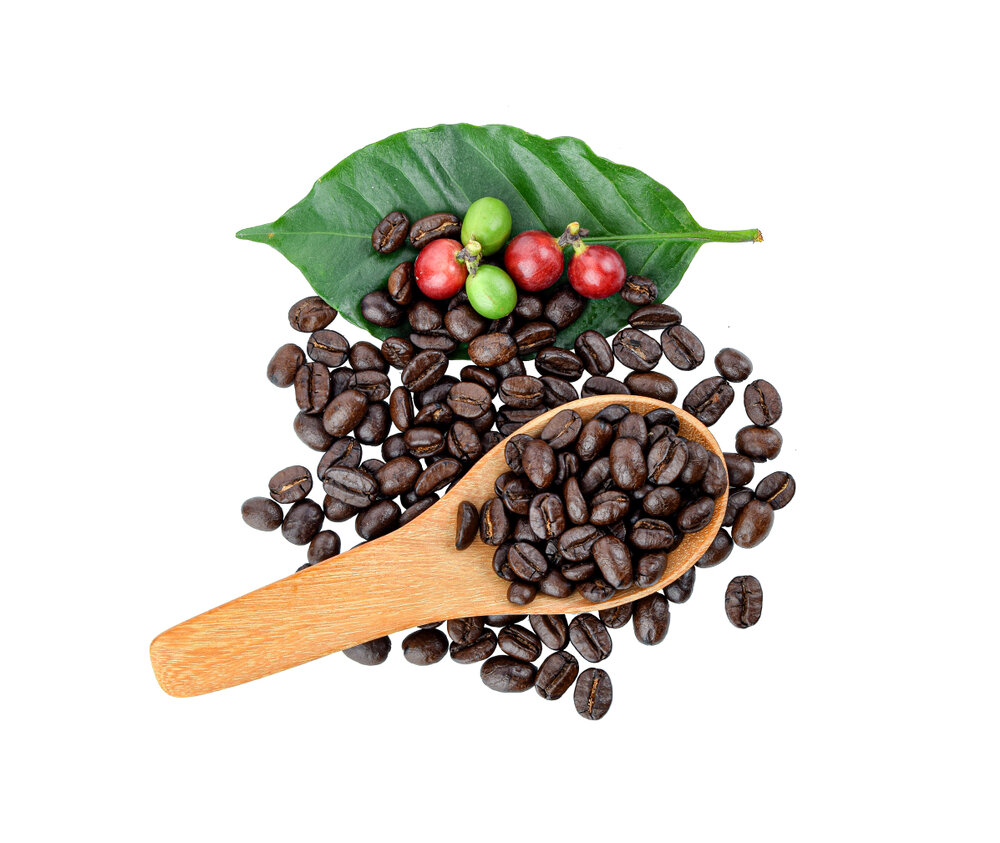 Source Coffee Coffea arabica Herb monograph →
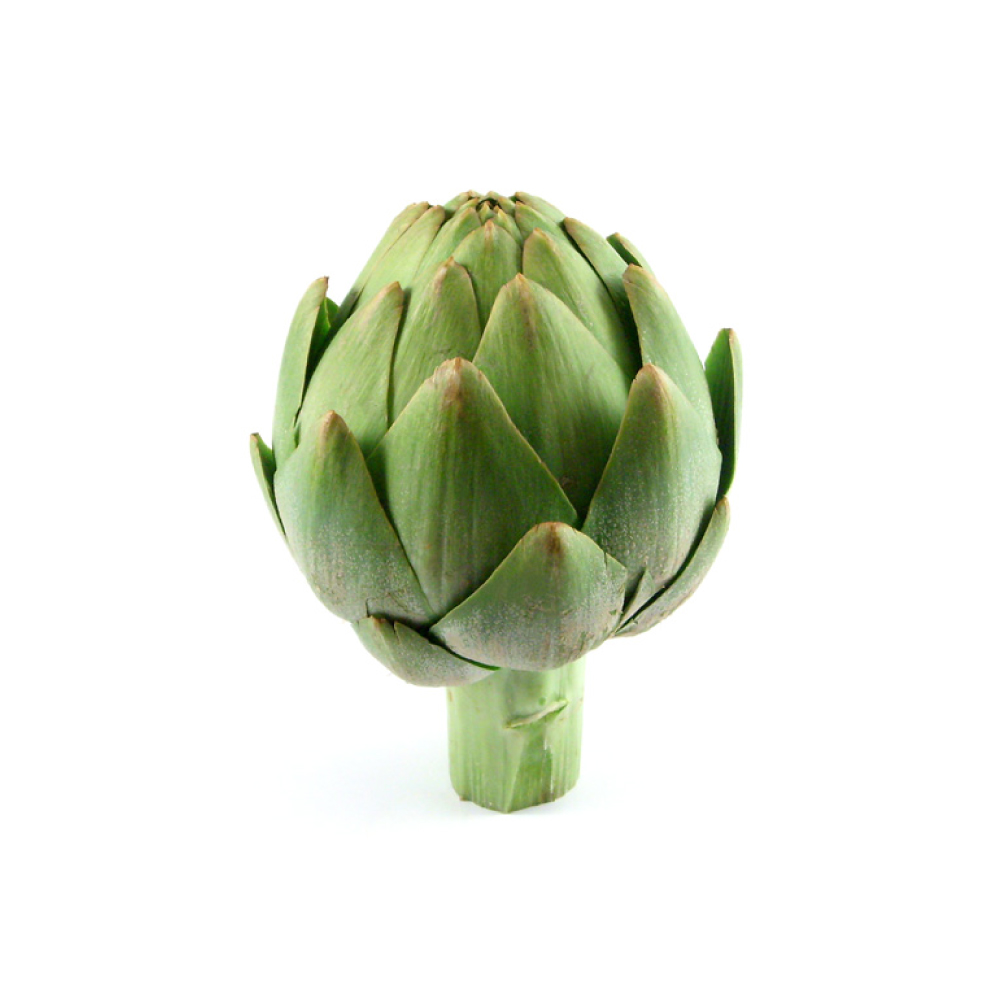 Source Globe Artichoke Cynara scolymus Herb monograph →
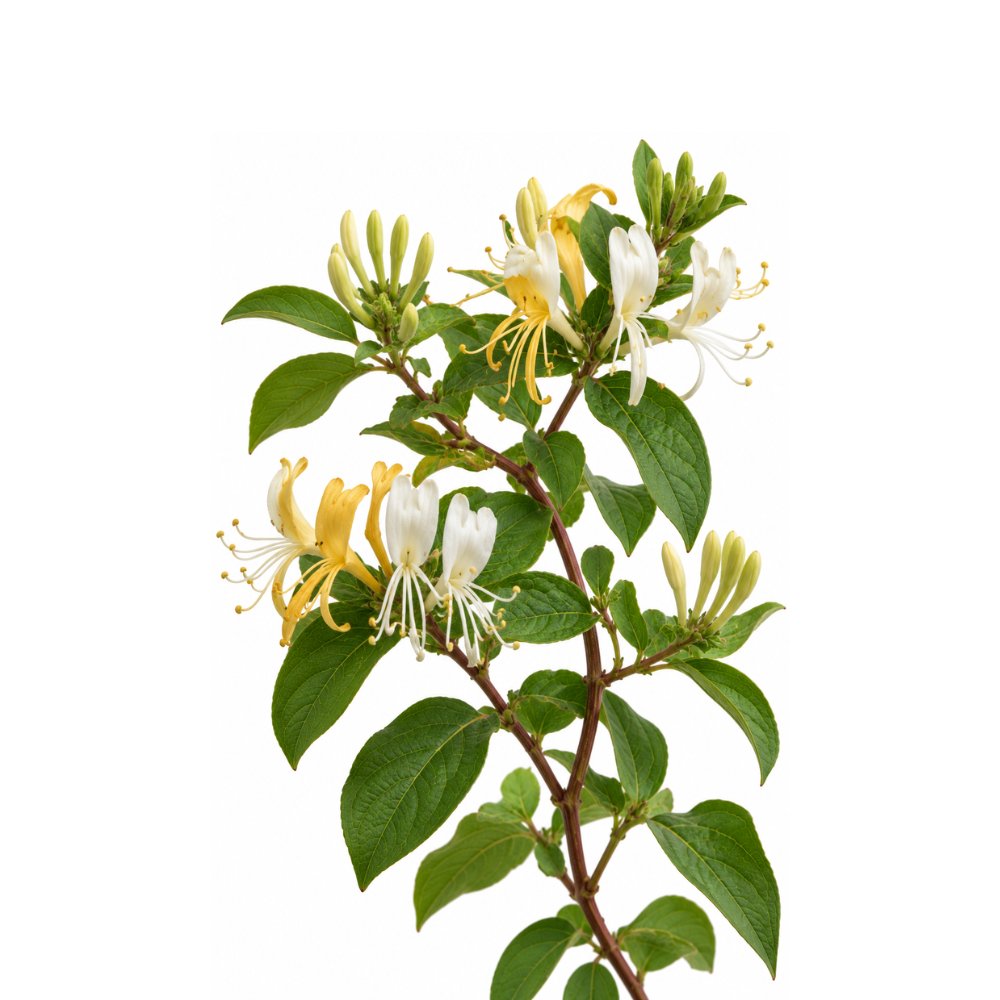 Source Honeysuckle Lonicera japonica Herb monograph →
Concentration
Content by Source
Concentrations not reported. No percent-dry-weight or mg/g figures have been published for this compound in its source plants.
Neochlorogenic acid at a Glance
Neochlorogenic acid is 3-O-caffeoylquinic acid (3-CQA) — an ester of caffeic acid and quinic acid, and a positional isomer of chlorogenic acid (5-CQA). The two molecules differ only in which hydroxyl of the quinic-acid ring carries the caffeoyl group, and they almost always occur together as a family with cryptochlorogenic acid (4-CQA).
It is a common dietary phenolic — the dominant caffeoylquinic-acid isomer of prunes, peaches and other Prunus fruits, and a major one of mulberry leaf and honeysuckle. Documented activities are antioxidant, anti-inflammatory, and some antiviral and neuroprotective effects, but nearly all of this is in-vitro work on the isolated molecule or on isomer mixtures. There are no human trials of neochlorogenic acid as an isolate; where people have been studied, it was as one component of coffee, mulberry-leaf or fruit polyphenol blends. Read the page with that ceiling in mind.
Neochlorogenic Acid vs. Chlorogenic Acid (The Numbering Trap)
This molecule’s most important — and most confusing — feature is its relationship to chlorogenic acid, and the confusion is partly a nomenclature accident.
The three mono-caffeoylquinic acids are, in current IUPAC numbering:
- Neochlorogenic acid = 3-O-caffeoylquinic acid (3-CQA) — this molecule.
- Cryptochlorogenic acid = 4-O-caffeoylquinic acid (4-CQA).
- Chlorogenic acid = 5-O-caffeoylquinic acid (5-CQA).
The trap: IUPAC reversed the quinic-acid ring numbering in 1976 1Reference 1ReviewChlorogenic acids and the acyl-quinic acids: discovery, biosynthesis, bioavailability and bioactivity — review (naming, structure, 1976 IUPAC renumbering, isomerisation)View study →. Under the older convention, chlorogenic acid was called “3-caffeoylquinic acid” and neochlorogenic acid was called “5-caffeoylquinic acid” — the exact opposite of today’s usage. So the name “3-caffeoylquinic acid” points to neochlorogenic acid in modern papers but to chlorogenic acid in pre-1976 literature, and reputable chemical suppliers still sell neochlorogenic acid labelled “trans-5-O-caffeoylquinic acid.” Both conventions remain in circulation. On this site the modern numbering is used throughout: neochlorogenic acid is 3-CQA.
Because the isomers are so easily interconverted (chlorogenic acid isomerises to neochlorogenic and cryptochlorogenic acid under heat and mild alkali) and co-elute closely, a great deal of published “chlorogenic acid” data is really an isomer mixture — a caveat that shadows almost every claim below.
What It's Used For
Neochlorogenic acid’s isolate-specific evidence is thin and preclinical: a handful of cell-based studies on the pure compound, plus its share of the large, mixture-based literature on caffeoylquinic acids generally. It has no dedicated human trials.
Support is an experimental score — weighted by study type (human > animal > in vitro) and volume. A beta, not a validated metric. Every row here rests on preclinical data only, so the scores are low by design; read the per-row basis.
The best-developed isolate signal, though still entirely cellular. In LPS-stimulated BV2 microglia, pure neochlorogenic acid dose-dependently lowered nitric oxide, TNF-α, IL-1β and IL-6, suppressed iNOS and COX-2, and blunted NF-κB and MAPK signalling — a plausible neuroinflammation-dampening profile 2Reference 2Neochlorogenic acid inhibits lipopolysaccharide-induced activation and pro-inflammatory responses in BV2 microglial cellsView study →.
A neochlorogenic-acid-enriched mulberry-leaf extract produced a parallel anti-inflammatory effect in LPS-stimulated A549 lung epithelial cells via the AMPK/Nrf2 axis 3Reference 3Anti-inflammatory effects of neochlorogenic acid extract from mulberry leaf (Morus alba L.) against LPS-stimulated inflammatory response through mediating the AMPK/Nrf2 signaling pathway in A549 cellsView study →.
Gap: both are in-vitro; the second used an enriched extract rather than the pure isolate, so plant-matrix effects can’t be excluded. No animal or human anti-inflammatory data for isolated neochlorogenic acid 2,
As a catechol-bearing hydroxycinnamate, neochlorogenic acid is a competent radical scavenger. In the defining prune study it was the most abundant of the three caffeoylquinic-acid isomers (≈79% of total CQAs) and contributed to the fruit’s antioxidant activity — although, per molecule, chlorogenic and cryptochlorogenic acids were reported as somewhat stronger in some assays 6Reference 6Identification, quantitative determination, and antioxidative activities of chlorogenic acid isomers in prune (Prunus domestica L.) — neochlorogenic acid the dominant isomerView study →.
It sits within the general antioxidant caffeoylquinic-acid class described in comprehensive reviews 9Reference 9ReviewCaffeoylquinic acids: chemistry, biosynthesis, occurrence, analytical challenges, and bioactivity — reviewView study →.
Gap: these are chemical/cell-free assays where the isomer is one contributor among many phenolics; no human antioxidant outcome rests on neochlorogenic acid specifically 6,
In cell models of non-alcoholic fatty liver disease, isolated neochlorogenic acid reduced lipid accumulation and inflammation by down-regulating miR-34a, thereby relieving repression of the SIRT1/AMPK metabolic pathway 4Reference 4In vitroNeochlorogenic acid attenuates hepatic lipid accumulation and inflammation via regulating miR-34a in vitroView study →. A companion study using mulberry-leaf extract and its chlorogenic-acid-isomer component reported the same miR-34a-linked improvement in glucolipotoxicity-driven hepatic lipid accumulation 5Reference 5Mulberry leaf (Morus alba L.) extracts and its chlorogenic acid isomer component improve glucolipotoxicity-induced hepatic lipid accumulation via downregulating miR-34a and decreased inflammationView study →.
Gap: in-vitro only, at concentrations that may exceed achievable plasma levels of the intact molecule; the extract study cannot isolate neochlorogenic acid’s specific contribution. No in-vivo confirmation 4,
A screen of Cortex Mori (mulberry root bark) constituents identified neochlorogenic acid as an anti-HIV hit, inhibiting HIV-1 in vitro with activity the authors compared to a reference antiretroviral, apparently acting on reverse transcriptase and kinase pathways 7Reference 7Neochlorogenic acid: an anti-HIV active compound identified by screening of Cortex Mori [Morus alba L. (Moraceae)]View study →.
Gap: a single early-stage in-vitro screen; no confirmatory, animal or clinical work, and antiviral activity across the caffeoylquinic-acid class is generally weak once low bioavailability is accounted for 7,
Mechanisms
| Target / pathway | Effect | Relevant to |
|---|---|---|
| NF-κB / MAPK signalling | suppresses LPS-induced activation → lower TNF-α, IL-6, IL-1β | anti-inflammatory / neuroinflammation |
| iNOS / COX-2 expression | down-regulated → less NO and prostaglandin output | anti-inflammatory |
| AMPK / Nrf2 axis | activation → antioxidant-response and metabolic signalling | anti-inflammatorymetabolic |
| miR-34a → SIRT1/AMPK | represses miR-34a, de-repressing SIRT1/AMPK → less hepatic lipid | metabolic / fatty liver |
| Phenolic (catechol) radical scavenging | direct antioxidant capacity | antioxidant |
| HIV-1 reverse transcriptase (in-vitro) | inhibition in a mulberry-bark screen | antiviral (exploratory) |
All rows are preclinical. As with its isomer chlorogenic acid, the in-vitro concentrations often exceed what oral dosing produces in blood — see Pharmacokinetics.
Pharmacokinetics
Neochlorogenic acid behaves like the rest of the caffeoylquinic-acid family: it is poorly absorbed intact and extensively metabolised by the gut microbiota. Only a minority of an ingested caffeoylquinic-acid dose is taken up in the small intestine; the remainder reaches the colon, where bacterial esterases hydrolyse it to caffeic acid and quinic acid and reduce these further to dihydrocaffeic, ferulic and dihydroferulic acids, which the liver then conjugates 8Reference 8ReviewBioavailability and metabolism of chlorogenic acids (acyl-quinic acids) in humans — reviewView study →. The species circulating in blood are therefore mostly these small phenolic-acid metabolites, not the parent ester, and the three CQA isomers are absorbed and metabolised at different rates 8,
Clinical Trials
There are no clinical trials of isolated neochlorogenic acid. Human data that touch it are trials of coffee, green-coffee extract, mulberry-leaf preparations and fruit polyphenol mixtures, in which it is one caffeoylquinic-acid isomer among several — its individual contribution unresolved.
| Completed | Planned | Terminated | Preclinical |
|---|---|---|---|
| None(isolate) | — | — | In-vitro anti-inflammatory, metabolic, antioxidant, antiviral |
Last checked: July 2026.
Isolate vs. Plant Studies
The isolate-vs-plant balance leans hard toward mixtures. The few genuinely isolated-molecule studies are all cellular — the BV2 microglia work 2Reference 2Neochlorogenic acid inhibits lipopolysaccharide-induced activation and pro-inflammatory responses in BV2 microglial cellsView study →, the fatty-liver miR-34a study 4Reference 4In vitroNeochlorogenic acid attenuates hepatic lipid accumulation and inflammation via regulating miR-34a in vitroView study →, and the mulberry-bark anti-HIV screen 7Reference 7Neochlorogenic acid: an anti-HIV active compound identified by screening of Cortex Mori [Morus alba L. (Moraceae)]View study →. Everything with an animal or human dimension is a plant preparation (mulberry-leaf extract 3,
Prevalence in Nature
Neochlorogenic acid is a widespread dietary caffeoylquinic acid, notable for being the dominant CQA isomer in several Prunus fruits where chlorogenic acid (5-CQA) more usually leads. In prune (dried Prunus domestica), the three isomers occur in an approximate neochlorogenic : chlorogenic : cryptochlorogenic ratio of 79 : 18 : 4, making neochlorogenic acid the principal caffeoylquinic acid of the fruit 6Reference 6Identification, quantitative determination, and antioxidative activities of chlorogenic acid isomers in prune (Prunus domestica L.) — neochlorogenic acid the dominant isomerView study →. It is likewise a major CQA of peaches and other stone fruit, and appears with apricots and cherries 10Reference 10Phenolic acids in berries, fruits, and beveragesView study →.
Beyond Prunus, it is a characteristic phenolic of mulberry (Morus alba) — present in both leaf and root bark 3,
Discovery & Synthesis
Neochlorogenic acid was recognised as a distinct caffeoylquinic-acid isomer of chlorogenic acid in the early 1950s, reported from peaches — the “neo-” prefix marking it as a newly distinguished relative of the long-known chlorogenic acid (this attribution is commonly cited but the primary source is unconfirmed). Its structure — the caffeoyl ester at the 3-position of quinic acid — was settled within the broader effort to map the caffeoylquinic-acid family, the same body of work that later prompted the 1976 IUPAC renumbering of the quinic-acid ring that gives the modern 3-/4-/5-CQA labels 1Reference 1ReviewChlorogenic acids and the acyl-quinic acids: discovery, biosynthesis, bioavailability and bioactivity — review (naming, structure, 1976 IUPAC renumbering, isomerisation)View study →.
It is not manufactured by total synthesis for practical use. Commercial neochlorogenic acid is obtained by extraction and chromatographic purification from CQA-rich plant material (mulberry leaf, stone-fruit or coffee sources), or generated by controlled isomerisation of chlorogenic acid, exploiting the same heat/alkali interconversion that produces it in food processing 9Reference 9ReviewCaffeoylquinic acids: chemistry, biosynthesis, occurrence, analytical challenges, and bioactivity — reviewView study →.
Patents: not yet researched.
Toxicity & Safety
Neochlorogenic acid carries a low toxicity flag. It is a common constituent of ordinary foods — prunes, peaches, coffee — eaten in quantity without characteristic adverse effects, and no isolate-specific toxicity, genotoxicity or reproductive-toxicity dataset flags a concern. Its safety profile is essentially that of the dietary caffeoylquinic acids generally, and its very low oral bioavailability further limits systemic exposure to the intact molecule 8Reference 8ReviewBioavailability and metabolism of chlorogenic acids (acyl-quinic acids) in humans — reviewView study →.
- Ordinary dietary phenolic. Consumed routinely in prunes, peaches, mulberry-leaf products and coffee with no characteristic toxicity.
- Isolate safety not formally characterised. There is no dedicated toxicology, interaction or reproductive-safety package for purified neochlorogenic acid; absence of reported harm is not the same as tested safety.
- Caffeoylquinic-acid class notes carry over. Any interaction or tolerability considerations described for the better-studied isomer chlorogenic acid (e.g. additive blood-pressure effects, high-dose homocysteine signals) are more plausibly relevant to whole-food or extract intake than to this single isomer, and remain unquantified for it.
Dosage
There is no established dose for neochlorogenic acid, as an isolate or otherwise — no human trials define one. Dietary exposure comes from caffeoylquinic-acid-rich foods (a serving of prunes supplies tens of milligrams of total CQAs, of which neochlorogenic acid is the largest share 6Reference 6Identification, quantitative determination, and antioxidative activities of chlorogenic acid isomers in prune (Prunus domestica L.) — neochlorogenic acid the dominant isomerView study →) and from mulberry-leaf and green-coffee products standardised to total chlorogenic acids rather than to this isomer. Any figure cited in the literature is a research or dietary quantity, not a personal recommendation.
References
- Clifford MN, Jaganath IB, Ludwig IA, Crozier A. (2017). Chlorogenic acids and the acyl-quinic acids: discovery, biosynthesis, bioavailability and bioactivity — review (naming, structure, 1976 IUPAC renumbering, isomerisation). Natural Product Reports, 34(12), 1391–1421. https://pubmed.ncbi.nlm.nih.gov/29160894/
- Kim M, Choi SY, Lee P, Hur J. (2015). Neochlorogenic acid inhibits lipopolysaccharide-induced activation and pro-inflammatory responses in BV2 microglial cells. Neurochemical Research, 40(9), 1792–1798. https://pubmed.ncbi.nlm.nih.gov/26152332/
- Gao XH, Zhang SD, Wang LT, Yu L, Zhao XL, Ni HY, Wang YQ, Wang JD, Shan CH, Fu YJ. (2020). Anti-inflammatory effects of neochlorogenic acid extract from mulberry leaf (Morus alba L.) against LPS-stimulated inflammatory response through mediating the AMPK/Nrf2 signaling pathway in A549 cells. Molecules, 25(6), 1385. https://pubmed.ncbi.nlm.nih.gov/32197466/
- Yu MH, Hung TW, Wang CC, Wu SW, Yang TW, Yang CY, Tseng TH, Wang CJ. (2021). Neochlorogenic acid attenuates hepatic lipid accumulation and inflammation via regulating miR-34a in vitro. International Journal of Molecular Sciences, 22(23), 13163. https://pubmed.ncbi.nlm.nih.gov/34884968/
- Yang TY, Yu MH, Wu YL, Hong CC, Chen CS, Chan KC, Wang CJ. (2022). Mulberry leaf (Morus alba L.) extracts and its chlorogenic acid isomer component improve glucolipotoxicity-induced hepatic lipid accumulation via downregulating miR-34a and decreased inflammation. Nutrients, 14(22), 4808. https://pubmed.ncbi.nlm.nih.gov/36432495/
- Nakatani N, Kayano S, Kikuzaki H, Sumino K, Katagiri K, Mitani T. (2000). Identification, quantitative determination, and antioxidative activities of chlorogenic acid isomers in prune (Prunus domestica L.) — neochlorogenic acid the dominant isomer. Journal of Agricultural and Food Chemistry, 48(11), 5512–5516. https://pubmed.ncbi.nlm.nih.gov/11087511/
- Li J, Dou L, Chen S, Zhou H, Mou F. (2021). Neochlorogenic acid: an anti-HIV active compound identified by screening of Cortex Mori [Morus alba L. (Moraceae)]. Pharmaceutical Biology, 59(1), 1420–1426. https://pubmed.ncbi.nlm.nih.gov/34714196/
- Clifford MN, Kerimi A, Williamson G. (2020). Bioavailability and metabolism of chlorogenic acids (acyl-quinic acids) in humans — review. Comprehensive Reviews in Food Science and Food Safety, 19(4), 1299–1352. https://pubmed.ncbi.nlm.nih.gov/33337099/
- Alcázar Magaña A, Kamimura N, Soumyanath A, Stevens JF, Maier CS. (2021). Caffeoylquinic acids: chemistry, biosynthesis, occurrence, analytical challenges, and bioactivity — review. The Plant Journal, 107(5), 1299–1319. https://pubmed.ncbi.nlm.nih.gov/34171156/
- Mattila P, Hellström J, Törrönen R. (2006). Phenolic acids in berries, fruits, and beverages. Journal of Agricultural and Food Chemistry, 54(19), 7193–7199. https://pubmed.ncbi.nlm.nih.gov/16968082/



