
Compound Monograph
Diosmetin
Diosmetin is a methylated flavone — luteolin's 4'-methyl ether and the aglycone of the venotonic drug diosmin. Gut bacteria strip diosmin to diosmetin, and CYP1 enzymes can demethylate diosmetin back to luteolin; its own human evidence is largely borrowed from the whole diosmin drug, and the isolate's pharmacology is preclinical.

Sources · 9
Where Does It Come From?
Diosmetin is a naturally occurring flavone (methylated), found in Citrus fruits, Rosemary, Hyssop and 6 other sources. It is well tolerated orally (low toxicity).
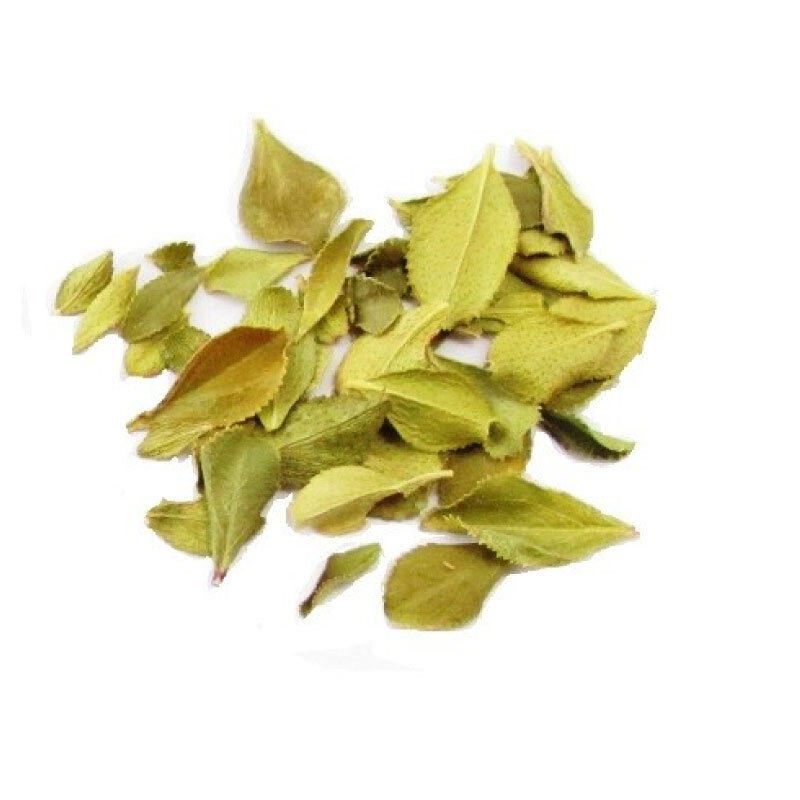 Source Buchu Agathosma betulina Herb monograph →
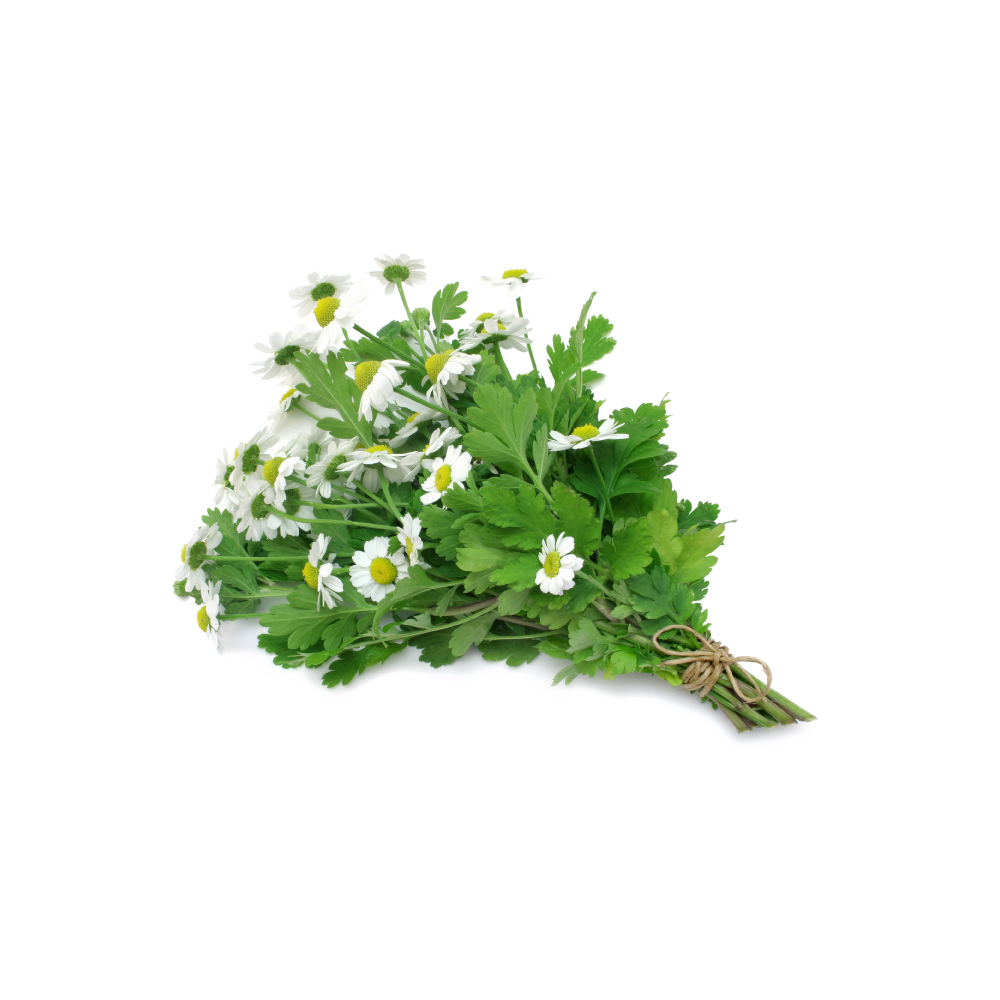 Source Feverfew Tanacetum parthenium Herb monograph →
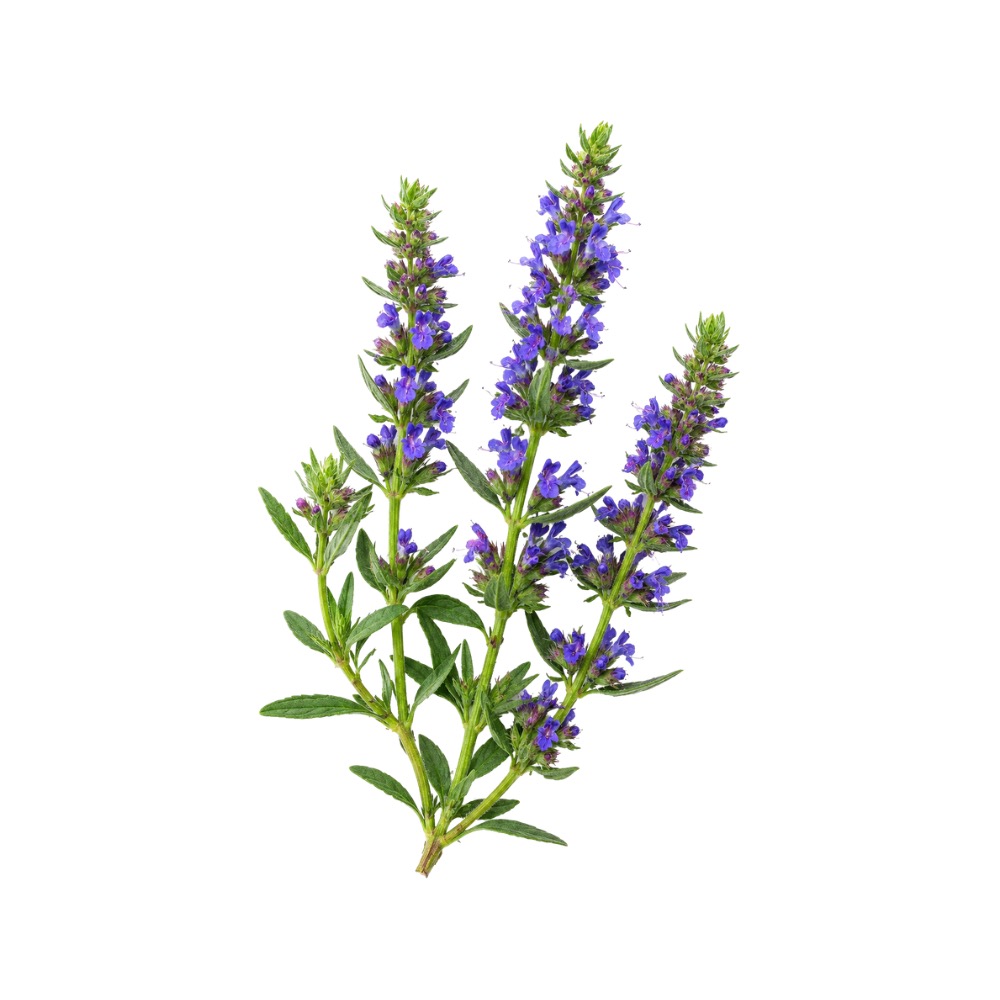 Source Hyssop Hyssopus officinalis Herb monograph →
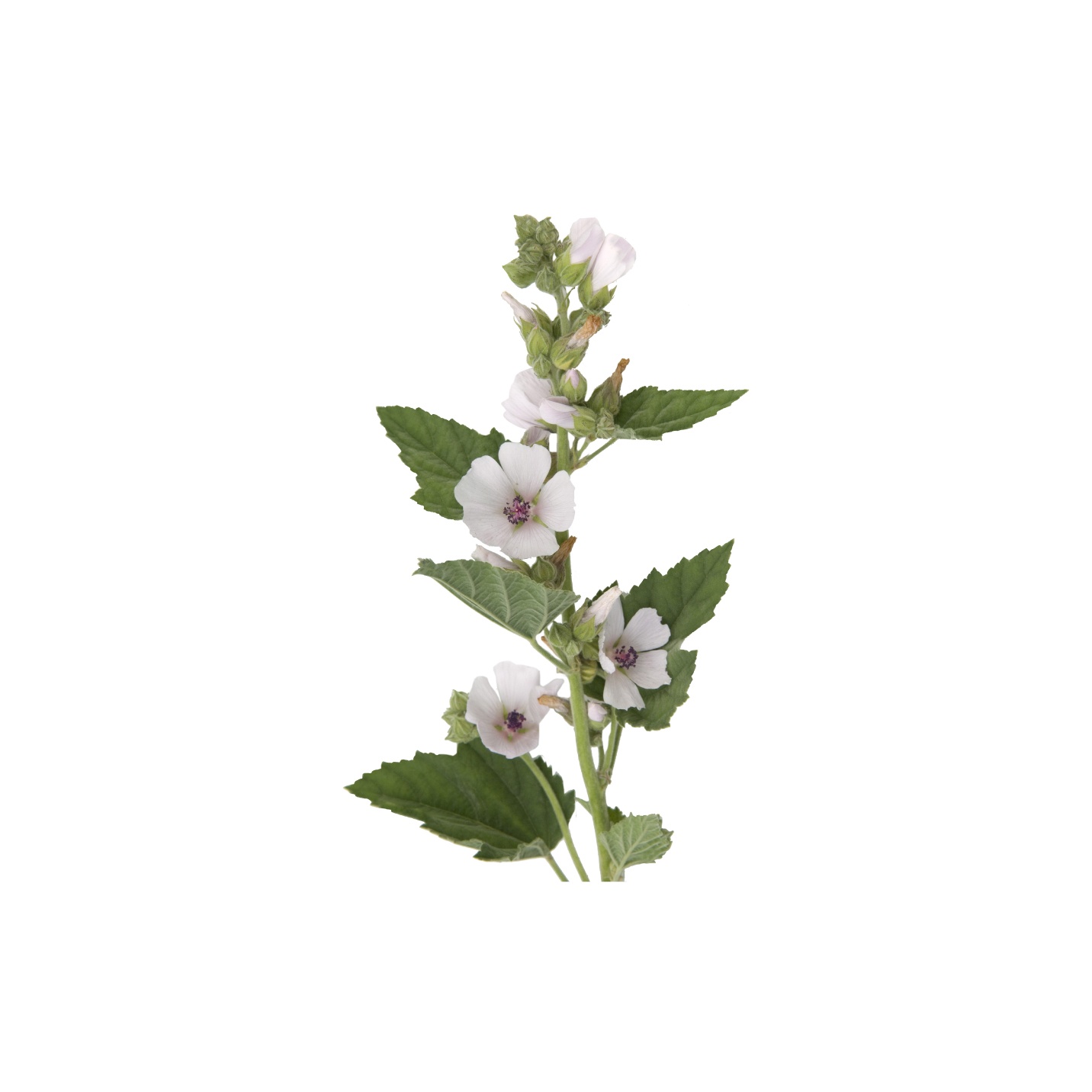 Source Marshmallow Althaea officinalis Herb monograph →
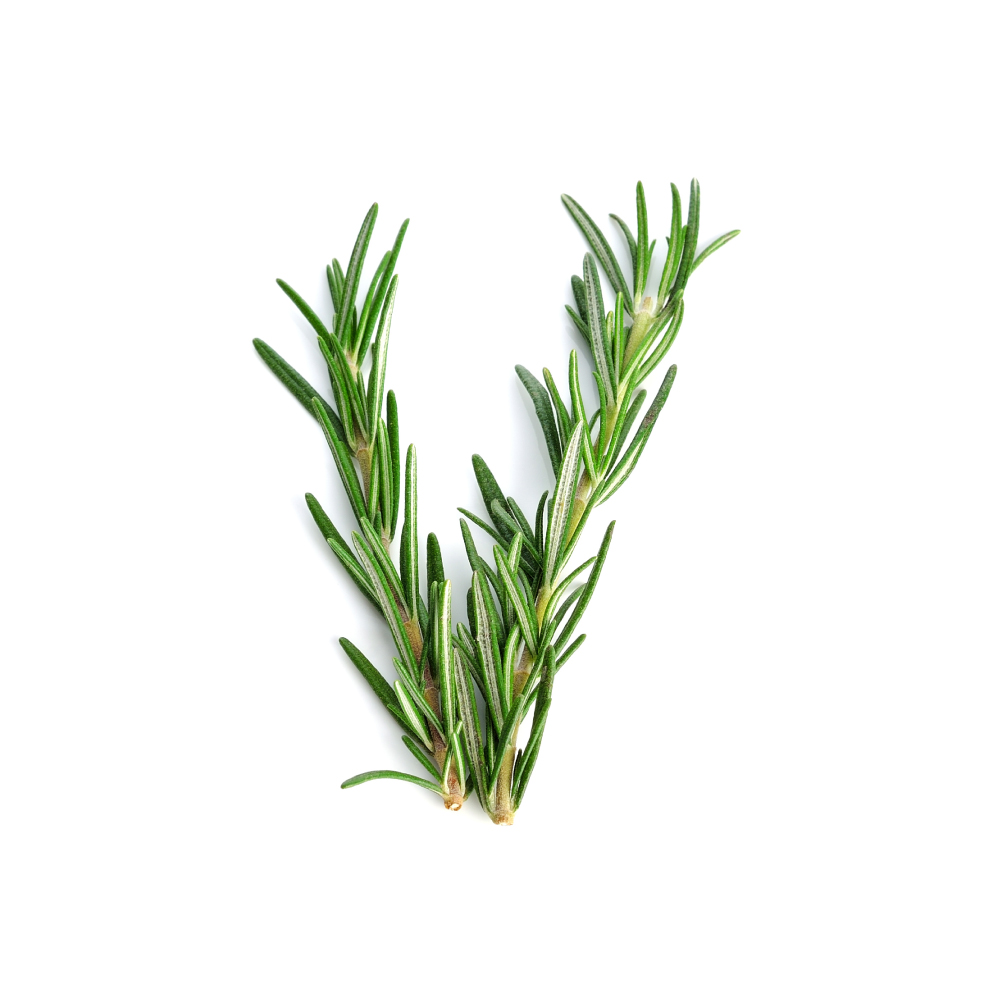 Source Rosemary Rosmarinus officinalis Herb monograph →
Concentration
Content by Source
Concentrations not reported. No percent-dry-weight or mg/g figures have been published for this compound in its source plants.
Diosmetin at a Glance
Diosmetin is a naturally occurring methylated flavone — chemically 3’,5,7-trihydroxy-4’-methoxyflavone, which is simply luteolin with a methyl group added at the 4’ position of the B ring 6Reference 6Bioflavonoids: selective substrates and inhibitors for cytochrome P450 CYP1A and CYP1B1View study →. That single methylation is the whole story of this molecule: it makes diosmetin the aglycone of diosmin, the citrus flavone glycoside used as a venotonic drug, and it sits one demethylation step away from luteolin in both directions of metabolism 2,
Most of what looks like “diosmetin evidence” is really evidence for diosmin, the whole drug. After diosmin is swallowed, gut bacteria cleave off its rutinose sugar to release diosmetin, which is then absorbed and conjugated — so diosmin’s established clinical use in chronic venous insufficiency and haemorrhoids is, mechanistically, delivered through diosmetin, but the trials were run on the glycoside, not the isolated aglycone 2,
The free molecule’s own pharmacology — anti-inflammatory, antioxidant/cytoprotective, anticancer and antidiabetic signals — is almost entirely preclinical (cell and rodent work on the isolate) 1Reference 1ReviewA review on pharmacological and analytical aspects of diosmetin: a concise reportView study →. Dietary exposure to diosmetin from citrus and herbs is low and its toxicity is correspondingly low, with the main theoretical cautions being its weak phytoestrogen activity and its inhibition of drug-metabolising CYP1 enzymes 3,
Diosmetin, Diosmin & Luteolin
The point is a three-molecule relationship that a reader will otherwise conflate. All three differ only in what decorates the flavone core:
- Diosmin — diosmetin 7-O-rutinoside, the glycoside. This is the actual drug (often combined with hesperidin as micronised purified flavonoid fraction) prescribed for venous disease. It is poorly absorbed intact.
- Diosmetin — the aglycone. Released from diosmin by gut-bacterial hydrolysis of the sugar, it is the form that is actually absorbed into the circulation and then glucuronidated/sulfated 2,
11Reference 2ReviewPharmacology of Diosmin, a Citrus Flavone Glycoside: An Updated ReviewView study →Reference 11AnimalProfiling and comparison of the metabolites of diosmetin and diosmin in rat urine, plasma and feces using UHPLC-LTQ-Orbitrap MSnView study → . - Luteolin — diosmetin’s 4’-demethylated relative. Human CYP1 enzymes (CYP1A1, CYP1B1 and hepatic CYP1A2) can strip the 4’-methyl off diosmetin, converting it back to luteolin 3,
6Reference 3Bioactivation of the phytoestrogen diosmetin by CYP1 cytochromes P450View study →Reference 6Bioflavonoids: selective substrates and inhibitors for cytochrome P450 CYP1A and CYP1B1View study → .
So diosmetin is metabolically downstream of diosmin and upstream of luteolin — swallow diosmin, and the body walks it down this chain.
The methyl position also separates diosmetin from its batch-mate chrysoeriol, which is luteolin’s 3’-methyl ether (the methyl on the other B-ring hydroxyl). Diosmetin (4’-OCH₃) and chrysoeriol (3’-OCH₃) are positional isomers with the same formula but different enzyme-binding behaviour — the 4’-methoxy/5,7-dihydroxy arrangement is specifically what makes diosmetin a potent CYP1 inhibitor 5Reference 5Comparative CYP1A1 and CYP1B1 substrate and inhibitor profile of dietary flavonoidsView study →. A third relative, acacetin, is apigenin’s 4’-methyl ether — the same 4’-methylation applied to a flavone lacking the 3’-hydroxyl 5,
What It's Used For
Diosmetin’s evidence divides cleanly into two piles: a real human-drug record that belongs to diosmin (delivered via diosmetin), and a broad but preclinical isolate signal. The load-bearing discipline is not to let the first pile lend unearned weight to the second.
Support is an experimental score — weighted by study type (human > animal > in vitro) and volume. A beta, not a validated metric. The top row scores partly on diosmin (the drug diosmetin is derived from), not the isolated aglycone — read the per-row basis.
The one application with a real human footprint — and the one that is not truly the isolate. The glycoside diosmin (frequently as a micronised diosmin + hesperidin combination) has long clinical use as a phlebotonic for chronic venous insufficiency, varicose symptoms and haemorrhoidal disease, where it improves venous tone, capillary resistance and lymphatic drainage and dampens the leukocyte–endothelium inflammation of venous stasis 2Reference 2ReviewPharmacology of Diosmin, a Citrus Flavone Glycoside: An Updated ReviewView study →.
Because diosmin is hydrolysed by gut bacteria to diosmetin before absorption, diosmetin is the molecule actually circulating — the aglycone is the vehicle’s payload 2,
Gap: the trials, dosing and regulatory record are for diosmin/MPFF the drug, not isolated diosmetin; no venotonic outcome has been demonstrated for the free aglycone dosed on its own 2Reference 2ReviewPharmacology of Diosmin, a Citrus Flavone Glycoside: An Updated ReviewView study →.
A consistent preclinical isolate signal across tissues. In mouse DSS colitis, oral diosmetin reduced disease-activity scores, restored tight-junction proteins and lowered IL-1β, IL-6, TNF-α and COX-2, acting through the circ-Sirt1/Sirt1 axis to raise Nrf2/HO-1 and reduce NF-κB acetylation 7Reference 7Diosmetin has therapeutic efficacy in colitis regulating gut microbiota, inflammation, and oxidative stress via the circ-Sirt1/Sirt1 axisView study →.
In an atopic-dermatitis model and LPS/IL-4-activated macrophages, diosmetin cut TNF-α, IL-4 and IL-1β, suppressed iNOS/nitric-oxide output and blunted MAPK (ERK/p38/JNK) and JAK-STAT signalling 8Reference 8Anti-inflammatory effects of natural flavonoid diosmetin in IL-4 and LPS-induced macrophage activation and atopic dermatitis modelView study →.
Gap: entirely rodent and cell work on the isolate; no human anti-inflammatory trials, and effective doses (tens of mg/kg in mice) do not translate to a human intake 7,
The mechanistically distinctive strand, and the tightest link to luteolin. Diosmetin is a potent inhibitor of the extrahepatic P450s CYP1A1 and CYP1B1 — enzymes implicated in chemical carcinogenesis — with its 4’-methoxy/5,7-dihydroxy pattern driving the selectivity 5,
Paradoxically it is also a CYP1 substrate: in CYP1-expressing breast-cancer cells (MDA-MB-468, and TCDD-induced MCF-7) diosmetin is demethylated to luteolin, the more cytotoxic flavone, producing selective G1 arrest and antiproliferation in the cancer cells while sparing normal breast cells that lack the enzyme 3,
Diosmetin is also described as a weak phytoestrogen in this work 3Reference 3Bioactivation of the phytoestrogen diosmetin by CYP1 cytochromes P450View study →.
Gap: all in-vitro on isolated cell lines; the “bioactivation” depends on tumour CYP1 expression, and no anticancer effect is shown in humans 3,
Diosmetin behaves as a direct and indirect antioxidant in stressed tissue. In the colitis work it lowered mitochondrial and cytosolic ROS and restored SOD/GSH-Px/GSH via Nrf2–HO-1 induction 7Reference 7Diosmetin has therapeutic efficacy in colitis regulating gut microbiota, inflammation, and oxidative stress via the circ-Sirt1/Sirt1 axisView study →. In hypoxia-injured cardiomyocytes (and isoprenaline-stressed rats) diosmetin reduced apoptosis by activating AMPKα and inducing protective autophagy — an effect abolished by AMPK or autophagy inhibitors 9,
Gap: cell and rodent injury models of the isolate; the cardioprotective/antioxidant readouts have no human confirmation and the concentrations used (tens of µM) exceed ordinary dietary exposure 9,
The weakest-anchored strand for the free molecule. The diosmin review compiles antidiabetic, antihyperlipidaemic and antioxidant effects across rodent models 2Reference 2ReviewPharmacology of Diosmin, a Citrus Flavone Glycoside: An Updated ReviewView study →, and diosmetin appears in in-silico screens as a candidate binder of metabolic targets such as PTP1B and DPP-4, but with little dedicated in-vivo work on the aglycone itself.
Gap: mostly diosmin-level or computational; isolated-diosmetin glycaemic data are sparse and no human metabolic trial exists 2Reference 2ReviewPharmacology of Diosmin, a Citrus Flavone Glycoside: An Updated ReviewView study →.
Mechanisms
| Target / pathway | Effect | Relevant to |
|---|---|---|
| Venous tone, capillary resistance, lymphatic drainage (via diosmin) | phlebotonic; reduces venous-stasis leukocyte–endothelium inflammation | venotonic / microcirculation |
| NF-κB (and its acetylation) / COX-2 | ↓ pro-inflammatory transcription and cytokines (TNF-α, IL-6, IL-1β) | anti-inflammatory |
| MAPK (ERK/p38/JNK), JAK-STAT, iNOS/NO | ↓ macrophage activation and nitric-oxide output | anti-inflammatory |
| Nrf2 / HO-1, circ-Sirt1 / Sirt1 | ↑ antioxidant defence (SOD, GSH), ↓ ROS | antioxidant / colitis |
| AMPKα | activates cytoprotective autophagy, ↓ apoptosis under hypoxia | cytoprotection |
| CYP1A1 / CYP1B1 (EROD) | potent inhibition — and substrate: 4’-demethylation to luteolin | anticancer / drug metabolism |
| Estrogen receptor | weak phytoestrogen activity | hormone-axis (context for cancer work) |
| Monoamine oxidase B | reversible, selective inhibition (noted among tobacco-smoke MAO-B inhibitors) 12Reference 12ReviewA review of monoamine oxidase (MAO) inhibitors in tobacco or tobacco smokeView study → | neuropharmacology (context) |
The load-bearing rows are the CYP1 pair: diosmetin inhibits the carcinogen-activating enzymes yet is converted by them to luteolin — the same reaction that links this whole methylated-flavone family 3,
Pharmacokinetics
Diosmetin’s PK is best understood as the downstream half of diosmin’s. Swallowed diosmin is barely absorbed intact; gut microbiota hydrolyse it to diosmetin, and it is this aglycone that enters the circulation before being esterified into glucuronide (and sulfate) conjugates excreted in the urine 2,
Clinical Trials
Human clinical evidence exists for diosmin, not for isolated diosmetin. Diosmin (largely as the diosmin/hesperidin combination) has been evaluated in venous insufficiency and haemorrhoidal disease with a favourable safety record 2Reference 2ReviewPharmacology of Diosmin, a Citrus Flavone Glycoside: An Updated ReviewView study →; there are no controlled efficacy trials of the free aglycone as a stand-alone agent.
| Completed | Planned | Terminated | Preclinical |
|---|---|---|---|
| Diosmin(glycoside) in venous disease / haemorrhoids 2Reference 2ReviewPharmacology of Diosmin, a Citrus Flavone Glycoside: An Updated ReviewView study → | — | — | Anti-inflammatory, anticancer/CYP1, antioxidant, antidiabetic (isolate) 3, |
Last checked: July 2026.
Isolate vs. Plant Studies
Diosmetin’s evidence base is unusual because the “vehicle” is not a plant but a purified glycoside drug. The strongest human-relevant data come from diosmin — a single, well-defined flavonoid preparation — of which diosmetin is the absorbed aglycone 2Reference 2ReviewPharmacology of Diosmin, a Citrus Flavone Glycoside: An Updated ReviewView study →. That is cleaner than a botanical extract, but it is still not the free aglycone tested on its own: no trial has dosed isolated diosmetin and measured a clinical outcome. The mechanistic and efficacy work that does use pure diosmetin — colitis, atopic dermatitis, cardiomyocyte hypoxia, breast-cancer cells — is rodent and in-vitro 3,
Prevalence in Nature
Diosmetin occurs across several plant families but almost always bound as glycosides rather than free — most importantly as diosmin (diosmetin 7-O-rutinoside), and as C- and O-glycosides. It is classically a citrus flavone, present in the fruit, peel and juice of Citrus species; in the Sardinian citrus ecotype pompia, for instance, diosmetin 6,8-C-diglucoside was measured at ~54.5 mg/L of juice 13Reference 13ReviewCitrus limon var. pompia Camarda var. nova: A Comprehensive Review of Its Botanical Characteristics, Traditional Uses, Phytochemical Profile, and Potential Health BenefitsView study →. It also appears in aromatic Lamiaceae — rosemary and hyssop (where diosmin runs to ~1.7% of the dry shoot) — and in buchu (Agathosma), marshmallow (Althaea officinalis, as diosmetin glucosides linked to antibacterial activity) 15Reference 15Phytochemical, Antimicrobial, and Toxicological Evaluation of Traditional Herbs Used to Treat Sore ThroatView study →, and the Ayurvedic herb Leptadenia reticulata 14Reference 14ReviewA comprehensive review on ayurvedic herb Leptadenia reticulata (Jeevanti): a phytochemistry and pharmacological perspectiveView study →. It is further reported from olive (Olea europaea), Teucrium species and vetch (Vicia).
Because it is nearly always glycosylated and rarely reported as the free aglycone, quantified free-diosmetin concentrations are scarce — most figures describe a specific glycoside in a specific tissue, so cross-source comparison is difficult 1,
Discovery & Synthesis
Diosmetin entered the literature not on its own but as the aglycone of diosmin, a flavone glycoside named — like the buchu genus Diosma — from the Greek for “fragrant.” Diosmin was characterised in the early twentieth century; diosmetin is obtained from it by acid hydrolysis that removes the rutinose sugar 1,
Manufacture today is essentially an offshoot of diosmin production. Industrial diosmin is made semi-synthetically from hesperidin, the abundant citrus flavanone, which is extracted from citrus peel and chemically converted (dehydrogenation/oxidation) to diosmin 2Reference 2ReviewPharmacology of Diosmin, a Citrus Flavone Glycoside: An Updated ReviewView study →; diosmetin is then liberated by hydrolysing that diosmin. Direct extraction of the free aglycone from plants is not a significant commercial route because it is scarce and mostly glycosylated. The first total synthesis is not well documented.
Patents: not yet researched.
Toxicity & Safety
Diosmetin carries a low toxicity flag. As a minor flavone of common foods and herbs its dietary exposure is small, and as the aglycone of the widely used diosmin drug — which has a favourable clinical safety profile — the whole diosmin/diosmetin system is well tolerated in practice 2Reference 2ReviewPharmacology of Diosmin, a Citrus Flavone Glycoside: An Updated ReviewView study →. The cautions below are mostly theoretical, flowing from mechanism rather than from observed harm.
- Low dietary and drug-level toxicity. A minor food/herb flavone; the parent drug diosmin has a favourable clinical safety record 2Reference 2ReviewPharmacology of Diosmin, a Citrus Flavone Glycoside: An Updated ReviewView study →.
- CYP1 (and other enzyme) inhibition — an interaction flag. Diosmetin potently inhibits CYP1A1/CYP1B1 in vitro, and diosmin inhibits several drug-metabolising enzymes; a theoretical basis for herb–drug interactions that has not been mapped in humans for the isolate 2,
5, .6Reference 2ReviewPharmacology of Diosmin, a Citrus Flavone Glycoside: An Updated ReviewView study →Reference 5Comparative CYP1A1 and CYP1B1 substrate and inhibitor profile of dietary flavonoidsView study →Reference 6Bioflavonoids: selective substrates and inhibitors for cytochrome P450 CYP1A and CYP1B1View study → - Weak phytoestrogen activity. Described as a phytoestrogen in the CYP1 cancer work — relevant context for hormone-sensitive settings, though effects are weak and unquantified in people 3Reference 3Bioactivation of the phytoestrogen diosmetin by CYP1 cytochromes P450View study →.
- Evidence is preclinical. No human safety or toxicology dataset exists for isolated diosmetin; absence of reported harm is not the same as demonstrated safety.
No dedicated reproductive-toxicity dataset exists for isolated diosmetin. Pregnancy and lactation decisions belong to the herb or product page where intake is decided, not to this molecule page; the weak phytoestrogen and CYP-inhibition properties are noted above as cited mechanistic findings, not as a verdict.
Dosage
There is no established or recommended human dose for isolated diosmetin. In practice, human exposure to the molecule comes two ways:
| Route | Typical exposure |
|---|---|
| As the drug diosmin (aglycone delivered in vivo) | ~450–1,000 mg/day diosmin, often with hesperidin, for venous disease/haemorrhoids 2Reference 2ReviewPharmacology of Diosmin, a Citrus Flavone Glycoside: An Updated ReviewView study → |
| Dietary (citrus, rosemary, hyssop, buchu) | low, unquantified trace amounts, mostly as glycosides 1, |
Preclinical studies of the free molecule used research doses (e.g. 25–50 mg/kg orally in mice, tens of µM in cells) that do not convert to a human self-dose 7,
References
- Patel K, Gadewar M, Tahilyani V, Patel DK (2013). A review on pharmacological and analytical aspects of diosmetin: a concise report. Chinese Journal of Integrative Medicine. https://pubmed.ncbi.nlm.nih.gov/24092244/
- Gerges SH, Wahdan SA, Elsherbiny DA, El-Demerdash E (2022). Pharmacology of Diosmin, a Citrus Flavone Glycoside: An Updated Review. European Journal of Drug Metabolism and Pharmacokinetics. https://pubmed.ncbi.nlm.nih.gov/34687440/
- Androutsopoulos V, Wilsher N, Arroo RR, Potter GA (2009). Bioactivation of the phytoestrogen diosmetin by CYP1 cytochromes P450. Cancer Letters. https://pubmed.ncbi.nlm.nih.gov/18976853/
- Androutsopoulos VP, Mahale S, Arroo RR, Potter G (2009). Anticancer effects of the flavonoid diosmetin on cell cycle progression and proliferation of MDA-MB 468 breast cancer cells due to CYP1 activation. Oncology Reports. https://pubmed.ncbi.nlm.nih.gov/19424633/
- Androutsopoulos VP, Papakyriakou A, Vourloumis D, Spandidos DA (2011). Comparative CYP1A1 and CYP1B1 substrate and inhibitor profile of dietary flavonoids. Bioorganic & Medicinal Chemistry. https://pubmed.ncbi.nlm.nih.gov/21482471/
- Doostdar H, Burke MD, Mayer RT (2000). Bioflavonoids: selective substrates and inhibitors for cytochrome P450 CYP1A and CYP1B1. Toxicology. https://pubmed.ncbi.nlm.nih.gov/10781868/
- Li HL, Wei YY, Li XH, et al. (2022). Diosmetin has therapeutic efficacy in colitis regulating gut microbiota, inflammation, and oxidative stress via the circ-Sirt1/Sirt1 axis. Acta Pharmacologica Sinica. https://pubmed.ncbi.nlm.nih.gov/34262136/
- Lee DH, Park JK, Choi J, Jang H, Seol JW (2020). Anti-inflammatory effects of natural flavonoid diosmetin in IL-4 and LPS-induced macrophage activation and atopic dermatitis model. International Immunopharmacology. https://pubmed.ncbi.nlm.nih.gov/33045572/
- He WS, Wu Y, Ren MJ, Yu ZY, Zhao XS (2022). Diosmetin inhibits apoptosis and activates AMPK-induced autophagy in myocardial damage under hypoxia environment. The Kaohsiung Journal of Medical Sciences. https://pubmed.ncbi.nlm.nih.gov/34713558/
- Si Q, Shi Y, Huang D, Zhang N (2020). Diosmetin alleviates hypoxia-induced myocardial apoptosis by inducing autophagy through AMPK activation. Molecular Medicine Reports. https://pubmed.ncbi.nlm.nih.gov/32627001/
- Chen X, Xu L, Guo S, et al. (2019). Profiling and comparison of the metabolites of diosmetin and diosmin in rat urine, plasma and feces using UHPLC-LTQ-Orbitrap MSn. Journal of Chromatography B. https://pubmed.ncbi.nlm.nih.gov/31177049/
- Hong SW, Teesdale-Spittle P, Page R, Truman P (2022). A review of monoamine oxidase (MAO) inhibitors in tobacco or tobacco smoke. Neurotoxicology. https://pubmed.ncbi.nlm.nih.gov/36155069/
- Posadino AM, Maccioccu P, Eid AH, et al. (2024). Citrus limon var. pompia Camarda var. nova: A Comprehensive Review of Its Botanical Characteristics, Traditional Uses, Phytochemical Profile, and Potential Health Benefits. Nutrients. https://pubmed.ncbi.nlm.nih.gov/39203756/
- Kumari S, Saini R, Bhatnagar A, Mishra A (2024). A comprehensive review on ayurvedic herb Leptadenia reticulata (Jeevanti): a phytochemistry and pharmacological perspective. Natural Product Research. https://pubmed.ncbi.nlm.nih.gov/37990540/
- Mehreen A, Waheed M, Liaqat I, Arshad N (2016). Phytochemical, Antimicrobial, and Toxicological Evaluation of Traditional Herbs Used to Treat Sore Throat. BioMed Research International. https://pubmed.ncbi.nlm.nih.gov/27429983/



